Vinylneuauflage von Mobys Sampler "Early Underground" (1993), einer Zusammenstellung seiner Frühwerke unter zahlreichen zusätzlichen Pseudonymen wie Barracuda, Brainstorm, UHF oder Voodoo Child. Mit Ausnahme einer limitierten Vinylausgabe 2022 gab es diese Kollektion nur als CD, nie flächendeckend auf Vinyl. "Early Underground" enthält auch seinen Techno-Klassiker "Go" in der Original Version, laut Rolling Stone "einer der besten Tracks aller Zeiten". Moby hat die Techno/Electronic-Szene massgeblich beeinflusst, später den Popmarkt erobert und Acts wie David Bowie, Public Enemy, Ozzy Osbourne, die Beastie Boys und Daft Punk produziert und geremixt.
quête:und
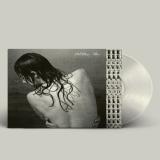
Vinylneuauflage von Mobys "Ambient" Album von 1993, seine erste Exkursion in die Ambient-Musik, die seitdem zu einem seiner Markenzeichen wurde. Mit Ausnahme einer limitierten Clear-Vinyl-Ausgabe 2022 gab es dieses Album nur als CD, nie flächendeckend auf Vinyl. Moby hat die Techno/Electronic-Szene massgeblich beeinflusst, später den Popmarkt erobert und Acts wie David Bowie, Public Enemy, Ozzy Osbourne, die Beastie Boys und Daft Punk produziert und geremixt.
(Ranking) Barnabas ist einer der vielen unbesungenen Helden des jamaikanischen Dub. Er arbeitete in den legendären Channel One Studios, dem Hotspot der Studioszene Jamaikas in den 1970ern, u.a. an Eek-a-Mouse' Klassiker "Wah Do Dem". Nachts griff er zum Mikro und legte zu selbst aufgenommenen Riddims auf. Obwohl an unzähligen Dubplatten beteiligt, wurde nur "The Cold Crusher" unter seinem Namen veröffentlicht. Barnabas' einzige LP erschien in US-Miniauflage, wurde nie neu aufgelegt und entwickelte sich zur begehrten Rarität. Das italienische Reissue-Label JAMDUNG legt sie nun nach 50 Jahren neu auf. Von Dubplates & Mastering Berlin aufwendig restauriert, enthält sie neue detaillierte Linernotes der beiden renommierten Reggae-Autoren Helmut Philipps und David Katz (Lee Perry-Biograf), die hier erstmals zusammenarbeiten. Stanley "Barnabas" Bryan erlebte die Wiederveröffentlichung seines Albums nicht mehr. Er verstarb am 18. August 2025 im Alter von 65 Jahren während der Arbeiten zu dieser Neuauflage, die unerwartet zu seinem musikalischen Vermächtnis wurde.
RASTER MEDIA 30 YEARS ANNIVERSARY EDITION REPRESS / 180 G VINYL
Ich bin meine Maschine features remixes by Boys Noize, Function and AtomTM himself.
to underline this tryptic statement (and to demonstrate the diversity) of one of atom™'s compositions that appeared on his 2013 'HD' album, raster-noton now releases a vinyl ep featuring remixes by boys noize, function and atom™ himself. 'ich bin meine maschine', in an elaborate manner, illustrates uwe schmidt´s main musical concern - the exploration of electronics in pop music. inspired by a statement of the cybernetician heinz von foerster, atom™ constructed/generated a message that is playing around with a widely-cited kraftwerk quotation, turning 'ich bin eine maschine' into 'ich bin meine maschine' (i am my machine). besides the album version of 'ich bin meine machine,' the ep features some dominantly techno infuenced versions that perfectly connect the pop attitude of 'HD' with dancefoor functionality. the boys noize remix shows off alexander ridha´s deft skills for translating atom™´s futuristic pop into his own rough and driving electronic language. on the other hand, atom™'s 'linear remix' breaks down the original structure of the song and turns it into a reduced and much straighter, forward looking composition. function - one of techno's true underground heroes - provides a remix that is breathing the air of solid and hypnotic club music, in which just the essential elements are streamlined and ondensed into perfection. all 3 remixers adapt the track to their particular universe. by doing so, they prepare the 12' vinyl for its fnal destination - the club.
A chance meeting in Mexico City set Points of Inaccessibility into motion. When Ibero-American composer Rafael Anton Irisarri crossed paths with Dutch media artist Jaco Schilp at MUTEK in 2024, a conversation about how technology shapes perception revealed an unexpected common ground. Schilp invited Irisarri to a spring 2025 residency at Uncloud, the Utrecht-based collective he co-founded, where Irisarri's sound began to take form amid an environment shaped by Schilp’s visual research.
The Uncloud studio was located inside the former Pieter Baan Centre, a forensic psychiatric prison where suspects of violent crimes were once confined. Its long history of silence and containment shaped the atmosphere in which the project developed. Within this setting, Irisarri coaxed long bowed-guitar tones through a network of pedals and looping systems. The raw gestures thickened into a vaporous and architectural field of sound. Schilp processed the material through a custom point-cloud software patch that produced images in continuous flux. The visuals flickered, dissolved and reformed like memories that resist coherence, functioning as a digital Rorschach that reflected the observer’s own perception.
Amid these spectral echoes, the project evolved into an examination of how the past persists within present signals. Memory endures as residue and interference, continually shaping perception even when its source has faded.
Schilp’s visual process required a continuous stream of sound in real time. Irisarri improvised throughout the residency, generating material that allowed the visuals to develop in parallel. Once back in his New York studio, he began shaping the recordings by carving pathways through the improvisations and mapping selected passages into MIDI. This process allowed him to build outward from the bowed-guitar material with minimal overdubs, adding Prophet 5 textures, Moog bass and strings that expanded the harmonic field while keeping the original performances at the center. To refine the structure, Abul Mogard provided editorial input, working with Irisarri’s stems to guide transitions and strengthen the overall pacing. The material, originally created under conditions of immediacy and constraint, evolved into a fully realized work through careful revision, patience and sustained reworking.
The title engages the geographic concept of the Poles of Inaccessibility, locations defined solely by their distance from all surrounding points. Irisarri adapts this idea to the conditions of digital life, where new forms of inaccessibility arise through the informational enclosures that structure perception. What appears to be a fully connected network often produces a deeper kind of separation, one shaped by the filtering logic of the systems that mediate experience. In this sense, the digital sphere mirrors its geographic counterpart. We inhabit spaces saturated with signals, yet the possibility of genuine contact becomes increasingly remote.
At its core, Points of Inaccessibility considers what can be understood as the new rituals of capitalist realism. Irisarri uses the term digital shamanism to describe the forms of simulated connection that organize contemporary life. These systems promise comfort through algorithms, influencers and AI interlocutors, yet they often reproduce the same conditions that generate loneliness in the first place. What appears as connection becomes the echo of connection, a sequence of gestures that imitate solidarity while withholding it. Like the geographic poles, these rituals are defined by distance. They pull us into environments where everything is illuminated, yet meaningful proximity becomes increasingly rare. In this sense, the work approaches a hauntology of the present, a reflection on futures that have stalled and intimacies that have been thinned by the algorithmic infrastructures that surround us.
This thematic tension unfolds across the album’s four movements. Faded Ghosts of Clouds introduces the work with textures that rise and dissipate in slow cycles, creating an atmosphere that resists clear definition. Breaking the Unison occupies a pivotal position in the sequence and focuses on the moment when the individual and the system fall out of alignment. Its shifting patterns trace the scattering of signals that once suggested connection, revealing the instability at the heart of contemporary perception. Signals from a Distant Afterglow forms the center of the album and features vocals by Karen Vogt, whose presence enters the sound field like a fragile transmission shaped by distance and delay. The closing piece, Memory Strands, follows motifs that appear, recede and briefly intersect before returning to quiet. Across these movements, the album outlines a landscape in which emergence and disappearance continually inform one another.
Listening to Points of Inaccessibility is an encounter with a sound field that is constantly in flux. Elements surface briefly, shift position and recede, creating a sense of motion that resists stable interpretation. The music moves between closeness and vastness, carrying traces of memory while withholding a clear point of resolution.
The album’s visual identity completes the project’s conceptual arc. In Mexico City, where Irisarri and Schilp first met, Daniel Castrejón transformed stills from Schilp’s point-cloud visuals into the cover image. The final artwork captures a single suspended frame of the digital material, a moment extracted from a field that is normally in constant motion. Its surface recalls the texture and abstraction found in the work of Catalan artist Antoni Tàpies, where material presence and erasure coexist within the same plane.
What emerges is a work that examines the tension between technological systems and human presence. Points of Inaccessibility asks whether connection is still possible within environments shaped by mediation and delay, or whether we have become isolated points within the very networks that promise proximity. What possibilities for relation persist within environments organized by algorithms and interruption? And how are we meant to understand presence when so much of it is constructed at a distance?
Points of Inaccessibility will be released on BioVinyl on February 6, 2026, with audiovisual performances planned throughout 2026.
Mastered by Stephan Mathieu
Artwork by Jaco Schilp
Design and layout by Daniel Castrejón
Artist photo by Iulia Alexandra Magheru.
Water can retain or wash away memory; flowing or freezing. It gives life and shapes earth, while frozen imprints of an ancient past are waiting to melt – back into sound or fluid motion, or simply to dissipate and disappear. For their split release, Yoichi Kamimura and Olli Aarni offer two distinct reinterpretations of a performance recorded live at the Temppeliaukio Kirkko – a church in Helsinki built directly into solid rock and bathed in natural light – meditating on glacial landscapes and water cycles, using shared field recordings that bifurcate into two sonic visions of “ice journey”.
Yoichi Kamimura’s extensive recordings formed the bedrock of the original performance, notably from time spent on Suomenlinna Island just outside Helsinki in 2021, aiming to capture the remnants of the glacial movements that formed the area’s geology. Elsewhere, the voices of ringed seals, underground waterways of Kyoto, and icy rivers in Lapland from Kamimura’s library float in as well. “The small, charming, and gentle islands floating in the Baltic Sea—some with little cottages and restaurants—reminded me of the drifting ice in the Sea of Okhotsk between Japan and Russia,” describes Kamimura. Fragments of a Christmas choir creep in too, recorded at the church on Suomenlinna Island. Titled Kōri no ryokō , Kaimimura’s reinterpretation of the performance emphasises a shared future across all icy sea regions of the world: thawing ancient memories and the threat of disappearing entirely.
On Jäämatkailu, Olli Aarni presents his own expansive reworking of the same source material, heavily processed alongside his own field recordings from Vantaanjoki river and Suontee lake in Finland. “I was thinking about the processes of erosion, water carving rock, the prehistoric glaciers over the landscape in my own environment,” explains Aarni. The soundscape hums with both intimate details and macrocosmic flow, and a submersible bass rumble hinting at an iceberg far below the tip, morphing at time scales beyond human comprehension.
Side A is composed by Yoichi Kamimura using field recordings of drift ice (Shiretoko, Hokkaido, 2019–2022), the Lake Biwa Canal (Kyoto, 2020), the Therme Vals baths (Vals, 2017), spring water (a fountain next to Saint Benedict Chapel, 2017), a Christmas choir (Suomenlinna Church, Helsinki, 2021), ice in the Juutuanjoki River (Inari, 2021), and recordings from Yoichi’s and Olli’s concert (Temppeliaukion kirkko, Helsinki, 2021), KORG iPolysix, and KORG minilogue xd.
Side B is composed by Olli Aarni using the aforementioned sounds + field recordings of the river Vantaanjoki and the lake Suontee, sampled sounds, and a computer.
You don’t need to be Freud to regard teeth as a delicate issue. They can make joy look joyous and pain look painful, and on the cover of the new múm album they do both at the same time. As »Yesterday Was Dramatic – Today Is Okay« (2001), »Finally We Are No One« (2002) and »Sing Along To Songs You Don’t Know« (2009) »Smilewound« is another example of the band’s art of juxtaposing two conflicting meanings and taking advantage of the energy created through the tension between both.
Sparser in sound than many of its predecessors, »Smilewound« is an airy, relaxed record. The múm-core-duo of Örvar and Gunni doesn’t make you laugh out loud (except maybe for the quirky vintage Arcade-sound-start of »When Girls Collide«), but it will make you smile often - despite the heavenly voices singing about violence in one form or another in most songs. Musically, múm’s capability to build playful electronic sound-ornaments around simple melodies is in full bloom. And these days they know that trimming the ornamentation can strengthen the melody. Take »The Colorful Stabwound«: an aguish drum’n’bass piece and »Smilewound« gets close to a straight pop-song. Even that isn’t very close, but it combines its rhythmic strength with a simple yet effective piano-line and the soothing lushness of a female voice to something compelling that follows you like the smell of a delicate eau de toilette. Or »Candlestick« which started out as a little ditty strummed on an acoustic guitar many years ago and has grown into this bouncy piece of synth-pop that changes its musical colours every couple of beats until you feel comfortably dizzy. Perfect pop in very fancy clothes. No wonder that antipodean pop-princess Kylie Minogue wanted to collaborate with múm on the »Whistle«, the main song in 2012-movie »Jack & Diane«.
Recorded in, among other places, the band’s practice-space, an old baltic farmhouse and on the kitchen-table after dinner, the album was produced by múm themselves. And being the revolving collective they are, it comes as no surprise that we see the return of former member Gyda. Defining satellites as part of the core fits nicely with the band’s penchant for ambivalence - in fact that's part of the album's charm.
- A1: Apt A (1) 06 29
- A2: Apt A (2) 05 52
- B1: And All You Can Do Is Laugh (1) 05 35
- B2: And All You Can Do Is Laugh (2) 05 51
- C1: I Promise Never To Get Paint On My Glasses Again (1) 05 46
- C2: I Promise Never To Get Paint On My Glasses Again (2) 06 02
- D1: Jimmybreeze (1) 07 01
- D2: Jimmybreeze (2) 05 33
- E1: (Cloud Dead Number Five) (1) 05 23
- E2: (Cloud Dead Number Five) (2) 06 00
- F1: Bike (1) 07 13
- F2: Bike (2) 06 54
european exclusive version[39,92 €]
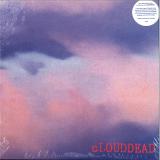
cLOUDDEAD's debut album, compiling six 10" EPs that appeared between 2000-2001, is aurally dense and obscured. A sprawling mass of miniature beat-suites and Dadaist lyrics, this strange and beautiful 3xLP would influence a myriad of sub-genres (cloud rap, hauntology, lo-fi hip-hop, etc.) in the two decades since its initial release.
Only the three members of cLOUDDEAD – Why?, Doseone and Odd Nosdam – can speak to the group's origins, but in the context of underground hip-hop towards the end of the 20th century, their arrival makes perfect sense. Cincinnati had a vital scene; home to Scribble Jam, an annual confluence of MCs, DJs, B-boys and graffiti artists. While the trio soon relocated to the Bay Area where they co-founded the Anticon collective, their Midwestern roots – in ramshackle basements of off-campus hovels, as the "cerberus of Southern Ohio" – would remain the atomic heart of their early recordings.
As Chris Martins writes in the liner notes, "The only reason we know their names today is because of how loudly and curiously they aired their insularity. They rewrote the entire world as they knew it through their own fucked perspective, and when those mysterious 10-inches started popping up in record shops, it wasn't just a puzzle to investigate: there seemed to be a whole cosmology hidden in those grooves."
Each side of the album represents one of those elusive 10-inches, each embodying a universe unto itself. Opening salvo "Apt. A" and "And All You Can Do Is Laugh" are perhaps most emblematic of the cLOUDDEAD experience. Why? and Dose create a new language through boundless non-sequiturs, sing-song non-choruses and call-and-response hooks, while Nosdam's dexterous production shifts from crackling ambience of Flying Saucer Attack to tight Ohio Players drum breaks and oblique film samples.
Taken all together, cLOUDDEAD is an original interpretation of hip-hop in the surreal Y2K glow – a bizarre meeting point between William Basinski's Disintegration Loops and MF DOOM's Operation: Doomsday. All it took was a Dr. Sample SP-202, Tascam cassette eight-track and cheap RadioShack mic. There's truly nothing like it.
This edition has been faithfully restored by Nosdam. European exclusive version comes on clear vinyl, incl. fold-out poster and liner notes insert.
Allowing yourself to find meaning or beauty in the mundane is an act of generosity, Whether it’s seeing a smiling face in an electrical outlet socket, or discerning cosmic design amidst the forest floor detritus, it comes from a place of kindness to yourself and senses – and openness to hidden spirit of the world. These tracks came together during a period of intense personal change for adaa, rooted in a fruitful reflection on the connections between spirit and body, “feeling my flesh so I can feel and understand my spirit,” as adaa puts it. The sense of a crossover and clash of multiple connected realities – on-screens, on-line, on-earth, off-world, after-life – unites adaa’s multifaceted productions.
Ostensibly an assemblage of found sounds. scribbled thoughts and poems from diaries, and musial snippets, the album's scattered production reflects adaa’s own many mirror worlds. Field recording sit behind most tracks, alongside VST synths, guitars, and a variety of voices, from adaa’s own mangled vox to EVP samples taken from YouTube (recorded sounds believed to be spirits or paranormal activity), all processed to varying degrees.
While the music was mostly produced either in adaa’s studio in Providence, Rhode Island, or in bed, the field recordings bring the outside world in. The result of walks in the woods, hum of roads and highways, hiss of beaches, warmth of walks with friends and past lovers “around the East Coast”. It sits behind tracks like ‘sight’ where a lilting piano lin bobs atop a pond of rustling and distant whistles. Is that birdsong? Or ghosts? Saccharine hyperpop arpeggiation crossfades sharply into noise guitar squall. Angelic demon voices yawn into a hefty crescendo. Pure drones duet with gales of undefinable field sounds.
“Sometimes I feel like a seed in frosted soil,” says adaa. “If i choose to be optimistic.”
- A1: This Doesn't Exist Anymore
- A2: It Started To Hurt And Then It Just Continued
- A3: Everything You've Ever Dreamt Of And Less
- A4: A Substitute For Experience
- A5: Cyclopentane Fantasy
- A6: Post Sport Principle
- A7: Reverse Nightmare
- A8: 100 Feet To Burn On The Ground
- B1: Dumb Milestone
- B2: I'm Noticing The Blossoms More This Year
- B3: The Extremes
- B4: Terminally Online (For You)
- B5: Underachievers Anonymous
- B6: I Have Been To Heaven Once
- B7: Old Love, Old Fears
Inspired by witnessing the broken tension and renewed possibilities of a laptop breaking down at a gig – not to mention the void left behind by the sudden end of a relationship – Pentu’s latest release is a jump-cut menagerie of musical moments. Sewn together into ‘And I Saw My Devil And I Saw My Deep Blue Sea’, these fifteen tracks continue the London-based producer’s active departure from the soundscapes and song structures that dominated their previous writing style. These disparate pieces slice themselves off into sudden silence, or veer into unpredictable sidebars, hopping from hyperactive instrumentals to beautifully deconstructed YouTube samples. Described by Pentu as “emotionally intuitive to write”, this is music by and for the endlessly scrolling modern mind – “navigating the world alongside the splintered, interruptive emotional hyper realities of social media.”
The sudden silences, drones, and interruptions are perhaps less surprising than the guitar-based textures of metal & shoegaze woven into several vital passages by Pentu. The result is a collage that encapsulates the erratic feeling, not only of a relationship’s end, but simply of navigating online mediascapes.”I found myself realising that my phone, the constant interrupter of nothingness and silence, was both a cause of depression (reliving memories, dating apps) and a relief from it (creating new friendships, distractions, also dating apps)”, says Pentu.
Pentu’s attempt to overcome content overload by actively curbing his setup of laptop-guitar--synth does little to reduce the scope of this album’s sonic palette. YouTube vlog samples (from videos with next-to-no views) are an attempt to recontextualise and dramatise material that “would have otherwise been throwaway moments lost in the internet”, adding staccato moments of reality to Pentu’s beautiful and jarring album-length paean to overstimulation.
- A1: Poison Ivy
- A2: Yakety Yak
- A3: Charlie Brown
- A4: Down In Mexico
- A5: Wait A Minute
- A6: Three Cool Cats
- A7: What About Us
- A8: Shopping For Clothes
- A9: That Is Rock And Roll
- B1: Searchin
- B2: Young Blood
- B3: Along Came Jones
- B4: Little Egypt
- B5: Run Red Run
- B6: One Kiss Led To Another
- B7: (Ain't That) Just Like Me
- B8: Besame Mucho
- B9: Girls, Girls, Girls
The Coasters were, in the opinion of noted rock writer Dave
Marsh, ‘the funniest group in rock’n’roll history’, while author and
historian Arnold Shaw described their music as ‘ebullient,
energising, entertaining, expressive and danceable.’ High praise
indeed - and as this album confirms, well deserved. the
Coasters’ songs are more famous than the group themselves.
Their music will endure forever, a fact underlined by the
Broadway-staged musical revue Smokey Joe's Café that
received seven Tony nominations and won a Grammy Award.
The Coasters’ hits were a large part of the score.
- A1: Virginia In The Rain
- A2: Please, Shut The Fuck Up
- A3: Bye Bye Balloons
- A4: Someone On My Mind
- A5: I Am Dracula
- A6: Saturday Night Forever
- B1: Take The Money
- B2: Fools Game
- B3: Not Trash Anymore
- B4: Blue Monday
- B5: Too Old To Die Young
- B6: Stormy Weather
- C1: I Am A Rollercoaster
- C2: Thunderstorm Tears
- C3: Lovers Under The Moon
- C4: Honky Tonk Girl
- C5: Try Again Tomorrow
- C6: Theo
- C7: The One I Love
- C8: Throw It Away
- D1: Castles In The Sand
- D2: Look What I Did
- D3: Shiny Happy People
- D4: At Dawn
Introducing Self Portrait, the latest chapter from the endlessly inventive one-man force Ryan Adams — a brand‐new, 24-track album that brings together fresh, unheard originals alongside spellbinding reinterpretations of classics by R.E.M., New Order and more.Capturing restless creativity and emotional depth across the two dozen songs, this bold collection once again proves why Ryan Adams is one of the most distinctive voices in modern music. Self Portrait shows Adams at his finest – poignant, unpredictable and sonically rich. For long-time fans, it’s another essential chapter in a prolific career, for newcomers, it is the perfect entry point into the world of Ryan Adams. This project isn’t just another album from Ryan Adams—it’s a dual‐mission: hear where he’s been, and where he’s going.
After following Luke Blair's work for approaching two decades from his 2007 debut as Lukid on Actress' Werk Discs, we're humbled to present a new album on Death Is Not The End. Following relatively hot on the heels of 2023's Tilt (his first in 11 years, not counting his work with Jackson Bailey under the Rezzett guise) Underloop brings Blair's innate knack for building loops and sound structures further to the surface, while allowing his ear for emotional expression to be dialled up a notch. Those fortunate enough to be familiar with Lukid's work as a DJ will be aware of how distinct his ability is to seamlessly disappear into loop-based abstraction and back again seemingly without blinking, and often Underloop feels much like a collection of the sludgey interludes and foggy sketches that underpin his sets. Blending apparently ramshackle melodies and textures and pulling them together into an undeniable whole, Blair's tendency for pairing the simple and the indescribable with an understated vigour is fully on show here.
Written and produced by Luke Blair. Mastered by Giuseppe Ielasi.
ince its opening in spring 2021, JUBG, a still young Cologne gallery for contemporary art, has specialized in the broad field of artists and collaborations working along artistic interfaces, especially those between visual art and experimental and/or electronic music. For example, JUBG has already hosted exhibitions by Markus Oehlen, Kim Gordon, Wolfgang Voigt, Matthias and Aksel "Superpitcher" Schaufler, Sven-Åke Johansson, and Emil Schult. Albert Oehlen, who is a kind of mentor and supporter of the gallery, was also a guest at Albertusstraße this summer, where he presented the exhibition D-I-E ORPHEUSMASCHINE together with Michael Wertmüller, Thomas Stammer and the poet Rainald Goetz.
It is only logical that the gallery now expands its sphere of activity to include its own label, on which music appears that comes from similar contexts as the artists listed above already suggest.
As catalog number 1, JUBG is now releasing the official soundtrack to "The Painter" from 2021. The film, German title "Der Maler", is a mixture of feature film and documentary and a collaboration between German director Oliver Hirschbiegel, best known for his Oscar-nominated film "Downfall", and Albert Oehlen, with whom Hirschbiegel has a long friendship, as they both once studied together at the Hochschule der Bildenden Künste in Hamburg.
The docu-fiction shows Oehlen struggling with a painting and pondering the meaning of his work. Oehlen is played by German actor and musician Ben Becker, accompanied by the off-screen voice of Charlotte Rampling. In the film, Becker makes a painting that Oehlen himself creates step by step behind the camera, while the actor improvises the process in front of the camera.
The wonderful music for this film comes from no less than two outstanding personalities whose individual biographies and musical signatures could hardly be better suited to this project. On the A-side it is Gudrun Gut, icon not only of the German electronic music scene since at least the 90's, singer, composer, DJ, label owner (Monika Enterprise) and of course founding member of the legendary 80's New Wave band Malaria. On the B-side it’s the world famous and award winning US avant-garde trumpeter and improvisational musician Nathan "Nate" Wooley, who has played with Fred Frith and John Zorn among others.
Gudrun Gut's tracks bear such beautiful titles as "Bewegung", "Küste" or "Weinen" and she once again pulls out all the stops of her great skills and decades of experience as a producer of the most diverse electronic music genres. These are unusual and much more experimental musical paintings that she creates here than on her recent solo works. Edgy, angular, raw and unpolished, yet always elegant and clever, she subverts the male artist madness depicted extensively in the film in her own unique way.
Nathan Wooley answers with the instrument he has been familiar with since childhood, the trumpet, with which he is able to create a ravishingly virtuosic noise. His pieces are more like sketches, often only 90 seconds or a few minutes long, but in all their abstractness underpin the narrative of the film almost perfectly.
A limited edition of 20 copies in total, painted and signed by Ben Becker, can be purchased directly through JUBG.
JUBG, eine noch junge Kölner Galerie für zeitgenössische Kunst, hat sich seit ihrer Eröffnung im Frühjahr 2021 auf das weite Feld von Künstler:innen und Kollaborationen spezialisiert, die entlang künstlerischer Schnittstellen tätig sind, insbesondere an denen zwischen bildender Kunst und experimenteller und/oder elektronischer Musik. So hat JUBG bereits Ausstellungen von Markus Oehlen, Kim Gordon, Wolfgang Voigt, Matthias und Aksel "Superpitcher" Schaufler, Sven-Åke Johansson und Emil Schult gezeigt. Auch Albert Oehlen, der eine Art Mentor und stiller Unterstützer der Galerie ist, war im Sommer dieses Jahres zu Gast in der Albertusstraße, wo er zusammen mit Michael Wertmüller, Thomas Stammer und dem Dichter Rainald Goetz die Ausstellung D•I•E ORPHEUSMASCHINE präsentierte.
Es ist nur logisch und folgerichtig, dass die Galerie ihren Wirkungskreis nun um ein eigenes Label erweitert, auf dem Musik erscheint, die aus ähnlichen Zusammenhängen und Sphären stammt, wie es die oben aufgezählten Künstler:innen bereits vermuten lassen.
Als Katalog-Nummer 1 veröffentlicht JUBG nun den offiziellen Soundtrack zu "The Painter" aus dem Jahr 2021. Der Film, deutscher Titel “Der Maler”, ist eine Mischung aus Spiel- und Dokumentarfilm und eine Zusammenarbeit zwischen dem deutschen Regisseur Oliver Hirschbiegel, vor allem bekannt für seinen Oscar-nominierten Film "Der Untergang", und Albert Oehlen, mit dem Hirschbiegel eine lange Freundschaft verbindet, studierten sie doch beide zusammen einst an der Hochschule der Bildenden Künste in Hamburg.
Die Doku-Fiktion zeigt Oehlen, wie er mit einem Gemälde kämpft und über die Bedeutung seines Werks nachdenkt. Oehlen wird vom deutschen Schauspieler und Musiker Ben Becker gespielt und von der Stimme von Charlotte Rampling aus dem Off begleitet. Im Film erstellt Becker ein Gemälde, das Oehlen selbst hinter der Kamera Schritt für Schritt anfertigt, während der Schauspieler den Prozess wiederum vor der Kamera improvisiert.
Die wunderbare Musik zu diesem Film kommt von gleich zwei herausragenden Persönlichkeiten, die mit ihren individuellen Biographien und musikalischen Handschriften kaum besser zu diesem Projekt passen könnten. Auf der A-Seite ist dies Gudrun Gut, Ikone nicht nur der deutschen elektronischen Musikszene seit mindestens den 90er Jahren, Sängerin, Komponistin, DJ, Label-Betreiberin (Monika Enterprise) und natürlich Gründungsmitglied der legendären 80er Jahre New Wave-Band Malaria, auf der B-Seite der weltberühmte und Preisgekrönte US-amerikanische Avantgarde-Trompeter und Improvisationsmusiker Nathan “Nate” Wooley, der u.a. mit Fred Frith und John Zorn zusammengespielt hat.
Gudrun Gut’s Tracks tragen so schöne Titeln wie “Bewegung”, “Küste” oder “Weinen” und sie zieht hier einmal alle Register ihres großen Könnens und ihrer jahrzehntelangen Erfahrung als Produzentin der verschiedensten elektronischen Musikspielarten. Es sind ungewöhnliche und sehr viel experimentellere musikalische Gemälde, die sie hier entwirft als auf ihren jüngsten Solo-Werken. Kantig, eckig, roh und ungeschliffen und dabei immer elegant und schlau, unterläuft sie den im Film ausgiebig dargestellten männlichen Künstlerwahnsinn auf ihre ganz eigene Art und Weise.
Nathan Wooley antwortet mit dem ihm seit Kindesbeinen vertrauten Instrument, der Trompete, mit der er in der Lage ist, einen hinreißend virtuosen Lärm zu erzeugen. Seine Stücke sind eher Skizzen, oft nur 90 Sekunden oder ein paar wenige Minuten lang, die in all ihrer Abstraktheit das Narrativ des Films nahezu perfekt untermalen.
Eine auf insgesamt 20 Exemplare limitierte Edition, bemalt und signiert von Ben Becker, ist direkt über die JUBG zu erwerben.
- A1: Life You Always Dreamed Of
- A2: Dublin’s Outta Whiskey
- A3: Whiskey In A Wine Glass
- A4: Love You Next
- A5: Ride Or Die
- A6: Gut Feeling
- B1: Money In The Bank
- B2: Barbed Wire
- B3: If Heaven Has A, Honkytonk
- B4: What If
- B5: This House Would Sing
Kezia Gill hat sich schnell zu einer der renommiertesten Country-Künstlerinnen Großbritanniens entwickelt und wird für ihre kraftvolle Stimme sowie die Qualität und Ehrlichkeit ihrer Songtexte gefeiert. Sie ist bereits ausgiebig in ganz Großbritannien aufgetreten und hat bei Festivals in Europa, den USA und Australien gespielt. Dabei setzt sie weiterhin neue Maßstäbe und vertritt stolz die britische Country- und Roots-Musik auf der internationalen Bühne.
Allein im Jahr 2025 trat sie beim renommierten Country 2 Country Festival in London und Glasgow auf, gefolgt von weiteren großen Festivals (Splendour, The Long Road). Außerdem besuchte sie Frankreich, Dänemark und die Niederlande und war zuletzt Co-Headliner einer Tournee mit Imogen Clark in Australien. Die vorherige Single „Dublin's Outta Whiskey“ wurde von Bob Harris in der Country Show auf BBC Radio 2 vorgestellt und sofort bei Planet Rock und Absolute Radio Country in die A-Liste aufgenommen. Sie markierte auch den Beginn einer neuen Zusammenarbeit mit Snakefarm, der weltweiten Heimat von Marty Stuart, Mark Morton und Austin Meade und dem britischen Label für einige der größten Namen der Country-Musik in den USA und Kanada (Eric Church, Brothers Osborne, Darius Rucker, Josh Ross usw.). Die Single „If Heaven Has A Honkytonk”, eine von Kezia’s Lieblingskompositionen wurde von der US-Künstlerin Alyssa Bonagura mitgeschrieben, produziert und gemischt und ist eine von Herzen kommende Hommage an das reiche Erbe der Country-Musik. Kezia wird im Februar 2026 auch eine Headliner-Tournee durch Großbritannien starten, unterstützt von Bonagura.
„All On Red“ ist ein mutiger Neuanfang in der Karriere einer Künstlerin, die bereits Auszeichnungen und Nominierungen der British Country Music Association („Entertainer of the Year“ / „UK Female Artist of the Year“) erhalten hat und sich für ein Musikgenre einsetzt, das vor allem in Großbritannien stark im Kommen ist.
Im Gegensatz zu den früheren Alben der Lost Boys, die innerhalb eines bestimmten Zeitraums produziert wurden, entstand „Pale Bloom“ langsam und versuchte, einen Schöpfungsmythos in seinem Bernstein einzufrieren – eine Ursprungsgeschichte, die uralt und komplex ist, voller Geheimnisse und Metaphern, die weder einer Klärung noch eines Endes bedarf. Jede Veröffentlichung der Lost Boys wagt sich in neues musikalisches und lyrisches Terrain vor. Von allen greift „Pale Bloom“ am weitesten zurück in die Kindheit und findet unbewusst die Rhythmen und Erzählstile, die in den Zwängen einer religiösen Erziehung verwurzelt sind. Beim Durchforsten der vergessenen Akkorde, Refrains und Melodien aus alten Kinderreimen und Volksliedern entdeckten sie den Wunsch, diese überlieferten Klänge in Richtung persönlicherer Wahrheiten zu verändern. Dieser Impuls ist auf dem gesamten Album präsent und in Krugers ebenso klangvoller wie euphorischer Stimme zu hören, wenn sie die verschiedenen lyrischen Formen um ihre eigene Sehnsucht, Trauer und Begierde herumlegt und sie darauf vorbereitet, in der üppigen und großzügigen Subversion der erinnerten Rhythmen der Band zu landen. Im Gegensatz zu ihrem Auftritt auf „Heaving“ und „A Human Home“ sind die Streicher hier weniger affektiert und haben einen eher düsteren und ernsten Charakter angenommen. Sie streben nach einer komplexen Art von Himmel, der durch das Gewicht und die Bodenständigkeit der Grooves ermöglicht wird, die sowohl stoisch als auch ausdrucksstark sind. Die Gitarren bewegen sich frei zwischen weitläufigen, voluminösen Räumen und sind ebenso knirschend wie sanft. Kruger nahm das Album mit ihren Bandkollegen und ihrem engen Mitarbeiter André Leo über einen Zeitraum von sechs Monaten in verschiedenen Studios in Berlin auf. Das Album wurde von Simon Ratcliffe gemischt.
- Sorry Again
- There's Only One Thing Left To Say
- Tripping Wires
- I Can't Stop Smiling
- The All-Consumer
- Drug Girls
- Rubble
- Labrador
- Hey You, Get Off My Moon
- Medio Core
- What You Left Behind
- Wake Up, I'm Leaving
- Marzipan
- Labrador (Drum Machine Version)
- Diamond Jubilee
- What You Left Behind (Reprise)
- Your Silent Face
- You're So Good To Me
- Seven Seas
- Breaking Lines
2LP-Erstauflage auf farbigem Loser-Vinyl: "BIO PETROL" Disk 1 und "MAGENTA" Disk 2. "¡Simpatico! (Remastered and Expanded)" bringt das lange vergriffene zweite Album von Velocity Girl aus dem Jahr 1994, "¡Simpatico!", mit einem superfrischen Mastering und einer Menge Bonus-Tracks aus der "¡Simpatico!"-Zeit endlich wieder raus. Das Originalalbum klingt besser als je zuvor und wird durch ein komplettes Album mit B-Seiten und Raritäten ergänzt. Velocity Girl wurde um 1989 an der University of Maryland außerhalb von Washington DC gegründet, mit dem Gitarristen Archie Moore (Black Tambourine), dem Gitarristen Brian Nelson (Black Tambourine), dem Schlagzeuger Jim Spellman (Starry Eyes, Foxhall Stacks, High Back Chairs, Julie Ocean, Piper Club), dem Bassisten Kelly Riles (Starry Eyes) und der Sängerin Sarah Shannon (Starry Eyes, The Not Its). Die Band kombinierte englisch inspirierten, lauten Shoegaze-Fuzz mit rauem US-Indie-Rock und klassischem Pop-Songwriting im Stil der 60er Jahre. Eine Killer-Single auf Slumberland und ununterbrochene Tourneen erregten die Aufmerksamkeit der Indie-Rock-Kenner, und bald darauf unterschrieb Velocity Girl einen Vertrag mit Sub Pop auf einer Motorhaube in Hoboken, New Jersey. Nach der Tournee zur Unterstützung ihres Debüts ,Copacetic" verbrachte die Band den größten Teil des Jahres damit, eine Reihe von Songs für ein zweites Album zu schreiben. So hatten sie noch nie gearbeitet - es war eine neue Erfahrung, Zeit und Budget (vom Label!) darauf zu verwenden, ein Album zu produzieren, das kein selbst produziertes Punkrock-Studioalbum war. Nachdem sie ihr neues Material monatelang im lauten Stil von ,Copacetic" gespielt hatten, waren die Bandmitglieder von den Songs begeistert, wollten sich aber von der rauen, amateurhaften Atmosphäre ihrer früheren Alben lösen. Und ihre Einflüsse waren diesmal etwas anders: weniger My Bloody Valentine und Wedding Present, mehr New Order. Jemand bei Sub Pop brachte die Band mit John Porter zusammen, dem ehemaligen Mitglied von Roxy Music, der The Smiths, Billy Bragg, The Alarm und eine Reihe anderer Acts der 80er Jahre produziert hatte. Sie trafen sich während einer Tournee in Los Angeles. Er erklärte sich bereit, das Album in einer dreiwöchigen Session in den Cue Studios in Falls Church, Virginia, zu produzieren. Er war genau das, was die Band brauchte: ein Redakteur, Arrangeur und Zuchtmeister. Als er gnadenlos jeden unnötig wiederholten Takt herausschnitt, merkte die Band, dass sie sich zu einem klareren Sound hingezogen fühlte und fast komplett auf die laute Gitarre verzichtete, zweifellos beeinflusst durch Porters Präsenz. Velocity Girl waren super zufrieden mit dem Ergebnis, und ,¡Simpatico!" kam im Juni 1994 raus. Diese erweiterte Neuauflage enthält eine Reihe von Songs, die einige Monate nach den Albumaufnahmen in den Inner Ear Studios in Arlington, Virginia, aufgenommen wurden. Die Sessions lieferten spielerisch-experimentelle B-Seiten für die Singles des Albums, zwei Cover-Songs (das New-Order-Cover ,Your Silent Face" und ein Beach-Boys-Cover) für eine Single auf Merge Records und einen Compilation-Track.
- A1: Quiet Life
- A2: Against The Current
- A3: Smoke
- A4: Ferris Wheel
- A5: Universe Beyond
- B1: Julia
- B2: Sugar Clouds
- B3: Stranger
- B4: In The Wee Hours
- B5: Into The Sun
Black Vinyl[26,85 €]
Nachdem Ásgeir jahrelang mit Übersetzern wie John Grant zusammengearbeitet und die Poesie seines Vaters, Einar Georg Einarsson, vertont hat, betritt er nun neues Terrain: Zum ersten Mal in seiner langen und gefeierten Karriere hat er die Texte komplett selbst verfasst.
Ásgeir wird seit Langem für seinen detailreichen Folk-Pop, die opulente Produktion und sein sehnsüchtiges, gefühlvolles Falsett gefeiert. „Julia“ markiert eine Wende – nicht nur hin zu lyrischer Eigenständigkeit, sondern auch zu kathartischer Direktheit, mit Songs, die nicht nur meisterhaft vorgetragen, sondern auch durchlebt wirken. „Das war irgendwie das erste Mal, dass ich die Texte völlig allein geschrieben habe“, erzählt er. „Es war beängstigend. Ich versuche immer noch, mich darin zu finden. Aber ich habe versucht, mich zu öffnen, und habe in diesem Prozess viel gelernt. Es war auf jeden Fall therapeutisch für mich.“
Dieses neue Gefühl der Verletzlichkeit zieht sich durch die zehn Stücke des Albums, die über einen Zeitraum von fast zwei Jahren geschrieben und aufgenommen wurden. Viele der Songs entstanden zunächst auf der Gitarre, wobei Ásgeir auf Schlichtheit setzte und Melodie, Klarheit und Bedeutung in den Vordergrund stellte. Die Produktion, gemeinsam mit seinem langjährigen Weggefährten Guðm. „Kiddi“ Kristinn Jónsson entwickelt, bleibt organisch und zurückhaltend – und gibt so Ásgeirs Stimme, und vor allem seiner Stimme als Songwriter, den nötigen Raum.
Der aus Nashville stammende Cellist Nathaniel Smith, den Ásgeir als „Zauberer“ beschreibt, steuert hier und im gesamten Album atmosphärische Klangteppiche bei. Mit improvisierten Melodien verleiht er den Stücken Leben und Tiefe – auf eine Weise, die Ásgeir sich zuvor nicht vorgestellt hatte.
- The Fists In The Pocket
- Days I Forgot To Write Down
- Daydream Scars
- Bored Roar
- Seven Sisters To Silverlake
- This English Melancholy
- The Punk Got Fucked
- The Story Of The Vivian Girls
- Just One More Summer Before I Go
- Draw A Smile Upon An Egg
- Your Robert!
- Fingernailed For You
- New Mattress
- Gone Before We Open Our Eyes
- Right Now? No
- The Ballad Of A Mix Tape
Gegründet 1992 in London von Sänger und Songwriter David Christian, gehören Comet Gain seit über drei Jahrzehnten zu den prägenden Namen des internationalen Indie-Underground. Inspiriert von Creation Records, den Television Personalities und Mod-Ikonen wie Dexys, The Style Council und Vic Godard, zieht die Band ihre Linie von The Velvet Underground, The Byrds bis zu den 13th Floor Elevators. Acht Alben auf Labels wie Wiiija, Kill Rock Stars, What"s Your Rupture und Fortuna POP! dokumentieren ihren unverwechselbaren Stil: eine Mischung aus französischer Nouvelle Vague und englischem "Kitchen Sink"-Herz, Riot Grrrl und Acid Punk, C86, Post-Punk und Northern Soul. "City Fallen Leaves", ursprünglich 2005 erschienen, gilt als Schlüsselwerk der Band und wird nun weltweit von Tapete Records neu aufgelegt. Boy/Girl-Vocals, kratzige Gitarren, Lo-Fi-Charme, Garagebeat und bittersüße Melodien machen dieses Album zu einem zeitlosen Statement für Enthusiasmus und Schmerz, Liebe und Wut. Einfach auflegen, laut drehen und wieder lebendig fühlen.