Her tracks have been played and recommended by Iggy Pop, Mary Anne Hobbs and Nine Inch Nails. ZAMILSKA, one of the most original artists on the European electronic scene, announces a new album, "United Kingdom Of Anxiety" – out October 4.
Combining the rawness of techno and the trance-like nature of world music, industrial sound and a fine blend of trip-hop, the Polish producer created a dystopian, post-apocalyptic,
fascinating vision of a collapsing world. "United Kingdom Of Anxiety" begins with a sonic assault. The breaks and powerful bass in "Phantom" awaken from hypnotic slumber, numbness caused by the daily hustle, serve as a reminder that to survive in an unfriendly world, concentration, willpower and perseverance are essential. This is the beginning of a journey through "United Kingdom Of Anxiety" - the new album by Zamilska, a sensitive outsider.
"I’m here to ruin you again," announces a voice in "Mummy," while the crescendo of beats and noise in "Better Off" further amplifies the tension. It's hard to find peace when hell lurks just around the corner. Is it the horror of civilization or perhaps cosmic dread? The answer depends on the listener's sensitivity.
The much-needed balance and coolness are brought by huskie vocals - that is Ola Myszor - an incredibly talented young artist who appears in several tracks on the album. Besides huskie, there are other guests on "UKOA": Natalia Przybysz, who, with a robotic voice, delivers a manifesto of indomitable, proud solitude in "Persist" and Lukasz Pach, the charismatic frontman of the grindcore band Hostia. His growling is heard in the intense, uncompromising "No Gods," which was presented by Iggy Pop on his BBC6 Music radioshow.
The sonic spectrum is also filled with anonymous voices: echoes of quarrels, media messages, sounds of war clamor, monologues - looped, accelerated, manic, psychotic, but also a wistful singing coming from the depths, from afar. The metaphysical horror of Lovecraft on one hand, and the sober, no less gloomy diagnosis of George Orwell on the other, constantly correspond here.
This entire album is a story about society as a whole and the contemporary, dystopian world, which is inevitably heading towards war. The track "1984" clearly defines the inspiration for the artist's post-apocalyptic vision. A distorted radio signal, alarm siren and gabba/techno beats driving into the head like nails serve as an expression of the fear and anger born in a world of impending totalitarianism.
Her tracks have been played and recommended by Iggy Pop, Mary Anne Hobbs and Nine Inch Nails. ZAMILSKA, one of the most original artists on the European electronic scene, announces a new album, "United Kingdom Of Anxiety": Combining the rawness of techno and the trance-like nature of world music, industrial sound and a fine blend of trip-hop, the Polish producer created a dystopian, post-apocalyptic, fascinating vision of a collapsing world.
1980 in Las Vegas gegründet, zog es M.I.A. 1981 nach Orange County wo sie begannen Shows im berüchtigten Cuckoo's Nest zu spielen. Sie veröffentlichten erstmals zusammen mit Genocide das mittlerweile klassische Split-Album Last Rites For... auf Smoke Seven in 1982. Nach einer kurzen Pause kam die Band 1983 wieder zusammen und nahm im November in den Greencarton Studios ein Demo mit sechs Songs auf. Sie wurden schnell für ihre energiegeladenen Live-Shows bekannt, bei denen sie schnellen, gitarrenbetonten Hardcore mit der einzigartigen melodischen Stimme von Sänger Mike Conley und dem typischen südkalifornischen Punk-Sound verbanden. Nach einem Auftritt mit den Dead Kennedys bot Jello Biafra an, ihr nächstes Album Murder In a Foreign Place im Sommer 1984 auf seinem Label Alternative Tentacles zu veröffentlichen. Später veröffentlichte M.I.A. noch Notes From the Underground (National Trust 1985) und After the Fact (Flipside 1987). Anlässlich des 40-jährigen Jubiläums des Albums hat sich Modern City Records mit Alternative Tentacles zusammengetan, um ,Murder In a Foreign Place" im Jahr 2024 wieder auf den Markt zu bringen. 19 Tracks umfasst das Reissue, welches neben dem Originalalbum auch zwei Studio-Out-Takes und die kompletten Demos von Greencarton enthält. Der unveröffentlichte Track Help Me Up erscheint hier zum ersten Mal überhaupt! Rotes Vinyl mit roter Schrift auf dem Cover-Artwork! Inklusive 24seitigem Booklet und Insert.
1980 in Las Vegas gegründet, zog es M.I.A. 1981 nach Orange County wo sie begannen Shows im berüchtigten Cuckoo's Nest zu spielen. Sie veröffentlichten erstmals zusammen mit Genocide das mittlerweile klassische Split-Album Last Rites For... auf Smoke Seven in 1982. Nach einer kurzen Pause kam die Band 1983 wieder zusammen und nahm im November in den Greencarton Studios ein Demo mit sechs Songs auf. Sie wurden schnell für ihre energiegeladenen Live-Shows bekannt, bei denen sie schnellen, gitarrenbetonten Hardcore mit der einzigartigen melodischen Stimme von Sänger Mike Conley und dem typischen südkalifornischen Punk-Sound verbanden. Nach einem Auftritt mit den Dead Kennedys bot Jello Biafra an, ihr nächstes Album Murder In a Foreign Place im Sommer 1984 auf seinem Label Alternative Tentacles zu veröffentlichen. Später veröffentlichte M.I.A. noch Notes From the Underground (National Trust 1985) und After the Fact (Flipside 1987). Anlässlich des 40-jährigen Jubiläums des Albums hat sich Modern City Records mit Alternative Tentacles zusammengetan, um ,Murder In a Foreign Place" im Jahr 2024 wieder auf den Markt zu bringen. 19 Tracks umfasst das Reissue, welches neben dem Originalalbum auch zwei Studio-Out-Takes und die kompletten Demos von Greencarton enthält. Der unveröffentlichte Track Help Me Up erscheint hier zum ersten Mal überhaupt! Limitiertes blaues Vinyl mit blauer Schrift auf Cover-Artwork plus 24seitigem Booklet!
1980 in Las Vegas gegründet, zog es M.I.A. 1981 nach Orange County wo sie begannen Shows im berüchtigten Cuckoo's Nest zu spielen. Sie veröffentlichten erstmals zusammen mit Genocide das mittlerweile klassische Split-Album Last Rites For... auf Smoke Seven in 1982. Nach einer kurzen Pause kam die Band 1983 wieder zusammen und nahm im November in den Greencarton Studios ein Demo mit sechs Songs auf. Sie wurden schnell für ihre energiegeladenen Live-Shows bekannt, bei denen sie schnellen, gitarrenbetonten Hardcore mit der einzigartigen melodischen Stimme von Sänger Mike Conley und dem typischen südkalifornischen Punk-Sound verbanden. Nach einem Auftritt mit den Dead Kennedys bot Jello Biafra an, ihr nächstes Album Murder In a Foreign Place im Sommer 1984 auf seinem Label Alternative Tentacles zu veröffentlichen. Später veröffentlichte M.I.A. noch Notes From the Underground (National Trust 1985) und After the Fact (Flipside 1987). Anlässlich des 40-jährigen Jubiläums des Albums hat sich Modern City Records mit Alternative Tentacles zusammengetan, um ,Murder In a Foreign Place" im Jahr 2024 wieder auf den Markt zu bringen. 19 Tracks umfasst das Reissue, welches neben dem Originalalbum auch zwei Studio-Out-Takes und die kompletten Demos von Greencarton enthält. Der unveröffentlichte Track Help Me Up erscheint hier zum ersten Mal überhaupt! Limitiertes blaues Vinyl mit blauer Schrift auf Cover-Artwork plus 24seitigem Booklet!
Zimmerman conjures up a kind of Arcadian folk surrealism that is utterly his own.” MOJO "Startling collection of intimate, home-recorded songs from the cult singer-songwriter adored by David Bowie and Big Thief alike. I eulogised the “Arcadian folk surrealism” of his 1974 ‘Over Here In Europe’ but, if anything, this informal collection of intimate home-studiorecordings is even better. Recorded between 1973 and76 whilst living in Belgium this is the kind of assured, organic freewheeling folk music that has the mellow, introspective rough-edged feel of some lost private-press LP, the kind rightly revered by Endless Boogie’s Paul Majors as “real people” music. A true find.” Andrew Male MOJO magazine Never released before collection featuring Ian A Anderson & Maggie Holland recorded 73-77 is among Tucker’s finest - Free-ranging, Playful, Intimate - his Songpoet imagination unbound and in full bloom. Recorded between 1973-76 this is the first ever release for ‘I Wonder If I’ll Ever Come True’ a stunningly beautiful, homegrown collection by Songpoet Tucker Zimmerman and friends. The range and depth is astonishing. From the heady surreal journey of ‘It All Depends’ Upon the Pleasure Man’, to the uplifting Gene Clark-esque 'So It Goes’, to some of his most beautiful & touching love songs in ‘Let’s Start Over Again’ & ‘Song’. Only one song has seen the the light of day before now - ‘Taoist Tale’ from his 1984 album ‘Word Games’. This recording from a decade earlier loses no power in its folkier stripped down style driven by Tucker’s strong narrative.
While living in bucolic seclusion in Belgium with Marie-Claire, Tucker invited visiting musicians (Derroll Adams, Wizz Jones, Maggie Holland, Dave Evans, Ian Anderson) into his home studio to play and live tape whatever songs he had at hand. Maggie Holland and Ian A Anderson feature, while Tucker found a freeing simplicity in just guitar, ’70s organ, bass and piano. We are so grateful to Ian A Anderson, who carefully kept and curated these recordings from 50 years ago. “Every time I would leave, Tucker would hand me another tape full of songs”. Ian worked with Tucker and ourselves to present this wonderful album. The collection is among Tucker’s finest - free-ranging, playful, intimate - his Songpoet imagination unbound and in full bloom. The ethos, the playing, the freedom, feels like Ronnie Lane’s time in the Welsh Borders. Unhurried, liberated, down-home and cosmic. Extraordinary music made among friends.
The Ruins' eponymous EP (also known as the “gray record”) was originally released in the late spring of 1984 and in fact represents a significant moment in the Italian independent music scene of the early 1980s. The then contemporary burgeoning wave of entertainment music contaminated by experimental accents and conveyed essentially by electronic instruments saw the Ruins at the forefront. The band, essentially a duo, formed in Mestre (Venice) in 1978, had already carved out a window of national attention within the Italian new wave in 1981 with their first single “Short wave” and their participation in one of the very first (if not the very first) Italian new wave compilations entitled “Samples Only.”
Following this, between 1982 and 1983, there had been an important interlude in the evolution of the RUINS sound with the foundation of the quintet project (of which SPITTLE/DepenDance recently published an essential anthology titled “BRAIN FLAKES”). At the end of 1983, having concluded the group experience with the consequent and inevitable return to the original duo dimension the musical style further evolved putting even more emphasis on the unique blend of electronic sounds and almost black /soul influences of the new compositions that would later be collected in 1984 in the original version of E.P.
The duo's sound at that particular time was characterized by the innovative use of synthesizers and drum machines for unconventional song structures, which at the same time also encapsulated Ciranna and Pizzin's experimental ethos, thus allowing them to follow a parallel trajectory capable of maintaining a certain distance - while remaining somewhat related to - from the contemporary mainstream pop and the so-called ITALO disco strand.
Ultimately, this 1984 EP by the Ruins - of which Spittle DepenDance now offers a valuable reissue enriched with additional material from the period that has remained completely unreleased until now - is a testament to the band's innovative spirit and its role in shaping the Italian new wave scene, landing moreover to international acclaim and acclaim even over the following decades. With its mix of electronic experimentation and dark pop sensibility, it remains essential listening for fans of avant-garde pop music.
A new piece by minimalist / experimental composer PHILL NIBLOCK (1933 - 2024), co-composed and performed by ANNA CLEMENTI & THOMAS STERN. Intense, menacing layers of thick drones and alien sounds.
In summer 2022, within just a few weeks and by pure coincidence, 2 proposals regarding PHILL NIBLOCK albums arrived: one suggesting an overdue vinyl reissue of a CD release (more on that when the time has come for it), the other email was from ANNA CLEMENTI saying she and THOMAS STERN were working on new pieces that PHILL NIBLOCK has written for her … when "Zound Delta 2" was complete, PHILL sent photographs for the two artworks, we met twice to discuss details, but unfortunately he died unexpectedly early january this year so the album now is, sad as it is, a posthumous release … an intense goodbye from one of 20thcentury most iconic composers.
Phill Niblock
Phill Niblock (1933-2024, USA) was an artist whose fifty-year career spans minimalist and experimental music, film and photography. Since 1985, he has served as director of Experimental Intermedia, a foundation for avant-garde music based in New York with a branch in Ghent, and curator of the foundation's record label XI. Known for his thick, loud drones of music, Niblock's signature sound is filled with microtones of instrumental timbres that generate many other tones in the performance space. In 2013, his diverse artistic career was the subject of a retrospective realised in partnership between Circuit (Contemporary Art Centre Lausanne) and Musée de l'Elysée. The following year Niblock was honoured with the prestigious Foundation for Contemporary Arts John Cage Award.
Anna Clementi
Italian-Swedish singer Anna Clementi grew up in Rome, where she first studied the flute and completed acting training before moving to Berlin and studying experimental vocal music and experimental music theater with the composer Dieter Schnebel at Hochschule der Künste (now UdK Berlin). Anna Clementi sees herself as an "actress of the voice" rather than exclusively as a singer. In this way she also articulates the diversity of her artistic expression, with which she is always searching for new connections between voice, gesture, language, dance and theater.
During her decades spanning career, Anna Clementi has performed at the most important festivals, has premiered numerous works, many of which have been composed especially for her, and worked with Fast Forward, Michael Hirsch, Rupert Huber, Christian Kesten, Alexander Kolkowski, Olga Neuwirth, Josef Anton Riedl, Iris ter Schiphorst, Dieter Schnebel, Laurie Schwartz, Elliott Sharp, and many others.
A special focus of hers is the work of John Cage, whose pieces she has performed worldwide.
Thomas Stern
Born in Bremen, Thomas Stern moved to Berlin in 1984 where he joined Mona Mur with Alex Hacke and F. M. Einheit (both from Einstürzende Neubauten, with which Stern also worked as live sound engineer for many years). Around 1987 he co-founded the Berlin set up of Crime And The City Solution (Mick Harvey, Alex Hacke a.o.). Over the years, he has has collaborated with artists like Ulrike Haage, Phew, Nick Cave, Ton Steine Scherben, Meret Becker, Nina Hagen, Jaki Liebezeit, Ben Becker, N.U. Unruh, Gry, Iris ter Schiphorst, Automat, Swans, Hans Joacxhim Irmler and many more, on the road or in his own Sternstaubstudio.
credits:
Anna Clementi: voice
Thomas Stern: slide guitar, bass and soundprocessing
Composition by Phill Niblock, Anna Clementi and Thomas Stern
Recorded and mixed by Thomas Stern at Sternstaubstudio, Berlin
Mastering and lacquer cut: Kassian Troyer at D&M, Berlin
Cover photography by Phill Niblock
Layout and design by kaidoh
out of Stock
Last delivered 11 months ago available to reorder, subject to availability
Zur Feier des 40-jährigen Jubiläums von DOKKENs zweitem Album TOOTH AND NAIL (1984) wird BMG eine limitierte 1LP-Version auf Blue Galaxy Vinyl mit Lenticular-Cover sowie eine limitierte CD mit Lenticular-Cover veröffentlichen. Mit den Hits „Alone Again“ und „Into The Fire“.
The Flat Earth is the second studio album by English new wave and synth-pop musician Thomas Dolby, it was released on 10 February 1984 and peaked at No. 14 on the UK Albums Chart. The first single from the album was “Hyperactive!”, which peaked at No. 17 in the UK Singles Chart. The album charted at No. 35 on the US Billboard Hot 100.
The album has held up very well 40 years after its release; a crisp production, brilliant songwriting by Thomas Dolby and a fantastic ensemble of supporting players makes this record a classic in its own kind.
The Flat Earth is available as a limited edition of 750 individually numbered copies on translucent blue coloured vinyl and contains an insert.
T.H.S (The Horne Section) is a brilliant Boogie band by Henry Horne, the writer of the song "Kinky Girl" by THE CREATIONS. T.H.S also performed the memorable classic tune LADY SHINE. "The Unreleased Album" is a compilation of previously unreleased boogie tracks, recorded during 1981-1984. For the first time issued as a CD on Boogie Times Records in 2010, first time on vinyl on Saph Records in 2016 (a sub-label of Boogie Times), reissued on vinyl in an extremely limited edition of 200 copies
Sepultura is a Brazilian heavy metal band formed in Belo Horizonte in 1984 by brothers Max and Igor Cavalera.
Reprint of "Quadra". The 40th Anniversary Edition will be available as 2LP - 180g Ruby Red Marble in gatefold.
"Sepultura is a Brazilian heavy metal band formed in Belo Horizonte in 1984 by brothers Max and Igor Cavalera.
Reprint of ""The Mediator Between Head And Hands Must Be The Heart"". The 40th Anniversary Edition will be available as 2LP - 180g Ruby Red Marble in gatefold."
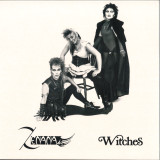
Rush Hour’s RSS series excels in unearthing buried treasure, offering a second chance for artists and releases that have long been overlooked. That’s certainly the case with ‘Witches’, the superb sole single by British 1980s wave trio Zenana.
Originally released on seven-inch by the tiny PRM label in 1986, ‘Witches’ was the product of a sister-brother songwriting team whose music was mostly recorded in the front room of a terraced house in Nanpean, a small industrial village in Cornwall, England’s most south-westerly county. While the single was infectious, impeccably produced and dancefloor-ready, it sold in limited quantities at the time.
Zenana’s story can be traced back to the early 1980s, when singer-songwriter Anita Tedder founded the all-female trio as a vehicle for her musical ambitions. To bring her songs to life, she joined voices with her brother Mike, an early adopter of electronic music who had built a studio – nicknamed MFR, short for ‘Mike’s Front Room’ – in his Cornish home.
Countless Zenana tracks were recorded at ‘MFR’ between 1984 and ’86, with the resultant demo cassette securing the band a management contract, a slew of live bookings, a video shoot and even a television appearance. Buoyed by this underground success, they headed to the remote Sawmills Studio in Cornwall – famously only accessible by boat – to re-record ‘Witches’, a song inspired by local folk tales of witches gathering near Mike’s home.
While this version of ‘Witches’ failed to make an impact at the time, it has become something of a cult classic following its’ rediscovery by crate digger Kiernan Abbott – and subsequent championing by other dusty-fingered DJs including Antal, Skyrager, Trevor Jackson and Luke Una – in early 2023. The buzz inspired Zenana to perform live again for the first time in decades, with the story of their surprise comeback being covered by British media outlets including the BBC and (more surprisingly) the Daily Mail.
Now presented in re-mastered form, ‘Witches’ is a genuinely slept-on gem. Propelled forwards by punchy drum machine beats, a killer synth bassline and fizzing keyboard sounds, the song benefits greatly from strong vocals and an extra-percussive middle eight layered with vocalisations, cosmic spoken word sections and swirling noises.
It comes backed by a brand-new extended ‘spell of love’ courtesy of Bristol duo Bedmo Disco, AKA music journalist Matt Anniss (author of Join The Future: Bleep Techno and the Birth of British Bass Music) and DJ/production partner Gareth Morgan. Anniss is a long-time friend of Mike and Anita Tedder who has fond memories of visiting Mike’s home studio with his family around the time that ‘Witches’ was recorded.
Working from Zenana’s original MFR eight-track recording (tapes of the single version were lost years ago), Anniss and Morgan have turned in the extended ‘dance mix’ the track never had first time around. More atmospheric, clandestine and dancefloor-focused, it offers authentic nods to New York proto-house, mid-80s Shep Pettibone dubs, and the pioneering synth-pop productions and dub mixes of Factory Records regular Martin Rushent.
out of Stock
Last delivered 14 months ago available to reorder, subject to availability
Northern Soul’s most loved and hardest working DJ looks back at his pioneering Rare Soul Uncovered album series that shook the scene in 1984. Compiled and researched by Dave shortly after Wigan Casino had closed its doors where he was a main-stage DJ for eight years. At the time Dave hosted a weekly Northern Soul show on Signal Radio and was the Midlands regional sales manager for Charly Records. Now, forty years on, Dave Evison is reunited with Charly to present the ultimate in Rare Soul Vinyl – 16 unreleased at the time recordings – some of which have never been heard before.
out of Stock
Last delivered 2 years ago available to reorder, subject to availability
BASIC is a mind-meld between Chris Forsyth, his frequent running partner (and formidable 6-string thinker) Nick Millevoi, and Mikel Patrick Avery (Natural Information Society). "This Is BASIC", their debut album, is a complex and entrancing instrumental LP recasting forgotten scraps of guitar history into a moving mosaic of strings, skins and electronics. Taking inspiration (and their name) from the 1984 Robert Quine/Fred Maher album ("Basic"), Forsyth and Millevoi got together for a run of low-key jam sessions using an Alesis drum machine for rhythm tracks and forging a collaborative language from angular polyrhythms, pulsing baritone-guitar lines, and shimmering chorus-pedal washes (another stylistic nod, this time to the glistening post-punk of the Durutti Column and numerous 4AD bands). Avery was soon enlisted on drum kit_a setup that quickly morphed into a single drum, bell, and a bespoke electronics rig of his own creation. The trio quickly flowered into an improvisational swirl of disorienting electronics, hypnotic throb, and dense flanged-guitar harmonics: three unique voices spinning a complex conversation of textures and rhythms.
"Cedar Walton was one of the most influential hard bop pianists and became well known as the pianist with Art Blakey's Jazz Messengers. Bassist Ron Carter and drummer Jack DeJohnette both gained fame early in their careers for their associations with two different Miles Davis groups. This jazz album from 1984 was the only recording that these three jazz legends did together and was created on December 22-23 in 1983. The album is also known as The All American Trio. Cedar Walton / Ron Carter / Jack DeJohnette contains newly written liner-notes by jazz journalist/historian Scott Yanow."
Originally released in November 1984, Limahl’s debut solo album ‘Don’t Suppose’ is to be reissued on recycled lavender vinyl to celebrate its 40th anniversary. The album is probably best known for the aforementioned ‘Neverending Story’. As well as featuring in the film of the same name (which is being revived for the big screen once more), it more recently found a whole army of new fans when it appeared in the final episode of the third season of Stranger Things. Set in 1985, the song is sung by Dustin (Gaten Matarazzo) and his long-distance girlfriend Suzie (Gabriella Pizzolo) as a way to reconnect after not seeing each other for some time. Following the season's release on July 4, 2019, interest in the track surged; viewership of the original music video had increased by 800% within a few days according to YouTube, while Spotify reported an 825% increase in stream requests for the song.
Further reflecting on the album Limahl goes on… “I can’t believe it’s been 40 years, yet sometimes it feels like yesterday! Looking back now, it's surreal to think that at just 24 years old, being born and raised on a Wigan council estate with no family connections in the music business, I was thrust into a whirlwind of travel and appearances to promote my music worldwide via TV, radio, and press—long before the internet.
“I’m excited to imagine where and how the song will continue its journey. It’s amazing that it still feels relevant 40 years on. I’m not too shy to say how immensely proud I am of its achievements.”
"King Yellowman is the 1984 Columbia Records debut album by Yellowman. The artist, whose real name is Winston Foster, is a Jamaican reggae and dancehall artist who first became popular in Jamaica in the 80s. After he rose to prominence in his home country, he released this record under the Columbia label. Yellowman is considered to be one of the pioneers in reggae and hugely contributed to Jamaican musical culture and the internationalization of reggae. King Yellowman is available as a 40th anniversary edition of 1000 numbered copies on yellow coloured vinyl."
Vinyl-Reissue in Faksimile-Gatefold-Edition, mit den originalen Einführungstexten. 1984 brachte ECM mit
der Veröffentlichung von Arvo Pärts Tabula rasa eine gänzlich neue Klangdimension in die Musikwelt und
rief mit dem Album das ‚ ECM New Series‘ Label ins Leben. Anlässlich des 40-jährigen Jubiläums der New
Series präsentiert diese Vinyl-Sonderedition die Platte in ihrer ursprünglichen Gestalt. Das Album markiert
auch den Schnittpunkt einiger der langjährigsten und bedeutendsten musikalischen Begleiter des Labels in
seiner über 50 Jahre langen Geschichte: Arvo Pärt, Gidon Kremer und Keith Jarrett. ”Pärts Musik reicht
weit über die verschworene Gemeinschaft der Kenner hinaus, die im Allgemeinen zeitgenössische klassische
Musik unterstützen. Er ist ein Komponist, der in eindringlich klaren, vertrauten Tönen spricht, ohne die
Musik der Vergangenheit zu duplizieren. Er hat eine musikalische Entdeckung gemacht, die sich kaum
in Worte fassen lässt – etwas, das mit der Kraft der Musik zu tun hat, die Starrheit von Raum und Zeit
auszulöschen. Seine Akkorde bringen einer nach dem anderen den Lärm des Ichs zum Schweigen und binden
den Geist an eine ewige Gegenwart.” –Alex Ross, The New Yorker. ”Das Album, das Pärts Namen in den
Westen und in die Welt brachte (...). Dies ist ohne jeden Hauch eines Zweifels eine der großen Aufnahmen
des letzten Jahrhunderts.
–Rob Cowan, Gramophone (2023)
The impact, influence, and importance of Run-D.M.C.'s self-titled debut – the album that invented hardcore hip-hop and bridged rap, rock, and funk in then-unparalleled ways – cannot be measured. The first full-length record released by Profile Records, the 1984 set permanently changed the sound of music, broadcast streetwise wisdom to every corner of the country, and made the notion of a one-man band a distinct reality. Bolstered by an incendiary blend of staccato deliveries, stark beats, aggressive exchanges, evocative hooks, and socially conscious messages, Run-D.M.C. still hits listeners in the jaw with the same intensity it did nearly 40 years ago when it could be heard booming from ghetto blasters carried around city blocks nationwide.
Sourced from the original master tapes, pressed on MoFi SuperVinyl, and strictly limited to 3,000 numbered copies, Mobile Fidelity's 180g SuperVinyl 33RPM LP is the definitive-sounding version of the groundbreaking work cited by Rolling Stone as the 378th Greatest Album of All Time. This reissue also represents the first time this gold-certified effort has been presented in audiophile quality. Benefitting from the ultra-low noise floor, superb groove definition, and dead-quiet surfaces of SuperVinyl, Run-D.M.C. now plays with a clarity, immediacy, punchiness, and directness worthy of the artistry, urgency, and intellect of the trio's material.
The brilliance of Russell Simmons and Larry Smith's production comes into view as if the music is being broadcast on a giant system in a small club — only more focused, lively, and unlimited. Free of dynamic constraints and fatiguing harshness, this LP invites you to turn up the volume and experience the raw, rough, invigorating songs that changed the look, sound, and feel of hip-hop overnight. Think the trio’s sparse framework of drum machines, tag-team rhymes, keyboard accents, and turntable scratches is stuck in the mid-80s? Spin MoFi’s SuperVinyl LP and gain new appreciation for the music, messages, and production on display on Run-D.M.C.
Recorded in the wake of two successful and pioneering singles, both included on the album, Run-D.M.C. effectively took a sheet of coarse-grit sandpaper to the polish, sheen, and linear presentation of all the hip-hop that preceded it. Stripped to bare-bones foundations, the songs grab your attention and shake you by the collar with a combination of industrial-leaning rhythms, staggered deliveries, dance drama, and hard, minimalist percussion. Then there are the lyrics.
The LP broadcasts a smart mix of boots-on-the-ground reports, uplifting advice, and then-nascent b-boy culture. In one fell swoop, its narratives and music rendered the scene’s proclivity toward glamor and softness passé. Run-D.M.C.’s tough, cool-minded fashion sense showed the trio walked its talk and gave fans — particularly those living in long-ignored urban areas — heroes which with they could identify. Kangol hats, black jeans, leather jackets, Adidas sneaks, and gold chains were the new currency.
In every regard, Run-D.M.C. signifies the birth of modern hip-hop. Never more obviously than on the groundbreaking “Rock Box,” where rap and rock were first fused. As the first hip-hop video to receive regular rotation on MTV, the track eviscerated racial and social boundaries, awakened musicians and listeners to new possibilities, and redefined both popular music and, ultimately, popular culture. As the Roots’ Questlove has stated, it “ knocked down many obstacles, enabling hip-hop to become the new gospel."
Such teaching includes the real-world scripture of “Hard Times,” utopian hopefulness of “Wake Up,” and observational truths of “It’s Like That.” Released as the group’s debut single well before its eponymous album, the latter tune established themes and outlooks Run-D.M.C. would embrace during its career. Namely, the keen awareness of various prejudices, economic ills, and disruptive violence as well as the knowledge that education, self-motivation, and hard work were the ways to escape disadvantages and disillusionment.
Inspired and inspirational, the song reflects the spirit and shrewdness that courses throughout Run-D.M.C. That includes a detailed account of the trio’s not-so secret weapon (“Jam-Master Jay”), purpose statement (“Hollis Crew (Krush-Groove 2)”), and a revolutionary hybrid autobiographical narrative-dis track (“Sucker M.C.’s (Krush-Groove 1)”) widely regarded as one of the best hip-hop songs ever created. The same can be said for every moment on Run-D.M.C.
MoFi SuperVinyl
Developed by NEOTECH and RTI, MoFi SuperVinyl is the most exacting-to-specification vinyl compound ever devised. Analog lovers have never seen (or heard) anything like it. Extraordinarily expensive and extremely painstaking to produce, the special proprietary compound addresses two specific areas of improvement: noise floor reduction and enhanced groove definition. The vinyl composition features a new carbonless dye (hold the disc up to the light and see) and produces the world's quietest surfaces. This high-definition formula also allows for the creation of cleaner grooves that are virtually indistinguishable from the original lacquer. MoFi SuperVinyl provides the closest approximation of what the label's engineers hear in the mastering lab.
out of Stock
Last delivered 2 years ago available to reorder, subject to availability
Elf Songs und ein Klavier-Intro bieten den Hörern erstklassigen Speed/Thrash Metal, der sich locker zwischen internationalen Klassikern der 80er und 90er-Jahre, sowie aktuellsten Tipps von Heute einfügen wird.
Die Aufnahmen wirken wie ein zweiter Frühling der Band: ehrlich, direkt, frisch und ultra heavy!
Dies mag mitunter am bisher stärksten und reifsten Line-up in der Geschichte der Band liegen. Zu Beginn des Vorjahres rekrutierte man niemand geringeren als den aus Bulgarien stammenden und in Dänemark lebenden Saitenhexer Nikolay Atanasov (u.a. AGENT STEEL). Er komplementiert mit dem bereits davor dazugestoßenen Bassisten Lorenz Kandolf (u.a. TRAITOR) das Line-up. Den Kern der Gruppe bildet, seit dem mittlerweile als Klassiker gehandhabten, im "New Wave Of Thrash Metal" geltenden Debüt "Have Gun, Will Travel" (2010), Band-Gründer, Sänger, Gitarrist und Hauptkomponist Ricky Wagner, sowie der Ausnahme-Schlagzeuger Bastian "attt" Santen. Noch nie hat REZET so frisch geklungen und vor Angriffslust gestrotzt.
Produziert, gemixt und gemastert wurde das Album erneut von Eike Freese (HELLOWEEN; DEEP PURPLE; HEAVEN SHALL BURN uvm.), Hamburgs Rock & Metal-Produzenten par excellence, wobei Teile der Aufnahmen in den bandeigenen "Rad Toad Studios", im hohen Norden Schleswig-Holsteins, selbst durchgeführt wurden.
Pär Oloffsson (Exodus, Aborted, Pathology, Traitor, Finsterforst uvm.) bietet die dystopische Visualisierung der Scheibe und zeichnet das Bild einer mechanischen Landschaft, die von neuem Leben zurückerobert wird. Der "große Reset" war vermutlich noch nie so nah…
Elf Songs und ein Klavier-Intro bieten den Hörern erstklassigen Speed/Thrash Metal, der sich locker zwischen internationalen Klassikern der 80er und 90er-Jahre, sowie aktuellsten Tipps von Heute einfügen wird.
Die Aufnahmen wirken wie ein zweiter Frühling der Band: ehrlich, direkt, frisch und ultra heavy!
Dies mag mitunter am bisher stärksten und reifsten Line-up in der Geschichte der Band liegen. Zu Beginn des Vorjahres rekrutierte man niemand geringeren als den aus Bulgarien stammenden und in Dänemark lebenden Saitenhexer Nikolay Atanasov (u.a. AGENT STEEL). Er komplementiert mit dem bereits davor dazugestoßenen Bassisten Lorenz Kandolf (u.a. TRAITOR) das Line-up. Den Kern der Gruppe bildet, seit dem mittlerweile als Klassiker gehandhabten, im "New Wave Of Thrash Metal" geltenden Debüt "Have Gun, Will Travel" (2010), Band-Gründer, Sänger, Gitarrist und Hauptkomponist Ricky Wagner, sowie der Ausnahme-Schlagzeuger Bastian "attt" Santen. Noch nie hat REZET so frisch geklungen und vor Angriffslust gestrotzt.
Produziert, gemixt und gemastert wurde das Album erneut von Eike Freese (HELLOWEEN; DEEP PURPLE; HEAVEN SHALL BURN uvm.), Hamburgs Rock & Metal-Produzenten par excellence, wobei Teile der Aufnahmen in den bandeigenen "Rad Toad Studios", im hohen Norden Schleswig-Holsteins, selbst durchgeführt wurden.
Pär Oloffsson (Exodus, Aborted, Pathology, Traitor, Finsterforst uvm.) bietet die dystopische Visualisierung der Scheibe und zeichnet das Bild einer mechanischen Landschaft, die von neuem Leben zurückerobert wird. Der "große Reset" war vermutlich noch nie so nah…
Necrodeath is one of the most important and outrageous names in extreme metal; formed back in 1984, it is one of the first extreme metal bands originating in Italy. They take inspiration from Slayer, Dark Angel, Possessed, Venom, Kreator, Bathory, Celtic Frost and Sodom. The band is also renowned for its live performances and notably for their "wall of sound". The band released a cult-demo tape titled 'The Shining Pentagram' and obtained an incredible success in the underground, which is still considered a real "piece of thrash/black history". Tons of tributes in major magazines, fanzines and other underground outlets highlighted the release of the first two legendary albums 'Into The Macabre' (1987) and 'Fragments Of Insanity' (1989). And today after dozens of full lengths, EPs and side projects the long voyage to hell is not over yet. New Necrodeath album, anticipated by the single on vinyl and video "Transformer Treatment", is the confirmation of a trade-mark consolidated in almost forty years, where the old school of extreme metal is present throughout the album. "Singin 'in the pain" is a concept based on the movie "A Clockwork Orange" by Stanley Kubrick, where the band takes us on a one-way black/thrash journey, represented by immorality and violence, and back to a vain attempt at redemption and normality.
Bomp Records of Burbank, California was likely the most significant American independent record label of the 1970s. In 1979 Voxx was founded as a subsidiary of Bomp as a specialty label for '60s-styled garage and psychedelic inspired music and was home to the debut album of the Pandoras. The Pandoras really got started back in 1982 when triple threat Paula Pierce (guitar, vocals AND songwriter) met singer and guitarist Debbie Mendoza at Chaffey College Rancho Cucamonga, one of those dozens of small communities that make up the greater Los Angeles area. According to stories told around the campfire, Paula had posted an advertisement on the bulletin board inside the college's cafeteria. The ad was both simple and direct: Wanted: female musician to jam with. As legend has it, the ad also stressed a keen interest in 60's garage punk music. Debbie answered Paula's ad, and soon the two girls were bringing guitars to school and holding impromptu jam sessions between classes. A little later that year, Paula brought in Gwynne Kahn on keyboards and second guitar, and Debbie convinced drummer Casey Gomez to join. People who were around at the time pinpoint December 1982 as the official beginning of the Pandoras as a band. The Pandoras didn't waste any time getting down to business. They started gigging regularly, and their repertoire of tasty garage nuggets expanded substantially, fueled both by Paula's talented songwriting and also no doubt by her relationship with Unclaimed frontman Shelley Ganz and his extensive knowledge of obscure 60's gems. The Pandoras unleashed their first recordings on the world in 1983 with the "I'm Here, I'm Gone" EP on Moxie records. It was a meaty slab of girls in the garage punk rock, and while maybe not as polished as subsequent efforts, it clearly showed off the talent of the band. Greg Shaw had been alerted to the band a few months earlier, and always one to know a good thing when he heard it, he quickly signed them. "It's About Time" saw the light of the day in 1984 on Voxx Records and became one of the first and best efforts of authentic 1960's-styled garage punk to emerge from the revival scene. It was pure garage gold! Today, 40 years after its original release date, we are thrilled to reissue this essential '80s garage punk gem as part of a series of releases celebrating Bomp! 50th anniversary. Our issue includes 3 bonus tracks and liner notes by Gravedigger V's John Hanrattie. "Paula Pierce refused to play it cute. On The Pandoras' debut album she out-snarled, out-screamed, out-fuzzed and out araged the male-dominated competition-like a well-aimed go-go boot to the jugular." - Mike Stax, Ugly Things Magazine "As good a '60s punk record as any contemporary combo is likely to make." - Trouser Press
The vinyl is limited edition blue vinyl with a numbered certificate. This is the first coloured Evo vinyl. The Miners Son Film Soundtrack features self-penned material from Ettecon. 11 original Tracks, most of which has been written and composed by Ettecon Productions. A Nostalgic story of the hopes and dreams of a rock band in 1984. THE MINER’S SON depicts how a year of industrial action and violent unrest changed the face of a small tight knit community and their way of life forever. A bitterness that is still very much felt today. The film focuses on a bygone industrial past of a Kent town in Southeast England. Some of the characters are based on real people and true events from the day. The findings for this story are factual and sourced from friends and family who lived through this turbulent time. This story evolved from the memories of Kevin Short, co-writer & producer of The Miner’s Son. Kevin, a miner’s son himself was a guitarist in many local rock bands who struggled to achieve recognition. Despite this, he recalls the era as a fun and carefree time. A world away from how people see life today.
Pink Rhythm was one of John Rocca"s mid-80"s solo side projects and a somewhat evolution of his pioneering early-80s band, Freeez. After Freeez ended, John still had some ideas left over which he explored with Andy Stennett of Freeez. John also re-worked one of the final jazz funk songs written (but unused) by Freeez called "India". He named the project Pink Rhythm after his self-funded, entrepreneurial record label that he used to launch Freeez. Pink Rhythm lasted a brief year or two, between 1984 and 1985. In 1985, three singles were released, including "Melodies Of Love, which has become a cult favorite. It has been described as "timeless drum-machine soul music" and a "cult funk slow jam". Over the years, John Rocca"s music has been sampled by many, including Jamie xx, Empress Of, Brandy, Burial, Todd Terry, Coolio, Cut Chemist and more. Often credited as one of the pioneers of brit-funk, John"s music is iconic and has been used in TV/Movies like; Better Call Saul, Midsommar, Irma Vep plus the fashion world for brands including Calvin Klein, Louis Vuitton and more. "Melodies of Love" - though never a pop hit - was recently been used the Joaquin Phoenix film Beau is Afraid as well as in the acclaimed British Film Blue Jean. It was also recently featured in a high-end ad campaign for Piaget. It is pure, smooth 80s drum machines, it is synth sounds, saxophones and keyboards.... it"s retro, but it could also be current. Either way, it"s as refreshing now as it was then.
out of Stock
Last delivered 4 months ago available to reorder, subject to availability
After two very intimate solos albums, pianist and singer Gregory Privat returns with PHOENIX, a luminous album celebrating the cycle of life and the constant rebirth from the ashes. A metaphor for the firebird, it's a continuation of the album SOLEY released in 2020. With double bassist Chris Jennings and drummer Tilo Bertholo, this unique trio blends spiritual jazz with urban pop, Creole songs, and electronic music.
Born in Martinique in December 1984, Gre\u0301gory Privat is the son of pianist Jose\u0301 Privat, known for his participation in the internationally recognized Caribbean group, Malavoi. Attracted by the piano at an incredibly young age, he took private lessons from the age of six and devoted himself for 10 years to a classical apprenticeship before turning to improvisation techniques and jazz.
High Roller Records, black vinyl, ltd 300, insert, download code, 425gsm heavy cardboard cover, Cloven Hoof aus den Midlands gehören wohl zu den legendärsten Bands der gesamten New Wave Of British Heavy Metal Bewegung. Die Ursprünge der Gruppe gehen auf das Jahr 1979 zurück, als sie sich zunächst unter dem Namen Nightstalker formierte. Im Jahr 1981 wechselte die Band jedoch zu ihrem neuen Namen: Cloven Hoof. Der ursprüngliche Sänger David Potter, der Gitarrist Steve Rounds, der Schlagzeuger Kevin Poutney und der Hauptdarsteller Lee Payne am Bass nahmen die Bühnencharaktere 'Earth', 'Fire', 'Water' und 'Air' an. Nachdem sie Demo-Versionen von Songs wie "Return Of The Passover" und "Nightstalker" aufgenommen hatten, veröffentlichten Cloven Hoof 1982 ihre erste 12"-Vinyl-EP "The Opening Ritual" auf Elemental Music. 1984 wurde das selbstbetitelte Cloven Hoof-Album veröffentlicht, gefolgt von "Fighting Back" (1986), "Dominator" (1988) und "A Sultan's Ransom" (1989). Nach der Trennung in den 1990er Jahren kehrten Cloven Hoof 2006 in neuer Besetzung und mit einem neuen Album namens "Eye Of The Sun" zurück. Im Jahr 2014 wurde "Resist Or Serve" aufgenommen, gefolgt von "Who Mourns For The Morning Star?" (2017), beide auf High Roller Records. Das Album war eine Art Wendepunkt für die Band, da sie damit zum ersten Mal in ihrer Karriere in Nordamerika auf Tour gehen konnte. Seitdem haben Cloven Hoof zwei weitere Studioalben veröffentlicht, "Age Of Steel" auf Pure Steel Records im Jahr 2020 und "Time Assassins" auf FM Revolver zwei Jahre später.
Mit Songs wie "Do What Thou Wilt", "Sabbat Stones" und "The Summoning" markiert ihr brandneues Album "Heathen Cross" die Rückkehr zu High Roller Records. "Wir sind jetzt wieder da, wo wir hingehören", schmunzelt Lee Payne. "Heathen Cross" ist Cloven Hoofs bisher düsterstes und schwerstes Album! Es hat die satanischen Untertöne unseres Debütalbums, aber mit dem besten Sänger, den die Gruppe je hatte. Für mich persönlich ist es mit Abstand mein liebstes Cloven Hoof-Album. Wir wollten den Geist und die übernatürliche Majestät des Debütalbums wieder einfangen. Wir haben mit den Fans gesprochen und ihnen das gegeben, was sie am meisten wollten: eine Rückkehr zu den Wurzeln der NWOBHM. Sie werden es lieben!" Der Bassist ist in der Tat voll des Lobes für den neuen Sänger der Band, der ausgerechnet einen gewissen Harry "The Tyrant" Conklin verpflichtet hat: "Harry Conklin ist ein Weltklasse-Sänger. Er ist super engagiert und hochprofessionell und wir wussten, dass er nahtlos in die Band passen würde. Seine stimmliche Leistung auf dem neuen Album hebt die Band in neue Höhen, und ich kann es kaum erwarten, dass die Fans ihn hören. Harry ist ein erstaunlicher Sänger, er ist so vielseitig. Er kann hoch, tief und immer mit Kraft und Leidenschaft singen. Er weiß, wie man einen Song lebt und verkauft. Harry ist wie ein Schauspieler, der eine Geschichte erzählt, niemand interpretiert meine Texte so wie Mr. Conklin. Ich kann ihn nicht genug loben. Wir hätten schon vor Jahren zusammenarbeiten sollen."
Lee Payne - Bass Guitar, Harry (The Tyrant) Conklin - Lead Vocals, Luke Hatton - Lead Guitar, Chris Coss - Lead Guitar, Ash Baker Drums / Backing Vocals, Chris Dando - Keyboards / Backing Vocals
Black Truffle is thrilled to announce a reissue of Chico Mello and Helinho Brandão’s self-titled release from 1984, the first return to vinyl of this classic of Brazilian experimental music with its original cover art and complete track listing. An under-recognised figure whose work inhabits a singular terrain where radical new music techniques and music theatre meet musica popular brasileira, Mello has lived and worked in Berlin since the late 1980s. A student of Dieter Schnebel, Mello played in the 90s iteration of Arnold Dreyblatt’s Orchestra of Excited Strings alongside compatriot Silvia Ocougne, with whom he produced a radical and hilarious deconstruction of MPB classics on Musica Brasileira De(s)composta (an early and rather atypical release on Edition Wandelweiser).
On this release, his only recording predating his move to Europe, Mello works with the alto saxophonist Helinho Brandão, who appears to be otherwise unknown outside Brazil. The record’s six tracks range from solo saxophone improvisation to densely layered ensemble works bridging minimalism, acoustic sound art and a plaintive melodic sensibility that calls up Edu Lobo or Milton Nascimento. Beginning with a dramatic, dissonant wind and string surge from which emerge ominously pounding piano chords, opener ‘Água’ slowly builds in intensity, a halo of clustered vocal harmonies gradually closing in on Brandão’s squealing sax until the piece opens up to reveal a gorgeous passage of melodic singing. The piano accompaniment reduces to tolling bass notes as the voice begins a repeated incantation, suggesting a ritualistic atmosphere reminiscent of parts of Xenakis’ setting of Oresteia. Dissonant, sawing tremolos on the strings climb to a crescendo before disappearing into the sounds of water being poured and splashed into metal vessels, presented not as a field recording but as a percussive element performed by the ensemble. A child’s voice then appears, singing to piano accompaniment the same melody heard earlier in the piece. After a brief solo alto improvisation from Brandão, working with the guttural pops and fleeting melodic gestures of Braxton or Roscoe Mitchell, the remainder of the first side is dedicated to the leisurely unfolding of ‘Baiando’ over the course of twelve minutes. A trio for Brandão on soprano saxophone, Mello on a very period-appropriate phased nylon string guitar and Edu Dequech on bongos, the performance eases its way hypnotically through subtle variations on a set of rhythmic and melodic patterns, almost derailed at points by Brandão’s wild forays into extended technique but held together by Mello’s droning guitar notes.
The second side opens with another multi-part epic for a larger ensemble, ‘Matraca’, which makes use of strings, electric guitars and a wide range of South American percussion instruments. Rasping violin harmonics hover as drum hits, repeated guitar notes and triangle accompany a slowly descending bass glissando. A sudden change in direction introduces a thrumming, incessantly repeated bowed bass tone, beginning a series of episodes of minimalist phasing and pattern variation, the combinations of electric guitars and orchestral instruments giving the ensemble an ad hoc charm like the early Penguin Café Orchestra but with more percussive drive. Eventually the piece is overrun by a cacophony of the titular matracas (a kind of ratchet/cog rattle). Following a lyrical trio improvisation by Mello, Brandão and Gerson Kornin on bass, the final ‘Danca’ focuses entirely on Mello’s layered acoustic guitars and vocals, using this restricted palette to build up a haunting piece of almost orchestral density, reminiscent of the 70s work of Egberto Gismonti in how it thickens a folkish ambience with harmonic sophistication.
Arriving in a starkly beautiful gatefold sleeve and sounding better than ever in its new remaster, one might call the stunning music contained on Chico Mello/Helinho Brandão ahead of its time. But what (other than some of Mello’s own work) produced in the years since its initial release has really touched the organic fusion of minimalism, free improvisation, radical instrumental technique and popular song achieved here? Forty years after its first release, Chico Mello/Helinho Brandão remains music of the future.
out of Stock
Last delivered 2 years ago available to reorder, subject to availability
LP+7" (Clear Vinyl). When the Ramones lost it, the Zero Boys found it; Adding a slam brigade fist to the Blitzkrieg Beat. The Zero Boys managed to come with one of the best early 80's punk records, or one of the best records ever, period. From 1979 to 1983, the Indianapolis-based Zero Boys were the finest hardcore blitz in the Midwest if not all the lower 48 states. Compiled and released as a post-mortem following the band's breakup, History Of_ is the proof, if more was needed, that their take of American hardcore wasn't all white bread numbers. Yeah, they played shows with Minor Threat, Dead Kennedys, Subhumans, and others but in Terry "Hollywood" Howe's guitar there was harmonious terror and unstoppable cadence. Terry's licks and chops _ a leap beyond two or three chord punk _ offered a zone and measured count for drummer Mark Cutsinger and bassist David "Tufty" Clough, a rhythm unit in par with the Minutemen if not The Meters, to run lines like quicksilver. Meanwhile, frontman, Paul "Z" Mahern provides a constant wash from beginning to end. Originally released in 1984 with a limited-edition reissue in 2009, this 40th anniversary edition includes the original LP of `History Of...' and a 7" featuring four live recordings never previously pressed to vinyl and recorded at iconic hardcore/punk venue Crazy Al's in 1980: "Livin' In The 80's", "Stick To Your Guns", "Commies", and "I'm Absent".
Heaven Born and Ever Bright is the third studio album by British rock band Cardiacs. It was produced by Tim Smith, engineered by David Murder and mixed by both Available on CD Digifile and Single Sleeve Violet coloured vinyl (pressed from the 1991 master) Cardiacs are an English rock band formed in Kingston upon Thames by Tim Smith (guitar and lead vocals) and his brother Jim (bass, backing vocals) in 1977 under the name Cardiac Arrest. One of Britain's leading cult rock bands, Cardiacs' sound folded in genres including art rock, progressive rock, art punk, post-punk, jazz, psychedelia and heavy metal (as well as elements of circus, baroque pop, medieval music, nursery rhymes and sea shanties), all of which was topped by Smith's anarchic vocals and impressionistic lyrics. Their bizarre sound and image made them unpopular with the press, but they amassed a devoted following Tim Smith was the primary lyricist, noted for his complex and innovative compositional style. He and his brother were the only constant members in the band's regularly changing lineup. The band created their own indie label, the Alphabet Business Concern, in 1984 and found mainstream exposure with the single "Is This the Life?" from their debut album A Little Man and a House and the Whole World Window (1988). Their second album, On Land and in the Sea (1989), was followed by Heaven Born and Ever Bright (1992), which displayed a harder edged, metal-leaning sound retained in the subsequent albums Sing to God (1996) and Guns (1999). Tim Smith was hospitalised with dystonia resulting from a cardiac arrest in 2008, which brought increased and belated critical recognition to Cardiacs, with several music outlets calling Sing to God a masterpiece. His death in 2020 saw a raft of tributes on social media
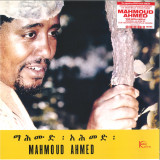
The re-release series of original Ethiopian classic vinyl continues -- the finest Ethio jazz by Mahmoud Ahmed and his band from 1975 plus two tracks from 1978.The liner notes: 'Melancholy blues, piercingly minimalist country airs, brassy, danceable urban jazz, heart-wrenching, off-key crooners: a rich and stirring patchwork of sounds, crossing Afro-beat, Latino-swing moves and Eastern arabesques (Ana�s Prosa�c).' Such were the first -- informed and enthusiastic -- opinions of the music press when the first strains of modern Ethiopian music sounded on our shores. This was in 1984-1985. Such a positive note, struck about such a country at such a time, created plenty of reverb. The country had been so thoroughly trashed by the media's feeding-frenzy, which spewed out a mix of horror and pious pity, bitter denunciation and humanitarian appeals, wallet-tickling clich�s and refusal of identity. In one brutal swoop, TV-reality transformed Ethiopia into a cursed nation, forsaken by God and by man. In contrast to these tragedies, but in the same hackneyed tones, Mahmoud Ahmed's life resembles an edifying fairy-tale where destiny, talent and achievement combine to triumph over poverty, fate and the evil eye. Biography, history and legend, with the help of God, infallibly weave the lesson of merit rewarded. But who can argue, in spite of the mockery that celebrities invariably draw, when faced with one of the greatest voices in all of Africa? Once upon a time, there was a street urchin in Addis Ababa, who started off as a shoe-shine boy and went on to become one of his country's biggest stars, opening the door to Ethiopian music to Western audiences. --Francis Falceto
out of Stock
Last delivered 5 years ago available to reorder, subject to availability
The 2019 Stroom〰 split EP with Hessel Veldman marked the long-awaited vinyl debut of Enno Velthuys and served as a teaser for a reissue campaign of his work, shared between different labels. Finally!
In 1984 Velthuys released his classic tape ‘A Glimpse of Light’ on EXART, the label of Veldman, who stayed in close contact with Enno after hearing one of his private tapes being played on the radio by Willem de Ridder in 1980. During a live-broadcast event random tapes were played. “From Enno Velthuys, The Hague”, was written on the package. Willem introduced the tape, played it and a serene silence filled the studio. Present was a friend of De Ridder, Rob Smit, who visited Enno and his mother a few weeks later. This eventually resulted in Enno’s first release ‘Ontmoeting’ on KUBUS Kassettes in 1982. In those years, Enno was living a solitary life and rarely left his mother’s apartment. He managed to release 6 tapes of introvert, melancholic music from another dimension. Atmospheric melodies backed with sparse percussion, showing an excellent handling of the synthesizer.
The gifted musician with two souls silently passed away in 2009. Now we present, with involvement of the few once close to him, the first reissue of probably his most beloved work. Using the original master tape from the EXART vaults, carefully transferred, edited and remastered. Just Enno with his stripped-down compositions and fragile ambient sounds. An intimate experience celebrating bedroom-music and the glory days of do-it-yourself counterculture.
40th anniversary edition of this seminal work by the multi-talented musician and producer Carlos Perón. After the release of “Impersonator” and the score of the film “Die Schwarze Spinne”, “Nothing Is True; Everything Is Permitted” is his third album released in the beginning of 1984. While still being an active member of Yello, it was around the start of the recording of “You Gotta Say Yes To Another Excess” that Carlos met the American musician Chris Lunch in Hamburg. He invited Chris to Zurich and together played with projects such as Romantic Rubber, Heavymetallen and recorded some sessions that become the basis of “Nothing Is True; Everything Is Permitted”. After the release of “You Gotta Say Yes To Another Excess”, Carlos decided to leave Yello and focused to finish the recording and mixing of his new solo album.
“Nothing Is True; Everything Is Permitted” has gone down in music history as a dark soundtrack without a film, influenced many artists and helped to develop diverse genders of electronic experimental and dance music.
Limited edition of 300 copies including all original tracks and new artwork.
Pascal Gaigne, born in France in 1958 and installed in San Sebastian since 1985, is a musician with a vast trajectory composing music for films. He has composed for more than 50 movies, won 16 awards (including a Goya award, Spanish Oscar equivalent) and had 15 nominations. He has worked with some of the most interesting new directors in Spanish cinema (Víctor Erice, Icíar Bolláin, Salvador García Ruíz, Daniel Sánchez Arévalo, Montxo Armendáriz), and foreign directors like France (Le cou de la girafe), Finland (Matka Edeniin) or Cuba (Omerta).
Early in his career, before working in cinema, he collaborated with some of the most interesting artists and voices in the short history of Basque folk music, including well known Amaia Zubiria (check the two records he made with her “Egun Argi Hartan” & “Kolorez eta Ametsez”), as well as Basque traditional chant avant-gardist Beñat Achiary. It is together with Amaia & Beñat that he paired himself up to create “music pour le ballet du Iguzki Hauskara”, an entire album of compositions made for the 80’s French Basque Ballet group “Ekarle”. Originally released on cassette only in 1984, it is now reissued by Hegoa including three unreleased pieces taken from a second album that was never published.
Limited edition of 250 black vinyl LP’s housed in a coloured reverse board cover recreating the original hand painted artwork.
The magic and majesty of Holger Czukay’s late career works for Claremont 56 is being celebrated on a new compilation. The former Can bassist – a musical maverick renowned for his freewheeling approach to composition, recording and promotion – released a string of inspired tracks on Paul Murphy’s label between 2009 and 2012, typically delivering hard-to-pigeonhole workouts, bona-fide epics and radical reinventions of some of his most beloved tracks.
The collection has been a labour of love – fitting given the sonic details and inventive musicality that marked out the late artist’s solo career – for Claremont 56 founder Paul Murphy AKA Mudd, who first reached out to Czukay after witnessing his now legendary live performance at the Roundhouse in 2009. As Murphy details in his introductory liner notes, it led to a productive working relationship between the pair that included collaborative recording sessions with Ben Smith in Czukay’s legendary Innerspace Studio – a former cinema in Cologne in which much of Can’s music was recorded.The impact of that Roundhouse gig on Murphy is reflected in the fact that two of the tracks on the collection are based on that celebrated performance. There’s ‘Ode To Perfume’, a languid and solo-laden version of one of Czukay’s most celebrated solo records that ratchets up the original’s inherent dreaminess, and a jaunty take on quirky kraut-pop number ‘Photosong’ featuring a spoken introduction recorded at the concert in question.
Murphy’s ability to coax Czukay into delving into his archives is evident across the compilation. Opener ‘A Perfect World (Remix)’ is an eccentric, ever-building masterpiece originally recorded in 1984 – but later re-imagined for Claremont 56 – featuring vocalist Sheldon Ancel and former Can band-mates Jaki Leibezeit and Michael Karoli, while ‘Fragrance’ is a subtly re-wired slab of picturesque Balearic kraut-dub which was initially recorded as a coda for ‘Ode To Perfume’ but lay unreleased for decades.
Then there’s ‘Let’s Get Cool’, a bright and breezy, French horn-sporting 2009 take on 1979 avant-disco classic ‘Cool In The Pool’; ‘My Persian Love (Remix)’, a 2010 re-take of one of his earliest solos recordings; and the near 18-minute brilliance of ‘Music Is A Miracle’. Originally recorded for his fans in the 1980s – but only released three decades later – this widescreen epic not only features drums by Jaki Leibezeit and a fine spoken word vocal by Czukay, but also numerous nods to some of his most revered tracks.
It's fitting, too, that two of the most potent cuts feature Czukay’s much-missed wife and musical muse Ursa Major: the dense, trippy and fittingly out-there ambient soundscape ‘In Space’, and the mesmerising ‘Music To be Murdered By’. Partially inspired by hearing painfully out of tune violin practice through his studio windows, the track was originally recorded for an unreleased album but finally found a home on Claremont 56’s 10th anniversary box set ion 2017. A genuinely spaced-out and mind-mangling slab of organic dub in Czukay’s distinctive style, it delivers a fine curtain call to the iconic artist’s endlessly inventive career.
out of Stock
Last delivered 11 months ago available to reorder, subject to availability
40 Years ago, Hunting Lodge was nearing the peak of its fertile 'tribal' period. In celebration of this anniversary we are releasing a book-style 3LP set including Nomad Souls, 'Tribal Warning Shot' (expanded) and The Harvest (live/expanded). All of the included tracks have been lovingly remastered from the original reels and cassettes, restored by Grant Richardson and mastered for vinyl by Sion Orgon. The Nomad Souls LP was originally released in the autumn of 1984 on S/M Operations in the USA, and in the following spring on Side Effekts Records, UK. The 'Tribal Warning Shot' 12” 4-track EP was released early 1985 on S/M Operations (USA). The title track was remixed with drums added for a 12” 45 release on Normal Records (Germany) soon thereafter. This version, along with the other three EP tracks appear on the second record in the set. A new remix of the 1983 7” 'Night From Night' b/w 'Untitled' is also included, along with 2 tracks that appeared on compilation albums and one previously unreleased track. To round off this LP we launch into a track from original The Harvest live cassette, to ease you into the album to come. The Harvest cassette was a collection of live Hunting Lodge tracks circa 1984 which has never appeared on LP until now. To make for a more cohesive theme we have separated the two LP sides by shows: Side A from Chicago, where the original 'Tribal Warning Shot (live)' was recorded, while the other side features a Detroit show which bears the distinction of being the only time Roselle Williams (The Wolf Hour) sang live with the band. Each side features one song that was NOT included on the original The Harvest release This set features a replica of the original S/M Operations' Nomad Souls cover, and of the original Normal Records 12” art on the second LP. The third sleeve features a newly designed back cover by Rolaid Alpo Cola, and an inner panel including the original promo poster artwork along with an essay from Graeme Revell.
Original members of Sheffield’s Human League, Martyn Ware and Ian Craig Marsh left after the first two albums
and formed Heaven 17 in 1980. Named after a fictional band in Anthony Burgess’s “A Clockwork Orange”, they
recruited Glenn Gregory on vocals (who had been the original choice for lead singer of the Human League).
Released in April 1983, second album “The Luxury Gap” featured the Top 5 hits “Temptation” and “Come Live
With Me”, as well as “Crushed By The Wheels Of Industry” and “Let Me Go”. The album was certified Platinum in
February 1984 for sales of over 300,000.
This new edition has been expertly mastered by Barry Grint at AIR Mastering from the original stereo tapes using
precision half-speed mastering. Half-speed mastering is a vinyl cutting technique that improves groove accuracy
and transient information creating an incredibly detailed stereo image with a natural high frequency response.
Presented in its original sleeve, pressed on 180-gram heavyweight black vinyl, featuring an obi strip and housed
in a poly-lined inner sleeve, with all the lyrics and credits plus photos on the 4-page insert.