To commemorate the 40th Anniversary of the passing of James Darroch, singer/songwriter/guitarist for Sydney's incredible The Eastern Dark, Grown Up Wrong! is thrilled to announce a long-awaited reissue of the band's classic single "Julie Is A Junkie/Johnny and Dee Dee".
Heavily influenced by the Ramones - the band opened their first live show with 'Blitzkrieg Bop' and from then on opened with a new Ramones song every time they played, working through the band's complete catalogue in chronological order - as all manner of hyper-melodic and high energy rock. The Eastern Dark were a classic trio powered by former Celibate Rifles bassplayer James Darroch's blazing guitar and anchored by former Lime Spiders backing vocalist Bill Gibson's hard driving and melodic bass playing (and supreme backing vocals) and Geoff Milne's untouchable beat keeping. They set Sydney's Radio Birdman influenced scene alight in 1984 and quickly built an international following on the back of their classic single. Sadly, just hours after completing what would become their next release - the mini-LP "Long Live the New Flesh" - the band's life, and that of 26-year old James Darroch, was brutally ended in a road accident whilst the band was on its way to Melbourne.
On the back of the tragedy, the band's music lived on and it's global impact was reflected in the influence it bore on numerous bands, from Boston's the Lemoneads to Tokyo's Teengenenete, and obviously a succession of Australian bands from the Hard-Ons through to God and the Meanies and beyond.
After years of searching, surviving members Bill Gibson and Geoff Milne recently found the single's original multi-track tapes, and for the new release, the original recordings have been both remixed and remastered for maximum impact under their supervision.
Released in 1984 and a top 20 hit in the UK, Somebody Else’s Guy is a Bonafide classic disco record that everyone knows! Now back in the spotlight more than 40 years after its original release, revived by a new 2025 remix from Chloé Caillet featuring a fresh vocal performance from Jocelyn Brown. The remix has quickly gained momentum, earning support from leading DJs including Peggy Gou, Chris Stussy, and Jamie Jones, and introducing the original track to a new generation of listeners. To mark its resurgence, the record has been reissued on limited edition 180g Orange Crush Vinyl, offering fans and collectors a vibrant new edition of this dance-floor staple.
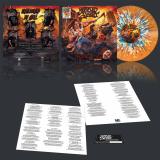
Orange Vinyl with exclusive illustrated notes/lyric insert ltd to 300 w/w.“Zimmerman conjures up a kind of Arcadian folk surrealism that is utterly his own” MOJO Never released before collection featuring Ian A Anderson & Maggie Holland recorded 72-80 is among Tucker’s finest - Free-ranging, Playful, Intimate - his Songpoet imagination unbound and in full bloom now on colour Vinyl for first time with (exclusive to this version) illustrated lyric insert with notes from Tucker.Recorded between 1972-80 this is the first ever release for ‘I Wonder If I’ll Ever Come True’ a stunningly beautiful, homegrown collection by Songpoet Tucker Zimmerman and friends. The range and depth is astonishing. From the heady surreal journey of ‘It All Depends’ Upon the Pleasure Man’, to the uplifting Gene Clark-esque 'So It Goes’, to some of his most beautiful & touching love songs in ‘Let’s Start Over Again’ & ‘Song’. Only one song has seen the the light of day before now - ‘Taoist Tale’ from his 1984 album ‘Word Games’. This recording from a decade earlier loses no power in its folkier stripped down style driven by Tucker’s strong narrative.
While living in bucolic seclusion in Belgium with Marie-Claire, Tucker invited visiting musicians (Derroll Adams, Wizz Jones, Maggie Holland, Dave Evans, Ian Anderson) into his home studio to play and live tape whatever songs he had at hand. Maggie Holland and Ian A Anderson feature, while Tucker found a freeing simplicity in just guitar, ’70s organ, bass and piano. We are so grateful to Ian A Anderson, who carefully kept and curated these recordings from 50 years ago. “Every time I would leave, Tucker would hand me another tape full of songs”. Ian worked with Tucker and ourselves to present this wonderful album. The collection is among Tucker’s finest - free-ranging, playful, intimate - his Songpoet imagination unbound and in full bloom. The ethos, the playing, the freedom, feels like Ronnie Lane’s time in the Welsh Borders. Unhurried, liberated, down-home and cosmic. Extraordinary music made among friends.
"Startling collection of intimate, home-recorded songs from the cult singer-songwriter adored by David Bowie and Big Thief alike.
When I first interviewed Tucker Zimmerman back in 2015 neither of us had any idea that, a decade later, he would be venerated by a new coterie of young fans, touring with maximal folk-rockers Big Thief and recipient of a concerted reissue campaign by the wonderful Big Potato Records. Last year I eulogised the “Arcadian folk surrealism” of his 1974 LP *Over Here In Europe but, if anything, this informal collection of intimate home-studio recordings is even better. Recorded between 1973 and 76 whilst living in Belgium and hosting such visiting folk musicians as Derroll Adams, Wizz Jones, Maggie Holland, Dave Evans, and Ian A. Anderson this is the kind of assured, organic freewheeling folk music that has the mellow, introspective rough-edged feel of some lost private-press LP, the kind rightly revered by Endless Boogie’s Paul Majors as “real people” music. A true find.” Andrew Male MOJO 4/5
“Here's a charming oddity: an unreleased album dating from the mid-Seventies by an American-born songwriter beloved of David Bowie and, more recently, Adrianne Lenker of the folk-rock band Big Thief. Zimmerman's a bohemian type who eschewed the big time for a life of gigging around Europe. He, his wife, Marie-Claire, and a handful of friends recorded these songs in seclusion in the Belgian countryside, and what songs they are. Slide On could have come from the Byrds when they discovered country music, Let's Start Over Again captures the dreamlike experience of being in love with unsettling clarity. This is a real unearthed gem.” 4/5 The Times
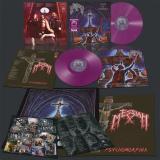
With bands such as Hellhammer/Celtic Frost and Coroner, but also more obscure formations such as Fear Of God, Excruciation, and Infected, Switzerland has always been a fertile breeding ground for extreme metal. Messiah, originally formed in 1984, also played a major role in the development of thrash and death metal in Switzerland. They released two groundbreaking albums on Chainsaw Murder Records: “Hymn To Abramelin” in 1986 and “Extreme Cold Weather” a year later. In the early nineties, Messiah signed a contract with Karl Walterbach's label Noise Records, on which three more albums were released: “Choir Of Horrors” (1991), “Rotten Perish” (1992), and “Underground” (1994). The classic lineup of Messiah during the Noise era consisted of vocalist Andy Kaina, who passed away far too early in 2022, Steve Karrer on drums, Patrick Hersche on bass, and band founder Brögi on guitar. Many consider “Choir Of Horrors” from 1991, produced by Sven Conquest at Sky Trak Studios in Berlin, to be the pinnacle of Messiah's work. Messiah Infernal Thrashing Records (MITR) is now releasing the 35th anniversary edition of this classic on vinyl
2LP 180gm heavyweight 45 RPM Audiophile Edition, Featuring a half speed remaster by Miles Showell at Abbey Road Studios, Housed in polylined inners, Printed insert with sleevenote. The Alan Parsons Project"s million selling album Ammonia Avenue (1984), is re-issued in a variety of formats including this 2LP heavyweight, 45 RPM Audiophile edition. Expertly cut by Miles Showell at Abbey Road Studios on a customised Neumann VMS 80 lathe at half speed using a 1:1 archive transfer from the original SONY 1610 format digital mastertape recorded in 1984. Like other Alan Parsons Project albums, there were a variety of different lead vocalists employed including Chris Rainbow, Colin Blunstone, Lenny Zakatek as well as Eric Woolfson himself. Plus, a selection of session musicians such as guitarists Ian Bairnson and David Paton and drummer Stuart Elliott with arrangements by Andrew Powell.
Limited Edition 180gm heavyweight clear vinyl, Half-speed remaster by Miles Showell at Abbey Road Studios, Insert contains a sleevenote featuring quotes from Alan Parsons and Eric Woolfson The Alan Parsons Project"s million selling album Ammonia Avenue (1984), is re-issued in a variety of formats including a Limited Edition Clear vinyl LP, half-speed remastered by Miles Showell at Abbey Road studios. Like other Alan Parsons Project albums, there were a variety of different lead vocalists employed including Chris Rainbow, Colin Blunstone, Lenny Zakatek as well as Eric Woolfson himself. Plus, a selection of session musicians such as guitarists Ian Bairnson and David Paton and drummer Stuart Elliott with arrangements by Andrew Powell.
Alongside the legendary Mercyful Fate and more obscure acts such as Alien Force, Randy, and Crystal Knight, Copenhagen's Witch Cross are undoubtedly one of the best Danish metal bands of all time. Their 1984 album “Fit For Fight” is definitely among the top five metal records in the country. One of the two guitarists on this masterpiece was a certain ‘Cole Hamilton’. His real name is Ole Hamilton Poulsen. He joined the band after the recording of Witch Cross' debut single, “Are You There” (from 1983). His partner on guitar was Mike Wlad (his birth name is Michael Koch). Mike Wlad is not only a founding member of Witch Cross, but also their main songwriter. After the premature end of the original Witch Cross, Mike Wlad formed a band called Harlot, which released a hard-to-find album called “Room With A View” in 1988. He then moved to London. Witch Cross are now active again and are currently working on their third album.
When Saracen released their debut album ‘Heroes, Saints & Fools’ back in 1981, the UK Rock scene certainly took notice. Their combination of Magnum-like melodies and Uriah Heep intensity and vocal stylings immediately endeared them to fans of the NWOBHM scene, and fans of classic British Rock in general.
All songs and lyrics were written by lead guitarist Rob Bendelow, who left prior to the release of their second album, ‘Change Of Heart’, in 1984. While this sophomore effort still contained a few Bendelow songs, the band had changed direction, moving away from the almost Pomp and NWOBHM of the debut for a more polished and Melodic Rock direction.
Unfortunately, this new direction didn’t resonate with the fans, and the band broke up not long after.
However, Bruce Mee of Now & Then Records had always been a massive Magnum and Saracen fan. Having already convinced Bob Catley to start a solo career in the late 90s, he also had very productive talks with Rob Bendelow. This great friendship resulted in the band reforming and the release of ‘Red Sky’ in 2003. Rob Bendelow and Saracen were back.
Later signing to Escape and releasing several more great albums, Rob Finally retired from the music scene a few years ago, but the band gamely soldiered on, keeping his songs and legacy alive for their many adoring fans.
In an instance of total cosmic kismet, that same Bruce Mee was also co-organiser of the inaugural ‘Tower of Fire’ UK festival, and in 2024 invited Saracen to play the event along with other well recognised names of the scene such as Nitrate, Remedy, Atack, White Skies and Gabrielle de Val. The event was multi-track recorded, and the results of the Saracen set were so good that it was decided to release a very first live album.
The title of the live album is taken from the name of their crushing opening song: ‘Crusader’. And in a further act of unbelievable karma, the magnificent album artwork and design are created by Sebastian Kozak, the very same creative artist responsible for the brilliant artwork on the band’s come-back album ‘Red Sky’ back in 2003.
All but one of the songs that day were from that incredible debut and those 5 songs, along with 3 others previously recorded live by the band, make up this totally amazing live album. For fans of Saracen and NWOBHM, this is a moment we never thought we’d ever see: a brilliant live Saracen album with vocalist Steve Bettney sounding as incredible as he did over 40 years ago.
Grace Under Pressure, das zehnte Studioalbum von Rush, wurde ursprünglich im April 1984 veröffentlicht
und enthält einige wichtige Änderungen am Klangbild, die aus der Entscheidung der Band resultierten,
ihren Sound weiterzuentwickeln, indem sie nach einem erfolgreichen Jahrzehnt der Zusammenarbeit mit
Terry Brown hinter dem Mischpult einen neuen Produzenten engagierte.
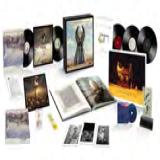
Die GUP-CD-Box enthält 4 CDs und eine Blu-ray. CD1 enthält den neu gemasterten Stereo-Mix von
1984. CD2 enthält Terry Browns brandneuen Stereo-Mix des Albums. Das Album „Grace Under Pressure
Tour: Live in Toronto 1984“ befindet sich auf den CDs 3 und 4. Die Blu-ray enthält außerdem das Konzertvideo, das GUP-Studioalbum, neu abgemischt in Atmos & 5.1, Terry Browns neuen Album-Mix und 4
Musikvideos. Geddy Lee verfasste die Liner Notes und Hugh Symes brillante neue Illustrationen sind im
Buch abgebildet.
Die GUP-LP-Box enthält 5 LPs und eine Blu-ray. LP1 enthält den neu gemasterten Stereo-Mix von 1984.
LP2 enthält Terry Browns brandneuen Stereo-Mix des Albums. Das Album „Grace Under Pressure Tour:
Live in Toronto 1984“ ist auf den LPs 3, 4 und 5 sowie als Konzertvideo auf Blu-ray enthalten. Die Blu-ray
enthält außerdem das GUP-Studioalbum, neu abgemischt in Atmos & 5.1, Terry Browns neuen Album-Mix
und 4 Musikvideos. Geddy Lee verfasste die Liner Notes und Hugh Symes brillante neue Illustrationen sind
im Buch abgebildet.
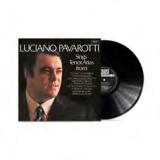
Tenor Arias from Italian Operas zeigt Luciano Pavarotti auf dem Höhepunkt seiner Ausdruckskraft, wie er
jene Arien interpretiert, die ihn zur Legende machten.
Von der schwebenden Lyrik Verdis bis zur tief empfundenen Leidenschaft Puccinis offenbart diese maßgebliche Sammlung Pavarottis unvergleichliches Talent, Melodien zu formen, Charaktere zum Leben zu erwecken und die Seele zu berühren. Jeder Track strahlt neue Tiefe und Präsenz aus und zieht die Hörer
näher denn je an die unverwechselbare Wärme und Brillanz des weltweit beliebtesten Tenors heran.
Das Album erscheint erstmals seit 1984 wieder auf Vinyl – mit neu geremastertem HD-Audio, ebenfalls
zum ersten Mal. Das Material wurde direkt aus den Pre-Master-Bändern in den Decca-Archiven übertragen
und verleiht diesen historischen Aufnahmen eine neue, wunderschöne Perspektive.
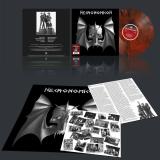
Kreator, Destruction und Sodom. Allesamt teutonische Thrash-Metal-Legenden. Doch wer kennt heutzutage noch eine Band wie Necronomicon? Dabei hätte alles ganz anders kommen können. Anstatt bei Noise, Steamhammer oder Roadrunner landeten Necronomicon bei Wave Records (einem obskuren Unterlabel von Gama Records). Ihre Debüt-LP war bereits 1984 im Kasten, erschien aufgrund von Labelproblemen aber erst ganze zwei Jahre später. Auch heute zählt »Necronomicon« (jetzt über High Roller Records als CD und Vinyl wiederveröffentlicht) noch immer zu den besten deutschen Thrash-Metal-Platten aller Zeiten. Mit Stücken wie “Possessed by Evil”, “Bloody Revenge” oder “Blind Destruction”, ist und bleibt das erste Album von 1986 ein wahrer Klassiker!
Am 20. Februar 2026 erscheint GLENs viertes Studioalbum - ein fünf Tracks umfassendes, instrumentales Statement aus noisegetriebener Energie und eklektischer, frei formulierter Experimentierlust. Benannt nach dem ersten Satz aus George Orwells 1984, entfaltet sich das Album als hypnotische Kraft strukturierter Chaoszustände: viszeral, im besten Sinne verstörend und mit absoluter Überzeugung vorgetragen.Das grenzüberschreitende Quartett aus Berlin - bekannt für seine intensive Verbindung aus Art Rock, Post-Rock und freier Improvisation - erweitert seine klassische Besetzung aus zwei Gitarren (Wilhelm Stegmeier, Eleni Ampelakiotou), Bass (Roland Feinäugle) und Schlagzeug (Achim Faerber) um Gastmusiker*innen und ein erweitertes Instrumentarium, das von Clavinet bis Synthesizer reicht. So entstehen immersive, dichte und langsam brennende Klangarchitekturen.Geprägt von Wiederholung, Spannung und ständiger Transformation bewegen sich die transluzenten Soundlandschaften zwischen explosiver Energie, struktureller Präzision und freiem Fluss der Improvisation. Körperlich, atmosphärisch und kompromisslos oszilliert GLEN zwischen Minimalismus und Eruption. Roh und zugleich bewusst kontrolliert - ein gelenktes Chaos, angetrieben von Reibung, Wiederkehr und gradueller Metamorphose.
Love Wars is the 1983 debut album by Womack & Womack. The album charted at number 34 on the Billboard Top Black Albums chart.
Two singles from the album, "Love Wars" and "Baby I'm Scared of You", were hits in the UK, reaching number 14 and number 72 on the
UK Singles Chart, respectively. Album was ranked number 4 among the "Albums of the Year" for 1984 by NME, and the single
"Love Wars" was ranked as the year's number 1 song.
Love Wars is available as a limited numbered edition of 750 copies on silver coloured vinyl
limited edition of 750 individually numbered copies on silver coloured vinyl
Nach zwei erfolgreichen Demo-Tapes, »Bloody Karnage« (1984) sowie »Surrender Or Die« (1985), begaben sich Torontos Slaughter im Februar 1986 erneut ins Studio, um ihre Debüt-Single »Nocturnal Hell« aufzunehmen, die aus dem Titeltrack, “One Foot In The Grave” und “Tortured Souls” bestand. Die Besetzung bestand aus dem Gitarristen und Sänger Dave Hewson, Bassist Terry Sadler sowie Schlagzeuger Ron Sumners. Die Originalpressung der 7“ Single erschien auf Brian Taylors Label Diabolic Force in einer limitierten Auflage von 1.000 Stück. Der hektische Death/Thrash Metal von Slaughter traf voll den Zeitgeist wurde von den Fans sofort ins Herz geschlossen. 1987 folgte auf »Nocturnal Hell« das legendäre Debütalbum von Slaughter, »Strappado« (ebenfalls auf Diabolic Force veröffentlicht). „Sämtliche Stücke von »Nocturnal Hell« wurden schon in der Session zum »Strappado«-Album mit aufgenommen“, erklärt Dave Hewson heute. „Die Aufnahmen und der Mix nahmen insgesamt ganze zwei Tage in Anspruch und kosteten lächerliche 500 US-Dollar. Eine 7“ war eigentlich nie geplant. Aber ich glaube mich erinnern zu können, dass Diabolic Force/Fringe Records in finanziellen Schwierigkeiten steckten und deswegen die Single vor der »Strappado«-LP herausbrachten, die dann ein Jahr auf sich warten ließ. Das Album wurde im Februar 1986 aufgenommen, kam aber erst 1987 heraus. Wir waren sehr froh darüber, wie die Scheibe geklungen hat, super heavy nämlich. Das Schlagzeug ist im Mix vielleicht ein wenig zu laut gewesen, aber insgesamt waren wir wirklich zufrieden mit dem Sound.“ Rechtzeitig zum 40-jährigen Jubiläum legen High Roller Records nun die inzwischen sehr gesuchte »Nocturnal Hell«-Single in ihrer ursprünglichen Fassung noch einmal neu auf.
“The blueprint was simple: Hot Chocolate rhythms, George Murray bass lines, classical music instruments with pop sensibilities. We, the architects, however, were complicated.” Paul Simpson, 2025 Needle Mythology, the label founded by music writer, author and broadcaster Pete Paphides, is thrilled to announce the release of the much-mythologised ‘lost’ album by CARE – the group made up of IAN BROUDIE and PAUL SIMPSON Prior to forming Care, Ian and Paul had been very active in the Liverpool post-punk scene. Ian played alongside Holly Johnson, Jayne Casey, Budgie and Bill Drummond in Big In Japan, before joining the Original Mirrors. He also produced several early records by Echo and the Bunnymen, most notably the albums Crocodiles and Porcupine. Paul had played with school friend and future Bunnyman Will Sergeant in Industrial Domestic and the founding line-up of The Teardrop Explodes, before going on to form The Wild Swans. CARE were brought together late in 1982 by mutual friend Will Sergeant, when Paul was looking for someone to play a guitar part for a new song he had written. Ian obliged and asked him to return the favour by singing on one of his songs Tall Ships. When Bunnymen manager Bill Drummond heard the result, now retitled My Boyish Days (Drink To Me), he secured the pair a deal with Arista on the back of it. Care would go on to release three acclaimed singles over the course of a twelve-month period between 1983 and 1984 – My Boyish Days (Drink To Me), Flaming Sword and Whatever Possessed You – before Simpson, still struggling to come to terms with the break-up of his previous band decided not to continue. Although top 40 success eluded Care in the UK, the group quickly found an adoring fanbase in the Philippines, where all three singles became huge hits. Love Crowns and Crucifies marks the first vinyl release of the previously unheard songs gathered together on 1997’s Diamonds and Emeralds CD. Working closely with Paul Simpson and with the approval of Ian Broudie, Needle Mythology has been given access to the original quarter-inch tapes which housed everything that Broudie and Simpson recorded together.
“The blueprint was simple: Hot Chocolate rhythms, George Murray bass lines, classical music instruments with pop sensibilities. We, the architects, however, were complicated.” Paul Simpson, 2025 Needle Mythology, the label founded by music writer, author and broadcaster Pete Paphides, is thrilled to announce the release of the much-mythologised ‘lost’ album by CARE – the group made up of IAN BROUDIE and PAUL SIMPSON Prior to forming Care, Ian and Paul had been very active in the Liverpool post-punk scene. Ian played alongside Holly Johnson, Jayne Casey, Budgie and Bill Drummond in Big In Japan, before joining the Original Mirrors. He also produced several early records by Echo and the Bunnymen, most notably the albums Crocodiles and Porcupine. Paul had played with school friend and future Bunnyman Will Sergeant in Industrial Domestic and the founding line-up of The Teardrop Explodes, before going on to form The Wild Swans. CARE were brought together late in 1982 by mutual friend Will Sergeant, when Paul was looking for someone to play a guitar part for a new song he had written. Ian obliged and asked him to return the favour by singing on one of his songs Tall Ships. When Bunnymen manager Bill Drummond heard the result, now retitled My Boyish Days (Drink To Me), he secured the pair a deal with Arista on the back of it. Care would go on to release three acclaimed singles over the course of a twelve-month period between 1983 and 1984 – My Boyish Days (Drink To Me), Flaming Sword and Whatever Possessed You – before Simpson, still struggling to come to terms with the break-up of his previous band decided not to continue. Although top 40 success eluded Care in the UK, the group quickly found an adoring fanbase in the Philippines, where all three singles became huge hits. Love Crowns and Crucifies marks the first vinyl release of the previously unheard songs gathered together on 1997’s Diamonds and Emeralds CD. Working closely with Paul Simpson and with the approval of Ian Broudie, Needle Mythology has been given access to the original quarter-inch tapes which housed everything that Broudie and Simpson recorded together.
"The Highwaymen were a country music super-group composed of four of the biggest outlaw country artists: Johnny Cash, Waylon Jennings, Willie Nelson, and Kris Kristofferson. The band was active as a group between 1985 and 1995.
In 1984 Glen Campbell first played the song ""Highwayman"" for Johnny Cash. The four were all together in Switzerland doing a television special and decided that they should do a project together. While the four were recording their first album, Marty Stuart again played the song for Cash, saying it would be perfect for them - four verses, four souls, and four of them. The quartet had the name for their new super-group ""The Highwaymen"", the name of their first album, Highwayman, and the name of their first single. It was a perfect name for them because they were always on the road and all four had the image of being outlaws in country music.
Both the album and the single eventually reached the top spot in the country music charts. Their cover of Guy Clark's ""Desperados Waiting for a Train"" reached the Top 20.
Highwayman is part of the Groove Classics collection and now available against a fair, budget-friendly price."
"The Highwaymen were a country music super-group composed of four of the biggest outlaw country artists: Johnny Cash, Waylon Jennings, Willie Nelson, and Kris Kristofferson. The band was active as a group between 1985 and 1995.
In 1984 Glen Campbell first played the song ""Highwayman"" for Johnny Cash. The four were all together in Switzerland doing a television special and decided that they should do a project together. While the four were recording their first album, Marty Stuart again played the song for Cash, saying it would be perfect for them - four verses, four souls, and four of them. The quartet had the name for their new super-group ""The Highwaymen"", the name of their first album, Highwayman, and the name of their first single. It was a perfect name for them because they were always on the road and all four had the image of being outlaws in country music.
Both the album and the single eventually reached the top spot in the country music charts. Their cover of Guy Clark's ""Desperados Waiting for a Train"" reached the Top 20.
Highwayman is part of the Groove Classics collection and now available against a fair, budget-friendly price."
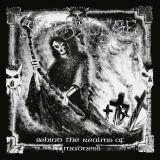
High Roller Records, 2. Pressung, 425 g/m² schwerer Kartonumschlag, Beilage, Poster, 180 g schwarzes Vinyl, limitiert auf 500 Stück Original-Vinyl-Transfer von Marcus Mossmann (R.I.P.) bei PHONOGRAPHIC ARTIFACTS im März 2014. Audio-Reinigung und Mastering von Patrick W. Engel bei TEMPLE OF DISHARMONY im März 2022. Schnitt von SST Germany auf Neumann-Maschinen für optimale Qualität auf allen Ebenen... Die ultimative Neuauflage! Sacrilege wurden im Juli 1984 in Birmingham gegründet. Die ursprüngliche Besetzung bestand aus Sängerin Tam, Gitarrist Damian Thompson, Bassist Tony May sowie Schlagzeuger Liam Pickering. Im Sommer 1985 wurde Pickering durch Andy Baker ersetzt. Nach einigen lokalen Auftritten nahmen Sacrilege erste Demo-Tapes auf, die in der englischen Punk/Hardcore-Szene sowie auch in Metal-Kreisen durchaus auf offene Ohren stießen. Daraufhin zeigte das Kleinstlabel C.O.R. (Children Of The Revolution Records) Interesse an der Band. Sacrilege begaben sich ins Studio, um die sechs Songs “Lifeline”, “Shadow From Mordor”, “At Death’s Door”, “A Violation Of Something Sacred”, “The Closing Irony” und “Out Of Sight” für die Mini-LP »Behind The Realms Of Madness« einzuspielen. Musikalisch folgten sie damit dem Beispiel von englischen Gruppen wie Broken Bones, English Dogs sowie Discharge, indem sie die Energie von Punk/Hardcore mit der Finesse des Metal-Riffings fusionierten. Von der Originalpressung auf C.O.R. sollen zum Erscheinungszeitpunkt alleine in Europa 11.000 Exemplare abgesetzt worden sein, dazu kamen noch einmal 15.000 Kopien über Pusmort in Amerika.
Es ist durchaus eine kleine Sensation, dass dieser Tage ein weiteres MORBID SAINT-Album erscheint, also mehr als 30 Jahre, nachdem ihre zweite LP „Destruction System“ aufgenommen, aber bis zu ihrer offiziellen Veröffentlichung vor kurzem nicht fertiggestellt worden war. Allerdings war die Aussicht, neue Musik in ihrem einzigartigen Death/Thrash-Metal-Stil zu schreiben, einer der Hauptgründe dafür, dass sich die Kernmitglieder 2010 überhaupt wieder vereinten. Während ihrer ersten aktiven Phase von 1984 bis ’94 konnte die Band ihr Potenzial längst nicht ausschöpfen, insbesondere im Hinblick auf ihre bahnbrechende erste Platte „Spectrum of Death“ (1990). Das neue Werk entstand im kreativen Fernaustausch, wobei sich alle Mitglieder gegenseitig Ideen zuspielten, um ein Breitseite aus zehn Extrem-Metal-Tracks abzufeuern, wie man sie heute kaum mehr hört – absolut verheerend und doch musikalisch anspruchsvoll, Grenzen überschreitend, aber nicht auf Teufel komm raus, und abgerundet von einem Artwork des legendären Ed Repka (Death, Megadeth). „Swallowed By Hell“ wurde von Chris Djuricic (Num Skull, Disinter) im The Belle City Sound Company aufgenommen und erhielt den letzten Schliff von Scott Elliott in den Chernobyl Studios. Es riecht nach alter Schule, steht aber mit beiden Beinen im Hier und Jetzt.
A true hot stepper and one of the best of its kind, this 1984 masterpiece from Ini Kamoze is heavy, real and authentic. It was actually Jamaican born artist Cecil Campbell's debut album and features spacious, slow motion dubs that invite you deep within their cavernous drums. The chattery percussion, echoing hits and loose percussion all make a real mark. "World-A-Music" has a beat fans of Damien Marley will recognise, and "General" features some of Campbells more vulnerable vocal work. For fans old and new, this is a perfect roots album with a unique perspective.
out of Stock
Last delivered 3 years ago available to reorder, subject to availability
Best known as the frontman of the influential indie rock trio Dinosaur Jr., J Mascis has also been a solo artist, producer, and film composer. Getting his start as a founding member of the hardcore band Deep Wound, Dinosaur Jr. was founded in 1984 and the group emerged among the most highly regarded alternative rock. By introducing volume and attack in his songs Mascis shed the strict limitations of early 1980’s hardcore, becoming an influence on the burgeoning grunge movement. Mascis’ body of work continues to inspire a generation of guitar players and songwriters today.
In 1997, Dinosaur Jr. disbanded and Mascis released More Light, his first recording under the moniker J Mascis + The Fog. Members and collaborators of The Fog have included Mike Watt (Minutemen / fIREHOSE), Ron Asheton (The Stooges), Robert Pollard (Guided By Voices), Kevin Shields (My Bloody Valentine), Dave Schools (Hard Working Americans / Widespread Panic) and Kyle Spence (Harvey Milk).
Best known as the frontman of the influential indie rock trio Dinosaur Jr., J Mascis has also been a solo artist, producer, and film composer. Getting his start as a founding member of the hardcore band Deep Wound, Dinosaur Jr. was founded in 1984 and the group emerged among the most highly regarded alternative rock. By introducing volume and attack in his songs Mascis shed the strict limitations of early 1980’s hardcore, becoming an influence on the burgeoning grunge movement. Mascis’ body of work continues to inspire a generation of guitar players and songwriters today.
In 1997, Dinosaur Jr. disbanded and Mascis released More Light, his first recording under the moniker J Mascis + The Fog. Members and collaborators of The Fog have included Mike Watt (Minutemen / fIREHOSE), Ron Asheton (The Stooges), Robert Pollard (Guided By Voices), Kevin Shields (My Bloody Valentine), Dave Schools (Hard Working Americans / Widespread Panic) and Kyle Spence (Harvey Milk).
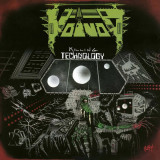
Voivod wurde 1982 in Jonquière, Quebec, von Sänger Denis „Snake“ Belanger, Gitarrist Denis „Piggy“ D'Amour, Bassist Jean-Yves „Blacky“ Thériault und Schlagzeuger Michael „Away“ Langevin gegründet und nahm eine Reihe von Demos auf, bevor Brian Slagel auf die Band aufmerksam wurde und einen Vertrag mit Metal Blade Records unterzeichnete. Das Ergebnis war das furiose Debütalbum „War And Pain“, das im August 1984 veröffentlicht wurde. Zu dieser Zeit teilten sich alle vier Mitglieder eine Wohnung in Montreal und lebten von 150 Dollar Sozialhilfe pro Woche. Da sie die Schule bereits hinter sich hatten, konnten sie fast jeden Tag proben, was zur Entstehung ihres zweiten Albums „Rrröööaaarrr“ führte. Während der Aufnahme des Albums wurde fast die gesamte Ausrüstung aus dem Proberaum gestohlen. Um Geld aufzutreiben, organisierte die Band zusammen mit ihrem Manager Maurice Richard das legendäre „World War III“-Festival. Dort lernten sie Karl-Ulrich Walterbach kennen, der Voivod davon überzeugte, bei seinem Label Noise Records zu unterschreiben. Nach „Rrröööaaarrr“ von 1986 hieß Voivods zweites Album für Noise „Killing Technology“ und gilt weithin als der größte kreative und klangliche Sprung der Band. Es wurde in West-Berlin unter den wachsamen Augen von Harris Johns aufgenommen und kam 1987 auf den Markt. Weniger hektische Kompositionen wie „Tornado“, „Ravenous Medicine“ oder „Killing Technology“ hoben die Kanadier schnell von ihren Thrash-Zeitgenossen ab. „Rrröööaaarrr„ haben wir mit unserem Tontechniker in einer heruntergekommenen Schule ohne Geld selbst produziert“, erklärt Michael Langevin in dem Buch „Damn The Machine. The Story Of Noise Records“ des amerikanischen Autors David E. Gehlke. „Plötzlich hatten wir ein professionelles Umfeld, ein richtiges Studio mit einem richtigen Produzenten und ein Label, das die Finanzierung sicherstellte. Es ging Schritt für Schritt. Für „Killing Technology“ haben wir vielleicht ein bisschen langsamer gemacht. Wir konnten die Rollen spielen, und es hat viel Abwechslung. Es ist mein Lieblingsalbum und in meinen Ohren die perfekte Mischung aus Thrash, Prog und Hardcore. Es ist definitiv ein entscheidendes Album.“
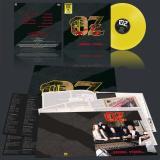
High Roller Records, neongelbes Vinyl, limitiert auf 450 Stück, 425 g/m² schwerer Kartonumschlag mit 5 mm Rücken, Textblatt, 8-seitiges Booklet, Poster. Transfer, Audio-Restaurierung und Mastering durch Patrick W. Engel bei TEMPLE OF DISHARMONY im April 2025. Schnitt durch SST Germany auf Neumann-Maschinen für optimale Qualität auf allen Ebenen. Die ultimative audiophile Neuauflage!
Die hochgeschätzten Euro-Metal-Pioniere OZ wurden 1977 in der kleinen finnischen Stadt Nakilla ursprünglich als Cover-Band gegründet. Die Band bestand aus Mark Ruffneck (bürgerlicher Name Pekka Mark) am Schlagzeug, Sänger Ape DeMartine (Tapani Hämäläinen), Bassist Tauno Vajavaara sowie Kario Elo an der Gitarre.
Nachdem man in jedem Winkel des Heimatlandes Finnland live gespielt hatte, zogen OZ 1983 nach Stockholm um und unterschrieben einen Vertrag bei Börje Forsbergs Label Tyfon Grammofon AB Börje Forsberg, auch als The Boss bekannt, war der Sohn von Bathorys Quorthon.
In der Folge avancierten OZ zu einer der wichtigsten Heavy-Metal-Bands Skandinaviens und nahmen insgesamt fünf Studioalben auf, eher im Winter 1991/92 das Ende kam.
Nach »OZ« (1982), »Fire In The Brain« (1983) sowie »III Warning« (1984) war »Decibel Storm« 1985 das vierte Album der finnischen Schweden.
Yvonne started her carreer as a singer at the age of 18 years. She performed the hit GARDEN OF EVE in 1981 (ATLANTIC), produced by the great Donald Burnside. This outstanding classic tune stayed for several weeks on top of the hitlists, while LOVER OF MY DREAMS was a track initially meant for the 1983 album, but the track wasn't finished in time for the release of the album, it was only released in Europe during 1984. SLOW DOWN was recorded during 1981 and was never release before
out of Stock
Last delivered 8 months ago available to reorder, subject to availability
Vier Jahrzehnte nach ihrer Gründung schreiben Ian Astbury und Billy Duffy ein neues Kapitel in der Geschichte von The Cult. Gemeinsam mit John Tempesta (Bass) und Charlie Jones (Schlagzeug) ließen sie 2023 ihre legendäre Frühphase Death Cult für eine exklusive Konzertreihe wieder aufleben - eine Hommage an die Ursprünge einer der einflussreichsten britischen Rockbands der 1980er-Jahre. Das Ergebnis dieser intensiven Rückkehr erscheint am 16. Januar 2026 unter dem Titel "PARADISE LIVE" - ein 16 Songs starkes Live-Album, aufgenommen am 18. November 2023 in der ehrwürdigen Albert Hall in Duffys Heimatstadt Manchester. "PARADISE LIVE" erscheint als Doppel-LP im exklusiven "Black on White"-Splatter-Design, auf CD sowie digital. Das edle Artwork zeigt ein schwarz auf schwarz geprägtes Schmetterlingsmotiv - entworfen von Ian Astbury und kunstvoll neu interpretiert von Carter O"Sullivan (Beggars Art Department). Die Black-Splatter-Edition ist ausschließlich über den Band-Webshop erhältlich, während die White-Splatter-Edition im regulären Handel erscheint. Der Weg von The Cult begann 1981 mit Southern Death Cult, deren gleichnamiges Album posthum 1983 erschien. Noch im selben Jahr gründeten Astbury und Duffy Death Cult - der Beginn einer kreativen Partnerschaft, die seit über 40 Jahren Bestand hat. Bereits 1984 entwickelte sich daraus The Cult, die im selben Jahr ihr gefeiertes Debüt "Dreamtime" veröffentlichten. Mit "PARADISE LIVE" schließen Astbury und Duffy den Kreis - ein intensives, authentisches Live-Dokument, das Vergangenheit, Gegenwart und Zukunft einer außergewöhnlichen Band miteinander verbindet.
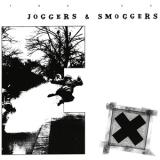
Selbst in einer Karriere voller krasser Wendungen war ,Joggers & Smoggers" (1989) echt überraschend. Während ,Aural Guerilla" (1988) ein Versuch war, die verrückte Live-Energie der Band im Studio einzufangen, was echt gut geklappt hat, war der Nachfolger ,Joggers & Smoggers" ein Versuch, fast alle Grenzen zu ignorieren. Diese 34 Songs strotzen vor grenzenlosem Eklektizismus und verbinden die legendäre Intensität der Band mit spielerischen Umwegen, literarischen Erfindungen und Referenzen sowie erfolgreichen Kollaborationen (von den Noise-Rockern Thurston Moore und Lee Ranaldo bis hin zu den in Amsterdam ansässigen Improvisatoren Ab Baars und Wolter Wierbos und einer Reihe bereits bekannter Freunde und Verbündeter). Das Ergebnis ist nicht mehr eine streng ausgeführte Reihe von Songs, sondern ein großzügiger Ausbruch von Kreativität. Auf diesem Doppelalbum kombiniert The Ex Unruhe, Verspieltheit, ethnische Einflüsse und improvisatorische Ideen, wie sie bereits auf Veröffentlichungen wie ,Dignity Of Labour" (1983) und ,Blueprints For a Blackout" (1984) angedeutet wurden. Das Ergebnis ist ihr bis dahin umfangreichstes und einzigartigstes Album, vielleicht eine ihrer wirklich ,wichtigsten Veröffentlichungen", die die Grundlage für ihre bevorstehende Zusammenarbeit mit Tom Cora bildete.
The vinyl LP at the heart of this éthiopiques 31 tracks 2 to 11 was one of the very last vinyl records ever released in Ethiopia. But above all it represents, we felt, the absolute masterpiece of the Ethiopian Groove – the Swan Song of Swinging Addis. The album leaves a clear idea for posterity of the level of sophistication and mastery that modern Ethiopian music had achieved, before being crushed under the Stalino-military heel of the Derg – as the bloody revolution that was unfolding came to be called.
Ethiopia1976.
The Revolution that broke out in February 1974 rolled on in a ruthless march. The whole of Ethiopian society was utterly stunned. The bouquets of flowers handed joyfully to the first tanks of the coup d'état were to wilt very rapidly. From September 1976 to February 1978, 18 months of Red Terror (the name given by the junta itself) spilled blood throughout the country. This fratricidal conflict took its heaviest toll among students and youth. The shift from feudalism to a cruel and primitive Stalinism left the country's citizens deeply traumatised, and snuffed out any pretence of activism, whatever the sector of society. This ice age was to last for seventeen long years.
ሙሉቀን፡መለሰ Mulukèn Mellèssè Muluqän Mälläsä
It was three tracks by Muluken that served as the opener for éthiopiques-1 more than 25 years ago. Seven more tracks appeared on éthiopiques-3 and 13, all accompanied by The Equators, which was soon to become the Dahlak Band.
The first track, Hédètch alu, also the very first piece that Muluken ever recorded, left audiences both unsettled and amazed. Reflecting the singer's extremely young age (he was just 17 at the time), this angelic voice mystified many, who thought they were in fact listening to a feminine voice. He was not yet 22 when he released his last vinyl record in 1976 with Kaifa Records (KF 39LP), one of the very last to be issued in Ethiopia, before the cassette tape became the dominant medium for music distribution – and before the new revolutionary regime put a stop to all independent musical life, via an unspeakable barrage of prohibitions and other persecutions.
Mulu qèn, literally, “A well filled day”. This tender maternal intention wasn't enough to ward off the cruelty of fate. His mother's premature death drove Muluken to leave his native Godjam, in northeast Ethiopia, to live with an uncle in Addis Ababa. Born Muluken Tamer, he took his uncle's last name – Mèllèssè.
The spelling Muluken appeared in his administrative records. Transcription of Amharic to the Latin alphabet, both in Ethiopia and for scholars, gives rise to controversies and quibbles that can never be neatly settled. French allows for a closer approximation of the original pronunciation, thanks to its battery of accent marks, confusing as they may be to anglophones.
Between rather accommodating administrative record-keepers and the various versions that pop up in interviews given by the artist, Muluken's year of birth oscillates between 1953 and 1955…
1954? One thing is certain: the artist's talent made itself known very early indeed, because he got his start in 1966-67, at the age of 13 or 14. Photos from the period attest to his extreme youth. It's a strange sort of initiation for a very young teenager to become a sensation in the heart of Addis's nightlife at the time, Woubé Bèrèha – the Wilds of Woubé. And what's more, in the club of the Queen of the Night, the Godjamé Assègèdètch Alamrèw herself, the very same that was portrayed by Sebhat Guèbrè-Egziabhér in his novel-memoir Les Nuits d’Addis Abeba2… The legendary female club owner who is remembered to this day by the capital's ageing boomers.
Muluken first tried his hand at the drums, before he grabbed the microphone. He emigrated briefly to the Zula Club, across the street from the old Addis Post Office, one of the ground-breaking bars of the burgeoning musical scene, before joining the Second Police Band in 1968, for around three years. He spent a few months with the short-lived Blue Nile Band founded by saxophonist Besrat Tammènè. As the musical scene grew increasingly successful, and pulled slowly but decisively away from its institutional ties, Muluken released his first 45rpm single in February 1972 (Amha Records AE 440). It was included in two LP Ethiopian Hit Parade compilation albums in September of the same year. All in all, Muluken released eight two-track 45s and the same number of original cassette tapes between February 1972 and 1984, the year that he departed for permanent exile in the USA. After converting to Pentecostalism in 1980, Muluken gradually abandoned all secular musical activity. In 1985, at the end of a concert in Philadelphia, he decided to quit concerts and recording for good. Mèlakè Gèbré, the historic bass player from the Walias band who was playing with him that night, recalls that everything appeared so irredeemably diabolical in Muluken's eyes, that it was to be the end of his contribution to Ethiopian Groove.
The end of the story, the beginning of a legend.
Dahlak Band, forgotten by History
Aside from his personal history and vocal talents, it must be remembered that Muluken Mèllèssè was one of the biggest names in the musical innovations that marked the end of the imperial period. These éthiopiques aim to convince those who are just discovering this hidden gem... As for Ethiopians themselves, they are to this day captivated by this singular and atypical figure in the Abyssinian pop landscape – even though he withdrew from public life some 40 years ago. Incorrigible devotees of poetic twists, of more or less hidden meanings, Ethiopians appreciate above all the care Muluken took in choosing his lyrics and the writers who penned them, such as Feqerte Haylou, Alemtsehay Wodajo and, here, Shewalul Mengistu (1944-1977). Love songs, written by women, a far cry from the conventional drivel that pleases sappy sentimentalists.
Muluken is equally acclaimed for his perfectionism when it came to music, the opposite of the overly casual approach that is all too common. He remained a faithful partner of musicians who came from a lineage that borrowed from several inventive and pioneering bands (Venus, Equators, Dahlak). Amongst them were certain artists who began their musical lives with Nersès Nalbandian at the Haile Sellassie Theatre and who come of age in around 1973 – at just the wrong time, you might say. Among them were the pillars Shimèlis Bèyènè (trumpet), Dawit Yifru (keyboards) and Tilayé Gèbrè (sax & flute). Most notably Tilayé Gèbrè, certainly one of the most important musicians, composers and arrangers of his generation, of the end of the imperial era, and of the early years of the Derg.
It was only in 1981 that a miraculous opportunity arose for Tilayé to escape the Stalinist paradise of the dictator Menguistou Haylè-Maryam. Once again it was Amha Eshèté (1946-2021) who provided a solution. The spirited and courageous producer, who had been in exile in Washington since 1975, succeeded, thanks to his incredible perseverence, in bringing the Walias Band to the USA. It was, in fact an extended Walias Band comprising ten musicians3, six of whom chose to slip away after a few concerts and the recording of an LP (The Best of Walias, WRS 100). Tilayé Gèbrè was one of these. He has been living in the USA ever since. There he joined the then-nascent Ethiopian diaspora, which lived largely unto itself, and was making only very modest headway in the American musical market. It seems unfair that Tilayé Gèbrè and the Dahlak Band were not able to benefit earlier from the public recognition that they do deserve.
A similar draining away of the top-rate talents would lead to the reorganization of the major groups of the “Derg Time”. The remaining artists spread themselves around between Ibex Band (renamed Roha Band), Ethio Star Band and a remodeled Walias Band. That spelled the end of the Dahlak Band.
With this record, produced by the essential Ali Abdella Kaifa a.k.a. Ali Tango, we can appreciate everything that the Derg not only destroyed, but also prevented from flourishing. This gem of Ethiopian-style afrobeat came out in 1976 (and, by way of a parenthesis, before the FESTAC 1977 in Lagos, which was attended by an impressive delegation of Ethiopian musicians — although Fela was already personna non grata in his own country). Despite everything that might distinguish this ethio-groove from Fela’s music – no colonial axe to grind, no question of political confrontation with the authorities, no claims to negritude or Africanism for the Ethiopian musicians, and less extrovertion! –, this LP fits beautifully into the saga of intense and electrified soul of the new “African” groove that Fela and Manu Dibango embodied so well from that point onwards.
In restoring this record to its place in the afrobeat epic, it can be seen that, if nothing else, the timeline bestows a legitimate pedigree and a historical primacy to works that had no international impact when they were originally released.
Warning! Masterpiece!
out of Stock
Last delivered 3 months ago available to reorder, subject to availability
Trouble’s absolute classic: the legendary album from 1990 and the pinnacle of Trouble’s impressive career. Heavy Metal was never better than this! Includes a live bonus CD recorded in Dallas, Taxas (USA)! Trouble’s debut album did great things for Metal and remains one of the darkest, thrashiest Doom albums to date. A lot of things can change in six years, especially when you’re talking Metal and the dates are 1984 and 1990. The decade may have changed them, but not in a way that suggests decay or a decline in the quality of their resolve or their skill as musicians and performers. On the contrary, Trouble’s 1990 self-titled release is arguably their most mature, boasting a fleshed out sound with unparalleled songwriting, a great production, and the time-crafted vocals of Eric Wagner which had improved major in the years since their previous efforts. All of this culminates in what is my mind the most “complete” thing Trouble ever created. From the mid-paced chug of a killer opener in “At the End of My Daze” to the last notes of “All Is Forgiven”, I can’t see filler or anything resembling a weak link. The riffs here are some of the best ever written, by Trouble or anyone else; every song has a manically awesome main riff that demands a display of headbanging. Riffs are undoubtedly the point of focus here; they make the songs, and they’re a timeless variety of great. Also, the interplay between guitarists Bruce Franklin and Rick Wartell is some of the best lead work you will ever hear in Metal. Trouble basically reinvented themselves with this release, and while I think it was a fantastic rebirth, those who aren’t so keen on the laid back stoner vibe they chose to adopt may not see it as a rejuvenation, but a step back (they did go from doom and gloom to collectively embracing their inner acid dropping free love hippie, after all). But the Metal remained fully intact! And as I’ve said, I think this is Trouble at their best. This is originality and innovation at its best, it is supreme quality. A leader of bands paves the way and then steps aside to create something that will serve as an example of how to improve upon an established formula: that is, by doing it really damn well.
In celebration of the 40th Anniversary of the blockbuster summer film of 1984, SPACELAB9, in conjunction with Columbia Pictures, proudly presents The KARATE KID: 40th Anniversary Original Motion Picture Score Double LP!
Released for the first time ever on vinyl, the collection features the full 20 track score album by legendary composer Bill Conti, plus 7 bonus tracks.
Double LP package features beautiful original cover artwork created exclusively for this album by renowned artist Astor Alexander, plus stills from the original landmark 1984 film and a brief note from composer Bill Conti.
out of Stock
Last delivered 9 months ago available to reorder, subject to availability
Erstpressung ausverkauft, Nachpressung (schwarzes Vinyl und neue Farbe) wegen großer Nachfrage! Das schwedische Punkrock-Urgestein SATOR veröffentlicht mit den High (Rock'n) Rollern und Punkrockern THE HEADLINES eine Split EP: Eine längst fällige Herzens- und Freundschaftsangelegenheit! Schließlich war es Sator-Bandgründer Chips Kiesbye, der vor mehr als 15 Jahren das musikalische Potential und die wilde, ungestüme Power von The Headlines erkannte. Es folgten Supportshows und bis heute produziert und supportet Chips die Band im Studio. Die jeweils zwei exklusiven Songs der Bands auf der limitierten 10inch Vinyl spannen dabei den Bogen von Hard Rock, Sleaze, Glam bis straight forward Punkrock. The Headlines kehren mit "Fucked up" zu der klassischen Rock-Essence zurück, rotzig-frech verpackt in 2 Minuten mit allem was es braucht, um eine "fuckin great hymn" zu schreiben! "True Grit" - der zweite Song" orientiert sich mit melodischen Punkrock an den US-Westcoast Style: "Remember what you're fighting for!" The Headlines liebten es schon immer Gedanken über das Leben, die jeder kennt in griffige Rocksongs zu verpacken. SATOR präsentieren mit "Thanks (For nothing for all) einen vor langer Zeit geschriebenen wütenden Dampfhammer, der als Demo in den Bandarchiven irgendwie in Vergessenheit geriet. Während der Aufnahmen zu "Return of The Barbie-Q-Killers" stoplerte die Band über dieses Juwel und wurde neu aufgenommen. "Wir können uns nicht wirklich erinnern, worüber wir beim Schreiben wütend waren, aber es gibt immer etwas, das einen nervt. Wut ist nie aus der Mode." "I only want a date" wurde ebenfalls im Rahmen der Studio-Sessions für das letzte Sator-Album aufgenommen und ist ein Coversong der US-Band "The Embarrassment", die den gesuchten Song 1984 nur auf Tape veröffentlichten. Die 10inch EP erscheint streng limitiert in klassisch schwarzen oder blauen oder in limitierten zweifarbigen Swirl Vinyl und dürfte sich schnell als Sammlerstück etablieren. Swedish Alternative Rock at its best!
+ Special coloured disc CLEAR BLUE VINYL>
1, Nausicaa of the Valley of the Wind / Wind Fairy
Vocal: Narumi Yasuda (25.1.1984: ANS-2008)
2, If I can fly / I don’t need Virgin Road
Vocal: Yoko Obata (25.5.1986: 7AGS-7)
3, My Neighbor Totoro / Carrying You
Vocal: Azumi Inoue (25.10.1987: 7AGS-12)
4, My Neighbor Totoro /Hey Let’s go
Vocal: Azumi Inoue (25.3.1988: 7AGS-14)
5, Special Disc : Carrying you / My Neighbor Totoro
Crystal audio master *colored vinyl record
●Disc 1~4 = Reissues of the original EP
●Special Disc 5 =Instrumental versions of crystal clear sound
●Adapter =Studio Ghibli Records Original Adapter
Theme songs from the movies “Nausicaa of the Valley of the Wind” which was released 35 years ago, “Castle in the Sky” and “My Neighbor Totoro”
have been loved by many people up until now and even appeared in music textbooks.
The original 7” singles will be reissued and included in the box set. Remastered for this time, you can enjoy the vinyl only sound. We hope you experience the greatness of vinyl record.
Minisex: Kult-Album "Ayo" erscheint als limitierte Vinyl-Reissue am 05.12.2025 - remastered, farbig & rechtzeitig zum 70. Geburtstag von Sänger & Mastermind Rudi Nemeczek
Ein Klassiker des österreichischen New Wave feiert ein Comeback auf Vinyl: Am 5. Dezember 2025 erscheint das gefeierte Album "Ayo" von Minisex in einer remasterten 1LP-Reissue - limitiert auf eine exklusive Auflage und gepresst auf red-marbled Vinyl.
Ursprünglich 1984 veröffentlicht, zählt "Ayo" zu den musikalischen Meilensteinen der Bandgeschichte und enthält einige der größten Erfolge der österreichischen Kultband - allen voran die Songs "Rudi gib Acht" und "Eismeer", die bis heute Genre-Fans und Nostalgiker gleichermaßen begeistern.
Der Reissue-Termin könnte passender nicht sein: Nur wenige Wochen später, am 23. Dezember, feiert Rudi Nemeczek, Sänger, Songwriter und kreativer Kopf hinter Minisex, seinen 70. Geburtstag. Die Neuveröffentlichung ist somit nicht nur ein audiophiles Sammlerstück, sondern auch eine Hommage an eine zentrale Figur der österreichischen Musikszene.
Die LP erscheint in begrenzter Stückzahl. Wer sich ein Exemplar sichern möchte, sollte schnell sein - Ayo ist zurück, und zwar schöner denn je.
Minisex "AYO"
Limitierte 1LP auf red marbled Vinyl - ab 5.12.2025 erhältlich!
Uzed is the fourth album by Belgian band Univers Zero. It was released three years after 'Ceux du Dehors', due to a change in line-up and a new repertoire, although the EP 'Crawling Wind' had been released in the meantime.
The album marked a turning point for the band. Univers Zero explored new electric colors, giving it a more rock feel with the addition of new musicians such as Jean-Luc Plouvier, who introduced the synthesizer, guitarist Michel Delory, who played a memorable solo in 'Célesta (For Chantal)', and André Mergen on electric cello and alto saxophone, who enriched the orchestral texture. Dirk Descheemaeker on clarinet and soprano saxophone, the return of Christian Genet on bass, this evolution can also be explained by the arrival of new musicians. UZED'is entirely composed and arranged by Daniel Denis
The recording and mixing were done at Daylight Studio in Brussels in 1984, but to bring out UZED, the sound had to be improved by giving it more dynamic range, which was done at ICP Studios in 2024.
Uzed is the fourth album by Belgian band Univers Zero. It was released three years after 'Ceux du Dehors', due to a change in line-up and a new repertoire, although the EP 'Crawling Wind' had been released in the meantime.
The album marked a turning point for the band. Univers Zero explored new electric colors, giving it a more rock feel with the addition of new musicians such as Jean-Luc Plouvier, who introduced the synthesizer, guitarist Michel Delory, who played a memorable solo in 'Célesta (For Chantal)', and André Mergen on electric cello and alto saxophone, who enriched the orchestral texture. Dirk Descheemaeker on clarinet and soprano saxophone, the return of Christian Genet on bass, this evolution can also be explained by the arrival of new musicians. UZED'is entirely composed and arranged by Daniel Denis
The recording and mixing were done at Daylight Studio in Brussels in 1984, but to bring out UZED, the sound had to be improved by giving it more dynamic range, which was done at ICP Studios in 2024.
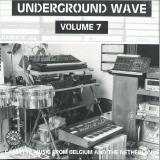
Again, a unique compilation by the leading Belgian re-release label Walhalla Records, specialized in minimal synth, cold wave, electro, and more. Following the widely acclaimed — and mostly sold-out — previous Underground Wave releases, totaling six albums so far and counting, there is now Volume 7. This release features Dutch and Belgian bands, each filling one side of the record. It offers a wealth of ultra-rare and previously unreleased material sourced from cassettes, deeply rooted in the electronic scene of the 80s and 90s.
out of Stock
Last delivered 8 months ago available to reorder, subject to availability
Mit England Screaming kehrt Wreckless Eric zurück zu Songs, die er zwischen 1982 und 1984 schrieb - und die ursprünglich auf dem wenig beachteten Album A Roomful Of Monkeys erschienen. Vierzig Jahre später hat Eric Goulden diese Stücke neu aufgenommen und ihnen die klangliche Tiefe und emotionale Ehrlichkeit verliehen, die sie verdienen. Das Ergebnis ist ein kraftvolles, raues Album, das Vergangenheit und Gegenwart miteinander verbindet. Eric spielt die meisten Instrumente selbst, unterstützt von Sam Shepherd (Drums), Amy Rigby und Marc Valentine (Backing Vocals, Piano) sowie dem Performancekünstler Graham Beck. Die Songs handeln von Drogen, Bankrott, Brautmode, Selbsttäuschung und dem Scheitern - Themen, die Eric mit bissiger Klarheit und schwarzem Humor verarbeitet. England Screaming ist ein musikalischer Befreiungsschlag, der die Reife eines erfahrenen Songwriters mit der Energie seiner frühen Jahre vereint.
Mit England Screaming kehrt Wreckless Eric zurück zu Songs, die er zwischen 1982 und 1984 schrieb - und die ursprünglich auf dem wenig beachteten Album A Roomful Of Monkeys erschienen. Vierzig Jahre später hat Eric Goulden diese Stücke neu aufgenommen und ihnen die klangliche Tiefe und emotionale Ehrlichkeit verliehen, die sie verdienen. Das Ergebnis ist ein kraftvolles, raues Album, das Vergangenheit und Gegenwart miteinander verbindet. Eric spielt die meisten Instrumente selbst, unterstützt von Sam Shepherd (Drums), Amy Rigby und Marc Valentine (Backing Vocals, Piano) sowie dem Performancekünstler Graham Beck. Die Songs handeln von Drogen, Bankrott, Brautmode, Selbsttäuschung und dem Scheitern - Themen, die Eric mit bissiger Klarheit und schwarzem Humor verarbeitet. England Screaming ist ein musikalischer Befreiungsschlag, der die Reife eines erfahrenen Songwriters mit der Energie seiner frühen Jahre vereint.