
Cerca:23 4


4
Mindcut presents the first solo ep with no one else than London based producer Ansome.
4 heavy techno tracks with industrial influences including massive Manni Dee remix.
Early Support by: Randomer, Perc, Truss, J.Tijn, Paul Birken, Rebekah, Paul Birken, Clouds, Dave Tarrida, Kamikaze Space Programme, Myler, Wire, Interferon, Forest People. Keepsakes, Luke Creed, G-23, Axel Sohns


14
Istanbul-based producers Grup Ses and Gökalp K present their collaborative album on SOUK Records, showcasing a distinctive fusion of musical styles such as hip hop, grime, dubstep, and jungle. Two years in the making, their self-titled album features contributions from Cologne-based multi- instrumentalist Elektro Hafız, Marseille-based DJ Syr from Scratch Bandits Duo and Ethnique Punch, a Turkish MC & producer now based in Bremen.
Grup Ses project began in 2007, initially focusing on edits and breakcore mash-ups. By 2008, it evolved into a beatmaking project incorporating elements of humor and local materials such as records, tapes, and radio broadcasts, which have become the signature Grup Ses sound. Grup Ses has previously collaborated with sub-labels of Discrepant, releasing two albums on SOUK and three mixtapes on Sucata Tapes.
Gökalp K, the alias of composer and sound designer Gökalp Kanatsız, has been releasing music since 2011. Under this name, he has released two albums and performed as a DJ. Alongside his beat production, he also composes electro-acoustic music and collaborates with creative studios as a sound artist on various interdisciplinary projects.

- 1: ) Decaying Dust
- 2: ) Hide (Raw)
- 3: ) Change Blindness
- 4: ) In A Mist
- 5: ) Space Ii (Raw)
- 6: ) Second Nature
- 7: ) Play Instinct
- 8: ) Everyday Lies
- 9: ) Swarm
- 10: ) Deformance
- 11: ) Rock Won’t Shine
- 12: ) Unknowing Action
- 13: ) Common Good
- 14: ) Low Hope
- 15: ) Live Weight
- 16: ) That Small Door
- 17: ) Shelf Life
- 18: ) Old Beginnings (Raw)
- 19: ) Façade
- 20: ) Blind Eye
- 21: ) Forever Tired
- 22: ) We Leave
- 23: ) Breathe
- 24: ) An Unopened Letter (Feat Bibio)
24
Dorian Concept returns with "Miniatures," a collection of his renowned one-take synthesizer recordings that he’s been known for sharing online since the mid-2000s. “This release was right under my nose” he says. Over the past two decades, Dorian Concept has uploaded videos of himself "fooling around" on various synthesizers and keyboards – long before the rise of short-form content. These signature one- to two-minute performances have sparked countless covers, remixes and reinterpretations by musicians and producers alike. Through this project, Dorian Concept aims to celebrate a long-standing bond with his instruments and honor it in the form of a photo album.
In his own words:
As a kid, every night before bed, I would sit in the same place and draw a comic. I rarely finished them, but I couldn’t go to sleep without having started one. These "Miniatures" and the preceding videos I’ve recorded come from the same place. They’re the expression of a ritual.
Around 2020, I created a compact setup using three devices – a mono synthesizer, an analogue reverb and a looper –which I separated from the rest of the studio. Every day, before I started working, I would improvise on this small setup and at the end of every month, I would record a video and share it with the world. These songs were made in front of you, in a Truman-Show like fashion.
Now they feel like diary-entries that capture the timeline of a deepening relationship, the harvest of limitation and repetition, and the beauty of simplicity.
The cover art is a drawing by the esteemed Austrian artist Leopold Strobl (courtesy of Gallery Gugging), who is known for his distinctive small-format work. The closing track, “An Unopened Letter,” features the genre-defying guitarist and producer Bibio.
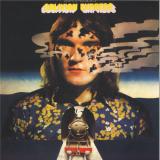
Strut Records presents a fresh look at Oblivion Express, the 1971 album that marked Brian Auger’s shift into a new musical frontier. After years spent shaping the sound of British jazz-soul with the Trinity, Auger stepped into the new decade with a leaner, electrified ensemble and a renewed sense of purpose. This record captures the moment that transformation took shape.
Oblivion Express introduced a sound that was distinctly Auger’s own. Rather than echoing the fusion emerging in the United States, Auger developed a language rooted in the UK’s jazz underground, culminating in a spaced out jazz- rock / prog-fusion album awash with larger than life drum fills and Auger’s virtuosic organ playing. Between bassist Barry Dean and drummer Robbie McIntosh the album moves effortlessly between tight, articulated phrases and broader, improvisational passages. The trio’s interplay forms the backbone of the album and sets the tone for the sound that would define the early years of the Express.
Album opener “Dragon Song” launches with a restless drive that immediately signals Auger’s new direction. Auger chose to record this version of John McLaughlin’s piece (his friend and former bandmate in 'The Niddy Griddys') after hearing McLaughlin’s album Devotion during its mix at New York’s Record Plant Studios. Auger was blown away, recalling, “Oh my god, this is amazing. I wanted to record that myself - and I did!”. Pieces like “Total Eclipse” demonstrate the Oblivion Express’ command of dynamic contrast, and title track “Oblivion Express” explores the cinematic and compositional prowess of the group through stripped back, building moments vs. explosive melodic breakdowns. Riff-heavy “The Sword” later became known through Madlib’s usage in 2014 tracks “Yeti Movie” and “Parodies”.
In retrospect, Oblivion Express stands as a jazz leaning, prog-rock masterpiece and foundational moment in Auger’s catalogue. It captures the starting point of a new sound that is more focused, more urgent, and fully committed to the possibilities of jazz-rock at the dawn of the seventies. The album remains a vivid document of a band discovering its identity and setting the stage for the further array of influential releases that would follow.

10
Kalipo kündigt sein fünftes Solo-Album mit Titelsong ‚Alles' auf Iptamenos Discos an!
Der in Berlin-ansässige Multinstrumentalist Jakob Häglsperger ist seit fast zwei Jahrzehnten einer der umtriebigsten deutschen Produzenten. Neben unzähligen Hits, sechs Alben mit seiner Band Frittenbude und vier von der Presse gefeierten Solo-Alben als Kalipo gründete er nebenbei 2020 - gemeinsam mit Local Suicide - die Band Dina Summer, ein weiteres Nebenprojekt welches seit dem international Wellen macht.
Mit über 30 Millionen Streams und weltweitem Radio-Airplay, verbindet sein Soloprojekt elektronische Intensität mit emotionaler Tiefe irgendwo zwischen Clubkultur und Indie-Ästhetik. Geradlinige, treibende, im Krautrock verwurzelte Beats treffen auf markante, von Electroclash, House und Techno der 2000er und 2010er Jahre inspirierte Melodien.
Mit fünf Soloalben und einem breiten Katalog von Remixen und Singles auf renommierten Labels wie Ki Records, Get Physical, Audiolith Records, Iptamenos Discos und Heimlich hat sich Kalipo einen festen Platz in der Szene erarbeitet. Seine Veröffentlichungen wurden unter anderem von Medien wie TAZ, Spiegel Online, Rolling Stone, Musikexpress, DJ Mag, Mixmag, Tsugi und Resident Advisor gelobt.
Das neue Album kommt mit einer ordentlichen Portion Darkness, schwebenden Gitarren und einem stampfenden Beat daher. Darüber singt Kalipo mal auf deutsch mal auf englisch lässig über das Loslassen von inneren Ängsten, Beziehungen und alltägliche Lasten. Ohne seine Fans zu verschrecken schafft er auch auf ‚Alles' wieder einen stimmigen Spagat zwischen Clubmusik und klassischen Songstrukturen.
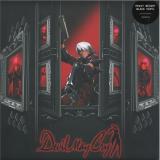
- A1: Let's Rock (Title)
- A2: Ev-01 (Opening)
- A3: St-01 (Ancient Castle Stage)
- A4: Pubic Enemy (Battle Theme 1)
- A5: Gm-03 (Divinity Statue)
- A6: Psycho Siren (Mid-Boss Battle Theme)
- A7: Flock Off! (Griffon Appears - Battle Theme)
- A8: Gm-04 (Mission Clear)
- B1: Red-Hot Juice (Phantom Appears - Battle Theme)
- B2: Gm-02 (Continue)
- B3: Mental Machine (Nightmare Battle)
- B4: St-03 (Ocean Floor Stage)
- B5: Ultra Violet (Nelo Angelo Battle Theme)
- B6: Devil Sunday (Sparda's Theme)
- B7: St-02 (Cathedral)
- B8: Ev-03 (Sin Scissors Appear)
- C1: Lock & Load (Original)
- C2: Bloody Bladder (Escape From The Underworld)
- C3: Eva's Theme
- C4: Evil Vacuum (Underworld)
- C5: Super Ultra Violet (Nelo Angelo Appears - Battle Theme 3)
- C6: Ev-19 (Nobody Appears)
- C7: Ev-20 (Nightmare Barrier - Battle Theme)
- C8: Final Penetration (Underworld Stage)
- D3: Legendary Battle V2 (Demon Emperor Mundus Battle 2 - Land)
- D4: St-10 (Demon Emperor Mundus Battle 3 - Underground)
- D5: Ev-30 (Reunion - Too Late)
- D6: Pillow Talk (Ranking Music 1)
- D7: I'm Coming! (Escape)
- D8: Blue Orgasm (Blue Sky)
- D9: Dante & Trish - Seeds Of Love (Ending Credits)
- D10: Gm-06 (Game Over)
- D1: Trish's Theme
- D2: Ev-29 (Mother's Voice - Trish Appears)
- E1: Super Ultra Violet (Nelo Angelo Appears - Battle Theme 3)
- E2: Ev-17 (The Truth)
- E3: Ev-18 (Devil Sword Sparda Acquired)
- E4: Evil Vacuum (Underworld)
- E5: Ev-19 (Nobody Appears)
- E6: Ev-20 (Nightmare Barrier - Battle Theme)
- E7: Ev-21 (Betrayal)
- E8: Ev-22 (Tactics)
- E9: St-09 (God Of The Demon World)
- E10: Final Penetration (Underworld Stage)
- F1: Eva's Theme
- F2: Legendary Battle (Demon Emperor Mundus Battle 1 - Aerial)
- F3: Ev-23 (Demon Emperor Mundus)
- F4: Ev-24 (Avenging Mother)
- F5: Ev-25 (Awakening)
- F6: Ev-26 (Dante Knocked Out Of The Sky)
- F7: Ev-27 (The Collapse Of Mundus)
- F8: Bloody Bladder (Escape From The Underworld)
- F9: Karnival (Ancient Castle At Night Stage - Plasma Appears)
- G1: Lock & Load (Original)
- G2: Ev-28 (Demon Emperor Mundus, Round 2)
- G3: Super Pubic Enemy (Sparda Battle Theme 1)
- G4: S (Sparda Battle Theme 2)
- G5: Pillow Talk Again (Ranking Music 2)
- G6: Anarchy In The U.w. (Underworld Battle Theme)
- G7: Trish's Theme
- G8: Ev-29 (Mother's Voice - Trish Appears)
- H1: Legendary Battle V2 (Demon Emperor Mundus Battle 2 - Land)
- H2: St-10 (Demon Emperor Mundus Battle 3 - Underground)
- H3: Ev-30 (Reunion - Too Late)
- H4: Pillow Talk (Ranking Music 1)
- H5: I'm Coming! (Escape)
- H6: Blue Orgasm (Blue Sky)
- H7: Dante & Trish - Seeds Of Love (Ending Credits)
- H8: Gm-06 (Game Over)
34
disponibile anche
Red+Ochre Vinyl[47,44 €]
Zum 40. Jubiläum des ersten Teils des stylischen Actionspiel-Klassikers DEVIL MAY CRY erscheint der Killer-Soundtrack des Capcom Sound Teams - bekannt für seine Musik zur Resident Evil-Serie - spezielle für 180g Vinyl gemastert. Der OST ist eine genreübergreifende Meisterklasse, die von Rock über Techno zu Ambient und weiteren Paletten wechselt. Erhältlich als 2LP-Format mit 34 Tracks auf transparent-rotem und ockerfarbenem Doppelvinyl, sowie als luxuriöses 4LP-Boxset mit den kompletten 73 Tracks auf schwarzem 4fach-Vinyl.

- A1: Burn You Up, Burn You Down 04:23
- A2: More Than This 6:12
- A3: Games Without Frontiers 5:01
- A4: Downside Up 5:30
- B1: Mercy Street 6:39
- B2: Darkness 6:45
- B3: Digging In The Dirt 6:31
- B4: The Tower That Ate People 5:01
- C1: San Jacinto 8:24
- C2: Shock The Monkey 5:26
- C3: Signal To Noise 8:04
- D1: Secret World 8:26
- D2: Father, Son 4:26
- D3: In Your Eyes 10:00
"In The Big Room" enthält Aufnahmen von Peter Gabriel und seiner Band, die am 23. November 2003 live im Big Room der Real World Studios aufgenommen wurden.
Dieses intime Konzert war für Mitglieder von Peter Gabriels Full Moon Club und fand während einer kurzen Reihe von Live-Shows im November 2003 statt, zu denen auch ein Auftritt für die britische Wohltätigkeitsorganisation Children in Need im Cyfarthfa Castle in Merthyr Tydfil, eine Show im Brighton Centre und das Nelson Mandela 46664 Concert in Kapstadt gehörten.
Das 14 Songs umfassende Set enthält Material, sowohl aus der "Growing Up" Live-Tournee von 2002/2003 – Gabriels erster Tournee seit 10 Jahren, die mit der Veröffentlichung seines Albums "UP" einherging – als auch aus der anschließenden "Still Growing Up" Live-Tour, die sich über einen Großteil des Jahres 2004 erstreckte. Besonders bemerkenswerte Ergänzungen zum "Growing Up" Live-Set sind "Burn You Up, Burn You Down", "Games Without Frontiers" und "The Tower That At People".

- A1: _Etude No. 1 (Edit) - 04:36
- A2: _Etude No. 2 (Edit) - 03:37
- A3: _Etude No. 3 (Edit) - 02:28
- A4: _Etude No. 5 (Edit) - 05:08
- A5: _Etude No. 6 (Edit) - 03:27
- B1: _Etude No. 8 (Edit) - 03:45
- B2: _Etude No. 10 (Edit) - 03:27
- B3: _Etude No. 16 (Edit) - 03:41
- B4: _Etude No. 17 (Edit) - 05:23
- B5: _Etude No. 18 (Edit) - 03:19
With Figures of Glass (Piano Etudes – Edits), Vanessa Wagner offers a new listening perspective on Philip Glass’s Piano Études, shaping a curated selection of edited versions drawn from her acclaimed recording of the complete cycle. These edits do not alter the substance of the works; rather, they refine their temporal focus, revealing their emotional force with renewed clarity.
Conceived in parallel with Figures of Glass, a hybrid project developed with visual arts collective Scale, the release extends a dialogue between piano and light, sound and space. Between piano and light, Vanessa Wagner interprets Glass’s Études at the heart of a scenographic installation, exploring the visual imagination embedded in the composer’s music. Minimal structures become spatial gestures; repetition opens onto perception, colour, and resonance. Taken together, these edits form a coherent arc through Glass’s language: from tension and propulsion to suspension and introspection, from rhythmic urgency to contemplative stillness. Wagner’s approach is marked by precision, restraint, and a deep attention to resonance, allowing each piece to unfold with an assumed expressive sobriety.
Figures of Glass also exists as a live creation, presented for the first time in Paris at the Théâtre du Châtelet on April 7, 2026. In both recorded and staged forms, the project invites contemporary listening contexts — from focused headphone listening to immersive visual environments — while reaffirming the Piano Études as a major landmark of 21st-century repertoire. Bridging modern classical piano, minimalist writing, and spatial listening formats, Figures of Glass (Piano Etudes – Edits) speaks equally to traditional classical audiences and new listeners discovering Philip Glass through curated, editorial-driven experiences.

Replenish your record collection with another precious historical artefact from the Free Tekno/Freeparty scene. The second half of the LSD series from 69db, further exploring a dialogue with what was going on in Chicago, in the artist’s words: “ This Ep was a respose to what the pioneers laid down in Chicago and were out of step with the hard-Tec / Tribe we were doing.”
At a slower pace than the more known Spiral Tribe sound, this 4 track EP offers the DJ an arsenal of percussive elaborations, minimal sounds with hints of tribal feel and layered samples used for potent dance floor oriented outcomes. Remastered for optimal effect.

- 1: You Wanna Dance Or What?
- 2: Interlude - It Won't Always Be Like This
- 3: It Always Was
- 4: This Is The Place
- 5: Interlude - What You Need To Hear
- 6: Could Be Forever
- 7: Mum Does The Washing
- 8: Don't Let It Get You Down
- 9: My Love
- 10: Interlude - How I Found Forgiveness
- 11: Brother
- 12: Whatever Comes
- 13: Choose Yourself
- 14: Everything Everywhere All At Once
- 15: Everything Everywhere All At Once - Reprise
- 16: Turn It Around
- 17: What Is Redemption
3
Lately, it feels like the world is one endless bad news cycle. Joshua Idehen isn’t here to pretend otherwise – but on the spoken word artist’s new album, I Know You’re Hurting, Everyone Is Hurting, Everyone Is Trying, You Have Got To Try, he provides a phenomenal sonic, poetic space. Made with his creative partner, musician Ludvig Parment, the album (out 6 March 2026) is an urgent but transcendent collection that holds you through it all, filled with grief, euphoria and hope.
I Know You’re Hurting… comes after the virality of Idehen’s track Mum Does The Washing, a wry and whipsmart poem examining how the world works (which started life as a Twitter thread), set to Parment’s spacious beats. The song has seen the pair propelled beyond Idehen’s wildest dreams this past year.
Across the album, that means uplifting choirs, cozy samples and exuberant, sometimes house-tinged beats. “I am personally drawn to music that transports you to a place, or scene or mindset,” says Parment. This is topped with ruminative musings on morality and human connection; about the longer loves in life – like friendships, family – that sustain us. These come from Idehen and Parment, along with a host of friends and collaborators, including writers Leone Ross and Charlotte Manning, and vocalist Amanda Bergman, to help expand on the topics of the record without sounding preachy. Similarly, there are musical guests including saxophonist Pete Fraser and Shabaka Hutchings on flute, each helping to imbue the album with a rich warmth.

- 01: N.y.c. 42Nd
- 02: Beta Lady
- 03: Colorado River
- 04: Spyralis
- 05: Third World Tango
- 06: Fix
- 07: Champs Rock
- 08: Icarus
- 09: Big Sure
- 10: Kentuchy Fried Chicken
- 11: Puertorico Slum
- 12: Soft Bird
Daniela Casa (1944–1986) was a singer and composer, and the wife of fellow library music artist Remigio Ducros, author of America Giovane ("Young America"), an LP that ideally precedes this second chapter. Originally released in 1975, America Giovane N. 2 is today — like much of the Edizioni Leonardi catalog — extremely rare and highly sought-after by collectors.
Musically, it shares with the aforementioned America Giovane a remarkable stylistic diversity: from folk to psychedelia, from funk to rhythm and blues. Unlike the first volume, however, this record reveals a more pronounced jazz aura — "Fix" and "Soft Bird" are virtually two brief free-jazz excursions — which makes the album even more compelling and distinctive.
America Giovane N. 2 is part of a reissue series produced in collaboration with Edizioni Leonardi (Milan, Italy), dedicated to extremely rare library music LPs originally released between the late 1960s and early 1970s — most of which had never been reissued until now. These recordings are finally made available again for collectors and library music enthusiasts.
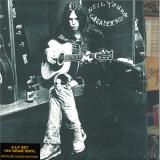
- A1: Down By The River (9 11)
- A2: Cowgirl In The Sand (9 33)
- B1: Cinnamon Girl (2 59)
- B2: Helpless (3 34)
- B3: After The Gold Rush (3 47)
- B4: Only Love Can Break Your Heart (3 08)
- B5: Southern Man (5 32)
- C1: Ohio (2 59)
- C2: The Needle & The Damage Done (2 13)
- C3: Old Man (3 23)
- C4: Heart Of Gold (3 07)
- C5: Like A Hurricane (8 16)
- D1: Comes A Time (3 02)
- D2: Hey Hey My My (Into The Black) (5 12)
- D3: Rockin In The Free World (4 41)
- D4: Harvest Moon (5 00)
16
We are repressing Neil Young's 2004 Greatest Hits. The new pressing on 180g black 2LP vinyl will be available for a "release date" of 6th March for all retail accounts ex. Amazon.
Greatest Hits is the third hits compilation, and presents 16 of Neil Young's best-known songs, spanning his solo career from 1969-1992, including "Down By The River", "After The Gold Rush", "Old Man", "Heart Of Gold", and "Rockin In The Free World".
The original version of the LP came with an additional 7" which is excluded on this pressing.
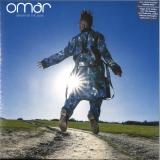
- A1: Intro (0 52)
- A2: This Thing Called Life (4 56)
- A3: Won't Let You Down (Feat K Zia & The Swag) (4 27)
- A4: I've Been Waiting (4 23)
- A5: Brighter The Days (3 45)
- B1: There's Much Love In The World (4 56)
- B2: Lovey Dovey (Feat Eric Roberson & Raheem Devaughn) (5 36)
- B3: Research (Feat Honey Larochelle) (3 52)
- B4: On My Own (Feat Paul Weller) (4 06)
- C1: Omar & Don-E - "Out Of Sight" (Interlude) (0 37)
- C2: Can We Go Out? (3 46)
- C3: It's Gonna Be Alright (Feat Scratch Professer) (3 49)
- C4: We Can Go Anywhere (Feat Giggs) (4 43)
- C5: Latin Salsa (3 55)
- D1: Holding On To Life (Feat Ledisi) (4 49)
- D2: Much 2 Much (3 23)
- D3: 1234 (Feat Jeru The Damaja) (3 46)
- D4: Love Is Like (Feat India Arie) (3 38)
18

- 1: Dear Prudence - Ramsey Lewis
- 2: Les Fleur - Minnie Riperton
- 3: It's All Up To You - The Dells
- 4: By The Time I Get To Phoenix - Billy Stewart
- 5: Stand Up And Be Counted - Meditation Singers
- 1: Love Has Fallen On Me - The New Rotary Connection
- 2: What Color Is Love - Terry Callier
- 3: Brother Where Are You - Marlena Shaw
- 4: More And More - Little Milton
- 5: Eternal Journey - Ramsey Lewis
- 1: California Soul - Marlena Shaw
- 2: Can't Catch The Trane - Terry Callier
- 3: The Love We Had (Stays On My Mind) - The Dells
- 4: Teach Me How To Fly - Rotary Connection
- 5: More And More - Phil Upchurch
- 1: I'm High Again - Bo Diddley
- 2: Let's Spend The Night Together - Muddy Waters
- 3: Smokestack Lightning (1969 Version) - Howlin' Wolf
- 4: Girl You Lit My Fire - Junior Wells
- 5: I'm Gonna Keep It To Myself - Buddy Guy

- 1: Ameisenstaat
- 2: Was Ist Bloß Passiert?
- 3: Grüne Haare
- 4: Meine Revolution
- 5: Der Neugierige Nachbar
- 6: Glücklich
- 7: Im Fadenkreuz
- 8: Filmriss
- 9: Nie Im Leben
- 10: Die The Mick Joggers
- 11: Obdachlos & Trotzdem Sexy
- 12: Der Jüngste Tag
- 13: Knochenfabrik
- 14: Frühstückspause
- 15: Dein Testament
- 16: Es Ist Schade
- 17: Notruf
- 18: Scheiss Zivildienst
- 19: Kleingeld
- 20: Zurück An Land
- 21: Bring Dich Um
- 22: Ich Hör Dir Nicht Zu
- 23: Fickensaufenschalkeoi!
Die Ameisenstaat Platte wird nunmehr 29 Jahre alt. Mit 26 war sie bereits zum ersten mal beim Schönheitschirurgen und wurde kernsaniert. Im Sinne eines ganzheitlichen Schönheitskonzeptes wurde ihr ein einwöchiger Aufenthalt im Zoetrope-Beautysalon spendiert. 54 Einzelbilder sagen mehr als 1000 Worte. So viele Einzelbilder braucht es um eine Picture Platte zum leben und zum Sterben zu erwecken. Auf dem Vinyl wird der Lebenszyklus einer Ameise von der Geburt bis zum Tod nachgezeichnet. Um die Ameise zum leben (bzw. sterben) zu erwecken benötigt ihr: die Knochenfabrik LP Ameisenstaat Zoetrope Vinyl Edition, eine Stroboskop-App fürs Handy die 1800 RPM bzw 30 HZ kann, wahlweise ein Handy dessen Videofunktion 30 Frames/Sekunde kann. Platte auflegen, Geschwindigkeit auf 33 RPM und bei sehr hellem Licht (idealerweise direktes Sonnenlicht) mit der Handkamera filmen. Die Framerate muss 30 fps (=Frames per Second) betragen, das ist üblicherweise voreingestellt. Je heller die Beleuchtung desto schöner der Effekt. Eine weitere Möglichkeit ist das Beleuchten der Platte mit einem Stroboskop. Es gibt zahlreiche Stroboskop Apps fürs Handy, der Blitz muss individuell einstellbar sein. Eine Strobo-App die ausschliesslich im Takt der Musik blitzt ist hierfür ungeeignet. Die Blitzrate muss hierbei auf 30 Hz bzw. 1800 RPM eingestellt werden. Hier gilt je dunkler die Umgebung desto schöner der Effekt.


- 1: Bella Donna (4:08)
- 2: Générique (4:3)
- 3: Venus Mélodrame (4:47)
- 4: Solide Solitude (3:30)
- 5: Bleu Mirage (:49)
Générique unveils a rich musical world that brings French chanson, indie rock and electronic textures together. The five tracks, recorded at La Frette Studios in Paris, are brought to life by an ensemble of acclaimed Anglo-American musicians directed by Mercury Prize-winning producer James Ford and Loren Humphrey. Tinged with dark, mischievous poetry that glimmers with sensuality, Générique is a hymn to liberated women. A call to live and love freely.

- 01: Londra 1965
- 02: Missili
- 03: Una Lettera Dal Passato
- 04: Nazi-Fascisti
- 05: Nel Tempo
- 06: Pretura
- 07: Cardiopatia
- 08: Estate A Parigi
- 09: Secolo Xx°
- 10: Acquarium
- 11: Training
- 12: Ossigeno Nascente
What or who is Arawak? It's the library music pseudonym of Italian pianist and composer Benito / Luciano Simoncini. Here, he was asked to produce a series of background cues for the Lupus label in 1974. So he began with a track called London 1965. Then proceeded to do what the hell he wanted, writing musical love letters, playing with strange noises, treated trumpets or keeping it simple with his piano and some heavy but controlled reverb.
The result is a consistently interesting album full of passion, joy and beautiful fun, and not a million musical miles away from a classic Morricone release. The original album was repressed five years later on the small Titian library label, and now, at last, there's this final commercial pressing.
It's great to know these near legendary and rare background recordings are moving slightly more into the important foreground.
Jonny Trunk

- A1: Des Plumes Dans La Tête (Variation 1) 1:15
- A2: Situation Initiale 1:20
- A3: Pour Les Oiseaux 1:16
- A4: Feu 0:24
- A5: Le Brasier De Tristesse 3:36
- A6: Ferme Les Yeux 1:08
- A7: Des Plumes Dans La Tête (Variation 2) 1:15
- A8: Les Débutants 1 1:50
- A9: Pour Les Oiseaux (Variation 1) 1:17
- B1: Anthracite 1:28
- B2: Nocturne Urbain 2 0:59
- B3: Pour Les Oiseaux (Variation 2) 0:39
- B4: Sinon Le Vent Qui Passe 0:41
- B5: Noir 1:19
- B6: Ferme Les Yeux (Variation) 0:42
- B7: Les Débutants 2 1:16
- B8: Pour Les Oiseaux (Variation 3) 0:36
- B9: Blanche Comme L'infini 1:58
- B10: Situation Finale 2:02
- B11: Des Plumes Dans La Tête 1:20
- Un Autre Décembre Lp
- C1: Minéral 3:28
- C2: Sous Tes Yeux Probablement 1:16
- C3: Granulation 1 1:38
- C4: Neuf Cents Lunes 3:56
- C5: Alors La Lumière Vacille 1:07
- C6: Granulation 2 0:56
- D1: Il Fait Nuit Noire À Berlin 2:12
- D2: La Lettre Qu'il N'envoya Jamais 2:00
- D3: Granulation 3 1:35
- D4: Un Autre Décembre 2:24
- D5: Granulation 4 1:26
- D6: Du Rève Dans Les Yeux 1:30
- Nocturne Impalpable Lp
- E1: Blanc 2:23
- E2: Cet Enfer Miraculeux 2:59
- E3: Radiophonie N°1 2:54
- E4: Doucement, Le Grain De Sa Peau 3:41
- E5: 0:36
- E6: Ocre 2:47
- E7: 0:35
- E8: Radiophonie N°2 3:15
- E9: Adieu Miséricorde 1:14
- E10: 0:31
- E11: Léger 2:25
- E12: 0:40
- F1: Le Monde Intérieur 4:01
- F2: Arachnéenne Encore 1:29
- F3: 0:27
- F4: Je Me Suis Bâti Sur Une Colonne Absente 4:04
- F5: 0:33
- F6: Radiophonie N°3 2:07
- F7: Nocturne Urbain 4:56
Minority Records is releasing a unique boxset Politique du silence with three early albums from Sylvain Chauveau, French composer of minimalist neoclassical music.
“When I made my first albums as a composer, I was obsessed with minimalism, and this quote from the film director Robert Bresson summed up my state of mind. I set myself three principles: 1) Use silence as a starting point, 2) Only add sound when it's absolutely essential, 3) Don't imitate the Anglo-Saxon musicians I admired, but draw on the musical culture of my country, France which lead me to listen intensively to Satie, Debussy and Ravel.” Chauveau explains the background to his work.
The collection Politique du silence contains the recordings of Des plumes dans la tête (2004), Un autre Décembre (2003) and Nocturne impalpable (2001) on coloured 180 gram vinyls. The cover features artwork by French photographer Valéry Lorenzo.
“When I discovered the simple and powerful black and white pictures by Valéry Lorenzo, in the 90s, I immediately fell in love with them. We became good friends and since then I ask him to let me use one of his photos for most of my album covers, or to make my portrait for press shots. It has become a real collaboration, music and images, for more than 25 years. It was then logical to ask him again for the cover of this boxset, like a gentle reflection on my piano and strings era. It's a true honour for me to see my early music recollected, repackaged, remastered after all this time. Which gives me hope that this music, in which I've put all my soul and heart during the years 2001 to 2003, is maybe not forgotten yet.” Chauveau himself adds of his collaboration with Valéry Lorenzo.
Nocturne impalpable and Un autre Décembre were re-issued by Minority Records in 2014 and 2015 and both titles completely sold out. This year’s release also includes the album Des plumes dans la tête in its world premiere on vinyl.
Nocturne Impalpable is a world of minimalism, abstraction, and contemporary rendition of classical music with variations for the piano, clarinet, strings, and accordion which are often compared to the compositions of composers Harold Budd and Claude Debussy. Here, Chauveau partially reveals his versatility as a composer by connecting electronic elements, noises, and ambient planes with monumental strings and piano preludes. The
album of piano variations Un autre Décembre is interspersed with field recordings and electronic noises. The inspiration for the recording of the album and for its name was the song Jaurès by the Belgian singer and composer Jacques Brel. This song tells the story of the grandparents’ generation who toiled in the mines. “Comfort and health won’t protect our generation from sadness and discontent. We also live through winter times, even if these are slightly warmer due to the current climate.” An album of 20 short instrumental sketches with several delicate intermezzos for the piano, string quartet, and the clarinet, Des plumes dans la tête, was composed for the eponymous film by director Thomas de Thier.
Sylvain Chauveau was born in 1971 in the French town of Bayonne and currently lives in Barcelona. His extensive discography of mainly meditative neo-classical recordings for the music labels FatCat, Sub Rosa, Sonic Pieces, and Flau is enriched by several collaborations and his participation in the Ensemble 0, Arca, and On projects. Chauveau has also composed many film soundtracks as well as music for the theatre. He has presented his works in Prague several times, most recently in the spring of 2024 at the Spectaculare festival. His compositions get tens of millions of streams on streaming services, and he’s been called the French king of minimalism.

- Arulalo
- Tsinskharo
- Merisuli
- Mamalma
- Bicho
- Batonebo
- Mze Shina
- Dideba
- Helesa
- Delideli
disponibile anche
Purple Vinyl[23,11 €]
The Light Below's "Georgia" d eröffnet eine Serie von Veröffentlichungen, die die Grenzen zwischen Rock, Tradition und globaler Musikkultur neu ausloten. Eein außergewöhnliches Post- Rock-Album, das instrumentale Klanglandschaften mit jahrhundertealter georgischer Gesangstradition verbindet. Für "Georgia" kooperiert die Band mit dem georgischen Frauenchor Akhla, dessen überlieferte Volkslieder aus unterschiedlichen Regionen Georgiens stammen. Diese traditionellen Songs wurden in Zusammenarbeit mit THE LIGHT BELOW neu interpretiert und so arrangiert, dass sie auf besondere Weise mit den instrumentalen Post-Rock-Elementen verschmelzen. Ein herausragender Moment des Albums ist "Tsinskharo" - ein ursprünglich von Männern gesungenes Lied, das durch Werner Herzogs Nosferatu (1979) weltweite Bekanntheit erlangte. Die neue Version wird als erste Single ausgekoppelt und von einem zweiteiligen Musikvideo begleitet. Der instrumentale Teil des Albums wurde noch von dem 2024 verstorbenen Steve Albini aufgenommen. Seine unverkennbare, rohe Produktionsästhetik verleiht ,Georgia" eine unmittelbare Klarheit und Intensität. Die Gesangsaufnahmen des Chors Akhla entstanden 2022/23 in Berlin. "Georgia" entfaltet ein unverwechselbares Klangbild aus monumentalen Gitarrenwänden, introspektiven Passagen und epischen Crescendi. Es verbindet die Emotionen und Geschichten georgischer Volkslieder mit der Dramatik des Post-Rock - ein Album, das Brücken zwischen Kulturen schlägt.

10
disponibile anche
Black Vinyl[21,81 €]
The Light Below's "Georgia" d eröffnet eine Serie von Veröffentlichungen, die die Grenzen zwischen Rock, Tradition und globaler Musikkultur neu ausloten. Eein außergewöhnliches Post- Rock-Album, das instrumentale Klanglandschaften mit jahrhundertealter georgischer Gesangstradition verbindet. Für "Georgia" kooperiert die Band mit dem georgischen Frauenchor Akhla, dessen überlieferte Volkslieder aus unterschiedlichen Regionen Georgiens stammen. Diese traditionellen Songs wurden in Zusammenarbeit mit THE LIGHT BELOW neu interpretiert und so arrangiert, dass sie auf besondere Weise mit den instrumentalen Post-Rock-Elementen verschmelzen. Ein herausragender Moment des Albums ist "Tsinskharo" - ein ursprünglich von Männern gesungenes Lied, das durch Werner Herzogs Nosferatu (1979) weltweite Bekanntheit erlangte. Die neue Version wird als erste Single ausgekoppelt und von einem zweiteiligen Musikvideo begleitet. Der instrumentale Teil des Albums wurde noch von dem 2024 verstorbenen Steve Albini aufgenommen. Seine unverkennbare, rohe Produktionsästhetik verleiht ,Georgia" eine unmittelbare Klarheit und Intensität. Die Gesangsaufnahmen des Chors Akhla entstanden 2022/23 in Berlin. "Georgia" entfaltet ein unverwechselbares Klangbild aus monumentalen Gitarrenwänden, introspektiven Passagen und epischen Crescendi. Es verbindet die Emotionen und Geschichten georgischer Volkslieder mit der Dramatik des Post-Rock - ein Album, das Brücken zwischen Kulturen schlägt.


- A1: The Revealing Science Of God
- A2: Dance Of The Dawn
- B1: The Remembering
- B2: High The Memory
- C1: The Ancient
- C2: Giants Under The Sun
- D1: Ritual
- D2: Nous Sommes Du Soleil
Tales from Topographic Oceans (Super Deluxe Edition) is the definitive version of Yes' ambitious sixth album, the record that stands as one of the most sprawling and intricate works of the progressive rock era. This expansive album version includes twelve CDs, two LPs, and a Blu-Ray disc. Introducing, a newly mastered/remastered version of the original album by Bernie Grundman for vinyl and CD. Delve deeper with new 2026 Steven Wilson remixes of the core album, including instrumental versions, alongside a treasure trove of previously issued rarities. This collection is further enriched by portions of two previously unreleased live performances from the legendary Tales tour. A Blu-Ray disc completes the collection with Steven Wilson's new mixes, including the album in immersive Dolby Atmos and 5.1 Mix DTS-HD MA.
Tracklist: 11CD + Blu-Ray
Disc 1 Original Album Remastered
1. THE REVEALING SCIENCE OF GOD 22:01
DANCE OF THE DAWN
2. THE REMEMBERING [20:38]
HIGH THE MEMORY
Disc 2
1. THE ANCIENT [18:34]
GIANTS UNDER THE SUN
2. RITUAL [21:35]
NOUS SOMMES DU SOLEIL
Disc 3 Steven Wilson 2025 Remixes
1. THE REVEALING SCIENCE OF GOD [22:01]
DANCE OF THE DAWN
2. THE REMEMBERING [20:38]
HIGH THE MEMORY
Disc 4
1. THE ANCIENT [18:34]
GIANTS UNDER THE SUN
2. RITUAL [21:35]
NOUS SOMMES DU SOLEIL
Disc 5 Steven Wilson 2025 Instrumental Mixes
1. THE REVEALING SCIENCE OF GOD [22:01]
DANCE OF THE DAWN
2. THE REMEMBERING [20:38]
HIGH THE MEMORY
Disc 6
1. THE ANCIENT [18:34]
GIANTS UNDER THE SUN
2. RITUAL [21:35]
NOUS SOMMES DU SOLEIL
Disc 7: Rarities
1. THE REVEALING SCIENCE OF GOD (Single Edit) [3:54]
DANCE OF THE DAWN
2. THE REMEMBERING (Single Edit) [2:50]
HIGH THE MEMORY
3. THE ANCIENT (Single Edit) [3:26]
GIANTS UNDER THE SUN
4. RITUAL (Single Edit 1) [4:20]
NOUS SOMMES DU SOLEIL
5. RITUAL (Single Edit 2) [3:47]
NOUS SOMMES DU SOLEIL
6. THE REVEALING SCIENCE OF GOD (Version 1) [23:36]
DANCE OF THE DAWN
7. THE REMEMBERING (In Progress) [20:36]
HIGH THE MEMORY
8. THE ANCIENT (In Progress) [17:18]
GIANTS UNDER THE SUN
Disc 8: Rarities
1. THE REVEALING SCIENCE OF GOD (In Progress)* [27:50]
DANCE OF THE DAWN
2. THE ANCIENT (In Progress 2)* [19:30]
GIANTS UNDER THE SUN
3. THE REVEALING SCIENCE OF GOD (In Progress 2)* [21:52]
DANCE OF THE DAWN
Disc 9: Rarities
1. THE REMEMBERING (In Progress 2)* [20:42]
HIGH THE MEMORY
2. RITUAL (In Progress)* [24:37]
NOUS SOMMES DU SOLEIL
3. THE REVEALING SCIENCE OF GOD (Version 2) [22:23]
DANCE OF THE DAWN
Disc 10: Live 1973
1. THE REMEMBERING (Live TBD 1973)*
HIGH THE MEMORY
2. THE ANCIENT (Live TBD 1973)*
GIANTS UNDER THE SUN
Live at Capitol Theatre, Cardiff, Wales, December 1, 1973
3. THE ANCIENT* [19:55]
GIANTS UNDER THE SUN
4. RITUAL* [20:41]
NOUS SOMMES DU SOLEIL
Disc 11: Live at Hallenstadion Zürich, Zürich, Switzerland, April 21,1974
1. AND YOU AND I* [10:10]
I. CORD OF LIFE
II. ECLIPSE
III. THE PREACHER THE TEACHER
IV. APOCALYPSE
2. CLOSE TO THE EDGE* [19:12]
I. THE SOLID TIME OF CHANGE
II. TOTAL MASS RETAIN
III. I GET UP I GET DOWN
IV. SEASONS OF MAN
3. THE REVEALING SCIENCE OF GOD* [14:38]
DANCE OF THE DAWN
Disc 12: Live at Hallenstadion Zürich, Zürich, Switzerland, April 21,1974
1. THE ANCIENT* [20:12]
GIANTS UNDER THE SUN
2. RITUAL [23:00]
NOUS SOMMES DU SOLEIL
Blu-Ray:
2025 Dolby Atmos Mix
2025 5.1 Mix DTS-HD MA
2025 Stereo Remix
2025 Stereo Remaster
2025 Instrumental Mix
1. THE REVEALING SCIENCE OF GOD [22:01]
DANCE OF THE DAWN
2. THE REMEMBERING [20:38]
HIGH THE MEMORY
3. THE ANCIENT [18:34]
GIANTS UNDER THE SUN
4. RITUAL [21:35]
NOUS SOMMES DU SOLEIL
[a] a1 THE REVEALING SCIENCE OF GOD [22:01]
[c] b1 THE REMEMBERING [20:38]
[e] c1 THE ANCIENT [18:34]
[g] d1 RITUAL [21:35]

- A1: Pale Dogwood (4:21)
- A2: Field Drab (5:14)
- A3: Ceda Chast (5:10)
- A4: Wild Blue Yonder (8:39)
- B1: Inchworm (6:23)
- B2: Vetiver (3:50)
- B3: Orange Crayola (7:37)
- C1: Black Olive (5:19)
- C2: Wild Strawberry (4:00)
- C3: African Violet (6:39)
- C4: Deep Sky (4:52)
- D1: Permanent Geranium Lake (6:23)
- D2: Carnelian (4:09)
- D3: Helltrope (7:56)
Ivan The Tolerable returns with Chromophobia, an expansive new double album and his fourth for Riot Season after ‘Water Music’ & ‘Vertigo’ (both 2024) and ‘An Orphan Form’ (2025)
Chromophobia carries with it a deep personal history. The earliest recording sessions date back to 2018 at the IDI in Middlesbrough, engineered by longtime collaborator Nigel Crooks over the course of three weekends. The material was left unfinished for years, shelved for reasons that accumulated and compounded - until the tragic passing of Crooks in 2023. His unfinished work lingered, and the desire to complete it became a mission.
“In the end, I finished this record for Nigel, above all else,” says Oli Heffernan (Ivan The Tolerable). “It always annoyed him that it never got done.”
To bring the album to completion, the original stems were passed to producer Hugh Major (formerly of Benefits) in early 2024. Across a year of meticulous experimentation - countless versions, radical reconstructions, entire songs torn down and rebuilt - the album transformed into something wholly new. The final collection spans 14 tracks, reimagined from the ground up yet still anchored to the spirit of the sessions that began it.
“It’s a very different beast from where it started,” Heffernan adds, “but I think Nigel would really like it - and be glad it was finally finished.”
Chromophobia stands as both a reinvention and a tribute: a document of persistence, creative overhaul, and the enduring impact of a lost collaborator.
1
disponibile anche
Standard[31,30 €]
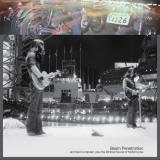
Special Edition includes a CD-R of a interview program with the producers of "Beam Penetration" in 1970. At the end of the program, the Flower Travellin' Band appeared with motorcycles and performed in the studio. Also includes insert with English translation of the interview.
2025 repress. Expo 70, held in Osaka, was a pivotal event for the Japanese people and their relationship with the rest of the world, demonstrating both the nation's ongoing economic recovery from World War Two and the creative spirit of Japanese society and its artists. The event gained international acclaim for its adventurous architectural design, visual art and electronic music. Some of Japan's most renowned composers were involved, but also present were the now-legendary rockers, the Flower Travellin' Band. A series of performances, billed as "Night Events" were held at the Expo; the most radical of these was "Beam Penetration and Mad Computer, plus the Minimal Sound of Motorcycles", but its anti-establishment feel and general madness took the Expo organizers by surprise and it was cancelled after only one night, despite being scheduled for a longer run. An air of myth developed around the event, but a recording of the event has been discovered and this release is the result. And what an event it was: a night-time sound-bomb with a fabled band, electronic sound and 50 motorcycles with horns blaring,spotlights, electronic billboards and a robot ― all flashing, roaring andhowling at the night sky. This release comprises a CD, a 10-inch record with fold-out sleeve and large obi, plus fascinating notes in Japanese and English by Kenichi Yasuda, an expert on Japanese rock music, and Koji Kawasaki, a renowned researcher of Japanese electronic music, as well as rare photos.

We Jazz Records kicks off their new series of archival 7" releases with Esa Pethman "In Belgium 1967" released 23 September 2022. The two-tracker is licensed from the Belgian VRT radio archives and both of the pieces are previously unreleased. Finnish jazz legend Pethman, heard here on alto flute and tenor sax, joins forces with European jazz greats such as Heinz Bigler, Uffe Karskov and Jean Fanis. This is a small but valuable piece of unheard European jazz history from the early heyday of modern jazz. The physical release is a quality "inside-out"-styled EP with 3mm spine and small center hole on the 45rpm vinyl.
An excerpt from the liner notes by Mikko Mattlar:
"Esa Pethman (b. 1938) was one of the key figures of modern Finnish jazz in the 1960s. His album The Modern Sound Of Finland was the first Finnish modern jazz album and his composition "The Flame" a true modern Fenno-jazz evergreen.
Pethman was born in Kuusankoski, 135 kilometres from Helsinki in the Kymenlaakso area. The jazz scene was active even though it was an area of rural landscapes and paper mills. Pethman discovered jazz when he heard a Charlie Parker record being played at a local music shop in the late 1940s. Following Parker, bebop became his favourite style of jazz.
Young Pethman played flute and saxophone in local bands who accompanied schlager singers. They played tangos and waltzes for dancers, but usually started a typical dance event with an hour of jazz. In 1959 Pethman moved to Helsinki to study music at the Sibelius Academy. Back then it was a strictly classical music academy, but Pethman later described the studies as crucial for his development and career. He quickly made his way to studio sessions and into the best orchestras in Helsinki.
As a student of composition, Pethman also began writing his own music. "The Flame" was a melody he just got on his mind one night, and he decided to write it down. The catchy composition was released as a 7" single in 1964, a year before Pethman's debut album. Both records stand as benchmarks for modern Finnish jazz. The album consisted entirely of Pethman's compositions, not versions of jazz standards like a lot of the Finnish jazz released until then.
In the mid 1960s, Finnish jazz was also taking its first international steps. Pethman's quintet took part in the first Montreux Jazz Festival in Switzerland in June 1967. At the Montreux jazz band competition, the quintet came in fourth of the twelve contestants. Despite not winning the competition, the band got an honourable mention, and Pethman was now recognized outside Finland.
In December 1967 Pethman travelled to Brussels. His visit was organised by the national Finnish broadcasting company Yleisradio and their jazz program producer Matti Konttinen. Konttinen was supposed to go to Brussels with Pethman, but the musician ended up traveling alone.
In the Decca recording studios Pethman played two songs. He recorded a version of his most famous composition "The Flame", where he played the alto flute and was accompanied by Belgian musicians. On Swiss saxophonist Heinz Bigler's composition "Like Steel", Pethman played the tenor saxophone. The band was now more international, consisting of Bigler, the Italian Francesco Santucci, the Dane Uffe Karskov, a Belgian rhythm section and Pethman. After 55 years, Pethman still remembers Bigler's remarkable skills as a saxophonist.
The two-day visit included the recording session, a dinner and a concert. Pethman and the other non-Belgian musicians came to Brussels mainly to play at a jazz concert organised by the European Broadcasting Union EBU. They played at the studio first, and the concert was held the following day. Pethman and all the other soloists played as members of an international big band. The studio and live session were produced by the Belgian Radio and Television jazz section leader Elias Gistelinck."

- 1: Intro
- 2: Return Of Ravens
- 3: The Shadowshires
- 4: Solitude
- 5: Leave A Room
- 6: Sorcerers
- 7: Can Die No More
- 8: Nathalie And The Fireflies
- 9: Let Us Go As They Do
- 10: Down The Nile
- 11: Outro
disponibile anche
Transparent Blue Vinyl[28,53 €]
Transparent Green Vinyl[28,53 €]
Transparent Lime Vinyl[28,53 €]
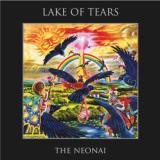
As the fifth chapter in the band's discography, " The Neonai" arrived at a critical juncture in Lake of Tears' career, marking both an end and a reluctant new beginning. Released in 2002, three years after the melancholic masterpiece Forever Autumn, the album came to life under less-than-ideal circumstances.
Despite the commercial and critical success of its predecessor (the band's best- selling album to date) Lake of Tears found themselves adrift, unsupported by their label at a time when the world expected them to rise higher than ever. Instead of world tours and deserved recognition, the band withdrew, disillusioned, and made the difficult decision to put all activities on hold. But one last obligation remained: to deliver a final album to Black Mark Productions. What could have been a soulless, contract- bound release turned out to be anything but. "The Neonai" pulses with haunting melodies, infectious refrains, and a deeper embrace of keyboards and electronic textures, without ever losing the emotional gravity and sorrowful beauty that define Lake of Tears.
If this album was truly written "in haste," then let us hope Daniel Brennare continues to compose under pressure, for rarely has urgency sounded so inspired. As with the previous vinyl releases, we do not single out any specific tracks. Each song, like every Lake of Tears album, carries its own unique charm, its own shade of shadow and light. "The Neonai" is not simply a continuation, it is a transformation, an echo from a band caught between endings and new beginnings. Another gem in the band's catalogue, a masterpiece where the doom/ gothic equation tilts gracefully in favor of the latter. A deeply cherished album, long adored by Lake of Tears' devoted followers, who have waited patiently for 23 years to finally see it released on vinyl. After all, every ending is but the beginning of something new. And as we've said before: The end for Lake of Tears has not yet come, and we truly hope it won't come for a long, long time.

11
disponibile anche
Transparent Orange Vinyl[28,53 €]
Transparent Green Vinyl[28,53 €]
Transparent Lime Vinyl[28,53 €]
As the fifth chapter in the band's discography, " The Neonai" arrived at a critical juncture in Lake of Tears' career, marking both an end and a reluctant new beginning. Released in 2002, three years after the melancholic masterpiece Forever Autumn, the album came to life under less-than-ideal circumstances.
Despite the commercial and critical success of its predecessor (the band's best- selling album to date) Lake of Tears found themselves adrift, unsupported by their label at a time when the world expected them to rise higher than ever. Instead of world tours and deserved recognition, the band withdrew, disillusioned, and made the difficult decision to put all activities on hold. But one last obligation remained: to deliver a final album to Black Mark Productions. What could have been a soulless, contract- bound release turned out to be anything but. "The Neonai" pulses with haunting melodies, infectious refrains, and a deeper embrace of keyboards and electronic textures, without ever losing the emotional gravity and sorrowful beauty that define Lake of Tears.
If this album was truly written "in haste," then let us hope Daniel Brennare continues to compose under pressure, for rarely has urgency sounded so inspired. As with the previous vinyl releases, we do not single out any specific tracks. Each song, like every Lake of Tears album, carries its own unique charm, its own shade of shadow and light. "The Neonai" is not simply a continuation, it is a transformation, an echo from a band caught between endings and new beginnings. Another gem in the band's catalogue, a masterpiece where the doom/ gothic equation tilts gracefully in favor of the latter. A deeply cherished album, long adored by Lake of Tears' devoted followers, who have waited patiently for 23 years to finally see it released on vinyl. After all, every ending is but the beginning of something new. And as we've said before: The end for Lake of Tears has not yet come, and we truly hope it won't come for a long, long time.

11
disponibile anche
Transparent Orange Vinyl[28,53 €]
Transparent Blue Vinyl[28,53 €]
Transparent Lime Vinyl[28,53 €]
As the fifth chapter in the band's discography, " The Neonai" arrived at a critical juncture in Lake of Tears' career, marking both an end and a reluctant new beginning. Released in 2002, three years after the melancholic masterpiece Forever Autumn, the album came to life under less-than-ideal circumstances.
Despite the commercial and critical success of its predecessor (the band's best- selling album to date) Lake of Tears found themselves adrift, unsupported by their label at a time when the world expected them to rise higher than ever. Instead of world tours and deserved recognition, the band withdrew, disillusioned, and made the difficult decision to put all activities on hold. But one last obligation remained: to deliver a final album to Black Mark Productions. What could have been a soulless, contract- bound release turned out to be anything but. "The Neonai" pulses with haunting melodies, infectious refrains, and a deeper embrace of keyboards and electronic textures, without ever losing the emotional gravity and sorrowful beauty that define Lake of Tears.
If this album was truly written "in haste," then let us hope Daniel Brennare continues to compose under pressure, for rarely has urgency sounded so inspired. As with the previous vinyl releases, we do not single out any specific tracks. Each song, like every Lake of Tears album, carries its own unique charm, its own shade of shadow and light. "The Neonai" is not simply a continuation, it is a transformation, an echo from a band caught between endings and new beginnings. Another gem in the band's catalogue, a masterpiece where the doom/ gothic equation tilts gracefully in favor of the latter. A deeply cherished album, long adored by Lake of Tears' devoted followers, who have waited patiently for 23 years to finally see it released on vinyl. After all, every ending is but the beginning of something new. And as we've said before: The end for Lake of Tears has not yet come, and we truly hope it won't come for a long, long time.
11
disponibile anche
Transparent Orange Vinyl[28,53 €]
Transparent Blue Vinyl[28,53 €]
Transparent Green Vinyl[28,53 €]
As the fifth chapter in the band's discography, " The Neonai" arrived at a critical juncture in Lake of Tears' career, marking both an end and a reluctant new beginning. Released in 2002, three years after the melancholic masterpiece Forever Autumn, the album came to life under less-than-ideal circumstances.
Despite the commercial and critical success of its predecessor (the band's best- selling album to date) Lake of Tears found themselves adrift, unsupported by their label at a time when the world expected them to rise higher than ever. Instead of world tours and deserved recognition, the band withdrew, disillusioned, and made the difficult decision to put all activities on hold. But one last obligation remained: to deliver a final album to Black Mark Productions. What could have been a soulless, contract- bound release turned out to be anything but. "The Neonai" pulses with haunting melodies, infectious refrains, and a deeper embrace of keyboards and electronic textures, without ever losing the emotional gravity and sorrowful beauty that define Lake of Tears.
If this album was truly written "in haste," then let us hope Daniel Brennare continues to compose under pressure, for rarely has urgency sounded so inspired. As with the previous vinyl releases, we do not single out any specific tracks. Each song, like every Lake of Tears album, carries its own unique charm, its own shade of shadow and light. "The Neonai" is not simply a continuation, it is a transformation, an echo from a band caught between endings and new beginnings. Another gem in the band's catalogue, a masterpiece where the doom/ gothic equation tilts gracefully in favor of the latter. A deeply cherished album, long adored by Lake of Tears' devoted followers, who have waited patiently for 23 years to finally see it released on vinyl. After all, every ending is but the beginning of something new. And as we've said before: The end for Lake of Tears has not yet come, and we truly hope it won't come for a long, long time.

- 1: A Lost Weekend In Bingoland
- 2: Marion Jones
- 3: Bethany Lane
- 4: From The Cardiff Arms To The Kings
- 5: Billy The Bastard
- 6: The Losers' Hall Of Fame
- 7: A Small Town Gone To Hell
- 8: Scurvy Dogs Of Llansawel (Ft Jon Langford)
- 9: Outdoor Life
- 10: The Emperor Of Nowhere
Known for their rich storytelling, witty lyricism and nostalgia, The Grief Brothers have been creating music together for decades. Telling tales from the Swansea valleys via a mix of indie, folk and country, this album has only previously been released on CD. The long-awaited vinyl edition is pressed on Steel Grey vinyl.

- A1: Robert Pico - Le Chien Fidèle
- A2: Annie Girardot - La Femme Faux Cils
- A3: Spauv Georges - Je Suis L'état
- A4: Zoé - Zoé
- A5: Jacques Da Sylva - Fou
- A6: Valentin - Je Suis Un Vagabond
- A7: Jacques Malia - Histoire De Gitan
- A8: Bernard Jamet - Raison Legale
- B1: Jean-Pierre Lebort - Barbara Au Chapeau Rose
- B2: Les Concentrés - Fils De Dégénérés
- B3: Les Missiles - Publicité
- B4: Hegessipe - Le Credi D'hegessipe
- B5: Marechalement Votre - Ethero Disco
- B6: Mamlouk - Decollez Les
- B7: Mozaique - L'amour Nu
- B8: Jean-Marc Garrigues - Je Dis Non
- B9: Penuel - Astronef 328
17
The journey through French-speaking pop archives continues with this fifth volume, packed with fuzz, gimmicks, and dissent. Far from the charts, the selected tracks display a great creative freedom, often backed by corrosive humor. Welcome to the surprising, kaleidoscopic, and colorful world of the late sixties and early seventies, Wizzz!
Born in Montauban, Robert Pico stumbled into music by chance when he met René Vaneste, then artistic director at Pathé-Marconi. René brought him to Paris to record his first 45 RPM EP in 1964. A year later, Pierre Perret introduced him to Vogue, where he recorded his second album with Claude Nougaro’s orchestra. Sylvie Vartan then introduced him to RCA, where he recorded four singles, including the astonishing "Chien Fidèle," a track backed by a hair-rising fuzz guitar. Alongside his solo career, he also composed for other artists like Alain Delon (the song was recorded but remains unreleased), Magali Noël, Bourvil, and Georges Guétary. In the Paris of the sixties, he mingled with Mireille Darc, Elsa Martinelli, Marie Laforêt, France Gall, Françoise Hardy, Petula Clark, Régine, Dani, Serge Gainsbourg, Joe Dassin, Franck Fernandel, Charles Level, and Roland Vincent. Despite his efforts and winning a Grand Prix Sacem for his final record, Robert Pico didn’t achieve the expected success in show business and decided to leave Paris and return to the Southwest, where he devoted himself to writing. He is the author of 23 books (including Delon et Compagnie, Jean-Marc Savary Editions 2025, a memoir about his youth and his many encounters). Today, he is relieved to never have become a celebrity and devotes himself to his work with passion.
In 1969, the Franco-Italian movie Erotissimo was released, directed by Gérard Pirès (who later directed Taxi in 1998, written and produced by Luc Besson). This pop comedy features Annie Girardot, Jean Yanne, Francis Blanche, Serge Gainsbourg, Nicole Croisille, Jacques Martin, and Patrick Topaloff. The soundtrack was written by Michel Polnareff and William Sheller, with lyrics by Jean-Lou Dabadie. "La Femme Faux-cils," performed by Annie Girardot. It recounts the feelings of a rich CEO's wife who seeks to develop her sex appeal under the influence of advertisement and magazines. Groovy, sparkling and light, this track, with ITS lush arrangements humorously critiques consumer society and feminine beauty standards.
“Je suis l’Etat” (1967) is the flagship track of the first EP by singer-songwriter Spauv Georges, aka Georges Larriaga, better known as Jim Larriaga (1941-2022). Born into a family of bakers, the young man was initially planning to become a hairdresser when he discovered English-speaking music through Elvis Presley and the Beatles. After this revelation, he decided he would become a songwriter and gave himself five years to succeed. He recorded his first two EP’s independently for RCA under the pseudonym Spauv Georges; meaning “that poor George”, a nickname given to him by the mother of her friend Jean-Pierre Prévotat (future drummer of the Players, Triangle, or Johnny Hallyday). Portraying a depressed and eccentric young man, Spauv Georges created corrosive and amusing songs that didn’t reach a wide audience, despite a TV appearance with Jean-Christophe Averty.
Supported by his loyal friend and fellow songwriter Jean-Max Rivière, Georges Larriaga met the future singer Carlos in the early '70s, then Sylvie Vartan’s assistant. He wrote songs for Carlos, including the popular "La vie est belle," "Y’a des indiens partout," and "La cantine", which went onto become a huge hit in 1972. He also composed for Claude François (“Anne-Marie”, 1971), Charlotte Julian (“Fleur de province”, 1972), helped launch child singer Roméo (who sold 4 million records), and later wrote the hit "Pas besoin d’éducation sexuelle" (1975) for the young Julie Bataille. In 1971, Jim recorded an album for Disc'Az: “L’univers étrange et fou de Jim Larriaga”, which featured pop gems like “La maison de mon père”.
The story of the song "Zoé" began when Pierre Dorsay, artistic director at Vogue Records, asked Swiss singer and musician Pierre Alain to write a song for a new female singer. The inspiration came when he realized that Zoé (the artist's name) was also the name of France's first atomic battery, created in 1948, which consisted of uranium oxide immersed in heavy water! The lyrics reflect a bubbling energy that must be handled with caution, while the instrumentation echoes this atomic theme, notably with the use of a theremin.
Zoé’s career lasted only as long as a single 45 RPM, but it seems Christine Fontane was the vocalist behind this pseudonym, who is known for several EPs, a good "popcorn" album in 1964, and a handful of children’s singles in the '70s. Regardless, the photograph on the cover is of a different girl entirely.
Later, Pierre Alain continued his career, writing songs for himself, Marie Laforêt, Danièle Licari, Alice Dona, Arlette Zola (3rd place in Eurovision 1982), and achieving multiple gold and platinum records in Canada. Also an inventor with several patents, president of the Romande Academy, and head of the French Alliance in Geneva, he now composes atonal music, books, and poetry. Moreover, he is also the host of "Les Mardis de Pierre Alain" at "Le P'tit Music'Hohl" in Geneva.
Filled with oriental choruses and fuzz guitar, "Fou" is from Jacques Da Sylva's only EP released by Vogue in 1967. Despite the quality of this recording, all traces of this singer disappear after this first effort.
Valentin is a baroque pop singer born in Belgium. He is the songwriter and composer of most of the tracks on his three singles released in the late 60s in Canada. A legend says that he reincarnated himself as Jacky Valentin during the 1970s for a rock'n'roll revival career in Belgium, but his older brother sadly debunked this story. Valentin's first two singles were arranged by Claude Rogen, a Parisian session pianist who had come to Canada to promote the song “Mister A Gogo”, a cover of David Bowie’s “Laughing Gnome”, adapted by singer Delphine, his wife at the time. Far from his usual network, Claude Rogen arranged music for Polydor, including the arrangements for “Je suis un vagabond” in 1969, a jerk tune with string arrangements and a furious optimism.
Jacques Malia wrote, composed, and recorded his only 45 EP for Festival in 1966. “Histoire de gitan” is an incredible beat track with bohemian scat that tells the story of a gypsy musician who came to Paris to make it in the Music-Hall, to no avail. The hero of the song and its author probably shared a similar fate, as Jacques Malia faded into anonymity after this remarkable attempt.
Bernard Jamet recorded two EPs for Barclay in the late sixties and co-wrote several songs with Christine Pilzer, Pascal Danel, and prolific songwriters Michel Delancray and Mya Simile. The track “Raison Légale” (1968), his masterpiece, immerses the listener in a courtroom right when a murderer is being judged, with jerk rhythm and free arrangements. A unique, paranoid, judicial, and psychedelic oddity.
Jean-Pierre Lebrot-Millers started his career in show business in 1967 as a singer and songwriter for the Philips label. After three singles, he wrote several songs of a new kind with his friend Pierre Halioche, in the midst of the sexual liberation movement and the democratization of drugs. With provocative lyrics, “Les filles du hasard” and “Barbara au Chapeau Rose” were released on a Philips singles in 1968. The character of Barbara was inspired by a queen of Parisian nightlife during the psychedelic years: model Charlotte Martin, who dated Eric Clapton from 1965 to 1968, then Jimmy Page from 1970 to 1983. Jean-Claude Petit’s arrangements, with a table-filled intro, soul brass, and Hendrixian guitar, emphasize the flamboyance of a hedonistic and sexy character, whose dog is named Junkie because “Junkie est un nom exquis”! The track was recorded live in three takes with a full orchestra.
Upon its release, the record was censored by Europe 1 and RTL due to its references to drug use. Jean-Pierre Lebrot was then banned from the airwaves and later dismissed by his record label. He changed his artist name to Jean-Pierre Millers, while his companion Pierre Halioche became D. Dolby for a new dreamy composition, “Chilla”, which Jean-Pierre produced himself with arrangements by Jean Musy. Once again, the song was immediately censored everywhere. After this setback, he decided to stop singing and started taking on odd jobs to support his Swedish wife and their son until the day he met Jean-Pierre Martin, then production manager at Decca, who had worked with Manu Dibango. Martin offered Jean-Pierre Lebrot-Millers, then employed at Rank Xerox, the position of artistic director at Decca. He accepted and became, a year later, promotion director (radio, press, TV). He worked on Julio Iglesias’s first album for Decca, which became a massive hit and allowed him to meet Claude Carrère. The latter asked him to write new songs and find their performers, much like a “talent scout.” It’s through him that Jean-Pierre discovered Julie Pietri and Corinne Hermès. He composed “Ma Pompadour” for Ringo, Sheila’s husband, and took the microphone again for the syncope hit “Rendez-Vous” in 1982.
That same year, Jean-Pierre Lebrot-Millers tried to release a track for which he had heavily gone into debt: “Si la vie est un cadeau”. Having recorded it in London, he presented it to numerous professionals, all of whom refused to get involved. The same thing happened with Antenne 2 and the Sacem when he proposed the song as France’s entry for Eurovision. He then met Haïm Saban, who was producing cartoon soundtracks and had just launched the Goldorak theme song. Saban, having listened to the song, declared it had the potential to become a hit. He sent Jean-Pierre and Corinne Hermès to meet the CEO of the Luxembourg radio and television network. The latter received them, asked to hear a verse and chorus a cappella in his office, and immediately hired them to represent Luxembourg at Eurovision 1983. They reworked the arrangements and recorded a new version with Haïm Saban as co-producer. The song ended up winning Eurovision 1983, a great comeback for our hero. He continued producing and hung out with the band Nacash in Belgium when a couple came to introduce their daughter for an impromptu audition in a hotel room. The girl sang “Les démons de minuit” while dancing to a radio cassette. Impressed, he had her take singing lessons for a year and composed a song for her (for which he had the melody and title, but no lyrics). This required him to go on the hunt for a lyricist, who ended up being Guy Carlier. They recorded the song, which was initially a ballad, at Bernard Estardy’s CBE studio, and gave the singer a new name: Melody. They showed the song around their industry network without success. Later, Estardy called Jean-Pierre to suggest changing the rhythm and making it pop-rock. Orlando, Dalida’s brother, liked the result and decided to co-produce the track. “Y’a pas que les grands qui rêvent » became a classic hit. The song has since been covered by Juliette Armanet (as a ballad, like the original) and Valentina.
Born into an aristocratic Breton family, Hervé Mettais-Cartier worked as a DJ at Queen Kiss, a nightclub in Poitiers, where he formed the band Les Concentrés with Michel (an actor) and Christian (a radio technician). Together, they created a repertoire of whimsical songs (“Ma bique est morte”, “J’suis un salaud”, “Fils de dégénéré”...) that they performed on stage dressed in white (in homage to “concentrated milk”). They performed at Bliboquet and Olympia in 1968 for the 10th edition of the “Relais de la chanson Française” organized by L’Humanité-Dimanche and Nous les Garçons et les Filles, sponsored by Pepsi Cola. Winners in the author-composer category, alongside Danish singer Dorte, their visibility allowed them to record a 45, and appear on television in Jean-Christophe Averty’s show. The A-side of the disc features Bruno le ravageur, a casatchok dedicated to Bruno Caquatrix, the director of Olympia, nicknamed in the song “Coq Atroce” or “croque-actrices”. The B-side is dedicated to “Fils de dégénéré”, a quirky tribute to Hervé's aristocratic roots, mixing absurdity with sophisticated vocal harmonies.
After Les Concentrés, Hervé Mettais-Cartier formed the duo La Paire et sa Bêtise with his friend Olivier Robert. They performed in Parisian cabarets and toured with Pierre Vassiliu. In the late 1970s, Hervé began a solo career. He recorded two albums for the Motors label in 1978 and 1979, which did not achieve their anticipated success due to lack of promotion. In 1980, he met Bernadette, with whom he started a family and created a “Chansons à voir” (songs to see) show that he performed until his death at the end of 2024.
Publicité comes from the final EP by the Missiles (Ducretet Thomson, 1966), a disc that also includes “La (nouvelle) guerre de cent ans”, featured on Volume 4 of our Wizzz! series. Please refer to the booklet for the story of the band.
“He’s 1.82 meters tall, 28 years old, weighs 135 kg, is black and Belgian”: this is the description of singer Hegesippe on the back of his sole single (Decca, 1967). He appears on the album cover wearing a Greek toga, like a hippie gag – we are at the end of the year 1967. In “Le crédo d’Hegesippe”, this former bodyguard of Antoine and the Charlots plays the delightful card of the thick brute converted to Flower-Power and non-violence, with arrangements by Jean-Daniel Mercier, aka Paul Mille.
“Ethéro-disco” was released on a promotional record for clients of the Maréchal company (Liège, Belgium) for the New Year 1979. Over a funky rhythm, celebrity impersonations (Brigitte Bardot, Jacques Dutronc, Fernandel…) deliver an enigmatic text about pharmaceutical products like ether, bismuth, and aspartate. The track was composed by Dan Sarravah (responsible for Joanna's “Hold-up inusité” featured on Wizzz! Volume 3) and Tony Talado, who was also a singer (one 45 in 1967), songwriter (with over a dozen credits between 1964 and 1985 in various styles from surf music to disco), author (Devenez Végétarien, Dricot Editions, 1985), ad designer, and psychologist.
Décollez-les is on the A-side of Mamlouk's only single, a pseudonym for Marsel Hurten, who is known for his work on several EPs in the late sixties, as well as composing music for Hervé Vilard’s “Capri, c’est fini”, Claude Channes' “La Haine”, Annie Philippe’s “On m’a toujours dit”, and Nancy Holloway’s “Panne de Cœur”.
This strange song, with Afrobeat horns and absurd dialogues between a chef and his kitchen staff, is the result of a collaboration between Marsel Hurten and one of his neighbors, a photographer from Pavillon-sous-Bois (93), where the musician settled after returning from the Algerian War. A music video was shot to promote the record.
Marsel Hurten was born in Tourcoing (59) into a musical family. At a young age, he joined the brass band founded by his grandfather, playing the piston before studying trumpet at the conservatory, as well as teaching himself how to play the guitar. As an orchestra musician, he toured in France, Belgium, Germany, and England. He released a series of solo 45’s between 1965 and 1968 for the DMF and Az labels before stopping recording to focus on working for other artists (Gilles Olivier, Noëlle Cordier…).
“L’amour nu” (Vogue, 1971) is the work of the short-lived Belgian band Mozaïque. The track, written by singer Jacques Albin, closely resembles another of his compositions, “Carré Blanc”, which he recorded in 1969 for Disc’AZ.
Represented by the Lumi Son micro-label based in Marignane (Côte d'Azur), Jean-Marc Garrigues released two 45 RPMs in the late sixties, defending the French jerk sound. The song “Je dis Non” is a short, joyful ode to youth, pop music, and rebellion.
Songwriter and performer Jacques Penuel released three singles. The first one, “Astronef 328” (Fontana, 1969), features a dizzying series of chords punctuated by sound effects, a sci-fi story, and arrangements by Jean-Claude Vannier.
We would like to sincerely thank Pierre Alain, Moon Blaha, Marsel Hurten, Bastien Larriaga, Jean-Pierre Lebrot-Millers, Bernadette Mettais-Cartier, Robert Pico, Olivier Robert, Claude Rogen, Micky Segura.

- 1: Playdumb
- 2: Gnawing At Your Guts
- 3: Experiments (In The Morgue)
- 4: Self Devourment
- 5: Body Bag
- 6: Degeneration
- 7: Mutated
- 8: Deadtime
- 9: Burning Children
- 10: Malignant Ignorance
- 11: Allergic (To Myself)
- 12: Cranial Disrupture
- 13: Nutra-Death
- 14: Technological Abortion
- 15: Mutiny
- 16: Sickening
- 17: Support The Core
- 18: Today We Meet
- 19: Child Funeral
- 20: Eldraphobic
- 21: Retarded
- 22: Teenage Leper
- 23: Infravision
- 24: Naive World
- 25: Question Your Motives
- 26: Divine Intervention
- 27: Skullfuck
- 28: Too Fast For Love
- 29: Season Of The Dead

- 1: Highway Star (Live At Schleyer-Halle)
- 2: The Cut Runs Deep
- 3: Vavoom: Ted The Mechanic
- 4: Ramshackle Man
- 5: A Castle Full Of Rascals
- 6: Perfect Strangers (Live At Schleyer-Halle)
- 7: Truth Hurts
- 8: Solitaire
- 9: Loosen My Strings
- 10: Anyone's Daughter (Live At The Nec)
- 11: A Touch Away
- 12: Black Night (Live At Schleyer-Halle)
- 13: Nasty Piece Of Work
- 14: Slow Down Sister
- 15: Child In Time (Live At Schleyer-Halle)
- 16: Anya (Live At Schleyer-Halle)
- 17: Love Conquers All
- 18: Sometimes I Feel Like Screaming
- 19: Wicked Ways
- 20: The Purpendicular Waltz
- 21: Speed King (Live At Schleyer-Halle)
- 22: The Battle Rages On
- 23: King Of Dreams
- 24: Soon Forgotten
- 27: Fortuneteller
- 28: Lazy (Live At Schleyer-Halle)
- 29: Somebody Stole My Guitar
- 30: Hush (Live At The Nec)
- 31: Smoke On The Water (Live At The Nec)
- 32: Knockin' At Your Back Door (Live At The Nec)
- 33: Fire In The Basement
- 25: Time To Kill
- 26: Cascades: I'm Not Your Lover
"Deep Purple's Greatest Hits, released in 2009, is a comprehensive compilation showcasing the legendary band's most iconic tracks. Spanning their groundbreaking career, the album features classic live versions of hits like ""Smoke on the Water,"" ""Highway Star,"" ""Child in Time,"" and ""Black Night,"" offering a perfect introduction to Deep Purple's influential sound. Known as pioneers of hard rock and heavy metal, the band’s virtuosic guitar solos, soaring vocals, and dynamic keyboard riffs shine throughout this collection. Greatest Hits captures the essence of Deep Purple's heyday while celebrating their timeless appeal. It highlights the band’s ability to blend powerful rock energy with intricate musicianship, making them a cornerstone of the genre. For longtime fans and newcomers alike, this compilation is an essential addition to any rock music collection, solidifying Deep Purple’s legacy as one of the most influential bands in rock history. Greatest Hits is available as a limited edition of 1500 individually numbered copies on purple coloured vinyl."

- 1: Take Good Care Of Her
- 2: Loving Arms
- 3: I Got A Feelin' In My Body
- 4: If That Isn't Love
- 5: She Wears My Ring
- 6: I've Got A Thing About You Baby
- 7: My Boy
- 8: Spanish Eyes
- 9: Talk About The Good Times
- 10: Good Time Charlie's Got The Blues
On Air is the second solo release by Alan Parsons following the split of The Alan Parsons Project. One of the creative forces was APP long-time guitarist Ian Bairnson. The concept of the album revolves around the history of airborne exploration.
The theme of “Too Close to the Sun” is escaping the labyrinth of the Minotaur. “Brother Up In Heaven” is an emotionally driven song, about the unfortunate death of Ian Bairnson’s cousin. “One Day To Fly” is a song about Leonardo da Vinci’s search to design a flying machine.
A who’s-who of lead vocalists are featured on this album; Christopher Cross, Eric Stewart, Neil Lockwood, Steve Overland and Graham Dye. The amazing looking artwork was recreated for this vinyl edition by none other than Peter Curzon of Storm Studios. Although On Air might be the most underrated Alan Parsons albums, many consider this as one of his best albums. The package includes an insert with lyrics and pictures.

- A1: Original
- B1: Extended Version
Psyché is an eclectic project rooted in the Neapolitan music scene. Conceived in 2018, the project includes Marcello Giannini (Nu Genea Live Band, Guru, Bassolino, La Famiglia), Andrea De Fazio (Nu Genea Live Band, Parbleu, The Funkin Machine), and Paolo Petrella (Nu Genea Live Band, Fratelli Malibu). They were recently joined by Roberto Porzio (Parbleu, Fitness Forever, 24 Grana, The Funkin Machine).
"Hurriya (We Must Resist)" is a sonic bridge crossing the Mare Nostrum, connecting the shores of Naples and Tunisia.
At the heart of this fusion is the voice and soul of Tunisian musician Ziad Trabelsi, whose Arab roots intertwine with the psychedelic, Mediterranean sound of Psyché.
In this track, Afrobeat and Arabic sonorities meet to create a hypnotic journey, one where Ziad's oud weaves an evocative groove that gallops like horses in the desert.
The song carries the echo of the ancient dominations and cultural exchanges that have shaped Naples—a millennia-old crossroads of civilization—where traces of Arab and North African influences continue to resonate in its streets and, most notably, in its music.
"Hurriya"—the Arabic word for freedom—is an anthem of resistance and resilience, a dialogue between East and West that dissolves the rigid boundaries of geography and politics. It is a collective song for the freedom of all peoples, against oppression, abuse, and injustice everywhere in the world. As Psyché emphasize: "Even if life tests us severely, and we often feel like giving up in the face of injustice, we must resist. We must refuse to disappear."
The single is available digitally and physically, on January 23rd, as a 7" vinyl. The B-side of the physical release includes an exclusive, extended version of "Hurriya (We Must Resist)", available only in this format.

