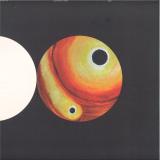
Tin Fingers takes on a darker, melancholic direction on their second full album. Felix Machtelinckx' weeping vocals, preaching, searching, and trying to understand God, form the leitmotif. With rich melodies, haunting piano sounds, improvisations, first takes and no overdubs, Tin Fingers is searching for pureness and keeping things human and simple. The band is playing together intuitively, without a computer, without ego, just for the sake of music
The creation of the album was very fluent and spontaneous. Singer Felix wrote the backbones of the songs and the lyrics on acoustic guitar and piano. He wanted to have songs ready in order to be able to record and write arrangements fast. With an eye for details but without overthinking, keeping the ideas fresh. 'I wanted to stay in love with the music.' he explains. 'It needed to go fast, very fast, in just two weeks the entire album was recorded and ready to be mixed.'
In the studio, the band especially focused on picking the right mood rather than playing the right notes.
They were fed up with working on a computer for many hours, overthinking production choices, and adding instruments on top of each other as if they were Lego blocks. This time they decided to work in a more traditional way, going for first takes, jams, and essentially working with analog gear. No computers, no screens, no distractions. Only four humans in a studio trying to make a sound together by keeping things spontaneous and raw. They said goodbye to perfection and worked towards an unfinished product, a snapshot.
Tin Fingers also didn't want to sound like any other artist on this record. They decided not to listen to music during the sessions, and to never express ideas by referencing other bands. Just before the studio session, however, bass player Simen Wouters broke the rules and shared Bonnie 'Prince' Billy's, I See Darkness. Its dark and searching sound ended up inspiring the band unmistakably.
Once the recording was finished, the band decided to keep the volatile rhythm going and asked reputable NYC-based mixer and producer D. James Goodwin to finish the job. Goodwin, known for his analog folk productions with a real American punchy sound but a tender touch, proved the right man for the job. He opened up the songs and kept things poetic, minimal but impressive.
Suche:6 th studio
Written and performed entirely by ELLiS
D himself (aka Ellis Dickson) at Hackney Road studios with Shuta Shinoda (Hot Chip,
Jenny Beth), 'Spill' is a seven song jetstream ofrocket-fuelled, goth-tinged glam-punk,
infested with 21st century paranoia:
"The Spill EP is a not so subtle expression of conflict between personality and
character", Ellis explains, "An uneasy alliance of nervous apprehension and joyful
abandon. Throwing myself dramatically onto the funeral pyre one moment, only to get up
and frantically twist my limbs about the next."
The brainchild of drummer-turned-solo musician Ellis Dickson, ELLiS.D has garnered a
growing reputation in the past 12 months for a tireless touring schedule and
increasingly electric live shows, recently described as"one of the most exhilarating live
sets I've seen in months."byFar Out Magazine.
Backed by continuously shifting set of Brighton musicians - in addition to playing
drums across the world with Fat Dog andJohnny Borrell's Jealous Nostril project - his
solo show has performed with the likes ofRazorlight (at Brighton Dome and Eventim
Apollo) The Goa Express , Flip Top Head , Melts , Plantoid, Vinyl Williams , Youth
SectorandThe DSM IV.
Georgette Sayegh & Melhem Barakat – Belghi Kull Mawaidi & Instrumental:
Finally, hopping across from Egypt to Lebanon for this infectious number, Georgette Sayegh delivers what some consider her magnum opus in a captivating duet together with Melhem Barakat, and on the flipside a stripped-down instrumental version that’s equally catchy.
Georgette Sayegh is a legendary Lebanese singer and actress known for her tender and dulcet voice that echoed the grace and beauty of the inimitable Fairuz yet carried its own unique warmth. Her passion for collecting vinyl at an early age formed her eclectic musical palette, and she eventually caught the eyes of the Rahbani brothers and played the lead role in a monthly play written by Fairuz’s son, Ziad. Georgette’s household classic "Yay Yay Ya Nassini” shot her to stardom across the Arab world in the 1970’s, and till this day carries the exact same nostalgia of a Lebanese summertime anthem – flirtatious, jolly, and unfettered. In Belghi Kull Mawaidi (I cancel all my appointments), Sayegh’s voice entwines with compatriot and fellow household staple, Melhem Barakat in an emotional display of longing and depth - her voice delicate yet powerful, effortlessly blending with Barakat's commanding baritone.
The instrumental version on the flipside (surprisingly a stereo mix) reveals a highly catchy arrangement that is lush and emotive, driven by strings that glide smoothly through the melody, while brass instruments add a touch of drama. The rhythm section, punctuated by a steady percussion, anchors the track, allowing the interplay of instruments to build a sense of urgency and longing, accurately reflecting the struggles and emotional resilience that defined Sayegh’s own life.
This reissue, remastered with painstaking care, brings both versions of Belghi Kull Mawaidi back to life, making it an essential addition to any avid listener, DJ or collector’s shelf. It captures the timeless beauty of two of Lebanon's most cherished musical icons, their voices and instruments merging to create a track that resonates through the ages.
Muhammad Al-Najjar
London, April 2025
credits
Audio restoration and vinyl mastering: Colin Young
Lacquer cut: Timmion cutting lab
Sleeve and label artwork: Grotezk Studio
Under License of Voix de L'Orient
Maggid Tewfik – Mazzika Nicab Parts 1 & 2:
Released in 1973, Mazzika Nicab by Egyptian film director and iconic figure Maggid Tewfik is a trippy instrumental journey into the experimental realms of baladi music. Known for his prolific career as a director and DOP in over 30 Coptic films, Tewfik’s composition, split in two parts, presents a moody yet undeniably cheeky tune that is unlike anything found in Egyptian music over the ages.
The track is a hypnotic blend of Eastern rhythms and Latin grooves, featuring an early drum machine that guides the track through its jubilant and stormy atmosphere. This mechanical beat is paired with funky garage sounds, creating a psychedelic fusion that evokes images of an epic cinematic score, where belly dance meets the raw energy of late-60s experimental rock. Belly-dance sci-fi perhaps..?
Muhammad Al-Najjar
London, April 2025
credits
Audio restoration and vinyl mastering: Colin Young
Lacquer cut: Timmion cutting lab
Sleeve and label artwork: Grotezk Studio
Under License of Sono Cairo
Satya welcomes one of Romania’s most respected underground talents, Mihai Pol, for a standout vinyl-only release titled "Ebb And Flow". With a sound that embodies precision, groove, and an ever-evolving sense of storytelling, Mihai has carved a unique place within the minimal tech-house landscape since his breakout moment in 2016 with Goneta on Capodopere.
His music, known for its subtle emotional depth and dancefloor functionality, continues to evolve—each release revealing a new side of his sonic palette. From the acid-laced drive of Synkop to the dreamy momentum of Tango, no two records sound alike. A regular on Telum and a fixture at iconic venues like Hoppetosse, La Java, The Block, and Sunwaves Festival, Mihai’s artistry spans both the booth and the studio.
On Ebb And Flow, Mihai delivers a refined suite of tracks created over a focused one-to-two month period, all sharing a clean, underground, club-oriented spirit. "There was no cultural reference for them," he shares. "Just me putting together sounds and playing them live." Built using an analog-heavy arsenal—MPC1000, Rytm, Digitone, Virus, Modular, Prophet6, Octatrack—and a few choice samples, the EP captures Mihai’s organic approach to groove and texture.
"I like to make people dance and feel good, but I also try to tell a story," he says. Ebb And Flow is exactly that: a dancefloor journey that hits the body and speaks to the soul.
Leila Gamal’s ‘Abaleeh Abalingi’
At the height of Pan-Arabism, when the United Arab Republic fused Egypt and Syria in a fleeting but bold experiment, a new wave of popular music was emerging—vibrant, infectious, and universally danceable. Among its lesser-known stars was actress Leila Gamal, whose voice—delicate yet rich with longing—embodied the golden era of Egyptian cinema. Born in Alexandria to Syrian roots, Gamal’s vocals were a magnetic blend of sweetness and passion, with a timeless allure that echoed the silver-screen sweethearts of her time.
Abaleeh Abalingi pulses with the hypnotic drive of funky organ riffs, reminiscent of the blind visionary Ammar El Sheriyi, creating a sound both cinematic and undeniably catchy. The delicate lyrics by Khairi Fouad place the track firmly in the lineage of the Middle East’s most iconic pop divas, from Angham to Nawal El-Zoughbi who he subsequently wrote for. This reissue, lovingly remastered, brings this long-lost gem back to life, where it belongs—spinning on turntables, teasing dance floors, and transporting listeners to Egypt in the late sixties.
Adel Osman’s “Oriental Eyes”
Oriental Eyes captures the essence of the 60s Egyptian Franco-Arab movement, blending Western (often jazz) influences with Arabic melodies to mesh mystique with sensuality. Osman’s commanding yet delicate vocals deliver the bilingual lyrics with captivating sincerity, his voice effortlessly gliding over the swells of the arrangement. The trumpet, possibly connecting him to Zaki Osman of Salah Ragab’s legendary Cairo Jazz Band, adds a layer of flair, enriching the track’s Tarantino-esque eclecticism. Now remastered, ‘Oriental Eyes’ is not only a nostalgic gem but a timeless reminder of the boundary-defying spirit that defined the 1960s musical landscape.
Given the ongoing war efforts against Israel, this record wasn’t pressed by Sono Cairo till much later in 1975 once Egypt had recaptured the Sinai and restored national pride. Sono Cairo (Sawt el-Qahira) was the first Arab-owned and by far the largest record label in the Middle East, amassing an unmatched catalogue of music. With exclusive rights over much of Umm Kulthum’s works, Sono Cairo played a crucial role in disseminating the sounds of Arab Nationalism and projecting Egypt’s soft power across the region.
Muhammad Al-Najjar
London, April 2025
credits
Audio restoration and vinyl mastering: Colin Young
Lacquer cut: Timmion cutting lab
Sleeve and label artwork: Grotezk Studio
Under License of Sono Cairo
- A1: Damian Lazarus Ft. Mathew Jonson - R U Dreaming? (Harry Romero 'Raw Dog' Remix)
- A2: Damian Lazarus Ft. Teed & A-Trak - Falling Down (Jonathan Kaspar Sunrise Remix)
- B1: Damian Lazarus Ft. Jem Cooke - Searchin (Themba's Club Remix)
- B2: Damian Lazarus Ft. Mëstiza - La Hija De Juan Simon (Mëstiza Remix)
Part II[13,24 €]
Following the release of his fifth studio album ‘Magickal’ at the start of the year, Damian Lazarus now opens a new chapter in the project’s evolution with ‘Magickal Remixed (Part I)’, this first instalment of the two-part series features bold reimagining’s from Harry Romero, Jonathan Kaspar, THEMBA and Mëstiza, offering four fresh takes on standout cuts from the acclaimed long-player.
The package opens with Harry Romero’s ‘Raw Dog’ remix of ‘R U Dreaming?’, originally a deeply introspective cut featuring Canadian maestro Mathew Jonson. Here, the New York favourite dials up the low-end pressure and rhythmic weight, bringing raw tribal energy and heavyweight swing to the original’s dreamlike tones. Jonathan Kaspar’s ‘Sunrise Remix’ of ‘Falling Down’, Lazarus’ collaboration with TEED and A-Trak, comes next. Channelling radiant euphoria through rising pads and sweeping melodic phrasing, it leans into the emotional intensity of the original while transforming it into a full-blown moment of sunrise transcendence.
On the B Side THEMBA delivers striking remix of Damian Lazarus and Jem Cooke’s ‘Searchin’.
THEMBA’s remix builds on that foundation and takes it into expansive, Afro-infused club territory, layering hypnotic percussion, deep rolling grooves, and subtle atmospheric shifts that heighten the emotion and push the track into new late-night spaces. Closing out the release, Spanish duo Mëstiza return to reinterpret their collaboration with the Crosstown head honcho, ‘La Hija De Juan Simón’. Expanding on the track’s flamenco-inspired roots, they layer hand-played percussion, haunting vocal flourishes, and dense atmospheres into a hypnotic, slow-burning groove, bridging folklore and futurism in their unmistakable style.
In 2024, Kyoto Jazz Massive released their third album as a digital-only project, 30 years after their debut. It now receives the honor of a special vinyl edition, featuring brand-new exclusive mixes by Young Pulse—elevating these already great tracks to even greater heights, for both your ears and your feet.
This marks the first and exclusive collaboration between KJM and Echoes Of A New Dawn Orchestra (aka Jéroboam), the unique Parisian band that has been performing live with KJM across Europe for the past three years. On this occasion, KJM recorded four new tracks with EOANDO, including three original songs ("Power", "Love Wars", and "Impulsive Procession") and a new rendition of “Stand Up”, a previously released composition. To complete the album, you'll also find a stunning cover of KJM’s iconic track "Substream" by EOANDO, as well as their signature piece, “EOANDO's Theme”.
"Power" and "Stand Up" were recorded with Vanessa Freeman, while "Love Wars" features Bembe Segue. This London-based duo has been singing live with KJM since 2004.
"Power" is a crossover anthem, blending jazz-funk and French disco with a gospel touch. Vanessa Freeman’s uplifting lyrics call for collective awareness and energize audiences. "Love Wars" is a live-band interpretation of broken beat with a boogie spirit, enhanced by Bembe Segue’s sharp and spiritual vocals. “EOANDO’s Theme” was specially composed by Echoes Of A New Dawn Orchestra for KJM, capturing the Okino Brothers' love for boogie-funk jams with Brazilian and Balearic influences reminiscent of Azymuth.
“Impulsive Procession” fuses Afro, funk, jazz, fusion, soul, rock, house, and techno—drawing inspiration from several of KJM’s most respected musical heroes. A brand-new version of “Stand Up”, originally released in 2008, was re-recorded live in the studio with EOANDO and fresh vocals by Vanessa Freeman.
The album closes with a reimagined version of “Substream”, one of KJM’s most beloved tracks, covered by EOANDO for the official Tokyo Crossover/Jazz Festival 2023 compilation. This new version was recorded as an organic disco interpretation at Danilo Plessow’s studio in Paris.
Parisian label Chuwanaga is thrilled to announce the upcoming release of "The Milky Way", the first EP from the dynamic Milk & Honey duo, comprised of producers Saint-James and Tour-Maubourg. Known for their raw sound reminiscent of the late nineties house sound, Milk & Honey bring a fresh yet nostalgic energy to the scene, blending vintage hardware with modern sensibilities. Available as Limited Vinyl 12" (300ex) and Digital.
This EP, is a testament to their musical chemistry and shared passion for the classic deep house. Composed in just two days at Tour-Maubourg's studio in Ixelles, Belgium, "The Milky Way" captures the essence of their creative synergy.
From peak-time club heaters like "Back in the Hood", "Lost and Found" and "Sour" — the latter tinged with a darker UK sound - to deeper, more introspective cuts like "Deeper and Deeper","Venus Effect" and "City Stabs" the EP is a rich and textured journey. It's also a testament to friendship: a story told through syncopated rhythms, hypnotic melodies, and intricate drum programming.
Milk & Honey have previously challenged the deep house scene with releases on Groovence Records, drawing inspiration from legends like Glenn Underground.
Indie exclusive Peak Edition on Orange & Black Swirl Vinyl, in a gatefold cover + poster.
It's spring of 2023 in the North Carolina Piedmont, and songwriter and singer M.C. Taylor - leader of the band Hiss Golden Messenger - is feeling alive. Joyful. Eternal, he might say. For the Grammy-nominated musician, whose albums have traced an internal path through adulthood, fatherhood, spirituality, and depression for well over a decade, this is something new. "The tunes on Jump for Joy were composed in free moments throughout 2022, a year during which Hiss was on the road more or less constantly," explains Taylor. "And perhaps because the post-pandemic energy out in the world felt so chaotic and uncertain, I found myself thinking a lot about the role that music has played in my life and how exactly I ended up in the rarefied position of leading a band and crew all over the globe through dingy graffiti-scrawled green rooms, venerated music halls, dust-blown roadside motels.
Sometimes playing in front of 5,000; sometimes 200. Sleeping sitting up. Laughing until my stomach hurts. Not being able to fall asleep at 3 a.m. in some anonymous bed because my mind is spinning with anxiety or depression or adrenaline, or because my ears are still ringing. Robbing Peter to pay Paul, then robbing Paul to pay Peter back. Over and over again. It's an outlaw life but one, I'm coming to realize, that makes me happy." The songs that make up Jump for Joy - the sharpest and most autobiographical that Taylor has written under the Hiss name - read as a sort of epistolary, postcards between the present-day songwriter and his alias Michael Crow, a teenaged dreamer very much like Taylor himself, who trips his way through the 14 tunes that make up the record. In this way, Jump for Joy is a meditation on a life lived with art, and the ways that our hopes and dreams and decisions bump up against_ and, with a little bit of luck, occasionally merge with real life. "Creating this character became the way that I could explore these vulnerable, tender moments that were so decisive in my life, even if I didn't know it at the time," explains Taylor.
Produced by Taylor and engineered by longtime Hiss compatriot Scott Hirsch over two weeks in the late fall of 2022 at the fabled Sonic Ranch studio in Tornillo, TX, just a short walk from the Mexican border, Jump for Joy dances with joyful, spontaneous energy that feels like a fresh chapter in the Hiss Golden Messenger oeuvre. Taylor is accompanied throughout the album by his crack live band: guitarist Chris Boerner, bassist Alex Bingham, keyboardist Sam Fribush, and drummer Nick Falk, a collection of musicians that have helped make Hiss Golden Messenger's live performances legendary affairs
SHAWN LEE & KELLY FINNIGAN
SAY IT AGAIN / HARPSICHORD ROCK
The highly anticipated collaboration from Shawn Lee and Kelly Finnigan ishere. The A-side on this 45, Say It Again, features Kelly on vocals and piano. It's asmooth, soulful tune, pulling references from Bobby Caldwell and FM radio. Shawn says of the track "there has always been a mutual admiration societybetween myself & Kelly. Over the years I've had the pleasure of playing onboth the Monophonics & Kelly's solo records in the studio and live onstage. This is the first I've had Kelly on something that I've put together. Good thingscome to those who wait_and here it is!"The instrumental B, Harpsichord Rock, comes straight out of some sort oflost 1970's Italian movie. Entirely written and recorded by Lee, it's a hypnoticjam with a groove. The mood: funk.
Bad Brains is the self-titled debut studio album recorded by American hardcore punk/reggae band Bad Brains. Recorded in 1981 and released on (then) cassette-only label ROIR on February 5, 1982, many fans refer to it as "The Yellow Tape" because of it's yellow packaging. Though Bad Brains had recorded the 16 song Black Dots album in 1979 and the 5-song Omega Sessions EP in 1980, the ROIR cassette was the band's first release of anything longer than a single. The release includes the original liner notes by Ira Kaplan of Yo La Tengo. This reissue marks the second release in the remaster campaign on the band's own Bad Brains Records imprint with Org Music. In coordination with the band, Org Music has overseen the restoration and remastering of the iconic Bad Brains' recordings. The audio was mastered by Dave Gardner at Infrasonic Mastering.
If any album could conjure up the revolutionary spirit of Jamaica in the mid 1970’s, Tapper Zukie’s invincible M.P.L.A. set would surely be a fighting contender. The coming together of great rhythms and meaningful lyrics in a time of unrest in the country seemed to have made the album all the more urgent and relevant. As time would tell it would also prove to be a lasting success, not only with the hard core reggae fans but also their punk counterparts. Who embraced its militant themes and crossed the album over to a whole new audience. Tapper Zukie (b. David Sinclair, Kingston, Jamaica.) had already returned from a trip to London England by the mid 70’s .Initially sent with help from his parents, brother Blackbeard and producer Bunny ‘Striker’ Lee to remove the youth from his troublesome ways on the streets of Kingston, Jamaica. He had performed some live shows in London and made some recordings for Larry Lawrence, that produced his debut ‘Jump and Twist’. Alongside other recordings that would emerge as his ‘Man A Warrior’ set. But feeling homesick he had returned to Jamaica in 1974 to work with Bunny Lee. His work would consist of arranging sessions and collecting payments to bodyguard, the now very successful producer. His frustration of Bunny Lee’s reluctance to record him led him cutting ‘Judge I Oh Lord’ for producer Lloydie Slim. Bunny Lee’s then recording of Tapper’s ’Natty Dread Don’t Cry’ and its subsequent release aboard, led to an altercation between Tapper and producer. The police had to be called and an offer to provide the singer with a set of rhythms put this matter to rest. The eight rhythms and a further two from Jo Jo Hookim and Ossie Hibbert alongside some free studio time at King Tubby’s Studio would result in the M.P.L.A album.
The rhythm provided by Jo Jo Hookim was a Channel One studio cut by The Revolutionaires based on Little Richards ‘Freedom Blues’ and provided the backdrop to M.P.L.A. The Ossie Hibbert rhythm again cut at Channel One based on The Royals ‘Pick Up The Rockers’ would provide the backdrop to Tapper’s ‘Pick Up The Rockers’. These and the remaining Bunny Lee rhythms, were all cut in a one hour session, at King Tubby’s Studio. ’Don’t Get Crazy’ cut on a rhythm based on the Joe Frazier rhythm to Tony Brevett’s ‘Don’t Get Weary’. ‘Go De Natty’ cut on Cornell Campbell’s ‘Please Be True’, originally a cut to Alexander Henry’s ‘Please Be True’. ‘Stop The Gun Shooting’ runs over Horace Andy’s ‘Skylarking’.’Ital Pot’ cut on Johnny Clarke’s version of Burning Spear’s ‘Creation Rebel. ‘Marcus’ see’s Tapper professing over Johnny Clarke’s ‘Poor Marcus’ .’Chalice To Chalice’ pulls on Johnny Clarke’s ‘Give Me a Love’,’ Don’t Deal With Babylon’ answers Junior Ross and The Spears ‘Babylon Fall’ and ‘Freedom’ rides on the great rhythm of Junior Ross and The Spears ‘Liberty’. An outstanding album cut by one of Jamaica’s finest DJ’s and producers the mighty Tapper Zukie. We hope you enjoy this now timeless set.
- A1: Floodbound
- A2: Cure Your Ills
- A3: ? | I'm No Good Without You
- A4: For A While
- A5: Golden Vanity
- A6: Rainmaker, Sunseeker
- B1: The House On The Hill
- B2: Ruby Red
- B3: She Never Sleeps
- B4: The Hanging Stars
- B5: Hang Me High
- B6: Crippled Shining Blues
- B7: Running Waters Wide
*Long overdue reissue of the first album by The Hanging Stars to coincide with their tour support slot with Edwyn Collins – initial 300 copies come with 12 x 12 print*
“In late-Sixties California, the Byrds and Flying Burrito Brothers combined traditional country music with hippy rock to great success. The influence lingered and whatever cultural relevance it has this is a delightful, transporting listen” – The Times 4/5
London-based psych-folk outfit The Hanging Stars re-release their much-loved debut album Over the Silvery Lake on Crimson Crow. Blending folk pastoralism with swampy 60s Americana, they sound like the missing link between the California desert sun and the grey skies of London Town. The album was recorded between LA, Nashville and Walthamstow, with each of these vastly different places leaving an indelible mark on the songs.
Now signed to the Loose Records label and fronted by London-based songwriter, singer and guitarist Richard Olson (The See See, Eighteenth Day of May), The Hanging Stars are essentially a loose collective of people who weave together a blissed-out psychedelic tapestry. The rest of the core band is made up of Sam Ferman on bass and Paulie Cobra on drums, Horse on pedal steel and Patrick Ralla on banjo, guitar. They jam rather than write and hang out rather than rehearse, harnessing a kind of tipsy euphoria resplendent with luscious arrangements and glorious vocal harmonies.
During 2015, prior to this album’s original release the band released two critically acclaimed singles via The Great Pop Supplement (both of which also appear on the album). “Golden Vanity” was premiered by The Line of Best Fit who said; “you'd be forgiven for thinking you'd just unearthed a rare deep cut from the late 60s/early 70s boom of psychedelia infused Americana” and “The House on The Hill” was described by The Guardian as; "a hazy, desert-dream of a song, nicely sharpened with steely-eyed guitars, Mersey-laced harmonies and just a whiff of the Gun Club”.
There are a number of allusions to nature and the weather on the album, borne in part out of the contrasting surroundings in which it was produced. The band’s fascination with Americana led them to record some of the material Stateside, laying down some of the parts at Battle Tapes Studios in Nashville (Lambchop, Paperhead), as well as at Vision Quest Studios in Los Angeles with Rob Campanella. His work with The Quarter After, The Brian Jonestown Massacre, Beachwood Sparks The Tyde, and GospelbeacH was a perfect match to capture their sound and they even had San Franciscan legend Chrystof Certik step in on lead guitar for a couple of tracks.
Following the LA recordings, a trip to the Californian desert provided the core notion of what they wanted to produce - a shard of light that they clung on to whilst recording the rest of the album in the significantly more rain-soaked atmosphere of Walthamstow, London, under the watchful eye of Brian O'Shaughnessy at Bark Studios (The Clientele, Comet Gain). As the band explained at the time: “Ultimately we hope you can hear both the sand and the rain in this record.”
The Hanging Stars place themselves firmly as part of a long folk tradition encompassing European and North American influences – as a continuation rather than a pastiche of these styles. This is the sound of a band really coming in to their own, fully formed and in no doubt of their vision. With Over the Silvery Lake they succeeded in producing a record, which has the country, blues and folk traditions at its heart.
- Krystal Ball
- Psychosis Is Just A Number
- Ceo Of Personal & Pleasure
- Life's A Zoo
- Red Flag To Angry Bull
- Panglossian Mannequin
- Deep Sight
- When Dogs Bark
- Crocodile Cloud
- Favorite Sun
When NYC-based experimental dance punks Guerilla Toss, active since 2011, were in Vermont recording their new full-length album You're Weird Now, frontwoman Kassie Carlson would prepare what she called 'punk lunch': a communal meal made by raiding the studio fridge for whatever was left and assembling a sandwich from the most random ingredients imaginable. Regularly joining punk lunch were two legends from their own corners of the weird music world: Stephen Malkmus (Pavement, The Jicks) and Trey Anastasio, Phish guitarist and owner of The Barn; the recording studio where Guerilla Toss were making You're Weird Now, with Malkmus in the producer's seat. Engineer Bryce Goggin, who has worked with Malkmus since Crooked Rain, Crooked Rain, and Ben Collette, Phish's longtime engineer at The Barn, were also part of the crew. While the idea of the guy from Phish and the guy from Pavement sitting around with Guerilla Toss, congenially assembling sandwiches from random foodstuffs dug up from the depths of a studio fridge, might seem absurd, it also makes total sense. Because really, if there's any band that serves as the natural bridge between slacker punks who saw Pavement way before you did, wild-eyed wooks who've seen Phish more times than you ever will, and even the eccentrics in '90s drip following former GT tourmates Primus-it's Guerilla Toss. A band so imaginative and unapologetically themselves, they're basically the real-life manifestation of a utopian, post-snob world where all musical ideas are worthy of expression and everyone is welcome. You're Weird Now powers this message. Guerilla Toss' fifth album and second for Sub Pop is a hugely creative and joyful statement about the joy of creativity. With You're Weird Now Guerilla Toss reclaim the word "weird" for everyone brave enough to let their freak flag fly and stay true to their artistic vision no matter what-a way riskier act than it's ever given credit for, and one that requires a certain amount of serene self-confidence that it takes time and effort to cultivate and sustain. And they do so with the enthusiastic support of their musical predecessors: a standout moment arrives with "Red Flag to Angry Bull," which builds to a campfire sing-along-worthy outro featuring Malkmus and Carlson duetting over a chatty, classically Phish-y (there's really no better word for it) solo from Anastasio. The band hopes the message of You're Weird Now will resonate not only with music heads but anyone who struggles with feeling weird in a world where it will always be hard to be different. At the end of the day, it's all about the spirit of punk lunch: there's room for everyone because music is for everyone. "Everyone loves and appreciates music," says Carlson. "If you don't like music, you're kind of an asshole." That's not weird-that's just true.
Die Black Lips sind mit einer 40-minütigen Rock'n'Roll-Odyssee quer durch die Genres zurück, bei der Garagenrock auf New-Wave-Pop trifft und verärgerter Country sich die Hand mit epischen Western-Soundtracks gibt. Das 14-Track-Album fängt die Energie und den Geist der frühen Black Lips ein und geht gleichzeitig neue Wege beim Songwriting. Das Album ist ein musikalisches Karussell, eine Trip mit straßengeschundenen Geschichten aus der Schattenseite eines lichtlosen Amerikas. Die Rahmung bildet "The Illusion", pt.I und II: eine Suche nach Hoffnung, Angst und Hass in einer Bar, die immer wieder von einem Gefühl der Resignation durchkreuzt wird: ,you reach for the sky / but it's an illusion". An anderer Stelle spielt sich "Wild One" wie ein Morricone-Taumel durch einen weiteren Tag in der Hölle ab. Ein Mantra für verkatertes, himmelschreiendes Klagelied zum Lob des Wilden im Herzen. "Tippy Tongue" zeigt, wie Black Lips den Soul der 60er-Jahre-Girlgroups aufgreifen, wie Shangri-Las oder Ronettes, die von Jayne/Wayne County infiltriert wurden, und ist eine Hommage an Buddha Records. "Kassandra" hat einen sonntäglichen Gitarrensound, der sich wie The Chocolate Watchband mit Zappa am Gesang durch immer wiederkehrende Salven schlängelt. "Zulu Saints" ist ein beschwingter Country-Hupf, ein Gute-Laune-Stück mit Bravour, gespickt mit Cole in einer ungläubigen Radio-Telefon-Show, der nach schwarzäugigen Erbsen sucht und an den Spielautomaten groß gewinnt. Für die Aufnahmen verschanzten sie sich in der idyllischen Umgebung von Schlagzeuger Oakleys neuem Sound At Manor Studio in den Catskills (das erste Album, das dort aufgenommen wurde, seit Oakley das Studio 2020 baute). In dieser idyllischen Umgebung entzog sich die Band dem Stadtleben und nahm ihre Musik analog auf Band auf - Teil ihres Bestrebens, Spontaneität zu leben und die Energie eines Live-Konzerts der Black Lips auf Platte einzufangen. Gelungen! "Simply masters in their field" NME" - Limitiertes, cremefarbenes Vinyl mit DLC sowie CD im Digisleeve
- LP1: Groovin’ With The Chet Baker Quintet
- LP2: Smokin’ With The Chet Baker Quintet
- LP3: Boppin’ With The Chet Baker Quintet
- LP4: Cool Burnin’ With The Chet Baker Quintet
- LP5: Comin’ On With The Chet Baker Quintet
LP-Box mit fünf Original-Studioalben von 1965.
(AAA) Remastered und direkt von den originalen analogen Mono-Bändern von Kevin Gray geschnitten.
Fünf Original-Studioalben, aufgenommen in einer Woche im August 1965 in New York City: Boppin', Smokin', Groovin', Comin' On, Cool Burnin' sind zum ersten Mal seit über 50 Jahren wieder auf Vinyl erhältlich. Für diese Aufnahmen, die einen Wendepunkt in seiner Karriere markieren, hat Chet Baker eine Band der Superlative um sich geschart: George Coleman, Kirk Lightsey, Herman Wright und Roy Brooks spielen alle auf diesen aufregenden Sets, die ursprünglich bei Prestige Recordings erschienen sind.
New Land hatte vollen Zugang zu den originalen analogen Monobändern, und Kevin Gray hat sie neu gemastert und geschnitten (AAA), um ihnen eine frische Klangfarbe zu verleihen. Das Herzstück dieser Box ist ein Buch mit einem unglaublich detaillierten Essay von GRAMMY® Nominee James Gavin, der die wahre Geschichte hinter diesen Aufnahmen mit Interviews der Beteiligten verbindet. Illustriert mit seltenen Fotos und Ephemera ist dies der bisher tiefste Einblick in diese Aufnahmen.
Chet Bakers Prestige-Aufnahmen aus dem Jahr 1965 markieren eine Übergangsphase - seine Rückkehr in die USA nach einer Zeit in Europa und einer Auseinandersetzung mit dem Rechtssystem. Diese Sessions zeigen ihn in einem raueren, expressiveren Ton, der aber immer noch von seiner charakteristischen lyrischen Schönheit durchdrungen ist. Die Aufnahmen entstanden auf dem Höhepunkt der Hard-Bop-Renaissance von Prestige Records und zeigen Baker zusammen mit dem Saxophon-Titanen George Coleman, der gerade mit Miles Davis auf Tournee war. Das Ergebnis ist ein rauer, swingender Quintett-Sound, direkt, gefühlvoll und ungeschminkt.
Nach Jahren des Umherziehens in Europa und scheinbar endlosen persönlichen Turbulenzen kehrte Chet in die USA zurück, um diese Sessions aufzunehmen. Ohne die jugendliche Unschuld seiner frühen Tage an der Westküste spielt Baker mit einer dunkleren, introspektiven Note - sein Horn singt immer noch, aber jetzt seufzt es auch.
Zusammen mit einer starken Rhythmusgruppe aus New York verbinden diese Aufnahmen die Eleganz des Cool Jazz mit der rauen Direktheit des Hard Bop der Ostküste. Baker zeigt sich hier von seiner menschlichsten Seite - zerbrechlich, lyrisch, ungefiltert.
Dies sind nicht einfach nur Aufnahmen aus Chets Spätzeit - sie sind ein Dokument seiner Neuerfindung. Für Sammler schließen sie eine wichtige Lücke zwischen seiner ikonischen Cool Jazz Ära der 1950er Jahre und seinen düsteren europäischen Sessions der 1970er Jahre.
- A1: Relentless Love
- A2: Vertigo
- A3: Taste
- A4: Stay On Me
- A5: Dolce Vita
- A6: Time
- B1: Glamorous
- B2: Freedom Of The Night
- B3: Layers
- B4: Diamond In The Dark
- B5: Heart Sing
- B6: Don't Know What You've Got 'Til Its Gone
Blue Vinyl[26,47 €]
Sophie Ellis-Bextor’s much anticipated 8th studio album ‘Perimenopop’ is a playful celebration of where Sophie is at in her life, knowing exactly who she is and embracing the joy and empowerment that brings. Featuring previously released tracks ‘Freedom of the Night’, ‘Relentless Love’ and ‘Vertigo’, it is the record Sophie was meant to make 7 studio albums into her 25-year career, seeing her confidently return to her iconic dance-pop sound.
- The Sink Thank You
- Beers With My Name On Them
- Why I Bought The House
- Travel Safe
- Cobalt Room: Good Work / Silver Saab
- Voice Memo
- Like Another Planet Instrumental
- Country Girls
- Falls
On the cover of 8 Tips for Full Catastrophe Living, the new album by Asher White, The Statue of Liberty is in pieces but not destroyed - in progress, being built, not yet complete. Her torch is on the ground, her head somewhere out of frame. Before she was a symbol, she was metal, and living, sweating people riveted her together. The spirit of de/construction characterizes 8 Tips, White's 16th LP overall and first since signing to Joyful Noise. Like White's previous albums, 8 Tips for Full Catastrophe Living darts boldly among varied musical styles. Doom metal splits open into bossa nova; psychedelic rock and power pop flip into industrial techno. Each song emerges from its composite parts in the studio: White doesn't draft or demo before recording, but builds out her pieces sculpturally, sound by sound. "It's forever collage, forever assemblage," she says of her music. "To me, it has more to do with J Dilla, L.A. beat, and musique concrète than pop songwriting." The record's quick turns and vivid contrasts reflect White's cultural voraciousness. A writer, painter, and sculptor as well as a musician, she gathers materials constantly, always digging for new ideas in every possible form. The films of Claire Denis, the novels of Clarice Lispector, and the memoirs of Eve Babitz all funnel into White's reflection of 21st century disaster capitalism. 8 Tips is also White's first album to have been mixed outside her Providence studio; after recording it herself, she brought tracks to Seth Manchester (Lightning Bolt, Battles, The Body) who gave the album its brawny, unruly charge. "I was interested in making something that serves dually as a self-help book and a chronicle of self-destruction," says White. Overlaying autobiography onto character vignettes, 8 Tips for Full Catastrophe Living wrenches open the idea of apocalypse - an abrupt disaster rained down on uncomplicated innocents - and peers inside at its bursting, devastated particulars. Apocalypse is slow and uneven. Nations falter as do individual people, clinging fast to their old, dilapidated self-preservation strategies. What saved you in the past might destroy you in the future. Flip it around, shake yourself loose, ruin the person you've known yourself to be, and you might get the chance to become something else. "There have been so many end times, many other apocalypses." White says. "People were writing self-help tips, and people were partying." We have survived catastrophe before. Out of the ruins, people made work - art, books, culture. "I was interested in making something that sounds like a self-help book, but it's actually about self-destruction," says White. "In full catastrophe living, you just have to do a bunch of whippets. This album is mostly about doing whippets. I'm not even kidding."