The recordings on Volume II were captured in Copenhagen, Denmark on January 18, 2020. Guided as much by human instinct as by musical intention, the ensemble moved through the evening with a shared sensitivity…listening, responding, and trusting the moment as it unfolded. Though Morten McCoy admits to having felt quite ill that evening, nothing in the music suggests restraint. Instead, what remains is a vivid, playful exchange, where McCoy and Johannes Wamberg carry both Part I and Part II as a flowing conversation, speaking through sound rather than words.
Part I begins abruptly, almost throwing the listener back in time to the exact moment the improvisation was born. Jonathan Bremer steps to the forefront, providing a solid, melodic bassline as Kristoffer and Eliel, perfectly in sync, lay down a steady foundation for whichever voice chooses to rise above the rhythm.
This is also one of the few I Am An Instrument recordings to feature two guitarists. Johannes Wamberg leads the way, shaping the harmonic direction, while Steven Jess Borth II adds subtle rhythmic textures through muted palm work, deepening the groove without ever stepping into the foreground.
Part II unfolds with Morten McCoy on his Moog One, delivering a beautiful, expansive solo. Using a carefully chosen patch, the sound pulses through the rhythm, moving with the groove rather than above it, riding the beat like a wave through the ocean.
Shaped by trust, presence, and collective improvisation, Volume II captures a group deeply attuned to one another, allowing intuition and momentum to guide the unfolding form.
——
Volume III was recorded in Copenhagen on March 5, 2020. Little did anyone know that only days later, the world would be placed on pause for years. Captured just before that moment of global stillness, this session carries a heightened sense of presence, a final gathering before silence reshaped everything. Recorded in a space more commonly associated with a club atmosphere, the music draws on a different kind of energy and immediacy. With Eliel Lazo unable to attend, the group invited Victor Dybbroe of Girls In Airports to join on percussion, subtly reshaping the ensemble while preserving its core spirit. Part I opens with Steven Jess Borth II calling out on tenor saxophone, answered by Morten McCoy on Wurlitzer electric piano. The piece gradually unfolds into a meditative groove, patient and expansive, carrying the listener through an eight-minute journey of layered rhythm and restraint.
Part II begins with Jonathan Bremer on stand up bass, slowly joined by the rest of the ensemble as each voice enters with intention. Midway through, an unexpected vocal melody from Borth emerges, drenched in reverb and delay, later reappearing as a melodic line on the tenor saxophone.
Part III is led by Morten McCoy on Wurlitzer electric piano. His signature melodic language sets the direction, guiding the ensemble while leaving ample space for the music to breathe and evolve through collective improvisation. Reprise returns to the closing moments of Part II, its title reflecting its origin. The familiar groove reappears, transformed into a distinctly Jamaican-influenced rhythm, over which Borth delivers a final tenor saxophone solo, bringing the conversation to rest.
Any questions about any of these products feel free to get in touch and we'll help you out!
[a] a1. Part I [Vol.2]
[b] a2. Part II [Vol.2]
[c] a3. Part I [Vol.3]
[d] b1. Part II [Vol.3]
[e] b2. Part III [Vol.3]
[f] b3. Reprise [Vol.3]

Поиск:a vol i
Все
- A1: El Balajú / Serenata Huasteca
- A2: Mexicana Hermosa
- A3: Veracruz
- B1: Una Vida
- B2: Hasta La Raíz
- B3: Ya No Vivo Por Vivir
- C1: Mi Religión
- C2: Para Qué Sufrir
- C3: Nunca Es Suficiente
- C4: Sembrando Flores
- D1: Lo Que Construimos
- D2: Un Derecho De Nacimiento
- D3: Mi Tierra Veracruzana
VOL. 1 black vinyl[31,51 €]
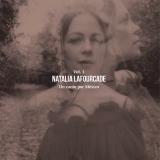
Un Canto por México, Vol. 1 is the eighth studio album by Natalia Lafourcade. The album was part of a project destined for the reconstruction of the Centro de Documentatión del Son Jarocho at Jáltipan de Morelos, a cultural building that was damaged after 2017 Puebla earthquake on 19 September 2017.
The album was a great success and gave Lafourcade three Latin Grammy Awards and the album also won the Best Regional Mexican Music Album at the 63rd Annual Grammy Awards.
Un Canto por México, Vol. 1 is available as a limited edition of 2000 individually numbered copies on yellow vinyl, packaged in a gatefold sleeve, with printed inner sleeves
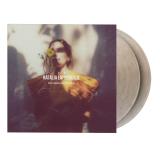
Un Canto por México, Vol. 2 is Natalia Lafourcade's second album dedicated to the reconstruction of the Centro de Docementación del Son Jarocho, a cultural building that was damaged after the 2017 Puebla earthquake. The album features unique new interpretations of her earlier songs, as well as collaborations with artists such as Caetano Veloso and Silvana Estrada. This album really showcases the enduring strength of her songs, which remain powerful in any form.
The album was very positively received by fans and critics. It even got nominated for multiple Latin Grammy Awards (Album of the Year, Best Engineered Album) and Grammy Awards (Best Regional Mexican Music Album).
Un Canto por México, Vol. 2 is available as a limited edition of 2000 individually numbered copies on smokey marble vinyl, packaged in a gatefold sleeve, with printed inner sleeves.
Un Canto por México, Vol. 1 is the eighth studio album by Natalia Lafourcade. The album was part of a project destined for the reconstruction of the Centro de Documentatión del Son Jarocho at Jáltipan de Morelos, a cultural building that was damaged after 2017 Puebla earthquake on 19 September 2017.
The album was a great success and gave Lafourcade three Latin Grammy Awards and the album also won the Best Regional Mexican Music Album at the 63rd Annual Grammy Awards.
Un Canto por México, Vol. 1 is available as a limited edition of 2000 individually numbered copies on yellow vinyl, packaged in a gatefold sleeve, with printed inner sleeves
Back in stock!
Back with a new EP and featuring 2 of Detroits finest vocalists, Jon Dixon brings the Detroit Jazzy House style he’s known for. L’Renee and Kenny Watson both bring their unique voices to Jon’s masterful production and Jimpster, also lends a hand with an incredible remix. The Vocal sessions Vol. 1 is the first EP featuring some of Jon’s favorite vocalists. This is Hi-Tech Jazz at its finest.
DJ Support: &ME, Adam Port, Oliver El-Khatib (OVO Sounds), Moblack, Antdot, Maxi Meraki, Sam Divine, Shimza, Benji B (BBC), SARZ, Kilimanjaro, Boddhi Satva, Jeremiah Asiamah (BBC), The Pete Tong (BBC), Méle, Kid Fonque, Black Coffee, DJEFF, Kitty Amor, Enoo Napa, Fiona Kraft
Sondela Recordings returns with Sondela Selects Vol. 2, a special 12” showcasing four of the label’s most defining moments. From FKA Mash & Sio’s soulful ‘Bumblebee’ to Thakzin’s groundbreaking ‘The Magnificent Dance’, which birthed the global 3Step movement, this package is steeped in history. Henrik Schwarz’s remix of Mike Steva & Stevo Atambire’s ‘Destiny Song’ and Sammi Ferrer & Chaleee’s peak-time cut ‘Champagne’ round off a collection that cements Sondela’s role in shaping Afro-inspired electronic music.
REPRESS!
Exceptional music from Lance Desardi on his very own Legwork imprint.
Live Trax Vol. 1 is the first in a series of new releases that come from his live hardware sets. It’s rough & ready deep house that’s been road-tested on cultivated dance floors, including Heidigluhen, Block 9, Sunset Sound System and Love International.
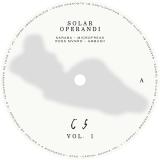
Solar Operandi is a new Parisian label born from a B2B project and developed into a curated platform rooted in electro and exploring its darker intersections with techno, acid and trance. It's focusing on peak-time energy with depth and character.
Its first various artists release, Carnal Savana Vol. 1, brings together standout producers from across the globe, each delivering a distinctive yet cohesive vision of modern electro. The compilation balances raw club functionality with refined sound design, built for powerful systems and late-night intensity.
- 1: Pain And Punishment
- 2: Protect Ya Well Bein
- 3: Antennas
- 4: Bowel Movement
- 5: Fictitious Bravado
- 6: Fire Off
- 7: Grindin Axe
- 8: Shogunn’s Warsong
- 9: Tha Source Wall
- 10: Buss Em Up
- 11: Executive Council
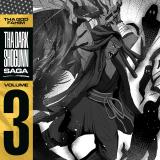
Tha God Fahim's timeless creative instincts have been evident from the moment his art began to circulate. Emerging unexpectedly from the epicenter of trap music, the Atlanta emcee quickly distinguished himself with sharp wordplay and atmospheric production that couldn't be further from the monotonous sounds echoing Around Him. With Just A Few Projects To His Name, Tha God Fahim Was Still A Hungry Young Talent On The Rise when he unleashed Tha Dark Shogunn Saga in late 2016. Among his most memorable early releases, the album kicked off an unprecedented creative explosion, as Fahim cemented his status with more than 50 projects released over the next two years. Followed by an equally compelling sequel released just a few
months later, the overall saga became an important moment in Tha God Fahim's rise, evoking shadowy street corners and smoke-filled hallways. Nearly a decade later, Fahim is expanding this series into a full trilogy with Tha Dark Shogunn Saga, Vol. 3. Reviving the unmistakable vibe of the original projects, the new collection finds our hero back in warrior mode, sharpening his lyrical blade over rich production from Cookin Soul, Nicholas Craven, Fortes, and Fahim himself.
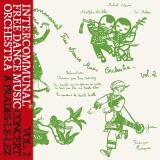
Concert at Prades-le-Lez marks the origins of the Intercommunal Free Dance Music Orchestra. In 1974, François Tusques and his companions (Michel Marre, Jo Maka, Adolf Winkler and Guem), in the spirit of Don Cherry or Chris McGregor, playfully dismantle all borders and all styles of creative music.
On this second volume, the Intercommunal builds unprecedented soundscapes around a song of revolt, a dance tune, or a burst of dissonance. The journey is unforgettable, no question about it. On repeat listening, it even becomes… lunar!
“The music that we make is primarily meant to be listened to live,” warned a leaflet from the Intercommunal Free Dance Music Orchestra. This is precisely why the (restored!) reissue of the two volumes of Concert at Prades-le-Lez, recorded on January 25 and 26, 1974 by François Tusques and his comrades, is such an important event.
In 1971, after recording a series of albums that would leave a lasting mark on French jazz (Free Jazz, of course, with Michel Portal, François Jeanneau, Bernard Vitet, Beb Guérin and Charles Saudrais, but also Le Nouveau Jazz with Barney Wilen, or the solo Piano Dazibao), François Tusques founded the Intercommunal—a grouping whose very name called for the fraternization of the various communities making up the country: Our music will help, we hope, to resolve the contradictions that exist between workers be longing to different communities, by breaking down various forms of national chauvinism, and more particularly the chauvinism of certain French people toward the cultures of Third World countries… Long live the friendship between the peoples of the whole world!
Among the great records made by the Intercommunal Free Dance Music Orchestra, the two volumes of Concert at Prades-le-Lez come first, before L’Inter Communal, Vol. 4, Le Musichien, and Après la marée noire (four titles already reissued by Souffle Continu). François Tusques and his companions (Michel Marre and Jo Maka on saxophones, Adolf Winkler on trombone, and Guem on percussion) performed on January 25 and 26, 1974 at the Moulin de Prades-le-Lez, a few kilometers from Montpellier. It was thus in the southern region of Occitanie that the first echoes of this musical vision of a borderless brotherhood were recorded.
“We’re not among the Colonels,” the Intercommunal reassures us right away, performing a stride piano tune carried by African winds that the audience cannot resist for long. The energy is already striking and it never lets up throughout these two recordings, from start to finish: jazz, blues, traditional music, minimalism, even funk… The musicians of the Intercommunal have heard a lot of great music and now delight in reinventing it by mixing it all together.
“We want the song form to take its place as a weapon in the struggle against capitalist exploitation and all those who oppress us morally and materially,” declared an Intercommunal leaflet, quoting Jean-Baptiste Clément, author of the lyrics to “Le Temps des cerises.” The struggle was therefore serious—but it did not prevent François Tusques and his group from waging it in a festive spirit: each piece on Concert at Prades-le- Lez sends out a call for love and fraternity. Fifty years later, the message remains as relevant as ever—and once again, it is François Tusques who makes it heard.
- On N'est Pas Chez Les Colonels
- Intercommunal Blues
- Mazir
- Kan-Ha-Diskan - We Shall Over Come
- African Rythm-N-Logy
2[23,95 €]
Concert at Prades-le-Lez marks the origins of the Intercommunal Free Dance Music Orchestra. In 1974, François Tusques and his companions (Michel Marre, Jo Maka, Adolf Winkler and Guem), in the spirit of Don Cherry or Chris McGregor, playfully dismantle all borders and all styles of creative music.
On this first volume, the Intercommunal takes its audience from New Orleans to Brittany and on to North Africa. The journey was bold, without a doubt—and its memory remains unforgettable.
“The music that we make is primarily meant to be listened to live,” warned a leaflet from the Intercommunal Free Dance Music Orchestra. This is precisely why the (restored!) reissue of the two volumes of Concert at Prades-le-Lez, recorded on January 25 and 26, 1974 by François Tusques and his comrades, is such an important event.
In 1971, after recording a series of albums that would leave a lasting mark on French jazz (Free Jazz, of course, with Michel Portal, François Jeanneau, Bernard Vitet, Beb Guérin and Charles Saudrais, but also Le Nouveau Jazz with Barney Wilen, or the solo Piano Dazibao), François Tusques founded the Intercommunal—a grouping whose very name called for the fraternization of the various communities making up the country: Our music will help, we hope, to resolve the contradictions that exist between workers be longing to different communities, by breaking down various forms of national chauvinism, and more particularly the chauvinism of certain French people toward the cultures of Third World countries… Long live the friendship between the peoples of the whole world!
Among the great records made by the Intercommunal Free Dance Music Orchestra, the two volumes of Concert at Prades-le-Lez come first, before L’Inter Communal, Vol. 4, Le Musichien, and Après la marée noire (four titles already reissued by Souffle Continu). François Tusques and his companions (Michel Marre and Jo Maka on saxophones, Adolf Winkler on trombone, and Guem on percussion) performed on January 25 and 26, 1974 at the Moulin de Prades-le-Lez, a few kilometers from Montpellier. It was thus in the southern region of Occitanie that the first echoes of this musical vision of a borderless brotherhood were recorded.
“We’re not among the Colonels,” the Intercommunal reassures us right away, performing a stride piano tune carried by African winds that the audience cannot resist for long. The energy is already striking and it never lets up throughout these two recordings, from start to finish: jazz, blues, traditional music, minimalism, even funk… The musicians of the Intercommunal have heard a lot of great music and now delight in reinventing it by mixing it all together.
“We want the song form to take its place as a weapon in the struggle against capitalist exploitation and all those who oppress us morally and materially,” declared an Intercommunal leaflet, quoting Jean-Baptiste Clément, author of the lyrics to “Le Temps des cerises.” The struggle was therefore serious—but it did not prevent François Tusques and his group from waging it in a festive spirit: each piece on Concert at Prades-le- Lez sends out a call for love and fraternity. Fifty years later, the message remains as relevant as ever—and once again, it is François Tusques who makes it heard.
- A1: Augustus Pablo - Vibrate Onn (Special 7" Edit 2019)
- A2: Carlton Jackson - History
- A3: Upsetters - Stay Dread/Kingdom Of Dub (Special 7" Edit 2019)
- B1: Truth Fact & Correct - Babylon Deh Pon Fire (Special 7" Edit 2019)
- B2: Junior Murvin - Tedious (Special 7" Edit 2019)
- B3: Raphael Green & Alimantado - Rasta Train
- A1: We Are Motörhead
- A2: Bomber
- A3: No Class
- A4: I’m So Bad (Baby I Don’t Care)
- A5: Over Your Shoulder
- A6: Civil War
- B1: Metropolis
- B2: Shoot You In The Back
- B3: God Save The Queen
- B4: Born To Raise Hell
- B5: Stay Out Of Jail
- B6: Damage Case
- C1: Sacrifice
- C2: Orgasmatron
- C3: Lemmy Bass Solo
- C4: Going To Brazil
- D3: Ace Of Spades
- D4: Overkill
- 01: Nhá Zefa &Amp; Nhô Pai - We&Apos;Ll Never Forget
- 02: Leôncio &Amp; Leonel - Envious Affair
- 03: Grupo Sertanejo Do Lenço Preto - Oh I Cry
- 04: Mandi &Amp; Sorocabinha - Bad Weather
- 05: Jeca Mineiro &Amp; Bambuí - River Of Revenge
- 06: Zé Mané &Amp; Zé Pagão - White Rose
- 07: Zico Dias &Amp; Ferrinho - I Went For A Walk In The City
- 08: Mariano &Amp; Caçula - Shaved Moustache
- 09: Tonico &Amp; Tinoco - Example Of Faith
- 10: Sulino &Amp; Marrueiro - Return Of The Cowboy
- 11: Moreno &Amp; Moreninho - City Of Roses
- 12: Valdomiro &Amp; Valdemar - Old Saying
- 13: Serrinha &Amp; Caboclinho - The Crimes And Death Of Dioguinho
- 14: Raul Torres &Amp; Serrinha - Friday The 13Th
- 15: Canário &Amp; Passarinho - Goodbye
- 16: Mandi &Amp; Sorocabinha - I Dreamt I Had Died
Death Is Not The End present the first volume in a survey of a form of Brazilian country music known as música caipira ("hillbilly music") - a stripped-back forerunner to música sertaneja, the Brazilian equivalent to US country & western which in it's contemporary form has come to dominate the domestic music industry in recent decades. This collection covers some of the earliest recordings made by the pioneering folklorist Cornélio Pires at the end of the 1920s, through to records from the 30s, 40s & 50s and the beginning of the 60s.
Somewhat rooted in Portuguese troubadour folk traditions, música caipira is typically performed by a duo singing in parallel thirds and sixths, drawing upon a Portuguese-Brazilian style known as moda de viola - with the viola being the viola caipira, a Brazilian-style ten-string guitar that is the core instrument of the music. Born out of the "outback"-style region in north-eastern Brazil, these songs tell stories of pain, love, loss & betrayal - often backed by homemade guitars using invented tunings. Away from the polished pop country & western-stylings of the sertaneja, these recordings could be viewed as the Brazilian equivalent to the roots music of the American dustbowl or Appalachia.
- A1: Eastern Wizard - Le Baiser Du Sorcier
- A2: Mashti - Maine Pyaar Kiya
- A3: Fyordh - Kerala Blues
- A4: Gotama - Twilight Echoes
- B1: Jose Solano - Sal De Mar
- B2: Catching Flies – Tides
- B3: Nato – Apae
- B4: Tamer Elderini - Souq
- C1: Aural - Laulu Mustarastaan
- C2: Nairu - Mariposa Azul
- C3: Majnoon - Hatiralar
- C4: Yaensen / Yancouba Diebate - Kora Café
- D1: Rich Vom Dorf - Heartbroke
- D2: Linear / The Saint - Samadu
- D3: The Ab Brothers - Al Saha
- D4: Dj Phellix / Ablozé - Zal
The Buddha Bar collection is the one of the most emblematic electronic compilation series with over several million copies sold over the years. Discover the 27th Buddha-Bar Compilation, Mixed by DJ Ravin. Immerse yourself in the captivating and unique world of Buddha-Bar with this new « haute couture » selection. This latest edition, masterfully mixed by the iconic DJ Ravin, takes listeners on a mesmerizing sonic journey, blending sophisticated electronic beats, worldwide sounds, and deep chill and house vibes. More than just an album, it’s an immersive experience perfect for setting the mood at any gathering or accompanying moments of pure relaxation. With a legacy of globally acclaimed compilations, the Buddha-Bar series has already captivated millions, creating a lifestyle phenomenon like no other. Available on March 28th, Buddha-Bar XXVII is a must-have for fans of lounge and electro music. Give your customers the chance to escape into this musical adventure
Emotional Response presents the first of 2 EPs by Laura Sparrow aka LNS, the Calgary raised, Berlin based producer and DJ with 8 acid-tinged cuts that are equally expansive and inspiring, personal and inventive.
After her debut Malinge Range (cassette) on fellow native Canadian 1080p label in 2016, LNS moved to Berlin and has released a steady stream of 12”s, exploring ambient, dub, electro and techno. Initially appearing on Vancouver émigré’s Jayda G’s (alongside Fett Burger) Freakout Cult label before settling at DJ Sotofett’s cult WANIA label and more recently on the legendary and ‘original’ German techno label, Tresor.
A love of the Roland TR-303, alongside deep diving into breakbeat creation, manipulation, mutation and production, plus some intrepid mixing and post-production assistance, development and support with DJ Sofofett, have led to a collection of some of her favourite music to date.
LNS-ID 1 and LNS ID 2 are the result. Recorded during a burst of creativity through dedication, new studio equipment and learning techniques, as well the necessity of artistic expression in the moment.
Two sets of four tracks based on the acid tradition in the more restless corners of 90s and early 00s Braindance. Acid lines drive the melodies, while drums move between sliced break fragments and the familiar sounds of the Rolant TR-606 and TR-808.
Pads drift in with a warm glow or at times, quiet ghostly tension. The results are music that leans towards atmosphere and memory, something almost nostalgic that was built for those of us who still chase the more expressive edges of acid.
VOL 1[18,28 €]
Emotional Response presents Volume 2 of the LNS-ID series. Atmospheric, infectious, at times nostalgic, warm yet ghosty, the tension of Laura Sparrow’s music is her exploration in electronic music.
An introduction to DJing and music production has been a natural progression, applying skills in new and fresh formats. Built on the heritage of Chicago and Detroit house, alongside old IDM and electro, her first productions might have been raw, but the creativity was lit.
While her recent productions have explored club orientated, loud cut records, in collaborations with DJ Sotofett, that represent the sound found in her residency on the Globus floor at the Tresor club, LNS’s interest in the solo productions of the LNS-ID recordings and more organic-style explored in the recent Misiats EP burns bright.
LNS-ID 1 and LNS ID 2 are her latest offering. Two sets of four tracks based on the acid tradition in the more restless corners of 90s and early 00s Braindance. Acid lines drive the melodies, while drums move between sliced break fragments and the familiar sounds of the Roland TR-606 and TR-808.
Pads drift in with a warm glow or at times, quiet ghostly tension. The results are music that leans towards atmosphere and memory, something almost nostalgic that was built for those of us who still chase the more expressive edges of acid.
Easygoing Acid Express, Alive Acid, Blue Acid and Gentle Acid. Get the message. We call it Acid.
James Shinra continues his ‘Shinra Electro Company’ series with 4 acid-laced tracks exploring different aspects of his sound. Opener ‘Acid Every Day’ keeps it simple by combining hard hitting drums with a 303, while ‘Back’ adds a soulful touch with vocal snippets and dubby chords. On the B-side, 2 sub-rattling DJ tools.
- 01: The London Jazz Quartet - Autumn In Cuba
- 02: Shake Keane Quintet - Fidel
- 03: Eddie Thompson - Body &Amp; Soul
- 04: Jimmy Deuchar Quartet - Dancing In The Dark
- 05: Tubby Hayes - Blues For Those Who Thus Desire
- 06: Ronnie Scott&Apos;S Quintet - Nemo
- 07: Wilton Gaynair - Rhythm
- 08: Stan Tracey Trio - Free
- 09: Jimmy Deuchar–Victor Feldman Quintet - Wail
- 10: The Pat Smythe Trio &Amp; Shake Keane - Old Devil Moon
- 11: Dizzy Reece Quintet - Sweet &Amp; Lovely
- 12: The Tony Kinsey Quartet &Amp; Joe Harriott - Fascinating Rhythm
The second volume in a survey of the modern jazz & hard-bop scenes that emerged in the new cultural melting pot of post war London, with recordings from the end of the 1940s through to the early 1960s.
Featuring representations from players whose roots lay in the East-End's jewish community alongside a wealth of talent of Caribbean and African descent playing and recording in post war London during this period.
Made in partnership with the Barbican to coincide with the exhibition Postwar Modern: New Art in Britain 1945-1965.
This is a dance floor killer mash up destined to rock any radio airwaves and equally any dance floor. The classic Marvin Gaye vocal on top of this familiar funk rap groove, works well in a synergy like it could have been recorded back in the day, like it sounds now in the millennium. Limited edition 300 copies.
- Eastern Wizard - Chant Of The Blue Wolf
- Maziri - Mi Silencio
- Idin Gorji / Mahdis Soltani - Sarv
- Nato (Fr) - Lonely
- Tamer Elderini - Mawlay
- Majnoon - Mektep
- Christos Fourkis - Aegean Myst
- Glender - Canto De Xisto
- Berk Ocal - Artsunkneri Gisher
- A X L - Awaly
- Marsey / Chris Bell - Reload
- Marco Tegui - Huayna Cocha
- The Saint - Mozanda
- Pablo Denuit - Timon
- Safar / Hind Ennaira - Janguariye
- Ravin / D-Compost - Champagne After Midnight
Mit Buddha-Bar XXVIII öffnet sich erneut das Tor zu einer Welt voller Eleganz, Sinnlichkeit und globaler Klangfarben. Die legendäre Compilation-Reihe, die längst zu einem internationalen Lifestyle-Phänomen geworden ist, präsentiert mit diesem Kapitel erneut einen Mix, der die Balance zwischen elektronischer Finesse, weltumspannenden Melodien und tiefen Chill- und House-Vibes meisterhaft hält. DJ Ravin, seit Jahren prägende Sound-Signatur des Buddha-Bar-Universums, führt Hörer:innen mit sicherer Hand durch eine Reise voller Atmosphäre und subtiler Spannung. Jeder Track reiht sich wie ein Mosaikstein in ein großes Ganzes ein - perfekt geeignet für entspannte Abende, stilvolle Lounges oder Momente der Entschleunigung. "Buddha-Bar XXVIII" steht exemplarisch für die besondere Kunst dieser Serie: Musik als Erlebnis, als Raum, als Stimmung. Eine Einladung, abzuschalten, einzutauchen und die Welt für einen Augenblick in warmen Farben zu hören.
DJ Support: Kerri Chandler, Folamour, Louie Vega, Jazzy Jeff, Dimitri From Paris, David Morales, Dave Lee, The Shapeshifters, Brian Tappert, Quentin Harris, Michael Gray, Terry Hunter, Hector Romero, Tedd Patterson, Dr. Packer, Marcel Vogel, Dj Pippi and many others
Groove Culture main men Micky More and Andy Tee are once again at the controls as the label presents its' Third collection of “Groove Is In The Heart”. As with the popular imprint's various EPs, the focus is on joining the dots between organic house, revivalist disco, uplifting dancefloor soul and colourful jazz-funk. There's much to admire from start to finish, a very strong bunch including MM & AT,Gianni Bini and Angela Johnson celebratory cover of EWF swirling disco-funk ‘In The Stone', a wonderfully rolling and funky-House joint titled ‘Let The Rhythm’ from Ralph Session & Djfudge, Memi P. And Gisele Jackson tasty Feel Good Classic-house Tune “Make It On My Own” and the soulful-house warmth of Audiowhores ‘Touch The Ground' Feat. Angela Johnson.
Not all music can cope with physical reality. Instruments can be pushed until they lose grip. Eventually, they will slip so far that their untethered voice is all that remains. Panoram follows up on his Pianosequenza series engaging in seventeen excursions into playing the part of the piano that doesn't exist, coaxing out inarticulate feelings in lieu of familiar characteristics. Sounds and rhythms resulting from thoughts that can't be put into quite the right words.
Drumcode returns with its flagship A-Sides series, led by a huge new Adam Beyer single that highlights the 20-track compilation.
If you want a snapshot of techno in any given year, look no further than Drumcode’s annual A-Sides compilation. The release broadly charts the evolution of the genre, while giving a platform to standout demo’s Adam Beyer has received across the course of the year with many emerging artists finding their music on Drumcode for the first time. Case in point – Wehbba, Charles D and Raxon who all debuted on the label via a track on the A-Sides series and have gone on to become regular contributors to Beyer’s influential labels.
This year’s compilation features an exciting mix of established heavy-hitters, alongside a slew of new faces set to make their mark on the genre. ‘We Don’t Say Please’ – is emblematic of Adam Beyer’s sound in 2025 – fresh, experimental and thriving on cross-genre pollinations, as elements of bass music, rap and techno collide, underpinned by a distinctive UK vocal. The results are inspiring.
Elsewhere, the 20-track compilation brims with highlights. HI-LO’s ‘NYC to Amsterdam’ has inflections of New York house fused with driving techno elements. Nicole Moudaber returns to DC in cahoots with the rising ZLATA for the super-charged ‘Report to the Dancefloor’. Oscar L & Charles D mint a new collaborative partnership with the immersive, spacey cut ‘Lift Me Up’. LUSU continue their red-hot run following the recent ‘Move 2 the Groove’ EP, and craft a straight-up mind-mashing single ‘LIKE THIS’. Mark Reeve is in trademark strong form with hypnotic ‘My Mind’, which comes to life via a massive synth led. The fantastic Kaufmann shares her ‘People are Strange’, a nod to a classic vox, re-contextualised for a modern techno audience.
As is tradition, a troupe of ascendant producers land on Drumcode for the first time. They include Uruguay’s Enzo Monza, who delivers the crisp ‘Late Night’ – a favourite of Beyer’s; Mattia Saviola, whose ‘Parallel Dimension’ is a powerful cut with fantastic sound design; Romanian artist Tao Andra, who shares the celestial ‘Unity’; and long-time industry stalwart AdamK, who makes a richly deserved Drumcode debut in partnership with Vikthor feat. MC Stretch on the stunning ‘Silence + The Sound’.
Volume 2 of 3 vinyls containing all the extended mixes on Claude VonStroke’s 5th original artist album, “Wrong Number.” Whilst the first vinyl was all deep cuts, this second record is full of bumpy, quirky, club tools with unique properties. “Two Line Groove” features vocals “in the round” from both of his children, Jasper and Ella, and can be imagined working well on the DC10 terrace this summer. “A Little Drizzle” is a classic wonky VonStroke bassline with vocal chops all getting twisted like Matthew Herbert meets Akufen. Lastly, “Busted Ass Deejays” is a little bit of shade going out to $100+ tickets to see generic Deejays playing Beatport top 10s. Just poking a little bit of fun, we love you all!
- A1: Lee Perry & The Full Experience - Disco Devil (Original Upsetter 12" Mix - 1977)
- A2: Lee Perry - Lion A De Winner (Orchid 12 Mix - 1978)
- A3: Winston Watson (2), Dellenger - Dispensation (Orchid 12" Edit* - 1979)
- B1: Lord Creator - Such Is Life (Unreleased Seven Leaves 12" Full Length Discomix) - 1978
- B2: Junior Murvin - Roots Train (Upsetters Disco Roots 12 Discomix) - 1978
- A1: Hugo Blackwood - Reggae Music
- A2: Bob Marley & Wong Chu - Keep On Moving
- B1: Jr. Delgado - Sons Of Slaves
- B2: Jolly Brothers - Conscious Man
- B3: George Faith - To Be A Lover
DJ support comes from Roger Sanchez, Bob Sinclar, Claptone, Purple Disco Machine, Audiojack, David Penn, Sam Divine, Laurent Garnier, Chloe Caillet, Nicole Moudaber, Carlita, Groove Armada, Barry Can’t Swim, Bakermat, Danny Howard, Gorgon City and more!
Toolroom’s next Sampler showcases 4 big releases from Jesus Fernandez, Alex Preston, CASSIMM and Jewel Kid.
- A1: The Centre Cannot Hold (Lovefingers Chemical Dub)
- A2: Innocent Money (Lovefingers Root Of All Evil Dub)
- B1: Love Insurrection (Black Science Orchestra Dub)
- B2: Ready To Go Home (Hardway Bros Meet Monkton Uptown Dub)
- C1: Innocent Money (Radio Slave Remix Instrumental)
- C2: Innocent Money (Pet Shop Boys Remix Dub)
- D1: Ready To Go Home (Terry Farley, Wade Teo Dub Mix)
- D2: Love Insurrection (Terry Farley, Wade Teo Dub Mix)
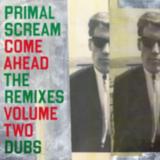
For the first time on LP vinyl, Come Ahead: The Remixes Vol.2 (Dubs) brings Primal Scream’s club-ready reinventions into full analog glory. Originally released in FLAC format in 2025, this second volume dives deep into dub territory, reimagining tracks from Come Ahead with hypnotic grooves and spacious textures. Featuring reinterpretations by Lovefi ngers, Black Science Orchestra, Radio Slave, and Pet Shop Boys (in dub mode), each track pulses with low-end warmth and rhythmic experimentation. From the acid-drenched swirl of “The Centre Cannot Hold” to the narcotic haze of “Innocent Money,” this is Primal Scream at their most psychedelic and dancefl oor-minded. Specially mastered for vinyl, the sound is immersive and tactile — perfect for DJs, collectors, and audiophiles alike.
Eight tracks, nearly an hour of music, and a sleeve that nods to rave-era design make this a must-have for fans of dubwise house and experimental club culture. Limited pressing. Maximum impact. Come Ahead: The Remixes Vol.2 (Dubs) is available as 2LP Black Vinyl.
- A1: Bonafied Funk (Feat. Main Source)
- A2: It's Getting Hectic (Feat. Gang Starr)
- A3: Who Makes The Loot (Feat. Grand Puba)
- A4: Wake Me When I'm Dead (Feat. Masta Ace)
- A5: Jump N' Move (Feat. Jamalski)
- B1: Death Threat (Feat. Kool G. Rap)
- B2: State Of Yo (Feat. Black Sheep)
- B3: Do Whatta I Gotta Do (Feat. Edo. G)
- B4: Whatgabouthat (Feat. Tiger)
- B5: Soul Flower (Feat. The Pharcyde)
- A1: Dick Morrissey Quartet - Bang!
- A2: Emcee Five - Mike's Dilemma
- A3: Michael Garrick Quintet - Vishnu
- A4: Vic Lewis & His Bossa Nova All Stars - Last Minute Bossa Nova
- A5: Johnny Burch Octet - Early In The Morning
- B1: Pony Poindexter - 4-11-44
- B2: Terrell Prude - Princess
- B3: Johnny Hartsman - Soppin
- B4: Eddie Kochak & Hakki Obadia - Jazz In Port Said
- B5: Charles Kynard With Clifford Scott - Where's It At
- B6: Gene Ammons - Jungle Soul
Compare the best of British jazz circa 1963 with American sounds from labels such as Prestige, Tangerine and World Pacific. This album captures the period when rhythm and blues is emerging as the dominant club sound, forcing Soho jazz clubs to change their music policy in order to survive. On the British side, you’ve got Ronnie Scott’s arrangement of Last Minute Bossa Nova; Bang!, taken from Dick Morrissey Quartet’s first session for the BBC’s World Service, recorded around the time of the release of their first album Have You Heard? The version here is take two. You can hear take one along with the rest of the eleven-track session on R&B18 Jazz For Moderns.
Early In The Morning is a Ginger Baker/Jack Bruce arrangement of the traditional work song realized as a repeated blues riff, and is the first ever recording that is recognizably British Blues. Graham Bond features on alto sax along with Bruce and Baker together as members of the Johnny Burch Octet heard playing live at a BBC staff party from March 1963. Side Two features Jazz Stateside, such as West Coast guitarist Johnny Hartsman, Gene Ammons veering into proto jazz-funk on Jungle Soul, aka Ca' Purange plus a couple of top notch Hammond workouts from Terrell Prude and Charles Kynard.
Vol.2[27,52 €]
Straight from an alternative dancefloor, a recollection of stone cold classics from huge & influential post-punk pioneers. They called it white funk once, but here you can even catch echoes of latin, dub and club influences, a mutant disco manifesto from a series of British champions such as Medium Medium, Jah Wobble, Animal Magic, Blue Rondo' A La Turk, Nightmares In Wax, Tappa Zukie and many more.
Tracklist Side A:
Blue Rondo A La Turk - Sarava
Medium Medium - Serbian Village
Jah Wobble - Invaders Of The Heart (Mix One)
Perfect Zebras - What Dance Is This?
Splat! - Yeah... The Dum Du
Tracklist Side B:
Dancing Did - Ballad Of The Dying Sigh
Animal Magic - Get It Right
Nightmares In Wax - Black Leather
Tappa Zukie – Freak
Vol.1[27,52 €]
Straight from an alternative dancefloor, a recollection of stone cold classics from huge & influential post-punk pioneers. They called it white funk once, but here you can even catch echoes of latin, dub and club influences, a mutant disco manifesto from a series of British champions such as Normil Hawaiians, Glaxo Babies, Playgroup, C Cat Trance, Suns of Arqa & Prince Far I and many more.
Tracklist Side A:
Normil Hawaiians - Obedience
Vee VV - Keep Beat
Spit Like A Paint - For The Life Of Me
Group Therapy - Arty-Fact
C Cat Trance - Hypnotised
Tracklist Side B:
The Chicken Granny - Quit The Body
Machine Gunn Hogg And Co - Bed Bound Saga
Playgroup - Hoggs Might Fly
Glaxo Babies - Shake (The Foundations)
Suns of Arqa feat. Prince Far I - G.D. Magik
- A1: Underground Resistance - When Angels Speak Featuring Saul Williams
- A2: She Spells Doom - Portrait Of The Living Sky/Sun Ra Arkestra (She Spells Doom Remix)
- A3: Chez Damier & Ben Vedren- The Three Dimensions Of Air Featuring Anthony Joseph (H2H Kora Mix)
- A4: A Guy Called Gerald - Message To Black Youth Featuring Mahogany L Browne (Gerald Rework)
- B1: Ricardo Villalobos - I Have Forgotten Featuring Tara Middleton (Ricardo Villalobos Earlier Than Late Remix 1)
- B2: Calibre - Chopin Featuring Sun Ra Arkestra (Calibre Ambient Remix)
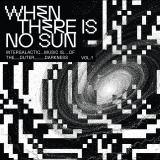
From Detroit’s techno resistance to Berlin’s elastic minimalism, Lusaka’s ancestral futurism to Chicago’s house communion, When There Is No Sun is a recording project, uniting visionary electronic music producers to reimagine the universe of Sun Ra. One of the most radical musical pioneers of the 20th century, Sun Ra used jazz, electronics, poetry, and performance to expand the possibilities of sound, identity, and imagination. Commissioned by Omni Sound and curated by Ricardo Villalobos, the series brings together Underground Resistance, Chez Damier & Ben Vedren, Calibre, A Guy Called Gerald, She Spells Doom, Barış K, and Ricardo Villalobos himself. Drawing from Omni Sound’s recordings of Living Sky by the Sun Ra Arkestra and My Words Are Music of Sun Ra’s poetry, the producers pull fragments of sound and text into their own creative orbits, passing through the portal that Sun Ra opened into a realm where the impossible is possible. Saul Williams, Tunde Adebimpe, Mahogany L. Browne, Abiodun Oyewole, Anthony Joseph and Tara Middleton are the featured voices that turn rhyme into rhythm and revelation into resistance Rooted in deep reverence for Sun Ra’s legacy, yet reaching forward as a living, generative force, When There Is No Sun is not a tribute but a continuum, balancing the pulse of electronic music with the spirit of experimentation, embodying Sun Ra’s promise that ‘there are other worlds’ if you are willing to see them.