Repress!
Recorded live at The Village Vanguard in New York on June 25, 1961, this was the fourth album by the Bill Evans Trio, composed of pianist Bill Evans, bassist Scott LaFaro, and drummer Paul Motian. Scott LaFaro was one of the supreme jazz bassists, a virtuoso player whose playing changed the very conception of his instrument. This album unfortunately also represents one of LaFaro's last performances, recorded just days before his tragic death at the age of 25 by automobile accident. Interestingly the album also contains tracks that Evans had recorded prior to working with LaFaro, so that this recording provides a very accurate index of the bassist's great contribution to the trio.
Numbered first pressing limited to 500 copies.
Search:bill evans trio
- Come Rain Or Come Shine
- Autumn Leaves
- Witchcraft
- When I Fall In Love
- Peri's Scope
- Blue In Green
- What Is This Thing Called Love?
- Spring Is Here
- Some Day My Prince Will Come
- Blue In Green
- Autumn Leaves
Limited edition classic LP, reissued on 180g vinyl, audiophile pressing
Portrait in Jazz was Bill Evans' third album as a leader, following New Jazz
Conceptions (1956) and Everybody Digs Bill Evans (1958). It was also Evans' first
studio album with his legendary trio, featuring Scott LaFaro and Paul Motian.
The repertoire here consists of standards (all of them treated in Evans' very
personal style) plus two originals, "Peri's Scope" – premiered on Portrait in Jazz,
and "Blue in Green," which was co-composed by Miles Davis. Bill first recorded the
latter composition in March 1959 with Miles for the classic album, Kind of Blue.
[f] BLUE IN GREEN [alternative take]
[k] AUTUMN LEAVES [Mono take]
”Haunted Heart: The Legendary Riverside Studio Recordings” vereint die kompletten Studioaufnahmen
des Bill Evans Trios mit Scott LaFaro und Paul Motian. Enthalten sind die Alben ”Portrait in Jazz”
und ”Explorations” sowie 26 alternative Takes – davon 17 bisher unveröffentlichte. Die Sammlung enthält
seltene Fotos, eine Einleitung von John Densmore (The Doors) und neue Liner Notes von Eugene Holley Jr.
Der Ton wurde von Paul Blakemore neu gemastert und von Kevin Gray bei Cohearent Audio geschnitten.
- A1: Come Rain Or Come Shine (Take 5, Album Master)
- A2: Autumn Leaves (Take 13, Stereo Album Master)
- A3: Witchcraft (Take 5, Album Master)
- A4: When I Fall In Love (Take 2, Album Master)
- B1: Peri's Scope (Take 2, Album Master)
- B2: What Is This Thing Called Love (Take 4, Album Master)
- B3: Spring Is Here (Take 6, Album Master)
- B4: Someday My Prince Will Come (Take 5, Album Master)
- B5: Blue In Green (Take 3, Album Master)
- C1: Witchcraft (Take 4, Alternate, Previously Unreleased, Mono)
- C2: Witchcraft (Take 6, Alternate, Previously Unreleased, Mono)
- C3: Spring Is Here (Take 4, Alternate, Previously Unreleased, Mono)
- C4: Come Rain Or Come Shine (Take 2, Alternate, Previously Unreleased, Mono)
- C5: Come Rain Or Come Shine (Take 4, Alternate, Mono)
- D1: Autumn Leaves (Take 9, Mono Album Master)
- D2: Blue In Green (Take 1, Alternate, Mono)
- D3: Blue In Green (Take 2, Alternate, Mono)
- D4: Someday My Prince Will Come (Take 1, Alternate, Previously Unreleased, Mono)
- E1: Israel (Take 1, Stereo Album Master)
- E2: Haunted Heart (Take 3, Stereo Album Master)
- E3: Beautiful Love (Take 2, Stereo Album Master)
- E4: Elsa (Take 5, Stereo Album Master)
- F1: Nardis (Take 2, Stereo Album Master)
- F2: How Deep Is The Ocean (Take 3, Stereo Album Master)
- G1: Elsa (Take 4, Alternate, Previously Unreleased, Stereo)
- G2: Elsa (Take 6, Alternate, Previously Unreleased, Stereo)
- G3: Sweet And Lovely (Take 3, Alternate, Previously Unreleased, Stereo)
- G4: Sweet And Lovely (Take 5, Alternate, Previously Unreleased, Stereo)
- H1: Sweet And Lovely (Take 6, Alternate, Previously Unreleased, Stereo)
- H2: Nardis (Take 1, Alternate, Previously Unreleased, Stereo)
- H3: Beautiful (Take 1, Alternate, Stereo)
- H4: I Wish I Knew (Take 2, Alternate, Stereo)
- I1: Wish I Knew (Take 3, Alternate, Previously Unreleased?, Stereo)
- I2: I Wish I Knew (Take 5, Alternate, Stereo)
- I3: Haunted Heart (Take 2, Alternate, Previously Unreleased, Stereo)
- I4: The Boy Next Door (Take 1, Outtake, Previously Unreleased, Stereo)
- J1: The Boy Next Door (Take 4, Outtake, Stereo)
- J2: The Boy Next Door (Take 6, Outtake, Stereo)
- J3: Walking Up (Take 1, Outtake, Previously Unreleased, Stereo)
- J4: How Deep Is The Ocean (Take 1, Alternate, Previously Unreleased, Stereo)
- J5: How Deep Is The Ocean (Take 2, Alternate, Stereo)
- F3: I Wish I Knew (Take 4, Stereo Album Master)
- F4: Sweet And Lovely (Take 4, Stereo Album Master)
Haunted Heart: The Legendary Riverside Studio Recordings brings together the complete studio recordings by the Bill Evans Trio featuring Scott LaFaro and Paul Motian. Included are the albums Portrait in Jazz and Explorations, plus 26 alternate takes - 17 previously unreleased. The collection includes rare photos, introduction by John Densmore (The Doors), and new liner notes by Eugene Holley Jr. and audio is newly remastered by Paul Blakemore, with lacquers cut by Kevin Gray at Cohearent Audio.
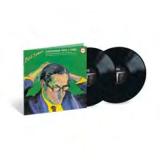
Moon Beams wurde 1962 veröffentlicht und ist das erste Album des Bill Evans Trios mit Chuck Israel am
Bass nach dem Tod von Scott LaFaro. Mit den Titeln „Re: Person I Knew“ und „Very Early“ wird das
Trio aus Evans (Klavier) und Israel (Bass) durch Paul Motion (Schlagzeug) ergänzt. Diese Neuauflage
des Albums erscheint als Teil der Original Jazz Classics Series auf 180-Gramm-Vinyl, das bei RTI gepresst
wurde, mit analogem Mastering von den Originalbändern bei Cohearent Audio und einem Stoughton Tip-On
Jacket
The complete iconic Bill Evans LP Sunday at the Village Vanguard, featuring Scott LaFaro on bass, and Paul Motian on drums. LaFaro would die in a car accident shortly after this LP was recorded. Contains perennial versions of "Solar," "Gloria's Step," and "Alice in Wonderland." This edition also offers an exclusive collector's item consisting of a replica of the very rare Japanese 7" disc Riverside single SR-3033, containing Evans' readings of "My Foolish Heart" and "Polka Dots and Moonbeams."
THE COMPLETE LP + 1 BONUS TRACK - PLUS 7" BONUS SINGLE ON COLORED VINYL INCLUDED INSIDE - 180-GRAM VIRGIN VINYL - LIMITED EDITION
The complete iconic Bill Evans LP Sunday at the Village Vanguard, featuring Scott LaFaro on bass, and Paul Motian on drums. LaFaro would die in a car accident shortly after this LP was recorded. Contains perennial versions of "Solar," "Gloria's Step," and "Alice in Wonderland." This edition also offers an exclusive collector's item consisting of a replica of the very rare Japanese 7" disc Riverside single SR-3033, containing Evans' readings of "My Foolish Heart" and "Polka Dots and Moonbeams."
THE COMPLETE LP + 1 BONUS TRACK - PLUS 7" BONUS SINGLE ON COLORED VINYL INCLUDED INSIDE - 180-GRAM VIRGIN VINYL - LIMITED EDITION
The complete iconic Bill Evans LP Sunday at the Village Vanguard, featuring Scott LaFaro on bass, and Paul Motian on drums. LaFaro would die in a car accident shortly after this LP was recorded. Contains perennial versions of "Solar," "Gloria's Step," and "Alice in Wonderland." This edition also offers an exclusive collector's item consisting of a replica of the very rare Japanese 7" disc Riverside single SR-3033, containing Evans' readings of "My Foolish Heart" and "Polka Dots and Moonbeams."
THE COMPLETE LP + 1 BONUS TRACK - PLUS 7" BONUS SINGLE ON COLORED VINYL INCLUDED INSIDE - 180-GRAM VIRGIN VINYL - LIMITED EDITION
Es gibt nur wenige Alben in der Geschichte der zeitgenössischen amerikanischen Musik, die die Bezeichnung ”Original Jazz Classic” mehr verdienen. Es ist das erste von zwei Riverside-Alben, die vom legendären letzten Auftritt des ersten Bill Evans Trios stammen - aufgenommen am letzten Tag eines Village VanguardEngagements, kaum zehn Tage vor dem tragischen Tod des Bassisten Scott LaFaro. Die Aufnahmen sind seit langem bekannt dafür, dass sie die Essenz der einzigartigen Interaktion zwischen den drei Musikern einfangen, die das Trio auszeichnete.
Diese Neuauflage von Sunday At The Village Vanguard erscheint als Teil der OJC-Serie und wurde bei RTI auf 180-Gramm-Vinyl gepresst.
Black Vinyl[41,13 €]
Es gibt nur wenige Alben in der Geschichte der zeitgenössischen amerikanischen Musik, die die Bezeichnung ”Original Jazz Classic” mehr verdienen. Es ist das erste von zwei Riverside-Alben, die vom legendären letzten Auftritt des ersten Bill Evans Trios stammen - aufgenommen am letzten Tag eines Village VanguardEngagements, kaum zehn Tage vor dem tragischen Tod des Bassisten Scott LaFaro. Die Aufnahmen sind seit langem bekannt dafür, dass sie die Essenz der einzigartigen Interaktion zwischen den drei Musikern einfangen, die das Trio auszeichnete.
Diese Neuauflage von Sunday At The Village Vanguard erscheint als Teil der OJC-Serie und wurde bei RTI auf 180-Gramm-Vinyl gepresst.
This release presents the very best performances from the legendary 1961 Village Vanguard sets by the Bill Evans Trio. It would be the last recording by this formation of the group, with Scott LaFaro on bass, and Paul Motian on drums, as LaFaro died ten days later in a car crash, on July 6, 1961, at the age of 25. Evans, who loved LaFaro's playing, would take a long hiatus before forming a new trio.
Limited edition classic LP, reissued on 180g vinyl, audiophile pressing
One of the best albums by the ill-fated trio of Bill Evans with bassist Scott LaFaro and drummer Paul Motian.
Penguin Guide To Jazz review:
"All the Vanguard music is informed by an extra sense of discovery, as ifthe musicians were suddenly aware of what they were on to and werecelebrating the achievement.
This is music which continues to provokemarvel and endless
study." - Richard Cook & Brian Morton
There have been many great Jazz Pianists, but foremost amongst them is Bill Evans.
Accepted by all fans as being supremely influential for defining the format and scope of the
Jazz trio, Evans entered his first purple patch in the mid to late fifties and refined his playing
with a series of album. Over the years he recorded many trio albums with frequent changes
of members, with the most lauded being his first and second line-ups. By May 1962 Evans
cut what would be his seventh album for Riverside . New Bassist, Chuck Israels, joined the
group, and together this second classic line-up cut two albums in the same sessions. The
first was Moon Beams which contained ballads, while the second one, How My Heart Sings,
had the up-tempo numbers. These were recorded as a mixture during the sessions as
producer Orrin Keepnews wanted to release an album of just ballads from Evans, and so
made up the album from the varied session tracks. During the recordings, Evans only
revealed the tracks to his trio at the session itself. Fans and critics alike were more than
appreciative of Chuck Israels' ability to meld into the trio with his punchy lines, meshing in
especially well with Motian
Recorded live at The Village Vanguard in New York on June 25, 1961, this was the fourth album by the Bill Evans Trio, composed of pianist Bill Evans, bassist Scott LaFaro, and drummer Paul Motian. Scott LaFaro was one of the supreme jazz bassists, a virtuoso player whose playing changed the very conception of his instrument. This album unfortunately also represents one of LaFaro's last performances, recorded just days before his tragic death at the age of 25 by automobile accident. Interestingly the album also contains tracks that Evans had recorded prior to working with LaFaro, so that this recording provides a very accurate index of the bassist's great contribution to the trio.
Numbered first pressing limited to 500 copies.
"There's scarcely a more towering figure in modern jazz — save Miles and Coltrane — than Bill Evans. His relaxed and emotional style at the piano would prove influential to not only his peers but to generations of pianists who would follow him. It also doesn't hurt that he appeared on (and had great influence over the direction of) Kind Of Blue and that two of his trio’s LPs from the Village Vanguard in 1961 are both stone-cold classics.
Evans is joined here by bassist Chuck Israels and drummer Larry Bunker for this 1965 recording. The album includes the heart-wrenching ""Who Can I Turn To?"" alongside ""If You Could See Me Now"" and Johnny Carisi's ""Israel.""
Verve’s Acoustic Sounds Series features transfers from analog tapes and remastered 180-gram vinyl in deluxe gatefold packaging."
Standard Edition, Mastered at half speed, 140g vinyl, Sticker We Release Jazz (WRWTFWW Records' new sister-label) is thrilled to present the official reissue of criminally overlooked Japanese jazz gem Mellow Dream (1977) by Hokkaido pianist wunderkind Ryo Fukui, released in conjunction with the its legendary predecessor Scenery, sourced from the original masters and mastered at half speed. Firmly standing on the foundation he laid down with Scenery, Ryo Fukui continues his exploration of modal, bop and cool jazz sounds with meticulous grace and absolute mastery. As its title suggests, Mellow Dream ventures into slightly mellower, more soulful, and sometimes more contemplative territories (the Bill Evans-reminiscent 'Mellow Dream' and 'My Foolish Heart") while still packing the commanding punch Fukui's work is loved for, as heard on the amazingly bombastic 'Baron Potato Blues' or the gigantic McCoy Tyner/John Coltrane-influenced 'Horizon' which sees each member of the trio (Satoshi Denpo is on bass and Yoshinori Fukui is on drums) demonstrating their virtuosity for 9 exhilarating minutes. With his sophomore album, Ryo Fukui swings from melancholy to vibrant joy with ease, reminding us that jazz is best served with a pinch of blues, and displays an immensely rare combination of pure talent, unique personal approach and focused discipline. The man undeniably deserves a spot in the pantheon of all-time great jazz pianists. After releasing the outstanding Scenery and Mellow Dream back to back, Ryo Fukui worked on developing his live skills, often performing at Sapporo's Slowboat Jazz Club (which he co-founded with his wife Yasuko Fukui), and even releasing 2 live albums. He sadly passed away in March 2016, leaving behind a legacy of works that all jazz lovers should explore.
- 1: Milestones
- 2: Iris
- 3: Played Twice
- 4: Con Alma
- 5: Mood Indigo
- 6: Speak Like A Child
- 7: Evanessence
- 8: Forerunner
With simpatico support from double bassist Drew Gress and drummer Tom Rainey, Hersch presented fresh interpretations of tunes by his favourite jazz composers, which included Miles Davis ('Milestones'), Wayne Shorter ('Iris'), Thelonious Monk ('Played Twice'), Dizzy Gillespie ('Con Alma'), and Herbie Hancock (Speak Like A Child). The album also includes an original number, 'Evanessence,' which Hersch composed as a salute to pianist Bill Evans. The Fred Hersch Trio Plays is a remarkable collection of performances affirming that jazz is about exploration, constant reinvention, and selfless teamwork.
Wolfgang Muthspiel und sein Trio mit Scott Colley am Bass und Brian Blade am Schlagzeug („Zusammen haben sie etwas von der Empathie des Bill Evans Trios“ – Downbeat) starten mit einer feinfühligen
Interpretation von Keith Jarretts „Lisbon Stomp“ swingend in ihr drittes Aufnahmeprojekt, die vielleicht
abenteuerlichste Trio-Aufnahme der Gruppe. Auf dem gesamten Album richten der österreichische Gitarrist
und seine amerikanischen Mitstreiter das Augenmerk jedoch auf Muthspiels fesselnde Eigenkompositionen,
die lyrische Balladen („Pradela“, „Traversia“), subtile Folk-Einflüsse („Strumming“, „Flight“) sowie leicht
angeschrägten Kammerjazz („Weill You Wait“) und twangy Rock ’n’ Roll („Roll“) umfassen. Wie gewohnt
wechselt Muthspiel fließend zwischen akustischer und elektrischer Gitarre und präsentiert seinen sanften
Anschlag und seine fließenden Linien in einem Programm, das die gesamte Bandbreite des idiomatischen
Spektrums zu umfassen scheint, das er in den letzten Jahrzehnten entfaltet hat. Mit einer raffnierten
Interpretation von Paul Motians „Abacus“ als Finale des Albums schließt Muthspiel eine große Lücke in
der Geschichte des Jazz und von ECM. Das Album ist nach der japanischen Hauptstadt benannt, wo es
im Oktober 2024 aufgenommen wurde. Tokyo wurde im Februar 2025 in München abgemischt, und von
Manfred Eicher produziert.
Acclaimed jazz artist Bill Evans’ Momentum album is the 1972 live album recorded at a concert at Stadsschouwburg in Groningen, the Netherlands.
The trio includes, next to Bill Evans on piano, Eddie Gomez on bass and Marty Morell on drums. The ensemble plays compositions by Bill Evans,
Miles Davis’ “Nardis” and Michel Legrand’s “What Are You Doing The Rest Of Your Life”. The album received the prestigious German award
Preis Der Deutschen Schallplattenkritik.
Momentum is available as a limited edition of 1000 copies on blue coloured vinyl and includes a 4page booklet with extensive liner-notes.
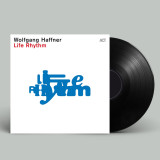
- Life Rhythm
- Balance
- Joy Of Life
- Eternity
- Desert Move Feat. Shantel & Thomas Konstantinou
- Second Nature Feat. Dominic Miller
- Open Land
- Full Circle Feat. Bill Evans
- Silence And Sound
- Supernova
- Home
»Ich denke immer wieder aufs Neue darüber nach, wie ich mich als Schlagzeug-spielender Bandleader so positionieren kann, dass das Instrument eine tragende Funktion einnimmt, dies aber auf eine musikalische Weise geschieht und auf keinen Fall als Zurschaustellung von Virtuosität«, sagt Wolfgang Haffner. Diese Haltung zieht sich als roter Faden durch seine gesamte Karriere - und auch durch »Life Rhythm«, sein zehntes Album auf ACT.
Und obwohl Haffners Musik gängigen Vorstellungen virtuoser Schlagzeug-Leader ganz bewusst widerspricht, steht das Instrument diesmal besonders im Fokus. Ausgangspunkt dafür war Wolfgang Haffners allererstes Solokonzert im Jahr 2022 auf Schloss Elmau. Er erinnert sich: »Das war eine Wahnsinns-Herausforderung bei der ich auch vor der Entscheidung stand: Spiele ich jetzt eine Stunde Schlagzeugsolo? Natürlich nicht! Also habe ich habe eine Menge melodisch klingender Perkussionsinstrumente eingebaut, Passagen live geloopt, mit Echos und Delays gearbeitet – im Grunde wie im Studio, nur eben auf der Bühne.« All dies brachte Haffner dazu, sich noch einmal auf ganz intensive Art mit dem Thema mit dem Instrument zu beschäftigen, welches ihn sein Leben lang begleitet. Und so haben alle Stücke auf »Life Rhythm« diesmal ihren Ursprung, nicht wie sonst bei Haffner, am Piano, sondern am Schlagzeug.
Das Ergebnis dieses Prozesses kann man gleich zum Auftakt von »Life Rhythm« auf dem Titeltrack erleben: Das Stück basiert auf einem hypnotischen Groove, bei dem nicht die Becken, wie sonst im Jazz üblich, die Time angeben, sondern vor allem die Trommeln. Das dieser Groove direkt Phil Collins und besonders an dessen Stück »Take Me Home« erinnert, ist kein Zufall: Collins' Art, Drum-Parts zu elementaren Teilen des Songwritings zu machen, ist bis heute eine von Haffners größten Inspirationen. Und auch jedes weitere der elf sehr kompakten, Song-haften Stücke auf »Life Rhythm« öffnet eine eigene Welt des musikalischen Schlagzeugspiels: Mal mal trocken-reduziert mit Besen wie auf »Balance«, poppig bei »Joy of Life«, mit filigranen Becken-Grooves, dezenter Elektronik und Percussion auf »Eternity« oder minimalis-tisch bis kurz vor der Stille in »Silence and Sound«.
Das aus all diesen Stilistiken ein so stimmiges Ganzes ent-steht liegt daran, das Wolfgang Haffner diese im Laufe seiner Karriere bis in die Tiefe durchdrungen hat - an der Seite von stilbildenden Charakteren wie Al Jarreau, Chaka Khan, Pat Metheny, Jan Garbarek, Esbjörn Svensson, Nils Petter Molvaer, Albert Mangelsdorff, Ricardo Villalobos und vielen, vielen mehr. All diese Kollaborationen haben Wolfgang Haffners Voka-bular am Instrument und auch als Komponist geprägt und die da-mit verbundenen, unterschiedlichsten Stile sind gleichermaßen Teil seiner musikalischen Persönlichkeit.
Vielseitigkeit und höchste Musikalität sind auch die Eigen-schaften, die Wolfgang Haffner und seine Mitmusiker auf »Life Rhythm« verbinden. Die Basis bildet ein bestens einges-pieltes Trio zusammen mit Keyboarder Simon Oslender, selbst auch Drummer und Bandleader, und Thomas Stieger, einem der gefragtesten deutschen Bassisten in Pop wie Jazz. Dazu kommen Trompeter Sebastian Studnitzky, Mitstreiter Haffners seit seinem ACT-Debüt »Shapes« und der Finne Arto Mikälä, eine echte Entdeckung in Sachen Klangvielfalt an der Gitarre. Diese Band herausragender Allrounder erweitert Haffner um eine Reihe musikalischer Charaktere, die der Musik ihre ganz eigene Farbe verleihen: Nils Landgren, Freund und Weggefährte seit mehr als 20 Jahren, Saxofon-Ikone Bill Evans, Sting-Gitarrist Dominic Miller, Balkan-Beat-Star Shantel, Bass-Feingeist Nicolas Fiszman, Oud-Virtuose Thomas Konstantinou und Bruno Müller, einer der besten deutschen Jazzgitarristen.
»Life Rhythm«, sagt Wolfgang Haffner, »ist für mich eine Fortsetzung, keine Wiederholung«. Die Musik trägt mit ihrer Wärme, Kraft und Klarheit die charakteristische Handschrift, die Haffner mit seinen Alben und auf tausenden von Konzerten in mehr als 100 Ländern zum wohl populärsten Schlagzeug-spielenden Leader Europas gemacht hat. Und gleichzeitig ist es eine Evolution seiner Musik. Gut möglich, dass Haffners Erfolg genau darin begründet ist, dass seine Musik immer etwas Ver-trautes und etwas Neues beinhaltet und dass Haffner sein Publikum so immer »mitnimmt« im Fluss seiner Ideen - und in einem gemeinsamen »Lebensrhythmus«
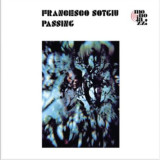
- A1: Caravan (Tizol, Ellington) 5:50
- A2: Wishes (F. Sotgiu) 3:05
- A3: Ballad For Aisha (Tyner) 5:11
- A4: Stranatole (F. Sotgiu) 2:50
- B1: Black Bats And Poles (Walrath) 4:14
- B2: 7Th Street (F. Sotgiu) 4:48
- B3: Wise One (Coltrane) 3:24
- A1: Afro Blue (Santamaria) 3:37
- A2: Duke Ellington’s Sound Of Love (Miingus) 4:48
- A3: Take Five (Desmond) 5:00
- A4: Lotus Blossom (Strayhorn) 1:06
- B1: Passing (F. Sotgiu, L. Bonafede) 7:09
- B2: Calm (F. Sotgiu) 4:35
- B3: My Foolish Heart (Washington, Young) 6:37
Francesco Sotgiu has forged a unique and very swinging project of songs. With a quintet consisting of Luigi Bonafede on piano, Emanuele Cisi and Riccardo Luppi on woodwinds, Salvatore Maiore on bass, Francesco on drums, and with special guest Paolo Fresu on trumpet to cap off this heartfelt collection. There is also a nice diversity of groups within this larger collection. A nice trio piece called “Calm” featuring Paolo Birro sitting in with Marco Micheli and Francesco. And one called “Lotus Blossom” where Francesco shows his considerable skills and soul on violin. But the bulk of the material is straight-ahead jazz and is totally swinging and soulful, proving that jazz has no borders and is a worldwide language to which Francesco has added to that tradition with this project and all the great voices he has included here. Bravo maestro.
This is the comment of Gil Goldstein, American accordion player who won 5 Grammys and collaborated with giants such as Gil Evans, Wayne Shorter, and Michel Petrucciani.
This record was recorded in the middle of the pandemic times, and most of the work for preparing this record took place via the telephone: the selection of the songs on paper, the exchange of ideas on arrangements, staff and instruments, a sort of “phone rehearsal” of the structure of the songs, with the choice of a solo; everything else, everything that will happen in the recording sessions, is the result of a controlled improvisation, a jam session masterfully captured in the studio through the use of well-positioned ribbon microphones.
This is why “Passing,” literally “passing” or “crossing”: because the musicians have gone through listening to these songs as teenagers, and find themselves today, as a mature meeting of old friends who create an informal game made of nostalgic fun, great personality, confrontation, and deep spirituality. In the classic “Caravan” by Ellington and Tizol or “Afro Blue” by Mongo Santamaria, Coltrane toning, the Latin accent of the rhythm section supports the interpretation of the theme and the interplay in the solos between the soprano and tenor saxophones by Cisi & Luppi, and the piano by Bonafede.
A certain elegance in the execution distinguishes pieces such as Duke Ellington’s “Sound of Love,” yet another tribute by Mingus to the Duke, with a calibrated solo on the double bass of Maiore and the flute by Luppi, the immortal “Take Five” by Paul Desmond, with the highlighted soprano by Cisi, “Wishes,” “7th Street,” and the eponymous “Passing,” all pieces composed by Sotgiu, characterized by the precise medium/fast drive of the drums and a certain “cinematic” taste of the main themes.
In songs such as “Black Bats and Poles,” composed by trumpeter Jack Walrath for the Mingus Orchestra, and in “Stranatole,” an original piece in which Sotgiu writes a theme of Monk’s influence and enjoys overturning the traditional “Anatole Jazz” structure, the quintet opts for an effective hard bop language, with exciting moments of dazzling virtuosity in Bonafede’s solo. While in Coltrane’s “Wise One” and McCoy Tyner’s “Ballad for Aisha,” we enter a modal, mystical, and ceremonial jazz, of a cosmic depth, which seems to hover in the sweet volume of the great hall of the recording studio. These are truly magnificent interpretations.
A special separate mention for two classics such as “My Foolish Heart” by Victor Young, performed in trio by Sotgiu, Maiore, and the unmistakable trumpet by Paolo Fresu, and the (unfortunately very short) “Lotus Blossom” by Billy Strayhorn and Duke Ellington, which in the piano-violin duo of Birro and Sotgiu, in a minute gives a suspended momentary magic, sums up the roots of African-American jazz music, and also referencing an old-fashioned Italian musical sensitivity, typical of Nino Rota’s music for Federico Fellini’s films.
First Word Records präsentiert das brandneue Album der hochgelobten walisischen Jazz-Harfenistin Amanda Whiting. "A Christmas Cwtch" wurde mit viel Liebe, Sorgfalt und Hingabe meisterhaft komponiert und behandelt verschiedene Klassiker von Künstlern wie Vince Guaraldi, Bill Evans, Holst und Tschaikowski und präsentiert sie mit Originalarrangements von Amanda und ihrem versierten Trio neu. Das Endergebnis ist ein 14-Track-Auswahlpaket mit stimmungsvoller saisonaler Jazz-Harfenmagie, darunter die aktuellen Singles "Peace Piece" und "Skating". Amanda ist eine klassisch ausgebildete Virtuosin, die sich von Künstlern wie Dorothy Ashby und Alice Coltrane inspirieren liess und in der britischen Jazzszene gut etabliert ist, mit Veröffentlichungen bei Jazzman und Albert's Favourites.
- I'll Never Be The Same 05:06
- Barbados 05:13
- You Won't Forget Me 05:11
- Just In Crame 05:51
- Very Early 05:40
- Last Night When We Were Young 05:35
Critically-acclaimed German pianist Pablo Held announces TRIO PLAYS STANDARDS, the seminal new trio album which captures Held and his comrades Robert Landfermann & Jonas Burgwinkel paying tribute to the rich legacy of Jazz.
Reflecting on the album’s theme, Held shares:
"On our previous 14 recordings, Robert, Jonas, and I have explored a wide range of musical realms: my original compositions, classical pieces, works by my father Peter Held, and occasional tunes by some of my favorite artists. Delving deeply into each of these musical environments has played a pivotal role in shaping the trio's sound over these years. Now, we've finally fulfilled a dream: recording an album of standards."
The album showcases Pablo Held’s unique arrangements of broadway classics as I’LL NEVER BE THE SAME, YOU WON’T FORGET ME and LAST NIGHT WHEN WE WERE YOUNG, reworkings of Charlie Parker’s BARBADOS and Bill Evans’ VERY EARLY, alongside Held’s own JUST IN CRAME - a contrafact on the old standard JUST IN TIME - each imbued with the trio's signature improvisational spirit and collective synergy.
Pablo Held, who’s not only known as a revered pianist and composer, but also a musical researcher, knows the value of deep study and cherishes its effect on his work: "The more I study this music, the more it propels me forward," says Held, echoing the sentiment of his personal hero Wayne Shorter about the past being “the flashlight that guides the way into the future”.
The trio recorded the album at Jazz Campus Basel’s pristine studio facilities on October 29th 2023 in front of a live audience of attentive students who witnessed the trio’s explorations first handedly in this intimate setting.
TRIO PLAYS STANDARDS was recorded and mixed by recording engineer Daniel Dettwiler and mastered by Christoph Stickel, who mastered the majority of Pablo Held’s expansive discography as a leader.
Legendary vocalist Norma Winstone penned the liner notes, and its timeless cover design is by Christian Schäfer, featuring captivating photos by Linghuan Zhang.
TRIO PLAYS STANDARDS marks the 6th release on Held’s own label HOPALIT RECORDS.
After the success of the previous trio album WHO WE ARE, Held favors a double-release method for his records going forwards: a 6 month pre-release period, where the album is exclusively available via Bandcamp and on live shows, leading into the official release in stores and streaming platforms.
As an additional incentive every (physical & digital) copy includes the bonus album TRIO PLAYS STANDARDS - LIVE, recorded during Held’s own curated festival STANDARDS WEEK at the LOFT Köln in 2022.
Led by Sommer, the release signifies the first chapter of the drummers much much-anticipated Nordic trilogy on April Records, aiming to capture and document Nordic improvisation and composition across three carefully curated ensembles. Bassist Arild Andersens storied career stretches back to the 1970"s as one of ECM s first recording artists, collaborating with household names of the genre including Jan Garbarek, Don Cherry, Bill Frisell, John Taylor, Sonny Rollins, Chick Corea, and the list goes on. Welcoming the opportunity to work with and nurture younger artists, the ensemble was born when Daniel Sommer selected Andersen for a project during his studies at the Danish National Academy of Music. Later, impressed by Luft s performances in Ireland and Norway, Andersen suggested expanding the pair into a trio. A transcendent musical voyage, As Time Passes " blurs the lines of conventional trio roles, and celebrates the evolution of jazz as a fluid, versatile form of expression. By providing each musician the freedom of becoming a key contributor in the melodic discourse, the trio channels the spirit of jazz veterans such as the Bill Evans Trio and free free-jazz ensemble Air, while echoing the sounds and innovations of pan pan-European contemporary jazz. Mixing pensive rubato ambience with energetic grooves, instrumental dexterity, a modern ECM ECM-esque sound and folk undertones, the record s compositional clarity combined with the spontaneity of a live performance flows across and between genres, borders and generations alike. Luft s intricately over- dubbed layers of acoustic guitars, vast reverbs, and contrapuntal melodies expand the sound of the three piece into an immersive world of textures. Rendered in the stark beauty of Andersen"s bass lines, the nuanced strokes of Sommer"s drums, and capped with the lush, expansive timbres of Luft"s guitar, "As Time Passes" is a testament to the enduring and ever ever-evolving wonder of Jazz.
An All-Time Jazz Audiophile Masterpiece - Now on UHQR!
200-gram 45 RPM 2LP release limited to 5,000 copies
Mastered by Kevin Gray at Cohearent Audio from the original analogue tapes
Set includes 8-page booklet with liner notes by renowned jazz critic Bob Blumenthal
Pressed on Clarity Vinyl at Quality Record Pressings
Purest possible pressing and most visually stunning presentation and packaging!
One of the most classic jazz albums and live recordings, a regular on most best-of jazz lists!
The fourth and final album by one of the most influential groups in jazz history, the Bill Evans Trio album Waltz For Debby was originally released in 1962 as a companion to Sunday At The Village Vanguard. It captures the mesmerizing and intimate live performances of Evans and his trio at the Village Vanguard in New York City. The album showcases Evans' unique approach to jazz piano, characterized by delicate touch, introspective improvisation, and profound musicality.
The title track, "Waltz for Debby," serves as the centrepiece of the album. It is a hauntingly beautiful composition penned by Evans himself as a tribute to his niece, Debby. The waltz unfolds with a graceful and melancholic melody, carried by Evans' masterful piano playing.
Throughout the album, Evans and his trio venture into other classic jazz standards, including "My Foolish Heart," "Detour Ahead," and "Milestones." With each performance, they delve deep into the heart of the music, exploring its nuances and improvising with a profound sense of lyricism. Evans' introspective style shines through, as he delicately navigates the harmonies, unveiling layers of emotion and introspection.
The beauty of "Waltz for Debby" lies not only in the musicianship but also in the intimate atmosphere it creates. The live recording captures the ambiance of the Village Vanguard, with the audience's presence adding an extra dimension to the music. The subtle clinks of glasses, the occasional applause, and the hushed whispers become a part of the experience, enhancing the authenticity and charm of the album.
Now Analogue Productions, the audiophile in-house reissue label of Acoustic Sounds, Inc., together with Quality Record Pressings, is creating the definitive Waltz For Debby reissue: the Ultra High Quality Record (UHQR) pressed on Clarity Vinyl with attention paid to every single detail of this one-of-a-kind reissue.
Four glorious sides of 200-gram Clarity Vinyl from QRP, the world's best pressing plant. Cut at 45 RPM to reduce distortion and high frequency loss as the wider-spaced grooves let your stereo cartridge track more accurately. UHQRs from Analogue Productions are the gold-standard in premium vinyl releases, with attention paid to every single detail. The proprietary vinyl compound enhances the sound quality, offering improved dynamics, detail, and tonal accuracy. The heavier vinyl minimizes resonance and warping, providing a stable and flat playing surface. And great care is taken to eliminate any surface noise or imperfections throughout the manufacturing process.
Overall, UHQR Clarity Vinyl from Analogue Productions is a sought-after format among audiophiles and collectors who value the highest possible audio fidelity from their vinyl records.
Waltz for Debby stands as a testament to Bill Evans' genius as a pianist and composer. It is a profound and evocative exploration of melody, harmony, and improvisation, revealing the depths of emotion and the artistry that Evans brought to his music. The album remains a beloved gem in the jazz canon, cherished by fans and musicians alike for its timeless beauty and the lasting impact it has had on the genre.
To this day, jazz pianists are influenced by Bill Evans by his use of impressionist harmony, interpretation of traditional jazz repertoire, and his trademark rhythmically independent, “singing” melodic lines. Evans gained his first spotlight when joining Miles Davis’ sextet during the time Kind of Blue was recorded. After leaving the sextet, Evans began his career as bandleader, which he finished in his last trio with Marc Johnson on bass and Joe LaBarbera on drums. This trio recorded The Brilliant in 1980 live at the Keystone Jazzclub, San Francisco, just before Evans’ passing. The Brilliant is available on black vinyl.
Mario Rusca is most probably the biggest living Italian jazzman. His major influences are Duke Ellingtons composing abilities and Hampton Hawes' brilliant sound. He immersed himself in the harmonic inventions of the incredible pianists of the 60s and 70s: from Bud Powell to Bobby Timmons, Wynton Kelly and Bill Evans. Mario Rusca has been the house pianist of Capolinea, the most important Italian jazz club of the 70s and 80s. He went on to perform in important national and international settings-representing Italy in the "Piano Solo'' category of the "International Festival of Varsavia" and participating with his quintet at the "International Festival of Montreal". He has collaborated with a multitude of prestigious names: Chet Baker, Tony Scott, Curtis Fuller, Gerry Mulligan, Lou Donaldson, Art Farmer, Bob Berg, Lee Konitz, Dusko Gojkovic, Al Gray, Kay Winding, as well as Stefano Bagnoli, Enrico Rava, Tullio De Piscopo, Kenny Clarke, Stan Getz, Jimmy Owens, Toots Thielemans, Gianni Basso, Pepper Adams, Steve Lacy, Steve Grossman, Franco Ambrosetti, Woody Shaw, and Eddie "Lockjaw" Davis. With Gerry Mulligan, in particular, he toured in 1976 and with Lee Konitz, he recorded Wheres The Blues? at the end of the 90s. In this regard, Suspension in 1975 with Tullio De Piscopo and Recreations in 1976 with the phenomenal Larry Nocella playing saxophone are still very beautiful and modern recordings. As Mario says, "In jazz, you choose the companions that you can dialogue the most with.there needs to be an interplay, there needs a...a way of feeling, which is why you choose musicians because they feel like you, or, if nothing else, they follow you". The chemistry between the three of them is perfectly aligned, synergistic. Tonys drums and Riccardos bass create a soft and essential rhythmic tapestry that never hinder the creative prowess of the band leader. Here Mario Rusca is interpreting the most dynamic jazz standards. Blues for Gwen by McCoy Tyner, Blues Walk by Lou Donaldson, Blue Minor by Sonny Clark, Turnaround by Ornette Coleman, Bass Blues by John Coltrane or even Super Jet by Tadd Dameron. You cant help but imagine yourself on top of a convertible, smiling and carefree, while they travel through the soloist progressions of Turnaround and Super Jet. We need to underline the four originals included in this recording: Blue Dream (for Allerim), Tempo Blues, Double Horn e Monochrome Blues, extremely suggestive compositions, rich of intuitions and which well exhibit Mario Rusca composition skills and his ability to play the blues. MONOCHROME BLUES is a winning trio album which will deeply please the most demanding jazz hears. The musicians Mario Rusca (piano) Riccardo Fioravanti (bass) Tony Arco (drums)
As former member of the Miles Davis sextet Bill Evans made a strong impression with his first trio, which included the innovative bassist Scott LaFaro and drummer Paul Motian. Their 1961 live ‘Sunday At The Village Vanguard’ set the standard for interactive trio work and is still regarded as a jazz classic. Tragically, LaFaro was killed in a car accident 10 days after that historic session. There followed a succession of rhythm tandems until Evans found another inspired pairing in 1968 with bassist Eddie Gomez and drummer Marty Morell who remained together for seven years. Limited edition on blue transparent vinyl. "Autumn Leaves - In Concert" includes the following tracks: "Quiet Now", "Very Early", "What Are You Doing The Rest Of Your Life?", "Some Other Time" and more.
A leading Norwegian bassist for over 30 years, ECM legend Arild Andersen forges promising relation-ships with two rising stars - Daniel Sommer (drums) and Rob Luft (guitar) in an expansive, playful exploration of song and collective improvisation. As Time Passes " is set to release on April 26th on April Records. Led by Sommer, the release signifies the first chapter of the drummers much much-anticipated Nordic trilogy on April Records, aiming to capture and document Nordic improvisation and composition across three carefully curated ensembles. Bassist Arild Andersens storied career stretches back to the 1970"s as one of ECM s first recording artists, collaborating with household names of the genre including Jan Garbarek, Don Cherry, Bill Frisell, John Taylor, Sonny Rollins, Chick Corea, and the list goes on. Welcoming the opportunity to work with and nurture younger artists, the ensemble was born when Daniel Sommer selected Andersen for a project during his studies at the Danish National Academy of Music. Later, impressed by Luft s performances in Ireland and Norway, Andersen suggested expanding the pair into a trio. A transcendent musical voyage, As Time Passes " blurs the lines of conventional trio roles, and celebrates the evolution of jazz as a fluid, versatile form of expression. By providing each musician the freedom of becoming a key contributor in the melodic discourse, the trio channels the spirit of jazz veterans such as the Bill Evans Trio and free free-jazz ensemble Air, while echoing the sounds and innovations of pan pan-European contemporary jazz. Mixing pensive rubato ambience with energetic grooves, instrumental dexterity, a modern ECM ECM-esque sound and folk undertones, the record s compositional clarity combined with the spontaneity of a live performance flows across and between genres, borders and generations alike. Luft s intricately over-dubbed layers of acoustic guitars, vast reverbs, and contrapuntal melodies expand the sound of the three piece into an immersive world of textures. Rendered in the stark beauty of Andersen"s bass lines, the nuanced strokes of Sommer"s drums, and capped with the lush, expansive timbres of Luft"s guitar, "As Time Passes" is a testament to enduring and ever ever-evolving wonder of Jazz.
- 1: Alone Feat.selma French, Arve Henriksen, Martin Myhre Olsen
- 2: Song For Eliah Feat. Trygve Seim, Mathias Eick
- 3: Heroes Feat. Martin Myhre Olsen
- 4: Thousands Of Lost Stories
- 5: A Prayer For Peace Feat. Trygve Seim, Signe Emmeluth
- 6: Waiting Song Feat. Sasha Berliner
- 7: Chapter, Ø Feat. Lyder Røed
- 8: Kingdom, Slowly Disappearing Feat Lars Horntveth
Kjetil Mulelid's various projects have received international acclaim, ranging from his duo with Siril Malmedal Hauge, his trio, and the quartet Wako. His first solo album, "Piano" (Rune Grammofon, 2021) received plaudits that placed him in the same company as pianists like Keith Jarret, Brad Mehldau, and Bill Evans. With "Agoja" Mulelid demonstrates what a musician and composer worthy of such acclaim can do with an ensemble cast of musicians of the highest calibre. On "Agoja" three features are immediately apparent. First, that Mulelid's compositions are melodic, yet frequently surprising in their path from their beginning to end; second, that he is a generous band leader, allowing the musicians both to be themselves and to express themselves, often while he merges almost completely into the background; finally, that each composition has its own unique identity, yet bears Mulelid's hallmark clearly and distinctly. Kjetil Mulelid (b.1991, Hurdal, Norway) has distinguished himself as an inventive artist, blending jazz, psalms, and improvised music in both his own playing and compositions. After graduating from the famous "Jazzlinja" in Trondheim back in 2014, he has been heavily touring the world's nooks and crannies with his own music and projects. He has played concerts in large parts of Europe and Japan and released several well-received albums as a solo artists, as well as with his own Kjetil Mulelid Trio, the jazz quartet Wako, with singer Emilie Storaas as the duo Kjemilie, and with singer Siril Malmedal Hauge - both as a band and as a piano / vocal duo.