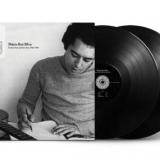
Zusammenarbeit von Khruangbin und dem malischen Gitarrist Vieux Farka Touré zu Ehren von Vieux' Vater Ali Farka Touré. Der "König des Wüstenblues" galt als einer der renommiertesten und talentiertesten Gitarristen, die Afrika je hervorgebracht hat. Das Rolling Stone Magazin wählte den 2006 verstorbenen Musiker unter die einhundert besten Gitarristen aller Zeiten. In Alis Sound verschmolzen traditionelle malische Musikstile mit verschiedenen Elementen des Blues, wobei er in den lokalen Sprachen Songhay, Tamasheq, Fulfulde und Bambara sang. Das Ergebnis war die Schaffung eines bahnbrechenden neuen Genres, das heute als "Wüstenblues" bekannt ist und Ali drei Grammy-Auszeichnungen, weltweite Anerkennung und den Spitznamen "afrikanischer John Lee Hooker" einbrachte. Die Kollaboration zwischen Khruangbin und Vieux Farka Touré zollt Alis Vermächtnis Tribut, indem sie einige seiner wirkungsvollsten Werke neu interpretiert und mit verschiedenen Sounds experimentiert, ohne die Integrität des Originals zu vernachlässigen. Das Ergebnis ist eine würdige Hommage an eine Legende, die eine erfrischende westafrikanische Mischung aus musikalischen Referenzen schafft. Die acht Songs auf "Ali" sind Vieux' Favoriten und repräsentieren viele verschiedene Abschnitte in Alis Karriere - darunter bekannte Songs wie das ursprünglich mit Ry Cooder aufgenommene "Diarabi", obskure Titel wie "Alakarra" und alles dazwischen. "Ali Hala Abada" ist ein langsames und meditatives Instrumentalstück, das durch die Leadstimme von Vieux hervorgehoben wird, in die Lee ihren verankerten Begleitrhythmus perfekt einfließen lässt. Mit "Ali" schaffen die Künstler eine respektvolle Erinnerung an Alis Leben. Highlights und B-Seiten werden aus seinem Katalog gleichermaßen gewürdigt. Dabei bewahrt sich das Quartett die natürliche Improvisation seiner Musik und bringt auch ihre eigene ein. Es passt, dass Vieux das texanische Trio auswählte, um das Erbe seines Vaters zu ehren. Der psychedelische Funk von Khruangbin findet inzwischen weltweiten Anklang.
Cerca:funk afrika
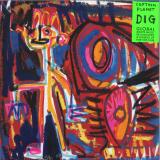
Global Sounds for Modern Dancefloors. Das sechste Album des DJ/Produzenten Captain Planet aus L.A. fängt den globalen Spirit seiner berühmten DJ-Sets ein. Clubs & Festivals rund um den Planeten feiern Captain Plant für seine Fähigkeit, afrikanische, lateinamerikanische und karibische Traditionen mit Hip-Hop, Dancehall und Electro-Funk zu fusionieren. Mit jahrzehntelanger Erfahrung liefert er einen vielseitigen und verbindenden Sound, der die Dancefloors weltweit zum Beben bringt. DIG vereint Sänger aus Brasilien, Kolumbien, Haiti, Nigeria, Ghana und Angola und verwebt ihre Traditionen zu bass- und drumslastigen Tracks mit mitreißender Energie. Die Top-Single "Tony's House" ist eine Neubearbeitung von Tony Allens "Afrodisco Beat", das gefühlvolle Outro "Mi Calor" featuret den langjährigen Koop-Partner Chico Mann.
Rocker’s Revenge was a studio musical project, assembled by producer Arthur Baker in 1982. The band comprised of Baker himself plus Donnie Calvin, Dwight Hawkes, Tina B and Adrienne Dupree Johnson. They are most remembered by their 1982 post-disco hit "Walking on Sunshine", which peaked at number 1 on the US Dance Chart and number 4 in the UK.
On the A side of this release, the track is reset for 2025 with a remix by post punk indie rockers Yard Act, where they have include their own guitar, synths & vocals to give their unique stamp to it. – It’s become a track they have been performing live. On the other side is an unreleased 9 minute remix by New York’s legendary Sound Factory co-founder Junior Vasquez back from 1988, to make it proto acid house bassline & driving percussion journey.
Boston-born Arthur Baker launched his music career as a Disco DJ, but soon made his way into music-making, producing classic Disco for legends Northend and TJM. Arthur is one of the most visible and widely imitated early Hip-Hop/House producers; masterminding breakthrough experimentation with tape edits, sampling and synthetic beats on such records as Afrika Bambaataa's 'Planet Rock', New Order's 'Confusion', Freeez's ‘IOU’, and his own break Dance classic ‘Breaker's Revenge'. Baker would go on to become an award-wining DJ, music and film producer, working for and with the likes Dylan, Hall & Oates, Al Green, Springsteen, The Rolling Stones, Fleetwood Mac, Diana Ross, &many more; on film music for 80s/90s classics such as Beat Street, Ferris Bueller’s Day Off, and Life Less Ordinary. Turning his hand to film documentary’s, Baker has produced Finding The Funk and 808 the Movie. Baker has also directed a documentary on Rocker’s Revenge ‘On A Mission’ along with completing their debut album.
The Second Installment of “Versions” PART TWO by NYC’s Multi-Talented GE-OLOGY.
A VERY SMALL RUN of VINYL ONLY 2x12", NO DIGITAL CONTENT
Contra009. Embark on an auditory voyage through the heart of Detroit's finest dusty crates with "The Vault Vol. 1," a compilation of beats and melodies meticulously crafted by esteemed producer Reggie Dokes.
Dokes unveils a treasure trove of his finest deep house creations, never before released on vinyl. Delve into the hypnotic rhythms, lush harmonies, and pulsating basslines that define Dokes' signature sound, as he seamlessly blends elements of house and soul to create an immersive sonic experience. With "The Vault Vol. 1," Reggie Dokes invites listeners to rediscover the essence of soulful electronic music.
This anthology also features two mesmerizing tracks from his acclaimed 'Napi Hedz' collaboration with Pirahnahead, adding an extra layer of depth and complexity to an already stellar collection.
Warehouse Find!
Following the sold out Theo Parrish remix of Marcos Valle's '1985', here's the second in Far Out's Brazilika 12" with three scorching remixes from UK dance veteran Ashley Beedle. Three peak time excursions into percussive, soulful house on a stylish, cosmic Brazilian party tip.
Following the sold out Theo Parrish remix of Marcos Valle's '1985' back in April, the second release in Far Out's Brazilika 12' series features a highlight from Sabrina Malheiros' 2011 album 'Dreaming': the blissed-out, sun soaked samba classic 'Opara', which gets three scorching remixes from UK dance veteran Ashley Beedle.
Currently celebrating a decade since the release of her critically acclaimed debut album 'Equilibria', Sabrina Malheiros has remained at the forefront of modern, soul-infused Brazilian music. Growing up in Rio, the daughter of Alex Malheiros, bassist of Jazz-funk pioneers Azymuth, Sabrina has taken the legacy of samba and bossa nova and forged her own forward-thinking path, taking with her all the style and substance of the early days.
Produced under his Afrikanz On Marz moniker, Beedle's remix brings all the right elements of the original to the fore. The result is three peak time excursions into percussive, soulful house on a stylish, cosmic Brazilian party tip, infused with rich, warm rhodes, synth and flute throughout.
The vocal mix on the A side provides a spacious backdrop of twinkling keys and buoyant percussion to Malheiros' gently floating strains. The other mixes offer similarly floor-focused variations: the aptly titled 'Galactic Flute Remix' on the flip pairs the titular wind instrument with a deeper groove that retains the loose-limbed appeal of the original, plus a bonus instrumental to boot. A sure fire heat bringer and certainly one of the most colourful dance 12's we've heard this year.
The Brazilika 12' series is the new vinyl home to the previously unreleased dance exclusives taken from the Spiritual South mix on CD2 of Far Out's 20th anniversary double compilation, released in May 2015.
Samosa Records quickly follows up the first volume of Afrikano treats with Volume 2; a veritable melting pot of Afro beats and rhythms packed in to an exceptional four tracker.
Kicking the EP off on the A-side is Vincent Galgo and J’ngolo. This hypnotic Afro sizzler takes full advantage of the effortless bass, congo beats, African horns and (subtle) funky guitar. Add the mesmerising chanting and you have a perfect ‘Bunny Chow’ of a tune that will tantalise the tastebuds for a long time after the music has stopped. Second helpings? Why not?
A2 unleashes ‘Zaire’ by the supremely talented Matalo! Dark and broody beats take centre stage with this one, as you’re slowly enveloped in a ritual you never knew you were part of but now you can’t help sway with the rest of the worshippers. ‘Zaire’ is one of those rare tracks that you feel could create fire if you let it. With sweeping synths, tribal chanting and a detached sense of being, this monster lives under your bed and waits for lights out. Beware!
On the B-side Leslie Lello ups the tempo with ‘Alcyone’. Solid, punchy bass, driving guitar and gorgeous piano riff and vocal combine with a synth lead you absolutely need in your life. The track morphs and transforms into a full-on (almost housey) stomper; nailing its tribal colours to the mast with intent. A real beast of a tune.
Closing this superbly diverse EP is label boss De Gama and ‘E.T.A’. You know De Gama doesn’t mess about. You know De Gama wants to hit you with all he has and with ‘E.T.A’ he unleashes his ‘inner Chief. Indigenous beats pound, roll and build up to a Ramkie guitar infused chorus that’s as joyful, uplifting and inspiring as the dawn itself. A genuine, incredible slice of Afrikano from a master of the genre.
Afrikano Vol. 2 proves once again that Samosa Records know this genre like no other label out there. If this isn’t in your record box on release day, then we simply can’t be friends.
In the words of Bill Brewster - DJ History
‘At the turn of the 1990s, there were few more successful New York house producers than Victor Simonelli. Under a dizzying array of aliases – Solution, NY’s Finest, Groove Committee, Critical Rhythm and Cloud 9 being amongst the better-known – the Brooklyn-born DJ/producer delivered a string of underground club hits during the city’s early ’90s house boom.’
BTG presents “Victor Simonelli: The Early Years Vol 1” a collectors edition double Vinyl release - 2 X 12’s in each Vol
Launching the first Behind The Groove collectors edition vinyl series is New York’s finest Victor Simonelli with ‘The Early Years Vol 1 & 2’ double Vinyl releases. Featuring seminal house tracks such as Cloud 9’s ‘Do You Want Me’, Solution’s ‘Feel So Right’, Instant Exposure’s ‘Wanna Be With You’ and rare mixes of Raiana Page and EZ-AL, this collection brings together classic and rare Victor Simonelli cuts that reflect the early raw energy and buzz of the New York House scene. With ‘Vol 2” scheduled to follow shortly after, this is the most comprehensive collection of rare Simonelli cuts that firmly establishes his esteemed role in 90s House Music as well as introducing new fans to his inimitable sound.
Victor Simonelli is one of the early kings of NYC sampling In house music. The real deal - Victor danced at the legendary David Mancuso’s Loft sessions and developed a serious appreciation for good music. He interned for Arthur Baker at his renown Shakedown Studios (where Arthur worked with the iconic Afrika Bambatta on the seminal dance floor ’Planet Rock’ track) and went on to release hugely influential releases on seminal NYC labels 4th Floor and Nu Groove. Victor’s music was championed by the hugely celebrated iconic House Music DJ pioneers, Larry Levan and Tony Humphries at Paradise Garage & Zanzibar/WBLS/Kiss FM respectively.
Revered as a New York house heavyweight and prolific producer since the turn of the 1990s, Victor Simonelli grew up in Brooklyn, NYC, nurtured by a music loving family, with an avid record collecting father who also worked as a local party DJ. He took music lessons in piano, drums, guitar and bass, before discovering his first love, tuning into NY’s Radio Mix Shows on WBLS, WKTU and WRKS,98.7 Kiss FM) where he discovered the art of mixing and in his own words, ’I just simply got lost in the music’.
Graduating from NYC’s Centre For Media Arts, Victor got an internship in the legendary producer, Arthur Baker’s Shakedown Studios. Soon graduating to editing, mixing and then producing he worked for artists David Bowie, Quincy Jones, Debbie Harry, Sinead O’Connor and Talking Heads. Teaming up with fellow NYC producer Lenny Dee to become the Brooklyn Funk Essentials, they released records ‘Critical Rhythm’ and ‘Subliminal Aurra’ on 4th Floor before Victor went solo as Groove Committee releasing the classic ‘I Want You To Know’ on the legendary Nu Groove Records. Paradise Garage legend, Larry Levan broke ‘I Want You To Know’ rocking 2 copies on his last tour of Japan whilst King of NY House Music,Tony Humphries broke Victor’s new ‘Feels So Right’ across New York on his WBLS/Kiss FM Mastermix show and at his legendary Zanzibar club sessions. It was only a matter of time before Victor’s name became synonymous with quality House music ensuring a worldwide platform for his productions.
In the early 90s alongside his own productions, Victor Simonelli worked on high profile projects, including James Brown’s album, “Love Overdue” BeBe and CeCe Winans single featuring Mavis Staples “I’ll Take You There” and Quincy Jones’ “I’ll Be Good To You” featuring Chaka Khan and the legendary Ray Charles. Never straying too far from his clubland roots, Victor worked with Danny Tenaglia on his classic “The Harmonica Track”.
DJ gigs across the world started flooding in and Victor found himself recording for a dizzying array of labels including Tribal America, Sub-Urban, Bassline, King Street Sounds and Vibe, under a wide range of aliases. He also produced, wrote and remixed for artists such Nile Rodgers (Chic), Afrika Baambata, Hall & Oates, Frankie Knuckles, Kerri Chandler, Madonna and Michael Jackson. Famed for his own productions “It’s So Good” by Creative Force, “I Know A Place” as Sound Of One - the first release on Roger Sanchez One Records -, “Dirty Games” as well as the “Street Players Vol 1 EP”, Victor went on to set up Suburban Records with Tommy Musto and Bassline Records with two other partners. Notable releases on this label include “Do You Feel Me”, Connie Harvey’s gospel inspired, “Thank You Lord”, Urban Blues Project’s “Deliver Me”, Colonel Abrams “Not Gonna Let”, and Mone’s “Better Way”. Never ceasing to produce, DJ, run his own label and host radio shows like Groove Lift, Victor has worked with virtually every NYC producer and has nurtured a next generation talents including Angel Moraes, Jazz ‘N’ Groove, Urban Blues Project, Harlem Hustlers, Jay Jay and Julius Papp. Victor’s releases have also been used on M&S’s “Salsoul Nuggett” hit and Eddie Amador’s underground smash ‘House Music’.
In the late 90’s Victor launched his new Westside Productions, notable for the “Latin Impressions 1 & 2” releases, opened up a studio in Italy as he found himself increasingly working in Europe and now divides his time between New York and Italy. Suffice to say his unique sound of uplifting and spiritual music has kept him at the forefront of House Music and he is credited as one of its leading exponents with his string of classic releases and remixes.
Behind the Groove, branches out from its digital platform to embark on a programme of releases from the iconic pioneer producers of House Music. Esteemed for their high quality features and mixes that continue to explore, celebrate and venerate the contributions of highly respected, scene-shaping Labels, Artists, DJs and Special Events, BTG seeks to bring these talents and tales to the attention of the wider community. Unlocking the stories surrounding the pivotal roles they played and continue to play today in shaping the underground music scene we have come to know and love.
BTG presents “Victor Simonelli: The Early Years Vol 1” a collectors edition double Vinyl release, released on May 12th 2023. ‘Vol 2” follows on May 26th 2023 . These releases are the most comprehensive collection of rare Victor Simonelli cuts that firmly establish his esteemed role in 90s House Music and introduces new fans to his carefree sound.
MARCO FRATTY - MARCO FLASH - ALEX TIME EP VOL. 4
is the continuation of the Audio Music World project,
which brings together the best productions available on the
digital market, produced
by its founder Marco Fratty, an active member of the historic
HouseDance group FPI Project.
Specifically, the Electro-Funk influence that characterizes
these productions is the
cornerstone that has made this new sound a trend among
adult audiences who have always followed a certain style of
music.
- Opambuo International Band Of Ghana - Show Me Your Love (Afrocat Edit, 2025)
- Ashanti Afrika-Jah Int. Band Of Ghana - Aluluya
- Afro Funk - Farewell To Ibusa (Afrocat Edit, 2025)
- Bezunesh Bekele - Aha Gedawo
- Mulatu Astatke - Munayé (My Muna)
- Mulatu Astatke & Tilahun Gessesse - Lanchi Biye
- Alèmayèhu Eshèté - Mèkèyèrshin Salawiq
- Tesfa-Maryam Kidane - Yetesfa Tezeta
- Seifu Yohannes - Ebo Lala
"Lost Tracks: Accra To Addis" wurde von Afrocat zusammengestellt, seit 25 Jahren als DJ, Musik-/Kulturkuratorin, Radiomoderatorin der "Blaxploitation Lounge" (Totally Radio) und Abenteurerin tätig ist. Sie reiste nach Ghana und Äthiopien, um die Vielfalt der Vintage-Sounds zu erkunden und den Geist der ersten Revolutionsära Afrikas wiederzubeleben, in der Unabhängigkeit, Fortschritt und die Gleichstellung aller Menschen im Vordergrund standen – in diesem mitreißenden, funkigen und tiefgründigen Soundtrack, geprägt von Ethio-Jazz, Highlife, Gospel, afrikanische Polyrhythmen und psychedelischen Klängen. Aus der Idee eines Samplers entstand schließlich ein eigenes Plattenlabel: Lost Tracks Records ist unter Vertrag und hat einige fantastische Releases, internationale Live & Club-Events sowie Kollaborationen in petto. Als eine der wenigen schwarzen, weiblichen Labelinhaberinnen der Branche ist dies eine Stimme, die gehört werden muss. Freut euch auf die Entdeckung internationaler Disco-Klänge, Deep Funk, Blaxploitation, Dancefloor-Jazz und intergalaktische, afro-futuristische Klangabenteuer!
- A1: Super Strut - Apostles
- A2: Escucha Mi Funk - The Hightower Set
- A3: Testify - Mains Ignition
- A4: Russian Roulette - Night Trains Featuring Afrika Bambaataa
- B1: From The Ghetto (Modern Tone Family Mix) - Dread Filmstone
- B2: Delancey Street .. The Theme - The Ballastic Brothers
- B3: Trans Euro X-Press (Ballistic Step) - X-Press 2
- B4: Farside - Jaziac Sunflowers
Back in the early 1990s as Acid Jazz began a period of extraordinary commercial success where acts like the Brand New Heavies and Jamiroquai sold millions of records, and US groups such as A Tribe Called Quest, The Roots and Digable Planets were actively influenced by what was being played in London, the whole scene was being fuelled by a small number of clubs, led by Gilles Peterson’s Sunday afternoons at Dingwalls but taking in nights in Leeds, Bari, Munich, Tokyo, Stockholm and New York. In those clubs funky jazz, latin boogaloo and 70s soul soundracks competed for time on the dance floor with import records from New York, and the latest sounds coming out of bedrooms and makeshift basement studios that created contemporary sounds out of the past.
Acid Jazz’s Eddie Piller and Dean Rudland have put together this compilation of the sort of sounds that we were playing at the time. They are releases on Acid Jazz and other label’s that surrounded the scene and they were mainly made by people we knew from either around the club scene, behind the counters of our favourite record shops, or from trips to New York or Europe. They range from The Ballistic Brother anthem ‘Blacker’ to the jazz house of A-Zel - a Roger Sanchez mix that still sounds fresh today. We have the Humble Soul’s instrumental version of ‘Beads Things And Flowers’ which at the time was only available as a DJ special on Acetate. There is the presence of A Man Called Adam before they went to Ibiza, and the early Mo’ Wax (before they went Trip Hop) single by Marden Hill ‘Come On’.
These records could fill a dance floor in seconds and we feel that they are today largely forgotten, as they were non-album, underground club records. It’s time to celebrate them!
- A1: Black River (Introduction)
- A2: Bit’s Our World
- A3: Make It Right
- A4: Through Our Veins
- A5: No Harm (Intermission)
- A6: I Can’t Believe
- A7: Yasiin’s Lament
- A8: No Maybes
- A9: Message From A Creole (Interlude)
- B1: Freedom Song
- B2: Grandmamaland (Interlude)
- B3: Can’t Let Them
- B4: Throw Your Woes Away
- B5: Free Interlude
- B6: Just Keep On
- B7: More Love
- B8: Whole Hearted
- B9: Rivière Noire Decolonise Your Mind
- B10: No Time To Waste
„Rivière Noire“ ist das erste Album von Reginald Omas Mamode IV auf dem Kölner Label Melting Pot Music und sein erstes Solo-Projekt seit 2022.
Reginald Omas Mamode IV ist ein anglo-mauritischer Sänger, Produzent und Multiinstrumentalist. Geboren und aufgewachsen in Großbritannien, pflegt er eine enge Verbindung zur afrikanischen Insel Mauritius, der Heimat seines Vaters. Seine musikalischen Wurzeln reichen von Süd-London bis zu den Maskarenen-Inseln (Réunion, Mauritius und Rodrigues), wo seine Familie einst an den legendären „Electric Sega“-Aufnahmen der 1970er beteiligt war. Musik liegt den Mamodes im Blut: Auch seine Brüder sind als Musiker aktiv.
Reginalds Stil vereint Elemente aus Golden Era Hip-Hop, Jazz, Soul, Afro, Funk sowie den traditionellen mauritischen Stilen Sega und Maloya. Man hört Einflüsse von J Dilla und D’Angelo, aber auch den Spirit von Sly Stone, Shuggie Otis oder Lee Perry. Mit vier Soloalben auf dem Londoner Label Five Easy Pieces sowie zahlreichen Kollaborationen gehört Reginald zu den prägenden Stimmen der britischen Beat- und Jazzszene. Seit 2012 wird er regelmäßig von BBC-Legende Gilles Peterson unterstützt, der seine Musik seither kontinuierlich spielt.
Gemeinsam mit seinen Brüdern Mo Kolours und Jeen Bassa sowie langjährigen Weggefährten wie Al Dobson Jr. und Tenderlonious zählt Reginald zu den Mitbegründern der 22a-Kooperative. Das US-Magazin The FADER beschrieb deren Sound einmal als „ein kaleidoskopisches Patchwork aus Hip-Hop-, House- und Groove-Explorationen – verbunden durch den zeitlosen Glauben an Rhythmus als universelle Sprache.“
„Rivière Noire“ markiert eine künstlerische Weiterentwicklung – fast schon eine Wiedergeburt. Zum ersten Mal verzichtet Reginald vollständig auf Samples. Stattdessen spielt er sämtliche Instrumente und Gesangsspuren selbst ein. In seinem bescheidenen Studio erschafft er organische Grooves aus Live-Drums, Drumcomputern, Perkussion, Gitarre, Fender Rhodes und Synthesizern.
Seine Musik ist Ausdruck einer tiefen Sehnsucht nach universeller Liebe und Mitgefühl. Sie reflektiert globale Herausforderungen ebenso wie persönliche Erfahrungen: wachsende Armut, politische Spannungen, ethnische Spaltungen – aber auch alltägliche Beobachtungen. „Rivière Noire“ ist Reginalds Aufruf an die Menschheit, sich ihrer Verbundenheit bewusst zu werden.
Motel d'amour - A Lost Electro-Funk Gem from the NDW Era Resurfaces
When we first collaborated with Collage member Markus Kammann on the EP project "Mit den Puppen tanzen" at the end of last year, we never imagined what would follow: Kammann approached us with a completely unreleased full-length album by his former band. Upon receiving the first three preview tracks, we were floored. One of them was "Nachtcafé" - a track that kicks off with a funky bassline layered over the punchy rhythm of a Roland TR-808. Add shimmering synths and Katrin A. Kunze's sharp, distinctive vocals, and we instantly knew we were hearing something special.
For a label dedicated to rediscovering lost treasures, this was exactly what we'd been searching for. The next two tracks - "Rendezvous" and "Casanova" - were just as compelling. When Kammann sent us the full album, we realized we were holding an electro-funk grail from the late golden days of the German Neue Deutsche Welle (NDW). We were listening to "Motel d'amour".
"Motel d'amour" is a concept album, offering a sharp, vibrant perspective from a confident, intelligent, and radiant young woman eager to experience nightlife, love, and music. Kunze's lyrics paint vivid scenes of flirtation ("Nachtcafé", "Rendezvous"), encounters with men ("Casanova"), the pulse of nightlife ("Die Nacht ist noch jung"), love ("Rotes Licht für rote Liebe"), one-night stands ("Motel d'amour"), and more. Rarely has a German album from that era captured emotional nuance and social dynamics so insightfully. Without veering into the overly personal, Kunze's direct, daring lyrical style was groundbreaking at the time - and remains refreshingly bold today.
While German listeners will fully appreciate the lyrical depth, the music speaks volumes on its own. Kunze's words are masterfully complemented by the production of Markus Kammann and Jürgen Grah. As heard on the in-demand "Mit den Puppen tanzen", their creativity seemed boundless. Each track is tightly composed, catchy, and full of character. While many German bands at the time leaned into rock, Kammann drew from the deep grooves of Earth, Wind & Fire, The Isley Brothers, Brothers Johnson, The Commodores, and the electro-futurism of Afrika Bambaataa's "Planet Rock" and "Looking for the Perfect Beat". The result: tracks with unmistakable electro-funk flair, powered by the classic 808 drum sound.
Though primarily rooted in funk and electro, the album retains flashes of NDW aesthetics - "Wir haben getanzt heut' Nacht" being a prime example. The instrumentation is a dream list for vintage gear lovers: Yamaha keyboards, Roland Juno-60, vocoder, Micromoog, Hohner D6 Clavinet, Fender bass, and a Telecaster guitar all feature prominently.
Recorded in 1985 at the high-profile Delta Studio by Richard Rossbach, the album attracted interest from Polydor. However, the label proposed using the compositions for a solo project with singer Inga Humpe (of Neonbabies), who was already signed to their roster. This would have required replacing Kunze as the vocalist, an idea the group firmly rejected. As a result, "Motel d'amour" was shelved, and Kammann, Grah, and Kunze moved on to form Cold End.
The album cover features a rare archival photo of Katrin A. Kunze - rediscovered by Kammann and now finally seeing the light of day, 40 years later.
We believe Motel d'amour deserves recognition alongside cult German classics like P!OFF?, 1. Futurologischer Congress' "Wer spricht?", Ami Marie's "Verrückt nach Glück", the funkier cuts of Cosa Rosa, or Piet Klocke's groove classic "Heute ist nicht sonst". It's a record that fits into adventurous DJ sets but also rewards a full, start-to-finish listen.
A note on audio quality: Sadly, the original master tapes were lost. The tracks were restored from a vintage TDK cassette. Thanks to modern digital tools, we were able to remaster them to a high standard - but in some songs light distortions remain. We appreciate your understanding and hope you enjoy this lost and undiscovered gem.
Motel d'amour - A Lost Electro-Funk Gem from the NDW Era Resurfaces
When we first collaborated with Collage member Markus Kammann on the EP project "Mit den Puppen tanzen" at the end of last year, we never imagined what would follow: Kammann approached us with a completely unreleased full-length album by his former band. Upon receiving the first three preview tracks, we were floored. One of them was "Nachtcafé" - a track that kicks off with a funky bassline layered over the punchy rhythm of a Roland TR-808. Add shimmering synths and Katrin A. Kunze's sharp, distinctive vocals, and we instantly knew we were hearing something special.
For a label dedicated to rediscovering lost treasures, this was exactly what we'd been searching for. The next two tracks - "Rendezvous" and "Casanova" - were just as compelling. When Kammann sent us the full album, we realized we were holding an electro-funk grail from the late golden days of the German Neue Deutsche Welle (NDW). We were listening to "Motel d'amour".
"Motel d'amour" is a concept album, offering a sharp, vibrant perspective from a confident, intelligent, and radiant young woman eager to experience nightlife, love, and music. Kunze's lyrics paint vivid scenes of flirtation ("Nachtcafé", "Rendezvous"), encounters with men ("Casanova"), the pulse of nightlife ("Die Nacht ist noch jung"), love ("Rotes Licht für rote Liebe"), one-night stands ("Motel d'amour"), and more. Rarely has a German album from that era captured emotional nuance and social dynamics so insightfully. Without veering into the overly personal, Kunze's direct, daring lyrical style was groundbreaking at the time - and remains refreshingly bold today.
While German listeners will fully appreciate the lyrical depth, the music speaks volumes on its own. Kunze's words are masterfully complemented by the production of Markus Kammann and Jürgen Grah. As heard on the in-demand "Mit den Puppen tanzen", their creativity seemed boundless. Each track is tightly composed, catchy, and full of character. While many German bands at the time leaned into rock, Kammann drew from the deep grooves of Earth, Wind & Fire, The Isley Brothers, Brothers Johnson, The Commodores, and the electro-futurism of Afrika Bambaataa's "Planet Rock" and "Looking for the Perfect Beat". The result: tracks with unmistakable electro-funk flair, powered by the classic 808 drum sound.
Though primarily rooted in funk and electro, the album retains flashes of NDW aesthetics - "Wir haben getanzt heut' Nacht" being a prime example. The instrumentation is a dream list for vintage gear lovers: Yamaha keyboards, Roland Juno-60, vocoder, Micromoog, Hohner D6 Clavinet, Fender bass, and a Telecaster guitar all feature prominently.
Recorded in 1985 at the high-profile Delta Studio by Richard Rossbach, the album attracted interest from Polydor. However, the label proposed using the compositions for a solo project with singer Inga Humpe (of Neonbabies), who was already signed to their roster. This would have required replacing Kunze as the vocalist, an idea the group firmly rejected. As a result, "Motel d'amour" was shelved, and Kammann, Grah, and Kunze moved on to form Cold End.
The album cover features a rare archival photo of Katrin A. Kunze - rediscovered by Kammann and now finally seeing the light of day, 40 years later.
We believe Motel d'amour deserves recognition alongside cult German classics like P!OFF?, 1. Futurologischer Congress' "Wer spricht?", Ami Marie's "Verrückt nach Glück", the funkier cuts of Cosa Rosa, or Piet Klocke's groove classic "Heute ist nicht sonst". It's a record that fits into adventurous DJ sets but also rewards a full, start-to-finish listen.
A note on audio quality: Sadly, the original master tapes were lost. The tracks were restored from a vintage TDK cassette. Thanks to modern digital tools, we were able to remaster them to a high standard - but in some songs light distortions remain. We appreciate your understanding and hope you enjoy this lost and undiscovered gem.
- A1: Road To Earth (Feat. Peter Thomas)
- A2: It's The Music (Feat. Afrika Bambaataa, Charlie Funk, Hektek & Deejay Snoop)
- A3: In The Dark (Feat. Nichola Richards)
- A4: The Spell Of Ra-Orkon
- A5: Political Power (Feat. Afrika Bambaataa, Charlie Funk & Donald D)
- A6: Drifting Stars
- B1: Not Get Caught (Feat. Derobert)
- B2: Locked And Loaded
- B3: Catfight
- B4: Hot Stuff (Feat. Afrika Bambaataa, Charlie Funk & Deejay Snoop)
- B5: The Showdown
Limitierte Neuauflage auf goldfarbenem Vinyl samt Bonus-7" zur Feier des 10. Jubiläums dieses grossartigen Albums von Deutschlands bestem Funk-Ensemble. Elf filmreife Deep-Funk-Instrumentals, gefeierte B-Boy-Breaks und Dancefloor-Killer-Vocals von The Mighty Mocambos und ihren Featuregästen. Mit von der Partie sind Filmkomponist Peter Thomas, HipHop-Pate Afrika Bambaataa, die Rap-Legenden Charlie Funk aka Afrika Islam (Rocksteady Crew) und Donald D (von Ice-Ts Rhyme Syndicate), desweiteren Nichola Richards, Shawn Lee, DeRobert (vom Nashville-Label GED Soul), die Zulu Nation MCs Deejay Snoop und DJ Hektek sowie Orgel-Genie Guillaume Metenier.
Blue Vinyl[17,61 €]
We are thrilled to announce another underground gem on our label. This time, it's Collage's incredible 4-track EP "Mit den Puppen tanzen" (Dancing With The Puppets). Originally released in 1984 on the small FMusic label, the 12" EP is a true highlight in German Electro and NDW history, becoming a sought-after item among collectors. It features intense lyrics by singer Katrin A. Kunze, with music composed by Markus Kammann and Jürgen Grah.
Kammann and Grah, both originally from Solingen - a small city near Wuppertal - had previously collaborated on the new wave project Schwarze Bewegung with a different singer. Their self-titled LP was released in 1982 on Bacillus/Bellaphon. During this period, the electro sound pioneered by Kraftwerk evolved into electro-funk, sparked by the release of Afrika Bambaataa's groundbreaking track "Planet Rock", which achieved global acclaim. The iconic Roland TR-808 drum machine, masterfully employed by Arthur Baker's production team, revolutionized dance music with further hits like "Looking for the Perfect Beat" and collaborations with Planet Patrol. Markus Kammann cites these tracks, along with black music as a whole, as key influences on his work. In contrast, much of the electronic music emerging from Germany at the time rather leaned towards the styles of artists like Klaus Schulze and Tangerine Dream. Kammann's influences are evident in Collage's EP, which incorporates elements of early electronic hip-hop, such as the scratching sounds in the title track (created with tape rather than turntables) and short rap segments in "Niemals zurück".
By this time, Kammann and Grah had acquired their own Roland 808 as well as a JUNO-60 keyboard. Grah, originally a drummer, played keyboards and vibraphone, while Kammann, primarily a guitarist, also played bass. All the lyrics on the EP were written and performed by Kathrin A. Kunze, who hailed from Cuxhaven, a northern German city. She moved to Wuppertal around 1983 to study literature, and the group Collage was born.
Through Uwe Bauer, drummer of Fehlfarben, and their manager Horst Lüdge (of Profil), Collage connected with Werner Lambertz, a legendary sound technician from Düsseldorf. Lambertz's state-of-the-art studio featured custom-built sequencers capable of triggering the JUNO-60, as well as expensive equipment like a vocoder. Over the course of a week, the group completed all four tracks.
The EP's hard yet playful electro beats were complemented by Kunze's distinctive performance and introspective lyrics, which lent the songs a uniquely German and wavy touch. Her subtle songwriting conveyed a sense of paranoia and sorrow, as seen in lines like "Ich glaub mir selber nicht. Wer hält denn schon, was er verspricht?" ("I don't believe myself. Who stays true to their word, anyway?").
Unfortunately, the EP was never properly promoted and was distributed solely through the independent market via EFA. Despite this, Collage continued working on new material and pre-recorded an album that garnered label's attention. Polydor expressed interest but proposed using the compositions for a solo project with singer Inga Humpe (of Neonbabies), who was already signed to their roster. This would have required replacing Kunze as the vocalist, an idea the group firmly rejected. As a result, the album was never released. In 1987, Kammann, Grah, and Kunze launched another project called Cold End, which released another brilliant and highly sought-after 12" single, Metropolitan Jungle, originally issued on Tam Tam and recently re-released.
The first-ever reissue of "Mit den Puppen tanzen" is limited to only 400 copies - 200 on classic black vinyl and 200 on blue transparent vinyl. The cover art remains true to the original 12" release, designed by the aforementioned Uwe Bauer (aka Bimbo Art). This reissue is a must-have for DJs and collectors alike
Black Vinyl[16,77 €]
We are thrilled to announce another underground gem on our label. This time, it's Collage's incredible 4-track EP "Mit den Puppen tanzen" (Dancing With The Puppets). Originally released in 1984 on the small FMusic label, the 12" EP is a true highlight in German Electro and NDW history, becoming a sought-after item among collectors. It features intense lyrics by singer Katrin A. Kunze, with music composed by Markus Kammann and Jürgen Grah.
Kammann and Grah, both originally from Solingen - a small city near Wuppertal - had previously collaborated on the new wave project Schwarze Bewegung with a different singer. Their self-titled LP was released in 1982 on Bacillus/Bellaphon. During this period, the electro sound pioneered by Kraftwerk evolved into electro-funk, sparked by the release of Afrika Bambaataa's groundbreaking track "Planet Rock", which achieved global acclaim. The iconic Roland TR-808 drum machine, masterfully employed by Arthur Baker's production team, revolutionized dance music with further hits like "Looking for the Perfect Beat" and collaborations with Planet Patrol. Markus Kammann cites these tracks, along with black music as a whole, as key influences on his work. In contrast, much of the electronic music emerging from Germany at the time rather leaned towards the styles of artists like Klaus Schulze and Tangerine Dream. Kammann's influences are evident in Collage's EP, which incorporates elements of early electronic hip-hop, such as the scratching sounds in the title track (created with tape rather than turntables) and short rap segments in "Niemals zurück".
By this time, Kammann and Grah had acquired their own Roland 808 as well as a JUNO-60 keyboard. Grah, originally a drummer, played keyboards and vibraphone, while Kammann, primarily a guitarist, also played bass. All the lyrics on the EP were written and performed by Kathrin A. Kunze, who hailed from Cuxhaven, a northern German city. She moved to Wuppertal around 1983 to study literature, and the group Collage was born.
Through Uwe Bauer, drummer of Fehlfarben, and their manager Horst Lüdge (of Profil), Collage connected with Werner Lambertz, a legendary sound technician from Düsseldorf. Lambertz's state-of-the-art studio featured custom-built sequencers capable of triggering the JUNO-60, as well as expensive equipment like a vocoder. Over the course of a week, the group completed all four tracks.
The EP's hard yet playful electro beats were complemented by Kunze's distinctive performance and introspective lyrics, which lent the songs a uniquely German and wavy touch. Her subtle songwriting conveyed a sense of paranoia and sorrow, as seen in lines like "Ich glaub mir selber nicht. Wer hält denn schon, was er verspricht?" ("I don't believe myself. Who stays true to their word, anyway?").
Unfortunately, the EP was never properly promoted and was distributed solely through the independent market via EFA. Despite this, Collage continued working on new material and pre-recorded an album that garnered label's attention. Polydor expressed interest but proposed using the compositions for a solo project with singer Inga Humpe (of Neonbabies), who was already signed to their roster. This would have required replacing Kunze as the vocalist, an idea the group firmly rejected. As a result, the album was never released. In 1987, Kammann, Grah, and Kunze launched another project called Cold End, which released another brilliant and highly sought-after 12" single, Metropolitan Jungle, originally issued on Tam Tam and recently re-released.
The first-ever reissue of "Mit den Puppen tanzen" is limited to only 400 copies - 200 on classic black vinyl and 200 on blue transparent vinyl. The cover art remains true to the original 12" release, designed by the aforementioned Uwe Bauer (aka Bimbo Art). This reissue is a must-have for DJs and collectors alike
- A1: Orlando Julius & The Afro Sounders - Alo Mi Alo (Parts 1 & 2)
- A2: Segun Bucknor & His Revolution - La La La
- A3: Lijadu Sisters - Orere Elejigbo
- B1: Peter King - Shango
- B2: Sahara All Stars Band Jos - Enjoy Yourse Lf
- C1: Fela Ransome Kuti & The Africa 70 - Jeun Ko Ku (Chop %U2018N%U2019 Quench)
- C2: Tunji Oyelana & The Benders - Ifa
- C3: Ofo The Black Company - Allah Wakbarr
- D1: He Funkees - Dancing Time
- D2: Monomono - Tire Loma Da Nigbehin
- D3: Bala Miller & The Great Music Pirameeds Of Afrika - Ikon Allah
- E1: Sir Victor Uwaifo & His Melody Maestroes - Akuyan Ekassa
- E2: Shina Williams & His African Percussionists - Agboju Logun
- F1: Gasper Lawal - Kita Kita
- F2: Sunny Ade & His African Beats - Ja Fun Mi (Instrumental)
The Definitive Lp Edition[33,57 €]
Special edition repress of the groundbreaking ‘Nigeria 70’ compilation, now available on translucent green vinyl 3LP to celebrate the label’s 25th Anniversary.
Originally released in 2001, the collection set the benchmark for a new generation of archive labels and releases mining the vaults for rare Afro funk and Afro jazz fusions and helped to paint the wider picture of the 1970s Lagos scene beyond Fela Kuti's catalogue for a legion of soul, funk and dance music enthusiasts. Check!