"Hollow Bone" ist der neueste Track der australischen Metalcore-Pioniere In Hearts Wake und die erste Single aus ihrem sechsten Studioalbum Incarnation.
Ihr letztes Album Kaliyuga (2020) landete auf Platz 3 der Aria Charts und wurde von Fans und Presse gleichermaßen gelobt. KERRANG! schrieb: "In Hearts Wake haben eine LP mit der Substanz und Zugänglichkeit abgeliefert, die ein möglichst breites Publikum anspricht - und der Qualität, die ihren Platz an der Spitze des australischen Metalcore festigt."
Thematisch wird Incarnation als die Umkehrung des bahnbrechenden In Hearts Wake-Albums Divination betrachtet - das Konzept, dass sich jeder Song auf eine bestimmte Major Arcana Tarotkarte konzentriert, wird auf Incarnation auf den Kopf gestellt. Jeder Song erforscht die Schattenseiten, ein Album, das im Sound und in der Thematik diametral zu Divination steht.
Search:in hearts wake
- 1
- A1: Wake Me Up
- A2: Cry For Me
- A3: I Can't Fucking Sing
- A4: São Paulo
- A5: Until We're Skin & Bones
- A6: Baptized In Fear
- A7: Open Hearts
- B1: Opening Night
- B2: Reflections Laughing
- B3: Enjoy The Show
- B4: Given Up On Me
- B5: I Can't Wait To Get There
- C1: Timeless
- C2: Niagara Falls
- C3: Take Me Back To La
- C4: Big Sleep
- C5: Give Me Mercy
- D1: Drive
- D2: The Abyss
- D3: Red Terror
- D4: Without A Warning
- D5: Hurry Up Tomorrow
Der mehrfach mit Platin und siebenmal mit Diamant ausgezeichnete R&B- und Popstar The Weeknd kommt mit seinem Album „Hurry Up Tomorrow“ zurück. Nach seinem 2020 erschienenen Erfolgsalbum „After Hours“, welches auch das am häufigsten gestreamte R&B-Album aller Zeiten ist, und dem 2022 veröffentlichten Album „Dawn FM“ bringt The Weeknd die Trilogie mit „Hurry Up Tomorrow“ zu ihrem Höhepunkt. Dieses Album hebt seine künstlerischen Erzählungen auf ein neues Level und fängt existenzielle und selbstreferenzielle Themen des Sängers ein. Titel wie „Dancing In The Flames“, „Timeless“ mit Playboi Carti und “Sao Paulo” mit Anitta werden bereits seit dem Sao Paulo Konzert von den Fans gefeiert. Im Jahr 2023 wurde The Weeknd vom Guinness-Buch der Rekorde zum „Beliebtesten Künstler der Welt“ ernannt.
- A1: My Lowville (2025 Remaster) 10 54
- A2: Auto Show Day Of The Dead (2025 Remaster) 07 11
- A3: Fucking Milwaukee's Been Hesher Forever (Part 1) (2025 Remaster) 03 50
- B1: Fucking Milwaukee's Been Hesher Forever (Part2) (2025 Remaster) 05 34
- B2: Re We're Again Buried Under (2025 Remaster) 07:026
- B3: The Surge Is Working (2025 Remaster) 08 14
'the fun years', comprised of multi-instrumentalists Ben Recht and Isaac Sparks, have been making music together since the turn of the century, producing intriguing interrogations of ambient, drone, post-rock, and turntablism. Originally released in 2008 on the now-defunct Barge Recordings, 'baby it’s cold inside' is perhaps the high watermark of their discography. Equally concerned with microtonal nuance and harmonic intensity, it is both a product of its time and something well past it. The chief protagonist is surely the turntable, deployed to create woolly, evocative loops from unidentifiable source material that recall, at times, the work of Philip Jeck or Jan Jelinek—churning, roiling, hissing, atrophied textures further articulated with nuanced processing and buoyed by baritone guitar drones and anti-riffing.
The title of opener "my lowville" feels like a wink to the famed slowcore duo, with spare post-rock motifs hovering in a dusty ether, slowly consumed by distorted washes of rich, harmonic sound. One of the most satisfying aspects of the album is that despite the recumbent nature of most of their sound design choices and compositional proclivities, Recht and Sparks are loath to sit still. "auto show of the dead" is a serpentine piano/guitar exploration full of subtle detail, preceding the immaculately titled "fucking milwaukee’s been hesher forever," in which the tactile delights of clicks+cuts are liberated from the laboratory and allowed to slum it in the world of tape gunk and '90s plate reverb. Later, "re: we’re again buried under" presents an inky black ambience that feels truly expansive and almost overwhelming, and closer “The Surge is Working” tears apart an anthemic shoegaze dirge at the seams, leaving only billowing filtered noise and negative space in its wake.
Presented here with a brilliant remaster by LUPO, 'baby it’s cold Inside should be considered alongside records like Belong’s October Language and Polmo Polpo’s Like Hearts Swelling—an arresting early aughts ambient marvel that warrants ongoing investigation.
- A100:
- Carry No Thing
- Careful
- Please Slow Down
- The White Light Of The Morning
- Wake
- Heavy Hearts
- How It Was It Will Never Be Again
- Something Beautiful And Bright
- Heartbreakdown
- Nobody Lives Here
SYML is the solo venture of artist Brian Fennell. Welsh for “simple”—he makes music that taps into the instincts that drive us to places of sanctuary, whether that be a place or a person. Born and raised in Seattle, Fennell studied piano and became a self-taught producer, programmer, and guitarist. Says Fennell about his album Nobody Lives Here, "We change, the world changes, and there is so much unknown. About a year ago I started writing songs that represent the change that is happening in front of my face, a group that have emerged to become the third SYML album. Many of these songs are about getting older, and the intimate, and sometimes frightening, passing of time. Some are about how getting older revolves around looking forward to things happening, and when they don’t happen, or they feel different than anticipated, we can be left with surprise and sadness. I’m actually reminded of this watching my 2 year old! We learn to live with disappointment. I recorded some of these songs with kids and dogs making noise in the background, and others in silent studios with musicians I’ve listened to and admired for many years. These songs are meant to be pieces of clothing to wear as you need (or I need). Some are bright and bold and others are gentle, but they were all made with a sense of comfort in mind, even when things feel bleak. My wife jokes that when our friends hear some of these songs, they might think we are not “ok”. Thankfully, putting myself inside a sad song is still a good place to feel happy. There's this generally unspoken feeling that musicians don’t listen to their own music. That isn’t true for me. I love living with my songs because their meaning changes as I change. There is as much fear and beauty in the big questions as there is wonder and possibility in the simple, everyday shit we live through.”
Fire Like This is our second album, released in 2010 and it's been out of print for a decade until now! At long last we've arranged a reissue and we've made just 500 copies, with a full lyric insert just like the original pressing. Only this time we've made them on beautiful blue vinyl.
Belarusian post-punk / synth pop group Molchat Doma have always exuded the kind of brutalist aesthetic of the architecture that adorns their album art. It's cold, gray, imposing, industrial and yet there are human hearts beating within those foundations. In the wake of their breakthrough success in 2020, the trio endured a polarity of experiences, from the nadir of an uprooted life and forced relocation away from their native Minsk to the apex of headlining massive shows across the world. It was in this headspace that the band settled into their new home of Los Angeles to finish writing their fourth album Belaya Polosa, a testament to change in difficult times, a love letter to the digital pulse of the `90s, and a technicolor reinvention of the band's somber dancefloor anthems. From the opening synth swell and drum machine throb of "Ty Zhe Ne Znaesh' Kto Ya," to the goth / post-punk austerity of "Son", to the swirling electronic textures mixed with reverb-drenched guitar flourishes, expansive space, and yearning vocals of title track "Belaya Polosa" - that suggests Depeche Mode at their most reflective or The Cure at their most downtrodden - to the sultry and seductive "Chernye Cvety"_ a track reminiscent of Duran Duran's early `90s output in its fusion of dreamy guitars and authoritative mechanized beats _ and the interwoven layers of instrumentation, soaring chorus, and melodic sophistication of "Ya Tak Ustal", it's clear that Molchat Doma are operating on another level. Molchat Doma gained following with earlier albums that sound like third-generation bootlegs of banned recordings from the Eastern Bloc made after a few key entries in the Factory Records catalog were smuggled in from the West. Belaya Polosa propels them into a new direction while retaining their cold minimalist delivery they're known for. The basement grime and dirty tape-head sound of their previous work are now making space for digital luster and shimmering production values. And while Molchat Doma's broadened aural spectrum adds a synesthetic power to Belaya Polosa, the mood remains rooted in stark and unflinching self-reflection. Molchat Doma retain the duality of being both cold and feverish in their delivery while pushing their music into expanded territories through an armory of new textures. The trio continue to harness the sound of harrowing beauty thriving under harsh realities.
Fin Greenalls introspektives, philosophisches und sanft euphorisches Songwriting wurde mit den langjährigen Bandkollegen Tim Thornton (drums/git) und Guy Whittaker (bass) in völliger Abgeschiedenheit aufgenommen. Der gebürtige, in Berliner lebende Cornwaller suchte die Einsamkeit und Bodenständigkeit des kleinen Dorfes Zennor an der malerischen Atlantikküste Cornwalls, wo die Band das neu errichtete Studio des Produzenten Sam Okell einweihte, des Grammy-prämierten Tontechnikers/Mixers der Beatles-Alben "Get Back" und "Sgt. Pepper's Lonely Hearts Club Band - 50th Anniversary Release".
In der Vorstellung, dass so ein klassisch-englisches Lo-Fi-Folk-Album entstehen könnte, trieb die gemeinsame kreative Unruhe der Band und Okells "Beauty In Your Wake" stattdessen in die weitläufigen Gefilde von FINKs kommerziell erfolgreichen Alben der 2000-2010er Jahre und ist eine Rückkehr zu sich selbst. Die Musik von FINK war schon immer in ein breiteres globales Geflecht eingebettet, nicht zuletzt, weil sie in zahllosen Film/TV-Soundtracks wie "Better Call Saul", "The Walking Dead" und der neuesten Staffel von "True Detective" und "Ava du Vernays Origin" zu hören war, für die Greenall einen exklusiven Song schrieb.
Greenalls wurde 1997 bei Ninja Tune unter Vertrag genommen. Die neu formierte, klassische FINK-Besetzung ist dieselbe, mit der die Band ihr erstes Album "Biscuits For Breakfast" (2006) aufnahm, das sich als Sprungbrett für internationale Touren erwies. Nach drei weiteren Alben wurde die Band immer experimenteller, live und auf Platte. Mit der jungen Amy Winehouse unterhielt sich Greenall über seine Songwriter-Sessions und arbeitete mit so unterschiedlichen Künstlern wie Mahalia, Banks, Ben Howard und Pino Palladino im Studio und auf der Bühne zusammen. Zu seinen Auszeichnungen gehören drei BMI Songwriting Awards für die Arbeit mit John Legend an dessen "Evolver"-Album, der Nr.1-Single "Green Light" und dessen Soundtrack zu "12 Years A Slave".
Fin Greenalls introspektives, philosophisches und sanft euphorisches Songwriting wurde mit den langjährigen Bandkollegen Tim Thornton (drums/git) und Guy Whittaker (bass) in völliger Abgeschiedenheit aufgenommen. Der gebürtige, in Berliner lebende Cornwaller suchte die Einsamkeit und Bodenständigkeit des kleinen Dorfes Zennor an der malerischen Atlantikküste Cornwalls, wo die Band das neu errichtete Studio des Produzenten Sam Okell einweihte, des Grammy-prämierten Tontechnikers/Mixers der Beatles-Alben "Get Back" und "Sgt. Pepper's Lonely Hearts Club Band - 50th Anniversary Release".
In der Vorstellung, dass so ein klassisch-englisches Lo-Fi-Folk-Album entstehen könnte, trieb die gemeinsame kreative Unruhe der Band und Okells "Beauty In Your Wake" stattdessen in die weitläufigen Gefilde von FINKs kommerziell erfolgreichen Alben der 2000-2010er Jahre und ist eine Rückkehr zu sich selbst. Die Musik von FINK war schon immer in ein breiteres globales Geflecht eingebettet, nicht zuletzt, weil sie in zahllosen Film/TV-Soundtracks wie "Better Call Saul", "The Walking Dead" und der neuesten Staffel von "True Detective" und "Ava du Vernays Origin" zu hören war, für die Greenall einen exklusiven Song schrieb.
Greenalls wurde 1997 bei Ninja Tune unter Vertrag genommen. Die neu formierte, klassische FINK-Besetzung ist dieselbe, mit der die Band ihr erstes Album "Biscuits For Breakfast" (2006) aufnahm, das sich als Sprungbrett für internationale Touren erwies. Nach drei weiteren Alben wurde die Band immer experimenteller, live und auf Platte. Mit der jungen Amy Winehouse unterhielt sich Greenall über seine Songwriter-Sessions und arbeitete mit so unterschiedlichen Künstlern wie Mahalia, Banks, Ben Howard und Pino Palladino im Studio und auf der Bühne zusammen. Zu seinen Auszeichnungen gehören drei BMI Songwriting Awards für die Arbeit mit John Legend an dessen "Evolver"-Album, der Nr.1-Single "Green Light" und dessen Soundtrack zu "12 Years A Slave".
Diese Split-LP wird auf dem Vinyl-Drehtisch einen bleibenden Eindruck hinterlassen: "LEAVE A TRACE" bietet zwei der aktuell besten europäischen Streetpunk, Oi! & Hardcore-Acts mit jeweils fünf neuen und exklusiven Songs. "This Means War" melden sich 5 Jahre nach ihrer letzten Scheibe "Heartstrings" (Pirate Press) zurück! Mit veränderter Besetzung (neu dazugestossen Tom (Ex Dead-Bleed) sowie Steve von Chron-Gen, neuem Label, neuen Songs, Ihren Style nennt die Band nach wie vor "Bleeding Punk" und mit Killersongs wie "We owe the night" oder "Raging Souls" kann man nur sagen: Was für eine gelungene Überraschung! Die Italienischen "No Restraints" dagegen machen wie üblich keine Gefangenen und bieten den optimalen Härtegrad mit ihrem Mix aus brachialen Sing-a-long Shoutern, Oi!-Core und einer perfekten Dosierung melody & "Direct Hit-Punches"....schon der Opener "Rough & tough" bedarf keiner weiteren Kommentierung. Ihren Stil-Mix und Songwriting haben sie dabei ein weiteres Mal mit feinen Nuancen perfektioniert, ihre lyrics hinterlassen deutliche Spuren im brüchigen Mauerwerk dieser verlogenen Gesellschaft. Oder um den Refrain von "Forever in disguise" zu zitieren": No chance to close your eyes.... Orangenes Vinyl!
Diese Split-LP wird auf dem Vinyl-Drehtisch einen bleibenden Eindruck hinterlassen: "LEAVE A TRACE" bietet zwei der aktuell besten europäischen Streetpunk, Oi! & Hardcore-Acts mit jeweils fünf neuen und exklusiven Songs. "This Means War" melden sich 5 Jahre nach ihrer letzten Scheibe "Heartstrings" (Pirate Press) zurück! Mit veränderter Besetzung (neu dazugestossen Tom (Ex Dead-Bleed) sowie Steve von Chron-Gen, neuem Label, neuen Songs, Ihren Style nennt die Band nach wie vor "Bleeding Punk" und mit Killersongs wie "We owe the night" oder "Raging Souls" kann man nur sagen: Was für eine gelungene Überraschung! Die Italienischen "No Restraints" dagegen machen wie üblich keine Gefangenen und bieten den optimalen Härtegrad mit ihrem Mix aus brachialen Sing-a-long Shoutern, Oi!-Core und einer perfekten Dosierung melody & "Direct Hit-Punches"....schon der Opener "Rough & tough" bedarf keiner weiteren Kommentierung. Ihren Stil-Mix und Songwriting haben sie dabei ein weiteres Mal mit feinen Nuancen perfektioniert, ihre lyrics hinterlassen deutliche Spuren im brüchigen Mauerwerk dieser verlogenen Gesellschaft. Oder um den Refrain von "Forever in disguise" zu zitieren": No chance to close your eyes....
The vinyl edition of Klein's 2022 album: »STAR IN THE HOOD« plays like a cracked, tarnished mirror of contemporary numbing music, replacing long-form expression with tighter, more explosive and sometimes completely freeform transmissions that will wake you up from your overly comfortable environmental music slumber. Opening with cycling ghost drones, dialog and piano motifs that blur into heartfelt noise, »black star« is all loping, looping piano and chthonic vocals spiked with cheese-grater noise and chipmunked chirps. It’s Klein’s delirious vocal runs that push the album to the next level though; like her style-defining »Lagata« and the Hyperdub-released »Tommy,« she subverts the raw material that makes up R&B, turning memorable hooks into blurry impressions that will glue to your mind like a diva moment on a Suburban Bass cut.
She keels into longform on »schooled,« fogging organ drones into hazed clouds that gust into imposing shapes over a 10-minute duration, rekindling the dialog between contemporary noise and gospel music. Grandiose classical sounds receive a similar treatment on ‘Friend in the Mirror’, pulled into disorienting shapes that dispel any notions of class gatekeeping; in the final third, Klein’s voice interrupts the mood, before machine-gun percussion reminds us not to get too comfortable. If yr in search of beauty, »postcode wars« finds Klein fuzzing euphoric chords into an afterparty woosh of half-heard voices and dribbling synths. She simultaneously channels rapture and wrath, poignantly torching the contemporary societal skeleton without losing her near-at-hand community in the process.
Midway through the album there’s a thematic pivot signalled by the brief »shorty alert,« a trilling mass of carnivalesque vocal quirks that sound like spiders spitting DMT into yr eardrums. From here, things get darker and more unsettling: there’s doomed subterranean ambience on »signed and delivered«, Disney-esque piano motifs, blown-out lo-fi outsider rawk on »Swerve,« and speaker garbling free eccentric soul on »brand new day,« each struck through with that unmistakable high-vs-low culture posturing. It all brings us to the album’s unsettling one-two punch of ‘haha hehe business’, maybe the foamiest track we’ve heard from her this year, and the zonked »winter« - a piece that’s as crystal clear as Klein gets, an unprocessed heartstring-tugging vocal performance over acoustic guitar twangs.
An autumnal treasure, East Village’s Drop Out has spent the past thirty years finding new ears to bewitch and new hearts to melt. The only album from this British four-piece, recorded and released in the early nineties, it’s long been considered one of the hidden jewels of its time, and is talked of with hushed reverence by people who know. Bob Stanley of Saint Etienne once called it “an elegy for a particular brand of eighties guitar music, sweet minor chords and Dylanesque lyrics”, which captures what makes it so special; in summarising its era, though, it also effortlessly transcends it.
Like all great guitar gangs, East Village fell together as a four-piece; having relocated from High Wycombe to London in mid ‘80s, brothers Martin and Paul Kelly on bass and guitar, set on forming a group together, were joined by John Wood (guitar) and Spencer Smith (drums). Wood and the Kellys shared writing and vocal duties; it was an ideal combination, and one of the many charms of East Village is their various song writing voices, a tip of the hat, seemingly, to the 60s folk-rock groups who influenced them.
Originally influenced by garage-rock and freakbeat, the band eventually came through via the same scene as groups like Felt, The Go-Betweens, The Weather Prophets, and Primal Scream. They’d formed as Episode Four, releasing an EP, Strike Up Matches, in 1986, which has gone on to become one of most sought after releases of the C86 era. Their first two singles as East Village, ‘Cubans In The Bluefields’ (1987) and ‘Back Between Places’ (1988), were released on Jeff Barrett’s Sub Aqua label.
When it came time to record Drop Out, East Village found a supporter in Bob Stanley, who bankrolled the album sessions until Barrett re-signed the band to his new imprint Heavenly Recordings in 1990. The album that took shape is dusky, heartfelt, lamplit, full of chiming minor chords, close harmonies, rattling organs, all buoyed by a rhythm section that moves as one, steady and elegant. There’s melancholy here, certainly, on songs like ‘What Kind Of Friend Is This’, but also pleasure and freedom, on ‘When I Wake Tomorrow’ and ‘Silver Train’. The group were obsessed with Dylan’s Eat The Document at the time, and the album’s rich with references to the film; Drop Out’s character is also somehow close to the thin wild mercury sound of Blonde On Blonde, and the lambent light of the Byrds’ Notorious Byrd Brothers.
In one of life’s gentler surprises, ‘Silver Train’ became an unexpected radio hit in Australia when released there as a single in 1993. The story of East Village seems marked by such unexpected turns and surprising events. None was more surprising for their fans at the time, though, than their onstage split in 1991, leaving an unreleased album in the can. Encouraged by Jeff Barrett the band revisited the tapes two years on and while mixing the album for its posthumous release in 1993 invited Debsey Wykes (Dolly Mixture, Coming Up Roses, Saint Etienne, Birdie) to sing the quietly devastating album closer, “Everybody Knows”, a perfect, sad-eyed sign-off.
Listening now to Drop Out, its timelessness is clear. It could have been recorded by young folk-pop hopefuls in the late sixties, taking their shot at the big time; but it could just as easily have been recorded yesterday, by a group that’s both reverent to music’s past, but forward looking in spirit and temperament. It’s that kind of album. Drop Out’s pop poetry is fully formed, with a singular charm that takes in wistfulness, romance, and good times, and a clutch of deeply moving songs that are overflowing with melody and gracefulness. It’s pretty much everything you’d want from a guitar pop record.
It's also an album that’s slowly accrued its own legend. From its stunning cover art, photographed by Juergen Teller originally for a Katherine Hammett campaign, to the ten perfectly formed songs within, Drop Out’s significance in the scheme of things is such that, a decade ago, it was given a rare 10/10 rating in Uncut magazine, who called the album “the lost classic of its era”. Drop Out comes round every decade or so, each edition introducing new fans to its understated beauty, and this latest reissue is its most elegant and deluxe yet.
The 30th anniversary edition of Drop Out lands in two formats: an LP with tip-on style jacket and four-page insert, designed to partner with the 2019 vinyl reissue of their singles and rarities compilation, Hot Rod Hotel; and a double CD, featuring an extra disc compiling the group’s early singles and alternative versions. This CD edition previously has only been available in Japan, though it now features a new, superior mix of their second single, ‘Back Between Places’. Both feature new, typically eloquent liner notes from writer Jon Savage.
The members of East Village have all gone on to do inspired things: Martin Kelly joined Jeff Barrett at Heavenly and has managed label mainstays Saint Etienne since 1993; Paul Kelly formed Birdie with Debsey Wykes, and is now a renowned film director and graphic designer; both Paul and Spencer Smith played in Saint Etienne’s live band; John Wood moved to China to teach, and released a lovely, understated folk album, Quiet Storm, in Japan in 2006. But with the hazy perfection of Drop Out, they’ve all already etched their names in the firmament.
- Chariots Of Pumpkins (Halloween Iii)
- 69: Th St. Bridge (Escape From New York)
- The Alley (War) (Big Trouble In Little China)
- Wake Up (They Live)
- Julie's Dead (Assault On Precinct 13)
- The Shape Enters Laurie's Room (Halloween Ii)
- Season Of The Witch (Halloween Iii)
- Love At A Distance (Prince Of Darkness)
- The Shape Stalks Again (Halloween Ii)
- Burn It (The Thing)
- Fuchs (The Thing)
- To Mac's Shack (The Thing)
- Walk To The Lighthouse (The Fog)
- Laurie's Theme (Halloween)
Black Vinyl[23,49 €]
By now everyone should know, John Carpenter is not only a celebrated filmmaker but also a musical maestro whose soundtracks have become syn - onymous with the genres of horror, suspense, and science fiction. His innate talent for composition and his deep understanding of how music can elevate storytelling have left an indelible mark on the world of cinema, and a haunt - ing presence in people's record collections. Anthology II continues the celebration of his compositional genius via an ex - cellently sequenced collection of some of his most iconic pieces of music from his extensive filmography, all newly recorded with his musical collaborators Daniel Davies and Cody Carpenter . The compilation opens with "Chariots of Pumpkins" from Halloween III that perfectly captures the eerie essence of the cult classic film with its pulsating synths and haunting melodies. The listener is engulfed by a sense of unease and anticipation, before being thrust into "69th St. Bridge" from Escape From New York , a dynamic track that encapsulates the futuristic and gritty nature of the film via the use of throbbing bass lines, driving rhythms, and electronic textures. The record has also an isolating tone as it skulks through ambient leaning tracks such as "Fuchs" and "To Mac's Shack" from The Thing, and "Walk to the Lighthouse" from The Fog, all of which display a slower tempo, foreboding undertones and an ethereal atmosphere that feels like a distant whisper. All of which has been cautiously laid in preparation to the grand finale. The iconic and instantly recognizable "Laurie's Theme" from the original Halloween . Its simple yet menacing piano melody which has become synonymous with the horror genre, concludes the album by striking fear into the hearts of listeners. These tracks represent just a fraction of John Carpenter 's impressive musical repertoire. With each haunting note and pulsating beat, his soundtracks continue to resonate with audiences, forever etching his name in the annals of film music history.
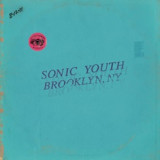
The final U.S. show, a triumphant and blistering bookend to the storied career of one of the most influential bands in rock music, featuring a unique and expansive eighty-five minute set list that spans Sonic Youth’s nearly three decade catalog. Mixed from multitrack by longtime live engineer Aaron Mullan and mastered and cut by Carl Saff. On August 12, 2011 Sonic Youth played their final US show on an outdoor stage overlooking the East River at the Williamsburg Waterfront in Brooklyn. Fitting that their storied career would bookend with a panoramic view of New York City where it all began 30 years before, having left in their wake one of one of the most powerfully influential careers in rock music. Following incredible sets from Kurt Vile and Wild Flag, the band took the stage. As the sun went down over the city, Sonic Youth ripped through a 17 song set that spanned from deep cuts off their first studio album and highlighting many other albums all the way through to their last, like a band with everything to prove. Or as Brooklyn Vegan’s Andrew Sacher said at the time: “While most bands who are thirty years into their career are either fading away or living off of the nostalgia of their older material, Sonic Youth continue to sound and perform as fresh as ever.” Steve Shelley explains the uniquely career spanning set list of Live in Brooklyn 2011 and how it came to be, as well as the importance of outdoor NYC summer shows in Sonic Youth’s legacy: “This show was a culmination of a run of really special outdoor summertime shows in New York City for us, starting in ’92 with Summerstage in Central Park when we played with Sun Ra. For the Williamsburg Waterfront show I wrote out the set list to present to the band and it was a lot of material we hadn’t played in a while, a lot of deep cuts, so I wasn’t sure if everybody would feel like doing it. After worrying about which songs the band might say yes or no to, I threw those concerns out the window and I just made a list of songs that I thought would be a great set. We practiced the week of the show at our space in Hoboken and put the set together. First we’d try and make sure we had a guitar in the song’s tuning, then we’d try to remember the arrangement and try and put it together, sometimes re-learning bar by bar. In the end I think the whole song list made it through. Even as early as ’86 and ’87 we stopped playing ‘Death Valley 69’ and ‘Brave Men Run’ with any regularity. We’d just get excited about new material coming into the set and songs would get ‘retired’ and wouldn’t get played again for years. So on this particular night in Brooklyn a lot of those retired songs and deep cuts got dusted off and played for this show. It turned out to be a pretty special event with a really special song list.” The band would go on to fulfill a contracted festival run in South America a few months later but, by then, the group’s center was severed beyond repair and the festival appearances didn’t hold the same kind of weight. “The stage was facing the East River from the Williamsburg, Brooklyn waterfront, and I recall the sun going down in the west during our set. It was a pretty magical, if kinda weird day. Fitting, somehow, that our ‘last show’ should be in New York City, our home and where it all began…” Lee Ranaldo The Williamsburg Waterfront show would fondly become referred to as ‘The Last Show’ by fans and band alike, equally for its triumphant high energy performance, its unique and expansive set list and locale. Newly remixed and remastered, Live in Brooklyn 2011 is presented for the first time on 2xLP, 2Xcd, August 18, 2023.
Chain Of Flowers return with their lofty and long-simmering sophomore full-length, rich with reckonings, reverb, and redemption: Never Ending Space. Despite some of the songs dating back a few years, the record first began materialising in earnest during the pandemic, by which point most of the band had relocated from Cardiff to London.
Reunited and rejuvenated, they picked up where they left off, booking two multi-day sessions at Hackney hub Total Refreshment Centre with producer Jonah Falco. In this time they successfully channelled their kinetic chemistry into 10 full-blooded anthems of torn dreams, poetic delirium, and “hope stretched too far.” Musically, Never Ending Space skews notably more maximal than the group’s previous work, fleshed out with trumpets, saxophone, synth, percussion boxes, and spoken word. (Smith jokingly calls them The Chain Of Flowers Orchestra).
Yet the songs still swing and soar with a charged heart, ripe with hooks, drama and ragged melody. Opener “Fire (In The Heart Of Hearts)” stirs to life on a tide of wiry guitar and defiant horns, facing down the embers of love that still glow in the wake of pain: “Peace came tumbling like a shower of bricks / The mind twists slowly till everything fits.”
A tense energy ripples throughout – from the nocturnal rush of “Serving Purpose” and “Amphetamine Luck” to the bruised battle cries of “Torcalon” and “Old Human Material.” Outliers like “Praying Hands, Turtle Doves” hint at proggy possible futures, while instrumental vignette “Anomia” offers an intriguing glimpse at a lesser heard facet of the band: swaying, shadowy, subdued. The album’s title track is also its closing cut, a stomping, sparkling ode to “the wrong side of the night, where time goes to die.” Smith describes the scene: “Everyone’s talking, screaming, trauma bonding, but no one’s listening. Broken dialogue. Shouting over each other. You want to switch off, but everyone’s too fucked.” The guitars spiral and slide towards the oblivion of dawn, the chance to crash and do it all again.
Chain Of Flowers return with their lofty and long-simmering sophomore full-length, rich with reckonings, reverb, and redemption: Never Ending Space. Despite some of the songs dating back a few years, the record first began materialising in earnest during the pandemic, by which point most of the band had relocated from Cardiff to London.
Reunited and rejuvenated, they picked up where they left off, booking two multi-day sessions at Hackney hub Total Refreshment Centre with producer Jonah Falco. In this time they successfully channelled their kinetic chemistry into 10 full-blooded anthems of torn dreams, poetic delirium, and “hope stretched too far.” Musically, Never Ending Space skews notably more maximal than the group’s previous work, fleshed out with trumpets, saxophone, synth, percussion boxes, and spoken word. (Smith jokingly calls them The Chain Of Flowers Orchestra).
Yet the songs still swing and soar with a charged heart, ripe with hooks, drama and ragged melody. Opener “Fire (In The Heart Of Hearts)” stirs to life on a tide of wiry guitar and defiant horns, facing down the embers of love that still glow in the wake of pain: “Peace came tumbling like a shower of bricks / The mind twists slowly till everything fits.”
A tense energy ripples throughout – from the nocturnal rush of “Serving Purpose” and “Amphetamine Luck” to the bruised battle cries of “Torcalon” and “Old Human Material.” Outliers like “Praying Hands, Turtle Doves” hint at proggy possible futures, while instrumental vignette “Anomia” offers an intriguing glimpse at a lesser heard facet of the band: swaying, shadowy, subdued. The album’s title track is also its closing cut, a stomping, sparkling ode to “the wrong side of the night, where time goes to die.” Smith describes the scene: “Everyone’s talking, screaming, trauma bonding, but no one’s listening. Broken dialogue. Shouting over each other. You want to switch off, but everyone’s too fucked.” The guitars spiral and slide towards the oblivion of dawn, the chance to crash and do it all again.
"Bernhard von Siluh Records hat mich gebeten, einen Hype-Text über die neue BAD WEED-Platte zu formulieren, und ich fühlte mich zunächst geschmeichelt, hatte dann aber doch Zweifel... Wie kann ich euch dieses Powerpop-Juwel in wenigen Worten erklären und näher bringen? Es ist nicht nur das übliche Jangle-Pop-Ding oder noch schlimmer, nicht etwas, das man heutzutage "Garage-Punk" nennt, nein, Sir! Es ist echter Powerpop im Stil der 70er Jahre, aber wie mein Chef immer zu sagen pflegt: Man kann den Leuten nicht erzählen, wie großartig eine Powerpop-Platte ist - man muss sie sich anhören, am besten mit einem Getränk der Wahl in der Hand, und bald wird sie ihre Besonderheit enthüllen (oder auch nicht). Was liebe ich an BAD WEED, außer der Tatsache, dass sie die hübschesten Jungs der Welt sind, die - nachdem sie 20 Jahre lang in verschiedenen Bands gespielt haben - endlich gelernt haben, ihre Instrumente zu spielen? Es sind die Songs! Es geht nur um die Songs! Die erste Single aus dem Jahr 2015 war etwas anderes, man kann es sogar Garagenpop nennen, ihr Debütalbum vor ein paar Jahren und etwa 100 Shows später war nur der Anfang, hier ist ihr zweites Album mit dem schlichten Titel "II", das Talent, Songwriting-Fähigkeiten und Pop-Handwerkskunst zeigt! Einige dieser 12 Originalsongs erinnern mich an Alben/Bands, die längst vergessen sind, wie z.B. "If you ever pt. 1" könnte eine frühe THE FRESHIES-Single sein, "Breaking Lines" könnte von einer RUDI-Setlist sein oder "Who's gonna love me" klingt wie einer dieser THE COLD-Ohrwürmer. Die meisten Songs haben diesen 80er-Jahre-UK-Indie-Punk-Vibe, der direkt in mein Gehirn und mein Herz geht! Sie haben sogar die Frechheit, TOWNES VAN ZANDT zu covern - und schaffen es, dass es nicht so deprimierend klingt wie das Original, nur ein bisschen traurig vielleicht. Zu behaupten, dies sei ein Wohlfühlalbum, ist nicht ganz richtig, so einfach ist es nicht. Es ist eine Platte, die Lust macht, die Band in einem kleinen Club live zu sehen, eine Platte, die einen einfach lächeln lässt und an gute Zeiten erinnert. BAD WEED ist eine Band für die Hosentasche, eine Band, die man liebt und von der man Freunden erzählen möchte, aber nicht zu vielen, denn die Band sollte klein und in der Hosentasche bleiben und nicht in den Playlists von jedem Tom, Dick und Harry vorkommen_" (Elmar / Bachelor Records) "Debüt-Scheiblette von Wiens Blitzpopgroup. Mitreißender Powerpop-Punk mit ganz viel early UK- vs semi-modern Texas-Sound in den Venen. Buzzcocks , Exploding Hearts, The Jam, Bad Sports, Marked Men, .... Schweine-tight gespielte, tolle Melodien, die einen sofort abholen, bissi Saxophon hier und Orgel da!! Die Platte strotzt vor Energie und Spielfreude, findet einen steilen Breakeven zwischen Witz, Charme und Klassenbewusstsein. Stark!" (FLIGHT13)
Finally on vinyl, the legendary broadcast from the Hove festival in Arendal, Norway on Jun 26th, 2007. Amy Winehouse battled through heavy rain to deliver a stellar set on the first day of the festival, conquering the hearts of the Norwegian crowd with a medley of hits that borrowed heavily from her second album Back To Black in addition to an explosive mix of cover versions including numbers originally performed by the likes of the Specials, Toots and Maytals, and the Zutons. Amy's blend of soul, ska, R&B e Jazz left an incredibile mark in the music world and this breathtaking performance shows how we lost the most incredible vocal talent of her generation.
Best listened to from inside the womb, Duster’s 1998’s debut Stratosphere simultaneously capped off and reinvented the slow core’s first wave. A four track dreamscape that will wake the neighbors and then lull them back to sleep. Hazy, arpeggiated guitars layer over a deliberate drummer with no real place to be, as semi-inaudible vocals warn of millennial malaise and subtly encourage the listener to “rock out, rock out, rock out, rock out.
“Music for dark spaces and closed eyelids, deeply psychedelic but without sprawl, ambient music with a serrated edge of punk.”—The Ringer
“Warm, fuzzed-out sounds that hit home like a tight, melancholic embrace from your favorite person.”—Vice
Brock Van Wey returns as Earth House Hold and his third full album under the alias, continuing to explore the furthest influences of Ambient-infused, deconstructed Deep House in all its varying elements.
“...from the second I descended those stairs, lived it for myself, and the events that followed, I knew my life had changed forever. A life that brought with it a beauty as infinite as its pain”.
Daybreak Basements and Broken Hearts explores a new aspect of Brock’s early Deep House influences, one that meticulous followers of this guise would have been patiently trying to guess since his last outing in 2018. If Brock’s debut Earth House Hold album (When Love Lived, 2012) took the grooves and danceability from Deep House, and his second, (Never Forget Us, 2018), highlighted the powerful progression of vocals and melodies, then Daybreak Basements and Broken Hearts continues to build on the many aspects and inspirations of the Deep House genre, with a raw, dirty and somehow deeper take on the sound that Brock grew up with many years ago.
Brock’s signature vocals once again provide the narration and backbone to an album that is designed to progress; from its patient and spacious beginnings to its energetic and emotional closing chapters. Reverberating synths fill cavernous spaces as basslines rumble, bringing a darker, more abstract, early-morning vibe to an album born from a place of both reflection, and personal experiences.
“This is a house album in the purest sense of the word - just as much as the furthest thing from one that ever existed. As much a deconstruction of what deep house means as an attempt to reconstruct a time, and a life, it built.”
The new single ‘Gold’ opens with the gritty, fervent soul of AJ Dean-Revington’s vocals, before the band’s patented harmonies surge to the fore, while thunderous drums and a euphoric hook escalate the song’s drama. It offers a timely reminder that challenging experiences will in time fade in favour of a better future. Gold stemmed from the idea of something being more beautiful having been broken. We had chatted about the Japanese art form Kinsugi or Kinstsukuroi and how things are mended with lacquer mixed with gold, and this was the perfect imagery for what we were writing about. Our scars are a visual representation of our struggles and our stories of loss are stories of survival. At the start of 2020 when we were in Woodstock finishing the album with Simone and David, we could not have imagined how the year would pan out. Gold feels even more connected and poignant now, after a year of so much loss and everyone just trying to survive.
- A1: The Nips - Gabrielle
- A2: Dolly Mixture - New Look Baby
- A3: The Blades- Revelations Of Heartbreak
- A4: The Crooks - Modern Boys
- A5: Inspiral Carpets - Saturn 5
- A6: The Users - Kicks In Style
- A7: Untamed Youth - Untamed Youth
- B1: Les Elite - Get A Job
- B2: The Gents - The Faker
- B3: The Name - Fuck Art Let’s Dance
- B4: The Scene - Something That You Said
- B5: The Killermeters - Why Should It Happen To Me
- B6: The Accidents - Blood Spattered With Guitars
- C1: The Fixations - No Way Out
- C2: The Leepers - Paint A Day
- C3: The Variations - Fight Back
- C4: The Same - Movements
- C5: The Kick - Stuck On The Edge Of A Blade
- C6: Daggermen - Ivor The Engine Driver
- C7: New Hearts - Only A Fool
- D1: The Long Ryders - Looking For Lewis And Clark
- D2: Ocean Colour Scene - The Day We Caught The Train
- D3: Nine Below Zero - Pack Fair & Square
- D4: The Jolt - I Can’t Wait
- D7: The Moment - Sticks & Stones
- D5: The Inmates - Dirty Water
- D6: Scarlet Party - 101 Dam-Nations
In 1979 as a 15-year-old Eddie Piller was perfectly placed to be at the epicentre of the Mod revival. An inquisitive passion
for music, a family connection to Mod royalty The Small Faces, and an attitude that saw him travelling his home city, then
the country and then the world to take in the sounds that were emerging. In the years since, Piller has been a legendary
figure within the music industry setting up and continuing to own the ground-breaking Acid Jazz label, signing multiplatinum artists such as Jamiroquai and The Brand New Heavies collaborating on compilations with Martin Freeman and as
an award winning broadcaster even setting up his own Totally Wired Radio station. In The Mod Revival he looks back at the
movement that set him on his way.
• Mod is a sixties youth movement original built on sharp clothes, American soul music and nights on the town, that has never
really died. The originals added young British groups to their likes and then moved on, but their influence echoed on
through the 1970s in Northern Soul clubs, and in the sixties influenced bands of the pub rock era. When punk arrived, it was
supposed to sweep away the past, but instead the Sex Pistols were covering the Small Faces. The Clash brought in Mod DJ
Guy Stevens to produce London’s Calling, The Buzzcocks sounded closer to the Hollies than The Ramones and in The Jam’s
Paul Weller there was a musical and sartorial nod to the past of The Who, The Beatles and pop art arrows.
• Weller had spent the 1970s becoming obsessed by mod and saw punk as having a similar youthful energy to the era he had
missed by being born a decade too late. For others Weller’s style proved an inspiration, and as the Jam broke through in late
1978, they saw a wave of bands follow in their wake, and they themselves influenced others to form their own groups. But
there were other things. In bleak late 70s Britain the glorious optimism of the 1960s looked bright and shiny, and as it was
only a decade or so in the past, it was easy to pick up original records, clothes and books for pennies, and as you bought
these you met other like-minded souls who did the same. For those a little too young for punk, it was a community of gigs,
scooters, clothes, bands and records, and for many it developed on through.
• Eddie never stopped being a mod and has a unique perspective having now lived through four decades of being intimately
involved in the music that has emerged from the mod scene. In this part two double vinyl edition (Part 1 and its CD
equivalent reached #14 in the UK compilations charts) Ed guides us through some of his favourite music from the scene. He
guides us through a plethora of bands whose influences include The Who, The Kinks and the Jam, to sixties soul and R&B,
those with an eye on psychedelia. The records have a vitality and a certain stylish swagger to them, that marks them out as
mod. In the deluxe booklet, Piller has written a 5000 word note describing what it meant to him and has granted access to
his own scrapbooksfrom his many years of gig-going from which pages and memorabilia are reproduced.
• Eddie Piller’s Mod Revival is a personal appraisal from the founder of The Modcast, on what the mod explosion of the late
70s and 80s means to him…
- A1: The Backwards Pumpkin Song (Tree City Sessions)
- A2: Uneasy Hearts Weigh The Most (Tree City Sessions)
- A3: Nasa (Tree City Sessions)
- A4: Blue Dream (Tree City Sessions)
- B1: Strawberry Swisher, Pt. 3 (Tree City Sessions)
- B2: Jesus H. Macy (Tree City Sessions)
- B3: Stroke God, Millionaire (Tree City Sessions)
- B4: Awkward (Tree City Sessions)
- C1: Summertime Gladness (Tree City Sessions)
- C2: Inspire The Liars (Tree City Sessions)
- C3: Man Of The Year (Tree City Sessions)
- D1: Son Of Robot (Tree City Sessions)
- D2: Evaporate (Tree City Sessions)
- D3: Strawberry's Wake (Tree City Sessions)
- D4: Nothing Shameful (Tree City Sessions)
The Besnard Lakes have passed through death and they’r e here to tell the tale. Nearly five years after their last lightning-tinted volley, the magisterial Montreal psych-rock band have sworn off compromise, split with their long-standing label, and completed a searing, 72-minute suite about the darkness of dying and the light on the other side. The Besnard Lakes Are The Last of the Great Thunderstorm Warnings is the group's sixth album and the first in more than 15 years to be released away from a certain midwestern American indie record company. After 2016's A Coliseum Complex Museum - which saw Jace Lasek and Olga Goreas attempting shorter, less sprawling songs - the Besnards and their label decided it was time to go their separate ways; with that decision came a question of whether to even continue the project at all. What use is a band with an instinct for long, tectonic tunes - rock songs with chthonic heft and ethereal grace, five or 10 or 18 minutes long? How do you sell that in an age of bite-sized streaming? How do you make it relevant? "Who gives a shit!" the Besnard Lakes realized. Ignited by their love for each other, for playing music together, the sextet found themselves unspooling the most uncompromising recording of their career. Despite all its grandeur, ...The Last of the Great Thunderstorm Warnings honours the very essence of punk rock: the notion that a band need only be relevant to itself. At last the Besnard Lakes have crafted a continuous long-form suite: nine tracks that could be listened together as one, like Spiritualized's Lazer Guided Melodies or even Dark Side of the Moon, overflowing with melody and harmony, drone and dazzle, the group's own unique weather. Here now, the Besnard Lakes finally dispensed with the two/three-year album cycle, taking all the time they needed to conceive, compose, record and mix their opus. Some of its songs were old, resurrected from demos cast aside years ago. Others were literally woodshedded in the cabanon behind Lasek and Goreas's "Rigaud Ranch" - invented and reinvented, relishing this rougher sound.
- A1: Phil Stroud - Banksia
- A2: Dufresne - Pick Up / Galaxy
- B1: Kuzich - There Is No Time
- B2: Audrey Powne - Bleeding Hearts
- D1: Zeitgeist Freedom Energy Exchange - Powers 2 (The People)
- C2: Laneous - Nice To See You
- D3: Silentjay - Eternal / Internal Peace
- E1: Horatio Luna -The Wake-Up
- E2: Allysha Joy – Orbit
A heavy new compilation from Brownswood shines a light on the independent underground in Melbourne, where a close-knit collection of artists have taken cues from soul, jazz and club culture to carve out a fresh Melbournian sound. Featuring nine different groups, many of them sharing members and studios, the record surveys the musical contours of this bubbling scene, nodding to house, broken beat, samba, p-funk and soul.
Recorded over a week at The Grove, a fabled house-cum-studio in the North Melbourne suburb of Coburg, it’s home to the record’s engineer, Nick Herrera, and two members of Hiatus Kaiyote, the city’s breakout gangster-soul dons with whom many of the record’s personnel have collaborated. Silentjay was musical director, the Rhythm Section-affiliated multi-instrumentalist and producer (who’s played with Joey Bada$$ and Flying Lotus) marshalling together the album’s different players, many of them part of influential collectives 30/70 and Mandarin Dreams.
Nurtured in the city’s collaborative, close-knit confines, the scene has been bubbling up under the radar of Australian music institutions, in the garages and makeshift studios of Melbourne’s suburban sprawl. Sunny Side Up is a colourful portrait of the scene’s potential, exploring the story behind this flourishing period and shining light on some of its most compelling figures.
- 1