
In Stock
On Stock and ready to ship
Last In: 5 months ago
17,23 €
On Stock and ready to ship

On Stock and ready to ship

Produced by Creed Taylor and originally issued on the CTI label in 1975, Jim Hall's Concierto followed the path of Miles Davis' celebrated Sketches of Spain in presenting, among other tunes, an arrangement of Joaquín Rodrigo's "Concierto de Aranjuez."
The LP was an all-star venture, with Hall accompanied by such luminaries as Chet Baker, Paul Desmond, Roland Hanna, Ron Carter and Steve Gadd. Desmond had a long history of recording with the guitarist, but this was Hall and Baker's first out of just two recorded encounters.
Concierto received a **** ½ rating on AllMusic, with reviewer Anthony Tognazzini stating that it "ranks among the best albums of Hall's superb catalog and the personnel is a jazz lover's dream come true."
expected to be published on 31.01.2025

expected to be published on 30.11.2024

expected to be published on 19.02.2024

Bill Evans and Jim Hall had first recorded together in July of 1959, during the making of John Lewis’ LP Odds Against Tomorrow, and the two musicians also participated on Gunther Schuller’s Jazz Abstractions (recorded in December of 1960). However, those were big band albums and had no space at all for any real interaction between the pianist and guitarist. Undercurrent, presenting them as a duet, was their third studio encounter and one of their most rewarding collaborations. 180-GRAM BLUE COLORED VINYL - THE COMPLETE ALBUM + 2 BONUS TRACKS
expected to be published on 17.11.2023
This item has not yet been released. You can pre-order the product now.

This classic piano/ guitar duo album between Bill Evans and Jim Hall has had several label reincarnations, firstly on United Artists and Solid State, and then finally on Blue Note.
"Other than four piano solos from April 4, 1962, this set was pianist Bill Evans' first recordings after a hiatus caused by bassist Scott LaFaro's tragic death. The first of two meetings on record in a duo format with guitarist Jim Hall, the collaborations are often exquisite. Both Evans and Hall had introspective and harmonically advanced styles along with roots in hard-swinging bebop. There is more variety than expected on this fine set with some cookers, ballads, waltzes,
and even hints at classical music." Scott Yanow, AllMusic
expected to be published on 29.04.2022

Order now and we will order the item for you at our supplier.

Reissue of a 1969 trio recording by American guitarist Jim Hall, who
resides at the top of the jazz guitar pantheon
At the time of his death in 2013 at the age of 83, he had long been considered
one of the jazz greats, a major influence on generations of jazz guitarists. It
seems that virtually every major musician wanted to play with Hall. His work as a
sideman ranged from swing era giant Ben Webster to new music pioneer Ornette
Coleman. HIs recording credits include a series of classic albums with groups
headed by Jimmy Guiffre, Sonny Rollins, and Bill Evans; Hall often spoke of
Rollins and Evans as two of his major influences.
This intimate June 1969 musical get-together was due in large extent to the close
friendship between the Hall and legendary German writer/ critic and producer
Joachim-Ernst Berendt. As Hall, his wife and daughter were visiting him in Berlin,
Berendt noticed that, although he had been recording extensively with a number
of major jazz figures over the last years, including several collaborative gettogethers, Hall had not recorded an album solely under his own name in over a
decade. Berendt immediately set up a trio recording for Hall that included two
internationally renowned musicians with whom Hall had previously worked, the
American expatriate bassist Jimmy Woode and Swiss- French drummer Daniel
Humair.
In such a transparent setting, Hall unfurled his finest qualities. Humair
perceptively summed it up: Hall played with "more clarity, more purity, more
sensitivity" than any other guitarist of the period. It resulted in an album of
intensely introspective music.
expected to be published on 04.03.2022

expected to be published on 10.12.2021

Bill Evans catapulted to the top of the jazz world in June 1961 after reeling off three straight masterpiece sessions at New York's Village Vanguard with his trio. Yet the emotional highs came to a screeching halt shortly thereafter when bassist Scott LaFaro died in a car accident. Devastated, Evans refrained from playing for nearly a year. If not for an inspirational collaboration of tremendous creative outpouring, one wonders what fate may have befallen Evans. Undercurrent, the outcome of two studio sessions with guitarist Jim Hall, is that project.
Mastered on Mobile Fidelity's world-renowned mastering system and pressed at RTI, this Silver Label LP edition bursts forth with brilliant textures, you-are-there realism, and extraordinary tonalities. No other version outside of this analogue copy brings you face-to-face with these two jazz giants' sonic communion, a kind of spiritual musical summit on which Evans' deft keyboard touches and Hall's reliably subtle phrasings seamlessly mesh and wonderfully dance, the compositions streaked with natural instrumental decay, full-frequency extensions, and poignant emotionalism that, on this LP, you can feel.
While Evans managed to sit down for a few one-off takes between LaFaro's passing and these April-May 1962 dates, he largely remained on hiatus and abstained from recording. Whether it owes to the intimate pairing, he and Hall's brotherly chemistry, or the exquisite selection of program material, the results consistently come across as the equivalent of a private meditation - such is the level of introspective depth and quietly shaded interplay throughout. For Evans, the duet clearly functions as therapy, a healing episode in which his partner patiently lays back, shadowing moves and suggesting others, neither musician interested in the spotlight but each striving for (and achieving) transcendent beauty.
In tackling standards such as Rodgers and Hart's "My Funny Valentine" and the Broadway classic "Darn That Dream," as well as the Hall original "Romain," the pair traverses complex harmonies with the astute elegance of a figure skater. At times, Evans and Hall go for broke on a hard-swinging romps, yet it's their implied melancholy and drifting, softly struck melodic refrains on waltzes and ballads that bestows Undercurrent with a nuanced romanticism and whispered atmosphere befitting the record's title.
Indeed, even the album's cover - an iconic photograph by Toni Frissell - exhibits the surreal, almost-hallucinogenic properties of the fare contained within.
expected to be published on 06.12.2021

Deluxe LP edition, remastered using transfers from the original
tapes lifted from the Phillips vault by mastering legend Kevin Gray.
Pressed at Pallas on 180g heavyweight vinyl and housed in a thick
reverse-board sleeve with additional insert featuring photographs
and words by bassist on the session Bill Crow.
This session, recorded at New York’s Nola Penthouse Studios in
1963, is a little-known masterwork from the incredible Gerry
Mulligan catalogue.
Baritone saxophonist Gerry Mulligan was a true icon of jazz, being
one of the prominent figures in the West Coast scene through the
1950s until his death in 1996. Voted Number One musician in his
instrument by Downbeat Magazine for 42 years in a row, Mulligan
was one of the key players of his time and a figurehead who
helped shape the sound of jazz to come.
From periods in the ‘Birth Of The Cool’-era Miles Davis line up, as
well as forming a piano-less quartet with Chet Baker, Gerry was
always on the frontline of what was hip and happening in
America’s one true art form.
With its striking Oliver Hardimon designed cover, ‘Night Lights’ is
the very definition of refined cool jazz. Shimmering with a latenight beauty that perfectly evokes a sophisticated New York City in
the early 1960s, Gerry and his Sextet fuse slow burning jazz noir
alongside emerging contemporary Brazilian rhythms, with the
interplay between Mulligan and guitarist Jim Hall a particular
standout throughout.
Title track ‘Night Lights’ is a wonderfully smooth, low light tune,
while the Latin-tinged ‘Morning Of The Carnival’ really finds the
band in their finest and most swinging form. A cover of jazz
standard ‘In The Wee Small Hours Of The Morning’, followed by
Chopin’s ‘Prelude In E Minor’ continues the delightful groove
before we finish out with Mulligan originals ‘Festival Minor’ and
‘Tell Me When’.
For this version of the release, New Land have also included the
1965 version of ‘Night Lights’, which gives an interesting
comparison, performed by his later day Quintet featuring the
Wrecking Crew’s legendary Hal Blaine on drums, amongst others.
expected to be published on 05.10.2026
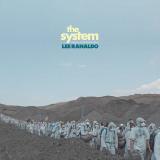
Sea Glass Vinyl[32,35 €]
A quick scan of the world’s favourite crowdsourced discography reveals that Sonic Youth co-founder Lee Ranaldo was not a total stranger to crackling electric experimentation in the years following his songwriting turns of the 20-teens. Yet »The System«, ingeniously culled and sequenced from Ranaldo’s soundtrack work for Dutch filmmaker Joris Postema’s ›eco-doc‹ of the same name, nonetheless feels like a reawakening. Quietly released in a vastly different (and much more ›filmic‹) form by Doxy Music/Riva Media Records in 2025, this LP reimagines and reconfigures the initial release, including unreleased material written and recorded for the film, to lend it new stature as both a return to drone-improv form and a reunion with introspective Downtown angst.
Given the state of the world, it’s not surprising that the film Ranaldo scores – a documentary on three climate activists bruising their fists on the black iron prison of techno-fascist deathkultur – is a study in despair and futility. But rather than wallowing in navel-gazing doom and gloom, the film documents the unstoppable spirit that has animated human resistance since the time of the Pharaohs.
As it turns out, the gorgeous scope of Lee Ranaldo’s guitar palette is a perfect manifestation of the hope and despair that animates the film. But like other high-water marks in the guitar-centric soundtrack canon – the high plains raga of Bruce Langhorne’s »Hired Hand«, Neil Young’s sparse and ghostly solo transmissions on »Dead Man«, or the monolithic mantras of Popol Vuh’s »Nosferatu« – its devotion to spectral gestures and meditative song forms launches it firmly outside of the OST orbit into a universe fully its own.
It might seem like a long journey from the Lower Manhattan rhythmic grime of the album’s opener »Tajikistan (Nice to Meet You)« (reminiscent of guitar opuses like Robert Quine and Jody Harris’s »Escape«) to the ringing cowboy chords of the final track, but the narrative logic of the LP pulls the listener along as solidly as a pack horse. As the LP unwinds, and collaborators like Jim Jarmusch, cellist Leila Boudreil, Yeah Yeah Yeahs snare shaman Brian Chase, and guitarist Yonatan Gat take their places, new vistas unfurl: the ritualistic thrum of »Berlin Blockade«, the haunted overtone palaces of »Bergelmir«, and the cavernous acoustic strumming of »Instruments of Violence«. It all winds up with the high lonesome standard »Cool Water«, each unhurried note trailing off into long-tail reverb, layers of shifting vocal harmonies pulling everything skyward – a hopeful note in an album where existential dread never lurks too deeply below the surface.
In the end, »The System« functions both as a film score and a hallucinatory (mostly) instrumental guitar record, revealing a sensibility not too often spotted in the 21st century – a liminal space where the song, the jam, and the meditation merge into a blurred whole. »The System«’s expansive fabric, emerging from a collective sound circling around Ranaldo’s signature tones, envelops and ampl amplifies the contributions of its community of creators – the perfect antidote to narcissistic despair. Much like the subjects of the film light the way towards intra-generational resistance, the music of »The System« reveals a path through gathering darkness. The world could be yours if you follow.
– Tom Carter
expected to be published on 09.10.2026
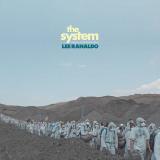
A quick scan of the world’s favourite crowdsourced discography reveals that Sonic Youth co-founder Lee Ranaldo was not a total stranger to crackling electric experimentation in the years following his songwriting turns of the 20-teens. Yet »The System«, ingeniously culled and sequenced from Ranaldo’s soundtrack work for Dutch filmmaker Joris Postema’s ›eco-doc‹ of the same name, nonetheless feels like a reawakening. Quietly released in a vastly different (and much more ›filmic‹) form by Doxy Music/Riva Media Records in 2025, this LP reimagines and reconfigures the initial release, including unreleased material written and recorded for the film, to lend it new stature as both a return to drone-improv form and a reunion with introspective Downtown angst.
Given the state of the world, it’s not surprising that the film Ranaldo scores – a documentary on three climate activists bruising their fists on the black iron prison of techno-fascist deathkultur – is a study in despair and futility. But rather than wallowing in navel-gazing doom and gloom, the film documents the unstoppable spirit that has animated human resistance since the time of the Pharaohs.
As it turns out, the gorgeous scope of Lee Ranaldo’s guitar palette is a perfect manifestation of the hope and despair that animates the film. But like other high-water marks in the guitar-centric soundtrack canon – the high plains raga of Bruce Langhorne’s »Hired Hand«, Neil Young’s sparse and ghostly solo transmissions on »Dead Man«, or the monolithic mantras of Popol Vuh’s »Nosferatu« – its devotion to spectral gestures and meditative song forms launches it firmly outside of the OST orbit into a universe fully its own.
It might seem like a long journey from the Lower Manhattan rhythmic grime of the album’s opener »Tajikistan (Nice to Meet You)« (reminiscent of guitar opuses like Robert Quine and Jody Harris’s »Escape«) to the ringing cowboy chords of the final track, but the narrative logic of the LP pulls the listener along as solidly as a pack horse. As the LP unwinds, and collaborators like Jim Jarmusch, cellist Leila Boudreil, Yeah Yeah Yeahs snare shaman Brian Chase, and guitarist Yonatan Gat take their places, new vistas unfurl: the ritualistic thrum of »Berlin Blockade«, the haunted overtone palaces of »Bergelmir«, and the cavernous acoustic strumming of »Instruments of Violence«. It all winds up with the high lonesome standard »Cool Water«, each unhurried note trailing off into long-tail reverb, layers of shifting vocal harmonies pulling everything skyward – a hopeful note in an album where existential dread never lurks too deeply below the surface.
In the end, »The System« functions both as a film score and a hallucinatory (mostly) instrumental guitar record, revealing a sensibility not too often spotted in the 21st century – a liminal space where the song, the jam, and the meditation merge into a blurred whole. »The System«’s expansive fabric, emerging from a collective sound circling around Ranaldo’s signature tones, envelops and ampl amplifies the contributions of its community of creators – the perfect antidote to narcissistic despair. Much like the subjects of the film light the way towards intra-generational resistance, the music of »The System« reveals a path through gathering darkness. The world could be yours if you follow.
– Tom Carter
expected to be published on 09.10.2026
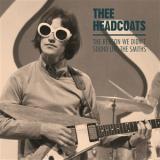
Zwei neue Songs von Thee Headcoats in einem passend an die Smiths angelehnten Cover! Die A-Seite ist aus ihrer kommenden LP "Children Of The Sect" und die B-Seite exklusiv auf dieser Veröffentlichung. Wir haben mit Billy Childish über die Single gesprochen_ Frage: "Hat dir irgendetwas an den Smiths gefallen?" Antwort: "Ja. Les Dawsons Version von ,Girlfriend in a Coma" (ich glaube, das ist der richtige Titel). Eigentlich habe ich sie gehasst, aber sie hatten ein paar ganz ordentliche Songtitel. Ihr Gitarrist kam mal auf mich zu und sprach mich an, als wir mit Modest Mouse in der Albert Hall mit unserer 100-Watt-PA spielten - er war sehr nett." Frage: "Auf dem Cover ist ein Bild von Dave Davies zu sehen. Was gefällt dir an den Kinks am besten? Hast du Ray oder Dave jemals getroffen?" Antwort: "Ich bin in den 1960er Jahren mit den Kinks aufgewachsen, zusammen mit den Stones, den Beatles, Bob Dylan und Jimi Hendrix. Als ich 1977 gefragt wurde, ob ich bei den Pop Rivets singen wolle, schlug ich vor, dass wir ,Hippy Hippy Shake", ,Wild Thing" und ,You Really Got Me" spielen sollten - Was mir an den Kinks am besten gefällt? Ich mag die R&B-Kinks? Daves Gitarrenspiel, und wir alle stehen total auf den tollen Schlagzeuger und Bassisten, und natürlich schreibt Ray gute Songs - also: Was gibt's da nicht zu lieben? Abgesehen von einer ganzen Menge. Ich habe noch nie einen echten Kink persönlich getroffen, aber wir kannten ein Mädchen, das sie im Rochester Odeon spielen sah. Sie und ihre Freunde baten Dave um ein Autogramm, und er jagte sie schreiend den Star Hill hinauf, wobei sein kleiner Stolz und seine Freude heraushingen."
expected to be published on 06.11.2026
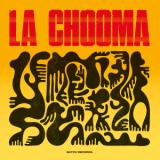
Psychedelic dub, Afro-Latin rhythms and cosmic grooves come together on La Chooma’s self-titled debut for Batov Records. Drawing on Moroccan Gnawa, Colombian cumbia, Afrobeat, Jamaica dub & roots, and cosmic jazz, the six-piece ensemble create deep, hypnotic music rooted in global traditions and shaped for contemporary dancefloors.
Having already captivated local audiences with their hypnotic, organic live performances, La Chooma – now a six-piece ensemble – have been steadily building an international following. Initial singles “Magic Plant” and “Huachuma” earned support from tastemakers including BBC Radio 6 Music’s Deb Grant and Tom Ravenscroft.
“Magic Plant” distills the band’s signature blend of hypnotic grooves, lush percussion and woozy synths, like Jimi Tenor lost in the Colombian Amazon. A dreamlike, dub-infused trip driven by organic rhythm and cosmic textures. “Huachuma” picks up the thread, fusing Afrobeat percussion, swirling basslines and psychedelic flourishes into a hallucinogenic jam made for a tropical dancefloor.
On Stock and ready to ship

Bringing together the elder statesman of the Zulu guitar Madala Kunene and internationally acclaimed Sibusile Xaba, kwaNTU pulls two generations of South African guitar mastery into a single point of focus. Under-represented on recordings outside of South Africa, Madala Kunene (b. 1951), the ‘King of the Zulu Guitar’, is revered as the greatest living master of the Zulu guitar tradition. Sibusile Xaba, whose collaboration with Mushroom Hour Half Hour reaches back to his first recording in 2017 (Open Letter To Adoniah/Unlearning), has garnered international acclaim for his unique voice and virtuoso guitar stylings, which bring together multiple South African guitar lineages in an original, spiritualised fusion. Collaborating with Mushroom Hour and New Soil for kwaNTU, the two players come together to weave a filigree sonic fabric which reaches down to the heartwood of Zulu guitar music but moves resolutely outward, building on the past to create a deeply rooted statement about present conditions and future travels. kwaNTU – which can be roughly translated ‘the place of the life-spirit’ – is also conclave of teacher and student, as Xaba has been taught by Kunene for the last decade. Meditative, rich and sonically sui generis, kwaNTU finds these two musicians linking up within the inimitable space of sound and spirit that they share through Kunene’s teaching.
The great masters of South African music have not all had equal exposure. For many years the generation of musicians who were exiled during apartheid took centre stage, as the regime made it very difficult for those at home to be heard. More recently, a new cohort of important voices, especially in jazz, has broken through to international consciousness. But for the generation of musicians in between – those who shone like beacons in the most difficult final years of apartheid and immediately afterward – international recognition has been slow in coming.
Madala Kunene, ‘the King of the Zulu Guitar’, is among this number. A revered figure for current generations of South African musicians, Kunene began his recording career in 1990, at the bitter end of apartheid, with a now classic self-titled LP for David Marks’ storied Third Ear imprint. Born in 1951 in Cato Manor, near Durban, he had determined to be a musician from early childhood, and by the time he first entered a recording studio he had already had a long career as a popular performer. His virtuoso absorption and transformation of the venerable Zulu maskanda guitar tradition and his richly spiritualised approach to music immediately marked him out as someone special, and in the years that followed, Kunene cemented his position as one of South Africa’s musical elders. He is without doubt the grand master of the Zulu guitar tradition, but his sound and sensibility ranges far beyond it into varied sonic terrain, and he has collaborated with a wide range of musicians both at home and abroad. Now in his mid-seventies, he remains a shining light for those that are making music in contemporary South Africa.
‘He is really an amazing person,’ says the guitarist Sibusile Xaba, who has been mentored by Kunene for over a decade, and now invites a collaboration with him on kwaNTU. ‘As a mentor, he's really powerful in showing us the way. For us to have this opportunity to make music together and have a project together is really a blessing to me.’
Xaba himself grew up in Newcastle, KwaZulu-Natal, where his mother had been in a band and his father sang in a church choir, and from early childhood Xaba played homemade tin guitars. He only later realised that music was his calling. ‘I just loved music. I was fortunate. My parents loved music. And when it was time for me to leave home and go to study outside Newcastle, I knew that music was what I wanted to do. There was no second option. It was just music.’ Moving to Pretoria to study music formally, Xaba committed himself to his craft, developing a unique style that draws on both US jazz masters such as Wes Montgomery and Jim Hall, and the rich and varied heritage of the South African guitar, from inspirational jazz players such as Allen Kwela and Enoch Mthalane, to the music of the Malombo groups and Dr. Philip Tabane (Xaba has previously collaborated with Dr. Tabane’s late son, Thabang), and the Zulu guitar tradition embodied by Kunene.
‘I was really in love with the jazz guitar, I really admired it, and I was digging a lot in that direction,’ says Xaba, recalling his first encounter with Kunene’s music, over a decade ago. ‘And then one day on my timeline, Kunene popped up, and I was like – “What's this sound?” I was so connected to it. It really touched me deep. I started checking out his records, and then I found out he's from the same region as I am, which is Zululand.’ After Kunene played a show at the Afrikan Freedom Station in Johannesburg, Xaba make contact with him, and visited him at home in Durban. They struck up a friendship, and Xaba became the elder’s student, as Kunene began to pass on his knowledge and his inimitable way of playing.
kwaNTU is a tribute to this relationship and the deep learning that has defined it. The album was recorded in Zululand in the town of Utrecht, at a cultural centre called Kwantu Village, which gives its name to the album. ‘It's such a broad word,’ Xaba says, ‘but the elders teach us that Ntu is basically an energy, almost chi, an energy, a force that all living beings have within them. It's a living energy, so kwaNTU is like, almost the place of this energy.’ The two men sequestered themselves for five days of jamming, improvising and planning, and then the session was recorded in one take over a single night, with Gontse Makhene joining on percussion and backing vocals and Fakazile on vocals. Other voices and overdubs were later added in the studio in Johannesburg.
The result is a rich and meditative recording that finds two generations in a deeply engaged dialogue. Teaching and passing on his knowledge, the elder Kunene has brought Xaba into a space of sound and knowledge that they now share; Xaba’s own practice of deep communion with nature and his dedication to his musical craft make him the perfect interlocutor for Kunene. The result is an album that foregrounds the two musicians engaged at the highest levels of responsive listening, sympathetic unity, and collaborative concentration. Bringing an elder statesman of South African music to an international listening audience for the first time in decades by pairing him with one of South Africa’s most important new voices, kwaNTU is a meeting of generations and a powerful demonstration of musical lineage and continuity.
‘Before music, there is sound,’ Xaba observes, speaking of Kunene’s unique approach to music. ‘And sound is like a common compartment…it's not restricted to particular people or particular geographic places, you know what I mean? It's sound. Everybody can hear it. So when he constructs that sound into music, I think everybody resonates with the energy behind his construction of sound into song. Here at home, we really love him for preserving our history through the guitar, through his stories as well the music, the songs that he writes. We really, really admire him.’
On Stock and ready to ship

Calling all fans of cult soundtracks and genre-bending scores! Four Flies is thrilled to present a limited edition gatefold beauty containing the premiere vinyl release of the complete score to Matalo!, one of the most captivatingly unique Spaghetti soundtracks ever.
Matalo! is a 1970 'western crépusculaire' by Milanese director Cesare Canevari, known for his visually striking genre films, starring Swedish enfant terrible Lou Castel and Italian theatre actor Corrado Pani. Canevari adopts an experimental, atmospheric approach, relying heavily on out-of-focus effects and framing his shots unconventionally. This gives a dark and atmospheric turn to thewestern genre, with the typical dusty plains transformed into a windswept ghost town, while action sequences replace dialogues almost entirely, leaving actors with very little to say – and, therefore, putting the music center stage.
Composer Mario Migliardi – who was also a conductor, pianist, and Hammond organist – throws out the rulebook for Italian Westerns. Prepare for a wild ride of psych-rock textures, swirling electronic filters, haunting reverbs, and concrete sounds – a sonic tapestry that seamlessly blends influences ranging from Jimi Hendrix to Luciano Berio.
Migliardi masterfully combines traditional folk instruments like acoustic guitars and percussion withnon-canonical electronic processing, creating an electro-acoustic alchemy thatfeels both fresh and timeless today, probably way more than it did in the1970s. In particular, the Leslie filter, a hallmarkin the Hammond organs popular at the time, is applied to the entire soundtrack, resulting in a very distinctive and dynamic phaser effect.
The soundtrack's highlight is probably the rock song featuring vocals from Giano Ton, aka Giacomo Tosti, the only track to have found its way on vinyl prior to this LP (it wasthe B-side ofa forty-five released by RCA Italy at the time). Its 9-minute extended version, previously unavailable on vinyl, is a fantastichard-blues-rock jam à la Hendrix.
This limited-edition double vinyl LP comes in a stunning gatefold jacket with artwork by Eric Adrien Lee, who drew inspiration from the film's original posters and promo materials.
Definitely a must-have for collectors of unique soundtracks and adventurous music!
a Matalo! (Theme Song) feat. Giano Ton
h Matalo! (Theme Song) Instrumental
n Matalo! (Theme Song) [Single Version]
[s] Matalo! (Hey Gente) [feat. Corrado Pani]
[a] Matalo! (Theme Song) [feat. Giano Ton]
[h] Matalo! (Theme Song) [Instrumental]
[n] Matalo! (Theme Song) [Single Version]
[feat. Corrado Pani]
On Stock and ready to ship

We couldn't be happier to announce the first Mapache Records compilation after all these years. ONE MILE FROM HEAVEN is a dreamy travel through the 70's and beyond private singer songwriters scene.
There have always been privately-pressed records. Such a "private" LP is an album that has been composed, performed, recorded and edited usually very-DIY style by the very artist or by an amateur label. A private press record is, above all, an act of the artistic urge. It's an act that takes place outiside of the industry out of need, out of a lack of knowledge, out of love, out of a drive, out of ambition... you can choose among the many reasons.
Depending on their genre, origins, time, and above all, quality, some of these efforts have become valuable pieces for the music collector. Having been created behind the "canonical history of music" written by the industry, every now and then an archaeologist will bring to the surface an artifact they have found in some basement or flea market, or that was kept covered in dust in the shell of some old recording studio soon to be torn down.
All these records have their own story, and some are still especially relevant, and others are but small footnotes in the encyclopedia of music that made their way into the margins of the mainstream world. These are the most limited of editions (and mostly locally made ones) of largely unsociable and mostly unobtainable records--and when found, they are often exorbitantly priced. Many of these marginalized and onscure artists have stayed alive only through the wonderful work of tireless song rescuers, music lovers, vocational archivists, collectors, and record labels with an idealistic drive. These romantics have been rescuing and indexing a form of music that very few have showed interest in until recent years. This record is a tribute to all of those who managed to make these songs not be lost to time. Above all, this release is a tribute to all those artists who recorded their songs on their own, mostly because they couldn't keep the music inside themselves.
On Stock and ready to ship
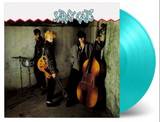
Stray Cats is the first album from Rockabilly band Stray Cats, first released in the UK by Arista in 1981. It was successful in Britain, peaking at No. 6 on the UK Albums Chart, and produced the UK Top 40 hits 'Runaway Boys' (No. 9), 'Stray Cat Strut' (No. 11) and 'Rock This Town' (No. 9). The Rock and Roll Hall of Fame later listed 'Rock This Town' as one of the songs that shaped rock and roll.
Stray Cats debut album came hot on the heels of the two hit singles 'Runaway Boys' and 'Rock This Town,' both energy filled rockabilly songs that hearkened back to the
1950s era of pure rock & roll with an updated, clean '80s sound highlighted by the prominent double bass playing of Lee Rocker and drumming of Slim Jim Phantom.
This album was by far their most successful, hitting number six in the charts and their only entry into the Top 40.
expected to be published on 26.08.2026
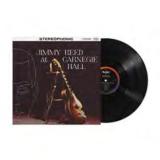
„Jimmy Reed at Carnegie Hall“ ist ein Doppelalbum, das 1961 bei Vee-Jay Records erschien und u.a. aus
Studioaufnahmen eines mitreißenden Auftritts in der Carnegie Hall besteht. Dieses Album enthält den
zeitlosen Klassiker „Bright Lights, Big City“, der in die Liste der 500 Songs, die den Rock ’n’ Roll geprägt
haben, der Rock and Roll Hall of Fame aufgenommen wurde. Das Album wurde in Zusammenarbeit mit
Acoustic Sounds veröffentlicht und von Matthew Lutthans bei The Mastering Lab anhand der Originalbänder (AAA) remastered und auf 180-Gramm-Vinyl gepresst. Eine nachgebildete Tip-On-Hülle rundet das
Paket ab.
expected to be published on 21.08.2026

Moonlight Serenade - Running Wild / Sunrise Serenade / Little Brown Jug /
Stairway To The Stars - To You / One O'Clock Jump / Londonderry Air (Danny Boy) /
Jim Jam Jump - F.D.R. Jones - Hold Tight / In The Mood / Bugle Call Rag - Moonlight
Serenade / Moonlight Serenade / Slip Horn Jive / Speaking Of Heaven / Ooh! What
You Said / Pagan Love Song / Moonlight Serenade
expected to be published on 21.08.2026
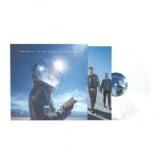
Das Talent von The Script, Songs voller berauschender Emotionen und immer monumentalerer Melodien
zu schreiben, hat Fans auf der ganzen Welt in seinen Bann gezogen – ein Erfolg, der zu einem Katalog
weltweiter Hits wie „Hall of Fame“, „The Man Who Can’t Be Moved“ und „Breakeven“ führte. Auf
ihrem nunmehr achten Studioalbum arbeitet Danny O’Donoghue wieder mit seinen Songwriting-Partnern
Andrew Frampton und Steve Kipner zusammen – jenen Hit-Garanten, mit denen er und Mark Sheehan
eine ganze Reihe der bekanntesten Songs von The Script schufen, darunter „Breakeven“ und „The Man
Who Can’t Be Moved“. Ebenfalls mit von der Partie ist Produzent und Songwriter Jimbo Barry („Hall
of Fame“, „Superheroes“, „The Last Time“). Die Lead-Single „Man In The Arena“ ist eine mitreißende,
trotzige Hymne – untermalt von packenden, martialischen Trommelrhythmen –, die all die Erfahrungen und
weltweiten Erfolge der Band aus den letzten zwei Jahrzehnten aufgreift und ihren Status als unumstrittene
Pop-Rock-Giganten festigt. Wie ihre leidenschaftliche und treue Fangemeinde nur zu gut weiß, besitzen
The Script zudem jene entscheidende Qualität: eine echte, emotionale und tief in der Seele verankerte
Verbindung. Genau diese belebende und verbindende Idee bildet das Herzstück von *The User’s Guide to
Being Human* – jenes Element, das in der Musik, im Leben und bei The Script über allem anderen steht.
Denn schließlich gilt: „Sag mir, was zur Hölle wir eigentlich tun, wenn wir als Menschen nicht einfach nur
menschlich sind.“
expected to be published on 14.08.2026
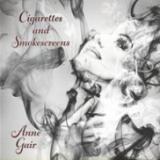
Anne has a passion for writing in alternative open tunings and her eclectic musical influences span blues, jazz, folk and country. Her new album Cigarettes and Smokescreens showcases her talent for storytelling. When not playing sold- out stages across the UK, you can find Anne in a field in the middle of nowhere with her two retired horses. This special album is now available as a vinyl LP pressed at Seabass Vinyl in Scotland, following an initial CD only release.
Anne Gair has toured extensively across the UK. She has played iconic venues including The Glasgow Royal Concert Hall, King Tuts Wah Wah, The 100 Club and The Voodoo Rooms. She has played festivals including Belladrum and Celtic Connections. "Anne has got the most stunning voice, It's very Joni Mitchell- esque. (Her music) is beautiful storytelling and gorgeous melodies." -- Anna Foster - BBC Radio "A voice that just soothes your soul" - Rambling Folk "(Anne's) voice is beautiful, just gorgeous" - Nerina Pallot
expected to be published on 07.08.2026

'Where the Smoke Goes captures the conscious and unconscious of Johnny Coley in duet between 2020-2024 AD. Alabama-born, Marseille-based artist Turner Williams Jr. wraps a selection of his dear friend Johnny’s penultimate compositions in arresting tone poems.
'The music buzzes and hums with distant trains, trembling strings, and lapping water, haloing our protagonist in a humid glow as he considers whether horses can live to 70 years old, cigarettes potent enough to knock you on your ass, and orchids facing the wrath of winter storms.
'This work began in the first Covid spring, as Johnny's advancing multiple sclerosis gave way to a permanent domestic confinement and a final period of prolific creativity. Johnny braved the toxic gales of social media to share his thriving poetry and visual art practice and to keep in touch with friends like Turner, who had recently moved abroad. For the first time, Johnny recorded himself, sending Turner fresh poems, day and night.
'Taking cues from late era Coil and the operas of Robert Ashley, Turner approached these recordings both as language and pure sound, arranging accompanying mosaics that emerge as much from Johnny’s unseen text as his mercurial drawl. Tracks draw from Turner’s solo practice as well as sessions including Henry Birdsey of Old Saw, members of the French underground (Manoir Molle, Loto Retina, Mona Assayag) and close Birmingham collaborators (Jasper Lee, Jimmy Griffin, Ladonna Smith). The voice is parsed and played as an instrument and each poem becomes a score.
'There is Johnny’s poetry and Johnny’s voice. These are two independent yet interwoven instruments. For Turner, Johnny's vocabulary, cadence, and timbre carry all of the contradictions that he writes about. His work is a dialogue of rich contradictions. "He plays with Southern American vernacular speech in his poetry while embodying it with his speech, creating a zone of emotional frisson. He loved combining opposites. Rough yet soft was one of his favourite descriptors", Turner recalls, "That was Johnny. ” Upon hearing the completed record, Johnny likened it to "a beautiful wood box, that when you open it there are fabrics shot through with silk threads and sharp fall woods smells - supporting and decorating the poems that fall out of them. ”
'This record captures something unconscious, atmospheric, and gives it unexpected materiality. Smoke that you can feel like grass under your feet. Stars that you can touch like a lover. Meeting for the final time in the summer or 2025, the time for words had passed so they just held hands and listened to the album opener Stargazer in silence as Johnny drifted off to sleep.'
expected to be published on 30.07.2026

Songs, interpretiert von Memphis Slim, Sonny Boy Williamson, Big Bill Broonzy und anderen. Als United Artists 1959 ,Blues in the Mississippi Night" endlich veröffentlichte - nachdem man das Album jahrelang als ,zu kontrovers" eingestuft hatte -, erhielten die mitwirkenden Künstler Pseudonyme, um ihre Familien zu schützen. Das war der Preis dafür, dass sie die brutale, ungeschönte Wahrheit aussprachen. Heute wissen wir, dass ,Natchez, Sib & Leroy" die legendären Bluesmusiker Big Bill Broonzy, Memphis Slim und Sonny Boy Williamson waren. 1947 nahm Alan Lomax die drei Giganten mit einem Presto-Disc-Aufnahmegerät in den Decca Studios in New York City auf, nachdem sie im Rahmen seiner ,Midnight Special"-Konzertreihe in der nahegelegenen Town Hall aufgetreten waren. Lomax bat sie, ein paar Songs zu spielen und über ,den Blues" zu sprechen, und ermutigte sie, offen über die Ungerechtigkeiten des Lebens der Schwarzen in Amerika zu reden. Das Ergebnis war ,Blues in the Mississippi Night", eine bahnbrechende Aufnahme ihrer Songs und Geschichten, die die Ursprünge der Musik in Blut, Schweiß und Tränen der Afroamerikaner aufzeigt, die im Mississippi-Delta unter den Ausbeutungsbedingungen der Jim-Crow-Gesetze lebten. Einfach gesagt: Die Aufnahmen sind atemberaubend in ihrer brutalen Ehrlichkeit und ihrer fesselnden Meisterschaft. Heute hat das Lomax-Archiv die Originalbänder dieser historischen Aufnahme digital remastert, um sie zum ersten Mal seit 1959 wieder auf Vinyl zu veröffentlichen. Im Paket enthalten ist ein 20-seitiges Deluxe-Booklet mit einer vollständigen Transkription der gesamten Aufnahme sowie brandneuen Liner Notes von Anna Lomax Wood und einer Einleitung des renommierten Schlagzeugers und Produzenten Steve Jordan (Rolling Stones, John Mayer). ,Ich fordere jeden, der das Leben und die Wahrheit liebt, auf, sich diese Aufnahme anzuhören", sagt Jordan. Wenn man sich die Texte und die Musik darin anhört, wird das schnell klar. Dies ist eine unverzichtbare Aufnahme - ein Eckpfeiler in der Plattensammlung jedes Blues-Fans und ein unbestreitbarer Teil der amerikanischen Geschichte.
expected to be published on 24.07.2026

Das 1962 erschienene ”Big Band Bossa Nova” ist Teil einer ganzen Reihe brasilianisch geprägter Alben
von Stan Getz (1962 ”Jazz Samba”, 1963 ”Jazz Samba Encore!”, 1964 ”Getz/Gilberto”), wobei er auf
dem von Creed Taylor produzierten und von Gary McFarland arrangierten und dirigierte Album mit der
Einbettung seines Tenorsaxofons in Big-Band-Arrangements überraschte. Für die Session verbanden Stan
Getz und Gitarrist Jim Hall, Trompeter Doc Severinsen, Bassist Tommy Williams und Schlagzeuger Johnny
Rae die Rhythmen von Samba und Bossa Nova mit packenden, kraftvollen orchestralen Arrangements.
Das Repertoire greift auf brasilianische Kompositionen zurück, wie Luiz Bonfás ”Manhã de Carnaval” oder
Antônio Carlos Jobim und Vinícius de Moraes’ ”Chega de Saudade”, sowie auf Material von McFarland
(”Balanço no Samba” oder ”Street Dance”) und mehr
expected to be published on 24.07.2026

2026 Repress
Marlon George is a British DJ and producer based in London renowned for his "slightly spacey, casually jazzy, and fully groovy house music," with support from names as illustrious as Kyle Hall and Jimpster. But really, if he's getting signed by the legendary Trelik, then that's all you need to know about his skills. He lays them bare across three tasteful cuts here, starting with the liquid dub of 'My Secrets Are Safe With Me' with its wispy shards of light piercing the water's surface and glistening against the dusty hi-hats. 'Najagen' has more drive but no less depth and warmth to it and 'Do The Rha!' is another smoky, minimal, heady dub house roller that sneaks right under your skin.

Mit gemeinsamen Aufnahmen mit den beiden amerikanischen Jazzlegenden Lee Konitz und Charles Lloyd
hatte sich der außergewöhnliche französische Pianist Michel Petrucciani in den frühen 1980er Jahren in die
internationalen Schlagzeilen gespielt. Auf “Power of Three”, seinem zweiten Album für Blue Note Records,
präsentierte sich der 23-jährige Pianovirtuose mal im Duo, mal im Trio mit zwei weiteren amerikanischen
Jazzgrößen: dem Gitarristen Jim Hall und dem Saxofonisten Wayne Shorter. Das 1986 beim Montreux
Jazz Festival live aufgenommene Album dokumentierte einen geradezu magischen Abend, an dem drei
Ausnahmemusiker aufeinandertrafen.
expected to be published on 03.07.2026

"Slime Wave 2" is the highly anticipated sequel to Hus Kingpin's 2019 album, immersing listeners into the gritty, yet hypnotic world of one of the waviest MC’s in underground hip-hop. Building upon the foundation laid by its predecessor, this album pushes boundaries, blending intricate lyricism with captivating production to create an auditory journey like no other.
Backed by an array of talented producers, the album's beats range from soulful and jazz-infused to hard-hitting and gritty, providing the perfect backdrop for Hus Kingpin's lyrical prowess. Each track is a sonic masterpiece, meticulously crafted to evoke a range of emotions and keep listeners captivated from start to finish.
"Slime Wave 2" features a killer lineup of guest appearances, adding layers of depth and diversity to the album's sonic landscape, with Bala No Judas, Shyheim, Supreme Cerebral, Skrilla and Tritty joingin Hus on this journey.
Behind the boards, a stellar lineup of producers brings their A-game to "Slime Wave 2," ensuring a diverse and immersive listening experience. From the legendary Madlib's signature soulful soundscapes to the gritty, boom-bap vibes of Macapella, Owltree, and Manny Megz, each producer leaves their indelible mark on the album, creating a rich tapestry of beats that perfectly complement Hus Kingpin's lavish lyricism.
Order now and we will order the item for you at our supplier.
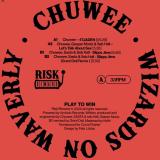
Risk/Reward’s third installment comes from Brooklyn-based California native Chuwee, a rising star with records in the bags of the scenes most discerning selectors. Teaming up with homies Sasta, Seb Hall and Gaspar Muniz to form the Wizards on Waverly, they deliver a wildly creative and versatile collection of funk-drenched floor fillers.
On the a side: 4TJADEN combines crunchy electro house drums with a twisting, monstrous analog bass lead and 80s synth pop strings, before euphoric chords and a killer acid line send this one in to the cosmos!
Let’s Talk About Sex is a big, bad, booty bouncing slice of West Coast electro funk. An ultra groovy and addictive bass line, naughty vocals, spooky synth lines and rays of acid sunshine straight from California, make for an infectious party cut that gets the floor rocking every time.
On to the b-side: Slippy Jim’s is a laid back, dubwise, chugger, perfect for warming up, day time sessions or late in the afters. Crunchy analog drums patter over a warm, playful bass groove, speckled with dubby stabs, an imposing synth lead and vintage Jamaican spoken word vocals transport you to Kingston after party where the rum and vibes flow in equal measure.
Pioneer of the dub tech house sound Grant Dell delivers a gargantuan remix, with enough weight to break even the sturdiest of scales. Chunky yet detailed drums, a sub-heavy & driving bass line, acid squelchs and dubbed out stabs create an absolute weapon of a track, with a truly epic breakdown featuring a legendary vocal that gets right under your skin and stays there.
Heavy support from Enzo Siragusa, Harry McCanna, Bushwacka!, Dyed Soundorom, Anna Wall, CHKLTE and more.

Clear Vinyl[25,00 €]
"Weejuns is all about interplay,"erklärt Gitarristin Mollestad. ,Bitches Blues besteht aus sechs Instrumentalstücken oder Musikabschnitten mit einer extremen Bandbreite an Dynamik. Einige basieren auf kräftigen Beats, während andere Stücke weitaus lyrischer und rubato sind. Die Bandbreite reicht von riffbasierten rockigen Stücken über lautes Chaos bis hin zu melancholischen Balladen und sogar völlig freien Improvisationen." Mit einem kultivierten und dennoch erfrischend instinktiven Ansatz, Instrumente und Einflüsse miteinander zu verflechten, wechselt Bitches Blues (ein ironischer Verweis auf Miles Davis' Album Bitches Brew) unvorhersehbar zwischen langsamen und sanften, klar gegliederten Songs mit disziplinierten Akkordfolgen und explosiven Ausbrüchen kathartischer und komplexer Strukturen. Weejuns (eine Slang-Abkürzung für ,Norwegians") stellten sich 2023 mit einem selbstbetitelten Doppel-Live-Album vor. Ursprünglich von Mollestad für das Kongsberg Jazz Festival zusammengestellt, wo sie mit dem renommierten Musicians Prize ausgezeichnet wurde, hat sich die Chemie innerhalb von Weejuns als dauerhaft und verlockend erwiesen, auch als Gegenpol zum bisher härtesten Album des Hedvig Mollestad Trios, Bees in the Bonnet aus dem Jahr 2025. Mollestad hat mit ihrem gleichnamigen Trio acht gefeierte Alben veröffentlicht. Das Markenzeichen ihrer 15-jährigen Karriere ist die Verschmelzung von ernsthaftem Können mit einem offensichtlichen Fokus darauf, Spaß am Klang zu finden. Als Tochter eines Jazzmusikers vertiefte sie sich in dessen Plattensammlung und studierte klassische Werke von Miles Davis, Charlie Parker, Joe Pass und Jim Hall, bevor sie in ihren 20ern Riff-gewaltige Titanen wie Led Zeppelin, Black Sabbath und Mahavishnu Orchestra entdeckte. Dies führte zur Gründung des Hedvig Mollestad Trios, dessen unermüdlicher Aufnahme- und Tourneeplan seit Anfang der 2010er Jahre der Gitarristin eine Reihe von Auszeichnungen einbrachte, darunter zwei norwegische Grammys (Spellemannprisen) und die Ernennung durch das DownBeat-Magazin zu einer der 25 Künstlerinnen, die ,den Jazz für Jahrzehnte prägen könnten". Ståle Storlokken (Bass, Synths) ist Gründer und langjähriges Mitglied von Supersilent und Elephant9, seit Mitte der 90er Jahre die ,rechte Hand" von Terje Rypdal und hat mit Motorpsycho auf Platte und auf der Bühne sowie mit unzähligen anderen zusammengearbeitet. Ole Mofjell (Drums) ist das jüngste Mitglied und spielt bei Krokofant, Signe Emmeluths Amoeba und seinem eigenen Free-Jazz-Trio 3 Days Of Maceration.
expected to be published on 17.04.2026
"Weejuns is all about interplay,"erklärt Gitarristin Mollestad. ,Bitches Blues besteht aus sechs Instrumentalstücken oder Musikabschnitten mit einer extremen Bandbreite an Dynamik. Einige basieren auf kräftigen Beats, während andere Stücke weitaus lyrischer und rubato sind. Die Bandbreite reicht von riffbasierten rockigen Stücken über lautes Chaos bis hin zu melancholischen Balladen und sogar völlig freien Improvisationen." Mit einem kultivierten und dennoch erfrischend instinktiven Ansatz, Instrumente und Einflüsse miteinander zu verflechten, wechselt Bitches Blues (ein ironischer Verweis auf Miles Davis' Album Bitches Brew) unvorhersehbar zwischen langsamen und sanften, klar gegliederten Songs mit disziplinierten Akkordfolgen und explosiven Ausbrüchen kathartischer und komplexer Strukturen. Weejuns (eine Slang-Abkürzung für ,Norwegians") stellten sich 2023 mit einem selbstbetitelten Doppel-Live-Album vor. Ursprünglich von Mollestad für das Kongsberg Jazz Festival zusammengestellt, wo sie mit dem renommierten Musicians Prize ausgezeichnet wurde, hat sich die Chemie innerhalb von Weejuns als dauerhaft und verlockend erwiesen, auch als Gegenpol zum bisher härtesten Album des Hedvig Mollestad Trios, Bees in the Bonnet aus dem Jahr 2025. Mollestad hat mit ihrem gleichnamigen Trio acht gefeierte Alben veröffentlicht. Das Markenzeichen ihrer 15-jährigen Karriere ist die Verschmelzung von ernsthaftem Können mit einem offensichtlichen Fokus darauf, Spaß am Klang zu finden. Als Tochter eines Jazzmusikers vertiefte sie sich in dessen Plattensammlung und studierte klassische Werke von Miles Davis, Charlie Parker, Joe Pass und Jim Hall, bevor sie in ihren 20ern Riff-gewaltige Titanen wie Led Zeppelin, Black Sabbath und Mahavishnu Orchestra entdeckte. Dies führte zur Gründung des Hedvig Mollestad Trios, dessen unermüdlicher Aufnahme- und Tourneeplan seit Anfang der 2010er Jahre der Gitarristin eine Reihe von Auszeichnungen einbrachte, darunter zwei norwegische Grammys (Spellemannprisen) und die Ernennung durch das DownBeat-Magazin zu einer der 25 Künstlerinnen, die ,den Jazz für Jahrzehnte prägen könnten". Ståle Storlokken (Bass, Synths) ist Gründer und langjähriges Mitglied von Supersilent und Elephant9, seit Mitte der 90er Jahre die ,rechte Hand" von Terje Rypdal und hat mit Motorpsycho auf Platte und auf der Bühne sowie mit unzähligen anderen zusammengearbeitet. Ole Mofjell (Drums) ist das jüngste Mitglied und spielt bei Krokofant, Signe Emmeluths Amoeba und seinem eigenen Free-Jazz-Trio 3 Days Of Maceration.
expected to be published on 17.04.2026

In ,Osni the Flare", dem zweiten Teil von Tristan Allens mythischer Trilogie, zeigt der Komponist, Produzent und Puppenspieler, wie ein Sterblicher durch die Entdeckung des Feuers zu einer Gottheit wird. ,Osni the Flare" wurde über vier Jahre hinweg mit wortlosen Gesängen, Orgeln, Okarinas, einer Menge Spielzeuginstrumenten und einem ausgeklügelten Sounddesign aufgenommen und erzählt in vier akustisch und visuell beeindruckenden Akten von den Ursprüngen der Flamme und der Zeitlichkeit. Allen webt einen Schöpfungsmythos, der zwischen Schönheit, Schatten und wehmütiger Glut wechselt, und schafft so ein Portal zu einem sorgfältig gestalteten, emotional kraftvollen Klang und einer Geschichte, die durch ein fantastisches Reich hallen. Allen wurde in Saratoga Springs, New York, geboren und hat Kindheitserinnerungen an den Aufenthalt seiner Familie in Japan. Sein Weg führte ihn zu prägenden Begegnungen, darunter mit seinem Lehrer Andy Lorio, der das wachsende Interesse und Können des jungen Musikers am Klavier durch Improvisationstechniken förderte, und Amanda Palmer, die ihn mit 16 Jahren während eines Sommerprogramms am Berklee College entdeckte und seine erste Veröffentlichung durch Crowdfunding finanzierte. Nachdem er an der Berklee Klavier studiert, das Live-Elektronik-Kollektiv Nue mitbegründet, mit der Metal-Band Dent durch China getourt und zwei Solo-Klavier-EPs veröffentlicht hatte, zog Allen 2018 von Boston nach Brooklyn. Eine Anzeige auf Craigslist führte zu einer Puppenspielausbildung bei Mike Leach, der ihnen sechs Monate lang beibrachte, wie man eine Marionette richtig führt, was ihnen eine Stelle als Darsteller am renommierten Puppetworks Theater einbrachte. Diese harte Arbeit, zusammen mit dem Kontakt zu den Artefakten des Bread and Puppet Theater ihres Vaters und dem balinesischen Schattenspiel, brachte Allen zu ihrer kreativen Praxis: Komponieren für akustische Instrumente, elektronisches Arrangieren und Auftritte mit Puppenspiel. Osni the Flare erzählt einen Schöpfungsmythos, in dem die Titelfigur in einem Garten aufwacht und Äpfel von einem Baum pflückt. Von einem Loon herbeigerufen, macht sich Osni auf, den Baum vor der Kälte des Winters zu schützen. Als der Loon von einem Drachen verschlungen wird, wagt sich Osni in dessen Bauch und entdeckt dort Glut. Als er diese Glut dem Baum anbietet, entzündet sich dieser - der Ursprung des Feuers selbst. Iso, der Gott des Meeres, greift mit einer Flut ein, die Osnis Garten überschwemmt. Nach seinem Tod gelangt Osnis Seele in das Reich der Schatten, wo sie sich Tin und Iso anschließt und zur Gottheit des Feuers wird - Osni the Flare. Das Album klingt menschlicher und kindlicher als sein Vorgänger ,Tin Iso and The Dawn" und wechselt von der Perspektive der Götter als Beobachter zu der des ersten sterblichen Charakters in Allens Welt. Unterstützt durch neue Liebe, kanalisiert das Projekt Gefühle in Musik, die zu einem ganz eigenen Zauber wird. Wie Tin Iso beginnt und endet das Album mit Klavierklängen als Portal, das die Heimat repräsentiert, während Osni sich auf eine Reise durch drei Reiche begibt: das Land der Lebenden, das Zwischenreich und das Jenseits. Osni the Flare wurde fast komplett mit einem Aston-Kondensatormikrofon in Allens Wohnung in Brooklyn mit Blick auf den Cypress Hills Friedhof aufgenommen und besteht aus Spielzeugklavier und Flöten, Okarinas, Harmonium, Pumporgel, E-Bass und Kontrabass, Gadgets und einer umfangreichen Sammlung von Spieluhren und Glocken. Die Gesangsmelodie - inspiriert vom Summen seiner Partnerin Virginia Garcia Ruiz, das an Pans Labyrinth erinnert - war Allens erster Ausflug in den Gesangsbereich, wobei er eine Melodie ohne Worte verwendete, um den Zuhörern zu ermöglichen, die Protagonisten zu bleiben. Die Flöten wurden Note für Note akribisch aufgenommen, darunter balinesische Sulings, Fundstücke aus chinesischen Souvenirläden und vogelförmige Okarinas. Die Spieluhren wurden langsam aufgezogen, einzeln gesampelt und dann neu arrangiert und gestimmt, um Virginias Summen zu verdoppeln. Ein ausgedientes Casio SK-1 mit einem kaputten Lautsprecher wird mit einem Harmonium kombiniert, um Akkordtexturen zu erzeugen. Stundenlange Improvisationen, die durch Bastl Thyme und NanoVerb geleitet wurden, erzeugten lange, ausklingende Delays, wobei die besten Momente für Songs ausgewählt wurden. Feuergeräusche entstanden durch Fingernagelklicken auf Klaviertasten. Feldaufnahmen hielten das Zerlegen eines Klavieruntergestells, das Löschen von Kerzen und Geräusche aus einem Hospiz fest. Die Stimme des Drachen spricht Worte aus Allens erfundener Sprache. Die Melodie liegt oft im Bass - inspiriert von Goth und Gamelan - mit nach oben gerichteten Verzierungen. Der detailreiche Ansatz spiegelt eine Punktierung wider, die Allens Original-Artwork für das Albumcover ähnelt und durch ihre obsessive Arbeit kleine Teile zu einem großen Bild zusammenfügt - unter der Dusche, vor dem Einschlafen, mitten im Satz. Das Klavier wurde von der Toningenieurin Katie Von Schleicher bei Figure 8 Recording neu aufgenommen, gemischt wurde das Album von Paul Corley. Der technische Leiter Jim Freeman arbeitete vier Monate lang am Halsgelenk und fünf Monate lang an den Schultern der Basswood-Stabpuppe, die von Bruce Schwartz' Ballerina inspiriert ist. Freeman verbrachte Jahre damit, ein selbstgebautes LED-System zu entwickeln, um das Puppenspiel von der Bühne aus zu beleuchten, und sein unwillkürliches Pfeifen während der Arbeit wurde heimlich aufgenommen und ist im Schlussmoment zu hören. Die Herstellung der Puppen wurde von Miryam Moutillet und Lauder Weldon überwacht, die hybriden Köpfe wurden von Duygu Bayar Ekren entworfen. Seit der Veröffentlichung von Tin Iso im Jahr 2023 hat Allen in der experimentellen Puppenspiel-Community von New York City eine Heimat gefunden und wird von der Jim Henson Foundation und La MaMa unterstützt. ,Osni the Flare" steht für Tristan Allens kontinuierliche Weltgestaltung mit akribischer Kontinuität - viele bewegliche Teile, die in funkelnder Kohäsion präsentiert werden, wobei sich jede Komponente aus einer Idee entwickelt, wie eine Fantasy-Serie, die im selben Reich spielt. Das Album erreicht das, was sich Allens kindliches Ich beim Anschauen von Fantasy-Filmen vorgestellt hat: Musik, die nicht so klingt, als würden Menschen Instrumente spielen, sondern wie das Werk der fantastischen Welt selbst. Durch die Kunst des Puppenspielers, ,wahre Lügen zu erzählen", lädt Allen die Zuhörer ein, etwas Ursprüngliches und Unmittelbares zu erleben. Während Osni sich von einem Sterblichen zu einer Gottheit verwandelt, zeichnet das Album nicht nur den Ursprung des Feuers nach, sondern auch den Ursprung des Mythos selbst.
expected to be published on 27.03.2026

Will Wood's very first LP displays a variety of genres, with a chaotic homemade anti-folk feel and an experimental edge. "Everything is a Lot" began its long production in 2014, when the singer-songwriter was still 20 years old and performing drunken alt-comedy at open mics. With no funding, Wood led a slapdash band into the studio to bring songs mainly from his teenage years to life, and the unstructured production process and youthful experimentation gave it a uniquely loose and chaotic feel. The debut LP's sound is defined by Wood's Jay Hawkins-esque vocal delivery, an out-of-tune old upright piano, wailing wind instruments, jangly guitar, high-powered yet loose drums, and sardonic overdriven kazoo solos. Delivering everything from swing jazz and twee indie pop to pseudo-mariachi and waltz, these sounds and their accompanying bizarre lyrics come together to match the existential title, "Everything is a Lot." Will Wood's early career can be primarily defined by his experimental vocal delivery, honky-tonk piano smashing, and darkly edgy songwriting. While his stylings have matured and taken on a more precise approach, his refusal to conform to expectations and constant shifts in the genre have continued to be hallmarks of his songwriting and production. In his "Will Wood and the Tapeworms" releases (Everything Is A Lot in 2015, SELF-iSH in 2016), audiences can see the first glimpses into what would eventually become his signature style, presented in a uniquely raw and chaotic state of potential.
Order now and we will order the item for you at our supplier.

Calvin Love is a Canadian singer-songwriter, composer, and producer from Edmonton, Alberta, now based between Edmonton and Los Angeles. With a sound that blends noir-tinged folk‑pop, crooning rock ’n’ roll, and cinematic storytelling, Love has become a distinctive voice in the international indie landscape. His music has drawn comparisons to Roy Orbison, Leonard Cohen, and Bryan Ferry, with Aquarium Drunkard describing his work as “a crestfallen soundtrack of near‑escape… like Chris Isaak trapped in a David Lynch film.”
Since his debut New Radar (2012), Love has released a run of acclaimed records including Super Future (Arts & Crafts, 2015), Highway Dancer (2018), Night Songs (2020), and Lavender (2021). Along the way, he has collaborated with renowned producers and artists such as Gus Seyffert (Beck, Roger Waters, Black Keys) and the late Richard Swift (The Shins, Damien Jurado), while earning coverage from outlets including SPIN, The Fader, Interview Magazine, and Stereogum.
A seasoned live performer, Love has toured extensively across North America, Europe, and Asia, appearing at festivals such as SXSW, Pop Montréal, Strawberry Festival (China), Endless Daze (South Africa), and Sled Island. He has shared stages with Morrissey, Mac DeMarco, Courtney Barnett, Jonathan Wilson, The Divine Fits, and Jim James, performing in iconic venues like Carnegie Hall, The Troubadour, and Hollywood Forever Cemetery.
In early February 2026, Love releases his seventh studio album, Throw My Shadow To The Sun — a bold, visceral statement that captures him at a new creative peak. Self‑produced and recorded by Reverend Baron at The Ladder Factory in East Los Angeles, the album channels raw, unfiltered energy into a late‑night rock ’n’ roll atmosphere built on moody grooves, gritty textures, and Love’s unmistakable croon.
The sessions brought together a formidable live band: Josh Da Costa (Drugdealer) on drums, Brent Randall (Vanity Mirror) on bass, Davey Chegwidden (De La Soul, Ghostface Killah, Raekwon, Too Short) on percussion, Jeremy Brian Gill (Curtis Harding) on tenor saxophone and flutes, Daniel E. Garcia (Reverend Baron) on lead guitars, and multi‑instrumentalist Laena Myers (White Fence, Orville Peck, El Mariachi Bronx) on violin.
From the hypnotic sway of “Underneath It All,” to the reverb‑drenched sax of “Forever Feels,” to the heavy sludge‑rock crush of “Setting Sun,” Throw My Shadow To The Sun draws from the lyrical storytelling of Dire Straits, the laid‑back blues of JJ Cale, and the timeless melodic drama of Roy Orbison. The result is a cohesive, lived‑in record that transforms fleeting moments and late‑night impressions into something enduring and cinematic.
expected to be published on 20.03.2026
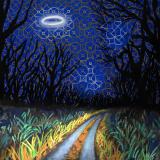
3 track 7" EP from Bristol emo / folk / punk trio Toodles & The Hectic Pity.
Where the debut Toodles LP was a collection of very intensely personal songs, this record comprises three songs that are closer to short stories than personal writing. All three are from imagined perspectives: the perspective of a cat, someone who may or may not be being abducted by a UFO, and people who live in a hotel respectively. They’re all nighttime songs.
The title 'Every Night is a Beautiful Night' pays homage to the 1950 film Harvey starring Jimmy Stewart, who remarks early on in the film “Why, every day is a beautiful day.”
Recorded at JT Soar, Nottingham in March 2025. It was produced and recorded by Phil Booth and Robin Newman, mixed by Robin Newman and mastered by Ed Hall at All Silk Mastering House. The artwork is by Emily Seffar.
expected to be published on 20.03.2026

The last time Noir embarked on a similar creative exorcism was for 2012's Jimmy's Show LP which selected choice cuts from 18 E.P. 's released via straight to fan subscription over as many months. The resulting album is one of his most lauded and beloved by fans, with the vinyl now selling for silly money on Discogs.
Programmes for Cools is Jimmy's Show's spiritual successor, idiosyncratic, other worldly and brimming with timeless melodies. Noir's influences seep through the track list, wrapped with a haunting, dreamlike delivery.
First single 'Out Of Sight' is a Fleetwood Mac meets Selected Ambient Works era Richard D James, four to the floor banger. Already a fan favourite, it propels Side A forward with a somewhat misplaced optimism, much like Neil Young's 'Walk On' starting On the Beach.
Side B is more esoteric, exemplified by 'Fireworks’which includes lyrics and vocals from Marie Claude Dequoy,produced with the wooze of golden era Boards of Canada. Elsewhere, influences as disparate as Stevie Wonder, on the wonky clav funk of 'The Fountain', and Ian Brown 'I think I found it' illustrate Noir's disregard for musical straightjackets (the latter may have the most unapologetic baggy, hypnotic groove since the Mondays' 'Halleluiah').
As the album swells to its conclusion, via the epic Led Zeppelin meets the Warhol clique 'Morning Light’and the heart tugging finale of 'Motorbike’(the first song released from the most recent run of E.P.'s), there is a sense of completion and finality...
‘This is the last Jim Noir album. There are no more Jim Noir albums after this one. This time I'm serious. It's been the hardest I've ever worked on anything. I think I have created my own Be Here Now...Sorry.’
Joking and hyperbole aside, the album has more of an Abbey Road feel, and needs to be experienced in one sitting. If the infamous Davyhulme prankster is to be believed and this is his final outing, then you could wish for a more fitting album. - NM
expected to be published on 20.02.2026

Blues, country and folk or funk, rock and soul – Broussard always gives his songs a very special touch; here he reaches his peak performance!
Acclaimed soul singer and songwriter Marc Broussard returns with his new studio album, "S.O.S. V: Songs Of The 50's," paying homage to the timeless classics of the 1950s. With his unmistakable, warm soul voice, Broussard interprets timeless songs by legends such as Ray Charles, Sam Cooke, Nat King Cole, and Fats Domino—complemented by his own original composition that fits seamlessly into the era. The album is the fifth installment in his successful S.O.S. (Save Our Soul) benefit series, with proceeds once again benefiting the non-profit organization Love Of People in his hometown of Lafayette, Louisiana. His latest charity album, "S.O.S. 4: Blues For Your Soul" (2023), a collaboration with blues icon Joe Bonamassa, benefited the Keeping The Blues Alive Foundation and the organization Guitars Over Guns – and debuted at number 1 on the Billboard Blues Albums chart.
expected to be published on 06.02.2026
