
Cerca:robert luis
9
DJ Support: Garnier, Opolopo, Worldwide FM, Marcia Carr, Bill Brewster, Timeout Moscow, Craig Smith, Delfonic, Tony Nwachukwu, Marcel Dettmann, DJ Rocca, Shuya Okino, Borrowed Identity, Titonton Duvante, Alex Attias, Rainer Truby, Sol Power All-Stars, Kyri R2, Robert Luis, Severino Panzetta, Lars Behrenroth, Kassian, Alkalino, Getdown Edits, Moodymanc, Gerd, Lea Lisa, Young Pulse, Mark de Clive-Lowe, Mark Grusane, Alex Barck….
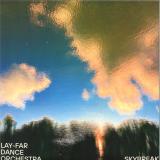
International dance music heavyweight, producer and DJ Alexander Lay-Far returns with a powerful new chapter - Lay-Far Dance Orchestra (LFDO) - a fully-fledged live band project that reconnects him with his jazz-funk and fusion DNA while pushing dance music forward with unmistakable groove, musicianship and emotional weight. Formed in early 2024, LFDO is no nostalgia exercise. With Lay-Far at the helm as bassist, bandleader, composer, arranger and sound engineer, the orchestra has already been turning heads with explosive live performances, reinventing classic Lay-Far cuts, and now unveil their first album “Skybreak” with all new and original material written and produced by Lay-Far together with his bandmates and star guests, including Lipelis, Antoha MC and Seven Davis Jr. This work shows the departure from the predominantly electronic sound of Lay-Far's previous solo albums in favour of live instrumentation recorded to analogue tape and effortlessly bridging the gap between Jazz, Library Music, Disco-Funk, House, Broken Beat and Drum’n’Bass. “Skybreak” is dynamic, passionate, spiritual, cinematic, playful, heartfelt, life-affirming, dreamy and deeply romantic. Ultimately, there’s something profoundly romantic in recording and releasing such music in this day and age!
“Take Flight (Part 1)” is opening the album with style. It takes us on a beautifully orchestrated journey, blending the sensuality of Library Music with high-octane Jazz-Funk and raw b-boy breaks, propelled by breathtaking flute and Rhodes solos of Timur Nekrasov and Maxim Glonti. This aural symbiosis of “beauty and the beats” will become more and more prominent as the album unfolds.
It’s time for “Aquarius Love” created with the inimitable artist and vocalist Seven Davis Jr. (Secret Angels, Ninja Tune). In this composition cinematic soul and heavy jazz meet the restless energy of live drum & bass with deep and heartfelt vocals - timeless sound combined with a timeless message about love and life!
Next is “Head In The Clouds” - a theme for an imaginary rom-com, an ode to all the dreamers - sweet, light, naive and heartwarming. Space-Disco-Funk at its best!
“Where You From” is a fiery Soulful House number with heavy Afro-Latin influences recorded in collaboration with Lipelis. It’s full of Sun, joy and passion. Its irresistible rhythm is emphasised by funky octave bass, wah-wah guitar, catchy piano riffs, guitar solo by Lipelis and seemingly light conscious message delivered by Lay-Far and Maryag. Summer is here!
Now the album takes an unexpected twist in the form of “The Harp of Boom” which at first glance appears to be a classic-sounding Boom-Bap banger. Yes, It’s loud, raw, and gritty, yet it gradually evolves into something delicately-touching and deeply-soulful thanks to a memorable flute melody and lush string arrangement. Definitely recorded with tongue in cheek.
Next is “Feel The Moment” a remarkable collaboration with one of the most recognisable and distinctive Russian artists, singer, trumpeter and cultural icon Antoha MC. It’s a feel-good song, hopeful, life-affirming and bittersweet. A stylish excursion into Brit-Funk and Soviet Jazz-Fusion sound, drawing inspiration from the likes of Atmosfear, Light Of The World or Soviet Jazz bands like Allegro and Arsenal, but reimagining the influences through the modern West London broken beat lens.
The spectacular music journey continuous with “Take Flight (Part 2)” - it’s all about the deep infectious jazz-funk groove, heavy beats, rolling percussion and the glory of the soloing instruments - saxophone and flute by Timur Nekrasov, demonstrating the wide range of emotions from thoughtful and lyrical to restless and borderline vicious. One for freestyle dancing!
As the album draws to an end a vibrant musical triptych “Soul Constant” awaits, mixing together the deep and sensual mood of spiritual jazz with heavy syncopated drum’n’bass rhythms by Michail Fotchenkov, lush orchestration, expressive saxophone solos and the ending which can simply be described as “aural bliss”. It’s breath-taking!
A pleasant bonus is the exclusive version of “Where You From” by Lipelis himself, who is taking it into dub territories, further enhancing the rhythm section and enriching the song with his trademark playful synth flourishes and dreamy guitar solos for maximum effect (and appeal).
The album “Skybreak” by Lay-Far Dance Orchestra is the work of real artistry and craftsmanship with timeless sound that’s not only deeply-rooted but also forward-thinking.


- A6: Anthony Hamilton & Elayna Boynton– Freedom, Acoustic Guitar – Elayna Boynton, Co-Producer – Daniel Beard, Mixed By, Mastered By – Daniel Beard, Duane Allen (2), Piano, Electric Piano
- B7: Don Johnson And Christoph Waltz– Five-Thousand-Dollar Nigga's And Gummy-Mouth Bitches, Written-By
- B9: Don Straud– Sneaky Schultz And The Demise Of Sharp, Written-By
- B12: Rick Ross With Walton Goggins And Jamie Foxx– 100 Black Coffins, Engineer
- Recorded | By
- C14: Samuel L Jackson, Leonardo Dicaprio And Christoph Waltz– Hildi's Hot Box, Written-By
- C17: James Brown And 2Pac With James Russo (2), Christoph Waltz And Jamie Foxx– Unchained (The Payback / Untouchable), Mixed By
- D19: Brother Dege– Too Old To Die Young, Lyrics By, Music By – Dege Legg, Mastered By – Bruce Barielle, Mixed By – Dege Legg, Primo (9), Tony Daigle, Producer – Dege Legg, Primo (9), Tony Daigle, Recorded By – Dege Legg, Vocals, Resonator Guitar
- D20: Samuel L Jackson And Jamie Foxx– Stephen The Poker Player, Written-By
- D22: Samuel L Jackson And Jamie Foxx– Six Shots Two Guns, Written-By
- D23: Annibale E I Cantori Moderni*– Trinity Titoli, Composed By – Franco Micalizzi, L Stott*, Conductor
- A1: James Russo (2)– Winged, Written-By
- A4: Jamie Foxx And Christoph Waltz– "In That Case Django, After You ..", Written-By
- A2: Luis Bacalov, Rocky Roberts– Django Theme Song (English Version), Written-By – Luis Bacalov
- A3: Ennio Morricone– The Braying Mule, Written-By – Ennio Morricone
- A5: Luis Bacalov, Edda Dell'orso– Main Titles Theme Song (Lo Chiamavano King), Written-By – Luis Bacalov
- B8: Luis Bacalov– La Corsa (2Nd Version), Written-By – Luis Bacalov
- B10: Jim Croce– I Got A Name, Written-By – Charles Fox, Norman Gimbel
- B11: Riz Ortolani– I Giorni Dell'ira, Conductor – Riz Ortolani, Written-By – Riziero Ortolani*
- C13: Jerry Goldsmith Featuring Pat Metheny– Nicaragua, Soloist – Pat Metheny, Written-By – Jerry Goldsmith
- C15: Ennio Morricone– Sister Sara's Theme, Written-By – Ennio Morricone
- C16: Elisa– Ancora Qui, Written-By – Elisa Toffoli, Ennio Morricone
- D21: Ennio Morricone– Un Monumento, Written-By – Ennio Morricone
a A1 James Russo (2)– Winged, Written-By Dialogue – Quentin Tarantino
d A4 Jamie Foxx And Christoph Waltz– "In That Case Django, After You...", Written-By [Dialogue] – Quentin Tarantino
[f] A6 Anthony Hamilton & Elayna Boynton– Freedom, Acoustic Guitar – Elayna Boynton, Co-producer – Daniel Beard, Mixed By, Mastered By – Daniel Beard, Duane Allen (2), Piano, Electric Piano [Wurlitzer], Bass, Electric Guitar, Acoustic Guitar, Programmed By, Percussion – Kelvin Wootenm, Producer – Kelvin Wooten, Recorded By – Daniel Beard, Kelvin Wooten, Vocals, Backing Vocals – Anthony Hamilton, Elayna Boynton, Written-By – Anthony Hamilton, Elayna Boynton, Kelvin Wooten
[g] B7 Don Johnson And Christoph Waltz– Five-Thousand-Dollar Nigga's And Gummy-Mouth Bitches, Written-By [Dialogue] – Quentin Tarantino
[i] B9 Don Straud– Sneaky Schultz And The Demise Of Sharp, Written-By [Dialogue] – Quentin Tarantino
[l] B12 Rick Ross With Walton Goggins And Jamie Foxx– 100 Black Coffins, Engineer [Recording Engineer] – Isaiah Pryor, Phillip "Logann" Scott III*, Guitar – Charlie Burrel*, Lyrics By – Jamie Foxx, Rick Ross, Mixed By – Jaycen Joshua, Mixed By [Assisted] – Trehy Harris, Music By – Jamie Foxx, Producer – Ainz "Brainz" Dimilo*, Jamie Foxx
[m] Recorded By [Rick Ross's Vocals] – John Rivers*, Written-By [Dialogue] – Quentin Tarantino
[o] C14 Samuel L. Jackson, Leonardo DiCaprio And Christoph Waltz– Hildi's Hot Box, Written-By [Dialogue] – Quentin Tarantino
[r] C17 James Brown And 2Pac With James Russo (2), Christoph Waltz And Jamie Foxx– Unchained (The Payback / Untouchable), Mixed By [The Payback], Edited By [The Payback] – Claudio Cueni, Voice [As Ace Speck] – James Remar, Written-By [Dialogue] – Quentin Tarantino, Written-By [The Payback] – Fred Wesley, James Brown, John Starks*, Written-By [Untouchable (Swizz Beatz Remix)] – Anthony Henderson, Bruce Washington, Kasseem Dean*, Tupac Amaru Shakur*, Yafeu Fula, D18 John Legend– Who Did That To You?, Performer [Sample] – The Mighty Hannibal, Producer – Paul Epworth, Written-By – James T. Shaw (The Mighty Hannibal)*, John Stephens (3), Paul Epworth
[s] D19 Brother Dege– Too Old To Die Young, Lyrics By, Music By – Dege Legg, Mastered By – Bruce Barielle, Mixed By – Dege Legg, Primo (9), Tony Daigle, Producer – Dege Legg, Primo (9), Tony Daigle, Recorded By – Dege Legg, Vocals, Resonator Guitar [Slide/Dobro], Body Percussion [Stomps], Handclaps [Claps] – Dege Legg
[t] D20 Samuel L. Jackson And Jamie Foxx– Stephen The Poker Player, Written-By [Dialogue] – Quentin Tarantino
[v] D22 Samuel L. Jackson And Jamie Foxx– Six Shots Two Guns, Written-By [Dialogue] – Quentin Tarantino
[w] D23 Annibale E I Cantori Moderni*– Trinity: Titoli, Composed By – Franco Micalizzi, L. Stott*, Conductor [Orchestra Directed By] – M° Gianfranco Plenizio*
[a] A1 James Russo (2)– Winged, Written-By [Dialogue] – Quentin Tarantino
[d] A4 Jamie Foxx And Christoph Waltz– "In That Case Django, After You...", Written-By [Dialogue] – Quentin Tarantino
[f] A6 Anthony Hamilton & Elayna Boynton– Freedom, Acoustic Guitar – Elayna Boynton, Co-producer – Daniel Beard, Mixed By, Mastered By – Daniel Beard, Duane Allen (2), Piano, Electric Piano [Wurlitzer], Bass, Electric Guitar, Acoustic Guitar, Programmed By, Percussion – Kelvin Wootenm, Producer – Kelvin Wooten, Recorded By – Daniel Beard, Kelvin Wooten, Vocals, Backing Vocals – Anthony Hamilton, Elayna Boynton, Written-By – Anthony Hamilton, Elayna Boynton, Kelvin Wooten
[g] B7 Don Johnson And Christoph Waltz– Five-Thousand-Dollar Nigga's And Gummy-Mouth Bitches, Written-By [Dialogue] – Quentin Tarantino
[i] B9 Don Straud– Sneaky Schultz And The Demise Of Sharp, Written-By [Dialogue] – Quentin Tarantino
[l] B12 Rick Ross With Walton Goggins And Jamie Foxx– 100 Black Coffins, Engineer [Recording Engineer] – Isaiah Pryor, Phillip "Logann" Scott III*, Guitar – Charlie Burrel*, Lyrics By – Jamie Foxx, Rick Ross, Mixed By – Jaycen Joshua, Mixed By [Assisted] – Trehy Harris, Music By – Jamie Foxx, Producer – Ainz "Brainz" Dimilo*, Jamie Foxx
[m] Recorded By [Rick Ross's Vocals] – John Rivers*, Written-By [Dialogue] – Quentin Tarantino
[o] C14 Samuel L. Jackson, Leonardo DiCaprio And Christoph Waltz– Hildi's Hot Box, Written-By [Dialogue] – Quentin Tarantino
[r] C17 James Brown And 2Pac With James Russo (2), Christoph Waltz And Jamie Foxx– Unchained (The Payback / Untouchable), Mixed By [The Payback], Edited By [The Payback] – Claudio Cueni, Voice [As Ace Speck] – James Remar, Written-By [Dialogue] – Quentin Tarantino, Written-By [The Payback] – Fred Wesley, James Brown, John Starks*, Written-By [Untouchable (Swizz Beatz Remix)] – Anthony Henderson, Bruce Washington, Kasseem Dean*, Tupac Amaru Shakur*, Yafeu Fula, D18 John Legend– Who Did That To You?, Performer [Sample] – The Mighty Hannibal, Producer – Paul Epworth, Written-By – James T. Shaw (The Mighty Hannibal)*, John Stephens (3), Paul Epworth
[s] D19 Brother Dege– Too Old To Die Young, Lyrics By, Music By – Dege Legg, Mastered By – Bruce Barielle, Mixed By – Dege Legg, Primo (9), Tony Daigle, Producer – Dege Legg, Primo (9), Tony Daigle, Recorded By – Dege Legg, Vocals, Resonator Guitar [Slide/Dobro], Body Percussion [Stomps], Handclaps [Claps] – Dege Legg
[t] D20 Samuel L. Jackson And Jamie Foxx– Stephen The Poker Player, Written-By [Dialogue] – Quentin Tarantino
[v] D22 Samuel L. Jackson And Jamie Foxx– Six Shots Two Guns, Written-By [Dialogue] – Quentin Tarantino
[w] D23 Annibale E I Cantori Moderni*– Trinity: Titoli, Composed By – Franco Micalizzi, L. Stott*, Conductor [Orchestra Directed By] – M° Gianfranco Plenizio*
[a] A1 | James Russo (2)– Winged, Written-By [Dialogue] – Quentin Tarantino
[d] A4 | Jamie Foxx And Christoph Waltz– "In That Case Django, After You ..", Written-By [Dialogue] – Quentin Tarantino
[f] A6 | Anthony Hamilton & Elayna Boynton– Freedom, Acoustic Guitar – Elayna Boynton, Co-producer – Daniel Beard, Mixed By, Mastered By – Daniel Beard, Duane Allen (2), Piano, Electric Piano [Wurlitzer], Bass, Electric Guitar, Acoustic Guitar, Programmed By, Percussion – Kelvin Wootenm, Producer – Kelvin Wooten, Recorded By – Daniel Beard, Kelvin Wooten, Vocals, Backing Vocals – Anthony Hamilton, Elayna Boynton, Written-By – Anthony Hamilton, Elayna Boynton, Kelvin Wooten
[g] B7 | Don Johnson And Christoph Waltz– Five-Thousand-Dollar Nigga's And Gummy-Mouth Bitches, Written-By [Dialogue] – Quentin Tarantino
[i] B9 | Don Straud– Sneaky Schultz And The Demise Of Sharp, Written-By [Dialogue] – Quentin Tarantino
[l] B12 | Rick Ross With Walton Goggins And Jamie Foxx– 100 Black Coffins, Engineer [Recording Engineer] – Isaiah Pryor, Phillip "Logann" Scott III*, Guitar – Charlie Burrel*, Lyrics By – Jamie Foxx, Rick Ross, Mixed By – Jaycen Joshua, Mixed By [Assisted] – Trehy Harris, Music By – Jamie Foxx, Producer – Ainz "Brainz" Dimilo*, Jamie Foxx
[m] Recorded | By [Rick Ross's Vocals] – John Rivers*, Written-By [Dialogue] – Quentin Tarantino
[o] C14 | Samuel L Jackson, Leonardo DiCaprio And Christoph Waltz– Hildi's Hot Box, Written-By [Dialogue] – Quentin Tarantino
[r] C17 | James Brown And 2Pac With James Russo (2), Christoph Waltz And Jamie Foxx– Unchained (The Payback / Untouchable), Mixed By [The Payback], Edited By [The Payback] – Claudio Cueni, Voice [As Ace Speck] – James Remar, Written-By [Dialogue] – Quentin Tarantino, Written-By [The Payback] – Fred Wesley, James Brown, John Starks*, Written-By [Untouchable (Swizz Beatz Remix)] – Anthony Henderson, Bruce Washington, Kasseem Dean*, Tupac Amaru Shakur*, Yafeu Fula, D18 John Legend– Who Did That To You?, Performer [Sample] – The Mighty Hannibal, Producer – Paul Epworth, Written-By – James T Shaw (The Mighty Hannibal)*, John Stephens (3), Paul Epworth
[s] D19 | Brother Dege– Too Old To Die Young, Lyrics By, Music By – Dege Legg, Mastered By – Bruce Barielle, Mixed By – Dege Legg, Primo (9), Tony Daigle, Producer – Dege Legg, Primo (9), Tony Daigle, Recorded By – Dege Legg, Vocals, Resonator Guitar [Slide/Dobro], Body Percussion [Stomps], Handclaps [Claps] – Dege Legg
[t] D20 | Samuel L Jackson And Jamie Foxx– Stephen The Poker Player, Written-By [Dialogue] – Quentin Tarantino
[v] D22 | Samuel L Jackson And Jamie Foxx– Six Shots Two Guns, Written-By [Dialogue] – Quentin Tarantino
[w] D23 | Annibale E I Cantori Moderni*– Trinity Titoli, Composed By – Franco Micalizzi, L Stott*, Conductor [Orchestra Directed By] – M° Gianfranco Plenizio*
[a] A1 | James Russo (2)– Winged, Written-By [Dialogue] – Quentin Tarantino
[d] A4 | Jamie Foxx And Christoph Waltz– "In That Case Django, After You ..", Written-By [Dialogue] – Quentin Tarantino
[f] A6 | Anthony Hamilton & Elayna Boynton– Freedom, Acoustic Guitar – Elayna Boynton, Co-producer – Daniel Beard, Mixed By, Mastered By – Daniel Beard, Duane Allen (2), Piano, Electric Piano [Wurlitzer], Bass, Electric Guitar, Acoustic Guitar, Programmed By, Percussion – Kelvin Wootenm, Producer – Kelvin Wooten, Recorded By – Daniel Beard, Kelvin Wooten, Vocals, Backing Vocals – Anthony Hamilton, Elayna Boynton, Written-By – Anthony Hamilton, Elayna Boynton, Kelvin Wooten
[g] B7 | Don Johnson And Christoph Waltz– Five-Thousand-Dollar Nigga's And Gummy-Mouth Bitches, Written-By [Dialogue] – Quentin Tarantino
[i] B9 | Don Straud– Sneaky Schultz And The Demise Of Sharp, Written-By [Dialogue] – Quentin Tarantino
[l] B12 | Rick Ross With Walton Goggins And Jamie Foxx– 100 Black Coffins, Engineer [Recording Engineer] – Isaiah Pryor, Phillip "Logann" Scott III*, Guitar – Charlie Burrel*, Lyrics By – Jamie Foxx, Rick Ross, Mixed By – Jaycen Joshua, Mixed By [Assisted] – Trehy Harris, Music By – Jamie Foxx, Producer – Ainz "Brainz" Dimilo*, Jamie Foxx
[m] Recorded | By [Rick Ross's Vocals] – John Rivers*, Written-By [Dialogue] – Quentin Tarantino
[o] C14 | Samuel L Jackson, Leonardo DiCaprio And Christoph Waltz– Hildi's Hot Box, Written-By [Dialogue] – Quentin Tarantino
[r] C17 | James Brown And 2Pac With James Russo (2), Christoph Waltz And Jamie Foxx– Unchained (The Payback / Untouchable), Mixed By [The Payback], Edited By [The Payback] – Claudio Cueni, Voice [As Ace Speck] – James Remar, Written-By [Dialogue] – Quentin Tarantino, Written-By [The Payback] – Fred Wesley, James Brown, John Starks*, Written-By [Untouchable (Swizz Beatz Remix)] – Anthony Henderson, Bruce Washington, Kasseem Dean*, Tupac Amaru Shakur*, Yafeu Fula, D18 John Legend– Who Did That To You?, Performer [Sample] – The Mighty Hannibal, Producer – Paul Epworth, Written-By – James T Shaw (The Mighty Hannibal)*, John Stephens (3), Paul Epworth
[s] D19 | Brother Dege– Too Old To Die Young, Lyrics By, Music By – Dege Legg, Mastered By – Bruce Barielle, Mixed By – Dege Legg, Primo (9), Tony Daigle, Producer – Dege Legg, Primo (9), Tony Daigle, Recorded By – Dege Legg, Vocals, Resonator Guitar [Slide/Dobro], Body Percussion [Stomps], Handclaps [Claps] – Dege Legg
[t] D20 | Samuel L Jackson And Jamie Foxx– Stephen The Poker Player, Written-By [Dialogue] – Quentin Tarantino
[v] D22 | Samuel L Jackson And Jamie Foxx– Six Shots Two Guns, Written-By [Dialogue] – Quentin Tarantino
[w] D23 | Annibale E I Cantori Moderni*– Trinity Titoli, Composed By – Franco Micalizzi, L Stott*, Conductor [Orchestra Directed By] – M° Gianfranco Plenizio*

RedNilo is an Italian-Moroccan duo composed of Reda Zine and Danilo Mineo, two musicians based in Bologna linked by a deep passion
for world music, particularly African music. Their ongoing and tireless musical exploration has led them to collaborate for over a decade
on numerous artistic and recording projects. Their new album, eponymously titled RedNilo, features six tracks characterized by a sound
reminiscent of Gnawa, Hassani, Tuareg, and experimental rock. The psychedelic, raspy riffs of the electric guitar, the repetitive rhythms
of the percussion, and the rhythmic-melodic lines of the guembri represent and evoke their journey. The resulting sound material is the
culmination of their journey and their encounters with masters, artists, griots, artisans, and instrument makers in the Draa Valley in
southeastern Morocco, bringing together the two musicians' urban and experimental backgrounds and souls. The album's artwork was
designed by Moroccan artist Aali Wica, initiator and mentor of their spiritual and artistic journey to the southern African continent,
across the long black snake.
Réda Zine, a musician and documentary filmmaker born in 1977 in Casablanca, launched his musical career in the 1990s, contributing
to L'Boulevard, Africa's largest independent festival. Raised in the Casablanca medina, he was introduced to Gnawa music by various
Maallems. After studying at the Paris 3 Sorbonne University, he founded Café Mira, a project that has performed at several international
events.
From 2011 to 2014, Zine was artistic director for Creative Commons (Middle East and North Africa), where he won the #CC10 Korea
award in 2012 with the project "It will be Wonderful," which brought together musicians from over 12 countries. He has also been
involved in exhibitions on music and censorship, participating in events in major cities such as Paris, Buenos Aires, and Seoul. In Italy,
he continued his musical research with the Hardonik project and was part of the Afrobeat group Voodoo Sound Club, recording the
album Mamy Wata. Zine collaborates with artists such as Seun Kuti and has initiated educational activities related to Gnawa music,
contributing to initiatives such as the African Symphony Laboratory for improvisers. He is the co-founder of Fawda, a Gnawa-based
project, and is part of the Gnawa Rumi collective, which explores the music of the Moroccan diaspora in Italy. He directed the documentary "The Long Road to the Hall of Fame" about Public Enemy, which won an award at the Pan African Film Festival in 2015.
Danilo Mineo graduated as a national educator from the AMMnationalscholl music academy in Milan, with a thesis entitled "Afro-Cuban
Music and the Rhythm Section." Over the years, he has attended workshops and masterclasses with international artists and masters
of percussion and drums, including Horacio El Negro Hernandez, Airto Moreira, Trilok Gurtu, Luis Agudo, Arto Tuncboyaciyan, Dudu
Tucci, Dom Famularo, Karl Potter, Rodney Barreto, and Eno Zangoun, exploring the rhythmic language of various musical genres and
styles.
In addition to publishing several educational manuals for percussionists, music critics consider him a versatile percussionist, active in
various musical productions and recordings: Mop Mop, Fawda, Guglielmo Pagnozzi "Voodoo Sound Club," Fabrizio Puglisi "Guantanamo," Panaemiliana, The Mixtapers, and many others, with whom he has performed at numerous national and international music festivals (in Europe and Africa). As a percussionist and side man he has recorded numerous albums and collaborated with Italian and
international artists including: Giancarlo Schiaffini, Gianluca Petrella, Roy Paci, Roberto Freak Antoni, Famoudou Konate, Melaku Belay, Baba Sissoko, Kalifa Kone, Jamal Ouassini, Deda, Dj Lugi, Bioshi.

Since being discovered by the Mainz-based lounge label “Wohnton” in 2003, Flashbaxx’s jazz and funky
beats have been featured on international compilations—including releases on Sony Music, EMI, and
Ministry of Sound. His productions appear alongside artists such as Moby, Jazzanova, Blank & Jones, Die
Fantastischen Vier and Bonobo and are regularly played by renowned DJs and tastemakers like Rainer
Tru by (Compost, DE), Robert Luis (Tru Thoughts, UK), and Mark Farina (OM Records, US).
His latest EP Take Care My Friend (NuNorthern Soul, UK / 2022) was enthusiastically received by the scene.
For the remix EP (NuNorthern Soul, UK / 2023), he brought on board renowned producers such as Atjazz
and Moods.
In his "feel-good" DJ sets, he effortlessly blends various styles, ranging from downbeat to house with
elements of disco, boogie, jazz and funk. Since 2024, Flashbaxx has been performing again as an electronic
live act, showcasing his unique mash-ups of disco and house classics. His high-energy performances have
already taken him to legendary clubs like the KitKat Club in Berlin. In June 2025 selected tracks from his live
set will be released as “Gazelle” EP on the newly founded label Groovers Trax (Leipzig), fulfilling his longheld
dream of creating an uncompromising house record with a disco twist.
Repress
I lean upon this,
I lean on all of this
and I know
her dress upon my arm
but
they will not
give her back to me.
Early support: Truss, Tommy Four Seven, Truncate, Marcel Dettmann, Psyk, AnD, Pfirter, Eomac, Perc, Rebekah, Svreca, Paula Temple, Dax J, Joseph Capriati, Joachim Spieth, Henning Baer, Lag, Takaaki Itoh, Go Hiyama, D. Carbone, Par Grindvik, Max M, Wire, Paul Mac, Kriz, Octave, Drvg Cvltvre, Dimi Angelis, Joe Farr, Ryuji Takeuchi, Slam, Rivet, Gary Beck, Nuno dos Santos, Manni Dee, Luis Ruiz, Mark Morris, Mattias Woot, Mike Darkfloor, Erphun, Radial, Exium, P.E.A.R.L., Mr. Jones, Joseph Mcgeechan, Joton, UVB, Juho Kusti, Aiken, Operator, Jeff Rushin, Martyn Hare, Inigo Kennedy, Sebastian Kokow, Roberto, Shards, L.A.W, Ricardo Garduno, Space DJz, Operator, Blank Code, Patrick DSP...

- 01: Joy (Reprise)
- 02: Keep You Close
- 03: Hebron
- 04: Axis (Feat. Saul Williams)
- 05: Day&Apos;S Gon&Apos; Come
- 06: Listen
- 07: The Honourable
- 08: Hollows &Amp; Grooves
- 09: Wishful Thinking (Feat. Michael King)
- 10: Giving Thanks
- 11: Peace. Love. Life
- 12: After Home (Feat. Tony Kofi)
- 13: Sea Song
- 14: With Care
- 15: Faith (Feat. Deschanel Gordon)
15
MidnightRoba is the solo project of vocalist, songwriter and producer Roba El-Essawy. The voice of Attica Blues (Mo Wax 1997, Sony 2000), Raise A Symphony is MidnightRoba's second solo album. Her first album, Golden Seams, very much rooted in jazz, received support, airplay and features from DJs such as Gilles Peterson (BBC Radio 6), Tony Minvielle and China Moses (Jazz FM), Robert Elms (BBC London Live) and Kevin Le Gendre on J to Z (BBC Radio 3). Single releases from this second album have been played by Gilles Peterson (WorldWideFM & BBC Radio 6), Kate Hutchinson (Soho Radio), Marshmello (NTS), Rob Luis (Tru Thoughts), Kev Beadle, Patrick Steele, DJ Amazon, and more.
'Raise A Symphony' is music of our time. A 15-track electronic offering, it comments on topics ranging from colonialism to complicity of silence; from compromised politicians to the power of protest and gratitude to those on the frontlines of change; from displacement and sea migration to the desire to protect our loved ones and the need for kindness; to have faith in the future and the importance of searching for joy in the meantime. The self-produced album 'Raise A Symphony' sees contributions from Saul Williams, Deschanel Gordon, Michael King and Tony Kofi, amongst others. The album title takes it's name from Martin Luther King's 'I Have A Dream' speech where King calls for the nation to rise to gather together and form a 'beautiful symphony of brotherhood'.
"..in Raise A Symphony, Midnight Roba has transmuted talent into something more powerful, where bridges built from her exquisite, unique harmonies, soaring songs and percussive productions allow competing emotions to co-exist and feed into each other. This album itself is a form of community; voices in unison, reaching outwards and offering restoration and upliftment throughout this remarkable work of love and fury." Emma Warren
a 01: Joy (Reprise) [feat. Deschanel Gordon]

"This is brilliant" - Gilles Peterson
Azymuth bassist Alex Malheiros doesn't remember recording this single. It's understandable—the sessions happened over forty years ago, and at the time, Malheiros, Ivan Conti and José Roberto Bertrami were backing countless MPB artists throughout the genre's golden age. As one of Brazil’s most influential groups, Azymuth's story is well known. Vocalist Luisa, however, remains something of an enigma. She recorded this, her one and only single, in 1981 for Carlos Lemos' Piramide Label.
With Luisa’s powerful yet understated vocal, Bertrami's futuristic synths and José Carlos Bigorna's brow-raising tenor sax licks, the stirring early-80s pop ballad "Romantica" should have been a radio hit. On B-side, "Lenha na Fogueira", Azymuth lock into an exceptional samba-funk groove with legendary guitarist Paulinho Guitarra. The record also features backing vocals from the lesser-known vocal group Arco Iris.
Luisa will be reissued for the first time on 7" vinyl and digital on September 5th, 2025, via Far Out Recordings.

"The film soundtrack for Marcel Camus' film Black Orpheus, written by Antônio Carlos Jobim, Luiz Bonfá, Vinícius de Moraes & Antônio Maria. Among the musicians heard here are Luiz Bonfá and Roberto Menescal on guitar, as well as the vocals of Elizeth Cardoso and Agostinho dos Santos. Includes the classic songs ""Manhã de Carnaval"" and ""Samba de Orpheus."" Three songs from the film recorded shortly after by the great Joâo Gilberto have been added as a bonus.
THE COMPLETE ALBUM + 3 BONUS TRACKS - 180-GRAM VINYL - LIMITED EDITION"

Dance and drama began for Paulo Alvarado in 1992 when Sabrina Castillo, Bettina Barckhausen, Joam Solo, Xavier Pacheco, and Alfredo Porras invited him to create the music for their choreographic and theatrical productions as an ethereal actor who is not seen but heard; a sound that is not merely an occasion to "musicalize" the stage production; music that does not merely adorn or incidentally accompany the movement and text, but that acts.
This is how he soon had the opportunity to work on the stage production of Sophocles’ OEDIPUS REX (Edipo Rey), the first of several plays for which Alvarado composed music at the request of Luis Tuchán one of the revered theatrical directors from Guatemala. With him, they also worked on Shakespeare’s Macbeth, which carried the subtitle "Asesino del Sueño" (Sleep Murderer). Later, as an example of another area of action, and at the request of Dennis Leder one of Guatemala's leading artists from the past three decades and Ana Asturias who had worked with the Guatemalan Dance Company, he created the music for a dance-installation called, fittingly, "Lederana" mixing both words from their name. Around that time, he also began composing and presenting music for productions by Guatemalan authors, such as the drama by Rubén Nájera, "Sacra Conversación", directed by Joam Solo.
These pieces, contained on Side A of the album, represent only a very brief sample of an era immersed in theatre and other performative projects where more than forty theatrical and choreographic pieces where created in a span of three decades, and consist of his valuable contribution to the soundtrack of dramatic theater and contemporary dance in Guatemala.
Separately, the title piece of this album, ANTIGUA, found on Side B, was designed for the exhibition of
engravings, lithographs, and digital prints by Roberto Godoy, Antigua Estampa de la Vida Mía. It gathers musical extemporizations for the dance we invented at the moment of inaugurating the photographic exhibition by Rocío Villanueva, Los Mutantes de los Apegos; the fifth movement of my String Quartet No. 5 (version for six cellos); Exiliados en Tierra Propia(introduction to my song Púrpura de Vida y Sentimiento); and Las 56 (from the film Después del Fuego), dedicated to the young women wounded and killed on March 8, 2018, in a so-called "safe home" in Guatemala City. This LP unites many of Paulo's most experimental works and serve as a small tribute to his life, trajectory and to all those who, without reservation, dedicated and invested resources in his music catalogued by himself as one of the main ways to celebrate human life: art.

12
180g vinyl + Deluxe hard-cardboard sleeve + OBI + resealable outer sleeve
This isn’t just a seminal album. It is an estuary. All the black rivers that would form Brazilian funk/hip-hop flow through it. Led by Paulista pianist Salvador Silva Filho – Dom Salvador – “Som, Sangue, e Raça” from 1971, one year after the explosion of Tim Maia on the scene, catalyzed the bossa nova and jazz background of its leader with the rhythm and blues of its members like saxophonist Oberdã Magalhães, nephew of samba-enredo master Silas de Oliveira and future leader of Banda Black Rio, who since the group Impacto 8 (which had, among others, Robertinho Silva on drums and Raul de Souza on trombone) had already been trying to reconcile MPB with Stevie Wonder and James Brown. Add to all this a mixture of samba, Nordestino accent, and even the black side of the Jovem Guarda represented by the authorial presence of Getúlio Cortes (older brother of Gerson King Combo, our James Brown “cover”) in ‘Hei! Você’. Alongside these elements and the presence of Rubão Sabino (bass), who still called himself ‘Rubens’, drummer Luis Carlos (another member of Black Rio), the record enlists the trumpet and flugelhorn of symphonic musician Darcy in place of the original Barrosinho (yet one more founder of Black Rio), who was traveling during the recording but would end up being a leading force of the band.
The album ‘Som, Sangue e raça’ paves the way for future generations of musicians and producers of the Carioca scene at the beginning of the 1970s. The lyrics that dealt with the question of race and the explosive fusion of samba, soul, jazz, and funk, elaborated by Dom Salvador and his troupe, Abolição, established the bases for the development of new sounds and tendencies in Brazilian music.

This isn't just a seminal album. It is an estuary. All the black rivers that would form Brazilian funk/hip-hop flow through it. Led by Paulista pianist Salvador Silva Filho - Dom Salvador - 'Som, Sangue, e Raça' from 1971, one year after the explosion of Tim Maia on the scene, catalyzed the bossa nova and jazz background of its leader with the rhythm and blues of its members like saxophonist Oberdã Magalhães, nephew of samba-enredo master Silas de Oliveira and future leader of Banda Black Rio, who since the group Impacto 8 (which had, among others, Robertinho Silva on drums and Raul de Souza on trombone) had already been trying to reconcile MPB with Stevie Wonder and James Brown. Add to all this a mixture of samba, Nordestino accent, and even the black side of the Jovem Guarda represented by the authorial presence of Getúlio Cortes (older brother of Gerson King Combo, our James Brown 'cover') in 'Hei! Você'. Alongside these elements and the presence of Rubão Sabino (bass), who still called himself 'Rubens', drummer Luis Carlos (another member of Black Rio), the record enlists the trumpet and flugelhorn of symphonic musician Darcy in place of the original Barrosinho (yet one more founder of Black Rio), who was traveling during the recording but would end up being a leading force of the band.
The album 'Som, Sangue e raça' paves the way for future generations of musicians and producers of the Carioca scene at the beginning of the 1970s. The lyrics that dealt with the question of race and the explosive fusion of samba, soul, jazz, and funk, elaborated by Dom Salvador and his troupe, Abolição, established the bases for the development of new sounds and tendencies in Brazilian music.

10
Bonobo alias Simon Green - heute einer der größten Namen in der Dance-Musikszene - tauchte erstmals Ende der 90er Jahre als einer der hellsten Sterne des Downtempo-Genres auf. Ursprünglich um die Jahrtausendwende veröffentlicht, ist Bonobos Debütalbum "Animal Magic" ein zeitloses Album und ein Kultfavorit unter den Fans geworden.
Aufgenommen auf einem Akai 4-Spur-Tonbandgerät, nimmt "Animal Magic" einen besonderen Platz in der Geschichte des in Brighton ansässigen Independent-Labels Tru Thoughts ein, denn es war das erste Album des Künstlers, das auf der Tru Thoughts-Compilation "When Shapes Join Together" debütierte. Bonobos Anfänge als talentierter DJ und Produzent begannen unter der Anleitung von Tru Thoughts A&R Robert Luis und seinen Label-Nächten in Brighton, wie z.B. phonic:hoop, wo Simon seine ersten Erfahrungen sammelte und begann, die ganze Nacht hindurch DJ-Sets zu spielen.
"Animal Magic" ist das Ergebnis von Simon Greens Zeit in der kreativen Küstenstadt Brighton und markiert einen wichtigen Meilenstein in seiner musikalischen Reife. Die Stadt übte einen entscheidenden Einfluss auf ihn aus und ermöglichte es ihm, seine Fähigkeiten als Drum-Programmierer und Produzent weiterzuentwickeln, während er unermüdlich als DJ in diesem kreativen Zentrum auflegte.
Während er in Brighton lebte, veröffentlichte Bonobo neben seinem kultigen Debütalbum "Animal Magic" eine Handvoll EPs und Singles wie "Scuba", "Terrapin" und "One Offs, Remixes & B-Sides" und legte mit anderen Künstlern von Tru Thoughts und Ninja Tunes in ganz Europa und Nordamerika auf.
Mit der Veröffentlichung von "Animal Magic" im Jahr 2000 wurde Simon Green als ernstzunehmendes Talent in der Szene bekannt, das der elektronischen Musik eine echte musikalische Note verleiht. Seitdem wurde Bonobo bei Coldcut's Ninja Tune unter Vertrag genommen und veröffentlichte sechs weitere Alben, darunter das GRAMMY-nominierte "Fragments" im Jahr 2022, während er seine DJ-Performance zu einer voll orchestrierten Live-Band weiterentwickelte, weltweit auf Tournee ging und zu einem beliebten Mainstage-Performer auf den größten Musikfestivals der Welt wurde.

2
The 6th release in the 'Foundations' series of classic House curated by DJ Spinna and Kai Alce, Sandee's 1988 masterpiece Notice Me joins seminal tunes from Ralph Rosario, Dreamer G, Cajmere, Chip E & K-Joy and Tyree Cooper to complement this amazing selection of hugely significant and killer heritage tracks. Written by Robert Clivilles and co-produced with David Cole (C+C Music Factory), the pedigree of Notice Me is seriously enhanced by the vocals of Latina singer and original member of the vocal group Exposè, Sandeé (Sandra Casañas) and the sound editing of long time Clivilles & Coles collaborator, the producer and percussionist Luis Rivera. Bass heavy and featuring a drum break that inspired so many great House cuts Notice Me was picked up by DJs of the calibre of Frankie Knuckles and Roman Ricardo on release in 1988. Notice Me became a dancefloor favourite at legendary clubs such as Tunnel and Palladium in New York City and the Riviera in Chicago , subsequently reaching number 9 in the Billboard Dance Charts in 1989. Tragically both Sandeé and David Cole died at far too early ages (46 and 32 respectively) but their places in the pantheon of House music history are assured as the vocalist and the co-producer of Notice Me. Indeed it is an era defining track and definitely a must have in your vinyl collection. A word about the Foundation Series from its curators: Kai:“Well my interest in 7”s is new. I have been a collector of 12”s all my life, House & Disco. Being inspired by JRocc after playing one of Discogs’ Crate Diggers events, my initial focus was on finding House 7”s which proved to be harder than I thought… Most were not available in 7” format & the popular ones that existed were quite rare. So now me and Spinna are trying to fill some of those empty spaces.” Spinna:“45 DJing has become a new excitement among vinyl DJs, but although endlessly repressed on other formats, a few classic house titles have simply never been pressed on 7” vinyl. We ran our ’45 wish list past BBE and the rest is history. When creating the edits we tried to imagine we worked for the original record label and were cutting the ‘radio edit’. The aim: to keep the heart of the track intact while reducing the length to fit the format.”

In 2016 lutenist Sofie Vanden Eynde put her instrument aside for nine
months in order to recover from a severe burnout
Five years later, she felt the need to look back. Would it be possible, she
wondered, to use the intense, shared concentration between musician and
listener to convey sensations of over- stimulation, contrast, excess, stagnation,
emptiness, beauty and movement? Would it be possible to articulate the inner
reality of a burnout musically: to make a burnout audible, tangible,
understandable and, who knows, avoidable? The result is Vanishing Point /
Verdwijntijd, an autobiographical recital, a musical narrative, a journey:
somewhere between fragile comfort and cautious happiness. Writer Annemarie
Peeters drew on her interviews with Sofie to write a text that reflects the three
phases of a burnout. The run- up, the phase of total stagnation during, and the
cautious way out. Three colours, three seasons, three ways of being. Lurking
beneath Sofie's personal story are experiences that many will recognize: the
craving for efficiency, the sudden faltering, the unfamiliar and at the same time
disconcerting sense of emptiness, and the tentative search for a new balance.
But also the questions Sofie asked herself – about the connection between her
own little story and the big world that surrounds her – evoke wide recognition. Is
burnout a personal failure or a social symptom?
Sofie went in search of pieces from the solo lute repertoire that she intuitively
associated with the various phases of the text. This resulted in a recital with a
surprising palette of colours, styles and atmospheres. At times she chose the
rich, powerful sound of the theorbo. At others she chose the fragile, hushed
sound of the Renaissance lute. The Prelude by the French baroque composer
Robert de Visee combines phrases full of grandeur with breathing pauses filled
with intimate doubt. The music of John Dowland draws on the typically English
penchant for melancholy. In the fantasias and ricercars of Francesco da Milano, it
is not only the bright colours of the Italian Renaissance that resound, but also the
constant search for a new beginning. Luis de Narvaez's Cancion del emperador is
an arrangement for lute of the famous chanson Mille Regretz by Josquin Desprez,
a song that emanates serene regret for everything that is not. And in Robert de
Visee's Chaconne the same chord sequence revolves around its own axis. Hope,
tenderness, revolt and acceptance each step to the fore in turn.
At Sofie's request, Vladimir Gorlinsky created a new composition, one which
reflects the state of mind in the middle of a burnout. Vanishing Point balances on
the edge of total emptiness, a stagnation that at times is hard to bear. Vanishing
Point starts out from this stagnation to explore the different facets of burnout:
resistance and acceptance, fear and hope, stagnation and movement, absolute
solitude and the desire to interact again with the surrounding world. Vanishing
Point / Verdwijntijd can be listened to in different ways: not only as a lute recital,
but also as a radio play with voice, lute and soundscapes. Annemarie Peeters'
text was recorded by actress Katelijne Damen (NL) and voice artist Caroline
Daish (EN). Vladimir Gorlinsky created soundscapes based on the sounds of the
lute, which were magnified as if under a microscope. The soundscapes weave
themselves between the text and the lute music. Jo Thielemans created the
sound design and provided the live electronics.

Second release from Takashi Nakazato on Ten Lovers Music following last years amazing Clandestina album which had some incredible guest appearances from Luisito Quintero and Roberto Quintero amongst others. This time Takashi introduces his band Galavanters where he is joined by his fellow member: Soncho - Trombone and Shakuhachi, Toshitaka Shibata - Keyboards, Kenichi Fukushima - Tenor Saxophone, Ryozo Obayashi - Bass, Ippei Sawamura - Drums.
Takashi provides the percussion and also wrote, produced and mixed the whole EP which is an amazing journey through Japanese inspired modern jazz fusion. All four tracks showcase the wealth of talent in this sextet of musicians.

10
Recorded in Havana’s famed Egrem Studios, the group displays a cohesion forged by an intense performing and touring cycle. The musical conversation that began in the Areito studios three years earlier blossomed into an easy, intimate dialogue between good friends - allowing full, fearless musical expression and risk-taking outside of their comfort zones.
Building upon Perez Prado’s dissonant, near avant-garde vision of the mambo, and highlighting the Lucumí subtext of Cuban rhythms and styles, the band continues to explore, develop and expand the island’s rich rhythmic palette and repertoire - pushing the conventions of what is considered “mambo” - and drawing deeply from folkloric and religious traditions seldom heard in popular music. 16 Rayos is here to shine its musical rays on us, warm our hearts, and irresistibly move our bodies.
When Orquesta Akokán burst onto the global music scene a mere three years ago, their no-holds-barred 21st century take on the venerable Cuban mambo lit up stages around the world with a fierce and unremitting joy. Singer José "Pepito" Gómez, Chulo Records producer and multi instrumentalist Jacob Plasse, and arranger Michael Eckroth joined forces with a carefully curated selection of Havana’s most extraordinary musicians as Orquesta Akokán, polishing Cuban mambo’s golden sound to a luminous, contemporary sheen. Along the way Orquesta Akokán imbued these legendary Cuban grooves with a renewed vitality and powerful sense of akokán ---the Yoruba word used by Cubans to mean “from the heart” or “soul.”
On the Cuban side of the equation the Orquesta boasts some of the island’s greatest instrumentalists culled from members of near-mythical groups such as Los Van Van, NG La Banda, and Irakere (notably César Lopez, Orquesta Akokan’s point man in Havana). The ensemble for 16 Rayos shines a light on Cuba’s musical families and multigenerational legacy with the participation of two fabled Vizcainos on percussion - Roberto "Tato" Vizcaino Jr. and his father Roberto Vizcaino Guillot, a member of Chucho Valdes’ seminal 90’s quartet. Another family duo added their masterful legacy to the recording, with trumpeter Reinaldo “Molote” Melián bringing in his son, Reinaldo Melián Zamora, to play trumpet on several tunes alongside lead trumpet Harold Madrigal Frías. The winds and brass are rounded out with a rich saxophone section made up of young lion Jamil Shery and Germán Velazco (musical director for Pablo Milanés)on tenor, with Evaristo Denis on baritone and César López on alto, along with Yoandy Argudin and Heikel Fabián Trimiño on trombone. Coros were sung by Eddie Venegas and Luis Soto. Significantly, Orquesta Akokán added strings to the ensemble for the first time, with the participation of violinists Amelia Febles Díaz, Jenny Peña and Anabel Estévez Acosta, whose virtuosity stems from the classical training for which Cuban musicians are so renowned. The power and grace of Pedro "Tata" Francisco Almeida Barriel’s vocals lead the way on “4 de Octubre” and “Llegue con mi Rumba,” evincing why he is considered one of the Cuban rumba’s premier exponents. Another highly recognized singer, legendary guarachera Xiomara Valdés - who’s shared the stage with legends such as Beny Moré and Omara Portuondo and received the Ministry of Culture’s Distinción por la Cultura Nacional de Cuba as a significant contributor to Cuba’s musical legacy - is the featured guest on the title track.

- 1: Dearest Frederica (Opening The Proposal)
- 2: Grass Horns For The Proposal Dinner
- 3: Manufacture
- 4: Copyright Implications
- 5: Void Room And Reliquary
- 6: St. Gallen
- 7: Word Guitar
- 8: The Jeweler
- 9: Poised
- 10: Architecture Of Noise
- 11: The Nun With A Chipped Tooth
- 12: As Ever
- 13: Grass Horns For The Proposal Credits
13
Hand-numbered vinyl edition of 500 copies is 180gramLP in window-cut artboard jacket that frames eight different images from Magid's The Barragan Archives project, printed on four 12"x12" art card inserts including an artworked inner sleeve. The original score for the acclaimed feature-length artworld documentary by multi-disciplinary artist Jill Magid: an exploration of the contested legacy of the Mexican architect Luis Barragan and an art intervention in its own right. Griffin wrote, performed and recorded The Proposal soundtrack with an understated but wide-ranging electro-acoustic sensibility that organically compliments the film's enigmatic narrative and the discreet beauty of Barragan's architectural spaces. Various acoustic instruments combine with electronics, sampling and ambient treatments for an ever-shifting suite of musical vignettes across the album's thirteen tracks. Guest musicians include Matana Roberts, Reut Regev, Jim White (Xylouris White, The Dirty Three), Jason Ajemian (Helado Negro), and Sophie Trudeau and Timothy Herzog (Godspeed You! Black Emperor) alongside Griffin's own contributions on multiple instruments, field recordings and production. Griffin weaves an iridescent musical tapestry, threading various genres with sublime thematic and atmospheric coherence, echoing Magid's contemplative, cerebral journey. The music also works enchantingly on its own as a subtly haunted, evocative and meditative album.

For volume 86 in the Brazil45 series, we return with a pair of stellar 1970s Brazilian-Funk / Black Rio nuggets by two of the greats of the genre, Toni Tornado & Zeca Do Trombone.
'Sou Negro' (I'm Black) is taken from Toni Tornado's (aka Antônio Viana Gomes) sought after 1970 four-track compacto EP on Odeon Records. Already having had some experience in show business as a dancer in the 1960s, Toni started his musical career in 1970 and adopted the stage name 'Toni Tornado'. The influence of James Brown flowed through his music, with Toni becoming one of the first Brazilian artists (alongside Tim Maia) to introduce the soul and funk sound into Brazilian music. Together with other contemporary musicians and bands such as Banda Black Rio, Gerson King Combo and Cassiano, this new sound led to DJ's throwing soul parties. This unique Brazilian take on soul and funk (and later on disco) became coined as 'Black Rio'. A movement that celebrated pride in its Black identity and consciousness.
Zeca Do Trombone has an impressive repertoire which has seen him releasing a handful of solo albums and working with some of the greats of Brazilian music, such as Tim Maia, Ivan Lins, Joyce, and Luis Vagner. The track 'Coluna Do Meio' is taken from his 1976 collaboration project 'Zé Do Trombone E Roberto Sax' with saxophonist Roberto Sax, which additionally features the heavyweight Wilson das Neves on percussion. This catchy Wah-Wah guitar-led dancer has become a favourite with DJ's over the years and will continue to be championed for years to come.
