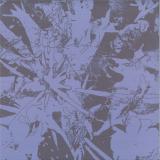
Seeking out the inspirational intersection between free improvisation, rave and ancient mysticism, Plants Heal deliver an album of kaleidoscopic, organic beatdowns to Quindi.
Plants Heal is a collaborative project between Dan Nicholls on synths, Dave De Rose on drums and Lou Zon (aka Louise Boer) on visuals. The roots of the project are entwined with Dan and Lou's London-based event Free Movements, which began in 2018 to explore how instrumental music could merge with live electronics and DJ sets. Dave and Dan found themselves playing together frequently at the event and as part of Dave's free improv project Agile Experiments, with their accomplished track records as multi-instrumentalists reaching across many layers of music culture. The particular synergy of their partnership taps into the subliminal, surreal and transcendental soundscapes, but they're reliably anchored by instinctive rhythms and driven by a natural flow-state.
From the tentative steps of their first collaborations, Dan and Dave coalesced Plants Heal as a more pronounced project with Lou's live visuals, culminating in a first self-released album in 2021 and since organically fed and watered through continued performances across adventurous festivals and intimate club spaces. Every incremental step along the path of the project yielded new surprises and the deepening sense of a unique, powerful energy. The trio opted to pour this energy into two days of studio sessions at Sonic Playground Studios in Athens, maintaining their unplanned approach and letting the music and visuals unfold in the moment. The end result is Forest Dwellers, a sincere document of truly free music that uses the rhythmic structure of dance and trance music as a springboard into heightened consciousness.
Throughout the album you can hear hints of the familiar - dub techno shimmers, trip hop boom-bap, kosmische momentum, snarling bass modulation, new age ambience and even the odd sizzle of disco. But none of these references are explicit, and they weave in and out of less placeable expressions deeply bedded into Dan and Dave's sonic practices. The end result is a swirling tapestry of unspooling groove, wide open and agile enough to shift gears mid-flow - just as comfortable letting the propulsion melt away as locking into a four-to-the-floor throwdown. From the slippery syncopation of 'Avena Moon' to the angular bait-and-switch of 'Alien Hardware', 'Yarrow's starry-eyed reverie and the rolling, warm-hearted funk of 'Space Ballad', the Plants Heal sound world is expansive and equally enthusiastic for immediate musical motifs as much as wild abstraction.
Lou's visual practice is an intrinsic part of the project. During performances she improvises with analogue footage from her library run through video mixers and synthesisers, focused on medicinal plants such as yarrow, hawthorn, nettle and thistle. All those plants feature in processed form on the cover of the record, which was designed in collaboration with Lou's brother Arthur Boer. Meanwhile, Lou recorded additional footage in Athens during the recording sessions to feed into the continued cycle of the project's live evolution.
Forest Dwellers' meaning honours this cycle and its reflection of the eternal undulations of the natural world. It's also a sincere tribute to the spiritual importance and radical potential of the dancefloor, drawn from the freedom taught by jazz and dedicated to reclaiming lost ideas about community, agency, bodies and the enduring allure of the unknown.
Cerca:the lost tapes record club
- A1: West India Company - My Shooting Star
- A2: Bappi Lahiri - Rama Rama
- A3: Sharlene Boodram - Chamkay 'D' Chutney (Turbotito & Ragz Remix)
- B1: Kuljit Bhamra - Dholdrums
- B2: Mantra - Mantra
- B3: Heera - Beat The Rhythm (Check It Out)
- C1: Lady M - Kali Raat (Edit)
- C2: Johnny Zee - Billo To Meri Aan
- C3: Turbotito & Ragz Ft Manjeet Kondal - Pyaar
- C4: Sangeeta - Calling (Turbotito & Ragz Remix)
- D1: The Jets Orkhestra - X-290 (Turbotito & Ragz Remix)
- D2: Fantasy Nite Club - O My Baby
- D3: Deepak Khazanchi Ft Asha Puthli - Bass Fire (On And On) (Turbotito & Ragz Remix)
Naya Beat Records reveals Volume 2 of its critically acclaimed series dedicated to South Asian dance and electronic music. Label founders Turbotito and Ragz have curated an exceptional 13-track compilation with a focus on an overlooked era of house and electronic music released between '88 and '94.
While Volume 1 explored early 80s Balearic, synth pop, and disco, Volume 2 uncovers lost or forgotten future classics from later in the decade. The release spotlights a unique era in the late 80s and early 90s when fertile cross-cultural collaboration abounded in diasporic communities in cities like London and New York and when South Asian music was infused with acid house, New Beat, and dub.
There is a true wealth of sounds here, from The Jets Orkhestra’s organ-fuelled house workout ‘X-290’ to the downtempo splendour of the Asha Bhosle fronted West India Company. Lady M lends the Hindi house track and arpeggiated wonder of ‘Kali Raat’ and Mantra’s eponymously titled cut is a hypnotic gem. Featuring other scintillating Balearic house, dub, and street soul from the likes of Asha Puthli, Bappi Lahiri, Johnny Zee, and Kuljit Bhamra, this double album is a treasure of never-before-reissued and previously impossible-to-find holy grails.
Often "too Asian for mainstream success in the West, and too Western for success in Asia," the pioneering music from this time was frequently released to short-lived success or relative anonymity. Naya Beat founders Filip Nikolic (aka Turbotito) and Raghav Mani (aka Ragz) have spent the last four years endlessly hunting through dusty records, obscure cassettes, and unreleased studio tapes to deliver a reference release for contemporary collectors, tastemakers, and bold selectors looking for fresh sounds.
Featuring an incredible gatefold package with Naya Beat’s trademark stunning artwork and exhaustive liner notes, the 2LP release has been cut to vinyl for the discerning DJ and listener by Grammy-nominated Frank Merritt from The Carvery, London.
Naya Beat Records is focused on uncovering foundational dance and electronic music from the subcontinent and South Asian diaspora through reissues, remixes and compilations. Success came immediately with ‘Naya Beat Volume 1’, which was named Vinyl Factory’s number 1 reissue of 2021, and has been followed up with more fascinating releases such as a two-part remix project with disco-jazz legend Asha Puthli, a scintillating bhangra acid house EP with Mr. Scruff, a reissue of Pinky Ann Rihal’s 1985 Hindi new wave album, and the superb Bollywood compilation ‘Awaaz Series 1
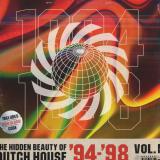
After a much acclaimed series opener, the creators of The Hidden Beauty Of Dutch House ’94-’98 are back! They’re bringing us this second batch of eight carefully selected masterpieces from The Netherlands’ blossoming scene of the day.
Just like volume I, its sequel is filled with thought-to-be-lost tracks from Dutch producers whose names you rarely come across. It took another deep and long dive into the "Atlantis" of Dutch House to gather this collection. Most of the original master tapes literally had to be dusted off before playing…
Suitable for any true House afficionado, you’ll find a panoramic range of styles and flavours on this second selection, as there was on the first. A truly representative flashback has to show the versatility and broadness of both the music and culture of the nineties. The days of open minds and dancing-like-nobody’s-watching. When we went to the club to discover new sounds and dimensions. The time when this attractively fresh music was the hero of every successful night.
Lovingly compiled for your listening pleasure. So, sit back, open up, and surrender to the beauty of Dutch House!
- A1: Design - Premonition
- A2: Vision - Lucifer’s Friend
- A3: Richard Bone - Alien Girl
- A4: John Howard - I Tune Into You
- A5: Ian North - We’re Not Lonely
- A6: Selwin Image - The Unknown
- B1: Harry Kakoulli - I’m On A Rocket
- B2: Rich Wilde - The Lady Wants To Be Alone
- B3: Billy London - Woman
- B4: Alan Burnham - Science Fiction
- B5: The Microbes - Computer
- B6: The Goo-Q - I’m A Computer
- C1: Gerry & The Holograms - Gerry & The Holograms
- C2: The Warlord - The Ultimate Warlord
- C3: Die Marinas - Fred From Jupiter
- C4: Dee Jay Bert & Eagle - I Am Your Master
- C5: Peta Lily & Michael Process - I Am A Time Bomb
- C6: Sole Sister - It’s Not What You Are But How
- D1: Alasdair Riddell - Do You Read Me?
- D2: Karel Fialka - Armband (The Mystery Song)
- D3: John Springate - My Life
- D4: Incandescent Luminaire - Famous Names
- D5: Disco Volante - No Motion
- D6: Dream Unit - A Drop In The Ocean
MB Crystal Vinyl[32,73 €]
LTD Trans Pink Vinyl[32,82 €]
LTD Trans Pink Vinyl[27,69 €]
Compiled by Philip King
“And then came the rise of synth pop : blokes with dodgy haircuts hunched over keyboard-operated
machines stuffed with wires and do-it-yourself tone oscillators making sounds like a brood of geese
passing gas in a wind tunnel. Whoopee! This is the way the ‘70s ended : not with a blood-curdling bang
bang but with a cheap, synthesized, emasculating whimper.”
NICK KENT, NME.
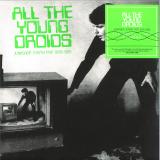
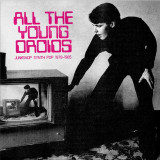
All The Young Droids: Junkshop Synth Pop 1978-1985 is a new compilation that charts the
underbelly of the epoch-defining sound of the synthesiser in 80s popular music. Compiled by Philip
King (previously seen compiling All The Young Droogs, Glitterbest and Boobs - The Junkshop
Glam Discotheque), the music here connects the dots between DIY synth enthusiasts grappling with
new, cheap synthesisers at the tail-end of punk and wannabe, jobbing songwriters enthral to the new
music pioneered by Gary Numan, Depeche Mode and Daniel Miller’s Mute Records. Featuring rare
tracks of auto-didactic progressive pop music, proto-techno punk, shoot-for-the-stars-land-in-the-gutter
chart flops and heralded, underground synth classics, School Daze paints a picture of beautiful failure.
Complete with extensive sleeve notes written by King and never before seen imagery, all 24 tracks
were remastered by RPM in-house engineer Simon Murphy, many from vinyl copies due to lost master
tapes. The story told on All The Young Droids is one of the dawning opportunity presented by both the
emergence to the market of cheaper analog synthesisers and the distribution networks plus indie labels
that exploded with the advent of punk music in 1976. While the music that sprouted out all over the
globe in the wake of these factors was decried as fake, plastic, a refutation of punk’s guitar-led
revolution, it’s telling that much of the music on All The Young Droids.. was created in bedrooms,
ramshackle studios and home-made set ups with often borrowed equipment. In the era of record labels
jumping to capitalise on the success of The Sex Pistols, The Clash (both on major labels, of course)
these artists struggled to stand out from a new gold-rush with next to no budget or PR team. With radio
and labels desperate for the new Yazoo, what resulted was a testament to necessity being the mother
of invention.
At the time, the synthesiser was the music of the future, a shiny new machine that could paint like an
orchestra with a single finger and a 4-track. In the hands of Manchester avant-pranksters Gerry & The
Holograms it’s a pulsing, sardonic weapon.. the only instrument on the Messthetics classic lampooning
of New Wave fashion. In Hamburg, a 16 year old Andreas Dorau used it to write and record (with his
female classmates on vocals) a global smash in Fred Vom Jupiter (later licensed to Mute Records).
The hard-to-find English version (Fred From Jupiter, natch) is included here. Many artists with alreadystoried careers caught the bug and recorded synthesiser-fuelled peons to space, computers, the future
and, of course, love-interests. Harry Kakoulli, late of Squeeze, recorded a solo album in 1979 that
included the incredible power-synth-pop smash-that-never-smashed I’m On A Rocket. Similarly, Ian
North of Neo and American Power Pop stalwarts Milk ’n’ Cookies bought a Korg MS20 and used a
tape machine to record We’re Not Lonely, an absolute lost-classic of minimal synth pop. We’re Not
Lonely also features on the Junkshop Synth Pop sampler 7” twinned with John Howard unreleased
track You Will See, released April 12th 2025.
There are plenty of compilation debuts in evidence. Sole Sister were a mysterious trio who were
featured on the Scaling Triangles compilation of female-fronted, queer-adjacent post-punk /
underground music that also featured The Petticoats. Selwin Image were from San Francisco and
featured members of the recently defunct power pop/punk group The Pushups. Their stupidly catchy
The Unknown fizzes with New Wave energy - think XTC to Sparks but remains unreleased until now.
Dream Unit’s A Drop In The Ocean is an early synth wave cut, positively teaming with Joy Division
instrumentation, previously only released on a long-forgotten and super rare, self-released EP.
Incandescent Luminaire’s Famous Names belies an archetypal struggle of a small-town trying to
make it in a cruel industry but is a thrilling New Romantic-Synth Wave cross over with a OMD
gloominess that’s a joy to hear. Feminist Minimal Wave track I Am A Time Bomb by performance artist
Peta Lilly and Michael Chance is a revelation destined for new found cult status. It was released on 7”
and lost until now.
The flipside to the subterranean, never-made-it synth pop mentioned above are the ambitious, even
fruity attempts at success that have a perennial elegance to their confidence. New Jersey-ite Billy
London (real name Ed Barth) tried to cash in on the synth boom with Woman, released by a major
label, a lurching new wave track built on the Louie Louie rhythm and a wonderfully camp Lou Reedstyle sleazy vocal before exploding in the synthesised chorus. The song bombed but with a chorus like
this, you have to wonder why? Ex-Glitter Band member John Springate’s My Life is truly epic, with
doomed chord progressions and massive sounding drums turning into at least 3 different songs in the
course of the track. Before you wonder what’s going on the song resolves with a glorious return to the
main refrain.
The dry-ice-dressed dance floor is well catered for too. Design’s Premonition and Vision’s Lucifer’s
Friend are stone-cold minimal synth bangers, well loved but given a new lease of life here. The
Warlord’s The Ultimate Warlord was released in 1978, a homespun proto Hi NRG banger that was
later re-recorded by The Immortals in Canada who had a club hit with it. One-man- band Disco
Volante’s No Motion was re-issued by Synth wave label Medical in 2012 but makes its first vinyl
compilation appearance here. Close your eyes and you can imagine what Lawrence of Felt would have
sounded like with some cheap Korgs a little earlier in his career. Gibraltar-based trio The Microbes
imagined a computer programming people to dance - how prescient - and ended up with a propulsive,
robo-funk track with splendid rubbery bass playing over a tectonic drum machine. Previously picked up
by Belgian label Stroom TV, Dee Jay Bert & Eagle’s heavily Euro-accented I Am Your Master
demands the listener to “come to paradise!” In a frankly terrifying manner.
All The Young Droids is the first compilation to peel away from the narrative that dour, Minimal Synth
and Cold Wave were the only musical children of the first rush of synth pop. Philip King and School
Daze Records describe a much more complicated world: along with the austere, Brutalist children of
Daniel Miller (who produced Alan Burnham’s Bowie-Low-influenced Science Fiction here) was a
plethora of desperate cash-ins, accidental mainstream hits, ambitious pop dramas and major label
punts that went nowhere. Crucially, the compilation blurs the line between junk and treasure. What if the
two things are interchangeable. What if it’s all science fiction?
As the tenth candle flickers atop the torta alla panna, Archeo Recordings play the Uno reverse card, breaking with tradition to give us a gift in celebration of its birthday: the first in a series of exquisite EPs on which the label's favourite contemporaries pay homage to past masters. Each re-polished gem is plucked either directly from the beatific back catalogue of the fine Florentine label or is at least Archeo-adjacent, perhaps a sign of future wonders to come. Like a musical version of Janus, who can be found at the heart of Bertoldo di Giovanni's frieze in the Medici villa, Archeo Recordings will continue to look forwards and backwards to provide sublime sounds for us all.
Pepe Maina officially joined the Archeo family in 2019 with the much-needed reissue of his 1979 masterpiece Scerizza (AR015), but his astounding music has been a constant companion to label head Manu for much longer. An inter-dimensional, multi-instrumental maverick, Maina weaves the frayed edges of prog rock, new age, organic jazz and global minimalism into a shimmering tapestry all of his own. The results are spread across fifty years and almost as many albums, largely self-released and always absolutely untarnished by commercial concerns.
Based in a small village in the hills of Brianza, just north of Milan, Maina translates the beauty of his surroundings into transformative tone poems, and the folkloric fusion of "The Infinite", originally released on his 2014 CD Tales From The Hill, is the perfect example of his practice. It opens with a recitation of Giacomo Leopardi's 1825s poem "L'Infinito" by famed Italian actor Vittorio Gassman. A leading figure in the romantic movement, Leopardi explores the idea of time and space within the natural world, and the peace that comes with an appreciation of the immensity of eternity. Manu, longtime digger and now a burgeoning producer, expands upon the original with tribal percussion, chirping electronics and a spheric bassline, folding Maina's elegant strings and gossamer pads into a new arrangement suited for a slow dance under the stars.
Unless you had a well-trained ear tuned to Italy's avant-jazz scene, chances are your first encounter with innovative flautist Roberto Aglieri came via the 2017 Archeo reissue of hisalmost untraceable LP Ragapadani (AR011). It's a true testament to Manu's digging credentials that he snatched this masterpiece out of the esoteric atmosphere and brought it attention it so richly deserved. A delicate union of digital synthesis and versatile flute - be it soft and silvery or
brilliant and clear - the 1987 album was a shapeshifting masterpiece, replaying scenes from Virgil, Verdi, Visconti and Pasolini with a neon glow. Quintessentially Italian, but uncanny and previously unimagined - Penthouse and Portico perhaps. Powered by a percolating prototechno sequence, cascading keys, hallucinogenic vocal snippets and a variety of tonal timbres from Roberto's reed, "Danza N. 1" long deserved the praise reserved for Jean-Luc Ponty's pinnacle, so many thanks to Manu for our collective introduction. The tall task of reinterpreting this particular paragon falls to Perugian polymath Daniele Tomassini AKA Feel Fly, whose peerless skills as both producer and musician have delighted DJs and dancers alike. Hot on the heels of his diverse and definitive remixes of Tony Esposito for AR027, Daniele delivers a radical rework of "Danza N. 1" perfect for both day rave sunshine and full moon party alike. Enhanced by snapping breaks and a rattling kick, the bassline gurgle emerges as a progressive powerhouse, laying the foundation for the trilling flute and circular keys to cast a psychedelic spell. As the slow-Goa revival picks up pace, this one is way ahead of the pack.
Archeo take us all the way back to the start of its story here - well almost. Though it bore the stamp AR001 (2015), this Radio Band reissue actually hit shelves months after Tony Esposito's "Je-Na' / Pagaia"; a false start perhaps but a true classic all the same. Radio Band were a group of DJs from Florence who all sailed the airways of Radio Fantasy in 1984 and whose one and only release was this super groovy slice of Italo-boogie. Following the example of Milanese DJs Band of Jocks but far surpassing their formulaic funk fizzle, Radio Band employed an intergalactic bassline, cosmic keys and that undeniably Italian style of rapping to deliver a sophisticated party-starter which even found its way to disco deity Ron Hardy. Back to the here and now, and if you've found yourself pumping an ecstatic fist to a supercharged Italian epic of late, chances are its from the mind of the mysterious Radiomarc. Operating on the ascendent Popcorn Groove imprint, this shadowy figure steers his country's lost classics into peaktime territories, finding a sweet spot between late Italo-disco, early Italo-house and contemporary cool. Pushing the tempo with a club-ready 4/4, setting the sequencer to stun and supplementing the original melodies with a series of synth riffs, the mystery producer send this one into orbit. Radio Band - Radio Rap - Radiomarc, the circle is complete.
Few have done more to develop cross-cultural musical exchange than Futuro Antico. A collaborative venture from musician, archeologist and ethnomusicologist Walter Maioli, keyboardist and tonal theoretician Riccardo Sinigaglia and multi-disciplinary artist and composer Gabin Dabiré, Futuro Antico formed in Milan in 1979, combining ancient international folkloric traditions with otherworldly electronics. The result is an arresting melange of Mediterranean, African and Asian instrumentation, mimicked by esoteric synth tones and hypnotic minimalism, which the group perfected on their acclaimed 1990 LP Dai Primitivi All'Elettronica. The meditative and transportive "Pan Tuning" belongs to their largely overlooked 2005 CD only release Intonazioni Archetipe, and has been amongst Manu's most loved tracks from the first moment he heard it. Who else is better placed to reshape this evocative opus into an immersive, transcendental dance floor journey than label favourites Mushrooms Project? The duo sows the original elements into a sprawling fifteen minute fusion of séance and science, at times propulsive with a ritualist rhythm of tuned percussion and crunching drum machine at others drifting off into ethereal ambience. Mushrooms Project continue to push the boundaries of the Afro-cosmic style, and this remix marks a new zenith.
Willie Roy Turner a native Mississippian, migrated with his family to the South Side of the city of Chicago during the 1950’s. Initially taking up employment at the Golden Rod Ice Cream Company, his first foray into secular music arose when he was accompanied by Muddy Waters Band at Smitty’s Corner Club and performed an impressive recital of the 1959 Big Jay Neely standard “There’s Something On Your Mind” at an Open Mic Night sometime in 1963. A regular talent show entrant, Duke would eventually meet and befriend fellow Mississippian, Garland Green. Green himself had been spotted at the Trocadero Theater by the then husband and wife team of Mel Collins and “Joshie” Jo Armstead, who signed him to their Giant Enterprises production company where he recorded several excellent singles for MCA’s subsidiary, Revue and Uni labels. Green’s third Revue single release, “Ain’t That Good Enough” was composed by Jo Armstead, brothers Howard and Walter Scott and session drummer Ira Gates. It was Green who introduced Duke Turner to the Scott Brothers. The Scott Brothers Review (later known as The Scott Brothers World), one of Chicago’s most respected bands, operated their own production company, Capri Productions, producing songs on both their own and other labels artists. With the Scott’s, Duke recorded his first 45, the upbeat funk mover “Doggie Dog World” b/w “Put Some Soul In Your Dance”. The tracks penned by Duke and respected arranger Johnny Cameron was released on Don Clay’s Omega label in 1968.
Duke then formed his own company, Spinning Top Records, initially releasing “Shake Your Rang-A Tang (Rang-Dang-Du) to be followed by a second single “(Let Me Be Your) Baby Sitter”. Originally intended for release with a b-side entitled “Friendship Or Friends” the studio engineer on the project Ed Cody persuaded Duke to drop “Friendship” in favour of a part 2 version of “(Let Me Be Your) Baby Sitter”. “Friendship Or Friends” was sadly never revisited and with Duke moving to several different addresses across the ensuing years, the tapes eventually became lost. Fast forward half a century, and following a conversation with collector Malcolm Collins who divulged the existence of a acetate of “Friendship Or Friends” won on e-bay by a British collector Russell Gilbert (now living in the Netherlands), the idea of releasing the song was born. When contacted, Russell was only too happy to loan to us the acetate as a mastering reference. Upon receipt of the acetate, we realized in addition to the unreleased “Friendship Or Friends” the version of “Baby Sitter” was a longer and different mix to the released 45 version. After confirming and reacquainting Duke with his long-lost masters a licensing deal was struck which will see the long overdue release of “Friendship or Friends” along with the alternative mix of “(Let Me Be Your) Baby Sitter” as part of a 3- track EP courtesy of Soul Junction Records that also includes the original 1974 version of “Give Me Some Sugar, Baby”, a song now finding favour with the ‘Lowrider’ scene. “Give Me Some Sugar, Baby” became Duke’s signature song, which he recorded again in 1983 under the title of “Sugar Baby Your Love” with his then band ‘Torch’, which included two young musicians that Duke had previously mentored, Terry Coffey and Jon Nettlesbey, the successful 90’s songwriting partnership responsible for several RnB/Pop hits for Howard Hewitt, Alexander O’Neil, Teddy Pendergrass and Keith Washington. Their credits also include Joey Diggs “Always Coca-Cola” hit commercial jingle.
Eight releases in, Leonidas & Hobbes have honed a mutual love of soundtracks, disco, jazz, house, techno, acid, psychedelic, African and dub sounds.
Web Of Intrigue is one part tribute to lost 70s soundtracks, when music was created on the finest analogue hardware, featuring full bands, session players and lush orchestrations, one part tribute to 70s disco gods Nile Rodgers and Bernard Edwards (Chic) and one part mid-tempo but nonetheless cosmic house. The three parts fuse to form an instrumental track sounding as fresh as a whole meadow of daisies in 2017 and one that's been going down extremely well with international DJs who have road-tested the material.
Heavy Weather flips the script for a deeper workout in a 3/4 time signature - more of a cosmic waltz. Taking its main cue from 70s jazz fusion heroes Weather Report and The Doors' Ray Manzarek, it incorporates rich African percussion, spaced-out flourishes exhibiting the duo's love for the dubs of Lee Perry, King Tubby et al, and a good old fashioned arpeggio of an acid line - definitely a more esoteric number, all told.
The 'Dawn' and 'Acid Rain' mixes push different buttons for the heads, as suits the mood. It all adds up to a very Balearic confection, fitting snugly in with the burgeoning revival for this somewhat ineffable sound - a trend that seems to be getting stronger/bigger every year, popping up every time the sun gets his hat on and we all remember how to party like the lucky residents of that infamous White Isle....
MORE INFO
London/Edinburgh analogue electronic duo Leonidas & Hobbes released debut EP "Machines, Tapes & Electronic Setups" via the Hobbes Music label back in May 2013, picking up plaudits and support from the likes of Resident Advisor, Mixmag, Erol Alkan, Ashley Beedle, Alan Braxe, Shadow Child, Jimpster, Nick Warren, M.A.N.D.Y., Leftside Wobble, Mr G, Auntie Flo, Sasha, John Digweed and many more... The duo were consequently commissioned to remix the Pet Shop Boys.
Second EP "Mo' Machines" came out on the label in April 2014 and received equally high praise, with i-D Magazine inviting the duo to record a DJ mix which has to date chalked up a whole lot of love on Soundcloud.
Leonidas has released two other collaborative EPs with London-based Japanese DJ/producer Kay Suzuki via his Round In Motion imprint, equally winning fans worldwide, with a track now forthcoming on new label YAM Records' You And Music Volume 1 EP plus much more in the pipeline for 2017. Leonidas also has his own lovetoparty label, releasing edits of much-loved disco tunes on limited edition 12" vinyl format and free download. Previously, Leonidas made a name for throwing word-of-mouth parties around east London on his audiophile 'lovetoparty' sound system (providing some of the inspiration for much-admired late-night watering hole Brilliant Corners).
Equally, Hobbes ran the widely acclaimed Trouble nights for ten years in Edinburgh/Scotland, working with the great and the good from across the soul/jazz/dance spectrum since '02, and championed up-and-coming live talent via his Limbo 'gig-in-a-club' nights at The Voodoo Rooms for nine years since '07. Hobbes has toured his DJing style to the various corners of the dancing planet, including gigs in the Far East, much of Europe and across the UK. The Hobbes Music label has otherwise featured artists as diverse as Auntie Flo, JD Twitch (Optimo), Neil Landstrumm, Craig Smith (6th Borough Project), Ali Renault, iO Sounds, Joe Howe, Debukas, Fudge Fingas, Marco Bernardi, Dimitri Veimar, Mick Wills and Nightwave, with further support from Ben UFO, Justin Robertson, Motor City Drum Ensemble, KiNK, The Revenge, T.E.E.D, Kiki, Groove Armada, Maceo Plex, OOFT!, Domenic Capello (Sub Club), XDB, Ben Mono, Masa Sutela, Bawrut/Scuola Furano, Numbers, John Heckle and many more...
- Swamp
- Sleep No More
- Amphetamine
- White
- Drown
- What Dreams May Come
- Rabies
- Strobe
- 12: Gauge
This release resurrects a long-lost cornerstone of Seattle's early grunge history, showcasing Bundle of Hiss, featuring future Mudhoney and TAD guys and singer Jamie lane, one of the genre's missing links. Between 1986 and 1988, when Seattle was still a circuit of small clubs, four-track tapes and bands sharing drummers and singers, Jack Endino went in to record one of the most solid - and most unfairly invisible - outfits of that scene: BUNDLE OF HISS. Two sessions (1986 at Reciprocal and 1987/88 at Audio Design) fell into limbo, stored in the basement of Mudhoney-Drummer Dan Peters and for years they were a kind of pre-grunge legend, everyone knew they existed, but there was no record, until Loveless Records from NYC released both on CD. The second one, Audio Design Sessions, now sees the light of vinyl for the first time, just as it should have come out in the late '80s: a basement document turned into a collectible artifact. For those who want real grunge, not the domesticated version. It gathers the core of those 1987-1988 recordings done by Endino: the moment when the band is tighter, darker and closer to what the press would later call the "Seattle sound": minor-key melodies, thick fuzz, vocals on the edge, and that mix of hard rock, punk and Sabbath-like heaviness we'd later hear in Mudhoney, TAD or early Soundgarden. And Jack Endino himself summed up these sessions: "Vintage Seattle grunge from one of the original practitioners_ I always felt sad that this hard-working band never managed to get a record out and was almost lost to history. It was a pleasure -and a technical pain!- to resurrect all this." Kinda key release of the early grunge days, first-generation material, recorded by the scene's producer, at the exact moment Seattle was shifting from noisy punk to that heavy, shadowy rock that later blew up. It sounds raw, young and dangerous: this is not a polished compilation, it's a snapshot of the scene.
- A1: Design - Premonition
- A2: Vision - Lucifer’s Friend
- A3: Richard Bone - Alien Girl
- A4: John Howard - I Tune Into You
- A5: Ian North - We’re Not Lonely
- A6: Selwin Image - The Unknown
- B1: Harry Kakoulli - I’m On A Rocket
- B2: Rich Wilde - The Lady Wants To Be Alone
- B3: Billy London - Woman
- B4: Alan Burnham - Science Fiction
- B5: The Microbes - Computer
- B6: The Goo-Q - I’m A Computer
- C1: Gerry & The Holograms - Gerry & The Holograms
- C2: The Warlord - The Ultimate Warlord
- C3: Die Marinas - Fred From Jupiter
- C4: Dee Jay Bert & Eagle - I Am Your Master
- C5: Peta Lily & Michael Process - I Am A Time Bomb
- C6: Sole Sister - It’s Not What You Are But How
- D1: Alasdair Riddell - Do You Read Me?
- D2: Karel Fialka - Armband (The Mystery Song)
- D3: John Springate - My Life
- D4: Idncandescent Luminaire - Famous Names
- D5: Disco Volante - No Motion
- D6: Dream Unit - A Drop In The Ocean
2025 REPRESS ON TRANSPARENT GREEN VINYL
Compiled by Philip King “And then came the rise of synth pop : blokes with dodgy haircuts hunched over keyboard-operated machines stuffed with wires and do-it-yourself tone oscillators making sounds like a brood of geese passing gas in a wind tunnel. Whoopee! This is the way the ‘70s ended : not with a blood-curdling bang bang but with a cheap, synthesized, emasculating whimper.” NICK KENT, NME. All The Young Droids: Junkshop Synth Pop 1978-1985 is a new compilation that charts the underbelly of the epoch-defining sound of the synthesiser in 80s popular music. Compiled by Philip King (previously seen compiling All The Young Droogs, Glitterbest and Boobs - The Junkshop Glam Discotheque), the music here connects the dots between DIY synth enthusiasts grappling with new, cheap synthesisers at the tail-end of punk and wannabe, jobbing songwriters enthral to the new music pioneered by Gary Numan, Depeche Mode and Daniel Miller’s Mute Records. Featuring rare tracks of auto-didactic progressive pop music, proto-techno punk, shoot-for-the-stars-land-in-the-gutter chart flops and heralded, underground synth classics, School Daze paints a picture of beautiful failure. Complete with extensive sleeve notes written by King and never before seen imagery, all 24 tracks were remastered by RPM in-house engineer Simon Murphy, many from vinyl copies due to lost master tapes. The story told on All The Young Droids is one of the dawning opportunity presented by both the emergence to the market of cheaper analog synthesisers and the distribution networks plus indie labels that exploded with the advent of punk music in 1976. While the music that sprouted out all over the globe in the wake of these factors was decried as fake, plastic, a refutation of punk’s guitar-led revolution, it’s telling that much of the music on All The Young Droids.. was created in bedrooms, ramshackle studios and home-made set ups with often borrowed equipment. In the era of record labels jumping to capitalise on the success of The Sex Pistols, The Clash (both on major labels, of course) these artists struggled to stand out from a new gold-rush with next to no budget or PR team. With radio and labels desperate for the new Yazoo, what resulted was a testament to necessity being the mother of invention. At the time, the synthesiser was the music of the future, a shiny new machine that could paint like an orchestra with a single finger and a 4-track. In the hands of Manchester avant-pranksters Gerry & The Holograms it’s a pulsing, sardonic weapon.. the only instrument on the Messthetics classic lampooning of New Wave fashion. In Hamburg, a 16 year old Andreas Dorau used it to write and record (with his female classmates on vocals) a global smash in Fred Vom Jupiter (later licensed to Mute Records). The hard-to-find English version (Fred From Jupiter, natch) is included here. Many artists with alreadystoried careers caught the bug and recorded synthesiser-fuelled peons to space, computers, the future and, of course, love-interests. Harry Kakoulli, late of Squeeze, recorded a solo album in 1979 that included the incredible power-synth-pop smash-that-never-smashed I’m On A Rocket. Similarly, Ian North of Neo and American Power Pop stalwarts Milk ’n’ Cookies bought a Korg MS20 and used a tape machine to record We’re Not Lonely, an absolute lost-classic of minimal synth pop. We’re Not Lonely also features on the Junkshop Synth Pop sampler 7” twinned with John Howard unreleased track You Will See, released April 12th 2025. There are plenty of compilation debuts in evidence. Sole Sister were a mysterious trio who were featured on the Scaling Triangles compilation of female-fronted, queer-adjacent post-punk / underground music that also featured The Petticoats. Selwin Image were from San Francisco and featured members of the recently defunct power pop/punk group The Pushups. Their stupidly catchy The Unknown fizzes with New Wave energy - think XTC to Sparks but remains unreleased until now. Dream Unit’s A Drop In The Ocean is an early synth wave cut, positively teaming with Joy Division instrumentation, previously only released on a long-forgotten and super rare, self-released EP. Incandescent Luminaire’s Famous Names belies an archetypal struggle of a small-town trying to make it in a cruel industry but is a thrilling New Romantic-Synth Wave cross over with a OMD gloominess that’s a joy to hear. Feminist Minimal Wave track I Am A Time Bomb by performance artist Peta Lilly and Michael Chance is a revelation destined for new found cult status. It was released on 7” and lost until now. The flipside to the subterranean, never-made-it synth pop mentioned above are the ambitious, even fruity attempts at success that have a perennial elegance to their confidence. New Jersey-ite Billy London (real name Ed Barth) tried to cash in on the synth boom with Woman, released by a major label, a lurching new wave track built on the Louie Louie rhythm and a wonderfully camp Lou Reedstyle sleazy vocal before exploding in the synthesised chorus. The song bombed but with a chorus like this, you have to wonder why? Ex-Glitter Band member John Springate’s My Life is truly epic, with doomed chord progressions and massive sounding drums turning into at least 3 different songs in the course of the track. Before you wonder what’s going on the song resolves with a glorious return to the main refrain. The dry-ice-dressed dance floor is well catered for too. Design’s Premonition and Vision’s Lucifer’s Friend are stone-cold minimal synth bangers, well loved but given a new lease of life here. The Warlord’s The Ultimate Warlord was released in 1978, a homespun proto Hi NRG banger that was later re-recorded by The Immortals in Canada who had a club hit with it. One-man- band Disco Volante’s No Motion was re-issued by Synth wave label Medical in 2012 but makes its first vinyl compilation appearance here. Close your eyes and you can imagine what Lawrence of Felt would have sounded like with some cheap Korgs a little earlier in his career. Gibraltar-based trio The Microbes imagined a computer programming people to dance - how prescient - and ended up with a propulsive, robo-funk track with splendid rubbery bass playing over a tectonic drum machine. Previously picked up by Belgian label Stroom TV, Dee Jay Bert & Eagle’s heavily Euro-accented I Am Your Master demands the listener to “come to paradise!” In a frankly terrifying manner. All The Young Droids is the first compilation to peel away from the narrative that dour, Minimal Synth and Cold Wave were the only musical children of the first rush of synth pop. Philip King and School Daze Records describe a much more complicated world: along with the austere, Brutalist children of Daniel Miller (who produced Alan Burnham’s Bowie-Low-influenced Science Fiction here) was a plethora of desperate cash-ins, accidental mainstream hits, ambitious pop dramas and major label punts that went nowhere. Crucially, the compilation blurs the line between junk and treasure. What if the two things are interchangeable. What if it’s all science fiction?
US Black Friday 2025 Release. There are very few albums in the psych/punk/hard rock/private presses strata that garner the sort of universal awe and accolades that Fraction’s almighty Moonblood LP does, and even fewer records in the world that could be dubbed ‘Christian Rock’ incur such fierce devotion. Indeed some records just meteorically lift themselves out any genre tag with brilliance and sheer defiance--and Moonblood is surely one of them. Based in LA, Fraction was a ragged collection of working-class musicians--the line-up was ringleader Jim Beach--vocals; Don Swanson--lead guitar, Curt Swanson--drums, Victor Hemme--bass, and Robert Meinel--rhythm guitar. Beach himself describes those early days: “The guys met through various acquaintances that we had in LA. All of us had been in bands before, but were seeking something with more teeth. We had a small studio in an industrial complex in North Hollywood and started practicing sometimes as early as 4:30 AM. We all had day jobs, so we did what we could.”
Amazingly the recording sessions for the album were recorded similarly on the fly, as Beach further states: “The Moonblood recording took place at Whitney’s Studio in Glendale, CA, early in 1971. On a strict budget, these songs were recorded in less than three hours—all of them “one takes.” We played, all 5 of us, simultaneously-- there were no studio effects, no overdubbing or any additional sound effects added. Basically what you hear is considered ‘old school’ recording.”
This workmanlike description in no way prepares one for the pure tortured genius the session wrought. Particularly noteworthy is Beach’s vocals—as commonly stated, the spirit of Jim Morrison is conjured in his deep baritone, which gives way to unparalleled pained howls, at times bathed in delay which trails into the abyss. Fascinatingly enough, Beach cites the much punker Love as his fave LA band over the Doors, and also gives influence-nods to proto-everything rockers The Yardbirds and to Dylan, whose dark word tapestries surely inspired Beach’s lyrics (though lines from The Doors’ “L’America” pop up on the LP) Whatever the case, the man clearly has a vision, as even the stark sleeve concept is Beach’s own. Equally as integral to the Fraction sound is lead guitarist Don Swanson—his blown-out fuzz riffs set a template for what is now commonly known as “stoner rock” or “acid punk,” and his solos consist of jagged, wah-wah-ed shards of notes, with his amplifier clearly pushed to the limit.
Beach says: “Don’s guitar was always my driving force and he did everything he could to keep it over the top. You’d never know that (his sound) was coming from an old, broken down Esquire. Don kept it alive!” The other members contributions shouldn’t be underappreciated though-- drummer Curt Swanson keeps things at a constant simmer, and then boils over when the whole band launches into snarling glory. The band and LP as a whole equals something indescribably intense from start to finish—comparisons to the Detroit late 60s high-energy bands like The Stooges and MC5 abound, as well as the sort of late 60s damaged spirit lurking in biker clubs and disgruntled Vietnam vets. The song cycle on side 1 of the LP in particular cuts to the emotional core, with severely charged dark lyrics like “Extend your thumbs and burn the darkness out of her.” Which brings us to the Christian aspect--it often can confuse listeners. The Fraction/Beach world of religion is complex and perhaps a bit pagan/sinister than most---fire and brimstone, temptation, and the truth-seeker being burned by this hell on earth—or perhaps as Beach himself best put it: “Speaking for myself, as a believer, it’s been a progressive experience since my childhood.
I think we’re all basically driven to live more than religion.” The album was pressed in a run of but a few hundred to little attention in the day, but now inferior bootlegs flood the marketplace, and originals of Moonblood command thousands of dollars. So enjoy this all-inclusive reissue, which also features for the first time on vinyl, 3 lost tracks-- like the more acoustic-minded “prisms” and “dawning light,” as well as the proto-metal choogle of “Intercessor’s Blues.”
- Prudência
- Praga
"Prudência / Praga", or "Prudence / Plague", is a double single with these two songs that I composed and which were originally recorded by two of my heroes: Maria Bethânia and Alaíde Costa. Curiously, they are two sambas: although I come from the rock and roll scene in Sao Paulo, I wound up writing a samba as if it were the 50s. At the time of my first heartbreak, at the age of 17, I had the record Jamelao canta Lupicínio with the Orquestra Tabajara on my iPod, and I identified with those dramatic sorrows, almost a hundred years old. In a way, I felt that Lupicínio Rodrigues was bloody and direct, like Tarantino, and Nelson Cavaquinho, heavy metal like Black Sabbath. So, I feel it's a compact 45 of sambas but it's also very Rock n Roll to me. Raw and coming from hell. "Prudência" is that internal battle between the passionate side and the controlling side in the head of the former romantic bohemian. I wrote it for Bethânia to record on her album Noturno. Her version turned into a moving bolero. When I saw her singing it live and the audience singing along with her, I couldn't believe it. I cried, hidden in the audience. She said that when she showed the record to her brother, Caetano Veloso, he thought that "Prudência" was some old classic that she had dug up to bring back to light. Nothing could be a greater compliment than this mistake on Caetano's part. "Praga" also has to do with MPB heroes of mine that I never imagined I'd see up close or have any relationship with or any connection with. I was asked to write these lyrics in partnership with the main man Erasmo Carlos for Alaíde Costa's album! Surreal. Like many people, I got acquainted with Alaíde listening to "Clube da Esquina," her singing with Milton Nascimento. And the idea was to do a poisonous cabaret song samba. The curse of a woman who has dumped a drunk. I love it when Alaíde sings "BIBIDA" in her recording of the song_a total legend. I wanted to produce a kind of horror samba recording, because if it wasn't rock and roll, it wouldn't be much fun for me. I went over to Bielzinho's, and we recorded this chorus that explodes with the percussion and the choir of my friends Tulipa, Maria Beraldo, and Luiza Lian. This take of "Prudência" came from the unpretentiousness of recording two live sessions of the song with Fred Joseph with the cameras of the 70s' program "Ensaio" (MPB Especial) by the great Fernando Faro. The video take ended up being so unexpected and raw that it unseated the studio version, and that's what you hear on the single. The idea behind the video is a sort of this temporal mindfuck; like found lost tapes of the MPB Especial from the early the 70s. Same microphones, same cameras, that zoom_time travel. Between Mil Coisas Invisíveis, the end of the cycle with O Terno, and starting the new album process, I decided to take advantage of the respite to release this rock and roll 45 of sambas, without thinking too much or over-producing the thing. "Prudence? Don't talk to me about prudence!" ;) Tim Bernardes, 2025
- A2: Vento Dall'oriente
- A3: Mura Di Bisanzio
- A4: Il Ponte Dell'asia
- A5: Mito Asiatico
- A6: Fortezza Medioevale
- A7: Vestigia Elleniche
- B1: Ballata Turca
- B2: La Valle Di Corem
- B3: Pastorale Armana
- B4: Festa Al Villaggio
- B5: Ballo Popolare
- B6: Dolce Anatolia
- B7: Vita Nei Campi
- B8: Vita Cittadina
- B9: Giovani Di Ankara
A captivating deep cut from the golden age of Italian library music, Il Ponte Dell’Asia stands as one of Piero Umiliani’s most evocative and exotic soundscapes. Originally released in 1967 as a private pressing for Italian the TV documentary by Corrado Sofia, this elusive gem blends Far Eastern motifs with the elegance of mid-century European jazz and the textured experimentation that defines Umiliani’s best work.
On Il Ponte Dell’Asia, Umiliani constructs a cinematic bridge between continents, layering modal melodies, sinuous flutes, shimmering vibraphones, and richly orchestrated strings over hypnotic rhythms and subtly psychedelic touches. The result is a masterful fusion of East-meets-West that channels both travelogue fantasy and avant-garde sophistication — a rare synthesis of traditional instrumentation and modernist sensibility.
Exported from the original tapes, pressed on high-quality vinyl and with faithfully restored artwork, this reissue offers a long-overdue return to one of Umiliani’s most immersive sonic journeys, an essential for fans of Italian library music, film scores, and genre-defying jazz.
Rediscover a lost jewel from the vault of one of Italy’s most visionary composers — where bamboo forests, smoky clubs, and dreamlike landscapes converge in sound.
©℗ 1967, Liuto Edizioni Musicali / Licensed to Holy Basil Records by Liuto Edizioni Musica
- A1: Design - Premonition
- A2: Vision - Lucifer’s Friend
- A3: Richard Bone - Alien Girl
- A4: John Howard - I Tune Into You
- A5: Ian North - We’re Not Lonely
- A6: Selwin Image - The Unknown
- B1: Harry Kakoulli - I’m On A Rocket
- B2: Rich Wilde - The Lady Wants To Be Alone
- B3: Billy London - Woman
- B4: Alan Burnham - Science Fiction
- B5: The Microbes - Computer
- B6: The Goo-Q - I’m A Computer
- C1: Gerry & The Holograms - Gerry & The Holograms
- C2: The Warlord - The Ultimate Warlord
- C3: Die Marinas - Fred From Jupiter
- C4: Dee Jay Bert & Eagle - I Am Your Master
- C5: Peta Lily & Michael Process - I Am A Time Bomb
- C6: Sole Sister - It’s Not What You Are But How
- D1: Alasdair Riddell - Do You Read Me?
- D2: Karel Fialka - Armband (The Mystery Song)
- D3: John Springate - My Life
- D4: Idncandescent Luminaire - Famous Names
- D5: Disco Volante - No Motion
- D6: Dream Unit - A Drop In The Ocean
Compiled by Philip King
“And then came the rise of synth pop : blokes with dodgy haircuts hunched over keyboard-operated
machines stuffed with wires and do-it-yourself tone oscillators making sounds like a brood of geese
passing gas in a wind tunnel. Whoopee! This is the way the ‘70s ended : not with a blood-curdling bang
bang but with a cheap, synthesized, emasculating whimper.”
NICK KENT, NME.
All The Young Droids: Junkshop Synth Pop 1978-1985 is a new compilation that charts the
underbelly of the epoch-defining sound of the synthesiser in 80s popular music. Compiled by Philip
King (previously seen compiling All The Young Droogs, Glitterbest and Boobs - The Junkshop
Glam Discotheque), the music here connects the dots between DIY synth enthusiasts grappling with
new, cheap synthesisers at the tail-end of punk and wannabe, jobbing songwriters enthral to the new
music pioneered by Gary Numan, Depeche Mode and Daniel Miller’s Mute Records. Featuring rare
tracks of auto-didactic progressive pop music, proto-techno punk, shoot-for-the-stars-land-in-the-gutter
chart flops and heralded, underground synth classics, School Daze paints a picture of beautiful failure.
Complete with extensive sleeve notes written by King and never before seen imagery, all 24 tracks
were remastered by RPM in-house engineer Simon Murphy, many from vinyl copies due to lost master
tapes. The story told on All The Young Droids is one of the dawning opportunity presented by both the
emergence to the market of cheaper analog synthesisers and the distribution networks plus indie labels
that exploded with the advent of punk music in 1976. While the music that sprouted out all over the
globe in the wake of these factors was decried as fake, plastic, a refutation of punk’s guitar-led
revolution, it’s telling that much of the music on All The Young Droids.. was created in bedrooms,
ramshackle studios and home-made set ups with often borrowed equipment. In the era of record labels
jumping to capitalise on the success of The Sex Pistols, The Clash (both on major labels, of course)
these artists struggled to stand out from a new gold-rush with next to no budget or PR team. With radio
and labels desperate for the new Yazoo, what resulted was a testament to necessity being the mother
of invention.
At the time, the synthesiser was the music of the future, a shiny new machine that could paint like an
orchestra with a single finger and a 4-track. In the hands of Manchester avant-pranksters Gerry & The
Holograms it’s a pulsing, sardonic weapon.. the only instrument on the Messthetics classic lampooning
of New Wave fashion. In Hamburg, a 16 year old Andreas Dorau used it to write and record (with his
female classmates on vocals) a global smash in Fred Vom Jupiter (later licensed to Mute Records).
The hard-to-find English version (Fred From Jupiter, natch) is included here. Many artists with alreadystoried careers caught the bug and recorded synthesiser-fuelled peons to space, computers, the future
and, of course, love-interests. Harry Kakoulli, late of Squeeze, recorded a solo album in 1979 that
included the incredible power-synth-pop smash-that-never-smashed I’m On A Rocket. Similarly, Ian
North of Neo and American Power Pop stalwarts Milk ’n’ Cookies bought a Korg MS20 and used a
tape machine to record We’re Not Lonely, an absolute lost-classic of minimal synth pop. We’re Not
Lonely also features on the Junkshop Synth Pop sampler 7” twinned with John Howard unreleased
track You Will See, released April 12th 2025.
There are plenty of compilation debuts in evidence. Sole Sister were a mysterious trio who were
featured on the Scaling Triangles compilation of female-fronted, queer-adjacent post-punk /
underground music that also featured The Petticoats. Selwin Image were from San Francisco and
featured members of the recently defunct power pop/punk group The Pushups. Their stupidly catchy
The Unknown fizzes with New Wave energy - think XTC to Sparks but remains unreleased until now.
Dream Unit’s A Drop In The Ocean is an early synth wave cut, positively teaming with Joy Division
instrumentation, previously only released on a long-forgotten and super rare, self-released EP.
Incandescent Luminaire’s Famous Names belies an archetypal struggle of a small-town trying to
make it in a cruel industry but is a thrilling New Romantic-Synth Wave cross over with a OMD
gloominess that’s a joy to hear. Feminist Minimal Wave track I Am A Time Bomb by performance artist
Peta Lilly and Michael Chance is a revelation destined for new found cult status. It was released on 7”
and lost until now.
The flipside to the subterranean, never-made-it synth pop mentioned above are the ambitious, even
fruity attempts at success that have a perennial elegance to their confidence. New Jersey-ite Billy
London (real name Ed Barth) tried to cash in on the synth boom with Woman, released by a major
label, a lurching new wave track built on the Louie Louie rhythm and a wonderfully camp Lou Reedstyle sleazy vocal before exploding in the synthesised chorus. The song bombed but with a chorus like
this, you have to wonder why? Ex-Glitter Band member John Springate’s My Life is truly epic, with
doomed chord progressions and massive sounding drums turning into at least 3 different songs in the
course of the track. Before you wonder what’s going on the song resolves with a glorious return to the
main refrain.
The dry-ice-dressed dance floor is well catered for too. Design’s Premonition and Vision’s Lucifer’s
Friend are stone-cold minimal synth bangers, well loved but given a new lease of life here. The
Warlord’s The Ultimate Warlord was released in 1978, a homespun proto Hi NRG banger that was
later re-recorded by The Immortals in Canada who had a club hit with it. One-man- band Disco
Volante’s No Motion was re-issued by Synth wave label Medical in 2012 but makes its first vinyl
compilation appearance here. Close your eyes and you can imagine what Lawrence of Felt would have
sounded like with some cheap Korgs a little earlier in his career. Gibraltar-based trio The Microbes
imagined a computer programming people to dance - how prescient - and ended up with a propulsive,
robo-funk track with splendid rubbery bass playing over a tectonic drum machine. Previously picked up
by Belgian label Stroom TV, Dee Jay Bert & Eagle’s heavily Euro-accented I Am Your Master
demands the listener to “come to paradise!” In a frankly terrifying manner.
All The Young Droids is the first compilation to peel away from the narrative that dour, Minimal Synth
and Cold Wave were the only musical children of the first rush of synth pop. Philip King and School
Daze Records describe a much more complicated world: along with the austere, Brutalist children of
Daniel Miller (who produced Alan Burnham’s Bowie-Low-influenced Science Fiction here) was a
plethora of desperate cash-ins, accidental mainstream hits, ambitious pop dramas and major label
punts that went nowhere. Crucially, the compilation blurs the line between junk and treasure. What if the
two things are interchangeable. What if it’s all science fiction?
- A1: Design - Premonition
- A2: Vision - Lucifer’s Friend
- A3: Richard Bone - Alien Girl
- A4: John Howard - I Tune Into You
- A5: Ian North - We’re Not Lonely
- A6: Selwin | Image - The Unknown
- B1: Harry Kakoulli - I’m On A Rocket
- B2: Rich Wilde - The Lady Wants To Be Alone
- B3: Billy London - Woman
- B4: Alan Burnham - Science Fiction
- B5: The Microbes - Computer
- B6: The Goo-Q - I’m A Computer
- C1: Gerry & The Holograms - Gerry & The Holograms
- C2: The Warlord - The Ultimate Warlord
- C3: Die Marinas - Fred From Jupiter
- C4: Dee Jay Bert & Eagle - I Am Your Master
- C5: Peta Lily & Michael Process - I Am A Time Bomb
- C6: Sole Sister - It’s Not What You Are But How
- D1: Alasdair Riddell - Do You Read Me?
- D2: Karel Fialka - Armband (The Mystery Song)
- D3: John Springate - My Life
- D4: Incandescent Luminaire - Famous Names
- D5: Disco Volante - No Motion
- D6: Dream Unit - A Drop In The Ocean
Compiled by Philip King
“And then came the rise of synth pop : blokes with dodgy haircuts hunched over keyboard-operated
machines stuffed with wires and do-it-yourself tone oscillators making sounds like a brood of geese
passing gas in a wind tunnel. Whoopee! This is the way the ‘70s ended : not with a blood-curdling bang
bang but with a cheap, synthesized, emasculating whimper.”
NICK KENT, NME.
All The Young Droids: Junkshop Synth Pop 1978-1985 is a new compilation that charts the
underbelly of the epoch-defining sound of the synthesiser in 80s popular music. Compiled by Philip
King (previously seen compiling All The Young Droogs, Glitterbest and Boobs - The Junkshop
Glam Discotheque), the music here connects the dots between DIY synth enthusiasts grappling with
new, cheap synthesisers at the tail-end of punk and wannabe, jobbing songwriters enthral to the new
music pioneered by Gary Numan, Depeche Mode and Daniel Miller’s Mute Records. Featuring rare
tracks of auto-didactic progressive pop music, proto-techno punk, shoot-for-the-stars-land-in-the-gutter
chart flops and heralded, underground synth classics, School Daze paints a picture of beautiful failure.
Complete with extensive sleeve notes written by King and never before seen imagery, all 24 tracks
were remastered by RPM in-house engineer Simon Murphy, many from vinyl copies due to lost master
tapes. The story told on All The Young Droids is one of the dawning opportunity presented by both the
emergence to the market of cheaper analog synthesisers and the distribution networks plus indie labels
that exploded with the advent of punk music in 1976. While the music that sprouted out all over the
globe in the wake of these factors was decried as fake, plastic, a refutation of punk’s guitar-led
revolution, it’s telling that much of the music on All The Young Droids.. was created in bedrooms,
ramshackle studios and home-made set ups with often borrowed equipment. In the era of record labels
jumping to capitalise on the success of The Sex Pistols, The Clash (both on major labels, of course)
these artists struggled to stand out from a new gold-rush with next to no budget or PR team. With radio
and labels desperate for the new Yazoo, what resulted was a testament to necessity being the mother
of invention.
At the time, the synthesiser was the music of the future, a shiny new machine that could paint like an
orchestra with a single finger and a 4-track. In the hands of Manchester avant-pranksters Gerry & The
Holograms it’s a pulsing, sardonic weapon.. the only instrument on the Messthetics classic lampooning
of New Wave fashion. In Hamburg, a 16 year old Andreas Dorau used it to write and record (with his
female classmates on vocals) a global smash in Fred Vom Jupiter (later licensed to Mute Records).
The hard-to-find English version (Fred From Jupiter, natch) is included here. Many artists with alreadystoried careers caught the bug and recorded synthesiser-fuelled peons to space, computers, the future
and, of course, love-interests. Harry Kakoulli, late of Squeeze, recorded a solo album in 1979 that
included the incredible power-synth-pop smash-that-never-smashed I’m On A Rocket. Similarly, Ian
North of Neo and American Power Pop stalwarts Milk ’n’ Cookies bought a Korg MS20 and used a
tape machine to record We’re Not Lonely, an absolute lost-classic of minimal synth pop. We’re Not
Lonely also features on the Junkshop Synth Pop sampler 7” twinned with John Howard unreleased
track You Will See, released April 12th 2025.
There are plenty of compilation debuts in evidence. Sole Sister were a mysterious trio who were
featured on the Scaling Triangles compilation of female-fronted, queer-adjacent post-punk /
underground music that also featured The Petticoats. Selwin Image were from San Francisco and
featured members of the recently defunct power pop/punk group The Pushups. Their stupidly catchy
The Unknown fizzes with New Wave energy - think XTC to Sparks but remains unreleased until now.
Dream Unit’s A Drop In The Ocean is an early synth wave cut, positively teaming with Joy Division
instrumentation, previously only released on a long-forgotten and super rare, self-released EP.
Incandescent Luminaire’s Famous Names belies an archetypal struggle of a small-town trying to
make it in a cruel industry but is a thrilling New Romantic-Synth Wave cross over with a OMD
gloominess that’s a joy to hear. Feminist Minimal Wave track I Am A Time Bomb by performance artist
Peta Lilly and Michael Chance is a revelation destined for new found cult status. It was released on 7”
and lost until now.
The flipside to the subterranean, never-made-it synth pop mentioned above are the ambitious, even
fruity attempts at success that have a perennial elegance to their confidence. New Jersey-ite Billy
London (real name Ed Barth) tried to cash in on the synth boom with Woman, released by a major
label, a lurching new wave track built on the Louie Louie rhythm and a wonderfully camp Lou Reedstyle sleazy vocal before exploding in the synthesised chorus. The song bombed but with a chorus like
this, you have to wonder why? Ex-Glitter Band member John Springate’s My Life is truly epic, with
doomed chord progressions and massive sounding drums turning into at least 3 different songs in the
course of the track. Before you wonder what’s going on the song resolves with a glorious return to the
main refrain.
The dry-ice-dressed dance floor is well catered for too. Design’s Premonition and Vision’s Lucifer’s
Friend are stone-cold minimal synth bangers, well loved but given a new lease of life here. The
Warlord’s The Ultimate Warlord was released in 1978, a homespun proto Hi NRG banger that was
later re-recorded by The Immortals in Canada who had a club hit with it. One-man- band Disco
Volante’s No Motion was re-issued by Synth wave label Medical in 2012 but makes its first vinyl
compilation appearance here. Close your eyes and you can imagine what Lawrence of Felt would have
sounded like with some cheap Korgs a little earlier in his career. Gibraltar-based trio The Microbes
imagined a computer programming people to dance - how prescient - and ended up with a propulsive,
robo-funk track with splendid rubbery bass playing over a tectonic drum machine. Previously picked up
by Belgian label Stroom TV, Dee Jay Bert & Eagle’s heavily Euro-accented I Am Your Master
demands the listener to “come to paradise!” In a frankly terrifying manner.
All The Young Droids is the first compilation to peel away from the narrative that dour, Minimal Synth
and Cold Wave were the only musical children of the first rush of synth pop. Philip King and School
Daze Records describe a much more complicated world: along with the austere, Brutalist children of
Daniel Miller (who produced Alan Burnham’s Bowie-Low-influenced Science Fiction here) was a
plethora of desperate cash-ins, accidental mainstream hits, ambitious pop dramas and major label
punts that went nowhere. Crucially, the compilation blurs the line between junk and treasure. What if the
two things are interchangeable. What if it’s all science fiction?
TAMTEN, the master storyteller behind the synthesizers, extends his invitation to every curious listener to ponder the same questions that haunt him throughout his peculiar career: what impacts the sound of an era? How are we shaped by what we hear and see? Do we channel our collective feelings of longing and desire for higher purpose in accord or in opposition to major historical and political forces?
On "Wschodnia Fala: The Reimagined Vision of Eastern-European Wave Music" TAMTEN takes us on a kaleidoscopic voyage through a parallel universe where the symbols and echoes of days gone by are so much more than just archived exhibits of nostalgia. Through an array of meticulous, cut & paste rearrangements, the Warsaw-based artist manages to animate yet another fantastic world of "what could be", following his more apocalyptical take on the previous LP.
There is boldness in every aspect of the release. The saga-like story unfolds evoking the excitement of seashore autobahn ride, thrills of long-forgotten discotheque nights, rush of obsessive romance and intriguing, noir-inspired drama of introspection. The analogies between Polish wave music (with nods to Aya RL, Republika, Klaus Mittfoch, Papa Dance or even Bajm) and global disco-era top chart phenomenons like Kraftwerk, Grace Jones, Giorgio Moroder and Duran Duran, could spark hour-long musicology debates. The melodies and harmonies heard on the album resemble compositions everybody knows but also sound completely new and exhilarating, just as western music clips experienced for the first time behind the Iron Curtain and then collected compulsively on VHS tapes. The feeling of the author's frenetic attempt to capture sensations, memories, artifacts and ideas never escapes the listener till the very last minute of the recording.
"Wschodnia Fala" could pass for an eerie, anonymous late 80s lost-and-found cassette mixtape unearthed on any of the Berlin Wall's sides, if it wasn't for its crystal-clear, contemporary production value and the fluent, educated use of samples ranging from bizarre and opaque to deliberately retro-pop-influenced. Those elaborate winks of the eye for those in the know are already TAMTEN's trademark and they reflect his long-standing fascination with the dancefloor anthropology rather than just the dancefloor itself. Even though never leaning towards formulaic, easy-to-mix, club-ready stompers, his ideas are still groovy enough to make anyone move.
The album strives for some sort of unattainable totality - it's a ticket to a seance, an experience, a rite. It is a chance to time travel and dance with your ancestors in a glass labyrinth on acid or to watch an 80s teenage adventure, coming-of-age, road cruising film in the cinema of your imagination with only a soundtrack provided. A "the best of" CD compilation of hits from a childhood we remember from a different timeline. A comic book sketch, a diary of an archivist, an elegy for the times that never were and a party you wish you could go to right now. The adventure is always different with another listen.
Step in. Close your eyes. Reimagine.
Embrace the wave
Tone Def were one of the original batch of artists to sign to Moving Shadow back in 1991, who brought there early demos into the studio with label head honcho Rob Playford, releasing 4 records on the label between 91-92. At the same time Rog from the band was also building speakers and installing club and free party sound systems. His skills were unchallenged and he soon went on to be one of the top speaker/system makers in the UK, if not the world with his company Void Acoustics.
But not all the band’s music from back then ended up on Moving Shadow … some of it was lost to ¼” tape and forgotten about until 2019 when Vinyl Fanatiks reached out to the band, being that we are all Bournemouth based. Rog dug out the tapes and went through them, finding many tracks which have been released on Vinyl Fanatiks and sister label Acid Boom.
This is the final chapter of the lost tapes – two tracks written in 1992, finally getting a release after 31 years!
Big Love for Big Music!
blue marbled vinyl
Nuron continues his journey on De:tuned with another selection of unearthed DAT tape gems! Nurmad Jusat aka Nuron / Fugue moved to the UK in the mid 80s. Soon after he went to his first warehouse party. A real eye-opening experience that inspired Nurmad to produce his own music. The first wave of early house and techno records from Chicago and Detroit influenced an entire generation. Nuron became one of the originators of the UK emotive techno sound with his unique and distinctive style. Fast forward a couple of years to when this compilation of archived DAT tape material was recorded. In the late 90s Nurmad was living back in Malaysia. House music was just starting to be played in the underground clubs over there. It was a great time and the vibe was very much like when Nuron went to raves in the UK in 1989-1990. House music all night long!
Al White created all the graphic work. Mastered by Matt Colton at Metropolis. A separate digital release will also be available at the usual digital shops. Stay tuned!
Nuron continues his journey on De:tuned with another selection of unearthed DAT tape gems! Nurmad Jusat aka Nuron / Fugue moved to the UK in the mid 80s. Soon after he went to his first warehouse party. A real eye-opening experience that inspired Nurmad to produce his own music. The first wave of early house and techno records from Chicago and Detroit influenced an entire generation. Nuron became one of the originators of the UK emotive techno sound with his unique and distinctive style. Fast forward a couple of years to when this compilation of archived DAT tape material was recorded. In the late 90s Nurmad was living back in Malaysia. House music was just starting to be played in the underground clubs over there. It was a great time and the vibe was very much like when Nuron went to raves in the UK in 1989-1990. House music all night long!
Al White created all the graphic work. Mastered by Matt Colton at Metropolis. A separate digital release will also be available at the usual digital shops. Stay tuned!
2024 Repress
Tone Def are from Bournemouth, UK and were signed to the legendary record label Moving Shadow in 1991, releasing 4 collectable releases. These two tracks were recorded in 1992 for the label but were never released.
28 years later they are available for the first time after being located on some lost DAT tapes that Rog Mogale from the band had found while relocating his studio to Gran Canaria. Rog Mogale is also well known as the man behind the famous Void Speakers that are used in the best clubs and biggest festivals around the world.
Step back into time and feel the rush!
Released in a Vinyl Fanatiks housebag on 180 gram heavyweight ACID YELLOW vinyl.
Freerange welcomes Italian via Berlin producer/DJ/label boss Enzo Elia for his debut on the label entitled The Lost Guitar Tapes. Enzo is someone who has been releasing consistently great music for many years, although
often hidden behind a myriad of pseudonyms and underground imprints. For starters he's responsible for a mysterious yet established and very excellent edits label as well as being a member of Balearic Gabba Sound System alongside Bjorn Torske amongst others. Following the philosophy of this collective, Enzo is also producing lovingly and respectfully created re-edits of long lost techno and house tracks as well as many new tunes
for influential labels including Golf Channel and Compost.
But for now we turn to The Lost Guitar Tapes and specifically the original mix of Drifting which opens up the release with a brilliant tension builder. A rolling bassline, crisp minimal drums and a subtly Middle Eastern-influenced melodic line give just a hint of mysticism to this jewel of a track.
For the remix we have none other than the Tel Aviv via Berlin producer Moscoman, fresh from his brilliant debut LP on ESP Institute and releases on Eskimo and his own Disco Halal label. Moscoman's organic, percussion- heavy sound and Middle Eastern roots make him the perfect choice to take
on Drifting and we couldn't have wished for a better outcome. He manages to inject his own identity to the track with newly recorded live guitar and bass parts and taking in elements of techno, new wave and house, he's created a sublime piece of dancefloor drama. Finally we have an alternate Dub version which lays down a firmer four on the floor, extra percussion and dubby stabs for a more driving atmospheric club tool.