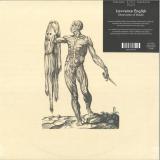
Joe Fujinoki centered the compositions of his latest album Glass Torso round the idea of the fragility of the human body. Fujinoki described the narrative thread of the album as that of “holding the shape of a human body as if it might shatter like glass”. The precariousness of the body, the essence of the body as defined by Fujinoki as the torso, and the object relations between the boundaries of dialectical exercises pack themselves into his creative process.
Fujinoki recorded Glass Torso exclusively with analog synthesizers, stumbling in and out of structural loops to find space for accidental discoveries. The ten pieces of recorded material feel somewhere on the edge of typified form, feeling like a vascular system pumping in and out its undulating liquidities. Maybe this is the hollowed space held together by Fujinoki’s notion of the torso where you hear a microscopic world, dubby and generative. Fujinoki is adept at organizing this realm of subtle sound sources, giving proper considerations of shared tonal space. Seemingly, this handling of the precarity of sonic material elucidates Fujinoki’s mature attention to detail.
Ambient music genre tropes often affirm the listeners vessel for escape and dissociation. It provides an intoxicating allure by respite from an overwhelming exterior reality far outside the listeners controls. Here this space becomes apolitical, or its protest vocabulary softer and subtle. Fujinoki does not aim to tackle hyperobject topics on how to course correct the world, but he does something increasingly rarer to come across. On Glass Torso an alternative space is created not as shelter, but as a meditation on negotiation and compromise. This twenty eight minutes of audio lays down a foundation for imagination, for imagining how to negotiate the fragility of the self. Zoomed out, the implications of his negotiative sonics can be a playground for broader reflections on distributive care and attention.
Fujinoki says he feels “alert” to his physicality and placement in the world amidst vast digital cultures creating impositions on him and his surroundings. On Glass Torso he creates a concretized space on a vinyl record, where the virtual and the tangible antagonize one another that create the spectacle of the listening experience. This spectacle is a soft one, a considered one, and an utmost enjoyable one. Fujinoki juggles opposing forces brilliantly, and formulates an exquisite palette of soft passing music so he can also help the listener with the exquisite burden of their own Glass Torso.”
- Nick Klein, January 2026
Search:torso
- 1
Party Tricks is back with a new release in their reissue series! This time, they bring back to life a sought-after progressive house gem from 1993 by Phunky Torso.
'Tricks that never fail to amuse at parties'
In conjunction with the 2025 re-pressing of the Nora Guthrie "Emily's Illness/Home Before Dark" 7-inch single, we have here, in the same format, a lovely cover of the latter tune, performed by Eddie Marcon, a band based in Himeji, Japan. The band's vocalist Eddie Corman and musician/producer Shintaro Sakamoto wrote the Japanese lyrics for this gorgeous version, recorded in 2024 and originally unintended for public release; however, this slice of sweetness, delivered by the full band comprising guitar, keyboards, bass, percussion and wistful winds is now available to the lucky listener. The flipside, recorded in 2025, is an intriguingly ghostly recomposed version for cello and flute by TORSO, a Tokyo instrumental duo, who used the basic tracks from the Eddie Marcon version of "Home Before Dark" as a 'guide' before finally deleting the basic tracks.
*JAPANESE PRESSING* ** Limited Edition** *** Unique hand silk-screened cover details*
Note: the colours delivered are random - examples shows above**
Enchanting and highly focussed material on a self released LP ** BIG TIP!!
TORSO's 2nd vinyl release.
TORSO (トルソ) is a unit formed by Kenji (flute, sax, etc.) & Orie (cello, voice, etc.), a married couple based in Tokyo, JP.
Technical:
Mastering and cutting were carried out by Graeme Durham of THE EXCHANGE mastering studio, established by the former "Sound Clinic" mastering and cutting section of Island Records UK. This ensures deep grooves and exceptional dynamics.
Kenji: Flute, Sax
Orie: Cello, Voice, Piano
Mixed by: Naoyuki Uchida
Mastering & Cutting by: Graeme Durham (The Exchange)
Press: Toyokasei Japan
The album cover features new artwork by Masaya Nakahara aka HAIR STYLISTICS, with the album title hand-printed using a silk-screen method in 7 colours, individually finished for each of the 500 copies.
- A1: Mystery Of Love (Sufjan Stevens)
- A2: Od Yu Tekem Laef Blong Mi (Hans Zimmer)
- A3: Born To Lose (Shirley Bassey)
- B1: Maybe Not (Cat Power)
- B2: Voyage, Voyage (Lifetime Version) (Desireless)
- B3: Johnsburg, Illinois (Tom Waits)
- C1: Girl Loves Me (David Bowie)
- C2: Stars (Janis Ian)
- C3: Pale Blue Eyes (The Velvet Underground)
- D1: What’s Up? (4 Non Blondes)
- D2: The End (The Doors)
Soap & Skin kündigt mit dem Cover-Song 'Mystery Of Love' (im Original von Sufjan Stevens) ihr erstes Cover-Album 'TORSO' an, das am 22. November über Play It Again Sam erscheinen wird. Anja Plaschg alias Soap&Skin hatte schon immer ein besonderes Talent dafür, Songs mit einem ganz eigenen Ansatz neu zu interpretieren. Als das Donau-Festival sie 2022 einlud, an einem Abend sämtliche über die Jahre entstandenen Cover-Stücke aufzuführen, kam ihr die Idee zu einer festen Sammlung - die jetzt gebündelt als Album 'TORSO' erscheint.
Pink Vinyl
Drifting on oceans of thunderous stillness, carried away by endless currents, whipped up by waves of darkness devouring you until you see the light. The first album from Platoo, a collaboration between Michelle Samba and Phil Mills, has an unrelenting cadence that grabs you and refuses to let go. A distinctive combination of calming soundscapes and highly-charged energy fitting any occasion, from dancing like lost souls in the empty halls of ancient barracks to ecstatically tripping on a distant desert planet.
To Phil and Michelle creating Platoo was about being given a sense of freedom and exploration, at once shaking off habits and rediscovering forgotten values. Phil's love of the mesh of ''real'' sounds and electronics, and quest to establish a balance where both would feed off each other saw him abandon convention and standard structures, deviate from the beaten path and let things come to life. Michelle's quest to create, to inspire and be inspired, to draw her conclusions from serendipitous events allowed her to break things open and be at ease with letting herself go to create the breathing space needed for this new sound.
What makes their symbiosis fruitful is a common yearning for the unknown, a search for what works without exactly fathoming why it works. The result is something that indeed meets those needs, a strange and beautiful musical exploration.
- A1: All Rights Resevered
- A2: God Factory
- A3: Hawaii / Torso / 97 Cigarettes
- A4: Acid Fur
- A5: Dance
- A6: New York Is A Lonely Town
- A7: (This Track Doesn't Exist)
- B1: Much About Bones
- B2: Scat
- B3: Pander To The Natives
- B4: For Garry 5
- B5: The Monkey Is Safe
- B6: 1-2-3 A Baby Buggy
- C1: Walking Best Friend
- C2: Untitled 1
- C3: Untitled 2
- C4: Now This Is God's Son 1
- C5: Acid Fur (Demo)
- C6: Now This Is God's Son 2
- C7: Hello Donald, Merry Christmas
- C8: Pinstripe Bus
- D1: The Man Of My Dreams
Dark Entries picks up Severed Heads yet again for Ear Bitten, a double LP reissue of some of the band’s earliest material. As originary Aussie industrial legends - although founder Tom Ellard would balk at being branded as such - Severed Heads shaped the continental subcultural sound with their kitchen electronics, chaotic tape loops, and quietly infectious nursery-rhyme-esque melodies. In 1979 Ellard, Richard Fielding, and Andrew Wright abandoned the moniker Mr. and Mrs. No Smoking Sign and adopted the edgier name Severed Heads “to pretend to be an industrial band such as Surgical Penis Klinik & Throbbing Gristle.” Noise-rockers Rhythmx Chymx had placed an advertisement in a local shop looking for a band to share the costs of pressing an LP. The Heads set about recording a Dadaist racket on a pair of open reel dictaphones and a cassette deck using a TRS-80 computer, Kawai Synthesizer 100F and Korg Mini Pops drum machine. Ear Bitten was released in 1980; original copies now fetch obscene sums, in part due to most of Severed Heads’ copies perishing in a fire at Richard’s home. The band’s next endeavor was a cassette titled Side 2, a collection of free-form experiments fashioned as Ear Bitten’s second side. For this reissue, Dark Entries has collected both Ear Bitten and Side 2 on the first disc, presenting the album in its full form. Disc two includes the original first version of Ear Bitten, which was only unreleased because it was recorded in a format not suitable for pressing. The album comes in a gatefold sleeve designed by Eloise Leigh and includes photos, liner notes, and reproductions of the original Xerox inserts from the 1980 issue. Ear Bitten delivers 22 tracks of pain you can dance to!
- Hasiera 00:50
- 2: Iratzarri 0:37
- Sarrakio 02:10
- Dantza Bihurritua 03:50
- Desagertu 03:18
- Meditazioa I 02:09
- Besarkatu Ninduzun (Cdr Y Basandere Ahotsak) 03:50
- Meditazioa Ii 02:53
- Ametza Iii 02:06
- Oroipen 04:04
- Fallen Gaza 03:09
- Atseginzale Dantza 02:14
- Sua Eta Heriotza 00:59
- Agur Maria (Cdr Y Basandere Ahotsak) 03:55
- Bukaerako Dantza 04:03
- Amaiera 00:36
Una interpretación de Soinuarenbidea II debería partir de esta premisa: todo es posible, nada es aleatorio, y en sí mismo es un imposible de aleatoriedades. El escenario planteado explora la idea de realidad aumentada desde una percepción sonora, ambiental y colectiva. La obra transita hacia adelante y hacia atrás recreando experiencias extintas de porvenir incierto, tratando de facilitar un fin pacificador. Cada pieza sonora se crea, se despliega, se repliega y se destruye, en una torsión permanente de toda la realidad que hace posible cada fragmento musical, cada identidad acústica, cada espacio sonoro. Lo onírico, la ficción, y el viaje están continuamente presentes, y es en el transitar de cada fragmento donde se produce el diálogo de la exposición musical. Los elementos de esta ficción se recrean continuamente, en un continuum donde se entrelazan y se van contorsionando a medida que crecen o decrecen con cada fragmento de síntesis concreta. Los temas explícitamente musicales son el magma que conduce a dar voluptuosidad al disco, siendo la piel un contexto o límite que en sí mismo fluctúa indefinidamente en texturas y configuraciones posibles. Y la urdimbre del silencio es la síntesis que está continuamente presente y que trata de cohesionar los fragmentos en continua colisión expresiva. Las grabaciones de campo proporcionan el material sonoro concreto, y como un fractal sonoro cada una de ellas ofrece diferentes grados de interpretación que a su vez conduce a nuevos fragmentos y nuevas creaciones. Así que se puede pensar que esta es una síntesis de una posible realidad, pero interpretable en infinidad de maneras. Un movimiento y una estaticidad implícitas que generan estructuras y dinámicas acústicas. Lo que se escucha no es real, pero en sí mismo forma parte de la realidad, creando un escenario expectante. Lo cinematográfico, plástico y teatral, danzante y dinámico cobra importancia en este juego, porque se trata de contar una historia, una experiencia recreada desde los puntos de vista del arte visual. Es a su vez hilo conductor y entretenimiento, discurso político y puro divertimento. Es desde este espacio de convivencia artística que tiene sentido la totalidad y justifica el formato sonoro planteado. La contradicción de la obra es patente en el formato, y es a su vez el planteamiento de una accidentalidad en el devenir vital. Contenedor de Ruido recoge todas estas contradicciones y las manifiesta en la obra Soinuarenbidea II. Es una historia sonora, es un cuento acústico. Es un fragmento de vitalidad en imágenes audibles. Es una invitación a la reflexión, a la crítica, al disfrute, a la meditación, a la celebración. Y sobre todo es esperanzadora apreciación de la realidad como algo maleable que confeccionamos colectivamente, que requiere de una paciente observación y la participación colectiva global, en un mundo finito pleno de diversidades y del que ignoramos prácticamente todo, al que deberíamos volver con respeto y devoción.
Soinuarenbidea II-ren interpretazio batek premisa honetatik abiatu beharko luke: dena da posible, ezer ez da ausazkoa, eta, berez, ausazkotasun ezinezko bat da. Planteatutako agertokiak errealitate areagotuaren ideia aztertzen du, soinu-, ingurumen- eta talde-pertzepzio batetik abiatuta. Lanak aurrera eta atzera egiten du, etorkizun zalantzagarriko esperientzia desagertuak birsortuz eta helburu baketsua lortzen saiatuz. Soinu-pieza bakoitza sortu, hedatu, tolestu eta suntsitu egiten da, musika-zati bakoitza, identitate akustiko bakoitza eta soinu-espazio bakoitza ahalbidetzen dituen errealitate osoaren etengabeko bihurdura batean. Onirikoa, fikzioa eta bidaia etengabe daude presente, eta pasarte bakoitzaren joan-etorrian gertatzen da musika-erakusketaren elkarrizketa. Fikzio honen elementuak etengabe birsortzen dira, continuum batean, non sintesi zati zehatz bakoitzarekin hazi edo txikitu ahala elkar lotzen eta bihurritzen diren. Esplizituki musikalak diren gaiak diskoari atsegintasuna ematera eramaten duen magma dira, azala testuingurua edo muga izanik, testura eta konfigurazio posibleetan mugarik gabe aldatzen dena. Eta isiltasunaren irazkia etengabe presente dagoen sintesia da, zatiak etengabeko adierazpen-talkan kohesionatzen saiatzen dena. Landa-grabazioek soinu-material zehatza ematen dute, eta soinu-fraktal batek bezala, horietako bakoitzak interpretazio-maila desberdinak eskaintzen ditu, eta horrek, aldi berean, zati eta sorkuntza berrietara eramaten du. Beraz, pentsa daiteke errealitate posible baten sintesia dela, baina hamaika modutan interpreta daitekeena. Egitura eta dinamika akustikoak sortzen dituzten mugimendu eta estatikotasun inplizitu bat. Entzuten dena ez da erreala, baina, berez, errealitatearen parte da, eta agertoki espektakularra sortzen du. Zinematografikoak, plastikoak eta antzerkikoak, dantzariak eta dinamikoak garrantzia hartzen dute joko honetan, ikusizko artearen ikuspegitik birsortutako istorio bat, esperientzia bat, kontatzea baita helburua. Aldi berean, hari gidaria eta entretenimendua da, diskurtso politikoa eta dibertimendu hutsa. Elkarbizitzarako espazio artistiko honetatik osotasunak zentzua du eta planteatutako soinu-formatua justifikatzen du. Obraren kontraesana nabarmena da formatuan, eta, aldi berean, bizi-bilakaeran istripu-tasa bat planteatzea da. Zarata-edukiontziak kontraesan horiek guztiak jasotzen ditu eta Soinuarenbidea II obran adierazten ditu. Soinu istorio bat da, ipuin akustiko bat. Bizitasun zati bat da, irudi entzungarrietan. Hausnarketarako, kritikarako, gozamenerako, meditaziorako eta ospakizunerako gonbidapena da. Eta, batez ere, itxaropentsua da errealitatea modu kolektiboan egiten dugun gauza xaflakor gisa hautematea, behaketa pazientea eta partaidetza kolektibo globala eskatzen dituena, dibertsitatez betetako mundu mugatu batean, ia guztia kontuan hartzen ez duguna, eta errespetuz eta debozioz itzuli beharko genukeena.
An interpretation of Soinuarenbidea II should start from this premise: everything is possible, nothing is random, and in itself is an impossible randomness. The proposed scenario explores the idea of augmented reality from a sonic, environmental, and collective perception. The work moves back and forth, recreating extinct experiences of an uncertain future, seeking to facilitate a peaceful end. Each sound piece is created, unfolds, retreats, and is destroyed, in a permanent twisting of all reality that makes each musical fragment, each acoustic identity, each sonic space possible. The dreamlike, the fictional, and the journey are continually present, and it is in the transit of each fragment that the dialogue of the musical exposition takes place. The elements of this fiction are continually recreated, in a continuum where they intertwine and contort as they grow or diminish with each fragment of concrete synthesis. The explicitly musical themes are the magma that leads to the work's voluptuousness, the skin being a context or boundary that in itself fluctuates indefinitely in possible textures and configurations. And the warp of silence is the synthesis that is continually present and seeks to unite the fragments in a continuous expressive collision. The field recordings provide the concrete sound material, and like a sonic fractal, each one offers different degrees of interpretation that in turn lead to new fragments and new creations. So one can think of this as a synthesis of a possible reality, but interpretable in an infinite number of ways. An implicit movement and staticity that generate acoustic structures and dynamics. What is heard is not real, but in itself is part of reality, creating an expectant scenario. The cinematic, plastic and theatrical, dance and dynamic aspects take on importance in this game, because it is about telling a story, an experience recreated from the perspective of visual art. It is at once a common thread and entertainment, political discourse and pure entertainment. It is from this space of artistic coexistence that the whole makes sense and justifies the proposed sound format. The contradiction of the work is evident in its format, and it is, in turn, the presentation of an accidentality in the course of life. Noise Container gathers all these contradictions and manifests them in the work Soinuarenbidea II. It is a sound story, an acoustic tale. It is a fragment of vitality in audible images. It is an invitation to reflection, to critique, to enjoyment, to meditation, to celebration. And above all, it is a hopeful appreciation of reality as something malleable that we collectively craft, requiring patient observation and global collective participation, in a finite world full of diversity and of which we know practically nothing, to which we should return with respect and devotion.
Paisajes sonoros, diseño sonoro, drones y música grabada, realizada y arreglada para Contenedor de Ruido por David Aranaz. Coro: Basandere Ahotsak. Producido y mezclado por David Aranaz. Mástering: Estanis Elorza. Fotografía: David Aranaz. Texto: David Aranaz. Traducción: Saioa Aranaz Oreja. Trabajo y Diseño artístico: Cristina Martinez. Edición: Contenedor de Ruido Producciones y Sarbide Music. Distribución: Contenedor de Ruido.
Contenedor de Ruido agradece el apoyo en la realización de Soinuarenbidea II al coro Basandere Ahotsak y en especial a Eva Orbara Goicoa.
Soinuarenbidea II está dedicado al pueblo palestino.
Paisajes y objetos Sonoros, samplers y otras músicas transformadas para Soinuarenbidea II
Burlada: Paseos sonoros matinales por Merindad de Sangüesa, Calle Mayor, Capuchinas, Parque Uranga y varias iglesias y plazas. Pasajes del cotidiano: basura de papel, cristal y plástico.
Pamplona: Cementerio de San José. CEIP Sanduzelai /// Quinto Real: Fábrica de Armas, Puerto de Urkiaga y alrededores. Suite del silencio, bosques en movimiento /// Fábrica de armas de Orbaiceta: regatas, biosques, paseo sonoro hasta regata /// Belate: Puerto de Belate y alrededores. Vacas en pradera junto a las turberas /// Bardenas Reales: Suite de guitarra y Suite del silencio, estepa desértica /// Austria: Tranvías de Graz y Viena. Muchedumbre del metro de Viena.
Voces cinematográficas de: Matanza en Texas, Robocop, Espíritu Sagrado, Solo los Amantes Sobreviven, Voces de Gaza, Yojimbo, Terciopelo Azul, Los 7 Magníficos.
La pista A2 está dedicada a la memoria de David Lynch.
La pista B4 está dedicada a Eva Orbara Goicoa.
Pista A4: Contiene interpretaciones de piano de Three Piano Pieces Op.11 de Arnold Schoenberg.
Pista A5: Es una interpretación expandida con síntesis FM del Concerto Op. 24 - Etwas lebhaft - de Anton Webern.
Pista A7: Contiene la canción Besarkatu ninduzun (Letra de Josune López y música de Josu Elberdin) en interpretación de Basandere Ahotsak en la iglesia de Burutain bajo la tormenta.
Pista B2: Contiene la canción Recuerdos de la Alhambra (Fernando Tárrega) en interpretación torsionada de David Aranaz Sarasa.
Pista B14: Contiene la canción Agur María (Letra y Música de Estíbaliz Robles “Estitxu” y arreglo exclusivo de Alfonso Ortiz para Basandere Ahotsak) en interpretación de Basandere Ahotsak.
Equipamiento para Soinuarenbidea II.
Micros de condensador SE7, configuración XY y ORTF; Micros de cinta ORTIZ LUTHIER configuración XY y Blumlein; Grabadoras MARANTZ y ZOOM; Sintetizadores y samplers Elektron MONOMACHINE SPS-1, MACHINEDRUM SFX6 y MODEL:SAMPLES. Dave Smith MOPHO. Torso Electronics S-4. Sintetizador Modular 333 DIY; Guitarra clásica ALHAMBRA 6P; Esculturas Sonoras tipo Baschet, cristal y metales; Mesa Soundcraft FX16ii; Interface de Audio RME Babyface Pro FS; DAW Logic Pro; Procesamiento de modelado analógico con Acústica Audio, Waves, Softube, Brainworx, Sonible, Analog Obsesion, Tokio Dawn. Metering de Logic y RME DigiCheck . Amplificación Hafler PRO2400. Monitorización BW DM602 S3. Mezcla digital; Mastering híbrido.
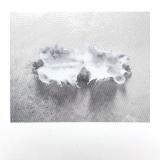
Do you remember the last time you were breathing consciously? Either way, you are likely doing it now. On his new album Observation of Breath« for the Swiss-based Hallow Ground label, Lawrence English worked exclusively with an organ for four compositions that are exercises in »maximal minimalism,« as their creator himself notes in a nod to Charlemagne Palestine, who coined this term. While it seems somewhat fitting that those four pieces based on a steady flow of air were conceived and recorded in a situation of accelerated standstill caused by a respiratory disease, the Room40 founder is not so much concerned with capturing the zeitgeist than rather incorporating the spirit of time itself. »It is a record about presence and patience,« he explains. Exploring the unique sonic affordances of a singular instrument, »Observation of Breath« is not only devoted to the durability of sound but also to its density. That it marks his debut on Hallow Ground after having shaped its sound by mastering most of the label’s releases in recent years is just as fitting then as its release following albums by Kali Malone and FUJI|||||||||||TA, whose innovative work with organ instruments have facilitated a rediscovery of their possibilities.English’s compositions however are neither directly indebted nor responding to these musicians. His exploration of the organ’s many facets started a decade ago when the composer was given access to an instrument built in 1889 that is presently housed at The Old Museum in Brisbane. After it had already played a crucial role on his seminal albums »Wilderness Of Mirrors« and »Cruel Optimism,« last year’s self-released »Lassitude« was the first record that English entirely composed and recorded with that instrument. »During the soft lockdowns, I spent many days playing to an empty concert hall, recording the pieces that became ›Lassitude‹ and then, this album,« says English in regards to an unfortunate situation that fortunately provided him with time and space—two major themes but also key qualities of the four new compositions. In this sense, he goes on, »Observation of Breath« resolves a number of the questions originally raised by »Lassitude.
- 01: Two Former Friends (Original)
- 02: Dance Of The Silver Beetles (Original)
- 03: Miniature White Deer (Original)
- 04: All The Goodbyes (You Tried To Defer)
- 05: Regretful Polar Bear (Original)
- 06: Anxious Shadow Puppets (Original)
- 07: Failed Space Walk (Original)
- 08: Devils (Original)
- 09: A Leopard With No Spots (Original)
- 10: Abandoned Boy (Left In Charge Of The Family Business)
- 11: Metal Mosquitos (Original)
- 12: A Cat Left To His Own Devices (Original)
- 13: Well-Heeled Human Driftwood (Original)
- 14: Flamingo With Bandaged Neck (Original)
Chris Menist pares his sound right back for A book of imaginary beings, his fourth Awkward Corners outing with a project of electronic and abstracted global grooves. Experimenting with simple melodies and uncluttered arrangements, as well as taking inspiration from the Borges' short stories alluded to in the title, the project took shape in the early part of 2025, in the shorter days and dark evenings of January.
The initial challenge was to knock a basic track into shape each evening after work, then refine it later. There's a melancholy in the air in late winter, compounded by the creeping threat of national and geopolitical instability. Ulla, Natural Information Society, Jabu, Torso and Dawuna formed some of the background soundtrack as each tune took shape.
The track titles came after sitting with the sounds for a while, giving shape to images of people, creatures and their stories for a book that is yet to be written.
Two former friends sets the tone for the album perfectly as a minimal electronic piece with a slowly simmering synth bassline underpinning the groove whilst the trademark Awkward sound of the Shahi Baaja enters drenched in effects. It's the first demonstration of Chris' unique ability to create a world from apparently very little.
Dance of the silver beetles is completely unique in that we can hear chopped up Illimba samples seemingly playing backwards and forewords sometimes alone, sometimes together in duet with Chris' conga rhythms. Add to that a more conventional Illimba melody and added shaker percussion and you have one of A book of imaginary beings most curious chapters.
Anxious shadow puppets is closer to the Awkward Corners sound from previous albums as electronic pulses move around the arrangement with the urgency that the track title suggests. Chris' percussive roots move to the fore with the congas that tie down the Paradise Bangkok Molam International Band's sound. Here, the bassline is more playful and works together with one of Chris' many African Illimbas.
Fans of Chris' adventures on his Roland 808 will dig A leopard with no spots, although the minimal mood continues to flow through on this track. The lolloping, but hard-hitting rhythm track provides the grounding for strange and twisting feedback-sounding tones to work the soundscape.
Abandoned boy (left in charge of the family business) is Awkward Corners at his atmospheric best. Drift off to the sublime sounds of Chris exploring the Shahi Baaja, whilst a soft, repetitive synth line and abstracted pads give the listener that feeling of meditation and peace.
Flamingo with bandaged neck is A book of imaginary beings' perfect coda and is exclusively Shahi Baaja draped in reverbs and delays. It feels like the resolution and the closing of a book that – as of yet – remains unwritten.
Awkward Corners is Chris Menist, a musician, DJ and writer. It started life as a small project in Islamabad, where Chris was living at the time. Initial recordings were made with local musicians in Pakistan and then subsequently in Thailand. This culminated in the Sweet Decay LP that came out on Finders Keepers' Disposable Music in 2014, and in turn led to a limited tape release on Boomkat/Reel Torque of original compositions and re-edits of Thai 45s the same year. Chris released – Dislocation Songs – his second LP proper with Shapes of Rhythm in May 2020, collaborating on many of the tracks with award-winning performer Sarathy Korwar. The LP was picked up by many radio stations including NTS, Resonance FM, BBC 6 Music, Balamii and many more. It made Tom Ravenscroft's LPs of 2020. Amateur Dramatics, Chris' second LP arrived just a year later in 2021 and was a more ambitious project featuring more jazz-focussed compositions and featuring Tamar Osborn and Kitty Whitelaw. Shortly after that came another pivot with the heavier, dancefloor-friendly EP Somebody Somewhere. Somebody Somewhere is Dancing in a Field brought the House (yes House!) vibes, whilst Hector Plimmer turned in a remix of No Words in the same club mood.
As one of NTS Radio's longest-standing presenters, Chris continues to hold down the Paradise Bangkok show. Playing drums and percussion since he was a kid, Chris is the percussionist for The Paradise Bangkok Molam International Band as well as co-founding the record label of the same name. Chris has curated compilations for labels such as Finders Keepers, Soundway and Dust-To-Digital. He has been featured on the Boiler Room, Vinyl Factory Collections, played at the Four Tet curated Nuits Sonores festival, and has put together an edition of Volumes which featured unreleased Awkward Corners compositions.
[d] 04: All the Goodbyes (You Tried to Defer) [Original]
[j] 10: Abandoned Boy (Left in Charge of the Family Business) [Original]
- 2025 Repress
- Black Bio vinyl
- Cut at 45RPM for optimum sound
- Printed on heavyweight board outer sleeve
- Vinyl comes in black poly-lined protective bag
- Housed in a heavyweight PVC protective outer sleeve
- Hype front sticker
Blue Lake's new offering 'Weft' sees its creator Jason Dungan unearth new musical terrain
with a mini-album which presents the projects evolution. Finding inspiration in the craft of weaving and embracing a collective spirit as a band leader, all while readying a new studio album expected later in 2025.
It follows the lauded album 'Sun Arcs' (2023) with Pitchfork naming it (Best New Music, 8.3), amongst numerous other accolades. Blue Lake is the ongoing musical project of American born, Copenhagen based musician Jason Dungan which serves as his artistic platform as composer and collaborator. Developed over the period of 2024 and witnessed at live performances across a swath of European cosmopolitan cities and festivals, the project stands at a new creative juncture. The earthy title track 'Weft' emerges with a sense of ease and familiarity as looping guitar riffs in open tunings bed in around a warm cello pulse that provides the essential heartbeat. These interlinking parts align to create his most explicit version yet of an American writing country music in Scandinavia. Dungan named the release 'Weft' as a reference to the weaving practice of his partner, Danish visual artist Maria Zahle, whose work "Torso" is featured on the album's cover. With her works providing a constant source of inspiration to his music and practice as an instrument-builder, Dungan found a symbiotic connection between their mediums, which is reflected in the music on 'Weft'.
'Weft' is a collection of new works that casts a net into new sound territories with distinctive timbres yet always channelled through the refined lens of Dungan's prism. Infused with an ongoing connection to nature, it furthermore expands his unique meld of off-kilter folk, jazz, country and left-field experimental ambience. 'Weft' then is an accomplishment of growth, of bolder objectives and of collaboration with like minds. The Blue Lake project takes a dynamic step forward venturing into new creative spaces while leaving some clues along the way.
- A1: Destroy All Neighbors
- A2: Always Hallways
- A3: Rocking In The 5Th Dimension
- A4: Bob Marley & Me
- A5: Vlad's Hallway Now / Bitch / Sex Maniac / Kevin Bacon Haircut / Hemifacial Spasm
- A6: My Epic Nightmare Life In Montage / My Girlfriend Has Sleep Apnea & There's A Vlad In My Bed
- A7: Get Out Of My Kitchen
- A8: Gloss Bounce / Euro Trip '69 / Pumping Jeremy Irons / Consensual Hand Puppet In Thump Country / Penetrate / The Gored Torso (Decapitation Blues)
- A9: Swig's Advice On Corpse Disposal
- A10: Make The Body Disappear
- A11: Dirty Boys
- A12: I Am God, Destroyer Of Vlad
- A13: I Live!
- A14: One Hot Lick Iii: Let's Go Incinerate A Body
- A15: Meating Your Heroes
- A16: Stupid Willie Brown
- A17: Dragging Plastic Wrapped Bodies From A Van Music
- A18: Mona Lisa Grimace
- A19: Cool Dawn Dimension Shirt Theme / Fuck All Night Music / Sticky Pleather Jonah Jams
- B1: Progressive Rock Is Life
- B2: Epitaph For The Fallen Circus: Demo
- B3: Requiem For Pig Guy
- B4: My Girlfriend Has Just Realized That I'm A Very Violent Murderer Person / A Not So Beautiful Mind / Ode To Generic Investigative Tv Journalism Music
- B5: Eleanor
- B6: The Neon Rainbow
- B7: The Mythology Of Madness, Call To Arms
- B8: Caleb Bang Jansen Has A Gun / Cops Ruin Everything / The Ex Girlfriend Suddenly Appears To Witness Your Potential Suicide By Cop
- B9: A Big Bear Story
- B10: Epitaph For The Fallen Circus
- B11: You Mean Everything To Me Even If I've Scarred You For Life Since You Witnessed A Horrible Crime (A Love Song)
- B12: Free - Performed By Man Man
Destroy All Neighbors is a twisted splatter-comedy about a deranged journey of self-discovery full of goopy practical FX, a well-known ensemble cast, and LOTS of blood. William Brown (Jonah Ray Rodrigues), is a neurotic, self-absorbed musician determined to finish his prog-rock magnum opus, facing a creative roadblock in the form of a noisy and grotesque neighbor named Vlad (Alex Winter).
He finally works up the nerve to demand that Vlad keep it down, and William inadvertently decapitates him. But, while attempting to cover up one murder, William's accidental reign of terror causes victims to pile up and become undead corpses who torment and create more bloody detours on his road to prog-rock Valhalla. The soundtrack is an infectious slice of progressive rock cues, EDM freakouts, 80’s synth pop and so much more by the brilliant Ryan Kattner & Brett Morris. Released in conjunction with SUB POP Records, and features an original song by MAN MAN, artwork by Johnny Dombrowski, and pressed on coloured vinyl.
- A1: Aoneko No Torso 02 15 Min
- A2: Dream 01 15 Min
- A3: Bibo No Aozora 03 19 Min
- A4: Blu 02 59 Min
- A5: A Flower Is Not A Flower 03 12 Min
- A6: 20220302 02 42 Min
- A7: Opus 05 21 Min
- A8: Dancing In The Sky 01 04 Min
- B1: Suite For Krug In 2008 Movement I 06:30 Min
- B2: Suite For Krug In 2008 Movement Ii 07:10 Min
- B3: Suite For Krug In 2008 Movement Iii 05:14 Min
Jonathan Bockelmann is a classical guitarist and composer based in Munich who first made waves in 2023 with his debut album ‘Childish Mind’. His entry into composing were arrangements he had made of pieces by Japanese composer Ryuichi Sakamoto. Some of these have been released digitally in three editions and are now available on vinyl for the first time. The record comes in high quality packaging with an embossed art print and features both some of Sakamoto’s lesser-known works like the ‘Suite for Krug’ as well as iconic pieces like ‘Bibo No Aozora’.
- A1: Locomotive Breath (Ian Anderson) 4:23
- A2: Please Fasten Your Seat Belts (Fm Leinert) 4:48
- A3: Ain’t No Sunshine (Bill Withers) Feat. Jazzamor 3:51
- A4: Radioactive Live Version (Fm Leinert) 10:07
- A5: Stone Buddha (Linda Wong) 6:40
- B1: Bourée (Johann Sebastian Bach) 3:45
- B2: Ocean Drive South Beach (Fm Leinert) 5:55
- B3: Flying Torso Live Version (Fm Leinert) 9:47
- B4: Deep Sea Bed (Fm Leinert) 5:31
- B5: The Creation Of Earth (Christian Kolonovitz, Friedemann Leinert) 4:02
Die Musikzeitschriften "Audio" und "Stereo Play" betitelten Lenny Mac Dowell als "Rockflötist Nummer eins in Deutschland".
Lenny Mac Dowell hatte unzählige Tourneen mit Musikern wie Manni von Bohr, Horst Stachelhaus (Birth Control), Peter Oehler, Mike Herting, Bodo Schopf (Michael Schenker Group) oder Zeus B. Held (Guru Guru), Clemens Winterhalter, Alex Grünwald und immer wieder Großproduktionen mit Musikern wie Pete York (Spencer Davis Group) und Wolfgang Schmid (Passport).
Eine Ära des musikalischen Experimentierens setzte sich unter eigener Produktion fort. Nach "Flying Torso" folgt "Balance Of Power", das mehr in die esoterischen Gefilde geht - feinste Meditationsmusik mit Ambient-Elementen. Auch das Album "The Farthest Shore" spiegelt die meditativen und esoterischen Klänge wider. 1987 veröffentlichte Lenny Mac Dowell in einem Gemeinschaftsprojekt mit Christoph Spendel "Autumn Breath" oder "Landscapes" (2015) und in den 90er Jahren bis heute "The Lost Paradise", "Echnatons Return", "Launch Control", "Get Ready", "Retrospective", "Lenny Goes India", "Look Of Love" und "Raja Yoga" Produktionen unter eigener Flagge.
"Vinyl Experience" eignet sich auch hervorragend als Referenz oder zum Testen Ihres Soundsystems, von der Plattenspieleranlage bis zu den Lautsprechern.
ZOMBEAST erheben sich von den Toten und präsentieren "Heart Of Darkness", ihr bisher härtestes, düsterstes und wildestes Album!
Beeinflusst von Danzig, AFI, Mercyful Fate und 80er Jahre Punk, Death Rock und Thrash Metal, haben ZOMBEAST eine perfekte Crossover-Mischung aus Dark Punk und Thrash erschaffen. Die von Mario Montechello geschriebenen Texte handeln von den echten Schrecken des Lebens, vom Okkulten und von Lykanthropie.
Mit Alex Young (Leadgitarre) und Kyle Smith (Schlagzeug) betritt die Band auch in technischer Hinsicht Neuland, das sie bisher noch nie betreten hat.
Donnernde Drums und sich duellierende Gitarren treffen auf diesem lang erwarteten neuen Album auf Gesang mit Kultcharakter - lasst euch das nicht entgehen!
ZOMBEAST erheben sich von den Toten und präsentieren "Heart Of Darkness", ihr bisher härtestes, düsterstes und wildestes Album!
Beeinflusst von Danzig, AFI, Mercyful Fate und 80er Jahre Punk, Death Rock und Thrash Metal, haben ZOMBEAST eine perfekte Crossover-Mischung aus Dark Punk und Thrash erschaffen. Die von Mario Montechello geschriebenen Texte handeln von den echten Schrecken des Lebens, vom Okkulten und von Lykanthropie.
Mit Alex Young (Leadgitarre) und Kyle Smith (Schlagzeug) betritt die Band auch in technischer Hinsicht Neuland, das sie bisher noch nie betreten hat.
Donnernde Drums und sich duellierende Gitarren treffen auf diesem lang erwarteten neuen Album auf Gesang mit Kultcharakter - lasst euch das nicht entgehen!
ZOMBEAST erheben sich von den Toten und präsentieren "Heart Of Darkness", ihr bisher härtestes, düsterstes und wildestes Album!
Beeinflusst von Danzig, AFI, Mercyful Fate und 80er Jahre Punk, Death Rock und Thrash Metal, haben ZOMBEAST eine perfekte Crossover-Mischung aus Dark Punk und Thrash erschaffen. Die von Mario Montechello geschriebenen Texte handeln von den echten Schrecken des Lebens, vom Okkulten und von Lykanthropie.
Mit Alex Young (Leadgitarre) und Kyle Smith (Schlagzeug) betritt die Band auch in technischer Hinsicht Neuland, das sie bisher noch nie betreten hat.
Donnernde Drums und sich duellierende Gitarren treffen auf diesem lang erwarteten neuen Album auf Gesang mit Kultcharakter - lasst euch das nicht entgehen!
Auf "Amongst the Low & Empty" wird der wütende Deathcore von SIGNS OF THE SWARM mit einer gehörigen Portion Groove und Industrial-Impulsen angereichert, die Vergleiche mit Meshuggah, Deftones und Fear Factory nahelegen. Die Band aus Pittsburgh, Pennsylvania, erreicht damit eine neue Ebene der Düsternis - der Soundtrack zu einer nicht allzu fernen dystopischen Zukunft, während ihre eigene heller denn je brennt. Das Feuer wurde von Co-Produzent und Mixer Josh Schroeder (Lorna Shore, King 810, Tallah) entfacht, der über einen Monat lang im Studio an dem Album arbeitete, wobei Schlagzeuger Bobby Crow das Fundament legte, auf dem alles aufgebaut wurde. "Amongst the Low & Empty" beginnt mit einer Bulldozer-Note - kein mäanderndes Intro - mit einem Titeltrack, der so schwer ist, dass ein später Ausbruch der Double Bass den Manager der Band buchstäblich zum Lachen brachte. Danach geht es mit "Tower of Torsos", "DREAMKILLER" oder "The Witch Beckons" weiter, bei dem Trivium-Sänger Matt Heafy neben dem animalischen Growl von Sänger David Simonich zu hören ist.Unermüdliches Touren mit Bands wie Lorna Shore, Whitechapel, Fit for an Autopsy, Born of Osiris, Archspire und VIELEN anderen hat es Signs of the Swarm ermöglicht, ihr Handwerk zu verfeinern, aber auf "Amongst the Low & Empty" haben sie es wirklich gemeistert und sind bereit, in der Welt des extremen Metal auszubrechen.Einfach gesagt ist dies der Sound von Kunst, die bis zum Äußersten getrieben wird.
- A1: Michelle Samba & Phil Mills - Tap Into Joy
- A2: Michelle Samba & Phil Mills - Changing Horses
- A3: Michelle Samba & Phil Mills - Blauw
- A4: Michelle Samba & Phil Mills - Human Beings Without Legs
- B1: Michelle Samba & Phil Mills - Bete Noir
- B2: Michelle Samba & Phil Mills - Department Of The Environment
- B3: Michelle Samba & Phil Mills - Victoria Edge
- B4: Michelle Samba & Phil Mills - Watch Out Please
- B5: Michelle Samba & Phil Mills - Lake Torso
- C1: Sam A La Bamalot - Dwelling
- C2: Sam A La Bamalot - Rupture
- C3: Sam A La Bamalot - Recollections
- C4: Sam A La Bamalot - Carefree
- C5: Sam A La Bamalot - Absent
- D1: Sam A La Bamalot - Inharmonious
- D2: Sam A La Bamalot - Family
- D3: Sam A La Bamalot - Better Days
- D4: Sam A La Bamalot - Self Image
What a record! The outstanding Solar Plexus, the much-loved third album from Ian Carr and Nucleus, was first released on Vertigo in 1971. Inevitably, original copies are now very tricky to score and, like all the Nucleus records, it’s aged ridiculously well. This Be With re-issue, re-mastered from the original analogue tapes, shows off just why this deserves to be back in press.
Genius trumpeter and visionary composer Ian Carr was one of the most respected British musicians of his era. He was a true pioneer and saw the potential in fusing the worlds of jazz with rock, just as Miles Davis and The Tony Williams Lifetime did in the US. In late 1969, following the demise of the Rendell-Carr quintet, and tiring of British jazz, Carr assembled the legendary Nucleus. Regarding music as a continuous process, Nucleus refused to “recognise rigid boundaries” and worked on delivering what they saw as a “total musical experience”. We can get behind that.
Under bandleader Carr, Nucleus existed as a fluid line-up of inventive, skilled musicians. This constant evolution and revolution was all part of the continuous musical exploration and discovery that took jazz to new levels. And the music has kept relevant. To steal a line from a review of our re-issue of Roots, when it comes to anything Nucleus “it’s basically already hip-hop”.
We'll let Ian describe this one: "I wrote Solar Plexus' last year with the help of an Arts Council grant. It is based on two short themes which are stated at the beginning (Elements I & I1). The first theme is angular and has a slow, crab-like movement: the second theme is direct, simple and diatonic. CHANGING TIME and SPIRIT LEVEL explore the first theme and BEDROCK DEADLOCK and TORSO explore the second one. SNAKEHIPS DREAM tries to fuse both themes. (The title is a reference to the famous dancer 'Snakehips' Johnson)."
Solar Plexus features the same lineup as Elastic Rock and We'll Talk About It Later, but they're augmented by six guests, three of which play brass. Carr himself had almost full control of the writing and it does feel very different to the previous albums. It's more of a jazz record loosely based on a rock foundation rather than jazz fusion jamming.
The haunting synth-and-bass soundscape "Elements I and II" opens the album in dramatic, experimental fashion. It gives way to the bright, funky feel-good jazz of "Changing Times". An elegant onslaught of horns, courtesy of guests Kenny Wheeler and Harry Beckett, ride a solid groove for the duration. How the brass refrains have eluded samplers is beyond us. The melancholic "Bedrock Deadlock" features the brooding majesty of Jenkins' oboe and Clyne's mournful, skittering double bass. Wah wah guitar, drums and funky percussion then take over before the horns ride us out over frenetic beats. The dark, angular "Spirit Level" is a real highlight, by turns harmonic and beautiful then dissonant and wayward. Wonky jazz with no apparent structure or melodic bones. Regardless, it represents a great showcase for each virtuoso performer.
The breezy soul of "Torso" feels like a breath of fresh air, skipping along in the uptempo style with guitar, horns, drums and bass. A track which truly sounds scintillating, featuring sax solos, fantastic propulsive interplay from all the group around the halfway stage before Marshall gets his chance to really shine in closing out with a polyrhythmic drum solo. Final track "Snakehips' Dream" stretches cooly out over 15 minutes to round out a spellbinding album. An epic, suave groove, it's a relaxing piece with warm electric keys, laconic guitar and languorous horns. Truly sophisticated soulful jazz. An absolute masterclass. We could easily listen to this all day long.
This Be With edition of Solar Plexus has been re-mastered from the original Vertigo master tapes, Simon Francis’ mastering working together with Cicely Balston's cut at AIR Studios to weave their usual magic with these wonderful recordings. The stunning gatefold sleeve has been restored to complete this sensational package.
- 1: Chamber Of Wind And Thunder
- 2: Chamber Of Oil Cauldrons
- 3: Chamber Of Grinding
- 4: Chamber Of Dismemberment By Sawing
- 5: Chamber Of Flames
- 6: Chamber Of Dismemberment By Chariot
- 7: Chamber Of Mountain Of Knives
- 8: Chamber Of Ice
- 9: Chamber Of Tongue Ripping
- 10: Chamber Of Heart-Digging
- 11: Chamber Of Pounding
- 12: Chamber Of Disembowelment
- 13: Chamber Of Torso-Severing
- 14: Chamber Of Blood
- 15: Chamber Of Scales
- 16: Chamber Of Maggots
- 17: Chamber Of Eye-Gouging
- 18: Chamber Of Avici
Greetings from Buddhist synth pop hell - Sami "Albert Witchfinder" Hynninen joins forces with Finnish hip hop maverick Olli Hänninen A chance meeting in Hell? No! It was destined to happen: Hip hop maverick Olli Hänninen (Ronskibiitti, Hammaspeikko) teaming up with Doom Metal eccentric Sami Hynninen (Opium Warlords, Reverend Bizarre) to create alternative rhythm music unlike anything that has existed before. Hänninen and Hynninen take a trip to eighteen chambers of Buddhist Hell to reflect on the cold and violent world that surrounds us every day. The music stretches from experimental drones through jazz and marching music to bona fide synth pop, but do not try to label this album. It is impossible. It follows only its own laws. It can caress you or hit you in the head, but it never loses its intensity. Imagine a sober but psychotic COIL, or DAF with a shotgun, and you are not even close. The ambient elements and rhythm tracks defining the tone of each chamber morph together everything from weird crackle boxes, self-made anti-instruments and field recordings of a malfunctioning supermarket wicket or unorthodox paving block structures under a luggage trolley, to noisiest distortion and analogue delay effects on a mindlessly abused electric guitar. It is NOT Rock, it is NOT Metal it is just Alternative
- 1: Tokow Boys - Elle Hotesse
- 1: 2 Guerre Froide - Ersatz
- 1: 3 Lizzy Mercier Descloux - Torso Corso
- 1: 4 Ruth - Mots
- 1: 5 Kas Product - Man Of Time
- 1: 7 Henriette Coulouvrat - Can't You Take A Joke
- 1: 8 Ice - La Grande Guerre
- 1: 0 Mathematiques Modernes - Manekine
- 1: Metal Boys - Tokio Airport
- 1: 2 Visible - Essor Assuré
- 1: 3 Mecannique Rythmique - Extase
- 1: 4 Charles De Goal - Exposition
Pink Vinyl
Drifting on oceans of thunderous stillness, carried away by endless currents, whipped up by waves of darkness devouring you until you see the light. The first album from Platoo, a collaboration between Michelle Samba and Phil Mills, has an unrelenting cadence that grabs you and refuses to let go. A distinctive combination of calming soundscapes and highly-charged energy fitting any occasion, from dancing like lost souls in the empty halls of ancient barracks to ecstatically tripping on a distant desert planet.
To Phil and Michelle creating Platoo was about being given a sense of freedom and exploration, at once shaking off habits and rediscovering forgotten values. Phil's love of the mesh of ''real'' sounds and electronics, and quest to establish a balance where both would feed off each other saw him abandon convention and standard structures, deviate from the beaten path and let things come to life. Michelle's quest to create, to inspire and be inspired, to draw her conclusions from serendipitous events allowed her to break things open and be at ease with letting herself go to create the breathing space needed for this new sound.
What makes their symbiosis fruitful is a common yearning for the unknown, a search for what works without exactly fathoming why it works. The result is something that indeed meets those needs, a strange and beautiful musical exploration.
Ionisation is the first LP by Italian poet Adriano Spatola. Born in Yugoslavia in 1941, by the age of 23 he became a major force in the Italian avant-garde. “Towards Total Poetry,” Spatola’s critical study on the state of modern poetry, spells out his position: “to become a total medium, to escape all limitations to include theater, photography, music, painting, typography, cinematographic techniques, and every other aspect of culture, in a utopian ambition to return to origins.” Graphic poetry (cut-up zeroglyphs), volatile and beautiful prose (particularly his books The Porthole and Majakovskiiiiiiij), and of course sound poetry, represented here for the first time. Spatola was the editor of many underground publications: Baobab (a legendary audio-cassette magazine), Tam Tam, and Edition Geiger. Each of his pursuits spread the margins of the format, all done with a relentless, piercing curatorial eye.
Spatola has dark, drunken wit in spades. In his sound poems, an even more saturated persona is conjured. A desperate humor sneers through this LP, a humor that has surrendered to the severe joke of life long ago - lashing out on syllables and ingrown word games. Particularly, his classic “Aviation/Aviateur” (akin to his “Seduction/Seducteur,” & “Violacion/Violateur” etc.). Read by lesser performers, these pieces would falter and float by in the trough, though Spatola’s bull-like confidence tears through. “Poker Foundation” features the poet hysterically singing “the play of the words” over a classical radio piece, mocking and squawking against the string swells. Steve Lacy plays scissors, knife, and saxophone on “Hommage à Eric Satie,” a piece originally recorded for the luxurious Cramps LP boxset Futura. Collaborators Gian Paolo Roffi and Paul Vangelisti are also featured across the collection.
The LP concludes with the titular work “Ionisation,” recorded just days before his premature death in 1988. Feeling his sinking health, his belly in the quicksand, he prefaces the piece, “a funeral march for my body.” He proceeds to scrape and pound the microphone on his chest, face, and clothing. This thick pumping of Adriano’s torso rapping across the speakers abruptly stops after two minutes. A piercing moment.
I was born the day after Adriano died, which has some poetic meaning to me, naturally. I am indebted to him, his sickly sweet manner. The opportunity to publish these largely unknown sound works is an honor which brings a warmth to my torso. Much appreciation goes to Giovanni Fontana (poet and dear friend of Adriano), who helped produce this edition with me. “Every single word has been a tempest of gestures.“
Sean McCann, January 2020
Mekanik Kommando was a post punk / New Wave band from Nijmegen, the Netherlands founded in 1979 by Peter van Vliet and Laszlo Panyigay. The duo became a quartet with the addition of Simon van Vliet and Mirjam van Hout. The name Mekanik Kommando comes from the album ?Mekan?k Destrukt?w Kommand?h? by the French progressive rock band Magma. Inspired by a DIY ethos, Kraftwerk and Magma, the band began recording songs at home using two tape recorders. Their demo cassette was discovered by Wally van Middendorp of Minny Pops and owner of Plurex Records, who booked them for a gig at Paradiso in Amsterdam. In 1981 they were asked to contribute music on a flexidisc for the first issue of newly established magazine Vinyl. In the summer of that year the band recorded their debut album ?It Would Be Quiet In The Woods If Only A Few Birds Sing? released on Torso. In February 1982 the band secured five days of studio time at Salisbury Sound in Dordrecht. The end result was the mini-album ?Dancing Elephants? released on Torso later that year. Musically, the five songs are a mix between cold wave, experimental electronic and industrial pop. The band utilized two bass guitars plus a Korg 770, KR-55 drum machine, violin, effects, metals and plastics. Lyrics explore themes of decay and morality, hypnotically spoken on top of playfully metallic sounds. All songs have been mastered by George Horn at Fantasy Studios in Berkeley. Each EP is housed in a replica of the original jacket, which features artwork by the group members, and includes a 4-page booklet with lyrics and notes designed by Eloise Leigh.
- 1: ) Experimental Music
- 2: ) The Logic Of Night
- 3: ) If I Was An Animal
- 4: ) Rome
- 5: ) Don't Make Me Dream
- 6: ) Come Over
- 7: ) Three Made A Fool Out Of Me
- 8: ) Temporary Insanity
- 9: ) Don't Scare The Ghost
- 10: ) I Hate Winners
hain & the Gang : Ian Svenonius
Chain & the Gang ... the world's only 'DOWN WITH LIBERTY' group ... the best and most radical rock n roll group ever ... have a BRAND NEW long playing record out on RADICAL ELITE records and its a 'head scratcher' for sure ...
Chain & the Gang - known as the dynamic and irresistible live combo that pens provocative, unforgettable odes to obedi- ence and total destruction (e.g. 'Devitalize', 'Certain Kinds of Trash', 'Detroit Music' ) got sick of the simple fare so prevalent at the rock festivals these days. After nodding off to the washed-out zzzounds of the latest five-star folly critic's catastrophe, 'Chain & the Gang' decided to respond with their patented perversity ; they reached to the farther corner of the lab and came up with an immortal classic in the hard-to-hear genre of 'EXPERIMENTAL MUSIC' (!!!!!!!!)
In fact, this record is so confounding, so new and uncharted, they decided to call it 'EXPERIMENTAL MUSIC.' Not only is it a pounding super-classic, but it's the final word in the experimental music genre, answering the questions initially proposed by John Cage, Yoko Ono, LaMonte Young etc., shutting down the need for further experiments forever. The Lab is Closed!
Besides CHAIN & the GANG's 'Chain' — aka Ian Svenonius -- the 'EXPERIMENTAL MUSIC' LP features an all-star cast of avant-garde geniuses such as DANNY KROHA (the Gories, Demolition Dollrods, Danny and the Darleans), FRED THOMAS (Saturday Looks Good to Me, Lovesick, Tyvek, His Name is Alive), SHELLEY SALANT (Shells, Tyvek, SLGTM, Swimsuit), AMBER FELLOWS (Swimsuit), MADELINE MCCORMICK (Chain & the Gang) and BEN COLLINS (Mini- Horse) and was recorded live to four-tracks at WORLD CLASS TAPES in ANN ARBOR, Michigan.
The title track sets forth the premise and the rest of the tunes expound upon it. Its a foot-tapping, head scratching, torso tornado that will crinkle the connossieur's temple in a tantrum of cerebral delight.
Writers in one hundred years will still be piecing together the puzzle of perversity that's named EXPERIMENTAL MUSIC by CHAIN & the GANG on RADICAL ELITE Records.
- 1