
7
spedizoni da02.10.2026
L'articolo è già in viaggio verso di noi e dovrebbe essere spedito da 02.10.2026.
11,98 €
L'articolo è già in viaggio verso di noi e dovrebbe essere spedito da 02.10.2026.
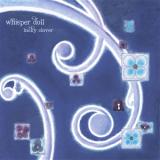
Whisper Doll's new music comes from a time in frontwoman Fiona Tagami's life when she was actively trying to cultivate whimsy, a sense of possibility. "It's about this switch of trying to be in the world as a hopeful person," she says. The songs' dream-pop sound, with their woozy guitars and ethereal vocal melodies, evokes that feeling. Some moments feel weightless and joyous, others dense with mystery. Whisper Doll began as a solo project when Fiona was in high school in Atlanta, writing in her bedroom while she fell in love with bands like The Sundays, Mazzy Star, and The Cranberries. During the process of making her debut album, 2024's Perfume Garden, she moved to New York and became quickly wrapped up in the city's indie scene. While playing in various other bands, she met her future Whisper Doll bandmates: drummer Shawn Majeed, guitarist sophomore album Lucky Clover is Whisper Doll's first full-band record, and the first one made in full in NYC, representing a newfound sense of clarity for Fiona as well as a newly collaborative process. With their meticulously crafted sound and deeply thoughtful songwriting, Whisper Doll place us in a world that's unmistakably their own.
dovrebbe essere pubblicato su 02.10.2026

Picture Disc[27,31 €]
Created in collaboration with Florida-based production duo The Still Brothers, the album pairs Rollo's songwriting with beautiful analogue production and rich, organic arrangements. The project was further elevated by producer and mixer Mike Hill, before Grammy Award-winning mastering engineer Dan Millice put the finishing touches on the record.
Recorded over the course of several visits to The Still Brothers' studio in Florida, The Jelly Man was shaped by both its surroundings and the creative partnership at its heart.
Together, Rollo and The Still Brothers crafted a beautifully warm, analogue-sounding record, deeply inspired by Florida's natural beauty and the laid-back atmosphere. Recorded with an 8-channel Tascam tape machine, the album radiates warmth, vibrancy and character, while a host of carefully chosen collaborators bring their own distinctive voices to each track.
Rollo Doherty is a multi-instrumentalist, songwriter, producer and composer, as well as an accomplished filmmaker, illustrator and animator. His previous EP earned him support slots on Skinshape's UK tour and Palace's European tour, alongside airplay and support from BBC Radio, KEXP and NPR.
The Jelly Man marks an exciting new chapter for Rollo Doherty—an album that captures a sense of place, collaboration and timeless craftsmanship.
dovrebbe essere pubblicato su 02.10.2026

Created in collaboration with Florida-based production duo The Still Brothers, the album pairs Rollo's songwriting with beautiful analogue production and rich, organic arrangements. The project was further elevated by producer and mixer Mike Hill, before Grammy Award-winning mastering engineer Dan Millice put the finishing touches on the record.
Recorded over the course of several visits to The Still Brothers' studio in Florida, The Jelly Man was shaped by both its surroundings and the creative partnership at its heart.
Together, Rollo and The Still Brothers crafted a beautifully warm, analogue-sounding record, deeply inspired by Florida's natural beauty and the laid-back atmosphere. Recorded with an 8-channel Tascam tape machine, the album radiates warmth, vibrancy and character, while a host of carefully chosen collaborators bring their own distinctive voices to each track.
Rollo Doherty is a multi-instrumentalist, songwriter, producer and composer, as well as an accomplished filmmaker, illustrator and animator. His previous EP earned him support slots on Skinshape's UK tour and Palace's European tour, alongside airplay and support from BBC Radio, KEXP and NPR.
The Jelly Man marks an exciting new chapter for Rollo Doherty—an album that captures a sense of place, collaboration and timeless craftsmanship.
dovrebbe essere pubblicato su 02.10.2026

L'articolo è già in viaggio verso di noi e dovrebbe essere spedito da 02.10.2026.

After a sought after debut EP on their Perfumed Freedom label Foehn & Jerome return to the imprint with their versatile “Hermanngirl” release. The record spans across four original cuts, brimming with a nostalgic minimalist approach, incorporated with the distinct sound of modern times from the Berlin based duo, a reflection of the highly anticipated Perfumed Freedom parties they run. Diving into PFFD002 you will discover a refined blend of hypnotic and stripped back structures infused with distinct house grooves with an intricate and detailed energy for the floor. A producer pairing that continue to evolve their sound, developing the direction of their Perfumed Freedom set up but maintaining the direction at the core, timeless yet hypnotic.
dovrebbe essere pubblicato su 02.10.2026

Lone Ark and The 18th Parallel join forces again! Five years after the critically acclaimed debut ‘Showcase Vol. 1’ (2021), the two spearheads of the European roots reggae scene return with the second volume of this showcase series. Recorded on 2” tape between Geneva, Switzerland and Cueto, Spain, this new project is another masterpiece of production. It dives deep into the roots sound and playing of the 70s and 80s Jamaican reggae with heavyweight drums and bass, razor-sharp rhythm section, and sophisticated horns, flute, synth and vocals arrangements. Roberto Sánchez, the voice behind Lone Ark, sings about themes more relevant than ever such as activism through music (Ammunition), the absurdity of ongoing wars in the world justified by religious beliefs (Man Kill Man), anti-capitalism (Money) and the appreciation of life’s blessings (Morning Blessing). The six songs of this ‘Showcase Vol. 2’ are followed by their dub counterparts expertly mixed by Roberto Sánchez himself. In the age of AI, this album takes the opposite direction. It is all about the human touch and the analogue warmth. No trick here, this is 100% real organic roots music!
dovrebbe essere pubblicato su 02.10.2026
»Baby Ghost« is the debut album by double bassist and vocalist Jordan Sand. Released through Hallow Ground, it blurs the lines between different genres and modes of expressions, improvisation and composition and showcases the unique playing style the composer has developed. Sand blends her voice with the bowed harmonics and subharmonics of her double bass. At once conceptually rigorous and musically open-ended, Sand’s wordless meditations on death and what comes after are both visceral and explorative.
Sand is a boundary-crossing instrumentalist, performer, and session musician who has worked in folk, free jazz, pop, classical and new as well as experimental music. In 2020, she took a hiatus. When she picked up the bass again, she began stripping down the relationship to her instrument to its core elements, searching for a way to melt the sounds of bow and voice together. This resulted in the appearance of ghost notes, tones emerging from the addition or subtraction of two frequencies, and harmonics that she adds with her falsetto.
On »Baby Ghost,« Sand utilises this acoustic sound and the spontaneous precision of her improvisational practice for pieces that deal with the subject of dying. They move from more polyphonic improvisations toward abstraction, touching upon harsh noise and minimalistic bow-chants before returning briefly to a melodic soliloquy, and finally landing on an extended subharmonic drone. This progression reflects the journey of the spirit after death; the experience of visions, memories, ecstasies and terrors before the dissolution of the self.
Sand performs this process physically, blending her voice with her instrument to explore how the senses might dissolve and merge when they enter a state between life and beyond-or-between-life. Born out of the moment and dedicated to a lost friend, »Baby Ghost« is quite literally an otherworldly achievement.
dovrebbe essere pubblicato su 02.10.2026
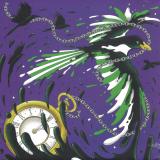
Juxtaposing acid-tipped breakbeats with influences of acoustic behaviour in nature, Sully unveils a debut release for Critical Music with two-track 12” ‘Flux’ b/w ‘Chatter’. Sully says: "‘Flux’ and ‘Chatter’ were another attempt to take the groove and feel of the breakbeats I've been previously working with and build them from the ground up. The aim was to find space for the tonal elements to breathe and end up in a place I'd not been to before." Birdsong became an unexpected reference point during the writing process, with Sully using synthesis to analyse and recreate natural calls as compositional material. The resulting dialogue between acoustic behaviour and digital sound generation forms part of the release's underlying methodology rather than a surface aesthetic. "The contrast and contradiction of the organic world captured by digital processes is always a pull for me," Sully explains. "It never fails to inspire." Jack Stevens aka Sully has spent much of the last two decades developing a body of work that sits slightly outside the obvious cycles of revival that have shaped UK bass music. While his records draw from established rhythmic forms, they rarely settle within a single tradition, instead examining the shared characteristics between them. His releases have consistently explored the points where 2-step swing, breakbeat construction, and jungle's rhythmic vocabulary begin to overlap. Sully’s records retain a relevance that extends beyond the moment of their release, continuing to circulate through DJ sets and specialist record collections. This 12” adds another chapter to a catalogue defined by sustained investigation into rhythm, texture and soundsystem music.
L'articolo è già in viaggio verso di noi e dovrebbe essere spedito da 02.10.2026.
The third in a series of releases from the Digi Dub archives, Like it Here is a tribute to the poet laureate of Special Brew, the late Iffor Clarkson-Denbigh, who sadly departed us in 2021 to drink in the great park in the stars.
The infectious and futuristic late 90s vocal space dub of the A side finds Iffor waxing lyrically about both the nature of impermanence and the sentient ocean of Solaris over an irresistible bassline and low winding groove. The flip side features a suitably chugging version of the rail riding classic Loveborough Junction and a percussive early 90s acid dub of Heart like a Lion, the original of which dropped on the South East of the Thames collection. None of the tracks are traditional style dubs, but happily exist in the gaps between genres.
Iffor was a well-known multi-instrumentalist and vocalist on the South East London underground scene who lived life to the max without an off switch. He and label owner Lee Berwick truly had a laugh in the studio, producing Purple Boy (the classic ode to drinking in the park), the suitably named Clevor but Stupid album and many other uncategorisable musical wanderings.
“The hope is that Iffor, the dark son of Clenby, is cackling as he cracks another can while looking down on us from the great park in the stars.” Lee Digidub Berwick
dovrebbe essere pubblicato su 02.10.2026

dovrebbe essere pubblicato su 02.10.2026
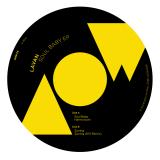
Ascension on Wax returns with its sixth release, welcoming back label co-founder Lavan for Soul Baby EP Inc. K15 Remix. A four-track, 25-minute journey through deep, soulful and jazz-influenced house music.
Rooted in the warmth and musicality that have become central to the Ascension on Wax sound, Soul Baby is an honest, straight-up house record made for the soul. Across three original productions, Lavan explores rolling grooves, hypnotic harmony and atmospheric synth work, balancing classic house sensibilities with a distinctly UK influence.
Completing the EP, K15 takes on "Zoning" with a stunning rework that introduces UK broken-beat rhythms and additional Rhodes keys. His signature futuristic deepness brings a fresh rhythmic dimension to the track while retaining the soul and spaciousness of the original.
The Soul Baby EP feels equally at home in a DJ bag or spinning on a living-room turntable. Timeless, soulful house music with a strong sense of identity.
dovrebbe essere pubblicato su 02.10.2026
Vinyl in kraft sleeve
Across four tracks of lean and potent workouts with his unmistakable sonic signature, Peverelist returns to Livity Sound with his first release of 2026. After three years shaping out the Pulse series, Pace The Wrecks EP finds Pev shifting focus in subtle ways while upholding his focus on impactful, sprightly club modernism.
It's clear there are fresh inputs into the Peverelist sound from the very first note of 'Wreck I', which opens on an ominous lower-register piano note leading into a brooding house-tempo cut laced with sci-fi synth licks. On 'Wreck II' the dial shifts towards a more rapid-fire, electro-informed rush before swerving towards the bass-heavy, bleep-loaded jack of 'Wreck III'. 'Wreck IV' closes the EP out on a more sparsely arranged broken beat tip primed for lighter moments in the mix.
True to Pev's singular sound while maintaining the consistently fresh, uplifting energy of his recent output, Pace The Wrecks opens up the next phase in his studio work with assured poise and a sustained commitment to keep pushing forwards.
dovrebbe essere pubblicato su 02.10.2026

For the label's latest, Oath is proud to present 'Honey Tangerine', the newest mini-album from producer extortionaire Olsvangèr, who serves up his signature blend of hyper-kinetic, ever-shifting dance music.
Olsvangèr's sound and musical journey are forever rooted in the liminal spaces that make up the broad-reaching and ever-shifting electronic music landscape, with his records consistently channeling that in-betweenness that imprints lasting impressions. A classically trained musician with a profound passion for house and techno, Olsvangèr's sonic palette is one of both broad and delicate brush strokes, applying an array of compelling motifs within amorphous arrangements that blend and blur perspectives. His records seek out the faraway fringes as much as focusing on the intensity found in the detail, creating cavernous soundscapes that are impeccably tuned and effortlessly free-flowing. Seemingly genreless, his records are anchored in all that is known and loved, yet due to the music's perspective situated at the intersectionality of electronica, a beautiful anticipation resides within every stanza of his tracks at what may come next. His musical language has found him releasing on the likes of Kalahari Oyster Cult, Hooj Choons and Craigie Knowes, and follows through within his imprint Tofistock, which has been pushing some of the most forward-thinking dance music of recent times.
'Honey Tangerine' touches upon the classic motifs of Olsvangèr's sound, and as always, the room for growth within the record's parameters remains truly endless. Over six tracks, Olsvangèr lays bare the directions of travel, with paths unravelling that feel well trodden yet with some that branch out towards new horizons. 'Source of Thought' opens up proceedings with a captivating ambience, where twinkling hues and lively tones paint the parameters of sound. The chuggy breaks that land deep within the mix drop in and out of view, allowing a deft balance between pure ambiance and rhythm to exchange dialogue between one another. 'In a Nutshell' shifts gears in atmosphere and energy, with all eyes placed upon the club. The shifting rhythm section lifts the acidic melodic features up above, with driving bass notes and a euphoric vocal like lead linking the depths to the heavens. 'Tulpa Nine' swings into heads-down territory, where the drums swing slow and the throbbing bass hits heavy. The auto-tune vocal line up above creates an atmosphere of hazy, smoke-filled rooms, where the party yearns for downtime in anticipation of the next shift in energy.
'Sunrise on the Lips' gives over further chill out room vibrations, where the lights remain low, and smiles reside all around. The enriching drums provide the basis for sitars and glossy keys to glide across the top ends, with the mind invited to dip deep within this enthralling ensemble. 'Zoom It Out' provides the release into the room, with the ante upped. A breaky house leaning number, this cut grooves through its chiming melodic section and groove-laden bass line, with the polyrhythmic drumming pattern doing much to keep the energy residing very high indeed. The record is wrapped up with 'Some Air', which gives over one final jaunt through the airy, slowed-down slipstreams. A wondrous beat is complemented by melodic elements that chime, absorb and quiver, glowing through the night with such charm and feel. An engrossing composition that demonstrates what Olsvangèr is all about - a crafter of sound, where adventure is sought and found, never wavering but curating new connections, feelings, and tones, with an eye on what might come next.
Whether softly undulating or boundlessly expressive, Olsvangèr's music remains a beautiful enigma that serves up both the glorious knowns and the captivating unknowns - 'Honey Tangerine' is yet another chapter in his glorious discography.
dovrebbe essere pubblicato su 02.10.2026
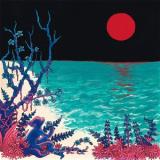
glass beach's debut album the first glass beach album is the first album from glass beach. That's a good place to start, but the album's plain & descriptive title does little to explain exactly what goes on in the hour-long adventure contained therein. the first glass beach album was initially self-released by the band in Spring 2019, but it's roots date back to as early as 2015 - songwriter & band leader j mclendon started demoing songs for the album when they first moved to Los Angeles & spent three years polishing those first demos into these songs with bassist Jonas Newhouse & drummer William White. On their Bandcamp page, the band describes their sound as the accumulation of jazz, new wave, synth music, and emo distorted through the lens of punk. The songs that make up the first glass beach album are ambitious, theatrical and chaotic. Abandoning genre limitations makes glass beach's talent for songwriting all the more apparent - mathy guitar leads, catchy drum grooves and the constant interplay of horns, synths, and even the intermittent theremin set the perfect scene for j's stunning vocal performance, which can shift from a charming falsetto to the lead of a sing-a-long in an instant.
dovrebbe essere pubblicato su 02.10.2026

Swedish metalcore visionaries Imminence return with their highly anticipated new album Axis Mundi via Sumerian Records. Following the breakthrough success of The Black, the band's latest full-length expands on their signature fusion of cinematic orchestration and modern metal across 11 powerful tracks, delivering their most ambitious and emotionally resonant work to date. Featuring the singles "The Sword That Never Bends" and "Crestfallen," Axis Mundi stands as Imminence's boldest work to date.
dovrebbe essere pubblicato su 02.10.2026
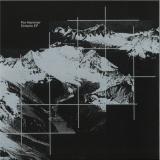
Per Hammar returns to his own Dirty Hands imprint with the four-track ‘Ontario EP’, once again showcasing his raw, robust and groove-led style.
Swedish producer and DJ Per Hammar has steadily carved out a reputation as one of the most distinctive voices in contemporary underground electronic music. As the founder of the acclaimed Dirty Hands imprint, Hammar has built a platform synonymous with deep, groove-led and uncompromising club music, while other productions have found homes on some of the scene's most respected labels including Sushitech, Kalahari Oyster Cult and Craigie Knowes. Here we see him returning to his own home and delivering stripped-back late-night tools, psychedelic excursions and deep, hypnotic dancefloor journeys. Hammar consistently balances functionality with personality, a quality that has established him as one of Europe's most respected underground talents.
Title cut ‘Ontario’ leads with Per laying down crisp, crunchy drums alongside dubby bass tones, fluttering stab sequences and intricate modulations, all delicately ebbing and flowing throughout the composition. ‘Off Disk’ follows, fusing organic percussive elements with weighty sub-bass, shifting synth flourishes and bubbling, delayed melodies that steadily unfold across the groove.
On the flip side, ‘Oops All Sixes’ shifts into more acid-tinged House territory, built around a squelchy acid bass hook and saturated drums, while sporadic, expansive delays and hypnotic reverberations drift atop the track’s raw, loopy foundation. ‘Airex’ concludes the release by diving deeper, stripping things back to oscillating percussion, a snaking low-end pulse and airy chords.
dovrebbe essere pubblicato su 02.10.2026

Grammy-nominated German producer and DJ, Mousse T is set to headline the next installment of Defected's celebrated House Masters vinyl series with a sprawling three-LP retrospective of his remix career. Spanning six sides of wax, the collection pulls together two decades of dancefloor alchemy, tracing his signature style from disco- inflected house to breakbeat- tinged funk and back again. Including four brand new "Shizzle" and "Re-Rub" productions that are exclusive to this compilation and one remix that has previously never been released on vinyl before, makes this a particularly essential release, offering vinyl access to mixes that may otherwise circulate only in DJ pools or digital crates. House Masters Mousse T. features classic and fresh takes on the likes of Dennis Ferrer, Martin Solveig, Moloko, Camelphat, Spiller, Shakedown and many more, cementing Mousse's reputation as one of house music's most versatile and prolific talents.
dovrebbe essere pubblicato su 02.10.2026

Max Cooper delivers the latest instalment in the acclaimed fabric presents series, marking a landmark release as the first tracks to be presented in Spatial Audio. Fusing his signature blend of emotive electronica, immersive sound design and club-focused energy, the project captures Max’s ability to bridge the gap between cutting-edge technology and deeply human storytelling. Featuring exclusive material alongside carefully curated selections, the mix places him alongside previous fabric presents contributors including Daniel Avery, Overmono, Helena Hauff and Mount Kimbie, while pushing the series into new sonic territory.
Leading the accompanying EP is Flecks, a collaboration with LSB that pairs fast drum & bass breaks with Max Cooper’s unmistakable immersive production. Referencing the iconic Hurt You So break, the track fuses old-school jungle influences with a modern, spatial mix, hypnotic synth lines and subtle vocal fragments draw the listener deeper into its expansive soundscape. Also featured is Bredren’s Hash (Max Cooper Remix), a tension-filled drum & bass track built around distorting basslines and constantly evolving movement.
The EP's focus track, AO, sees Max Cooper reunite with Rival Consoles for a more introspective moment. Swapping high-tempo breaks for a slower electronica and house framework, the track unfolds through beautifully detailed percussion, organic rhythmic textures and sweeping synth melodies, culminating in a soaring central passage that showcases the pair's shared gift for emotionally resonant electronic composition.
Released via fabric Records, fabric presents: Max Cooper represents another evolution of the long-running series, a release that is equally at home on immersive listening systems and the dancefloor.
dovrebbe essere pubblicato su 02.10.2026
TECH043 brings A.B.E.L. and Eluna Vex together through a shared sense of rhythm and purpose.
Both authors have already developed a clear and confident approach, even if wider recognition has yet to catch up. Their music is ready to reach beyond the circles that already know their work.
Across both sides of the record, firm drums, driving percussion and deep atmosphere keep the motion steady. Each track has its own shape and detail, while the shared weight and mood allow the four tracks to be heard as one complete work. DJs get four reliable cuts that can build tension, hold the groove or move a set forward without a break in tone.
The difference between the artists is clear, but never disruptive. Eluna Vex and A.B.E.L. bring separate ideas to the record, yet their tracks feel closely related in character, depth and attitude. This balance gives TECH043 range without losing focus: two artists and one consistent physical drive.
A1. “Unsafe Road” opens the record by setting its rules: full pressure, forward drive and several lines developing at once. It tests the listener’s attention, offering a choice between following the whole structure or focusing on one thread within it.
A2. “Getting Away” works like a spell that pulls the dancefloor together. It follows one clear narrative and a direct sequence of events, building towards a climax where every element lands as one shared impulse.
B1. “Test And Run” opens a more exploratory side of the record. It moves through changing forms and gradually reveals its language, without showing the full picture at once. Structurally complete on its own, the track invites the listener into less predictable territory.
B2. “Subconscious” is built on balance, giving equal weight to every part of the sound without allowing one element to take control. It makes no loud statement, but closes the record with a complete and carefully held form.
dovrebbe essere pubblicato su 02.10.2026

At this point, the vast swathes of unreleased Muslimgauze material Bryn Jones left behind when he passed away over 25 years ago are as legendary as any of his work. And sure enough, there's still some being unearthed today.
The fourth entry in a 7" single series is taken from one of Jones' customary completely unlabelled DATs, which he sent to labels seemingly as fast as he finished them.
A new series of singles collecting one of Bryn Jones’ innumerable DAT tapes that would show up at the labels he worked with sans any identifying marks.
Side A layers multiple voices (a background, faraway wail that either is or is akin to a muezzin, and a flatly declaimed two-word phrase that periodically halts proceedings) over his classic, slightly brick-walled hand percussion for a strangely meditative experience, as Jones phases elements in and out, more or less prominently in the mix. Side B however, open in a surprisingly dreamy place for Muslimgauze, with a looped ascending synth pad and beautiful sampled singing only gradually acquiring percussive accompaniment. As with the other side, Jones is content to let these elements interact and swap spaces in the mix for the duration, trusting in the sturdiness of his chosen components to carry the listener through.
dovrebbe essere pubblicato su 02.10.2026

Originally released by Umor Rex on cassette in 2015, NK012 documents the first-ever musical meeting of Berlin-based musicians Aidan Baker (Nadja, Canada), Andrea Belfi (Italy), and Erik Skodvin (Svarte Greiner / Deaf Center, Norway). Now, more than a decade later, the album is available on vinyl for the first time, newly remastered for the format by Rafael Anton Irisarri. This marks the third release in a series of four special, limited reissues to be released in 2026 to mark the 20th anniversary of Umor Rex.
Recorded with nothing more than a stereo microphone placed in the middle of the room, NK012 captures the trio in their first session together, with the simple intention of improvising. Instrumentation builds in gradual crescendos, shifting textures between passages as looped incarnations of earlier motifs accumulate into all-consuming drones. The five pieces that make up NK012 already set the foundations for the trio’s subsequent work. Across the album, guitars, an array of effects pedals, percussion, and synthesizers merge into a raw and highly intuitive sound world. Vibrant and intense, the pieces move freely between forms and genres, driven by the immediacy of live performance and spontaneous composition.
dovrebbe essere pubblicato su 02.10.2026
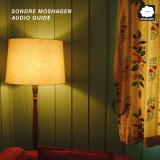
Perhaps the most acclaimed pianist and composer from his generation in Norway, mostly known for his Lightning Trio and presence in a variety of bands - here with a new band playing in the crossroad between jazz, Norwegian traditional folk and improvisations from a very strong combination of musicians. Including Veslemøy Narvesen, Nicolas Leirtrø, Hans P. Kjorstad, Guro Kvåle and Brede Sørum.
dovrebbe essere pubblicato su 02.10.2026
Early DJ Support: Moxie, Grant Dell, and Saoirse
HUMAN is a vinyl-only electronic music label based in Manchester, focused on music, art, fashion, and culture. We press records we believe in with no shortcuts.
HUM001 is the label's debut release, featuring E-Funk / Twisty by Scarper.
Scarper is a London-based producer and DJ known for blending melodic electronica, broken rhythms and left-field club ideas into a sound that’s entirely his own. Over the past decade, a deep catalogue of albums, EPs and remixes has taken shape, alongside work in advertising, gaming, TV and short film.
‘E-Funk’ is a hybrid club weapon - part 2-step, part house, part breaks, all energy. A certified floor starter that lives in the bag and lands every time, especially when the room hits its stride.
‘Twisty’ is probably the most dancefloor-ready cut, but the solid broken grooves dancing around acid bass lines and bleeps on each of these nine thumping tracks could work any room at the right moment.
L'articolo è già in viaggio verso di noi e dovrebbe essere spedito da 02.10.2026.

Living Weapon returns with Death In The Family, a full-length that confronts mortality, meaninglessness, and the aftermath of existence. The release broken down over 23 minutes toward an unresolved end — life examined at its start and its finish, with the universe indifferent to either. Recorded, produced, and engineered by Jeremy Martin over fall 2025 into spring 2026 — the band's first time tracking a full album internally. Mixing handled by Taylor Young of The Pit Recording Studio and Mastering by Nick Townsend. The album is introduced with "The Leaving Process” laying out the album's core idea: life as connection, not permanence — matter created and destroyed, briefly aware of itself in between.
dovrebbe essere pubblicato su 02.10.2026
Wave Ruler Blue Marbled Vinyl[30,88 €]
Oden’s Hunt Green Marbled Vinyl[27,94 €]
Liquid Blood Vinyl[134,41 €]
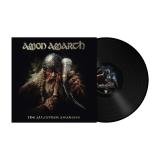
On The Allfather Awakens, Amon Amarth created a definitive 10-song masterwork that further cements the legacy of the lineup’s spectacularly memorable riffs and unflinching aural power. The opening track of The Allfather Awakens, the epic tale of “Gjallarhorn,” is followed by the heroic battlefield tale “Eight Legs of Thunder,” while “Upphaf,” a translated stanza from the prophetic poem Völuspá, marks the band’s first-ever acoustic offering. The iconic Swedish melodic death metallers took a new songwriting approach for The Allfather Awakens, the band’s 13th album since 1998’s Once Sent from the Golden Hall. The Allfather Awakens came to life across two recording sessions, months apart, at producer Jacob Hansen’s studio in Denmark. Amon Amarth began writing songs while touring, rather than waiting until they were off the road. The first session was Spring 2025; the final recording was completed in March 2026.
dovrebbe essere pubblicato su 02.10.2026
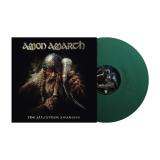
Plain Raven Black 180g Vinyl[27,31 €]
Wave Ruler Blue Marbled Vinyl[30,88 €]
Liquid Blood Vinyl[134,41 €]
On The Allfather Awakens, Amon Amarth created a definitive 10-song masterwork that further cements the legacy of the lineup’s spectacularly memorable riffs and unflinching aural power. The opening track of The Allfather Awakens, the epic tale of “Gjallarhorn,” is followed by the heroic battlefield tale “Eight Legs of Thunder,” while “Upphaf,” a translated stanza from the prophetic poem Völuspá, marks the band’s first-ever acoustic offering. The iconic Swedish melodic death metallers took a new songwriting approach for The Allfather Awakens, the band’s 13th album since 1998’s Once Sent from the Golden Hall. The Allfather Awakens came to life across two recording sessions, months apart, at producer Jacob Hansen’s studio in Denmark. Amon Amarth began writing songs while touring, rather than waiting until they were off the road. The first session was Spring 2025; the final recording was completed in March 2026.
dovrebbe essere pubblicato su 02.10.2026
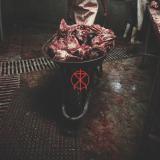
Liberation Front is a statement of pure intent from Sydney, Australia's TO THE GRAVE. Brutal and uncompromising in both sound and message, TO THE GRAVE create ugly music for uglier times. They rage against animal cruelty and environmental destruction, translating their death metal-infused deathcore into something unforgettable and utterly uncompromising. From the breakdown-laden assault of opener "MEAT THE HUMANS", Liberation Front is a suffocating return to form for the veganism-espousing quintet. While recent releases explored more hardcore-oriented territory, this album embraces deathcore at its most savage and relentless. Lead single "EYESTALK ABLATIONS" is a devastating statement, accompanied by a video every bit as violent and unforgettable as the music itself. Over the past 15 years, TO THE GRAVE have established themselves among the leading names of Australia's emerging deathcore scene, sharing stages with fellow Australians Thy Art Is Murder as well as international heavyweights including Lorna Shore. The band continues to tour extensively throughout Europe and North America, returning to the US and Canada in Fall 2026 alongside Crown Magnetar. Liberation Front is more than an album—it is a musical and lyrical call to arms, designed not only to rage against the machine but to educate, provoke and challenge listeners on every level.
dovrebbe essere pubblicato su 02.10.2026
Annie Bloch’s luvt is a quiet reorientation of the organ: away from its monumental image and ritualised spaces, towards the delicate mechanics of touch, air and friction. Across seven compositions marking her debut on OOH-sounds, the Cologne based organist and composer turns to the chest organ, a small and mobile counterpart to its larger relative, traditionally used to accompany Baroque music. On luvt, Bloch limits herself to just three stops of wooden pipes, using the instrument’s sensitive keyboard, mechanical subtle effects to crystalline sound world shaped by meditative strategies and fanciful detailing. Bloch’s approach sits at the crossroads of modern composition, new psychedelia, ambient and minimalist traditions, with occasional traces of an avant pop sensibility, while keeping the unique sound and physical character of the chest organ at its core.
The title luvt derives from the German luven, “to turn to the wind” and Luft, “air”, a gesture Bloch extends beyond the mechanics of the chest organ towards what cannot quite be grasped or put into words. Bloch follows the organ into quieter, more intimate territory, letting its monumental potential fade into the background while exploring the sensual its sound. luvt is a gentle and immersive meditation on the sound of the chest organ, revealing the instrument’s contemporary relevance while pushing its expressive possibilities into new territory.
Annie Bloch (*1994) is an organist, composer and songwriter based in Cologne, Germany. As an organist she performs solo and in alternating constellations with an improvisational and situational approach. The reality that every pipe organ as well as the space it speaks in is unique, is something she not only adapts to, but actively works with. The resulting composed improvisations explore states of change. Her pieces focus on the in-between-spaces, that are already leaning towards the next event. Searching for the ambivalences in a sound and lingering on them, her music resists singular truths. The musical material she draws from is informed by her engagement with the experimental music scene, but also by compositional styles of pop and ambient music. She has performed at Huddersfield Contemporary Music Festival, Orgelpark Amsterdam, Philharmonie Köln, Moers Festival and others. As an indie-folk artist Annie Bloch released the album „I DEPEND“ (Papercup Records) with a chamber orchestral band, that she regularly performs with.
dovrebbe essere pubblicato su 02.10.2026

After holding down a residency at Berlin’s Club der Visionaere for over a decade with their Perfumed Freedom events, dynamic duo Foehn & Jerome look to launch an exciting new record label under the same name. The Berlin based Austrian’s have teamed up for the inaugural release, wandering between tripped out minimalistic vibes with tinges of house textures spread across the record. This is “The Frisbee Of No Return”.
Join Foehn & Jerome as they evolve the Perfumed Freedom journey with their unrivalled chemistry, giving themselves and dedicated artists a platform to express themselves in the years to come.
dovrebbe essere pubblicato su 02.10.2026
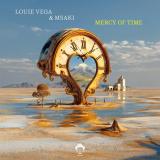
Vega Records proudly presents "Mercy Of Time," a breathtaking new collaboration between Grammy Award-winning producer, DJ, and songwriter Louie Vega and acclaimed South African composer, singer, songwriter, and multidisciplinary artist Msaki.
Widely regarded as one of Africa's most powerful and influential musical voices, Msaki has earned international recognition through her award-winning solo work and celebrated collaborations with Black Coffee, Sun-El Musician, and Prince Kaybee, including the multi-platinum anthem "Fetch Your Life." A South African Music Award winner, recipient of the prestigious 2022 Standard Bank Young Artist Award for Music, and Basadi in Music Songwriter of the Year, Msaki's artistry has resonated with audiences around the world. Her songwriting and vocal contributions to Black Coffee's Grammy Award-winning album further cemented her place among the continent's most revered contemporary artists.
Born from a creative meeting of musical minds, "Mercy Of Time" brings together the extraordinary talents of Msaki, Louie Vega, and renowned Cuban pianist, composer, and producer Axel Tosca. Written by Msaki, with music composed by Louie Vega and Axel Tosca, the song is elevated by the unmistakable rhythmic touch of internationally respected producer and dj Manoo, whose infectious drums provide the heartbeat of the record.
At its core, "Mercy Of Time" is a deeply moving and uplifting composition that blends deep songwriting, rich musicianship, and powerful rhythms into a timeless musical journey. Msaki's evocative lyrics and captivating vocal performance intertwine seamlessly with Axel Tosca's virtuoso musicianship and Louie Vega's signature production style, creating a sound that transcends borders, cultures, and genres.
Rooted in soul and infused with African Electronic and global influences, "Mercy Of Time" speaks to resilience, hope, healing, and the wisdom that comes with life's journey. The song beautifully captures the spirit of collaboration between artists from different corners of the world, united by a shared commitment to authenticity, artistry, and musical excellence.
With all forces combined, "Mercy Of Time" is poised to resonate with audiences across dance floors, airwaves, and listening spaces worldwide. A powerful fusion of soulful expression, world-class musicianship, and timeless rhythm, the release stands as a testament to the creative magic that happens when visionary artists come together.
dovrebbe essere pubblicato su 02.10.2026
DJ Support: Mochakk, Joseph Capriati, Jamie Jones, Purple Disco Machine, Groove Armada, Marco Carola ,keinemusik, Adrian Roman, Bill Brewster, Rino, Ruben Mandolini, Terry Farley, Nicolas Masseyeff, Echonomist, Robosonic, Nuno Dos Santos, diskJokke, Dan Marciano Jody Wisternoff / Way Out West, Eelke Kleijn, Henry Saiz, Digitalism, Sister Bliss / Faithless, Innellea, Adriatique, Judge Jules, Sam Divine, TSHA, Simone Vitullo, Joris Voorn, Tommie Sunshine, Fahlberg, Stijn D'hont / DJ Neon
D Stone is a rising force in Amsterdam’s electronic music scene, blending live instruments with electronic production to create his unique take on house music. His sound bridges true house to proto-disco and deeper percussive elements, as showcased in his release Total Unison. A passionate DJ and producer, D Stone crafts infectious tracks by combining samples with live instruments, driving dance floors with his grooves. Born into a musical family, D Stone was immersed in sound from an early age. His father’s influence exposed him to diverse musical styles, sparking his lifelong curiosity. He began playing piano at eight, learned guitar at twelve, and by fifteen discovered electronic music, exploring house as a DJ. A year later, he ventured into production, gaining recognition and landing his first gigs. Inspired by 70s and 80s disco, funk, garage, and 90s tech house, his music blends energy, groove, and soul. With his foundation in live instruments and his forward-thinking approach to electronic music, D Stone strives to create more than tracks—he’s shaping moments that linger in the minds of his listeners.
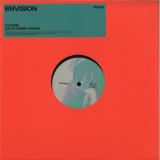
Envision remixed by DJ & producer Julya Karma Emerging from Brooklyn’s underground and now rooted in Berlin, her practice isn’t about fitting into a lane, it’s about finding what is alive and letting it shape the moment.
Across diverse stages and platforms from Coachella and Lost Village to Berghain, Cercle, Space, The Brooklyn Mirage, DGTL, Time Warp, Audio Obscura, Tomorrowland, and within the orbit of Innervisions, Julya’s performances reflect a commitment to exploration over formula, earning recognition from artists like Laurent Garnier, Dixon, Âme, Adriatique, Rüfüs Du Sol, and Sven Väth.
L'articolo è già in viaggio verso di noi e dovrebbe essere spedito da 02.10.2026.

Komponist und Pianist Alexis Ffrench veröffentlicht sein neues Album "24". Es ist eine musikalische Reise, die den Zuhörer sanft vom Morgengrauen bis zum Abend begleitet. Es vereint 24 von Ffrench komponierte Originalstücke für Klavier, Streicher und dezente Percussion. Jedes Stück spiegelt die alltäglichen Momente wider, die unser Leben prägen. Das Album hat einen simplen und zugleich unerwarteten Entstehungspunkt: Bei einem Spaziergang durch London bemerkte Alexis ein Schild vor einer Kirche. Darauf wurde eingeladen "guten Kaffee für gute Zwecke" zu genießen. Die Wärme dieser Idee, die Alltäglichkeit, das Gefühl eines kleinen täglichen Rituals, das zu etwas Bedeutungsvollem wird - blieb ihm im Gedächtnis und wurde zur Inspiration für "Coffee Song". Alexis stellte sich die Frage: "Was wäre, wenn wir für jede Aktivität im Laufe des Tages ein bestimmtes Musikstück hätten?" Musik, die uns dabei hilft, jedem Moment bewusst zu begegnen und ihn wirklich zu erleben. Musik, als Weg zu einem achtsameren Leben. Alexis Ffrench ist ein Künstler mit einer besonderen Fähigkeit, Musik für die Seele zu schaffen. Seine Erfolge sprechen dabei für sich: Er hat über eine Milliarde Streams und ist damit einer der meist-gestreamten Pianisten weltweit. Im Laufe seiner Karriere hat Ffrench sich immer wieder eine Frage gestellt: "Was brauchen meine HörerInnen von mir?" Mit "24" ist die Antwort darauf ebenso einfach wie tiefgründig: Musik, nach der man leben kann.
dovrebbe essere pubblicato su 02.10.2026
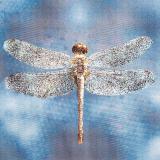
Naarm/Melbourne-based artist Now Always Fades returns with Coalesce, the follow-up to his widely acclaimed 2025 album Into The Doldrums. The project of Xavier Bacash, Coalesce sees the musician evolving his modernised approach to downtempo and trip-hop, genres in which he has been heralded as a leading new voice amid their growing popularity. Across the record, NAF's musical and thematic universe expands with the return and addition of a series of new vocal collaborators, speaking to the versatility of a voice as a contextual instrument. In doing so, throughout 'Coalesce', he continues to develop a kind of sonic consistency that focuses on shared emotion above all else. In pursuing those feelings, Now Always Fades finds himself alongside a series of strong and soulful voices: Alia Seror-O'Neill, otherwise known as Alias Error; Lili Hall; and Olive Kimoto, NTS Radio host and singer behind influential 90s band Locust. Throughout the record, each vocalist finds themselves on tracks entirely for them, and in doing so, the NAF project provides everyone involved, and the listener, with something sonically new but emotionally familiar at every turn.
dovrebbe essere pubblicato su 02.10.2026

Purple Vinyl[25,17 €]
2026 Re-Release
After smooth detours into Soul covers, French Neo-Disco, modern Sunset Disco and Brazilian AOR, in 2022 DJ Supermarkt's Too Slow to Disco series makes a joyous return to its original Westcoast AOR/Yacht roots. Celebrating the 10th TSTD compilation. Who would have thought….
The Berlin curator releases a killer 4th edition of the original compilation art form, "Too Slow to Disco", featuring forgotten and overseen gems from the mid 70s to the early 80s from a global world of smooth, brilliant lost and overproduced tracks from Finland via London and L.A. to Trinidad and beyond.
The great 'un-vanisher' of lost lazy classics, DJ Supermarkt once again unearthed some incredible music that labels, publishers (in many cases also those, who actually own the rights to those tracks…) and streaming services have often long overlooked. You're welcome, world!
dovrebbe essere pubblicato su 02.10.2026

Black Vinyl[25,17 €]
LP ltd colored vinyl, 140 gram, gatefold, mp3 Download PostCard
After smooth detours into Soul covers, French Neo-Disco, modern Sunset Disco and Brazilian AOR, in 2022 DJ Supermarkt's Too Slow to Disco series makes a joyous return to its original Westcoast AOR/Yacht roots. Celebrating the 10th TSTD compilation. Who would have thought….
The Berlin curator releases a killer 4th edition of the original compilation art form, "Too Slow to Disco", featuring forgotten and overseen gems from the mid 70s to the early 80s from a global world of smooth, brilliant lost and overproduced tracks from Finland via London and L.A. to Trinidad and beyond.
The great 'un-vanisher' of lost lazy classics, DJ Supermarkt once again unearthed some incredible music that labels, publishers (in many cases also those, who actually own the rights to those tracks…) and streaming services have often long overlooked. You're welcome, world!
dovrebbe essere pubblicato su 02.10.2026

Battlefield sees No Ice Cream Sound knock on the door of the real foundations of Roots Reggae and Dancehall culture with a heavyweight, riddim-focused multi-vocalist release.
The release perfectly balances a bold and fresh contemporary sound while retaining the spirit; energy and rawness of the classic riddims we all know and love. Battlefield creates a sturdy platform for the carefully curated selection of vocalists to showcase their respective styles and patterns.
At the heart of the release is a unique vocal link-up that reflects the ever-growing globalisation of the Reggae Sound-system culture. Each of the men behind the microphones invites us to embark on a journey; connecting the dots on the map that represent the places they call home. We start in The South West of England and track across country to Southend-on-Sea; from here we make the mission all the way down to Madrid before taking a bearing on the North Star to guide us over hills and valleys to Scotland.
Where the riddim creates a constant, the vocals provide variety. Made by design the track allows them a spacious environment for the individual styles and messages to come across with precision and clarity.
Hailing from different backgrounds; accents of different origins, insights and perspectives drawn from their own stories all come together over one sound. This could be seen as an analogy of the ethos and motivation behind Reggae music itself. Reggae music as a genre tells the same story, Reggae artists tell their version of the story. Via this timeless format we are always building on the teachings of yesteryear while simultaneously learning something new. The gift that will forever more continue to give!
dovrebbe essere pubblicato su 02.10.2026

Eine neue, transparent blaue 2LP-Variante dieses legendären Soundtracks anlässlich des 30-jährigen Jubiläums von Danny Elfmans Filmmusik zum Blockbuster „Mission: Impossible“ aus dem Jahr 1996.
Sie enthält das unverkennbare „Mission: Impossible“-Thema, das ursprünglich von Lalo Schifrin für die
Fernsehserie aus den 1960er Jahren komponiert und von Elfman für den ersten Film der Action-Reihe
mit Tom Cruise neu arrangiert wurde. Das Thema ist bekannt für seinen spannungsgeladenen Rhythmus
mit einer ungewöhnlichen 5/4-Taktart und das berühmte Vier-Noten-Motiv, das das Stück eröffnet: eine
musikalische Anspielung auf das Morsecode-Muster für die Buchstaben M.I. (‐‐ ··). Diese raffnierte Verschlüsselung verbindet das Thema nicht nur direkt mit dem Titel, sondern verstärkt auch die Atmosphäre
aus geheimer Kommunikation, verdeckten Operationen und Rätseln, die die Welt von „Mission: Impossible“
prägt
dovrebbe essere pubblicato su 02.10.2026

PURPLE VINYL[28,78 €]
Seit ihrer Gründung im Jahr 2014 haben sich These Wicked Rivers zu einer der fesselndsten Bands der aktuellen Rock-Revivals in Großbritannien entwickelt. Die aus Derby stammende Gruppe schöpft aus dem reichen Erbe von Rocklegenden und Blues-Größen und hat sich mit ihrem unverwechselbaren, vom Blues geprägten modernen Rock einen Namen gemacht. Dank ihrer Live-Auftritte, die oft eine fast spirituelle Tiefe erreichen, und ihres zeitlosen Songwritings hat die Band in den letzten Jahren enorm an Fahrt aufgenommen. Ausverkaufte Konzerte in Großbritannien, den Niederlanden, Frankreich und Deutschland sowie der große Kritikererfolg ihres zweiten Studioalbums "Force of Nature" (Platz 3 der UK-Rockcharts) haben ihren Ruf als Live-Act, den man unbedingt gesehen haben muss, gefestigt. Das Jahr 2026 verspricht ein Meilenstein für das Quintett zu werden: Im Herbst erscheint ihr mit Spannung erwartetes drittes Album "Fire and Folklore". Aufgenommen wurde das Werk in der Heimatstadt der Band, Belper in Derbyshire, im Heimstudio von Andy Sneap. Unter der Regie des Grammy-Preisträgers Sneap (Judas Priest, Saxon, Megadeth) und Colin Richardson (Slipknot, Massive Wagons, Those Damn Crows) ist das bisher ausgereifteste Album der Band entstanden. "Fire and Folklore" geht über den typischen ,Wizard-Blues-Rock"-Sound hinaus und erschließt neue klangliche Territorien; dabei werden Country-Einflüsse und Southern-Rock-Flair integriert, ohne den für die Band charakteristischen Groove und Soul zu verlieren. Zudem ist die aus Derby stammende Country-Hoffnung Kezia Gill als Gastmusikerin auf dem Album vertreten. Geliebt von einer rasant wachsenden Schaar von Fans und ausgestattet mit einem Album, das den Sprung auf die großen internationalen Bühnen anvisiert, stehen These Wicked Rivers bereit, neue Höhen zu erklimmen. Seid dabei, klingt klasse. CD mit zwei Bonustracks, LP als Purple oder Black Vinyl!
dovrebbe essere pubblicato su 02.10.2026

[GER Seit ihrer Gründung im Jahr 2014 haben sich These Wicked Rivers zu einer der fesselndsten Bands der aktuellen Rock-Revivals in Großbritannien entwickelt. Die aus Derby stammende Gruppe schöpft aus dem reichen Erbe von Rocklegenden und Blues-Größen und hat sich mit ihrem unverwechselbaren, vom Blues geprägten modernen Rock einen Namen gemacht. Dank ihrer Live-Auftritte, die oft eine fast spirituelle Tiefe erreichen, und ihres zeitlosen Songwritings hat die Band in den letzten Jahren enorm an Fahrt aufgenommen. Ausverkaufte Konzerte in Großbritannien, den Niederlanden, Frankreich und Deutschland sowie der große Kritikererfolg ihres zweiten Studioalbums "Force of Nature" (Platz 3 der UK-Rockcharts) haben ihren Ruf als Live-Act, den man unbedingt gesehen haben muss, gefestigt. Das Jahr 2026 verspricht ein Meilenstein für das Quintett zu werden: Im Herbst erscheint ihr mit Spannung erwartetes drittes Album "Fire and Folklore". Aufgenommen wurde das Werk in der Heimatstadt der Band, Belper in Derbyshire, im Heimstudio von Andy Sneap. Unter der Regie des Grammy-Preisträgers Sneap (Judas Priest, Saxon, Megadeth) und Colin Richardson (Slipknot, Massive Wagons, Those Damn Crows) ist das bisher ausgereifteste Album der Band entstanden. "Fire and Folklore" geht über den typischen ,Wizard-Blues-Rock"-Sound hinaus und erschließt neue klangliche Territorien; dabei werden Country-Einflüsse und Southern-Rock-Flair integriert, ohne den für die Band charakteristischen Groove und Soul zu verlieren. Zudem ist die aus Derby stammende Country-Hoffnung Kezia Gill als Gastmusikerin auf dem Album vertreten. Geliebt von einer rasant wachsenden Schaar von Fans und ausgestattet mit einem Album, das den Sprung auf die großen internationalen Bühnen anvisiert, stehen These Wicked Rivers bereit, neue Höhen zu erklimmen. Seid dabei, klingt klasse. CD mit zwei Bonustracks, LP als Purple oder Black Vinyl! Established in 2014, These Wicked Rivers have emerged as one of the UK's most compelling forces in the recent rock resurgence. Hailing from Derby and drawing influence from the well of rock legends and blues greats, the band have made quite an impact since their inception with their unique brand of blues-infused modern rock. With a reputation for soulful-bordering-on-spiritual live performances and timeless songcraft the band have built unstoppable momentum in recent years. Sold-out shows across the UK, the Netherlands, France and Germany have cemented their reputation as a must-see act, bolstered by the critical acclaim of their second studio album 'Force of Nature' (#3 UK Rock Chart). 2026 is set to mark a landmark chapter for the quintet, with their hotly-anticipated third album 'Fire and Folklore' set for release in autumn 2026. The record was recorded in the band's hometown of Belper in Derbyshire, at Andy Sneap's home studio. With the Grammy-winning Sneap (Judas Priest, Saxon, Megadeth) and Colin Richardson (Slipknot, Massive Wagons, Those Damn Crows) at the helm, it's the band 's most accomplished record to date. Expanding beyond their signature wizard-blues rock sound, Fire and Folklore pushes into new sonic territory, blending in shades of country and Southern spirit while retaining the groove and soul that defines the band. The record also features a special guest appearance from fellow Derby artist, country starlet Kezia Gill. Loved dearly by a rapidly growing "Family" of fans, and armed with a homegrown record with its sights set firmly on the global stage, These Wicked Rivers are poised to reach new heights. Jump on in and enjoy! CD contains two bonustracks, LP comes in Purple or Black Vinyl!
dovrebbe essere pubblicato su 02.10.2026
