Amazing deep groovin minimalistic anthems! Incl. Tonga Fidan, RAD & Tech Remixes.
Techfui returns with another stand out 12” this summer as label founder Salah Sadeq delivers a refined remix package of the sought after “Hibiki Awa” a track which was initially released four years ago with studio companion Rashed Al Dhaen on their “Locus” release. A partnership that was built during covid restrictions, clicking directly when starting to jam, all whilst enjoying the “Hibiki Awa” Japanese whisky during the extended sessions.
For the tastemakers amongst us, it is great news that the Techfui imprint continues to carry the torch, presenting sleek and classy house music for the dance floor. After many years of producing music together in Bahrain and releasing music, four years on we get to appreciate the masterpiece track once more with this heavy hitting, and eclectic remix package.
The limited, and coloured wax will feature the track receiving a new lease of life from Romanian producer Techu, the ever prolific Tolga Fidan with two refreshingtakes, and Rashed himself steps in for a reshape of the original. Four meandering cuts exploring a multitude of textures ready to make an impression on your record bag. The record also comes in a unique sleeve design from Georgian artist NUMB, and the campaign will also feature a t- shirt design on Everpress seeing the the artists collaborate further.
Buscar:al x e
Yes, *that* Al Hirt record. Featuring the godlike "Harlem Hendoo", looped unforgettably by De La Soul for the legendary Buhloone Mind State cut, "Ego Trippin' (Part Two)"!
Al Hirt's infamous Soul In The Horn is inextricably tangled up in crate-digger lore. Originally released in 1967, the album has been in heavy, heavy demand for over 30 years, entirely down to the majestic soul-jazz fire of "Harlem Hendoo". And it's a song so good, so vital, so timeless, that it will always tower above everything else in its proximity. This one track alone is worth the price of admission - even if the cost of entry were $100 or even $1000.
However, it would be an error to dismiss this record as merely a one tracker, loaded as it is with dope samples for adventurous beat makers. Certainly the funkiest Al Hirt record, it definitely lives up to the "soul" in the title. Thanks to composer Paul Griffin and arranger Teacho Wiltshire, Hirt got uncharacteristically free and groovy throughout. It comes on more like an obscure KPM library funk record than the easy listening Al was notorious for.
A Louisiana trumpeter and band leader who made Allen Toussaint’s “Java” famous, Al Hirt was also known for TV themes, Dixieland, Swing and being a minority owner of the New Orleans Saints. Unlike every other Al Hirt record - and despite most "diggers" claiming otherwise - this here gem is genuinely hard to come across "in the wild". Normally, you can't give Al Hirt records away, except this particular one, which raises pulses in the crate digging community to life-threatening levels. For every owner claiming to have found their copy for a dollar, there's scores more claiming to have *never* unearthed one in the field. So, paradoxically, you can consider this the most tricky-to-pull "thrift store record", ever. This is why we're finally making it available for everyone, not just those with endless hours to spend scouring the global goodwills!
Soul In The Horn represented an expressive detour into authentic soul-jazz for Al Hirt. Throughout, we're struck by a fierce, fiery energy that's otherwise absent from his typically easy listening work. Without question, the slinky, magical "Harlem Hendoo" is the standout, here. It's also the reason why the record is so scarce and commands awe among crate diggers, sounding like something from an obscure and deeply revered spiritual jazz record. As is often the case, the true genius of the song is tricky to do justice to; it's like a minor miracle of songwriting and performance that simply swooned down from the heavens on the back of horns, bells and harpsichord. It's one of the sweetest musical compositions ever recorded inside a studio - it's only failing is that it's just too short. Sampled brilliantly by De La Soul, it has also been used by The Roots for "Stay Cool" and Nightmares On Wax for "Damn".
The rest of the record makes for a mighty fine listen. From the opening cover of Booker T. & The MG's "Honey Pot", to the propulsive, ultra-funky "Mess Around", it's nothing but a good time. Given its title, the elegant stepper "Calypsoul" sounds exactly as you'd hope whilst the melancholic, wistful "Long Gone" hurts so good. Truly, this is just dying to be looped up, Al's muted playing capturing a soulful longing only horns can often achieve. The bluesy, slo-mo swing of "Sweetlips" oscillates between cool disaffection and swelling pride whilst the graceful, low-key funky "Girl" closes out the A-Side in the fine style. Ushering in the B-Side, the brief but brilliant strut of "Love Ya' Baby" shines brightly before the skipping funky-jazz of true highlight "Sunday-Goin' To Meetin' Time" demands both your attention and your dancing shoes. The mellifluous piano-funk of bass and horn-drenched "Snap Back" serves as the sumptuous prelude to "Harlem Hendoo"'s main character energy before the irrepressible, upbeat R&B of "Ludwig" closes out this quite remarkable album. An album deserving of a place in every serious record collection.
The audio for Soul In The Horn has been carefully remastered by Be With regular Simon Francis, ensuring it sounds better than ever. Cicely Balston's expert skills have made sure nothing is lost in the cut whilst the records have been pressed to the highest possible standard at Record Industry in Holland. The original sleeve has been restored here at Be With HQ as the finishing touch to this long overdue re-issue. This is after-hours music. Let it speak for itself. Listen. Listen to the soul in Al Hirt's horn.
- A1: Delitto Al Ristorante Cinese (Seq 1 - Titoli) 2 10
- A2: Delitto Al Ristorante Cinese (Seq 2) 3 34
- A3: Delitto Al Ristorante Cinese (Seq 3) 1 52
- A4: Delitto Al Ristorante Cinese (Seq 4) 5 07
- A5: Delitto Al Ristorante Cinese (Seq 5) 3 19
- B1: Delitto Al Ristorante Cinese (Seq 6) 5 10
- B2: Delitto Al Ristorante Cinese (Seq 7) 3 21
- B3: Delitto Al Ristorante Cinese (Seq 8) 3 48
- B4: Delitto Al Ristorante Cinese (Seq 9) 2 14
Musica Per Immagini is glad to present the first vinyl release of Detto Mariano's “Delitto Al Ristorante Cinese”, the second original Soundtrack in the so-called 'delitti' series. It's another classic iteration of the crime-comedy films that came out of the partnership between director Bruno Corbucci and actor Tomas Milian, a special connection that had started with the great success of “Squadra Antiscippo” and was followed by eleven more pictures, all centered on the character of Nico Giraldi, a former criminal who, while having become a cop, was unwilling to give up his in your face attitude and the Roman slang of the city's thieves. The score by the Italian composer is a mix of sounds characterized by a unique investigation of musical timbre. Nine tracks that cross the entire sound spectrum: electronic pulses,
funk rhythms, jazz and Mediterranean sounds and some oriental atmospheres. A brief summary of the artist's creativity passed away a few months ago.
CALAMITA = KARKHANA members TONY ELIEH, SHARIF SEHNAOUI and Lebanese drummer MALEK RIZKALLAH join forces with the Egyptian singer AYA METWALLI - the result is the improbable meeting between free jazz / improv, punk rock & Oum Kalthoum!
CALAMITA is the "rock project" of SHARIF SEHNAOUI and TONY ELIEH, two of the most active musicians on the Lebanese experimental scene (among others projects, both are members of the "free Middle Eastern music" collective KARKHANA). SEHNAOUI comes from a jazz and improv music background, ELIEH is primarily a rock musician and founding member of the Lebanese post-punk band THE SCRAMBLED EGGS whose work in the last decade has covered many directions from pop-rock to plain experimental. They are joined by Lebanese drummer MALEK RIZKALLAH (WHO KILLED BRUCE LEE, ex THE SCRAMBLED EGGS). As trio they develop instrumental pieces that draw their inspiration from artists as diverse as Tony Conrad, Last Exit or Oum Kalthoum.
AYA METWALLI is an Egyptian singer/songwriter, composer and sound artist currently based in Beirut. Grown up in Cairo, her father would play non-stop Oum Kalthoum songs on road trips to the beach and Aya's mother; known to have the most beautiful voice in the family, she always sang at home and at family gatherings, so long before Aya was able to form her own music taste, immense amounts of Arabic classic songs and melodies already settled in her subconsciousness …
After her first EP "Beitak" in 2016, Metwalli (named "a musical enigma" by The Guardian) started to integrate more experimental and eerie sonic excursions into her avant-pop, so the collaboration with CALAMITA feels like a natural or logic step.
The roots for "Al Saher" ("stay awake") were laid when SEHNAOUI and METWALLI first worked together in "Night", a dance piece by ALI CHAHROUR which included a wide collection of Arabic songs and ancient poems, later Sehnaoui invited her to work with CALAMITA. The four met in a recording studio in Beirut, using songs by "The Voice of Egypt" Oum Kalthoum as starting point.Together they aim to fully revisit the song format and explore the possibilities of classical Tarab songs, extracted from their origins and reframed within the music of the twenty-first century. The result is a mix of various styles and influences that often seek to stretch the contrasts to towering extremes - animprobable blend between free jazz & improv, punk rock & Oum Kalthoum!
We stumbled onto Al Muntzie’s under the radar soul beauty ‘Die Happy’ after conducting an interview with Joe Quarterman for a feature on our website.
It got us salivating about the prospect of further productions, which Joe had recorded, but had perhaps been overlooked. ‘Die Happy’ was originally released in 1976 and was the only release on S.B. Moon Records. The record has a crossover vibe as it sits beautifully between modern soul, funk, and proto-disco.
Initial research didn’t shed much light onto the background of the song. The trail was sparse, other than the record appearing on the sales list of rare-soul collectors and record dealers. So we decided to go back to the source and find out about the record directly from Joe himself.
“I met Al Muntzie through my bass guitar player, Elliot Adams. Elliot informed me that Al was looking for a song that was funky and suitable for a group. At that time, 1976 - 79, I had written the words and melody to ‘Die Happy” and Elliot cranked out a mean bass part that gave the song life. He should be credited as co-writer for his outstanding bass part. At this time my band, FreeSoul, had dis-banded and worked as sideman musicians.
Elliot and I made a demo of the song on a cassette and we let Al Muntzie hear it: he liked it. We set a recording date at the Omega Recording Studio in northern Virginia. We used a combination of two bands; FreeSoul and Experience Unlimited (EU). Al sang lead vocal and me and the Embracebles did the background vocals. Al was very cooperative and did not say much during the session. He followed my direction and got the job done.
The session took all day into the late evening hours where we mixed and mastered the tune to perfection. We had a good time creating this work of art.” We are forever thankful to Joe for giving us the opportunity to present this fantastic production by Al, Elliot, and Joe, and to give it the new lease of life, which it rightfully deserves. Produced by the legendary Joe Quarterman
LP Gold Galaxy Vinyl in Picture Sleeve
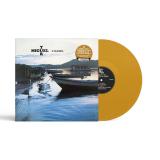
A Balearic holy grail reborn — Miguel Tur’s Junto Al Mar captures Mediterranean sunshine through a lens of synth-pop, jazz, and gentle soul. Originally released in Venezuela in 1981, it’s become a favourite among collectors of breezy, coastal grooves but selling for over £150 for an original. For Record Store Day 2026, Deja Vu Kid presents a Deluxe Edition, Remastered with archival photos and liner notes from Micky Browne. Pure escapism and emotional warmth — the perfect soundtrack to RSD digging adventures. "Galaxy" Gold Vinyl, Remastered, Reimagined Sleeve.
- A1: Of The Sea
- A2: I Don't Live Today
- A3: Five Six
- A4: Blue Gold
- A5: Foggy Night
- A6: Empty Of Your Possession
- B1: What A Way To Be Laughing
- B2: Let It Alone
- B3: Never With You (Acoustic Version)
- B4: To Catch The Sun
- B5: Don't Move Girl
Born into a musical family Al Manfredi started writing songs when he was child. As a teenager in 1965, he formed the Nuts & Bolts in the small beach town of San Clemente, California. Inspired by the Kinks, the Beatles and the Byrds, the group separated themselves from the pack by also performing original material written by Manfredi and band mate Mike Ingram. In late 1966 they changed their name to the Lost & Found and relocated to Phoenix, Arizona, where they cut a rare single, “Don’t Move Girl” b/w “To Catch the Sun,” which now commands high coin from ‘60s garage collectors. When they returned to San Clemente in early 1967 their music had taken a more psychedelic direction. The Lost & Found were riding high that year, until tragedy struck. Ingram was found hanged under suspicious circumstances and soon after Lost & Found drummer Mike Ryer died of cancer at the age of 19. Heartbroken, Manfredi gave up on the band scene completely and moved to Garden Grove to teach at his family’s music store. But alone, behind closed doors, he kept writing songs and working on his music, recording hours of tapes, often tracking all the instruments himself. In 1973 he chose six of his best songs, some of them written back in the Lost & Found days, and had them custom-pressed as an LP. Only a handful of copies were pressed, and most of these were sent out to various record companies in the hope of landing a deal. Despite the outstanding quality of the music, there were no takers. But decades later, collectors discovered the Al Manfredi album and hailed it a West Coast rock masterpiece. In his Acid Archives book, Patrick Lundborg called its discovery a deus ex machina and compared it to David Crosby’s first solo album and Hawaii-era Merrell Fankhauser, “not just the acutely captured mellowness, but the self-confidence and the talent.”This little-known West Coast rock masterpiece was rediscovered and celebrated by Acid Archives founder Patrick Lundborg and others around the time that Manfredi died in 1995. This version of the album, overseen by Manfredi’s son Exile, and with Manfredi’s story told by Ugly Things’ founder Mike Stax, presents the complete package of an incredible lost and found artist. Contains the album, as originally issued, on side A with unreleased music on side B.
- 01: Open The Map
- 02: New Borders
- 03: Red Dust Feat Sailormo &Amp; Yffa
- 04: Night Shift
- 05: Rugged Soil Feat Bva, Jman &Amp; Blackout Ja
- 06: Celesta Roads Feat Sailormo
- 07: Limbo Waters Feat Yugen Blakrok B
- 08: Saturday Part I Feat Ceschi
- 09: Savage Realm
- 10: Silent Lands
- 11: Saturday Part Ii (The Creek)
- 12: Ghosts In The Sands Feat Grin &Amp; Paloma Prada
- 13: Skylines
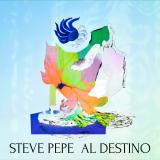
“Al destino”, the new album by Steve Pepe, began to take shape in 2023 after roughly a year of highly abstract sound research. The original intention was to create a dancefloor-oriented record, moving away from down-tempo structures, built around minimal, percussive compositions and high BPMs, with sound conceived primarily as a functional element.
In 2024, however, the process shifted. Less time was spent producing and more time reflecting. Emotions hovered between the urgencies of the present and unresolved past traumas, and almost without conscious intention, singing returned to the center of the project. It was not a calculated choice, but an inevitable one.
The resulting album does not draw its energy from distant places, nor does it focus on sonic experimentation as an end in itself. Instead, Al destino offers an intimate perspective on how memories and emotions shape the inner self, on the sensation of being simultaneously alone and deeply connected to everything, and on the struggle to reconcile feelings, sensations, love, and desire.
- A1: Collie Herb
- A2: Collie Herb (Dub)
- B1: World Crisis
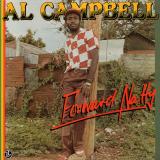
New and long awaited releases in the Jah Life reissue program. Al Campbell's "Collie Herb" was originally issued on Jah Life 12" in US & UK, and on Kaya 7" in JA. "World Crisis" was originally issued on 12" on the Reggae Sound label in NY. Killer ganja tune and reality tune, back to back. "Collie Herb" comes equipped with dub, while "World Crisis" is a deadly discomix.
Al Wahem (“The Illusion”) is the new full-length release by PRAED, the Swiss–Lebanese duo of Raed Yassin and Paed Conca. Recorded between Beirut and Berlin, the album returns to the group’s central aesthetic: a rhythm-driven weave of Egyptian shaabi, electronics, improvisation and the gritty pulse of street-level sound. Nearly twenty years into the project, PRAED have distilled their approach into four pieces that subtly shift the listener’s bearings, reordering grooves and fragments until familiar elements take on new identities.
The twenty-minute title track sets the tone. A tightly interlocking two-drum foundation from Pascal Semerdjian and Ayman Zebdawi shapes a structure that expands steadily: synth figures branch outward, clarinet and bass lines act as internal guideposts, and brief vocal calls from Yassin and guest singer Mayssa Jallad sit inside the texture rather than leading it. PRAED’s shaabi keyboard language is present, but the duo stretch it outward, building tension and movement through patient accumulation.
“Al Hathayan,” at 4:46, tightens the focus. Conca’s clarinet moves between melodic arcs and clipped rhythmic gestures, threading through electronic loops that surface and disappear. Zebdawi’s percussion adds a raw, tactile quality, placing acoustic patterns and electronics in direct conversation. The piece acts as a bridge between the album’s two long-form compositions.
Side B begins with “Al Maraya,” a thirteen-minute piece that relies on electronic, bass and clarinet interplay. The atmosphere nods to the breadth of PRAED Orchestra!, but remains anchored in the duo’s rhythmic foundations. Rather than building mass, the layering creates a sense of depth, as if new spaces were opening inside the groove.
The album closes with “Assarab,” featuring keyboardist Amr Said. Semerdjian and Zebdawi again form a dual percussive axis, while synths hover between melody and pulse, and themes recur in widening circles rather than building vertically. The porous boundary between electronic and acoustic sources — processed clarinet mistaken for a sequencer, rhythmic figures springing from live drums — is where the album’s theme of “illusion” shows itself most clearly.
Al Wahem follows a long arc: early releases on Annihaya, a key appearance on Ruptured Sessions Vol. 5 – Live at Radio Lebanon (2013), later albums on Akuphone, and the large-scale PRAED Orchestra! documented on Morphine Records. This new Ruptured/Annihaya co-release brings the duo back to a concentrated format, reorganizing their familiar materials with renewed clarity and intent.
Al Fajer Group was established in Kuwait in 1987, co-founded by four artists: Sima Kanaan (Vocals), Bashar Shammout (Guitar) Jameel Saraj (Oud and Guitar) and Nizar Alyan (Percussion). Al Fajer Group became known for their unique frequencies and the transparency of their sound. The band is rooted in acoustic oud, guitar and percussion and they never used any electronic equipment during their sets. When they were first established they would perform Palestinian patriotic songs, related to the Palestinian liberation struggle. They released their launch album, recorded on reel tapes, during the First Intifada in 1988, after which they began composing and writing their own original music. They were unable to release this due to the Iraqi invasion of Kuwait in 1990, when all the band members were forced to leave the country and could not reunite to release the second album. During the limited time in which they were able to work together, they participated in multiple tours in Kuwait, Iraq, Germany and other locations.
This is the first vinyl release for the band and includes original music, which has not been available until today.
نشأت فرقة الفجر في الكويت في العام 1987 بمبادرة ذاتية من قِبَل أعضائها الأربعة وهم سيما كنعان (غناء) وبشار شموط (غيتار) وجميل سراج (عود وغيتار) ونزار عليان (أيقاع). تميزت الفرقة بأدائها الموسيقي الشفاف والهادئ والذي اعتمدت به على استعمال آلتي العود والغيتار وبعض الآلات الايقاعية المتنوعة وتجنبت استخدام أي آلات كهربائية. اعتمدت الفرقة في بدايتها على إعادة أداء بعض الأغنيات الوطنية الفلسطينية ذات الكلمات الواضحة والهادفة. أصدرت فرقة الفجر ألبومها الوحيد في ظلال الانتفاضة الأولي في العام 1988 ثم بدأت في تلحين أغانيها الخاصة بها والتحضير لإنتاج ألبومها الثاني، لكن لم تتمكن من تسجيله وإنتاجه وذلك بسبب نشوب حرب الخليج عام 1990 في الكويت حيث اضطر أعضائها للرحيل من هناك ولم تعد الفرقة قادرة على الاستمرار. رغم المدة المحدودة جداً التي نشطت فيها فرقة الفجر، إلا أنها شاركت في عدد لافت من العروض والمهرجانات في الكويت والعراق وألمانيا وغيرها.
- A1: Rhythm-Al-Ism (Intro) (1:40)
- A2: We Still Party (5:13)
- A3: So Many Wayz (5:41)
- A4: Hand In Hand (4:18)
- B1: Down, Down, Down (4:43)
- B2: You’z A Ganxta (4:22)
- B3: I Useta Know Her (3:50)
- B4: No Doubt (4:12)
- C1: Speed (3:21)
- C2: Whateva U Do (7:47)
- C3: Thinkin’ Bout U (4:05)
- C4: El’s Interlude (4:05)
- D1: Medley For A “V” (The P***Y Medley) (6:27)
- D2: Bombudd Ii (2:59)
- D3: Get 2Getha Again (4:41)
- D4: Reprise (Medley For A “V”) (2:39)
2026 Repress
DJ Quik is a giant of West Coast hip-hop. With his fourth album Rhythm-Al-Ism he created his masterpiece, a perfect hip-hop album. As Quik explains, “the name Rhythm-Al-Ism alone tells you what I was doing. I was mixing up rhythms. I was meshing R&B with hip-hop and jazz. And a little bit of comedy”. It’s absolutely sensational and as with a lot of mid-90s albums those original vinyl copies are now rare so here’s the Be With re-issue.
A preternaturally gifted producer/rapper, DJ Quik has produced scores of LA gangsta rap classics. He’s released platinum and gold records of his own, as well as helped craft them for the likes of Tupac, Snoop Dogg, and Dr Dre. Quik has always been quirkier and more interesting than his gangsta rap peers, both musically and lyrically. An old-school funk producer at heart, he’s also incredibly nice on the mic. His raps often deal in boasts, jokes and good times but also cover his beefs, his trials and his trauma. Partying and pain, all mixed up. DJing and producing hype beat tapes from age 14, Quik’s tracks blended the languid funk and rubbery synths of Zapp and George Clinton with a gangsta aesthetic, creating a more danceable foil to Compton’s more typical nihilistic hedonism. Ultimately, his records sound custom engineered to drift out over sun-soaked barbecues.
Released in 1998 on Profile, Rhythm-Al-Ism was the closest Quik ever got to making a commercial splash. “You’z A Ganxta” and “Hand in Hand” made radio waves across the country and the less radio-friendly tracks like “Medley For A ‘V’” were bumping out of car stereos. Combining his soulful, jazzy P-Funk/G-Funk beats with his effortlessly smooth flow, Rhythm-Al-Ism was the quintessential West Coast Party. Squelchy synths, bouncy bass, monstrously knocking drums and freaky keys - this is peaking acidic party-rap, straight out the gate. Music for gliding, for skating, for time with your people and your poison. Sunshine. No cares. BBQs. Heavy smoke in the air. Dripping with wit and good humour. A real swing to the vibe.
The album opens with Quik setting out his mission statement with “Rhythm-Al-Ism (Intro)”, telling us what this is all about before the self-explanatory “We Still Party” rocks the spot. It’s definitely all about the party here, complete with Quik’s signature head-nod/body-moving beat. Next up, the undeniable laidback funk and dripping swing of groove-laden “So Many Wayz”. This positively slaps.
Then we get to the three huge singles. The R&B-tinged radio-friendly minor-hit “Hand In Hand” closes the first side only for the flip to get straight into the rolling and scratching of bleepy computer-funk banger “Down, Down, Down” (featuring a particularly nice use of Howard Johnson’s epochal “So Fine”). The effortlessly smooth, flute and guitar-laced “You’z A Ganxta” completes the trio. Next up the fast-paced, vocoder-enhanced, woulda-beena-global-hit “I Useta Know Her”. This coulda (shoulda) been a single too. Head-nod funk workout “No Doubt”, with its ace sample of Prince's “Sexy Dancer”, closes out the second side.
“Speed” races out the gate on the second disc, sampling Edwin Birdsong’s “Rapper Dapper Snapper” in a harder, better, faster, stronger way than those daft Parisian punks. Amphetamine-swift raps over soaring, string-drenched b-boy beats. A total anthem. Up next, the staggering, near 8-minute laconic, lounge-y sax-rap of “Whateva U Do” cools things down and smooths things out with its flute wrapping around a sample of Smokey Robinson’s “So In Love” and some oh-so-classy lounge-piano tinkling. And speaking of smooth, things don’t get much smoother than the blissfully melodic glider-anthem “Thinkin’ ’Bout U” riding that ace flip of SWV’s “Use Your Heart”. Exceptional.
The exquisite funky-flute-slapper “Medley for a ‘V’ (The P***Y Medley)” opens the fourth and final side, with star turns from Snoop Dogg and a typically suave Nate Dogg. It’s followed by the supremely skanked-out “Bombudd II”, a beautifully sweet reggae-fuelled ode to the herb. “Get 2Getha Again” is slick funk. Stunning.
This 2022 Be With double LP re-issue has been mastered for vinyl by Simon Francis, cut by Pete Norman and pressed at Record Industry. Unusual for the time, Rhythm-Al-Ism was originally pressed as a double and we’ve reproduced the original LA vibe picture sleeve and insert to match.
As that original front cover says, this is “over 70 minutes of commercial free music” and it’s absolutely perfect from start to finish. There are no stand-out tracks here. It’s all gold.
: Rhythm-al-ism (2LP)
A true double-sider of soulful excellence, Mr. Soul (aka Al Scott) delivers pure magic on Genuine Records with “You’re Too Good” and “What Happened to Yesterday.” On “You’re Too Good,” Scott’s smooth, honeyed vocals glide over a mid-tempo groove, blending elements of sweet soul and crossover with effortless style. The lush instrumentation, crisp rhythm section, and irresistible melody make this a standout for DJs looking to work deeper cuts into a set or collectors seeking that perfect soulful gem for their box.
Flip it over and you’re treated to “What Happened to Yesterday,” a deeply emotive ballad rich with longing and heartache. Scott’s vocal performance is drenched in feeling, perfectly supported by subtle strings and understated arrangements that let the song’s emotional weight shine through. Released on the much-loved Genuine Records imprint, this rare 45 has long been a favourite among serious soul heads, with both sides offering something special—whether for the dance floor or reflective late-night listening. A must-have for any serious soul collector.
- 1: Amsterdam Blues
- 2: Unrequited
- 3: E.s.p
- 4: Old Folks
- 5: Pent-Up House
- 1: Simone's Dance
- 2: Everything Happens To Me
- 3: Satellite
- 4: Malida
Live at Smoke captures master drummer Al Foster in peak form during his final birthday celebration—a weekend of inspired performances at NYC’s Smoke Jazz Club in January 2025. Joined by an all-star quartet featuring Chris Potter, Brad Mehldau, and Joe Martin, Foster leads a group full of fire, grace, and deep swing. Drawn entirely from Saturday and Sunday night sets, this double LP-length live recording is both a celebration and a moving farewell from one of jazz’s great rhythmic voices.
**Includes double sided insert with liner notes and photos*
Al Mati was the pseudonym of eccentric Portuguese-born, Dutch-based artist Alberto Mesquita. The name translates to ‘Alberto Friend’, with ‘Al’ short for Alberto and ‘Mati’ meaning ‘friend’ in Surinamese.
Alberto’s story comes across like a mythical character from a European Kerouac novel, but instead of writing it down, he poured those adventures and characters into his record. The music and the comic-style artwork, drawn by his friend Bruno Scoriels, work as one, with Alberto himself becoming both the story and the character within it.
Raised under Salazar’s regime in Lisbon, where all men were conscripted to Africa, he refused, a pacifist. This put him at odds with his father, born in Angola and a prominent lawyer tied to the dictatorship. Unable to accept his son’s stance, the rift forced Alberto to flee Portugal as a deserter, leaving everything behind.
He sought a new life in Paris, where he met Bruno Scoriels. The pair busked to get by, and young and broke, set off on adventures across Europe. On one trip to Barcelona, they crossed the Pyrenees on foot through a five-kilometre train tunnel, not knowing if they would make it out alive. The train later featured on the cover of Some Shit, a nod to that hazardous journey and the strange turns of his life.
From there he moved to Belgium, where he met Jolanda, his future wife who also features on the album. They lived in The Netherlands, then back in Belgium where they married, before returning to Portugal under false pretences. The regime promised deserters immunity, but it proved untrue, and Alberto was forced to flee again — this time with a young family, using Bruno’s passport to escape to The Netherlands.
They settled in the Gliphoeve flats in Amsterdam’s Bijlmermeer, a vibrant immigrant community. This melting pot of cultures inspired Alberto musically. He started a studio in their flat where musicians from Suriname, Angola, the Antilles, Brazil, Mozambique and Portugal came and went, jamming, rehearsing, recording and forming bands including Albatros, Comoção and Mati Africa, performing internationally and at iconic Amsterdam venues like De Melkweg and Paradiso.
Being an immigrant was tough. Alberto was stateless for years, drifting across countries. Some songs voiced his frustration with the Portuguese regime, others were playful or simply love notes to his wife and kids. He passed away in the Netherlands in 2021, leaving Some Shit open to interpretation. But when you picture Europe in the 1970s — the politics, the upheaval, and his need to connect people across cultures — you can hear an artist shaped by contrast, who poured his experiences, feelings and love into music.