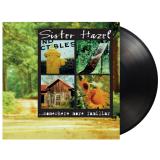
Sister Hazel is the American alternative rock band from Gainesville, Florida, onsisting of band members Ken Block, lead vocals/guitar, Andrew Copeland, guitar/vocals, Ryan Newell, lead guitar, Jett Beres, bass, and Mark Trojanowski on drums.
The band’s name pays tribute to Sister Hazel Williams, a beloved local missionary known for her unwavering compassion and community work....Somewhere More Familiar is the second studio album by Sister Hazel, the title of the album comes from a lyric in the song “We’ll Find It”, and was released in 1997.
Anchoring the album is the band’s song “All for You (which is Sister Hazel's biggest hit to date, hitting #11 on the Billboard Hot 100. Meanwhile “We'll Find It” found a second life on the soundtrack of the 2001 film The Wedding Planner, starring Jennifer Lopez and Matthew McConaughey.
…Somewhere More Familiar finally arrives in its debut vinyl pressing and includes an insert with lyrics.
Flaw is an American nu‑metal band from Louisville, Kentucky, formed in 1996 by guitarist Jason Daunt. Lead vocalist Chris Volz joined after responding to an ad in a local newspaper. Following a series of raw independent recordings throughout the 1990s, the band signed with Republic and Universal Music Group, releasing two major‑label albums Through the Eyes in 2001 and Endangered Species in 2004. Breakups, lineup changes, and internal conflicts affected the band for much of the decade, though from 2015 to 2017 they reunited with three core members to tour and write new material.
Originally released at the height of the early‑2000s alt‑metal wave, Flaw’s explosive debut Through The Eyes quickly became a defining record of the era. Led by the unmistakable voice of Chris Volz, the band crafted a sound that fused emotional intensity, sharp guitar work, and melodic hooks that resonated with a generation. The album reached #119 on the Billboard 200, and produced two singles, “Payback” and “Whole”. Another standout track, “Only the Strong”, was featured on the soundtrack of the 2002 action film The Scorpion King.
Now celebrating its 25th anniversary, Through the Eyes is available on vinyl for the first time as a double album. This edition includes an insert with lyrics and features a bonus hidden track.
Moon Inhabitants is on of the most exciting new additions to the flourishing Norwegian jazz scene! A quintet with a playful and spontaneous approach to the composed material and a philosophy that anything can happen. The music is inspired by 60s free jazz, with a modern twist - and turns that will suprise you on this debut on Sauajazz. The result is an energy bomb with unpredictable cosmic improvisations and down-to-earth naivety! All put together by a selection of the most innovative musicians from the younger generation.
Mit LOOKING FOR PEOPLE TO UNFOLLOW veröffentlicht Ecca Vandal ihr Debütalbum – nachdem sie
sich in den letzten Jahren als Support für Limp Bizkit und Deftones eine starke Live-Reputation aufgebaut
hat.
Das Album steht für Reduktion: weg vom permanenten Rauschen aus Timelines, Zahlen und Erwartungshaltungen – hin zu einem bewussteren, ehrlichen Zugang zur eigenen Kreativität.
Über zwei Jahre hinweg entstand die Musik in einem DIY-Setup, bewusst reduziert und losgelöst vom
klassischen Release-Druck. Das Ergebnis ist ein rohes, genreübergreifendes Album zwischen Alternative,
Punk und verletzlicher Intimität – weniger auf Relevanz ausgelegt, dafür umso näher am Kern.
LOOKING FOR PEOPLE TO UNFOLLOW versteht sich als kohärentes Gesamtwerk – und als bewusste
Rückbesinnung darauf, warum Musik überhaupt gemacht wird.
Der frischgebackene High-School-Abgänger Sonny Rollins war noch keine 19 Jahre alt, als er 1949 in
New York von Blue Note Records die Chance erhielt, an drei hochkarätigen Aufnahmesessions von Babs
Gonzalez, Bud Powell und Fats Navarro teilzunehmen. Sieben Jahre später kehrte er deutlich gereift zu
dem Label zurück, um vier großartige Alben als Bandleader aufzunehmen: “Sonny Rollins, Volume 1”,
“Sonny Rollins, Vol. 2”, “Newk’s Time” und “A Night at the ‘Village Vanguard’”. Auf “Sonny Rollins,
Vol. 2” präsentierte er sich mit einem erstklassig besetzten Quintett und einem temperamentvollen Set aus
teils selbst komponierten Bebop- und Hard-Bop-Nummern. Die Höhepunkte des Albums sind die unwiderstehlichen Versionen der beiden Thelonious-Monk-Klassiker “Misterioso” und “Reflections”, bei denen sich
der Komponist als Gast am Klavier zu den Mitwirkenden gesellte.
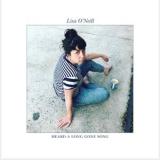
Lisa O"Neill stammt aus Ballyhaise im irischen County Cavan und lebt heute in Dublin. Ihr Album Heard A Long Gone Song, erschienen auf River Lea (Rough Trade), verbindet traditionelle Folk-Lieder mit eigenen Kompositionen. Durch ihre unverwechselbare Interpretation verschmelzen alte und neue Stücke zu einem zeitlosen Ganzen. Das Album eröffnet mit einer puren, unbegleiteten Version von The Galway Shawl, gefolgt von der düsteren Ballade Along The North Strand, die durch Geige und Concertina eindringlich untermalt wird. Ein weiterer Höhepunkt ist das bewegende Duett The Factory Girl mit Radie Peat von Lankum. 2018 trat O"Neill bei Shane MacGowans 60. Geburtstag in der National Concert Hall in Dublin auf. Auf dem Album interpretiert sie zudem Lullaby Of London von The Pogues, dessen Textzeile dem Album den Titel gab. Zu ihren eigenen Liedern gehören Rock The Machine, das die Folgen der Mechanisierung für ehemalige Hafenarbeiter in Dublin thematisiert, sowie Violet Gibson, die Geschichte einer Irin, die 1926 ein Attentat auf Mussolini verüben wollte. Mit diesen Stücken verleiht O"Neill oft übersehenen Menschen und Geschichten eine Stimme. Aufgenommen in einem ländlichen Studio nahe dem Loiretal und produziert von David Odlum und Lisa O"Neill, knüpft das Album an den Erfolg von Pothole In The Sky (2016) an. Es ist eine zugleich politische, poetische und zutiefst persönliche Folk-Platte, deren Lieder zeitlos wirken.
In a world increasingly shaped by disposable content, Chat Pile answer with something defiantly real and organic, a mentality that permeates Who Loves The Sun, their third full-length record. Since the band’s formation just over six years ago, the Oklahoma City-based quartet Chat Pile has grown from a scrappy passion project into one of the defining heavy acts to emerge from the 2020s underground. Ray B. (vocals), L. Manhole (guitar), Stin (bass), and Cap’n Ron (drums) create a crushing, crass, and cathartic take on noise rock that captures a raw, undeniably human essence in an age marked by technological overreach and the cold state of society. Nothing about Who Loves The Sun feels synthetic.
Whereas their debut album God’s Country depicted a particularly American flavor of dread, and the follow up Cool World showed a cruel planet defined by global systemic violence, Who Loves The Sun peels the skin back on how collective indifference defines this new century. Spanning imagery of coastlines devouring cities, dead-end jobs, and submission to data-driven inauthenticity, the album dissects the apathy-bloated state of 21st-century existence as a slow-motion apocalypse. As with much of Chat Pile’s work, Oklahoma City itself looms over the album like a character, its sprawling isolation, economic contradictions, and underlying sense of decay embedded in the fabric of the record. The perfect allegory for the thematic essence of Who Loves The Sun is the photo embossed on the record’s cover, where Devon Tower, a glassy, largely vacant monolith, looms high above the Oklahoma City skyline while a burnt-out home or storefront envelops the foreground. The album remains lyrically and sonically confrontational, but Chat Pile approached the songwriting with hooks in mind, drawing on melodic tones of pre-2000s indie rock, alt-rock, and new wave. From the blood-soaked vocal passages of “Christabel ’26” to the eerie trip-hop pulse of “Same Rules,” Who Loves The Sun is deeply human despite its allusions to a dying, divided .
In a world increasingly shaped by disposable content, Chat Pile answer with something defiantly real and organic, a mentality that permeates Who Loves The Sun, their third full-length record. Since the band’s formation just over six years ago, the Oklahoma City-based quartet Chat Pile has grown from a scrappy passion project into one of the defining heavy acts to emerge from the 2020s underground. Ray B. (vocals), L. Manhole (guitar), Stin (bass), and Cap’n Ron (drums) create a crushing, crass, and cathartic take on noise rock that captures a raw, undeniably human essence in an age marked by technological overreach and the cold state of society. Nothing about Who Loves The Sun feels synthetic.
Whereas their debut album God’s Country depicted a particularly American flavor of dread, and the follow up Cool World showed a cruel planet defined by global systemic violence, Who Loves The Sun peels the skin back on how collective indifference defines this new century. Spanning imagery of coastlines devouring cities, dead-end jobs, and submission to data-driven inauthenticity, the album dissects the apathy-bloated state of 21st-century existence as a slow-motion apocalypse. As with much of Chat Pile’s work, Oklahoma City itself looms over the album like a character, its sprawling isolation, economic contradictions, and underlying sense of decay embedded in the fabric of the record. The perfect allegory for the thematic essence of Who Loves The Sun is the photo embossed on the record’s cover, where Devon Tower, a glassy, largely vacant monolith, looms high above the Oklahoma City skyline while a burnt-out home or storefront envelops the foreground. The album remains lyrically and sonically confrontational, but Chat Pile approached the songwriting with hooks in mind, drawing on melodic tones of pre-2000s indie rock, alt-rock, and new wave. From the blood-soaked vocal passages of “Christabel ’26” to the eerie trip-hop pulse of “Same Rules,” Who Loves The Sun is deeply human despite its allusions to a dying, divided .
In a world increasingly shaped by disposable content, Chat Pile answer with something defiantly real and organic, a mentality that permeates Who Loves The Sun, their third full-length record. Since the band’s formation just over six years ago, the Oklahoma City-based quartet Chat Pile has grown from a scrappy passion project into one of the defining heavy acts to emerge from the 2020s underground. Ray B. (vocals), L. Manhole (guitar), Stin (bass), and Cap’n Ron (drums) create a crushing, crass, and cathartic take on noise rock that captures a raw, undeniably human essence in an age marked by technological overreach and the cold state of society. Nothing about Who Loves The Sun feels synthetic.
Whereas their debut album God’s Country depicted a particularly American flavor of dread, and the follow up Cool World showed a cruel planet defined by global systemic violence, Who Loves The Sun peels the skin back on how collective indifference defines this new century. Spanning imagery of coastlines devouring cities, dead-end jobs, and submission to data-driven inauthenticity, the album dissects the apathy-bloated state of 21st-century existence as a slow-motion apocalypse. As with much of Chat Pile’s work, Oklahoma City itself looms over the album like a character, its sprawling isolation, economic contradictions, and underlying sense of decay embedded in the fabric of the record. The perfect allegory for the thematic essence of Who Loves The Sun is the photo embossed on the record’s cover, where Devon Tower, a glassy, largely vacant monolith, looms high above the Oklahoma City skyline while a burnt-out home or storefront envelops the foreground. The album remains lyrically and sonically confrontational, but Chat Pile approached the songwriting with hooks in mind, drawing on melodic tones of pre-2000s indie rock, alt-rock, and new wave. From the blood-soaked vocal passages of “Christabel ’26” to the eerie trip-hop pulse of “Same Rules,” Who Loves The Sun is deeply human despite its allusions to a dying, divided .
In a world increasingly shaped by disposable content, Chat Pile answer with something defiantly real and organic, a mentality that permeates Who Loves The Sun, their third full-length record. Since the band’s formation just over six years ago, the Oklahoma City-based quartet Chat Pile has grown from a scrappy passion project into one of the defining heavy acts to emerge from the 2020s underground. Ray B. (vocals), L. Manhole (guitar), Stin (bass), and Cap’n Ron (drums) create a crushing, crass, and cathartic take on noise rock that captures a raw, undeniably human essence in an age marked by technological overreach and the cold state of society. Nothing about Who Loves The Sun feels synthetic.
Whereas their debut album God’s Country depicted a particularly American flavor of dread, and the follow up Cool World showed a cruel planet defined by global systemic violence, Who Loves The Sun peels the skin back on how collective indifference defines this new century. Spanning imagery of coastlines devouring cities, dead-end jobs, and submission to data-driven inauthenticity, the album dissects the apathy-bloated state of 21st-century existence as a slow-motion apocalypse. As with much of Chat Pile’s work, Oklahoma City itself looms over the album like a character, its sprawling isolation, economic contradictions, and underlying sense of decay embedded in the fabric of the record. The perfect allegory for the thematic essence of Who Loves The Sun is the photo embossed on the record’s cover, where Devon Tower, a glassy, largely vacant monolith, looms high above the Oklahoma City skyline while a burnt-out home or storefront envelops the foreground. The album remains lyrically and sonically confrontational, but Chat Pile approached the songwriting with hooks in mind, drawing on melodic tones of pre-2000s indie rock, alt-rock, and new wave. From the blood-soaked vocal passages of “Christabel ’26” to the eerie trip-hop pulse of “Same Rules,” Who Loves The Sun is deeply human despite its allusions to a dying, divided .
This is a concept record that reflects on events that have had a calculable effect on a generation:
‘’By 83 and 84, it felt that nuclear war was going to happen. Not could happen but was going to.’’
Stephen Brotherstone
"What would you do in the event of a Nuclear war?"
I remember having discussions about what we would do when we heard the four minute warning siren. We would raid the sweet shop. I was 8 or 9 years old. The absurdity of this vivid memory encapsulates the concept of the record. It would take at least four minutes to get to the shop!
The record starts with an early memory of circling a church on a Raleigh Budgie (the smaller lesser known iconic Chopper bicycle) in 1981 and ends with staring up at a clear sky on Oldham Lows in 1990.
The record identifies and plays with the effects of an underlying fear of oblivion on a generation of children, but also society as a whole: The pieces take in media and government propaganda. Machinery (nuclear submarines) and buildings (nuclear bunkers) but also everyday activities of the civilian population, activities such as shopping, clubbing and staring at the sky. Thematically, the record is made up of personal memories mixed with historical events.
Instruments are mainly from 1980s. DX7 and 808 feature predominantly. The pieces feature numerous melodic motifs that develop and intertwine underlying ideas of espionage and layers of secret messaging. It also mirrors the ways in which governments and civilians interact. Decisions being made in the name of defence whilst people go about their daily lives. I am exploring the everyday experiences of the masses whilst major political decisions are taking place. For example, shopping on a Saturday afternoon versus heated Cold War tensions in 1983.
Although taking place conceptually in the years 1979-1991, this record mirrors current events. History repeating. It also mirrors the helplessness or maybe some oblivious everyday normality state that we adopt as a community whilst major political decisions are being made.
The idea that life goes on oblivious to larger scale politics, or on the other hand, the idea that we are all very aware but in a state of unreal normality. Adam Curtis goes into great detail about such things in his film 'Hyper Normalisation'.
When one thinks of the terms “mass” and “massive” in music, especially contemporary music, perhaps certain aural images come to mind: generic metal heaviness; dynamics-bereft noise; ear-battering dance floor madness; the multitudinous forms of drone darkness. All of these are massive in their own fashion. However, this newstudio album from 7FO (pronounced “nana f o”), a composer-performer based in northern Osaka, investigates and inhabits a different aspect of the massive. A glorious combination: dense low frequencies; sculpturally condensed blocks of sound, subtly swinging gravitational fields ― and a surprising sense of rolling and rollicking joyfulness and play. “Massive” doesn’t have to mean “dark” ― consider the sun. This is the third 7FO release on EM Records, following the well-received Ryu no Nukegara (Dragon's Husk) (2018). On these 2024-25 recordings, 7FO focuses his drum machines, synths and musical vision into eight compact structures which were partially inspired by the intense essence of American pre-war blues and the shining soul of traditional Ethiopian music, especially the works related to King Solomon and the Queen of Sheba. While not obviously evident, the glowing core of these musics has been captured and condensed here; another inspiration is the massive sculptural 1980s works of Yoshi Wada ― although there are obvious differences, there is a similar material tangibility to the vibration of the air. The final piece, “Shirohebi”, is an update of the b-side of 7FO's 7-inch single "Healing Sword" (2023), featured on Henry Rollins’ radio program. We invite you to experience and enjoy these eight massive blocks of sound, imbued with 7FO’s heartfelt warmth and humour, dense but not dark; shifting, rolling, appearing and disappearing: 7FO once picked up a roadside stone, which split as it sat in his palm. This experience, referenced in the release’s title, hints at the metaphysical magic of music, a realm beyond mere coincidence: even the massive density of stone can split, and reveal the magic within. Available on CD, LP and digital download.
More than 25 years after the start of collaboration with Acid Mothers Temple mastermind Makoto Kawabata (including the INUI series and the classic Kawabata/Youngs release) comes the first proper VHF LP by the prolific quintet. One of an occasional series of “minimalism” inspired LPs by the group, “In A Not C” is a not a barely changing drone, but a wild ride with the band in full flight, rushing along in a glorious swirl of psychedelic madness. Like the band’s well-known 2001 version of Terry Riley’s “In C,” the group uses a small cell of repeating sound as a jumping off point and then gradually revs up to maximum velocity. The current AMT lineup has produced a series of fun and unique variants on the band’s longstanding signatures, with the addition of vocalist/guitarist Jyonson Tsu and drummer Satoshima Nani providing a lightness and nimbleness of touch that resets the context of the band’s usual blazing electric guitar and burbling synth. Both sides here build to a multi-layered crescendo, with loops of Tsu’s gentle vocals competing with frenetic drums, whistling electronics, and guitar that alternates trebly feedback and soft arpeggios. Cut by Golden, pressed in Chicago at Smashed, first pressing on clear vinyl.
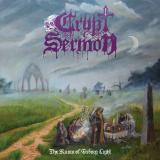
Crypt Sermon kommen mit ihrem zweiten Album, dass dem Debüt in nichts nachsteht oder um es auf den Punkt zu bringen - DAS hier ist eine Ansammlung epischer Doom Metal & Heavy Metal-Momente, glühender Stahl im Stile alter Helden wie Solitude Aeturnus oder Candlemass wie man ihn sonst derzeit nicht so schnell findet! Die Texte befassen sich mit doom-typischen Themen wie Glaube und Familie, Leben und Verlust und natürlich Stärke und Stolz. Zwischen donnernden Riffs und klagenden akustischen Momenten pendelt die Musik irgendwo zwischen Epic Doom und TRUE Heavy Metal. Erneut aufgenommen und gemischt wurde das Album von Arthur Rizk (Power Trip, Eternal Champion, Sumerlands, etc.).
"The electroclash genre sure has been having a bit of a renaissance moment. During its first coming an odd 25 years ago the French act Sweetlight was a favorite over here. Originally active between 2002 and 2010, they quickly positioned themselves within a refined strand of the global underground scene: inspired by 90s acid house club culture, they rose to prominence by releasing a sparse selection of original tracks and a multitude of remixes that were both dancefloor-effective and immediately recognizable. After the EPs stopped coming, the project seemed to have faded. But their tracks never left our bag: they combined minimalism with ambiguous elegance and retained a distinct, timeless quality, easily transcending the turn-of-the-century style they were most closely associated with. We are delighted, in what we consider nothing less than a full-circle moment, to release "Selected Recordings: 2004 - 2006" and shed light on an underrated yet, in our eyes, absolutely essential project. ALT022 is an anthology release featuring four extensive, remastered cuts. Abusator, arguably the act's hallmark track and a crossover hit, kicks off the EP. It is joined by Mecaniques Remontees, which opened the milestone Suck My Deck mix by Ivan Smagghe, and Too Shy, both initially part of the same EP back in 2004. Noir Comme Le Beat, an unreleased curiosity from the same era, closes the record. You will find dark, endless, ever-modulating arpeggiator basses, Detroit-via-Paris chord progressions, and spartan drums. The work is, in the artists' own words, low-profile, detail-oriented, and built for late hours. It's an ideal compilation or - depending on the case - introduction, especially now that new work is rumored to be finally on its way."
out of Stock
Last delivered 40 days ago available to reorder, subject to availability
»Ampersand Curve« initiates a brilliant new phase of work by North Manchester’s most elusive artist, best known as Michael J. Blood. His string of ruffkut club bangers, as well as jams with Rat Heart & Samizdat over the past seven years, have made his records a true cult property, and now find him signed to one of the UK’s most foundational techno imprints – more of which later this year.
But under the Sees aegis, he swims in very different waters, following his instincts to use the studio-as-instrument to produce his most impressive, deep-minded work, made from – and for – the heart. Where MJB was all about off-the-cuff club jams cooked for immediacy, his new stylistic switch reveals myriad worlds of influence swirling under the hood, where interrelated spheres of spiritual jazz, dub, ambient, and concrète more clearly light up his rich inner world.
As the story goes, MJB was burgled a few years back and lost most of his studio just as the project was hitting its stride. It prompted a personal review of his practice, re-learning new kit, allowing him to bend the rules. Adopting a sort of first-thought, best-thought approach to composition, the new methodology fuelled a renewed imagination in flux, or what he identifies as Sees: a personalised way of conveying complex emotions. That undoing of musical and mental conditioning opens the walls of his music to vast new horizons. Opener »Ithaca« fathoms sonorous midnight jazz with 10 mins of a plangent, searching sax solo in HD widescreen, like some alternate version to the Blade Runner Love Theme, while a resonant vocoder soliloquy, »Unseem«, reaches into space harmonised between Alvin Lucier and Ron Trent, and »Sheer« chases the devil out of labyrinthine dub dimensions.
The floating dream architecture of »Caprices« caps the LP’s underlying narrative and painterly qualities with a romantic conclusion of blushing pads and shivered, metallic echoes of the subtropical that suggest a coming-to-terms with worries, refreshed and good to go again.
out of Stock
Last delivered 42 days ago available to reorder, subject to availability
When Leon Michels and El Michels Affair released their rst record, Sounding Out The City, in 2005, it was hard to guess what was next for Michels and his then-introduced, now-patented "cinematic soul" sound. Now, four EMA studio albums and scores of tribute and remix projects later - all while producing for some of the biggest names in the industry - Michels has trademarked his sound, with each project taking audiences somewhere new and pushing the boundaries of what he is known for. The man is a river, not a lake and this time he takes his golden touch into the realm of hip-hop laying down a musical bed for one of the greatest to ever rhyme into a microphone: Black Thought of The Roots crew. Releasing on Big Crown Records, the LP is called Glorious Game and it is a remarkable debut partnership in more ways than one. Michels provides his bottom-heavy, soul-tinged production for Black Thought who gives us some of the more personal and transparent verses we've ever heard from him. Michels and Black Thought have been in each other's orbit for a while now. The two first met in the 2000s when Thought was first getting familiar with the contemporary soul scene. "Out of that whole world, Menahan Street Band was probably my favorite," recalling the funk and soul group Michels was a founding member of back in 2007. Fast forward a few years and musicians from that collective - Dave Guy on trumpet and Ian Hendrickson-Smith on sax - are now full time players with The Roots. This connection eventually led Leon and Thought to doing a few fundraising events around NYC and Philly together. "Before long, Black Thought was coming around the studio and would jam with us from time to time," Michels explains. "Then, fast forward to 2020 and COVID lockdowns, he just hit me up out of the blue, wanting me to send him stuff to write to. We both were looking to stay busy" Being that Black Thought is the co-founder and emcee for, hands down, the best live-band group in hip-hop. Michels took a decidedly different approach to this project and instead of sending recorded tracks of live compositions, he pulled out the sampler and sampled himself and some records from his collection. "I'm a big fan of soul music," as if Michels has to remind us. "And part of hip-hop's appeal to me has always been the sample-based production" For Glorious Game, Michels would make wholly composed and recorded soul songs in his studio, sample himself, then chop and/or loop up his sounds and create instrumentals for Black Thought. On some tracks he took a more traditional hip-hop approach, starting from samples of other people's music but then adding live instrumentation on top. But for the most part, it's him reinterpreting his own compositions into something new. The result is an organic feel of loop-based tracks that breathe and uctuate enough for Black Thought to ex on. "What I write about is determined by the equation of the producer's energy and my energy," Black Thought says. "It's about where we meet." So armed with Michels sampled and re-sampled soul cinematics, Black Thought rhymes through personal memories.
out of Stock
Last delivered 42 days ago available to reorder, subject to availability
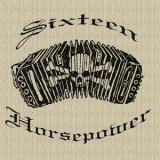
Mit "Folklore" vertiefen 16 Horsepower ihre unverwechselbare, düster-spirituelle Interpretation amerikanischer und osteuropäischer Traditionals. Das Album verbindet eigene Kompositionen mit radikal neu gedeuteten Klassikern, die die Band in rituelle, minimalistische und zugleich kraftvoll aufgeladene Klanglandschaften überführt. Instrumente wie Banjo, Cello, Hurdy-Gurdy und Bandoneon schaffen ein archaisches Fundament, das den intensiven, eindringlichen Gesang von David Eugene Edwards trägt. "Folklore" zählt zu den atmosphärisch dichtesten und charakteristischsten Werken der Band - dunkel, entrückt und hypnotisch. Ein Album, das die Grenzen zwischen Tradition, Mythos und moderner Alternativkultur auf eindrucksvolle Weise auflöst.
out of Stock
Last delivered 42 days ago available to reorder, subject to availability
The compositions recorded here are a product of work with computers in synthetic speech, song and vocal sounds and were created between 1972 and 1975. The music was realized on two different computer music systems and takes advantage of, and attempts to extend and explore their features. The system employed to realize speech songs was created at the Bell Telephone Laboratories for research in synthetic speech and speech communication. Since the system was not designed for musical purposes, its limitations were severe and its musical use a great (and often rewarding) challenge. The system used for In Celebration and The Story of Our Lives was designed with the expressed purpose of creating synthetic musical voices, and was therefore much better suited to the task at hand. As with any high technology project, there was extensive collaboration in the production of the works.
The works on this disk are called computer music because the sounds were created numerically in a computer before reaching magnetic tape and loudspeakers. The computer did not compose the music. However, it was only used as a sound synthesis and analysis medium. In order to hear the sounds which are represented in the computer as successions of numbers it was necessary to attach a digital-to-analogue converter to the computer. The converter transformed the succession of numbers into a fluctuating voltage which was recorded directly on to audio tape.
The technique used to create the synthetic voices is called speech synthesis-by-analysis. For this method of speech synthesis, only those words, phrases and sentences which have been spoken into the computer previously (via an analogue-to-digital converter) may be synthesized. First the digitally-recorded speech is analyzed by programs which extract the attributes (parameters) of the speech for short time segments (.01 sec.). From these parameters the speech may be recreated in a form which resembles the original recording very closely. But for musical purposes the parameters are most often altered before synthesis. It is possible, for example, to change the natural pitch contour of the speech into a melodic line or to change the speech speed without altering the natural pitch level.
The variety of musical patterns which may be created from the analytic parameters is limited only by the composer's imagination. Most of the speech sounds on the recording were created by changing the pitch and duration attributes of the original on resynthesis, but for a few, the resonances (the formants) of the speech were altered as well. The voice of the book in The Story of Our Lives was created by replacing the program which simulates the sound of the human vocal cords with one consisting of 64 sine tones glissandoing at different rates. All the textures in which more than one voice is heard were obtained by mixing the synthetic voices together digitally.
Nichts ist so beständig wie der Wandel. Kaum eine Band verkörpert diesen Gedanken derzeit so konsequent wie Musa Dagh. Die Formation um Aren Emirze bewegt sich seit dem selbstbetitelten Debüt von 2021 durch die Zwischenräume von Noiserock, Alternative und Post-Hardcore - laut, sperrig, emotional aufgerissen und zugleich getragen von einem feinen Gespür für Dynamik, Atmosphäre und Melodie. Der Bandname verweist dabei auf den historischen Kontext des armenischen Genozids und bildet einen leisen, aber prägenden Resonanzraum im Selbstverständnis der Gruppe. Von Anfang an wirkt Musa Dagh weniger wie eine klassische Band als ein offener Prozess. Keine feste Konstruktion, sondern ein Zustand permanenter Bewegung. Unterschiedliche musikalische Erfahrungen, Persönlichkeiten und Energien treffen hier aufeinander, verschieben sich gegenseitig und erzeugen genau daraus jene Spannung, die zum Kern dieser Musik geworden ist. Schon die ersten Aufnahmen entstanden aus dieser Offenheit heraus. Begegnungen und Arbeitsphasen mit Thomas Götz, Sascha Madsen und Aydo Abay wirkten dabei weniger wie klassische Kooperationen, sondern eher wie Reibungsflächen, die den Sound immer wieder neu ausrichten. Musa Dagh klangen nie nach Stillstand - jede Verschiebung öffnete neue Räume. Mit "Endurance" tritt die Band nun in eine neue Phase ein. Die Veränderung wirkt nicht wie ein Bruch, sondern wie eine Erweiterung dessen, was Musa Dagh immer ausgemacht hat: Bewegung, Offenheit und Transformation.
Silbernes Vinyl, limitiert auf 500 Exemplare. Nichts ist so beständig wie der Wandel. Kaum eine Band verkörpert diesen Gedanken derzeit so konsequent wie Musa Dagh. Die Formation um Aren Emirze bewegt sich seit dem selbstbetitelten Debüt von 2021 durch die Zwischenräume von Noiserock, Alternative und Post-Hardcore - laut, sperrig, emotional aufgerissen und zugleich getragen von einem feinen Gespür für Dynamik, Atmosphäre und Melodie. Der Bandname verweist dabei auf den historischen Kontext des armenischen Genozids und bildet einen leisen, aber prägenden Resonanzraum im Selbstverständnis der Gruppe. Von Anfang an wirkt Musa Dagh weniger wie eine klassische Band als ein offener Prozess. Keine feste Konstruktion, sondern ein Zustand permanenter Bewegung. Unterschiedliche musikalische Erfahrungen, Persönlichkeiten und Energien treffen hier aufeinander, verschieben sich gegenseitig und erzeugen genau daraus jene Spannung, die zum Kern dieser Musik geworden ist. Schon die ersten Aufnahmen entstanden aus dieser Offenheit heraus. Begegnungen und Arbeitsphasen mit Thomas Götz, Sascha Madsen und Aydo Abay wirkten dabei weniger wie klassische Kooperationen, sondern eher wie Reibungsflächen, die den Sound immer wieder neu ausrichten. Musa Dagh klangen nie nach Stillstand - jede Verschiebung öffnete neue Räume. Mit "Endurance" tritt die Band nun in eine neue Phase ein. Die Veränderung wirkt nicht wie ein Bruch, sondern wie eine Erweiterung dessen, was Musa Dagh immer ausgemacht hat: Bewegung, Offenheit und Transformation.
Ein Konzert ist ein Ereignis, bei dem Songs zu neuem Leben erwachen. Deshalb trägt dieses Album den Titel "Live!", erklärt Jarvis Cocker zu diesem besonderen Werk im Pulp-Kanon. "Es ist sowohl eine Tatsachenfeststellung (es handelt sich um die Aufnahme einer Liveband) als auch eine Herausforderung (kommt schon! Alle sollen lebendig werden!)." Gleichzeitig ist es auch sowas wie der erste Filmsoundtrack von Pulp: Der von Garth Jennings inszenierte Film "What Do You Do For an Encore?" erscheint weltweit am 25. September. Die Zusammenarbeit zwischen Pulp und Garth Jennings reicht bis ins Jahr 1997 zurück, als er das Musikvideo zu "Help the Aged" drehte. Als Pulp 2023 ihre Rückkehr auf die Bühne ankündigten, nahm Garth Kontakt auf und bot an, das Bühnenkonzept mitzugestalten. Im Juni 2025 filmte er schließlich die beiden Auftritte der Band in der Londoner O2 Arena, die das Herzstück des Films bilden. Diese Konzerte liefern auch das Material für das Livealbum. Es waren die 566. und 567. Shows der Bandgeschichte und zeigen eine Gruppe auf dem Höhepunkt ihres Könnens. Aufgenommen in der Woche, in der "More" - Pulps erstes Album seit 24 Jahren - Platz 1 der offiziellen UK-Charts erreichte, fängt das Album genau den Moment ein, in dem die Band als kreative Kraft zurückkehrt: alte und neue Klassiker erstmals vereint.
Mit ihrem neuen Album Nine setzt das aus Chicago stammende Post-Metal-Trio Russian Circles seine bedächtige Weiterentwicklung und disziplinierte Verfeinerung fort. Dabei besinnen sie sich auf ihre Stärken und erweitern zugleich die Grenzen ihres Klangspektrums. Dies ist eine Band ohne Radio-Hits. Es gibt keinen Konsens unter Fans darüber, welches ihr bestes Album ist. Was bleibt, ist der Ruf nach Beständigkeit und Qualität - ein Ruf, der sie zu einer der weltweit bedeutendsten Bands im Bereich des instrumentalen Heavy Rock gemacht hat. Auch wenn sie betonen, dass ihre Musik aus einer Vielzahl unterschiedlichster Einflüsse schöpft, lässt sich sagen, dass sich die experimentierfreudige Vielfalt von Russian Circles zu einem unverwechselbaren, einzigartigen Sound entwickelt hat. Obwohl die Mitglieder von Russian Circles mittlerweile über das ganz USA verstreut leben - Gitarrist Mike Sullivan in Los Angeles, Schlagzeuger Dave Turncrantz in Chicago und Bassist/Keyboarder Brian Cook auf Vashon Island bei Seattle -, haben sie für Nine ihre jeweiligen Standorte musikalisch miteinander verwoben. Die sieben gewaltigen, fast seismischen Titel wirken wie Soundtracks zu den Herausforderungen und Tragödien des modernen Lebens. "Unsere Musik ist ein gemeinsamer Prozess der Versöhnung, der Orientierung und der Reflexion über das Älterwerden - sowohl als Individuen als auch als kreative Einheit. Das Leben hat reale räumliche Distanzen zwischen uns geschaffen, doch die Band bildet weiterhin unseren gemeinsamen Mittelpunkt. Diese kreative Zusammenarbeit ermöglicht es uns, den Lauf der Zeit zu erfassen und zugleich voller Zuversicht in die Zukunft zu blicken", erklärt die Band. Während frühere Alben beim Erkunden verschiedener musikalischer Gefilde fast spielerisch wirkten, ist Nine das Zeugnis einer Band, die ihr Terrain genau kennt und ihre Position in dieser vielfältigen Klanglandschaft festigt.
Morgan Noise erschaffen mit ihrer Musik eigene Welten, in denen sie Jazz-Sensibilität und alternative Experimentierfreude mit Singer-Songwriter-Flair verbinden. Alle vier Mitglieder, darunter Musikerinnen der Bands Fat Dog und Flur, verfügen über einen Jazz-Hintergrund. Ihre Improvisationskunst ist entscheidend für die Entfaltung und Weiterentwicklung der Songs. Inspiriert von den Klanglandschaften von Saya Gray, Nilüfer Yanya und Astrid Sonne, schlagen Morgan Noise eine kunstvolle Brücke zwischen komplexen Emotionen und klanglicher Präzision, lyrischer Nuancierung sowie künstlerischer Klarheit. Zu ihren bisherigen Erfolgen zählen Auftritte beim Green Man Festival sowie eine Live-Session für Riley & Coe. Nach der UK Support-Tour für Porridge Radio steht nun die Veröffentlichung ihres Debütalbums an – ein Werk, das vom Lebensgefühl der frühen 2020er-Jahre und den Erfahrungen während der Tourneen in dieser Zeit inspiriert ist.
Ben Kwellers zweites Album "On My Way" (2004), das bislang noch nie auf Vinyl erschien, erhält nun die Deluxe-Behandlung. Damit wird zugleich einem zwei Jahrzehnten alten Wunsch der Fans entsprochen: diesen Titel endlich im Schallplattenformat in den Händen zu halten. "On My Way (Deluxe)" erscheint als Doppel-LP und umfasst das Originalalbum – neu gemastert von der Audio-Legende Howie Weinberg – sowie 12 bislang unveröffentlichte Raritäten, darunter Demos & B-Seiten, die allesamt aus der "On My Way"-Ära stammen. Langjährige Fans werden einige dieser Raritäten noch von Live-Konzerten (das Elvis-Cover "Can't Help Falling In Love With You") oder aus Zeiten von Napster und Limewire (der Song "Tylenol") kennen. Wer bereits die "Sha Sha (Deluxe)"-Ausgabe von Kwellers Debütalbum besitzt, wird diese zweite Veröffentlichung sicherlich als perfekte Ergänzung für die eigene Sammlung betrachten.
Ein authentischer Geschichtenerzähler der heutigen Indie-Rock-Szene ist der in Tampa geborene und in New Orleans lebende Singer/Songwriter Thomas Dollbaum, und ,Birds of Paradise" ist sein bisher kraftvollstes und dynamischstes Werk. Nach seinen von Kritikern hochgelobten Alben "Wellswood" (Big Legal Mess, 2022) und "Drive All Night EP" (Dear Life Records, 2025) ist "Birds of Paradise" ein Abschiedsbrief an verlorene Liebste und sein früheres Ich. In diesen Songs sucht Dollbaum nach Akzeptanz an vergänglichen Zwischenorten: in den Kiefernwäldern Floridas, auf Nebenstraßen, die zur 1-95 führen, wo Vögel über das Wasser fliegen. Und obwohl die Geister seiner Alt-Country-Vorgänger Townes und Molina definitiv präsent sind, tritt Dollbaum auf Birds of Paradise aus ihrem Schatten heraus - er winkt der Vergangenheit zu und klingt dabei umso mehr wie er selbst. Dieser Moment - dieses Album - ist längst überfällig. Die Aufnahmen zu Dollbaums beiden vorherigen Veröffentlichungen hatten aufgrund von Umständen, die außerhalb seiner Kontrolle lagen, viel zu lange gedauert, was ihn frustriert zurückließ. Nachdem er acht Jahre lang von zu Hause weg war, war der Ort, den er verlassen hatte, nicht mehr der Ort, an den er sich erinnerte, und die Unveränderlichkeit der Natur fühlte sich wie eine Konstante an, über die er schreiben wollte. Mit einem Gefühl der Unmittelbarkeit schrieb er ,Birds of Paradise" in drei Monaten. Er rief die Musiker an, denen er am meisten vertraute und die er am meisten bewunderte - Nick Corson, Josh Halper und Jake Lenderman - und bat sie, sich mit ihm bei Dial Back Sound in Water Valley, Mississippi, mit dem Produzenten/Toningenieur Clay Jones zu treffen. Sie lernten das Album in vier Tagen ein und nahmen es auf, wobei sie einen Blitz in einer Flasche einfingen, eine klangliche Offenbarung, auf die Dollbaums Songwriting schon immer gewartet hatte. Mit der Hilfe von Lenderman, Halper, Corson und Jones ist ,Birds of Paradise" Dollbaums hart erkämpfter Durchbruch. Lebendig und nachhallend wie Gedichte und Kurzgeschichten, die man nicht vergessen kann: Kojoten heulen, Vögel fliegen nach Süden, Kinder jagen Kaninchen durch das Zuckerrohr und Zigaretten kosten vier Dollar pro Packung. Birds of Paradise erinnert uns daran, woher wir kommen - an die Dinge in uns, die wir vergessen haben - wir brauchten nur Dollbaum, um uns das zu zeigen. So blickt man ohne Angst oder Scham zurück. So sieht Authentizität aus.
Mit „Everything’s Falling“ zeigen The Warning eindrucksvoll, warum sie zu den spannendsten Stimmen im
modernen Rock zählen. Das Latin-Grammy-nominierte Schwestertrio aus Monterrey, Mexiko, verbindet
Alternative Rock, Hard Rock und Metal zu einem kraftvollen Sound, der von starken Riffs und eingängigen
Melodien geprägt ist. Bekannt geworden durch ihr virales „Enter Sandman“-Cover, haben sich Daniela,
Paulina und Alejandra längst als eigenständige Künstlerinnen, mit einer internationalen Fanbase, in der
Rockszene etabliert.
Auf ihrem fünften Studioalbum „Everything’s Falling“ setzen sich The Warning mit inneren Konflikten,
Ängsten und Selbstzweifeln auseinander und verwandeln diese Themen in energiegeladene Songs mit ungefilterter Ehrlichkeit.
Nachdem Elvin Jones 1963 gemeinsam mit dem Bassisten Jimmy Garrison, seinem langjährigen Partner aus dem John Coltrane Quartet, für Impulse! Records das Septett-Album “Illumination!” eingespielt
hatte, legte der Schlagzeuger 1965 mit “Dear John C.” sein erstes Album als eigenständiger Bandleader
bei dem Label vor. Obwohl das Titelstück des Albums natürlich eine Hommage an Coltrane war, legte
Jones großen Wert darauf, eine gewisse Distanz zur modalen Musik zu schaffen, die er seinerzeit mit dem
Quartett des Tenorsaxofonisten spielte. Dies tat er zum einen durch die Zusammenstellung des Repertoires,
das neben Stücken von Charles Mingus, Duke Ellington sowie Charlie Parker und Dizzy Gillespie auch einige
klassische Popsongs umfasste. Zum anderen besetzte er sein Quartett nicht mit einem Tenorsaxofonisten,
sondern mit dem Altsaxofonisten Charlie Mariano, der sich zuvor in der West-Coast-Szene einen Namen
gemacht hatte
Mixed Emotions: Das legendäre Comeback-Album „We Belong Together“ erstmals auf Vinyl!
„Tag Alter, ick bin Drafi“. Mit diesen inzwischen legendären Worten begrüßte Poplegende Drafi Deutscher
im Jahr 1986 den jungen Sänger Oliver Simon. Es war der Beginn einer der erfolgreichsten Duo-Partnerschaften
der deutschen Musikgeschichte. Jetzt, genau 40 Jahre nach ihrer Gründung, erscheint das gefeierte
Comeback-Werk „We Belong Together“ aus dem Jahr 1999 zum ersten Mal auf edlem schwarzem Vinyl.
Eine Erfolgsgeschichte der Extraklasse
Was ursprünglich als Solo-Projekt für Oliver Simon geplant war, entwickelte sich unter der Regie von
Mastermind Drafi Deutscher schnell zum Pop-Phänomen Mixed Emotions. Die Kombination aus Drafis
markantem Timbre und Olivers glasklarer Stimme traf den Nerv der Zeit:
Chart-Rekorde: 1987 mit drei Singles gleichzeitig in den Single-Charts.
Edelmetall: Gold- und Platin-Auszeichnungen für beide Alben in den 80ern.
Internationale Hits: Erfolge weit über die Grenzen Europas hinaus, bis nach Südafrika.
Das 1999er Comeback: Mehr als nur Nostalgie
Nach der Trennung 1989 kehrten Mixed Emotions zehn Jahre später spektakulär zurück. Statt lediglich alte
Aufnahmen neu zu mischen, entschied sich das Duo für komplette Neuaufnahmen ihrer größten Klassiker
und Albumtracks, sowie für neue Hits wie den Uptempo-Ohrwurm „You Are My Angel“. Erneut stürmten
sie die Top 30 der Album-Charts und begeisterten Millionen in zahlreichen TV-Shows. Die musikalische
Chemie war auch nach einer Dekade Pause ungebrochen.
Exklusives Highlight für Sammler
Die vorliegende Vinyl-Edition bringt diesen Meilenstein der Pop-Schlager-Geschichte erstmals auf dem
„schwarzen Gold“ zurück. Als besonderes Schmankerl enthält die LP den brandneuen 2026er DJ Herzbeat
Remix von „Just For You“, der den unverkennbaren Mixed-Emotions-Sound perfekt in die heutige Zeit
übersetzt. Die Vinyl ist limitiert auf 500 Stück und nummeriert.
Die musikalische Formel von Mixed Emotions bleibt zeitlos. Für Drafi, Oliver und ihre treuen Fans gilt
auch heute mehr denn je: We Belong Together!
»Dark Hours« war 2009 eine freudige Überraschung, da viele Bands mit zunehmendem Alter es häufig ruhiger angehen lassen. Nicht so die Schweden: Mit düsteren Untertönen wird eine Energie entfacht, die zeigt, dass die Band ihren eigenen Weg aus modernem Power Metal mit melodischen Zwischenspielen weiter ausbaut.
Bereits beim ersten Hören erkennt man, was diese erfahrenen Musiker zu bieten haben, besonders wenn man die klassischen Heavy-Metal-Merkmale mag: düster, melodisch, eingängig und böse.
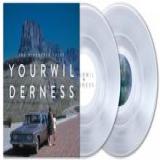
Die britischen Alternativ- und Progressive-Rocker von The Pineapple Thief melden sich 2016 mit einem neuen Album zurück. »Your Wilderness« heißt der Nachfolger von »Magnolia« aus dem Jahr 2014.
Mit gerade einmal acht Songs handelt es sich dabei auf den ersten Blick fast schon um ein Minialbum. Bei näherem Hinsehen bzw. Hinhören stellt man aber fest, dass alle Songs zwischen 3:46 und 9:52 Minuten liegen, was eine Durchschnittslänge von rund 5 Minuten pro Song macht. Hier kommt also niemand zu kurz.
Im Gegensatz zu früheren Alben haben sich The Pineapple Thief für »Your Wilderness« zum ersten Mal einen ganzen Haufen illustrer Gäste eingeladen.
Zunächst einmal ist Schlagzeuger Gavin Harrison mit von der Partie, der dem einen oder anderen bereits durch seine Mitgliedschaft bei der Band Porcupine Tree bekannt sein dürfte. Für einige Klarinettenparts stand zudem niemand Geringeres als John Helliwell von Supertramp zur Verfügung. Geoffrey Richardson von den legendären Caravan steuerte unterdessen das Streichquartett bei, das auf dem Album zu hören ist. An der Gitarre unterstützte Darran Charles von Godsticks. Zu guter Letzt sorgte ein vierköpfiger Chor für die Backgroundgesänge.
Produziert wurde »Your Wilderness« komplett in Eigenregie der Band, mit Ausnahme der Drumparts, die Harrison in seinem eigenen Studio einspielte.
Mit »No Man’s Land« haben The Pineapple Thief auch bereits die erste Single des neuen Albums vorgestellt. Und die lässt erahnen, dass die Band sich trotz neuem Personal musikalisch treu bleibt – zur Freude vieler Fans.
Louisiana Red wurde im März 1932 in Alabama geboren und starb fast auf den Tag genau 80 Jahre später in Hannover. Der frühe Lebensweg von Iverson Minter, auch bekannt als Louisiana Red, war geprägt von Leid. Seine Mutter starb eine Woche nach seiner Geburt an einer Lungenentzündung. Als er fünf Jahre alt war, wurde sein Vater vom Ku-Klux-Klan hingerichtet. Danach lebte er in Waisenhäusern, bis er den Rest seiner Kindheit bei seiner Großmutter verbringen konnte. Als Jugendlicher wurde er wegen Einbruchs zu Zwangsarbeit verurteilt und anschließend von Uncle Sam in den Koreakrieg geschickt. Bluesmusiker wollte Iverson werden, seit er Muddy Waters kennengelernt hatte. Ende der 1950er Jahre spielte er in der Band von John Lee Hooker. Mitte der 1970er Jahre zog es ihn nach Europa, wo er durch Auftritte beim WDR-Rockpalast oder dem Montreux Jazz Festival einem breiteren Publikum bekannt wurde. In den 1980er Jahren verpflichtete Fritz Rau Louisiana Red für sein erfolgreiches Festivalformat "American Folk Blues Festival". 1983 veröffentlichte er sein erfolgreiches Album "Anti-Nuclear Blues", dessen Inhalt und Aussage heute aktueller denn je sind. Die Original-Vinyl-Ausgabe ist inzwischen zu einer gesuchten Rarität geworden. Nun erscheint das Album erstmals auch auf CD mit sechs Bonustiteln vom "American Folk Blues Festival" von 1981 sowie als Neuauflage auf Vinyl im frischen Soundgewand.
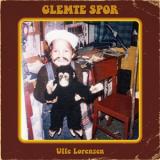
Vierte Auflage - das aktuelle Solo-Album vom dänischen Psych-Rock-Zauberers Uffe Lorenzen aka Lorenzo Woodrose aka... Seit zehn Jahren interpretiert Uffe Lorenzen (bekannt von u.a Baby Woodrose und Spids Nogenhat) auf allen seinen Alben ein altes dänisches Lied. Das gilt für seine drei Soloalben und die beiden Alben seiner aktuellen Rockband Lydsyn. Auf seinem neuen Soloalbum Glemte Spor ("Vergessene Spuren") hat er ein komplettes Album mit 10 Interpretationen von Liedern aus den Jahren 1967 bis 1999 aufgenommen. Einige davon sind dänische Klassiker, andere sind eher unbekannte Lieder, die er sich zu eigen gemacht hat. Viele davon können als Protestsongs betrachtet werden oder haben einen anti-war Charakter. ,Ich habe festgestellt, dass ich die Herausforderung, Songs anderer Leute zu interpretieren und sie zu meinen eigenen zu machen, wirklich mag. Sie zu verändern, zu interpretieren und vielleicht sogar zu verbessern. Viele der Songs werden den meisten Menschen unbekannt sein, während andere dänische Klassiker sind. Was sie gemeinsam haben, ist, dass sie mich irgendwie zu dem gemacht haben, der ich bin", sagt Uffe Lorenzen. Das Album wurde zusammen mit Morten Hart Grabowski in einem kleinen Studio in Kopenhagen aufgenommen. In mehr als 20 Sessions haben sie zusammen eine Liste von 50 Songs auf die zehn reduziert, die schließlich auf dem Album gelandet sind. Laut Lorenzen fanden die Aufnahmen in einer sehr entspannten Atmosphäre statt: ,Wir haben etwas Gras geraucht und Rotwein getrunken, was den Prozess sehr entspannt gemacht hat, und ich glaube, das hört man dem Endergebnis auch an." Später übernahm Flemming Rasmussen den Mix und das Mastering in seinem berühmten Sweet Silence Studio. Die erste Auflage war auf 1000 Exemplare in schwarzem Vinyl limitiert und ist ausverkauft, die zweite und dritte Auflage kamen streng limitiert für den Indie-Handel auf rotem und grünem Vinyl (500 Stück weltweit), die vierte Pressung ist bei Bad Afro traditionell Purple (weltweit ebenfalls 500 Stück).
Sechs Jahre nach ihrer Auflösung beschenken 16 Horsepower ihre Fans mit einer ganz speziellen Songsammlung. "Yours, Truly" besteht aus zwei CDs. Die erste ist ein klassisches Best-Of-Album, zusammengestellt via Internet von Fans und Musikliebhabern auf der ganzen Welt, die jeweils ihre zehn Lieblingssongs der US-Alternative-Country-Band zur Abstimmung brachten. Die zweite CD wiederum enthält 13 Songs, die bis dato nie auf einem offiziellen Album erschienen waren: B-Seiten von Singles, Demoversionen, Radio-Sessions - alles Aufnahmen, die selbst Die-Hard-Fans der Band nicht in ihrem Fundus haben. Dazu gibt es ein 16-seitiges Booklet mit Fotos und Songtexten.
John Tchicai (1936 – 2012) was one of the most important free improvising saxophonists of the 20th Century: an artist of rare vision and aptitude whose lines soared and stood out even in the most hallowed company, and whose body of work as a leader / composer is among the most singular and distinct within the entire canon of that music. But Tchicai’s importance doesn’t end there. Born in Copenhagen, Denmark, to a Danish mother and a Congolese father, his life and career represent a crucial bridge between the European and American traditions of free jazz. Initially trained on violin as a child, Tchicai shifted his focus to the clarinet and alto saxophone during his mid-teens, and began touring Europe as a professional musician by his early 20s, which landed him at a socialist youth festival in Helsinki, Finland, where he met the trumpeter Bill Dixon and saxophonist Archie Shepp. Impressed by what they heard, Dixon and Shepp encouraged the young saxophonist to move to New York, and in so doing changed the history of jazz forever.
Tchicai’s arrival in New York marks the rare occurrence of a European player joining the intimate circle that was first wave of American free jazz. Following his landing in the city in November of 1962, in addition to regularly sitting in with Don Cherry’s group, Tchicai began playing with Bill Dixon's band alongside Archie Shepp and Roswell Rudd, forming the nucleus of the foundation of the New York Contemporary Five - one of the most important groups of the era - which counted Tchicai, Shepp, Cherry, Don Moore, and J. C. Moses as its members. From the ashes of this group, Tchicai would go on to found the legendary ensemble, New York Art Quartet, with Roswell Rudd, Milford Graves, and Lewis Worrell, as well as working within Albert Ayler's band, recording “New York Eye and Ear Control”, Shepp’s band, recording “Four for Trane”, the ensemble that recorded John Coltrane's “Ascension”, and the Jazz Composer's “Orchestra”.
By the time he decided to return to Denmark in 1966, had Tchicai chosen to record little else, his legacy within the history of music would have been ensured. Incredibly ambitious, his arrival home marked the beginning of an incredible period of activity which saw him radically expanding his creative explorations, which by the end of the decade would include becoming a founding member of Amsterdam's Instant Composers Pool and helping to record John Lennon and Yoko Ono's “Unfinished Music No.2: Life with the Lions”. This, however, was proceeded the formation of a new orchestra, Cadentia Nova Danica, led by Tchicai, dedicated to radical cross-disciplinary exploration. Remaining together between 1966 and 1971, the group and its shifting membership regularly fell into collaboration with artists and composers, notably Musica Elettronica Viva, who existed beyond the realms of jazz, as well as participating within multi-media events that incorporated the visual realms.
Cadentia Nova Danica’s only two LPs - “Cadentia Nova Danica” (Polydor, 1968), and “Afrodisiaca” (MPS, 1969) - are effectively Tchicai recorded efforts as a leader, and are legendary. There’s little mystery, once heard, why the later landed on Thurston Moore’s iconic “Top Ten from the Free Jazz Underground”, published by Grand Royal in 1996. Sadly, despite playing extensively during their five year run, with exception of a CD documenting a performance at Jazzhus Montmartre, in 1966, until now there has been no other publicly available recordings that allow us to capture a glimpse of this astounding band at work. Alga Marghen / Formalibera’s vinyl pressing of a never before released body of recordings, made in Copenhagen between 1969 and 1970, changes that in the most exciting of ways.
Comprising three pieces - “Mc Gub Gub, (I–VIII)”; “Ode to Skt. John”; and “Pladepip” - the material on this stunning LP comes from two specific events. The first, which encompasses the first side, “Mc Gub Gub, (I–VIII)” was recorded by Cadentia Nova Danica - in this instance, Tchicai, Sune Weimar, Theo Rahbek, Christian Kyhl, Niels Holt, Jørgen Thorup, Michael Schou, Morgens Bollerup, Allan Gregersen, Ole Matthiessen, Pierre Dørge, Willy Jaegert, Anthony Barnett, and Jon Finsen - on May 29th, 1969, at the ABC-Theatre in Copenhagen. Penned by Tchicai, the piece is a sprawling, evolutionary composition at the outer reaches of free jazz, rooted in large blocks of colliding tonality and rhythm - a sound only accessible to larger ensembles - that push territories explored by Charles Mingus to previously unimagined heights, threaded by moments of hard blown fire. Writhing like a stormy sea - skronking and devilish - “Mc Gub Gub, (I–VIII)” is a work of profound complexity that singlehandedly illuminates not only Tchicai’s singular vision as a composer, but also the power and uniqueness of Cadentia Nova Danica during the band’s most vital period.
The two pieces - “Ode to Skt. John” and “Pladepip” - taking up the flip side, were recorded on February 21st, 1970, at the Danish Broadcasting Corporation’s Radio House, and are the outcome of Cadentia Nova Danica’s extended residency there between 1969 and 1970. In many ways, these two recordings offer some of the best insights into the broad collaborative approaches that defined the band, in this case encountering them working with Danish experimental composer, Svend Erik Werner, who was among the earliest in his country to embrace stylistic pluralism and the use historical forms within a modern context. “Ode to Skt. John” - based on aspects of Gregorian music - was penned by Werner, incorporating heady improvisation by the members of Cadentia Nova Danica, this time made up by Tchicai, Sune Weimar, Hugh Steinmetz, Theo Rahbek, Christian Kyhl, Michael Schou, Morgens Bollerup, Ole Kühl, Torben Enghoff, Mauritz Tchikai, Kjeld Ipsen, Willy Jaegert, Ole Matthiessen, Ole Thilo, Pierre Dørge, Steffen Andersen, Jon Finse, and Clause Bøje. The piece is a fascinating binary of the composed and improvised, utilising the band’s large scale to introduce a remarkable sound within its slow progressions and furious, driving free moments, in this incredible meeting of worlds.
The album’s final piece, “Pladepip”, is arguably its most historically significant: an entirely singular piece, unlike anything in Tchicai’s recorded canon as his foray into musique concréte. Drawing upon two recordings of full-band improvisations by Cadentia Nova Danica, for its creation Tchicai also gouged the surfaces of 78rpm records in his collection to skip and create repeated phrases and patterns, creating a stunning sound collage of hard angles and abrupt phrase, that creates a striking counterpoint to the band’s flowing improvisations that bookend those passages. The result is an engrossing listen and easily one of the most unique and culturally important gestures in the entire history of musique concréte.
Truly incredible, Alga Marghen / Formalibera’s vinyl pressing of this never before released body of recordings, made by John Tchicai’s Cadentia Nova Danica, in Copenhagen between 1969 and 1970, offers an unprecedented window into one of the most important groups working in Europe during that period, significantly expanding their rare and slim discography to date. Accompanied by extensive exploratory liner notes by veteran jazz writer, Ed Hazell, this is easily one of the most historically important archival releases of the year and is impossible to recommend enough. Absolutely essential on every count.
Ein Konzert ist ein Ereignis, bei dem Songs zu neuem Leben erwachen. Deshalb trägt dieses Album den Titel "Live!", erklärt Jarvis Cocker zu diesem besonderen Werk im Pulp-Kanon. "Es ist sowohl eine Tatsachenfeststellung (es handelt sich um die Aufnahme einer Liveband) als auch eine Herausforderung (kommt schon! Alle sollen lebendig werden!)." Gleichzeitig ist es auch sowas wie der erste Filmsoundtrack von Pulp: Der von Garth Jennings inszenierte Film "What Do You Do For an Encore?" erscheint weltweit am 25. September. Die Zusammenarbeit zwischen Pulp und Garth Jennings reicht bis ins Jahr 1997 zurück, als er das Musikvideo zu "Help the Aged" drehte. Als Pulp 2023 ihre Rückkehr auf die Bühne ankündigten, nahm Garth Kontakt auf und bot an, das Bühnenkonzept mitzugestalten. Im Juni 2025 filmte er schließlich die beiden Auftritte der Band in der Londoner O2 Arena, die das Herzstück des Films bilden. Diese Konzerte liefern auch das Material für das Livealbum. Es waren die 566. und 567. Shows der Bandgeschichte und zeigen eine Gruppe auf dem Höhepunkt ihres Könnens. Aufgenommen in der Woche, in der "More" - Pulps erstes Album seit 24 Jahren - Platz 1 der offiziellen UK-Charts erreichte, fängt das Album genau den Moment ein, in dem die Band als kreative Kraft zurückkehrt: alte und neue Klassiker erstmals vereint.
out of Stock
Last delivered 50 days ago available to reorder, subject to availability
Es gibt eine unbestreitbare Verbindung zwischen dem Süden und Ereignissen außerirdischen Ursprungs. Vom eklektischen Jazz-Guru Sun Ra bis zum deutschen Raketenwissenschaftler Wernher von Braun - Alabama hatte schon immer mehr als nur einen reißenden Anteil an Verbindungen zum Weltraum und zu Dingen außerirdischen Ursprungs. So war es auch bei ,Man or Astro-Man?", die vor einigen Jahren in einer kleinen Universitätsstadt in Alabama ankamen bzw. dort eine Bruchlandung hinlegten. Als sie ihre Plattensammlungen wiederentdeckten, die lange Zeit auf vergessenen Dachböden verstaut oder hinter Regalen mit alten Zeitschriftenausgaben in zahlreichen heruntergekommenen Secondhand-Läden in Alabama versteckt waren, verliebten sich die Mitglieder von ,Man or Astro-Man?" in die verkratzten Klänge von Link Wray, The Ventures, Dick Dale, The Shadows und Duane Eddy - also in Instrumental-Gitarren- und Surf-Musik der späten Fünfziger und frühen Sechziger. Gleichzeitig hatten bizarre Bühnenbilder und Auftritte von Kraftwerk, Sun Ra, Devo, Frank Zappa, The Sputniks und natürlich den Residents großen Einfluss auf die sich rasch entwickelnde Truppe. Dennoch war es das erzwungene Leben in einer hoffnungslos konservativen Kleinstadtumgebung, das Man or Astro-Man? dazu brachte, das Offensichtliche hinter sich zu lassen und sich viel stärker von dem beeinflussen zu lassen, was sie hassten, als von dem, was ihnen eigentlich gefiel. Im Grunde könnte man sagen, dass Man or Astro-Man? weitaus stärker von College-Football und muskelbepackten Verbindungs-Spinnern beeinflusst waren als von Science-Fiction. Die Band trieb es, besonders bei Live-Auftritten, auf die Spitze, so lächerlich wie möglich zu sein, und verspottete dabei ernsthafte ,alternative" Acts und mit ihnen die Musikindustrie selbst. ,Experiment Zero" (1996) war ihr Debütalbum bei Touch and Go. Es wurde in drei Tagen im eigenen Studio von Man or Astro-Man?, dem ,Zero Return" in Alabama, zusammen mit Steve Albini aufgenommen und gilt als eines der großartigen modernen, vom Surf-Stil beeinflussten Gitarren-Instrumentalalben. Da Man or Astro-Man? ,Experiment Zero" als ihr Meisterwerk der langen Entwicklung der Surf-Musik etablieren wollten, begannen sie, sich schneller als je zuvor weiterzuentwickeln. Sie veränderten ihren Sound weiter und erweiterten den Einsatz von Samples, Computerprogrammierung, Keyboards, elektronischen Spielereien sowie experimentellem analogem Schneiden und Einfügen von Tonband. Obwohl das Album von der Kritik weithin gelobt wurde, mussten sich langjährige Fans erst einmal daran gewöhnen. Wo die meisten Bands müde geworden wären oder einfach immer wieder dasselbe Album im Kreis gedreht hätten, erfanden sich Man or Astro-man? und ihre Live-Auftritte immer wieder neu.
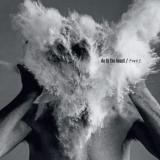
Schwarzes 180g Vinyl im Gatefold Sleeve! Die Innenhülle kommt im schwarzen Doppel-Druck mit UV-Spotlack. LP mit 16-seitigem 12" Booklet und Downloadcode. "Do To The Beast" ist das erste neue Album von THE AFGHAN WHIGS seit eineinhalb Jahrzehnten. Gegründet 1988 in Cincinnati, Ohio, war die Band mit ihrer wilden, stürmischen Mischung aus Alternative Rock, klassischem Soul und den Obsessionen ihres Frontmanns Greg Dulli ihren Zeitgenossen immer mindestens eine Nasenlänge voraus. Das neue Album ist somit sowohl eine Heimkehr - zum Label Sub Pop, das die Band 1989 als ersten Act unter Vertrag nahm, der nicht aus Seattle bzw. dem Nordwesten kam und die beiden Alben "Up In It" (1990) und "Congregation" (1992) veröffentlichte - als auch ein Blick in die Zukunft einer der anerkanntesten Rock Bands der letzten 25 Jahre. "Do To The Beast" ist damit ein angebracht wilder Titel für die vielleicht intensivste, kathartischste Platte in der Karriere von Greg Dulli und sorgt für frischen Wind im AFGHAN WHIGS-Kanon: Da gibt es die brutale Selbstprüfung von "Gentlemen" (1993), die Film Noir Erzählung von "Black Love" (1996), den Überschwang von ,1965" (1998). "Do To The Beast" versprüht ein galvanisiertes musikalisches Spirit und rhythmisches Gewicht, das inmitten des Aderlasses Transzendenz und Hoffnung suggeriert. Aufgenommen zwischen L.A., New Orleans, Cincinnati und Joshua Tree - eine Landkarte der aktuellen und vergangenen Heimatstätten der Band - wartet das Album mit den AFGHAN WHIGS Gründern Greg Dulli und John Curley auf, zusammen mit der Kernband aus den Gitarristen Dave Rosser und Jon Skibic, dem Multiinstrumentalisten Rick Nelson und Schlagzeuger Cully Symington. Außerdem mit dabei: der Soul-Bilderstürmer Van Hunt, Marc McGuire (EMERALDS), Johnny "Natural" Nagera (der Musical Director von USHER), Alain Johannes (QUEENS OF THE STONE AGE, ARCTIC MONKEYS), Clay Tarver (BULLET LAVOLTA, CHAVEZ), Dave Catching (QUEENS OF THE STONE AGE, EAGLES OF DEATH METAL).
In 2023 we began our hugely successful 80s 12” series on CD – a year-by-year journey through the greatest 12” singles from the decade, and in 2024 we presented a selection of tracks from 1980-1982 as the first volume in our collectible vinyl boxset series, followed by Volume Two celebrating 1983-1984 in 2025.
This year, Now Music is proud to announce the third instalment in this essential collection, NOW Presents…12" 80s: Volume Three: 1985-1986, as a stunning 5-LP boxset. A limited edition and numbered set with each of the 5-LPs pressed on a different colour vinyl – red, yellow, blue, hot pink and lime green – to be released on July 17th, 2026, and for many of these tracks this marks the first time back on vinyl since their original 12” release!
Opening with one of the decade’s most powerful rock anthems, Queen’s ‘One Vision’ appears in its Extended Version, ahead of Eurythmics’ euphoric ‘There Must Be An Angel (Playing With My Heart)’ in the Special Dance Mix and Dead Or Alive’s irresistible ‘You Spin Me Round (Like A Record)’. Side A closes with Frankie Goes To Hollywood and the epic ‘Welcome To The Pleasuredome (An Alternative To Reality)’. Flip the LP over for more iconic 12” versions from 1985, beginning with Tears For Fears and the UK Extended Version of ‘Shout’, alongside Go West’s ‘We Close Our Eyes (The Total Overhang Mix)’, the massive soundtrack hit ‘Don’t You (Forget About Me)’ from Simple Minds and Arcadia’s sophisticated ‘Election Day (Consensus Mix)’.
LP2 opens with four defining tracks that perfectly capture the electronic and cinematic sound of the mid-80s. Paul Hardcastle’s groundbreaking hit ‘19 (The Destruction Mix)’ leads into two instrumental classics: Harold Faltermeyer’s ‘Axel F’ and Jan Hammer’s ‘Miami Vice Theme’, both featured in their Extended Versions, before Propaganda’s peerless ‘Duel (Bitter-Sweet)’ closes the side. Side B showcases some of the era’s biggest dancefloor favourites, from Mel & Kim’s ‘Showing Out (Get Fresh At The Weekend)’ and Gwen Guthrie’s enduring club anthem ‘Ain’t Nothin’ Goin’ On But The Rent’, to Aretha Franklin’s ‘Who’s Zoomin’ Who?’ in its Dance Mix and the soul-pop brilliance of Loose Ends’ ‘Hangin’ On A String (Extended Dance Mix)’.
LP3 brings together some of the decade’s most beloved pop and rock crossover hits. Side A opens with the powerhouse pairing of Philip Bailey and Phil Collins on ‘Easy Lover (Extended Dance Remix)’, followed by Bonnie Tyler’s dramatic ‘Holding Out For A Hero (Club Mix)’ and Pat Benatar’s classic ‘Love Is A Battlefield (Extended Version)’. Stephen Duffy’s infectious ‘Kiss Me (Mixe Plural)’ precedes The Human League’s U.S. #1 ‘Human (Extended Version)’. Over on Side B, Duran Duran lead with the ‘Extended Mix’ of ‘Notorious’ before a run of timeless dance-pop including Sly Fox’s ‘Let’s Go All The Way’, Jellybean’s ‘Sidewalk Talk’ and Maria Vidal’s ‘Body Rock’, culminating with Ashford & Simpson’s club classic ear-worm ‘Solid (Special Club Mix)’.
LP4 opens with huge examples of sophisticated synth-pop and dance-floor innovation from 1986. Pet Shop Boys’ era-defining ‘West End Girls (Dance Mix)’ is joined by New Order’s influential ‘Bizarre Love Triangle (Extended Dance Mix)’. Up next, Red Box’s pure-pop of ‘For America (Bazooka Mix)’ and Nick Kamen’s breakthrough hit ‘Each Time You Break My Heart (Extended Version)’. The reverse side celebrates some of the biggest floor-fillers of 1986 – all in their 12” Versions, beginning with The Communards with Sarah Jane Morris and their unforgettable #1 version of ‘Don’t Leave Me This Way’, alongside Bronski Beat’s ‘Hit That Perfect Beat’, Bananarama’s global smash ‘Venus’ and Five Star’s ‘Can’t Wait Another Minute’ in its ‘M&M New York Remix’ form.
The final LP opens with a side packed with some of the most enduring dance-pop and of the era. Whitney Houston’s ‘How Will I Know (Dance Remix)’ is followed by Steve Winwood’s uplifting ‘Remix’ of his massive hit ‘Higher Love’, the celebrated ‘Shep Pettibone Remix’ of Level 42’s ‘Lessons In Love’ and Bryan Ferry’s elegant and atmospheric ‘Slave To Love (12" Remix)’, whilst over on the final side some of the years’ most distinctive and innovative sounds are showcased: Big Audio Dynamite’s genre-blending ‘E=MC2 (12 Inch Remix)’ and Furniture’s cult classic ‘Brilliant Mind (12" Mix)’ feature alongside Talk Talk’s majestic ‘Extended Mix’ of ‘Life’s What You Make It’, and to close this superb collection, the full ‘Extended Version’ of Spandau Ballet’s powerful ‘Through The Barricades’ provides a fitting finale, bringing together 42 essential 12” versions from 1985 and 1986 across five superb LPs.
out of Stock
Last delivered 49 days ago available to reorder, subject to availability
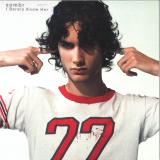
Der Breakthrough-Artist sombr hat sein Debütalbum "I Barely Know Her" veröffentlicht. Das 10-Track-Album ist jetzt über Warner Records erhältlich und enthält die Hits „back to friends”, „undressed” und „12 to 12” (inklusive Musikvideo mit Addison Rae), die weiterhin international die Charts stürmen – darunter die globalen Spotify-Charts, die UK Official Singles Charts sowie die US-amerikanischen „Top 40 Radio“ und „Alternative Radio“-Charts. In diesen erreichte sombr schneller als jeder andere neue Künstler der letzten zehn Jahre Platz 1. Auch in den Billboard Hot Rock Songs setzte er ein Ausrufezeichen und verdrängte Hozier nach einem Jahr von der Spitze. In Deutschland befinden sich mit „back to friends”, "12 to 12" und „undressed” mittlerweile 3 Singles in den Top 30 der deutschen Single-Charts und das Debutalbum schoss auf Platz #16 der offiziellen deutschen Albumcharts!
"I Barely Know Her" wurde komplett von sombr geschrieben und vom 20-jährigen Künstler zusammen mit dem renommierten Produzenten Tony Berg (Phoebe Bridgers, The Replacements) co-produziert. Gegenüber i-D gibt er zu Protokoll, die Songs seien inspiriert von „young romance, dimly lit rooms, late nights, and love, loss, and life.” Die Veröffentlichung folgt auf die Nachricht, dass sombr sein Debüt bei den MTV Video Music Awards geben wird – live aus New York am 7. September –, wo er als Best New Artist und Best Alternative Artist nominiert ist.
sombr (bürgerlich Shane Boose) wuchs im New Yorker Stadtteil Lower East Side auf und entdeckte seine Liebe zur Musik als Teenager im eigenen Schlafzimmer. Parallel dazu studierte er klassische Musik an der renommierten LaGuardia High School. Mit dem viralen Hit „Caroline“ (2022) wurde er über Nacht zum Internetphänomen. Seitdem hat er mehrere EPs und Singles veröffentlicht und bringt es inzwischen auf über 400 Millionen monatliche Streams über alle Plattformen hinweg. Heute lebt sombr in Los Angeles und verarbeitet in seinen Songs die Höhen und Tiefen junger Liebe – alles selbst geschrieben, co-produziert und veröffentlicht über Warner Records.
out of Stock
Last delivered 49 days ago available to reorder, subject to availability