COMPLETE ALBUM + 8 BONUS TRACKS -180g VIRGIN VINYL - LIMITED EDITION
Specially prepared liner notes by renowned music writer Brian Morton. From his early days as a pioneer of rockabilly and rock & roll in the 1950s, to his decades as an international representative of country music, to his resurgence to fame as both a living legend and an alternative country icon in the 1990s, Johnny Cash has influenced countless artists and left a body of work matched only by the greatest artists of his time. This LP presents some of his greatest hits, including the classic I Walk the Line.
Johnny Cash (1932-2003) developed a unique sound from his early Sun recordings with the Tennessee Two. His unusually deep, resolutely un-decorous voice rode atop the boom- chicka- boom guitar style invented by his right- hand man Luther Perkins and a rockabilly-ish slap bass by Marshall Grant.
Suche:altern 8
2024 Repress
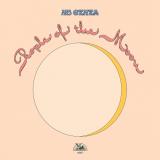
Finders Keepers invite you to witness the incredible first ever Buchla synthesiser concerts/demonstrations providing a distinctive feminine alternative to The Silver Apples Of The Moon if they had ever been presented in phonographic form. This is history in the remaking.
This spring Finders Keepers Records are proud to release an archival project that not only redefines musical history but boasts genuine claim to the overused buzzwords such as pioneering, maverick, experimental, groundbreaking and esoteric, while questioning social politics and the evolution of music technology as we've come to understand it. To describe this records as a game-changer is an understatement. This record represents a musical revolution, a scientific benchmark and a trophy in the cabinet of counter culture creativity. This record is a triumphant yardstick in the synthesiser space race and the untold story of the first woman on the proverbial moon. While pondering the early accolades of this record it's daunting to learn that this record was in fact not a record at all... It was a manifesto and a gateway to a new world, that somehow never quite opened. If the unfamiliar, modernistic, melodic, pulses, tones and harmonics found on this 1975 live presentation/grant application/educational demonstration had been placed in a phonographic context alongside the promoted work of Morton Subotnick, Walter Carlos or Tomita then the name Suzanne Ciani and her influence would have already radically changed the shape, sound and gender of our record collections. Hopefully there is still chance.
In short, Suzanne was a self-imposed twenty-year-old employee of the Buchla modular synthesiser company, San Francisco's neck and neck contender to New York's Moog. Buchla was run by a community of festival freaks and academic acid eaters whose roots in new age lifestyles and the reinvention of art and music replaced the business acumen enjoyed by its likeminded East Coasters. In the eyes of the consumer the creative refusal to adopt rudimentary facets like a piano keyboard controller rendered the Buchla synthesiser the more obscure stubborn sister of the synth marathon, steering these incredible units away from the mainstream into the homes and studios of free music aficionados, art house composers and die-hard revolutionaries. Championed and semi-showcased by composer Morton Subotnick on his albums The Bull and Silver Apples Of The Moon, Buchla's versatility began to open the minds of a new generation, but the high-end design features and no-compromise modus operandi was often confused with incompatibility and, in the pulsating shadow of Moog's marketing, the revolution would not be televised nor patronised. Suzanne Ciani, as one of the very few female composers on the frontline (and also providing the back line) did not lose faith.
These concerts' are the epitome of rare music technology historic documents, performed by a real musician whose skills and academic education in classical composition already outweighed her male synthesiser contemporaries of twice her age. At the very start of her fragile career these recordings are nothing short of sacrificial ode to her mentor and machine, sonic pickets of the revolution and love letters to an absolutely genuine vision of and 'alternative' musical future. In denouncing her own precocious polymathmatic past in a bid to persuade the world to sing from a new hymn sheet, Suzanne Ciani created a bi-product of never before heard music that would render the pigeon holes ambient' and futuristic' utterly inadequate. Providing nothing short of an entirely different feminine take on the experimental records' of Morton Subotnick and proving to a small, judgmental audience and jury the true versatility of one of the most radical and idiosyncratic musical instruments of the 20th century. These recordings have not been heard since then.
The importance of these genuinely lost pieces of electronic musics puzzle almost eclipses the glaring detail of Suzanne's gender as a distinct minority in an almost exclusively male dominated, faceless, coldly scientific landscape. Those familiar with Suzanne's work, a vast vault of previously unpublished non-records', will already know how the creative politics in her art of being' simultaneously reshaped the worlds of synth design, advertising and film composition before anyone had even dropped a stylus in her groove. Needless to say this record, finally commanding the archival format of choice, courtesy of the Ciani and Finders Keepers longstanding unison, was not the last first' with which this hugely important composer would gift society, and the future of a wide range of exciting evolving creative disciplines.
You have found a holy grail of electronic music and a female musical pioneer who was too proactive to take the trophies. With the light of Buchla and Ciani's initial flame Finders Keepers continues to take a torch through the vaults of this lesser-celebrated music legacy shining a beam on these non-records' that evaded the limelight for almost half a century. You can't write history when you are too busy making it. With fresh ink in the bottomless well, let's start at the beginning. Again. You, are invited!
"MOTOMAMI+" ist das Deluxe-Album der mit dem Grammy Award ausgezeichneten Künstlerin, Produzentin und Songwriterin ROSALIA. Das Originalalbum "MOTOMAMI" wurde mit dem GRAMMY Award für das beste Latin-Rock- oder Alternative-Album sowie mit vier Latin-GRAMMYs, darunter Album des Jahres, ausgezeichnet. Die Deluxe-Edition von "MOTOMAMI+" enthält das Originalalbum, darunter die Hits "LA FAMA" mit The Weeknd, "SAOKO" und "BIZCOCHITO", sowie 8 zusätzliche Tracks, die zum ersten Mal auf Vinyl erscheinen, darunter die Hitsingle "DESPECHÁ".
Lead, Sails, Paper, Anchor is the fourth studio album by American metalcore band Atreyu. It debuted at number 8 in the Billboard 200 chart and peaked at number 1 in both the alternative, rock as hard rock charts. Three singles, ""Becoming the Bull"", ""Falling Down"" and ""Slow Burn"", made it to the US Mainstream Rock Tracks chart.
Lead, Sails, Paper, Anchor is available on black vinyl. It is housed in a gatefold sleeve and includes an insert.
- Father And Son
- Come Sunday, Bass
- The Inflated Tear, V1
- Fire Waltz
- Desert Fairy Princess
- Fables Of Faubus
- Aquarius
- Warm Canto
- The Inflated Tear, V2
- Come Sunday, Soprano
- Assunta
- Father And Son
- Spirits Rejoice, Var 1
- Ogún Bárá
- Angela’s Angel
- Naima
- The Prayer
- Rahsaan Is Beautiful
- A Walk With Thee
- Humility In The Light Of The Creator
- Love
- Life
- Love (Alternate Take)
- Life Revisited
Gold Vinyl[25,17 €]
Tomin is a self-taught multi-instrumentalist, bioinformatician, and poet from Brooklyn, New York. His primary instruments are the flute, trumpet and alto clarinet, and he participates in the creative music scene as a performer, improvisor, composer and fan. Outside of music, he works in computational genetics, with a focus on oncology. Flores para Caramina y Verene compiles recordings that he self-released across 2020 and 2021.
First official vinyl reissue under Sonor music production license - numbered to 500 copies.
Outstanding Italian Library session from the desirable Nike private label owned by Bruno Battisti D'Amario and featuring the great Silvano Chimenti on guitars and Edda Dell'Orso scats. Amazing, refined Score music released for TV and documentaries music production with superb loungy and soft sounds inspired by Western landscapes and natural panorama. Moody and bluesy jam with a mixture of various guitar tones, trippy atmospheres and themed descriptive music with addiction of soft Psychedelic moods, Easy Listening and allegro vibes alternated by sweet melodies. The cult maestro and Morricone's collaborator D'Amario here provides one of his highest masterwork in composition with its classical guitar added by Chimenti's Psychedelic notes and some mindmelting Edda Dell'Orso's scat numbers. Several exquisite Spaghetti Western inspired themes, maybe used as original score for obscure movie in the '70s / ethereal LSD Psychedelic vibes with isolated distorted Wah Wah / Lounge moods throughout with nature inspired themes / Folk & Blues influences / trippy Scat vocals / 70s Easy Listening and panoramic descriptive music for a very complete Library session. Great album!
Comes with insert and download coupon.
Imagine a Latin remake of Back to the Future. The mad scientist is Arsenio Rodriguez (the godfather of salsa) and the young student who travels through time with him is Eblis Alvarez (Meridian Brothers). This album can only be described as the perfect soundtrack for that movie that never was.
After the massive buzz generated by his first solo album, Mentallogenic, Alex Figueira got back in the studio to work in a more collective fashion this time, carefully assembling the second album of his largest project to date, Conjunto Papa Upa; a team of 6 musicians, spanning 3 generations of some of the best talent in the Latin and avant-garde scenes.

In an era where tropical music is dominated by purely electronic and rhythmically uniform sounds, the ten songs encompassed in “Fruta Madura” (“Ripe Fruit”) wander through the most diverse tempos, rhythms, and motifs effortlessly. A real breath of fresh air that gracefully incorporates soul, funk, jazz, psychedelia, and electronics into a solid tropical, irresistibly polyrhythmic foundation, without ever succumbing to the many genre clichés.
The distinctive production and catchy songwriting of Figueira shine in a very distinctive light on this second full-length. Living up to his reputation (Miles Cleret, founder of Soundway Records, called him “one of the scene's truly authentic and eccentric producers”), he takes the opportunity to show he’s not afraid to keep walking his own path.
Taking the band for a wild ride through the traditions of Africa, America, and the Caribbean; contrasting them with a ridiculously wide plethora of vintage, contemporary, and futuristic sounds, and pivoting on the exuberant musicality displayed by his musicians; the result leaves no doubt: this album is destined to be considered a future classic of the exciting tropical psychedelic music of the 21st century.
Addressing the most diverse themes in this new collection of songs, things take on a much more mature tone, as the title clearly suggests.
The opening track “El segundo es más sabroso” (“The second one is tastier”) sets the tone in the most assertive way imaginable, with the band boldly declaring, through multiple metaphorical references (laid upon a crazy mix of Dominican merengue, Detroit techno, classic and free jazz, dub, and electro), that the bar will be set higher with this second album.
The remaining compositions touch upon the most diverse subjects, with a fair dose of humor, sarcasm, and postmodern “magic realism”. “El Algoritmo” (The Algorithm) is a parranda-cumbia hybrid (for lack of a specific term) about the omnipresence of technology in our lives. The sophisticated Latin soul of the titling track “Fruta Madura” makes a case for the beauty of the maturity process. Some key philosophical teachings of Marcus Aurelius (the role of causality, the impositions of “the logos” and the importance of self-control) get a twisted cumbia treatment on “Reos del Deseo” (Prisoners of Desire). “No le pongas Coca-Cola” (“Don’t put Coca Cola in it”) shows us the most satirical side of the band, accusing those who mix Coca Cola with Rum of committing "sacrilege", on a powerful base of Dem Bow (the grandfather of Reggaeton), intertwined with touches of soul, salsa, and Cuban comparsa.
"Háblame Claro" (“Talk to me clearly”) is a story of heartbreak that evokes in its first part the spirit of the erotic salsa of the 80s (a subgenre deeply despised by purists), and after an unexpected samba interlude, leads to the hardest salsa of the 70s (a subgenre adored by purists), to end up in the surprising form of pure Afro-Cuban ceremonial music.
“Tu mamá tenía razón” ("Your Mom Was Right") is an attempt to exalt the spirit of the Latin American soap opera in the key of “acid bachata”, to recount a real-life case, witnessed by the band on countless occasions: the partying woman who arrives at the show accompanied by her bitter husband, who obviously does not like to dance. A very cheeky song to talk about the very serious and pertinent topic of female empowerment.
“La misma vaina” (“The same thing”) with its indescribable blend of bantú, candomblé, and Mozambique rhythms with abstract synthesizers, is an ode to adventure in favor of the aversion to taking risks and seeking predictability.
“Amigas picadas” (“Salty friends”) is another humorous song recounting another real-life case witnessed by the band on countless occasions: a love encounter sabotaged by the girlfriend's friends, who all happen to fancy the same guy. A jazzy take on the ancient Dominican rhythm of pambiche (grandfather of merengue), with generous psychedelic touches, resembling the classy late 60s releases of Guadeloupe's legendary producer / label owner Henri Debs.
“Vinimos a hablar” (“We came to talk”) takes sarcasm to the highest level, to ridicule the absurdity (also experienced by the band firsthand) seen in live music venues where people pay a ticket to go and have conversations that could be carried out much better on any bar, where no band is playing. The music alternates between a delicate melody with loose, sparse percussion and a full-on, pumping Angolan semba, with a techno kick drum included; bringing things to an apotheotic grooving finale, where the peculiar swing of Venezuelan calypso from the Callao region is thrown on top of all the precedent elements; closing the album in the most uplifting, “end of the carnival parade” feel.
The artwork is a delicate and impactful oil painting by Colombian artist Kevin Simón Mancera, who has collaborated many times with the label before (“Maracas, tambourines and other hellish things” tape and the Lola’s Dice LP).
What the experts are saying:
“Alex (Figueira) dove into this work with a brutal cohesion between lyrics and synths. Timbre poetry, sound poetry (you name it). And that, superimposed on his always impeccable percussive base, confirms the title of “avant-garde visionary of our beautiful Latin music”".
EBLIS ALVAREZ (MERIDIAN BROTHERS)
“Papa Upa's infectious quirkiness is a balm against boredom. A mature album, but without an expiration date”.
GLADYS PALMERA
“Here there is a lot of strength, drum, cadence and psychedelia, lost dance rhythms, united in an intercontinental Latin/African/and Caribbean journey, a unique winning combination that we could consider the new “Ritmo Figueira”.
DISCODELIC
Conjunto Papa Upa are:
Alex Figueira - Timbales, percussion, vocals.
Gerardo Rosales - Congas, percussion, vocals.
Ramón Mendeville - Bongos, percussion, vocals.
Randy Winterdal - Bass.
Andrew Moreno - Guitar.
Nico Chientarolli - Organ, piano, synths.
All songs written by Alex Figueira.
Arranged and performed by Conjunto Papa Upa.
Recorded, produced, mixed and mastered by Alex Figueira at Heat Too Hot, Amsterdam.
“Todavía No”, La Paloma’s debut album, consolidates the young band from Madrid as one of the realities of the current scene. Undoubtedly, it’s definitely a bold step forward in all senses: compositional, interpretative, and artistic. Noise-rock to combat all the noise out there.
In “Una idea, pero es triste”, their celebrated debut EP, La Paloma expounded something very serious, but they explained it only once. Five songs that instantly connected with an audience eager for new references. In “Todavía no” there is more depth; here practically each cut shows a different shade of being La Paloma. “Tiré una piedra al aire” is far from “Algo ha cambiado”, but both are unequivocally La Paloma. Surely, this is something that can be attributed to the baggage acquired during this time lapse, but it certainly speaks very well of the artistic ambition of a band to which now seems to have no ceiling.
We are not, therefore, facing a mere extension of their 2021 EP, although musically they pick it up from where they left off. “Todavía no” is an accessible and contagious work, equal qualities shared with “Una idea, pero es triste”. It’s a work that conveys discontent and liberation, ambition and boredom. In large part, it’s due to the accredited ability of its composers Nico Yubero and Lucas Sierra to observe the world with the right dose of skepticism and disappointment, avoiding tormented gesticulation.
The presentation tour that followed the publication of the EP was extensive and led La Paloma to defend their songs throughout the Spanish geography, as well as visits to Portugal, Mexico and the United States. That state of grace was transferred to the studio, where they tried to reflect their live sound and proposal. With an elegant production and without undue frills, the mission of preserving the sharp fang shown in concert halls was achieved, ensuring, in turn, that the elements, arrangements and the proposal of each instrument were heard crystal clear.
Right from the start, we notice in the sequence many of the virtues that make La Paloma one of the most advantaged groups of the current scene: gushing guitars, the solidity of its rhythm section with Rubén Almonacid on bass and Juan Rojo on drums and the color tone provided by the voices of Nico and Lucas, who share the vocal tasks on alternate tracks.
But there’s more: songs that destroy the most generic canon of noise-rock to take it to little-explored territories, frantic guitar games and a cascade of imaginative arrangements. It combines popular song constructions with unpredictable structures that prevent you from anticipating what twist is to come next, making listening experience exhilarating and addictive.
“Todavía no” is a tightly cohesive album, a remarkable fact considering the two creative inputs from which the band draws from and the artistic ambition with which they faced the building of this work. Because we are talking about a complete work, conceived as such. The first chords of “Sigo aquí” sound and the disorganization of reality… is still disorganized, but somehow it makes sense now.
- A1: Vibes From The Tribe (Alternate Mix)
- A2: Sounds From The Village (Alternate Mix)
- A3: Wife (Alternate Mix)
- A4: For The Children (Alternate Mix)
- B1: He The One We All Knew (Alternate Mix)
- C1: Vibes From The Tribe (Extended)
- D1: Vibes From The Tribe (8-Track Version)
- D2: Sounds From The Village (Extended)
Origianl[31,05 €]
Trombonist Phil Ranelin, who co-founded the legendary spiritual jazz label "TRIBE" with Wendell Harrison, released "Vibes From The Tribe" in 1976 as the label's final release. It is known as one of the defining albums of "TRIBE," along with the label's early release, "Message From The Tribe." Now, all of the alternate takes from the historical masterpiece will be released as a new album. The album is a double LP that includes multiple alternate versions of the album's most popular songs, such as the jazz-funk groove "Sounds From The Village," which features a brilliant horn ensemble, and a killer break beat tune"Vibes From The Tribe". This is the first time to be released on vinyl of the alternative album!
There are two versions of Perennial: the adventurous art-punk modernists, layering British Invasion pop, 60s soul, 90s Dischord post-hardcore, electronic music, and free-jazz, and the live three-piece whose bombastic 20 minute sets have become a “must-see” in the New England music scene. What started in 2015 as an all-encompassing art project has since grown into an honest-to-goodness word-of-mouth phenomenon, with over 300 shows played in the last six years (including shows with Guerilla Toss, Bully, Calvin Johnson, Jon Spencer, Sheer Mag, Teenage Halloween, and Downtown Boys) and multiple pressings of both of their full-length records. Perennial formed the band they always wanted to hear, and when they play, they're the band they always wanted to see. Perennial’s breakthrough 2022 LP, In The Midnight Hour, was their first time working with producer Chris Teti (The World Is A Beautiful Place & I Am No Longer Afraid To Die), a collaboration that garnered rave reviews from BrooklynVegan, Under The Radar, Post-Trash, Pop Matters, NPR Music and more, and marked a new creative benchmark. Feeling inspired, the band once again worked with Teti on 2023’s 7” EP The Leaves Of Autumn Symmetry, which earned more high praise from Stereogum, Paste, Consequence, Alternative Press, and Bandcamp Daily. Their latest release is the adventurous, experimental mod punk LP Art History, available June 7 via Ernest Jenning Record Co. and Safe Suburban Home.
- A1: Freeze (Scrappy Mix)
- A2: Freeze (Mad Dog Dub)
- B1: Freeze (Limelight Mix)
- B2: Don't You Wanna Dance (Unreleased 1990 Mix)
- B3: Freeze (Credit Power Dub)
- C1: Welcome To My House (Jerome Derradji Edit)
- C2: Freeze '92 (Remix)
- D1: Don't Give Up On Love (Long Version)
- D2: Love Motion Diversey St Trip (Acid Love)
2024 Repress
In the midst of House music's burgeoning scene in 1986 Chicago, a young local DJ named Jonathan Gilbert, known as Scrappy, seized a golden opportunity to showcase his skills at the renowned Medusa's Club's video room. It was in 1987, one fateful night, when the main DJ failed to show up, that Gilbert stepped in, securing a residency at one of the city's hottest spots. As the year progressed, Gilbert ventured into music production, teaming up with The Boxx Boys--Jim Marcus and Van Christie, notable for their later formation of the iconic group Die Warzau. Their collaboration birthed the legendary acid house anthem from Chicago, "Freeze," which Gilbert released under his Zap Records label in 1988, solidifying his place in Chicago's music history. The track became a timeless favorite, and is often featured in Jerome Derradji's sets. With Scrappy's gracious consent, we have the privilege of reissuing this seminal track, along with delving into his archives to uncover previously unreleased gems and alternate versions from his Atlantic Records era around 1990. For a brief period, Scrappy rode the waves of Chicago's house scene with his distinctive flair before bidding farewell to pursue new horizons in California. Presented for the first time on Still Music, "Acid House + Medusa's - Chicago, 1987-1992" invites listeners on a journey through the vibrant tapestry of late-eighties Chicago House. DJing, indulgence, romance, and the pulsating beats of acid house defined Scrappy's era, and fortunately, he left behind a legacy of unforgettable house tunes, emblematic of the city's unparalleled musical spirit. This limited edition DLP release, accompanied by an insert detailing the captivating tale of one of Chicago's unsung talents, ensures that Scrappy's story and his contribution to the era remain etched in musical history.
"Sun Racket" is the brand new album from legendary Boston trio Throwing Muses, consisting of Kristin Hersh, David Narcizo and Bernard Georges. The follow up to 2013's 'Purgatory/Paradise' is an outpouring of modal guitars, reverbed shapes, echoey drums and driving bass set behind Kristen Hersh's well-thumbed notebook of storylines. A ten-song opus of suitably wrought tales set against a wall of sound that's at once calm and ethereal before building into glorious cacophonous crescendos.
When Throwing Muses wrote their last album, they were shattered. Pieces were coming and going, elements repeating and charging the whole. "It sounded beautiful jumping around like that". Two-minute songs reappearing as twisted instrumentals or another song's bridge.
They mimicked the effect live which kept them on their toes. Whatever was happening was already over in other words. 'Sun Racket' is the opposite. It refused to do anything but sit still. It says, "sit here and deal". "All it asked of us was to comingle two completely disparate sonic vocabularies: one heavy noise, the other delicate music box.
Turns out we didn't have to do much. Sun Racket knew what it was doing and pushed us aside, which is always best. After thirty years of playing together, we trust each other implicitly but we trust the music more" - Kristin Hersh And so, they continue. Business unusual.
"A ground-breaking band who changed the face of alternative music rather than follow the rule book." MXDWN "Pioneers of the 80'/early 90's college rock sound" Pitchfork "One of America's finest guitar bands" - The Quietus.
- A1: I Desire (Dave Vocal Version)
- A2: Love Declaration
- A3: Pieces Of Glass
- A4: Dancing To The Fall Of The Berlin Wall
- B1: Love Via Computer
- B2: Planet 21
- B3: Just One Look
- B4: Metropolis
- B5: Secret Lies
- C1: And You (Linndrum Version)
- C2: Erotica
- C3: Machine Language
- C4: Watching You
- C5: Run Away
- D1: My Suburban Playground (Extended Remix)
- D2: She Fades Away
- D3: Beats Like A Machine
- D4: Time Fades To Nothing
Formed by high school buddies Andreas Gregor and David Rout, Techniques Berlin started in 1984 experimenting with synthesizers, drum machines and guitars. In the early stages, the band was heavily influenced by UK new romantic acts The Human League, Visage, Yazoo, OMD and Depeche Mode, as well as rising Canadian synth-pop bands Rational Youth, Men Without Hats and Trans-X. It took them a few years to master their electronic toys and create a unique blend of addictive electro-pop melodies and beautifully crafted alternative beats.
In the late 80s, Techniques Berlin played live on a regular basis and their 3 self-released tapes received frequent local airplay in Canada. Despite their moderate success, the band failed to secure a record deal. Eventually both members had developed a strong interest in the burgeoning electro-industrial scene. Dave and Andreas founded !Bang Elektronika and were working with Digital Poodle as live drummers. Both of these projects were soon picked up by record labels. Techniques Berlin played their last show in November of 1991 at the University of Toronto, debuting the last track they had recorded, fittingly called ‘Time Fades to Nothing’. Or so they thought…
The proliferation of Internet radio and streaming music platforms introduced the band to a new generation of fans, enabling Techniques Berlin to stage a remarkable comeback. Within the next years they released the compilation “Suburban Playgrounds and Concrete Beaches” (Fabrika Records), recorded a new album “Breathing” (Nadanna) in 2018 and offered a series of shows in Toronto, Montreal, Mexico City and Leipzig.
“The Language of Machines” compiles a selection of original recordings between 1985 and 1991, including some favourite tunes like ‘Dancing to the Fall of the Berlin Wall’, ‘Metropolis’, ‘Watching You’ and a few unreleased tracks/versions. Limited edition of 500 copies on double vinyl with gatefold sleeve.
a 1 I Desire Dave Vocal Version
j 10 And You LinnDrum Version
o 15 My Suburban Playground [Extended Remix]
After gaining recognition both in the Korean indie scene and abroad as vocalist/guitarist of Vidulgi OoyoO (shoegaze/post rock) and guitarist of JuckJuck Grunzie(noise/psychedelic), Ham relocated to Chicago where she began experimenting with home recording. In 2019, she released an EP comprised of intimate acoustic compositions under the name Sophysoon.
With Home in the Desert, Ham embraces the solitary action and lo-fi aesthetics of home recording to create a fuzzier, more expansive sound, inspired by the organized noise of bands she grew up with in Korea's indie scene. Home in the Desert, written and recorded in her apartment between 2021-2022, developed out of Ham's attempts to envision how skeletal guitar lines might sound when performed live at ear-splitting volumes by a full band. “I never expected that I would make loud music again, but one day I took my guitar out and started jamming on my own.“
As its title suggests, Precocious Neophyte's debut release negotiates the impossible longings for perpetual spaces and times of home. In doing so, Ham fills unstable distances with what KEXP calls "ethereal vocals and soaring melodies," and cradles the insecurities of isolation in overdrive warmth and many layers of distorted guitars.
Vol 1[14,24 €]
Come Play With Me and Breed Media are excited to present Come Play With Breed, Vol. 2. Featuring D5, Graft, Hannah Rowe and Mica Sefia, the 10” compilation spotlights the Northern Hip Hop and Soul scenes respectively. On the A-side, D5’s upbeat UK Rap opener, “What’s That”, is followed by Graft’s reflective Jazz-influenced Hip Hop track “Vows To The Art.” Hannah Rowe opens the B-side with an addictive fusion ballad for old souls. Finally, Mica Sefia closes the release with a powerful narration on her experiences as a black woman.
Artist Bios:
D5
Hailing from Leeds, West Yorkshire, D5 draws influence from the likes of Drake, Skepta and Brent Faiyaz and his sound flits between moody R&B and upbeat Rap that oozes a calm confidence. Elements of genres such as Garage, UK Rap and US Hip-Hop intertwine neatly to create his signature style. A style that crystalised on his 2020 EP Channel 5. Consisting of 8 songs, all helmed by producer and close friend CSHARP, the project is D5 at his most personal and led to the video for lead single ‘Silence’ premiering on Link Up TV and garnering him his highest streams to date. However, before ‘Channel 5’ D5 had created the EP If Only We Could Go Outside during the height of the pandemic. The track ‘Movies’ received airplay from the esteemed BBC Radio 1 Presenter Melvoin Odoom. With backing from the likes of GRM Daily and DJ Target spinning 2022 single ‘What’s Up’ on BBC Introducing, D5’s star is surely set to rise as he continues to develop his artistry. In addition to this, he has opened up for the likes of Novelist and fellow hometown hero Graft, proving with every successive performance and release that he is worthy of being a headline act.
Graft
Graft, winner of MOBO Unsung and BBC Three's The Rap Game UK, has propelled himself to national recognition for his unwavering sense of self and musical talent. Hailing from the vibrant city of Leeds, Graft’s topical and poetic approach to songwriting takes inspiration from genres such as Hip Hop, Neo-Soul, Jazz and Alternative Rap. This fusion of inspiration has seen him grace the stage at the acclaimed Reading and Leeds Festival, and has collaborated with esteemed brands such as Adidas, Virgin Media, Boohoo and Leeds United. Now with this national acclaim, Graft prepares for the release of his highly anticipated EP, Golden Child.
Hannah Rowe
Hannah Rowe’s emotional range transcends generations; the young singer writes about experiences and shifts in life, offering all listeners a sense of reflection within her rich, authentic, jazz-infused sound. Hannah is backed by a group of highly accomplished musicians who happen to be her adored closest friends. After finding one another at university, Sam Hughes on guitar, Luke Harrison on bass, Owen Moriarty on keys and Charlie Tanner on drums intertwined their varied influences to paint their own alluring and soulful sound - one difficult to define, but has been said to resemble the likes of Raye, Lianne La Havas, Moonchild and Yebba.
Mica Sefia
Liverpool born, Leeds-based future-soul Queen Mica Sefia endorses the interpretive nature of music as an art to be studied and related to by the public. Mica’s own exploration of self-expression solidified her passion in the production of a timeless and authentic style of music. Preferring to keep her lyricisms and narrative open to interpretation, Mica relates to a balanced approach to songwriting, in which her music remains subjective, but retains its emotive sensitivity. Mica’s music leans into the genres of Alt Soul, Rock and Jazz intertwining them to create atmospheric sounds and textured layers.
Fronted by vocalist/guitarist Taylor Madison, and with Jake Clarke on drums and Mike Paulshock on bass, Webbed Wing cement their place in modern rock supremacy across 10 tracks of fuzzed-out pop nostalgia on new album Vol III. One impossibly-catchy anthem after another, loaded with Madison's signature sardonic wit, makes for one of the most exciting alternative rock records of the year. Taking notes from the likes of The Lemonheads and Teenage Fanclub, "Further" opens Webbed Wing's new album Vol. III with a bang--in less than 10 seconds, we're all the way in with Webbed Wing as they expertly intertwine the vibrancy of modern pop, the heaviness of grunge, and the sincerity of country. Brazen and self-deprecating, "Burn It Down" finds Madison unpacking what it means to fly too close to the sun. Its mid-tempo mastery is a testament to the trio's connection as musicians and friends; everything about this song just works. Drawing inspiration from big country ballads and shoegaze gems alike, the song shows off a different side of what listeners can expect from Vol. III.
Seit über 20 Jahren zeigt diese chinesische Punkband der Obrigkeit den Stinkefinger. Derkompromisslose Sound wurde schnell über das Reich der Mitte hinaus bekannt und erreichte Europa und die USA. Nach nur 2 Alben, 10jähriger Pause und Best Of-Compilation erscheint nun endlich das dritte Studioalbum und es wurde verdammt nochmal Zeit! Ein Highlight der Bandhistory war der Auftritt 2009 als Special Guests auf der Chinatour von Sham 69. Kein Zufall, denn The NONAME liefern besten 80er UK Punk mit blitzschnellen Beats und eingängigen Refrains. "Believe In Chaos" klingt wie ein Tribute an The Clash, aber es geht auch härter und heftiger. Urgesteine der alternativen Musikszene aus aller Welt unterstützen die Chinakracher mit ihren Impulsen und bringen neue Nuancen ein. "Waiting For The Day" entstand zusammen mit der antifaschistischen spanischen Punkband Non Servium , die schon ihr 25-jähriges Bestehen feiern konnte. Die seit 2003 existierende Street Hardcoreband Acidez aus Mexiko rütteln mit "Anti" auf gegen Rassismus und fordern kreativen Widerstand. Aus Amiland kommen Big D & Kids Table, gegründet 1995, die bei "Scream To The World" besten Bostoner Skapunk beisteuern. Sie liefern zurmusikalischen Faust in die Fresse einen Sprechgesang mit fast poetischem Text. Melodiöser gehts bei "Warrior Of Faith" mit der Pariser Punk und Powerpop-Band "The Choices" zur Sache. Hymnenartig verarbeiten die schwedischen Streetpunks Perkele aus Göteborg, 1993 ins Leben gerufen, bei "Go Down In History" ihren Oi! zum Kampf gegen Unterdrückung. Kein Titel könnte besser zu den Songtexten passen als "Fortress Besieged". Ein schon marodes Unrechtsregime wird solange belagert bis es zusammenbricht. Der Aufruf zum Aufstand ist ein Schrei nach Veränderung und Freiheit aber auch eine Feier der Lebensfreude in einem chaotischen und aufregenden Dasein. Wer dieses Album versäumt verpasst ein Stück Punkgeschichte.
“Joe McPhee’s first international release, Black Magic Man, was issued on the newly formed Hat Hut imprint in 1975. It was a watershed moment for the 35-year-old musician. Based in Poughkeepsie, New York, he was too far away from Manhattan to have participated extensively in the Loft Jazz happenings of the decade. European exposure, however, would give McPhee an alternative circuit, something of an escape route from the trappings of American cultural myopia. “In support of the new record for this Swiss label, McPhee invited John Snyder on a European tour in October 1975. Snyder was a synthesizer player with whom McPhee had made the duet LP Pieces Of Light, released a year earlier on CjR. The two musicians developed an extensive repertoire, playing diverse spaces in the Hudson Valley. Geographically close gigs were a plus, since it took extra energy to hoist Snyder’s ARP 2600. “McPhee and Snyder were invited to play at the Willisau Jazz Festival in Switzerland. If you compare this live record with Pieces Of Light, a studio effort, it’s considerably more open. South African drummer Makaya Ntshoko is rolling thunder on the choral ‘Voices,’ shuffling under Snyder’s bubbly beat on ‘Bahamian Folksong.’ It is quite a special combination, enough so that Hat Hut chose to release it as their next LP, Hat Hut B in their alphabetical series. The Willisau Concert represents the sound of Joe McPhee opening up, opening out, expanding his field of operations to include new figures, fresh experiences, new continents of sound.” —John Corbett (excerpt from the liner notes)
Like an unsent love letter to a psychedelic London where everyone is trying to find their way to a secret Television Personalities gig, Cuneiform Tabs emerge with an astounding debut of lo-fi pop and DIY experimentation. A hazy collage of joyful heartaches, twisted children's TV themes and sing-song melodies, the album echoes the sounds of '60s AM radio from a dozen narrow alleyways to the North.
Over 18 months, the Tabs' Matt Bieyle and Sterling Mackinnon traded 4-track tapes between the Bay Area and the UK. While they previously played together in indie band Violent Change, the duo's physical distance and their songwriting process of building, blurring and distorting across the Atlantic would create something no one saw coming. Grabbing any instruments at their disposal and splitting vocal duties, Bieyle and Mackinnon pushed their Tascam to its limit to make glittering, odd-shaped gems.
There is an insular feel to Cuneiform Tabs, suited for late nights after the entire city has stumbled into dreamtime or lazy afternoons when you can't quite recall where you need to be, but you know you won't make it there on time. It's like a pirate radio show where Bob Pollard alternates Swell Maps and Cleaners From Venus records while randomly unplugging various bits of gear and reading passages from a book on R.D. Laing.
Originally released in a hyper-limited artist edition, W.25TH / Superior Viaduct is thrilled to bring this kaleidoscopic LP to a wider audience.
What might appear to be the most unlikely collaboration of 2024 proves also to be one of the most invigorating listens of the year! Shackleton & Six Organs of Admittance are in full aural/metaphysical alignment in their mutual effort to become Jinxed By Being. On first listen, it becomes immediately clear that this fusion of Shackleton"s bass heavy cosmic dread and Six Organs" ritual folksong makes total sense. Longtime listeners know that both Shackleton and Six Organs of Admittance have been unafraid to pursue their muse into any and all encroaching depth of darkness or outer boundary of potential dissonance - in fact, that has always been their default mode, finding more of resonance way out there in the process. They also share that ol" maverick psychedelic ritual transcendental music vibe, don"t they? And a fascination with repetition and cycles. And a mutual inspiration drawn from alternative tunings and literature...all this considered, it"s been basically inevitable that Ben Chasny and Sam Shackleton would work together. It took a while for them to find each other-and once they did, it was almost eerie, how preordained it felt. When the music started coming, though-that"s when it got really eerie. The mood rises from the music like smoke, a sure signal of total integration. Jinxed by Being finds Shackleton & Six Organs of Admittance delighting in their synthesis. Reveling in the unique sonic textures found in the collage, they launch small details that unfold into a massive space and often multiply into lines of dimensional space, crossing the stereo spectrum with enervating motility. Here lies all the proof you need against the danger of categorizing by perceived genre rather than intention-encounters like Shackleton & Six Organs of Admittance might never have found the linear space in which they sit next to each other, beyond alphabets and other institutional organizing principles. Rearrange your libraries-or you might miss getting Jinxed By Being.
Thanks to the success of his productions and his remixes, all the works printed on vinyl made by Luca LTJ Xperience Trevisi have been snapped up among his fans and DJs from all over the world.
From his past catalog there was still a complete album released only in Compact Disc and in digital format in 2013: Ain't Nothing But A Groove, left behind not because it had anything less than the others but simply to alternate new releases with catalog ones.
Now it is finally being printed.
The album, strictly in the DJ Friendly version, double vinyl with only two tracks on each side, contains some of his Nu Disco Funk pearls such as: What I Feel, Linear Funk and Get Down. Luca LTJ Trevisi (LTJ Xperience) began his career as a DJ and producer in the 80s.
As resident DJ of two of the most famous Italian clubs, the Kinky in Bologna and the Cap Creus in Imola, he was one of the first Italian DJs to play House Music and to revive that particular selection of Black Music called Rare Groove mixed with Jazz and Latin-Bossa who gave birth to the Acid Jazz movement at the end of the 80s.
His first official release was in 1988 and was titled First Job, paired with Kekkotronics, and was also the first album from Irma Records. The song was included in many compilations and many DJ playlists around the world. In the following years, among his singles we find some song forms that anticipated the Breakbeat genre such as Do n't Stop The Sax and Funky Superfly. He produced Tameka Starr's single Going In Circles, also for Irma Records, which has become a classic of the Downtempo/R&B genre.
In the mid-90s he produced some Italian Acid Jazz groups such as Bossa Nostra and Live Tropical Fish and began to select Rare Grooves compilations that have become classics such as Groovy and Suono Libero. At the same time he also started playing outside Italy, in particular at the Blue Note and the Jazz Café in London, at the
Giant Step in New York and at the Montreaux Jazz Festival in Switzerland. In 1999 he released his first album under the pseudonym LTJ Xperience entitled Moon Beat which featured Ohm Guru in
the production and Taka Boom and Jackson Sloan as vocal guests. Two tracks from the album have become club classics:
the Brazilian House version of Sombre Guitar and the chill out Moon Beat. His second album in 2003 entitled When The Rain Begin To Fall features Joe Bataan in the reinterpretation of his most famous song Ordinary Guy which has become a Gilles Peterson classic.
After some singles including Organ Mind / I Love you (Larry Heard's favorite track) he dedicated himself to the world of the Nu Disco genre, releasing 5 albums in the genre to date. The latest Deepening of A Groove contains Bad Side with the American singer Anduze on vocals, which is one of his most popular hits, adored by Moodyman so much that he included it in the music of Playstation's Gran Theft Auto which sees him as the protagonist with his avatar.
Released in 1999 on Taylor Deupree’s 12k label, »optimal.lp« was the debut album by Dan Abrams under his Shuttle358 moniker. For its 25th anniversary, Keplar presents it on vinyl for the first time with three previously unreleased tracks—the digital version also includes a alternative version of »Tank«—as well as a new artwork recreated by Daniel Castrejón and a remaster by Andreas LUPO Lubich based on the original pre-masters that were been restored and cleaned up for the reissue project by Abrams. »optimal.lp« was inspired by the rich tradition of ambient music and the rhythmic complexity of 1990s electronica while also sharing many traits with the then-emerging clicks’n’cuts movement, making it a true sui generis piece of work—both informed by tradition and visionary, idiosyncratic and seminal for many artists after him.
Abrams developed an interest in ambient music when he was still a child, scouring through cassette tapes of environmental sounds, new age music, and world percussion. Discovering Brian Eno’s »Thursday Afternoon« as a young teenager marked a turning point for him. »It gave me the idea that ambient music could be an intentional creative act, that tone itself is a legitimate form of expression,« he says today. During the 1990s, he increasingly immersed himself in the electronica scene and the output of labels such as Instinct, where Deupree worked as an Art Director and released his first records as Human Mesh Dance. Abrams found a home on 12k after sending Deupree a demo tape that would later evolve into »optimal.lp,« released as the label’s fifth catalogue number.
Abrams was still in college when he started experimenting with a sound module, his laptop and a mixer as well as a MIDI card and a small controller. »Each note was composed in MIDI and played back when I was ready to record,« he explains his working process at the time. »The tracks could be replayed, but the sound interactions with glitches and noise would be a little different each time. I decided to base the concept of the album on these interactions.« Each piece started with a single sound or tone that, as Abrams puts it, already contained the entire composition: »I let these interactions guide me, and tried to complement them as I added sounds. It’s a conversation of sorts with the medium.«
While refining this technique that he would go on to use on every album until 2004’s »Chessa,« reissued by Keplar in 2021, he also used the first-ever Native Instrument product, the Generator soft synth, to write the record’s title track—possibly making it the first album on which it was being used. »optimal.lp« is marked by this curious interplay of cutting-edge technology, the limitations with which every college student with a small budget is faced, and boundless creativity. »I’ve talked with other artists about how we feel about our early work,« Abrams says today. »We all agreed that there were elements that remain a part of us in a timeless way, despite our techniques—or lack thereof—at the time. ›optimal.lp‹ has a lot of things that will always be with me, that are me. I think I left some clues in there for my future self.«
This sense of timelessness remains tangible after a quarter of a century after the album’s original CD release and is even being expanded upon by the vinyl reissue, which is complemented by three pieces that were made while Abrams was working on the album. The digital release even features an entirely new take on the original album’s final piece, »Tank.« While Abrams let one of the masters go through his customised reverb unit when preparing the reissue, he started recording the results of this accidental dialogue between past and present. It’s a fitting tribute to an album whose delicate circular rhythms, rich textures, and ethereal melodies are precisely so exhilarating because their interplay seems to suspend the passing of time altogether.
Alternative were a Scottish anarcho-punk band of the early 80s that often drew comparison to Crass for their black attires, logos, firm political beliefs, as well as having their own open house, “The Pad”, where like-minded radicals would join and discuss ideas surrounding pacifism and anti-nuclear armament. The ‘In Nomine Patri’ EP is dark, furious, and articulate.
Penny continues; “Largely through their fierce commitment to ‘changing the world’, Alternative were often referred to as the Scottish Crass. Knowing that talking the talk could only be a half of it, Alternative resolutely walked the walk. Based in Dunfermline, they set up The Pad, an autonomy centre where, over tea and buns, revolutionary visions of peace and love could fester and grow. Theirs was a studied and often poetic form of anarchy which concentrated on people not power. Their interest was not in themselves, but in others. They knew all too well that the only way forward was to do it yourself, and that’s precisely what they did, a’plenty. After all these years, give ‘em your ears.”
Unverkalt is an alternative rock band based between Athens, Greece and Berlin, Germany (where they currently operate from). Their raw and versatile vocals combined with influences rooted in post-rock, sludge/doom metal and alternative pop/rock scenes create a unique bond that makes Unverkalt stand out. Unverkalt’s music is also inspired by European cinema, art movements and human experiences, embracing darkness and romanticism. The band was established in 2017 by guitarist Themis Ioannou and vocalist Dimitra Kalavrezou in Athens, Greece. Guitarist George Stamkos joined the band during the recordings of their debut album “L’Origine Du Monde” (2020), attracting positive feedback from all over the world. Unverkalt entered Rawbite Studios early 2023 to record their second full-length album “A Lump Of Death: A Chaos Of Dead Lovers” in Berlin, Germany, with new bassist Spyros Olivotos. Their next chapter shows clearly that the band has acquired its own identity and has a clear vision of their musical direction. Red vinyl edition.
Reissue of late-’80s release by lovably manly Australian punk rock trio! Sometime in the winter of 1989-90, I wandered into New York City’s Midnight Records, a store famous for its deep catalog of ’60s garage and psychedelic music, as well as a strong selection of classic punk rock and a cantankerous French owner with ridiculous hair. On this visit, instead of hearing a puny French bootleg of The Standells or the Seeds, as I opened the door I was enveloped in the massive opening chords to the first song on the Cosmic Psychos’ then-new album Go the Hack. “She’s a lost cause / She’s a lost, lost cause!” blasted into the air at maximum volume. In a perfect cinematic moment, the drums announced my entry, the bass dictated my walk, the air became thick with guitar fuzz and wah-wah, and snarled vocals described perfectly a girl’s descent into a cause which was lost. Instead of record shopping, I felt like I’d stepped into a biker movie and was motoring down a long, straight Outback road on a Harley. This was my introduction to the Cosmic Psychos, and I was hooked. I loved that a band could be so powerful, sound so big and unapologetically simple, and incorporate so much of what I loved about music—well, basically the attitudes and sounds of The Stooges and Ramones: setting up songs with a good title or idea, matching it with a massive riff, then running it out with squeals of wah-wah and manly disregard for cleverness or adornment. And they called themselves the Cosmic Psychos! They obviously had no regard for “makin’ it” in those days, when an alternative rock band at least had a chance to sell some records. I was an instant fan. Earlier records proved to be the same formula with even less refinement, and that was definitely a good thing. These were lovably manly Aussies singing about what they knew best: farm equipment, lusting after Elle Macpherson, wishing they were in Van Halen (for the ladies), drinking at the pub, and even more drinking at the pub. Trivia question: In what indie rock song does the lead singer bellow “I love my tractor!”? Answer: None! No scarves or looking like Stevie Nicks straight out of the hairstylist’s for these fellows. They were the real deal before the deal was dealt. And they couldn’t care less. The Psychos enjoyed a long run through the ’80s and ’90s on such Australian labels as What Goes On, Mr Spaceman, Survival and Rattlesnake, as well as American stalwarts Sub Pop and Amphetamine Reptile. Many bands from that era no longer seem vital today, lost in a murk of crisp drums, loud guitars, flannel shirts and shallow aspirations. These first Cosmic Psychos releases are as timeless and necessary as ever—still a bullshit bulldozer, a blurry loud night at the bar, a rollicking time hanging with the guys. The time has come for a new generation to be uplifted by these initial blasts from the Cosmic Psychos. Goner is proud to partner with Melbourne’s esteemed Aarght! Records to bring these platters of primal perfection back into a world that definitely needs them. — Eric Friedl, Oblivians / Goner Records 40th Anniversary tour about to hit UK / EU! Go the Hack!! Essential!!
- If I Lose
- You Promised
- The Wise Man
- The Morning After
- Moon Ride
- More Understanding Than A Man
- More Understanding Than A Man (Instrumental)
- There I Was
- Kiss & Tell
- Half-Way In Love
- Goodbye July
- Four Letter Words
- Hurry On Home
- I Ought To Stay Away From You
- I Love
- Under My Umbrella
- I Don't Intend To Spend Christmas Without You
- Sunday Morning
- Thoughts
- Love Songs
- Don't Go Away
- Take A Picture
- Sun
- What Can I Give You
- Come To Me Slowly
- The 8.17 Northbound Success Merry-Go-Round
- Something's Wrong With The Morning
- Think Of Rain
- Can You Tell
- Someone I Know
- Love
- Why Do I Cry
- Spanky And Our Gang
- Most Of My Life
- It's Alright Now
- Timothy Gone
- The Hum
- Please Believe Me
- Yes I Am
- I Think A Lot About You
- I'd Like To See The Bad Guys Win
- Values
- California Shake
- Hold Me Dancin
- Shine
- Goodbye July
Black VINYL[68,03 €]
Words And Music" ist eine 3xLP-Box mit dem Werk der im Jahr 2021 verstorbenen Sängerin und Songwriterin MARGO GURYAN. Als Zeugin von Revolutionen in Jazz und Pop hat sich GURYAN ihren Platz im Pantheon der Songwriter verdient. Dass sie jahrzehntelang weitgehend unbekannt war, liegt nicht an zerstörten Träumen, sondern an ihren eigenen Entscheidungen und Prioritäten. Von den bescheidenen Anfängen über die Höhepunkte ihres barocken Pop-Meisterwerks "Take A Picture" von 1968 und die gesammelten Demos bis hin zur jüngsten viralen Verbreitung von "Why Do I Cry" - das Boxset "Words And Music" fängt die gesamte Karriere von GURYAN ein, einschließlich 16 bisher unveröffentlichter Aufnahmen und einem 32-seitigen Booklet, das ihre ganze Geschichte erzählt. Produziert wurde die Box von ihrem Stiefsohn Jonathan Rosner, ihrem Freund und Historiker Geoffrey Weiss und den Numero Group-Mitarbeitern Douglas Mcgowan, Rob Sevier und Ken Shipley. Alle Tracks wurden von Jessica Thompson neu gemastert. In ihrer Blütezeit veröffentlichte GURYAN nur ein einziges Album: "Take A Picture" von 1968. Da MARGO jedoch kein Interesse daran hatte, aufzutreten, zu touren und für ihr Werk zu werben, wurde das Album damals kaum beachtet. Dennoch wurde die Platte in den 1990er Jahren zu einem begehrten Kultobjekt. Eine neue Generation von Hörer*innen lernte ihre Arbeit kennen, als "Take A Picture" im Jahr 2000 neu aufgelegt wurde. Kurz darauf folgten die gesammelten Demos, eine unglaubliche Zusammenstellung von ausgegrabenen alternativen Aufnahmen und neu veröffentlichten Songs, die MARGO selbst betreut hat. GURYANs Leben war in den dazwischen liegenden Jahren weiterhin von Musik erfüllt; sie wurde Musiklehrerin, schrieb weiterhin Songs und pflegte Freundschaften mit einem wachsenden Kreis von Anhängern. Die Geschichte von MARGO GURYAN ist die einer Frau, die von klein auf in die Tiefe ging und nie Angst vor Veränderungen hatte. Ihr Gespür für Ton, Phrasierungen, Spannung, Präsenz und Texte, die treffen, machen ihren Namen heute zu einem Synonym für ausgefeiltes Songhandwerk und die unnachahmliche Coolness der 1960er Jahre. Ihr Einfallsreichtum und ihre Technik stellen sie in die Tradition von Kammer-Pop-Ikonen wie Brian Wilson und Burt Bacharach, während die bittersüße Offenheit in ihren Beschreibungen des Frauseins einen Mittelweg zwischen Carole Kings Pop-Fabrik und der Singer-Songwriter-Ära aufzeigt. Aber die unaufdringliche Strenge von MARGOs künstlerischer Stimme ist ganz ihre eigene.
Club music culture necessarily shifted gears in many ways during and after the course of the pandemic. Older participants found their way into other interests and younger participants took new reigns to orient spaces they felt good inside of. The agenda for the music, and the cultural industry surrounding it at large, took a more frivolous and “fun” turn. Clubs needed to recoup lost money, people needed more refreshing catharsis for their nightlife escape, and in some pockets scattered around the globe a newer and younger cadre of producers/promoters/DJ’s pulled optical cues from a scattering of “darker” influences to give an alternate aesthetic to the aforementioned “vibes” culture. In the midst of this, a large polarization of conceptual energy shifted within the compositional and utilitarian machinations of the club music culture leaving behind the brooding and cerebral placeholders for different kind of enjoyable hedonism. Terrestrial Paradise’ “Artificial Hell” harkens to another prescient time before that shift occurred. “Artificial Hell’ might just be an illustration of what all of this fun escapism encapsulates.
Terrestrial Paradise is the latest moniker from Montreal come Los Angeles based producer Jaclyn Kendal. Having developed and cemented her sonic positionality with releases on North American labels like Ascetic House and Summer isle over the years, as well as a series of monolithic live sets, Bank is pleased to announce Kendal’s Terrestrial Paradise first full length album “Artificial Hell”. Over the course of nine recordings, “Artificial Hell” gives a master class in pressurized industrial techno of the slower variety. Fitting with the legacy of Bank’s output since it’s inception, Terrestrial Paradise’s aesthetic sensibilities sit within the canon of a certain tinge of club music imbued with a sense of natural grit, sans pretense.
“Artificial Hell” nods to artists like Scorn, Regis, and 400 PPM while maintaining it’s own territory in the landscape of cerebral and brooding rhythmic techno. Ominous, mechanistic drones sit above succinctly exacted percussion composition and sound design. Throughout “Artificial Hell”, Kendal shows her proficiency with the push and pull of building and releasing tension. On tracks like “Salvation” and “Relativity” she melds her synth wash wallscapes with driving percussion, serving as both a hint and counterpoint to the the entirety of the latter part of the album taking on spartan ambient compositions as a way to keep the listener in a subdued stasis. This album is a statement piece from a long time participant in the North American underground music sectors. It reminds the listener through perilous, considered rhythms and darker drone impositions to cement themselves back into a place where not
everything is always a good time.
Seit mehr als 15 Jahren steht die französische Alternative-Metal-Sensation ONLAP für kraftvolle und motivierende Musik und gewinnt damit die Herzen von Fans auf der ganzen Welt. Jetzt veröffentlichen sie ihr lang erwartetes Album "Waves". Nach einer Serie von Hit-Singles und beeindruckenden Musikvideos ist dies nun der finale Schritt auf dem Weg zur ersten Albumveröffentlichung der Band unter dem Dach von AFM Records. ONLAPs Musik ist die perfekte Mischung aus energiegeladenem Hard Rock und der rohen Modern Metal-Kraft. Alles mit einer einzigartigen melodischen Finesse. Ihre starken Texte über Motivation, Zusammenhalt, Liebe und andere Kämpfe runden das Paket ab, für das ihre Fans sie so sehr lieben.
Through a mixture of her work fronting Made Out of Babies, her collaborations with Cult of Luna and her 2010 solo album The Bad Wife, Julie Christmas has become a visionary adored by alternative music's fan-base. And now, after 14 years, she's finally releasing her second record under her own name.
- If I Lose
- You Promised
- The Wise Man
- The Morning After
- Moon Ride
- More Understanding Than A Man
- More Understanding Than A Man (Instrumental)
- There I Was
- Kiss & Tell
- Half-Way In Love
- Goodbye July
- Four Letter Words
- Hurry On Home
- I Ought To Stay Away From You
- I Love
- Under My Umbrella
- I Don't Intend To Spend Christmas Without You
- Sunday Morning
- Thoughts
- Love Songs
- Don't Go Away
- Take A Picture
- Sun
- What Can I Give You
- Something's Wrong With The Morning
- Think Of Rain
- Can You Tell
- Someone I Know
- Love
- Why Do I Cry
- Spanky And Our Gang
- Most Of My Life
- It's Alright Now
- Timothy Gone
- The Hum
- Please Believe Me
- Yes I Am
- I Think A Lot About You
- I'd Like To See The Bad Guys Win
- Values
- California Shake
- Hold Me Dancin
- Shine
- Goodbye July
- Come To Me Slowly
- The 8.17 Northbound Success Merry-Go-Round
THINK OF RAIN VINYL[72,69 €]
Words And Music" ist eine 3xLP-Box mit dem Werk der im Jahr 2021 verstorbenen Sängerin und Songwriterin MARGO GURYAN. Als Zeugin von Revolutionen in Jazz und Pop hat sich GURYAN ihren Platz im Pantheon der Songwriter verdient. Dass sie jahrzehntelang weitgehend unbekannt war, liegt nicht an zerstörten Träumen, sondern an ihren eigenen Entscheidungen und Prioritäten. Von den bescheidenen Anfängen über die Höhepunkte ihres barocken Pop-Meisterwerks "Take A Picture" von 1968 und die gesammelten Demos bis hin zur jüngsten viralen Verbreitung von "Why Do I Cry" - das Boxset "Words And Music" fängt die gesamte Karriere von GURYAN ein, einschließlich 16 bisher unveröffentlichter Aufnahmen und einem 32-seitigen Booklet, das ihre ganze Geschichte erzählt. Produziert wurde die Box von ihrem Stiefsohn Jonathan Rosner, ihrem Freund und Historiker Geoffrey Weiss und den Numero Group-Mitarbeitern Douglas Mcgowan, Rob Sevier und Ken Shipley. Alle Tracks wurden von Jessica Thompson neu gemastert. In ihrer Blütezeit veröffentlichte GURYAN nur ein einziges Album: "Take A Picture" von 1968. Da MARGO jedoch kein Interesse daran hatte, aufzutreten, zu touren und für ihr Werk zu werben, wurde das Album damals kaum beachtet. Dennoch wurde die Platte in den 1990er Jahren zu einem begehrten Kultobjekt. Eine neue Generation von Hörer*innen lernte ihre Arbeit kennen, als "Take A Picture" im Jahr 2000 neu aufgelegt wurde. Kurz darauf folgten die gesammelten Demos, eine unglaubliche Zusammenstellung von ausgegrabenen alternativen Aufnahmen und neu veröffentlichten Songs, die MARGO selbst betreut hat. GURYANs Leben war in den dazwischen liegenden Jahren weiterhin von Musik erfüllt; sie wurde Musiklehrerin, schrieb weiterhin Songs und pflegte Freundschaften mit einem wachsenden Kreis von Anhängern. Die Geschichte von MARGO GURYAN ist die einer Frau, die von klein auf in die Tiefe ging und nie Angst vor Veränderungen hatte. Ihr Gespür für Ton, Phrasierungen, Spannung, Präsenz und Texte, die treffen, machen ihren Namen heute zu einem Synonym für ausgefeiltes Songhandwerk und die unnachahmliche Coolness der 1960er Jahre. Ihr Einfallsreichtum und ihre Technik stellen sie in die Tradition von Kammer-Pop-Ikonen wie Brian Wilson und Burt Bacharach, während die bittersüße Offenheit in ihren Beschreibungen des Frauseins einen Mittelweg zwischen Carole Kings Pop-Fabrik und der Singer-Songwriter-Ära aufzeigt. Aber die unaufdringliche Strenge von MARGOs künstlerischer Stimme ist ganz ihre eigene.
With the fire of chariots, these moments are passing us. Preserve me with your tears, come save me from the burning years. The Burning Years. An album by Jason Priest.
The Antoni Maiovvi-fronted Jason Priest returns with new album The Burning Years. On this latest effort, the band draws influence from 90s shoegaze, indie alternative, and Britpop. For fans of Slowdive, New Order, The Cure, and Smashing Pumpkins.
Midnight Mannequin Records is proud to present Jason Priest's The Burning Years on deluxe transparent orange vinyl, complete with insert and OBI strip.
The three howler monkeys of NAG strike back with their new album “Boys Of Europe”. They debuted in 2016 as an exciting breath of basement-smelling air. Their moderately original alternative cement mix of the filthiest of punk, the truest of hardcore, and the evilest of metal was very well received. Then came gigs and tours around Europe before the second album was released in 2018, to raving reviews too, ofcourse. But then there was dead silence. For a long time. Now they’ve finally returned from obscurity with ten perfected and mighty NAG-tunes. Indeed, their hair has become greyer, and their backs hurt more, but there’s no way you can tell. They still sound like raging Norwegian teenagers. NAG has stayed true to their original ‘crust punk black metal’ formula, and the new album is as hard, fast and straightforward as anything they’ve done before.
The fourth album by Love Battery, 'Straight Freak Ticket' (1994), now out for the first time on vinyl! Remastered by Jack Endino (Nirvana, Soundgarden, etc.) 'Straight Freak Ticket' is the 4th album by Seattle alternative rock band Love Battery. It was originally recorded in 1994 and released only in USA and on CD format - now it is being released on vinyl for the first time. The Seattle Post-Intelligencer called the album "a solid, well-produced album of guitar-based rock with catchy hooks and a strong dose of psychedelia." USA Today labeled the album "a psychedelic tour de force and dramatic leap forward," writing that "the antigrunge guitar riff-o-rama of Ron Nine and Kevin Whitworth propels the Seattle quartet's most adventurous and listenable tunes to date." The band, featuring members of Mother Love Bone, Green River, Skin Yard, The Presidents of the USA, is: Ron Nine - Vocals, Guitar Kevin Whitworth - Guitar Jason Finn - Drums Bruce Fairweather - Bass
- A1: Intro
- B1: The Magic Number
- C1: Change In Speak
- C2: Cool Breeze On The Rocks (The Melted Version)
- D1: Can You Keep A Secret
- E1: Jenifa Taught Me (Derwin’s Revenge)
- F1: Ghetto Thang
- G1: Transmitting Live From Mars
- G2: Eye Know Feat Otis Redding
- H1: Take It Off
- H2: A Little Bit Of Soap
- I1: Tread Water
- J1: Potholes In My Lawn
- J2: Say No Go
- K1: Do As De La Does
- L1: Plug Tunin' (Last Chance To Comprehend)
- M1: De La Orgee
- N1: Buddy (With Jungle Brothers And Q-Tip From A Tribe Called Quest)
- O1: Description
- P1: Me Myself And I
- Q1: This Is A Recording 4 Living In A Fulltime Era (L I.f.e.)
- Q2: I Can Do Anything (Delacratic)
- R1: D A.i.s.y. Age
- S1: What’s More (From The Movie Soundtrack Hell On 1St Avenue)
- V1: Buddy (Native Tongue Decision Part 2)
- T1: Jenifa (Taught Me) (12” Mix)
- U1: Buddy (Native Tongue Decision Part 1)
3 Feet High and Rising is the debut studio album by hip-hop trio De La Soul, and was released on March 3, 1989. It marked the first of three full-length collaborations with producer Prince Paul, which would become the critical and commercial peak of both parties. It contains the singles, “Me Myself and I”, “The Magic Number,” “Buddy,” and “Eye Know”. The album title came from the Johnny Cash song “Five Feet High and Rising”. It is listed on both Rolling Stone’s 200 Essential Rock Records and The Source’s 100 Best Rap Albums. When Village Voice held its annual Pazz & Jop Critics Poll for 1989, 3 Feet High and Rising was ranked #1. It was also listed on Rolling Stone’s The 500 Greatest Albums of All Time.
Released amid the 1989 boom in gangsta rap, which gravitated towards hardcore, confrontational, violent lyrics, De La Soul's uniquely positive style made them an oddity beginning with the first single, “Me, Myself and I.” Their positivity meant many observers labeled them a “hippie” group, based on their declaration of the “D.A.I.S.Y. Age” (Da. Inner. Soul. Yall). Sampling artists as diverse as Hall & Oates, Steely Dan and The Turtles, 3 Feet High and Rising is often viewed as the stylistic beginning of 1990s alternative hip hop (and especially jazz rap). 3 Feet High & Rising was chosen by the Library of Congress to be added to the National Recording Registry for its cultural significance and general excellence.
This special boxset release of De La Soul’s 3 Feet High and Rising includes twelve 7” custom singles pressed on splatter vinyl and housed in custom sleeves, housed in a box that includes a 7” pinup and a double-sided 7” slipmat, and is available first at record stores as part of RSD Black Friday. "
Bad Nerves, das uneheliche Kind eines One-Night-Stands zwischen den Ramones und den Strokes, spielen rasend schnelle, verzerrte Popsongs und
ernteten mit ihren bisherigen Veröffentlichungen "Dreaming", "Baby Drummer" und "Can't Be Mine" viel Lob. Kurz vor der Veröffentlichung ihres
zweiten Albums, dem brillant betitelten Still Nervous, sind die Jungs noch immer von ihrem Überraschungserfolg überwältigt.
Mit ihrem selbstproduzierten und selbstfinanzierten Debüt spielten sie sich 2020 in die Herzen und Köpfe der Crème de la Crème der alternativen
Musikszene; von Vordenkern wie Dan P Carter und Alyx Holcombe und von Gleichgesinnten wie Billie Joe Armstrong von Green Day und Stone
Gossard von Pearl Jam wurden Bad Nerves sofort als Retter einer Art von Punk angekündigt, die nie auszusterben verspricht. Sie sind mit Royal Blood
und The Darkness getourt und wurden mit Supergrass, den Ramones und Jay Reatard verglichen. Die Zukunft ist laut für Bad Nerves.
Bad Nerves, das uneheliche Kind eines One-Night-Stands zwischen den Ramones und den Strokes, spielen rasend schnelle, verzerrte Popsongs und
ernteten mit ihren bisherigen Veröffentlichungen "Dreaming", "Baby Drummer" und "Can't Be Mine" viel Lob. Kurz vor der Veröffentlichung ihres
zweiten Albums, dem brillant betitelten Still Nervous, sind die Jungs noch immer von ihrem Überraschungserfolg überwältigt.
Mit ihrem selbstproduzierten und selbstfinanzierten Debüt spielten sie sich 2020 in die Herzen und Köpfe der Crème de la Crème der alternativen
Musikszene; von Vordenkern wie Dan P Carter und Alyx Holcombe und von Gleichgesinnten wie Billie Joe Armstrong von Green Day und Stone
Gossard von Pearl Jam wurden Bad Nerves sofort als Retter einer Art von Punk angekündigt, die nie auszusterben verspricht. Sie sind mit Royal Blood
und The Darkness getourt und wurden mit Supergrass, den Ramones und Jay Reatard verglichen. Die Zukunft ist laut für Bad Nerves.
Co-founded by Detroit natives Rahill Jamalifard and Lenny Lynch, Habibi got its start in Brooklyn in 2011, earning early raves every- where from Pitchfork and NME to All Things Considered and The New Yorker, who praised the band for infusing “the Colgate-white glisten of sixties-girl-group pop with an uncensored edge.” Dreamachine, Habibi’s mesmerizing new record releasing on Kill Rock Stars, marks a major sonic evolution for the band, rising beyond the critically acclaimed five-piece’s garage rock roots to arrive at a singular swirl of analog and digital elements that underpin their search for spiritual and physical transcendence. Produced by Tyler Love and longtime collaborator Jay Heiselmann and featuring MGMT multi-instrumentalist James Richard-son, the collection draws on a mix of post-punk, experimental pop, and vintage disco, calling to mind Tom Verlaine, Diana Ross, Kate Bush, and Kim Deal, all filtered through the band’s shared love of Middle Eastern psych music. The songs here are their own distinct worlds, each an immersive quest in pursuit of something greater, and the band’s performances are relentless and hypnotic to match, driven by lush synthesizers, sinewy guitars, and a muscular rhythm section. The result is a record as fearless as it is enthralling, an alternatingly fierce and joyous work that ascends to new heights as it reckons with desire and escape, love and surrender, rebellion and reality.
A landmark recording and masterful symphony of performance, composition, and execution, Miles Davis' E.S.P. established the template jazz would follow for the following decade. The 1965 record splits the gap between accessible hard-bop and the cutting-edge approach Davis increasingly pursued into the 1970s. Adventurous, sophisticated, and yet altogether cohesive, E.S.P. stands out not only due to its elastic compositions but via its chemistry, interplay, and feeling attained by the instrumentalists. The first album Davis' classic second quintet made together, it's also very arguably the group's best. Never before has the effort been experienced in such transformational sound.
Pressed at RTI, this 180g 45RPM 2LP set of E.S.P. renders the music's dynamics, pitch, colors, and textures with lifelike realism and proper scale. Reference-caliber separation, wall-to-wall soundstages, and distinct images magnify the intensity and beauty of Davis and Co.'s creations. Whether it's the distinctive snap of Tony Williams' drum sticks against the snare head, air moving through Davis' trumpet, acoustic thrum of Ron Carter's bass, or upper register of Herbie Hancock's piano, the sound is better than you'd even hear in the most intimate jazz clubs. Prepare to be swayed on every level.
For many, E.S.P. looms among the decade's best albums if only because of the significance of Davis' line-up. While Hancock, Williams, and Carter are holdovers that began playing with one another on 1963's Seven Steps to Heaven, Wayne Shorter functions as the secret weapon and key addition responsible for this ensemble hitting a new peak. Indeed, the saxophonist helped pen two of the seven compositions here – notably, E.S.P. is entirely comprised originals and clocked in as one of the longest-running jazz LPs issued at the time – and, more importantly, grants Davis the confidence and leeway necessary for the eruption of enigma, steadiness, and tension.
As he did with John Coltrane year earlier, Davis hangs back and picks his moments to solo, with Shorter stepping up to supply the churn. Their bandmates respond in kind, itching to take off into new stratospheres all the while keeping their improvisations grounded and connected to the piece at hand. Guided by Davis' visions and inspired by current boundary-pushing works by the likes of Ornette Coleman, Cecil Taylor, and Coltrane, the magnificent results spark with variation, harmony, emotion, energy, and brilliant movement.
Interlocking lines drive "Little One," alternating rhythms pulse through the funky "Eighty-One," melodies soar on the balladic "Iris," the aptly titled "Mood" broods over minor-key structures, and "Agitation" – goosed by a two-minute percussive introduction by Williams – delivers on its promise. No record – and no group of musicians – have ever balanced coherent themes and exploratory playing in better fashion than Davis' quintet on E.S.P. It's the avant-garde record even jazz traditionalists love, and essential on every level.
1974 soundtrack from Ennio Morricone Pressed on Red Vinyl & includes a 30x30cm insert Liner notes and audio remastered by Claudio Fuiano “Allonsanfàn” is a 1974 historical film written and directed by Paolo and Vittorio Taviani; set in 1816 in Italy during the Restoration period, its cast features, among others, Marcello Mastroianni, Lea Massari, Laura Betti and Mimsy Farmer.
“Allonsanfàn” is the first collaboration between the two directors and Morricone, who would also compose the music for the film “Il prato” (The Meadow, 1979). The soundtrack starts with a main marching theme, “Rabbia e tarantella”, introduced by the piano and reworked in a thrilling way by the full orchestra; Giuseppe Tornatore liked it so much that in 2009 he asked Morricone to write a similar musical theme for a sequence of the film “Baarìa”. This motif is alternated with the bucolic passages for flute and orchestra of “Ritorno a casa”, the festive “Dirindindin”, the classical piece “Te Deum Laudamus” for orchestra and choir and “Frammenti di sonata” for solo violin and small ensemble.
This score was only partially issued on vinyl in 1979, and subsequently only on CD; for the first time, then, it’s here released on clear red vinyl in an extended version, including a 30x30cm insert. Liner notes and audio remastered by Claudio Fuiano.
- A1: Pioggia Sul Tuo Viso
- A2: La Diva
- A3: La Donna Gattina
- A4: La Donna Romantica
- A5: Pizzicato
- A6: Pioggia Sul Tuo Viso (#2)
- A7: La Duchessa
- B1: Pioggia Sul Tuo Viso (#3 - Titoli Di Testa)
- B2: Alta Moda
- B3: Alla Corte Di Re Luigi Xvi
- B4: Pioggia Sul Tuo Viso
- B5: Pizzicato #2
- B6: Pioggia Sul Tuo Viso (#5 - Finale)
1966 soundtrack from Ennio Morricone Pressed on Transparent Green Vinyl & includes a 30x30cm insert First ever release of four tracks on vinyl! “Come imparai ad amare le donne” (How I learned to love women) is a 1966 romantic comedy directed by Luciano Salce; the cast includes internationally renowned actors such as Anita Ekberg, Michèle Mercier and Robert Hoffman, as well as a very young Romina Power who was only 14 years old at the time. The beginning of the artistic collaboration between Ennio Morricone and Salce dates back to 1961, with one of the Maestro’s very first soundtracks, “Il federale” (The Fascist); the partnership then continued with “La voglia matta” (Crazy Desire), “La cuccagna” (A Girl… and a Million), “Le monachine” (The Little Nuns), “Slalom”, “El Greco” and, finally, “Come imparai ad amare le donne”.
For this film, Ennio Morricone composed a soundtrack that is a true hymn to love, with an elegant and refined atmosphere led by the beat ballad “Pioggia sul tuo viso” performed by the English group The Sorrows, and by various romantic themes such as “La diva”, “La donna gattina” and “La donna romantica” that alternate with classical compositions such as “Alta moda” and “Alla corte di Luigi Xvi”. The love theme returns in a danceable version in the opening credits.
Originally released in 1966 and reissued in 1985, this soundtrack is finally reissued on clear green vinyl LP with a new artwork and a 30x30cm insert. In addition, four tracks are here released on vinyl for the first time. Liner notes and audio remastered by Claudio Fuiano.