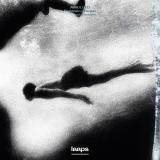
Extra Stars is Gregory Uhlmann"s solo debut on International Anthem. It"s a deep and gorgeous expansion of the LA-based multi-instrumentalist producer / composer"s rhythmic ambient side, as nascently explored in his much-lauded duo with Meg Duffy, his trio work with Josh Johnson and Sam Wilkes, and in the gentler of SML (the improvising trance-jazz unit of which he is a member).
Extra Stars is Gregory Uhlmann"s solo debut on International Anthem. It"s a deep and gorgeous expansion of the LA-based multi-instrumentalist producer / composer"s rhythmic ambient side, as nascently explored in his much-lauded duo with Meg Duffy, his trio work with Josh Johnson and Sam Wilkes, and in the gentler of SML (the improvising trance-jazz unit of which he is a member).
Das bisschen Totschlag’s new LP 0dB Headroom drifts through a cathartic kind of vulnerability—telling stories of losing, larking, and feeling everything all at once. Its soundscape echoes the act of remembering: manipulated samples and floating guitars bent through distorted electronics embody memory not as a fixed archive, but as something alive: tender, fractured, shifting. Moments come back in flashes—sometimes radiant, sometimes aching, always familiar, yet blurred and distorted. A beautiful mess that you can’t ever fully capture.
(FFO: Alex G, Wednesday, Maria Somerville)
Jay-Jay Johanson returns with his new EP Where's the Cat?, a 7-track project featuring unreleased and reworked material from his latest album Backstage. Highlights include an unexpected collaboration with New York rapper LoftBlue, an extended version of Trompe L'oil featuring actor Harry Goaz (Twin Peaks), a refined remix by Alex Gopher, and two dub versions. The EP closes with Voice Memo No. 234, an intimate recording that offers a glimpse into the Swedish artist's creative process.
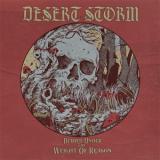
With their latest body of work, Desert Storm carve out a sound that is as primal as it is progressive-melding sludge, doom, and heavy metal weight with moments of softness, space, and surprising vulnerability. Across these tracks, the band summon the wilderness, ceremony, and chaos of the human condition, pushing their sound into new territories while staying true to their instinct for heaviness.
Gold Nugget vinyl, limited to 400 copies. With their latest body of work, Desert Storm carve out a sound that is as primal as it is progressive-melding sludge, doom, and heavy metal weight with moments of softness, space, and surprising vulnerability. Across these tracks, the band summon the wilderness, ceremony, and chaos of the human condition, pushing their sound into new territories while staying true to their instinct for heaviness.
KALEIDOBOLT’s fifth album is pungent to the ears – KARAKUCHI out in March Karakuchi is one record you can judge by its cover. The first time Kaleidobolt’s faces have adorned an LP, they have been fused into a torpedoing biomechanical vehicle. Echoing The Birthday Party’s Junkyard or Motörhead’s Orgasmatron (…on acid?!), the illustration epitomises perfectly Kaleidobolt’s agenda of “hyperkinetic rock”. Their feverish, psych-prog sound is full of motion. It jerks around at different speeds, threatening to spin out of control and crash into flames at any given moment. What’s more, it isn’t taken too seriously. This is heavy and intricate music, yes. But as bassist and co-singer Marco Menestrina puts it, the Kaleidobolt attitude is “an ugly smirk more than an angry face with a fist.” On their fifth album since forming in 2014, the Helsinki-based outfit lean into their strengths as a formidable power trio. With their previous two records, 2019’s Bitter and 2022’s This One Simple Trick, they had thrown everything at their disposal into the recording with no expense spared on overdubs, effects and kitchen sinks. Produced again by Niko Lehdontie (Oranssi Pazuzu), Karakuchi comes from tightly rehearsed, live-in-the-studio takes. Kaleidobolt realise that greater sparsity can be a strength, and they’ve allowed their instruments extra space to breathe. It makes for their earthiest, purest and perhaps most authentic record to date. Karakuchi’s exuberant style emerges from the individual members’ contrasting listening habits. These span classic prog, Japanese city pop, noise rock, post-hardcore and historical podcasts. One record they can all agree is a masterpiece, the centre of the Venn diagram where all three members meet, is King Crimson’s Red. As for their new album’s title, that’s as suitable as the cover art. “Karakuchi” is the slogan of the Japanese beer brand Asahi Super Dry. Translated literally, this means “pungent to the mouth”. As drinkers of that product, Kaleidobolt acknowledge its parallels to their songs. “It’s very intense, right at the front, like at the first bite,” explains Menestrina. “And then it leaves your mouth feeling refreshed. The flavour doesn’t linger in your mouth, basically. It has a quick, hard finish. With a bit of a stretch, we thought that that could also be said of our music.” Karakuchi is Kaleidobolt at their hardest, fastest, tightest and super-driest. Pungent to the ears. -JR Moores, November 2025
KALEIDOBOLT’s fifth album is pungent to the ears – KARAKUCHI out in March Karakuchi is one record you can judge by its cover. The first time Kaleidobolt’s faces have adorned an LP, they have been fused into a torpedoing biomechanical vehicle. Echoing The Birthday Party’s Junkyard or Motörhead’s Orgasmatron (…on acid?!), the illustration epitomises perfectly Kaleidobolt’s agenda of “hyperkinetic rock”. Their feverish, psych-prog sound is full of motion. It jerks around at different speeds, threatening to spin out of control and crash into flames at any given moment. What’s more, it isn’t taken too seriously. This is heavy and intricate music, yes. But as bassist and co-singer Marco Menestrina puts it, the Kaleidobolt attitude is “an ugly smirk more than an angry face with a fist.” On their fifth album since forming in 2014, the Helsinki-based outfit lean into their strengths as a formidable power trio. With their previous two records, 2019’s Bitter and 2022’s This One Simple Trick, they had thrown everything at their disposal into the recording with no expense spared on overdubs, effects and kitchen sinks. Produced again by Niko Lehdontie (Oranssi Pazuzu), Karakuchi comes from tightly rehearsed, live-in-the-studio takes. Kaleidobolt realise that greater sparsity can be a strength, and they’ve allowed their instruments extra space to breathe. It makes for their earthiest, purest and perhaps most authentic record to date. Karakuchi’s exuberant style emerges from the individual members’ contrasting listening habits. These span classic prog, Japanese city pop, noise rock, post-hardcore and historical podcasts. One record they can all agree is a masterpiece, the centre of the Venn diagram where all three members meet, is King Crimson’s Red. As for their new album’s title, that’s as suitable as the cover art. “Karakuchi” is the slogan of the Japanese beer brand Asahi Super Dry. Translated literally, this means “pungent to the mouth”. As drinkers of that product, Kaleidobolt acknowledge its parallels to their songs. “It’s very intense, right at the front, like at the first bite,” explains Menestrina. “And then it leaves your mouth feeling refreshed. The flavour doesn’t linger in your mouth, basically. It has a quick, hard finish. With a bit of a stretch, we thought that that could also be said of our music.” Karakuchi is Kaleidobolt at their hardest, fastest, tightest and super-driest. Pungent to the ears. -JR Moores, November 2025
Nachdem sie sich schon fast 20 Jahre kannten, schien die Zusammenarbeit zwischen Nick Sanborn und Chris Rosenau irgendwie vorprogrammiert, kam aber eher zufällig zustande - bei einem Musikfestival in Eaux Claires, wo die Chemie sofort stimmte. Während sie probten, merkten sie, dass sie schon dabei waren, ein Album aufzunehmen. Sie behielten die Arbeitsmixe und Titel bei, auch die Vogelstimmen und Verkehrsgeräusche, die ins Mikrofon kamen. Das Ergebnis war ,Bluebird" aus dem Jahr 2019, ein kleines Wunderwerk mit fünf Titeln, bei dem man das Gefühl hatte, mit ihnen im Raum zu sitzen und zu lächeln, während sie ihre wortlose Harmonie fanden.Zwei Jahre später trafen sich Rosenau (Volcano Choir, Collections of Colonies of Bees) und Sanborn (Sylvan Esso, Made of Oak) wieder. Sie hatten Spaß bei Runde zwei, aber die Sessions waren weder so unbeschwert wie beim ersten Versuch noch so fokussiert, dass sie sich spannend und neu anfühlten. Die beiden legten diese Stücke beiseite, um es zu einem späteren Zeitpunkt erneut zu versuchen. Dann kam die Pandemie. Es gab Tourneen. Es gab andere Platten. Es gab das Leben im Allgemeinen. Als Rosenau sich wieder zu Betty's (Sylvan Esso's Studio in den Wäldern von North Carolina) wagte, um es erneut zu versuchen, waren vier Jahre vergangen. Und Sanborn baute sein Live-Equipment von Sylvan Esso auseinander, ordnete es neu und fügte neue Teile hinzu, in der Hoffnung, jegliche Muskelgedächtnis für einen Echtzeitaustausch zu vermeiden. Sie wussten sofort, dass es funktionierte, ohne die Zweifel der Vergangenheit im Schlepptau. An diesem ersten Tag, einem Donnerstag, entstanden ,Ghost Sub" und ,Harm". Am zweiten Tag hatten sie einen Fehlstart mit einem Stück namens ,Kay", bei dem Sanborns Synthesizer nicht ganz zu Rosenaus Riff passten, bevor sie mit ,Deltas" weitermachten. Es gab einen Fehlstart, der hier erhalten geblieben ist, aber was folgte, war eine erhabene Morgenmelodie, als würde man müde aufwachen und von dem plötzlichen Licht draußen überwältigt werden. Es ist der Klang des Erwachens zum Leben und der Liebe zu diesem Leben, und es ist das kleine Juwel in der Mitte der sechs Songs, die sie an diesem Wochenende aufgenommen haben, die sechs Songs, die hier in der Reihenfolge präsentiert werden, in der sie entstanden sind. Sie beendeten ,Two" kurz bevor Rosenau zum Flughafen aufbrach; es ist ein langer Abschied, süß und sentimental und traurig, ein letztes Gespräch zwischen zwei Freunden, die ihre gemeinsame Zeit genossen haben. Das Band bricht ab, aber man muss nicht hören, was er sagt, um zu wissen, was er sagt. Das war gut, perfekt, genau das, was wir gesucht haben, genau richtig, Kumpel. So fühlt sich ,Two" von Anfang bis Ende an - zwei Freunde, die fest miteinander verbunden sind und sich in ihren schönen Austausch vertiefen.
Michel Houellebecq is, of course, well-known for his novels, translated into more than 40 languages, and his Goncourt Prize (The Map and the Territory, 2010), but perhaps less so for his debut album, released exactly a quarter of a century ago on Tricatel label. One can sense the influence of Serge Gainsbourg's L'Homme à la Tête de Chou, a disillusioned Procol Harum and a world-weary Burt Bacharach hovering over Houellebecq's poems in Présence Humaine, a now cult classic album orchestrated by Bertrand Burgalat and the musicians of Eiffel. Twelve thousand copies sold and a few concerts later, the writer decided (or so we thought) to bid farewell to the stage, only to generate more media attention though his literary success. Frédéric Lo is, of course, known as an exceptional lyricist, composer, arranger, and producer, author of a sublime fourth solo album (L'Outrebleu, released last March) and a master of collaborative work, notably with Bill Pritchard, Peter Doherty and Daniel Darc. Initially, Michel Houellebecq and Frédéric Lo met for the tribute album that the latter was planning for the tenth anniversary of Daniel Darc's death, but their recording of "Psalm XXIII" was, to their great disappointment, rejected by the label and therefore did not appear on the final version of Cœur Sacré (2023). Fortunately, every cloud has a silver lining, and the two men decided to take their collaboration a step further. Lo decided to set the writer's words to music, in his studio in Pantin. Raw, stripped-down music draped in electronica, adorned with piano and antediluvian drum machines, often minimalist, sometimes repetitive, provides the perfect backdrop for twelve tracks that question and reflect on humanity's past and future (if indeed there is one). Reflections on the human condition, 21st-century style, a work of speculative fiction conceived by two eternally modern "young lads," Souvenez-Vous de l'Homme (Remember Man) is an album that might occasionally evoke The Stranglers' La Folie, and, given the title, that's probably no coincidence. But above all, it's a hypnotic and melancholic album, uncompromising and captivating. Most importantly, it's an album like no other.
On Days Like These , is a respectful and soulful interpretation of Quincy Jones ' masterpiece, while Warren original, Jenny, concerns a hope for assistance from Rod Serling and H.G. Wells, in a time-travel romance. Michael Warren's voice is joined by the creative team from Mariocki, Keiron Phelan (Peace Signs, State River Widening) Flute / Guitar, James Stringer (Peace Signs, Hilbert Space) Piano / Keyboards, with indie luminaries Ian Button (Papernut Cambridge, ex- Death In Vegas) Drums / Percussion, and Giles Barrett (The New Starts, Moebius Delta ) Bass.
Altan is arguably the most iconic band working in traditional Irish music today. For the past 35 years, they have brought the music of their native County Donegal to the world stage. The band's newest album, aptly titled Donegal , pays homage to County Donegal's rich musical heritage, breathtaking landscapes, and vibrant culture. The music's authenticity and allure transport listeners to a bygone era in rural Ireland while forging a connection between the past and the present.
Featuring co- founder, lead vocalist, and fiddler Mairead Ni Mhaonaigh ; newest member Clare Friel on vocals and fiddle; accordionist Martin Tourish; guitarists Daithi Sproule and Mark Kelly; and Ciaran Curran on bouzouki and mandolin. With Jim Higgins (percussion), Steve Cooney (bass), and Graham Henderson (keyboards). Recorded by Manus Lunny at Seafront Studio in County Donegal, Ireland.
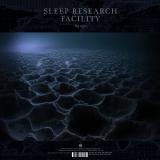
The ultimate deep listening experience from two masters of dark ambient. A slow descent into the blackened watery abyss, where light cannot reach. The first release from Sleep Research Facility since 2012's "Stealth" (Cold Spring) is inspired by the deep sea ocean floor. The Canadian-based composer explores notions of awareness and perception in the sub/unconscious listener. Focusing primarily on sound bereft of rhythm based energies, SRF provides an environments wherein the music adds texture to the silence. Using form without structure and concentrating on space as opposed to narrative, SRF entertains the idea that music can reside in the very fabric of sound itself. The brand new material here was created specifically for this split release.Taking inspiration from the beautiful, but often harsh landscapes and environments of his home on Anglesey, North Wales, Llyn Y Cwn has built on the nautical theme of "Du Y Moroedd" (Cold Spring). These tracks are based on field recordings relating to the ocean, and could be seen as a companion piece to the album. 'Dale Dawn' features a recording of the dawn chorus made from the floating pontoon at Dale, Pembrokeshire. 'Pebble' includes the sound of waves crashing on a Dorset cobble beach, thousands of rocks colliding in chorus. 'Doppler Current Profiler' is based on the sound of an ADCP, an acoustic sonar instrument used to measure water currents - a 600Khz ping slowed to a heartbeat. CD in mini-LP sleeve, replicating the vinyl design. The artwork features a separate front cover design with individual art for each side, making this a true split release.
Matryoshka has already built a reputation as a producer for DJ Loser's Magdalena's Apathy imprint as well as work for the Nostalgians, an under-the-radar ambient rap collective featuring Yungwebster, Mdb, tnotsobad, Nopaprr and ogpra1. Her musical roots – dubstep, trance and hard dance – tell some of the story here, but she transmogrifies those influences into haunted, Basinski-esque memories like the gaseous traces and decelerated remnants of the club.
On album opener »Lifelover«, Burial's hazed interludes spring to mind, or perhaps the 4am cityscapes of Space Afrika's now mythical »Somewhere Decent to Live«. Background ambiance simmers below Lawson's pensive FM pads, but once she establishes the mood, things take an unexpected turn with a pitch-bent bassline that might have been lifted straight from a 6LACK loosie, and a rhythmic pulse that traces the thin red line of Shinichi Atobe. If it's dub techno, it's a strand that hasn't been codified quite yet.
»Surface Tension« uses deep, Maybach Music-coded bass womps to twist through her skittering slow rhythms and sadcore pads. But it’s Matryoshka’s harmonic instinct that stands out; if you heard the airy »otr« or »fantasize« from Yungwebster's '»II' you'll know exactly what we mean«, and she takes it even further here, weaving cinematic, languid harmonies that bridge the gap between Steve Roach and Future.
Check »Where the Dancers are Spinning« with its levitational, almost orchestral sweeps that Lawson counterbalances with thudding subs, or the brief title track, an Akira Yamaoka-style save room loop that dissipates into a dreamy, dissociated fog, for further proof. Then there's the second side's centrepiece »Parted by the Sea«, where a ratcheting Chain Reaction-style rhythm builds to a tense crescendo only to get splintered unrecognisably in the second half, its broken pieces pillowed by Lawson's billowing time-stretched chords.
out of Stock
Last delivered 7 months ago available to reorder, subject to availability
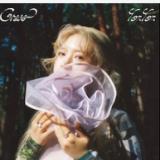
YonYon's commemorative 1st album ‘Grace’ shines with new brilliance through analog sound-the long-awaited LP release!
This album features 14 tracks in total, including 7 popular songs from the album “Grace”, plus 7 remixes.
Guest artists include KIRINJI, SIRUP, South Korea's leading R&B singer-songwriter/producer SUMIN, PEAVIS, and other artists resonating across generations
and styles. Sound production features top-tier creators active globally, including ☆Taku Takahashi (m-flo), Chaki Zulu, grooveman Spot, and South Korea's
rising producer Slom. The album effortlessly crosses genre and language boundaries, weaving diverse musical elements into a rich soundscape.
After traveling through Mexico, Miami, the Bahamas, and New Orleans, Nishioka recorded his fourth album South American Journey in Los Angeles,
released in 1979. From this album, two of his most celebrated tracks—“GYPSY SONG”, a fan favorite with numerous cover versions, and “NEVER LAND”,
featuring the distinctive sound of steel pans and a Japanese reggae vibe are now being pressed on 7-inch vinyl for the first time in a limited edition!
The recording features members of the So What Review band, including Junshi Yamagishi (guitar) and Osamu Ishida (guitar), along with renowned steel pan
player Robert Greenidge, known for collaborations with Van Dyke Parks and Taj Mahal.
(FLATT THE LAIDBACK)
Kyozo Nishioka Profile
(Born May 7, 1948 – Died April 3, 1999)
Singer songwriter from the Shima Peninsula in Mie Prefecture, affectionately nicknamed “Zo-san”.
After enrolling at Kinki University and moving to Osaka, Nishioka became a regular at the folk cafe Dylan in Namba, opened in August 1969 by Masaji Otsuka
and Yoko Ishimura. Dylan was a gathering spot for folk music enthusiasts from all over Japan.
Nishioka formed the folk group The Dylan with Masaji Otsuka and You Nagai, performing at folk camps and the Nakatsugawa Folk Jamboree. In 1971, Nishioka
left the group, and Otsuka and Nagai continued as The Dylan II. Nishioka wrote and composed the song “Puka Puka” under the pen name Zokyozo, which became
one of his signature works. The song was first released in July 1971 as the B-side of The Dylan II’s single “Otoko rashii tte Wakarukai” on URC Records.
Nishioka began his solo career, releasing his debut album “Dylan nite” in July 1972, produced by Kinji Yoshino on Bellwood Records, which included his own
version of “Puka Puka”. In September 1973, he appeared at the farewell concert of Happy End titled CITY – LAST TIME AROUND at Bunkyo Public Hall in Tokyo.
His 1974 album “Machiyuki Murayuki” was produced by Haruomi Hosono, and his 1975 album “Rokka My Baby” featured support from Shigeru Suzuki’s band
HUCKLE BACK. Nishioka recorded three albums under Hosono’s production, deepening their friendship.
Together with his wife and lyricist KURO, Nishioka wrote songs for artists such as Eikichi Yazawa. The couple traveled the world, recording overseas albums such
as “Nanbei Ryoko” (1977), “Yoh-Sollo” (1979), and “New York to Jamaica” (1981), incorporating reggae, calypso, and other global sounds. In the 1980s, he released
works under the duo name KYOZO & BUN with Yoshifumi Okajima, and in the 1990s returned to solo projects with albums like “START” (1993) and “Farewell
Song” (1997).
After KURO’s passing in 1997, Nishioka continued his musical activities until his own death in 1999 at the age of 50. His music transcended the boundaries of folk,
blending jazz and tropical elements to create a unique world view, leaving an indelible mark on Japanese music history.
Nach fünfzehn Jahren auf Welttournee mit La Femme kehrt Marlon Magnée nun als Solo-Künstler mit seinem Debütalbum Dark Star zurück, das ihn wieder mit seinen frühesten Leidenschaften verbindet. Die Platte spiegelt seinen Geschmack für ungewöhnliche Mischungen und eigenständige Stile wider: eine Kombination aus Rockabilly, Punk, Cold Wave und psychedelischem Psychobilly. Die Stücke, gesungen auf Französisch und Englisch, greifen auf Gitarren der Sechziger zurück, auf eine "Orgie aus Synthesizern" direkt aus den Achtzigern, auf donnernde Drumcomputer, analoge Delays und eine bewusst rohe Energie. Seine Einflüsse ziehen sich durch das gesamte Album: The Velvet Underground, The Stranglers, Motörhead, The Cure, The Stray Cats, JJ Cale, die Nuggets-Kompilationen, aber auch französischsprachige Ikonen wie Gainsbourg, Les Rita Mitsouko, Métal Urbain, Plastic Bertrand und Marc Charlan. Das Ergebnis: ein schnelles, ruheloses Album (Tempi bis zu 240 bpm), manchmal radikal, konzipiert "für diejenigen, die Blut im Herzen und den Drang haben, sich zur Wehr zu setzen". Co-produziert mit Renaud Letang (Feist, Manu Chao, Peaches) im legendären Ferber Studio in Paris markiert dieses erste Solo-Werk eine echte Rückkehr zu Marlons Wurzeln - und kündigt mit Nachdruck das Comeback des Rock in der heutigen Musiklandschaft an.
Bonnie 'Prince`Billy kehrt am 6. März 2026 mit dem Album 'We Are Together Again' zurück. Das Album ist warm und persönlich und außerdem so angelegt, dass es mit denselben Worten beginnt und endet: 'Why is the lion still here, outside?'
Thematisch ist das Album tief in Louisville, der Heimatstadt von Bonnie „Prince“ Billy, verwurzelt. Es feiert die Kraft von Freundschaft, lokaler Gemeinschaft und gemeinsamem künstlerischem Schaffen. Damit setzt es bewusst einen Kontrapunkt zur Globalisierung und plädiert stattdessen für Lokalismus. Aufgenommen wurde es live im Studio End of an Ear mit lokalen Musiker:innen, Freund:innen und Familienmitgliedern. Jeder Ton ist direkt und unverfälscht – was im Raum passiert, hört man auch auf der Aufnahme. „We Are Together Again“ nimmt die Ängste einer sich verändernden Welt nicht weg, sondern begegnet ihnen mit Harmonie. Das Album erzählt von Zusammenhalt, von der Freude am Miteinander und davon, wie das gemeinsame Fragen selbst zur Quelle von Hoffnung wird."
Als Hommage an eine Band und ein Jahrtausend wurde das Gemeinschaftsprojekt ,Macha Loved Bedhead - Bedhead Loved Macha" aus dem Jahr 2000 von den analogen Originalbändern neu gemastert und erscheint nun endlich im Originalformat. Aufgenommen über große Entfernungen hinweg von den in Wichita Falls geborenen Brüdern Matt und Bubba Kadane sowie Josh und Mischo McKay, vereint diese fünf Songs und 34 Minuten lange EP Gamelan, Slowcore und ein Cover von Chers ,Believe", das auf einem Tastentelefon eingespielt wurde, zu einer nahtlosen Meditation über das Leben am Ende des amerikanischen Jahrhunderts.
Mit "Vielleicht nicht für immer" erscheint am 06.03.2026 das Debütalbum der Zürcher Band "Fräulein Luise" auf superpolrecords. In der Schweiz werden die vier jungen Musiker*innen schon längst als neue große Indiepop-Hoffnung gefeiert. In Deutschland und Österreich gelangten sie in den letzten Monaten mit ihrer ersten Vorab-Single "Eisbär" auch in das Blickfeld der Szene, wegen ihres unverwechselbar eigenen textlichen Ansatzes, vielleicht aber auch wegen des neuen Sounds der Band, die mit dem österreichischen Produzenten Zebo Adam (Bilderbuch, Wanda u.a.) für "Vielleicht nicht für immer" zusammen gearbeitet hat.
Next up on Philippa Pacho’s, 'phorum' imprint is Berlin based artist Regent. Across four tracks Regent
showcases a diverse range of sound backed with purposive force making for a futuristic and interstellar
voyage into the deep depths of modern techno
out of Stock
Last delivered 3 months ago available to reorder, subject to availability
Dr. John Chowning (b. 1934) is a pioneering computer musician, composer and professor who, in 1967, discovered the FM synthesis algorithm. This breakthrough in electronic music allowed for simple, yet rich timbres described as sounding "real." With this discovery, Chowning composed singular, dramatic electronic music and changed the timbre of music forever.
Chowning utilized the potential of computers to synthesize sounds according to programmed instructions. The composer's use of his own FM algorithms, digital synthesis with computers and the new compositional concepts offered by a programmable musical structure combine to create some of the most original and unique electronic music ever created.
The compositions on this LP were realized between 1966 and 1981 and the music on this LP, with the exception of Stria, was originally released on CD in Germany (Wergo, 1988). The version of Stria included here contains a section not included on the Wergo CD. Thus, this version of Stria is complete. This is the first time these purely digital recordings have been released on an analog medium. The original dynamics of these groundbreaking compositions have been preserved on this LP. As a result, listeners are advised to increase volume with caution.
In 1975, John Chowning founded the CCRMA - Center For Computer Research In Music and Acoustics at Stanford University. Through Stanford, Chowning licensed his groundbreaking algorithms to Yamaha resulting in numerous new instruments including the iconic DX series of keyboards. In 1972, his composition Tureens which is included on this LP, was the first to create the illusion of continuous 360-degree space using four speakers.
Technical Notes:
All pieces on this LP are originally quadrophonic. The illusion of moving sound sources is thus projected from the surrounding environment given by four loud-speakers on the stereo-basis.
STRIA was composed using Chowning’s own program to compile the musical structure into note-lists and MUSIC 10 (by D. Poole/Tovar) to generate the sounds in software-synthesis. The original quadrophonic version utilized 12 bits, two different sampling rates being used to accommodate the enormous amount of data on the magnetic disc-packs available at that time. The original sound-data was processed by sampling-rate conversion and digital mixes to achieve the stereo version presented on this LP.
SABELITH and TURENAS were synthesized originally using Smiths’ SCORE and MUSIC 10. However, their format was changed from direct sound-samples to a command stream for a special purpose computer, the System Concepts Digital Synthesizer, designed by Peter Samson, one of the first large-scale digital synthesizers for real-time sound processing - one was designed for CCRMA in the late seventies. For this recording the sounds were recorded directly from the synthesizer computing the samples in real-time.
PHONÈ was realized with the System Concepts Digital Synthesizer using again Chowning’s own program to create the note list.
The master tape of this LP was made directly from the computer system at CCRMA which generated and stored the sound data in digital format. No analog recording was involved at any stage of the production and editing process.
Natalie Jane Hills dritte LP für Dear Life Records zeigt einen ganz neuen Ansatz mit ausgelassenen Arrangements der ganzen Band, während sie gleichzeitig ihr ehrliches, folkiges Songwriting beibehält.
Natalie Jane Hills dritte LP für Dear Life Records zeigt einen ganz neuen Ansatz mit ausgelassenen Arrangements der ganzen Band, während sie gleichzeitig ihr ehrliches, folkiges Songwriting beibehält.
Elliott Smith's 'Division Day' is not only one of the late artist's most beloved fan favorite songs, it's also one of Smith's first departures away from the soft-spoken melancholy of his first two albums and into the more sophisticated pop that led to his breakout success. B-side 'No Name #6' is a classic in its own right, encapsulating the humble brilliance of one of our generation's greatest singer-songwriters.
Vom Ende der Pop-Utopien Mit Ende vierzig wird Peter Justen von der Zeit und dem Leben in der großen Stadt überrollt und zurück in die Gegend seiner Herkunft geworfen. Ein ungewolltes Comeback, das im wahrsten Sinne des Wortes nach hinten losgeht. Er hatte sich in der großen Stadt eine Welt aufgebaut, in der er sich wie ein Jemand fühlte. Eine Welt aus Liedern, Romanen, linker Theorie, Memoirs und Essays über Herkunft und Geschlecht, Manifesten zum Klimawandel, klugen Feuilleton-Beiträgen und langen Gesprächen über Popkultur in angesagten Bars, postdramatischen Theateraufführungen, japanischen Filmklassikern und aufrührenden Konzerten. Dazu Begegnungen mit interessanten Künstlerinnen und kuriosen Hochstaplern, narzisstisch Gestörten und anregend Größenwahnsinnigen. Nun verblasste diese Welt und er war wieder der Niemand, als der er vor langer Zeit aufgebrochen war. "Wie jeder weiß, ist das hier das Nirgendwo" ist ein melancholisch-komischer Roman über die Versprechen der Popkultur und die Frage, ob sie diese jemals eingelöst hat.
1976 markiert das Erscheinungsjahr der ersten Punk-Singles - und 50 Jahre später feiern zwei Anthologien dieses Jubiläum mit einem einzigartigen Doppelblick auf die Geschichte des Genres. In Bored Teenagers und Angriff aufs Schlaraffenland wählen über 200 Musiker:innen, Autor:innen, Fanzine-Macher:innen, Journalist:innen, Punks, Ex- und Anti-Punks ihren persönlich wichtigsten Punk-Song. Sie fragen sich: Welcher Track hat mich geprägt? Welcher verkörpert Punk für mich am stärksten? Ob "Anarchy in the UK", "Nazis raus", "California über alles" oder "Für immer Punk" - über 400 sehr unterschiedliche Antworten zeigen, wie vielfältig Punk erlebt, erinnert und weitergeführt wird. Trotz aller Unterschiede verbindet die Beiträge eines: Punk ist für die Schreibenden auch nach fünf Jahrzehnten kein beliebiges Musikgenre. Die Texte erzählen von jugendlicher Aufbruchstimmung, radikalen Ideen und politischem Selbstverständnis, aber auch davon, wie lebendig Punk bis heute ist. Punk erscheint als musikalischer Aufruhr und ästhetischer Bruch, als DIY-Haltung, Hausbesetzung, Theorie und Praxis zugleich. Er kann feministisch, anarchistisch, widersprüchlich, laut, zärtlich oder rotzig sein - aber niemals langweilig. Während Angriff aufs Schlaraffenland die deutschsprachige Punkgeschichte beleuchtet, widmet sich Bored Teenagers zentralen Songs der internationalen Szene. Mit Beiträgen von u. a. Bela B, Simon Reynolds, Franz Dobler, Diedrich Diederichsen, Linus Volkmann, Hans Nieswandt, Bernd Begemann, Jim Avignon und vielen weiteren entsteht ein Panorama über Klassiker von Sex Pistols, X-Ray Spex, Mittagspause, Ramones, Clash und Slime, über Post-Punk von Wire, Gang of Four oder The Slits, über fast Vergessenes bis hin zu zeitgenössischen Acts wie Team Scheisse, Sleaford Mods oder Acht Eimer Hühnerherzen.
1976 markiert das Erscheinungsjahr der ersten Punk-Singles - und 50 Jahre später feiern zwei Anthologien dieses Jubiläum mit einem einzigartigen Doppelblick auf die Geschichte des Genres. In Bored Teenagers und Angriff aufs Schlaraffenland wählen über 200 Musiker:innen, Autor:innen, Fanzine-Macher:innen, Journalist:innen, Punks, Ex- und Anti-Punks ihren persönlich wichtigsten Punk-Song. Sie fragen sich: Welcher Track hat mich geprägt? Welcher verkörpert Punk für mich am stärksten? Ob "Anarchy in the UK", "Nazis raus", "California über alles" oder "Für immer Punk" - über 400 sehr unterschiedliche Antworten zeigen, wie vielfältig Punk erlebt, erinnert und weitergeführt wird. Trotz aller Unterschiede verbindet die Beiträge eines: Punk ist für die Schreibenden auch nach fünf Jahrzehnten kein beliebiges Musikgenre. Die Texte erzählen von jugendlicher Aufbruchstimmung, radikalen Ideen und politischem Selbstverständnis, aber auch davon, wie lebendig Punk bis heute ist. Punk erscheint als musikalischer Aufruhr und ästhetischer Bruch, als DIY-Haltung, Hausbesetzung, Theorie und Praxis zugleich. Er kann feministisch, anarchistisch, widersprüchlich, laut, zärtlich oder rotzig sein - aber niemals langweilig. Während Angriff aufs Schlaraffenland die deutschsprachige Punkgeschichte beleuchtet, widmet sich Bored Teenagers zentralen Songs der internationalen Szene. Mit Beiträgen von u. a. Bela B, Simon Reynolds, Franz Dobler, Diedrich Diederichsen, Linus Volkmann, Hans Nieswandt, Bernd Begemann, Jim Avignon und vielen weiteren entsteht ein Panorama über Klassiker von Sex Pistols, X-Ray Spex, Mittagspause, Ramones, Clash und Slime, über Post-Punk von Wire, Gang of Four oder The Slits, über fast Vergessenes bis hin zu zeitgenössischen Acts wie Team Scheisse, Sleaford Mods oder Acht Eimer Hühnerherzen.
Über prägende Role Models von den 1920ern bis heute Eras-Tour, Brat Summer, gefeierter Opern-Pop von Rosalía: Immer häufiger sind es Female Artists, die der Popkultur ihren Stempel aufdrücken, die Charts stürmen und Preise wie die Grammys abräumen. Endlich erhalten sie die Aufmerksamkeit und Anerkennung, die ihnen lange Zeit verwehrt blieb. Einen kleinen Beitrag hierzu leisteten womöglich auch die Anthologien "These Girls" und "These Girls, too", die übersehene Musikerinnen ins Rampenlicht gerückt und Neues zu bekannten Künstlerinnen erzählt haben. Doch die feministische Musikgeschichte ist längst nicht auserzählt: Zahlreiche Künstlerinnen warten noch auf ihre Wiederentdeckung, und abseits der Megastars wird die Branche weiterhin von Männern dominiert. Folgerichtig erscheint mit "These Girls Forever!" nun der dritte Band der Reihe: Das Buch schreibt die feministischen Musikgeschichten fort und erweitert sie um außergewöhnliche Künstlerinnen. Wie schon in den Vorgängerbänden schreiben zahlreiche Autor:innen aus persönlicher Perspektive über zu Recht gefeierte wie übergangene Musikerinnen, heben vergessene Schätze und eröffnen neue Blickwinkel auf die Ikonen der Popkultur. Die Vielfalt dieser Stimmen und Geschichten macht auch "These Girls Forever!" zu einer unterhaltsamen, inspirierenden Lektüre für alle, die ihren Blick weiten und Popgeschichte neu hören wollen. Jacinta Nandi, Rebecca Spilker, Jan Müller, Steffen íGreiner, Ebba Durstewitz, Bettina Wilpert, Sibel Schick, Kersty und Sandra Grether und viele mehr schreiben über íKünstlerinnen wie Barbra Streisand, Paula Hartmann, Betty Davis, Zaho de Sagazan, Judith Holofernes, íMalaria!, Sinéad O"Connor und zahlreiche weitere.
POWERWOLF strenghten their exceptional position at the forefront of heavy metal with Wildlive (Live at Olympiahalle), out February 27, 2026, via Napalm Records. Recorded
during the breathtaking sold out show of their Wolfsnächte Tour 2024 in Munich, this is not just a live album – it is a grandiose cinematic experience. Wildlive documents POWERWOLF’s unrelenting rise to the top, showcasing a performance that goes far beyond a metal concert. A cult-like celebration of art, with each song visually reimagined with a changing digital stage set, timed effects, and theatrical elements, Wildlive proves that what POWERWOLF create is beyond music – it is religion.
Here we have two luminaries of contemporary music, vocalist Audrey Chen and iconoclast guitar player Tashi Dorji, who both have proven themselves as key representatives of idiosyncratic music for the past 20 plus years.
Audrey, born into a family of material scientists, doctors and engineers, channeled those family genes through un-processed hyperextended voice, consequently transmutating her family's DNA into her very own sonic language of equal precision, discipline and creative power as her kins' professions.
Tashi, on the other hand, carries the mountains in his spirit: born in Bhutan, Southeast Asia, now residing in Ashville, North Carolina, close to the Appalachians. That earthly power is unmistakably present in his energetic guitar playing, which also incorporates folkloric elements of both his native country, and his homeland since 2000.
Those two strong musical personalities met on stage in the late summer of 2023 at Morphine Raum, Berlin. The fact that it took place in one of the birthplaces of techno music, seems to have pushed their performance towards an industrial, repetitive aesthetic of, at times, almost dancelike quality. However, as the track titles suggest, that classic forward pulsating rhythm, associated with electronic dance music, is bent at their heart's content, as are its appertaining clean melodies gnashed to smithereens.
Becoming Forest is the fifth full-length record by Amuleto. It comes from an encounter between the group’s core duo, Francesco Dillon and Riccardo Wanke, and multi-instrumentalist performer and composer Stefano Pilia (Mike Watt, Rokia Traoré, 3/4HadBeenElminated, Massimo Volume, Afterhours, Zaire).
This meeting — developed from long-term parallel collaborations and converging musical paths — produced a set of tracks that combine acoustic and traditional instruments (cello, guitar, harmonium, voice) with electronics, natural sounds and unconventional sound manipulations.
Drawing on literature, travels, drawings, poetry and little-known traditions from around the world, the tracks of Becoming Forest sit in a subtle equilibrium between contemporary composition, folk themes and electronic music.
This is a journey through memories of the past and echoes of the future — intimate and aggressive; music that combines minimal textures with distorted progressions, with delicate vocal lines inhabiting post-digital, noisy environments — a reminder that individual voices form part of a larger, living forest.
Farbige Neuauflage des zweiten Albums 'You'll Be Fine' (2020) von Hot Mulligan, eine der vielseitigsten und zutiefst bewegenden Bands des US-Emo-Undergrounds, deren Musik ein kathartischer Aufschrei nach Wachstum einer Generation zukunftsorientierter Mittelwestler ist, die - in den Getrieben eines verrosteten Systems gefangen - verzweifelt nach Hoffnung suchen.
Thelonious Monk, considered one of the greatest Jazz pianists of all time, recorded Underground in '67-'68. It's the last recording with the Thelonious Monk Quartet (Larry Gales on bass, Charlie Rouse on tenor sax, and Ben Riley on drums) and one of the last album he made for Columbia.
What makes Underground special is that unlike his other Columbia recordings, four out of the seven songs were newly composed and recorded. The album cover depicts Monk as a member of the French Resistance and is meant as an homage to Pannonica "Nica" de Koenigswarter. She was a member of the aristocratic Rothschild family and became a patron of leading jazz musicians, hosting jam sessions, driving them to gigs and sometimes even help out with paying the rent. In 1969 the cover won a Grammy for Best Recording Package.
Underground is available as a limited edition of 2000 individually numbered copies on orange vinyl and comes in a deluxe, heavy duty sleeve.
Zum 25-jährigen Jubiläum der Veröffentlichung von MONOs Debütalbum "Under The Pipal Tree" bringt die Band eine einzigartige limitierte Auflage auf farbigem Vinyl in der Farbe "Iridescent Forest Night" heraus, um diesen besonderen Anlass zu feiern. "Under The Pipal Tree" ist das Debütalbum der mittlerweile legendären japanischen Experimental-Rockbands MONO. Veröffentlicht im Jahr 2001 auf dem Avantgarde-Label Tzadik von John Zorn, präsentierte "Under The Pipal Tree" ein junges japanisches Quartett, dessen vielfältige Einflüsse - vor allem Sonic Youth, Mogwai, The Velvet Underground und Neil Youngs Crazy Horse - sich in einem wilden und ambitionierten Werk zeigten. Obwohl MONO später vor allem für ihre geschickte Verbindung von Metal und klassischen Genres bekannt wurden, zeigt ,Under The Pipal Tree" die psychedelischen Wurzeln der Band. Lange Passagen mit hypnotischen, melodischen Klängen gehen über in rasante Gitarren-Freakouts, die in eindringlicher Stille versinken. Das Album ist nicht nur wegen seiner ernsthaften Suche bemerkenswert, sondern auch wegen seiner überraschenden Umsetzung. 25 Jahre und ein Dutzend Alben später gilt ,Under The Pipal Tree" als eines der besten Debütalben einer wegweisenden Underground-Band.
S urrounded by the DIY-scene around their own self-founded recording label new basement, plainhead tries to introduce an ethos uncommon to the local music landscape in their hometown Munich (DE) and interacts between the boundaries of experimental rock and pop.
You Are More Than A Thousand Words‘ is a romantic gesture dedicated to the stars and the people we hold close to our hearts, a subtle mix of chamber pop, experimental acoustic indie and 00s indietronics.
(FFO: Phil Elverum, The Notwist, The American Analog Set)