Black Vinyl
"Burning Bridges" ist das dritte Studioalbum und das letzte Album mit dem ursprünglichen Sänger Johan Liiva. Das Album klingt unglaublich lebendig, strotzt nur so vor Energie und ist in vielerlei Hinsicht noch ausgefeilter als die beiden Vorgängeralben. Die acht Songs, ausgestattet mit einer unglaublich fetten Produktion, bestechen einmal mehr durch erstklassiges Songwriting, die fast schon Power Metal-artigen Gitarrenduelle zwischen Michael und seinem Bruder Christopher Amott sowie den stark verbesserten, brutalen Gesang von Johan Lilva.- Schweres 180g Vinyl als schwarze sowie farbige Version, jeweils inklusive 2-seitigem Einleger- Special Edition CD, in "PocketPac" (umweltfreundliche Verpackung) und mit 16-seitigem Booklet
Buscar:ang
Green Vinyl
"Burning Bridges" ist das dritte Studioalbum und das letzte Album mit dem ursprünglichen Sänger Johan Liiva. Das Album klingt unglaublich lebendig, strotzt nur so vor Energie und ist in vielerlei Hinsicht noch ausgefeilter als die beiden Vorgängeralben. Die acht Songs, ausgestattet mit einer unglaublich fetten Produktion, bestechen einmal mehr durch erstklassiges Songwriting, die fast schon Power Metal-artigen Gitarrenduelle zwischen Michael und seinem Bruder Christopher Amott sowie den stark verbesserten, brutalen Gesang von Johan Lilva.- Schweres 180g Vinyl als schwarze sowie farbige Version, jeweils inklusive 2-seitigem Einleger- Special Edition CD, in "PocketPac" (umweltfreundliche Verpackung) und mit 16-seitigem Booklet
Black Vinyl
Auf "Wages Of Sin" muss sich die neue Sängerin Angela Gossow nun zum ersten Mal einem scheinbar übermächtigen Schatten aus der Vergangenheit stellen. Schließlich ersetzt sie keinen Geringeren als Johan Liiva, der bereits vor dessen Carcass-Tagen mit Arch Enemy-Gitarrist Michael Amott in der Ur-Death-Metal-Combo Carnage zusammengespielt hatte. Dass sie diese Aufgabe so bravourös gelöst hat, ist unglaublich!Ähnlich wie 'Burning Bridges' aus dem Jahr 1999 ist 'Wages Of Sin' ein mächtiges Sperrfeuer an komplexen Riffs, das zwischen blendend brutal und atemberaubend melodisch wechselt und dabei eine Intensität beibehält, die man bei heutigen Metal-Aufnahmen nur noch selten hört. Das musikalische Können ist wie immer tadellos, wobei die Amott-Brüder einmal mehr beweisen, dass sie Meister ihres Fachs sind, wobei der Großteil ihrer Gitarrenarbeit ebenso viele Death-Metal-Obertöne aufweist, wie sie von einem traditionelleren Hard-Rock-Ansatz abgeleitet zu sein scheinen, insbesondere bei den Songarrangements, die nur selten vom Konventionellen abweichen.- Schweres 180g Vinyl als schwarze sowie farbige Version, jeweils inklusive 2-seitigem Einleger- Special Edition CD, in "PocketPac" (umweltfreundliche Verpackung) und mit 16-seitigem Booklet
Red Vinyl
Auf "Wages Of Sin" muss sich die neue Sängerin Angela Gossow nun zum ersten Mal einem scheinbar übermächtigen Schatten aus der Vergangenheit stellen. Schließlich ersetzt sie keinen Geringeren als Johan Liiva, der bereits vor dessen Carcass-Tagen mit Arch Enemy-Gitarrist Michael Amott in der Ur-Death-Metal-Combo Carnage zusammengespielt hatte. Dass sie diese Aufgabe so bravourös gelöst hat, ist unglaublich!Ähnlich wie 'Burning Bridges' aus dem Jahr 1999 ist 'Wages Of Sin' ein mächtiges Sperrfeuer an komplexen Riffs, das zwischen blendend brutal und atemberaubend melodisch wechselt und dabei eine Intensität beibehält, die man bei heutigen Metal-Aufnahmen nur noch selten hört. Das musikalische Können ist wie immer tadellos, wobei die Amott-Brüder einmal mehr beweisen, dass sie Meister ihres Fachs sind, wobei der Großteil ihrer Gitarrenarbeit ebenso viele Death-Metal-Obertöne aufweist, wie sie von einem traditionelleren Hard-Rock-Ansatz abgeleitet zu sein scheinen, insbesondere bei den Songarrangements, die nur selten vom Konventionellen abweichen.- Schweres 180g Vinyl als schwarze sowie farbige Version, jeweils inklusive 2-seitigem Einleger- Special Edition CD, in "PocketPac" (umweltfreundliche Verpackung) und mit 16-seitigem Booklet
- 1: Return Of The End (The Ancient Spirit That Makes Me Aware)
- 2: A Keen But Empty Sight
- 3: Spectre Of The Arcane Cognition
- 4: An Occult Gift Responds
- 5: The Constellations Stagger
- 6: A Chronicle From The Parallel World
- 7: The Paths That Led To The Abysm
- 8: The Nightfall Ills With Deathly Symbols
- 9: The Funeral Cortege: Sepulchre: Final Flight Of The Hateful Raven / Portal To The Isolated Domain
The Chasm, eine der angesehensten mexikanischen Extrem-Metal-Bands, wurde 1992 von Ex-Cenotaph-Sänger/Gitarrist Daniel Corchado gegründet. Nach den Aufnahmen zu Deathcult for Eternity zog die Band nach Chicago um: The Triumph im März 1997. The Chasm sind nun, 4 Jahre nach ihrem hochgelobten Album 'A Conscious Creation from the Isolated Domain - Phase I', mit einem brandneuen Album zurück. The Scars of a Lost Reflective Shadow" wurde in Luxinframundis 2021-2022 produziert, aufgenommen, gemischt und gestaltet. Gemastert im Ensomberoom V3, Mai 2022 von Geoff Montgomery (Macabre, Nunslaughter, Viking). Das neue Album ist kein Instrumentalalbum wie der Vorgänger, sondern wieder mit Corchados charismatischem Gesang!
High Roller Records, Wiederveröffentlichung 2023, schwarzes Vinyl, ltd 150, Einleger. In den Fußstapfen der einzigartigen Mercyful Fate und zusammen mit obskureren Acts wie Alien Force, Randy und Crystal Knight gehören die Kopenhagener Witch Cross zu den besten dänischen Heavy-Metal-Bands aller Zeiten. Das 1984er Album "Fit For Fight" ist sicherlich eines der Top-5-Alben in der Geschichte des dänischen Heavy Metal. Nach einer langen Pause folgte auf "Fit For Fight" das zweite Album "Axe To Grind" im Jahr 2013 (ursprünglich veröffentlicht von Hell's Headbangers und nun auf High Roller Records für ein breiteres Publikum wiederveröffentlicht). "Axe To Grind" war für mich ein großartiges Comeback-Album", sagt Gitarrist und Gründungsmitglied Mike Koch heute. "Wir hatten einige Gastmusiker/Sänger Gastsänger und Chris Tsangarides hat das Album gemischt, es war also eine starke Verbindung zur Vergangenheit. Die Songs waren wirklich gut, vielleicht ein bisschen zu old-school, aber das ist es, was wir auf dem Album wollten."Wir waren überwältigt, wie die Presse uns gelobt hat", fährt der Witch Cross-Gitarrist fort. "Es fühlte sich gut an und gab uns das Gefühl, dass die Band das Richtige getan hat, obwohl "Fit For Fight" so ein Kultalbum war. Es gab allerdings eine Ausnahme: "In unserem Heimatland bekam "Axe To Grind" nicht so viel Aufmerksamkeit, wie wir gehofft hatten. Aber die Konzerte, die wir dort gespielt haben, waren großartig." "Axe To Grind" war das zweite Album der Band nach einer langen Pause. Wie kam es überhaupt zu der Wiedervereinigung und wann und warum hat Mike Koch beschlossen, doch ein neues Studioalbum aufzunehmen? "Ich war mit einer Menge anderer Musik beschäftigt und wollte ein Metal-Album schreiben", erklärt er. "Also habe ich angefangen Ideen zu sammeln, und als wir 2012 bei Keep It True spielten, hatten wir ‚Demon In The Mirror' aufgenommen, das wir auf dem Festival spielten, um zu sehen, wie die Leute darauf reagieren. Zusammen mit 'Demon In The Mirror' sind 'Pandora's Box' und 'Bird Of Prey' meine Lieblingssongs auf der Platte. Nach 'Keep It True' beschlossen wir, dass wir mit 'Witch' weitermachen müssen." Koch hält es jedoch nicht für richtig, zu sagen, dass "Axe To
Grind" dort weitermachte, wo "Fit For Fight" aufgehört hatte: "Nein, das stimmt nicht wirklich. Es ist eher eine Verbindung zur Vergangenheit, als zu dem, was wir 1985-86 musikalisch weitergekommen wären, wenn wir ein weiteres Album gemacht hätten. Es gibt einen Song namens 'The Chosen One' auf dem neuen Album "Angel Of Death", der meiner Meinung nach viel mehr im Stil von Witch Cross von 1985 ist."
High Roller Records, Wiederveröffentlichung 2023, schwarzes Vinyl, ltd 150, Einleger. In den Fußstapfen der einzigartigen Mercyful Fate und zusammen mit obskureren Acts wie Alien Force, Randy und Crystal Knight gehören die Kopenhagener Witch Cross zu den besten dänischen Heavy-Metal-Bands aller Zeiten. Das 1984er Album "Fit For Fight" ist sicherlich eines der Top-5-Alben in der Geschichte des dänischen Heavy Metal. Nach einer langen Pause folgte auf "Fit For Fight" das zweite Album "Axe To Grind" im Jahr 2013 (ursprünglich veröffentlicht von Hell's Headbangers und nun auf High Roller Records für ein breiteres Publikum wiederveröffentlicht). "Axe To Grind" war für mich ein großartiges Comeback-Album", sagt Gitarrist und Gründungsmitglied Mike Koch heute. "Wir hatten einige Gastmusiker/Sänger Gastsänger und Chris Tsangarides hat das Album gemischt, es war also eine starke Verbindung zur Vergangenheit. Die Songs waren wirklich gut, vielleicht ein bisschen zu old-school, aber das ist es, was wir auf dem Album wollten."Wir waren überwältigt, wie die Presse uns gelobt hat", fährt der Witch Cross-Gitarrist fort. "Es fühlte sich gut an und gab uns das Gefühl, dass die Band das Richtige getan hat, obwohl "Fit For Fight" so ein Kultalbum war. Es gab allerdings eine Ausnahme: "In unserem Heimatland bekam "Axe To Grind" nicht so viel Aufmerksamkeit, wie wir gehofft hatten. Aber die Konzerte, die wir dort gespielt haben, waren großartig." "Axe To Grind" war das zweite Album der Band nach einer langen Pause. Wie kam es überhaupt zu der Wiedervereinigung und wann und warum hat Mike Koch beschlossen, doch ein neues Studioalbum aufzunehmen? "Ich war mit einer Menge anderer Musik beschäftigt und wollte ein Metal-Album schreiben", erklärt er. "Also habe ich angefangen Ideen zu sammeln, und als wir 2012 bei Keep It True spielten, hatten wir ‚Demon In The Mirror' aufgenommen, das wir auf dem Festival spielten, um zu sehen, wie die Leute darauf reagieren. Zusammen mit 'Demon In The Mirror' sind 'Pandora's Box' und 'Bird Of Prey' meine Lieblingssongs auf der Platte. Nach 'Keep It True' beschlossen wir, dass wir mit 'Witch' weitermachen müssen." Koch hält es jedoch nicht für richtig, zu sagen, dass "Axe To
Grind" dort weitermachte, wo "Fit For Fight" aufgehört hatte: "Nein, das stimmt nicht wirklich. Es ist eher eine Verbindung zur Vergangenheit, als zu dem, was wir 1985-86 musikalisch weitergekommen wären, wenn wir ein weiteres Album gemacht hätten. Es gibt einen Song namens 'The Chosen One' auf dem neuen Album "Angel Of Death", der meiner Meinung nach viel mehr im Stil von Witch Cross von 1985 ist."
- 1: Friends
- 2: Wild Dogs (Running In A Slow Dream)
- 3: Rebels
- 4: One Hit Love
- 5: Warm Blood
- 6: Queen Of New York City
- 7: Where The Light Goes
- 8: Hang On Every Word
- 9: Don't Get Me Wrong
- 10: I Know Better
- 11: No Other Love (Feat. Amanda Shires)
- 12: Selling Faith
Mit "Where The Light Goes" erscheint am 26. Mai 2023 das erste neue Album seit über einem Jahrzehnt.
Die mehrfach mit Platin ausgezeichneten US-Pop-Rocker Matchbox Twenty meldeten sich zuletzt mit ihrer neuen Single "Wild Dogs (Running In A Slow Dream)" zurück und veröffentlichen damit ihre erste neue Musik seit über einem Jahrzehnt.
Der Song erscheint zeitgleich mit der Ankündigung des kommenden fünften Studioalbums "Where The Light Goes" , das am 26. Mai 2023 über Atlantic Records erscheinen wird.
Produziert von Gregg Wattenberg mit Paul Doucette und Kyle Cook, bietet die kommende Platte authentische, relevante und glaubwürdige Songs voller Energie.
2023 klingt die Band auf ihrem kommenden Album "Where The Light Goes" erfrischt wie eh und je und profitiert dabei auch von den jeweiligen Solo-Reisen der Musiker. Rob Thomas hat sich als einer der
angesehensten Künstler der letzten Jahre erwiesen. Er veröffentlichte fünf Soloalben und erhielt drei GRAMMY Awards, 11 BMI Awards, den allerersten Songwriters Hall of Fame Hal David Starlight Award, zwei Billboard "Songwriter of the Year"-Auszeichnungen und eine Top-5-Platzierung in den Billboard Top 20 Hot 100 Songwriters (2000-2011).
Zunächst nannte Gia Margaret ihr neues Album Romantic Piano, um ein wenig frech zu sein. Denn die sparsamen, sanften Klavierstücke haben mehr mit Erik Satie, Emahoy Tsegué-Maryam Guébrou und den "Marginalia"-Veröffentlichungen von Masakatsu Takagi gemeinsam als mit einem gemütlichen Date-Abend bei Kerzenschein. Doch in dieser Frechheit liegt eine verborgene Absicht: In dem wunderschönen Set wird "Romantik" in einem eher klassischen Sinne suggeriert, was die Deutschen als Waldeinsamkeit bezeichnen. Die Kompositionen beschwören die erhabenen Themen der romantischen Dichter herauf: Einsamkeit in der Natur, die Fähigkeit der Natur zu heilen und zu lehren, ein Gefühl von zufriedener Melancholie. "Ich wollte Musik machen, die nützlich ist", sagt Margaret und untertreibt damit gewaltig die Kraft der Platte. Romantic Piano ist neugierig, beruhigend, geduldig und unglaublich bewegend - aber es verweilt nicht länger als eine Sekunde. Margarets Debütalbum There's Always Glimmer war ein lyrisches Wunderwerk, aber als sie wegen einer Krankheit auf Tournee nicht mehr singen konnte, nahm sie ihr Ambient-Album "Mia Gargaret" (ein weiterer frecher Titel!) auf, das ein feines Gespür für Arrangement und Komposition zeigte, das bei den lyrischen Songs von There's Always Glimmer nicht voll zum Tragen kam. Auch Romantic Piano kommt fast ganz ohne Worte aus. "Das Schreiben von Instrumentalmusik ist im Allgemeinen ein viel freudigerer Prozess als das Schreiben von Lyrics und wirkt sich letztlich auf mein Songwriting aus.", sagt sie. Romantic Piano festigt sie als kompositorische Kraft. Ursprünglich hatte Margaret einen Abschluss in Komposition angestrebt, brach die Musikschule aber auf halbem Weg ab. "Ich wollte wirklich nicht in einem Orchester spielen", sagt sie über ihre Entscheidung, "ich wollte eigentlich nur Filmmusik schreiben. Dann begann ich, mich mehr und mehr darauf zu konzentrieren, eine Songschreiberin zu sein." Romantic Piano berührt in der Tat ein seltenes Gefühl in der Kunst, das oft nur dem Kino vorbehalten ist - die gleichzeitige Ehrfurcht vor dem Dasein mit der großen Linse und der intime innere Monolog nach der Sprache, wenn wir in unseren Schädeln festsitzen. Und das ist sehr romantisch!
After the pandemic hit, and the people of the world grew wary and
suspicious of one another, Iguana Death Cult, one of Europe's most
exciting rock exports, became more than just a band to its members--it became therapy - "I think for the first ten times we went to jam," says guitarist/vocalist Tobias Opschoor, speaking about the making of the new album Echo Palace, "we just drank wine and talked about it for hours--and then were like, 'OK, I have to go because I have to work tomorrow.
Taking place at frontman Jeroen Reek's apartment in Rotterdam, these
gatherings slowly shifted from talking about this surreal chapter of their lives--the days of quiet streets and cramped buildings--to making music about it.
Armed with the talents of Justin Boer on bass and Arjen van Opstal on drums, and tapping the keys work Jimmy de Kok for the first time on album, the band took their trademark melodic garage-rock style and expanded it to make it vibier and looser, with each member contributing ideas to develop the sound palette in full. When it came time to record the album, the band headed to PAF Studio in
Rotterdam, and subsequently it was mixed by Joo- Joo Ashworth (Sasami, Dummy) at Studio 22 in Los Angeles and mastered by Dave Cooley (Tame Impala, Yves Tumor).
The album is a big swing, stretching Iguana Death Cult beyond its garage rock origins and taking them to a new realm. The end result of Echo Palace is an appropriately worldly album from a group breaking past the confines of its home country.
"Dutch band Iguana Death Cult's rip- roaring melodies are built to jettison far beyond their homebase of Rotterdam." - FADER
"Frenetic, intense sonic assaults, they turn psych punk into astonishingly concise three-dimensional documents." - CLASH
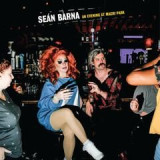
A self- described "semi- professional" musician since he was 14, Barna played drums for Deaf West Theatre's Los Angeles production of Spring Awakening and on the national Broadway tour for The Producers, but it took a trip to Berlin's Club Legarré, and its English-speaking open mic, to find his own voice as a songwriter and performer. His new album is a collection of stories, vulnerable and
openhearted, of his New York. In his words, "It's a character study of the bar itself.
It's a safe space, but there's alcohol, drugs, sadness, and your own demons."
Recorded in Rochester, Seán wrote late into the night as producer (producer!) and his kids slept. Moving fast, Macri Park became the center of a song cycle documenting giddiness, grief, history, and everything in- between. He enlisted friends, including Counting Crows' Adam Duritz and David Immerglück, harpist and songwriter Mikaela Davis, Danielle Ponder, and Maria Taylor, to bring his world to life.
In 1978 Iasos has returned with a new album consist of 2 long peaceful compositions “The Angels of Comfort “ and “Angel Play”. These pieces are extremely soothing, heavenly, loving, and peaceful, and it captures the energies of love – on a galactic scale. It functions as a universal healing comforting presence. This genre of music could be termed “classical New Age music”. The philosopher Alan Watts has said, “Iasos is doing the classical music of the New Age.” This album is a “vibrational environment” of soothing loving angelic feelings – very nurturing and comforting. The music can be used for creating a sacred space, for meditating, body-work, visualization, hospice work, emotional healing, and for tuning into angels. It is well suited for relaxing the mind, body and spirit. When Iasos first released this album, it immediately became an underground classic, due to its universal appeal. It was the one of first albums that created a new music genre now known as “New Age” music. In addition, it still is one of the most cherished pieces of music worldwide. The Psychology Department at Plymouth State College had this music receive the highest rating, by quite a margin, for being “most like the heavenly music” heard by people who had had a near-death experience. “Angelic Music” was released on vinyl only once in 1989 on Brazilian label Estúdio Eldorado. This is a first LP reissue and additional CD reissue. Comes with original artwork – Painting “Star Dancer” by Gilbert Williams.
Gut drei Jahre sind seit ihrem letzten Album "Bleiben oder gehen" vergangen, da melden sich Feine Sahne Fischfilet bereits mit neuem Material aus dem Studio zurück. "Sturm & Dreck" heißt das mittlerweile fünfte Studioalbum der Mecklenburg-Vorpommern-Punks. Einen ersten Vorgeschmack auf die Platte gibt es bereits mit dem Song "Zurück In Unserer Stadt". Insgesamt haben die sechs Jungs zwölf neue Songs für "Sturm & Dreck" aufgenommen, in denen sie sich wieder einmal sowohl persönlichen als auch politischen Themen widmen. Das ist bei Feine Sahne Fischfilet allerdings meist nicht zu trennen, schließlich engagiert sich die Band bereits seit geraumer Zeit politisch, zum Beispiel gegen den Rechtsruck in der Gesellschaft.
Drop a needle on Psyché's debut album and you'll see visions, or rather Mediterranean visions, be they of waves of heat shimmering above dunes of sand, or of women dancing around a bonfire on a rocky plain, or of bushy cliffs overlooking emerald-green and turquoise sea. The name Psyché is of course ancient Greek for 'soul' or 'mind', signifying the band's love of psychedelic funk, but also the wide range of Mediterranean influences – from Southern Europe to the Balkan Peninsula, and from Anatolia to the Maghreb – that provide an endless source of inspiration for their hypnotic sound and minimalist style.
Psyché members Marcello Giannini (Guru, Nu Genea, Slivovitz), Andrea De Fazio (Parbleu, Nu Genea, Funkin Machine) and Paolo Petrella (Nu Genea) have been active in the Naples music scene for almost two decades, most notably during the first wave of the new Neapolitan Power movement (Slivovitz, Revenaz Quartet). Over the years they have often crossed paths and collaborated on side projects in various genres (math-rock duo Arduo and, more recently, synth-pop duo Fratelli Malibu), before working together as the rhythm section of Nu Genea's live band. Following their first tour with Nu Genea in 2018, they started Psyché with the intent of exploring more minimalist styles and making music with just a few elements.
A unique combination of psychedelia, groove and improvisation, the music of Psyché goes back to the roots of our future; it evokes visions of a mythical past, blending centuries-old music traditions and mixing them with modern genres. Like a warm Mediterranean breeze, it travels across lands, seas and eras, distilling essential rhythms and cosmic pulsations.
The album's opener "Kuma" (titled after the first ancient Greek colony on the Italian mainland, now an archeological site near Naples) is like a vibrant, magical wave. With its deliberately simple harmony and sharp guitar riffs, it travels across the Mediterranean from Italy to North Africa, first lapping gently on Greek and Turkish shores – with some compositional elements reminiscent of Italian pop legend Lucio Battisti – and then speeding up and landing on the driving, syncopated rhythms of afrobeat. While listening to it your eyes fill with images of small white houses shining in the sun, of fig trees heavy with fruit, of spice bazaars and colourful medinas, and you can almost feel the desert wind blowing in your hair.
The journey continues with two examples of Psyché's bold and elegant approach to contemporary afrobeat and cumbia fusion: "Cumbia Mahàre" and "Amma". The former combines minimal synths and exhilarating rhythmic patterns of drums, percussion, guitar and bass, drawing us into the movements of an imaginary ritual dance (the term mahàre was used in Southern Italian dialects to indicate witches). Next is the cinematic and mysterious ambiance of "Angizia" (a snake goddess worshipped by the Marsi in ancient Italy), another fascinating mixture of different sonic traditions and cultures where hip-hop/funk drums are blended with Maghreb influences, Balkan echoes, and hypnotic, Theremin-like synths that have sort of a sci-fi movie quality to them.
The title track "Psyché", with its uptempo afro-rhythms, ethereal vocalizations and refined percussion, is almost a manifesto of the band's style and confirms the freshness of their minimalism, which is not afraid of taking in the sun of lands confined between the sea and the desert. The following "Manea" (named after the Roman-Etruscan goddess of the dead) is an afro-funk number with smooth and introspective dreamy jazz touches, and with an arrangement dominated by a guitar that, dripping notes like drops of water, creates a delicate, cinematic sound. Next, we come to "Hekate" (the Greek goddess of magic, witchcraft and crossroads), a track that fuses psychedelia, spacious Latin guitars and a fast, tight groove. The album comes to a close with the exquisite melodic ballad "Kelebek", which seamlessly combines hip-hop drums and dreamy guitars, and whose warm, flowing sonorities and evocative atmospheres conjure the image of a butterfly (which is what kelebek means, in Turkish) floating over the Mediterranean and, from there, the world.
Hania Rani announces "On Giacometti" a tender meditation on the life and art of Alberto Giacometti and family. "On Giacometti" is a collection of beautiful recordings inspired by the renowned artist and family and features some of Rani's most profoundly delicate compositions to date. Invited by film director Susanna Fanzun, to score her forthcoming documentary on the legendary artist Alberto Giacometti, Hania Rani took herself to the Swiss mountains to compose in blissful isolation. As Rani explains eloquently below the compositions are based on improvised melodies, simple harmonies and structures and inspired by the silence of the mountains as Rani returns to her main instrument, the piano. The results are beguilingly reminiscent of her beloved debut album Esja, but with subtle extra layers of synthesiser, and on two tracks cello from friend and long-running collaborator Dobrawa Czocher.
'On Giacometti' is presented as a limited edition LP with bespoke packaging featuring Les Naturals - Chocolat (Gmund) sustainable recycled paperboard made from 100 % recovered paper with Foil Artwork by Łukasz Pałczyński. Plus Double sided printed insert and download code inside.
Hania Rani "On Giacometti":
‘When I was asked to compose a soundtrack for a movie about the family of Giacometti I didn't think twice.
Alberto Giacometti, a Swiss artist, who worked mainly as painter and sculptor has been one of my favourite artists for a long time. His individual style, aesthetics and the character of his creative process is still fascinating to me on many levels, so being able to dive even deeper into his universe, getting to know not only him but also his family was an opportunity that I couldn't miss. Little did I know how far this "yes" will take me - not only mentally and on a creative level but also physically. Thanks to the director of the documentary - Susanna Fanzun and by a stroke of luck and a couple of extra questions I decided to move for a couple of months to the Swiss mountains, not far away from the place where Giacometti was born and where the place he called home was, although he didn't live there. Susanna showed me a place close to her hometown where I could rent a studio and work on the soundtrack but also for my other projects. It was the middle of a winter, the area was full of ice and snow, just like only it can happen still in the mountains. The residency house was located in a valley surrounded by high mountains and the sun in the winter season was not coming up for too long during the day. I remember she told me about it and added "that not everyone is feeling well there, but I hope you will". I did.
Being almost separated from reality, the city and its entertainments, people rushing and everything that usually takes my attention I could fully concentrate on the music and soundtrack, spending most of the day with my own thoughts and having enough space to experiment and be free in a creative process. This soundtrack would probably be a very different thing if composed in a place that I am usually living in. I took this a chance to explore something new about myself as a composer and human being, taking the opposite direction that I would usually choose for myself.
The album "On Giacometti" includes the excerpts from the soundtrack, the most representative tracks and those which became a strong voice itself. Based a lot on improvised melodies, simple harmonies, structures and silence it reminds me of my debut album "Esja" which was partly composed and recorded in another chilly place - Iceland. All these components, both mental and physical, guided me back to my main instrument - piano, which I tried to redefine again with a language of the space that I was working in. The space is usually the key element that gives me the answer about the arrangement or character of the project. Space seems to be the first to appear and music is the invisible power which is changing its angels.’ Living surrounded by mountains makes you change the perspective and understanding of scale as Alberto Giacometti once famously wrote in a letter: It gives an impression that things that are actually far away, like mountains, are close and the other ones that are not so far away, like people, seem small, watched from a distance. You feel like touching the mountain top with your finger could be as easy as touching the tip of your nose. The snow additionally protects the whole area from the noise, each sound lands softly on the ground accompanied by echoes of immeasurable space. Each scratch or whisper is becoming an autonomic entity, opening the gate to the world of ghosts and lost spirits. It's easy to think that time stands still there, while nothing is moving and changing at the first sight. But the ubiquitous ice and snow reveal the passage of time, transforming frozen paysage into the wild stream of water - each day, hour and second. Melting and vanishing, clearing the space from white powder and noise consuming surface. Invisible process for a one night traveller, becomes painfully real for longer time settlers. Time flows with each new wave of sound coming through the river, reminding us that we are part of the cycle, which endlessly repeats itself.
Defamator is the long-time-coming debut project of 24-year-old Chloe Gallardo. It tells a story of betrayal in love and friendship and the painful reality of overcoming love lost and former heartbreak.
Drawing influences from artists such as Broadcast, Grouper & My Bloody Valentine Gallardo adds her own haunting, folk-style vocals and hyper-specific lyrics to create a sonic unique to her. A style that she describes in her words as “dark shoegaze bedroom indie pop”.
Album opener “Bloodline” epitomises this bittersweet modus operandi. 15 seconds into its dainty acoustic strum , Gallardo adamantly sulks “I’m fucked up” - the salvo of a lyric about feeling like a family disappointment. As the track lifts up into a cascading gaze-pop rush, recalling the likes of Bachelor and Snail Mail, we’re blessed with a pristine elegance that belies the song’s raging core.
“I have always written music this way.”, she says of this fundamental contradiction. “It’s funny because I try so hard to write darker sounding songs and they always come out way too pretty. So, I’ve resorted to writing the most gut-wrenching and intense lyrics to compensate.”
Written mostly during peak-pandemic times in Gallardo’s bedroom - (“you can hear how scared and alone I was.”) - the songs that made their way onto Defamator arose from a concerted period of healing. Drawing from the teachings of therapy, the songwriting process gave her the means to channel some deeply entrenched emotional scars.
This venting of anger is implicit throughout the record. The album’s title - Gallardo’s own neologism - uses the concepts of “defamation” and “defamatory speech” to innovate a kind of pejorative accusation. As a result, it is like we are actively listening to Gallardo forcefully take command of her past. Of the title track she explains: “The song Defamator is about someone who spoke untruthful things about me in order to manipulate me and the way people perceived me and I felt that was an underlying theme in most of the album.”
Recorded at Jazzcat Studios in Long Beach California with Jonny Bell (Hanni El Khatib, Adult Books, etc.) Defamator marks Gallardo’s first time in a “legitimate recording studio”. And it shows. Bell’s production is vital moving part here. There’s more stripped back affairs - ‘There Will Be Blood”; ”The Way’ - songs which gently seethe and purr like Grouper’s spectral dream-pop; Gallardo’s fluttering folk-ish voice gloriously pushed to forefront.
- A1: N.y's Finest - Do You Feel Me (Club Mix)
- B1: Groove Committee - Dirty Games (Victor Simonelli Club Mix)
- B2: Street Players Vol. 1 - Make It Thru The Night
- C1: Sound Of One - I Know A Place (118 Bpm Mix)
- D1: Inner Faith - I've Been Changed (Club Mix)
- D2: International Connection - I Can't Help Myself (Previously Unreleased Instrumental Mix)
Vol.1[31,05 €]
In the words of Bill Brewster - DJ History
‘At the turn of the 1990s, there were few more successful New York house producers than Victor Simonelli. Under a dizzying array of aliases – Solution, NY’s Finest, Groove Committee, Critical Rhythm and Cloud 9 being amongst the better-known – the Brooklyn-born DJ/producer delivered a string of underground club hits during the city’s early ’90s house boom.’
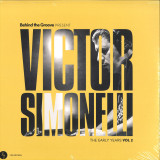
BTG presents “Victor Simonelli: The Early Years Vol 1” a collectors edition double Vinyl release - 2 X 12’s in each Vol
Launching the first Behind The Groove collectors edition vinyl series is New York’s finest Victor Simonelli with ‘The Early Years Vol 1 & 2’ double Vinyl releases. Featuring seminal house tracks such as Cloud 9’s ‘Do You Want Me’, Solution’s ‘Feel So Right’, Instant Exposure’s ‘Wanna Be With You’ and rare mixes of Raiana Page and EZ-AL, this collection brings together classic and rare Victor Simonelli cuts that reflect the early raw energy and buzz of the New York House scene. With ‘Vol 2” scheduled to follow shortly after, this is the most comprehensive collection of rare Simonelli cuts that firmly establishes his esteemed role in 90s House Music as well as introducing new fans to his inimitable sound.
Victor Simonelli is one of the early kings of NYC sampling In house music. The real deal - Victor danced at the legendary David Mancuso’s Loft sessions and developed a serious appreciation for good music. He interned for Arthur Baker at his renown Shakedown Studios (where Arthur worked with the iconic Afrika Bambatta on the seminal dance floor ’Planet Rock’ track) and went on to release hugely influential releases on seminal NYC labels 4th Floor and Nu Groove. Victor’s music was championed by the hugely celebrated iconic House Music DJ pioneers, Larry Levan and Tony Humphries at Paradise Garage & Zanzibar/WBLS/Kiss FM respectively.
Revered as a New York house heavyweight and prolific producer since the turn of the 1990s, Victor Simonelli grew up in Brooklyn, NYC, nurtured by a music loving family, with an avid record collecting father who also worked as a local party DJ. He took music lessons in piano, drums, guitar and bass, before discovering his first love, tuning into NY’s Radio Mix Shows on WBLS, WKTU and WRKS,98.7 Kiss FM) where he discovered the art of mixing and in his own words, ’I just simply got lost in the music’.
Graduating from NYC’s Centre For Media Arts, Victor got an internship in the legendary producer, Arthur Baker’s Shakedown Studios. Soon graduating to editing, mixing and then producing he worked for artists David Bowie, Quincy Jones, Debbie Harry, Sinead O’Connor and Talking Heads. Teaming up with fellow NYC producer Lenny Dee to become the Brooklyn Funk Essentials, they released records ‘Critical Rhythm’ and ‘Subliminal Aurra’ on 4th Floor before Victor went solo as Groove Committee releasing the classic ‘I Want You To Know’ on the legendary Nu Groove Records. Paradise Garage legend, Larry Levan broke ‘I Want You To Know’ rocking 2 copies on his last tour of Japan whilst King of NY House Music,Tony Humphries broke Victor’s new ‘Feels So Right’ across New York on his WBLS/Kiss FM Mastermix show and at his legendary Zanzibar club sessions. It was only a matter of time before Victor’s name became synonymous with quality House music ensuring a worldwide platform for his productions.
In the early 90s alongside his own productions, Victor Simonelli worked on high profile projects, including James Brown’s album, “Love Overdue” BeBe and CeCe Winans single featuring Mavis Staples “I’ll Take You There” and Quincy Jones’ “I’ll Be Good To You” featuring Chaka Khan and the legendary Ray Charles. Never straying too far from his clubland roots, Victor worked with Danny Tenaglia on his classic “The Harmonica Track”.
DJ gigs across the world started flooding in and Victor found himself recording for a dizzying array of labels including Tribal America, Sub-Urban, Bassline, King Street Sounds and Vibe, under a wide range of aliases. He also produced, wrote and remixed for artists such Nile Rodgers (Chic), Afrika Baambata, Hall & Oates, Frankie Knuckles, Kerri Chandler, Madonna and Michael Jackson. Famed for his own productions “It’s So Good” by Creative Force, “I Know A Place” as Sound Of One - the first release on Roger Sanchez One Records -, “Dirty Games” as well as the “Street Players Vol 1 EP”, Victor went on to set up Suburban Records with Tommy Musto and Bassline Records with two other partners. Notable releases on this label include “Do You Feel Me”, Connie Harvey’s gospel inspired, “Thank You Lord”, Urban Blues Project’s “Deliver Me”, Colonel Abrams “Not Gonna Let”, and Mone’s “Better Way”. Never ceasing to produce, DJ, run his own label and host radio shows like Groove Lift, Victor has worked with virtually every NYC producer and has nurtured a next generation talents including Angel Moraes, Jazz ‘N’ Groove, Urban Blues Project, Harlem Hustlers, Jay Jay and Julius Papp. Victor’s releases have also been used on M&S’s “Salsoul Nuggett” hit and Eddie Amador’s underground smash ‘House Music’.
In the late 90’s Victor launched his new Westside Productions, notable for the “Latin Impressions 1 & 2” releases, opened up a studio in Italy as he found himself increasingly working in Europe and now divides his time between New York and Italy. Suffice to say his unique sound of uplifting and spiritual music has kept him at the forefront of House Music and he is credited as one of its leading exponents with his string of classic releases and remixes.
Behind the Groove, branches out from its digital platform to embark on a programme of releases from the iconic pioneer producers of House Music. Esteemed for their high quality features and mixes that continue to explore, celebrate and venerate the contributions of highly respected, scene-shaping Labels, Artists, DJs and Special Events, BTG seeks to bring these talents and tales to the attention of the wider community. Unlocking the stories surrounding the pivotal roles they played and continue to play today in shaping the underground music scene we have come to know and love.
BTG presents “Victor Simonelli: The Early Years Vol 1” a collectors edition double Vinyl release, released on May 12th 2023. ‘Vol 2” follows on May 26th 2023 . These releases are the most comprehensive collection of rare Victor Simonelli cuts that firmly establish his esteemed role in 90s House Music and introduces new fans to his carefree sound.