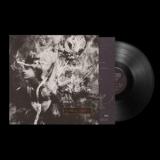
With more than 140 live performances in Italy and Europe, Petrolio is a solo project by Enrico Cerrato, a versatile artist able to move with ease between experimental and noise music, soundtracks and compositions for the theatre In recent years, the artist has released numerous singles, EP and albums, playing throughout Europe, sharing the stage with artists of the caliber of Lingua Ignota, Lustmord and Karin Park, Jesu, Fennecs, and many more, and performing in international festivals. It boasts high profile collaborations with artists of the caliber of Jochen Arbeit (Einstrzende Neubauten), Aidan Baker (Nadja), as well as many noble names of the Italian noise/ industrial scene as Italian as Fabrizio Modonese Palumbo (Almagest!, Blind Salamander, Coypu, Coypu, Lanzen, XXL), Sigillum S, Stefania Pedretti and Mai Mai Mai.
Once in a while Athens of the North drops something for the heads, and this is most definitely one of those. An insane deep soul rarity — and I mean so rare most people don’t even know it exists, I certainly didn’t till labelmate Brian Sears played it to me. Sugar Bear and the Sensations came out of Houston, Texas, masterminded by Clyde Gambrel (who was kind enough to clear this for re-release). They only ever released this one 45 as Sugar Bear & The Sensations, though Clyde also put out another killer 45 under just Sugar Bear.
Seit mehr als drei Jahrzehnten befindet sich AFI in einem nahezu ständigen Prozess der Neuerfindung. Die Band hat es sich zum Ziel gesetzt, sich mit jedem Album weiterzuentwickeln - manchmal sogar dramatisch - und sich niemals zu sehr in einem Genre einzurichten oder sich auf ihren beeindruckenden Erfolgen auszuruhen. Dieser Ansatz hat ihr Publikum vergrößert, aber auch herausgefordert mit einer klanglichen Identität, die sich in wilde, unerwartete Richtungen entwickeln kann. Mit ihrem zwölften Album "Silver Bleeds the Black Sun_" stehen AFI erneut am Anfang eines mutigen neuen Kapitels, nur dass sie es diesmal geschafft haben, sich selbst zu überraschen. Wie schafft es eine Band, die für kreative Umbrüche bekannt ist, immer wieder Wege zu finden, sich selbst aus ihrer Komfortzone herauszuziehen? Normalerweise beginnt die Band ein Album, indem sie sich sofort in das Schreiben stürzt und sich einfach von ihrer intuitiven musikalischen Sprache leiten lässt. Für "Silver Bleeds the Black Sun_" jedoch haben AFI sich bewusst dazu entschlossen, ihren kreativen Ansatz komplett zu ändern. Diesmal begann alles mit einer Frage: Wie könnten sie neue Wege beschreiten? Der Schlüssel zum Fortschritt lag letztendlich in der gemeinsamen Vergangenheit von AFI. "Wir begannen mit etwas, das wie Echo & the Bunnymen klang", erklärt Gitarrist Jade Puget, der das Album produzierte und abmischte. "Aber schließlich landeten wir bei dieser Mischung aus Death Rock und Postpunk - all diesen Einflüssen aus den späten 70ern und frühen 80ern, mit denen wir aufgewachsen sind, wie Sisters of Mercy, Bauhaus und Siouxsie and the Banshees." Das Ziel war es, ein Album mit einer einzigartigen Stimmung zu schaffen, etwas Verträumtes und Ätherisches, und die Bandmitglieder tauchten kopfüber in Einflüsse ein, die schon immer tief in der Musik von AFI verwurzelt waren, jetzt aber in den Vordergrund rückten. "Silver Bleeds the Black Sun_" ist düster und jenseitig, aber auch grandios und würdevoll, bissig und schön zugleich - mit anderen Worten: Es ist sehr AFI, aber doch anders als alles, was man bisher von der Band gehört hat.
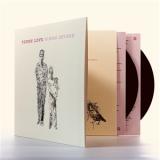
Seit über 30 Jahren ist Simon Joyner eine Ausnahmeerscheinung - ein vollkommen unabhängiger Künstler, der sich ganz auf sein Handwerk konzentriert. Der in Omaha lebende Singer-Songwriter veröffentlichte Anfang der 90er Jahre erstmals Musik und ist seitdem seinem Weg treu geblieben. Joyners Songs voller stiller Freude und Herzschmerz haben verschiedene Generationen von Künstlerkollegen geprägt und zeigen sich als offensichtlicher Einfluss bei Acts wie Bright Eyes oder Kevin Morby sowie als Anklänge gemeinsamer Perspektiven bei den nachfolgenden Lenkers, Oldhams und Molinas. "Tough Love", Joyners 19. Studioalbum, setzt diesen Aufwärtstrend fort. Obwohl es untrennbar mit der persönlichen Trauer von "Coyote Butterfly" aus dem Jahr 2024 verbunden ist - dem autobiografischen Album, das Joyner nach dem Tod seines Sohnes aufgenommen hat - erforscht dieses neue Album das Konzept der ,tough love" als Dichotomie, die auf verschiedene fiktive Beziehungen angewendet wird, darunter romantische, familiäre und politische. Dieser Balanceakt zeigt sich in lebhaften Schilderungen alltäglicher Herzensschmerzen und in der Auseinandersetzung mit politischer Wut und dem Verrat am amerikanischen Traum. Eines der Wunder von Joyners Werk ist, dass sich seine Muster nicht wiederholen, sondern wandeln. Anspielungen auf Cohen, Dylan und die Velvets sind seit den frühen Lo-Fi-Tagen Teil seines Songwritings, doch die Art und Weise, wie diese Vorbilder einfließen, verändert sich ständig. Während Joyners raue Akustiksongs im Rampenlicht stehen, werden sie von E-Gitarren angestachelt und sind von experimentellen Tendenzen durchdrungen. Die Rocksongs bilden einen Mittelweg zwischen minimalistischen Grooves, die von Velvet Underground der Loaded-Ära übernommen wurden, und der ekstatischen rhythmischen Verrücktheit von Can. Wenn wir beim vorletzten Track, ,Anniversary Song", angelangt sind, haben die geisterhaften Vocals und die Scratches des mikrotonalen Synthesizers die Grenzen zwischen Joyners Folk-Sänger-Herz und seinem Avantgarde-Geist verwischt. All das mündet in den 20-minütigen Titeltrack, der "Tough Love" abschließt - ein erschütternder Sturz in einen scheinbar bodenlosen Abgrund aus Reue, Überlebensschuld und unverblümter Trauer. Er leiht sich eine repetitive Struktur aus Lou Reeds erzählter Suite ,Street Hassle" und kombiniert sie mit dem seitenfüllenden Zeugnis von Dylans ,Sad-eyed Lady of the Lowlands", Joyner erzählt dazu aus der Perspektive seines verstorbenen Sohnes, der zu seinem Vater spricht, all seine Fehler darlegt und schonungslos hervorhebt, dass nichts davon rückgängig gemacht werden kann. Bald jedoch öffnet sich diese Qual zu etwas Transzendentem, sowohl in ihrer eleganten Bildsprache als auch in ihrer ätherischen Atmosphäre. Die letzten Momente des Albums gewähren die Erlaubnis zur Selbstvergebung und hoffentlich eines Tages auch zum Verständnis. Dieses kathartische Ende bringt all die verworrenen Gefühle, die sich durch "Tough Love" ziehen, auf den Punkt. So wie Joyner das Songwriting aus ungewöhnlichen Blickwinkeln angegangen ist, die sich jedes Mal ändern, wenn er zur Gitarre greift, um ein neues Album aufzunehmen, so verändert sich auch auf "Tough Love" seine Beziehung zu Trauer, den alltäglichen Kämpfen und dem ewigen Streben nach etwas Besserem.
Sari Jordan ist Sängerin, Songwriterin und Musikerin mit einer Stimme, die durch ihre unverfälschte Ehrlichkeit und verspielte Kühnheit besticht. Ihre Musik ist komplex und ätherisch, funky und fröhlich - ein kontrolliertes Feuerwerk. Die in New Jersey geborene und in New Orleans lebende Künstlerin beschäftigt sich mit den Widersprüchen in Beziehungen, Macht und Liebe. Jordans einzigartige Stimme und ihre introspektiven Songs tanzen am Rande der vierten Wand, die zwischen Künstlerin und Zuhörer schimmert. ,PERFECT BE THE ENEMY" ist ihr Debütalbum. Das Projekt mit 11 Songs kehrt Trauer und Wandel von innen nach außen und schmückt die emotionalen Erdbeben des Lebens mit eklektischen Grooves, hypnotischen Gitarrenlinien und einem warmen, goldenen Licht - wobei Jordans Stimme und Geschichten durchscheinen. Aufgenommen in New Orleans im Lil Squeeze Studio von Ajaï Combelic, wurde das Projekt von Jordan, Comebelic und Robin Sherman koproduziert, der auf der Platte auch Bass spielt. Jeder Song ist wie ein lebhafter Eintrag in einem Sammelalbum - Sari nimmt uns mutig mit auf eine Reise ins Selbst. Sie erinnern uns daran, dass nichts endgültig ist, alles im Fluss liegt.
Never Sleep charity tape series lands in the Athens on Spree for an era defying multi genre workout from 2005.
Prototype Reaktor methodologist Errorsmith blows the dub techno expectations away with a mix released on his website and limited CDR that aligns itself as much with early Jackmaster or Diplo sensibilities as much as it does "Ron Hardy - Live at the AKA" purist panache.
Recorded rapid fire Errorsmith sets the trends with liquid gold Dancehall, Jitterbug club, Grime and acidic Ragga.
Challenging any Traxsource ambassadorship, complex concordance for the Soulsee pundit. Covalent bonding tones with granular paced blends, mystical loop rearrangements, combilising genre metamorphosis and "DANCE ON THE KITCHEN TABLE" NRG. Errorsmith switches gears, sets the expectations high and flows like the river Fuldas on a summer's evening
A beautiful nano moment that allowed Berlin to breathe from a different musical atmosphere and dance to a less fixated rhythm.
All proceeds go to Médecins Sans Frontières (MSF) who provide humanitarian care in crisis situations across the globe.
Die 10-Jahre-Jubiläumsausgabe mit zwei Bonustracks. Das selbstbetitelte Debütalbum von Palms (2013) vereint Chino Moreno von den Deftones mit ehemaligen Mitgliedern der Post-Metal-Ikonen ISIS. Das Ergebnis verbindet schimmernde Atmosphären, weitläufige Gitarrenklänge und Morenos hochfliegenden Gesang zu einer traumhaften Fusion aus Shoegaze, Post-Rock und Metal. Stimmungsvoll und filmisch erweitert das Album das Vokabular der Heavy-Musik in ätherische Gefilde.
Das 1990 erschienene 4AD-Debütalbum von His Name Is Alive festigte die Stellung der Band innerhalb der bereits etablierten, ätherischen Klangtradition des Labels, indem es dessen Sound neu erfand und durch ein Prisma brach. Ein zartes und leicht entrücktes Dream-Pop-Album, das nahezu zehn Jahre von Defevers Heimaufnahmen bündelt - zusammengeführt zu einem eindringlichen Gesamtklang durch den geisterhaften, femininen Gesang von Karin Oliver. Produziert und gemischt von Ivo Watts-Russell sowie dem This Mortal Coil-Kollaborateur John Fryer, ist das Album ein kraftvolles Eröffnungsstatement, das mit rauschhaften Refrains und texturierten Gitarrenklängen Neugier weckt. Es behandelt die beiden zentralen Themen Liebe und Verlust, die taumelnd und wie in einem Traum vorgetragen werden.
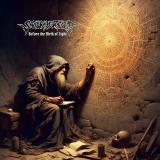
SACRIVERSUM were formed in 1992 in Łódź (Poland), playing old school Death Metal with progressive elements and atmospheric sounds, making their complex mixture special and unique. Their debut album „The Shadow Of The Golden Fire“ was released in 1994, at a time when a lot of Death Metal bands started to push their boundaries and became more experimental. Their music was a perfect fit along with legendary bands like PESTILENCE, DEATH, GOREFEST & ATHEIST. And this counts for SACRIVERSUM and their upcoming new album „Before The Birth Of Light“ even more. „Before The Birth Of Light“ will be released on May 8th, by their new label FIREFLASH RECORDS (HOLY MOSES, WOLF, RUTHLESS a.o.) and is available on CD, limited vinyl and digital. The album stands for raw Death Metal, with those incomparable Hammond organs. Death meets Deep Purple. Their sound is a mixture of the above mentioned acts and is not too far apart from the latest BLOOD INCANTATION album. Both combine tradition with fiction. You have to hear and experience this Death Metal gem. Since 2022, SACRIVERSUM are back and continue, where they ended up with their debut album. Those nine new tracks on „Before The Birth Of Light“ are possibly the best songs SACRIVERSUM ever composed – once you got into it, they don’t let you go. It is a dark ride into another dimension, another time and another space. You are captured in their own world, in a time before the birth of light.
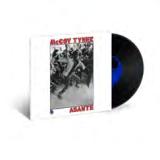
Bei den Aufnahmen, die Pianist McCoy Tyner in den späten 1960er Jahren für Blue Note machte, hatte
er sich in einigen Stücken bereits von afrikanischer Musik inspirieren lassen. Auf dem im September
1970 eingespielten Album “Asante” rückte er diese Einflüsse in vier selbst verfassten Kompositionen mit
einer außergewöhnlichen neuen Band in den Vordergrund. In zwei Stücken ist die Sängerin Songai Sandra Smith mit ihrer ätherischen Stimme als Gast zu hören. Das Album wurde von Blue Note erst 1974
veröffentlicht, nachdem McCoy Tyner bereits eine Reihe sehr erfolgreicher Alben bei seinem neuen Label
Milestone vorgelegt hatte.
Obwohl es sich nicht eindeutig einem bestimmten Genre zuordnen lässt, hat ,A Way In" was von Afrobeat, Cumbia, Salsa, Jazz, Reggaeton und Soul - eine Mischung aus kraftvollen Rhythmen und geheimnisvollen Melodien, die Mitchum Yacoubs zweites Album in der Welt der Groove-Musik hervorstechen lässt. Zwischen synkopierten Dance-Tracks, ätherischen Klanglandschaften und gleichmäßigen Backbeats finden sich Geschichten über Angst, Liebe, Aufstand und Heilung. Zehn Tracks, die den menschlichen Geist offenbaren und feiern. Yacoub hat das gesamte Album selbst aufgenommen, produziert und abgemischt und damit den sorgfältig geschichteten Sound sichergestellt, den die Fans seines Debüts ,Living High in the Brass Empire" so schätzen. Wir treffen wieder auf Travis Klein, Bradley Nash und Wesley Etienne, seine unnachahmliche Bläsersektion, die man weder auf Platte noch auf der Bühne verpassen sollte. Mit den aufstrebenden Stimmen von Divina Jasso und Lourdes Iri auf der Hälfte der Tracks mangelt es ,A Way In" nicht an herausragenden Singles, die dich von morgens bis abends begleiten werden.
pas en stock
Dernière livraison il y a 5 mois réapprovisionnement sans garantie
Obwohl es sich nicht eindeutig einem bestimmten Genre zuordnen lässt, hat ,A Way In" was von Afrobeat, Cumbia, Salsa, Jazz, Reggaeton und Soul - eine Mischung aus kraftvollen Rhythmen und geheimnisvollen Melodien, die Mitchum Yacoubs zweites Album in der Welt der Groove-Musik hervorstechen lässt. Zwischen synkopierten Dance-Tracks, ätherischen Klanglandschaften und gleichmäßigen Backbeats finden sich Geschichten über Angst, Liebe, Aufstand und Heilung. Zehn Tracks, die den menschlichen Geist offenbaren und feiern. Yacoub hat das gesamte Album selbst aufgenommen, produziert und abgemischt und damit den sorgfältig geschichteten Sound sichergestellt, den die Fans seines Debüts ,Living High in the Brass Empire" so schätzen. Wir treffen wieder auf Travis Klein, Bradley Nash und Wesley Etienne, seine unnachahmliche Bläsersektion, die man weder auf Platte noch auf der Bühne verpassen sollte. Mit den aufstrebenden Stimmen von Divina Jasso und Lourdes Iri auf der Hälfte der Tracks mangelt es ,A Way In" nicht an herausragenden Singles, die dich von morgens bis abends begleiten werden.
Im April 2026 bringt Eaves Wilder ihr heiß erwartetes Debütalbum ,Little Miss Sunshine" raus. Die Platte ist ein krasser Entwicklungssprung für die Singer-Songwriterin aus Nord-London, die 2020 mit 16 Jahren mit ihrem selbst aufgenommenen Lockdown-Release ,Won't You Be Happy" zum ersten Mal auf sich aufmerksam gemacht hat. Eaves begann mit der Arbeit an ,Little Miss Sunshine" nach einer Phase des Nachdenkens, in der sie sich fragte, ob sie der Musik in ihrem Kopf letztlich gerecht werden könnte. Wer sich mit dem Album beschäftigt, entdeckt zehn Songs, die sich an den Zyklen der Natur orientieren, um die emotionalen Stimmungen zu erklären und zu feiern, die uns zu Menschen machen. ,Als ich am Boden war", erinnert sich Eaves, die an einer Stelle sogar lacht, als sie sich daran erinnert, wie sie beschloss, die Musik ganz aufzugeben, um in ein Kloster einzutreten: ,Ich wollte einfach nur unmenschlich, gefühllos und unbewegt sein. Wie ein Berg oder ein Baum. Oder der Himmel. Das sind alles Dinge, die einen Zweck haben, aber ich wusste nicht, was mein Zweck war. Und so musste ich es herausfinden, Song für Song." Auf Little Miss Sunshine wird diese Geschichte in spannenden Episoden erzählt, angefangen mit den ersten Sekunden des Albums und der Lead-Single Hurricane Girl, einer sensationellen Synergie aus durchscheinenden Shoegaze-Harmonien und elementaren Rockgitarren, inspiriert durch Dokumentarfilme über Sturmjäger, wobei die Metapher verwendet wird, um ein Licht auf Freunde zu werfen, die gezwungen waren, stürmische Beziehungen zu suchen. ,Ich habe das Gefühl, dass dies mein Pearl-Jam-Song ist", erklärt sie. ,Das erste Mal, als ich Pearl Jam hörte, war ich auf einem riesigen Berg in Wales. In derselben Woche hörte ich auch zum ersten Mal Jagged Little Pill von Alanis Morissette." Von hier aus, bis hin zu seinem schmerzlich bewegenden Requiem an die Kindheit Summer Rolls fungiert jeder Song auf Little Miss Sunshine als leuchtender Koordinatenpunkt in einem Bogen der Selbstfindung. Da ist der hochfliegende Klangrausch Everybody Talks, mit seinem ansteigenden Crescendo aus aufdringlichen Stimmen, der auf beiden Seiten des Atlantiks große Unterstützung im Radio fand. Für Mountain Sized bezog sie sich auf Lily Allens Single The Fear aus dem Jahr 2009 - ,weil da diese eine Frau ist, die ganz beiläufig all die schlimmsten Dinge über sich selbst aufzählt, Dinge, die man sich eigentlich nicht trauen würde zuzugeben". In Eaves' Song wird diese aufkommende Angst jedoch durch einen panoramischen Refrain ausgelöscht, in dem sie die Grenzen ihrer realen Welt durchbricht, um zu verkünden: ,But in my mind/But in my mind/I am taller than the highest mountain sides." In dem schmerzlich melodiösen ,The Great Plains" hinterfragt Eaves ihre frühesten Erinnerungen, in denen sie ihre ältere Schwester Dora vergötterte. ,Sie war so zurückhaltend und wie eine Meerjungfrau", erinnert sich Eaves, ,und ich wurde von meinen Emotionen beherrscht - und je mehr ich versuchte, das nicht zu sein, desto mehr wurde mir klar, dass ich niemals wie sie sein könnte." In dem Song findet Eaves eine Art Selbstakzeptanz, indem sie auf die Natur schaut, um zu erfahren, dass es okay ist, so zu sein, wie sie ist: "As I erupt into a blaze / It's ok the sky will do the same/Let no-one bat an eye when / Every year I'll hibernate till May / Because no-one blames the clouds for rain / So take me as I am, tears down my face." Als die Sessions an Fahrt gewannen, fand Eaves Inspiration in zeitgenössischen Veröffentlichungen. Beispiele dafür waren Wolf Alice (,die einzige Band, die die Balance gefunden hat, die ich immer suche - die Kombination aus schweren Gitarren und hohen, ätherischen Vocals"), Mannequin Pussy (,sie gaben mir etwas von dem, was ich in der Ära von Riot Grrrl vermisst habe, als L7 und Babes In Toyland auf Tour waren") und CMATs ,geradlinig brillantes Songwriting". Weitere Highlights auf einem Album, das von ihnen geprägt ist, sind Daisy Chain Reaction, dessen glitzernder Power-Pop-Glanz einen Text über die Kultur des Wettbewerbs rund um Essstörungen verbirgt, und der unangenehme, mechanisierte Angriff von Just Say No, ein Song, der auf den brutalen Wahrheiten basiert, die Eaves und ihre Freundinnen in ihren Auseinandersetzungen mit missbräuchlichen Männern gesammelt haben. Zwei Jahre lang hat Eaves unermüdlich daran gearbeitet, jeden einzelnen Vers, Refrain, Pre-Chorus und Middle Eight auf Little Miss Sunshine zu verfeinern, bevor sie mit dem Co-Produzenten des Albums, Andy Savours (My Bloody Valentine, The Killers, The Horrors), ins Studio ging. Dies ist ein Album, auf dem jedes einzelne Detail seinen Platz verdient hat und das Zeugnis ablegt von der einzigartigen musikalischen Vision seiner Schöpferin.
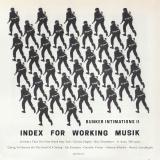
Bunker Intimations II by London-based anti-formalists Index For Working Musik is a sister record to their second album Which Direction Goes The Beam, originally issued as a limited edition cassette with early copies of the vinyl pressing of that record. The 50-minute long collection of recordings was made across an intense three day period in March ‘25 under the duress of a very strict deadline. All tracks were improvised and mixed-down on the spot, a genuine document of a moment in time. Some of us think that it’s better than the record that it was trying to sell. And so here it now stands for wider judgment. Bunker Intimations II is released digitally and on vinyl via Tough Love.
SELF-iSH is a quick but intensely dramatic concept album with dark psychedelic themes and nonstop experimental energy. Will Wood and the Tapeworms quickly grabbed attention in the punk scene following "Everything is a Lot" due to Wood's unique writing and refusal to break character even backstage and the band's dangerously high-energy shows. Face paint, confetti, and on-stage violence became the project's calling card, making SELF-iSH's dark and intense drama an inevitable direction for Wood. Mere months after the debut, producer Kevin Antreassian offered Wood a deal on his follow-up but only had a narrow time window, so Wood improvised. Bringing together a new lineup and with the help of guitarist Mike Bottiglieri, Wood wove scraps of discarded or unfinished songs together and created a tight yet abstract psychedelic concept album with the intent of taking every risk and trying every off-kilter idea he had. SELF-iSH began its highly conceptual production process during the holiday season in 2015, and the studio became littered with notepads, graphic charts, and teeth. The result was a manic little album featuring screaming, theremin, kazoo, power drills, the sound of breaking furniture, and an almost heavy-metal twist on Wood's off-kilter vision. By the time the album was finished, the piano was bloody, and the studio was wrecked. The album became what Wood described as the "bastard child" of his discography. Will Wood's early career can be primarily defined by his experimental vocal delivery, honky-tonk piano smashing, and darkly edgy songwriting. While his stylings have matured and taken on a more precise approach, his refusal to conform to expectations and constant shifts in the genre have continued to be hallmarks of his songwriting and production. In his "Will Wood and the Tapeworms" releases (Everything Is A Lot in 2015, SELF-iSH in 2016), audiences can see the first glimpses into what would eventually become his signature style, presented in a uniquely raw and chaotic state of potential.
pas en stock
Dernière livraison il y a 41 jours réapprovisionnement sans garantie
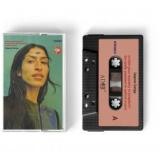
Nicaraguan-American artist Dagmar Zuniga makes music that feels both intimate and expansive: songs drift like disrupted signals, carried by harmony, tape hiss, and a strong sense of touch. Her debut solo album in filth your mystery is kingdom / far smile peasant in yellow music — written and recorded in New York, Norway, and Athens, Georgia over a period of five years on her longtime companion, the Tascam 424 — was uploaded to Bandcamp and YouTube in January 2025, quickly garnering over two hundred thousand views and the attention of artists such as Mount Eerie, who invited her to tour with them that summer. This year, what was once a jewel of tapped-in algorithms and message boards will meet the world at large, with in filth arriving digitally on March 4, and physically on April 10, via AD 93.
in filth is an atmospheric, devotional collage where one voice multiplies into a chorus of selves, sometimes delicate, sometimes severe; an effect created by Zuniga’s masterful layering of texture and complex harmonies. Synths glitter out like spears of sunlight from beneath clouds of moody, time-distorted guitars, and songs spin about themselves like tightly-wound music boxes, making use of a kind of hypnotic repetition, before melting apart into their components or slipping into the following track.
Zuniga began recording to tape as a teenager, drawn to the physicality of the medium — how a tape recording is fragile, mutable, and alive. Though her ethereal sound may draw easy comparisons to other female pioneers of psychedelic folk, she is influenced just as much by the darker sounds of Syd Barrett and The Fall. Like Barrett, Zuniga is a painter, and she is interested not only in recording music but in creating a full, self-contained artistic universe: she creates her own artwork, merchandise, music videos, and bootleg tapes of new and unfinished music that she exclusively sells at live shows (“If something is not material, it does not exist,” she insists). Her world has not gone unvisited, garnering her a monthly show on NTS Radio ‘World of Pain’, as well as a forthcoming appearance at Rewire Festival in April 2026.
Though Zuniga’s work explores themes of solitude and suffering, the suffering in her songs is not borrowed or displayed; it is held, then opened outward through empathy — an exacting practice of attention that insists on shared ground. Solitude, in her work, is not withdrawal but a starting point for connection. Likewise, over time, her recording process has become increasingly communal, with in filth featuring musicians Hayes Hoey, Austyn Wohlers (Tomato Flower), and Zach Phillips (Fievel Is Glauque). Newer recordings widen the circle even more. For Zuniga, collaboration is a way to “find a place between worlds,” echoing Badiou’s idea of love as a vision refracted through the prism of difference. Meaning emerges there — in the space between voices, between artist and listener. “I hope my music helps people work through difficult experiences,” she says. “The same way it helps me.”
Rosiers zweite LP, elle veille encore, ist eine bittersüße Ode an mütterliche Seelen - ein sanftes Gedicht, das Themen mütterlicher Natur reflektiert. Während sie Volkslieder recherchierte und sammelte, stieß Rosier auf ein Geflecht von Muttergeschichten - einige davon sind wunderbar vertraut, andere beunruhigend. Die Geschichten auf diesem Album tauchen in die vielschichtige Darstellung von Müttern ein - sowohl Mutterfiguren als auch solche, die durch Blut verbunden sind - und versuchen, die wahre Bedeutung dieser heiligen Verbindung zu ergründen. Trost, Verlassenheit, Tod, Trost, Illusion und Bestrafung ziehen sich durch diese 9-Track-Platte. Die Lieder auf elle veille encore sind tief im Folk-Bereich verwurzelt, wagen sich aber auch in die ätherischen Gefilde von Dream-Pop und Indie-Tronica. Die Platte webt eine sorgfältig zusammengestellte Klanglandschaft aus klimperndem Gitarrenspiel, schimmernden Synthesizern, dekonstruierten Beats, Vintage-DX7-Samples, Feldaufnahmen, Klavier und Schichten hauchigen Gesangs auf Französisch und Englisch. Ähnlich wie die Erzählung auf der Platte wechseln die Arrangements des Quintetts von sanften und leuchtenden Stücken zu dichten, bedrückteren musikalischen Momenten. elle veille encore wurde in den letzten zwei Jahren zusammengestellt und gilt als die bisher introspektivste und persönlichste Platte der Band.
Die britische Post-Punk-Band Wild Swans wagte sich in die Nähe von U2 auf ihrem 1988 erschienenen Debütalbum »Bringing Home The Ashes«.
Die eindringliche Stimme von Paul Simpson verleiht jedem Stück ein emotionales Gewicht; ob er nun versucht, Freude oder Trauer zu vermitteln, sein eisiger Bariton lässt einen bis ins Mark erschauern. Das Album handelt vom Erwachsenwerden, das Aufwachsen in einer Zeit des Krieges und die Suche nach Trost von Gott und der Liebe zu finden.
Die Wild Swans wurden nie als christliche Gruppe beworben, aber Simpson nutzt seine Spiritualität, um Hoffnung oder Verzweiflung auszudrücken. Die Wild Swans malen unauslöschliche Bilder: Simpsons funkelnde Stimme und Kellys ätherische Gitarren verleihen dem Album eine unbestreitbar romantisches Gefühl.
»Bringing Home The Ashes« ist in einer limitierten Auflage von 750 einzeln nummerierten Exemplaren auf Crystal Clear Vinyl erhältlich und enthält eine Beilage.
Hurts Like Hell ist Charlotte Cornfields sechstes Album und das erste, das sie seit der Geburt ihrer Tochter aufgenommen hat - ein Wendepunkt für sie als Mensch und Künstlerin. Die wiederkehrenden Themen des Albums - persönliche Entwicklung und Erneuerung, die Beständigkeit der Liebe trotz Schwierigkeiten, Scham und Unbeholfenheit - haben dort ihren Ursprung. ,Diese Erfahrung hat mich aus mir selbst herausgeholt und mir eine andere Sichtweise auf die Dinge gegeben", sagt sie. ,Die Verletzlichkeit, Zerbrechlichkeit und Wildheit des Ganzen haben dazu geführt, dass ich mich weniger auf mich selbst konzentriere und mehr Abstand gewinne." Hurts Like Hell ist das offenste und stimmgewaltigste Album ihrer Karriere und auch dasjenige, an dem am meisten mitgearbeitet wurde. Cornfield zog sich in Philip Weinrobes Sugar Mountain Studio in Brooklyn zurück und wurde von einer kompletten Begleitband unterstützt, darunter El Kempner von Palehound, Bridget Kearney von Lake Street Dive, Adam Brisbin und Sean Mullins, mit wichtigen Beiträgen von Núria Graham und Daniel Pencer. Cornfield holte dann Feist, Buck Meek, Christian Lee Hutson und Maia Friedman als Gastsänger für das Album dazu. Das Ergebnis dieses Prozesses wird sofort in der Lead-Single ,Hurts Like Hell" deutlich, einem von Country-Klängen durchdrungenen Sehnsuchtslied, das Cornfield als ,eine Liebesgeschichte schüchterner Menschen" bezeichnet, wobei die Band Cornfields eigenwilligen Flow aufnimmt, als wolle sie das Herz ihrer Protagonistin wiegen. Dass der Song so verletzlich und so lebendig ist, ist eine Frage des Vertrauens zwischen Cornfield und ihren Bandkollegen, untereinander und in ihr Bauchgefühl. Ihr Sound liegt irgendwo zwischen Nashville Skyline und Harvest - eine warme, reichhaltige Antwort auf ihren verletzten, aber suchenden Ruf. Ein Großteil der Magie von Hurts Like Hell entsteht in dem Raum, den Cornfield für Harmonie schafft. Von Meek oder Hutson aufgegriffen, werden die Charaktere wie mit einem Pinselstrich zum Leben erweckt. Wenn Kempner oder Kearney hinzukommen, entsteht eine schillernde Facette der natürlichen, blitzartigen Chemie ihrer Band. In ,Kitchen" spiegelt Friedman Cornfields Erstaunen darüber wider, dass sie sich verliebt hat, und bringt die Emotion auf ihren ätherischen Höhepunkt. In ,Living With It" wird sie von Feist begleitet, die Cornfield über einen Gruppenchat für Mütter, die als Musikerinnen auf Tournee sind, kennengelernt hat. Cornfield ist mit den Narben ihrer Vergangenheit und der Hoffnung für die Zukunft zu diesem Album gekommen. Sie hat sich selbst von außen betrachtet und überlegt, was sie mit ihrer Musik nach der Geburt ihres Kindes erreichen will. Dabei war sie mutig genug, um Freiraum, Zeit und Hilfe von vertrauten und unerwarteten Quellen zu bitten - einem Gruppenchat, Songwritern, die sie bewundert, aber nicht persönlich kennt, Freunden, deren längst vergessener Song ihr den Refrain für einen neuen Song geliefert hat. Jedes ,Ja", jede Sprachmemo, jede geteilte Datei, jede offene Tür führte zu diesem Moment in Charlotte Cornfields Karriere. Nenn diesen Moment, wie du willst - eine Erweiterung, eine Wiedergeburt, ein Durchbruch - Hurts Like Hell ist groß genug, um ihm gerecht zu werden, und hat nichts von Cornfields Charme, Witz oder Dringlichkeit verloren. Es ist gleichzeitig eine Bestätigung ihrer Stellung unter den großen Singer-Songwritern ihrer Generation und die erste Formulierung ihrer Zukunft, egal welche Unsicherheiten und welche Liebe sie mit sich bringen mag.


![Errorsmith - Le Trilliardaire Mix [Oct 2005] (TAPE)](https://www.deejay.de/images/l/9/2/1237492.jpg)