Next up in the Mr Bongo Cuban Classics series is an outing by the mighty Juan Pablo Torres from 1978. Released on Cuba’s state-owned Areito imprint, Algo Nuevo showcases trombonist, bandleader, arranger and producer Juan Pablo Torres' unique scope of sound. A melting pot of an album that weaves together jazz-funk and traditional Afro-Cuban genres with tripped-out synth touches and dancefloor grooves.
The opener 'Pan Caliente' is a fiery celebration, combining a driving groove with Latin percussion, feverish horns and infectious “la-la-la” vocals. The wild, squelching cosmic synthlines give an otherworldly touch to proceedings that sit nicely on a modern dancefloor. 'Guajira 2001' is perhaps Juan's future-focussed take on the vibrant style of Cuban dance-led music called guajira. Blistering bongos, congas and claves moving together with trumpets, trombones and twanging acoustic guitars that you can’t help but bounce to.
Other highlights include, 'Cacao', a Cuban cosmic funk strutter that places the claves upfront, with a scatting vocal line and percussive climax reminiscent of George Kranz electronic disco anthem 'Din Daa Daa' from 1983. Elsewhere, 'Elvira' further showcases the psychedelic essence of many of the album’s tracks. A deep Latin workout where tasty percussive breaks and scorching keys blend with trippy vocals and rumbling synths.
A varied album encompassing a variety of Afro-Cuban genres and rhythms entwined with flashes of mind-bending cosmic influence. Algo Nuevo is a further jewel in Cuba’s musical crown of riches, with plenty of dancefloor treats and downtempo numbers held within
Search:b key
Presenting an official reissue of Coke’s audacious, engrossing self-titled album from 1972, originally released on Manuel J. Mato’s collectible Sound Triangle Records imprint. It’s a heavy hit of Miami Latin-funk, dosed up with psychedelic garage rock and gritty soul excellence, making for an intoxicating blend of styles and genres on this highly sought-after LP.
Predominately sung in English, Coke’s only album under this moniker is a sumptuous melting pot of influences, tied together with bright funk drumming, flavourful organs and zesty horns. With a garage band attitude and sensibility, the lineup consisted of Paul Garcia on guitar, Ariel Hernandez on bass, Ruben Perez on drums, Jose Rubio on the keys, a host of guest horn players and Peter Fernandez on vocals, whose tone and delivery was often mistaken for that of a woman.
Produced by Mato, the record and band were well-received in Miami and Southern Florida at the time. Due to a lack of promotion outside of Florida and the threat of a lawsuit from the Coca-Cola corporation for usage of their name, the band fell into relative obscurity, becoming Opus following the dispute.
They say the cream always rises to the top though, with Coke being rediscovered by diggers and collectors searching for a rare groove. One of the standout cuts on the album 'Na Na' was recently featured on the soundtrack to the Netflix drama 'Griselda' (a biopic of Miami/Cuban crime boss Griselda Blanco). Other highlights include the crooner-jazz-rock ‘Got to Touch Your Face’, the psych ballad 'You Turn Me On' with a guitar line reminiscent of The Doors, and the Latin-rock groover, 'Te Amo Mas'.
Coke is a sensational crossover record, that draws from a sea of different influences. Fans of early Santana, garage-pysch, Nu Yorican and Latin-funk productions should all investigate this cherished album - it will have something for you.
Four artists with a taste for classic deep house infused with more than a touch of house line on the Silver Walker label's sixth release. Following releases on the likes of Local Talk, Balance, Traxx Underground, Mate, Quintessentials and upcoming projects on Nervous and NDATL, Shaka opens proceedings with a flurry of Hammond and plenty of exotic percussion, lie Alan Hawkshaw riffing with Underground Resistance. Glenn Davis (Wolf, Yore Records, Deeper Groove and Selections Records) delivers a deeper house workout on the A2 house track, the jazzy keyboard chords, fluttering flute and restless synths working real magic. One of the masterminds behind the Silver Walker label, Diego aka DFRA, comes on all perky with the saxes and soloing Rhodes, on the second side's opener, 'Nitewax'. Then we close with Damien aka Keymono (founder of several labels including Monocturne Records and Funkyshirts) laying on the handclaps of classic disco strings, the snippets of funk guitar and vibes the cherry on top.
Z Records returns with a Hustle-tastic 12" to light up both your life and DJ sets. It's the boss himself Dave Lee who kicks off with his extended rework of a bonafide Brit Funk classic in the shape of Hi Tension's 'British Hustle'. Featuring David Josephs's signature vocals over the chugging Caribbean rhythm track, its a song that's never received an extended club mix from the tapes since its first release in 1978. His second cut is a Re-Wriggle of a Funky Worm volume pumping classic that becomes a fat-bottomed house jam with stomping brass, ear-worm vocal hooks and Latin inspired keys. "On the flip' (as they say) is Foreal People's 'Tango Hustle' - a driving clav heavy, jazz funk workout complete with chanting dance instructions over various solos. Add in an Acapella and some 'Hustle Beats' and you have a very muscular package.
Music possesses an incredible ability to transform raw emotion into an expansive array of expression. Nackley knows this ideation well. Having spent years working behind the scenes as an agent, Bordello’s latest discovery now steps fully into the spotlight with Anger Management, channeling the turbulence of transition into sound.
Cathartic and charged compositions are at the heart of this four-track release. Acid-dipped keys are both delicate and direct in the driving highs of Return of the Gecko, a track pulsing with raw energy. The crueler side of the music industry isn’t so much parodied here as it is dismissed entirely—Nackley lets the music do the talking. Sublime Desolation is pure dancefloor dynamite, where synth sirens detonate and explosive rhythm commands movement.
Been A Long Time arrives dripping in attitude. Breaks and a juddering bassline face off with a hustling 303 hook, harmonies weaving through deep sonic textures. A renewed confidence courses through the release as Nackley explores a range of styles, closing with the synth romance of Heartbreaker—an addictive blend of keyboards, guitar strings, and enveloping vocals are the emotive ingredients of this tear-streaked work of 1980s-inspired joy.
And joy is exactly what Anger Management delivers—a healing triumph and a bold debut declaration from a rising talent.
Portland's Paul Dickow, the man behind the Strategy alias, is back with a new album that has been created with a 1989 model sampling keyboard. Exploring its limitations, he plays the sampler by hand and abandons sequencers for a more organic approach which apes a guitarist's connection to their instrument. The record delves into glacial, pensive soundscapes where experimental, ambient and dance music elements all come together with deliberate intention. Though Dickow crafts a sound rooted in ambient techno futurism it is one open to serendipitous, experimental outcomes which makes it a gently unpredictable listen and otherworldly charmer.
Liz Stringer has been a steadfast and captivating feature of the Australian musical landscape over a six album career. Venerated by her musical peers and devoted fanbase alike, Stringer's world-class vocals, multi-instrumental prowess, notoriously powerful live performances and story-rich, genre-defying songs place her among the most important songwriters of her era. Mirroring the scope and complexity of Stringer's sensibilities and accomplishment as an artist, The Second High draws from Stringer's wider influences of jazz, funk and soul, and takes her ability to dissect the minutiae of the human condition through song - and connect with her audience - to a new level. The album is redolent with motifs of self-actualisation, lessons learned, sharp and ever-relevant commentary on social issues, and a strong and consistent focus on justice and equality. Fuelled by keys-driven grooves ranging from poignant grand piano lamentations (When You Met Me), the Rhodes-led jazz odyssey of On the Level, hip-hop flavoured keys brightening the bottom-heavy and deeply funky The Second High, to virtuosic keys that dance between strings and soaring multi-layered vocals in To Survive, Stringer's seventh studio album is a fresh and engaging ride to a destination yet uncharted, even by Stringer's standards - thrilling, stark and transformative. If 2021's First Time Really Feeling was an excavation, The Second High is an exorcism.
- 01: Adagio
- 02: Ta Vimata
- 03: Omorfo Mou
- 04: Baby Brazil Feat. Las Palabras
- 05: Can I Say
- 06: 80 Days
- 07: Too Poor
- 08: Corfu
- 09: Caravan
Kaum hatte Stella Chronopoulou mit dem Schreiben von Adagio, ihrem fünften Album als Σtella, begonnen, wusste sie, dass die Zeit endlich gekommen war, um in ihrer Muttersprache Griechisch zu singen. Es wäre eine Premiere. Sie begann mit dem Album fast zufällig im Jahr 2019, während einer 11-stündigen Bootsfahrt zur Insel Anafi. Σtella hatte kürzlich eine persönliche Krise durchgemacht und brauchte eine Pause von zu Hause. Auf der Fähre zückte sie ihr Handy, während das Boot durch das Mittelmeer glitt, und begann mit einer einfachen Melodie, aus der sie nach und nach ein grobes Instrumentalstück zusammensetzte.
Als psychedelische Keyboards über stakkatohaften Drums flimmerten und schwankten, suggerierte der Track ein tiefes Ausatmen, als ob Σtella lange überflüssigen Ballast loslassen würde. Für eine Weile legte sie das Instrumentalstück beiseite. Sie war noch nicht so weit und hatte es auch nicht eilig. ?tella ist schließlich in einer langsamen Umgebung aufgewachsen. In ihrer Jugend in einem relativ ländlichen Vorort von Athen, Griechenland, spielten sie und ihre Freunde ungehindert auf leeren Straßen, machten sich keine Gedanken über Autos oder Genehmigungen, und das Leben fühlte sich einfach an. Doch in den letzten zehn Jahren ist das Leben von Σtella, die jetzt im Herzen von Athen lebt, immer geschäftiger geworden. Mit drei anspruchsvollen, verspielten und mit internationalem Elan vorgetragenen Pop-Alben ist sie zu einem der beliebtesten Musikexporte des modernen Griechenlands geworden.
Nach ihrem Sub Pop-Debüt Up and Away im Jahr 2022 überschritt sie die Marke von drei Millionen monatlichen Spotify-Hörern. Dieser Erfolg war ein Segen, aber Σtella sehnte sich manchmal nach dem langsameren Tempo ihrer Jugend. Diese Sehnsucht ist der rote Faden, der ihr fünftes Album, das bezaubernde Adagio, locker zusammenhält. Der Name leitet sich von dem Begriff für Musik ab, die langsam gespielt werden soll, Adagio ist dabei ein Pop-Album, das sich wie eine warme Decke anfühlt; es umhüllt seine Hörer mit nylonbesaiteten Gitarren, federleichter Percussion, psychedelischen Keyboards und Stakkato-Schlagzeug.
Geschrieben und aufgenommen über einen Zeitraum von fünf Jahren mit einem Konsortium von internationalen Kollaborateuren, darunter Rafael Cohen von !!! und der britische Songwriter Gabriel Stebbing, ist Adagio eine 27-minütige Meditation über Liebe und Sehnsucht, Ruhe und Zeit. Obwohl der Großteil des Albums auf Englisch gesungen ist, wie alle ihre Alben, wartet Σtella auch mit ihren ersten beiden Songs auf Griechisch auf: „Omorfo Mou“ und eine Coverversion eines griechischen Kultklassikers von 1969, „Ta Vimata“ von Litsa Sakellariou. Es ist ein Zeichen des Selbstbewusstseins, das diese zarten und verliebten kleinen Stücke ausstrahlen. Von Anfang bis Ende klingt Σtella auf Adagio entspannter und wohler als je zuvor. Diese bezaubernden Songs werden ihre Karriere nicht bremsen oder ihr den Wunsch des Titeltracks erfüllen, aber für eine halbe Stunde lockert die Zeit ihren Griff, auch auch wenn sie nicht langsamer wird.
LINER NOTES BY BOOM BASS
A FIRST ALBUM AFTER SIGNING THE CONTRACT TO RELEASE OUR DEBUT ALBUM, WE WERE SUDDENLY INUNDATED WITH AN OVERWHELMING NUMBER OF TASKS.
TOWARD THE END OF THE 20TH CENTURY,MUSIC PRODUCTION WAS STILL A HEAVILY INDUSTRIAL PROCESS. FACTORIES MANUFACTURED CDS, VINYL RECORDS, AND EVEN AUDIO CASSETTES, WHICH WERE THEN SHIPPED BY TRUCK TO WAREHOUSES BELONGING TO VARIOUS FRENCH MAJOR LABELS. DEDICATED TEAMS BRAINSTOR-MED IDEAS, DEVISED STRATEGIES, AND ORCHESTRATED PLANS TO DISTRIBUTE THESE RECORDS TO SPECIALIZED STORES. AT THE TIME, RADIO, TELEVISION, AND THE PRESS HELD THE KEYS TO SUCCESS.
WITHOUT THEIR SUPPORT, REACHING THE GENERAL PUBLIC, OR EVEN A NICHEA UDIENCE, WAS NEARLY IMPOSSIBLE.OUR FIRST ALBUM AS CASSIUS, SLATED FOR RELEASE IN JANUARY 1999, SPARKED GENUINE EXCITEMENT WITHIN THE VIRGIN RECORDS TEAM. AS A FORMER ARTISTIC DIRECTOR, I KNEW THIS LEVEL OF ENTHUSIASM WAS RARE. FOR PHILIPPE AND ME, STEPPING INTO THE SPOTLIGHT WAS A COMPLETELY NEW EXPERIENCE.
AFTER YEARS OF WORKING BEHIND THE SCENES FOR OTHERS,FOCUSED AND IMMERSED IN THE STUDIO, WE WERE NOW AT THE FOREFRONT, ENTIRELY INCONTROL. THIS SHIFT BROUGHT A WHIRLWIND OF EMOTIONS: AMBITION FUELED OUR FEARS,AND CREATIVE CHAOS OFTEN BLURRED OUR JUDGMENT ABOUT WHEN TO STOP REFINING OURWORK.NAVIGATING DECISIONS AS A DUO, WE QUICKLY DISCOVERED THE COMPLEXITIES OF PARTNERSHIP AND PRODUCTION. WITHOUT MANAGEMENT, WHOSE CRITICAL ROLE IS OFTEN TO SHIELD ARTISTS FROM THEIR OWN TENDENCIES, WE OCCASIONALLY STRUGGLED TO MAKE THE RIGHT CHOICES.
YET, EXCITEMENT AND SHEER JOY ULTIMATELY PREVAILED, AND WE THREW OURSELVES WHOLE HEARTEDLY INTO THE ADVENTURE. AS POSITIVE FEEDBACK ROLLED IN FROM SUBSIDIARIES, MARKETING BUDGETS EXPANDED, AND THE ALBUM'S RELEASE STRATEGY SKYROCKETED TO NEW HEIGHTS.
DAFT PUNK'S GROUNDBREAKING ALBUM HOMEWORK HAD JUST OPENED THE DOOR FOR FRENCH ELECTRONIC MUSIC TO REACH GLOBAL AUDIENCES. FOR ARTISTS ROOTED IN DJ CULTURE,THIS WAS A TURNING POINT. FRENCH ACTS WERE FINALLY BEING INVITED TO PLAY AT BURGEONING FESTIVALS AND ICONIC CLUBS. THE BRITISH AUDIENCE WAS THE FIRST TO EMBRACE US, AND WEEKEND AFTER WEEKEND, WE TOURED THE UK.
INSPIRED BY THOSE NIGHTS BEHIND THE DECKS, WE SUGGESTED RELEASING A VINYL FEATURING EXTENDED VERSIONS OF TRACKS FROM 1999. DESIGNED AS A PROMOTIONAL DJ TOOL, IT CELEBRATED EXPANSIVE, LONG-FORM TRACKS REMINISCENT OF THE ONES WE LOVED TO PLAY, AN HOMAGE TO OUR EARLY EXPERIMENTS WITH NDLESS LOOPS, LIKE DINAPOLY FROM 1996.
THE VINYL WAS PRESSED IN AN EXTREMELY PROMO LIMITED SERIES, ECHOING OUR EARLY MAXI-SINGLES AND THE RARE RECORDS WE USED TO HUNT FOR AS COLLECTORS. FOR FANS, IT WAS A CHANCE TO OWN SOMETHING TRULY UNIQUE; FOR US, IT WAS A FINAL OPPORTUNITY TO RE-EXPLORE THEA LBUM'S MUSIC.PRODUCED IN THE STYLE OF LA FUNK MOB'S EP, WITH THE TWO OF US IN A RECORDING BOOTH SURROUNDED BY FLOPPY-DISK MACHINES AND TWO OR THREE SYNTHS, THE ALBUM'S SONGS WERE STRUCTURED AND MIXED DIRECTLY IN STEREO ON A DAT (DIGITAL AUDIO TAPE).
MOST TRACKS, ORIGINALLY VERY LONG, WERE EDITED INTO A COHERENT, HOUR-LONG LISTENING EXPERIENCE. THE DJ TOOL WAS ASSEMBLED FROM THOSE ORIGINAL MIXES, AS A FINAL, FREE WHEELING VARIATION OF OUR THREE WEEKS OF FUN IN THE STUDIO.HOLDING THAT VINYL TODAY BRINGS BACK VIVID MEMORIES OF THOSE EARLY TRAVELS, THE NIGHTCLUBS AT THE CUSP OF TRANSFORMATION, THE CROWDS GETTING YOUNGER AT NEW PARTIES, AND THE VINYL RECORDS THAT WERE JUST STARTING TO FADE FROM DJ BOOTHS.
I ALSO RECALL BEING 32 YEARS OLD, NAVIGATING THIS EVOLVING WORLD. NOW, AS I PREPARE FOR THE UPCOMING CASSIUS CLUB TOUR, I'M STRUCK BY HOW CLOSELY IT MIRRORS THE ERA OF THE DJ TOOL RELEASE. TWENTY-FIVE YEARS LATER, I FEEL INCREDIBLY FORTUNATE TO STILL BE DOING THIS.
IN THE STUDIO, PHILIPPE ONCE SHOUTED, "CASSIUS IN THE HOUSE !" INTO MY EAR. TODAY, I FEEL LIKE TELLING HIM, "I'M GOING BACK TO OUR ROOTS."BOOMBASS.
'199 DJ TOOL", 2025 UNRELEASED ALBUM BY CASSIUS FEATURING 8 EXCLUSIVE EXTENDED VERSIONS OF THE MOST ICONIC TRACKS FROM THE ALBUM 1999 AND THIS EXCLUSIVE SHORT STORY BY BOOMBASS.
- Waco Kool Aid
- Hand Me Down Love
- Girl From Plaquemine
- Bayou La Batre
- Almost Forever
- Felt My Heart Breaking
- Shotgun Religion
- Man On The Marquee
- Just In Case
- Another House
- It'll Come Back To Me
- Fog Rolls In
Andrew Duhon has a knack for telling the kind of stories that clearly cost the writer something to tell- the kind of honesty that feels noble and never half hearted. When a song written by a stranger heals you, even in the smallest way, that's a connection beyond entertainment, and that is the journey Andrew Duhon sets out on from his home in Louisiana. His songs are about recognizing our story as much as they are about telling his, and his coast to coast pursuits have given him a clearer view of the American Landscape than most are privy to. Still, after years of voyaging off to every corner of the country, a new sensation arises with each return home to New Orleans. From that familiar return comes The Parish Record, a snapshot of life venturing from and returning to one of America's purest cultural vignettes, and the beauty, conflict, and stories that come with it. The Parish Record was recorded at Dockside Studios in Maurice, LA, where deep in Cajun country sits a wood-panel barn engulfed in oak and cypress trees along the slow butterscotch bayou pace of the Vermillion River. In this isolated hub of Acadiana, Andrew Duhon embarked with his trio of most trusted musicians - Myles Weeks (James Hunter Six, Eric Lindell) on Bass, Jim Kolacek (Feufollet) on Drums, and Daniel Walker (Heart, Ann Wilson, Amy Ray) on Keys - to harness of the sound and feeling of their surroundings. "I wanted this record to feel like home. It wasn't time to get out of town or try out something new on this one. It was about believing in the songs from where the songs came from," Duhon says.
Peter Matson is a Brooklyn, NY based musician, producer, DJ, and founder and leader of the seminal NYC post-punk dance outfit Underground System.
Hotel PMis the debut LP from Matson and third release with Bastard Jazz having released two EPs Short Trips in 2019 and The Right Way in 2022.
Album features a who's who of artists collaborating with Matson including Toribio, Kendra Morris, Pahua, The Phenomenal Hand Clap Band, and core members of The Rapture, Ibibio Sound Machine, Poolside, and Sly5thAve.
Including Bastard Jazz, Matson has released music with Soul Clap, planet e, Razor N Tape, Heist Recordings, Heavenly Sweetness, and Hell Yeah.
Recording, production and mixing by Ross Orton (M.I.A., Arctic Monkeys) and Ewan Pearson (Depeche Mode, Confidence Man) between London, Sheffield, UK, Mexico City and Oaxaca, Mexico and Peter's home of New York City.
Press, Radio, and Sync support include Apple Music's WWDC22 Keynote Speech, Rolling Stone, DJ Mag, NTS, Worldwide FM, BBC Radio 6, KCRW, Ibiza Global Radio and more.
Please welcome Roseen to the a.r.t.less label family! His debut on the Mojuba sublabel brings four uncompromising, club-ready belters in the finest Detroit Techno manner-relentlessly kicking, timelessly grooving, and delivering minimalistic sci-fi techno escapism of the highest order! Some of you might be familiar with his music from releases as Ausgang on Key Vinyl and Frameworks together with Decka.
For vinyl enthusiasts, we have included an endless loop and a locked groove. On the so-called X-side, you will find a very rare parallel cutting technique, first introduced and realized by the legendary Ron Murphy of NSC, Detroit fame! To honor Ron's legacy and craftsmanship, we teamed up with Mike Grinser from Manmade Mastering to reintroduce this one-of-a-kind cutting method to a new generation of vinyl lovers. Discover and enjoy!
- 1: Adagio
- 2: Ta Vimata
- 3: Omorfo Mou
- 4: Baby Brazil Feat. Las Palabras
- 5: Can I Say
- 6: 80 Days
- 7: Too Poor
- 8: Corfu
- 9: Caravan
Almost as soon as Σtella Chronopoulou began writing Adagio, her fifth album as Σtella, she knew the time had finally come to sing in Greek, her native tongue. It would be a first. She started the record almost by accident in 2019, during an 11-hour boat ride to the island of Anafi. Σtella had recently gone through a patch of personal turmoil and needed a break from home. On the ferry, she pulled out her cell phone as the boat clipped through the Mediterranean and began with a simple melody, steadily piecing together a rough instrumental. As psychedelic keyboards twinkled and swayed above staccato drums, the track suggested some deep exhalation, as if Σtella were letting go of long-unnecessary baggage. For a spell, she set the instrumental aside. She wasn’t ready yet, or in a rush. Σtella, after all, grew up in a slow place. During her youth in a relatively rural suburb of Athens, Greece, she and her friends played unfettered in empty streets, not worried about cars or permission, and living felt easy. But in the last decade life has steadily become busier for Σtella, now based in the heart of Athens. She has become one of modern Greece’s most popular musical exports, with three sophisticated, playful pop albums rendered with international élan. After her Sub Pop debut, Up and Away, in 2022, she catapulted beyond three million monthly Spotify listeners. That success was a blessing, but Σtella sometimes found herself pining for the slower pace of her youth. That longing is the thread that loosely binds together her fifth album, the entrancing Adagio. Borrowing its name from the term for music that’s meant to be played slowly, Adagio is a pop record that feels like a very warm blanket, its nylon-string guitars and featherlight percussion swaddling its listeners for three minutes at a time. Written and recorded over the span of five years, with a consortium of international collaborators including !!!’s Rafael Cohen and British songwriter Gabriel Stebbing, Adagio is a 27-minute meditation on love and desire, rest and time. Though the bulk of it is sung in English, Σtella delivers her first two songs in Greek here—“Omorfo Mou,” the one that began on the boat, and a cover of a 1969 cult classic of the Greek New Wave, Litsa Sakelariou’s “Ta Vimata.” It is a sign of the self-assurance that radiates throughout these tender and smitten little tunes. Start to finish, Σtella sounds more at ease and comfortable than she’s ever been on Adagio. These fetching songs will not slow her career or grant her that title track’s wish. But, for half an hour, Adagio adds a measure of warmth to the world, with time loosening its grip even if it doesn’t slow down.● Athens, Greece-based Σtella’s new album Adagio is a pop record that feels like a very warm blanket, its nylon-string guitars and featherlight percussion swaddling its listeners for three minutes at a time.● Features Rafael Cohen and British songwriter Gabriel Stebbing.• Σtella’s breakout hit “Charmed” from her 2022 album Up and Away has nearly 100 million streams, and was recently featured in the hit Max show Industry.• On Spotify, Σtella has 3.4 million followers, 66k monthly listeners.
Das fünfte Album der Newcastler Riffzauberer Pigs Pigs Pigs Pigs Pigs Pigs Pigs (aka PIGSx7) ist geprägt von kalkulierter Aggression und selbstzerfrleichenden Texten. Zu den verblüffenden Boni gehören verspielte Synthesizer-Arbeiten und der Auftritt eines Hip-Hop-Masters. Mit seinem Titel, der Absurdität und Ernsthaftigkeit einander gegenüberstellt, ist dies Death Hilarious. Während Land Of Sleeper von 2023 als immersives Kopfhörer-Erlebnis konzipiert war, strebten Pigs dieses Mal nach etwas direkterem, böseren. ,Wir wollten, dass es ein Schlag ins Gesicht ist", grinst Produzent und Gitarrist Sam Grant. Dieses Ziel kam zum Teil dadurch zustande, dass die Band in den letzten Jahren sooooo viele Gigs gespielt hat. Die Band fühlte sich gut geölt und reif dafür, den Zuhörern zu Hause die Art von Prügel zu verpassen, die ihr Publikum von der Bühne aus erhält. Death Hilarious bietet einige Überraschungen, vor allem der Track 'Glib Tongued', bei dem El-P von Run The Jewels als Gastmusiker mitwirkt. Als Bassist John-Michael Hedley unwissentlich das schrieb, was seine Bandkollegen als ihr Äquivalent zu einer Hip-Hop-Nummer betrachteten, setzten die Pigs ihre Ziele hoch an und sicherten sich einen fulminanten Beitrag von einem der größten Rapper der Welt. Das soll nicht heißen, dass Pigs zum Nu-Metal übergegangen sind. Death Hilarious ist eine abwechslungsreiches, straffes Album, das sich zwischen sabbathianischem Doom, grotesk minimalistischem Noise Rock und zyklischen Post-Metal-Fortissimos bewegt. Auch die Pigs treiben sich selbst weiter an. Unpassende Synthesizer-Soli tauchen dort auf, wo normalerweise Gitarren-Histrionik Platz hätte. Klaviertracks lauern im Mix und verleihen dem Klangstrudeln eine fast unterschwellige Tiefe. Stitches" ist wie Motörhead, die versuchen, Glamrock mit einem beschwipsten Keyboarder zu spielen. Und dann ist da noch das 100-Meilen-Tempo des Cosmic-Thrash-Openers ,Blockage". Verzerrte Licks fliegen aus den Verstärkern von Grant und Lead-Gitarrist Adam Ian Sykes, während die Rhythmusgruppe dahinter brutzelt. Mit all dieser Power, die durch die Adern fließt, wird Death Hilarious mit Leichtigkeit eines der besten Rockalben des Jahres 2025 sein... und das ist kein Witz!
Long time electronic innovator Denis Horvat returns with "Unfold" featuring Lilli Ellen on Vokabularium. Croatian born and Danish bred, Horvat has made his mark on the scene with always original sounds across the house, tech and minimal spectrum and has landed on plenty of key labels like Innervisions and Afterlife. Lilli Ellen is a 15 year old singer/songwriter talent who has already featured with Denis before on his label and also Armada Electronic. Ltd 100 coloured Vinyl!
Established artist management company Palm Artists will be launching a new label this May. Named Palm Recs, the maiden release comes from fast-rising British-collective Girls Of The Internet in the form of the below single, Above.
The group described how Moloko’s The Time Is Now inspired them, stating: “We had the words running through our minds for a few weeks, just thinking about where they took us. It sparked us into writing Above. All the best love songs have a shot of poison. Musically, we were back at Patrick Adams meets Basic Channel.”
It’s a blissful five-minute offering, made up of rounded percussion and a warming underlying groove. Gentle kick-hat combos make up the overarching rhythm, whilst soothing vocals accentuate the track’s reflective nature. Dreamy chords soon meander into rolling key chimes to form an emotive, feel-good cut.
Girls Of The Internet have swiftly risen up the electronic music ranks since their debut release four years ago. Known for an eclectic disco-inspired sound both behind the decks and in the studio, their productions have found a welcome home on Defected, Classic Music Company and Heist Recordings in recent years, receiving support from Nemone, The Blessed Madonna and Axel Boman in the process.
Palm Artists is an East London based artist management company with over a decade of experience in developing some of the most exciting and successful musicians in the UK. Managing the likes of Gorgon City, Sonny Fodera, Adelphi Music Factory and a myriad of other industry heavyweights, the company has received several accolades over the years including; the BBC Sound Of 2019 while releasing multiple chart-topping singles, critically acclaimed album campaigns and delivering global tours for their roster. 2021 will see Palm Recs release a series of singles and remixes from some of their favourite up and coming acts, with producers such as Preditah, Fideles and many others soon to be debuting on the imprint.
aya's incredibly inventive Hyperdub debut album im hole distilled the incisive sonic experimentation of her early run of releases, the tongue-in-cheek giggles of her DJ sets and radio show, and the identity-fluxing lyricism of her live shows into a delirious tug of war between pleasure and dysmorphia. The album was championed from all corners, 'Best New Music' in Pitchfork to Radio 6 DJ Maryanne Hobbs 'Album of the Year', followed by a run of incredible live shows which drew new listeners further into her world. hexed!, aya's second album, confronts the desperation and dysfunction of addiction. Internalised phobias and suppressed traumas haunt the corridors and golden hours once romanticised on 2021's im hole; daymares concealed by nocturnal afters-hopping and key bag circles. Opener `I am the pipe I hit myself with' exposes the gray portrait secreted somewhere between the 8th and 9th floors of her previous record. `I used to say some shit for sure', `I used to say it when I was me-less'. hexed! is about what happens when aya turns the lights on.
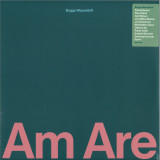
Bugge Wesseltoft has long been a shaper of his own jazz idioms, through his diverse solo albums, his group projects such as New Conception of Jazz, OKWorld! and RYMDEN, and collaborations with artists such as Sidsel Endresen, Henning Kraggerud or Henrik Schwarz.
"Am Are" features special constellations of superb musicians that spans both generations and styles, and is an exploration of sonic textures, dynamic contrasts of mood and style, and ranges from sparse arrangements through to complex layers of dubs and loops and improvisational interplay.
The album begins with Bugge alone on "How?" with layers of undulating atmospheric synth, brought into focus by Bugge's piano at the forefront, creating a minimalist miniature that is both emotive and serene. For "Villrein" Bugge is joined by Elias Tafjord on drums, beginning with a santur-like synth figure, floating over ominous formant sci-fi bass synths bubbling and pulsing, and overlaid by phrenetic piano that only stops to lock into the santur figure before relaunching on its own journeys, all underpinned by Elias Tafjord's expressive drumming. "Is Anyone Listening?" demonstrate's Bugge's songcraft, layering muted percussive piano behind Rohey's distinctive and beautiful vocals punctuated by Martin Myhre Olsen's tenor saxophone, creating a soulful mood tinged with desperation.
"BAG" presents the first classic piano trio of the album - Bugge on piano and synths, Arild Andersen on bass, and Gard Nilssen on drums - announcing itself with an insistent riff, chattering drums, breaking into a progressive rock-style passage of bass and piano in unison. "Reel", the second track from this trio, is a mellow soundscape that evolves to become hazy urban downbeat jazz.
The second piano trio of Bugge (Rhodes and Korg MS20 synth), Sveinung Hovensjø (Electric Bass), and Jon Christensen (Drums and Bells) offers a completely different perspective. The first track "Render" features Bugge's Zawinul-esque Rhodes and monosynth leads, Sveinung's fuzz bass in something of a leading role, all carried with chattering gusto by Jon Christensen's dynamic drumming that brings texture and space as well as rhythm to the piece. "Vender" begins as an atmospheric piece, with reed organ-like synth washes, and octave-processed bass with a somewhat sitar-like tone, meandering until the track breaks down into drums and bass weaving around an insistent drum machine loop, dripping with synth pads and monosynth lead.
"JazzBasill" introduces the third piano trio - featuring Bugge (Piano), Jens Mikkel Madsen (Acoustic Bass) and Øyunn (Drums) - and offers a classic piano trio style with urban sophistication, that is lyrical, and interspersed with staccato cadences, giving a feeling of broken swing, slightly staggered yet driving forwards. The title track "AM ARE" is late night jazz, with baroque whispers, and distinctly melodic.
The final track, "Think Ahead" features the non-standard trio of Bugge (Piano/Organ), Oddrun Lilja (Guitar) and Sanskriti Shrestha (Tablas/Harp). Beginning with a minimalist piano figure, table, and sustained guitar, the track breaks down to a noise surge and ambient windscape, with guitar birds and abstract grinding, before returning to minimalist melodicism.
The shifting personnel across the album, as well as the three different studios in which it was recorded - Village Recording in Copenhagen, Rainbow Studios in Oslo, and his own Buggesroom Studio - creates a feeling of dynamic change and musical variety that is unified by Bugge's piano and keyboards. His playing moves between foreground, where he allows the music to elevate him, and background, where he move gently like a beneficent presence, tending to the demands of the spirit of the musical moments he has captured. It is an album powered by restless exploration and shaped by distinctive musical personalities; it is a journey through different moods, illuminated and brought into focus by Bugge's measured approach and guiding hand.
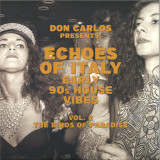
- A1: Montego Bay - Everything (Paradise Mix) 04 59
- A2: Atelier - Got To Live Together (Club Mix) 06 06
- A3: Golem - Music Sensations 04 56
- B1: The True Underground Sound Of Rome Feat. Stefano Di Carlo - Gladiators 05 26
- B2: Eagle Parade - I Believe 04 26
- C1: Dj Le Roi - Bocachica (Detroit Version) 05 28
- C2: Green Baize - Synthetic Rhythm 01 41
- C3: M.c.j. Feat. Sima - Sexitivity (Deep Mix) 05 30
- D1: Kwanzaa Posse Feat. Funk Master Sweat - Wicked Funk (Afro Ambient Mix) 06 31
- D2: Progetto Tribale - The Bird Of Paradise 06 29
- D3: Mbg - The Quite 06 59
Vol 1[28,99 €]
Googling “paradise house”, the first results to pop up are an endless list of European b&b’s with whitewashed lime façades, all of them promising “…an unmatched travel experience a few steps from the sea”. Next, a little further down, are the institutional websites of a few select semi-luxury retirement homes (no photos shown, but lots of stock images of smiling nurses with reassuring looks). To find the “paradise house” we’re after, we have to scroll even further down. Much further down.
It feels like yesterday, and at the same time it seems like a million years ago. The Eighties had just ended, and it was still unclear what to expect from the Nineties. Mobile phones that were not the size of a briefcase and did not cost as much as a car? A frightening economic crisis? The guitar-rock revival?! Certainly, the best place to observe that moment of transition was the dancefloor. Truly epochal transformations were happening there. From America, within a short distance one from the other, two revolutionary new musical styles had arrived: the first one sounded a bit like an “on a budget” version of the best Seventies disco-music – Philly sound made with a set of piano-bar keyboards! – the other was even more sparse, futuristic and extraterrestrial. It was a music with a quite distinct “physical” component, which at the same time, to be fully grasped, seemed to call for the knotty theories of certain French post-modern philosophers: Gilles Deleuze, Félix Guattari, Paul Virilio... Both those genres – we would learn shortly after – were born in the black communities of Chicago and Detroit, although listening to those vinyl 12” (often wrapped in generic white covers, and with little indication in the label) you could not easily guess whether behind them there was a black boy from somewhere in the Usa, or a girl from Berlin, or a pale kid from a Cornish coastal town.
Quickly, similar sounds began to show up from all corners of Europe. A thousand variations of the same intuition: leaner, less lean, happier, slightly less intoxicated, more broken, slower, faster, much faster... Boom! From the dancefloors – the London ones at least, whose chronicles we eagerly read every month in the pages of The Face and i-D – came tales of a new generation of clubbers who had completely stopped “dressing up” to go dancing; of hot tempered hooligans bursting into tears and hugging everyone under the strobe lights as the notes of Strings of Life rose up through the fumes of dry ice (certain “smiling” pills were also involved, sure). At this point, however, we must move on to Switzerland.
In Switzerland, in the quiet and diligent town of Lugano, between the 1980s and 1990s there was a club called “Morandi”. Its hot night was on Wednesdays, when the audience also came from Milan, Como, Varese and Zurich. Legend goes that, one night, none less than Prince and Sheila E were spotted hiding among the sofas, on a day-off of the Italian dates of the Nude Tour… The Wednesday resident and superstar was an Italian dj with an exotic name: Don Carlos. The soundtrack he devised was a mixture of Chicago, Detroit, the most progressive R&B and certain forgotten classics of old disco music: practically, what the Paradise Garage in New York might have sounded like had it not closed in 1987. In between, Don Carlos also managed to squeeze in some tracks he had worked on in his studio on Lago Maggiore. One in particular: a track that was rather slow compared to the BPM in fashion at the time, but which was a perfect bridge between house and R&B. The title was Alone: Don Carlos would explain years later that it had to be intended both in the English meaning of “by itself” and like the Italian word meaning “halo”. That wasn’t the only double entendre about the song, anyway. Its own very deep nature was, indeed, double. On the one hand, Alone was built around an angelic keyboard pattern and a romantic piano riff that took you straight to heaven; on the other, it showcased enough electronic squelches (plus a sax part that sounded like it had been dissolved by acid rain) to pigeonhole the tune into the “junk modernity” section, aka the hallmark of all the most innovative sounds of the time: music that sounded like it was hand-crafted from the scraps of glittering overground pop.
No one knows who was the first to call it “paradise house”, nor when it happened. Alternative definitions on the same topic one happened to hear included “ambient house”, “dream house”, “Mediterranean progressive”… but of course none were as good (and alluring) as “paradise house”. What is certain is that such inclination for sounds that were in equal measure angelic and neurotic, romantic and unaffective, quickly became the trademark of the second generation of Italian house. Music that seemed shyly equidistant from all the rhythmic and electronic revolutions that had happened up to that moment (“Music perfectly adept at going nowhere slowly” as noted by English journalist Craig McLean in a legendary field report for Blah Blah Blah magazine). Music that to a inattentive ear might have sounded as anonymous as a snapshot of a random group of passers-by at 10AM in the centre of any major city, but perfectly described the (slow) awakening in the real world after the universal love binge of the so-called Second Summer of Love.
For a brief but unforgettable season, in Italy “paradise house” was the official soundtrack of interminable weekends spent inside the car, darting from one club to another, cutting the peninsula from North to centre, from East to West coast in pursuit of the latest after-hours disco, trading kilometres per hour with beats per minute: practically, a new New Year’s Eve every Friday and Saturday night. This too was no small transformation, as well as a shock for an adult Italy that was encountering for the first time – thanks to its sons and daughters – the wild side of industrial modernity. The clubbers of the so-called “fuoriorario” scene were the balls gone mad in the pinball machine most feared by newspapers, magazines and TV pundits. What they did each and every weekend, apart from going crazy to the sound of the current white labels, was linking distant geographical points and non-places (thank you Marc Augé!) – old dance halls, farmhouses and business centres – transformed for one night into house music heaven. As Marco D’Eramo wrote in his 1995 essay on Chicago, Il maiale e il grattacielo: “Four-wheeled capitalism distorts our age-old image of the city, it allows the suburbs to be connected to each other, whereas before they were connected only by the centre (…) It makes possible a metropolitan area without a metropolis, without a city centre, without downtown. The periphery is no longer a periphery of any centre, but is self-centred”.
“Paradise house” perfectly understood all of this and turned it into a sort of cyber-blues that didn’t even need words, and unexpectedly brought back a drop of melancholic (post?)-humanity within a world that by then – as we would wholly realise in the decades to come – was fully inhuman and heartless. A world where we were all alone, and surrounded by a sinister yellowish halo, like a neon at the end of its life cycle. But, for one night at least, happy."