Eric Burdon: Vocals, Chas Chandler: Bass, Alan Price: Keyboards, John Steel: Drums, Hilton Valentine: Guitar, Steve Grant: Guitar and Zoot Money: Keyboards.
Recorded 31st December 1983 at Wembley Arena, London. Produced and engineered by Keith Grant. Advertising in Shindig & Record Collector
Diese EP enthält fünf Tracks von einem der beiden legendären Open-Air-Auftritte von U2 in der RDS-Arena in Dublin im August 1993, der Heimatstadt der Band, auf ihrer weltweiten ZOO TV Tour. Während seit Jahren begehrte Raubkopien der RDS-Show im Umlauf sind, ist dies die erste offzielle Veröffentlichung, was sie zu einem begehrten Sammlerstück für Fans und Sammler gleichermaßen macht.
Das Album ist ab dem 30.08 als Vinyl und CD überall erhältlich
out of Stock
Last delivered 5 months ago available to reorder, subject to availability
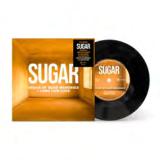
Sugar, 1992 von Bob Mould (Hüsker Dü) zusammen mit Bassist David Barbe und Schlagzeuger Malcolm
Travis gegründet, feierte mit ihrem gefeierten Debütalbum „Copper Blue“ schnell große Erfolge. Das
Album gilt als eines der prägendsten der 90er-Jahre, dank seiner Mischung aus eingängigen Melodien und
kraftvollem Gitarrenspiel. Die Nachfolgealben „Beaster“ und „File Under: Easy Listening“ festigten den
Ruf der Band, bevor sie sich 1995 auflöste. Dreißig Jahre später sind Sugar nun wieder vereint und kündigen
neue Konzerttermine an, darunter drei Abende in der New Yorker Webster Hall und zwei im Londoner Off
Kentish Town Forum. Anlässlich dieses Jubiläums veröffentlicht die Band zwei brandneue Songs – „House
of Dead Memories“ und „Long Live Love“ – die nun erstmals auf schwarzem 7-Inch-Vinyl erhältlich sind.
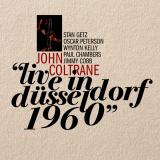
Concert recorded on March 28, 1960 at the Apollo Theater in Düsseldorf, which had been converted into a television studio by German radio for broadcast on TV. Originally planned as a performance by the Miles Davis Quintet + Guests, Miles Davis ultimately chose not to take part in the recording, leaving Coltrane to take the lead.
First time on Vinyl.
Remastered Vinyl by Dominique Blanc-Francard
In the Summer of 2023, Dans Dans were nearing the end of a two-and-a-half-year-long period of intense creativity, during which they had released two celebrated albums, Zink and 6, and had toured extensively in Belgium and abroad. Feeling it was time for a well-deserved break in activity, they decided to play three final, intimate concerts before going into hiding: two consecutive nights at Trix in Antwerp (hometown of drummer Steven Cassiers and guitarist Bert Dockx) and one at Botanique in Brussels (hometown of bassist Frederic Jacques). 'LIVE!', Dans Dans' first ever full length live record, features highlights from these memorable nights, offering excitingversions of several of the group's most beloved compositions from across their back catalogue. While the band is, at the time of writing, getting ready to start working on new material, these recordings from 2023 are a good reminder of the magic Dans Dans are able to conjur when they get together and play. Here is one of the most original instrumental trios of the last two decades in their natural habitat, on stage, performing for a live audience, speaking through their intensely personal music. Here is Dans Dans at full flight, effortlessly blending different musical genres and painting fascinating sonic landscapes full of energy, mystery and contrast.
First time reissue of JP free jazz rarity, pre-Seikatsu Kōjyō Iinkai group.
The single album self-released by the quartet Shūdan Sokai in 1977 is one of the most vital documents of mid-seventies Japanese free jazz, documenting Tokyo’s free scene at the precise moment when it began to shift to a handful of tiny venues on the western fringes of the city. In Free Jazz in Japan, Teruto Soejima identifies the extant venue Aketa no Mise in Nishi-Ogikubo as the pioneer of this decamping from the centre: a cramped basement beneath a rice shop, seating just 20 people. Musician-run, operated on a shoestring, these spaces offered a vital site for community, creativity, and a small measure of financial independence — “even though it was in a basement, in spirit it was a loft.”
Among the most active of the new venues was Alone in Hachiōji, nearly an hour from Shinjuku, in a district shaped by universities, lower rents, and a thriving counterculture. Originally opened in 1973 as a jazu kissa, Alone was unusually spacious and equipped with a stage, grand piano, and drum kit. Around 1974, Junji Mori and Yasuhiro Sakakibara began working there, booking free jazz players on weekends and establishing the venue as a crucial hub. Mori recalls early appearances by figures including Kazutoki Umezu, Toshinori Kondo, and others who would define the scene.
In early 1976, Umezu and pianist Yoriyuki Harada — recently returned from New York’s loft jazz environment, where they had played with musicians such as David Murray and William Parker — formed Shūdan Sokai with Mori and drummer Takashi Kikuchi. The name, meaning “mass evacuation,” pointed to their self-chosen exile in Hachiōji. With Alone as their home base, the quartet developed a music characterized by an infectious sense of enjoyment and a willingness to integrate free jazz with elements of song structure. Harada switched between piano and bass; the group experimented with rap-like vocal pieces, jabbering nursery rhymes over bass rhythms.
They returned to Alone on December 24 to record Sono zen’ya (Eve), releasing it on their own Des Chonboo Records, partially funded by advertisements from local businesses printed on the rear cover. The closing “Ballad for Seshiru,” dedicated to Harada’s newborn son, unfolds over a delicate piano melody that moves into emphatic chords as intertwining alto lines rise and spiral.
Alone closed in September 1977, and Shūdan Sokai soon dissolved, later morphing into the expanded Seikatsu Kōjyō Iinkai Orchestra. What remains is a recording rooted in a specific place and moment: a fiercely independent scene sustained by small rooms, close listening, and collective commitment.
out of Stock
Last delivered 5 months ago available to reorder, subject to availability
Miles Davis & Quincy Jones - Live At Montreux Rhino Reserve
The Grammy* Award winning collaboration of Miles & Quincy revisiting the classic Gil Evansarrangements that Miles originally recorded decades before with Gil. It's rare for Miles to lookback and these performances are superb. Recorded live at the Montreux Jazz Festival on July8, 1991, these are some of Miles' final recordings.Cut by Matthew Lutthans at The Mastering Lab and pressed on 180g black vinyl at FidelityRecord Pressing