
Buscar:b vision

- Hell Bent For Sæther
- The Walls Of Crystal Keep
- Unicorn
- Sternenfels Space Gate
- Everywhere I Rest My Head The Ground Is Shifting
- The Magic Balloon
Clear Vinyl. Mit ihrem Debüt The Empty Space Between A Seamount And Shock Headed Julia hinterließen The Black Cat's Eye 2023 ein bemerkenswertes Echo in der Szene - ein energetisches und atmosphärisches Werk, das Psychedelic- und Postrock-Elemente auf einzigartige Weise vereinte und schnell vergriffen war. Nun, zweieinhalb Jahre später, präsentiert das Frankfurter Quintett sein neues Album Decrypting Dreams Of Weird Animals And Strange Objects. Auch diesmal lotet die Band die Grenzbereiche zwischen Psychedelic-, Kraut- und Post-Rock aus. Die Musik oszilliert zwischen hypnotischem Drive, verträumten Gitarrenflächen und dynamischen Spannungsbögen. Das Album umfasst sechs Songs, deren Spannweite von fünf- bis zehnminütigen Klangreisen reicht. Neu ist, dass diesmal zwei Bandmitglieder Kompositionen beisteuerten: Neben Gitarrist und Bandgründer Christian Blaser stammt die Hälfte des Materials von Bassist Jens Cappel. Sein kraftvoller, direkter Stil ergänzt Blasers atmosphärischen Ansatz ideal. Blaser: ,Auf dem Debütalbum stammten alle Stücke von mir. Als Gründer der Band lag mein Fokus zunächst darauf, eine musikalische Vision und Richtung vorzugeben. Jens war zu diesem Zeitpunkt noch nicht so in die kreativen Prozesse eingebunden, obwohl er ein außerordentlich talentierter und umtriebiger Musiker ist. Er veröffentlicht regelmäßig großartige neue Musik auf den Bandcamp-Seiten seiner eigenen Projekte, zum Beispiel The Black Black Paint. Als es dann an das Schreiben neuer Songs für das zweite Album ging, brachte Jens einige wirklich tolle Demos mit ein." Stilistisch verbindet das Album, wie schon der Vorgänger, klassische 70er-Einflüsse mit zeitgenössischer Rockmusik - man hört Anklänge an Can, Motorpsycho, Neu!, Indie- und Stonerrock, aber auch an David Gilmours Gitarrenästhetik. Die Musik ist instrumental, einzig im finalen Stück ,The Magic Balloon" übernimmt Jens Cappel den Gesang. Ähnlich rätselhaft wie bei der ersten Platte klingt der Albumtitel: Decrypting Dreams Of Weird Animals And Strange Objects. Blaser erklärt: ,Der Titel ist inspiriert von einem faszinierenden Aspekt der US-amerikanischen TV-Serie Westworld. Dort werden humanoiden Robotern Gefühle und Träume einprogrammiert. Doch weil diese Androiden dadurch immer menschlicher werden, geraten sie außer Kontrolle - die Programmierer suchen daraufhin den Fehler in den von ihnen geschriebenen Quellcodes, analysieren die künstlichen Gefühle, Gedanken und Träume mithilfe ihrer Computerprogramme. Übertragen auf unsere Realität ist der Titel durchaus ironisch gemeint. Unsere moderne Technik vermittelt den Eindruck, wir könnten jeden Bereich unseres Lebens vollständig steuern. Selbstoptimierung und die Kapitalisierung des eigenen Ichs werden zum obersten Prinzip. Eine trügerische Illusion, denn wir sind nur winzige Teile eines größeren, für uns unergründlichen Ganzen. Vor diesem Hintergrund stellt sich die Frage: Was kann Kunst zu unserer Wahrnehmung der Welt beitragen? Welche Bedeutung hat es, sich mit musikalischen Mitteln auszudrücken? Durch Technik, Mathematik, Physik und reine Vernunft kommen wir dem Wunder des Lebens und dem Sinn unserer Existenz nicht wirklich näher. Was uns bleibt, ist das Ritual, die Beschwörung, die Ekstase. Musik, Tanz, Malerei, Geschichten - sie offenbaren für kurze Momente den wahren Kern des Lebens, richten unser Verhältnis dazu neu aus und verbinden uns mit dem Universum." Aufgenommen hat die Band wieder im Tonstudio Bieber in Offenbach am Main. Oli Rüger, Studiobetreiber und selbst Musiker, hat langjährige Erfahrung mit dem Aufnehmen von Gitarrenbands. Innerhalb von drei Tagen spielte die Band die Basic Tracks live ein, anschließend ergänzten sie diese durch Overdubs. Rüger war auch als Co-Produzent beteiligt. Cappel: ,Oli hat das richtige Händchen für die perfekte Balance zwischen rohen, heftigen und filigranen Sounds, ohne gleichzeitig den Blick für das große Ganze zu verlieren." Das Werk wurde final von Krautrock-Legende Eroc gemastert - eine passende Wahl für eine Band, die sich nicht nur als Erben der 70er sieht, sondern diese Tradition aktiv in die Gegenwart weiterdenkt. Das monochrome Cover-Artwork unterstreicht eindrucksvoll die dunkle Atmosphäre der Musik. Es verdeutlicht den konzeptionellen Ansatz der Band, Musik nicht nur als Klang, sondern als Raum, Konzept und visionäre Erzählform zu begreifen. Das Titelbild - eine scheinbar endlose Spirale, Symbol für DNA-Strukturen und Ewigkeit - wurde vom italienischen Grafiker Daniele Stochino entworfen. Die Innenseite des Gatefolds verbindet dieses Motiv mit einer Illustration des in Berlin lebenden Grafikers und Musikers Max Emil Hurlebaus. Durch farbige Akzente eröffnet sie kontrastreich neue Perspektiven.


- Swietenia Macrophylla
- Ceiba Pentandra
Die erste Zusammenarbeit zwischen dem japanischen Noise-Titan Masami Akita, alias Merzbow, dem legendären brasilianischen Schlagzeuger und Produzenten Iggor Cavalera und dem zukunftsorientierten italienischen Gitarristen und Sounddesigner Eraldo Bernocchi, ,Nocturnal Rainforest", schafft eine Klanglandschaft, die fast überwältigend dicht und verwirrend ist, aber niemals aggressiv oder chaotisch. Es ist ein vollständig immersives Erlebnis, das die jahrelange Arbeit des Trios im Bereich der extremen experimentellen Musik neu kontextualisiert, indem es sich auf Textur, Atmosphäre und sensorische Überlastung konzentriert. Der Noise selbst wird verwendet, um ein raffiniertes Maß an Konzentration zu provozieren; ,Nocturnal Rainforest" ist auf seine eigene Weise meditativ und umhüllt die Zuhörer mit Wellen von Verzerrungen, phantasmatischen, ungemessenen Rhythmen und verwirrenden, bearbeiteten Feldaufnahmen, aber es ist nicht für passives Hören gedacht. Entstanden durch eine Fusion von maßgeschneiderten Techniken, die das Trio seit Jahrzehnten entwickelt, existiert es in einer rohen und mystifizierenden Grenzzone zwischen dem organischen Bereich und der digitalen Welt - einem Ort, der zu vertraut ist, um ignoriert zu werden. Als einer der bekanntesten und produktivsten Noise-Künstler der Welt hat Akita vielbeachtete, genreprägende Alben auf so unterschiedlichen Labels wie Relapse, Important Records, Tzadik, Cold Spring und Soleilmoon veröffentlicht und mit einer Vielzahl von Künstlern zusammengearbeitet, von Keiji Haino und Mika Patton bis hin zu Melt-Banana und Boris. Seit 1979 hat er über 500 Merzbow-Alben veröffentlicht, darunter das Tape-Experiment ,Pornoise/1kg Vol.1" von 1984, das bahnbrechende Noise-Wall-Album ,Pulse Demon" von 1996 und das dubartige ,Merzbuddha" von 2005. Cavalera ist vor allem als Mitbegründer der brasilianischen Metal-Band Sepultura bekannt. Seit er die Band 2006 verlassen hat, beschäftigt er sich intensiv mit experimenteller Underground-Musik und arbeitet mit Künstlern wie Laima Leyton, Ninos Du Brasil, Raven Chacon, Linekraft, Petbrick, Pig Destroyer, Soulwax, Dwid Hellion, Shane Embury und anderen zusammen. Bernocchi begann seine Karriere in den 70er Jahren in verschiedenen Punkbands und wurde in den 80er Jahren bekannt, als er das postindustrielle Kollektiv Sigillum S mitbegründete und Kontakte knüpfte, die sich über die gesamte globale Underground-Szene erstreckten. Als aktives Mitglied der einflussreichen Illbient-Bewegung arbeitete er mit einigen der wichtigsten Persönlichkeiten des Genres wie Spectre, Bill Laswell und DJ Olive zusammen und nahm für WordSound sowie das Kult-Hip-Hop-Label Rawkus auf. Bernocchi hat seine innovativen Aktivitäten fortgesetzt, indem er als SIMM mit dem Grammy-Gewinner Grime MC Flowdan zusammengearbeitet und mit Harold Budd, Robin Guthrie von den Cocteau Twins, Gaudi Nils Petter Molvaer, Hoshiko Yamane und vielen anderen aufgenommen hat. ,Nocturnal Rainforest" ist das Ergebnis der kontinuierlichen musikalischen Entwicklung jedes einzelnen Künstlers, angetrieben von extremer Musik, aber gemildert durch Deep-Listening-Techniken, die Präsenz statt Distanzierung erwarten. Auf ,Swietnenia Macrophylla" vermitteln suggestive, feuchte Klanglandschaften zunächst ein prekäres Gefühl der Sicherheit, das an den Rändern durch schnurrende Schwingungen, die die Fauna des Dschungels imitieren, verschwimmt. Und diese Ruhe wird schnell durch perkussive, nebelhornartige Verzerrungen unterbrochen, die das Ausmaß der Vision des Trios verdeutlichen. Es handelt sich nicht nur um rohen Lärm, die raueren Elemente werden durch subtile Wellen wogender Atmosphäre und schwüle Low-End-Drones unterbrochen, bevor der Track in eine Symphonie computergenerierter Stottergeräusche übergeht. Es gibt ein ständiges Hin und Her zwischen organischen und künstlichen Klängen - bevor man sich an den DAW-verfälschten Lärm gewöhnt hat, trüben collagierte Bandübersteuerungen und zerschnittene Verstärkerbrummen die Atmosphäre, verwirren gezielt die Sinne und verschleiern die Quellen. Dieser Gedanke wird in ,Ceiba Pentandra" fortgesetzt, wenn das Trio den wimmelnden Klängen des Dschungels mit knurrenden, surrenden Elektronikklängen und dichten Interferenzen folgt. Was als Vogelgesang und Insektenchor beginnt, verwandelt sich in eine Wand aus ohrenbetäubender, transzendenter Vollspektrum-Textur, die sich wie ein langsam voranschreitender Sturm über einer schattigen Wildnis auftut.

- Voodoo Experience
- Fractal Haze
- The Death Of The Crows
- 1976:
- Vers Les Terres-Rouges (La Mort De La Terre)
- Les Ferromagnétaux (La Mort De La Terre)
- L'eau Fugitive (La Mort De La Terre)
- Dans La Nuit Éternelle (La Mort De La Terre)
También disponible
Aque Blue vinyl[24,58 €]
Red Blue Splatter Vinyl[32,98 €]
Orange / Red Vinyl[32,98 €]
With X-ÆON, Giöbia push their signature blend of mesmerizing neo-psychedelia and space rock into uncharted territory. Echoes of the '70s meet a bold, forward-looking vision, shaping an album that feels timeless. Each track offers a glimpse into a parallel reality, a plunge into a new era brimming with tension and mystery. As the band puts it: "This album is everything we've lived and learned, captured in the moment we're in now."

8
Aque Blue vinyl, limited to 350 copies. With X-ÆON, Giöbia push their signature blend of mesmerizing neo-psychedelia and space rock into uncharted territory. Echoes of the '70s meet a bold, forward-looking vision, shaping an album that feels timeless. Each track offers a glimpse into a parallel reality, a plunge into a new era brimming with tension and mystery. As the band puts it: "This album is everything we've lived and learned, captured in the moment we're in now."

- 1: Return Of The North Star (Feat. Papu Wu)
- 2: House Of Flying Daggers (Feat. Inspectah Deck, Ghostface Killah, Method Man & Gza)
- 3: Sonny's Missing
- 4: Pyrex Vision
- 5: Cold Outside (Feat. Ghostface Killah & Suga Bang Bang)
- 6: Black Mozart (Feat. Inspectah Deck, Rza & Tash Mahogany)
- 7: Gihad (Feat. Ghostface Killah)
- 8: New Wu (Feat. Ghostface Killah & Method Man)
- 9: Penitentiary (Feat. Ghostface Killah)
- 10: Baggin Crack
- 11: Surgical Gloves
- 12: Broken Safety (Feat. Jadakiss & Styles P)
- 1: Canal Street
- 2: Ason Jones
- 3: Have Mercy (Feat. Beanie Sigal & Blue Raspberry)
- 410: Bricks (Feat. Cappadonna & Ghostface Killah)
- 5: Fat Lady Sings
- 6: Catalina (Feat. Lyfe Jennings)
- 7: We Will Rob You (Feat. Gza, Masta Killah & Slick Rick)
- 8: About Me (Feat. Busta Rhymes)
- 9: Mean Streets (Feat. Inspectah Deck, Ghostface Killah & Suga Bang Bang)
- 10: Kiss The Ring (Feat. Inspectah Deck & Masta Killa)
- 11: Walk Wit Me
- 12: The Badlands (Feat. Ghostface Killah)
- Tokyo 1
- Osaka
- Nagoya
- Matsumoto (Beginning)
- Matsumoto (Ending)
- Hokkaido
- Tokyo 2
- Each Story
También disponible
Black Vinyl[22,27 €]
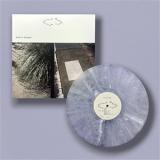
Emily A. Sprague's Cloud Time traces an audio-spiritual journey through time and place, recorded across a long-awaited debut tour of Japan in the fall of 2024. Compiled from environmental improvisations captured in and for the moment, material at once welcoming, responsive, and inimitable, the album distills a voyage guided by psychic wayfaring, unbound presence, and activating performance for a reciprocal exchange with space, listener, and each fully engaged instant. The Japanese tour documented on Cloud Time held an almost mythic significance for Sprague, taking on properties of her own sonic white whale. After many near-departures and dropped plans to play in the country, "the empty spaces of cancelled trips and forgotten music turned into strange little misty spirits that I felt followed by," she says. "When I began preparing for the tour, I couldn't shake a sense that the invitation to Japan was more about opening myself up to this new place instead of bringing something into it tightly under my control. Improvisation has always been such a pillar in my music practice, and I really wanted to meet the country, spaces and people through that process." To amplify these intuitive whispers on-stage, Sprague reimagined her time-tested live rig, designed to be as free from error as possible, as a looser, more flexible set up that would allow her to interface with what was essentially a blank sonic canvas every night. Each performance became a collaboration between environment and instinct, Sprague processing the events, energies, and emotions informing the evening through her new sound ecosystem, and projecting an entirely present and unique version of herself to each open-eared and hearted crowd. "It was very much more than just an act of playing for me, but a total experience of time and place," she says. The seven long-form pieces that plot the course of Cloud Time, excerpted from over eight hours of recordings archived on the artist's on-stage recorder and generously shared on the album with no additional mixing and only minimal editing, invite listeners to become still in these deep-rooted moments of presence as the album moves from city to city, venue to venue. Cloud Time chronicles material recorded at each tour stop, Sprague selecting and sequencing the album around mood-based storytelling more so than linear chronology. "I tried to make the whole album flow in the way that any one of the complete live performances did," she explains, "while also keeping the spirit of the whole thing as a journey." The result is equal parts travelog, love letter, and impressionistic collage channeled from the potent ferment of a now encased in the glowing amber of memory. Intrinsically inspired by kankyo ongaku, an environmental music philosophy, known both in and widely outside of Japan that tunes into the similarly expansive ethos as Pauline Oliveros' deep listening practice and posits the listener as composer, Cloud Time is ambient music that seems to be listening right back, grounded in heartfelt synthesized frequencies that abundantly hold and heal. Pieces like "Nagoya," "Tokyo 1," and the ten minute "Matsumoto" in particular hum with the atomic resonance of gently tended landscapes, offering space for tuning way in and dropping far out from perspectives that stifle and bind. Cloud Time is an invitation to embrace each moment as both fleeting and eternal, floating by with nothing to grasp onto and absolutely everything to gain. The exercise in acceptance and letting go that Sprague practiced throughout the tour deeply impacted her understanding of self as both a guest and venerable performer. "The process of loving wherever I am, being present and focusing on a clear channel of communication for mind and emotion, rooted so deeply in respect for the space, those within it, and myself, ended up being profoundly healing," she says. "My vision and hope is that this album can be released as a gift back to anyone who either was or wasn't there. A cloud time of life passing by."

6
Scintillating, alchemical kosmische; visionary, deep, and luminous; and beautifully sleeved, with gold foiling and silver ink.
Works In Metal fans out a set of acid treatments and finely sharpened blades — cutting, shaping, suspending form. Sounds are melted down and forged as if liquid metal.
The works are paired. Arc’s Blue Flame previews the smoking volatility at the album’s core. Echoes and resonance soften the dissonant, bright textures; all overlaid with Fofana’s signature, percussive kick drums. Welding drills into the discordant thrills and spills of metamorphosis. Sparks fly and the bittersweet arc of change unfolds.
Fofana discreetly folds in text, poetry, and field recordings, spooring their decomposition and recomposition with a prismatic point of view. The coupling Obscure Light (Decomposition) and Obscure Light (Recomposition) marks something new in his music. The pulse is brightly honed, cascading beyond the dancefloor, exultingly eluding musical genre.
Works in Metal is perhaps Fofana’s most narrative album. At its heart is the killer, extended Lure of the Fragment / So Another Sound Suggests Itself. Melodies circle in call-and-response patterns, balancing proximity and distance, signalling the inward gravity required to work with metal. A nested story-line, with birds flying in; an album within an album. Dredging up memories and associations, Fofana filters in selections from his sound-archives. Layered with synths, field recordings become instruments in their own right. The last three minutes proffer precious clarity — a memory, in miniature, flashed onto molten metal.
In 1943 Suzanne Césaire declared that ‘our surrealism will then supply them the leaven from their very depths. It will be time finally to transcend the sordid contemporary antinomies: Whites-Blacks, Europeans-Africans, civilized-savage: the powerful magic of the mahoulis will be recovered, drawn from the very wellsprings of life. Colonial idiocies will be purified by the welding arc’s blue flame. The mettle of our metal, our cutting edge of steel, our unique communions — all will be recovered’. Works in Metal is a tribute to her prophecy; its enactment, sculpted in sound.

Modularz 93: UHFVHF – A Sonic Exploration of Analog and Digital Frequencies
Modularz is proud to present Modularz 93, a groundbreaking collaborative project between two heavyweights in the techno scene: Developer, the visionary producer and label head, and Stanislav Tolkachev, the Ukrainian techno ambassador known for his raw and experimental approach to sound. Their new release, UHFVHF, is a deep and immersive journey into the sonic interplay of analog and digital frequencies, a love letter to the mystique of over-the-air signals and the grey areas where the known meets the unknown. This project marks the culmination of countless hours spent in the studio in Berlin, where Developer and Stanislav have fused their unique creative processes. By blending analog hardware with cutting-edge digital techniques, the duo has crafted a sound that is both timeless and forward-thinking. The result is a series of tracks that explore rhythm and texture in their rawest form, pushing the boundaries of techno’s narrative and embracing the unfiltered power of sound. Through UHFVHF, Developer and Stanislav continue to redefine the parameters of contemporary techno, offering an uncompromising experience that speaks to both the mind and the body. This release is a testament to their dedication to the art of sound, offering a sonic landscape that pushes the boundaries of what techno can be. Modularz 93 – UHFVHF is a must-listen for anyone who seeks the raw energy and unapologetic power that defines the heart of true techno.

13
Guedra Guedra ist das elektronische Musikprojekt des marokkanischen Produzenten Abdellah M. Hassak. Der Sound von Guedra Guedra ist eine schillernde Mischung aus visionärer elektronischer Musik und musikalischen Traditionen des gesamten afrikanischen Kontinents! Tipp!
MUTANT ist das zweite Album von Guedra Guedra und das erste auf Smugglers Way. Auf MUTANT mischt Abdellah M. Hassak analoge Synthesizer und Drumcomputer mit Field Recordings aus Marokko, Tansania, Guinea und anderen Ländern, die er auf seinen Reisen durch den Kontinent gesammelt hat. MUTANT erforscht Themen wie Identität, Panafrikanismus, Afrofuturismus und Dekolonisierung und verbindet das musikalische Erbe des Kontinents mit Elementen von Techno, Bassmusik und Dub. "Ich wollte einen kulturellen Sound schaffen, der Innovation mit afrikanischer und diasporischer Musik sowie den Vibes von Rhythmus und Bass erforscht", sagt Abdellah. Die Musik von Guedra Guedra ist durchdrungen von Abdellahs Vision der kulturellen und technologischen Dekolonisierung. Eine Vision, die den Panafrikanismus feiert und die Art und Weise hinterfragt, wie Mainstream-Produktionswerkzeuge nicht in der Lage sind, nicht-westliche musikalische Ausdrucksformen zu erfassen. "In afrikanischen Traditionen ist der Rhythmus, insbesondere in seiner polyrhythmischen Form, nicht nur ein Puls oder ein Takt, sondern eine Kartographie des Lebens. Er drückt soziale Komplexität, vielschichtige mündlicher Überlieferungen, Gemeinschaftsdynamik und die spirituelle Dimension der Existenz aus", sagt Abdellah. "Die Weitergabe dieses Reichtums von Generation zu Generation durch Üben und Zuhören ist auch ein Akt des Widerstands, ein Weg, Wissen und Sensibilitäten zu bewahren, die die herrschenden Erzählungen lange Zeit zu marginalisieren oder zu vereinfachen versucht haben.
- 140G schwarzes Biovinyl inkl. vierseitigem Booklet und Downloadkarte

4
RYC presents a four-track journey at the junction of their respective universes, teleporting us straight to a propulsive, mind-expanding headspace as we're invited to explore sonic territories still uncharted and harmonics yet unravelled. The collaborative A-side begins with the dynamic title-track, 'Cross Passage', a proactively future-facing number packing the kind of utopian drive that used to define the original techno sound. A highly cinematic narrative boasting Detroit-style vision and epic breath, 'Cross Passage' builds bridges between hi-tech elation and organic integration, transcending mere functionality to push back and expand the limits of techno as a deep communication vessel between the individual and the mass. Firing off like a binary script gone astray, 'Fibre Axis' takes us on a further bumpy ride across shape-shifting interfaces and blurred-out digital scapes, via abrupt pixel landslides and fractured 3D renderings. Side-B finds each producer dishing out a slice of his/her own musical idiom. Polygonia strikes first with the pulsating 'Voltage Blues' - a mesmeric roller cut from pure eerie synth algebra, boundary-pushing abstraction and surgical but experimental-leaning rhythmic assault. The result is a piece of cutting-edge techno hoodoo, ready to take on clubs with utmost abrasive swagger. Sniping a hail of rainbow-like analogue synth outpour, Wata Igarashi's solo contribution 'The Tunnel Dreams' rounds off the journey on a fiercely nonconformist note. Merging a hard-hitting main swing with 8-bit-esque audio pointillism and brooding bass undertones, the Japanese producer cuts a path of antigravitational abandon and relentless rush towards absolving euphoria, which shall leave all in the room levitating somewhere between sheer daze and love-thirsty XTC. *Clad in the sleekest cover art courtesy of designer Atact, RYCL024 is pressed to red & white marbled vinyl for you, fancy platter collectors and picky audio-visual aesthetes alike.

11
Italian producer, musician, DJ, and groove architect Sam Ruffillo drops his long-awaited debut album Tipo Così on Toy Tonics – a sun-drenched, genre-blurring statement that blends classic house with Mediterranean flair, romantic funk, and tongue-in-cheek Italo vibes. Over 11 expertly crafted tracks, Ruffillo delivers a dancefloor-ready, emotionally rich LP that connects deep musicality with irresistible rhythm and light-hearted elegance.
After three acclaimed EPs and collaborations with revered artists such as Barbara Boeing, Kapote, and Fimiani, Ruffillo has firmly cemented himself as a core artist on the Berlin-based label. Known for his unmistakable signature sound — a warm mix of vintage disco, 90s house, and Italian vocals — Sam’s music has garnered widespread DJ support from tastemakers like Gerd Janson, Palms Trax, Seth Troxler, and DJ Tennis, while becoming a staple on Italian airwaves. His infectious summer anthems like Danza Organica and Perfetta Così have soundtracked countless club nights and festivals, creating a loyal following that eagerly awaited this full-length debut.
Tipo Così is the natural culmination of a musical journey that’s both playful and profound — a travel diary written in grooves, synth stabs, and melodies that feel like postcards from a parallel Mediterranean universe. The album expands and deepens Ruffillo’s world into a fully immersive experience: lush emotional chords meet tight syncopated grooves, vintage synth textures collide with irresistibly catchy pop refrains, and the boundary between sincerity and playful irony is exquisitely blurred.
Entirely written, produced, and recorded in Italy, in his beloved hometown of Bologna, the album finds Ruffillo at the helm on keys, drum machines, and production, supported by a talented cast of musicians contributing live bass, guitar, and other organic elements — further enriching his trademark fusion of electronic grooves and natural instrumentation. There’s a tactile warmth in these tracks, a hands-on feel that adds soul and depth to every beat.
This album also marks Ruffillo’s heartfelt return to singing in Italian, with standout tracks like House Tipo Così, Mi Fa Volare, Ancora, and Dentro Di Me, where romantic naïveté meets pulsing club energy in a way that feels both timeless and refreshingly new. The vocal performances add an intimate, human touch to the music, reinforcing the personal stories woven into each song. There’s poetry in the casual, a bittersweet elegance in the way the lyrics float over groove-heavy production.
Having toured extensively across Europe, Australia, Indonesia, New Zealand, and Mexico — with sets at iconic venues like Panorama Bar and festivals such as Sónar Barcelona — Ruffillo has fine-tuned much of this album in front of live audiences. The real-world testing ground infused the record with a dynamic energy and immediacy that only comes from genuine crowd interaction. These songs weren’t just made in the studio — they were lived on dancefloors around the world.
Tipo Così is not just a collection of tracks. It’s a philosophy — playful, stylish and unmistakably personal. A modern club album bursting with heartfelt emotion and sophistication. Music for dancers with taste; for lovers of beauty, rhythm, and the little imperfections that make things feel real.
But what exactly is Tipo Così? More than just a phrase, it’s a way of being. It’s about embracing elegance without effort, mixing irony with sincerity, and letting nostalgia slip into the room without taking over the party. It’s Sam Ruffillo’s signature language: relaxed, confident, meticulous yet never rigid — where a chord progression can say as much as a lyric, and every beat carries intention.
The album’s visual identity complements this vision perfectly. The artwork and promotional materials lovingly reference Italian design from the ’80s and ’90s, combining bold graphic elements with playful pop culture nods. This aesthetic mirrors Ruffillo’s music — a fusion of vintage warmth and contemporary freshness, delivered with authenticity and charm.
Sam Ruffillo belongs to a new generation of European artists who are reshaping electronic music by blending past and present, analog and digital, groove and emotion — without nostalgia or pose. His artistic universe is coherent, vibrant, and alive; a rich tapestry of sound, images, and stories that coexist with lightness, precision, and a distinctive voice.
Reflecting on his artistic journey, Sam describes music as a vital, deeply human impulse — a tribal connection to rhythm and body that has driven him since he was a teenager. His creative process balances meticulous planning with room for spontaneity, usually sparked by clear melodic ideas that evolve naturally. Collaborations with close friends, especially vocalists like Ninfa, add warmth and authenticity, exemplified in tracks like “House Tipo Così.” For Sam, music is honest self-expression — crafted for listeners who crave memorable melodies and rhythms imbued with genuine feeling.
While technical perfection is tempting, Sam prioritizes emotion, knowing that what truly resonates is the soul behind the sounds. His long-standing partnership with Toy Tonics has been key in nurturing his vision, offering a blend of creative freedom and professional support. Looking ahead, Sam Ruffillo is excited to broaden his live performances, and release new projects that continue to blend electronic grooves with organic, heartfelt sounds — maintaining the delicate balance between playful irony and sincere emotion that defines Tipo Così.
Kurzversion:
Italian DJ, producer and musician Sam Ruffillo drops his debut album Tipo Così on Toy Tonics - a sunny blend of house, funk, Italo and pop, full of groove and emotion. Written and recorded in Bologna with live instruments and Italian vocals, it’s a playful, elegant journey shaped on dancefloors worldwide. A stylish, sincere club album where nostalgia, irony and rhythm meet in perfect harmony.
- Mi Fa Volare
Road-tested across continents and now finally released, “Mi Fa Volare” channels 90s uplifting euphoria with big breakbeats, lush chords, and Italian vocals built to stick. Somewhere between balearic bliss and piano house nostalgia, it’s a feel-good club weapon made for peak-time moments - already sung back by crowds after just one listen.
- Ancora
“Ancora” is a vibrant hi-NRG track inspired by 80s Italo disco, sung entirely in Italian. It blends driving rhythms with dreamy melodies, capturing the radiant spirit of the decade. This fresh yet nostalgic song delivers euphoric vibes and timeless energy, making it a perfect fit for both dancefloors and reflective listening moments worldwide.
- Dentro Di Me
“Dentro Di Me” channels ‘90s sensuality through a fast-paced, UK house-inspired lens. Entirely in Italian, it’s a bold and contemporary dance track where hypnotic vocals meet high-energy grooves. Blending nostalgic textures with forward-thinking production, the result is a seductive and euphoric trip - equal parts emotional and club-ready.
- Amigo
“Amigo” blends Latin groove, acoustic guitar-driven rhythm, and Mediterranean flair into a warm, magnetic, cross-cultural dance anthem. Sung in Spanish and Italian, it celebrates connection, inclusivity, and the joy of moving together - whether stranger or friend. With its unstoppable rhythm and vibrant energy, it’s a feel-good track with a unifying spirit.
- Ma Sei Fuori
“Ma Sei Fuori” is a tongue-in-cheek dancefloor bomb blending raw house energy with catchy vocal phrases and a nod to classic French touch. Driven by hypnotic vocal lines and a playful attitude, it doesn’t take itself too seriously - while still proving serious club impact. Built for late-night moments, it’s bold, bouncy, and impossible to ignore.

6
Zelienople frontman Matt Christensen returns to Miasmah with Constant Green - a record of reverberant country inspired songs that puts the weight somewhere between Johnny Cash and Slowdive. Matt pours out his soul through flashes of life - small and large. His voice roaming over the guitars in a way which feels like a floating poetic deluge.
Appearing fresh from last years Zelienople album Hold You Up, Matt has made a very personal record that arrives as perfectly as it could be. It is full of beautiful sparse moments that capture the feeling of time standing still while simultaneously flashing in front of your eyes. As a child of the 70ies, growing up with country influenced AM rock on the radio, riding around in cars without seatbelts, Matt creates this nostalgic feeling of free riding through the city streets at dusk : a dream world where one can see green as a symbol for humanity and optimism. Not to say the album doesn't have it's share of darkness. Christensen always lingers deep in melancholy, driving his fears and anxieties out through music.
Visions of being able to move anywhere, picking his mother up from jail, family matters, change, the small things in life - all outtakes from what he sings about. Although it's hard to pick up on unless you really listen, as his ramblings can at one moment be fully clear while in the next drowned or muffled - becoming a mere meditative element to the music. Steady collaborators Brian Harding and Eric Eleazer from Zelienople accompanies on pedal steel and keys to further fill the sound into a warm dream, following in the footsteps of Matt ́s previous Miasmah album Honeymoons (2016). That said, while Honeymoons used drum machines and vast open spaces, Constant Green is another step closer towards the classic singer-songwriter folklore. Timeless gold from an artist that never stops creating.

- Tokyo 1
- Osaka
- Nagoya
- Matsumoto (Beginning)
- Matsumoto (Ending)
- Hokkaido
- Tokyo 2
- Each Story
También disponible
Cloudy White Vinyl[31,89 €]
Emily A. Sprague's Cloud Time traces an audio-spiritual journey through time and place, recorded across a long-awaited debut tour of Japan in the fall of 2024. Compiled from environmental improvisations captured in and for the moment, material at once welcoming, responsive, and inimitable, the album distills a voyage guided by psychic wayfaring, unbound presence, and activating performance for a reciprocal exchange with space, listener, and each fully engaged instant. The Japanese tour documented on Cloud Time held an almost mythic significance for Sprague, taking on properties of her own sonic white whale. After many near-departures and dropped plans to play in the country, "the empty spaces of cancelled trips and forgotten music turned into strange little misty spirits that I felt followed by," she says. "When I began preparing for the tour, I couldn't shake a sense that the invitation to Japan was more about opening myself up to this new place instead of bringing something into it tightly under my control. Improvisation has always been such a pillar in my music practice, and I really wanted to meet the country, spaces and people through that process." To amplify these intuitive whispers on-stage, Sprague reimagined her time-tested live rig, designed to be as free from error as possible, as a looser, more flexible set up that would allow her to interface with what was essentially a blank sonic canvas every night. Each performance became a collaboration between environment and instinct, Sprague processing the events, energies, and emotions informing the evening through her new sound ecosystem, and projecting an entirely present and unique version of herself to each open-eared and hearted crowd. "It was very much more than just an act of playing for me, but a total experience of time and place," she says. The seven long-form pieces that plot the course of Cloud Time, excerpted from over eight hours of recordings archived on the artist's on-stage recorder and generously shared on the album with no additional mixing and only minimal editing, invite listeners to become still in these deep-rooted moments of presence as the album moves from city to city, venue to venue. Cloud Time chronicles material recorded at each tour stop, Sprague selecting and sequencing the album around mood-based storytelling more so than linear chronology. "I tried to make the whole album flow in the way that any one of the complete live performances did," she explains, "while also keeping the spirit of the whole thing as a journey." The result is equal parts travelog, love letter, and impressionistic collage channeled from the potent ferment of a now encased in the glowing amber of memory. Intrinsically inspired by kankyo ongaku, an environmental music philosophy, known both in and widely outside of Japan that tunes into the similarly expansive ethos as Pauline Oliveros' deep listening practice and posits the listener as composer, Cloud Time is ambient music that seems to be listening right back, grounded in heartfelt synthesized frequencies that abundantly hold and heal. Pieces like "Nagoya," "Tokyo 1," and the ten minute "Matsumoto" in particular hum with the atomic resonance of gently tended landscapes, offering space for tuning way in and dropping far out from perspectives that stifle and bind. Cloud Time is an invitation to embrace each moment as both fleeting and eternal, floating by with nothing to grasp onto and absolutely everything to gain. The exercise in acceptance and letting go that Sprague practiced throughout the tour deeply impacted her understanding of self as both a guest and venerable performer. "The process of loving wherever I am, being present and focusing on a clear channel of communication for mind and emotion, rooted so deeply in respect for the space, those within it, and myself, ended up being profoundly healing," she says. "My vision and hope is that this album can be released as a gift back to anyone who either was or wasn't there. A cloud time of life passing by." Emily A. Sprague's Cloud Time will be released Friday, October 10th in vinyl, Japanese import CD (via Plancha), and digital editions.

8
Steve Hauschildt returns after 6 years with a new album titled Aeropsia. After a transcontinental relocation from the US to Tbilisi, Georgia, the electronic composer emerges from a personal and global transformation to explore themes of perceptual distortion, disconnection, and renewal.
Aeropsia (which roughly translates as “seeing the air”) refers to a visual phenomenon in which objects appear to float or shimmer, often due to changes in pressure, perception, atmospheric shifts or neurological disturbance. This becomes a metaphor for the liminality that informs the record: blurry visions, dreamlike displacements, and the fragile membrane separating what is seen from what is felt.
In the years since his last solo release, Hauschildt’s world has been marked by relocation and a growing sense of global turbulence. These experiences became the raw material for a work that navigates institutional haze and uncertainty itself. The result is music that employs decay as method, structure as entropy, and mutation as expression.
While Aeropsia remains subjective in its vision, Hauschildt invited two previous collaborators to expand the album’s gravitational pull. Cellist Lia Kohl, who previously performed on Nonlin, returns and brings a tactile warmth to select tracks, while guitarist Michael Vallera threads spectral harmonics into the mix. The album’s electronic foundation and its tactile elements meet in a state of luminous suspension to navigate the shifting in physical and psychological terrain.
- Start Again (Prelude)
- Criminal
- Did It All
- Break The Silence Feat. Sleep Theory
- Good Intentions
- Sacrifice
- Losing Faith
- Miles Apart
- Some Things
- Icon
- Playground
- Starting Over
- Ever After
Nevertel, are set to release their Epitaph Records debut album, entitled Start Again. The Florida-based trio - comprised of vocalist Jeremy Michael, rapper/guitarist/producer Raul Lopez, and guitarist Alec Davis - are a rare breed in an era saturated with genre tags and algorithm-chasing playlists. Drawing on a cocktail of nu-metal nostalgia, hip-hop grit, and EDM adrenaline, their sound feels less like a blend and more like a carefully controlled detonation. It"s a vision honed through years of DIY hustle and an unshakable commitment to quality over trend. Bonded in adolescence over music and late-night gaming sessions, the trio turned those formative obsessions into a full-fledged project that has steadily built a digital groundswell. From self-releasing two fulllength albums and a pair of EPs to amassing over 1.5 million streams per week, Nevertel"s trajectory reflects a slow burn in a culture obsessed with instant virality. Citing touchstones like Linkin Park and Bring Me The Horizon, the band pays homage to the titans of their youth while shaping something unmistakably their own: emotionally raw lyricism, razor-edged riffs and breakdowns. It"s equal parts catharsis and chaos. Now signed to Epitaph Records as of 2023, Nevertel are poised to enter their next chapter with momentum at their backs.
- A1: From Darkness 01 18
- A2: Disappearance 04 34
- A3: Past Into Presence 02 32
- A4: Search Party 02 58
- A5: Forest Manipulations 03 22
- A6: Miscarriage 01 17
- A7: Who’s There? 00 59
- A8: The Pond 02 02
- A9: Mindfuck 01 20
- A10: I'll Take Noah 00 55
- A11: Wall Paintings 02 45
- B1: Death And Confusion 04 23
- B2: Visions 01 20
- B3: The House 03 55
- B4: What Have You Become? 01 41
- B5: Alone In The Dark 01 50
- B6: Ritual 02 07
- B7: Theo 02 29
- B8: Reunification 03 58
- B9: Open Eyes 02 25
- B10: Past Darkness 04 11
21
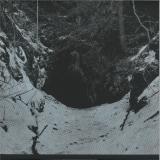
Erik K Skodvin summons his alter ego Svarte Greiner for a dive into the dark, wintery Swedish forest with the score to the psychological thriller/horror film “From Darkness” (orig: Ur Mörkret).
The film is director Philip W. Da Silva's debut and is set largely at night, deep in a Swedish nature reserve where mining used to take place. Loss, mental health and Nordic mythology come together in a story that revolves around the search for a missing woman. The score follows an eclectic and atmospherical path throughout the narrative with an uneasy underlaying vibe; although one with occasional points of refuge in the otherwise vast darkness. There is a gloomy, barely tangible sound of Nordic folk tradition buried in the music, even if it comes across in a different, more abstract way, where the various instruments are often used more as sound sources that are improvised (and abused) into becoming their own element. Skodvin performed and recorded the majority himself. In addition, he commissioned free improviser Axel Dörner to participate with his unique, custom-built electro-acoustic interface, which, along with Claudio Puntin's processed reeds and additional electronics, has been built into the elaborate backdrops to create an entire world that balances on the border between the approachable and the elusive - not unlike the journey of the protagonists. Skodvin's partner in Deaf Center, Otto A Totland, appears on piano in the stand out piece “What have you become?”.
The result is a harrowing yet deeply melancholic journey through the human psyche. One that echoes through the dark forests, cabins and lost mines of the desolate Swedish woodlands.
“It is presumed that as humans mined ore in the 1800s, they had many mishaps and dug too deep, leading them to assume they had unleashed some evil spirit that was guarding the ore. She was referred to as "Cave Wraith". It was said that she employed darkness to lure miners to their deaths. They prohibited villagers from visiting during the darkest months of the year. Some used sacrifices to subdue the evil entity.”
The vinyl is released in an edition of 150 numbered copies, with screenprinted artwork on black cardboard inside a screenprinted PVC sleeve, incl. Riso-printed insert with liner notes by Mike Lazarev, 180g vinyl.

9
"Bandleader Lina Langendorf has been known in Sweden for a long time as one of the most skilled and forward thinking saxophone players. She has been staying in both Mali and Ethopia for longer periods and has performed in concerts with legendary artists like Alemayehu Eshete, Vieux Farka Touré and...Mulatu Astatke who, at his club African Jazz Village (in Addis Ababa/Ethiopia), introduced Lina to people in the audience with the words: 'Amazing saxophone player, big respect! We should play together some day'. Some minutes later they go on stage together. Joined by the legendary piano player Dawit Yifru and the bass player from Roha Band, Giovanni Rico Bonsignori. 'Fantastic. You're so strong. Everybody loves you, they say you are ethio-jazz' was Mulatu's words after the jam session.
Lina has also been invited to the live club Le Hogon in Bamako numerous times for jam sessions and concerts with Toumani Diabaté and his band. And for Lina, these jam sessions in Addis and Bamako has been a crucial part of shaping (and sharpening) her musical vision. Last year she was also touring the UK as part of James Yorkston, Nina Persson and the second hand orchestra.
But it wasn't until feb 2023 we got to hear her own music. The debut album with her newly formed band Langendorf United was co-released between Italian label Black Sweat records and Swedish label Sing A Song Fighter and it immediately resonated with music lovers around the world (Radiohead drummer Philip Selway called it 'as if Tinariwen and Fela Kuti had a Blue Note session').
But the band is not just the composer/Saxophone star and band leader Lina Langendorf. Oh, no. The other four musicians are all highly praised musicians in various jazz bands in Sweden and Norway and together they form this sacred thythmic unity with the pulsating bass at the centre.
Langendorf United's music is vibrant and spiritual and on fire!"
Lina Langendorf - saxophone
Daniel Bingert (son of legendary South American musician Hector Bingert) - keys, guitars
Martin Hederos (The Soundtrack Of Our Lives, Tonbruket) - keys, viola
Ole Morten Vågan (Trondheim Jazz Orchestra) - upright bass
Andreas Werliin (Fire!, Wildbirds & Peacedrums) - drums

15
DEVO’s Hardcore documents the group’s beginning as pre-punk outcasts in the fertile Akron, Ohio, underground rock scene. Spawned at the nearby college of Kent State, site of the infamous May 4 Massacre, DEVO formed as a conceptual art project armed with the radical philosophy of de-evolution. Brothers Mothersbaugh (Mark, Bob and Jim) and Brothers Casale (Jerry and Bob) along with drummer Alan Myers soon whipped up an otherworldly brand of “devolved blues” that could hold its own alongside the beatnik groove of 15-60-75 (a.k.a. The Numbers Band) or the primal rock poetry of The Bizarros. Recorded on various four-track machines and in tiny studios, basements and garages between 1974-1977, Hardcore reveals their strikingly clear vision: rock ’n’ roll stripped bare of its collective cool and jerked back into propaganda fit for post-modern man. It’s no surprise that these transmissions would soon catch the eye and ear of Brian Eno, who later produced their landmark 1978 debut album. Noisy synth, strangled guitar chops and a primitive rhythmic thud power the early DEVO sound. Threaded beneath it all are lyrical themes of post-McCarthy paranoia, middle-class ephemera and DEVO’s long-running topic of choice: sex, or lack thereof. Few moments in pop music history can match the grinding, pent-up energy of “Mongoloid” and the spastic bounce and sputter of “Jocko Homo” (two anthems presented in their earlier and superior versions here). Cult favorites like “Mechanical Man” and “Auto-Modown” make Volume 1 essential listening. Superior Viaduct and Booji Boy Records are proud to present DEVO’s Hardcore to a new generation of spuds, lovingly packaged with Moshe Brakha’s stunning cover photography. As David Bowie said in 1977, DEVO is indeed “the band of the future.”
