Поиск:barr
Все
- Take It From Me
- Let It Hiss
- English Harbour
- Run Right Into It
- Moonbeam
- She Doesn't Sleep With The Covers On
- Naturally
- Owning Up To Everyone
- Another Tangerine
- Upsetter
Dark Purple Vinyl[32,14 €]
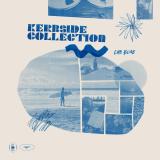
Es sind acht Jahre vergangen, seit Montreals The Barr Brothers ein Album veröffentlicht haben. In dieser Zeit hat das Leben sie - persönlich wie beruflich - in neue Richtungen geführt und ihre Art, gemeinsam Musik zu machen, verändert. Ihr viertes Studioalbum Let it Hiss ist nicht einfach nur eine neue Sammlung von Songs. Es ist ein Dokument der Transformation. Die Entstehung dieses Albums markierte einen Wendepunkt: eine Phase der Reflexion, eine Auseinandersetzung mit Verletzlichkeit und eine Wiederverbindung zwischen den beiden Brüdern, die seit über drei Jahrzehnten Seite an Seite Musik machen.,Im Jahr 2022 standen wir an einem Wendepunkt", sagt Brad Barr, Gitarrist, Sänger und Haupt-Songwriter der Band. ,Es war klar, dass sich etwas ändern musste. Die wahre Geschichte dieses Albums ist die Geschichte dieser Veränderung - und von allem, was danach kam.",Let it Hiss ist das, was passiert, wenn man aufhört, so zu tun, als wäre alles in Ordnung - und endlich wirklich hinhört", sagt Andrew.Das Album beginnt im Kleinen: eine winzige mexikanische Gitarre, der sanfte Puls eines Klaviers, ein minimalistischer Rhythmus - und eine Stimme, die sowohl Hingabe als auch Stärke vermittelt. ,Take it from me", singt Brad - nicht als Befehl, sondern als Geständnis. Schon ab diesem ersten Moment lädt das Album in einen Raum ein, in dem Makel nicht herausgeschnitten, sondern verstärkt und gefeiert werden. Es ist ein kraftvoller Einstieg in ein Album, das auf Ehrlichkeit, Wiederentdeckung und Vertrauen beruht.Für die Brüder wurde das Aufnehmen zu einem Spiegel. Der Prozess begann nicht mit Klang - er begann mit Wahrheit. Sie setzten sich nicht nur mit kreativen Blockaden auseinander, sondern auch mit persönlichen: alten Mustern, unausgesprochenen Spannungen, Trauer, Wachstum. Durch all das fanden sie wieder zu einem Rhythmus - nicht durch Perfektion, sondern durch Erlaubnis.Brad und Andrew machen schon Musik zusammen, seit sie Kinder sind - zuerst in der sich ständig wandelnden Rockband The Slip, später als The Barr Brothers, wo sie amerikanische Roots-Musik mit experimentellen Klangtexturen zu etwas ganz Eigenem verbanden. Ihr Ruf für musikalische Raffinesse und emotionale Tiefe brachte ihnen weltweit Fans - und Anerkennung von musikalischen Größen.Der Titel des Albums ist zugleich ein Leitbild. ,Es fühlte sich einfach richtig an", sagt Andrew. ,Das Rauschen drin zu lassen. Das Unbehagen, die Unvollkommenheit, den Kampf. Wir haben aufgehört, alles sauber machen zu wollen. Und genau da fing die Musik wieder an zu atmen. Und Spaß zu machen."Tatsächlich steht Let it Hiss stärker als frühere Alben der Barr Brothers für eine freudvolle Ungezwungenheit - hörbar etwa im Roadtrip-Hymnus "Run Right Into It" (mit Elizabeth Powell von Land of Talk) oder im verspielten Garagenband-Reggae von "She Doesn't Sleep With the Covers On". Doch das Album lässt die intime Erzählweise, die das Markenzeichen der Barr Brothers ist, keineswegs hinter sich: "English Harbour" ist eine wunderschöne Folk-Hymne, bereichert durch die Harmonien von Jim James (My Morning Jacket), während "Moonbeam" eine opulente Soul-Serenade mit Streichern ist - veredelt durch den frankophonen Gastgesang der quebecischen Artpop-Künstlerin Klô Pelgag.Die Songs auf Let it Hiss besitzen eine zeitlose Qualität - besonders spürbar in Stücken wie "Naturally", das leise an die Ära klassischer Songschreiber erinnert, in der Melodie und Botschaft untrennbar miteinander verbunden waren. Es ist Musik, die dem Hörer vertraut und sich nach und nach entfaltet - mit Arrangements, die Zurückhaltung und Ambition in Einklang bringen. Im Zentrum steht vielleicht der Song "Owning Up to Everyone", der den Geist des Albums im Kleinen einfängt. ,Dieser Song hat etwas in uns aufgebrochen", sagt Andrew. ,Er fühlte sich wie ein Durchbruch an."Doch all die musikalische Freiheit und emotionale Aufwühlung, die sich durch Let it Hiss zieht, bereitet nicht auf den letzten Song vor: "Upsetter", ein schweißgetränkter, punkgetriebener Rock'n'Soul-Explosion, gekrönt von einem absolut wahnsinnigen Gitarrensolo. Es ist schlicht der wildeste Song, den die Barrs je aufgenommen haben - ein Song, der die Let it Hiss-Philosophie so weit ins Rote treibt, dass er den VU-Meter fast sprengt. ,Ich dachte mir: ,Na ja, der wird es eh nicht aufs Album schaffen`, weil er vielleicht für viele unserer Hörer unerwartet kommt", gibt Brad zu. ,Aber ich glaube, unsere Hörer schätzen es, wenn wir einfach wir selbst sind - und dazu gehört eben auch sowas."Brad und Andrew produzierten Let it Hiss selbst, hauptsächlich zu zweit in ihrem Studio in Montreal. Um die rohe Direktheit und Komplexität des Albums einzufangen, arbeiteten sie mit Mix-Ingenieur Jon Low (The National, Taylor Swift, Bon Iver). Sie luden enge Freunde aus ihrer musikalischen Community ein, ihre Stimmen, Instrumente und Texturen beizusteuern, wenn es die Songs verlangten - Kollaborationen, die sich weniger wie Features, sondern mehr wie natürliche Erweiterungen der Musik anfühlen. Viele dieser Beziehungen entstanden über Jahre gemeinsamer Bühnen, langer Nächte im Studio und einer gemeinsamen Hingabe an das Handwerk. So ist Let it Hiss zugleich das persönlichste und das kollaborativste Album, das sie je gemacht haben.Let it Hiss will nichts auflösen - es will offenlegen. Es lädt die Hörer ein, genau hinzuhören - auf das Rauschen, das Gewicht, das Staunen. Während die Barr Brothers ihren Weg fortsetzen, ist eines klar: Sie haben einander wiedergefunden - und darüber auch ihre Musik.And the rest is hiss-tory
Black Vinyl[21,81 €]
Sasha continues his current hot streak with a new single on Last Night On Earth alongside Jody Barr, with a killer Einmuisk Remix on the flip.
Pioneering electronic force Sasha has found plenty of success in recent creative partnerships. The Last Night On Earth founder has worked with the likes of Super Flu and Sentre and dropped a steady stream of fresh solo sounds such as 'Florian Drift' and 'How to Wear Raybans Well'. All this means he continues to lead the melodic house and techno scene from the front with expertly crafted sounds. Here, he works with Jody Barr who has long been close to this label having also established himself with music on Krankbrother, Configurations Of Self and Nofitstate. He heads up Portable Minds and is renowned for his rugged, hardware-centric sound.
'Phaxon' is a beautifully elegant affair with shimmering chords rising and falling over a serene electronic groove. It's packed with smart sound design and subtle touches that make it glow from start to finish as the emotions build and sweep you up into a delightful dance floor reverie.
Hamburg's Einmusik has a cultured techno sound that has lit up his own self-titled label as well as the likes of Diynamic and Sincopat. His version is more rugged with a darker feel thanks to the rasping bassline that rumbles below. There is still plenty of great chord work but the whole track is a little more direct for poignant club deployment.
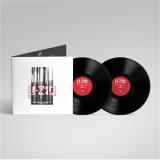
For more than 20 years, Brad Barr has been counting the number 216. It’s a mysterious number that seems to show up everywhere—from clocks and license plates to Ouija boards and receipts—and now it’s also sewn the fabric of his new album, like the 216 stitches on a baseball. The Barr Brothers frontman has set aside his band, his microphone and even his lyric-sheet—picking up his instrument for a solo guitar album that ripples with immediacy, vulnerability, and the spell of six-cubed.
Barr spent decades developing his visceral approach to the guitar, first with The Slip and then across three LPs with the Barr Brothers. The Winter Mission—the follow-up to The Fall Apartment, Barr’s 2009 solo debut—had its origins in an instrumental commission for New York City’s All For One Theater. It “felt like a gift,” Barr recalls—to have a sound he could explore all by himself, away from the road, during COVID’s strange intermission.
300 pages, 175 x 129mm paperback book w/ french flaps.
DINTE mint their short run book publishing imprint, The End books, with this vast collection of flyers for dances, clashes and blues parties from across the UK between the early 1970s and mid 1990s. Comes complete with intro by David Katz (People Funny Boy: The Genius of Lee 'Scratch' Perry, Solid Foundation: An Oral History of Reggae) and outro by Kevin Le Gendre (Don't Stop the Carnival: Black British Music, Children of the Ghetto: Black Music in Britain). Colour scans sit alongside scuzzy photocopies amassed over several years with the assistance of multiple archivists. The material presented in A Night to Remember is not just valuable musical history, but the story of a community and a culture that revolutionised sound culture in the UK.
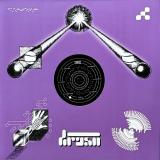
"The flyers collected in A Night To Remember speak to the burgeoning sound system underground that flourished in Britain in the 1970s, 80s and early 90s. There are held events on hallowed ground as well as lesser-known sets. Flyers for house parties remind that shebeens remained an important feature of social life in black communities and the many sound clash and cup clash events emphasise the rivalry and camaraderie that has always been at the heart of the culture, as friends go head-to-head with their dub plates, vying for that definitive crown. Dances featuring guest appearances by name-brand artists such as Sugar Minott, Lone Ranger, Barrington Levy and Admiral Bailey, as well as sound systems such as Jack Ruby, King Jammies, Ray Symbolic, Arrows, Black Scorpio and Metro Media remind how closely the local sound systems remained to their Jamaican roots, even as sounds such as Saxon, Unity, Java and Diamonds carved out a distinctly British niche. All hail the enduring sound systems of Britain – long may they reign!" — David Katz
- 1: Brand New Heartache
- 2: Long Ride
- 3: The Lie
- 4: Barroom Feather (Radio Edit)
- 5: Blind
- 6: Nothing New
- 7: One To One Another
- 8: Always Almost
- 9: Barroom Feather
Good As True (2026), the 12th studio album from Yonder Mountain String Band, leans into a warm, expressive sound — bluegrass shaped with an indie edge, rock undertones, and a hint of country. Recorded live in the studio, its eight original tracks trace romantic, personal, and societal relationships and the work it takes to stay connected. The lead single “Brand New Heartache” pairs rock-driven verses with a bluegrass-lifted chorus as it follows the fallout of a breakup and the uneasy hope of starting again, while “Blind” opens with a striking instrumental riff that lingers long after the song ends, while its lyrics confront regret, mental health struggles, and the pull to become something better. “Long Ride” delivers a sharp, sarcastic look at life in a touring band; “Nothing New” and “The Lie” confront political rigidity and division; “One to One Another” and “Always Almost” pull toward quieter emotional corners; and “Barroom Feather” drifts into indie-folk terrain with one of the album’s most atmospheric jams. Across Good As True, Yonder moves between high-tempo runs, layered harmonies, and moments that breathe — a reminder that nearly three decades in, they’re still charting new ground.
BAR Musica is happy to come back with its BAR Musica Re-Present catalogue and is even happier to welcome back the Italian legend Ricky Montanari - to confirm the respect and friendship with us.
Ricky Montanari has always been a forward thinking in both his production and sets. The tracks in this H.O.M. Vol II are some unreleased gems produced together with his studio partners Davide Ruberto and Edo Lo Zio in the early 2000 that never got released.
This release is dedicated to all the respect and the gratitude to Ricky, for always be a friend!”
- Just A Mistake
- I'll Take My Flowers
Der erste und beste Release von The Barrino Brothers! Die Band hatte Anfang der 70er Jahre Erfolg beim Label Invictus, das von den ehemaligen Motown-Produzenten Holland-Holland-Dozier betrieben wurde, aber das hier ist ihre erste Single beim Label TCB von Dave Hamilton aus Detroit. Die A-Seite ,Just A Mistake" ist super, aber der wahre Hit ist auf der B-Seite. ,I'll Take My Flowers Right Now" hat einen tollen Gesang und einen mega-treibenden Beat.
Solo 500 delivers another irresistible donut that takes the form of this 2-sided celebration of afro-latin & jazz-funk classics. GSC dusts off 2 deep catalog selections here — & part of the appeal is that neither side is a played-out sample cliché. This one is for heads who already burned through the obvious joints.
Side A digs into Manu Dibango beyond the endlessly flipped “Soul Makossa” universe. “The Panther”, from the 1973 album “Africadelic”, isn’t one of his commonly sampled tracks — & that’s exactly why it hits so hard. Low-slung Afro-funk, stalking bass & suspense-building horns that feel like a break record even if they haven’t been rinsed by every golden-era producer. Selectors who chase texture over recognition will understand the power here immediately. It’s the kind of cut hip-hop heads love not because they’ve heard it before — but because they haven’t.
Side B moves into Latin jazz-funk royalty. Ray Barretto is one of the most sampled percussionists of all time, but “Together” (from the 1969 album of the same name) sits slightly off the obvious break-beat path. Instead of a clean, isolated drum loop, you get rolling congas, warm keys & a communal groove that’s been DJ-tested far more than it’s been sampled. This is the type of Barretto cut that crate-diggers pull when they want rhythm to breathe — bridging jazz floors, disco-leaning sets & hip-hop selectors who think like musicians, not beat miners.
Back by popular demand, the limited-edition repress of one of Joe Claussell's most cherished compositions has returned. Originally released in 1999 and created in collaboration with Afro-dance innovator Jephte Guillaume and the late music legend Boyd Jarvis, Agora É Seu Tempo first appeared on the Trip do Brazil compilation in France. It was later issued as a highly sought-after promotional 12" on Spiritual Life Music-quickly becoming a defining release in the rise of Brazilian-influenced dance music from the late '90s onward.
In 2018, Joe Claussell revisited the piece, crafting two entirely new versions inspired by the musical spirit of New York City's barrios. Released as a limited 7", these remixes sold out within weeks. Now, answering the overwhelming demand, we're pleased to announce a new limited repress of this timeless and deeply soulful classic. Warm music for the heart and soul.
- 1: Reckless
- 2: Personal Rock N' Roll
- 3: Night Of Passion
- 4: Strip Me Down
- 5: Tongue Of Love
- 6: Love Tornado
- 7: Bad Girl
- 8: Street Survivor
- 9: Too Dangerous
- 10: Bodyrock
Black Vinyl[25,00 €]
British rock singer Chez Kane is back with her third studio album, “Reckless” — an explosive blend of arena-ready hooks, slick guitar work, and unapologetic 80s-style swagger. Following the success of her first two records, Chez levels up with a collection that’s bigger in sound, richer in emotion, and packed with pure melodic firepower. Once again written and produced by Danny Rexon, frontman of Swedish hard rockers Crazy Lixx, “Reckless” channels the golden age of melodic rock while injecting it with fresh energy and modern production. The chemistry between Chez and Danny continues to shine, resulting in a record that blends 80s-inspired anthems, infectious hooks, and soaring vocals into a modern rock statement with attitude.
From glam-infused bangers to emotional slow-burners, “Reckless” showcases Chez’s growing confidence and undeniable charisma, proving she’s not just riding the revival wave — she’s leading it. If you’re craving fist-pumping choruses, soaring vocals, and a no-holds-barred throwback to the glory days of rock, look no further. Chez Kane’s “Reckless” is melodic rock done right — bold, catchy, and undeniably alive. Turn it up loud. This one’s recklessly unforgettable.
British rock singer Chez Kane is back with her third studio album, “Reckless” — an explosive blend of arena-ready hooks, slick guitar work, and unapologetic 80s-style swagger. Following the success of her first two records, Chez levels up with a collection that’s bigger in sound, richer in emotion, and packed with pure melodic firepower. Once again written and produced by Danny Rexon, frontman of Swedish hard rockers Crazy Lixx, “Reckless” channels the golden age of melodic rock while injecting it with fresh energy and modern production. The chemistry between Chez and Danny continues to shine, resulting in a record that blends 80s-inspired anthems, infectious hooks, and soaring vocals into a modern rock statement with attitude.
From glam-infused bangers to emotional slow-burners, “Reckless” showcases Chez’s growing confidence and undeniable charisma, proving she’s not just riding the revival wave — she’s leading it. If you’re craving fist-pumping choruses, soaring vocals, and a no-holds-barred throwback to the glory days of rock, look no further. Chez Kane’s “Reckless” is melodic rock done right — bold, catchy, and undeniably alive. Turn it up loud. This one’s recklessly unforgettable.
- 1: Por Dónde Caminas?
- 2: Refrito
- 3: La Tumbona
- 4: Segment
- 5: Sencillito
- 6: Bulería De Los Chicos
- 7: Camino
- 8: Amores
- 1: Tangos Del Buenro
- 2: Martinete A Trane
- 3: Zapatito
- 4: La Propina
- 5: Mientras Duermes
- 6: Pentalegrías
- 7: En Mi Casa
- 8: Luna De Madrid
Celebrating the 30th anniversary of Enlace Funk magazine, they present the world's first Flamenco-Jazz compilation, featuring 16 tracks from between 1978 to 2025, released on vinyl for the first time. A musical dialogue between Flamenco and Jazz, unique in the world, a journey through some of the most important artists of this style, starting with the seminal work of the group Dolores in 1978, and continuing to examples of the current sound of this exciting fusion. Includes tracks never before released on vinyl by artists such as Jorge Pardo, Chano Dominguez, Pedro Ojesto, and Marc Miralta. The first volume of Flamenco-Jazz aims to showcase this unique style that has proven to be a bridge of communication and dialogue between flamenco and jazz musicians, creating an inimitable sound that is constantly evolving and transcending barriers. We take as our starting point a 1978 recording by Dolores, featuring Paco de Lucía, which later led to the formation of her legendary sextet with musicians who had participated in this recording. Of course, this first volume wouldn't be complete without other masters like Josemi Carmona, Pedro Ojesto, and Marc Miralta. And of course, a new generation of names that have elevated the genre to its current status, such as flautists Trinidad Jiménez and Sergio De Lope, Juanfe Pérez and Juan Pérez Rodríguez from Huelva, Pablo Martín Caminero from Vitoria, and Miquel Alvarez from Valencia. Not forgetting innovators like Antonio Lizana and Enriquito, who are crossing borders and sharing their unique style. Ltd ed.classic black vinyl double LP in gatefold sleeve
Audaciously innovative sound designer/producer/live artist Enrico Sangiuliano reaches #0 in his countdown from ‘NINETOZERO’ on his eponymous ephemeral imprint, triggering its built-in autodestruct by the release of provocative 3-track EP ‘Absence’, out March 19th on vinyl & digital. The digital EP will also feature an Edit of ‘Step Into The End’.
The Italian tech maestro and artistic pioneer eschews populism, yet still storms charts & wins hearts – notably/recently in his unsettling, compelling manifesto x battle cry ‘The Techno Code’. Says Enrico of his label, ‘NINETOZERO is a cycle of listening, making, and letting go. Born from silence, shaped by space, directed by reflection, altered by change, revealed by glitch, unified through interconnection, lifted toward transcendence, refined by discipline, clarified by chaos, and finally returned to absence.’
On his ‘Absence’ EP: ‘With ‘Absence’ we come full circle, back to the womb of nothingness but charged with the echo of everything we have experienced. It is an ending, yes, but also an invitation. A new kind of silence is born, shaped by the memory of every frequency we unleashed.’ Enrico Sangiuliano can thrill listeners with his music, but dares to challenge, to trust them.
Main track ‘Step Into The End’: a full-on barrage of trustworthy techno danceability & energy, bookended by soulful violin, high horns & sirens, with spoken incantations as if summoning to a sacred rite. A ten-minute timeless dance track as ‘all we’ve learned converges into a single point where presence & silence merge.’
Title track ‘Absence’: The (Techno Code-esque) Voice speaks of sound, space, absence, trace... the track’s background noise is the almost- silence of his studio ‘through a magnifying glass’.. His breathing can just be heard in the recording. Melodic, beautiful, free-form chords in the middle section act like a breakdown in reverse. ‘A provocation, a track of silence, incidental noise. A tale of a story that just finished, but also a background for a story to be shaped. No one is intentionally performing for us. Here, the responsibility and work of listening is on you, to figure out what you can hear and what to make of it, to craft your own soundtrack based on the sounds that surround you, beyond the track. You can perform your own version yourself. Close your eyes and just listen. Engage with your environment. Be present. Expand your senses. Enjoy absence.’
‘The Aftermath’: a 40-second provocative coda. A snatch of stirring conversation signing off the EP and label alike. What will be launched post-zero by Enrico Sangiuliano? Watch this space, this absence.
Chalybeate documents a month long stay by Tokyo based producer aus in Ikaho, one of Japan's most established Onsen (hot spring) towns, during autumn 2024.
Working from field-recordings captured inside multiple ryokan baths, aus synthesized the subterranean movement of the onsen's with local details: the bubbling of source water, the hoozuki lantern plants and wind chimes placed at each inn, and the surrounding insects and birds. Rather than portraying Ikaho as a landscape, the recordings trace the town's respiration.
The material was first presented on site as an installation unfolding across eight different baths, where visitors listened while soaking in roten-buro (open air hot baths). The project drew wide attention for proposing listening as a bodily act, inseparable from heat, moisture, and duration.
Chalybeate re constructs that installation as an album. The recordings were left to sit for a year within Ikaho's air and humidity, allowing the sound itself to slowly change. The title refers to Ikaho's iron rich mineral water, known as "Golden Water," which oxidizes upon contact with air and leaves rust colored traces in its baths. Following this process, the album's sound was repeatedly re submerged and re worked, gradually absorbing a corroded texture.
Tape hiss, gentle distortion, and subtle fluctuations rise quietly, like steam.
What remains is not documentation but residue.
Mixing was handed over to Manchester based producer The Humble Bee by Craig Tattersall, known for his work with The Boats and The Remote Viewer, after aus exhausted himself traversing Ikaho's steep stone steps. The exchange mirrors the work itself: from bathtub to hot spring, from sound to something that surrounds the body.
Woodwind like tape noise and the movement of water dissolve into one another.
The music does not arrive all at once. It settles slowly, as if lowering into warm water.
- Donna Summer - Hot Stuff
- Thelma Houston - Don‘t Leave Me This Way
- Barry White - You‘re The First, The Last, My Everything
- Rose Royce - Car Wash
- Dollar - Shooting Star
- New Paradise - Showman
- One Hundred Ton And A Feather - It Only Takes A Minute
- Blondie - Sunday Girl
- Gloria Gaynor - Reach Out I‘ll Be There
- Tommy Hunt - Loving On The Losing Side
- Stevie Wonder - Signed, Sealed, Delivered (I‘m Yours)
- Kool & The Gang - Too Hot
- Roots - What Are You Doing In Casablanca
- D.d. Sound - 1, 2, 3, 4, Gimme Some More
Tauchen Sie ein in das glitzernde Lebensgefühl der 1970er Jahre! Mit „70s Disco Hits Vol. 3“ holen Sie sich die größten Dancefloor-Klassiker einer unvergesslichen Musikära direkt nach Hause – energiegeladen, zeitlos und voller Groove.
Diese exklusive Vinyl-Compilation vereint ikonische Künstler und Welthits, die die Disco-Welle geprägt haben:
• Donna Summer – Die „Queen of Disco“ begeistert mit ihren elektrisierenden Hymnen und unverwechselbarer Stimme.
• Barry White – Samtweiche Soul-Vibes und unverkennbarer Groove.
• Blondie – Disco trifft New Wave mit ikonischem Sound.
• Stevie Wonder – Funkige Rhythmen und musikalische Meisterwerke.
„70s Disco Hits Vol. 3“ bringt das Gefühl von Spiegelkugeln, Plateauschuhen und durchtanzten Nächten zurück – eine musikalische Zeitreise in die goldene Ära der Disco.
Let the music play – und machen Sie Ihr Wohnzimmer zur Tanzfläche!
- Rala-Bucho
- Canarin Da Alemanha
- Menina Do Toror
- T Com Medo Por Qu?
- Bacax
- Quixod
- Um Abraço No Adrian
- Nunca Mais Feat. Loren Odeon
- Loca Pasin Feat. Loren Odeon
GREEN VINYL[26,01 €]
Antônio Carlos & Jocafi, das legendäre Duo aus Bahia, dessen Musik seit über fünf Jahrzehnten den Soul Brasiliens verkörpert, kehrt mit einer kühnen neuen Zusammenarbeit zurück: Jazz Is Dead 026. Beto Barreto von Baiana System stellte Adrian Younge und Ali Shaheed Muhammad vor, und die Begegnung war sofort von Magie geprägt. ,Als wir uns zum ersten Mal trafen, war es wie bei einer Familie", erinnern sie sich. Diese Verbundenheit veranlasste Younge und Muhammad, das Duo nach Los Angeles einzuladen, wo sie eine Handvoll Ideen mitbrachten und vor Ort neue Songs schufen - ein intuitiver, improvisatorischer Prozess, der die Philosophie von Jazz Is Dead ausmacht. Mit dieser Veröffentlichung bekräftigen Antônio Carlos & Jocafi ihre kreative Vitalität und bringen gleichzeitig einer neuen Generation ihren zeitlosen bahianischen Geist näher. ,Adrians Liebe zu Brasilien ist größer als die vieler Brasilianer", sagen sie und betonen, wie aufmerksam er zuhört, studiert und die Rhythmen, Geschichten und Gefühle ihrer Kultur vermittelt. Das Ergebnis ist ein Album, das eine Brücke zwischen dem Mercado Modelo in Salvador und der globalen Bühne schlägt und die folkloristischen Traditionen Bahias mit der analogen Seele von Jazz Is Dead verwebt.
Santamaria Brothers are the latest incarnation of a lifelong musical journey rooted in rhythm, rebellion, and reinvention. The children of Peruvian and Ecuadorian immigrants to Australia, brothers Pat and Andrew Santamaria grew up steeped in the sounds and culture of Latin America - a deep inheritance that coloured everything they did, even as they moved through scenes and styles far from home.
In their youth, the brothers sharpened their first musical swords playing in globally touring indie bands. As the rhythm section of cult outfit Lost Valentinos, they had the opportunity to see the world and learn from the best; touring with, working alongside, and releasing music through the likes of Soulwax, Ewan Pearson, and Kitsuné. Taking those experiences home, they dove deep into the rave underground, co-founding of the crucial Sydney-centric techno label, warehouse party collective, and long-running radio show Motorik! In that guise,they helped shape the city’s electronic music scene over the past decade from the booth, the studio, the airwaves, and the street.
Now, after years behind the decks and on both sides of the mixing board, Santamaria Brothers return to their roots - releasing music under the family name for the first time. With We Got Latin Soul, they bring it all together on a 4-track EP of club-ready edits (via Sosilly Records). Reworking four towering figures of Latin soul; Mongo Santamaria, Ray Barretto, Pucho & The Latin Soul Brothers, and Joe Bataan — the brothers inject each cut with tasteful touches of Balearic haze and chugging acid house pressure, honouring the originals while making them sing on today’s dancefloors.
This is Latin soul filtered through a unique blend of antipodean rave culture, crate-digging, and relentless reinvention. It’s joyful, percussive, and made for the club - a full-circle moment from two lifers forever finding new ways to move bodies.
Antônio Carlos & Jocafi, das legendäre Duo aus Bahia, dessen Musik seit über fünf Jahrzehnten den Soul Brasiliens verkörpert, kehrt mit einer kühnen neuen Zusammenarbeit zurück: Jazz Is Dead 026. Beto Barreto von Baiana System stellte Adrian Younge und Ali Shaheed Muhammad vor, und die Begegnung war sofort von Magie geprägt. ,Als wir uns zum ersten Mal trafen, war es wie bei einer Familie", erinnern sie sich. Diese Verbundenheit veranlasste Younge und Muhammad, das Duo nach Los Angeles einzuladen, wo sie eine Handvoll Ideen mitbrachten und vor Ort neue Songs schufen - ein intuitiver, improvisatorischer Prozess, der die Philosophie von Jazz Is Dead ausmacht. Mit dieser Veröffentlichung bekräftigen Antônio Carlos & Jocafi ihre kreative Vitalität und bringen gleichzeitig einer neuen Generation ihren zeitlosen bahianischen Geist näher. ,Adrians Liebe zu Brasilien ist größer als die vieler Brasilianer", sagen sie und betonen, wie aufmerksam er zuhört, studiert und die Rhythmen, Geschichten und Gefühle ihrer Kultur vermittelt. Das Ergebnis ist ein Album, das eine Brücke zwischen dem Mercado Modelo in Salvador und der globalen Bühne schlägt und die folkloristischen Traditionen Bahias mit der analogen Seele von Jazz Is Dead verwebt.
- A1: Innamorata Del Tuo Controllo
- A2: Tempio Senza Luce
- A3: Hasta El Fin
- A4: Danza Dell'equilibrio
- B1: La Nueva Era
- B2: Vivo E Credo
- B3: Quando Mi Dicevi
- B4: A Volte Sembra Stia Per Finire
Hailing from Barcelona they are an eclectic, discerning form of contemporary industrial music, deploying compulsive minimal synth and primal polyrhythms, as well as uniquely reconstrued elements of post-punk & EBM. An artistic identity that embraces influence yet eschews compromise, changing flavors, but not essence, from release to release. Their music has been shared or praised by Iggy Pop, Cosey Fanni Tutti (Throbbing Gristle, Chris & Cosey), Geoff Barrow (Portishead, Beak), among many others.
This LP shows Dame Area most melodic side, bringing back experimentation to the genres of minimal synth, synthpop or EBM: subverting them from the inside, finding new ways to innovate, giving us unexpected twists along the ride. FFO: Chris and Cosey, DAF, Giorgio Moroder, Essaie Pas, Kraftwerk, Liasons Dangerouses.
DISPLACES represents Fabris' most personal musical journey to date, inspired by the concept of hyperobjects and cartographic practices. The album sculpts a high-dimensional phased time-space composed of concrete materials and digital archetypes in a state of constant displacement. It delves into the symbolic and philosophical realms of mapping as one of the greatest sense-making mechanisms for life, in dialogue with object-oriented environments, superimposition and non-locality applied to cosmic, temporal, and emotional memory.
The sonic ecosystem expands on the image of navigating a path through a set of places, from the microcosm of quanta to the macro force of dark matter, from underwater depths to overland terrains, encapsulating the cyclical flow between birth and death, both in ecological and anthropological sense. The intersection of these shifting states is explored through the extensive processing of the langspil, Iceland's only traditional instrument, intertwined with manipulated field recordings of biophonies and geophonies captured across Icelandic and Venetian territories. These recordings form the backdrop for a meditative process that relocate familiar objects into unfamiliar realms, reflecting on the transformative power of self-reflection while encapsulating the fragmentation and entanglement found in nature and the human state. The record plunges the listener into a disconcerting and physical soundscape, as a “ghostly spectrality that comes in and out of phase with normalized human spacetime,” evoking sensations of suffocation and release as each layer continuously unfolds the palimpsest of the enclosed labyrinth.
“Extraction of the I” embodies a subatomic reaction—erupting as a molecular force that rises, only to re-submerge with a solitary exhale underwater. In this mutated dark space, beluga whales breathe into "Xanadu Phasing," creating a pulsating tension that releases only to unveil a frozen landscape.
In “Barricading the Ice Sheets” the glacial material morphs into a liquid tunnel of digital artifacts, building a wall of noise that shatters into scattered fragments of ice, resembling bird calls from another world.
A moment of stasis is offered with the appearance of an asymmetrical loop in Monolith I, evoking a primitive rite before an unknown force emerges.
The physical intensity of subsonic material in "A Quake in Being" interrupts the hieratic tone, detuning into polluted sonic matter sourced from relics of the First World War in the Venetian Prealps. The geography of this place reconciles with the original homeland in "The Map is the Territory," blending negative space with anthropogenic elements and exploited sounds of the langspil.
The burning density of "Wolf-Rayet" projects into the void, echoing the residual sounds of a local church as relics of fossilized religions. Wolf tones are the remains in Monolith II, introducing the final track, "Topography of Extinction," where evolving psilocin textures invite the listener to uncover deeper layers of meaning and dislocation.
Valvula Records returns with its third EP, reinforcing its identity through a powerful release that brings together Swedish and Brazilian artists in a compelling convergence of contemporary Techno. The project highlights the creative strength of artists who are actively shaping Raw and Hypnotic Techno with personality, consistency, and a clear artistic vision.
Alexander Johansson and Mattias Fridell deliver an intense and precisely crafted collaboration, reflecting the maturity of a partnership built on deep, impactful productions. Brankelo continues to expand his international presence following recent releases on the renowned Planet Rhythm, contributing a track driven by raw energy and sonic intensity.
Sev Dah maintains his distinctive contemporary groove, offering an exclusive track that adds tension and movement to the EP. Alvinho L. Noise and Steel Force join forces on a hypnotic, driving track powered by a solid and immersive groove, reinforcing the EP's raw and uncompromising character.
Designed for the dancefloor, DJs, and true Techno enthusiasts, this release marks another strong step forward for Valvula Records in building an authentic and relevant catalog.
Nicaraguan-American artist Dagmar Zuniga makes music that feels both intimate and expansive: songs drift like disrupted signals, carried by harmony, tape hiss, and a strong sense of touch. Her debut solo album in filth your mystery is kingdom / far smile peasant in yellow music — written and recorded in New York, Norway, and Athens, Georgia over a period of five years on her longtime companion, the Tascam 424 — was uploaded to Bandcamp and YouTube in January 2025, quickly garnering over two hundred thousand views and the attention of artists such as Mount Eerie, who invited her to tour with them that summer. This year, what was once a jewel of tapped-in algorithms and message boards will meet the world at large, with in filth arriving digitally on March 4, and physically on April 10, via AD 93.
in filth is an atmospheric, devotional collage where one voice multiplies into a chorus of selves, sometimes delicate, sometimes severe; an effect created by Zuniga’s masterful layering of texture and complex harmonies. Synths glitter out like spears of sunlight from beneath clouds of moody, time-distorted guitars, and songs spin about themselves like tightly-wound music boxes, making use of a kind of hypnotic repetition, before melting apart into their components or slipping into the following track.
Zuniga began recording to tape as a teenager, drawn to the physicality of the medium — how a tape recording is fragile, mutable, and alive. Though her ethereal sound may draw easy comparisons to other female pioneers of psychedelic folk, she is influenced just as much by the darker sounds of Syd Barrett and The Fall. Like Barrett, Zuniga is a painter, and she is interested not only in recording music but in creating a full, self-contained artistic universe: she creates her own artwork, merchandise, music videos, and bootleg tapes of new and unfinished music that she exclusively sells at live shows (“If something is not material, it does not exist,” she insists). Her world has not gone unvisited, garnering her a monthly show on NTS Radio ‘World of Pain’, as well as a forthcoming appearance at Rewire Festival in April 2026.
Though Zuniga’s work explores themes of solitude and suffering, the suffering in her songs is not borrowed or displayed; it is held, then opened outward through empathy — an exacting practice of attention that insists on shared ground. Solitude, in her work, is not withdrawal but a starting point for connection. Likewise, over time, her recording process has become increasingly communal, with in filth featuring musicians Hayes Hoey, Austyn Wohlers (Tomato Flower), and Zach Phillips (Fievel Is Glauque). Newer recordings widen the circle even more. For Zuniga, collaboration is a way to “find a place between worlds,” echoing Badiou’s idea of love as a vision refracted through the prism of difference. Meaning emerges there — in the space between voices, between artist and listener. “I hope my music helps people work through difficult experiences,” she says. “The same way it helps me.”
DISCOVER THE BEST TRACKS FROM BARRY WHITE"S CULT PERIOD, FROM 1979 TO 1983, BROUGHT TOGETHER FOR THE FIRST TIME ON A UNIQUE DOUBLE VINYL. Including : "CHANGE" - "GHETTO LETTO" - "I FOUND LOVE" - "LADY, SWEET LADY" "ANY FOOL COULD SEE (YOU WERE MEANT FOR ME)" - "YOUR LOVE, YOUR LOVE" "SHE"S EVERYTHING TO ME" - "DON"T LET" EM BLOW YOUR MIND" - "LET"S MAKE TONIGHT (AN EVENING TO REMEMBER)" -"I"M ON FIRE"
BAR Musica Re-Present is happy to come back after the great success of BARREP05 by the master Ricky Montanari, with some new unreleased cuts by another Italian great project - Presslaboys.
Presslaboys had a massive momentum in the early 2000’s with releases on Crosstown Rebels and their own Presslab Records, delivering some of the best cuts in the new era called tech house.
We teamed with Omar J and found these unreleased cuts, a little different from what they were releasing at the time, but with a real progressive sound that we are happy to release
- A1: Les Masques - Il Faut Tenir (1969)
- A2: Isabelle Aubret - Casa Forte (1971)
- A3: Christianne Legrand - Hlm Et Ciné Roman (1972)
- A4: Jean Constantin - Pas Tant D'chichi Ponpon (1972)
- A5: Billy Nencioli & Baden Powell - Si Rien Ne Va (1969)
- B1-: Marpessa Dawn - Le Petit Cuica (1963)
- B2: Jean-Pierre Sabar - Vai Vai (1974)
- B3: Sophia Loren - De Jour En Jour (1963)
- B4: Isabelle - Jusqu’à La Tombée Du Jour (1969)
- B5: Sylvia Fels - Corto Maltesse (1974)
- C1: Frank Gérard - Comme Une Samba (1972)
- C2: Ann Sorel - La Poupée Des Favellas (1971)
- C3: Charles Level - Un Enfant Café Au Lait (1971)
- C4: Andrea Parisy - Les Mains Qui Font Du Bien (1970)
- C5: Audrey Arno - Quand Jean-Paul Rentrera (1969)
- C6: Aldo Frank - T’as Vu Ce Printemps (1970)
- D1: Christianne Legrand - Cent Mille Poissons Dans Ton Filet (1972)
- D2: Clarinha - Lemenja (1970)
- D3: Hit Parade Des Enfants - Aquarela (1976)
- D4: Jean-Pierre Lang - Tendresse (1965)
- D5: Magalie Noël - Une Énorme Samba (1970)
- D6: Françoise Legrand - La Lune
Ever since the late 1950s bossa-nova revolution, Brazil’s influence on French music has been undeniable. Pierre Barouh, Georges Moustaki and a vast array of lesser known artists, all made the Musica Popular Brasileira (MPB) an axis of promotion at the service of a cool and metaphysical, modern and mixed Brazilian lifestyle. Some were seduced by the poetic languors of the bossa, some were looking for fun, and others just loved the American hybridization of jazz-bossa, jazz-samba.
What is bossa nova? One of its creators, Joao Gilberto said: "Its style, cadence, everything is samba. At the very start, we didn't call it bossa nova, we sang a little samba made up of a single note - Samba de uma nota so .... The discussion around the origins of bossa nova is therefore useless”. It is nevertheless useful to remember that these magnificent Brazilian songs, which the guitarist describes as samba, were shifted and balanced around improbable chords. "I like things that lean, the in-betweens that limp with grace," said Pierre Barrouh, quoting Jean Cocteau.
With emotion, arrangements for violin and supple guitar licks, bossa nova rapidly changed. A transformation that can be heard in the Tchic, tchic, French Bossa Nova 1963-1974 compilation, the result of a cultural reappropriation, which traveled through the United States and supplemented itself in France.
A musical revolution that has remained significant, bossa nova was born in Rio. From 1956 to 1961, Brazil lived through its golden years. In five years, the country had invented its modernist style. Elected president in 1956, Juscelino Kubitschek de Oliveira, an elegant man with a broad forehead, brandished a promising slogan: "Fifty years of progress in five years". He quickly got to work. Not worried about increasing debt, he launched the project for a new federal capital, Brasilia, designed by the communist architect Oscar Niemeyer. Volkswagen opened state-of-the-art factories and created the “fusquinha”, the Beetle. In Rio, the Vespa made its first appearance. The Arpoador Surf Club crew run into the “girl” from Ipanema, Helô Pinheiro - the tanned garota ("chick"), between a flower and mermaid, who at 17 walked by the Veloso bar, where the fiery author and composer, Tom Jobim and Vinicius de Moraes, were getting drunk on whiskey. From then on, bossa symbolized cool.
In 1958, Joao Gilberto recorded Chega de Saudade, which the directors of Philips denied, calling it "music for fagots". The marketing director, who believed in it, secretly pressed 3000 78-inch vinyls and distributed them at schools around Rio, creating a tidal wave.
American jazzmen then took over. In particular, trumpeter Dizzy Gillespie and guitarist Charlie Byrd. In November 1962, the Brazilian Ministry of Foreign Affairs funded a "Bossa-Nova" concert at Carnegie Hall in New York, inviting the genre’s pioneers. Unprepared, the show soon turned to disaster. But the troupe was invited to the White House by Jackie Kennedy. The first lady loved "the new beat" and in particular Maria Ninguem, a song by Carlos Lyra, later covered by Brigitte Bardot.
In Brazil, the 1964 military coup quickly ended this euphoria. The destructive atmosphere that ensued pushed many Brazilian musicians to leave, if not to exile. Thus, Tom Jobim, Sergio Mendes and Joao Gilberto arrived to the United States. In New York, Joao Gilberto met saxophonist Stan Getz. At the time, he was married to the Bahianese Astrud Weinert Gilberto, who had a German father. She had never sung before, but she knew how to speak English. Getz therefore asked her to replace her husband on The Girl From Ipanema. The Getz/Gilberto record with Tom Jobim on piano, was released in March 1964. Phil Ramone, the "pope of pop" was in charge of sound.
Bossa nova arrived in Paris through the classic “guitar-voice” channel (Pierre Barouh, Baden Powell, Moustaki…) But France loved jazz and Paris had already welcomed its American contributors. All these good people were to pass through Saint-Germain-des-Prés. The cabaret l'Escale became the Mecca of Latin American sound where one could find Pierre Barrouh and his friends, such as the Camara Trio, samba-jazz aces, whose only record was published by the Saravah label. With a band strangely called Les Masques (a band that included Nicole Croisille and Pierre Vassiliu, among others), the Camara Trio recorded an interesting Brazilian Sound, including the track Il faut tenir which is present on this tasty compilation of rarities.
Other enlightened musicians can also be found on the compilation, such as Jean-Pierre Sabar (songwriter for Hardy, Auffray, Leforestier ...) and the French pop rock organist Balthazar. In 1975, Sabar recorded Aurinkoinen Musiikkimatka on a Finnish label, which featured the crazy Vai, Vai, included on this record. We are now following the footsteps of Brazilian electronic musicians such as Sergio Mendes, Eumir Deodato or Marcos Valle who created funk and disco sounds on their keyboards and synthesizers. A style that influenced Véronique Sanson when she wrote Jusqu’à la Tombée de la nuit in 1969 for Isabelle de Funès, the niece of Louis and a great friend of Michel Berger - Sanson did end up singing this track on her 1992 Sans Regret record.
The pinnacle of exoticism and travel, Sylvia Fels’ Corto Maltese includes bongos, sea mist and ocean sounds. The title was taken from Jacky Chalard’s concept album written in 1974, Je suis vivant, mais j’ai peur (I am alive, but I am scared), based on Gilbert Deflez’s science fiction novel.
However, bossa nova extended the scope of popularity. "In the 1970s, I was a fan of Sergio Mendes, Getz / Gilberto. I fell in love with this music that I knew because I had been an orchestral singer, " explained Isabelle Aubret, who in 1971 delivered a composite record of covers by the very funky Jorge Ben, Orfeu Negro, Tom Jobim, Vinicius de Morais and Jean Ferrat. "I recorded this album for Meys Records in Paris, far from Brazil, with wonderful musicians, François Raubert, Roland Vincent, Alain Goraguer...". The latter wrote the arrangements for Casa Forte, a very percussive title borrowed from Edu Lobo, one of the initiators of the bossa who spent time in California. "Jazz and bossa came together and produced very rhythmic music. I love singing, it allows me to dream, to have fun, to feel a high on stage, and these songs brought me joy, made me swing, my singing felt like a dance.”
The world tours of French singers and their desire for the tropics, often brought them to Rio with its hills, forests, caipirinhas and tanned bodies. There are surprises though, like this Iemenja (Iemenja is the goddess of the sea in the Afro-Brazilian candomblé religion). Not unlike the composer and musician Jean-Pierre Lang, based in Sao Paulo, Claire Chevalier taught Brazil to Brazil. In 1970, the singer and painter published a 45-inch vinyl, Mon mari et mes amants (My husband and my lovers), under the improbable pseudonym of Clarinha (little Claire). She was then living in Rio, with her husband, Joël Leibovitz, who founded a band called Azimuth, and who owned a record label specialized in "sambas enredos" songs for samba school parades.
For its B side, she asked Pierre Perret to come up with lyrics for a song composed by Carlos Imperial: "Oh goddess of the sea, o goddess Iemenja, I bring a white rose to adorn your long hair ..." . "Perret came to see us, and we had fun, remembers Joël Leibovitz. We wrote Lemenja for fun, we recorded it at the Havaí studio, behind the Central do Brasil the central station. Erlon Chaves, the arranger who worked with Elis Regina, joined us" adding his share of Afro-Brazilian percussions and funky brass to the mix.
There is a common misunderstanding in Franco-Brazilian history: that bossa, admittedly hedonistic, is perceived as funny, even though the poets who wrote the texts are often philosophizing on the human condition. Its French interpreters pull it towards a carnival inspired universe, far removed from its fundamental essence. Thus, Jean Constantin covered the famous Samba da minha terra, an ode to the art of samba written by the classic Bahian composer Dorival Caymmi, renaming it with the enticing title of Pas tant de tchi tchi pompon: "On your pier there is no tchi tchi / when you arch your back, you know everything is alright ”(lyrics by Gérard Calvi). This expedited bossa aims for the absurd, but retains a certain elegance.
Indeed, Jean Constantin was not an idiot, the rather large man had a huge mustache and liked fantasy, (Les pantoufles à papa, Le pacha, inspired by cha-cha-cha-cha, salsa and jazz) but he was also the lyricist of Mon manège à moi interpreted by Edith Piaf, the composer of Mon Truc en plume by Zizi Jeanmaire and the soundtrack of François Truffaut’s 400 Blows. Le Poulpe, published in 1970, from which this bossa is extract, was arranged by Jean-Claude Vannier, an accomplice of Serge Gainsbourg’s Melody Nelson. In short: "There is enough of samba / By looking at the parasol / Because my poor cabeza / Is going to die in the sun".
Even the American actress Marpessa Down, who was at the heart of the bossa nova revolution with her role as Euridyce in Marcel Camus’ film Orfeu Negro, winner of the 1959 Cannes Palme d'or, fed the clichée with Je voudrais parler au petit cuica - "Tell me how you manage to always make people want to dance / It's true, I must admit that I cannot resist your magic" - in consequence, once can hear the cuica, a little drum inherited from the Bantu.
But bossa nova had many angles. Societal, of course, pushing actresses who were symbols of women's liberation like Brigitte Bardot, Jeanne Moreau, or Sophia Loren to engage in the exercise of accelerated bossa. In February of 1963, Sophia Loren made a record in French in Rome, Je ne t'aime plus, featuring the song De jour en jour, a bossa written by two Italians, Armando Trovajoli and Tino Fornai, which was released a little later by Barclay. Bossa accompanied the 1960s, a decade of moral liberation. Ann Sorel, who interpreted La Poupée des favellas, caused a sensation with L’amour à plusieurs, a provocative song written by Frédéric Bottom and Jean-Claude Vannier. As for the actress Andrea Parisy, she displayed her bourgeois cheekiness in Marcel Carné's Les Tricheurs before interpreting Les mains qui font du bien. And Magalie Noël, the friend of Boris Vian, who sung Johnny fais-moi mal, was hired to sing Une énorme Samba, composed by Alain Goraguer (arranger to Gainsbourg, Bobby Lapointe and Jean Ferrat) with lyrics by Frédéric Botton.
But in the end, of what wood is bossa nova made of? The answer is given by Christianne Legrand, daughter of Raymond the conductor, and sister to Michel the composer: "With me, with jà" - jà means "immediately" in Portuguese. In 1972, the singer, an expert in vocal jazz and a member of the Double Six, published Le Brésil de Christianne Legrand. Two songs included on the Tchic Tchic compilation that demonstrate how bossa, jazz, funk, rock, etc. work like a swiss army knife: the music is used to denounce broken systems, or miracles, HLM et ciné roman, Cent mille poissons dans ton filet, two songs from the O Cafona soundtrack, a successful telenovela broadcast, at the time in black and white, on TV Globo. The first was adapted in French by the fighter and friend of the Legrand tribe, Agnès Varda. The second is content with a play on words, jostling them into a summer fun.
Véronique Mortaigne
- Regrets
- Memory Lane
- Worst Trip
- You've Got The Key
- Everything's Easy
- Early Morning
- Rear View Mirror
- Time
- Instrumental No.1
- We Used To Be Good Friends
- Mercy
- Riverside Drive
Double Exposure ist das neue Album des britischen Multiinstrumentalisten James Hoare, bekannt aus Bands wie Veronica Falls, Ultimate Painting und Proper Ornaments. Unter seinem Solo-Pseudonym Penny Arcade präsentiert er ein Werk, das noch roher, spontaner und experimenteller klingt als sein Debüt Backwater Collage (2024). Die Songs entstanden größtenteils schnell und intuitiv - aufgenommen auf einer 16-Spur-Bandmaschine, mit alten Drumcomputern, schwebenden Orgeln und reduzierten Arrangements. Gitarre ist erstmals nicht das zentrale Element, auch wenn Stücke wie "Regrets" zeigen, wie eindringlich Hoares Gitarrenarbeit bleibt. Das Album bewegt sich zwischen psychedelischen Folk-Momenten, Lo-Fi-Experimenten, souligen Anklängen und analogen Klanglandschaften, die an die Offenheit von Syd Barrett oder die Tape-Ästhetik von White Fence erinnern. Songs wie "Worst Trip", "Rear View Mirror" oder das träumerisch-verrauchíte "We Used To Be Good Friends" wirken wie spontane Momentaufnahmen - unfertig im besten Sinne, atmosphärisch dicht und voller subtiler Melodien. Double Exposure ist ein Album der Stimmungen und Schichten: ein intuitiver, unprätentiöser Blick in Hoares kreative Innenwelt, geprägt von Umbrüchen, Ortswechseln und der Schönheit des Ungefilterten.
- Portschute
- Human Absence
- Galt
- Moon Traveling
- Different Directions
- Visual Assualt
- Respond To Sound
- Clockwise
- Il Mattino
YOUNGE ist Adrian Younges Meisterwerk: ein Orchesteralbum, das aus der Perspektive eines Hip-Hop-Produzenten geschrieben wurde, und eine Hip-Hop-Platte, die mit der Disziplin klassischer und filmischer Musik komponiert wurde. Inspiriert von Komponisten wie Lalo Schifrin, David Axelrod, Ennio Morricone, Galt MacDermot und Geoff Barrow von Portishead, knüpft das Album an eine Tradition emotional aufgeladener, zukunftsweisender Musik an, die Jahrzehnte später durch Sampling still und leise den Hip-Hop geprägt hat.
- A1: Harmony - Dream (Tim Reaper Vip)
- A2: Soulox & Soeneido - Lavish (Tim Reaper Vip)
- B1: Outrage & Sonar's Ghost - The Wait (Tim Reaper Vip)
- B2: Fff - No Holds Barred (Tim Reaper Vip)
- C1: Kloke - Bliss Machine (Tim Reaper Vip)
- C2: Dwarde - Piper (Tim Reaper Vip)
- D1: Refreshers - Crumbling Down (Tim Reaper Vip)
- D2: Dev/Null - Deep Love (Tim Reaper Vip)
After 90 releases on Future Retro London, I feel like I need to take a bit of a break from the constant workload that's come from running the label on my own. I feel like 50 (the cat number for the main label releases) is a good number to pause on for now.
I've been doing some remixes of the back catalogue & thought that putting them all together on one release at some point would be an interesting concept, so here we are.
Thanks so much to all the supporters, artists, designers & everyone else that's been involved in keeping Future Retro London going for so long, couldn't have done this without each & every one of you.
“III” is an intimate, cinematic and dream-like body of work — written, produced and mixed by Morita Vargas, and recorded in Buenos Aires between 2014 and 2025. The album was mastered by Rafael Anton Irisarri at Black Knoll Studio (NY), adding depth and clarity to its carefully built sonic landscape.
The visual world of the record is an essential part of the release. The cover artwork was crafted by Juliana Guglielmi, Ariadna Aylen Barrios, and Noelia Garreffa, whose combined vision creates a unified visual narrative that reflects the album’s emotional depth and atmospheric essence. The LP layout and full manufacturing realization were carefully executed by Ilja Tulit, translating the complex design ideas into their final tangible form of a vinyl release.
“III” marks a special release for Hidden Harmony Recordings. Morita Vargas was among the first artists released when the label began in 2020–2021, and her work played an important role in shaping the spirit and direction of Hidden Harmony.
Great Day is one of the very best albums on the Music De Wolfe label and certainly one of the most sought after library records, full stop. It's been sampled by such heavyweights as Madlib, LTJ Bukem, El-P and The Alchemist (among many others). You likely already know all this. If you don't, get to know. One listen through and the £350 asking price for a VG copy starts to all make sense...
Originally released in 1972, it's credited to Music De Wolfe legends Simon Haseley (real name Simon Park) and "Peter Reno" (a collaborative alias used by composers Clifford "Cliff" Twemlow and Peter Taylor) Confused? No matter. It's one of the most consistent libraries you'll ever hear, packed with heavy blaxploitation-esque drama-funk break themes.
It opens with the feel-good, breezy piano beat number "Little Big John" before switching up to modern sweeping orchestral with heavy drums on the warm, deeply emotive "Summer Friend". Total highlight "Hammerhead" is as heavy as you'd want, from a track so-titled. It's a driving, imposing, orchestral funk-rock monster, famously used by The High & Mighty for their classic "Dirty Decibels" and, also, it was used as the backing for Beyonce's ace "Woman Like Me".
Up next, "Crimson" is melodic, plaintive and moodily introspective; a soft, oboe-enhanced instrumental of delicate beauty. Again, ace beats and breaks abound. The expansive title track, "Great Day" is melodic and bold; a horn-fuelled, mid-tempo rhythmic workout which builds to rather big end. Rounding out this first side, "Hard Crust" ups the ante with thrilling wah-wah funk-rock, a dramatic, pounding and aggressive thriller. Killer!
Side B opens with the steady, stealthy crime-funk of "Highball" before segueing brilliantly into the Hammond-laced relentless flute-funk of the driving "Bora". The powerful wah-wah wonderful "Hold Back" is haunting orchestral funk-rock, sampled by Madlib, El-P, Rakim, Sean Price and The Alchemist. It's easy to see why. Swaggering and staggering.
The cop show funk of "Silver Thrust" is fast, purposeful and persistent. Is it a cover version of the godlike "Stepping Stones" from Johnny Harris's Movements album? Either way, with up-tempo drums, bongos and flute you're going to be thrusting all night. The dynamic "Convoy" is a brassy, organ-fuelled sports-soundtrack b-boy breaks monster. Super Bowl Soul! Essential. To close out this quite extraordinary set, the insistent "Barracuda" presents dramatic rock feels over a persistent funky flute beat. It was sampled by LTJ Bukem for his classic "Sunrain" from 2000.
The audio for Great Day has been meticulously remastered by Be With regular Simon Francis, ensuring this release sounds better than ever. Cicely Balston's expert skills have made sure nothing is lost in the cut whilst the records have been pressed to the highest possible standard at Record Industry in Holland. The original, iconic sleeve has been restored here at Be With HQ as the finishing touch to this long overdue re-issue.
A great name. A great cover. And - of course - outstanding library music.
Soul City Orchestra's Meal Ticket houses titanic funk, mellow groove and symphonic disco-soul.
Released in 1977 on Rouge, a subsidiary of the prestigious and long-established British library label Music De Wolfe, Meal Ticket was crafted by the studio band Soul City Orchestra (a pseudonym for the De Wolfe in-house composers Chris Rae & Franck McDonald).
The driving instrumental funk-rock of the A Side is enhanced with strings and no little drama. However, it's undoubtedly the peerless flipside that makes this record an essential part of any collection.
Head straight to highlight "Chamber Maid"; insistent, conga-driven funky rock with lashings of string-heightened drama. It's sophisticated, classical and deeply classy.
The majestic, powerfully emotive "Sore Head" contains an excellent intro drum break and sultry slo-mo disco breaks throughout. It's low-key stunning. With a few melodic switch-ups, it's symphonic soul heaven and is comfortably the best and most beautifully crucial track on Side A.
The breezy, Philly soul-tinged "Short Change", its intense strings reminiscent of the Salsoul Orchestra and TSOP, presents an easy-glide funk that's just irresistible.
The funky, cool and slick AF "Wheeling And Dealing" is laconic flute and string-propelled sophisticated mid-tempo disco soul. It's worth the price of admission alone.
The breezy, mellowed out disco-funk workout "The Jam" is a deliciously slinky and sophisticated soul strut. Try not swaggering into the club with this in your head next time you venture into the murky world of "the night". Just ace.
The crowning glory is the sweeping, sublime symphonic disco breaks of horn-infused "Soul City Drive", an absolute monster of radiant heavy soul-funk à la Barry White with great string & brass arrangement.
Basically, this is essential for all groove-aficionados.
The audio for Meal Ticket has been meticulously remastered by Be With regular Simon Francis, ensuring this release sounds better than ever. Cicely Balston's expert skills have made sure nothing is lost in the cut whilst the records have been pressed to the highest possible standard at Record Industry in Holland. The original, iconic sleeve has been restored here at Be With HQ as the finishing touch to this long overdue re-issue.
- A1: Elado - I Wanna Dance
- A2: Gee Lane & Dante Feat Jose Barranquero - Rhythm Roots
- A3: Marla Kether - One Time
- B1: Alma Negra Feat Pat Kalla - Soleil (Extended Version)
- B2: Musta - Afro Tonic
- C1: Alot - Mi Casa (Extended Version)
- C2: Arpy Brown & Kapote - Drop It Low
- C3: Daniel Monaco & Bop Feat Candy Voice - Sobby
- D1: Paul Older - Xylo
- D2: Melon Bomb – Galia
WILDSTYLE HOUSE is a new compilation series where Toy Tonics invites producers and DJs that have a very special, funky, unique sound to make one new track. The compilation should show the variability and diversity of house and disco TODAY. Like the wild music mix you can hear at the Toy Tonics events and the way Toy Tonics DJs combine many different styles of "4 to the floor" music into one new soulful, multi-style, and warm-sounding blended "genre." It's about the groove, about a new soul sound, the human feel, the organic and Y2K-inspired dance music that is growing and appeals to a new generation of dance music lovers.
This first part of the compilation includes unreleased music by:
Afro-funk and salsa-house producer talents ELADO, MUSTA, and ALMA NEGRA.
Garage house maestros MELON BOMB and Italian musician DANIEL MONACO (known for his New Wave disco and proto-house releases on Rush Hour and his work for Antal).
MARLA KETHER, the London bass player and DJ, who is known for her work with Little Simz, Oscar Jerome, and Loyle Carner, and has now started to release her own tracks.
Argentinian singer, musician, and DJ ALOT, combining proto-house vibes with Spanish rap.
Funk house producer and edit maestro PAUL OLDER, who is starting to become one of the key names of the new soul house scene (supported by DJs like Folamour, David Penn, Seth Troxler, Kirollus, Breakbot...).
And also Toy Tonics' own GEE LANE, KAPOTE, and ARPY BROWN contributed new tracks.
- A3: Diplo & Seth Troxler – Waiting For You (Feat. Desire)
- B1: Diplo & Sidepiece – On My Mind (Purple Disco Machine Remix)
- B3: Diplo & Joeski – Fortress (Feat. Rhye)
- B4: Diplo & Melé – Right 2 Left (Feat. Busta Rhymes)
- C2: Diplo & Ry X – Your Eyes (Barry Can’t Swim Remix)
- C3: Diplo & Damian Lazarus – Don’t Be Afraid (Feat. Jungle)
- D1: Diplo & Miguel – Don’t Forget My Love (John Summit Remix)
- D3: Aluna, Diplo & Durante – Forget About Me (Nite Version)
- D5: Aluna, Diplo & Durante – Forget About Me (Nite Version)
- E2: Diplo - High Rise (Feat. Amtrac & Leon Bridges)
- E3: Diplo & Seth Troxler – Waiting For You (Feat. Desire)
- E4: Diplo & Tsha – Let You Go (Feat. Kareen Lomax)
- F1: Diplo & Damian Lazarus – Don’t Be Afraid (Feat. Jungle)
- F2: Diplo & Melé – Right 2 Left (Feat. Busta Rhymes)
- F4: Diplo - One By One (Feat. Elderbrook & Andhim)
- A1: Paul Woolford, Diplo, Kareen Lomax – Looking For Me (Extended)
- A2: Diplo & Tsha – Let You Go (Feat. Kareen Lomax)
- A4: Diplo & Lil Yachty – Humble (Jay Dunham Remix)
- B2: Diplo & Lil Yachty – Humble (Extended)
- C1: Diplo, Paul Woolford & Kareen Lomax – Promises (Extended)
- C4: Diplo & Whomadewho – Make You Happy (Extended)
- D2: Diplo & Sidepiece – On My Mind (Extended)
- D4: Diplo & Miguel – Don’t Forget My Love (Extended)
- E1: Diplo & Melé – Make Me Believe (Extended)
- E5: Diplo & Whomadewho – Make You Happy (Melle Brown Remix)
- F5: Diplo & Miguel – Don’t Forget My Love (Acoustic)
- F3: Aluna, Diplo & Durante – Forget About Me (Nite Version)
Diplo—the prolific artist's self-titled album and first full-length of electronic/dance music in 18 years—is the realization of a three-year deep dive into the house music that first blew Diplo's mind as a teenager and that he has now founded Higher Ground to champion worldwide. A titan of electronic music, he’s now turned his focus back to these roots.
The album includes the Grammy-nominated “On My Mind” with Sidepiece, "Don't Forget My Love" with Miguel, “Looking For Me” and “Promises” with Paul Woolford and Kareen Lomax, “Don’t Be Afraid” with Jungle and Damian Lazarus and “One By One” with Elderbrook and Andhim—classic house records that have soundtracked the reopening of clubs worldwide—as well as collaborations with Aluna, TSHA, Leon Bridges, Lil Yachty, Busta Rhymes, Seth Troxler, Amtrac, RY X and more.
A special Australian export edition from Sweat It Out featuring a curated selection of remixes by Barry Can’t Swim, DJ Seinfeld, Andhim, and more. This 3x LP set is the exclusive physical home for these remixes. Each of the three discs comes in a unique color: Green, Red, and Blue.
b A2 - Diplo & TSHA – Let You Go (feat. Kareen Lomax) [Sebastian Ingrosso & Desembra Remix]
[c] A3 - Diplo & Seth Troxler – Waiting For You (feat. Desire) [Extended]
[e] B1 - Diplo & SIDEPIECE – On My Mind (Purple Disco Machine Remix) [Extended]
[g] B3 - Diplo & Joeski – Fortress (feat. Rhye) [Extended]
[h] B4 - Diplo & Melé – Right 2 Left (feat. Busta Rhymes) [AMÉMÉ Remix]
[j] C2 - Diplo & RY X – Your Eyes (Barry Can’t Swim Remix) [Extended]
[k] C3 - Diplo & Damian Lazarus – Don’t Be Afraid (feat. Jungle) [Soulwax Remix]
[m] D1 - Diplo & Miguel – Don’t Forget My Love (John Summit Remix) [Extended]
[o] D3 - Aluna, Diplo & Durante – Forget About Me (Nite Version) [DJ Seinfeld Remix]
[q] D5 - Aluna, Diplo & Durante – Forget About Me (Nite Version) [Andhim Remix] [Extended]
[s] E2 - Diplo - High Rise (feat. Amtrac & Leon Bridges) [Major League DJz Remix]
[t] E3 - Diplo & Seth Troxler – Waiting For You (feat. Desire) [Kalabrese Troxler Alternative Mix – Edit]
[u] E4 - Diplo & TSHA – Let You Go (feat. Kareen Lomax) [Extended]
[w] F1 - Diplo & Damian Lazarus – Don’t Be Afraid (feat. Jungle) [Extended]
[x] F2 - Diplo & Melé – Right 2 Left (feat. Busta Rhymes) [Extended]
[z] F4 - Diplo - One By One (feat. Elderbrook & andhim) [Sofia Kourtesis Remix] [Extended]
[b] A2 - Diplo & TSHA – Let You Go (feat. Kareen Lomax) [Sebastian Ingrosso & Desembra Remix]
[c] A3 - Diplo & Seth Troxler – Waiting For You (feat. Desire) [Extended]
[e] B1 - Diplo & SIDEPIECE – On My Mind (Purple Disco Machine Remix) [Extended]
[g] B3 - Diplo & Joeski – Fortress (feat. Rhye) [Extended]
[h] B4 - Diplo & Melé – Right 2 Left (feat. Busta Rhymes) [AMÉMÉ Remix]
[j] C2 - Diplo & RY X – Your Eyes (Barry Can’t Swim Remix) [Extended]
[k] C3 - Diplo & Damian Lazarus – Don’t Be Afraid (feat. Jungle) [Soulwax Remix]
[m] D1 - Diplo & Miguel – Don’t Forget My Love (John Summit Remix) [Extended]
[o] D3 - Aluna, Diplo & Durante – Forget About Me (Nite Version) [DJ Seinfeld Remix]
[q] D5 - Aluna, Diplo & Durante – Forget About Me (Nite Version) [Andhim Remix] [Extended]
[s] E2 - Diplo - High Rise (feat. Amtrac & Leon Bridges) [Major League DJz Remix]
[t] E3 - Diplo & Seth Troxler – Waiting For You (feat. Desire) [Kalabrese Troxler Alternative Mix – Edit]
[u] E4 - Diplo & TSHA – Let You Go (feat. Kareen Lomax) [Extended]
[w] F1 - Diplo & Damian Lazarus – Don’t Be Afraid (feat. Jungle) [Extended]
[x] F2 - Diplo & Melé – Right 2 Left (feat. Busta Rhymes) [Extended]
[z] F4 - Diplo - One By One (feat. Elderbrook & andhim) [Sofia Kourtesis Remix] [Extended]
- A1: Al Green – Let's Stay Together
- A2: Marvin Gaye - What's Going On
- A3: Diana Ross - Ain't No Mountain High Enough (Single Version)
- A4: Stevie Wonder - Signed, Sealed, Delivered (I'm Yours)
- A5: Commodores - Easy (Album Version)
- A6: Bill Withers - Ain't No Sunshine
- A7: The Stylistics - You Make Me Feel Brand New (Let's Put It All Together Version)
- A8: Rose Royce – Wishing On A Star
- B1: Jackson 5 - I Want You Back (Single Version)
- B2: Smokey Robinson & The Miracles - The Tears Of A Clown (Single Version / Mono)
- B3: The Supremes - Nathan Jones
- B4: Frankie Valli And The Four Seasons - The Night (1972 Album Version)
- B5: Chairmen Of The Board – Give Me Just A Little More Time
- B6: The Trammps - Hold Back The Night
- B7: The O'jays - Love Train
- B8: The Blackbyrds – Walking In Rhythm
- B9: Heatwave - Always And Forever (Single Version)
- C1: The Temptations - Papa Was A Rollin' Stone (Edited)
- C2: Isaac Hayes - Theme From "Shaft" (Remastered 1991 Album Version)
- C3: Ike & Tina Turner - Proud Mary
- C4: James Brown - Get Up I Feel Like Being A Sex Machine
- C5: Edwin Starr - War
- C6: Sly & The Family Stone - Family Affair (Single Version)
- C7: The Delfonics - Didn't I (Blow Your Mind This Time)
- C8: Billy Paul - Me And Mrs. Jones (Single Version)
- D1: The Floaters - Float On (Single Version)
- D2: Minnie Riperton - Lovin' You
- D3: The Isley Brothers - Summer Breeze, Pt. 1
- D4: William Devaughn - Be Thankful For What You Got (Part I)
- D5: Detroit Emeralds – Feel The Need In Me
- D6: The Moments - Jack In The Box
- D7: Raydio - Jack And Jill
- D8: The Tymes - Ms. Grace
- E1: Barry White - Can't Get Enough Of Your Love, Babe
- E2: Aretha Franklin – Until You Come Back To Me (That's What I'm Gonna Do)
- E3: Al Green – Tired Of Being Alone
- E4: Gladys Knight & The Pips - Midnight Train To Georgia
- E5: Timmy Thomas – Why Can’t We Live Together (7" Glades Version) (2013 Remaster)
- E6: George Benson – The Greatest Love Of All
- E7: Diana Ross - Theme From Mahogany (Do You Know Where You're Going To) (Single Version)
- E8: Jackson 5 - I'll Be There
- F1: Freda Payne – Band Of Gold
- F2: Ann Peebles - I Can't Stand The Rain
- F3: Marvin Gaye - Let's Get It On (Single Version)
- F4: Harold Melvin & The Blue Notes Featuring Teddy Pendergrass - If You Don't Know Me By Now
- F5: The Stylistics - Can't Give You Anything (But My Love)
- F6: The Three Degrees - When Will I See You Again (Single Version)
- F7: Deniece Williams - Free (Single Version)
- F8: Earth, Wind & Fire - After The Love Has Gone (Single Version)
- F9: Commodores - Three Times A Lady (Single Version)
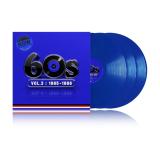
NOW That’s What I Call 70s Soul brings together 50 era-defining tracks from one of the most powerful decades in soul music, featuring classics from Motown legends, Philly Soul pioneers, smooth balladeers and funk innovators – all pressed across 3LPs on beautiful blue vinyl… Out April 24th!
LP1 opens with one of the decade’s most recognisable love songs: Al Green’s ‘Let’s Stay Together’, a US #1 and UK Top 10 hit that became his signature recording. It’s followed by Marvin Gaye’s ‘What’s Going On’, the socially conscious masterpiece and title track from his landmark 1971 album, and Diana Ross’ Ain’t No Mountain High Enough’, which topped the US chart and became her first solo #1. Stevie Wonder’s ‘Signed, Sealed, Delivered (I’m Yours)’ remains one of Motown’s most joyful recordings and comes before Commodores’ ‘Easy’ introducing Lionel Richie’s smooth ballad vocals. The side also includes Bill Withers’ timeless ‘Ain’t No Sunshine’, a Grammy-winning classic, and The Stylistics’ lush ballad ‘You Make Me Feel Brand New’, a UK Top 3 smash, before closing with Rose Royce’s beautiful ‘Wishing On A Star’, one of the most loved soul ballads of the era.
Flip the LP over and The Jackson 5’s ‘I Want You Back’ – the group’s explosive debut single opens the side. Smokey Robinson & The Miracles’ ‘The Tears Of A Clown’ became a UK #1 and is followed by The Supremes’ Nathan Jones’ showcasing the group’s evolving psychedelic-soul sound. Northern Soul classics from Frankie Valli & The Four Seasons with ‘The Night’, Chairmen Of The Board’s Top 3 smash ‘Give Me Just A Little More Time’ and The Trammps’ ‘Hold Back The Night’. The O’Jays’ joyous ‘Love Train’ leads to The Blackbyrds’ Walking In Rhythm’, before the side closes with the romantic classic ‘Always And Forever’ from Heatwave.
LP2 opens with The Temptations’ epic ‘Papa Was A Rollin’ Stone’, a Grammy-winning US #1 remains one of the most stunning recordings from the Motown catalogue, is followed by Isaac Hayes’ ‘Theme From “Shaft”’, an Academy Award-winner and a US #1 smash. More funk follows from Ike & Tina Turner, James Brown with one of his key tracks ‘Get Up (I Feel Like Being A) Sex Machine’, Edwin Starr’s powerful anti-Vietnam protest song ‘War’, and Sly & The Family Stone’s hugely influential ‘Family Affair’. The Delfonics’ sublime ‘Didn’t I (Blow Your Mind This Time)’ comes ahead of Billy Paul’s timeless ‘Me And Mrs. Jones’ which closes the side…the other side begins with the 1977 #1 from The Floaters with ‘Float On’, before the breathtaking vocals of Minnie Riperton on ‘Lovin’ You’. The Isley Brothers’ Summer Breeze’ and William DeVaughn’s ‘Be Thankful For What You Got’ have become enduring classics and are followed by a run of ‘80s pop-chart crossover hits completing LP2 from Detroit Emeralds, The Moments Raydio and The Tymes’ #1 ‘Ms. Grace’.
LP3 opens with the unmistakable voice of Barry White and his US #1 hit ‘Can’t Get Enough Of Your Love, Babe’, before Aretha Franklin’s ‘Until You Come Back To Me (That’s What I’m Gonna Do)’, delivers one of her smoothest performances. Al Green’s ‘Tired Of Being Alone’ and Gladys Knight & The Pips’ ‘Midnight Train To Georgia’ are followed by minimalist soul classic ‘Why Can’t We Live Together’ from Timmy Thomas, and the side closes with a trio of defining ballads:- George Benson’s ‘The Greatest Love Of All’ Diana Ross’ ‘Theme From Mahogany (Do You Know Where You’re Going To)’ and The Jackson 5’s ‘I’ll Be There’, their biggest hit…while over on the final side…Freda Payne’s #1 ‘Band Of Gold’, opens alongside Ann Peebles’ influential and much covered ‘I Can’t Stand The Rain’.Marvin Gaye’s sensual ‘Let’s Get It On’ became another US #1, while Harold Melvin & The Blue Notes featuring Teddy Pendergrass deliver the contemporary standard ‘If You Don’t Know Me By Now’. Three massive UK #1s are next…The Stylistics with ‘Can’t Give You Anything (But My Love)’, The Three Degrees’ peerless ‘When Will I See You Again’ and Deniece Williams’ ‘Free’. This amazing collection closes with two timeless ballads: Earth, Wind & Fire’s ‘After The Love Has Gone’, a Grammy-winning classic, along with ‘Three Times A Lady’, a huge worldwide #1 for the Commodores.
NOW That’s What I Call 70s Soul, 50 defining tracks from one of music’s greatest decades. Out April 24th.
- 1: Heartbeat (Lucky Marlo Allen) / Barrelhouse (Pauline Allen)
- 2: Blood Sucking Maniacs
- 3: Bloodlines
- 4: Peaches And Sap
- 5: A Pogo Is A Logo
- 6: Dirt Road
- 7: Down To The River
- 8: Kru Jam
- 9: Just Pray
- 10: Let It All In
- 11: Little Baby Boy
- 12: Mahalabalapurem-Poppa-Oo-Maumau
- 1: Blues (Pauline Allen)
- 2: No Rush To Fly
- 3: Red Leg Boy
- 4: Santa Fe
- 5: Arroyo Nights
- 6: These Four Rocks / Shuck Some Corn (Jo Harvey Allen)
- 7: When Things Go Wrong
- 8: Kru Jam 2
- 9: Where We Belong
- 10: Family Tree / Heartbeat (Lucky Marlo Allen)
Blood Sucking Maniacs, die Band der Familie Allen, geleitet von Patriarch und Matriarchin Terry Allen und Jo Harvey Allen, umfasst fünf Generationen und 121 Jahre, darunter (unter anderem) ihre Söhne Bukka und Bale Allen, ihre Enkel Kru, Sled und Calder Allen, die Hauptakteure der Panhandle Mystery Band, Charlie Sexton, Lloyd Maines und Richard Bowden, sowie den häufigen Mitwirkenden Will Sexton. Die wilden und vielfältigen Songs auf ihrem gleichnamigen Album sind bunt und vielschichtig und umfassen herzzerreißende Balladen und ironische Insider-Witze, die von erhaben bis unverhohlen sentimental reichen. Das verbindende Prinzip ist hier weniger die Harmonie des Blutes als vielmehr die Entropie des Blutes. Lass dich mitreißen.
Gloria Scott’s ‘What Am I Gonna Do’ is considered by many as one of the greatest soul records of all time. A masterpiece produced by Barry White, that oozes class, lush instrumentation and the remarkable vocal talent and emotive delivery of Ms Scott.
Selector Series are proud to present arguably the two best songs from the album, the Modern Soul scenes favourite, ‘(A Case Of) Too Much Love Makin’ backed here with the impeccable LP opener ‘What Am I Gonna Do’. Paired together officially for the first time on a 7” since it’s initial limited release in 1975.
Another essential addition to the ever-growing Selector Series discography! Don’t sleep.
- A1: Point To A Point Blank
- A2: Automatic Teller
- A3: End Of The Great Credibility Race
- A4: Too Much
- A5: Killer's Kiss
- A6: Continental Cats
- A7: Instrumental Bonus Track
- B1: Spanish Fly By Night
- B2: The Roof
- B3: Your Beaten Heart
- B4: Turning Tricks
- B5: Wine & Depression
- B6: Quarter To Four
Back in 1990 the New Bomb Turks got together as four Ohio State University students who just wanted to rock. 10 years later they are already on their 7th studio album: Nightmare Scenario.
New Bomb Turks return to their snaggle-toothed first mistress — hard-driving, no-holds-barred American punk rock. With the guitar jive of Chuck Berry, the blinding ferocity of Motörhead and the snot of The Dead Boys, singer Eric Davidson and his backing trio fire off a dozen grenades of authentic old-school three-chord riff-rock in little over a half-hour, with nary a pause for breath between tracks. You can’t quibble with the four-on-the-floor intensity of tunes like opening salvo Point To A Point Blank. It was recorded over four days and nights, the only break being a jaunt over to a bar to see a reunited Real Kids, their first show in years, which floored the band and only added more mezcal to the fire.
Nightmare Scenario is available as a limited edition of 500 individually numbered copies on violet vinyl and includes an insert.