quête:basic rhythm no end

Genres
Tout
Various - Winter Collection

Various

Winter Collection

12inchFMR154
Fresh Meat Records
24.06.2026

Winter Collection arrives a little late, but it arrives right. Four tracks across two sides, drawing from Chicago, Detroit, Oakland, and Portland, mastered for DMM cut by Lawrie Dunster of Curve Pusher. The vinyl sounds like it means business.

The A-side opens with the Bryan Zentz Remix of Basic Analogue, originally written and produced by Mazi and Joshua Collins. Dunster’s remaster serves the synth work well, keeping the melodic lines clear and the low end present without overcrowding the mix. Zentz built something durable here, and the vinyl pressing confirms it.

Sound Whore by DJ Mes follows, and Mes doesn’t waste any time. The wah-wah guitar arrives early, the trumpet not far behind, and then the Latin percussion and vocal samples start stacking up. It’s a lot, but Mes holds it together with a groove that keeps pulling everything back toward center. You don’t resist it. You just follow.

The B-side belongs to the most requested track in the label’s catalog, and it’s easy to understand why. Mike Huckaby’s remix of Cesar Ramirez’s Congo Fury anchors itself to a conga line and then opens outward, synth lines drifting across the rhythm like smoke. Huckaby had a particular gift for this, the ability to make a moment feel like it could last forever without ever losing tension. Ramirez’s own keyboard solo survives toward the end, a subtle crescendo that feels earned. Dunster captures the whole thing with care.

It’s Time to Jack by Da Outlawz closes the record. 909 drums, cracking snares, chopped vocal fragments. Barebones Chicago house, designed for a sound system that can take the weight. Nothing complicated about it, and that’s the point.

Play it loud.

Track A1 written and produced by Maziar Namvar and Joshua Collins. Remixed by Bryan Zentz.
Track A2 written and produced by Jason Sutton.
Track B1 written and produced by Cesar Ramirez. Remixed by Mike Huckaby.
Track B2 written and produced by Gabriel Palomo & Geto Mark.
Mastered by Lawrie Dunster at Curve Pusher, UK.
Copyright Control
2026 Fresh Meat Records

Shorter Version

Winter Collection arrives a little late, but it arrives right. Four tracks across two sides, drawing from Chicago, Detroit, Oakland, and Portland, mastered for DMM cut by Lawrie Dunster of Curve Pusher. The A-side opens with the Bryan Zentz Remix of Basic Analogue, originally written and produced by Mazi and Joshua Collins. Dunster’s remaster keeps the melodic lines clear and the low end present. Zentz built something durable here, and the vinyl confirms it. Sound Whore by DJ Mes follows. The wah-wah guitar arrives early, the trumpet not far behind, then Latin percussion and vocal samples start stacking up. Mes holds it together with a groove that keeps pulling everything back toward center. You just follow. Mike Huckaby’s remix of Cesar Ramirez’s Congo Fury anchors itself to a conga line and opens outward, synth lines drifting across the rhythm like smoke. Huckaby had a gift for making a moment feel like it could last forever without losing tension. Ramirez’s keyboard solo survives toward the end, a subtle crescendo that feels earned. It’s Time to Jack by Da Outlawz closes the record. 909 drums, cracking snares, chopped vocal fragments. Barebones Chicago house, designed for a sound system that can take the weight. Play it loud.

pré-commande24.06.2026

il devrait être publié sur 24.06.2026

14,08
Bash Man - Bash to Basics EP

Bash Man

Bash to Basics EP

12inchSTEPBACK007
Stepback Records
05.02.2025

Bash Mans ‘Bash to Basics’ EP marks a major milestone for Scotlands Underground Techno scene.

Edinburgh, Scotland - Stepback Records proudly announce the highly anticipated release of ‘Bash to Basics ‘ EP the debut 12” vinyl from Glasgows own BASH MAN, aka Jamie Morrison. Dropping on Jan 31st 2025, the records captures the essence of raw, unfiltered techno and embodies Bash Mans unwavering dedication to the underground music scene.

With previous digital releases on labels like Scott-Fear Es Posh End Music, and Tom Carruthers Non Stop Rhythm and Data Sync labels, Bash Man has already carved out a name in the dance music world. However, this 12’ release promises to be a transformative highlight, cementing his reputations a force to be reckoned with in the techno community.

En stock

Disponible en stock et prêt pour l'expédition

14,08
Mesak - Mutetettu

Mesak

Mutetettu

12inchELKTRN002
Elektorni
18.11.2024

Elektorni, based in Oulu, Northern Finland, lands with their second release, this time with three original cuts from the singular Finnish legend Mesak (Klakson, Orson) and a mesmerising remix from Århus-based Picture (Help Recordings, Kalahari Oyster Cult), who you might know from many different aliases as well.

The a-side opens with Mutella, a slapping electro track dripping with gothic emotion and powered by a growling bassline. Next up is Ei Damagea, a smooth slice of electrohypnotism calling to you from an otherworldly dimension inhabited by floaty rhythms and quirky synth stabs. Flip the record, and Mesak flexes his versatility with the 155bpm piece Musantropia, cruising top down and top speed somewhere between IDM, d&b and electro. Fresh! The journey ends with Picture’s remix taking Musantropia deep into an eight-minute techno meditation reminiscent of Basic Channel material, but with an Århusian take on the sound.

A bass heavy record with intricate detail, this is a release as ready for the club as it is for your home hi-fi system.

En stock

Disponible en stock et prêt pour l'expédition

14,50
Enrico Sangiuliano - Biomorph LP 2x12"

Remastered for 2025

Drumcode has become a label synonymous with some of the most-cutting edge and forward-thinking techno over the last 20 years. Their artists include both emerging and established names, and one of those well recognised is Enrico Sangiuliano. Now announcing the very first concept album of his career.

iomorph is born. A very special concept album designed to take the listener on a journey of evolution. A musical adaptation describing how biological and technological advances over numerous generations of time have all started from the same first step in our own biological journey.

Divided into 4 parts, Organisms opens with atmospheric tones, gradually blending complex textures and timbres to begin the evolutional process. The beginning of this section combines full sounding arrangements before stripping it all back to basics. From here it dissolves into the atmosphere. Organisms then progresses into a break-beat influenced, down tempo track using synths to add complexity to the straight, broken rhythms.

Galactic, futuristic elements are found in both tracks in Cosmic Forces. Upbeat, groovy, electronic synths resonate, before 'Hidden T' brings the tension to get things pumped up with stratospheric swirls and twirls to lay down one of the most mind meltingly deep drops.

Metamorphosis is mysterious, its opening beat is a deep and piercing tone that sends the listener into a sensory awareness of their surroundings before breaking into a fully charged, techno track, with Enrico's trademark sounds and textures.

All evolution has an ending.

Two Probabilities shows the positive, starting out evocative and emotional, with a gentle harmony, gazing towards a 'New Dawn'. On the other side of the spectrum lies the negative. This is influenced with a rhythm that articulates the beat of death, mathematical, cold and metallic in texture, it shows the unsustainability of its nature, with a hectic, anxious break beat influenced ending.

En stock

Disponible en stock et prêt pour l'expédition

31,05
Guttersnipe - Extinction Burst! (LP)

Extinction Burst! is the new invocation in album-form by Guttersnipe, Leeds’ premier and pre-eminent XFCER (XFCER: Xenofeminist crisis-energy rock)* duo. Slamming at full speed to multi-dimensional oblivion, Extinction Burst! is the most full, hidefinition lurid dream-mare yet spewed out by Uroceras Gigas & Tipula Confusa. Engineered and mixed by Ross Halden at Hohm Studio in Bradford and mastered by Rashad Becker, Extinction Burst! follows 2018’s My Mother The Vent, which garnered universal critical adoration. Nevertheless, this long-awaited follow up is more extreme: it is wildness beyond reason, splitting new tears in the reality gauze, ultimate hallucination through sound ecstasy. 2026’s Guttersnipe are evolved, mutated by 8 years of touring together and with the labyrinthine network of groups both Guttersnipe members are involved with - Tristwch Y Fenywod, Nape Neck, Petronn Sphene, Yexxen to name a few. On Extinction Burst!, as with previous material, the duo are heavily augmented with technology. Tipula Confusa's drum kit triggers chasm-causing synth pulses with thumping low end attack.. Strafing from all over the stereo field the constant shatter of the cymbals and toms feel like Sunny Murray or Rashied Ali in full flight during a John Coltrane session in 1967. Uroceras Gigas’s guitar + synth storm is by-now similarly an instantly recognised tool kit in underground music. Switching from screeching guitar atonality to intricate riffs from the black metal/Voivod hinterland to ultra-distorted synth meltdown, it’s an utterly overwhelming, essential and vital pouring-out of the full emotional spectrum. Both artists vocalise, ecstatic and primal, drawn out or yelped in pain or pleasure or panic. Alive On Tuesday begins with some of the only space on Extinction Burst! Digital crackles and tight-delays blow out into a fullthrottled death-dive into sweet opaqueness, offset by the duo’s vocals. There’s a popular believe that Guttersnipe is chaos, but over 9 mins here the group are clinical in their control of the simulated entropy. Mincing while the Maelstrom Churns’s guitar is modulated into jagged atonal atonement, duetting with the virtuoso drum patterns before it thuds into gear at quadruple the speed. Threads Of Radical Unaliveness veers close to the extreme Metal influences with blast beats and guttural vocalisations until the track exhausts itself into unaliveness. Keep Honking summons a demonic digital panic, with the duo reincarnating in real time as haunted versions of themselves, almost translating the lurid, ultra vivid, simultaneous hell+heaven of being alive in this dimension. Primordial Invagination harnesses No Wave’s dissension of normality before the structured collapse of Skra¨ckblandad Fo¨rtjusning, in which Tipula Confusa’s accelerating drums simulate a bouncing barrel of brimstone descending into a primordial gunky ooze, a respite in the middle before the record splutters to a stuttering finale, both members’ vocals out there in the neon realness, alive with crisis energy. There is nothing on this cursed earth like Guttersnipe. For over 10 years they have whirled in a wiggliness both woebegone and wonderstruck on a mission of radical mutant exaltation using rock music weaponry loaded with a queer hysterical ammunition to rupture the fabric of the known Rock universe and unleash a tendril-soft hallucinatory violence; thrumming with the bracing vividness of insect bodies, crazed with alien synaesthetic emotions, harnessing jagged excoriating illogic as a face meltingly snazzy affront to redundant macho mediocrity with the hope to break minds, squeeze hearts, explode pelvises and maybe even reset the parameters of reality. Addendum: xenofeminist : proposing and creating a world defined not only by sexual/gender equality, queer empowerment and the toppling of the racist heteropatriarchal hegemony and it’s tyranny of phallogocentric signifiers, but a philosophy of radical queerness that explodes the basic notion of embodied existence itself beyond even the human, where we see bacteria, invertebrates, reptiles, marine life, animalia in general, inanimate objects, quantum phenomena and as yet inarticulated bodies and minds as social and political equals that may inspire and inform our concepts of self, feeling and meaning as we labour to build a collective reality that doesn’t completely suck!! crisis energy : a term borrowed from the weird fiction author china mieville to describe a type of extreme concentration of power which emerges when a system or organism is pushed to it’s absolute limit; the point of rupture, chaos, entropic overload, just before it all breaks apart. rock : Rock ’n’ Roll, rock music, the devil’s music, sex, guitar, drums, voice, rhythm, riffs!

pas en stock

Commandez maintenant et nous commanderons l'article pour vous chez notre fournisseur.

24,58

Derniere entrée: 14 jours
SONETOS DEL AMOR OSCURO - VOL. 1: EL SUEÑO SE DESHIZO PARA SIEMPRE LP

Sonetos del Amor Oscuro is an ode performed by four enchanted souls who have intertwined their hearts and conjured harmonies and rhythms that wander endlessly among the spellbinding words of a poet from Granada... Federico García Lorca;
He wrung, pushed and vibrated words like tectonic plates, transforming plains into poetic mountain landscapes. He then covered them with a Moorish carpet of snow crystals and had them reflected by the dark locks of hair of a gypsy girl from Albaicín who, with a voice forged in gold and silver, sings her little sister to sleep with a soothing lullaby.

Helena Casella – vocals
Myrddin De Cauter – flamenco guitar
Stijn Kuppens – cello
Stefan Bracaval – flute, bass flute

Helena Casella, the Belgian-Brazilian vocalist with a deep, soft and warm voice, translates her multicultural background and personal thoughts into music in a passionate, soulful and refined way. With her roots in an exceptionally musical family, her music exudes this unique heritage. She effortlessly interweaves genres such as R&B, soul, hip hop and modern jazz, while remaining true to the vibrant sounds of Brazil, an essential part of her roots.
Her debut album was released earlier this year on W.E.R.F. records.

Myrddin De Cauter's music is deeply moving, complex, passionately rhythmic and deeply emotional. He has mastered the compás of flamenco, which gives him the freedom to converse with elements from jazz or classical music. His speed sometimes seems otherworldly, but those who take the time to listen closely to his music will quickly discover an immense world of pure emotion, beauty and tranquillity. After six albums and countless concerts, Myrddin proves that great virtuosos do not necessarily have to come from Spain. At the tender age of eleven, his father taught him to play the clarinet in jazz and gypsy swing style; he became part of the family orchestra and gained his first experiences on stage. A classical melody composed on the guitar prompted him to ask his father to teach him the basics of flamenco guitar. Soon after, Myrddin seemed ready for the real thing and went to Andalusia to learn from Manolo Sanlucar and Gerardo Núñez. This inspired him to compose in his own unique language, deeply rooted in the pure flamenco tradition but enriched by boundless creativity.

Stijn Kuppens is a cellist, composer and producer. In his own genre, which he describes as non-classical cello, he uses the cello in his own unique way. His profound knowledge of the complex history and techniques of the style is clearly audible: Kuppens' mastery of classical music is evident in every note he plays, whether he is performing solo or collaborating with other musicians. His skill as a musician and ambition to explore the boundaries of conventional classical music is evident in his ability to seamlessly blend different genres.

Stefan Bracaval is a classically trained flutist who graduated from the Royal Conservatory of Antwerp. His fascination with the expressive potential of improvisation led him to jazz, where he became a self-taught jazz flutist. Bracaval has collaborated on projects with prominent jazz figures such as Charles Loos, Bert Joris and the Brussels Jazz Orchestra. In addition, he worked as a soloist and arranger with the VRT Radio Choir in 2016. Bracaval leads the Stefan Bracaval QU4RTET, which emphasises the flute as a central jazz instrument and brings new repertoire rooted in jazz traditions.

Live
31/10/2025 – Café Silverio, Gent (BE)
15/01/2026 – Kloosterkapel Diepenbeek (BE)
16/01/2026 – ‘t Ey, Belsele (BE)
17/01/2026 – Sint-Luciakerk (kerkconcerten Merode), Engsbergen (BE)
23/01/2026 – Muziekcentrum Dranouter (BE)

pré-commande21.11.2025

il devrait être publié sur 21.11.2025

21,47
Maston - Foreign Affairs LP

Maston

Foreign Affairs LP

12inchBEWITH009SEVEN
Be With Records
07.11.2025

The perfect accompaniment to that deep fall feeling, Frank Maston's beloved 2025 single finally gets its long overdue vinyl release! As our friends New Commute articulated beautifully, "Foreign Affairs" drifts through London fog and Paris shimmer, its avant-lounge glow wrapping each melody in a wistful ache. On B-side "Liaison," ghostly strings and a solitary piano paint a deserted twilight shoreline, Pacôme Henry's distinct 16mm cinematography hovering nearby." We've pressed just 500 of these gorgeous records so, be quick, Maston always flies.

Originally written for a film Maston was scoring in 2024, he decided to keep it aside for himself. And, well, us all. The song has a vibe Maston has previously flirted with; he wanted to dive in...all the way: "The arrangement is huge, definitely the biggest I've written, and it merited live musicians playing together. Also another experiment, to do it with all live musicians playing my arrangements. I wanted to make something that you'd want to put on when you bring a date back to your place. It's on the edge of sappy but that's sort of the point. I decided to give myself an unlimited budget - just spend whatever was necessary to get the right musicians and record it the best way possible."

It's this dedication to sonic perfection which Maston is rightly lauded for. We couldn't not put this on a cute wee 7" when we heard it.

The A side, "Foreign Affairs", is a brilliant, Bacharach-esque romp with a bit of that unapologetically romantic Morricone angle. Says Frank: "I was trying to synthesize that sort of jazzy/sexy/classy/romantic mature sound, where the edginess is in these surprising chord changes and subtle arrangement cues."

A wonderful complement, the flipside "Liaison", evokes Martin Denny, but Eden's Island was in Frank's head, too. He wanted to take a deep dive into that exotica sound - a genre he'd referenced a bit but never fully committed to - so the piece is lavished with those big sighing strings and a pretty lush arrangement. Happily, it all sounds super rich. Also, "Umiliani is always a reference for this sort of thing (Il Corpo etc.), That almost mechanical arrangement of things moving together and a simple melody over it (something I nicked from Ennio)".

The two songs were recorded in Paris and London in the summer of 2024. Aside from the rhythm section and piano, there's vibraphone, a full string section, trombones and alto and concert flutes. "Liaison" boasts strings, vibraphone, a female choir and tenor sax. Maston played piano and acoustic guitar but that's it (as opposed to playing basically everything on Tulips). His friend Oscar Sholto Robertson played drums and percussion whilst Maston mainstay Elie Ghersinu (formerly of L'Eclair) played bass.

The theme for a lot of Maston's titles is that they have two meanings. So "Foreign Affairs" is both a reference to him living abroad and the idea of constant cultural diplomacy and then there's this sexy/cheeky interpretation of foreign affairs in a literal way - "an affair abroad, ooh la la!". The artwork for this 7" single has Roman campaign flags, referencing the foreign affairs in sort of a sassy way. There's a violence implied. But then if you look from a bit of a distance it looks like a bouquet of flowers. So Frank thought it went with the spirit of the title. Also, he's used a lot of roman motifs now so he kept that theme going, even with the terracotta cover.

This is a vitally important project for our Frank. He explains why, here: "For whatever reason, these songs really resonated with me. I feel like they are either the end of a stylistic era for me or the beginning of a new one. They're sonically the culmination of what I'd been working towards and trying to get better at since I started. If I heard this when I was making Tulips I would have said "YES! *This* is what I want to be doing!". So that's the essence of it. It's a statement and the intended reaction is "This is really good, but why now?". Like the edge to it is the context of someone making this sort of thing in 2025, which I think is a huge strength. The real heads will get it. My music always has like a 2-3 year latency until people really catch onto it, and these ones will have a nice payoff I think."

We couldn't put it better ourselves. So we haven't.

pré-commande07.11.2025

il devrait être publié sur 07.11.2025

15,92
Cho Co Pa Co Cho Co Quin Quin - Tradition LP
  • 1: Chichibu - 秩父
  • 2: Watatsumi - ワタツミ
  • 3: Cuba - キューバ
  • 4: 15 Eunomia
  • 5: Gandhara - ガンダーラ
  • 6: Sora Tobu Tokyo - 空飛ぶ東京
  • 7: Ātman - アートマン
  • 8: Tradition
  • 9: Moon Dance
  • 10: Kayohnenka - 花様年華
  • 11: Quarantine Mood
  • 12: Ryukyu Boogie Woogie - 琉球ブギウギ

Japanese acid pop outfit Cho Co Pa Co Cho Co Quin Quin channel the globe-trotting spirit of Haruomi Hosono’s 1970s tropical boogie on their debut album, Tradition.

Named after one of the basic rhythms of Cuban folk music and drawing on influences from across the globe, Cho Co Pa Co Cho Co Quin Quin are quite simply a world unto itself.

Comprised of three childhood friends, Daido, Yuta and So, who reconnected during the coronavirus pandemic, Cho Co Pa initially emerged as a playful way for the three 23-year-olds to pass the time. Tapping into their youthful connection, they created a sound that exudes confidence and curiosity, a homage to the masterful world of YMO’s and Happy End’s Haruomi Hosono, rooted in the trio’s own idiosyncratic experience of the present.

Recorded at home and promoted on hugely popular DIY TikTok videos, their debut album Tradition is a technicolour exercise in armchair travelling – a kind of lockdown exotica for the housebound whose nostalgic flights of fancy are laced with a sense of whimsical melancholy for the lost freedoms of youth.

Referencing everything from Afro-Cuban percussion to lo-fi beats, Buddhist spirituality to trap, each member of the band brings different musical inspirations to the table. Latin American and Middle Eastern styles sit adjacent to a fascination for the electronic music of Aphex Twin, Dorian Concept, Underworld and Daft Punk. At times, the music verges on acid pop bliss, at others, it grooves with the instrumental funk sensibility of BADBADNOTGOOD.

“In the first place, when I create a song, my goal is to transport the listener to a mysterious place,” vocalist Daido explained in a recent magazine interview. Using lyrics as another sonic texture in the composition of ideas, Cho Co Pa paint beguiling sonic postcards of far-flung moods across 12 highly original tracks.

Marrying the organic and the electronic on rhythmically sophisticated compositions like ‘Chichibu’ and ‘Watatsumi’, it is on the album’s standout track ‘Gandhara’ that the experimental sound of Cho Co Pa comes to the fore. Referencing the ancient city of Gandhara through which Buddhism made its way from India to China, the track is a vocoder-trap-inspired, Udu drum-driven pop jam that lilts with unmistakable Balearic flair. If that’s difficult to imagine, then know simply that ‘Gandhara’ sounds like nothing else on this side of Saturn. Even Daido seemed surprised by the outcome: “I feel like we were able to create something that exceeded our abilities. That was huge!”

Hugely popular in Japan, with festival appearances lined up alongside BADBADNOTGOOD at Asagiri Jam in October, it's safe to say the success of Tradition has taken Cho Co Pa by surprise. You won’t have heard anything like it."

pré-commande23.07.2025

il devrait être publié sur 23.07.2025

27,69
Vilhelm Hasselgren - Central Line EP

Vilhelm Hasselgren is a Gothenburg-based producer and DJ with a focus on Jungle and productions that move between 160-170 bpm. Vilhelm focuses a lot on complex rhythms and ambient soundscapes and takes inspiration from both older and modern Jungle, as well as other electronic acts such as Basic Channel, Mala, Skee Mask and Arkajo. Vilhelm tries to create soundscapes that move between different musical starting points.
He has previously released on Rezonant Body, Canape Records, Bukva Sound and Of Paradise Records. Also has an upcoming EP releasing on Bukva as well as a V.A on Western Lore. In 2025, Vilhelm also has a residency at London-based Subtle Radio.

Vilhelms words:
Central Line EP is an EP that I'd myself consider to be my debut EP. The tracks were created within a two-and a half year span, with some tracks being re-worked and replaced. Later ending up with the final track-list, which I am very happy in how it ended up in the end. One of the tracks that were later added onto the EP being 1000 a co-production with my brother Einar (Local Arms), which we spontaneously recorded at our parents house over a weekend.

I mostly start from percussion, onto bass and later melody in my productions. The title track "Central Line" was started when I lived in Brighton for half a year, together with Theo Soderlund (Theomega). The Eski sample is a bit tricky one, but wanted to experiment with it, further I chopped an Amen and a Think break with an idea to create a pretty simple rhythm that could leave the riff to speak for itself. Even though the tracks were created within a pretty long span of time, I feel like they portray a sound that I want to further explore and produce at this point. Also Arcne adding a monster remix of Central Line that has been getting lot of love. Could not be happier to release it on Bukva Sound which prior releases I think really captivate a sound that has been really inspiring throughout the process.

pas en stock

Commandez maintenant et nous commanderons l'article pour vous chez notre fournisseur.

11,72

Last In: 12 months ago
ESG - Keep On Moving

Esg

Keep On Moving

12inchFIRELP233C
Fire Records
07.03.2025
  • 1: Purely Physical
  • 2: Keep On Moving
  • 3: Insane (Tambourine Mix)
  • 4: The Road
  • 5: Id Do It For You
  • 6: Everything Goes
  • 7: Ex
  • 8: Insane (Bass Mix)
  • 9: Gimme A Blast

Repressed LP on Neon Orange Vinyl, includes download card. It feels like someone left the light on in the studio and it all just ran itself, there had been a funky human input earlier in the day but, by a Darwinian machine-led kind of osmosis, the tracks recorded spent the wee small hours self-reducing and simplifying themselves. Marinated in music. “I believe more in the scissors than I do in the pencil,” said Truman Capote. ”Simplicity is the ultimate sophistication,” opined Leonardo da Vinci much earlier in proceedings. Yes, it’s the space around the object, what you leave out that makes what you leave in so important. ESG know this. Sure they can play the game but it’s the swagger of the groove and the minimal topping – like an anti-cup cake – that makes this unique New York sisterhood so appealing on ‘Keep On Moving’. Sampled on TV ads, lauded by critics and swooned over on the dancefloor, ESG’s post-punk took out the grunge and polished the basics. Cut them open and “less is more” is written all the way through. ‘Keep On Moving’ was released over ten years ago to much praise (Q said it was “even better” than 2002’s much loved ‘Step Off’). ESG had been sparring partners for PiL and early hip hop and four years after the ‘Off’, they were onto something new – rhythm as core, reflective storylines about relationship management, sensuality and insanity gather around the bass fix but they’re much blurrier than the incessant beats. Inadvertently they unmask techno and glitch and leave out any kind of superfluous fluff. It’s hard and temple throbbing. Turn it up. And keep moving. “If there's one tune which sums up ESG's enduring lust for life, it's the beautifully-judged Black Flag/early techno crossover of the closing 'Gimme A Blast'.” The Guardian 5/5 // “This album's every percussive aspect has been honed to impart the maximum amount of pleasure.” The Observer // “Despite their influence on younger bands (you can hear LCD Soundsystem's knobbly grooves on ‘Insane’), ESG still sound like nothing else.” The Guardian

pré-commande07.03.2025

il devrait être publié sur 07.03.2025

25,84
Alessandro Alessandroni - Music from Red Light Films 1976-1980 (5 x 7") Vol.2

Boxed set of five 7-inch vinyl records, 300 copies limited edition. Artwork poster included.

All tracks remastered from the original master tapes.

Alessandro Alessandroni is no longer remembered simply as 'the whistler' in Morricone's spaghetti western soundtracks – and rightly so, since he was the key figure behind much of Italian 'secret music' from the 60s and 70s, always there in the studio during recording sessions, whether as a multi-instrumentalist or as the leader of session vocal group I Cantori Moderni di Alessandroni. Today his pervasive presence and important role has been finally recognized by music professionals and enthusiasts alike, so much so that he is now considered the true father of Italian library music – a genre whose sound he shaped since 1968.


As a film composer, Alessandroni often worked for small productions that had very limited (and often regional-only) distribution, and whose budgets were worlds apart from those in the 'top league' where friends and colleagues like Morricone, Bacalov, Trovajoli or Piccioni thrived. Rarely released as a soundtrack, this music ended up, at best, forgotten inside dusty ¼-inch reels or, at worst, disappearing into thin air.

After a string of releases that have brought back to life forgotten or lost works by Alessandroni (Sangue di Sbirro, Afro Discoteca, Lost and Found, etc.), it was pretty natural for us at Four Flies to start delving into a little investigated area of his filmography: his scores for erotic films, the last genre to gain popularity in the flourishing Italian film industry of the 60s and 70s, and perhaps the most extreme too, the one that, by pushing things too far, eventually put an end to that industry and its genres.

So, we're now very proud to present Alessandroni Proibito, an exclusive boxed set of five 7-inch records. It contains a total of 14 previously unreleased tracks from the soundtracks of 4 soft-core erotic films that included hard-core sequences and, therefore, fell somewhere in-between normal commercial distribution and the underground scene of adult movie theatres.

Taking an artisanal approach to his musical craft, Alessandroni was not afraid of having to deal with spicy subject matter, wobbly productions, implausible plots, improvised actors, or cinematographers who were clearly no disciples of Storaro. And he was so good at making a virtue out of necessity, at turning budget constraints into creative advantages, that he created soundtracks that far surpass the films' quality, with music that at once captures and elevates the spirit of the erotic genre as if into a condensed symbol.

More specifically, the maestro recorded many of the pieces in a DIY fashion at home, using a 4-track Teac tape machine to arrange his compositions. The Teac allowed him to play different instruments on each track, which meant he could basically put an entire soundtrack together all by himself, or almost all by himself.

These recordings often feature drum machines – which provide that retro, early electronic music vibe – as well as funk guitars and exotic-sounding percussion in the rhythm tracks. In addition, there is an extensive, almost bewildering use of synthesizers to replace solo instruments that would have required a paid session player. On top this minimalist arrangement, Alessandroni layered what he could: some piano chords, a little flute and, most importantly, his signature 12-string guitar phrasing.

The result is just stunning: a unique mixture of electronic music and acoustic instruments, in a style that stops short of kitsch and ranges from cinematic ambient pieces like "Tensione erotica" to disco-funk tracks like "Snake Disco" and "One Sunday Morning", both of which feature vocals by Alessandroni himself.

Alessandroni Proibito comes with artwork by Eric Adrien Lee and a matching 30x70cm folded poster inspired to the insert-size posters which used to be hung outside movie theatres to attract cinema-goers.

The boxed set is being released in a limited edition of just 300 copies and will never be reissued. First come, first served.

pas en stock

Commandez maintenant et nous commanderons l'article pour vous chez notre fournisseur.

94,92

Last In: 22 months ago
Niko Tzoukmanis - Hope Is The Sister Of Despair

"Androids may not yet dream of electric sheep, but maybe computers do sing sad songs."

In 2013, Tzoukmanis released ‘Hope Is The Sister Of Despair’, issued here for the first time on vinyl with 4 previously unreleased tracks.
The album was made following the end of a relationship and the happy/sad feeling is everywhere in this music. Sequences twinkle and nag, soft pads pour balm on tired ears and when drums do appear they provide an intimate framework rather than a call to the dance floor. The album taps into a rich vein of sequencer romanticism, from Tangerine Dream-obsessed-‘Berlin School’ daydreamers to the whole nebula of music inspired by Warp’s Artificial Intelligence series. It also looks forward, prefiguring the return today, in troubled times, to the comforting inner space of ‘90s-worshipping ambient techno.

The German word ‘weltschmerz’, roughly translating as ‘world sadness’, fits this music well. The melancholy it inspires feels collective, almost heartening. Sorrow might be said to infuse the technology’s basic building blocks – Leibniz’s binary ‘one’ bereft of its ‘zero’, its presence twinned with absence. But there is hope, too, in the network of actions and decisions that have been fashioned here into melody and rhythm.

pas en stock

Commandez maintenant et nous commanderons l'article pour vous chez notre fournisseur.

25,84

Last In: 23 months ago
MILES DAVIS - On The Corner LP

Miles Davis' boundlessly influential On the Corner was so far ahead of its time upon release in 1972, the jazz cognoscenti rejected its groundbreaking concoction as middling in nature. Yet time has a way of righting wrongs and shifting views by adding needed context and perspective to visionary ideas, music, and approaches — the likes of which fill Davis' boldest and most controversial — undertaking. Designed to bring the focus back on the groove and bottom-end frequencies, the funk-loaded On the Corner revolutionized jazz. It also set new standards for record production, presaging remixing and electronica by more than a decade. And the work has never sounded more thrilling thanks to this very special pressing.

Sourced from the original master tapes and pressed on MoFi SuperVinyl, Mobile Fidelity's numbered-edition 180g 33RPM SuperVinyl LP of On the Corner exposes the internal mechanisms, free-associated playing, and then-unmatched studio techniques in vivid fashion. The low end, crucial to every composition here, is both heard and felt, with locked-in bass lines and low-range percussion conveyed as taut, solid, and visceral passages. You can discern the multiple layers of rhythm Davis employed on complex tracks such as "Black Satin," as On the Corner stands as his first effort to use overdubbing and multiple tape machines. As a pioneer, Davis likely would’ve loved MoFi’s groundbreaking SuperVinyl profile that features the lowest-possible analogue noise floor as well as pristine transparency, dead-quiet surfaces, and superb groove definition.

New degrees of spaciousness and airiness — equally important to the musique concrete arrangements — give the impression Davis and Co.'s creations float in space. Instruments are portrayed in three-dimensional manners, rhythmic loops retain tonal purity, and horn solos skitter across an extra-wide soundstage that takes listeners into Columbia's Studio E. Mobile Fidelity's SuperVinyl LP captures Teo Macero's innovative production — and the trumpeter's cutting-edge aural collages — in definitive fashion.

Heavily inspired by Sly and the Family Stone, On the Corner portrays street vibes and remains Davis' Blackest-sounding record. The conscious attempt to connect with youthful audiences tapped into rock and funk is evident not only on the colorful cartoon cover art depicting hot-pants and zoot-suit revelers, but in the music's emphasis of recurring drum and bass grooves. Distinct from Davis' earlier fusion experiments, the record's long-misunderstood set dials back improvisation in favor of beats, loops, and atmospherics that generate trance-like effects. While Davis utilizes his band for core duties — Chick Corea and Herbie Hancock prominently figure — he also relies on an all-star cast of side-men for concentrated soloing and additional support.

With rhythm providing the basic foundation, other notes fall into place, with their positioning steered by Macero and Davis' editing-room techniques. Looking to the manipulation-based work of Karlheinze Stockhausen and teaming with Stockhausen disciple Paul Buckmaster, Davis re-imagines what grooves constituted and could accomplish throughout On the Corner. The shapes of the songs become completely transformed as they progress. Faint melodies, spacey chords, chunky riffs, wah-wah fills, and repeated motifs bounce in and out of a sonic funhouse that wouldn't be out of place at a Harlem block party.

Exotic, intrepid, and filled with Davis' "jungle sound," On the Corner remains daringly hip more than four decades later.

pré-commande31.03.2024

il devrait être publié sur 31.03.2024

74,75
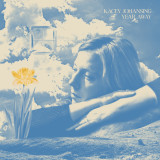
Kacey Johansing - Year Away LP

In March of 2020, after learning that a dear friend’s life was coming to an end, Johansing sat down and in one sitting wrote the song “Daffodils”. An elegiac tribute to someone facing death with grace and curiosity, the lyrics confront Johansing’s own mortality by observing the brief lifespan of a Hlower. Only a week later when the world came to an abrupt standstill, she soon found herself processing this recent loss while trying to make sense of a new global reality. Across the ensuing months, Johansing found herself increasingly untethered by a world of isolation and political upheaval.

Having been a frequent touring member of bands like Hand Habits and Fruit Bats, and often being called into the studio to lend her harmonies and multi-instrumental talents to records, Johansing’s phone no longer rang. Living in Los Angeles she feared her musical community was vanishing, as friends and collaborators continually announced they were leaving the city. It was in returning to her piano nightly that she found the greatest solace, feverishly writing the songs that would be collected on her next album. Resulting from this new sense of time and focus was a deepening of her songwriting. As Johansing recalls, “I felt like a metamorphosis happened during that time. There was a lot of personal growth and healing.”

Throughout Year Away Johansing traverses uncharted emotional landscapes brought upon by the changes occurring all around her. The forced self-reflection of the moment is aptly captured by “Old Friend”, featuring an aching melody and swooning production that recalls the best of Harry Nilsson. The epic piano and saxophone-driven “Smile with My Eyes” addresses the loss of community as friends became distant and political divides between family grew. On “Smile” Johansing pushes her vocals further than ever, expanding her range and using her peerless voice as the singular instrument it is. Facing the loss of a family home due to environmental destruction, “Shifting Sands” is marked by soaring Hlutes, Hield recordings and glassy synthesizers that nod to Japanese New Age.

“Daffodils”, the stunning album centerpiece, is built from a pastiche of looping samples, swirling Mellotron and dazzling vibraphone. “Keep your heart open wide, you never know your time / Keep your heart wild, true Hlower child”, Johansing sings as she says goodbye to an elder, while the band reaches a grief-stricken crescendo of woodwinds and chiming bells. On the title track, Johansing takes listeners on an eerily meditative journey of collective experiences. “I wanted to keep the progression simple and repetitive so that musically we could add new elements little by little, while the emotional tone of the lyrics becomes increasingly more strained and expressive”. The song grows to a fever pitch as Johansing sings higher than she thought possible; the tension of the repeating chords Hinally resolving into a hopeful coda as multiple soloists weave around each other.

Amidst heavier themes, Johansing still leaves room for her love of irresistible pop melodies and lush production. The driving “Last Drop” and mid-tempo “Valley Green” are two of her catchiest songs to date. On the former Johansing sings the anthemic chorus, “As if it were the last drop, and nothing ever lasts forever / As if it were the last stop, too far out to come back ever”, longing for a love that she’ll never take for granted, while also admitting that she doesn’t always know how good she has it. “Valley Green” features shimmering layers of 12- string guitars, stacked horns and an impeccable solo by co-producer and multi- instrumentalist Tim Ramsey (Vetiver, Fruit Bats), hinting at a love for bands like NRBQ.

Having been eager to capture the initial spark of songwriting, Johansing booked time at Highland Park’s 64 Sound Studio the week that it reopened. Over the course of three days, she and her band gathered basic tracks for 10 songs, before returning home to Hinish the record with Ramsey. Setting forth to make an album that paid homage to the music that kept them company during the months spent alone together, the duo pulled inspiration from a wide net including Burt Bacharach, John Carroll Kirby & Haruomi Hosono. Ramsey’s newfound love of early digital synthesizers dovetailed effortlessly with Johansing’s fondness for classic 70’s horn and string arrangements, creating a sound that is distinctly modern yet warm and familiar.

Once again Johansing called upon some of the Hinest players of Northeast Los Angeles’ vibrant music community to lend a hand with the record. The 70s R&B-folk of “Watch It Like a Show” features an electric guitar solo from Hand Habits’ Meg Duffy, while album closer “Endless Sound” boasts backing vocals from electronic musician Kaitlyn Aurelia Smith and swooping Indian-inspired violins from Amir Yaghmai (HAIM, The Voidz). The record shines brightly thanks to an ace mix from veteran producer Rob Schnapf (Beck, Elliott Smith, Cat Power), woodwinds from Logan Hone (John Carroll Kirby, Eddie Chacon), and a featured rhythm section of drummer Josh Adams (Jenny Lewis, Bedouine) and bassist Todd Dahlhoff (Feist, Devendra Banhart). Recorded across multiple studios including LA’s famed Sunset Sound, the album remains steadfastly buoyed by the adept engineering of Tyler Karmen (MGMT, Alvvays).

Though born of turbulent times, Year Away is ultimately interested in moving forward. The album ends with “Endless Sound,” where Johansing laments seismic global changes, (“The water is hotter, the mighty thaw / The current’s reversing, the last are lost”) but vows to keep going (“No storm can take me down / Endless light, endless sound”). It’s Year Away’s resilience that shines through despite the darkness. It’s a sound all her own and Johansing’s most cohesive set of songs yet.

pré-commande27.10.2023

il devrait être publié sur 27.10.2023

26,47
Sneaky Jesus - For Chaching Taphed LP

Polish jazz rebels sneaky jesus are back with their second studio album For Chaching Taphed.The highly imaginative quartet out of Wroclaw comprising Maciej Forreiter (Guitar), Matylda Gerber (Saxophones), Ben Łasiewick i(Bass) and Filip Baczyński (Drums) have won fans around the world for their restless, quirky brand of jazz which takes in breakbeats, twisting chord progressions and improvisation as well as a wealth of musical influences.

The band have been touring their asses off ever since they surprised the world with their debut album For Joseph Riddle in 2021. From out of nowhere their debut LP of 500 copies sold out in a month and they quickly went on to sell close to 1,000 CDs of the album. Fast-forward to 2023 and the band are sharing stages with artists such as Ill Considered and Theon Cross.

For Chaching Taphed was created in complete isolation. The group locked itself in a barn at the Museum of Agricultural Technology in Piotrowice Świdnickie. It worked on its sophomore output surrounded by machinery, trucks and carriages. These new compositions mirror the abstract conversations which the group frequently has just for fun. Contrary to For Joseph Riddle, this album is simple and does not rely on ongoing grooves. This enabled the group to be much more experimental. The band was joined by friends Flautist Mariya Mavko on Piękno Niemożliwe (Impossible Beauty) and her playing is sampled in Hipotetyczny Taras (Hypothetical Terrace). Pięciu Pszczelarzy (Five Beekeepers) closes the album featuring EABS' Jakub Kurek on trumpet. His fiery solo is one of the most intense moments of the album.

Spacer Po Nadodrzu (A walk around Nadodrze) opens the album and is inspired by one of the districts of Wrocław. It is a sonic story depicting a walk through Nadodrze late at night. A steady bass rhythm imitates a careful pace and the responding sax line is a spooky theme that might pop to oneʼs head in a moment of uncertainty.

The album's first single Krztusiec (Whooping Cough) finds the group diving head first into their most recent influences. The trackstarts with drum improvisation, rolling into a solid hip-hop backbeat provided by Ben Łasiewicki on Bass and Drummer Filip Baczyński. Sax and Guitar weave steady but dissonant lines, written by Maciej Forreiter after many hours spent listening to the Ethiopian jazz greats. The track takes off right after that. Matylda Gerber delivers a fiery Sax solo, while the group picks up the tempo and quickens the groove. The essence is the middle section, a dubby collective improvisation. Forreiter, Gerber and Baczyński take turns playing both classic dub phrases and fierce avant grade lines. Łasiewicki keeps everybody in check with a steady bassline. The energy slows down until Baczyński's drum solo, which explores phrasing detached from the rest of the tune.

Second single Chiński Sprzedawca Smażonych Kasztanów (Chinese roasted chestnut seller) is a fusion of breakbeats, energized songo rhythms and motifs inspired by South African melodies. Presenting the group with spacious and rhythmic horn lines, guitarist Maciej Forreiter wrote a chord progression while Beniamin Łasiewicki and Filip Baczyński took care of the rhythm section. This first part of the track suddenly drops out and explodes into the dramatic main motif which includes double sax and fierce guitar playing in harmony, plus the rhythm section playing more and more jungle-esque. Powerful guitar and sax solos feature before we return to the main theme with a completely different rhythmic backdrop.

W Klatce z Bykiem (In a cage with a Bull), starts like a race. The music plays with an incredible nerve and when the theme is right on edge it suddenly stops. It is followed by an animalistic growl on the saxophone and a doom metal-esque bash of downtuned, distorted guitars and heavy drums. In this heavy fashion it slowly approaches the finishing line hitting one final metallic clang.

Piękno Niemożliwe (Impossible Beauty) features wonderful flute playing of Mariya Mavko (Kadabra Dyskety Kusaje). Her work in the opening motif evokes sounds of Polish and Ukrainian folklore. This brief mellow moment serves as a contrast to the usual frantic sounds of sneaky jesus. It is an appreciation of thepolish jazz music of the past, intrinsically-linked to folklore. The band took this idea and reworked it into their own unique style.

Hipotetyczny Taras (Hypothetical Terrace) is built on top of a lengthy vamp in an unusual 7/8 time-signature. The bass anchors the quartet in a simple line, while the rest of the quartet share an emotional conversation. This track is the most open of the whole project and it ends accordingly. The final burst is a call back to the basics ofspiritual jazzand the whole band shows every emotion simultaneously and gracefully fades out.

Pięciu Pszczelarzy (Five Beekeepers) is For Chaching Taphed's conclusion and is a non stop assault of heavy horn lines, punk rhythms and noise. The band is joined by the extraordinary trumpeter Jakub Kurek from EABS, who blends in perfectly with sax and guitar. His exchange of solos with Maciej Forreiter is a combination of classic jazz phrasing and discordant clatter. In the same fierce manner the whole group works within the motif, switching up accents and breaks.

In the short space of two years, sneaky jesus has gone from ambitious upstart looking to break out from its home city playing spit and sawdust venues, to touring Europe as well as prestigious Jazz clubs such as Jassmine in Warsaw. In the process, it has delivered two full-length albums that don't stay in lane or pander to established jazz sub-genres as so many groups do. Some artists make the same record twice or even more than that, but not sneaky jesus. For Chaching Taphed shows the band as restless, experimental, fun, irreverent but purposeful as never before.

“A lot of over-hyped improv / jazz projects out there at the moment and Sneaky Jesus are genuinely excellent and out on their own. Drawing on the expansive atmospherics of a barn as the recording's setting, the album immediately pulls you in with the unsettling 'Spacer Po Nadodrzu' and lifts off on 'Krztusiec', effortlessly moving from angular, abrasive jazz to trippy dub and cinematic intrigue. Tempos shift and intensities shift naturally. The whole set warrants a deep listen from start to finish and watch out for two great guest features from flautist Mariya Mavko and Jakub Kurek bringing some mad fuzz licks to the boisterous closer. Brilliant album.”
Quinton Scott — Strut Records

pas en stock

Commandez maintenant et nous commanderons l'article pour vous chez notre fournisseur.

20,97

Last In: 5 months ago
Co-Pilot - Rotate LP

Co-Pilot

Rotate LP

12inchEDDA62LP
Dell’Orso
03.08.2023

After taking time out from working together to focus on separate musical projects, maverick composer Alan Roberts (Jim Noir) and crowd-rousing vocalist Leonore Wheatley (International Teachers of Pop / The Soundcarriers) have re-joined forces to introduce Co-Pilot. Each the other’s wing person, they’re plotting an escape through Manchester’s claustrophobic grey skies with the pencil case colour of a hand-sewn multi-coloured primary school patchwork quilt. “We are both the creators in charge of navigating Co-Pilot’s overall sound which changes from track to track,” Leonore hints at what to expect. “There are about 6 different genres on one album, it's a pick n mix record!”


Happy in the haze of many boozy hours the album was recorded over just a few months whilst holed up and hanging out in Al’s city centre Dookstereo studio. The former Mill allowed the pair to relax, laugh and create without constraint. Armed with their original demos and vocal recordings from Al’s flat, they’d nip by the offie to pick up some Dutch courage before setting to work: building arrangements from a drum beat and basic chord pattern, the pair were so in tune they rarely spoke, allowing only the music to lead the way. “We’d communicate through nods of agreement or grimaces of dismay,” Leonore recalls. “Using the instruments with Al in production mode, we let the sound dictate the process whilst being drunk enough to follow it.”
The sound of life coming full circle after honing their separate crafts, Leonore had previously played keys and vocals in Jim Noir’s live band before moving on to front International Teachers of Pop for two critically lauded albums of joyous dancefloor filling bangers - their self-titled debut (2019) and Pop Gossip (2020). During that time Al would further expand Jim Noir’s universe with AM Jazz, which was celebrated as the no.1 album in Piccadilly Records’ ‘End of Year Review’ (2020), followed by the Deep View Blue E.P. (2021) cementing his status as one of Manchester’s finest songwriters.
As Leonore added her vocal magic to Al’s early demos of what would eventually become Co-Pilot’s ‘Spring Beach’ and a crooked original version of closing track ‘Corner House’, the vibe was prophetic “like the ending of Grease as Danny and Sandy take flight through the clouds”, letting their imaginations fly. The songs were the catalyst to spark a new phase of the pair working together, picking up where they left off. “From messing about with sounds during rehearsals in the very beginning it was always clear we liked the combination of sounds we made,” Leonore recalls.
Powered by a ‘try anything’ approach, Co-Pilot blends the musical DNA of what you’ve come to expect from each of the pair’s previous flight paths. “Whatever is switched on or nearby gets used. There's no 'correct' for us. If it sounds good, record it,” Al tells. United through typically turbulent wonky pop and lurking samples, whether culled from 70s TV themes or recreations of past and found sounds (see Al’s 60s tropicalia guitar on ‘Brick’, or the innocent ‘Swim to Sweden’ which opens with an ice cream van jingle Al recorded from his bedroom window) their process offers up a bucket load of Easter eggs. The album even features snippets from dearly departed pal Batfinks whilst ‘Motosaka’ is perhaps the most expensive 2-minutes on the album, featuring a Columbia Records Japan-cleared sample of Ryuichi Sakamoto’s ‘Thousand Knives’. Its synth squelches and Tom Tom Club funk also received the blessing of Haroumi Hosono, Godfather of Japanese Electronica, who agreed to being sampled in an original version of the song. “We just kept listening back and hitting gold,” Al recalls. “I was thinking ‘yeah, not sure what this is but I like it! We were buzzing with what we had made.”
But the sound wouldn’t come without self-imposed instrumental challenges. Thanks to an old mellotron sample on ‘Move To It,’ the moog riff and nautical accordion breaks on ‘Swim To Sweden’ and the 6/8 and 7/8 jaunt of ‘Brick’, time signatures were lovingly skewed to create Co-Pilot’s unique mood. “It was a bastard getting the drums right,” Leonore reveals, “but I like the wonkiness”. Levelling up through the lyrics, the words of smoky and evocative ‘She Walks In Beauty’ are based on a Lord Byron poem, with the sentiment of remembering Leonore’s late grandparents. “I wanted to see how much I could get away with just singing on one note, and how I could harmonically change everything else around it vocally,” she says. Elsewhere ‘Can You See’ was written from the perspective of a concerned sister to a brother which tells of keeping someone safe. “The lyrics are quite metaphorical about day-to-day happenings, people loved and lost. Others are rhythmic nonsense! It’s up to the listener to figure out what’s true.”
It’s clear from Al’s productive production techniques and Leonore’s knack for vocals and lyricism, Co-Pilot’s course is engineered by two aeronautically adept sonic storytellers. “We share a pretty similar sense of humour,” Al tells, “It is funny listening to this quite serious album but knowing we were giggling as we recorded it all. It’s been great to have another brain to bounce off.” Their destination might be unknown, but the clouds are about to part for a sound that is light years ahead. “You'll like at least one song,” Leonore suggests, “and hopefully them all.”

pas en stock

Commandez maintenant et nous commanderons l'article pour vous chez notre fournisseur.

20,97

Last In: 2 years ago
Session Victim - Basic Instinct  EP

“Session Victim debut on Rhythm Section Intl with an EP of understated but highly effective jazzy house rollers“

Having cemented themselves as firm favourites on the Rhythm Section dance-floor over the years, the German duo step forward to present their debut EP on the South London label: “ Basic Instinct”.

Known for their unparalleled energy when performing live or DJing, Hauke and Matthias fly the flag for sample based, soulful house music and a commitment to the art of vinyl DJing. With the never- ending search for the perfect beat at the core of what they do, it was no surprise they found a deep affinity with Rhythm Section INTL over years of playing for each other, jamming in the studio and crossing paths at festivals and airports around the world. In short, this record was an inevitable culmination of two passionate, like minded groups, a match made in Heaven and a long time coming!

Despite hailing from the techno meccas of Berlin and Hamburg, Session Victim are direct descendants of the German Jazzy House masters, tracing inspiration from the likes of Jazzanova, Soulphiction & Compost Records - the likes of which have gone on to inspire a renaissance of this more soulful sound in German clubs, spearheaded by labels like Tartelet and Toy Tonics - the latter of which the duo recently released an EP with.

This latest effort on Rhythm Section INTL is a masterclass in restraint, demonstrating a deep understanding of dancefloor dynamics, putting the maxim ‘less is more’ to great effect. The
opening track, ‘Trying To Make it Home’ is the most immediately engaging cut: a double bass riff drives along a Kerri Chandler-esque filtered piano pattern which gives way to a soaring Gospel

Vocal , allowing the groove to take control as flutes, strings and occasional guitar licks meander in and out of the mix to create a real ‘heads down, arms up’ moment for the dancefloor.

pas en stock

Commandez maintenant et nous commanderons l'article pour vous chez notre fournisseur.

12,48

Last In: 21 months ago
Nucleus - Elastic Rock

Nucleus

Elastic Rock

12inchBEWITH125LP
Be With Records
26.05.2023

Nucleus's Elastic Rock is undisputedly a milestone in Jazz-Rock. A beautiful and vital debut album, it was first released on Vertigo in 1970. Original copies are now very tricky to score and, like all the Nucleus records, it’s aged ridiculously well. This Be With re-issue, re-mastered from the original analogue tapes, shows off just why this deserves to be back in press.

Genius trumpeter and visionary composer Ian Carr was one of the most respected British musicians of his era. He was a true pioneer and saw the potential in fusing the worlds of jazz with rock, just as Miles Davis and The Tony Williams Lifetime did in the US. In late 1969, following the demise of the Rendell-Carr quintet, and tiring of British jazz, Carr assembled the legendary Nucleus. Regarding music as a continuous process, Nucleus refused to “recognise rigid boundaries” and worked on delivering what they saw as a “total musical experience”. We can get behind that.

Under bandleader Carr, Nucleus existed as a fluid line-up of inventive, skilled musicians. This constant evolution and revolution was all part of the continuous musical exploration and discovery that took jazz to new levels. And the music has kept relevant. To steal a line from a review of our re-issue of Roots, when it comes to anything Nucleus “it’s basically already hip-hop”.

The very title Elastic Rock could be regarded as the group's MO, describing a melting point between their rock and jazz impulses. Indeed, housed in a memorable gatefold jacket designed by Roger Dean, the die cut molten teardrop shape on the front sleeve opens to reveal a fiery volcanic crater. On the back, Dean's drawing has Carr with saxophonist Brian Smith, guitarist Chris Spedding, drummer John Marshall, bassist Jeff Clyne and sax, oboe and pianist Karl Jenkins in a circle, the central core of a movement and the basis for its activity.

Recorded over four days in January 1970, Elastic Rock didn't sound like any other British jazz album. Exploding out the gate, "1916" opens with Marshall's frantic pounding before melancholic horns enter. The smooth title track, "Elastic Rock" is just a gorgeous electric blues track. Light drums, gentle melodic horns, piano and a solid bassline serve as the perfect bed for Spedding's graceful bluesy guitar melodies. The serene "Striation", a Clyne and Spedding collaboration, is led by bowed bass and is the epitome of calm before the late night laid back vibe of "Taranaki" breezes along sweetly and smoothly with great trumpet and tenor.

The truly emotional "Twisted Track" is elegant with horns, while guitar is gently played with drums and bass. Initially deeply soothing, it gradually builds with various solos and duets. "Crude Blues (Part 1)" features an excellent oboe part by Jenkins with laconic guitar helping out. "Part 2" is livelier, with a heavy backbeat and great wind parts. "1916 (Battle Of Boogaloo)" features a steady bassline and great call and response parts from the horn section.

The highly-charged centrepiece of the record, the mesmeric epic "Torrid Zone" features an hypnotic bassline and hi-hat with some of the ensemble's best soloing. Brilliantly encapsulating the jazz fusion aesthetic so desired by the group, the rhythm section is rock-influenced but magically retains a laid-back jazz vibe. Just perfection. Spacey jazz in the style of In a Silent Way, the semi-ambient "Stonescape" features smooth, muted brass, warm, smokey keys and a barely-there rhythm section. Heavenly.

The bubbling, fragile restraint of "Earth Mother" partially utilises the "Torrid Zone" bassline but takes the energy in a different direction with Marshall's frenetic drumming and Spedding's unpredictable riffing. Next comes the very idiosyncratic drum solo track by Marshall in the appropriately-titled "Speaking for Myself, Personally, in My Own Opinion, I Think." The album closes with the raucous "Persephones Jive", a track that ends the album frantically, riotously, just as it began.

This Be With edition of Elastic Rock has been re-mastered from the original Vertigo master tapes, Simon Francis’ mastering working together with Cicely Balston's cut at AIR Studios to weave their usual magic with these wonderful recordings. The stunning die-cut gatefold sleeve has been restored in all its molten glory.

pas en stock

Commandez maintenant et nous commanderons l'article pour vous chez notre fournisseur.

26,01

Last In: 3 years ago
A Blaze Colour - Against The Dark Trees Beyond

The Belgian minimal synth band's three releases – a cassette and two vinyl EPs – were all titled »Against The Dark Trees Beyond«. This compilation collects the songs from these records.

"They were interesting times, the early eighties. Against a backdrop of cold war and economic crises, the DIY attitude of the earlier punk movement had spawned near countless new genres where artists and bands broke the three-chord guitar mould and experimented with new content matter, singular song structures and – in many cases – new instruments. Synthesizers became affordable and were no longer the sole privilege of rock millionaires. All around the globe, musical creativity boomed as never before, and Belgium was no exception: Digital Dance, Snowy Red, The Names, Pseudocode, Marine, 1000 Ohm, De Kommeniste, M.Bryo & D.M.T., De Brassers, Struggler, Siglo XX are but a few legendary names of bands and artists who started making a name for themselves.

In Leuven, things were happening as well. Until then, the music scene in this rather provincial town had been dominated by straightforward rock and blues acts. Not for much longer, though: in places like Arno'z and (later) The Gladhouse, where young budding artists met with kindred spirits, bands were often formed on the spot and, more importantly, started to make ripples.

Ludo Camberlin and Karel 'Bam' Saelemaekers already had a certain track record in Leuven's burgeoning music microcosm. But what they shared would become the cornerstone of A Blaze Colour (Against The Dark Trees Beyond): a fascination for new forms and instruments, a penchant for sonic adventure and a profound love for gripping songs. The full band name, by the way, was inspired by a phrase from the Irish-American novelist J.P. Donleavy, a writer who belongs in the definitely-worth-checking-out section.

After appearing on the first No Big Business LP (1981) with the instrumental 'Fisk', A Blaze Colour's first proper release, as was so often the case in those days, was a self-produced cassette. The music – which would later be dubbed 'minimal' – was characterized by the use of basic rhythm machines (Boss Dr. 55, mainly) and analog synthesizers (for the synth geeks: Korg Delta and MS20, Roland SH-2 and Jupiter IV, and the infamous Casio VL-1). Camberlin’s vocals, meanwhile, displayed an aloofness totally in sync with the zeitgeist. Equally important, though: all five tracks on this cassette were bona fide songs with a clear sense of structure, aided by a sonic mastery that demonstrated a high level of experience: 'Means To An End' started out as a proto-industrial track before bursting out into a moroderesque finale. The remix of 'Fisk' was as sprightly as the next river salmon, while 'Or Lie Again' proved the perfect soundtrack to a nightly walk through wet deserted streets. On the other hand, 'Through With Life', rife with disturbing sound effects countered by a slow portamento, could have been a prize track on a post punk 'Lamb Lies Down On Broadway'. And in true dramatic fashion, 'Follow The Signs' was the perfect ending of this five-song cycle: a driving sequencer and gripping chord progression coupled with a simple but powerful vocal line. Considering the limited technical means the duo was working with, this was no less than a triumph.

A few months later, the band released a seven-inch single on its own ABLACO label. 'Dark Trees Beyond', a quirky pop song, was coupled with 'Addict Of Time', a dark and brooding spoken word piece. Not the kind of single to storm hit parades, but it didn't go unnoticed. The Minny Pops' Wally van Middendorp, who had founded the Plurex label in 1978, invited A Blaze Colour to his studio in the Netherlands, to record an EP. It would prove to be a massive step forward: recording in a semi-professional studio offered great possibilities, the recently acquired TR-808 drum machine allowed for a broader rhythm palette, and the three new tracks (next to the re-recording of 'Through With Life') showed a band on the top of their game: 'The New Ones' was a wry and haunting song built around a live drum loop and an ominous bass pattern, while 'Nowhere Else' was a near-pop track with very un-minimal vocal harmonies. And it's a mystery why 'Altitude' – another instrumental – was never used in a stylized, high-profile detective soundtrack.

Another song from these sessions, the revved-up 'Cold As Ever' turned up on the high-profile Plurex "Hours" compilation, where it shone brightly, next to songs of a.o. X-Mal Deutschland, Nasmak, Minny Pops and Section XXV.

Meanwhile, Camberlin had already carved out a bit of a reputation for himself as a producer, while Saelemaekers was a respected graphic designer. It remains uncertain if this played a big part in the end of A Blaze Colour, but the fact remains: as studio recordings go, 'The Ultimate Fight' on the "No Big Business 2" compilation, was to be their swan song. What a way to go, though: maybe their best song ever, this was a synthetic bastard funk groove, complete with shout-out chorus and punch-drunk middle-eight. It shut a door, for sure, but it did so with a resounding bang.

So there it is and there it was. Short, sweet, visionary, pioneering and highly influential. And as anybody listening to this first ever compilation will be able to assess probably one of the most colourful electronic acts of its time.

On a more a personal note, A Blaze Colour proved to be instrumental in my own coming of age as a lyric writer, when Ludo and Bam graciously adopted some of my earlier writings, warts and all. To hear them translated into songs was no less than magic, and it certainly gave me the confidence to start our own band a bit later. And the magic continued when Ludo became our producer and Bam designed our record sleeves. But that’s another story, obviously. Because this is the place and the time to dive back into the wondrous world of A Blaze Colour!"

Bart Azijn (Aimless Device)

pas en stock

Commandez maintenant et nous commanderons l'article pour vous chez notre fournisseur.

25,17

Last In: 3 years ago
Lee Tracy & Isaac Manning - Is it What You Want

As the sun sets on a quaint East Nashville house, a young man bares a piece of his soul. Facing the camera, sporting a silky suit jacket/shirt/slacks/fingerless gloves ensemble that announces "singer" before he's even opened his mouth, Lee Tracy Johnson settles onto his stage, the front yard. He sways to the dirge-like drum machine pulse of a synth-soaked slow jam, extends his arms as if gaining his balance, and croons in affecting, fragile earnest, "I need your love… oh baby…"

Dogs in the yard next door begin barking. A mysterious cardboard robot figure, beamed in from galaxies unknown and affixed to a tree, is less vocal. Lee doesn't acknowledge either's presence. He's busy feeling it, arms and hands gesticulating. His voice rises in falsetto over the now-quiet dogs, over the ambient noise from the street that seeps into the handheld camcorder's microphone, over the recording of his own voice played back from a boombox off-camera. After six minutes the single, continuous shot ends. In this intimate creative universe there are no re-takes. There are many more music videos to shoot, and as Lee later puts it, "The first time you do it is actually the best. Because you can never get that again. You expressing yourself from within."

"I Need Your Love" dates from a lost heyday. From some time in the '80s or early '90s, when Lee Tracy (as he was known in performance) and his music partner/producer/manager Isaac Manning committed hours upon hours of their sonic and visual ideas to tape. Embracing drum machines and synthesizers – electronics that made their personal futurism palpable – they recorded exclusively at home, live in a room into a simple cassette deck. Soul, funk, electro and new wave informed their songs, yet Lee and Isaac eschewed the confinement of conventional categories and genres, preferring to let experimentation guide them.

"Anytime somebody put out a new record they had the same instruments or the same sound," explains Isaac. "So I basically wanted to find something that's really gonna stand out away from all of the rest of 'em." Their ethos meant that every idea they came up with was at least worth trying: echoed out half-rapped exhortations over frantic techno-style beats, gospel synth soul, modal electro-funk, oddball pop reinterpretations, emo AOR balladry, nods to Prince and the Fat Boys, or arrangements that might collapse mid-song into a mess of arcade game-ish blips before rallying to reach the finish line. All of it conjoined by consistent tape hiss, and most vitally, Lee's chameleonic voice, which managed to wildly shape shift and still evoke something sincere – whether toggling between falsetto and tenor exalting Jesus's return, or punctuating a melismatic romantic adlib with a succinct, "We all know how it feels to be alone."

"People think we went to a studio," says Isaac derisively. "We never went to no studio. We didn't have the money to go to no studio! We did this stuff at home. I shot videos in my front yard with whatever we could to get things together." Sometimes Isaac would just put on an instrumental record, be it "Planet Rock" or "Don't Cry For Me Argentina" (from Evita), press "record," and let Lee improvise over it, yielding peculiar love songs, would-be patriotic anthems, or Elvis Presley or Marilyn Monroe tributes. Technical limitations and a lack of professional polish never dissuaded them. They believed they were onto something.

"That struggle," Isaac says, "made that sound sound good to me."

In the parlance of modern music criticism Lee and Isaac's dizzying DIY efforts would inevitably be described as "outsider." But "outsider" carries the burden of untold additional layers of meaning if you're Black and from the South, creating on a budget, and trying to get someone, anyone within the country music capital of the world to take your vision seriously. "What category should we put it in?" Isaac asks rhetorically. "I don't know. All I know is feeling. I ain't gonna name it nothing. It's music. If it grabs your soul and touch your heart that's what it basically is supposed to do."

=

Born in 1963, the baby boy of nine siblings, Lee Tracy spent his earliest years living amidst the shotgun houses on Nashville's south side. "We was poor, man!" he says, recalling the outhouse his family used for a bathroom and the blocks of ice they kept in the kitchen to chill perishables. "But I actually don't think I really realized I was in poverty until I got grown and started thinking about it." Lee's mom worked at the Holiday Inn; his dad did whatever he had to do, from selling fruit from a horse drawn cart to bootlegging. "We didn't have much," Lee continues, "but my mother and my father got us the things we needed, the clothes on our back." By the end of the decade with the city's urban renewal programs razing entire neighborhoods to accommodate construction of the Interstate, the family moved to Edgehill Projects. Lee remembers music and art as a constant source of inspiration for he and his brothers and sisters – especially after seeing the Jackson 5 perform on Ed Sullivan. "As a small child I just knew that was what I wanted to do."

His older brother Don began musically mentoring him, introducing Lee to a variety of instruments and sounds. "He would never play one particular type of music, like R&B," says Lee. "I was surrounded by jazz, hard rock and roll, easy listening, gospel, reggae, country music; I mean I was a sponge absorbing all of that." Lee taught himself to play drums by beating on cardboard boxes, gaining a rep around the way for his timekeeping, and his singing voice. Emulating his favorites, Earth Wind & Fire and Cameo, he formed groups with other kids with era-evocative band names like Concept and TNT Connection, and emerged as the leader of disciplined rehearsals. "I made them practice," says Lee. "We practiced and practiced and practiced. Because I wanted that perfection." By high school the most accomplished of these bands would take top prize in a prominent local talent show. It was a big moment for Lee, and he felt ready to take things to the next level. But his band-mates had other ideas.

"I don't know what happened," he says, still miffed at the memory. "It must have blew they mind after we won and people started showing notice, because it's like everybody quit! I was like, where the hell did everybody go?" Lee had always made a point of interrogating prospective musicians about their intentions before joining his groups: were they really serious or just looking for a way to pick up girls? Now he understood even more the importance of finding a collaborator just as committed to the music as he was.

=

Isaac Manning had spent much of his life immersed in music and the arts – singing in the church choir with his family on Nashville's north side, writing, painting, dancing, and working various gigs within the entertainment industry. After serving in the armed forces, in the early '70s he ran The Teenage Place, a music and performance venue that catered to the local youth. But he was forced out of town when word of one of his recreational routines created a stir beyond the safe haven of his bohemian circles.

"I was growing marijuana," Isaac explains. "It wasn't no business, I was smoking it myself… I would put marijuana in scrambled eggs, cornbread and stuff." His weed use originated as a form of self-medication to combat severe tooth pain. But when he began sharing it with some of the other young people he hung out with, some of who just so happened to be the kids of Nashville politicians, the cops came calling. "When I got busted," he remembers, "they were talking about how they were gonna get rid of me because they didn't want me saying nothing about they children because of the politics and stuff. So I got my family, took two raggedy cars, and left Nashville and went to Vegas."

Out in the desert, Isaac happened to meet Chubby Checker of "The Twist" fame while the singer was gigging at The Flamingo. Impressed by Isaac's zeal, Checker invited him to go on the road with him as his tour manager/roadie/valet. The experience gave Isaac a window into a part of the entertainment world he'd never encountered – a glimpse of what a true pop act's audience looked like. "Chubby Checker, none of his shows were played for Black folks," he remembers. "All his gigs were done at high-class white people areas." Returning home after a few years with Chubby, Isaac was properly motivated to make it in Music City. He began writing songs and scouting around Nashville for local talent anywhere he could find it with an expressed goal: "Find someone who can deliver your songs the way you want 'em delivered and make people feel what you want them to feel."

One day while walking through Edgehill Projects Isaac heard someone playing the drums in a way that made him stop and take notice. "The music was so tight, just the drums made me feel like, oh I'm-a find this person," he recalls. "So I circled through the projects until I found who it was.

"That's how I met him – Lee Tracy. When I found him and he started singing and stuff, I said, ohhh, this is somebody different."

=

Theirs was a true complementary partnership: young Lee possessed the raw talent, the older Isaac the belief. "He's really the only one besides my brother and my family that really seen the potential in me," says Lee. "He made me see that I could do it."

Isaac long being a night owl, his house also made for a fertile collaborative environment – a space where there always seemed to be a new piece of his visual art on display: paintings, illustrations, and dolls and figures (including an enigmatic cardboard robot). Lee and Issac would hang out together and talk, listen to music, conjure ideas, and smoke the herb Isaac had resumed growing in his yard. "It got to where I could trust him, he could trust me," Isaac says of their bond. They also worked together for hours on drawings, spreading larges rolls of paper on the walls and sketching faces with abstract patterns and imagery: alien-like beings, tri-horned horse heads, inverted Janus-like characters where one visage blurred into the other.

Soon it became apparent that they didn't need other collaborators; self-sufficiency was the natural way forward. At Isaac's behest Lee, already fed up with dealing with band musicians, began playing around with a poly-sonic Yamaha keyboard at the local music store. "It had everything on it – trumpet, bass, drums, organ," remembers Lee. "And that's when I started recording my own stuff."

The technology afforded Lee the flexibility and independence he craved, setting him on a path other bedroom musicians and producers around the world were simultaneously following through the '80s into the early '90s. Saving up money from day jobs, he eventually supplemented the Yamaha Isaac had gotten him with Roland and Casio drum machines and a Moog. Lee was living in an apartment in Hillside at that point caring for his dad, who'd been partially paralyzed since early in life. In the evenings up in his second floor room, the music put him in a zone where he could tune out everything and lose himself in his ideas.

"Oh I loved it," he recalls. "I would really experiment with the instruments and use a lot of different sound effects. I was looking for something nobody else had. I wanted something totally different. And once I found the sound I was looking for, I would just smoke me a good joint and just let it go, hit the record button." More potent a creative stimulant than even Isaac's weed was the holistic flow and spontaneity of recording. Between sessions at Isaac's place and Lee's apartment, their volume of output quickly ballooned.

"We was always recording," says Lee. "That's why we have so much music. Even when I went to Isaac's and we start creating, I get home, my mind is racing, I gotta start creating, creating, creating. I remember there were times when I took a 90-minute tape from front to back and just filled it up."

"We never practiced," says Isaac. "See, that was just so odd about the whole thing. I could relate to him, and tell him about the songs I had ideas for and everything and stuff. And then he would bring it back or whatever, and we'd get together and put it down." Once the taskmaster hell bent on rehearsing, Lee had flipped a full 180. Perfection was no longer an aspiration, but the enemy of inspiration.

"I seen where practicing and practicing got me," says Lee. "A lot of musicians you get to playing and they gotta stop, they have to analyze the music. But while you analyzing you losing a lot of the greatness of what you creating. Stop analyzing what you play, just play! And it'll all take shape."

=

"I hope you understood the beginning of the record because this was invented from a dream I had today… (You tell me, I'll tell you, we'll figure it out together)" – Lee Tracy and Isaac Manning, "Hope You Understand"

Lee lets loose a maniacal cackle when he acknowledges that the material that he and Isaac recorded was by anyone's estimation pretty out there. It's the same laugh that commences "Hope You Understand" – a chaotic transmission that encapsulates the duality at the heart of their music: a stated desire to reach people and a compulsion to go as leftfield as they saw fit.

"We just did it," says Lee. "We cut the music on and cut loose. I don't sit around and write. I do it by listening, get a feeling, play the music, and the lyrics and stuff just come out of me."

The approach proved adaptable to interpreting other artists' material. While recording a cover of Whitney Houston's pop ballad "Saving All My Love For You," Lee played Whitney's version in his headphones as he laid down his own vocals – partially following the lyrics, partially using them as a departure point. The end result is barely recognizable compared with the original, Lee and Isaac having switched up the time signature and reinvented the melody along the way towards morphing a slick mainstream radio standard into something that sounds solely their own.

"I really used that song to get me started," says Lee. "Then I said, well I need something else, something is missing. Something just came over me. That's when I came up with 'Is It What You Want.'"

The song would become the centerpiece of Lee and Isaac's repertoire. Pushed along by a percolating metronomic Rhythm King style beat somewhere between a military march and a samba, "Is It What You Want" finds Lee pleading the sincerity of his commitment to a potential love interest embellished by vocal tics and hiccups subtlely reminiscent of his childhood hero MJ. Absent chord changes, only synth riffs gliding in and out like apparitions, the song achieves a lingering lo-fi power that leaves you feeling like it's still playing, somewhere, even after the fade out.

"I don't know, it's like a real spiritual song," Lee reflects. "But it's not just spiritual. To me the more I listen to it it's like about everything that you do in your everyday life, period. Is it what you want? Do you want a car or you don't want a car? Do you want Jesus or do you want the Devil? It's basically asking you the question. Can't nobody answer the question but you yourself."

In 1989 Lee won a lawsuit stemming from injuries sustained from a fight he'd gotten into. He took part of the settlement money and with Isaac pressed up "Saving All My Love For You" b/w "Is It What You Want" as a 45 single. Isaac christened the label One Chance Records. "Because that's all we wanted," he says with a laugh, "one chance."

Isaac sent the record out to radio stations and major labels, hoping for it to make enough noise to get picked up nationally. But the response he and Lee were hoping for never materialized. According to Isaac the closest the single got to getting played on the radio is when a disk jock from a local station made a highly unusual announcement on air: "The dude said on the radio, 107.5 – 'We are not gonna play 'Is It What You Want.' We cracked up! Wow, that's deep.

"It was a whole racist thing that was going on," he reflects. "So we just looked over and kept on going. That was it. That was about the way it goes… If you were Black and you were living in Nashville and stuff, that's the way you got treated." Isaac already knew as much from all the times he'd brought he and Lee's tapes (even their cache of country music tunes) over to Music Row to try to drum up interest to no avail.

"Isaac, he really worked his ass off," says Lee. "He probably been to every record place down on Music Row." Nashville's famed recording and music business corridor wasn't but a few blocks from where Lee grew up. Close enough, he remembers, for him to ride his bike along its back alleys and stumble upon the occasional random treasure, like a discarded box of harmonicas. Getting in through the front door, however, still felt a world away.

"I just don't think at the time our music fell into a category for them," he concedes. "It was before its time."

=

Lee stopped making music some time in the latter part of the '90s, around the time his mom passed away and life became increasingly tough to manage. "When my mother died I had a nervous breakdown," he says, "So I shut down for a long time. I was in such a sadness frame of mind. That's why nobody seen me. I had just disappeared off the map." He fell out of touch with Isaac, and in an indication of just how bad things had gotten for him, lost track of all the recordings they'd made together. Music became a distant memory.

Fortunately, Isaac kept the faith. In a self-published collection of his poetry – paeans to some of his favorite entertainment and public figures entitled Friends and Dick Clark – he'd written that he believed "music has a life of its own." But his prescience and presence of mind were truly manifested in the fact that he kept an archive of he and Lee's work. As perfectly imperfect as "Is It What You Want" now sounds in a post-Personal Space world, Lee and Isaac's lone official release was in fact just a taste. The bulk of the Is It What You Want album is culled from the pair's essentially unheard home recordings – complete songs, half-realized experiments, Isaac's blue monologues and pronouncements et al – compiled, mixed and programmed in the loose and impulsive creative spirit of their regular get-togethers from decades ago. The rest of us, it seems, may have finally caught up to them.

On the prospect of at long last reaching a wider audience, Isaac says simply, "I been trying for a long time, it feels good." Ever the survivor, he adds, "The only way I know how to make it to the top is to keep climbing. If one leg break on the ladder, hey, you gotta fix it and keep on going… That's where I be at. I'll kill death to make it out there."

For Lee it all feels akin to a personal resurrection: "It's like I was in a tomb and the tomb was opened and I'm back… Man, it feels so great. I feel like I'm gonna jump out of my skin." Success at this stage of his life, he realizes, probably means something different than what it did back when he was singing and dancing in Isaac's front yard. "What I really mean by 'making it,'" he explains isn't just the music being heard but, "the story being told."

Occasionally Lee will pull up "Is It What You Want" on YouTube on his phone, put on his headphones, and listen. He remembers the first time he heard his recorded voice. How surreal it was, how he thought to himself, "Is that really me?" What would he say to that younger version of himself now?

"I would probably tell myself, hang in there, don't give up. Keep striving for the goal. And everything will work out."

Despite what's printed on the record label, sometimes you do get more than one chance.
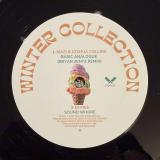
pas en stock

Commandez maintenant et nous commanderons l'article pour vous chez notre fournisseur.

11,72

Last In: 3 years ago
Articles par page:
N/ABPM
Vinyl