
non in magazzino
Ordina ora e ordineremo l'articolo per te presso il nostro fornitore.
Last In: 9 months ago
30,04 €
Ordina ora e ordineremo l'articolo per te presso il nostro fornitore.

Repress auf babypink w/ blue splatter Vinyl, limitiert auf 200 Exemplare. Be Well - ein Zusammenschluss bekannter Gesichter der Hardcore Szene! Ins Leben gerufen von Brian McTeran, Gründer der ikonische Straightedge-Hardcore-Band Battery und ergänzt durch Mike Schleibaum von Darkest Hour und Battery, Aaron Dalbec von Bane sowie Peter Tsouras und Shane Johnson von Fairweathe, wurde Be Well gegründet um McTeran einen neuen Output für seine Emotionen zu geben. Nach der Auflösung von Battery im Jahr 2000 lenkte McTernan seine Energie zunächst in eine arbeitsreiche Karriere als Produzent um. Er hinterließ auf wegweisenden Alben von Bands wie unter anderem Thrice, Hot Water Music, Circa Survive und Turnstile seine Spuren. Bis er 2014 schließlich eine radikale Kehrtwende machte und eine Projektmanagement-Funktion für ein Bauunternehmen übernahm. Anfangs fühlte sich der Wechsel in Tempo und Karriere gesund an. Doch nachdem er oft zwischen Baustellen hin und her und reiste und dabei 400 Meilen pro Tag fuhr - traten größere Probleme in McTernans psychischer Gesundheit hervor. Eine Zeit schwerer Depressionen verlief laut McTernan jahrelang unkontrolliert, bis sich Battery 2017 vorübergehend wiedervereinigten und ihren ersten neuen Song nach 17 Jahren schrieben. Der Song, "My Last Breath", unterschied sich deutlich von allem, was vor ihm kam. In vielerlei Hinsicht diente der Text als spiritueller Vorläufer dessen, was schließlich zu Be Well wurde. Also schrieb McTernan weiter, began seine Erfahrungen durch Texte zu verarbeiten und eine neue Band zu formen. The Weight And The Cost ist das Ergebnis dieser gesammelten Erlebnisse. Ein Album das weit über die Grenzen dessen hinausgeht, was man über die früheren Bands seiner Mitglieder weiß. Die Vergangenheit der Be Well-Mitglieder könnte sogar das Uninteressanteste an diesem Projekt sein. Wo die meisten Hardcore-Platten ihren Inhalt an die Form der Genrekonventionen anpassen, zeigt dieses Album, was möglich ist, wenn der Inhalt die Form schafft: The Weight and the Cost folgt McTernans zutiefst persönlicher Erfahrung.
dovrebbe essere pubblicato su 13.01.2023

BLACK VINYL[80,88 €]
Die vollständigen Aufnahmen aus der ,Crank!"-Ära des wegweisenden texanischen Nicht-Emo-Quartetts Mineral sind nun erhältlich. Auf drei LPs versammelt finden sich Nachdrucke von ,The Power of Failing" aus dem Jahr 1996, dem Abschiedswerk und zweiten Album ,EndSerenading" sowie ,_And What Remains" - einer neuen Sammlung von Singles und Demos. Nina Corcorans ausführliche Begleittexte entwirren die komplizierte Geschichte des zurückhaltenden ,mittleren Bruders" der zweiten Welle, illustriert durch Dutzende von historischen Fotografien, Flyern und Songtexten in grellen Farben. Überzeugen Sie sich selbst.
dovrebbe essere pubblicato su 20.11.2026
PALISADE GREEN VINYL[86,98 €]
Die vollständigen Aufnahmen aus der ,Crank!"-Ära des wegweisenden texanischen Nicht-Emo-Quartetts Mineral sind nun erhältlich. Auf drei LPs versammelt finden sich Nachdrucke von ,The Power of Failing" aus dem Jahr 1996, dem Abschiedswerk und zweiten Album ,EndSerenading" sowie ,_And What Remains" - einer neuen Sammlung von Singles und Demos. Nina Corcorans ausführliche Begleittexte entwirren die komplizierte Geschichte des zurückhaltenden ,mittleren Bruders" der zweiten Welle, illustriert durch Dutzende von historischen Fotografien, Flyern und Songtexten in grellen Farben. Überzeugen Sie sich selbst.
dovrebbe essere pubblicato su 20.11.2026
Sari Jordan ist Sängerin, Songwriterin und Musikerin mit einer Stimme, die durch ihre unverfälschte Ehrlichkeit und verspielte Kühnheit besticht. Ihre Musik ist komplex und ätherisch, funky und fröhlich - ein kontrolliertes Feuerwerk. Die in New Jersey geborene und in New Orleans lebende Künstlerin beschäftigt sich mit den Widersprüchen in Beziehungen, Macht und Liebe. Jordans einzigartige Stimme und ihre introspektiven Songs tanzen am Rande der vierten Wand, die zwischen Künstlerin und Zuhörer schimmert. ,PERFECT BE THE ENEMY" ist ihr Debütalbum. Das Projekt mit 11 Songs kehrt Trauer und Wandel von innen nach außen und schmückt die emotionalen Erdbeben des Lebens mit eklektischen Grooves, hypnotischen Gitarrenlinien und einem warmen, goldenen Licht - wobei Jordans Stimme und Geschichten durchscheinen. Aufgenommen in New Orleans im Lil Squeeze Studio von Ajaï Combelic, wurde das Projekt von Jordan, Comebelic und Robin Sherman koproduziert, der auf der Platte auch Bass spielt. Jeder Song ist wie ein lebhafter Eintrag in einem Sammelalbum - Sari nimmt uns mutig mit auf eine Reise ins Selbst. Sie erinnern uns daran, dass nichts endgültig ist, alles im Fluss liegt.
dovrebbe essere pubblicato su 15.05.2026

Anne Young sings emotionally and lively. The Yuji Ohno Trio that draws out and enhances its charm to the fullest. I am fascinated by the absolute masterpiece “Speak Low”
American club singer Anne Young’s first album recorded when she came to Japan in 1975. Backed by a trio of Yuji Ohno, Yoshio Ikeda and Yasuyoshi Okayama. It is a masterpiece that has been sought after for a long time both in Japan and overseas, with the recording of the absolute masterpiece “Speak Low”, which is glossy and full of dynamism. Eyes and eyes tend to be attracted to the same song, but this work has an emotional singing such as the light and neat “Old Devil Moon”, the graceful and beautiful “Autumn In New York”, and the earnest appeal “Don’t Explain”. The charm of young people is packed. And the arrangement and performance that draws out and enhances its charm to the fullest is also excellent. This work is also attracting attention as one of Yuji Ohno’s valuable piano trio works.
dovrebbe essere pubblicato su 07.06.2024

Limited Clear Vinyl edition, 300 copies! Recorded in 1961 and released on Blue Note in 1964, “It May As Well Be Spring” is often considered as an ideal companion to Quebec’s famous “Heavy Soul” . Here the saxophone player displays a relaxed set of standards, including classic songs from the American repertoire such as “Willow weep for me”, “Lover Man” and “Ol Man River”. Perfect material to express his warm, lyrical tenor sax voice while Freddie Roach on organ, Milt Hinton on bass, and Al Harewood on drums perform with their usual high sense of interaction .
dovrebbe essere pubblicato su 18.11.2022

Rocksteady took over Orange Street ,Kingston, Jamaica around 1966,the same time that an extreme heat wave hit the Jamaican Island.
Some say the previous jerky Ska Rhythms proved too strenuous of an activity to partake in during the all night Sound Systems.
So it proved a winning formula to slow the beat down to a more leisurely pace.
Whatever the reasons were this two year period that ran until 1968 would see some of the power escape from the big three producers,Clement 'Coxonne 'Dodd,Prince Buster and Duke Reid...who up to that period ruled the airwaves. It was time to make room for a new wave of up and coming producers that also had something to offer the people.
So sit back and enjoy some Rocksteady straight from the dances of Jamaica...Hope you enjoy the set...............
Disponibile in Stock e pronto per la spedizione

* 180 gram audiophile vinyl
* Includes insert
* Guest performances from Slash, Ozzy Osbourne, Vinnie Moore, Joe Satriani, Steve Vai, Nikki Sixx and Mick Mars (both of Mötley Crüe) and many more
* Featuring the hit-singles "Hey Stoopid" and "Love's a Loaded Gun"
Hey Stoopid Is The 19th Studio Album By Rock Singer Alice Cooper, Released In 1991. After His Smash 1989 Hit Album Trash (movlp1862), Cooper Continues His Success With This Follow-up Album, Which Features Guest Performances From Slash, Ozzy Osbourne, Vinnie Moore, Joe Satriani, Steve Vai, Nikki Sixx And Mick Mars (both Of Mötley Crüe).
Hey Stoopid Was The Last Music Album To Feature Bassist Hugh Mcdonald Before He Joined Bon Jovi As Their Bassist In 1995.
The Song "feed My Frankenstein" Features Famed Guitar Duo Steve Vai And Joe Satriani Playing Together, Accompanied By Nikki Sixx On Bass. In 2014, "dangerous Tonight" Was Featured In The Video Game Watch Dogs.
Ordina ora e ordineremo l'articolo per te presso il nostro fornitore.

Royal Blue[12,82 €]
dovrebbe essere pubblicato su 04.06.2025

Repress coming!
A year on from 'Good Evening', the critically acclaimed collaborative album with Verb T & his
stellar contribution to Ocean Wisdom's UK TOP 40 'Wizville' album, producer Pitch 92 is
ready to show off his new works to the world, as he enters a new stage in his career and begins
to spread his wings as a solo artist. Known for his soulful sound, inspired by the likes of
Madlib, Pete Rock & J Dilla, Pitch 92 has carved out his own unique style and pulled out all the
stops for his debut release on High Focus Records.
Entitled 'Lost In Space', this new EP is a perfectly balanced mix of vocal and instrumental
tracks showcasing the raw talent of the Manchester based producer. Pitch 92 has assembled a
healthy roster of artists to work alongside, ranging from UK Hip Hop royalty to up & coming US
artists as well as accomplished musicians.
Spanning from UK Hip Hop favourites such as Jehst & Verb T, to new faces such as K S R ,
Sparkz and Doctor Outer as well as hooking up with Sony Music's Ashely Henry, one of the
UK's most accomplished jazz pianists as heard on 'One Handed' - Pitch 92, armed with his
trusty MPC, expertly provides the perfect backdrop to accommodate each of his guests, as well
as putting forward instrumentals that stand out as masterpieces in their own right, Pitch 92
applies finesse and the ability of a veteran producer, despite only being 26 years old - One
listen of lead single 'Lost In Space' featuring Jehst and Confucius MC is all you need to
confirm that we are indeed listening to a master at work.
In short, 'Lost In Space' is a production masterclass and serves as the perfect introduction to
the Pitch 92 sound, of which you will be hearing more and more, guaranteed.
dovrebbe essere pubblicato su 30.06.2023

The return of A Turntable Friend Records starts with an opulent 40 track retrospective compilation of their heydays in the 1909s. Peers of Sarah Records and Slumberland Records but far from copying their style, ATF Records always had their own musical identity allowing for a roster as diverse as Boyracer (with Even As We Speak), Secret Shine, The Claim, The Ropers, the Hellfire Sermons + Lorelei.
This compilation is a feast of highlights from the long-deleted back catalogue plus 8 unreleased tracks from the period. Many of the original 7s & 12s are much sought after collector items and several tracks appear on cd for the first time.
Indie guitar popof the best variety delivered by bands from the UK< USA, Australia + Japan.
The release is luxuriously packaged in a tri-fold sleeve for the triple vinyl, strictly limited to 500 for the world. It includes a 12 x 12 full colour booklet and a download code.
The double cd comes with the same tracks also in a gatefold sleeve with full colour booklet.
This compilation is a fundraiser for the William Wates Memorial Trust in the UK with all profits being donated.
Ordina ora e ordineremo l'articolo per te presso il nostro fornitore.

Eno Williams, frontwoman of Ibibio Sound Machine, uses both English and the Nigerian language from which her band's name is derived for the dazzling new album Doko Mien. Long lauded for jubilant, explosive live shows, Ibibio Sound Machine fully capture that energy on Doko Mien, the followup to their Merge debut Uyai.
In a glowing piece in the New York Times, those songs were praised for following 'in the tradition of much African music, [making] themselves the conscience of a community.' By pulsing the mystic shapes of Williams' lines through further inventive, glittering collages of genre, Ibibio Sound Machine crack apart the horizon separating cultures, between nature and technology, between joy and pain, between tradition and future. That propensity for duality and paradox seems common in people whose lives span continents.
Williams was born in the UK, but grew up in Nigeria, always steeped in her family heritage. She obsessed over West African electronic music, highlife, and the like, but was equally empowered by Western genres such as post-punk, disco, and funk. The London octet have enveloped themselves in that maximalist quilt proudly since their 2013 formation. Though it can often bring with it news of stress and uncertainty, the modern world further brings all these disparate traditions into connection.
'Everyone has everything now,' says multi-instrumentalist Max Grunhard. 'Everyone has immediate access to every genre, picking things up from everywhere—like magpies.' And while they haven't suddenly left their African roots behind, Doko Mien does find increased representation of English lyrics in the ratio. By sharing more directly with more universal lyrics, the record feels more anthemic, reaching for grander heights.
'We wanted to give people a reason to sing along, to find their soundtrack every day,' Williams says. 'We wanted everyone to feel as if they're part of the music as well.'
Late album highlight 'Guess We Found a Way' addresses the change with a coy smile. 'Guess we found a way to speak to you/ Guess we found a way to say what's true/ To say what's real,' Williams coos over glistening chains of reverberant synth and diamond dust percussion, before returning to Ibibio in the chorus. Perhaps the best example of the group's ability to convey meaning across language and tradition, to blend past and future into a singular present comes on 'She Work Very Hard'. The traditional Ibibio folk tale bobs over the waves of tuned percussion, chunky synth, and pinprick highlife-esque guitar, while Jose Joyette's drums and Derrick McIntyre's bass funk groove bring everyone to the dance floor. 'These stories won't be forgotten. Feel the music: it speaks to everybody,' Williams says. 'We can travel back in time together, while convening on a futuristic, present tense. We hope that we can give people that reason to wake up, that one song to sing and dance and be happy.'
Doko Mien: Tell me everything. On their new album, Ibibio Sound Machine provide the perfect companion, ready to digest as much as possible and then further unfurl beauty and hope. They remember and honor the past and charge forward toward the future, all while intensely expanding the present.
Ordina ora e ordineremo l'articolo per te presso il nostro fornitore.

One of the most unique albums on the Strata East label - and that's saying a heck of a lot, given the creative energies flowing through that legendary jazz outlet! Descendents Of Mike & Phoebe is a righteous little project put together by Spike Lee's father, Bill Lee, and his brothers and sisters (Cliff Lee, Grace Lee Mims, and Consuela Lee Moorhead) - working here in a group named after their slave ancestors, who are paid tribute in a beautifully flowing batch of tunes! Lee's round, warm bass tones are firmly at the head of the group on most numbers - recorded at a similar level to his excellent work with Clifford Jordan on Strata East during the same time - and other instrumentation includes piano from Consuela, flugelhorn from Cliff, and percussion from Sonny Brown and Billy Higgins - all used in a wonderfully evocative style that's even better than some of Lee's later soundtrack work. A few numbers feature vocals from Grace - singing wordlessly and with a really heavenly sort of quality - and together, the whole group have an undeniable sense of power and majesty, yet also one that's touched by a really personal sense of poetry too. Titles include a great version of Lee's "Coltrane", which was more famously recorded with Clifford Jordan.
By Drago Museveni
Ordina ora e ordineremo l'articolo per te presso il nostro fornitore.

At the summer party on the occasion of my soon-to-be 80th birthday, many friends came. As it said on the invitation: 'The Eschenau Chaos Band will play.' While the party was going on, people asked me when that band would be playing, and I replied: 'Now! You are that band', and I randomly handed out all of these instruments. Hartmut Geerken was clued in and had brought some as well - Sun Ra's Sun Harp among others. I started with a moroccan hand drum, bendir, and off it went. Unpractised." - Herman De Vries Herman de Vries, born 1931 in Alkmaar, is a Dutch visual artist who has been living in Eschenau in the Steigerwald region (Franconia, Germany) since 1970. Having started out as an Art Informel painter in the 1950s, his interests shifted in the ensuing years, and in the 1970s, he became focused on found objects from nature and their rtistic-philosophical qualities and implications. He has made paintings, collages, texts, sculptures, installations, a.o., and has dealt with plants, earth, and other parts of nature from botanical, medical, historical, as well as psychedelic viewpoints.Recording made on June 18, 2011, in Eschenau. Edition of 300 with liner notes by Herman de Vries and photos of the event on the back sleeve.
Ordina ora e ordineremo l'articolo per te presso il nostro fornitore.

The fifth instalment in the label’s well-established Fluid Files series, this new mosaic of sun-streaked joints summons the voices of faces old and new, sewn together with that similar Chicago-typical, laid-back attitude and a thread of unstoppable funkiness.
Diving first with a slice of velvety, looped out piano house boogie on a solid French filtered house tip, Dutch outfit Fouk lays down a proper enticing number for the late summer hours, packed with elastic bass jack, anthemic stabs and a sun-kissed shimmer straight out a blissed out coastal escape. Label alum Danou P follows up with a further bouncy number, dishing out a seriously infectious mix of acid-abraded bass and warped floor dynamics, ready to knock dancers askew with its lush, synth-flooded hooks and fun-loving, oddball swing.
More on the muscular side of things, Ben Diggins clocks in with the steroid-fueled balearic hoodoo of ‘Mascotte’ - a tune built for the undying after vibes, when the sun begins to rise and the crowd’s levels of serotonin hit a new high. Prismatic and powered-up, Diggins’ track injects any heavy-lidded engine with his own concoction of driving percussion, utopian motifs and fluttering, ambient-leaning harmonics.
Rounding off this four-part sonic journey, Colombian vibist DFRA teams up with Argentinian singer Denise Izaguirre on the heavily Latin jazz-informed, ‘Impulse’. Soulful and oneiric, the song taps in both artists’ musical heritage whilst pushing for new directions through the combined use of electronic and acoustic instruments (congas, trumpet, synths, drum machine…) - contrasting and complementary, shaping an entirely new and singular vision that is drenched in a bittersweet blend of warm melancholy and bracing hopefulness
L'articolo è già in viaggio verso di noi e dovrebbe essere spedito da 29.09.2026.
The unconscious element to the conscious process.
The practice of dub techno and its tendrils is a fundamental for me, both aesthetically and from an engineering perspective.
I start every recording session with a dub inspired jam, the first piece I ever recorded in 1996 was an effort to recreate Phylyps Trak with only a Korg X3 and an Ibanez PUE5 (borrowed from Gary Howell). It was an awesome introduction to jamming, and the footing stones of noise, delay and saturation were explored with my foot hard on the enthusiasm pedal.
These practice jams are in some sense cathartic, the first step taken again & again, which helps me move forwards each session and additionally helps to 'warm the circuits' both of myself and the machines.
After realising the genius of Basic Channel is akin to the genius of peasant food, using every ingredient with nothing left to waste, (up to and including the oft maligned working noise of the machines themselves), this was a watershed moment for my own subjective progression. No longer tied to just emulation of something inspiring, but taking these learned tools into other areas of music helped to break free from a strong current of influence and also to progress into other areas with the new toolbox.
Dub:
The importance of the dub pioneers should never be understated, in modern music and my own practice. Yet with my initial inspiration being two german dudes issuing extreme techno variants with obscured label designs, who then signposted their listeners to their own inspirations (via their Wackies re-issues or nodded to on their Rhythm & Sound/Burial Mix sub-labels), meant that I started late and travelled backwards.
Learning to notice the live mixing of Mikey Dread or Lee Perry when the faders are bleeding through even when turned down, (echoed in BC's Quadrant Dub), or the brash send effects literally thrown into the mix also taught me that 'rough' mixing can inject a recording with life, uniqueness and the most right wrongness. Looking back Basic Channels very few elements helped me realise that the rules to be understood, are also the best ones to be broken.
Push the mixer into the red.
Amp that noise up from the tape delay cos it sounds sick.
Pseudo side-chain effects cos the kicks are way too loud and the mixer can't sum it nicely.
Spam the send knob into the delay units now, now and now.
Carelessness.
Noise:
Once I wrapped my head around the intrinsic 'noise' element that set those records apart, this became a torchlight into the alt noise movements which I was tentatively exploring at the time, and also is evidently a connection or thread into them.
Whether the Industrial/Post Punk UK scene (This Heat, TG, A Tent, F.E.) or the prolific output of the US Noise scene (Wolf Eyes, Live & Shave in LA, and subsequently following the lineage all the way back to Chrome's Alien Soundtracks), I had finally discovered a connection from techno to this 'free for all' corner of music.
This input from the Noise arena of sound is, in my experience, an all important step for a sonic artist, taking it's roots and extending out from Stockhausen/Pierre Henry and utilised/warped/mangled by thousands of adventurous pioneers ever since, I now see the line separating the high brow and the low brow is actually an artery carrying information from the head to the heart.
Vault is a selection of these jams that precede each of my solo recording sessions, for 30 years I've recorded hundreds of these 'workouts'. They are never intended as serious statements, just moments of naive enjoyment, yet most importantly they are time & space captured as practice.
The objective is always a warm up exercise, but sometimes those exercises turn a different corner, with a certain focus or direction dependent on what random samples are left in my machines from the previous session, instead of conscious choices, these unconscious elements can facilitate those 'positive mistakes' that make a piece of sound retain a different feel or colour and thus become special, or at least special to the creator.
I am quite conscious that the 'record everything' aspect of my ethos has been invaluable in cataloguing and saving these jams, while the attitude of carelessness during this process (after all, it's only a warm up jam) invites more enjoyment than seriousness ever could. Even if you don't feel the piece at the time, record it, because some years later it may well fit, or become relevant in a way you never intended.
-Miles
dovrebbe essere pubblicato su 30.09.2026

What began as a pandemic-era radio show on Openlab FM and Ralph Lawson's sonic escape hatch into distant electro worlds has since become a consistent home for the genre. Exit Planet Earth returns from hiatus with a new chapter, and Manchester's Jonny Strinati, aka Kalcagni, is the ideal artist to reopen the transmission. Already well-versed in the EPE universe through the radio show and releases on Cosmoba and Distrito 91, Strinati drops relentless machine beats, intricate synth programming that references all forms of electro from Kraftwerk to Drexciya, with dynamic bass and cinematic designs. It's an intergalactic mind trip as much as a dance floor workout and the production is next level. Welcome back!
L'articolo è già in viaggio verso di noi e dovrebbe essere spedito da 30.09.2026.
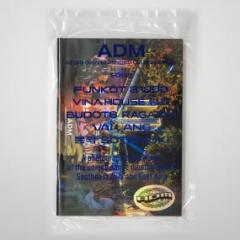
228 page photobook, printed on high quality Japanese paper.
Paperback
Size: 257 x 182 x 7mm
Enclosed in a printed clear plastic bag
Soi48 proudly presents this book, a photographic document of the unique dance music clubs
and culture of Southeast Asia and East Asia. The photos, from the years 2017 through 2025,
were taken in nightclubs, discos, festivals, raves, sound system parties, private parties and
migrant worker clubs — the places where Asia’s unique dance music genres are born and
thrive. ADM, with its exclusive on-the-spot snapshots, provides an extraordinary visual
archive of Asian contemporary dance music. Journeying through Thailand, Vietnam, Laos,
Malaysia, Indonesia, Philippines, Myanmar, Taiwan, Korea and Japan, Soi48 captures
glimpses of how people create their nights, visually comparing the differences between
countries in fashion, dance style, lighting, club interiors, flyers and more, showcasing the
distinctive entertainment culture that each country has created. The 167 photos also feature
the pioneering DJs and track makers who built unique music genres in each country, such
as Budots (Philippines), Vina House (Vietnam) and Saiyo (Thailand). Also of note: the book
provides a valuable record of nightlife during the COVID-19 pandemic; captures the energy
that migrant workers release in clubs on weekends; and in general showcases the ingenuity,
wit and passion of music lovers throughout the region.
Soi48:
A duo, comprising Tokyo natives Keiichi Utsuki and Shinsuke Takagi, that promotes the
magic of Asia and Asian music through DJ-ing, writing, design, and party activities. Their
interests range from traditional music to cutting-edge dance music, released on physical
media as well as on the internet. In addition to supervising the film Bangkok Nights (Kuzoku)
and the EM Records Thai music series, they introduce the joys of Asian music and travel
through talk events, TV, radio appearances, etc. Their books include TRIP TO ISAN: A
Traveling Thai Isan Music Disc Guide (DU BOOKS), OMK#001 (OMK), and ADM: Asia's own
unhinged club culture. As ever, they enthusiastically continue to research dance music and
sound system culture in Asian countries.
dovrebbe essere pubblicato su 30.09.2026

The Bratislava-based band 52 Hertz Whale release their new album Present Sense Impression in a collaboration of the labels Weltschmerzen and Full Moon Forum.
Three years since their album I've Met a Lot of People, the band brings forth a lot of new ideas, finding a new resonant space, and utilising the fierceness // savageness of their live shows, in an intimate stare at contemporary guitar music.
52 Hertz Whale is a band well known in the Central European music context. Their ferocious sound, mixing the intensity of post-punk, heavy guitar wails, and melancholic // stark vocals of Dominik Prok has been tearing down the fixtures of many festivals and venues, all the while being a great example of a band driving at 200mph nonstop. On Present Sense Impression, the band, composed of Dominik Prok, Dominik Fabian, Patrik Nagy, Tomáš Tabiš and Adrián Krišák, have arrived at a record full of manifold manifestations of their live sound, but at times recalling the more marginal waves of 80s pop // rock sound. Resolute drums, heavyweight guitar and bass riffs now deem closer to the lightness of early ethereal darkwave, just to indulge in the classic melancholic heaviness they are known for only seconds after.
Some of the songs have been produced by "Prague's favorite rock'n'roll enfant terrible" Lazer Viking as well as Pulp Studio's Jakub Hríbik, and one features a special guest - the cemballo virtuoso Marcel Comendant. The traditionally stunning artwork was created by the accomplished Martin Mesaroš.
Present Sense Impression is the 20th album released under the Slovak romantic // experimental label Weltschmerzen focused on emotionally hypercharged, humanely intertwined, and acutely sounding contemporary music. This time in collaboration with the czech label Full Moon Forum. It releases August 26th on limited edition baby pink, standard edition black vinyl and on all streaming platforms.
The creation and release of this record have been supported using public funding by the Slovak Arts Council, and SOZA. Fullmoon Forum project was supported by the Ministry of Culture of the Czech Republic.
L'articolo è già in viaggio verso di noi e dovrebbe essere spedito da 01.10.2026.
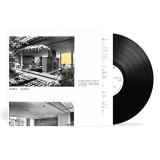
Blue vinyl[27,31 €]
Brazilian artist Rubel isn’t one to be pigeonholed and typecast into staying in one sound. Casas, the follow-up to his debut album Pearl from 2015, brought a bigger, more epic, and richer production quality to the table. Fusing the worlds of MPB and hip hop, Rubel’s sophomore LP built on the momentum of its predecessor, gaining a Latin-Grammy nomination along the way. Mr Bongo is proud to be giving Casas its first worldwide release on vinyl and CD outside of Brazil and Japan.
The cliché they say is that the second album is always the trickiest; however, Rubel doesn’t seem to have had any problems on Casas. It’s a fountain of creativity and originality, marking an artist in full flow.
Conceived after Rubel spent six months living in Los Angeles, Casas is MPB-leaning at its core but is also driven by a hip hop inspired pulse. There is a clear influence from hip hop’s aesthetic across the 2010s woven subtly but fundamentally throughout. Nods to Frank Ocean, Kendrick Lamar and Tyler, The Creator can be heard across an album full of playful edge and personality. Luscious string-led arrangements and tracks that explore the rich folkloric rhythms of Brazil, sit next to songs with low-fi drum machines and features from acclaimed Brazilian rappers.
One of the highlights of the album, ‘Mantra’, starts with a traditional Brazilian rhythm that morphs into a hazy hip hop beat. A sublime song with a hooky call and response chorus, it features a guest appearance and verse by the Brazilian MC Emicida. Another highlight is the epic ‘Colégio’ (College) which further showcases the melding of stripped back drum machine beats with cinematic, sweeping arrangements. Elsewhere, ‘Partilhar’ is a swaying, heartwarming hug. A tale of longing and love that has become a singalong fan favourite at Rubel’s concerts.
Casas also shines a light on a string of key players in Brazil’s new vanguard, such as Pedro Fonte, Gus Levy, and Brazilian rapper / poet Rincon Sapiência to name a handful. The record has pop sensibilities yet also feels underground. It beats with the heart of a singer-songwriter, a feeling that was felt so strongly on Pearl, yet this time is bolstered by a level of arrangement and richness of sound that take it to another dimension - soaring horn and string sections elevating the songs from home recording to stadium-ready anthems. Keeping that intrinsic beauty and simplicity of a well-constructed song yet reframing it within a pop context is the true gift of this album.
Casas cemented Rubel’s status as one of Brazil’s leading contemporary talents and a key figure enriching the country’s already effervescent scene.
dovrebbe essere pubblicato su 01.10.2026

A warm Mediterranean summer night. The day’s heat lingers on the walls as the sea breeze carries fragments of conversation into the dark. Time slows, hearts open, and a melody drifts by familiar, yet impossible to place. Minutes later, you’re humming it. This is Tonight In Tunisia... If you know, you know..
With these remixes for Re:Imagine, the now well-established pairing of Chez Damier and Ben Vedren continues to blur the lines between deep house tradition and contemporary expression.
Built around warm rhythms, sun-drenched melodies, and irresistible vocal hooks, Tonight In Tunisia balances sophistication with immediacy. Rooted in jazzy sensibilities, it offers a version for every mood: open-air dancefloors, late-night terraces, and those summer moments that seem to linger long after the music stops.
Effortlessly uplifting and deceptively simple, it’s the kind of record that slips into your mind on first listen and refuses to leave.
Disponibile in Stock e pronto per la spedizione

Vol 2[23,95 €]
Gnod's now twenty year journey through spiritual and audial exploration has been driven by relentless curiosity, magpie irreverence and a fierce countercultural imperative, their project has always refused to acknowledge all or any rules and boundaries, internal or external. The latest adventure of this band may never have been intended to celebrate their two-decade anniversary, but in true Gnod fashion by, what began as a trip into a residential studio setup in Hellfire Studios with producer John `Spud' Murphy (Lankum, Black MIDI, Caroline) for six days, resulted in more potent material than anyone bargained for. The end result has been three studio albums to be released over the next year. "This trilogy revealed itself to us in the studio" says Paddy. "We were hoping to get a good album out of the session and lo and behold we got three of the fuckers. It's interesting that we did pretty much capture the full spectrum of the Gnod sound across all three". In fact, this intrepid first instalment of the `Chronicles Of Gnowt' trilogy covers an alarming amount of sonic territory all on its own. Driven as always by the power of repetition as well as Gnod's alchemical marriage of the maximal and the minimal, this album is imbued with a vivid focus that's testimony to the chemistry of the sessions, coupled with a detailed and spacious production from Murphy that brings out the psychedelic sound worlds of the band in vivid colour. This is a travelogue which delves into pastoral tranquillity (as on `Three Trees Parts 1&2') just as adeptly as expansive Earth-tinged riff monoliths (`All Tunnel No Light') and just as formidably as the closing epic `Ekstasis' - a hallucinatory vista where kraut-tinged experimentalism meets Swans-style intensity. Yet all the while, truly sounding like no one but Gnod.
dovrebbe essere pubblicato su 01.10.2026

Balvanera is the project of Agustina Vizcarra and Lucas Palavecino from Buenos Aires, Argentina.
Since 2016, the duo has been building a sonic narrative that moves between the corporeal and the spectral, exploring waves and minimal synth as well as more intense and rhythmic directions closer to Body music, all while sharing the stage with artists such as Clan of Xymox, Boy Harsher, Die Selektion, Kontravoid, NNHMN and Ashcode.
New album Hasta tocar el fondo vacío del lenguaje arrives as an attempt to push expression to the limit, focused on language and sound as expressive forms.
With all tracks sung in Spanish, the album is a declaration of identity and at the same time an exercise with Spanish itself: how to play with a language that sometimes feels baroque and turn it into something stark while retaining its richness. Musically direct, the album occasionally returns to some minimalism reminiscent of the band’s early releases while preserving the intensity and club-oriented feel of their later work. At times intensifying in speed, the record brings the energy of their live performances to visibility, while other tracks feel like an unsettlingly dreamlike atmosphere. The title – meaning Until Touching the Empty Bottom of Language – borrowed from a fragment of Arturo Carrera’s poem Escrito con un nictógrafo, offers a clue to Balvanera’s nocturnal sensibility: those thoughts and images that can only emerge in the sleepless hours of the night, when they reach their most revealing edge.
Hasta tocar el fondo vacío del lenguajen explores death as something hidden within language while allowing each track to find its own form rather than adhering to genre conventions.
Split released with DKA. Out October 1st, 2026 on aquamarine vinyl LP limited to 500 with lyrics insert.
dovrebbe essere pubblicato su 01.10.2026

Big welcome to Time is Now for J Wax for a bit of a statement EP and I am coming out swinging here cos this is a really good record. There’s good, and then there’s this, the kind of good that stays good.
You know that feeling when something’s just right. When flow state becomes clarity. Well listening to this EP from J Wax gives me that feeling. This is proper Goldilocks business. It’s equal parts Gun Fingers and Loved up hugs. Just right.
By now we all know that something very special happens when Speed Garage collides with 1st wave UK Hard House - but - what makes this just right is that J Wax didn’t stop there, just like the Dutch 2nd Wave of Hard House he’s slid onwards into euphoric trance and oh boy am I here for it. In 1997 we got Double99’s Rip Groove and Nalin & Kane’s Beach Ball and for me this EP has as much in common with perfectly formed ‘97 Trance as it does with Speed Garage. Who says you can’t have it all!
We’ve been following J Wax’s output for years. He has been grafting hard. And for me he’s already firmly a part of the long lineage of globally significant Scottish party starting producers and DJ’s. So when we signed this EP to Time is Now I was gassed. Four big tunes. Sick EP. For me it’s crystal. J Wax is now a producer operating in rarefied air.
Run the Tracks….
A1. The dubplate of ’Peaches’ has been causing mayhem for a minute. Gliding in smooth before that big diva vocal screams down the bassline.
A2. J Wax tags in Edinburgh local RUA.DJ. The pair double up on ‘Shift’ for a slice of Trance infused but no-nonsense Speedy G. Reece bass & gun shots + bouncy synthline & ethereal chords. Lose it and yourself.
B1. ‘Soul Movement’ is a big room weapon. Serious levels on this one that leave no doubt - this is a producer at the top of his game, writing high energy weapons to destroy the dance.
B2. ‘Smokin’ is peak time bizness. Harder darker house with a diiirty dirty south vocal chop. This one is heads down & lock in…
Goldilocks.
dovrebbe essere pubblicato su 01.10.2026
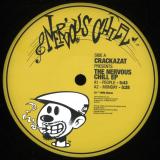
Originally from Bristol, England, Ben Jacobs, aka Crackazat, is a multi-Instrumentalist and electronic producer. Since his emergence on the international scene, he has quickly become recognised for his unique fusion of Jazz and House music. He now presents his latest EP, ‘The Nervous Chill’, releasing on longstanding House label Nervous's sublabel ‘Nervous Chill’.
Crackazat’s influences range from the underground hip hop of Madlib to the Jazz-funk of Jamiroquai, showcasing downtempo beats and synthfunk. In 2015, he released his debut album ‘Crescendo’ to critical acclaim, as well as forming an alliance with Swedish house label Local Talk and performing supporting sets for Bonobo and Floating Points. Crackazat’s growing popularity has led to remixes by Joey Negro, Moulinex, and Tom Misch.
He now debuts on Nervous Chill with four sophisticated and downbeat tracks. Rooted in jazz, Crackazat’s signature keyboard solos, gilded violin chords, and glistening textures blend swinging grooves with silky melodies. Wind instruments anchor the tracks without limiting versatility, paired with dynamic percussion and featherweight pads. ‘The Nervous Chill’ sees Crackazat crafting a joyous, soulful EP that works both on and off the dancefloor.
dovrebbe essere pubblicato su 01.10.2026
Kukangendai are the innovative three-piece Kyoto based experimental rock band formed in 2006 with Junya Noguchi on guitar and vocals, Keisuke Koyano on bass, and Hideaki Yamada on drums. Since 2016 the band have set up shop in their studio and venue space, Soto, which houses an incredibly well tuned and powerful sound system that has become a well known destination for touring musicians. In March of 2025, Marionette was celebrating a belated 10 years of activity with label showcases across Japan in collaboration with Dotei Records, and Soto was inevitably one of the stops as many label alumni have set foot in the venue over the years. This is where I got to experience Kukangendai perform for the very first time and knew right then we were destined to work together.
Kukangendai embody an undeniable sense of timing and precision through collage-like repetition of minimalist phrases that manifest as a single unified rhythm. Their latest offering for Marionette, titled Baquet Wheel, is a purely acoustic endeavor, remarkably recorded live using Taku Unami's special binaural microphone. The trio seamlessly twist polyrhythms and melodies rooted in jazz, krautrock, blues, and Tuareg producing a timeless sound that preserves the primitive and memory evoking narratives buried deep within the music. Over the course of five tracks, the visceral nature of Kukangendai’s dynamic evolves from playful riffs that are seemingly familiar yet strikingly original, making it impossible to discern exactly when this material was conceived.
Kukangendai have maintained a prolific yet relatively low profile for the last two decades, with a handful of self-released editions on their own labels (Soto and Leftbrain) as well as a collaborative album with pioneering electronic music composer Ryuichi Sakamoto in 2018, then venturing outside Japan in 2019 to release their first widely distributed album on Ideologic Organ, a label curated by Sunn O)))’s Stephen O'Malley. Other collaborative projects to date include an album produced with rap group Moe and ghosts, live performances with Keiji Haino and with poet Gozo Yoshimasu, productions with the Chiten theater company, and most recently a remix album of their works featuring Carl Stone and Madteo.
dovrebbe essere pubblicato su 02.10.2026

BIT30-2 THE CROWDPLEASERS "I Want You To Know 30th Anniversary E.P." The first B.I.T Productions 12" was released on single sided white label on 11th December 1995 and became a rather big track across the country with its big synths, catchy vocal hook and a massive break in the middle that lead to a dirty, well-known synth melody that created a huge hands in the air moment, as well as the "Make some f**king noise" vocal. Now 30 years later, we have the “I Want You To Know 30th Anniversary E.P.” that features new remixes by The Crowdpleasers and Pianohead, as well as including the Original 1995 Mix. Also included is the NEW TRACK “I Know” which features the Original Mix with uplifting Piano and catchy vocals and the Stu Chapman Remix with dirty synths, banging breakbeat and a top piano riff. To finish off this 6 Track E.P., the previously unreleased Original Mix from 2000 of “Celestial”, a pumping house track with atmospheric melody.
dovrebbe essere pubblicato su 02.10.2026

Way Dynamic, das Soloprojekt von Dylan Young aus Melbourne, veröffentlicht international ,Massive Shoe" - sein drittes Album, das verspielt und zurückhaltend, strahlend und facettenreich ist. ,Massive Shoe" ist minimalistischer Folk-Pop, Art-Rock und Barock-Pop, produziert und größtenteils eingespielt von Young, der nebenbei bei Melbournes beliebten Bands Cool Sounds und Good Morning spielt und als Schlagzeuger bei Snowy Band und Kankawa Nagarra mitgewirkt hat. Es ist verlockend, diese Songs nur mit denen vergangener Zeiten zu vergleichen - Youngs Falsett, sein Gespür für Harmonien und die komplexen Arrangements wirken alle zeitlos. Aber es gibt eine Sensibilität, eine Wortwahl, die sich zutiefst zeitgemäß anfühlt: Es ist bezeichnend, dass Katie Crutchfield von Waxahatchee ,Miffed It" als ihren ,Lieblingssong seit SEHR langer Zeit" bezeichnete, und Katie, MJ Lenderman, This is Lorelei und Black Country New Road haben alle Way Dynamic auf Tour mitgenommen, während Sir Elton John sagte, er könne einfach nicht aufhören, ,Ibiza" zu hören. Youngs Songs scheuen weder Sentimentalität noch Albernheit: In jedem beliebigen Song könnte er einen Flug ins All vorschlagen oder ernsthaft eine Missverständigung beklagen. "Can we walk and talk as well?", fragt er in ,I Was the Dancer", und wir nehmen die Einladung sofort an.
dovrebbe essere pubblicato su 02.10.2026

Sublime frequencies from the golden era of ambient electronica.
Plumbing hidden depths beneath a deceptively tranquil surface, MLO's mid-90s masterpiece Io is an overlooked gem from a golden era for ambient electronic music. Originally released in 1994, Jon Tye and Pete Smith's collaborative album responded to the growing chill-out movement by leaning into classical and avant-garde influences from Satie, Debussy and Cage through to Soft Machine, Incredible String Band and Eno. Recorded across various studios stacked with classic and rare synths, Io was patiently composed into slowly unfolding suites punctuated with ripples of arrhythmic interference to arrive at a purist vision of true ambient.
The next instalment in Forever Records' ongoing reissue series shines a light back on this landmark piece of UK electronica with the first official reissue since its original edition on Rising High. As well as the original double LP pressing and a new CD digipak version, there will also be a uniquely numbered, limited edition housed in a gatefold sleeve that comes with a bonus 10" featuring two previously unreleased versions of the album's opening cut, 'Wimborne'.
Press response to Io:
"Not so much ambient, more environmental music, Io lets you bring as much (or as little) of your surroundings in as suits your mood. Every listen can be different. Interactive ambient at last.”
IO is pure ambience. Relying on motif as opposed to melody, MLO have produced a truly evocative album.
Peter McIntyre, Mixmag, UK 1994.
"MLO's influences range from the likes of Eric Satie and the intellectual salon music of his era to the more predictable reference point of dubby, modern techno, though they feel, perhaps rather contentiously, that "ambient music can exist in isolation from the rest of the dance music arena". Can it? Take a trip to Io, and find out."
Generator Magazine, UK 1994.
"If you like your ambient deep and moody with long chords that creep along at approximately the speed of drying paint then check out MLO’s Io."
Mixology, UK 1994.
"MLO set the controls for the heart of headspace for their first full album release. Io is top grade ambient brain… Ace album…"
Select, UK 1994.
dovrebbe essere pubblicato su 02.10.2026

Sublime frequencies from the golden era of ambient electronica.
Plumbing hidden depths beneath a deceptively tranquil surface, MLO's mid-90s masterpiece Io is an overlooked gem from a golden era for ambient electronic music. Originally released in 1994, Jon Tye and Pete Smith's collaborative album responded to the growing chill-out movement by leaning into classical and avant-garde influences from Satie, Debussy and Cage through to Soft Machine, Incredible String Band and Eno. Recorded across various studios stacked with classic and rare synths, Io was patiently composed into slowly unfolding suites punctuated with ripples of arrhythmic interference to arrive at a purist vision of true ambient.
The next instalment in Forever Records' ongoing reissue series shines a light back on this landmark piece of UK electronica with the first official reissue since its original edition on Rising High. As well as the original double LP pressing and a new CD digipak version, there will also be a uniquely numbered, limited edition housed in a gatefold sleeve that comes with a bonus 10" featuring two previously unreleased versions of the album's opening cut, 'Wimborne'.
Press response to Io:
"Not so much ambient, more environmental music, Io lets you bring as much (or as little) of your surroundings in as suits your mood. Every listen can be different. Interactive ambient at last.”
IO is pure ambience. Relying on motif as opposed to melody, MLO have produced a truly evocative album.
Peter McIntyre, Mixmag, UK 1994.
"MLO's influences range from the likes of Eric Satie and the intellectual salon music of his era to the more predictable reference point of dubby, modern techno, though they feel, perhaps rather contentiously, that "ambient music can exist in isolation from the rest of the dance music arena". Can it? Take a trip to Io, and find out."
Generator Magazine, UK 1994.
"If you like your ambient deep and moody with long chords that creep along at approximately the speed of drying paint then check out MLO’s Io."
Mixology, UK 1994.
"MLO set the controls for the heart of headspace for their first full album release. Io is top grade ambient brain… Ace album…"
Select, UK 1994.
dovrebbe essere pubblicato su 02.10.2026
»Baby Ghost« is the debut album by double bassist and vocalist Jordan Sand. Released through Hallow Ground, it blurs the lines between different genres and modes of expressions, improvisation and composition and showcases the unique playing style the composer has developed. Sand blends her voice with the bowed harmonics and subharmonics of her double bass. At once conceptually rigorous and musically open-ended, Sand’s wordless meditations on death and what comes after are both visceral and explorative.
Sand is a boundary-crossing instrumentalist, performer, and session musician who has worked in folk, free jazz, pop, classical and new as well as experimental music. In 2020, she took a hiatus. When she picked up the bass again, she began stripping down the relationship to her instrument to its core elements, searching for a way to melt the sounds of bow and voice together. This resulted in the appearance of ghost notes, tones emerging from the addition or subtraction of two frequencies, and harmonics that she adds with her falsetto.
On »Baby Ghost,« Sand utilises this acoustic sound and the spontaneous precision of her improvisational practice for pieces that deal with the subject of dying. They move from more polyphonic improvisations toward abstraction, touching upon harsh noise and minimalistic bow-chants before returning briefly to a melodic soliloquy, and finally landing on an extended subharmonic drone. This progression reflects the journey of the spirit after death; the experience of visions, memories, ecstasies and terrors before the dissolution of the self.
Sand performs this process physically, blending her voice with her instrument to explore how the senses might dissolve and merge when they enter a state between life and beyond-or-between-life. Born out of the moment and dedicated to a lost friend, »Baby Ghost« is quite literally an otherworldly achievement.
dovrebbe essere pubblicato su 02.10.2026
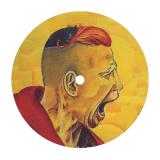
The third in a series of releases from the Digi Dub archives, Like it Here is a tribute to the poet laureate of Special Brew, the late Iffor Clarkson-Denbigh, who sadly departed us in 2021 to drink in the great park in the stars.
The infectious and futuristic late 90s vocal space dub of the A side finds Iffor waxing lyrically about both the nature of impermanence and the sentient ocean of Solaris over an irresistible bassline and low winding groove. The flip side features a suitably chugging version of the rail riding classic Loveborough Junction and a percussive early 90s acid dub of Heart like a Lion, the original of which dropped on the South East of the Thames collection. None of the tracks are traditional style dubs, but happily exist in the gaps between genres.
Iffor was a well-known multi-instrumentalist and vocalist on the South East London underground scene who lived life to the max without an off switch. He and label owner Lee Berwick truly had a laugh in the studio, producing Purple Boy (the classic ode to drinking in the park), the suitably named Clevor but Stupid album and many other uncategorisable musical wanderings.
“The hope is that Iffor, the dark son of Clenby, is cackling as he cracks another can while looking down on us from the great park in the stars.” Lee Digidub Berwick
dovrebbe essere pubblicato su 02.10.2026

[GER Seit ihrer Gründung im Jahr 2014 haben sich These Wicked Rivers zu einer der fesselndsten Bands der aktuellen Rock-Revivals in Großbritannien entwickelt. Die aus Derby stammende Gruppe schöpft aus dem reichen Erbe von Rocklegenden und Blues-Größen und hat sich mit ihrem unverwechselbaren, vom Blues geprägten modernen Rock einen Namen gemacht. Dank ihrer Live-Auftritte, die oft eine fast spirituelle Tiefe erreichen, und ihres zeitlosen Songwritings hat die Band in den letzten Jahren enorm an Fahrt aufgenommen. Ausverkaufte Konzerte in Großbritannien, den Niederlanden, Frankreich und Deutschland sowie der große Kritikererfolg ihres zweiten Studioalbums "Force of Nature" (Platz 3 der UK-Rockcharts) haben ihren Ruf als Live-Act, den man unbedingt gesehen haben muss, gefestigt. Das Jahr 2026 verspricht ein Meilenstein für das Quintett zu werden: Im Herbst erscheint ihr mit Spannung erwartetes drittes Album "Fire and Folklore". Aufgenommen wurde das Werk in der Heimatstadt der Band, Belper in Derbyshire, im Heimstudio von Andy Sneap. Unter der Regie des Grammy-Preisträgers Sneap (Judas Priest, Saxon, Megadeth) und Colin Richardson (Slipknot, Massive Wagons, Those Damn Crows) ist das bisher ausgereifteste Album der Band entstanden. "Fire and Folklore" geht über den typischen ,Wizard-Blues-Rock"-Sound hinaus und erschließt neue klangliche Territorien; dabei werden Country-Einflüsse und Southern-Rock-Flair integriert, ohne den für die Band charakteristischen Groove und Soul zu verlieren. Zudem ist die aus Derby stammende Country-Hoffnung Kezia Gill als Gastmusikerin auf dem Album vertreten. Geliebt von einer rasant wachsenden Schaar von Fans und ausgestattet mit einem Album, das den Sprung auf die großen internationalen Bühnen anvisiert, stehen These Wicked Rivers bereit, neue Höhen zu erklimmen. Seid dabei, klingt klasse. CD mit zwei Bonustracks, LP als Purple oder Black Vinyl! Established in 2014, These Wicked Rivers have emerged as one of the UK's most compelling forces in the recent rock resurgence. Hailing from Derby and drawing influence from the well of rock legends and blues greats, the band have made quite an impact since their inception with their unique brand of blues-infused modern rock. With a reputation for soulful-bordering-on-spiritual live performances and timeless songcraft the band have built unstoppable momentum in recent years. Sold-out shows across the UK, the Netherlands, France and Germany have cemented their reputation as a must-see act, bolstered by the critical acclaim of their second studio album 'Force of Nature' (#3 UK Rock Chart). 2026 is set to mark a landmark chapter for the quintet, with their hotly-anticipated third album 'Fire and Folklore' set for release in autumn 2026. The record was recorded in the band's hometown of Belper in Derbyshire, at Andy Sneap's home studio. With the Grammy-winning Sneap (Judas Priest, Saxon, Megadeth) and Colin Richardson (Slipknot, Massive Wagons, Those Damn Crows) at the helm, it's the band 's most accomplished record to date. Expanding beyond their signature wizard-blues rock sound, Fire and Folklore pushes into new sonic territory, blending in shades of country and Southern spirit while retaining the groove and soul that defines the band. The record also features a special guest appearance from fellow Derby artist, country starlet Kezia Gill. Loved dearly by a rapidly growing "Family" of fans, and armed with a homegrown record with its sights set firmly on the global stage, These Wicked Rivers are poised to reach new heights. Jump on in and enjoy! CD contains two bonustracks, LP comes in Purple or Black Vinyl!
dovrebbe essere pubblicato su 02.10.2026
GREY W/ RED'N'BLACK SPLATTER VINYL[22,06 €]
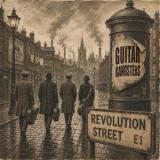
Die Guitar Gangsters könnte man getrost als die "older statesmen" des britischen Punkrocks bezeichnen, obwohl sie nie Teil der ersten Welle in den späten 70er waren. Gegründet Ende der 80er Jahre von den Brüdern Pete und Phil Ley hat die Band den musikalischen Schmelztiegel ihrer Heimatstadt London von Punk, Glam, Rock 'n' Roll bis Reggae förmlich aufgesogen. Ihr Debütalbum "Prohibition" erschien dann 1988 bei Link Records. Mehr als 35 Jahre und über 1000 Shows später haben die Guitar Gangsters noch mehr als genug Munition und Durchsetzungsvermögen um auf der "Revolution Street" ganz klar den Ton anzugeben! Wer ihr neues Album hört, wird keine Zweifel daran haben. Mit einer unglaublichen Spielfreude, treffsicheren Gespür für mitreißende Powerchord-Melodien, eingängigen Riffs, Hooks und stilsicheren Ausflügen quer durch alle Rockepochen ist "Revolution Street" ihr abwechslungsreichstes Album geworden_bleibt dabei aber immer unverwechselbar "Guitar Gangsters", eng verwurzelt im Punk Rock. Von klassisch, zeitlosen 77er Punk ("Suck it" up" / "Fake"), Pub- und Garagerock ("Without Prejudice"), RocknRoll und Glam bis zu dem einmaligen "80er feeling" in dem Gitarrenpop mit Punk und New Wave verschmolz ("Invisible"). Und mit "Car Crashed Heart" präsentiert die Band ein von den 50er/60er inspirierten Song, bei dem man förmlich "The Wanderers" auf der anderen Straßenseite erwartet. Da verwundert es auch nicht, dass mit "Baby Blue" die 70er und ein verlorener Rock-Klassiker von Badfinger neu zum Leben erweckt werden_.natürlich auf Guitar Gangsters-Art! Es gibt viel zu entdecken auf der "Revolution Street"! Nach knapp 45 Minuten Spielzeit endet in bester "The Clash"-Tradition mit "Warzone" das Album. Mit einer lässig-coolen Eleganz und großartigen Songwriting haben die Gentlemen des Punk Rocks ihr 12-er Magazin abgefeuert. Jede Menge Spaß, Singalongs und eine gute Zeit ist dabei garantiert! Die Revolution muss nicht immer blutig-aggressiv sein und Street credibility hat man halt, oder eben nicht. Klassisch schwarzes oder mehrfarbiges Splatter Vinyl am Start!
dovrebbe essere pubblicato su 02.10.2026
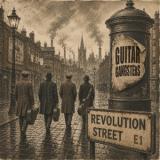
Die Guitar Gangsters könnte man getrost als die "older statesmen" des britischen Punkrocks bezeichnen, obwohl sie nie Teil der ersten Welle in den späten 70er waren. Gegründet Ende der 80er Jahre von den Brüdern Pete und Phil Ley hat die Band den musikalischen Schmelztiegel ihrer Heimatstadt London von Punk, Glam, Rock 'n' Roll bis Reggae förmlich aufgesogen. Ihr Debütalbum "Prohibition" erschien dann 1988 bei Link Records. Mehr als 35 Jahre und über 1000 Shows später haben die Guitar Gangsters noch mehr als genug Munition und Durchsetzungsvermögen um auf der "Revolution Street" ganz klar den Ton anzugeben! Wer ihr neues Album hört, wird keine Zweifel daran haben. Mit einer unglaublichen Spielfreude, treffsicheren Gespür für mitreißende Powerchord-Melodien, eingängigen Riffs, Hooks und stilsicheren Ausflügen quer durch alle Rockepochen ist "Revolution Street" ihr abwechslungsreichstes Album geworden_bleibt dabei aber immer unverwechselbar "Guitar Gangsters", eng verwurzelt im Punk Rock. Von klassisch, zeitlosen 77er Punk ("Suck it" up" / "Fake"), Pub- und Garagerock ("Without Prejudice"), RocknRoll und Glam bis zu dem einmaligen "80er feeling" in dem Gitarrenpop mit Punk und New Wave verschmolz ("Invisible"). Und mit "Car Crashed Heart" präsentiert die Band ein von den 50er/60er inspirierten Song, bei dem man förmlich "The Wanderers" auf der anderen Straßenseite erwartet. Da verwundert es auch nicht, dass mit "Baby Blue" die 70er und ein verlorener Rock-Klassiker von Badfinger neu zum Leben erweckt werden_.natürlich auf Guitar Gangsters-Art! Es gibt viel zu entdecken auf der "Revolution Street"! Nach knapp 45 Minuten Spielzeit endet in bester "The Clash"-Tradition mit "Warzone" das Album. Mit einer lässig-coolen Eleganz und großartigen Songwriting haben die Gentlemen des Punk Rocks ihr 12-er Magazin abgefeuert. Jede Menge Spaß, Singalongs und eine gute Zeit ist dabei garantiert! Die Revolution muss nicht immer blutig-aggressiv sein und Street credibility hat man halt, oder eben nicht. Klassisch schwarzes oder mehrfarbiges Splatter Vinyl am Start!
dovrebbe essere pubblicato su 02.10.2026

New super-groovy one-off pressing purple double-vinyl very limited edition of Miami Sound 2 housed in gatefold sleeve, complete with two full-colour inner sleeves containing extensive text and exclusive photography from TK Records in-house photographer Larry Warmoth. Soul Jazz Records’ Miami Sound 2 is a superlative collection of 70s soul, funk, disco and boogie featuring tracks from legendary artists such as Betty Wright, Timmy Thomas, Gwen McRae, Milton Wright, T-Connection and many more, all released on the mighty TK Records musical empire based in Miami, Florida.
Throughout the 1970s founder Henry Stone’s TK Records rose up to be one of the most important forces in black music, successfully pioneering the evolution in musical fashions from the early gritty funk and soul at the start of the decade to the arrival of disco in the mid-70s. This album is a rollercoaster journey across soul, funk, disco and boogie, a party-rocking dancefloor-filling collection of monster tracks that includes million-selling hits such as Betty Wright’s classic ‘Clean Up Woman’, Timmy Thomas’s ‘Why Can’t We Live Together’, T-Connection’s ‘Do What You Wanna Do’, anthemic rare groove club hits including Gwen McCrae’s massive ‘All This Love I’m Giving’ and Milton Wright’s ‘Keep It Up’, plus a host of hard-to-find gems and rarities from the likes of Raw Soul Express, Chocolate Clay, Beginning of the End, Robert Moore, Clarence Reid, Little Beaver, Paulette Reeves and many more. TK Records functioned more like a close-knit family than a typical record company. Based in the industrial Hialeah district of Miami, music man Henry Stone surrounded himself with a host of creative artists, musicians, songwriters and producers who created an immediately identifiable TK sound as well as making musical stars out of many of its artists
dovrebbe essere pubblicato su 02.10.2026

Probably the most respected and sought-after producer of the European reggae scene of the last ten years, Spanish genius Roberto Sánchez (Willi Williams, Earl Zero, Alpheus, Keith & Tex, Milton Henry,...) takes place behind the microphone to deliver a new album as a singer under his pseudonym LONE ARK. Soberly titled Showcase Vol. 1, this album is a collaboration between Sánchez and the Swiss band THE 18TH PARALLEL, whose playing is well known to reggae fans, since its musicians have recently played and produced some remarkable records, including I've Seen by Oku Onuora, Roots I Vision by Micah Shemaiah or Wonderland of Green by The Silvertones and Burro Banton.
Faithful to the Jamaican roots reggae tradition, Showcase Vol. 1 offers six vocal tracks followed by their dub counterparts where all the creativity of the sound engineer and the musicians is freely expressed. On instrumentals at the same time heavy and irresistibly dancing, with a modern production but deeply rooted in the roots reggae sound, Lone Ark and The 18th Parallel push their listeners to critical reflection. A strong message + powerful music = a must-have album!
dovrebbe essere pubblicato su 02.10.2026
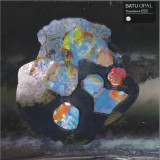
Building on the promise of nearly 10 years testing limits within club music, Batu presents his debut album Opal. Experimentation is a well-established facet of Omar McCutcheon's identity within the leftfield techno zeitgeist, but more than ever on Opal he seizes the opportunity to incorporate ideas beyond dancefloor impetus into his animated, forward-leaning sound.
Through the course of 11 tracks, rhythmic forms are mutated and manipulated, sonic matter bends across the frequency range and narrative structures coalesce and dissolve according to Batu's own internal logic. Unpredictability lies at the heart of all this music, bound together by a consistent modernist glint. It's a sound intrinsically connected to the superlative string of club 12"s, EPs and collaborations Batu has spun behind him thus far, even as it moves into unfamiliar terrain, guided by abstract inspiration from coastal landscapes and the mineral matter all life on Earth is built on.
Debut album from Batu on his own Timedance imprint following releases for Livity Sound, Hessle Audio or XL Recordings.
UK & Worldwide press campaign led by Dawn Creative. International press cover TBA and strong media (RA, Mixmag, DJ Mag, XLR8R) and radio coverage around the release (Jamz Supernova, KEXP, Dublab, Rinse France)
Extensive touring schedule for 2022 includes US, Mexico, UK, Europe, and features headline slots in multiple high profile festivals (Sonar, Dekmantel, Outlook, Dimensions, Waterworks and more)
Disponibile in Stock e pronto per la spedizione

With 'The Electro Guilde III EP' Zodiak Commune Records once again presents a selection of well-known and label-recurring electro-acid producers who take you on their various adventurous musical journeys.
'Collateral Funk' is a one shot live recording funky acid Electro track by Acidulant and inspired by the likes of Dynamix II
'We Will Survive' by Dima Gastroler is a fantasy about robots fighting for their rights in the future world of global robotisation. Dynamic electro and psychedelic pads make it sound like that battle. We will survive!
Step into the world of pozek with 'EPT', a 128 BPM electro-acid tune that takes inspiration from 80s toys like Speak & Spell and classic old-school electro. The track weaves quirky, retro acid lines with driving electro beats, creating a perfect fusion of nostalgia and futuristic energy.
When johnfaustus start an electro track for Zodiak commune Records, he always have in mind the journey of a spaceship to the edge of a dark galaxy. No exception with 'Oberon', syncopated rhythms, abrasive basslines and a dark spacy theme
dovrebbe essere pubblicato su 02.10.2026
