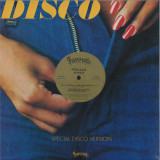
"Oyster Cuts", das vierte Album und Merge Records-Debüt von Quivers, zeigt, dass die in Melbourne, Australien, ansässige Band in der Art von Emotionen schwimmt, in denen sich die meisten Menschen zu verlieren fürchten. Der überdimensionierte Gitarrenpop von Quivers schimmert wie die Oberfläche eines Ozeans, unter der ein Riff liegt, das abwechselnd schön und schmerzhaft ist, dessen Züge fremdartig und scharf genug sind, um zu verwunden. Angetrieben von Melodien, die manchmal an Galaxie 500 und The Pretenders erinnern, machen Quivers Musik, die zart und hart ist und den Hörer dazu zwingt, immer wieder einzutauchen, wobei jeder Song einen neuen Gefühls-Blickwinkel eröffnet. "Oyster Cuts" ist Sonnenschein-Pop mit Blut im Wasser. Die Verluste und Lieben, die Quivers' Musik seit ihren Anfängen geprägt haben - der plötzliche Verlust eines Bruders im gebrochenen Optimismus von "We'll Go Riding on the Hearses" (2018) und das Leben in und nach der Trauer von "Golden Doubt" (2021) - fließen in "Oyster Cuts" ein, das sich dem Weitermachen verschrieben hat, während es akzeptiert, dass einige Gefühle, wie Trauer, ein Kreislauf sind. Entscheidend ist, dass Quivers sich verpflichten, miteinander Vorwärts zu gehen. Ohne den Chor und die Streicher von "Golden Doubt" ist "Oyster Cuts" ein Beispiel dafür, was immer noch möglich ist, wenn vier Leute - Sam Nicholson (Gitarren), Bella Quinlan (Bass), Michael Panton (Gitarren) und Holly Thomas (Schlagzeug) - zusammen Musik machen. Durch die Verwendung von Tape Loops - die "Oyster Cuts" eröffnen und schließen und das Album wie Haie umkreisen - legen Quivers Wert auf Wiederholung, setzen gemusterte Riffs ein und navigieren durch kreisförmige Gedanken, bis sie an ihre Grenzen stoßen und schließlich zu einem neuen Song zusammenfinden. Ihr verträumter, sonnenverwaschener Jangle-Pop ist dadurch schlanker und muskulöser geworden, und ihre Sound-Palette wird durch Anklänge an The Cure, Echo & the Bunnymen und The Durutti Column verdunkelt. Innerhalb dieses Rahmens betreten Quivers als Band Neuland, indem sie ihrem charakteristischen Gruppengesang eine neue Dimension hinzufügen: Quinlan übernimmt bei vier Songs die Leadstimme, die ineinander verwobenen Gitarren von Nicholson und Panton werden in den Mittelpunkt gestellt und der zielgerichtete Groove von Quinlan und Thomas treibt das Ganze voran. Die Songs von Quivers fühlen sich wie lange Gespräche zwischen Freunden an, in dem Sinne, dass ein Gespräch sowohl ein Akt der Sprache als auch ein Raum ist, den Menschen füreinander einnehmen. Die ersten beiden Tracks auf "Oyster Cuts", "Never Be Lonely" und "Pink Smoke", nehmen diese privaten Universen, die aus gemeinsamer Sprache, Erinnerungen, Songfetzen und dem Licht eines Handybildschirms mitten im Doomscroll bestehen, und verwandeln sie in ein Leuchtfeuer, in suchende Texte, die von massiven Hooks entfacht werden. "All I ever wanted was a true friend / All I wanted was a friend with benefits / All I ever wanted was transcendence" singen Quinlan und Thomas zu Beginn des Albums, und von da an spult "Oyster Cuts" in den Horizont hinaus. Die vier Mitglieder von Quivers erforschen diesen Raum nicht nur, sondern füllen ihn auch so weit wie möglich mit sich selbst aus, indem sie sich aneinanderbinden, egal wie unklar und chaotisch Herzensangelegenheiten werden können. Jeder Moment der Katharsis, den Quivers aus dem Äther zaubern, ist eine Einladung, sich ihnen anzuschließen. Wenn man ihnen zuhört, wie sie dort aufsteigen, wo andere grübeln würden, ist es unmöglich, ihrer Einladung zu widerstehen.
Search:ben men
- A1: Impact
- A2: No Reward
- A3: Mence (Feat. Conway The Machine)
- A4: Living Proof (Feat. Benny The Butcher)
- B1: Value Of A Check
- B2: Power Steering (Feat. Jadakiss)
- B3: Fell In Love
- B4: Socialize
- C1: Murda One
- C2: Don't Switch (Feat. Tony Yayo)
- C3: Dead Roses
- D1: Trapped
- D2: Traffic (Feat. Vado, Dave East)
- D3: On My Way
Following last year's ground-breaking return with "The Course of The Inevitable", Lloyd Banks is back with more hunger on this 2nd instalment! Featuring guest appearances by Jadakiss, Dave East, Vado, Conway The Machine, Benny The Butcher and Tony Yayo.
In this musical journey, Banks weaves together a compelling storyline, sharing pieces of his own pain and struggles, inviting listeners to connect with his authenticity. With Method Man's signature lyrical prowess, Cormega's poetic finesse, and the raw energy of 38 Spesh, the album boasts a stellar lineup of features that enhance its impact.
Banks' sharp lyricism and introspective storytelling shine throughout the album, exploring themes of resilience, triumph over adversity, and the complexities of life. Each track serves as a piece of his soul, revealing layers of vulnerability and strength. With the collaborative efforts of his fellow artists, "The Course of the Inevitable 3: Pieces of My Pain" delivers an immersive and powerful listening experience, solidifying Lloyd Banks' position as a master in the rap game and the one and only Punch Line King.
Für das vierte blutrünstige Album der Band und das erste für 20 Buck Spin, nachdem sie sich in den letzten Jahren im Death Metal-Underground immer mehr einen Namen gemacht haben, präsentiert Fulci "Duck Face Killings", eine Hommage an einen von Lucios abscheulichsten und meist geschmähten Filmen, "The New York Ripper".
Musikalisch entfesseln Fulci eine Flut von fesselnd grausamen Riffs, blutigem Gemetzel, mörderischen Schlägen, tiefen, gutturalen Gesangsmustern und unheimlichen Intros und Zwischenspielen. Das Songwriting der Band ist bewusst darauf fixiert, die brutalste und schärfste Musik zu kreieren, die möglich ist, um die extreme Grausamkeit des Films zu vermitteln, wobei man sich einen Soundtrack für den grausamsten und zynischsten Slasher-Film aller Zeiten vorstellt.
Was für den einen Müll ist, ist für den anderen ein Schatz, und so ist es auch bei einem so schäbigen und abscheulichen Film wie "The New York Ripper". In Duck Face Killings" leuchtet Fulcis brutale Darstellung der gewalttätigen Welt seines Mentors wie der Schimmer von Blut unter den Straßenlaternen von New York, schockierend und wild. Eine Hommage an den kontroversen Meister in all seiner dekadenten und degenerierten Pracht.
- Die mit Spannung erwartete 4. LP der italienischen Lucio Fulci-Fanatiker, basierend auf seinem Film 'The New York Ripper'.
- Cover-Artwork von Wes Benscoter (Autopsy, Sinister, Mortician, Broken Hope, Nile)
- Gastauftritte von Lord Goat von Non Phixion und Sherwood Webber von Skinless
- Komplette US Devastation in the Nation Tour im November / Dezember 2024 mit Morbid Angel, Suffocation, Mortiferum und mehr.
FFO: Cannibal Corpse (TOTM, The Bleeding), Dying Fetus, early Madball, Merauder, Mortician, Skinless, 100 Demons, Goblin, Giorgio Moroder, Devourment, Suffocation, Slayer, Crowbar, Bolt Thrower, Immolation, Non Phixion, Franco Micalizzi, Monstrosity
Für das vierte blutrünstige Album der Band und das erste für 20 Buck Spin, nachdem sie sich in den letzten Jahren im Death Metal-Underground immer mehr einen Namen gemacht haben, präsentiert Fulci "Duck Face Killings", eine Hommage an einen von Lucios abscheulichsten und meist geschmähten Filmen, "The New York Ripper".
Musikalisch entfesseln Fulci eine Flut von fesselnd grausamen Riffs, blutigem Gemetzel, mörderischen Schlägen, tiefen, gutturalen Gesangsmustern und unheimlichen Intros und Zwischenspielen. Das Songwriting der Band ist bewusst darauf fixiert, die brutalste und schärfste Musik zu kreieren, die möglich ist, um die extreme Grausamkeit des Films zu vermitteln, wobei man sich einen Soundtrack für den grausamsten und zynischsten Slasher-Film aller Zeiten vorstellt.
Was für den einen Müll ist, ist für den anderen ein Schatz, und so ist es auch bei einem so schäbigen und abscheulichen Film wie "The New York Ripper". In Duck Face Killings" leuchtet Fulcis brutale Darstellung der gewalttätigen Welt seines Mentors wie der Schimmer von Blut unter den Straßenlaternen von New York, schockierend und wild. Eine Hommage an den kontroversen Meister in all seiner dekadenten und degenerierten Pracht.
- Die mit Spannung erwartete 4. LP der italienischen Lucio Fulci-Fanatiker, basierend auf seinem Film 'The New York Ripper'.
- Cover-Artwork von Wes Benscoter (Autopsy, Sinister, Mortician, Broken Hope, Nile)
- Gastauftritte von Lord Goat von Non Phixion und Sherwood Webber von Skinless
- Komplette US Devastation in the Nation Tour im November / Dezember 2024 mit Morbid Angel, Suffocation, Mortiferum und mehr.
FFO: Cannibal Corpse (TOTM, The Bleeding), Dying Fetus, early Madball, Merauder, Mortician, Skinless, 100 Demons, Goblin, Giorgio Moroder, Devourment, Suffocation, Slayer, Crowbar, Bolt Thrower, Immolation, Non Phixion, Franco Micalizzi, Monstrosity
2024 Repress
Finders Keepers invite you to witness the incredible first ever Buchla synthesiser concerts/demonstrations providing a distinctive feminine alternative to The Silver Apples Of The Moon if they had ever been presented in phonographic form. This is history in the remaking.
This spring Finders Keepers Records are proud to release an archival project that not only redefines musical history but boasts genuine claim to the overused buzzwords such as pioneering, maverick, experimental, groundbreaking and esoteric, while questioning social politics and the evolution of music technology as we've come to understand it. To describe this records as a game-changer is an understatement. This record represents a musical revolution, a scientific benchmark and a trophy in the cabinet of counter culture creativity. This record is a triumphant yardstick in the synthesiser space race and the untold story of the first woman on the proverbial moon. While pondering the early accolades of this record it's daunting to learn that this record was in fact not a record at all... It was a manifesto and a gateway to a new world, that somehow never quite opened. If the unfamiliar, modernistic, melodic, pulses, tones and harmonics found on this 1975 live presentation/grant application/educational demonstration had been placed in a phonographic context alongside the promoted work of Morton Subotnick, Walter Carlos or Tomita then the name Suzanne Ciani and her influence would have already radically changed the shape, sound and gender of our record collections. Hopefully there is still chance.
In short, Suzanne was a self-imposed twenty-year-old employee of the Buchla modular synthesiser company, San Francisco's neck and neck contender to New York's Moog. Buchla was run by a community of festival freaks and academic acid eaters whose roots in new age lifestyles and the reinvention of art and music replaced the business acumen enjoyed by its likeminded East Coasters. In the eyes of the consumer the creative refusal to adopt rudimentary facets like a piano keyboard controller rendered the Buchla synthesiser the more obscure stubborn sister of the synth marathon, steering these incredible units away from the mainstream into the homes and studios of free music aficionados, art house composers and die-hard revolutionaries. Championed and semi-showcased by composer Morton Subotnick on his albums The Bull and Silver Apples Of The Moon, Buchla's versatility began to open the minds of a new generation, but the high-end design features and no-compromise modus operandi was often confused with incompatibility and, in the pulsating shadow of Moog's marketing, the revolution would not be televised nor patronised. Suzanne Ciani, as one of the very few female composers on the frontline (and also providing the back line) did not lose faith.
These concerts' are the epitome of rare music technology historic documents, performed by a real musician whose skills and academic education in classical composition already outweighed her male synthesiser contemporaries of twice her age. At the very start of her fragile career these recordings are nothing short of sacrificial ode to her mentor and machine, sonic pickets of the revolution and love letters to an absolutely genuine vision of and 'alternative' musical future. In denouncing her own precocious polymathmatic past in a bid to persuade the world to sing from a new hymn sheet, Suzanne Ciani created a bi-product of never before heard music that would render the pigeon holes ambient' and futuristic' utterly inadequate. Providing nothing short of an entirely different feminine take on the experimental records' of Morton Subotnick and proving to a small, judgmental audience and jury the true versatility of one of the most radical and idiosyncratic musical instruments of the 20th century. These recordings have not been heard since then.
The importance of these genuinely lost pieces of electronic musics puzzle almost eclipses the glaring detail of Suzanne's gender as a distinct minority in an almost exclusively male dominated, faceless, coldly scientific landscape. Those familiar with Suzanne's work, a vast vault of previously unpublished non-records', will already know how the creative politics in her art of being' simultaneously reshaped the worlds of synth design, advertising and film composition before anyone had even dropped a stylus in her groove. Needless to say this record, finally commanding the archival format of choice, courtesy of the Ciani and Finders Keepers longstanding unison, was not the last first' with which this hugely important composer would gift society, and the future of a wide range of exciting evolving creative disciplines.
You have found a holy grail of electronic music and a female musical pioneer who was too proactive to take the trophies. With the light of Buchla and Ciani's initial flame Finders Keepers continues to take a torch through the vaults of this lesser-celebrated music legacy shining a beam on these non-records' that evaded the limelight for almost half a century. You can't write history when you are too busy making it. With fresh ink in the bottomless well, let's start at the beginning. Again. You, are invited!
In Nordafrika ist eine Ziara eine spirituelle Zeremonie, zu der die Menschen kommen, um Dämonen zu exorzieren, ihren Körper zu reinigen und lautstark ihre Verbundenheit mit Gott, dem Propheten und den Gottheiten, die ihn zu verkörpern behaupten, zu bekräftigen. Eine berauschende Ekstase, die an ein Voodoo-Ritual erinnert. Die besten Meister dieser Art von Zeremonie sind die Gnawa. Sie stammen ursprünglich aus Schwarzafrika, vor allem aus dem Sudan und dem Senegal, und wurden von Tuareg-Räubern in den südlichen Maghreb verschleppt, um sie als Sklaven zu benutzen. Nach mehreren Jahrzehnten der Sklaverei gelang es ihnen, sich aus dieser schmerzhaften Situation zu befreien, die sie in einigen ihrer Lieder zum Ausdruck bringen. Vor allem aber zeichnen sich die Gnawa durch ihre bezaubernde Musik, ihren Tanz und ihre Rhythmen aus, denen therapeutische Wirkungen zugeschrieben werden. Vor allem in den letzten Jahren hat die musikalische und rhythmische Tradition der Gnawa, die sich sowohl an die Arabesken des Nahen Ostens als auch an die afrikanische Perkussion anlehnt, unter den marokkanischen Künstlern der neuen Generation eine deutliche Wiederbelebung erfahren. Doch bisher ist es nur der sehr populären Gruppe Nass El Ghiwane gelungen, mit Talent, Treue und Authentizität den Geist der Gnawa wiederzubeleben, wie dieses Album beweist. Also schließen Sie sich ihnen an und lassen Sie sich in Trance versetzen.
Filipovich is one of a kind. The Belarus-born, Paris-based artist works in a multitude of media - found footage films, painting, silkscreening and performance to name a few. It's her musical output that has caught the attention of late, though, with Filipovich dropping a run of releases in recent years which began with 2021's Magnificat on Time Released Sound. Filipovich takes as much of a novel approach to her music-making as she does with her other artistic endeavours - Magnificat was centred around treated samples of Sergei Rachmaninov's All-Night Vigil, and she's also combined classical composition with contemporary electronic techniques on her subsequent drops.
For Idealized, Filipovich's debut on Sheffield's Central Processing Unit, she maintains the gothic air which characterised her previous releases and applies it to a record of widescreen contemporary techno joints. These tracks represent something of a gear shift for CPU, a label which has long made its name by delivering top-quality electro and machine-funk jams, but such is the quality of Idealized that these superbly-executed techno productions are sure to win over label fans both old and new.
Idealized is very much schooled in the German tradition of minimal/dub techno. Tracks like 'Physical', 'Wave' and 'Dance Minor' all anchor themselves on single, steady drum pulses and delay-drenched single-chord loops. Filipovich generally lets the central idea of these tracks play out across several minutes while introducing increasingly disorientating elements into the rest of the mix - wiccan atmospherics, clashing chords, spiralling delays and so forth. It's an approach at once respectful of Filipovich's predecessors - Basic Channel, Deepchord, Ellen Allien and so on - but also full of idiosyncrasies and individuality.
Many of the club cuts here hardwire us into the moody, murky environs of the darkest Berlin Basements. 'Ultra Red' rides forward on a crisp drum machine snap, a menacing burble of bassline and an eerie single-note synth whistle in the upper end of the mix; 'Dance Minor' shows off a bit of KiNK in the brain-bending modular loop that waxes and wanes at its centre; the second-half run from 'Wave' to closer 'Small Cave' travels ever-further out into deep space - the kick drums remain insistent, yet the textural elements are delivered with an edge and flair that evidences Filipovich's ability to think outside the box.
Filipovich's unusual methods, and the influence of sound art and electroacoustic composition on her music, are drawn out further when Idealized steps away from the dancefloor. 'Hydra' comes off like a more gothic version of Pole - its central pulse draws from dub techno but never quite settles into a danceable groove, and this beat is combined with the kind of unnerving keyboard work that would make John Carpenter proud. Although closer 'Small Cave' eventually locks into another dark-room techno roller, the opening section of the track delivers a weightless soundscape of bright, tinny chords and a scene-setting field recording.
Idealized, the first drop on Central Processing Unit from Paris-based Belarusian Lina Filpovich, broadens the label's horizons with a selection of finely crafted minimal/dub techno joints.
RIYL: Andy Stott, Deepchord, Ellen Allien, Moritz von Oswald
Following a ten-year hiatus, multi-instrumentalists Rafael Anton Irisarri and Benoît Pioulard return with »How to Color a Thousand Mistakes«, their third LP together as Orcas. Building on the electronic minimalism of »Orcas« (2012) and the Twin Peaks-inspired haze of »Yearling« (2014), the duo have expanded their sound and vision into a full-spectrum ensemble.
In the time since their last major collaboration, Irisarri and Pioulard have done plenty on their own, while also traversing significant life changes: relocation from Seattle to New York, separation and divorce, illness, hospitalizations, and the loss of siblings, parents, and friends. Yet from these tribulations, they gleaned inspiration to reconstruct their lives, creating music with new collaborators and partners. Recorded in a variety of studios and cities including Brooklyn, Cambridge, Oxford, Seattle, and upstate New York, the resulting album, under the tutelage of UK producer James Brown (Arctic Monkeys, Kevin Shields, Nine Inch Nails), is a patiently-crafted beast, equally inspired by impressionism, British new wave, and dream pop.
With Irisarri’s guidance and Brown’s encouragement, Pioulard brings his velvety voice to its harmonized peak on songs like »Wrong Way to Fall« and the Durutti Column-indebted »Fare«. Where his most recent solo albums for Morr Music (»Sylva« and »Eidetic«) navigated foggy forests of ambient pop and stacked tape loops, here his characteristic blur shifts into focus with a unique degree of clarity and confidence. »How fare against balance do I / Navigate my errors?«, Pioulard sings in a heartbreaking tenor, echoing the album’s broader themes of introspection, grief, loss, trial and trauma.
Lead single, »Riptide«, is a summary of Pioulard’s life changes and personal upheavals in the past decade, »flitting eastward toward a yen deep in the past« and learning to glide through the tumult of ocean waves, as a metaphor for the punches one takes in pursuit of grace. Its towering, key-changing midsection arrives with the monumental drumming of Slowdive’s Simon Scott, a long-time friend and cohort who appears on most songs in the set. Scott’s quintessentially English, jazzier approach offers a balance of force and restraint as the backdrop for Irisarri’s majestic guitars, analog synth lines, and Martin Heyne’s Fender Rhodes counterpoints.
Second single, »Next Life«, began as a sketch by Scott, and reached its final form in the hands of Pioulard and Irisarri, at a point that each had endured major concurrent losses, finding a commonality in the need to gaze over the horizon while acknowledging the unavoidable bittersweetness of letting go – not only of people, but of routines, places, and expectations. It’s one of Orcas’ most nuanced pieces, with a mid-tempo, sunset glow that unfolds into a sparkling, slide-guitar finale as it disappears in the rear view.
On third-act highlight, »Bruise«, Scott is doubled on the drum kit by MONO’s Dahm Majuri Cipolla, whose Liebezeit-influenced metronomy anchors a nimble bass groove from Andrew Tasselmyer (of Hotel Neon), and some of the album's most syncopated, spaced-out interplay, courtesy of Puerto Rican guitar player Orlando Méndez (a childhood friend of Irisarri’s). Originally a droney, fingerpicked guitar demo, »Bruise« is the most storied composition here, having gone through almost a dozen versions and lyrical edits, with Brown distilling hours of improvised performances into the final arrangement.
Throughout »How to Color a Thousand Mistakes«, Irisarri uses his deep well of production experience to paint the stereo field with meticulously designed textures, exemplified on the slow burn of »Heaven’s Despite« and the heady rush of »Swells«. As a mixing and mastering engineer with Black Knoll, he has built a client list that reads as a who’s-who of modern, forward-thinking composition, including Temporary Residence, All Saints Records, and Ghostly International, among many others.
As with previous collaborations, Irisarri and Pioulard bring disparate styles and specialties to the table, but with an interpersonal dynamic that transcends friendship into brotherhood, their open-minded workflow and mutual respect are evident at every turn. »How to Color a Thousand Mistakes« brims with tight, complex art rock songwriting, masterful production, and sonic versatility, informed by a plethora of genres and tonal hues. The title might promise answers, but the gravitational center of the album is the dawning realization that, as you reckon with the infinite whims of the cosmos, there could be none.
"Science, Not Fiction" ist eine fesselnde Auseinandersetzung mit
Wissenschaft, Spiritualität und Religion, und wie sie die Menschen
bestimmen und beeinfl ussen. Die 10 Tracks des Albums werden wie
immer von Sänger Ben Ward souverän artikuliert und von Orange
Goblins unverkennbar eingängigem, aber oft täuschend kompliziertem Heavy-Metal-Donner im Stil von Black Sabbath untermauert.
- A1: Leonard Nimoy – Music To Watch Space Girls By
- A2: Martin Denny – The Enchanted Isle
- A3: Yma Sumac – Gopher
- A4: The Bongolian – B-Boy Toga Party
- A5: Los Bitchos – The Link Is About To Die
- A6: Herb Alpert & The Tijuana Brass – The Lonely Bull (El Solo Toro)
- A7: Michael Giacchino & Nouvelle Modernica Orchestra – Sidereal Day: 3 (Instrumental)
- B1: Mel Tormé – Sunshine Superman
- B2: Sergio Mendes & Brasil ’66 – Mais Que Nada
- B3: Lalo Schifrin – Lalo's Bossa Nova
- B4: Quincy Jones – Black Orpheus (Manha De Carnaval)
- B5: Les Baxter & 101 Strings Orchestra – Tropicando
- B6: Pizzicato Five - They All Laughed
- B7: Alain Goraguer – Les Hommes
- B8: Hugo Montenegro & His Orchestra – The Good, The Bad And The Ugly
- C1: Mort Garson & The Lords Of Percussion – Geisha Girl
- C2: Arthur Lyman – Quiet Village
- C3: Les Baxter – Voodoo Dreams / Voodoo
- C4: Cal Tjader – The Lady Is A Tramp **
- C5: Martin Denny – The Enchanted Sea
- C6: Ixtahuele – Mareld 2021
- C7: Keith Mansfield – Morning Broadway
- D1: Mel Tormé – Comin' Home Baby
- D2: Dave Pike – Sweet Tater Pie
- D7: Sheila – Bang Bang
- D3: Jack Trombey – Underlay No.3
- D4: Don Sebesky – Guru-Vin **
- D5: Keith Mansfield – Beat Me Till I'm Blue
- D6: Brian Bennett & Keith Mansfield – Mermaid **
black 2x12"[47,35 €]
- James Brown - Please, Please, Please
- Marvin Gaye - My Funny Valentine
- Sam Cooke - Bring It On Home To Me
- Little Willie John - Fever
- The Everly Brothers - All I Have To Do Is Dream
- Ben E. King - Spanish Harlem
- Al Jarreau - Tired Of Being Alone
- George Mccrae - Rock Your Baby
- Barry White - Lady, Sweet Lady
- Screamin' Jay Hawkins - I Put A Spell On You
- Aaron Neville - How Could I Help But Love You?
- The Isley Brothers - Right Now
- Joe Tex - Blessed Are These Tears
- Ray Charles - Georgia On My Mind
- Stevie Wonder - Hallelujah (I Love Her So)
- Liefs Uit Londen
- Aan De Kust
- Wat Zou Je Doen?
- Harder Dan Ik Hebben Kan
- Niets Dan Dit
- Zaterdag
- Dansen Aan Zee
- Hier
- Ze Is Er Niet
- Dichterbij Dan Ooit
- Blauwe Ruis
- Mooie Dag
- Omarm
- Holiday In Spain (Met Counting Crows)
- Opstand
- Aanzoek Zonder Ringen (Met Kodo)
- Hemingway
- Mens
- Alles Is Liefde
- Oktober
- Hou Vol Hou Vast
- Was Je Maar Hier
- Meer Kan Het Niet Zijn (Met Sabrina Starke)
- Later Als Ik Groter Ben
- Zo Stil
- Mannenharten (Met Nielson)
- Spijt Heb Je Morgen Maar
- Open Je Ogen
- Wereld Van Verschil (Met Typhoon)
- Over De Dam
- Zoutelande (Met Geike Arnaert)
- Horizon
- Bitterzoet
- Er Wordt Op Je Gewacht
- We Doen Wat We Kunnen - 2022 Versie (Met Geike Arnaert)
- Laat Me Los (Met S10)
BLØF is een van Nederlands bekendste rockbands en zijn afkomstig uit Zeeland. In 1998 braken ze door bij het grote publiek met de single ""Liefs uit London"", waarna er vele hits volgden. Al 30 jaar zingt Nederland uit volle borst mee op nummers als ""Aan De Kust"", ""Wat Zou Je Doen"", ""Dansen Aan Zee"" en ""Harder Dan Ik Hebben Kan"". Ook heeft de band verschillende succesvolle samenwerkingen op hun naam staan, met onder andere Counting Crows (""Holiday In Spain""), Geike Arnaert (""Zoutelande""), Sabrina Starke (""Meer Kan Het Niet Zijn""), Typhoon (""Wereld Van Verschil"") en KODO (""Aanzoek Zonder Ringen""), en S10 (""Laat Me Los""). 30 (We Doen Wat We Kunnen) is een oeuvre overzicht van de band en bevat hun mooiste nummers van 1992 tot nu. Deze 3LP is beschikbaar als gelimiteerde oplage op transparant groen gekleurd vinyl en is verpakt in een trifold sleeve.
One year after being introduced to Brazil with his “Samba Esquema Novo,” Jorge Ben released his second album, “Sacundin Ben Samba.” Continuing the style of its predecessor and also produced by Armando Pittigliani, this album returns to shelves as part of the “Classics on Vinyl” collection from Polysom.
Composed of 12 tracks, “Sacundin Ben Samba” features arrangements by saxophonist J.T. Meirelles. All the songs are written by Jorge Ben, except for “Carnaval Triste” (Paulo Bruce / Sérgio Carvalho) and “Espero por Você” (João Mello), and they address themes characteristic of the singer and songwriter, such as innocent love and chronicles of daily life. The album includes tracks like “Anjo Azul,” “Nena Nanã,” “A Princesa e o Plebeu,” “Pula Baú,” and “Jeitão de Preto Velho,” among others.
2024 Repress
Favorite Recordings presents Remixes by Voilaaa, a new EP built with exclusive versions of some of its biggest hits. Known for its Afro-Disco sound and strong dancefloor-friendly festive bangers, these new mixes bring another light to the successful project of Bruno "Patchworks" Hovart.
On A Side, Voilaaa asked famous Brooklyn-based producer and remixer JKriv (Razor-N-Tape) to provide even more club energy to "Ku La Foon (feat. Lass)”, originally released on Voilaaa's third and last album. The result is a powerful bomb that won't give any rest to the crowd.
The tracklist goes on with "Ben Bene La (feat. Lass)” reworked by Patchworks himself in a very Latin way, taking inspiration from the NY scene and its dancers, "Spanish Harlem" and Mongo Santamaria. You've got to play it loud and we're pretty sure you'll see some special moves on the dancefloor.
On B side, you'll hear another Patchworks remix, this time with probably one of Voilaaa's biggest hits, "Spies Are Watching Me (feat Sir Jean)”. In the footsteps of Moodymann, Masters At Work or the UK Garage scene, Patchworks delivers here some of his classic house music energy. You may know he started his career with house music: he transformed this anthem into a proper deep house cut with the same passion!
Finally, Voilaaa remixed himself! Working on "Tu Mens Devant Moi (feat. Ramatou Traore)”, Voilaaa carries the arrangement closer to the Angolese and Cape Verdean sound, reminding also the sound of Super Mama Djombo from Guinea Bissau. A tropical cut that will bring more and more sunshine to the club.
2025 Repress
Operation Sole like the summer, hopefully, imminent; “Operazione Sole” like the 1967 song by Peppino Di Capri, considered, perhaps wrongly, the first ska in Italy, but certainly the first to talk about Jamaica and upbeat rhythms.
The record you have in your hand is intended to be a testimony to how much the sounds born in Kingston between the '60s and '70s had a significant influence on local pop.
With the first explosion of reggae in England between 1968 and 1970, as well as with the rise of Bob Marley to a worldwide cult phenomenon, parallel to the all-English phenomenon of Two Tone and the ska revival, Italy, always attracted by the new trends not only English, he certainly couldn't stay on the sidelines.
Therefore these innovative and unknown upbeat sounds, derived from the blues of the 1950s and mixed with a Caribbean sauce, have also taken hold in the Bel Paese.
It began as early as 1959 with the song “Nessuno” by Mina, considered to all intents and purposes a Jamaican shuffle, to arrive in a few years at blue-beat (I4 di Lucca, Claudio Casavecchi) and ska (Margherita, Peppino Di Capri , Silvano Silvi, Renzo and Virginia) and be exposed to the first reggae (for example Jo Fedeli and his Italian version of “Israelites” by Desmond Dekker). Thus, we quickly reach the end of the decade of the economic boom and the culture, styles, references change: everything becomes more busy (on a cultural, artistic and political level).
After a stalemate phase that lasted more than five years, Bob Marley's reggae (considered a sort of new Messiah) conquers the planet, including Italy: the producers and artists, even at a high level, for a few years do not remain at all indifferent to this novelty and decide to introduce the "upbeat", primarily reggae, into the various pop repertoires: well-known names such as
Loredana Bertè, Mario Lavezzi, Rino Gaetano, Ivano Fossati, Ilona Staller, Adriano Celentano, Edoardo Bennato throw themselves headlong into new sonic adventures, in a pioneering way, but often with excellent results.
The "Operazione Sole" collection wants to take the credit, instead, of proposing and discovering lesser-known artists (with the exception of Gino Santercole, former associate and relative of Il Molleggiato), often real meteors in the Italian musical panorama, who have tried to achieve (or achieve again) success by adapting the pop that was so popular in those years to the new black sounds prevailing in the West.
We are in the early 80s and we range from the most classic reggae, to Italo-disco contaminated by dub up to the true Neapolitan style which, on more than one occasion, in its being endemically "black" and full of groove, has wrung out the watch out for agreements made in Kingston and London.
“Operation Sun”: a pleasant philological work, but surrounded by an equally pleasant aura of disengagement.
THE OMEGA SWARM, eine atmosphärische Death-Metal-Band aus Deutschland, begann im Jahr 2022, sehr bescheiden, sehr zurückgezogen. T., der bereits vier großartige Alben mit Sulphur Aeon veröffentlicht hat, hatte keinen vollwertigen Live-Act im Sinn, als er frühe Demos komponierte und das Skelett seiner - damals noch namenlosen - neuen Kreatur formte. Im Herzen ein wahrer Schöpfer, umarmt T. die akribische Arbeit an Riffs, Tönen, Klängen, den abenteuerlichen Geist des Aufbaus und der Verwirklichung von Ideen, das Experimentieren mit seinen geliebten Gitarren und Synthesizern, um erstaunliche Vibes und Songs zu produzieren, die bedeutungsvoll und doch extrem, melodisch und doch hart sind und sich in THE OMEGA SWARMs Debütalbum vereinen, einer Platte, einem Zeugnis, das der Essenz der Kunst selbst gewidmet ist.
So bodenständig T. auch ist, er ist nicht der Typ Mensch, der sich an eine Klangformel hält, er sucht nach "etwas mehr", "etwas anderem". Nachdem Sulphur Aeon mit dem monumentalen "Seven Crowns and Seven Seals" von 2023 vorerst abgeschlossen haben, was sie ausdrücken wollten, sind THE OMEGA SWARM jetzt sein Hauptaugenmerk, und das Line-up der Band, das von Sänger Christian Schettler (bekannt durch seine Arbeit bei den Labelkollegen Wound) und Schlagzeuger Max Scheefeldt (ex Misanthrope Monarch) komplettiert wird, passt perfekt zusammen. Musikalisch entstanden THE OMEGA SWARM aus T.s Experimenten mit rhythmischen Mustern, übereinanderliegenden Synthesizern, ausgefeilten Leads und etwas technischeren Riffingstrukturen.
Die wohl einzigen offensichtlichen Parallelen zu Sulphur Aeon sind die Betonung einer dichten, fesselnden Atmosphäre, epische Elemente und eine übergreifende Dunkelheit sowie die Erkenntnis nach der Fertigstellung der ersten Aufnahmen, dass auch THE OMEGA SWARM die Qualität besitzen, mehr als nur ein 'Schlafzimmerprojekt' zu sein.
Aufgenommen in den Studios von Feire Records und s/w records, gemischt und produziert von Langzeitpartner Simon Werner, wurde V. Santura (Triptykon, Dark Fortress) für das Mastering angeheuert und sorgte für den letzten Schliff von "Crimson Demise", einem Album, das stolz und mühelos zwischen Death und Black Metal changiert und von einer herausragenden Gesangsleistung abgerundet wird, bei der Chris eine ähnliche Bandbreite an Growls, Screams und cleanen Parts erreicht wie Peter Tägtgren in seinen besten Zeiten.
Vom Konzept her verzichtet die Gruppe auf uralte Lovecraft'sche Schrecken und wendet sich stattdessen geradlinigen apokalyptischen Themen zu. Ob Viren, bösartige Bakterien, verrückte Diktatoren, Klimawandel, religiöse und politische Ideologien, korrupte Technologie, Terrorismus oder Krieg, die Menschheit hat sich selbst für den Untergang gezeichnet - in leuchtenden Neonfarben, damit selbst eine außerirdische Spezies, die Galaxien entfernt ist, erkennen kann, was für Narren wir wirklich sind. "Die Menschheit kann sich nicht auf eine gemeinsame Wahrheit einigen, geschweige denn auf eine Strategie zur Lösung ihrer mannigfaltigen Probleme", erklärt Chris, "und bildet somit überhaupt keine Einheit. Der einzige gemeinsame Nenner, der uns alle eint, ist unsere Zerstörungswut, die irgendwann die gesamte Existenz der Menschheit gefährden könnte. Die Utopie wurde durch dystopische Szenarien ersetzt. Welche Formen des negativen menschlichen Verhaltens uns und die Gesellschaft derzeit beeinflussen und letztlich in eine zukünftige Endzeit führen, ist Teil des lyrischen Konzepts von THE OMEGA SWARM."
Aber keine Angst, bevor die Weltuntergangsuhr zum letzten Mal schlägt, soll euch das Vergnügen vergönnt sein, ein abwechslungsreiches, intensives und fesselndes Stück Metal zu erleben, das das neu formierte Trio aus dem Schlafzimmer auf die Bühne bringen will!
Der US-Hitmaker veröffentlicht sein Debütalbum
"Fireworks & Rollerblades?, während seine Single
"Beautiful Things? auf Platz 1 der deutschen
Single-Charts steht - und das nunmehr seit bereits fünf
Wochen. International sieht es nicht anders aus: In den
UK-Charts ist der Song ebenfalls auf Platz 1, in den USA
erreichte er #2 und in den "Global 200"-Charts von
Billboard stand "Beautiful Things" ebenfalls fünf Wochen
an der Spitze (aktuell #2). Beste Voraussetzungen also
für das Album, das voller großartiger Songs steckt.
"Fireworks & Rollerblades" beginnt mit einem
rauschenden Intro gefolgt von "Be Someone", einem
Track voller unterdrückter Leidenschaft und Sehnsucht.
Ebenfalls Teil des Albums sind die epische neue Single
"Slow It Down" - aktuell bereits ein viraler Hit -, der
Fan-Favorit "Cry" über die toxische Beziehung zu einem
narzisstischen Menschen und "Friend", eine liebevolle
Ode an die Menschen, die Benson auf seinem
atemberaubenden Weg zu weltweiter Bekanntheit begleitet
haben.
Die Veröffentlichung von "Fireworks & Rollerblades" ist
der nächste große Moment in der Karriere des Benson
Boone, der Anfang dieses Jahres von iHeart Radio zum
"On The Verge Artist" ernannt wurde, im vergangenen
Jahr kürte ihn MTV zum Global PUSH Artist Oktober und
seine EP generierte mit Songs wie "What Was?, "Little
Runaway? und "Sugar Sweet? mehrere zehn Millionen
Streams.
The EP by Bézier "Negative Velocity" sees the Californian artist (now for a few years a Berlin resident) initiate the launch of their new German-based record label "Körperspannung".
For 'Negative Velocity', Bézier collaborated with Bay Area drummer and avant-garde musician Dave Easlick taking live recordings of him on a drum kit warping and wrapping his pieces into curves and ellipses to project mappings outward into the atmosphere. From Easlick's source material Bézier generates a technological, multi-dimensional landscape through mental manipulation of sound waves bending the fabric of time and space. For both the title track and on the b-side 'Diabolical Embroidery' the lattice work here involved sampling and resampling every puncture from Easlick to atomize, pressurise, polish and disintegrate into fine particulate matter while reassembling parts back together fortifying the sonic tapestry further.
'Deep Sea State' is an exercise showcasing the raw form of Easlick's drumming but laced with an adamantium frame. Melodies from Bézier's musical training past haunt the entire interlude.
Two Italians step into the Bordello. Both are armed. Their weapons of choice? The synthesizer sounds of italo, new beat and wave. LVCA and Otis have been raised on the sounds of their homeland, adopting its analogue sound while adapting it to their own style. The result is a brooding mix of addictive lines and vocoder fire.
“Ritmo Electronico” opens with a steel-edged snare driving smeared synths through the city dusk, robotic lyrics menace this sleazy neon-stained scene of cracked mirrorballs and flaring machines.
Listeners are pulled into the underbelly of A Promise In The Cold Night with the murky “Tanzen”. Alex Vincent’s words are shrouded in glitch, bright burbling bars and a clean clap offering a path of light to help the listener navigate their way. The true coldness of the night arrives with the stabbing keys of “Synthesised Emotion”. Through a haze of hi-hats, an electrical smoke of blacks and greys fizz with juddering volts as passions pour through cable and wire. That haze grows thick in the close. Through a mist of distortion, a “Sphere Of Light” penetrates. Pin-pricks of percussion are dowsed in aquatic tones before a syrup of static is poured across proceedings, lost vocals ghost in this fog of bending bodies and forms.
Der Titel von PERCHTAs zweitem Album "D'Muata" heißt aus dem österreichischen Dialekt von Frontfrau Frau Percht ins Deutsche übertragen "Die Mutter". Der Name ist Programm, denn die Sängerin und ihre Band haben im Kontext ihres folkloristisch geprägten Black Metal ein feministisches Manifest geschaffen. Das Feminine in all seinen Facetten fristet in diesem Genre meist ein Nischendasein - und das, obwohl es ein untrennbarer Bestandteil sowohl des Menschen als auch der natürlichen Welt auf diesem Planeten ist. PERCHTA haben sich 2017 im Jahr ihrer Gründung in Tirol, Österreich nach einer von der älteren Forschung rekonstruierten heidnischen Göttin benannt. Von Anfang an beabsichtigte Frau Percht mit ihrer Musik regionale Traditionen zu bewahren und zu verjüngen. Drei Jahre später erschien das Debütalbum "Ufång" (2020), mit dem sich PERCHTA schnell einen Ruf als höchst individualistische und einzigartige Band erwarben. Dazu gehört, dass die Texte von "Ufång" in der Tiroler Mundart intoniert werden. Dies geschieht mit einem extremen, durch Mark und Bein gehenden Gesang, der in einen Sturm aus Gitarren-Tremolos und ritualistisch interpretierter Folklore eingebettet ist. Nach der globalen Zwangspause machten PERCHTA auch durch ihre faszinierenden Live-Auftritte auf sich aufmerksam. Durch die Konzerte trat der Charakter als Band stärker hervor. Jetzt kehren die schwarze Hexe der Tiroler Berge und ihre Gesellen mit einem magischen neuen Album zurück, das PERCHTA auch zurück auf die Bühne bringen wird!