Baiser Mortel is the soundtrack of a performance commissioned by the Bourse de Commerce - Pinault Collection, performed in Paris in October 2021. PAN presents Baiser Mortel, the original soundtrack to the acclaimed theatrical performance of the same name. Staged at the Bourse de Commerce - Pinault Collection over four days last October, the original production - collaboratively realized by composer and director Low Jack, composer and rapper Lala &ce, choreographer Cecilia Bengolea with costumes designed by Marine Serre and Oriana Bekka as creative director and co- director of the performance - merged ballet and urban folklore; sound art and soap opera. A modern-day danse macabre, Baiser Mortel (trans. "The Kiss of Death") cast Lala &ce in the title role. Unfolding over thirteen songs, the musical narrative follows Death as she navigates the realm of the living, and the encounters - desire, romance, spiritual awakening, and adventure - which validate the human experience. "I brought in people who are close to me personally and musically in order to tell a story that speaks to humanity," Lala &ce says in a video uploaded to Bourse de Commerce - Pinault Collection's YouTube channel. Performers Jäde, Rad Cartier, BabySolo33, and Le Diouck joined Lala &ce on stage and in the booth at La Place - Centre Culturel Hip Hop in Paris, where the official soundtrack was recorded. A sonic representation of the musical's themes, Baiser Mortel the album - produced by Low Jack and written by Lala &ce with artwork by Pierre Debusschere - moves through the distorted strings of its opening track, "Goûter" and gathers sonic and lyrical intensity on each successive song. "Lune," the melancholically autotuned midpoint of the album, marks the beginning of the musical's second act and sets the tone for its tragic resolution. Mechanical sounds mix with sonic influences spanning the Global South throughout the album, honoring both Low Jack and Lala &ce's musical heritage and influences, while developing a new musical lexicon that defies comparison. As a theatrical production, Baiser Mortel represents a departure for both artists. A veteran of Parisian subculture, Low Jack's collaboration with Lala &ce represents a new model of artistic mentorship based not on age but on experience, with each artist leaving a distinct signature on the work.
Cerca:ben men
Bingo Harry sprang out of nowhere a few years back, when Martin Bramah of Blue Orchids was shocked by their opening set for his band, Blue Orchids. Bramah's enthusiasm went so far as to lead Blue Orchids to recording a then-unreleased Bingo Harry composition, "If They Ever Lay A Finger On Us", a subtle yet unusually powerful and enigmatic revolutionary song of caution to oppressors. The original recording was later released on Bingo Harry's self-titled debut, which sold well, and merited more studio sessions. These days, Bingo Harry is more a often solo vehicle for songwriter Benny Jones than a band. Currently living on a houseboat in northern England (which somehow manages to contain his home studio as well), Benny spent the past few years recording dozens of songs before winnowing them down to fit on Bingo Harry's second album, "Where Do We Go?", not to mention constructing the collage of the album cover. The cosmic inheritor of a certain Marc Bolan-esque knack for simple yet spiritual and thrilling tunes, Benny's songs span seemingly glam-induced groovers to a handful of gentle-but-trippy epics which would be overwrought in lesser hands, but here manage to capture a beautiful bit of the cosmos alongside their relevance to the wearying state of the world today. "Shine If You Can", the album's final track, works as well for an anthem of the times as anything you'll hear in the next few years. Tracks: Gullible / Fearsome Tannoy / Melted / Evolution / Rope Over The Wall / Where Do We Go? / Safe In Human Form / Weapon Against The Dark / Rabbit Hole / Did You Hear That? / Shine If You Can
In hugo, there’s a central question that Loyle Carner keeps coming back to: “I’m young, Black, successful and have a platform - but where do I go next?” The answer is explored in this epic scream of a third album. With urgent delivery and gloriously widescreen production, Carner confronts both the deeply personal (“You can’t hate the roots of a tree, and not hate the tree. So how can I hate my father without hating me?) and the highly political (“I told the black man he didn’t understand I reached the white man he wouldn’t take my hand”). Cinematic in scale and scope, hugo is both a rallying war cry for a generation forged in fire and a study of the personal internal conflict that drives the rest of the album - as a mixed-race Black man, as an artist, as a father and as a son. With Mercury and Brits nominations, NME Awards and appearances in global brand campaigns (Nike, YSL, Timberland), Carner has undoubtedly had a meteoric rise to the top, culminating with his second album Not Waving, But Drowning charting at number 3 in the UK albums chart in 2019. However, hugo sees Carner taking a sharp detour from his previous work, putting it down to lockdown and the “hedonistic side of career being stripped away. There were no shows, no backstage, no festivals, no photoshoots”. By continuing to write in these tumultuous times with a renewed clarity and sense of artistic freedom, Carner reached deeper beneath the surface than he ever had before. The result is his most cathartic and ambitious record yet, a coruscating journey into the heart of what it means to be alive in these tumultuous times, and one which looks set to neatly cement his position as one of the most potent and vital young talents around today. Working alongside renowned producer kwes. (Solange, Kelela, Nao), Carner leaves no stone unturned on this album, in both its sound and its stories. In a 10-track album that moves from gorgeous neo-soul moments to thundering hip hop, with immediate, infectious bangers and sampled interludes from non musicians (mixed-race Guyanese poet John Agard and youth activist and politician Athian Akec) Carner shifts seamlessly from micro to macro, confronting everything from strained relationships with family to the societal tears caused by class stratification. It also lays bare bruises in his personal life that he has never revealed before – often in painful, deeply uncomfortable ways, focusing on Carner's experience of becoming a father in the context of growing up without contact with his biological father. With the song “Polyfilla”, against the backdrop of a warm melodic beat, Carner explores his desire to “break the chains in the cycle” of dysfunctional Black fatherhood, commenting on the narrative of fatherhood in the genre, and saying a key part of the process was realising that his father “grew up in a world where nobody showed him how to love or nurture”. The follow up track “A Lasting Place” is an exploration of the MC’s failure and inability to be perfect in this mission. The album closer is a powerful statement of love and forgiveness; with his signature lyrical dexterity, Carner declares his relentless commitment to his son and sees forgiving his father as a key part of this. The song closes with an emotional ending of Carner telling his dad “still I’m lucky yo that we talk”. There’s a striking duality of hugo’s bold, multilayered tracks and its often starkly intimate and tender lyricism, and that dichotomy is deliberate - it is a message for young Black men, but really, anyone, who is listening. Cognizant of the immense pain and fear and confusion that we are faced with everyday, Carner has thrown down the gauntlet, defying us not to rise above the fray, wake up each day and be ambitious. Ambitious in building strong personal relationships. Ambitious in our pursuit of our goals. Ambitious in never refusing to back down against injustice. Rejecting the title of leader, Loyle Carner sees himself “as holding up a mirror”, and that clearly translates into the album's universal messages.
Red Vinyl[24,33 €]
Nach einem wichtigen und dringend benötigten Besetzungswechsel haben DETRAKTOR ein neues Kapitel aufgeschlagen und machen das, was sie am besten können.
Dieses Album schlägt in Sachen Groove und heftigen Riffs, das beides in der Vergangenheit fehlte, eine neue Richtung ein. Die Band erforscht Themen, die vom animalischen Instinkt der Menschheit inspiriert sind und wie dieser unser tägliches Leben beeinflusst.
Von der erstklassigen Aufnahme und Produktion bis hin zu einem härteren und reiferen Sound, schlagen DETRAKTOR mit diesem Album ein neues Kapitel in ihrer Laufbahn auf. Eines, dass alle offenen Fragen darüber beantworten wird, was in dieser langen Zeit der Hoffnungslosigkeit geschehen ist.
Jedes Riff und jedes Wort beweist, dass DETRAKTOR hart daran gearbeitet haben, dem Hörer das beste gottverdammte Headbang-Erlebnis zu bieten, das man sich nur wünschen kann!
Black Vinyl[24,33 €]
Nach einem wichtigen und dringend benötigten Besetzungswechsel haben DETRAKTOR ein neues Kapitel aufgeschlagen und machen das, was sie am besten können.
Dieses Album schlägt in Sachen Groove und heftigen Riffs, das beides in der Vergangenheit fehlte, eine neue Richtung ein. Die Band erforscht Themen, die vom animalischen Instinkt der Menschheit inspiriert sind und wie dieser unser tägliches Leben beeinflusst.
Von der erstklassigen Aufnahme und Produktion bis hin zu einem härteren und reiferen Sound, schlagen DETRAKTOR mit diesem Album ein neues Kapitel in ihrer Laufbahn auf. Eines, dass alle offenen Fragen darüber beantworten wird, was in dieser langen Zeit der Hoffnungslosigkeit geschehen ist.
Jedes Riff und jedes Wort beweist, dass DETRAKTOR hart daran gearbeitet haben, dem Hörer das beste gottverdammte Headbang-Erlebnis zu bieten, das man sich nur wünschen kann!
- A1: Grand Bazaar, Istanbul
- A2: Voluntary Retirement
- A3: New Digs
- A4: Severine
- A5: Brave New World
- A6: Shanghai Drive
- A7: Jellyfish
- A8: Silhouette
- B1: Modigliani
- B2: Day Wasted
- B3: Quartermaster
- B4: Someone Usually Dies
- B5: Komodo Dragon
- B6: The Bloody Shot
- B7: Enjoying Death
- C1: The Chimera
- C2: Close Shave
- C3: Health & Safety
- C4: Granborough Road
- C5: Tennyson
- C6: Enquiry
- C7: Breadcrumbs
- C8: Skyfall
- C9: Kill Them First
- D1: Welcome To Scotland
- D2: She's Mine
- D3: The Moors
- D4: Deep Water
- D5: Mother
- D6: Adrenaline
Thomas Newman became the ninth composer in the James Bond series history. His score for Skyfall won the BAFTA Award for Best Film Music. In 2013, it became one of two Bond scores to be nominated for the Academy Award for Best Original Score. The other to be nominated was the score from The Spy Who Loved Me. Skyfall does not contain the title song performed by Adele.
Skyfall (2012) is the twenty-third spy film in the James Bond film series. It features Daniel Craig in his third performance as James Bond, and Javier Bardem as Raoul Silva, the film's villain. The movie was directed by Sam Mendes. The story centres on Bond investigating an attack on MI6. The attack is part of a plot by former MI6 agent Raoul Silva to humiliate, discredit and kill M as revenge against her for betraying him. The film sees the return of two recurring characters to the series after an absence of two films: Q, played by Ben Whishaw, and Moneypenny, played by Naomie Harris. Skyfall is the last film of the series for Judi Dench, who played M, a role that she had played in the previous six films.
The limited edition of Skyfall of 1.500 individually numbered copies is pressed on coloured (transparent & black mixed) vinyl. The package includes a big poster, a 4-page insert and 2 printed innersleeves. Both innersleeves have one hole in the middle to show James Bond on the labels. Don't forget to check the secret service inscriptions on the run out grooves.
- A1: Long Time Me No See You Girl
- A2: Love & Devotion
- A3: Jumping With Mr Lee
- A4: Hold Your Jack
- A5: Bangerang
- A6: Little Boy Blue
- A7: Story Of Love
- B1: A Change Is Gonna Come
- B2: Jumping With Val
- B3: Girls Like Dirt
- B4: Tribute To King Sterling
- B5: Somebody's Baby
- B6: Sounds & Soul
- B7: My Conversation
- B8: Sir Lee's Whip
The period of 1967 – 1968 when Rocksteady was in full flow, would also be a turning point for Bunny ‘Striker’ Lee, when he became a producer in his own right. Many of the great tunes during this eventful year came out of his stable and initially saw the light of day on his own imprint label ‘Lee’s’. This album has been assembled from some of those fine tunes and tells the story of reggae in what was a stellar time for both reggae and Mr Bunny Lee.
Edward ‘Bunny’ Lee later to become known as ‘Striker’ (b.23rd August 1941) got his introduction to the music business around 1962 when his future brother in law singer Derrick Morgan introduced Bunny to producer Duke Reid, who gave him a job as record plugger for his Treasure Isle label. 1966 saw Bunny Lee move on to working for producer Ken Lack who ran his own label Caltone. Bunny’s first credit as a producer was released on the label when he produced ‘Lloyd Jackson and the Groovers’ with a tune called ‘Listen To The Music’.
As we stated earlier by 1967 Bunny Lee was leading the way and his vast stable of singers, were producing hit after hit for him. Many of those artists are featured on this compilation. The Sensations ‘Long Time Me No See You Girl’, the Uniques that featured the great Slim Smith are here on some of their greatest cuts ‘Love and Devotion’ and ‘The Beatitude’, ‘Girls Like Dirt’. ‘My Conversation’ a song that would be a big hit for the Uniques would also go on to be of the most covered songs and redone over rhythms, in the history of reggae music. The great singer Pat Kelly features on ‘Somebody’s Baby’ and ‘Little Boy Blue’ all massive hits, when originally released. Bunny’s love of Jazz and the brass sections would also shine through with some of Jamaica’s finest musicians featured here with the excellent tenor sax work of Val Bennett which gave us our album title track ‘Jumping With Mr Lee’ and ‘Jumping With Val’. The Alto sax work of Lester Sterling are featured on the timeless cut ‘Bangerang’ and ‘Tribute To Scratch’. The big sound of Trombonist ‘Vin Gordon’ features on ‘Sounds and Soul’. Not forgetting the previously mentioned King of Ska Derrick Morgan on ‘Hold Your Jack’. A song that in a few years’ time would provide the backbone for Mr Max Romeo’s cross over and controversial hit ‘Wet Dream’. So yes, a fine collection of tracks from the great producer Bunny ‘Striker’ Lee. Sit back and enjoy the reggae music of 1967-1968 with of the best sounds in town.Sit back and enjoy…..
Repress in soon, note new price. RIYL Steve Gunn, Hiss Golden Messenger, Ryley Walker, Itasca, Bill Callahan, Kurt Vile, Angel Olsen. “Timeless ... Measured, perceptive storytelling. A singer with an unmistakable and communicative voice, able to convey hope and hurt with equal clarity.” Pitchfork / “She writes literate songs with unusual precision and sings them in an understated, open-hearted way that lends good poetry the directness of conversation.” Uncut / On her fourth album as The Weather Station, Tamara Lindeman reinvents, and more deeply roots, her extraordinary, acclaimed songcraft, framing her precisely detailed, exquisitely wrought prose-poem narratives in bolder and more cinematic musical settings. The result is her most sonically direct and emotionally candid statement to date. The Weather Station is her most direct and candid record, and the first one to include tracks one might characterize as pop songs. Throughout, the record grapples with some of the darkest material Lindeman has yet approached: it is, according to her, the first album on which she touches on her personal experiences of mental illness. And yet the gesture inherent to the record is one of unflinching embrace. Despite it all, the characters “fall down laughing, effervescent, and all over nothing, all over nothing.” “Well, I guess I got the hang of it” she sings wryly, “the impossible.” By saying more than ever before, The Weather Station seeks to reveal the unnamable, the unsayable void that lies beneath language and relationships. It’s willfully messy and ardent and hungry. Tracks : A1 Free A2 Thirty A3 You and I (on the Other Side of the World) A4 Kept It All to Myself A5 Impossible B1 Power B2 Complicit B3 Black Flies B4 I Don’t Know What to Say B5 In an Hour B6 The Most Dangerous Thing About You
STEPPENDOOM ist das spannende neue Projekt des in New York City und London lebenden italienisch-schweizerischen Toningenieurs, Sounddesigners, Komponisten und Multiinstrumentalisten Marc Urselli. Der Produzent hat herausragende Musiker aus dem Genre des Doom Metal und legendäre indigene Sänger aus aller Welt, die sich der uralten Tradition des Kehlgesangs widmen, eingeladen und zusammengebracht.
Zu den renommierten Künstlern, die dem Ruf des dreifachen Grammy-Preisträgers Marc Urselli gefolgt sind, zählen unter anderem aus dem Metal-Bereich Matt Pike (SLEEP, HIGH ON FIRE), Aaron Aedy (PARADISE LOST), Steve Von Till (NEUROSIS), Christopher Juul (HEILUNG), Dave Chandler (SAINT VITUS) und Scott "Wino" Weinrich (THE OBSESSED) und solche berühmten Meister des Kehlkopfgesangs wie das Alash Ensemble, Batzorig Vaanchig "Zorigoo", HUUN-HUUR-TU, Tanya Tagaq, Albert Kuvezin (YAT-KHA) und Alexey Tegin.
Die uralte Kunst des Gutturalen Gesangs lebt in den Grasländern, Tundren und in den Herzen der Menschen weiter, die in ihrer lokalen Umwelt in und mit der Natur leben. Der Heavy Metal entstand dagegen in Englands industriellem Herzen unter dem Schlagen von Stahlhämmern und dem Lärm des mechanisierten Abbaus von Kohle. Beide Musikstile haben jedoch eine tiefe Sehnsucht nach Freiheit und Menschenwürde gemeinsam.
Gängige literarische Floskeln, mit denen eine Fusion von Musik aus scheinbar gegensätzlichen Genres und Gruppen mit Schlagzeilen wie "Clash of Cultures" oder "Kollision der Welten " beschrieben werden, treffen auf Marc Ursellis STEPPENDOOM offensichtlich nicht zu. Dieses Fest der künstlerischen Einheit lässt sich vielmehr mit der Phrase "Wenn sich Welten vereinen" zusammenfassen.
Marc Urselli's STEPPENDOOM braucht am Anfang unvoreingenommene Ohren und einen offenen Geist, um Gehör zu finden. Obwohl das Album und seine Lieder eine gewisse Aufmerksamkeit und Zeit benötigen, um sich an die ungewohnten Klangwelten zu gewöhnen, offenbaren sie letztendlich eine atemberaubende Schönheit. Vor dem geistigen Auge schweben Adler über Städte, Steppenwinde erwecken Herzen und Geis, während sich Eis in arktische Tiere verwandelt und viele andere Wunder geschehen. Uralte Magie verbindet sich in diesen Songs mit moderner Energie und schafft etwas revolutionäres Neues, in dem eine der ältesten Ausdrucksformen der Menschheit enthalten ist: der Schrei nach Freiheit!
STEPPENDOOM ist das spannende neue Projekt des in New York City und London lebenden italienisch-schweizerischen Toningenieurs, Sounddesigners, Komponisten und Multiinstrumentalisten Marc Urselli. Der Produzent hat herausragende Musiker aus dem Genre des Doom Metal und legendäre indigene Sänger aus aller Welt, die sich der uralten Tradition des Kehlgesangs widmen, eingeladen und zusammengebracht.
Zu den renommierten Künstlern, die dem Ruf des dreifachen Grammy-Preisträgers Marc Urselli gefolgt sind, zählen unter anderem aus dem Metal-Bereich Matt Pike (SLEEP, HIGH ON FIRE), Aaron Aedy (PARADISE LOST), Steve Von Till (NEUROSIS), Christopher Juul (HEILUNG), Dave Chandler (SAINT VITUS) und Scott "Wino" Weinrich (THE OBSESSED) und solche berühmten Meister des Kehlkopfgesangs wie das Alash Ensemble, Batzorig Vaanchig "Zorigoo", HUUN-HUUR-TU, Tanya Tagaq, Albert Kuvezin (YAT-KHA) und Alexey Tegin.
Die uralte Kunst des Gutturalen Gesangs lebt in den Grasländern, Tundren und in den Herzen der Menschen weiter, die in ihrer lokalen Umwelt in und mit der Natur leben. Der Heavy Metal entstand dagegen in Englands industriellem Herzen unter dem Schlagen von Stahlhämmern und dem Lärm des mechanisierten Abbaus von Kohle. Beide Musikstile haben jedoch eine tiefe Sehnsucht nach Freiheit und Menschenwürde gemeinsam.
Gängige literarische Floskeln, mit denen eine Fusion von Musik aus scheinbar gegensätzlichen Genres und Gruppen mit Schlagzeilen wie "Clash of Cultures" oder "Kollision der Welten " beschrieben werden, treffen auf Marc Ursellis STEPPENDOOM offensichtlich nicht zu. Dieses Fest der künstlerischen Einheit lässt sich vielmehr mit der Phrase "Wenn sich Welten vereinen" zusammenfassen.
Marc Urselli's STEPPENDOOM braucht am Anfang unvoreingenommene Ohren und einen offenen Geist, um Gehör zu finden. Obwohl das Album und seine Lieder eine gewisse Aufmerksamkeit und Zeit benötigen, um sich an die ungewohnten Klangwelten zu gewöhnen, offenbaren sie letztendlich eine atemberaubende Schönheit. Vor dem geistigen Auge schweben Adler über Städte, Steppenwinde erwecken Herzen und Geis, während sich Eis in arktische Tiere verwandelt und viele andere Wunder geschehen. Uralte Magie verbindet sich in diesen Songs mit moderner Energie und schafft etwas revolutionäres Neues, in dem eine der ältesten Ausdrucksformen der Menschheit enthalten ist: der Schrei nach Freiheit!
STEPPENDOOM ist das spannende neue Projekt des in New York City und London lebenden italienisch-schweizerischen Toningenieurs, Sounddesigners, Komponisten und Multiinstrumentalisten Marc Urselli. Der Produzent hat herausragende Musiker aus dem Genre des Doom Metal und legendäre indigene Sänger aus aller Welt, die sich der uralten Tradition des Kehlgesangs widmen, eingeladen und zusammengebracht.
Zu den renommierten Künstlern, die dem Ruf des dreifachen Grammy-Preisträgers Marc Urselli gefolgt sind, zählen unter anderem aus dem Metal-Bereich Matt Pike (SLEEP, HIGH ON FIRE), Aaron Aedy (PARADISE LOST), Steve Von Till (NEUROSIS), Christopher Juul (HEILUNG), Dave Chandler (SAINT VITUS) und Scott "Wino" Weinrich (THE OBSESSED) und solche berühmten Meister des Kehlkopfgesangs wie das Alash Ensemble, Batzorig Vaanchig "Zorigoo", HUUN-HUUR-TU, Tanya Tagaq, Albert Kuvezin (YAT-KHA) und Alexey Tegin.
Die uralte Kunst des Gutturalen Gesangs lebt in den Grasländern, Tundren und in den Herzen der Menschen weiter, die in ihrer lokalen Umwelt in und mit der Natur leben. Der Heavy Metal entstand dagegen in Englands industriellem Herzen unter dem Schlagen von Stahlhämmern und dem Lärm des mechanisierten Abbaus von Kohle. Beide Musikstile haben jedoch eine tiefe Sehnsucht nach Freiheit und Menschenwürde gemeinsam.
Gängige literarische Floskeln, mit denen eine Fusion von Musik aus scheinbar gegensätzlichen Genres und Gruppen mit Schlagzeilen wie "Clash of Cultures" oder "Kollision der Welten " beschrieben werden, treffen auf Marc Ursellis STEPPENDOOM offensichtlich nicht zu. Dieses Fest der künstlerischen Einheit lässt sich vielmehr mit der Phrase "Wenn sich Welten vereinen" zusammenfassen.
Marc Urselli's STEPPENDOOM braucht am Anfang unvoreingenommene Ohren und einen offenen Geist, um Gehör zu finden. Obwohl das Album und seine Lieder eine gewisse Aufmerksamkeit und Zeit benötigen, um sich an die ungewohnten Klangwelten zu gewöhnen, offenbaren sie letztendlich eine atemberaubende Schönheit. Vor dem geistigen Auge schweben Adler über Städte, Steppenwinde erwecken Herzen und Geis, während sich Eis in arktische Tiere verwandelt und viele andere Wunder geschehen. Uralte Magie verbindet sich in diesen Songs mit moderner Energie und schafft etwas revolutionäres Neues, in dem eine der ältesten Ausdrucksformen der Menschheit enthalten ist: der Schrei nach Freiheit!
- A1: Rone - Bora Vocal
- A2: Red Axes & Abrao - Papa Sooma
- A3: Timothy Clerkin - Levitate
- A4: Perel - Crocus Vernus
- A5: Ame - No War
- B1: Closer Musik - One Two Three (No Gravity)
- B2: Baxter Dury, Étienne De Crécy & Delilah Holliday - Fly
- B3: Nova Nova - Bewildered (Piano Mix)
- B4: Il Est Vilaine - Fahrenheit 451
- B5: Malik Djoudi - Tempérament
- C1: Modeselektor - Tacken
- C2: Elbi - Neville
- C3: Norken - Motor Breeze
- C4: Pierre Rousseau - The Way You Made Me Feel
- C5: Bicep - Atlas
- D1: Arandel Feat Ben Shemie - Bodyline
- D2: Bantou Mentale - Château Rouge
- D3: La Fraicheur - Renegade
- D4: Martyn - Manchester
- D5: Tour-Maubourg & Christophe Salin - Autumn Leaves
Unholy Black Metal from the Holy Land, drenched in Middle-Eastern tones and mystique! An invocation of thousands of years of Darkness! Hailing from the urban Israeli settlement called Ma’ale Adummim in Israel, Arallu is a five-piece Black/Death Metal act that has been around the metal underground for twenty-five years. The band got the name Arallu from the Mesopotamian mythology, as it is the name of the underworld kingdom ruled by the goddess Ereshkigal and the god Nergal, where the dead are judged. Arallu’s music revolves around the traditional ancient Middle Eastern melodies of fellow countrymen Melechesh, the high speed savagery of bands like Angelcorpse and Absu, and the atmospheric feel of legendary acts like before mentioned Melechesh and Absu. In 2019 the band had released the record called “En Olam”, and that opus has solidified Arralu’s already known talent to the underground extreme metal community. “Death Covenant” is the band’s seventh full-length studio offering and the album offers the listeners a very stunning infusion of occult Black Metal music with the ancient Sumerian and Middle Eastern sound. The riffs found in here will satisfy the listeners with its frenzy of melodic tremolo picked riffs that is intertwined with some eerie folk instrumentation. The elements in the guitar department, thrown in with a few folk instruments such as a saz and a darbuka, reveals how the band had successfully stripped metal down to its core and added a personal touch of their own special flair. them and it provides that extra punch and low-end heaviness to the overall outcome of Arallu’s music. It basically lies steadily beneath the guitars as it backs them up with some thick lines that give a more deep feel to the strings and dispenses an ominous atmosphere to the tracks. The drum section also catches the audience’s attention with a variety of destructive pummeling double bass blasting to some Middle Eastern tribal drumming that helps a lot in terms of keeping the atmosphere intact. The record is filled with high-pitched piercing shrieks and screams which create a dark and raw soundscape. These vicious shrieks are sometimes jacked up with some uncanny backing vocals that tie together the brutality of extreme death and Black Metal music to the ancient Middle Eastern scales of the material. “Death Covenant” also parades the band’s strongest production to date in their twenty-five years of existence. Arallu had created a menacing and atmospheric beast in this style of metal with their release of “Death Covenant”. These Israelis had put out a savage album that is hardly comparable to its predecessors.
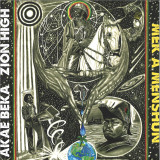
Akae Beka's inimitable style of rich, deep, multi-layered songwriting, uncompromising devotion to RasTafari and soulful healing melodies developed over decades performing with St. Croix based band Midnite and countless recordings. At the point of his untimely passing in 2019, he had released over 70LP's. He is without a doubt one of the most prolific reggae artists ever known.
The stellar production trinity that is Zion I Kings have been involved collectively and individually in creating some of the most highly regarded contributions to the vast Akae Beka catalogue. The timeless songs of 'Mek A Menshun' amply reward the listener who can penetrate into the mystical musical realms of Rastafari. Longtime fans of Midnite and Akae Beka will note that Vaughn Benjamin's singing on 'Mek a Menshun' reached new heights of melodic delivery and emotional intensity. Coupled with his always poetic and insightful lyrics, these 10 original songs rank among his best recordings to date. The title track 'Mek A Menshun' includes vocals by Protoje Grammy (R)-nominated artist.
Mek A Menshun features the stellar musicianship of the ZIK distinguished in typical fashion by the rock-solid drumming of Lloyd "Junior" Richards. On this album, his playing is complemented by Aston Barrett Jr. ("By Day", "Only Now") and Kirk Bennett ( "Kagm Mystory", "Mek A Menshun"). The signature stylings of the other core ZIK musicians are augmented by horns (Andrew "Drew Keys" Stoch -trombone, Donald "Jahbless" Toney -saxophone), flute- Sheldon "Attiba" Bernard, kette- Andrew "Bassie" Campbell, and the guitar of Chet Samuel. ZIK guitarist Andrew "Moon" Bain contributes a string arrangement on "Only Now". Throughout the album, Laurent "Tippy I" Alfred's spot-on organ shuffle bubbles the rhythm forward. Many of the 'Mek A Menshun' tracks were among the last recordings done by the veteran engineer Gary Woung.
Originally released digitally and on CD, this LP is now being released for the first time on as a 12" vinyl LP courtesy of Before Zero Records.
Following the reissue of the self-titled debut by Tülay German & François Rabbath in 2021, we're presenting the 2nd and final part of our Tülay German reissues: "Homage to Nazım Hikmet" (1982). Once again in a duo setting with François Rabbath, Tülay German pays tribute to one of Turkey's greatest poets of the 20th century: Nazım
Hikmet (1902-1963).
Recorded in the early 80s this two-album workcycle refers heavily on turkish poets and the tradition of aşıks (singer-poets and wandering bards) and consists of unique and modern interpretations of turkish folk songs unmatched to this day.
Back in the 60s Tülay German (*1935 in Istanbul, Turkey) shook the turkish music landscape with several 7" records. Most notably her first 7" record Burçak Tarlası (1964) is now considered
the cornerstone of what was to become the Anadolu Rock/ Pop movement and underlines her rebellious nature and sense of justice. But due to increasing repression Tülay German and her
lifelong partner and intellectual impetus Erdem Buri decided to leave Turkey a few years later.
In France Tülay German signs a major contract with Philips resulting in many 7" releases sung in french under her french moniker Toulaϊ. In the long run Tülay German doesn't feel quite comfortable with this major deal. And thus, despite the success and recognition she had gained, she decides to quit the contract with Philips!
Later on she signs to independent world-music label Arion to pursue her actual artistic goals more in line with her origin and temperament. Back to her mother tongue, Tülay German records above mentioned albums for Arion under full artistic freedom, the only full-lenghths in
her 20+ years career. Alongside with double-bass virtuoso and turkophil François Rabbath (*1931 in Aleppo, Syria) the albums consist of aşık traditionals and intonated poems mainly by
Nazım Hikmet. Her passionate voice and the restrained arrangements of François Rabbath turn these centuries old melodies and poems into glowing manifestos for love and justice. The fruitful collaboration of these artists-in-exile adds significantly to the rich heritage of turkish folk music.
Nazım Hikmet (1902-1963) is considered as one of Turkey's greatest poets of the 20th century, though during his lifetime his works were banned in Turkey for decades and he spent most of his life in prison or in exile. He is up to this day a huge reference for turkish writers,
musicians and intellectuals.
Tülay German ended her musical career in 1987. In 2021 Tülay German was awarded with the Lifetime Achievement Award by the Istanbul Foundation for Culture and Arts, Turkey.
Classic Black vinyl, Lyric insert + DL card. The Black Lips return with their 10th studio effort ‘Apocalypse Love’, scorched with their trademark menace, it cryogenically mutates all recognised musical bases; it spins yarns about vintage Soviet synths, Benzedrine stupors, coup de’ tats, stolen valor and certified destruction, all set against a black setting sun. Since the turn of the decade the band have transformed from austere country pioneers, into a set of Lynchian surrealists, hellbent on recalibrating the history of rock ‘n’ roll. Singer and saxophonist Zumi Rosow muses, “It’s a weird dance record, one that reflects the moment that the world’s in right now…” ‘Apocalypse Love’ is an album that emanates from a dive bar jukebox in the back of your mind; with a playlist that bends between tub thumping doom-glam, Plastic Ono singalongs, cocktail-shaken space age pop, Morricone reverberations and lo-fi outsider acoustic-punk, with mariachi horns, theremins, drum machines and harmonies filtering through the infectious melodies. Stand-out number ‘Among The Dunes’ is an amorphous platform-heeled anthem, a signature sax-fuelled stomper filled with trippy swagger. While opener ‘No Rave’ proffers a hypnotic locked groove, with Cole Alexander’s trademark snarl delivered over a sulphurous wall of distorted hedonism, a dystopian anthem for an apocalyptic manifesto. Meanwhile, the twisted exotica of ‘Whips Of Holly’ with its silver screen façade is like the soundtrack to a classic Theda Bara vamp-fest. As the band venture into their third decade, ‘Apocalypse Love’ is proof that The Black Lips show no sign of slowing down… “A wonderful new chapter… The world may be on fire, but at least we have Black Lips.” The Line Of Best Fit // “Simply masters in their field” NME // Track List A1 No Rave A2 Love Has Won A3 Stolen Valor A4 Lost Angel A5 Whips of Holly A6 Apocalypse Love A7 Operation Angela. B1 Crying on A Plane B2 Sharing My Cream B3 Among The Dunes B4 Tongue Tied B5 Antiaris Toxicaria B6 The Concubine
Sasu Ripatti, now sporting the new "Ripatti Deluxe" moniker, presents his very own abstract take on early rave and happy hardcore. "Speed Demon" marks the first release on Ripatti's newly launched label "Rajaton".
The Finnish word ”raja” has multiple meanings. It could refer to a ”border”, ”limit”, ”boundary”, or even ”capacity” if understood broadly. It feels that ”border” is the first interpretation that comes to mind when the word is met in isolation of additional context. It often includes political energy of some sort. Or perhaps it’s just this particular point in time that leads the mind into such field of thought.
As the Dutch author Rutger Bregman notes in his book Human Kind – A Hopeful History, the real trouble with people began when the first person had the idea of drawing a line on sand and claiming ownership of the area on their side. The concept of physical borders was born.
Naturally, there are mental borders, as well. Think about all the things you shut out because they’re ”not for you”. They are numerous and we do it all the time. The issue is not to stop that, but to recognize when to let new things in, even if they’re not commonplace. Mental borders might often be easier to rewrite than physical ones, but the challenge remains a real one.
That’s where the derivative form ”rajaton” comes to play. By simply adding the ”-ton”, all borders, limits, boundaries and capacities are lifted in an instant. We have something ”borderless” instead, and are thus free to expand our thinking.
One could argue that the word ”rajaton” implies not the removal of borders but instead their very non-existence at large. How will our mind work when the concept of borders doesn’t even enter the conscious thought?
Mental borderlessness is a truly fascinating concept. A maximalist array of opportunities and potential ideas enters the picture – one which is also limitless, unlimited, sans boundaries, and also without a danger of being depleted. It’s an all-existence of multitudes where hierarchy also starts to deteriorate, giving way to a new form of full understanding without judgement.
Music is one fine place for such thinking, especially when thinking about the role of the listener. Occupying a much more active position than is generally recognized, the listener can greatly benefit from borderless thinking, and thus help to enhance the collective perceived significance of any given body of work. When there are no boundaries, the interpretation remains unchained and honest.
Basically it was all already said by the late revolutionary jazz pianist Burton Greene: ”Borders are boring!”
Sasu Ripatti, now sporting the new "Ripatti Deluxe" moniker, presents his very own abstract take on early rave and happy hardcore. "Speed Demon" marks the first release on Ripatti's newly launched label "Rajaton".
The Finnish word ”raja” has multiple meanings. It could refer to a ”border”, ”limit”, ”boundary”, or even ”capacity” if understood broadly. It feels that ”border” is the first interpretation that comes to mind when the word is met in isolation of additional context. It often includes political energy of some sort. Or perhaps it’s just this particular point in time that leads the mind into such field of thought.
As the Dutch author Rutger Bregman notes in his book Human Kind – A Hopeful History, the real trouble with people began when the first person had the idea of drawing a line on sand and claiming ownership of the area on their side. The concept of physical borders was born.
Naturally, there are mental borders, as well. Think about all the things you shut out because they’re ”not for you”. They are numerous and we do it all the time. The issue is not to stop that, but to recognize when to let new things in, even if they’re not commonplace. Mental borders might often be easier to rewrite than physical ones, but the challenge remains a real one.
That’s where the derivative form ”rajaton” comes to play. By simply adding the ”-ton”, all borders, limits, boundaries and capacities are lifted in an instant. We have something ”borderless” instead, and are thus free to expand our thinking.
One could argue that the word ”rajaton” implies not the removal of borders but instead their very non-existence at large. How will our mind work when the concept of borders doesn’t even enter the conscious thought?
Mental borderlessness is a truly fascinating concept. A maximalist array of opportunities and potential ideas enters the picture – one which is also limitless, unlimited, sans boundaries, and also without a danger of being depleted. It’s an all-existence of multitudes where hierarchy also starts to deteriorate, giving way to a new form of full understanding without judgement.
Music is one fine place for such thinking, especially when thinking about the role of the listener. Occupying a much more active position than is generally recognized, the listener can greatly benefit from borderless thinking, and thus help to enhance the collective perceived significance of any given body of work. When there are no boundaries, the interpretation remains unchained and honest.
Basically it was all already said by the late revolutionary jazz pianist Burton Greene: ”Borders are boring!”
Gondwana Records announces Horizons the debut album from Jasmine Myra, produced by Matthew Halsall, it's an elevating debut record of understated beauty
Jasmine Myra is a Leeds-based saxophonist, composer and band leader Her original instrumental music has a euphoric and uplifting sound, influenced by artists as diverse as Kenny Wheeler, Bonobo and Olafur Arnalds and like Mammal Hands and Hania Rani her music has a special, emotive quality that draws the listener into her world. Matthew Halsall first heard Myra's music in 2019 shortly before the pandemic hit, signing her to Gondwana Records and producing her beautiful debut album, Horizons.
"I was immediately drawn to Jasmine's music. I could hear jazz, electronica in her music but with a deep, honest, emotional quality. I was really impressed with her skills as a composer and bandleader, that she is open and intelligent enough to bring all those influences together, to make something fresh and original. We were also delighted to work with a young artist from the North of England. London is often seen as the place to be, but cities like Manchester and Leeds are full of creative musicians too, and that sense of local community is at the heart of our values as a label."
Myra came-up through the bustling, creative Leeds music scene and her music draws on the sense of community that permeates life in the city and which is notable for a strong DIY ethos in its musical community. She attended Leeds Conservatoire and played with the Leeds based Abstract Orchestra, a jazz big-band, led by tutor Rob Mitchell that explores the synergy between jazz and hip-hop found in the recordings of Madlib, MF Doom of J Dilla. Indeed, Myra cites MF Doom and Soweto Kinch as early influences on her own music. It was in her last year at the conservatoire that Myra started to consider leading her own group and started to really think about what her own music might sound like and her first band featured guitarist Ben Haskins and drummer George Hall who both feature on Horizons and her band draws heavily on the Leeds community featuring rising stars such as pianist Jasper Green and harpist Alice Roberts.
Myra also mentions local legend, Dave Walker, who owns an instrument repair shop called 'All Brass and Woodwind' which is right next to the music college. She worked there while studying and he introduced her to a lot of local musicians. Walker also has his own line of saxophones (played by Shabaka Hutchins, Pete Wareham and Nubya Garcia), and gifted Myra the saxophone she plays on Horizons. It was Walker who encouraged Myra to apply for Jazz North Introduces, a scheme that supports emerging jazz artists in the North of England and Myra credits her winning a place, in 2018,with helping her grow in confidence.
" It gave me the opportunity to start gigging outside of Leeds, which I was very keen to do. I was quite surprised by people's reaction to the project and the support I was being shown, which helped me gain a lot of confidence. It became clear to me very quickly that being a solo artist was what I wanted to do and it was also apparent to me that mine was one of the only female-led instrumental bands on the Leeds scene, which encouraged me even more, as I wanted my project to inspire younger female musicians".
Horizons was produced by Matthew Halsall and mixed by Portico Quartet collaborator Greg Freeman, and much of the music was written during lockdown. It was a hard time for a lot of people, and initially Myra struggled mentally, deprived of shows and the connections of making music with her band and friends, but she also realised what she wanted as an artist and the result is heard on Horizons.
"I realised that my aim was to start writing music that made people feel happy and uplifted. Writing is one of my biggest passions, but I also love performing. Playing live and seeing the audience connect with my music and have a positive experience brings me so much joy".
This sense of elevation is at the heart of Horizons, together with the feeling of a journey, of reaching new ground. Prologue and Horizons were originally composed as one piece as they encapsulate Myra's own personal development as she worked on the album - taking the listener on a journey, especially Prologue; and then Horizons is that moment of release when you've reached the end goal. 1000 Miles takes inspiration from the music of Shabaka and the Ancestors. Whereas Words Left Unspoken was written after Myra's grandmother unexpectedly passed away in June, and due to Covid restrictions she was unable to visit her before she passed and say how much she loved her. Morningtide is a nod to Kenny Wheeler, particularly the track Opening from Sweet Time Suite on Music for Large and Small Ensembles but Myra also puts her own spin on it as she also does with Promise, another track influenced by Wheeler. Awakening has a calm and euphoric quality and represents that sense of problems lifting, or of reaching the other side, and New Beginnings finishes the album with a positive vibe and a sense of moving forward from darkness
This then is Horizons. A soulful, emotional and up-lifting debut from a major new voice. A snapshot of a young artist at the beginning of her journey - drawing on jazz and electronica influences to create something fresh and new. But also a celebration of her home town Leeds, and a record built on a sense of support and community before looking out to wider Horizons.
Jamie Cullum on BBC Radio 2 "...That's Jasmine Myra and 'New Beginnings', wonderful to hear new music from a new artists i've not heard before, a great new artist!"
Tom Ravenscroft on BBC 6 Music "Leeds-based saxophonist, composer and band leader Jasmine Myra. 'New Beginnings' on Gondwana Records. Compositions drawing influence by Kenny Wheeler, Bonobo, Ólafur Arnalds. Produced by Matthew Halsall"
reissue with original artwork!
Todd Terje's 2012 EP It's the Arps rumbled the floors of warehouse parties and hedonistic sleepovers alike with lead single 'Inspector Norse' leading the vanguard of electro fun.
Please welcome: It's The Arps! Oslo's magic music maker Todd Terje has already gained a wunderkind like reputation for his gentle yet potent productions (we won't mention the 'E' word here) on labels like Full Pupp, Permanent Vacation and Running Back on top of being one of the best remixers money can buy (Shit Robot, Bryan Ferry, Dølle Jllle etc etc). What is there left for him to do Establish a label of his own! 'It's The Arps' is the starting signal for Olsen. And what a splendid one it is. Created from scratch and solely on the mythical synthesizer ARP 2600, it features four tracks (reads instant classics) that couldn't be a better follow-up to his 2011 super hit EP 'Ragysh'. Towering over the assortment is the laser crime scene called 'Inspector Norse'. Defying genres and blinkers, this is finest goose bumps dance music that makes you whistle along, laughing and crying all at the same time - but the rest isn't half bad either. The short, but sweet 'Myggsommer' gives away Terje's secret love for quirky exotika, whereas 'Swing Star Pt 1' and its brother have a (balearic) brilliance and witchery to them that is rarely found nowadays. Released on Olsen Records and housed in a beautiful sleeve courtesy of Bendik Kaltenborn. 100% Arp 2600 and 200% Todd Terje.