
Disponible
En el almacen y preparando para el envío
Ültimo hace: 4 Meses
7,14 €
En el almacen y preparando para el envío

Mangue counts 10' after a various artist record the labelheads are back with a really progressive record this time. Completed with a Marco Fender Remix by Supdub, Nulogic and Lordag.
En el almacen y preparando para el envío

En el almacen y preparando para el envío

Baile is the third strike from the Mangue Crew. This time supported by Pierre Deutschmann (Low Spirit, Vandit, Platform B, Exx Records) and Click Click (Kassette, Autist, Kaufe Digital). Great tribalistic Four Tracker. Played & supported by The Advent, James Zabiela, Paco Osuna, Gel Abril, Someone Else !!
En el almacen y preparando para el envío

En el almacen y preparando para el envío

Mangue welcomes Michael Nielebock (Deep Circus,Treibstoff) from Berlin. Remixes were done by Fabian Schumann & Black Vel and Mister Mo´s Ferry: Niklas Dapayk Worgt.
En el almacen y preparando para el envío

En el almacen y preparando para el envío

Futurismo proudly present a vital compilation born in the shadows of American punk; AMERICAN GRAVE Gothic Punk / Deathrock USA: 1978-1988, the third volume in their Altered Vision anthology series.
Drawing from darkest depths of the American spirit, American Grave is testament to a subculture spawned from late night savagery, graveyard hangouts and suburban isolation. Deathrock, post-punk, goth, whatever term you prefer, this compilation showcases the sounds and aesthetics of a tarnished golden era, an underground movement that took the DIY concepts of punk and the velocity of a burgeoning hardcore scene and immersed it in echoes, distortion, tribal rhythms and macabre vocals, thematically preying upon cult horror flicks, surrealism, and the manipulation of religious iconography. Whilst the UK had a counterpart scene many would hail as Goth, this was different, this was a truly American incarnation, a new breed of youth haunted by the ghosts of old blues, garage and glam, bleak theatrical imagery dressed up to evoke a response, smeared eyeliner, leather, bones…black. This was a backlash against a culture in decay, bucking against a puritanical oppression brought on by the archaic social standards set by their parents. It was aggression manifested as gloom, it was a ceremony, the celebration of death.
American Grave has been co-curated by Wesley Eisold (Cold Cave/American Nightmare/Heartworm Press) in collaboration with Futurismo head honcho Del Jae, to bring you a haunting tracklist ranging from the all important integral mainstays of the genre to those rarer and more elusive artists, including many recordings that have never been reissued before on any format. Featuring the music of Christian Death, T.S.O.L., The Cramps, Of A Mesh, The Gun Club, Twisted Roots, Kommunity FK, The Brainz, Theatre Of Ice, Burning Image, Fur Bible, PSI Com, Shadow Of Fear, Super Heroines, 45 Grave and more.
The music on this compilation is reinstated further from a visual perspective by an array of incredible images by famed punk photographer Edward Colver, and lovingly designed to the level you would expect from a Futurismo release.
2xLP on limited edition ‘Splintered Tomb’ coloured vinyl. It is housed in a gloss laminated outer sleeve with colour inner sleeves and contains a large fold-out poster with unseen photos by the great Edward Colver, words by Lisa Fancher and liner notes by Wesley Eisold of Cold Cave/American Nightmare.
debe ser publicado en 09.10.2026
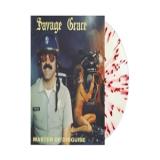
Clear w/ Red Splatter Vinyl. Originally unleashed in 1985, Master Of Disguise by Los Angeles speed metal pioneers Savage Grace remains a benchmark of high-velocity American heavy metal.
debe ser publicado en 30.10.2026

Epicentre was an R&B/funk group formed in Seattle, Washington by keyboardist Ric Ulsky. The band developed a loyal following, playing the extensive NW club, concert and dance venues throughout the mid-to-late 1970s. Their sound was a blend of melodic R&B and powerhouse funk that dependably filled music venues throughout the Western US. Bernadette Bascom was the lead vocalist, who captivated audiences with her powerful yet velvet-smooth voice and commanding, magnetic stage presence.
In 1978, Epicentre worked with Seattle producer Don McKinney to record their music in Seattle's now legendary Kaye-Smith studios. The result was seven strong, fully -produced R&B songs, with occasional horn and string orchestrations tastefully added to the final versions.
Their music quite literally sat on a shelf for decades until McKinney decided that all the hard work and talent should no longer remain undiscovered and it needed to find its audience. He restored and digitized his copies of the master tapes and looked for an opportunity. A chance call to the former leader of the group, Kell Houston, led to a serendipitous introduction to UK boutique/funk/R&B label founder Russell Paine. The result was an agreement to release their music, starting with two songs, "When You Were In Love With Me", and "Magic Carpet."
And now the follow up single of "Searchin/Tongue Tied"
Footnotes: Lead singer Bernadette Bascom became a protegé of Stevie Wonder, and was the first artist to be signed to his label Black Bull , starting a period of collaboration between the two. Bermadette is the daughter of Reverend Dr. Marion C. Bascomb (1925-2012), one of Baltimore's major civil rights voices and pastor emeritus of Baltimore's Douglas Memorial Community Church. Ric Ulsky eventually left the group to play keyboards and tour extensively with The Association. You can also find Epicentre's music on the compilation album "Seattle Funk, Modern Soul & Boogie: Volume II 1972-1987." In addition to Bernadette, the musicians on the 1978 sessions are Kell Houston, keyboards, Michael Cox, bass, John Carmondy, guitar, and Ricky Lynn Johnson, drums and vocals. While their recorded material is primarily original, Stacy Christensen from Seattle's Gabriel contributed two of his compositions.
En el almacen y preparando para el envío
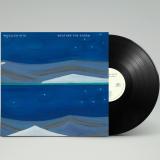
Fourteen years have passed since Woollen Kits released two albums in a single year (Woollen Kits and Four Girls, both 2012), but Melbourne/Naarm’s beloved Kits are back to remind us what we’ve been missing all this time.
Weather the Storm still draws from the same deck of cards, but opens the door to some more classically renowned influences like The Velvet Underground, Television Personalities, Beat Happening ,Marine Girls, Bob Dylan, Van Morrison, et al.
Across ten tracks it’s clear just how well they can write a hook, a verse, a chorus, a song; bringing together themes of everyday life, love and sincerity with aphorisms, stories and the classic sound we know and love.
Woollen Kits’ approach is almost as minimal and primitive as it was back in 2007, when singer/guitarist Tom Hardisty first sent a few channels into the red on an old Tascam tape machine. Simple chords, strong melodies, witty lyrics and a clear message. It’s a hell of a combination when it’s done well, and one they would only refine from there.
Tom (Hardisty) recruited a second Tom (Ridgewell, drums) and a Leon (Applebee, guitar) to help guide his new Cramps/Half Japanese- worship bedroom project into a real-life band, playing their first gig on NYE ’08 before launching into 2009 to record their first canon release, the Teenage Love 7”.
Yes, much time has passed since the band’s last record, Four Girls, came out in late 2012, but in the interim members have released plenty of other music across numerous projects, including Constant Mongrel, Nun, Canine Apathy, The UV Race, TB Ridge as The Director, Calamari Girls & more.
debe ser publicado en 20.11.2026

2026 Repress
Time in the context of the cosmos is not merely a measure of change but a profound mystery permeating all aspects of existence. It is both present and elusive, like the light of a distant star we see but can no longer touch at its source. The cosmos poses a fundamental question: what is time? Is it the stream in which we exist or an illusion crafted by our perception? The grandeur of the Universe reveals the extraordinary malleability of time. Gravity can slow its flow, while velocity can stretch it to infinity. At the event horizon of a black hole, time can nearly halt, transforming a moment into an eternity. This teaches us that time is not a universal truth but a phenomenon dependent on conditions and perspective
El artículo no se ha publicado. Tú puedes reservar ahora el artículo y después de ser pagado se te será enviado.

Hot on the heels of their debut LP Scimitar return with a lightning fast follow up simply entitled Scimitarium II.
Formed in 2024 by veterans of Copenhagen’s underground music scene including members of Slaegt, Gam, and Shaam Laerin, Scimitar released their debut LP in February 2025 to wide acclaim. Arriving as a fully formed force of nature with an album far beyond the reach and scope of bands significantly deeper in their discographies. It should come as no surprise that their follow up drinks even deeper from the same well of riches as their first effort. Somehow, this time around, there is more light in the dark, although the glimmers and rays only serve to amplify the heaviness of the utter pitch blackness.
Opening itself up in a wrenching moment of becoming, Scimitatium II begins like an infernal piece of machinery, a vast, complex engine of sound slowly but steadily finding its inexorable pace until vocalist Shaam A’s voice breaks upon its nascent rhythms like glass. Once velocity is reached there is seemingly no stopping this breathless journey as its angular guitar lines narrowly wend themselves through cavernous tunnels leaving echoing tendrils in their wake, all while the frantic rhythm section threatens to shake the whole damn thing to pieces.
The flaming Scimitar is born of smoke and ash, and mystic flame burning itself brightly for ritual rebirth; a self immolating operation capable of incredible creation and terrible destruction.
En el almacen y preparando para el envío

The former International DeeJay Gigolo records artist Adriano Canzian & Vitell1 assault the “PLEASURE COPS” precinct with bouncing synth-line, dark 80’ies bass and clanging beats in this extravagant 6 tracker Italo-Ebm release for SB sublabel -Belligeranza currently dedicated to brutalize Italo-Disco. Call 911 for further details!
En el almacen y preparando para el envío

Shoegaze slow dance where distortion and desire merge into a single narcotic pulse. Each track feels like a transmission from a beautiful but broken future, numbing the senses before consuming them completely. Much like the most immersive works of Tropic of Cancer or Death in Vegas, the album drifts beneath a flickering sodium sky, lost in reverb and ritual. This is not just another new release—it’s an unforgettable sonic hallucination, a cinematic comedown carved in echo and melancholy, where time and thought dissolve in waves of velvet static. Presented in ONE-OFF truly limited edition of 300 copies lacquered pressed on 180 gr. high quality solid BLACK vinyl, including printed innersleeve with lyrics.
En el almacen y preparando para el envío

Mumbai-based musician, producer, and DJ NATE08 returns with his sophomore album Twenty Seven - a luminous fusion of r&b, deep house, and funk-leaning grooves, pressed to a single 140g LP in black vinyl.
Three years on from his acclaimed debut Furaha (which featured the breakout hit “Primrose” with over 7 million streams), NATE08 expands his sonic palette with Twenty Seven: a radiant collection of tracks that balance soul-soaked vocals, late-night basslines, and warm, sun-drenched production.
NATE08, aka Nathan Thomas, has become a central figure in Mumbai’s thriving underground, working as a session bass player, live performer, and genre-spanning DJ, while making an international impact through releases on label Needwant. Twenty Seven captures his full range: both organic and synthetic, smooth yet floor-ready, always driven by heartfelt groove.
From the dreamy opener “You’re The Reason” featuring Mary Ann Alexander’s velvety tones, to the nostalgic glow of lead single “Where Are You Tonight” (feat. Dishaan & Mallika), the album unfolds like a love letter to house music’s emotional core. Highlights include the syrupy r&b/house hybrid “Afterlife” (feat. Dappest), the golden-hour deep house shimmer of “Call Me Back” (feat. Sahirah), and the soul-drenched “What Was It” featuring Jamal Bucanon. Closing track “Stay” wraps it all with soft-focus chords and a bumpy, irresistible groove.
Twenty Seven is a sophisticated and inviting journey across mood, tempo, and texture, showcasing NATE08’s gift for weaving melody, rhythm, and soul into music that speaks equally to the dance floor and the heart.
En el almacen y preparando para el envío

Black Vinyl[29,83 €]
System Olympia presents a bold, cinematic compilation that redefines the sound of sensuality. Love Language is an
18-track double-vinyl release pressed on deluxe heavyweight black vinyl.
It’s accompanied by a provocative, limited-edition 24-page fanzine, exclusive to 18+ audiences.
This is not just a compilation, Love Language is a manifesto. A carefully curated sonic journey through eroticism, artistic rebellion,
and liberation, it spans nearly five decades of music and features exclusive edits and rare gems that illuminate System Olympia’s
radical aesthetic vision.
****
Since her emergence on the electronic underground, System Olympia has carved out a distinct, sensual sonic universe, equal parts
vulnerable and defiant. With Love Language, she presents her most audacious project to date: a compilation rooted in what she
calls The Aesthetics of Sexual Desire in Sound.
It’s a daring declaration that desire is more than a feeling - it’s a language. Across 20 tracks, including her own sultry opener “The
Heat Of The Night (feat. REINEN)” and a rare System Olympia edit of Working Men’s Club’s “Ploys”, this compilation speaks in
rhythms and textures that evoke longing, intimacy, and ecstatic release.
This is not a traditional compilation. System Olympia’s sequencing is cinematic and deliberate. Every track a scene in a film that exists
only in the listener’s imagination. From the retro-futurist seduction of Flavia Fortunato’s Italo gem “Se Tu Vuoi” to the deep, extended
tension of Musclecars’ “Running Out of Time,” each piece plays its part in an arc of anticipation, climax, and reflection.Uniting artists as diverse as Daniele Baldelli, Piero Umiliani, and DJ Rocca, Love Language refuses boundaries of genre, era, or
expectation. It dances between vintage Italo-disco, dreamy electronica, sweaty club tracks, and avant-garde jazz, forming a rich
tapestry of sound and sensation.
System Olympia explains, “This is music for lovers, outsiders, and dreamers. It's a rebellion made of velvet and
basslines.
The accompanying 24-page fanzine insert, restricted to adults, further deepens the narrative, with erotic visual fragments and
poetic texts that amplify the compilation’s raw, sensual energy. A tangible extension of the music’s spirit, the zine invites listeners to
step into Olympia’s world and engage their senses fully.
As much a provocation as it is a celebration, Love Language is a deeply personal curation and a radical act of creative freedom. It
champions eroticism as art, desire as dialogue, and music as a liberatory force.
a A1. System Olympia - The Heat Of The Night (feat. REINEN) 3:44
b A2. Flavia Fortunato - Se Tu Vuoi 3:38
[c] A3. See Thru Hands - Hot City [3:57]
[d] A4. Daniele Baldelli, Francesca Amati - Inner Light [4:43]
[e] A5. Ruins - Sexual Desire [3:14]
[f] B1. Midnight Magic - Beam Me Up (Eli's Mix) [5:13]
[g] B2. musclecars - Running Out Of Time [5:10]
[h] B3. Working Men's Club - Ploys (System Olympia Edit) [4:56]
[i] B4. Royalty - Heart Strings [5:05]
[j] C1. Dirty Art Club - Daysleeper [3:45]
[k] C2. Admiral - Soho Girl [4:14]
[l] C3. Tom Sharkett & Raf Rundell - Where's It All Go? [3:41]
[m] C4. Gina Calabrese - Nobody Lives Forever [4:40]
[n] D1. Romolo Grano, Gianni Oddi & Edda Dell'Orso - Kilimangiaro [3:55]
[o] D2. LNDFK - Hana-bi [1:55]
[2:47]
[a] A1. System Olympia - The Heat Of The Night (feat. REINEN) [3:44]
[b] A2. Flavia Fortunato - Se Tu Vuoi [3:38]
[c] A3. See Thru Hands - Hot City [3:57]
[d] A4. Daniele Baldelli, Francesca Amati - Inner Light [4:43]
[e] A5. Ruins - Sexual Desire [3:14]
[f] B1. Midnight Magic - Beam Me Up (Eli's Mix) [5:13]
[g] B2. musclecars - Running Out Of Time [5:10]
[h] B3. Working Men's Club - Ploys (System Olympia Edit) [4:56]
[i] B4. Royalty - Heart Strings [5:05]
[j] C1. Dirty Art Club - Daysleeper [3:45]
[k] C2. Admiral - Soho Girl [4:14]
[l] C3. Tom Sharkett & Raf Rundell - Where's It All Go? [3:41]
[m] C4. Gina Calabrese - Nobody Lives Forever [4:40]
[n] D1. Romolo Grano, Gianni Oddi & Edda Dell'Orso - Kilimangiaro [3:55]
[o] D2. LNDFK - Hana-bi [1:55]
[2:47]
En el almacen y preparando para el envío

White Vinyl[32,35 €]
System Olympia presents a bold, cinematic compilation that redefines the sound of sensuality. Love Language is an
18-track double-vinyl release pressed on deluxe heavyweight black vinyl.
It’s accompanied by a provocative, limited-edition 24-page fanzine, exclusive to 18+ audiences.
This is not just a compilation, Love Language is a manifesto. A carefully curated sonic journey through eroticism, artistic rebellion,
and liberation, it spans nearly five decades of music and features exclusive edits and rare gems that illuminate System Olympia’s
radical aesthetic vision.
****
Since her emergence on the electronic underground, System Olympia has carved out a distinct, sensual sonic universe, equal parts
vulnerable and defiant. With Love Language, she presents her most audacious project to date: a compilation rooted in what she
calls The Aesthetics of Sexual Desire in Sound.
It’s a daring declaration that desire is more than a feeling - it’s a language. Across 20 tracks, including her own sultry opener “The
Heat Of The Night (feat. REINEN)” and a rare System Olympia edit of Working Men’s Club’s “Ploys”, this compilation speaks in
rhythms and textures that evoke longing, intimacy, and ecstatic release.
This is not a traditional compilation. System Olympia’s sequencing is cinematic and deliberate. Every track a scene in a film that exists
only in the listener’s imagination. From the retro-futurist seduction of Flavia Fortunato’s Italo gem “Se Tu Vuoi” to the deep, extended
tension of Musclecars’ “Running Out of Time,” each piece plays its part in an arc of anticipation, climax, and reflection.Uniting artists as diverse as Daniele Baldelli, Piero Umiliani, and DJ Rocca, Love Language refuses boundaries of genre, era, or
expectation. It dances between vintage Italo-disco, dreamy electronica, sweaty club tracks, and avant-garde jazz, forming a rich
tapestry of sound and sensation.
System Olympia explains, “This is music for lovers, outsiders, and dreamers. It's a rebellion made of velvet and
basslines.
The accompanying 24-page fanzine insert, restricted to adults, further deepens the narrative, with erotic visual fragments and
poetic texts that amplify the compilation’s raw, sensual energy. A tangible extension of the music’s spirit, the zine invites listeners to
step into Olympia’s world and engage their senses fully.
As much a provocation as it is a celebration, Love Language is a deeply personal curation and a radical act of creative freedom. It
champions eroticism as art, desire as dialogue, and music as a liberatory force.
a A1. System Olympia - The Heat Of The Night (feat. REINEN) 3:44
b A2. Flavia Fortunato - Se Tu Vuoi 3:38
c A3. See Thru Hands - Hot City 3:57
d A4. Daniele Baldelli, Francesca Amati - Inner Light [4:43]
[e] A5. Ruins - Sexual Desire [3:14]
[f] B1. Midnight Magic - Beam Me Up (Eli's Mix) [5:13]
[g] B2. musclecars - Running Out Of Time [5:10]
[h] B3. Working Men's Club - Ploys (System Olympia Edit) [4:56]
[i] B4. Royalty - Heart Strings [5:05]
[j] C1. Dirty Art Club - Daysleeper [3:45]
[k] C2. Admiral - Soho Girl [4:14]
[l] C3. Tom Sharkett & Raf Rundell - Where's It All Go? [3:41]
[m] C4. Gina Calabrese - Nobody Lives Forever [4:40]
[n] D1. Romolo Grano, Gianni Oddi & Edda Dell'Orso - Kilimangiaro [3:55]
[o] D2. LNDFK - Hana-bi [1:55]
[p] D3. Fitness Forever - Vederti Distante [2:47]
[a] A1. System Olympia - The Heat Of The Night (feat. REINEN) [3:44]
[b] A2. Flavia Fortunato - Se Tu Vuoi [3:38]
[c] A3. See Thru Hands - Hot City [3:57]
[d] A4. Daniele Baldelli, Francesca Amati - Inner Light [4:43]
[e] A5. Ruins - Sexual Desire [3:14]
[f] B1. Midnight Magic - Beam Me Up (Eli's Mix) [5:13]
[g] B2. musclecars - Running Out Of Time [5:10]
[h] B3. Working Men's Club - Ploys (System Olympia Edit) [4:56]
[i] B4. Royalty - Heart Strings [5:05]
[j] C1. Dirty Art Club - Daysleeper [3:45]
[k] C2. Admiral - Soho Girl [4:14]
[l] C3. Tom Sharkett & Raf Rundell - Where's It All Go? [3:41]
[m] C4. Gina Calabrese - Nobody Lives Forever [4:40]
[n] D1. Romolo Grano, Gianni Oddi & Edda Dell'Orso - Kilimangiaro [3:55]
[o] D2. LNDFK - Hana-bi [1:55]
[p] D3. Fitness Forever - Vederti Distante [2:47]
[a] A1. System Olympia - The Heat Of The Night (feat. REINEN) [3:44]
[b] A2. Flavia Fortunato - Se Tu Vuoi [3:38]
[c] A3. See Thru Hands - Hot City [3:57]
[d] A4. Daniele Baldelli, Francesca Amati - Inner Light [4:43]
[e] A5. Ruins - Sexual Desire [3:14]
[f] B1. Midnight Magic - Beam Me Up (Eli's Mix) [5:13]
[g] B2. musclecars - Running Out Of Time [5:10]
[h] B3. Working Men's Club - Ploys (System Olympia Edit) [4:56]
[i] B4. Royalty - Heart Strings [5:05]
[j] C1. Dirty Art Club - Daysleeper [3:45]
[k] C2. Admiral - Soho Girl [4:14]
[l] C3. Tom Sharkett & Raf Rundell - Where's It All Go? [3:41]
[m] C4. Gina Calabrese - Nobody Lives Forever [4:40]
[n] D1. Romolo Grano, Gianni Oddi & Edda Dell'Orso - Kilimangiaro [3:55]
[o] D2. LNDFK - Hana-bi [1:55]
[p] D3. Fitness Forever - Vederti Distante [2:47]
[a] A1. System Olympia - The Heat Of The Night (feat. REINEN) [3:44]
[b] A2. Flavia Fortunato - Se Tu Vuoi [3:38]
[c] A3. See Thru Hands - Hot City [3:57]
[d] A4. Daniele Baldelli, Francesca Amati - Inner Light [4:43]
[e] A5. Ruins - Sexual Desire [3:14]
[f] B1. Midnight Magic - Beam Me Up (Eli's Mix) [5:13]
[g] B2. musclecars - Running Out Of Time [5:10]
[h] B3. Working Men's Club - Ploys (System Olympia Edit) [4:56]
[i] B4. Royalty - Heart Strings [5:05]
[j] C1. Dirty Art Club - Daysleeper [3:45]
[k] C2. Admiral - Soho Girl [4:14]
[l] C3. Tom Sharkett & Raf Rundell - Where's It All Go? [3:41]
[m] C4. Gina Calabrese - Nobody Lives Forever [4:40]
[n] D1. Romolo Grano, Gianni Oddi & Edda Dell'Orso - Kilimangiaro [3:55]
[o] D2. LNDFK - Hana-bi [1:55]
[p] D3. Fitness Forever - Vederti Distante [2:47]
En el almacen y preparando para el envío

Modi: Three Days on the Wing of Madness is a 2024 biographical drama based on the life of renowned Italian artist Amedeo Modigliani.
Directed by Johnny Depp, the film stars Riccardo Scamarcio in the title role, with supporting performances by Stephen Graham,
Al Pacino, and Antonia Desplat. The film’s original soundtrack plays a pivotal role, blending evocative original compositions by The Tiger Lillies
with classic tracks from artists such as Charles Trenet, Augie March, Tom Waits, and The Velvet Underground & Nico.
The soundtrack is available as a deluxe 2LP vinyl set in a gatefold sleeve with imagery from the film
And as a 2CD Box Set with lift-off lid, featuring a 24-page booklet including exclusive notes from Johnny Depp and behind-the-scenes images
En el almacen y preparando para el envío

The ninth installment in the MEGABREAKZ series dives headfirst into the raw energy of early industrial. A rhythmic discharge straight from the golden era of industrial new beat and industrial dub: rusted percussion, toxic delays, and sweat-drenched basslines. Velax channels the raw spirit of Chicago’s most abrasive scene, Wax Trax!, where beats were machines and noise had a body. But here, everything is filtered through the dub haze of the UK’s early counter-scene, with fractured echoes in the style of Keith LeBlanc, crafting the ideal soundtrack for a crumbling factory. Grit, groove, and distortion as the only possible language. Presented in ONE-OFF truly limited edition of 300 copies lacquered pressed on 180 gr. high quality solid BLACK vinyl.
En el almacen y preparando para el envío

The always excellent Minimal Wave presents a rare EP from Greek electronic pioneers In Trance 95 here. Alex Machairas and Nik Veliotis formed the duo in 1988 and very much helped define Greece's early electronic scene with their minimal synth and EBM-inspired sound, all of it usually marked by analogue warmth, hypnotic melodies and a futuristic sensibility. This release captures their innovative spirit and cult legacy across six unreleased tracks recorded between the late 80s and early 90s in Athens. It sounds magnificent and is a long-overdue glimpse into their visionary archive for new fans, or a fine reminder of their roots for those who have always been tuned in.
En el almacen y preparando para el envío

180 G. BLACK VINYL WITH LINER NOTES IN CREOLE, FRENCH, ENGLISH
Originally released in 1979, "Spiritual Sound" lives up to its name, a soaring, triumphant album, six tracks of spirit magic from Guadeloupe.
Telluric, intense, terribly alive, the gwoka drums of Guadeloupe carry the identity of a painful and fervent island. Marked forever by the crime of slavery, Guadeloupe's créolité cherishes the ka drums and their natural environment: the low-pitched boula drum with male goatskin, the high-pitched soloist makè drum with female goatskin, the chacha, ti bwa, triangle, calabash and other percussion instruments that surround them, and the voices - the fiery, proud, timbred, urgent voices of the gwoka.
This album is also a legend for its voices: in his then dazzling youth, singer Lukuber Séjor was one of the first gwoka artists to largely feminize the chorus of répondè, who converse with his text delivered in a straight and powerful voice.
And everything here sets new standards. In 1979, Mizik Filamonik - Spiritual Sound proclaimed a spiritual patriotism of ferocious intensity. The album by Lukuber Séjor - whose spelling alone is a battle - sets out to give Guadeloupe the intangible weapons of self-respect and self-knowledge, through a singular practice of traditional music.
The genesis of gwoka music is less straightforward than one might imagine... The drums performed the servile task of accompanying the work of slaves in the fields and during the “corvées” imposed by the administration, before being freely practiced by the common people after the abolition of 1848. At the heart of the conviviality of the Guadeloupeans furthest from the cities - geographically and socially - the gwoka drums come out for carnival, funeral wakes and neighborhood celebrations, but also during strikes, fits of anger and armed vigils of the riots and revolts that have punctuated the island's history. For generations, governors of the colony and then the prefects of the overseas department of Guadeloupe have been viewing the gwoka as a potential for turbulence and a threat to public order.
But as the Beatlesmania, “chanson engagée” and rock revolutions unfolded in Europe, young people turned to the drums of mizik a vié nèg (“bad negro music”, in Creole), which Guadeloupeans had learned to despise by following the “assimilation” process advocated by the school system and most of the political class. At the end of the sixties, in a Guadeloupe mourning the deadly repression of the May 1967 social movement, they played traditional music, refusing to wrap it up in tourist prettiness and madras folk costumes. Instinctively, they played a rough and contemporary gwoka, led by the incendiary Guy Konkèt. This was the era of decisive 45 rpm records such as Robert Loyson's Kann a la richès, which brought to light the fieriest words of union rallies.
At his home in Sainte-Anne, Lukuber Séjor played with flautist Olivier Vamur and his brother Claude Vamur, who cobbled together a drum kit from tin crockery and became, a few years later, the most influential drummer in Kassav'.
These were the years of the Bumidom program, when young Guadeloupeans were encouraged to emigrate to mainland France. At the age of twenty, Lukuber Séjor embarked on the liner Irpinia, disembarking at Le Havre and taking the train to the Gare Saint-Lazare - the route taken by thousands of young West Indians who went on to study or looked for work, all the while trying to maintain a link with their homeland. In this case, it's at the Antony university residence, where Lukuber played the drum and participated in a thousand gwoka updates and aggiornamentos, while exile reinforced the need for a spiritual link with the native land.
In 1978, Guy Konkèt played at the Salle Wagram, a historic event for West Indian music. After serving as répondè - i.e. backing vocalist - on one of his home-recorded albums, Lukuber joined his live band. Little by little, he became one of the key artists on a circuit parallel to French show business. At a student party in Caen, he met a young woman from Martinique who, at the time, was more motivated by her ambitions as a visual artist than by her vocation as a musician. Her name was Jocelyne Béroard and, a few years before she plunged into the Kassav' adventure and became the greatest West Indian singer of her generation, she designed the cover of Lukuber Séjor's LP.
This ambition was obvious and imposed its will. A more or less regular band was formed, with Roger Raspail, Rudy Mompière and Éric Danquin on ka drums, Claude Vamur on ti bwa, Olivier Vamur and Françoise Lancréot on flutes and Annick Noël on keyboards. Lukuber Séjor is set on wanting to extend the gwoka palette to other instruments, as the jazz-rock revolution opens a thousand new doors. Annick Noël will play a wide range of timbres and textures on electric piano and synthesizer. Another novelty: the répondè are two men and two women, Roger Raspail, Olivier Vamur, Françoise Lancréot and Maryann Mathéus ...
Mizik Filamonik - Spiritual Sound is a self-production in which the singer and leader sank all his savings, allowing him no more than a single day in the studio. The first side is more of a musical manifesto, with the first two tracks, Éritage and Penn é plézi, being instrumentals. The third, Son, forcefully celebrates the need for Guadeloupeans to connect with the gwoka. In fact, Jocelyne Béroard's cover shows a tambouyé in the shadow of a cloudy sky, against which a radiant sun is rising and whose light will soon flood the entire landscape. The silhouette and face of this man strongly evoke the immense Vélo, master of the ka, rejected at the time on the fringes of society.
The second side of the LP is surprising. Formally, three tracks are explicitly linked like the three parts of a triptych. Primyé voyaj evokes the appalling tribulation of Africans deported as slaves to Guadeloupe; dézyèm voyaj speaks of the Bumidom program and the economic, political and social forces driving young Guadeloupeans towards the mirage of prosperity in France; twazyèm voyaj closes the cycle with the emigrants' return from Europe after years away from their island...
This gwoka, obsessed with the need to save Guadeloupe spiritually, appeals far beyond the politicized audience. Mizik Filamonik - Spiritual Sound instantly became a classic, although Lukuber Séjor never really made a career for himself as a musician.
After all, the album was released in 1980, with no promotional resources in France or Guadeloupe - and therefore no concerts. The thirty-two-year-old author, composer and performer made his own third trip back to Guadeloupe. He set up a small woodworking business, which he lost in Hurricane Hugo in 1989. His other activity, teaching in a medical-educational institute, became the core of his professional life. He continued to be an active campaigner - a campaigner for the Creole language, a campaigner for the reawakening of identity, a campaigner for special education, a campaigner for a thousand causes that he ignited with his generous and perceptive enthusiasm, such as the defense of breadfruit fries...
The echoes of his 1979 album have not died down. Of course, the use of Penn é plézi as the theme tune for Radio Guadeloupe's funeral notices from 1980 to 1992 kept him in the collective memory, but he continues to sing and compose sporadically, as with his all-female
vocal group Vwapoulouéka... Still convinced that music is a means of liberating the spirit, he continues the journey of a young man eager to deploy the power of Creole music and language.
Bertrand Dicale
En el almacen y preparando para el envío

180G BLACK VINYL
Since Outlaws in 2020, Ludivine Issambourg's flute has not cooled down. How could it have, when with that album of Hubert Laws covers, it had reached incandescence? Still panting, burning despite the lid of its case left wide open, it awaited the opportunity to continue the adventures that Master Laws himself had praised.
A continuation? Above The Laws isn't quite that.
Although his name still appears, Hubert L. is no longer the sole guide in exploring the vast galaxies of jazz-funk. Through covers but especially as an enhancer of her own compositions, Ludivine has invoked the spirit and intangible presence of Jeremy Steig, Ronald Sneijder, and Bobby Humphrey—the legends of the flute.
Guided by an unescapable groove, with a musical dial set to the late 70s and early 80s, Ludivine has enlisted the help of a brass section this time, a true propulsion engine for funk that can also shift to a soulful breath if the moment calls for it. Supporting the keyboards, there's a Moog laying down its rich layers or twisting tones.
The flutes are used like levers to stabilize the flight or, conversely, to make it soar even faster through the measures. The alto version, which Ludivine had previously used sparingly, adds the necessary velvety note when it’s time to embark on smoother destinations. Speeding up the tempo to make passengers rise from their seats as if danger were imminent; calming the atmosphere to put them in a reassuring cocoon where they can let their thoughts and spirits wander, the improvisations find their place in the compositions observed from the porthole. Detached from gravity, yet still very much in tune with the vibe of cities marked as hot spots on the current jazz scene radar, it's the scent of these streets that permeates some tracks of Above The Laws.
Directed from the control tower by Eric Legnini, Chassol, Alex Finkin, and Michaël Lecoq, Above The Laws benefits from a few stops along the way where precious connections are established. Nils Landgren and his trombone in the colors of the Swedish flag, Laurent De Wilde for a chase between flute and Fender Rhodes, Céline Bonacina’s saxophone for an Afrobeat detour.
But it's at the edge of a journey where organic intensity has continued to assert itself without losing power that Ludivine connected with Brian Jackson for a cover of "Angel Dust," a track from the era when he and his partner Gil Scott-Heron were creating soul masterpieces. One of them featured a flutist by the name of Hubert Laws.
The starting point of Ludivine's latest jazz-funk explorations also becomes the endpoint. Elevated by the ten tracks of Above The Laws, Ludivine Issambourg closes a loop where she has placed her flute and its flourishes in an undeniably leading role. Opening the doors to ambitious orchestrations, unexplored horizons, she weaves into her compositions the experiences, places, and encounters that have shaped her.
En el almacen y preparando para el envío

Fünf Monate arbeitete David Gilmour in Brighton und London an »Luck And Strange«, dem ersten neuen Longplayer, den er seit neun Jahren veröffentlicht. Die LP wurde von David und Charlie Andrew produziert, den man für seine Zusammenarbeit mit ALT-J und Marika Hackman kennt. Der Großteil der Lyrics stammt von Gilmours Co-Autorin Polly Samson, mit der er schon seit 30 Jahren zusammenarbeitet. Auf dem Album sind acht neue Tracks zu hören, dazu kommt eine Coverversion von Between Two Points (Originalinterpreten: The Montgolfier Brothers), auf der Romany Gilmour Harfe spielt und singt. Auf anderen Songs der LP war Gilmours Tochter für die Backing-Vocals zuständig. Zu den Musikern, die an der Entstehung von »Luck And Strange« beteiligt waren, gehören: Guy Pratt & Tom Herbert am Bass, Adam Betts, Steve Gadd und Steve DiStanislao am Schlagzeug sowie Rob Gentry & Roger Eno an den Keyboards. Für die Streicher- und Chor-Arrangements war Will Gardner verantwortlich. Auf dem Titeltrack, der 2007 während eines Jams in David Gilmours Scheune entstand, ist der verstorbene Pink Floyd Keyboarder Richard Wright zu hören. Das Cover-Foto von Anton Corbijn wurde durch den Text von »Scattered«, dem letzten Song des Albums, inspiriert.
En el almacen y preparando para el envío

Limited Repress! Black vinyl Version. Strong dubby house and techno. Very rare sounding experience. Soulful dubs is the outlet for sophisticated, atmospheric & deep house/techno. Soulful01 serves you velvety nighttime deephouse smoothness on A-side by Tm Shuffle & Tapani Rinne while the B-side offers velvet-dark sensual dubby techno vibes by Tm Shuffle & Electranica.
En el almacen y preparando para el envío

Black Rainbows is a musical project inspired by the objects and artworks collected by Theaster Gates at the Stoney Island Arts Bank in Chicago. Situated at the Great Grand Crossing neighborhoods of Chicago's South Side, Stoney Island Arts Bank is a cathedral to Black Art, a curated collection of Black archives comprising books, sculpture, records, furniture and problematic objects from America's past. As well as being a site for archive, the Arts bank is also a place for convening. Bailey Rae attended The Black Artists Retreat there in 2017 and performed in the space. Wide ranging in it's themes, Black Rainbows' subjects are drawn from encounters with objects in the Arts Bank. Taking us from the rock hewn churces of Ethiopia, to the journeys of Black Pioneers Westward, from Miss New York Transit Queen 1957, to how the sunset appears from Harriet Jacobs' loophole. Black Rainbows explores Black femininity, Spell Work, Inner Space/Outer Space, time collapse and ancestors, the erasure Black childhood and music as a vessel for transcendence. The project will be released in various iterations - live performances, books, visuals, lectures, exhibitions, and more. Sonically, the album is a multi-genre mix of the progressive R&B, neo soul sound that will be familiar to fans but it also contains rock, jazz and electronic elements. The album was produced by S.J. Brown and Corinne Bailey Rae.
En el almacen y preparando para el envío

Love Love continues the LOVLTD series with a follow up from Bristol based producer Ben Pest. In a similar vein to his previous 12" on Love Love, 'On The Three', it's an all out techno affair with 4 high powered tracks geared for destroying peak-time dancefloors.
DJ support from:
Tariq Ziyad (Life Support Machine), Doc Scott, TMSN, Alland Byallo, Vell (Boiled Wonderland Records), Manfred Reckers, Shcuro, Hassan Abou Alam, Miley Serious, Zoltan Balla, Jensen Interceptor, Luke Sanger, Mumdance, Clouds, Piezo, Elena Rioboo, Jossy Mitsu, Yorobi, Blutch, NVST, Snuffo, Om Unit, Black Cadmium, Kreggo, Prettybwoy, Gene Farris, Timothy Clerkin, Danielle Moore, Sun People, JVK, Mad Miran, Stillhead, Nala, Brown, Monotronique, Syz, Appleblim, SDR, Wes Baggaley, Hrdvsion, Marco Zenker, Hooverian Blur, Roi, Mamiko Motto, Fear E, Giant Swan, Minor Science, Extrawelt, Second Storey, Toshiki Ohta, Hudson Mohawke, Nachtbraker, Mani Festo, Radioactiveman, Formally Unknown
“Mr Pest never ceases to bring the dirt.. Always top notch and 1 step ahead.. :) Proper”
En el almacen y preparando para el envío

Paul Hammock es el artista por todos conocido como Cignol, sin lugar a dudas uno de los genuinos revolucionarios dentro del sonido electro de la última década y media. Sus trabajos llevan surcando nuestros Technics desde 2008 a través de los sellos de vanguardia electrónica del nuevo milenio.
En su decimocuarta referencia en vinilo, el sello Valenciano HC Records, tras una imparable y ecléctica línea editorial, publica el nuevo trabajo del genio de Dublín titulado Binary Choices. Un maxi en el que nos domina un profundo sentimiento de melancolía cósmica a través de cuatro cortes que nos sumergen en una odisea espacial.
Adentrarse en cada corte del vinilo es como viajar hasta diferentes cuerpos celestes y dejarse sorprender por su atmósfera ensoñadora, y es que solo es necesario que transcurran 58 segundos de Binary Choices, primer corte de la cara A, para sentirnos arropados por un sentimiento de suma nostalgia, alegría y futurismo. Una inteligente combinación de pads, sintes y brillantes percusiones que nos adentran en un astro inexplorado repleto de extrañas vegetaciones, increíbles seres multicolores y horizontes infinitos que activan nuestra sinestesia.
Un emocionante, decidido y contundente ritmo 4x4 a baja velocidad nos traspasa el alma al surcar la superficie de Broken Circle. Un recuerdo olvidado en forma de aterciopelado sonido se crea frente a nuestros ojos en la consecución del compendio de melodías intimistas que componen sus 4:14 minutos, en los que encuentra sosiego nuestra mente y bálsamo nuestro alma.
La cara B del vinilo regresa al cristalino, eléctrico y veloz ritmo roto con Momentum Gateway, track en el que sus dominantes y ácidas cadenas de bajos se enrollan y juegan en sincronía perfecta con sus diferentes capas de teclados y su vibrante e iridiscente pad.
En el último planeta al que nos transporta Cignol, suena en cada uno de sus parajes Validity Movement, track con el que nos dejamos guiar por su grueso y áspero bajo principal, que contrasta con los delicados sintes y atmósferas que lo rodean. Una experiencia sónica tan delicada, íntima y eficiente que podría servir tanto como banda sonora en la creación de un nuevo universo como en la contemplación de su ocaso final.
Finalmente, por un lado, el trabajo de master del lanzamiento ha sido llevado a cabo por Steve Voidloss en Black Monolith Studios en Londres y, por otro, Dani Requeni completa esta obra con la dirección del arte gráfico de la misma.
En el almacen y preparando para el envío

Cremation Lily’s »Dreams Drenched in Static« exists at the horizon of consciousness and heavy experimental music. Through the use of frenetic vocal melodies, tape degradation, and guitar noise, the album documents the liminal moments at the edge of sleep, and the distressing thoughts that often accompany late-night R.E.M. disturbances. The lyrics were largely written at three in the morning and serve to evoke the depression and meditations on death that seem to haunt these early hours.
Based in London, England, Cremation Lily is the project of Zen Zsigo. Like many Flenser artists, the work of Cremation Lily is difficult to classify. The project began in 2009 as sample-based ambient music, but has evolved to incorporate more rock-oriented guitar instrumentation and influence from a wide range of genres such industrial, shoegaze, tape loops, noise, and power electronics.
Although rooted in electronic music, Cremation Lily shares similarities with Flenser artists like Planning For Burial and Have a Nice Life, as well as black metal. »Dreams Drenched in Static« is the first Cremation Lily album to rely primarily on guitar and vocal-based contributions, and is the project’s most intentional and developed work to date.
En el almacen y preparando para el envío

When it comes to releasing groove-driven productions suited for the warm-up all the way through to the afters, there aren’t too many better than Michael James. A studio natural with innate talent earning him a reputation as a must-visit producer, the Manchester native’s growing discography has already welcomed stand-out material via Burnski’s Constant Sound and Constant Black alongside the likes of S.A.S.H., e1ven and INFUSE. Returning to FUSE for the first time since his huge collaborative ‘Weird Things’ EP in 2020 alongside imprint boss Enzo Siragusa, early May welcomes a big solo debut on the label as he drops his dynamic four-track EP, ‘Another Dimension’.
Lead cut ‘Nobody Does’ sees James skilfully fuse funk-fuelled bass licks with sharp drums and wonky synths, while title track ‘Another Dimension’ offers up weighty low-ends beneath skippy percussion and sweeping melodies for a powerful peak time anthem. ‘Downstream’ arrives full of swing as delicate pads float amongst the mix, before closing with the driving sonics and spacey electronics of digital exclusive ‘Underwater’.
En el almacen y preparando para el envío
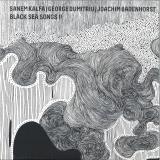
On this new album, the trio of Sanem Kalfa, George Dumitriu, and Joachim Badenhorst invites you on a poetic and sonic voyage. While their debut Black Sea Songs (2021) drew from traditional folk melodies, this work is a collection of original compositions and one improvisation, inspired by the rich cultures and emotions surrounding the Black Sea.
The music of this trio is elegant yet adventurous, blending jazz, improvisation, world traditions, and contemporary classical influences. Kalfa's distinctive voice and cello, Dumitriu's versatile viola and guitar, and Badenhorst's expressive clarinet and occasional vocals create a unique, dreamlike atmosphere. From the melancholic dance of "Denizi Özleyenler ?çin" (inspired by Orhan Veli Kan?k) to the hypnotic rhythms of "Intermezzo" and the narrative depth of "Fisherman" and "Black", each track breathes the freedom, longing, and interconnectedness that the Black Sea symbolizes.
This album is not just a collection of songs but a living story of travel, encounter, and belonging-whether evoking the ports of Istanbul, the shores of Bulgaria, or the emotional landscapes that connect us all. Black Sea Songs is a celebration of spontaneity, familiarity, and the universal language of music.
Haga su pedido ahora y le encargaremos el artículo en nuestro proveedor.
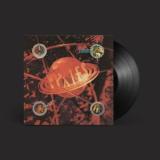
Diese Neuauflagen enthalten neu remastertes Audiomaterial: Toningenieur Kevin Vanbergen hat sich erneut die ursprünglichen analogen Bänder der Band vorgenommen, um atemberaubende neue Master zu erstellen, die auf spannende Art und Weise weitere Facetten dieser absoluten Klassiker der Musikgeschichte offenbaren. "Bossanova" ist das dritte Album der Pixies. Die Band arbeitete weiterhin mit Gil Norton zusammen, nachdem die Zusammenarbeit an ihrem mit Platin ausgezeichneten zweiten Album "Doolittle" so erfolgreich verlaufen war. Als ihr drittes Album in ebenso vielen Jahren war das Jahr 1990 eine besonders fruchtbare Zeit für die Band, da Kim Deal auch mit The Breeders Erfolg hatte, die ihr Debütalbum "Pod" nur wenige Monate zuvor veröffentlicht hatten. Mit den Singles "Allison" (eine Hommage an den Jazz- und Blues-Pianisten Mose Allison), "Dig For Fire" und "Velouria" sowie dem ersten Cover-Song auf einem ihrer Alben, "Cecilia Ann" (im Original von The Surftones), zeigte "Bossanova" eine weniger ursprüngliche Seite der Band, wobei Surf- und Space-Rock in den Vordergrund traten. Textlich ist Black Francis noch rätselhafter, mit einem wiederkehrenden Science-Fiction-Thema, das sich durch das gesamte Album zieht und wiederum Vaughan Olivers klassisches Planetendesign für das Cover beeinflusste.
debe ser publicado en 11.09.2026

Australian black metal force, Faustian, have been referred to as a super group of the Antipodean extreme metal scene; the members of this formidable three-piece having set their demons loose with the likes of Werewolves, The Berzerker, The Amenta, The Antichrist Imperium, Psycroptic, Abramelin and more. However, when confronted with the atmospheric, majestic inferno that is the sound of Faustian, whatever else its creators may have achieved is inconsequential - nothing else matters beyond experiencing the firestorm they unleash in this particular incarnation to its fullest enticing, exhilarating, unnerving extent. With a new deal signed with Apocalyptic Witchcraft, the band are now prepared to unveil their latest collection of unholy hymns. Following in the scorched earth wake of 2023s We Come As Angels, Faustian present Parable Of The Sewer_ From the first, breathless assault of 'I Curse You', with its storm torn atmosphere, dramatic darkness and furious speed, to the warped denouement of 'The Rot Shall Inherit The Earth', a sickly melodious foretelling of putrefaction and degradation, Parable Of The Sewer careers through fear-filled twilight and tenebrous realms of profane secrets. A combination of powerfully evocative lyrics and soul scarring music creates an unequivocal, yet irresistible invitation to damnation. From the indefatigable velocity of the wicked 'Cephalophore' to the precision guitar patterns and chanted revelations of 'Immaculate', the cruel, haunting and surely damned 'We Do Not Use Names Here' to the cold menace of 'Tenements (Only The Wicked Walk In Circles), steeped in the sweat and stench of terror, every moment of Parable Of The Sewer is a masterful expression of black metal art. Sinister and insidious, overwhelming and darkly glorious, walking the edge of a sacrificial blade between repulsion and temptation, Parable Of The Sewer is music at its most potent and dangerous.
debe ser publicado en 24.07.2026

Joseph Tholl is widely known as a Swedish multi-instrumentalist, singer and songwriter. He gained international recognition as a founding member and guitarist for the speed metal band Enforcer (officially leaving in 2019). Following his time with Enforcer, he formed Black Trip (later Vojd) and is currently playing guitar for Tribulation. Following 2019’s »Devil’s Drum«, »It Might Be Art« is his second solo album (and the second for High Roller Records). It was recorded and mixed at Humbucker Studio, which he co-owns with Robert Pehrsson (who’s also on High Roller Records). On »It Might Be Art« Joseph Tholl is singing, playing guitar and most of the bass, he also handles piano and synthesizer parts. Robert Eriksson (The Hellacopters) and Jakob Ljungberg (Second Sun) share drum duties on this album. Besides that, there’s a few guest appearances by musicians such as Johannes Andersson (Tribulation), Tobias Lindkvist (Tyrann), Pia Stjärnvind (Serpent Omega), Adam Zaars (Tribulation) and Robert Pehrsson (Dundertåget, Robert Pehrsson’s Humbucker). Joseph Tholl thinks that despite its broad variety »It Might Be Art« is still suitable for heavy metal fans: “I couldn’t see why not. I mean it’s not heavy metal. But I hope people will like it for what it is, a very honest and well-crafted melodic rock album.” “»It Might Be Art« is both darker and brighter than »Devil’s Drum«,” compares the Swede both his solo albums. “Musically it probably sounds a little brighter and poppy overall. But then there’s songs like ”I’m In A Darkness” or ‘The Burial’, which are very dark.” At times, influences of Sisters Of Mercy, The Cure, New Model Army and Midnight Oil can be detected on »It Might Be Art«, leading Joseph Tholl to ponder: “It’s incredibly hard to name a few bands as influences, there’s just too many. Besides those bands you mentioned, there’s a mix of grunge, heavy metal, Swedish pop/rock, AOR etc., that I mold into my own kind of rock n roll.”
debe ser publicado en 17.07.2026

Mexico’s Phantom bring raw, unrelenting energy to speed and thrash metal, and their 2022 “Hellspeed Death” demo is now hitting a wider audience with a High Roller Records re-release, complete with two bonus tracks. “Hellspeed Death” remains a true demo in spirit: raw drums, gritty vocals and guitars that cut with sharp precision. The songs are steeped in old-school influences — early Slayer, Venom, Tank, Motörhead and Voivod — but still full of the band’s own ferocious personality. Tracks like ‘Payback,’ ‘Reaper’s Bane,’ and ‘Death Crusade’ race forward with galloping, punk-tinged thrash energy, while ‘Onslaught’ and ‘Speedhammer’ deliver blackened, high-velocity assaults that leave no room for compromise. Phantom write what matches the mood of the music: fast, loud, and aggressive themes like war, revenge, horror, and dark chaos, aiming to leave a mark and revitalize the underground. At this stage, the band had already experienced moments that hinted at bigger things to come. Thus, the new edition of “Hellspeed Death” showcases a fledgling band full of energy, attitude, and DIY ethos. Their mission has been clear from the outset: to push their music as far as it can go, play relentlessly, and prepare for a debut album (“Handed to Execution”, 2023) that eventually turned quite a few heads.
debe ser publicado en 17.07.2026

Ever since the late 1950s bossa-nova revolution, Brazil’s influence on French music has been undeniable. Pierre Barouh, Georges Moustaki and a vast array of lesser known artists, all made the Musica Popular Brasileira (MPB) an axis of promotion at the service of a cool and metaphysical, modern and mixed Brazilian lifestyle. Some were seduced by the poetic languors of the bossa, some were looking for fun, and others just loved the American hybridization of jazz-bossa, jazz-samba.
What is bossa nova? One of its creators, Joao Gilberto said: "Its style, cadence, everything is samba. At the very start, we didn't call it bossa nova, we sang a little samba made up of a single note - Samba de uma nota so .... The discussion around the origins of bossa nova is therefore useless”. It is nevertheless useful to remember that these magnificent Brazilian songs, which the guitarist describes as samba, were shifted and balanced around improbable chords. "I like things that lean, the in-betweens that limp with grace," said Pierre Barrouh, quoting Jean Cocteau.
With emotion, arrangements for violin and supple guitar licks, bossa nova rapidly changed. A transformation that can be heard in the Tchic, tchic, French Bossa Nova 1963-1974 compilation, the result of a cultural reappropriation, which traveled through the United States and supplemented itself in France.
A musical revolution that has remained significant, bossa nova was born in Rio. From 1956 to 1961, Brazil lived through its golden years. In five years, the country had invented its modernist style. Elected president in 1956, Juscelino Kubitschek de Oliveira, an elegant man with a broad forehead, brandished a promising slogan: "Fifty years of progress in five years". He quickly got to work. Not worried about increasing debt, he launched the project for a new federal capital, Brasilia, designed by the communist architect Oscar Niemeyer. Volkswagen opened state-of-the-art factories and created the “fusquinha”, the Beetle. In Rio, the Vespa made its first appearance. The Arpoador Surf Club crew run into the “girl” from Ipanema, Helô Pinheiro - the tanned garota ("chick"), between a flower and mermaid, who at 17 walked by the Veloso bar, where the fiery author and composer, Tom Jobim and Vinicius de Moraes, were getting drunk on whiskey. From then on, bossa symbolized cool.
In 1958, Joao Gilberto recorded Chega de Saudade, which the directors of Philips denied, calling it "music for fagots". The marketing director, who believed in it, secretly pressed 3000 78-inch vinyls and distributed them at schools around Rio, creating a tidal wave.
American jazzmen then took over. In particular, trumpeter Dizzy Gillespie and guitarist Charlie Byrd. In November 1962, the Brazilian Ministry of Foreign Affairs funded a "Bossa-Nova" concert at Carnegie Hall in New York, inviting the genre’s pioneers. Unprepared, the show soon turned to disaster. But the troupe was invited to the White House by Jackie Kennedy. The first lady loved "the new beat" and in particular Maria Ninguem, a song by Carlos Lyra, later covered by Brigitte Bardot.
In Brazil, the 1964 military coup quickly ended this euphoria. The destructive atmosphere that ensued pushed many Brazilian musicians to leave, if not to exile. Thus, Tom Jobim, Sergio Mendes and Joao Gilberto arrived to the United States. In New York, Joao Gilberto met saxophonist Stan Getz. At the time, he was married to the Bahianese Astrud Weinert Gilberto, who had a German father. She had never sung before, but she knew how to speak English. Getz therefore asked her to replace her husband on The Girl From Ipanema. The Getz/Gilberto record with Tom Jobim on piano, was released in March 1964. Phil Ramone, the "pope of pop" was in charge of sound.
Bossa nova arrived in Paris through the classic “guitar-voice” channel (Pierre Barouh, Baden Powell, Moustaki…) But France loved jazz and Paris had already welcomed its American contributors. All these good people were to pass through Saint-Germain-des-Prés. The cabaret l'Escale became the Mecca of Latin American sound where one could find Pierre Barrouh and his friends, such as the Camara Trio, samba-jazz aces, whose only record was published by the Saravah label. With a band strangely called Les Masques (a band that included Nicole Croisille and Pierre Vassiliu, among others), the Camara Trio recorded an interesting Brazilian Sound, including the track Il faut tenir which is present on this tasty compilation of rarities.
Other enlightened musicians can also be found on the compilation, such as Jean-Pierre Sabar (songwriter for Hardy, Auffray, Leforestier ...) and the French pop rock organist Balthazar. In 1975, Sabar recorded Aurinkoinen Musiikkimatka on a Finnish label, which featured the crazy Vai, Vai, included on this record. We are now following the footsteps of Brazilian electronic musicians such as Sergio Mendes, Eumir Deodato or Marcos Valle who created funk and disco sounds on their keyboards and synthesizers. A style that influenced Véronique Sanson when she wrote Jusqu’à la Tombée de la nuit in 1969 for Isabelle de Funès, the niece of Louis and a great friend of Michel Berger - Sanson did end up singing this track on her 1992 Sans Regret record.
The pinnacle of exoticism and travel, Sylvia Fels’ Corto Maltese includes bongos, sea mist and ocean sounds. The title was taken from Jacky Chalard’s concept album written in 1974, Je suis vivant, mais j’ai peur (I am alive, but I am scared), based on Gilbert Deflez’s science fiction novel.
However, bossa nova extended the scope of popularity. "In the 1970s, I was a fan of Sergio Mendes, Getz / Gilberto. I fell in love with this music that I knew because I had been an orchestral singer, " explained Isabelle Aubret, who in 1971 delivered a composite record of covers by the very funky Jorge Ben, Orfeu Negro, Tom Jobim, Vinicius de Morais and Jean Ferrat. "I recorded this album for Meys Records in Paris, far from Brazil, with wonderful musicians, François Raubert, Roland Vincent, Alain Goraguer...". The latter wrote the arrangements for Casa Forte, a very percussive title borrowed from Edu Lobo, one of the initiators of the bossa who spent time in California. "Jazz and bossa came together and produced very rhythmic music. I love singing, it allows me to dream, to have fun, to feel a high on stage, and these songs brought me joy, made me swing, my singing felt like a dance.”
The world tours of French singers and their desire for the tropics, often brought them to Rio with its hills, forests, caipirinhas and tanned bodies. There are surprises though, like this Iemenja (Iemenja is the goddess of the sea in the Afro-Brazilian candomblé religion). Not unlike the composer and musician Jean-Pierre Lang, based in Sao Paulo, Claire Chevalier taught Brazil to Brazil. In 1970, the singer and painter published a 45-inch vinyl, Mon mari et mes amants (My husband and my lovers), under the improbable pseudonym of Clarinha (little Claire). She was then living in Rio, with her husband, Joël Leibovitz, who founded a band called Azimuth, and who owned a record label specialized in "sambas enredos" songs for samba school parades.
For its B side, she asked Pierre Perret to come up with lyrics for a song composed by Carlos Imperial: "Oh goddess of the sea, o goddess Iemenja, I bring a white rose to adorn your long hair ..." . "Perret came to see us, and we had fun, remembers Joël Leibovitz. We wrote Lemenja for fun, we recorded it at the Havaí studio, behind the Central do Brasil the central station. Erlon Chaves, the arranger who worked with Elis Regina, joined us" adding his share of Afro-Brazilian percussions and funky brass to the mix.
There is a common misunderstanding in Franco-Brazilian history: that bossa, admittedly hedonistic, is perceived as funny, even though the poets who wrote the texts are often philosophizing on the human condition. Its French interpreters pull it towards a carnival inspired universe, far removed from its fundamental essence. Thus, Jean Constantin covered the famous Samba da minha terra, an ode to the art of samba written by the classic Bahian composer Dorival Caymmi, renaming it with the enticing title of Pas tant de tchi tchi pompon: "On your pier there is no tchi tchi / when you arch your back, you know everything is alright ”(lyrics by Gérard Calvi). This expedited bossa aims for the absurd, but retains a certain elegance.
Indeed, Jean Constantin was not an idiot, the rather large man had a huge mustache and liked fantasy, (Les pantoufles à papa, Le pacha, inspired by cha-cha-cha-cha, salsa and jazz) but he was also the lyricist of Mon manège à moi interpreted by Edith Piaf, the composer of Mon Truc en plume by Zizi Jeanmaire and the soundtrack of François Truffaut’s 400 Blows. Le Poulpe, published in 1970, from which this bossa is extract, was arranged by Jean-Claude Vannier, an accomplice of Serge Gainsbourg’s Melody Nelson. In short: "There is enough of samba / By looking at the parasol / Because my poor cabeza / Is going to die in the sun".
Even the American actress Marpessa Down, who was at the heart of the bossa nova revolution with her role as Euridyce in Marcel Camus’ film Orfeu Negro, winner of the 1959 Cannes Palme d'or, fed the clichée with Je voudrais parler au petit cuica - "Tell me how you manage to always make people want to dance / It's true, I must admit that I cannot resist your magic" - in consequence, once can hear the cuica, a little drum inherited from the Bantu.
But bossa nova had many angles. Societal, of course, pushing actresses who were symbols of women's liberation like Brigitte Bardot, Jeanne Moreau, or Sophia Loren to engage in the exercise of accelerated bossa. In February of 1963, Sophia Loren made a record in French in Rome, Je ne t'aime plus, featuring the song De jour en jour, a bossa written by two Italians, Armando Trovajoli and Tino Fornai, which was released a little later by Barclay. Bossa accompanied the 1960s, a decade of moral liberation. Ann Sorel, who interpreted La Poupée des favellas, caused a sensation with L’amour à plusieurs, a provocative song written by Frédéric Bottom and Jean-Claude Vannier. As for the actress Andrea Parisy, she displayed her bourgeois cheekiness in Marcel Carné's Les Tricheurs before interpreting Les mains qui font du bien. And Magalie Noël, the friend of Boris Vian, who sung Johnny fais-moi mal, was hired to sing Une énorme Samba, composed by Alain Goraguer (arranger to Gainsbourg, Bobby Lapointe and Jean Ferrat) with lyrics by Frédéric Botton.
But in the end, of what wood is bossa nova made of? The answer is given by Christianne Legrand, daughter of Raymond the conductor, and sister to Michel the composer: "With me, with jà" - jà means "immediately" in Portuguese. In 1972, the singer, an expert in vocal jazz and a member of the Double Six, published Le Brésil de Christianne Legrand. Two songs included on the Tchic Tchic compilation that demonstrate how bossa, jazz, funk, rock, etc. work like a swiss army knife: the music is used to denounce broken systems, or miracles, HLM et ciné roman, Cent mille poissons dans ton filet, two songs from the O Cafona soundtrack, a successful telenovela broadcast, at the time in black and white, on TV Globo. The first was adapted in French by the fighter and friend of the Legrand tribe, Agnès Varda. The second is content with a play on words, jostling them into a summer fun.
Véronique Mortaigne
Haga su pedido ahora y le encargaremos el artículo en nuestro proveedor.

Red vinyl[27,52 €]
Faellesskab reveals their most critical and emotionally charged work to date, a deeply personal voyage into the heart of Nordic black metal, where raw emotion and melodic depth keep reveling in sorrow and longing beauty. Translating to "Community", Faellesskab's six tracks weave a strong musical oeuvre within the Afsky canon; their walls of haunting melancholia, interwoven with vital intensity, have never been more powerful. Yet, this new work also sees the band at its sharpest in social criticism, as Ole Luk of Afsky notes: Faellesskab - Overture to the Downfall. Here, community is praised like herd animals fleeing responsibility.
A parade of moral superiority, where truth is trampled in the name of consensus. Where unity means silence, and doubt is a crime. Six songs of shame disguised as care, of freedom suffocated, and of the solitary few who still dare to question. A chorus of hollow words, where silence screams the loudest. Welcome to the celebration - the curtain hasn't just risen, it's been torn away! Afsky will mark the release with a special show in Copenhagen on October 17, graced by a full European album release tour kicking off the following week. Two singles are set to be unveiled in the lead-up to the release. While Afsky continues to refine their signature sound, this release is set to be another landmark in the band's uncompromising discography.
debe ser publicado en 26.06.2026

LP 2x12"[39,08 €]
o black heavyweight LPs
o 39 tracks from the expansion to Monster Hunter: World
o Rigid board outer box
o Printed inner sleeves
The fearsome co-op team of Laced and Capcom have hunted down more rousing music from the Monster Hunter series.
Monster Hunter World: Iceborne was a significant expansion to the hit action role-playing game, introducing players to the icy environs of Hoarfrost Reach and pitting them against intimidating foes including Velkhana and Zinogre.
The sound team for Iceborne comprised Akihiko Narita, Akiyuki Morimoto, Zhenlan Kang, Yuko Komiyama (comymusic), and Tadayoshi Makino (SpinSolfa Co., Ltd.). In true series fashion, the composers used rip-roaring orchestral and percussive instrumentation to alternately rouse and soothe players; from the propulsive "Spark of Blue - Zinogre" to the homely, Celtic folk-inspired "Theme of Seliana".
This vinyl set features artwork by Capcom highlighting the game's key monsters, with tracks pressed to heavyweight vinyl.
All music has been specially mastered for vinyl by Joe Caithness.
debe ser publicado en 19.06.2026
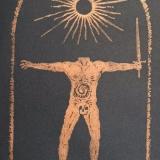
The Debut LP released by Cardinal Fuzz (UK) & Feeding Tube Records (USA). Presented in a hand stamped metallic copper ink (front and back) print on a black card sleeve with insert. Recorded during downtime but sounding anything but casual, Celestial Power emerged when Dead Sea Apes’ Brett Savage and Chris Hardman linked synaptic overload with Cardinal Fuzz’s own Dave Cambridge to form a three-headed amplifier cult. Heavy, raw, and deeply resonant, this is music that embraces volume, repetition, and the beauty of imperfection. What they’ve summoned is a sprawling liturgy of overdriven guitar mantras: brutal, blown-out, and gloriously repetitive. Imagine the Velvet Underground locked in a warehouse mainlining the kosmische pulse of some forgotten Krautrock commune while Bardo Pond’s ash-coated spirit hovers overhead, scattering embers into a storm of PSF-style amplifier abuse. Not so much songs as tectonic events. Not riffs, but rituals. This thing doesn’t purr it howls. You hear the room breathing. You hear amplifiers gasping as they’re pushed past mercy, past design, into some ecstatic mechanical breakdown. Every repetition drills deeper, pushing beyond the horizon line until time itself starts peeling back in sheets. And that’s the point. This is repetition as revelation. Volume as transcendence. Human hands wrestling raw electricity into shape, then losing control of it entirely. On “Mandate Of Heaven,” the circle widens with the arrival of Nik Rayne (The Myrrors), adding another dimension to the ritual, a desert prophet stepping into the feedback storm, pushing the album’s gravitational pull even further into the void. No compromise. No softening. No edges filed off. Just pure voltage, scorched earth repetition, and the kind of heavy psychedelic communion that feels less like listening and more like surviving. Step inside. Bring ear protection. Or don’t. 4 Tracks - 42 Minutes.
debe ser publicado en 19.06.2026

STINGRAY returns three years after Fortress Britain. Back with a new line up and an ever more savage sound, massive sounding on a 5 track 12” EP.
ENEMY is London on a plate. Stench-tinged hardcore punk born of the ever reaching infinity of Britain’s complex and confusing capital. Nihilistic acid burns in the style of NEUROOT, DEATH SIDE and DOOM, under a few minutes per piece, peppered with prosciutto-dipped VAN HALEN style solos Ala later WRETCHED or SHOTGUN SOLUTION. Vocal visitations by Ciara Savage bring frightening melodic elements into the occasional foray into truly irresistible mosh, not far from the barbed wire trailblazing of GASTUNK, SOD, and SACRILEGE before flying back into fast paced passages of “Scandinavian Jawbreaker” worthy velocity.
Recorded at Fuzzbrain by Jonah Falco. Mixed and mastered by Chris Corry at the Paincave. Draped in a Tin Savage sleeve, and released on the ever eternal home of musical suffering, La Vida Es Un Mus Discos.
debe ser publicado en 29.05.2026
