James ‘ReKab’ Baker is a highly regarded British producer who made some of the finest tech-soul, electro & ‘Artificial Intelligence’ style electronic music of recent years. James sadly passed away August 2025 and has been a great loss to the community, his productions on labels such as Distant Worlds, Fourier Transmission, Yore, We’re Going Deep, Moatun 7, Magnonic Signals and Analog Concept were much loved by fans of this music worldwide and all sold out upon release.
Previously, his first 4 albums had only ever been available digitally, initially issued on the Icelandic label Moatun7 and are currently only available on Bandcamp. Now, for the first time, in association with UK electronic label System One, all 4 albums will be issued on vinyl as full length albums, fully remastered by Justin Drake & the digital versions will be once available again on all DSPs worldwide.
The first reissue in the series is ‘Analogue Isolation’, to be released March 27th. Written & recorded in 2020 through the Covid lockdown period, the album is a masterclass in pure home listening electronica. Blissful, emotive and melodic with crisp drums, gently pulsing basslines, lush pads and exquisite melodies, Analogue Isolation heralded the arrival of a truly talented producer who enchanted fans of the genre over the coming years
Analogue Isolation will be a limited initial run of 250 copies through all stores worldwide March 27. A pre-release stream is available on Soundcloud here. The subsequent albums will be released throughout the remainder of 2026 & will be accompanied in December by a strictly limited hardcase for collectors to house all 4 albums. Meanwhile, all 4 albums will be available on DSPs worldwide from March 27.
Cerca:bliss signal
- A1: Ed Temple - Emmanuelle
- A2: Simple Symmetry - Queen Of Chinatown (Feat David Lerner)
- A3: Lipelis - Safeword
- A4: System Olympia - Signal Your Love
- B1: Paresse - People Are Still Having Sex
- B2: Guy Gerber & Desire - Can't Get You Out Of My Head
- B3: Jorja Chalmers - Principles Of Lust
- B4: Gareth Anton Averill & Sobrenadar - Paris
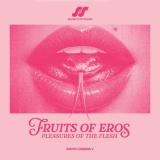
Secrets Of Sound slip into electronic erotica with this new and steamy compilation of after-hours disco and sexually charged sounds. Both originals and tasteful reinterpretations of classic tunes from Kylie Minogue, Amanda Lear, La Tour and Enigma feature on this most intimate collection. There is blissed out depth from Ed Temple, Italo melodic flair from Lipelis and sultry vocal allure on System Olympia's 'Signal Your Love.' Elsewhere, Jorja Chalmers casts you adrift on a new age Balearic life raft and Gareth Anton Averill & Sobrenadar closes with the shimmering 80s nostalgia of 'Paris.' Steamy indeed.
The KNOW was an early 80's electronic duo, comprised of brothers Garry and Neil Todd from Stoneydelph, Tamworth (near Birmingham), UK. After playing in a conventional rock group and having to deal with the issues of too many cooks spoiling the broth, they decided to stay a two piece while the affordability of synthesisers and drum machines came in handy to replace additional human band members – shall we say for the better in the end?!
Regarding the name, Neil says: “Garry and I came up with this name in relation to the saying, oh you know he’s in “The Know” you know.“ The KNOW released only two tracks “Times Change“ and “Knights of Pleasure“ on a 7“ single in 1982, which is ultra rare now (only being sold once on Discogs for almost €300). Neil used Korg Micro Preset M-500, Moog Liberation, Roland Jupiter-8 synthesisers, and a Roland CR-8000 drum machine to create these two minimal synth pop anthems.
The original masters have been lost over the years, but the recordings have been carefully digitized from vinyl and meticulously restored and remastered and sound better than ever before. Additionally, five cover versions have been added by no less than minimal electronic synth pop heroes BLIPBLOP, doing both tracks, the THE SILICON SCIENTIST adding his dreamy synth pop melancholia signature sound, FLASHBACKS (aka Echo West, Silent Signals) with his icy cold yet playful minimal electronics, and TWINS NATALIA featuring KRIISTAL ANN delivering a rather faithful to the original yet up-to-date version while adding lots of new bits like a choir, vocoder, and one of Dave Hewson's unique synth solos.
All of this is pure and classy 80s electronic synth pop bliss!
On June 27, 2025, a long-dormant signal reactivates from Hamburg’s hidden places: Helena Hauff and F#X return as Black Sites with R4 on Tresor Records—their first full-length album and the first release under the moniker since 2014. Like a hieroglyphic recently discovered and translated, R4 feels more like a long-awaited resumption than a comeback.
Recorded to tape with minimal editing or post-production the record is a classic example of the symbiotic relationship that can come from the interaction of human and machine. This punk ethos isn’t invoked through distortion alone, but through method; in the album’s breaking from the received wisdom of hardness tethered to speed as most of the tougher pieces are lower BPM and vice versa (with one notable exception in the mind-melting stomp of BLOKK).
Across ten tracks, Black Sites traverse a landscape where genre dissolves into intention. It migrates through electro’s danceability, acid house’s corrosion, and into the liminal realm of machine funk—a genre coined by Andrew Weatherall, which sounds like the results of technology dreaming of soul where the emphasis is on live execution, on immediacy over perfection—a sound forged in the act of creating, not polishing.
In a 2013 interview, around the time of the first Black Sites EP, Hauff was quoted as saying that she wants “things to fit together properly, but on another level, I really want them to make sense together.” That principle animates R4: The album’s form reveals itself in time, with each movement echoing and amplifying the others to create a synergistic whole.
From the opening crawl of C4 (a name that like the music foreshadows the explosions to come) to the end-of-the-night bliss of MOTHERJAM via the intense peaks of BLOKK, 707, and classic acid track 3D it’s clear that R4 is a work made with serious intent; a refutation of a world where streaming has made the two-minute single the dominant musical form again. R4 demands immersion, not just attention. It is not a collection of tracks, but a singular, recursive experience: a mirror in which sound and listener repeatedly rediscover one another.
"Are You in Heaven?" was famously shouted by Roxy DJ Eddy de Clercq to the crowd at one of the very first legendary house parties in Amsterdam. This phrase not only symbolizes an iconic moment that captured the spirit of the era—it’s also the title of one of the three tracks featured here.
In 1991, inspired by the dance music craze that swept across Europe at the time, Arnoud Winkler and Jochem Peteri (who would later become the one-man supergroup Newworldaquarium) produced music that is equal parts euphoric, emotive, vital, and vibrant—youthful in spirit, naive yet clever. A European translation of a US-American art form, born from pure enthusiasm and concentrated passion for a culture that, to this day, continues to resonate universally.
Originally released on Lower East Side Records, the story told here is full of rave symbolism, after-party joy, and literal can-you-feel-it moments: rattling sub-bass, blissful pads, whispering voices, dub techniques, and subconscious peak-time signals.
Complemented by a new edit of Ulysses Horizon by Gerd Janson (alongside a revised version of the original), alongside Flowerdale Beach, and Are You in Heaven?, the music here hasn’t lost a single inch of its charm or allure. A taste of Dutch house deluxe.
Cocoon Recordings' next 12” vinyl comes from a well-known face. No introduction needed as nobody less than Gregor Tresher once again delivers a superb and surprising pair of tracks.
“Black Halo” is down-the-line and perhaps one of the catchiest tracks by Gregor Tresher.
The wobbling driving bassline builds up a rising tension that increases through the vast, detuned, and powerful string parts appearing to extend out to light years, reaching far beyond. Zaps drive the rhythm forward while rushing cymbals push the groove and weld everything together to absolute unity. For Gregor, techno and club culture have certain transcendental qualities, “Black Halo” is concerned with these sentiments and tells an ambivalent story. The onset of bliss oscillates between melancholy and hope, making it an exuberant roller coaster of emotions. A classic Gregor Tresher track, which perfectly represents Gregor’s signature sound!
“Phantom Dancer” literally pulls you onto the dance floor. Discharging beats, which hit you heavily but pleasant. The atmosphere violently evolves with a twisted noise-like signal sound and gets even more brute through the low-pitched filter vocals. An exceptionally deep techno production by Gregor Tresher, which will definitely come to full fruition in the clubs at peak time.
Bristol’s Remotif makes his highly-awaited debut on space•lab with his wormhole of a new EP, ‘Substation Fever’. Kicking things off on the A side, the title track enters the scene with spacious, organic drums, building in energy as we tunnel through its course; travelling from the cool, oxygenated air of a forest-scape into dazzling, far-reaching intergalactic realms.
Next up, ‘Substation Fever’ gets a dreamy reimagining courtesy of Leeds legend and space•lab regular, Adam Pits. Channelling the energy of Remotif’s original into a hazy, blissed-out cloudscape, this track was made for accompanying early morning sunrises where orange-hued dashes of light reflect off the surface of gently rippling water.
On the flip side, ‘Hi Tek Lo Life’, crackles with the fluctuating electrical impulses of a TV without signal or a radio between channels. Flecked with corroded vocal samples and billowing synthlines, this is a track that explores the inbetween - the moment when connection is almost lost, but not quite. There is a beauty in the roughened-edges of these partially obscured details.
The final track of the EP, ‘The Signal Prevails’ is perhaps an answer to its precursor. Opening out onto trip-hop-esque terrain, this track follows the path set out by a blurred-out, echoing vocal as it deftly works its way through narrow, winding pathways of powerful 90s-style breaks.
A much-loved DJ regularly making an appearance on space•lab’s lineups, we are delighted to now showcase Remotif’s skill in the studio with this mind-opening new EP.
Inner Zone’s latest project marks the launch of their brand new eponymous label - the first EP in what’s set to be a run of self-released work. Kicking things off in style, Neurolink arrives with supercharged energy thanks to sizzling breaks, wonky rave chords and blissed-out vocal samples. Next up, My Mind is a winding journey through signal-firing, synapse-stimulating percussion - this time the breaks are faster, more vortex-like. Fragmented vocals and a nostalgia-tinged melody combine to create the gloomy euphoria of the third track, Dark Night. The Final track, Crystal Cut, is spell-casting - a heady potion of ethereal chimes, paired with a delicate melody, guides us into a state of hypnosis. Inner Zone’s latest release offers a contemporary re-imagining of the much-loved sound of breaksy, rave-hued, 90s dance floors.
Repress
A cunningly scattered and frenzied EP marks Rune Bagge's return to Northern Electronics. First appearing in 2018 with his gripping album 'Pink Dreams,' and closely following his contribution to Scandinavian Swords IIII, 'Closure' tears through a vial of wistful timbres and acute blisses for 5 smouldering and hypnotic signals.
Morning Stone is Pacific nostalgia. Now based in Mohkintsis territory on the Eastern side of the Rocky Mountains, Benoit Guimond, under his moniker Angel Science, draws us into his early life in Vancouver. That coast is still home, and his conifer-covered memories have been shaped into the organic textures of this record. Waving filtrations, archival recordings, rewinding spins and ethereal pads signal a return to the stones, sand and organic beach drift of the Pacific Northwest. Environmental rhythm and free-flowing flourishes reveal a musician in the core of his memory, at the forefront of an ever-evolving sonic journey.
Guimond has rapidly become a standout figure in Canada’s underground dance scene, celebrated for his subtle grooves and esoteric soundscapes with releases on PHTM, Echolocations, PPRZ and more. While he’s often linked to techno, Morning Stone reveals a softer, slower side that pushes through any previously held genres he has been confined to. The euphoria of Madrugada, the deep and hypnotic energy that reverberates in tracks Cee Dub and Shale, alongside the ambient textures of Alborz, all come together to strike a specifically pacific balance between the blissful and the raw. It offers a refreshing growth and a hit of balearic beyond conventional techno, while retaining the depth and edge that encapsulate a signature style.
Elena Colombi approved material!
Tondiue “Yesssssss”
The Moon and the Melodies is a singular record within the Cocteau Twins" catalogue - unusually ethereal, even by their standards, and largely instrumental, guided by the free-form improvisations of Harold Budd, an ambient pioneer who had drifted into their orbit as if by divine intervention. Building on the atmospheric bliss of Victorialand, released earlier the same year, it signalled a possible future for the trio, yet it was a path they"d never take again. Now, almost forty years after it was fi rst released, it"s being reissued on vinyl for the first time - remastered, from the original tapes, by Robin Guthrie himself. Over the ensuing years, The Moon and the Melodies has attracted a passionate fan base. Its most atmospheric tracks routinely turn up in ambient DJ sets. "Sea, Swallow Me" is one of the Cocteau Twins" most streamed songs on Spotify, having found a new life on TikTok, where it serves as the soundtrack to innumerable expressions of hard-to-express melancholy. For such a low-key aff air, the album casts a long shadow - but Raymonde believes the record"s uniqueness stems directly from its humble, unpremeditated origins. "It captured a moment in time between friends that are enjoying making music together. Really, that"s the essence of it."
Mr Bongo proudly presents the debut album from Tasmania-born, Melbourne-based, Finn Rees. Gliding across a swirling palette of saturated hues, Dawn Is A Melody feels vintage yet vibrant, new but familiar at the same time. A spiritual, deep and textured jazz record, tipping its hat to greats from the past, capturing memories and reformulating them into new ideas with the help of some of Melbourne’s finest talent.
Expert keys player for the likes of 30/70 and Elle Shimada, alongside one-half of Close Counters, this debut LP was Finn’s conscious departure from the realm of groove-based jazz. Instead, Dawn Is A Melody places the piano and arrangements centre stage, giving Finn and his fellow Melbourne crew freedom to explore the spaces in between, new emotions and alternate soundscapes.
In Finn’s own words: “My intention with Dawn Is A Melody was to create a world; a microcosm of colour. Something rich and beautiful that allowed the melodies and compositions to reach their full potential. It was driven by hope, curiosity and the search for beauty and reassurance in this ever-changing world. The emotion behind the music is really about the journey of life, growing up and changing, as well as my relationship with Tasmania’s natural landscapes where I grew up, a part of the world that is incredibly unique and beautiful.”
The album arcs between opening, middle and end. Beginning with the optimism of ‘Looking Up’ and ‘Lagoon’, the former a celestial, string and harp marbled slice of positivity, the latter a spiritual journey of exuberance and hope, Finn’s fingers dancing across the ‘70s Yamaha grand piano. From there the songs blossom outwards with the cinematic soulful journey of ‘It’s Behind Me Now’ and Brazilian-inspired ‘Expansion’, as the divine ‘Crossing’ signals a transition to a new realm. The energy is transformed from the rich cosmic textures to a more intimate and personal feeling with ‘Ablaze’, ‘Between Spaces’ and ‘As It Passes’ which blissfully fades down to simply piano and strings to close out the record.
Recorded at Rolling Stock in Collingwood, Melbourne, Henry Jenkins was drafted in as recording and mix engineer, his minimal vintage mic setups giving a live aesthetic and warmth to the arrangements. Lucky Pereira and Blakely McLean Davies form the rock-solid rhythm section, with a hand-picked line-up of other Melbourne talent on display, including Cheryl Durongpitikul on tenor sax, Siwei Wong on harp, Audrey Powne on trumpet and Allysha Joy on vocals to name only a few.
Plotting a course from Alice Coltrane, through Herbie Hancock, to Arthur Verocai, this is a debut nourished by the past but firmly made in the present. A record unable to be age-stamped, casting ambiguity as to when, what era and by whom it has been crafted. Like a vintage lens capturing a current scene, Dawn Is A Melody is warm and familiar yet focused on the here now.
LOS ANGELES BASED PRODUCER MINION DEBUTS ON EVAR RECORDS WITH THE FOUR-TRACK EP 'NITE LYFE.' RELEASED ON AURA T-09 AND TRICKFINGER'S REVERED RECORD LABEL, 'NITE LYFE' MERGES HARDCORE, TECHNO AND GABBER WITH SOFT TEXTURES AND GOSSAMER SHEENS, EVOKING AN INTENSE, WAVEY TRIP. THIS ONE IS SUITED TO A CHURNING, POST-3 AM DANCEFLOOR, OR IN MINION'S OWN WORDS, "WARM SUMMER NIGHTS IN LOS ANGELES WAREHOUSES."
OPENER 'SAD B0I MASSIVE' BLENDS DISTORTED, GABBER-FLECKED DRUMS WITH CRUNCHY SNARES, WHILE A HAZY, DAFT PUNK-ESQUE SYNTHLINE CONJURES A DREAMY VIBE. THIS SIGNATURE MINION MOVE CONVEYS HIS KNACK FOR SERVING UP HARSH YET ROMANTIC ATMOSPHERES, PAIRING TWO OPPOSITE MOODS THAT MELT INTO ONE ANOTHER LIKE ACETONE AND WATER.
ON 'MAGNETAR', WE'RE CAUGHT UP IN THE THUNDERDOME CIRCA 1990, BUT JUST FOR A MOMENT. WHILE RUBBERY KICK DRUMS AND WHOOSHING HOOVER SOUNDS SHAPE THE TRACK, MINION COMBINES THESE OLD-SKOOL ELEMENTS WITH A MORE MODERN QUIRK, PRODUCING A TWINKLING MELODY THAT AROUSES EMOTION AND EUPHORIA.
THE PENULTIMATE TRACK 'GREY GOO' IS THE TOUGHEST OF THE FOURSOME. BUILT WITH OFF-KILTER, GRAINY KICKDRUMS AND CINEMATIC PADS THAT SLINK BETWEEN RUSTY BEATS, IT BRIDGES HARDCORE MOTIFS WITH DELICATE SHADES OF GREY, MINION-STYLE.
FINAL TRACK 'SATURDAY NIGHT IN A PARALLEL UNIVERSE' DISPLAYS MINION'S VERSATILITY AS A PRODUCER. DELVING INTO A POTENT PALETTE OF ELECTRO, BREAKBEAT, TECHNO AND 2-STEP, HE WELDS RAPID-FIRE CLAPS, FIZZING HI-HATS AND A HEARTFELT MELODY, WEAVING THROUGH BLEEPS AND A CHUNKY BASSLINE—A SIGNAL TO END A LONG TRIP, SOMEWHERE IN A PARALLEL UNIVERSE.
ALTHOUGH MINION PRODUCED THE TRACKS FOUR YEARS AGO, 'NITE LYFE' STANDS THE TEST OF TIME AND DOESN'T FOLLOW ANY ONE TREND OR GENRE. INSTEAD, IT'S AN ALCHEMY OF SONIC PATTERNS AND CONTRASTING COLOURS, NODDING TO MINION'S PUNK, HARDCORE AND EXPERIMENTAL INFLUENCES THAT CULTIVATED ODDBALL ELECTRONIC MUSIC IN THE 80S. THE AFTERGLOW OF THESE SOUNDS CULMINATES IN AN EP THAT RIPPLES WITH INTRIGUING HOOKS, CORROSIVE QUALITIES AND STRANGELY BLISSFUL MELODIES. IT REFLECTS THE EXPANSIVE ETHOS OF EVAR DOWN TO THE FINAL BAR.
- A1: I Wanna Dance With Somebody (Who Loves Me) (Who Loves Me)
- A2: Just The Lonely Talking Again
- A3: Love Will Save The Day
- A4: Didn't We Almost Have It All
- A5: So Emotional
- B1: Where You Are
- B2: Love Is A Contact Sport
- B3: You're Still My Man
- B4: For The Love Of You
- B5: Where Do Broken Hearts Go
- B6: I Know Him So Well
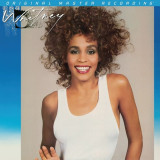
Whitney did more than turn Whitney Houston into a pioneering sensation known around the world by her first name. Originally released in June 1987, the singer's blockbuster sophomore record became the first album by a female artist to debut at No. 1 on the Billboard 200 chart — a position it claimed for a total of 11 weeks en route to selling more than 10 million copies in the U.S. The Diamond platinum effort also contains four No. 1 Hot 100 hits that, when combined with the three chart toppers from her 1985 debut, gave her seven consecutive No. 1 singles — an accomplishment that no other artist has accomplished. Commercially and creatively, Whitney stands on hallowed ground — especially now that the record plays with a sound that puts into perspective just how extraordinary, engaging, and vital Houston's music remains.
Mastered from the original master tapes and pressed on MoFi SuperVinyl at RTI, Mobile Fidelity's 180g 33RPM SuperVinyl LP of Whitney invites listeners to experience the Rock & Roll Hall of Fame inductee's pivotal album in audiophile quality for the very first time. Free of the dynamic limitations and tonal flatness prevalent on prior vinyl and CD pressings, it lets the music breathe and reveals the copious detail, nuance, and texture within the immaculately produced songs. MoFi's SuperVinyl profile offers further advantages in the forms of a nearly inaudible noise floor, dead-quiet surfaces, and superb groove definition.
In addition to featuring extreme clarity and immediacy, this numbered-edition reissue does wonders for the attribute that inspired more than 20 million people around the globe to add Whitney to their record collections: that inimitable voice. Houston's trademark mezzo-soprano — an acrobatic instrument equally capable of taking off on fantastic flights and unwinding for hushed meditations — benefits from the fantastic airiness and transparency afforded by this meticulously restored edition. Whitney has never sounded or looked better. The crossover landmark deserves nothing less.
Issued just two years after Houston's breakthrough debut, Whitney immediately signalled the genre-defying singer's intent to continue to push ahead and expand her palette. Shot by photographer Richard Avedon, the album cover depicts an iconic image of Houston — captured with a gleaming smile, bright eyes, teased-out afro, toned arms, and a right hand that appears to wave a friendly hello — whose active, athletic profile stands in contrast to the extremely formal sit-down shot of her that graces her '85 record. The change is telling: Whitney overflows with unfettered joy, rhythmic vibes, and deep-seated emotions that forever endeared her to the hearts and minds of countless listeners — and which set the standard for the wave after wave of divas that followed in her footsteps.
It's no coincidence that the first track on Whitney is the declarative "I Wanna Dance with Somebody (Who Loves Me)." Like Michael Jackson's "Billie Jean" and Madonna's "Material Girl," the feel-good smash is one of the quintessential '80s gems — a lithe, melodic, celebratory release of pent-up energy and loneliness that glides across club floors, shouts to the rooftops, and shrugs off any concerns about vulnerability or embarrassment. Houston's swooping voice moves in sync with the sleek beats and dipping-and-diving synths. She practically takes her fellow musicians by their hand and leads them in a blissful dance that nobody would dare sidestep. Focusing on Houston's singing — a task made challenging only because of the impossible-to-ignore hooks and grooves — showcases the virtuosic facets of not only her register but her control, discipline, smoothness, and warmth.
That she replicates those feats for the entirety of the nearly 53-minute-long album makes Whitney that much more special. Houston reaches back and channels her childhood gospel training on the R&B-flared "So Emotional"; effortlessly slips into Quiet Storm mode on the duet with her mother, gospel great Cissy Houston, on "I Know Him So Well"; flirts with smooth jazz and collaborates with tenor saxophonist Kenny G on the lush "Just the Lonely Talking Again"; conjures dreamscapes and shadow-boxes with supple funk on a romantic cover of the Isley Brothers' "For the Love of You"; and, for the majestic power ballad "Didn't We Almost Have It All," displays the sky-scraping reach of her vocals amid a grand arrangement made even bigger by Houston's sweeping performance and triumphant finish.
Houston's once-in-a-generation talents weren't lost on the adoring public, radio deejays, or industry experts. In addition to harbouring four No. 1 hits and receiving nominations for four Grammy Awards, Whitney generated another Top 10 success in the guise of the Afro-Cuban-leaning "Love Will Save the Day." The album also netted Houston four American Music Awards; two Billboard Music Awards; back-to-back People's Choice Awards; a Soul Train Award; and various other accolades. It all makes the crux of the Washington Post's July '87 review of the album appear prophetic: "Her voice sounds stronger still and the songs are varied but so consistent she could garner 10 Top 10s out of a field of 11."
That claim still holds true. A brilliant fusion of pop, R&B, smooth jazz, and soul, Whitney is a showstopper – and one of the key reasons Houston is the most-awarded female artist of all time.
Sacramento, CA duo Blank Gloss’s third album, Cornered, is an exquisite statement of pop ambient starkness, an album that oscillates between lush beauty and spare melancholy. It follows from their 2021 debut for Kompakt, Melt, an album that saw Morgan Fox (piano, synths) and Patrick Hills (guitar) aligned, loosely, with the cosmic pastorale of the ‘ambient Americana’ movement. Cornered feels like a significant step forward, though – by peeling back the layers of their music, they’ve revealed both its restful core and its solemn gravitas. It is unendingly lovely, but with something disquieting at its centre.
Cornered was recorded quickly, over two days in December 2020. There’s nothing rushed or haphazard about the album, though; everything has its place, with each sonic element contributing profoundly to these nine miniature dioramas. It signals change, quietly but perceptibly, through the way the duo sculpts their material, building out of loose improvisations that morphed into songs. While there was no plan in mind when Blank Gloss settled into the studio, Fox recalls that “right away we realised that things were sounding and feeling a bit different than any of the sessions we had previously.”
That difference can be heard in the increased amount of space Blank Gloss gift to their sound sources. Some of the most moving moments on Cornered come when Fox and Hills strip everything back – see, for example, “Crossing”, which sets pensive piano across a shyly humming drone and quiet arcs of guitar, recalling the driftworks of Roger Eno. Curiously, the album’s distinctive shape and mood develops, at least in part, from a change in instrumentation, with Hills using a MIDI pick-up on his guitar. “This resulted in making things happen a lot quicker,” Fox says. “It also helped create what I think is a bit more sombre, dark feeling to some of the songs.”
Elsewhere, on songs like “Salt”, the piano tussles with flecks of guitar, single tones sent out to mingle with the stars, like Morricone at 16 RPM, while Cornered’s centrepiece, the eleven-minute “No Appetite”, lets long arcs of electronic texture breathe and sigh, tangling together in a cat’s cradle of bliss. Throughout, it feels as though the music is blossoming as you hear it, like watching time-lapse footage of flora in bloom. But perhaps the most seductive thing about Cornered is the sense you get, listening, that the music was something unexpected, a visitation. “It almost felt like we weren’t dictating where the music went and how it sounded,” Fox agrees. “We were just there in a room together in December and these sounds were happening, and we were lucky enough to be recording the process.”
Cornered, das dritte Album des kalifornischen Duos Blank Gloss aus Sacramento, ist ein exquisites Statement von pop ambienter Krassheit, ein Album, das zwischen üppiger Schönheit und sparsamer Melancholie oszilliert. Es folgt ihrem 2021er Debüt für Kompakt, Melt, einem Album, auf dem sich Morgan Fox (Klavier, Synthesizer) und Patrick Hills (Gitarre) locker an der kosmischen Pastorale der „Ambient Americana“-Bewegung ausrichteten. Cornered fühlt sich jedoch wie ein bedeutender Schritt nach vorne an – indem sie die Schichten ihrer Musik abschälen, haben sie sowohl ihren ruhigen Kern als auch ihre feierliche Schwere offenbart. Es ist unendlich schön, aber mit etwas Beunruhigendem in seiner Mitte.
Cornered wurde relativ schnell aufgenommen, über zwei Tage im Dezember 2020. Es klingt jedoch nichts überstürzt oder willkürlich an diesem Album; alles hat seinen Platz, wobei jedes Klangelement einen wesentlichen Beitrag zu diesen neun Miniaturdioramen leistet. Es signalisiert Veränderung, leise, aber wahrnehmbar, durch die Art und Weise, wie das Duo sein Material formt und aus losen Improvisationen aufbaut, die sich in Songs verwandeln. Als Blank Gloss sich im Studio niederließen, gab es zwar keinen Plan, aber Fox erinnert sich: „Uns war sofort klar, dass sich die Dinge etwas anders anhörten und anfühlten als bei allen vorherigen Sessions.“
Dieser Unterschied ist in der größeren Menge an Raum zu hören, die Blank Gloss ihren Klangquellen bietet. Einige der bewegendsten Momente auf Cornered kommen, wenn Fox und Hills alles zurücknehmen – siehe zum Beispiel „Crossing“, wo ein nachdenkliches Klavier über einen schüchtern summenden Drone und leise Gitarrenloops setzt und an die Driftworks von Roger Eno erinnert. Seltsamerweise entwickelt sich die unverwechselbare Form und Stimmung des Albums zumindest teilweise aus einer Änderung der Instrumentierung, bei der Hills einen MIDI-Tonabnehmer an seiner Gitarre verwendet. „Dies führte dazu, dass die Dinge viel schneller abliefen“, sagt Fox. „Es hat auch dazu beigetragen, einigen der Songs ein etwas düstereres, dunkleres Gefühl zu verleihen.“ An anderer Stelle, bei Songs wie „Salt“, spielt das Klavier mit Gitarrenfetzen, einzelne Töne werden ausgesandt, um sich mit den Sternen zu vermischen, wie Morricone bei 16 U/min, während Cornereds Herzstück, das elfminütige „No Appetite“, lange Bögen schlägt, elektronische Texturen atmet und seufzt, um sich in einem Katzenkörbchen der Glückseligkeit zu verheddern. Während des Hörens fühlt es sich an, als ob die Musik blüht, als würde man sich Zeitrafferaufnahmen von blühenden Pflanzen ansehen. Aber das Verführerischste an Cornered ist vielleicht das Gefühl, das man beim Zuhören bekommt, dass die Musik etwas Unerwartetes war, eine Heimsuchung. „Es fühlte sich fast so an, als hätten WIR nicht diktiert, wohin die Musik geht und wie sie klingt“, stimmt Fox zu. „Wir waren just im Dezember zusammen in einem Raum, als diese Geräusche passierten, und wir hatten das Glück, dass die Aufnahme mitlief.”
A luminary of anthemic and melodic-driven techno, Enrico Sangiuliano’s path to the upper echelon of dance music has been a rapid, yet authentic one. Taking us on his newest exploration into the world of sound design and story-telling, the Emilia-native unveils the first chapter in a series of opuses under his time-limited NINETOZERO record label. The highly-anticipated countdown of releases begins today with number 9; the 4-track “Silence” EP - out now across all streaming platforms.
The extended-player opens with the reserved ‘inner mix’ of “Silence”; a cinematic masterpiece that challenges the format and flow of techno cuts and instead, radiates a measured and reflective spirit. Bright, twinkling synthwork ebbs and flows between its crisp percussion and distorted bassline, creating a push and pull effect that allows each element its moment in the spotlight. The second offering, “Future Dust”, is teased with the sound of a ticking clock that morphs effortlessly into a strong percussive line, commanded by the raw hollow sensibilities of its kick. The distinct ticking returns to welcome in the break, bringing with it a hypercharged melodic sequence and pitch-bending rave stabs. The components soon flurry together in preparation for the monumental drop, which is succeeded by an unrelenting peak-time worthy drive to the finish.
“New Expression Of Love” is the next to play; a quirky cut with plenty of intrigue and unpredictable twists and turns. Laced with offbeat synth hits that ooze a nostalgic timbre, the tune’s intro airs a subtle swing groove. As it reaches its all-important core, we’re cloaked in an intoxicating melody that serves as pure rapture for the ears, and will no doubt satiate the modern audience’s craving for euphoric sequences. Entering the break, Enrico flares his experimental capabilities, providing us with a moment of break-beat bliss that’s fuelled by acid goodness. A ‘vocal mix’ of “Silence” rounds out the EP with the distinct mantra, ‘we live in silence’, whilst its modular ‘beeps’ signal a countdown clock in reference to the project’s embedded concept of time.
Championing music on a deeper conceptual level, Enrico’s NINETOZERO output is a reflection of his tenacious appetite for evolution and refinement. Producing with a level of finesse well beyond his years, his artistic vibrancy has ensured quick elevation to the top, all the while maintaining a sound that is discernibly his own. Now standing as one of the circuit’s most cherished visionaries, and with an unrivalled back catalogue of Beatport No.1’s to his name, the contemporary sound designer’s first and forthcoming bodies of work under the NINETOZERO umbrella are further proof of his impending rise to dance music royalty.
Sydney and Munich based duo Pinz & Pelz first met in Melbourne 2018 and have since gone on to release stellar projects exploring everything from deep chugging delights to blissed out breaks and house. Now the unique pairing make their debut on the Lobster Theremin affiliated 1Ø Pills Mate, delving further into the darker side of dance music.
Opening track ‘Now In The Ether’ sets the pace; as the duo's affiliation for rave combined with a shadowy backdrop of low-slung percussion make for a whirlwind of kinetic dance-floor energy. ‘Minotaur’ closely follows suit with another heavy dose of time-less techno. This time the track's interlude adds a new element entirely, as atmospherics flirt with electro before being transported front-left once again.
‘Superposition’ mixes powerful percussion with a blend of squelchy 303s and alien electronics, seemingly signalling to a far away galaxy, before ‘When We Are Entwined’ closes the curtain with a hypnotic heads-down banger with a psychoactive twist.
Following on from their 'Junction EP' at the tail end of last year, My Nu Leng return to provide a selection of rave-tinged cuts that further cement their status as one of the leaders in the bass music scene. Following a packed-out summer tour diary, the 'Alter EP' consolidates elements from the duo's previous releases and influences into five tracks of low-end damage. Harking back to the pair's underground roots with inspirations from Techno, House and Breakbeat, opener 'Spaced' sets the tone.
Featuring their classic bass growls amongst hardcore pad stabs, an acid-esque synth line and raucous interjections from legendary drum & bass MC GQ, this one's designed to make you move. Takura returns to Maraki on 'Echoes', lending his distinctive vocals over a lethal distorted bassline and uncompromising 2-step beat. 'City Lights' provides momentary respite, a scintillating arpeggio motif over blissful chords and an enchanting vocal hook. My Nu Leng team up with DRS on 'Sinking Sand'. The Mancunian host leads the charge into a warping climax, showcasing his penmanship through relentless triplet flow. 'Signal' closes off the EP in sombre fashion, atmospheric synths and lamenting strings building into an emotive vocal and reflective bassline.
There is a blink-and-you’ll-miss-it anecdote tucked into one of
the many fine documentaries about seminal 20th Century artist
Jean-Michel Basquiat regarding the habits of his studio practice.
As we watch inspiring footage of Basquiat darting from one
piece to the next with rapid-fire brush strokes, a friend or
gallerist in a voice over says that it was not unusual for
Basquiat to be working on several paintings in the same
moment as several radio stations and televisions played in the
background. Not much more time is spent on the anecdote but
it feels like a skeleton key into Basquiat’s endlessly alluring,
neoexpressionist work.
And while Bryan Devendorf’s solo curio ‘Royal Green’ doesn’t
possess the only-in-New York vibe of Basquiat’s work, there is
something shared in its many-channels-open style of creation.
Satellite signals, strange voices from lost television
documentaries and radio operas are all woven into its fabric -
like it’s using these endless tides of media and information to
unlock the subconscious. Even its covers - Bob Dylan,
Fleetwood Mac, The National (with a nice big wink), The
Beatles - are like stunning, albeit satanic takes on hymns, or
like American standards almost dragged into the underworld.
Like the best of Spacemen 3, Sparklehorse or massively
underrated San Fran band Skygreen Leopards - the music
makes you queasy in one movement and lulls you into
blissmode in the next. It’s the very edge of outsider pop
songwriting.
For all the amphitheaters and festival fields Devendorf has
played to over his career, ‘Royal Green’ almost feels like an unlearning and a newfound love of homemade/found/fractured
sounds - and how, if collaged just so, detritus can become
stunningly gorgeous and surreal. And not without hooks. Look
no further than ‘Frosty’, which could be Little Billy Corgan’s
decayed demo tape from just before the Smashing Pumpkins
appeared on the scene. And the unspooling, slightly unglued
dream-pop of ‘Breaking the River’ is as rapturous as it is
sinister. And that’s probably where Devendorf wants it.
There is a blink-and-you'll-miss-it anecdote tucked into one of the many fine documentaries about seminal 20th Century artist Jean-Michel Basquiat regarding the habits of his studio practice. As we watch inspiring footage of Basquiat darting from one piece to the next with rapid-fire brush strokes, a friend or gallerist in a voice over says that it was not unusual for Basquiat to be working on several paintings in the same moment as several radio stations and televisions played in the background. Not much more time is spent on the anecdote, but it feels like a skeleton key into Basquiat's endlessly alluring, neoexpressionist work. And while Bryan Devendorf's solo curio `Royal Green' doesn't possess the only-in-New York vibe of Basquiat's work, there is something shared in its many-channels-open style of creation. Satellite signals, strange voices from lost television documentaries and radio operas are all woven into its fabric _ like it's using these endless tides of media and information to unlock the subconscious. Even its covers _ Bob Dylan, Fleetwood Mac, The National (with a nice big wink), The Beatles _ are like stunning, albeit satanic takes on hymns, or like American standards almost dragged into the underworld. Like the best of Spacemen 3, Sparklehorse or massively underrated San Fran band Skygreen Leopards _ the music makes you queasy in one movement and lulls you into blissmode in the next. It's the very edge of outsider pop songwriting. For all the amphitheaters and festival fields Devendorf has played to over his career, `Royal Green' almost feels like an un-learning and a newfound love of homemade/found/fractured sounds _ and how, if collaged just so, detritus can become stunningly gorgeous and surreal. And not without hooks. Look no further than "Frosty" which could be Little Billy Corgan's decayed demo tape from just before the Smashing Pumpkins appeared on the scene. And the unspooling, slightly unglued dream-pop of "Breaking the River" is as rapturous as it is sinister. And that's probably where Devendorf wants it.