
- Rituals of Ignorance
- Swarms of the Mindless
- Elysium
- The Unborn God
- Thrones
- Fall of Faith
- Sun Hammer
- The Corinthian
- Despoiler
pre-order now26.06.2026
expected to be published on 26.06.2026
28,99 €
expected to be published on 26.06.2026

“So Help Me God is the long-awaited second album from Kelsey Lu, arriving June 12 2026 via Dirty Hit. Moving between shadow and release, the 10-track record follows her groundbreaking 2019 debut Blood and is co-produced by Lu, Jack Antonoff and Yves Rothman, mixed by Oli Jacobs, with contributions from Sampha, Kamasi Washington and Kim Gordon. Across the record, Lu blends distorted guitars, choral swells and dark electronic pulses into a sonic landscape that moves between devotional intensity and cinematic scale. So Help Me God expands Lu’s singular creative universe - where music, visual art and performance converge into one multidisciplinary project, marking the return of one of contemporary music’s most singular voices.”
expected to be published on 12.06.2026
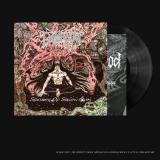
New vinyl colorways of Demigod's Slumber Of Sullen Eyes out in May 2026 The crown jewel of Finnish Death Metal, Slumber of Sullen Eyes by Demigod, reissued in a band-approved edition. Features a vinyl master from the original source by Noise for Fiction, comes in a gatefold sleeve with a booklet featuring a lengthy feature by Hippo Taatila and some visual memorabilia. Available on Svart exclusive Pink/Green/Black Marble edition, Transparent Red edition and Classic Black edition. Together with bands like Demilich, Abhorrence, Disgrace, Xysma and Sentenced, Demigod from the wastelands of Loimaa, southern Finland, put Finland on the map in the global death metal scene in the late 80's and early 90's. Having risen to underground fame with their demo Unholy Domain, Slumber of Sullen Eyes was a hugely expected debut album. When it was finally released in 1992 after a complicated creation process at Tico-Tico Studios in northern Finland, it was received with open arms and drooling excitement by the then very active underground death metal scene. That scene was, however, short lived,and by 1994 pretty much every band had switched from death metal to something else entirely. What was left after the bands had left the building was a number of classic albums that constitute the legacy of Finnish Death Metal. Among them, Slumber of Sullen Eyes is one of the most original and ferocious. There was nobody like Demigod.
expected to be published on 29.05.2026

New vinyl colorways of Demigod's Slumber Of Sullen Eyes out in May 2026 The crown jewel of Finnish Death Metal, Slumber of Sullen Eyes by Demigod, reissued in a band-approved edition. Features a vinyl master from the original source by Noise for Fiction, comes in a gatefold sleeve with a booklet featuring a lengthy feature by Hippo Taatila and some visual memorabilia. Available on Svart exclusive Pink/Green/Black Marble edition, Transparent Red edition and Classic Black edition. Together with bands like Demilich, Abhorrence, Disgrace, Xysma and Sentenced, Demigod from the wastelands of Loimaa, southern Finland, put Finland on the map in the global death metal scene in the late 80's and early 90's. Having risen to underground fame with their demo Unholy Domain, Slumber of Sullen Eyes was a hugely expected debut album. When it was finally released in 1992 after a complicated creation process at Tico-Tico Studios in northern Finland, it was received with open arms and drooling excitement by the then very active underground death metal scene. That scene was, however, short lived,and by 1994 pretty much every band had switched from death metal to something else entirely. What was left after the bands had left the building was a number of classic albums that constitute the legacy of Finnish Death Metal. Among them, Slumber of Sullen Eyes is one of the most original and ferocious. There was nobody like Demigod.
expected to be published on 29.05.2026
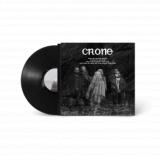
Irish drone-doom-folk act One Leg One Eye, the project of founding Lankum member Ian Lynch and veteran noise monger George Brennan, announce their new album, CRONE, out on 1 May on AD 93.
Today the group share the first track on the album, ‘Many are my Names Besides’, on which they are joined by the elemental force that is legendary actor, performer, writer and director Olwen Fouéré (Operating Theatre) contributing vocals.
Olwen Fouéré comments:
“When Ian and George first approached me to work with them, they were already creating the Crone album as a sonic invocation of the ‘sovereignty goddess’, who personifies the land and the legitimacy to rule it, in her darkest and most terrifying form. As we spoke, the triple goddess figure of the Morrigan entered my mind, reinforced by a marked presence of crows every time we met. The Morrigan is essentially a war goddess, frequently appearing as a crow in a battlefield, a death prophet, a guardian of sovereignty, and a very powerful figure in Irish Mythology.
So I invoked her energy as a starting point, using text extracts that Ian sent me from the Ulster Cycle and other sources. The voice recording was done in one day, improvising the source material while the already composed music occupied my psyche through headphones.
Listening back, at this time in our world, I can only wonder at how much blood and war the Crone/ Crow of sovereignty is preparing to unleash now. Watch out.”
CRONE is the second album from Lynch and Brennan, following on from 2022’s slowburn slab of ambient grit, …And Take The Black Worm With Me. Bewildering, psychedelic and ultimately transcendental, the four tracks of One Leg One Eye’s CRONE shapeshift and morph endlessly in a coarse miasma. Traditional song structures and vocal melody are eschewed, instead the trio directly channel energies from the rich seams of mythological significance submerged below the Irish psyche. The anger, rage and beauty of the sovereignty goddess burn a consistent and deliberate line through the album in the form of obscure incantations and dire pronouncements, the gnarled sinews that bind it all together.
Just as the subject matter of the tracks delve deeper into Irish myth and the remote past, the temporal reality of the album reaches back into the bands prehistory, with the majority of it the material being recorded by Lynch and Brennan in 2021 before One Leg One Eye was conceived of as an entity with Brennan working on the CRONE project while Lynch worked on …And Take The Black Worm With Me.
When they were there they saw a lone woman coming to the door of the Hostel, after sunset, and seeking to be let in. As long as a weaver’s beam was each of her two shins, and they were as dark as the back of a stag-beetle. A greyish, wooly mantle she wore. Her lower hair used to reach as far as her knee. Her lips were on one side of her head.
She came and put one of her shoulders against the door-post of the house, casting the evil eye on the king and the youths who surrounded him in the Hostel. He himself addressed her from within.
"Well, O woman," says Conaire, "if thou art a wizard, what seest thou for us?"
"Truly I see for thee," she answers, "that neither fell nor flesh of thine shall escape from the place into which thou hast come, save what birds will bear away in their claws."
"It was not an evil omen we foreboded, O woman," saith he: "it is not thou that always augurs for us. What is thy name, O woman?"
"Calib," she answers.
"That is not much of a name," says Conaire.
"Lo, many are my names besides."
"Which be they?" asks Conaire.
"Easy to say," quoth she. "Samon, Sinand, Seisclend, Sodb, Caill, Coll, Díchóem, Dichiúil, Díthím, Díchuimne, Dichruidne, Dairne, Dáríne, Déruaine, Egem, Agam, Ethamne, Gním, Cluiche, Cethardam, Níth, Némain, Nóennen, Badb, Blosc, Bloár, Huae, óe Aife la Sruth, Mache, Médé, Mod."
On one foot, and holding up one hand, and breathing one breath she sang all that to them from the door of the house.
Order now and we will order the item for you at our supplier.
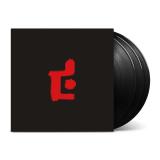
Demonic cults getting you down? New Blood Interactive and Laced Records'll help you survive 'til dawn with the soundtrack vinyl for the gloriously gory, critically-acclaimed shooter DUSK.
Few were as perfectly poised as Andrew Hulshult to soundtrack a white-knuckle ride through rural America's satanic underbelly. His atmospheric metal talents were brought to bear on the Rise of the Triad reboot, and later on Quake Champions and Doom Eternal: The Ancient Gods.
The music for DUSK strikes a perfect balance between playful nods to FPS and metal genre conventions, and a distinctive, heavy sound that's recognisably Hulshult.Running all manner of instruments through gnarly pedal chains, he sculpts melodies that soar above churning industrial rhythms. Corrosive ambient soundscapes build a sense of unease before erupting into wrecking-ball grooves and skull-crushing riffs.
Tracks have been selected and sequenced by the composer, and specially remastered for vinyl.
expected to be published on 03.04.2026

Formed in 1987 by Fruitbat and Jim Bob, Carter The Unstoppable Sex Machine burst onto the scene with their signature style of punk-pop infused with samples, drum machines, and social commentary. Join Jim Bob and Fruitbat, as they take a retrospective look back at the complete Carter U.S.M. singles, from 1988 to 1997.
First released in 1995, 'Straw Donkey' is an essential introduction to Carter The Unstoppable Sex Machine, featuring the U.K. Top 20 singles 'The Only Living Boy In New Cross', 'After The Watershed (Early Learning The Hard Way)', 'Rubbish', and 'Lean On Me I Won't Fall Over', along with classics such as 'Sheriff Fatman', 'Anytime Anyplace Anywhere' and 'Bloodsport For All'.
expected to be published on 20.03.2026

Yellow Vinyl[33,57 €]
EXODUS resurge at full force with their 12th studio album and Napalm Records debut, Goliath, out March 20, 2026! The top-charting band reinforces their eternal foothold at the top of thrash metal's hierarchy with 10 of their most diverse, anthemic tracks so far. Goliath marks the return of legendary singer Rob Dukes to the band. Produced, mixed and mastered by Mark Lewis (Whitechapel, Nile, Undeath), Goliath beams with the explosive authenticity that has set EXODUS eons apart from their peers since the release of their groundbreaking 1985 debut, Bonded By Blood.
expected to be published on 20.03.2026

Blood continues to flow. The third statement of Qwälen. Rottenness of our human reality, the abolition of our kings and gods, the normatively sinister path of brotherly violence. For Qwälen all of them mean nothing and yet all are everything. With the very idea of black metal in its core, the band continues breaking free from the narrow-minded boundaries of the genre. Glorify no one but thyself. Raise no one on a pedestal but thyself and borders can only be drawn by the ones within. Gods are only alive if we let them. Death is the final insult. The final middle finger when all is reduced to rocks and bones. The black serpent from within. The black flame of rebellion. Hail Satan. Blood continues to flow.
expected to be published on 06.03.2026

Ltd. green vinyl. Blood continues to flow. The third statement of Qwälen. Rottenness of our human reality, the abolition of our kings and gods, the normatively sinister path of brotherly violence. For Qwälen all of them mean nothing and yet all are everything. With the very idea of black metal in its core, the band continues breaking free from the narrow-minded boundaries of the genre. Glorify no one but thyself. Raise no one on a pedestal but thyself and borders can only be drawn by the ones within. Gods are only alive if we let them. Death is the final insult. The final middle finger when all is reduced to rocks and bones. The black serpent from within. The black flame of rebellion. Hail Satan. Blood continues to flow.
expected to be published on 06.03.2026

Ltd. marbled vinyl. Blood continues to flow. The third statement of Qwälen. Rottenness of our human reality, the abolition of our kings and gods, the normatively sinister path of brotherly violence. For Qwälen all of them mean nothing and yet all are everything. With the very idea of black metal in its core, the band continues breaking free from the narrow-minded boundaries of the genre. Glorify no one but thyself. Raise no one on a pedestal but thyself and borders can only be drawn by the ones within. Gods are only alive if we let them. Death is the final insult. The final middle finger when all is reduced to rocks and bones. The black serpent from within. The black flame of rebellion. Hail Satan. Blood continues to flow.
expected to be published on 06.03.2026

Nach dem Hoch Ende der Achtziger wurde es still um das Genre THRASH METAL, welches einst von Bands wie Metallica, Exodus oder Legacy (Testament) in den USA, dann auch von Sodom, Kreator oder Destruction
in Deutschland gestartet wurde. Erst in den Zweitausendern zeigten sich wieder Bands, die sich diesem Stil, der grob ausgedrückt zwischen Speed Metal und Death Metal liegt, wieder annahmen. Heute dürfte Thrash aufgrund vieler noch aktiver Acts aus den Achtzigern und jungem Nachwuchs so groß sein wie nie zuvor.
Diese Vinylbox enthält vier Alben, die zwar unterschiedlich sind, aber alle zum Genre gehören. Allen voran RAGING VIOLENCE aus den USA. Dabei handelt es sich um die Originalbesetzung von HIRAX, allerdings mit Sänger
Rob Perkins. Neue Songs und Neueinspielungen (unter Anderem der rare Demotrack „Born In The Streets“) konnten Fans und Kritiker begeistern. EXCESS aus Deutschland war eine Death-Thrash-Band, die es nie zu einem Alben gebracht hat. Nach drei Demos schwärmte man aber auch in erfolgreiche Richtungen aus: Crematory, Mystic Circle und Blood. Für
EXCESS war keine Zeit mehr… Die Demoaufnahmen wurden restauriert und remastert und erschienen bei Golden Core/ZYX erstmals als LP und CD. Auf dem Tape „Crucifixion“ hört man Drummer Neudi (Manilla Road,
Trance, Savage Grace, etc.).
SCARECROW haben mit „Condemned To Be Doomed“ 1988 eine heute rare Eigenpressung veröffentlicht, die zu den wohl ungewöhnlichsten deutschen Thrash Alben gehört. Hier trifft Punkattitüde auf progressive Elemente,
während die Basis lupenreiner Thrash ist. Kein anderes Album klingt wie dieses außergewöhnliche Werk der deutschen Band. Aus Brasilien kommen oder kamen (mal sind sie aktiv, dann wieder nicht…) POSSUIDO PELO
CAO, die von D.R.I. und Suicidal Tendencies beeinflussten CrossoverThrash bieten. Bei den schnellen, kurzen Tracks bleibt kein Auge trocken…
und kein Genick verschont. Das deftige Werk von 2008 erschien damals nur als CD
expected to be published on 27.02.2026
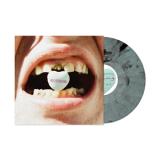
Nothing waren schon immer Regelbrecher. Shoegaze-Rebellen, die das typischerweise leichtgewichtige Genre nach ihrem eigenen, knallharten amerikanischen Image neu erfunden haben. Outlaw-Poeten, die existenzielle Ängste auf kilometerbreiten Leinwänden aus Fuzz und Hall ausbreiten. Angefangen als Solo-Projekt in einem Schlafzimmer in Philadelphia im Jahr 2010, hat die Musik von Nothing immer die ganze Bandbreite des Menschseins eingefangen, sowohl die schreiende Wut als auch die flüsternde Traurigkeit. ,A Short History of Decay", das fünfte Soloalbum von Nothing und das erste für Run For Cover Records, erweitert diesen Horizont noch weiter und bietet die bisher hochauflösendste Darstellung von Nothing. Die Band hat noch nie so kolossal geklungen, sich noch nie so intim angefühlt, war noch nie so ehrlich. Mit dem stärksten Arsenal in der sich ständig verändernden Besetzung von Nothing - Gitarrist Doyle Martin (Cloakroom), Bassist Bobb Bruno (Best Coast), Schlagzeuger Zachary Jones (MSC, Manslaughter 777) und dem dritten Gitarristen Cam Smith (Ladder To God, ebenfalls von Cloakroom) - wusste Singer-Songwriter Domenic ,Nicky" Palermo wusste, dass er die nötige Manpower hatte, um das bisher ambitionierteste Album der Band aufzunehmen. Mitgeschrieben und produziert wurde es zusammen mit Whirr-Gitarrist Nicholas Bassett, zusätzliche Produktions- und Mixing-Arbeiten übernahm Sonny Diperri (DIIV, Julie). a short history of decay ist das musikalisch ausgereifteste Statement im Katalog von Nothing. Songs wie ,Cannibal World" und ,Toothless Coal" sind katastrophale Ausbrüche mechanisierten Industrial-Gaze, die wie My Bloody Valentine klingen - nur extremer. Am anderen Ende des Spektrums steht das kunstvoll-düstere ,Purple Strings" mit einem wunderschönen Streicharrangement, an dem die Harfenistin und zweifache Nothing-Mitwirkende Mary Lattimore beteiligt ist. Diese barocke Zartheit durchdringt auch andere Höhepunkte von ,A Short History of Decay", insbesondere ,The Rain Don't Care", eine beschwingte Ballade, die die abgenutzte Eleganz von Mojave 3 kanalisiert, sowie ,Nerve Scales", ein prasselnder Bop, der in seiner Verbindung von jenseitiger Atmosphäre und tödlicher Präzision an Radiohead erinnert. Palermo bezeichnet das neue Album als ,letztes Kapitel". Nicht das Ende von Nothing, sondern der Abschluss einer Geschichte, die mit dem Debütalbum von Nothing aus dem Jahr 2014, Guilty of Everything, begann - einem weiteren Album über Zeit, Reue und die Konfrontation mit unangenehmen Wahrheiten - und nun mit A Short History of Decay ihren Abschluss findet. Es ist ebenso sehr eine Momentaufnahme von Palermos Vergangenheit wie ein Sprung in die Zukunft von Nothing.
expected to be published on 27.02.2026

Nothing waren schon immer Regelbrecher. Shoegaze-Rebellen, die das typischerweise leichtgewichtige Genre nach ihrem eigenen, knallharten amerikanischen Image neu erfunden haben. Outlaw-Poeten, die existenzielle Ängste auf kilometerbreiten Leinwänden aus Fuzz und Hall ausbreiten. Angefangen als Solo-Projekt in einem Schlafzimmer in Philadelphia im Jahr 2010, hat die Musik von Nothing immer die ganze Bandbreite des Menschseins eingefangen, sowohl die schreiende Wut als auch die flüsternde Traurigkeit. ,A Short History of Decay", das fünfte Soloalbum von Nothing und das erste für Run For Cover Records, erweitert diesen Horizont noch weiter und bietet die bisher hochauflösendste Darstellung von Nothing. Die Band hat noch nie so kolossal geklungen, sich noch nie so intim angefühlt, war noch nie so ehrlich. Mit dem stärksten Arsenal in der sich ständig verändernden Besetzung von Nothing - Gitarrist Doyle Martin (Cloakroom), Bassist Bobb Bruno (Best Coast), Schlagzeuger Zachary Jones (MSC, Manslaughter 777) und dem dritten Gitarristen Cam Smith (Ladder To God, ebenfalls von Cloakroom) - wusste Singer-Songwriter Domenic ,Nicky" Palermo wusste, dass er die nötige Manpower hatte, um das bisher ambitionierteste Album der Band aufzunehmen. Mitgeschrieben und produziert wurde es zusammen mit Whirr-Gitarrist Nicholas Bassett, zusätzliche Produktions- und Mixing-Arbeiten übernahm Sonny Diperri (DIIV, Julie). a short history of decay ist das musikalisch ausgereifteste Statement im Katalog von Nothing. Songs wie ,Cannibal World" und ,Toothless Coal" sind katastrophale Ausbrüche mechanisierten Industrial-Gaze, die wie My Bloody Valentine klingen - nur extremer. Am anderen Ende des Spektrums steht das kunstvoll-düstere ,Purple Strings" mit einem wunderschönen Streicharrangement, an dem die Harfenistin und zweifache Nothing-Mitwirkende Mary Lattimore beteiligt ist. Diese barocke Zartheit durchdringt auch andere Höhepunkte von ,A Short History of Decay", insbesondere ,The Rain Don't Care", eine beschwingte Ballade, die die abgenutzte Eleganz von Mojave 3 kanalisiert, sowie ,Nerve Scales", ein prasselnder Bop, der in seiner Verbindung von jenseitiger Atmosphäre und tödlicher Präzision an Radiohead erinnert. Palermo bezeichnet das neue Album als ,letztes Kapitel". Nicht das Ende von Nothing, sondern der Abschluss einer Geschichte, die mit dem Debütalbum von Nothing aus dem Jahr 2014, Guilty of Everything, begann - einem weiteren Album über Zeit, Reue und die Konfrontation mit unangenehmen Wahrheiten - und nun mit A Short History of Decay ihren Abschluss findet. Es ist ebenso sehr eine Momentaufnahme von Palermos Vergangenheit wie ein Sprung in die Zukunft von Nothing.
expected to be published on 27.02.2026

Nothing waren schon immer Regelbrecher. Shoegaze-Rebellen, die das typischerweise leichtgewichtige Genre nach ihrem eigenen, knallharten amerikanischen Image neu erfunden haben. Outlaw-Poeten, die existenzielle Ängste auf kilometerbreiten Leinwänden aus Fuzz und Hall ausbreiten. Angefangen als Solo-Projekt in einem Schlafzimmer in Philadelphia im Jahr 2010, hat die Musik von Nothing immer die ganze Bandbreite des Menschseins eingefangen, sowohl die schreiende Wut als auch die flüsternde Traurigkeit. ,A Short History of Decay", das fünfte Soloalbum von Nothing und das erste für Run For Cover Records, erweitert diesen Horizont noch weiter und bietet die bisher hochauflösendste Darstellung von Nothing. Die Band hat noch nie so kolossal geklungen, sich noch nie so intim angefühlt, war noch nie so ehrlich. Mit dem stärksten Arsenal in der sich ständig verändernden Besetzung von Nothing - Gitarrist Doyle Martin (Cloakroom), Bassist Bobb Bruno (Best Coast), Schlagzeuger Zachary Jones (MSC, Manslaughter 777) und dem dritten Gitarristen Cam Smith (Ladder To God, ebenfalls von Cloakroom) - wusste Singer-Songwriter Domenic ,Nicky" Palermo wusste, dass er die nötige Manpower hatte, um das bisher ambitionierteste Album der Band aufzunehmen. Mitgeschrieben und produziert wurde es zusammen mit Whirr-Gitarrist Nicholas Bassett, zusätzliche Produktions- und Mixing-Arbeiten übernahm Sonny Diperri (DIIV, Julie). a short history of decay ist das musikalisch ausgereifteste Statement im Katalog von Nothing. Songs wie ,Cannibal World" und ,Toothless Coal" sind katastrophale Ausbrüche mechanisierten Industrial-Gaze, die wie My Bloody Valentine klingen - nur extremer. Am anderen Ende des Spektrums steht das kunstvoll-düstere ,Purple Strings" mit einem wunderschönen Streicharrangement, an dem die Harfenistin und zweifache Nothing-Mitwirkende Mary Lattimore beteiligt ist. Diese barocke Zartheit durchdringt auch andere Höhepunkte von ,A Short History of Decay", insbesondere ,The Rain Don't Care", eine beschwingte Ballade, die die abgenutzte Eleganz von Mojave 3 kanalisiert, sowie ,Nerve Scales", ein prasselnder Bop, der in seiner Verbindung von jenseitiger Atmosphäre und tödlicher Präzision an Radiohead erinnert. Palermo bezeichnet das neue Album als ,letztes Kapitel". Nicht das Ende von Nothing, sondern der Abschluss einer Geschichte, die mit dem Debütalbum von Nothing aus dem Jahr 2014, Guilty of Everything, begann - einem weiteren Album über Zeit, Reue und die Konfrontation mit unangenehmen Wahrheiten - und nun mit A Short History of Decay ihren Abschluss findet. Es ist ebenso sehr eine Momentaufnahme von Palermos Vergangenheit wie ein Sprung in die Zukunft von Nothing.
expected to be published on 27.02.2026

Synthpop, minimal wave, post-punk, goth, new romantic - fans and critics alike have dug deeply into their vintage thesauruses to describe the beguiling work of Nation of Language. And if you can't precisely define the band, that's the point. Frontman Ian Richard Devaney has become prodigious in expanding what synthesizer-driven music can evoke, such that his output is as much an extrasensory journey as it is an all-too-human destination. With that experience in mind, he wrote the band's fourth album - the spectral, spacious Dance Called Memory - in the most humble of ways: chipping away at melancholia by sitting around and strumming his guitar. Nation of Language's first two albums, Introduction, Presence (2020), and A Way Forward (2021), came as pandemic godsends: gorgeous, relatable soundtracks to our collective doldrums. But it was their last LP, Strange Disciple (2023), that catapulted the group from cultural standouts to critical darlings, with the album being named Rough Trade's Album of the Year. With that release, Pitchfork wrote that the band "are learning what it means to get bigger and better." This is Devaney's calling: soulfully translating individual despair into a comforting, collective mourning. The single "Now That You're Gone," which radiates and reverberates with a devastating wistfulness, was inspired by witnessing his godfather's tragic death from ALS, and his parents' role as caretakers for this ailing friend. At its heart, the song is a reflection of how friends can be there for each other, and also highlights a theme throughout the record: the pain and lost promise of friendships that fall apart. On Dance Called Memory, the band once again collaborated with friend and Strange Disciple producer Nick Millhiser (LCD Soundsystem, Holy Ghost!). "What's so great about Nick is his ability to make us feel like we don't need to do what might be expected of us," says synth player Aidan Noell, who, along with bassist Alex MacKay, rounds out the Nation of Language lineup. They imbued Dance Called Memory with a shifted palette - sampling chopped-up drum breaks on "I'm Not Ready for the Change" for a touch of Loveless-era My Bloody Valentine or smashing all of the percussion of "In Another Life" through a synthesizer to cast a shade of early-2000s electronic music. Ultimately, the hope was to weave raw vulnerability and humanity into a synth-heavy album. "There is a dichotomy between the Kraftwerk school of thought and the Brian Eno school of thought, each of which I've been drawn to at different points. I've read about how Kraftwerk wanted to remove all the humanity from their music, but Eno often spoke about wanting to make synthesized music that felt distinctly human," Devaney says. "As much as Kraftwerk is a sonically foundational influence, with this record I leaned much more towards the Eno school of thought. In this era quickly being defined by the rise of AI supplanting human creators I'm focusing more on the human condition, and I need the underlying music to support that_ Instead of hopelessness, I want to leave the listener with a feeling of us really seeing one another, that our individual struggles can actually unite us in empathy."
Order now and we will order the item for you at our supplier.

Portland, Oregon dark rock trio HOAXED return with their stunning new album Death Knocks. Three years in the making, the group—featuring vocalist/guitarist Kat Keo, drummer Kim Coffel, and new bassist/vocalist April Dimmick—have honed their stygian craft to perfection. "We've added another element to the writing and collaboration process," says the band. "April comes from a classic heavy metal background, and her influence is in these songs. We've also had experiences on tour that have helped shape these songs. You can hear influence from the bands we toured with and learned from. We played together for three years as we wrote this album, and we learned a lot about our styles, and our sound evolved naturally together on stage. So, when we sat down to write this album, it didn't feel like a departure or a change." Anchored by the witchy spell of opener "Where the Seas Fall Silent," the rock-hardened groove of "Kill Switch," and the dimly lit power pop of "The Family," HOAXED upped the tempo, sawed the edges (Dimmick's raspy menace intimidates), and strengthened their ties to the golden gods of heavy metal. Indeed, cyclical riffs, dynamic rhythms, and bottom-heavy bass propel Death Knocks through its filmic, hard-nosed gloom, but Keo's sorcerous vocal hooks seal the deal. Often smartly paired with Dimmick's angels' n' demons, her performance effuses fragility and potency across the album's alluring expanse. HOAXED recorded Death Knocks at Falcon Recording Studios with producer/engineer Gabe Johnston (Unto Others, Vintersea) and enlisted Arthur Rizk (Power Trip, Kreator, and more,) for mixing and mastering. In total, the group spent eight days in February and March tracking Death Knocks. While most bands spend months ironing their metallic mettle, Hoaxed's expeditious time at Falcon engendered a polished, big-sounding force befitting their larger-than-life songs. Short: Portland, Oregon dark rock trio HOAXED return with their stunning new album Death Knocks. Three years in the making, the group—featuring vocalist/guitarist Kat Keo, drummer Kim Coffel, and new bassist/vocalist April Dimmick—have honed their stygian craft to perfection. FFO: Ghost, Tribulation, Bloody Hammers, Khemmis, Unto Others, GGGOLDDD, Katatonia. Pallbearer
expected to be published on 13.02.2026

Rising from Warsaw’s underground, Infernal Flame conjure a bleak and uncompromising vision on their debut full-length The Grave. Originally self-released digitally on February 13, 2025, the album now sees its first physical incarnation through Apostasy Records - soon available on CD, vinyl and cassette. Across nine tracks, the Polish quartet fuse the weight of cavernous death metal with the scorched atmosphere of black metal, forging a sound that feels both raw and deliberate - a ritual equal parts feral energy and fatal precision. From the slow-grinding opener “Dreadead” through the tar-soaked menace of “Cauldron of Black Tar,” the feverish descent of the title track and the final farewell of “Godbye,” The Grave unfolds like a single, unbroken passage through dread and decay. Formed in 2024 and operating deliberately outside the label system, Infernal Flame channel a rehearsal-room immediacy that recalls the early second-wave spirit while carving out a distinctly modern darkness. Still largely unreviewed and shrouded in underground obscurity, The Grave stands as an intense and authentic statement - from a band intent on burning their own path through Poland’s black/death scene.
expected to be published on 06.02.2026

Technological agitation. Narcissism fatigue. A galaxy of isolation. These are the new norms keeping Weyes Blood (aka Natalie Mering) up at night and the themes at the heart of her latest release, And in the Darkness, Hearts Aglow. The celestial-influenced folk album is her follow-up to the acclaimed Titanic Rising. (Pitchfork, NPR, and The Guardian admiringly named it one of 2019's best.) While Titanic Rising was an observation of doom to come, And in the Darkness, Hearts Aglow is about being in the thick of it: a search for an escape hatch to liberate us from algorithms and ideological chaos. "We're in a fully functional shit show," Mering says. "My heart is a glow stick that's been cracked, lighting up my chest in an explosion of earnestness." And in the Darkness, Hearts Aglow opens with the wistful, winsome "It's Not Just Me, It's Everybody," a song about the interconnectivity of all beings, despite the fraying of society around us. "I was asking a lot of questions while writing these songs. Hyper-isolation kept coming up," Mering says. "Our culture relies less and less on people. Something is off, and even though the feeling appears differently for each individual, it is universal." Other tracks follow in kind. The lullaby-like "Grapevine" chronicles the splintering of a human connection. The otherworldly dirge "God Turn Me into a Flower" serves as allegory about our collective hubris. "The Worst Is Done" is an ominous warning, set against a deceivingly breezy pop melody. "Chaos is natural. But so is negentropy, or the tendency for things to fall into order," she says. "These songs may not be manifestos or solutions, but I know they shed light on the meaning of our contemporary disillusionment."
Order now and we will order the item for you at our supplier.

Ltd. Orange Vinyl Finnish powerhouse Bloodred Hourglass (BRHG) return with their seventh studio album “We Should Be Buried Like This”, a bold and unrelenting statement from a band that has steadily evolved into one of the most commanding forces in modern death metal. Hailing from Mikkeli, BRHG have long stood out for their ability to merge the ferocity of thrash and groove metal with the immersive soundscapes of metalcore, alternative metal, and melodic death. Their music is as dynamic and emotionally resonant as it is heavy and entertaining - a mix that has earned them critical acclaim, a devoted international fanbase, and a reputation for explosive live performances. On “We Should Be Buried Like This”, the band takes their darkest, most unfiltered turn yet. Described as “a work of end-time songs,” this album does not aim to comfort or explain. It’s a raw, confrontational piece built around the slow erosion of hope, the fading of love, the repetition of generational mistakes, and a world defined by self-obsession, disconnection, and indifference. “There’s no pleading, no sugarcoating,” the band explains. “We’re not here to prove anything. This is an album born from an urgent drive to rip things open and say them as they are.” Musically, “We Should Be Buried Like This” is the most aggressive and straightforward album BRHG have ever crafted, yet it never loses sight of the unmistakable melodic power that defines their sound. With searing riffs, explosive energy, and sweeping emotional depth, the album pulses with intensity from start to finish. Guest appearances and fresh sonic elements are woven throughout, yet the band remains firmly rooted in the signature style they’ve spent years perfecting.
expected to be published on 16.01.2026
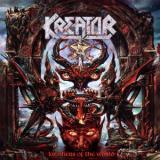
KREATOR’s Krushers Of The World is a ferocious return that finds the band at full strength, blending classic thrash fury with fresh intensity and purpose. From the relentless opener “Seven Serpents” to the darkly melodic “Tränenpalast” featuring Britta Görtz, the album shows a band unafraid to evolve while staying true to their roots. Tracks like “Barbarian” and “Psychotic Imperator” hit with unrelenting speed, while the title track and “Satanic Anarchy” deliver crushing groove and anthemic hooks. Backed by Jens Bogren’s massive production and Zbigniew Bielak’s striking artwork, Krushers of the World proves KREATOR aren’t just surviving — they’re still leading. Fueled by the reflective fire of their Hate & Hope film and Mille Petrozza’s sharpened vision, this is a statement album: heavy, focused, and unstoppable.
expected to be published on 16.01.2026

Swan Song
The vinyl LP at the heart of this éthiopiques 31 tracks 2 to 11 was one of the very last vinyl records ever released in Ethiopia. But above all it represents, we felt, the absolute masterpiece of the Ethiopian Groove – the Swan Song of Swinging Addis. The album leaves a clear idea for posterity of the level of sophistication and mastery that modern Ethiopian music had achieved, before being crushed under the Stalino-military heel of the Derg – as the bloody revolution that was unfolding came to be called.
Ethiopia1976.
The Revolution that broke out in February 1974 rolled on in a ruthless march. The whole of Ethiopian society was utterly stunned. The bouquets of flowers handed joyfully to the first tanks of the coup d'état were to wilt very rapidly. From September 1976 to February 1978, 18 months of Red Terror (the name given by the junta itself) spilled blood throughout the country. This fratricidal conflict took its heaviest toll among students and youth. The shift from feudalism to a cruel and primitive Stalinism left the country's citizens deeply traumatised, and snuffed out any pretence of activism, whatever the sector of society. This ice age was to last for seventeen long years.
ሙሉቀን፡መለሰ Mulukèn Mellèssè Muluqän Mälläsä
It was three tracks by Muluken that served as the opener for éthiopiques-1 more than 25 years ago. Seven more tracks appeared on éthiopiques-3 and 13, all accompanied by The Equators, which was soon to become the Dahlak Band.
The first track, Hédètch alu, also the very first piece that Muluken ever recorded, left audiences both unsettled and amazed. Reflecting the singer's extremely young age (he was just 17 at the time), this angelic voice mystified many, who thought they were in fact listening to a feminine voice. He was not yet 22 when he released his last vinyl record in 1976 with Kaifa Records (KF 39LP), one of the very last to be issued in Ethiopia, before the cassette tape became the dominant medium for music distribution – and before the new revolutionary regime put a stop to all independent musical life, via an unspeakable barrage of prohibitions and other persecutions.
Mulu qèn, literally, “A well filled day”. This tender maternal intention wasn't enough to ward off the cruelty of fate. His mother's premature death drove Muluken to leave his native Godjam, in northeast Ethiopia, to live with an uncle in Addis Ababa. Born Muluken Tamer, he took his uncle's last name – Mèllèssè.
The spelling Muluken appeared in his administrative records. Transcription of Amharic to the Latin alphabet, both in Ethiopia and for scholars, gives rise to controversies and quibbles that can never be neatly settled. French allows for a closer approximation of the original pronunciation, thanks to its battery of accent marks, confusing as they may be to anglophones.
Between rather accommodating administrative record-keepers and the various versions that pop up in interviews given by the artist, Muluken's year of birth oscillates between 1953 and 1955…
1954? One thing is certain: the artist's talent made itself known very early indeed, because he got his start in 1966-67, at the age of 13 or 14. Photos from the period attest to his extreme youth. It's a strange sort of initiation for a very young teenager to become a sensation in the heart of Addis's nightlife at the time, Woubé Bèrèha – the Wilds of Woubé. And what's more, in the club of the Queen of the Night, the Godjamé Assègèdètch Alamrèw herself, the very same that was portrayed by Sebhat Guèbrè-Egziabhér in his novel-memoir Les Nuits d’Addis Abeba2… The legendary female club owner who is remembered to this day by the capital's ageing boomers.
Muluken first tried his hand at the drums, before he grabbed the microphone. He emigrated briefly to the Zula Club, across the street from the old Addis Post Office, one of the ground-breaking bars of the burgeoning musical scene, before joining the Second Police Band in 1968, for around three years. He spent a few months with the short-lived Blue Nile Band founded by saxophonist Besrat Tammènè. As the musical scene grew increasingly successful, and pulled slowly but decisively away from its institutional ties, Muluken released his first 45rpm single in February 1972 (Amha Records AE 440). It was included in two LP Ethiopian Hit Parade compilation albums in September of the same year. All in all, Muluken released eight two-track 45s and the same number of original cassette tapes between February 1972 and 1984, the year that he departed for permanent exile in the USA. After converting to Pentecostalism in 1980, Muluken gradually abandoned all secular musical activity. In 1985, at the end of a concert in Philadelphia, he decided to quit concerts and recording for good. Mèlakè Gèbré, the historic bass player from the Walias band who was playing with him that night, recalls that everything appeared so irredeemably diabolical in Muluken's eyes, that it was to be the end of his contribution to Ethiopian Groove.
The end of the story, the beginning of a legend.
Dahlak Band, forgotten by History
Aside from his personal history and vocal talents, it must be remembered that Muluken Mèllèssè was one of the biggest names in the musical innovations that marked the end of the imperial period. These éthiopiques aim to convince those who are just discovering this hidden gem... As for Ethiopians themselves, they are to this day captivated by this singular and atypical figure in the Abyssinian pop landscape – even though he withdrew from public life some 40 years ago. Incorrigible devotees of poetic twists, of more or less hidden meanings, Ethiopians appreciate above all the care Muluken took in choosing his lyrics and the writers who penned them, such as Feqerte Haylou, Alemtsehay Wodajo and, here, Shewalul Mengistu (1944-1977). Love songs, written by women, a far cry from the conventional drivel that pleases sappy sentimentalists.
Muluken is equally acclaimed for his perfectionism when it came to music, the opposite of the overly casual approach that is all too common. He remained a faithful partner of musicians who came from a lineage that borrowed from several inventive and pioneering bands (Venus, Equators, Dahlak). Amongst them were certain artists who began their musical lives with Nersès Nalbandian at the Haile Sellassie Theatre and who come of age in around 1973 – at just the wrong time, you might say. Among them were the pillars Shimèlis Bèyènè (trumpet), Dawit Yifru (keyboards) and Tilayé Gèbrè (sax & flute). Most notably Tilayé Gèbrè, certainly one of the most important musicians, composers and arrangers of his generation, of the end of the imperial era, and of the early years of the Derg.
It was only in 1981 that a miraculous opportunity arose for Tilayé to escape the Stalinist paradise of the dictator Menguistou Haylè-Maryam. Once again it was Amha Eshèté (1946-2021) who provided a solution. The spirited and courageous producer, who had been in exile in Washington since 1975, succeeded, thanks to his incredible perseverence, in bringing the Walias Band to the USA. It was, in fact an extended Walias Band comprising ten musicians3, six of whom chose to slip away after a few concerts and the recording of an LP (The Best of Walias, WRS 100). Tilayé Gèbrè was one of these. He has been living in the USA ever since. There he joined the then-nascent Ethiopian diaspora, which lived largely unto itself, and was making only very modest headway in the American musical market. It seems unfair that Tilayé Gèbrè and the Dahlak Band were not able to benefit earlier from the public recognition that they do deserve.
A similar draining away of the top-rate talents would lead to the reorganization of the major groups of the “Derg Time”. The remaining artists spread themselves around between Ibex Band (renamed Roha Band), Ethio Star Band and a remodeled Walias Band. That spelled the end of the Dahlak Band.
With this record, produced by the essential Ali Abdella Kaifa a.k.a. Ali Tango, we can appreciate everything that the Derg not only destroyed, but also prevented from flourishing. This gem of Ethiopian-style afrobeat came out in 1976 (and, by way of a parenthesis, before the FESTAC 1977 in Lagos, which was attended by an impressive delegation of Ethiopian musicians — although Fela was already personna non grata in his own country). Despite everything that might distinguish this ethio-groove from Fela’s music – no colonial axe to grind, no question of political confrontation with the authorities, no claims to negritude or Africanism for the Ethiopian musicians, and less extrovertion! –, this LP fits beautifully into the saga of intense and electrified soul of the new “African” groove that Fela and Manu Dibango embodied so well from that point onwards.
In restoring this record to its place in the afrobeat epic, it can be seen that, if nothing else, the timeline bestows a legitimate pedigree and a historical primacy to works that had no international impact when they were originally released.
Warning! Masterpiece!
Order now and we will order the item for you at our supplier.

With the grace of an ancient oracle speaking through a veil of mist, the album unfurls in movements both haunting and divine, carrying the listener into a realm where sorrow and splendor waltz as one. Orchestrated with exquisite precision and opulent depth, the ensemble breathes life into every measure. Strings sweep like celestial tides, choirs rise like prayers from cloistered ruins, and woodwinds whisper secrets from lost mythologies. The multimember orchestra does not merely accompany the compositions, it becomes the very vessel through which Autumn Tears channels their clairvoyant vision.
Rooted in the neoclassical tradition yet unbound by its walls, the album weaves baroque intricacies with cinematic grandeur, crafting soundscapes that feel both sacred and boundless. Every track is a portal: to forgotten dreams, to veiled futures, to the silent poetry that lingers in the spaces between. Crown of the Clairvoyant will be available as a digital download,a limited Leather CD Box, a limited CD jewel case package with a CD exclusive bonus track as well as a limited vinyl package with a 12 page illustrated lyric book and vinyl exclusive bonus track.
expected to be published on 28.11.2025

The story begins with Kevin Morby absentmindedly flipping through a box of old family photos in the basement of his childhood home in Kansas City. Just hours before, at a family dinner, his father had collapsed in front of him and had to be rushed to the hospital. That night Morby still felt the shock and fear lodged in his bones. So he gazed at the images until one of the pictures jumped out at him: his father as a young man, proud and strong and filled with confidence, posing on a lawn with his shirt off. This was in January of 2020. As the months went on and the world dramatically changed around him, Morby felt an eerie similarity between his feelings of that night and the atmosphere of those spring days. Fear, anxiety, hope and resilience all churning together. The themes began twisting in his mind. History, trauma and the grand fight against time. Having the courage to dream, even while knowing the tragedy that often awaits those who dare to dream. While his father regained his strength, Morby meditated on these ideas. And then, he headed to Memphis. He moved into the Peabody Hotel and spent his days paying tribute and genuflecting to the dreamers he admired. In the evening, he would return to his room and document his ideas on a makeshift recording set-up, with just his guitar and a microphone. The songs, elegiac in nature, befitting all he had seen, poured out of him.Produced by Sam Cohen (who also worked on Morby’s Singing Saw and Oh My God), This Is A Photograph features musical contributions from longtime staples of Morby’s live band, as well as old friends and new collaborators alike. If Oh My God saw Morby getting celestial and in constant motion and Sundowner was a study in localized intent, This Is A Photograph finds Morby making an Americana paean, a visceral life and death, blood on the canvas outpouring. As Morby reminds us early on, time is undefeated. So what do we do while we’re still here? This is a photograph of that sense of yearning
expected to be published on 21.11.2025

Bloodred Hourglass (BRHG) meldet sich zurück mit ihrem mittlerweile siebten Studioalbum „We Should Be Buried Like This“. einem kompromisslosen Statement einer Band. die sich über die Jahre zu einer der eindrucksvollsten Kräfte im modernen Death Metal entwickelt hat. Beheimatet im finnischen Mikkeli wurden BRHG bekannt für ihre Fähigkeit. die rohe Wucht von Thrash- und Groove-Metal mit den atmosphärischen Sounds von Metalcore. Alternative Metal und Melodic Death Metal zu verschmelzen. Ihr Sound ist so kraftvoll wie emotional. so mitreißend wie facettenreich - eine Mischung. die ihnen regelmäßig positives Feedback. eine internationale Fangemeinde sowie den Ruf explosiver Live-Shows eingebracht hat. Mit „We Should Be Buried Like This“ schlägt die Band nun ihr bislang dunkelstes und schonungslosestes Kapitel auf. Ein Werk. das sie selbst als „Lieder für das Ende der Zeit“ beschreiben - ohne Trost. ohne Erklärungen. Stattdessen erwartet uns eine Geschichte vom Zerfall von Hoffnung. dem Verlöschen von Liebe. der Wiederholung familiärer Fehler und einer Welt. geprägt von Egozentrik. Entfremdung und Gleichgültigkeit. „Hier wird nicht gebettelt. nichts beschönigt“. erklärt die Band. „Wir wollen nichts beweisen. Dieses Album ist aus dem inneren Drang entstanden. Dinge aufzureißen und sie beim Namen zu nennen.“ Musikalisch ist „We Should Be Buried Like This“ das aggressivste und kompromissloseste Album. das BRHG je geschaffen haben. ohne dabei ihre charakteristische Melodik zu verlieren. Heftige Riffs. brachiale Energie und tiefe Emotionen ziehen sich wie ein roter Faden durch das gesamte Album.
Gastauftritte und neue klangliche Elemente sorgen für frische Akzente. doch der Kern bleibt unverkennbar BRHG - verfeinert über Jahre. einzigartig und intensiv
expected to be published on 24.10.2025

2025 jährt sich zum 15. Mal die Komödie Scott Pilgrim Vs The World aus dem Jahr 2010, die von Edgar
Wright geschrieben, produziert und inszeniert wurde und auf der Graphic-Novel-Serie Scott Pilgrim von
Bryan Lee O’Malley basiert. Mit Michael Cera als Scott Pilgrim, einem Slacker-Musiker, der versucht,
einen Wettbewerb zu gewinnen, um einen Plattenvertrag zu bekommen, während er gleichzeitig gegen die
sieben Ex-Freunde seiner neuen Freundin Ramona Flowers kämpft.
Der Soundtrack der nun auf roter Vinyl erhältlich ist, wurde von Nigel Godrich zusammen mit Edgar Wright
produziert und enthält eine Reihe von Originalstücken, die von Beck komponiert und im Film von Michael
Ceras Band ”Sex Bob-Omb” eingespielt. wurden. Außerdem gibt es auch einen bisher unveröffentlichten
Song von Metric und auch Songs von Broken Social Scene, Beachwood Sparks, The Bluetones, Blood Red
Shoes, Black Lips , Frank Black und den Rolling Stones.
expected to be published on 24.10.2025

From the crypts of Parisian funk obscurity comes the long-lost Halloween holy grail, Disco Frankenstein from Ice AKA Lafayette Afro Rock Band. A teasing album of horror-disco oddities originally released as a compilation—a misnomer cloaked in mystery, as the tracks themselves hail from the group’s playful experiments in the mid-to-late ’70s.
This album unearths a twisted treasure trove of grooves, originally scattered across obscure side-projects and international pressings, brought back to life by Strut on blood-soaked vinyl exclusively for Halloween 2025.
Originally released as a 1976 Japan-only compilation featuring the Lafayette Afro Rock Band under a plethora of pseudonyms—Sweet Exorcist, Captain Dax, Hot Blood, Krispie and Co., and more, the release was masterminded by producer Pierre Jaubert and led by bandleader Frank Abel with the funk-virtuosity of the Lafayette Afro-Rock Band group, the minds behind the much sampled ‘Soul Makossa’ and ‘Malik’ albums.
Disco Frankenstein represents the band at their most creative—layering wah-wah guitars, thunderous Afrobeat rhythms, and creepy-crawly synths into a funky stew of horror-disco gold. Tracks like “Dr. Beezar (Soul Frankenstein),” “Disco Vampire,” “Zeke the Zombie,” and “Igor’s Reggae” blur the line between Halloween novelty and dancefloor fire, conjured with full seriousness by studio wizards who knew how to raise the funk.
Resurrected by Strut Records and remastered by The Carvery, this compilation finally gets the deluxe treatment it deserves: pressed on limited blood-stained vinyl just in time for Halloween 2025.
Order now and we will order the item for you at our supplier.

END[GER] Die Band Wednesday aus Asheville, North Carolina errichtet im Laufe der zehn Songs von "Rat Saw God" einen Schrein voller aufregender Details: Halb lustige, halb tragische Botschaften aus den Südstaaten, die sich klanglich irgendwo zwischen dem wimmernden Skuzz von Neunzigerjahre-Shoegaze und klassischem Country-Twang entfalten - mit verzerrter Pedal Steel und Frontfrau Karly Hartzman, die mit ihrer Stimme, den Lärm durchschneidet. Ein Song von Wednesday ist wie ein Quilt. Eine Kurzgeschichtensammlung, eine verschwommene Erinnerung, ein Flickenteppich aus Porträts des amerikanischen Südens, der disparate Momente einfängt und als Ganzes doch irgendwie einen Sinn ergibt. Karly Hartzman, die Songschreiberin, Sängerin, Gitarristin und Leiterin der Band, ist eine Geschichtensammlerin als auch eine Geschichtenerzählerin: Eine aufmerksame Beobachterin von Menschen und witzigen Bemerkungen. "Rat Saw God", das neue und beste Album des Quintetts aus Asheville, ist ekphrastisch, aber ebenso autobiografisch und vor allem sehr einfühlsam. Es wurde in den Monaten unmittelbar nach der Fertigstellung von dem zweiten Album der Band, "Twin Plagues", geschrieben und innerhalb einer Woche im Drop Of Sun Studio in Asheville aufgenommen. Die Songs auf "Rat Saw God" erzählen keine Epen, sondern das Alltägliche. Sie sind lebensnah, erzählen vom wahren Leben, sie sind verschwommen und chaotisch und seltsam zugleich - was Hartzmans eigenem Ethos entspricht: "Everyone's story is worthy. Literally every life story is worth writing down, because people are so fascinating." A Wednesday song is a quilt. A short story collection, a half-memory, a patchwork of portraits of the American south, disparate moments that somehow make sense as a whole. Karly Hartzman, the songwriter/ vocalist/guitarist at the helm of the project, is a story collector as much as she is a storyteller: a scholar of people and one-liners. Rat Saw God, the Asheville quintet's new and best record, is ekphrastic but autobiographical and above all, deeply empathetic. Across the album's ten tracks Hartzman, guitarist MJ Lenderman, bassist Margo Shultz, drummer Alan Miller, and lap/pedal steel player Xandy Chelmis build a shrine to minutiae. Half-funny, half-tragic dispatches from North Carolina unfurling somewhere between the wailing skuzz of Nineties shoegaze and classic country twang, that distorted lap steel and Hartzman's voice slicing through the din. Rat Saw God is an album about riding a bike down a suburban stretch in Greensboro while listening to My Bloody Valentine for the first time on an iPod Nano, past a creek that runs through the neighborhood riddled with broken glass bottles and condoms, a front yard filled with broken and rusted car parts, a lonely and dilapidated house reclaimed by kudzu. Four Lokos and rodeo clowns and a kid who burns down a corn field. Roadside monuments, church marquees, poppers and vodka in a plastic water bottle, the shit you get away with at Jewish summer camp, strange sentimental family heirlooms at the thrift stores. The way the South hums alive all night in the summers and into fall, the sound of high school football games, the halo effect from the lights polluting the darkness. It's not really bright enough to see in front of you, but in that stretch of inky void - somehow - you see everything. The songs on Rat Saw God don't recount epics, just the everyday. They're true, they're real life, blurry and chaotic and strange - which is in-line with Hartzman's own ethos: "Everyone's story is worthy," she says, plainly. "Literally every life story is worth writing down, because people are so fascinating." But the thing about Rat Saw God - and about any Wednesday song, really - is you don't necessarily even need all the references to get it, the weirdly specific elation of a song that really hits. Yeah, it's all in the details - how fucked up you got or get, how you break a heart, how you fall in love, how you make yourself and others feel seen - but it's mostly the way those tiny moments add up into a song or album or a person.
expected to be published on 03.10.2025

Wenn Sie von Hillsborough, North Carolina, auf der 1-85 nach Norden fahren und die Ausfahrt zur 58 East nehmen, erreichen Sie in fünfzehn Minuten Diamond Grove, ein kleines, nicht eingemeindetes Gebiet im Brunswick County, Virginia, am Meherrin River. Für die meisten Besucher gibt es dort nicht viel zu sehen - für Lebensmittel müssen Sie nach Lawrenceville und für Baumaterial nach South Hill fahren. Doch versteckt in diesem Fleckchen Virginia-Piedmont liegen die Überreste einer Milchfarm aus den 1740er Jahren, deren Haupthaus ein wunderschönes altes Gebäude mit zwei Etagen ist, das noch immer mit Seilbetten und allem Drum und Dran ausgestattet ist. Wenn man heute dorthin fährt, hört man in der Ferne Geräusche von jemandem, der in den vermieteten Nebengebäuden Sojabohnen und Baumwolle verarbeitet, von landwirtschaftlichen Reifen, die über Schotterstraßen knirschen, von quakenden Fröschen und von singenden Meisen: chick-a-dee, chick-a-dee. Aber wenn Sie zufällig im September 2023 vorbeigekommen sind, konnten Sie vielleicht Fiddle-Melodien hören, die von den Kiefern widerhallen, BBS-Geräusche in leeren Räumen und die Klänge von Weirs, die ihr zweites Album und ihr Debüt bei Dear Life Records aufnahmen: Diamond Grove. Weirs ist ein experimentelles Kollektiv, das aus der Musikszene im Zentrum von North Carolina hervorgegangen ist und zu gleichen Teilen aus Oldtime-Folk und DIY-Noise besteht. Die Auftritte von Weirs sind hierarchielos und umfassen zwischen zwei und zwölf Personen. Im September 2023 reisten neun von ihnen die US-58 hinauf, um sich im Wohn- und Esszimmer des Hauptgebäudes einer Milchfarm einzufinden, die noch immer im Besitz der Familie des Bandmitglieds und Organisators Oliver Child-Lanning ist, deren Verwandte seit Jahrhunderten dort leben. Die Besetzung von Weirs - weder endgültig noch besonders wertvoll - umfasst Child-Lanning, Justin Morris und Libby Rodenbough (seine Mitstreiter bei Sluice); Evan Morgan, Courtney Werner und Mike DeVito von Magic Tuber Stringband; sowie die treuen Andy McLeod, Alli Rogers und Oriana Messer, die bis tief in die Spätsommernächte spielten. Das Ergebnis sind die neun Tracks von Diamond Grove, aufgenommen mit einer provisorischen Signalkette, die aus geliehenem Equipment der gesamten Community zusammengestellt wurde. Das Weirs-Projekt begann als Tape-Experimente mit traditionellen Melodien, die Child-Lanning im Winter 2019 unter dem Namen Pluviöse aufgenommen hatte. Daraus entstand das erste Weirs-Album Prepare to Meet God, das im Juli 2020 in Eigenregie veröffentlicht wurde und eine Zusammenarbeit zwischen Child-Lanning und Morris während der COVID-Pandemie war. Die seltsamen Umstände dieses Debüts - eine gemeinschaftliche Tradition von Live-Songs, die isoliert voneinander aufgenommen wurden - werden durch Diamond Grove aufgehoben, ein Album, das in der unwiederholbaren Konvergenz von Menschen, Ort und Zeit verwurzelt ist. Auf dem neuen Album setzen Weirs ihre Suche nach dem besten Weg fort, sogenannte ,traditionelle" Musik weiterzuentwickeln, zu bewahren und zu befreien. Sie sind Songfänger, die Melodien sammeln, die kurz vor dem Vergessen stehen. Ihr wildes, Jahrhunderte umspannendes Repertoire klingt wie eine avantgardistische Jam-Session - eine Art Real Book für eine Szene, die sich mit Porch Jams, Big Blood, Amps for Christ und Jean Ritchie auskennt. Weirs fangen Songs ein, deren Interpretationskanon noch offen genug ist, um neben denen zu stehen, die sie zuvor gesungen haben, aber niemals über ihnen. Dies sind keine Versuche, definitive Versionen zu schaffen. Die Aufnahmen auf Diamond Grove fühlen sich eher wie Besuche als wie Überarbeitungen an. Und die Frage, die Weirs auf diesem Album stellen, ist nicht, wie sie einfach die Tradition ihrer Vorfahren fortsetzen können, sondern wie traditionelle Musik heute klingen könnte. Für Weirs könnte die Geschichte dieser Tradition weniger aus dem Folk-Revival stammen als aus der Musique concrète, weniger aus makellosen alten Meisteraufnahmen als aus etwas wie The Shadow Ring, wenn diese aus dem evangelikalen Süden kämen. Wenn man ,(A Still, Small Voice)" hört, spürt man, wie die Kraft der Hymne etwas Gleichwertigem weicht: den Dielen, dem Knistern des Feuers, dem Zubereiten und Essen von Mahlzeiten. Diese Spannung zwischen Bewahrung und Verfall ist das innere Leuchten von Diamond Grove. Nehmen wir ,Doxology l": Die Melodie von ,Old Hundred", einer Hymne aus der Sacred-Harp-Tradition, wird in MIDI umgewandelt, über iPhone-Lautsprecher abgespielt und in der Septemberluft neu aufgenommen. Für manche Revivalisten mag diese Hymne, gesungen mit der ganzen Pracht gefälschter Auto-Tune-Stimmen, blasphemisch klingen. Aber Ohren, die beispielsweise auf die Hyperpop-Produktionen der letzten Jahrzehnte eingestellt sind, werden sofort die spannungsgeladene Schönheit des digital verfremdeten Shape-Note-Gesangs verstehen. Dieselbe Spannung belebt ,l Want to Die Easy". Weirs' Version basiert auf der Aufnahme von A Golden Ring of Gospel, die in der Folkways-Sammlung Sharon Mountain Harmony verewigt ist. Die Melodien, Texte und Strukturen sind weitgehend unverändert geblieben. Aber die ,reine" Klarheit der Stimmen der frühen Aufnahme ist verschwunden. An ihre Stelle tritt der distanzierte Klang des Silos der Milchfarm, in dem Weirs ihre Version aufgenommen hat, dessen natürlicher Nachhall von zwei Sekunden die ursprüngliche Nähe ersetzt. Auf diese Weise wird der Klang des Aufnahmeortes selbst zu einem Teil der traditionellen Darbietung. Das Herzstück von Diamond Grove ist Weirs' Interpretation von ,Lord Bateman", einer Melodie, die Jean Ritchie als ,große Ballade" bezeichnete: Sie wurde gespielt, wenn die Arbeit getan war und der Tanzabend zu Ende war. Es ist ein Lied aus dem 18. Jahrhundert - so alt wie die Diamond Grove Farm - über einen gefangenen Abenteurer, der laut Nic Jones den Geist eines Errol-Flynn-Films verkörpert. Wie viele großartige und oft a cappella gesungene Interpretationen steht auch bei diesem ,Lord Bateman" die Stimme im Vordergrund und unterstreicht die Bedeutung des Geschichtenerzählens für das Zusammenkommen der Kinder. Neu ist hier der immense Bordun, der die Erzählung in ein unaufhörliches Gewebe elementarer Kräfte verwandelt. Es ist ein verschwommenes Murmeln kollektiver Saiten, das den Kanon von Ritchie und June Tabor ebenso bereichert wie Pelt's Ayahuasca oder Henry Flynt's Hillbilly Tape Music. Obwohl Diamond Grove nicht explizit von der alten Milchfarm handelt, auf der es aufgenommen wurde, kann es nicht umhin, ihr zu ähneln. Alte englische Balladen wie ,Lord Bateman" und ,Lord Randall" ergießen sich über Felder, die einst von der britischen Krone ,vergeben" wurden. Tragische Lieder wie ,Edward" taumeln über Tuscarora-Pfade und Baumwollfelder nach dem Bürgerkrieg. Hymnen wie ,Everlasting l" und ,Everlasting Il" fangen das Mondlicht ein, das seit Lord Bacons Rebellion durch doppelt gehängte Fenster fällt. Und die Nachtvögel trillern noch immer, und die Pflüge pflügen noch immer eine unkomponierte Musik, die darauf wartet, von zufälligen Ohren entdeckt zu werden. Diamond Grove ist in dieser Hinsicht Geschichte. Es ist ein Ort. Es ist Zeit. Es ist das Einfangen von Liedern, Lebendigkeit, Tonbandmanipulation. Wie der niedrige Damm, den das Wort ,Weir" andeutet, ist es eine Verteidigung gegen die Strömung. Es ist eine Verteidigung regionaler Lexika gegen massenproduzierte Umgangssprachen; eine Verteidigung gegen den Glauben, dass wir einfach zu einer einfacheren Zeit zurückkehren können; eine Verteidigung gegen die Vorstellung, dass Volksmusik ,rein" bleiben muss; eine Verteidigung gegen die Behauptung, dass ein Traum von der Zukunft, der in verlorenen Geschichten schlummert, unwiederbringlich verloren ist. Gegen all das verteidigt Diamond Grove traditionelle Musik, indem es sie so klingen lässt, wie die Komplexität der heutigen Zeit - weil es weiß, dass solche Musik und all die Geschichten, die in ihr stecken, auch in Zukunft eine Rolle spielen werden.
expected to be published on 03.10.2025

Survival Of The Sickest offers no respite from the horrors of reality. Instead, BLOODBATH’s latest and greatest album gleefully confronts the slavering ghoul lurking in the shadows, and treats him to ten songs of ripping death metal frenzy. In contrast with their last album, Survival of the Sickest goes straight for the jugular in true old school fashion. With strong echoes of everything from Morbid Angel & Death through to Deicide & Obituary. Survival Of The Sickest boasts a smattering of irresistible cameos from the great, and ghoulish of the metal underground, including Barney Greenway (Napalm Death), Luc Lemay (Gorguts) & Marc Grewe (Morgoth). On Survival Of The Sickest, BLOODBATH evoke their most horrifying sonic scenarios to date.
expected to be published on 26.09.2025

expected to be published on 19.09.2025

Infoline proudly presents a compilation of tracks by Deo Cadaver on double 12' inch vinyl LP! Active from 1987 to 1993, Geneva-based trio Deo Cadaver stood at the vanguard of Switzerland’s electronic body music scene. Formed at just 17 years old, the group drew early influence from the visceral intensity of acts like The Young Gods, Front 242, Laibach, and Skinny Puppy—but quickly forged a sound and performative presence entirely their own. Their live shows became infamous: loud, theatrical, and uncompromising. Covered in grey-green clay and fake blood, suspended from chains, or locked in cages wired with sensors, projections, and video monitors, Deo Cadaver unleashed chaotic storms of samples, distorted drum machines, live percussion, and seismic basslines. At the center stood a vocalist whose voice and energy pushed the limits of physical endurance. Despite their undeniable force, Deo Cadaver remained largely unknown beyond their immediate circles. “There was no support structure—barely any venues, press, or labels for what we were doing,” they reflect. “Apart from our parents and a few community associations, we were completely on our own.” The internet, still confined, offered no relief. Connections were built face-to-face, and tapes were copied by hand. Still, the band found kinship in the Swiss experimental collective MXP, alongside other likeminded outliers pushing electronics beyond the dancefloor. Their spirit was one of invention, defiance, and independence.
While Belgium reveled in its New Beat wave and the UK fell into euphoric ecstasy, Deo Cadaver raged in the shadows—loud, isolated, and ahead of their time. This compilation finally brings their work into the light: a long- overdue snapshot of an uncompromising force from the margins of EBM history
Order now and we will order the item for you at our supplier.

expected to be published on 19.09.2025

In the spring of 2020, Ben Cook _ a.k.a. Young Governor, Young Guv, or just Guv _ was holed up in the New Mexico high desert, his U.S. tour having been abruptly covid-cancelled during a southwest swing. He and his bandmates were living moment to moment in something called an Earthship, a solar-rigged adobe structure sustainably constructed with, among other things, recycled bottles and tires. And out there in the serene vastness, as a short ride-it-out stint turned into a nine-month sojourn, Ben was writing music, slowly, little by little, mostly at night while the others slept. By the New Year, almost in spite of himself, he had created a new album, two new albums actually, and through the ordeal he was forever changed. In a place he never expected to be, under circumstances no one could have predicted, and in the face of physical isolation, emotional desolation, and existential dread, Ben created GUV III & IV, a collection of songs dedicated and testifying to the eternal healing power of love _ how to find it in the world, in others, and most importantly, in himself.
expected to be published on 05.09.2025

Order now and we will order the item for you at our supplier.

"For the first time, A Rush of Blood to the Head by Coldplay will be manufactured on EcoRecord. EcoRecord sounds and looks as great as a traditional vinyl record, but it’s been manufactured using 100% recyclable PET, instead of PVC. EcoRecords are also produced using injection moulding technology, with energy savings of up to 85% compared to the traditional vinyl process.
A Rush of Blood to the Head includes the singles In My Place, Clocks, The Scientist and God Put a Smile Upon Your Face. Produced by Coldplay and Ken Nelson, the album earned the band three Grammy Awards, including Best Alternative Album and Record of the Year (for Clocks)."
expected to be published on 15.08.2025

ORANGE VINYL[29,20 €]
Manslaughter 777 are powerhouses of forward-thinking rhythmic music and production. The duo, composed of drummers/programmers Lee Buford (The Body, Sightless Pit, Dead Times, Everyone Asked About You) and Zac Jones (MSC, Nothing, Braveyoung), combine their prowess as percussionists and producers into beat-centric music that delights in turning unexpected sounds into razor sharp rhythms. Buford and Jones, along with engineer/producer Seth Manchester of Machines with Magnets (The Body, Model Actriz, Liturgy), have collaborated for nearly two decades, consistently shattering genre boundaries and redefining the role of the studio in the process. God"s World uses innovative sound sampling to create expansive sonics driven by complex rhythms. The resulting album"s infectious grooves are both celebratory and irreverent. The duo deftly interweave their own playing into field recordings and synthesized drums. The taut pieces blur the boundaries between acoustic and electronic instruments, samples and performances.
expected to be published on 25.07.2025

Manslaughter 777 are powerhouses of forward-thinking rhythmic music and production. The duo, composed of drummers/programmers Lee Buford (The Body, Sightless Pit, Dead Times, Everyone Asked About You) and Zac Jones (MSC, Nothing, Braveyoung), combine their prowess as percussionists and producers into beat-centric music that delights in turning unexpected sounds into razor sharp rhythms. Buford and Jones, along with engineer/producer Seth Manchester of Machines with Magnets (The Body, Model Actriz, Liturgy), have collaborated for nearly two decades, consistently shattering genre boundaries and redefining the role of the studio in the process. God"s World uses innovative sound sampling to create expansive sonics driven by complex rhythms. The resulting album"s infectious grooves are both celebratory and irreverent. The duo deftly interweave their own playing into field recordings and synthesized drums. The taut pieces blur the boundaries between acoustic and electronic instruments, samples and performances.
expected to be published on 25.07.2025

Following on from last year's acclaimed ‘R.O.I.’ album, Manchester’s favourite sons Aerial Salad are set to return to the fray with a brand new 5-track EP titled ‘Roi de l’herb’ to be released June 27th via Venn Records.
Having released their ‘Dirt Mall’ album during lockdown, which was a pretty grim time to put an album out, the release still eventually opened up some exciting doors for the band and captured Aerial Salad at their most Aerial Salad; loud, brash, silly and emotive.
This led swiftly to 2024’s ‘R.O.I.’ album that marked a real evolution in the band’s sound and songwriting.
“R.O.I. is a concept album but rather than being about a band, it’s from the perspective of an individual pushed to the brink of insanity by the ever-present quest from commercial success,” explains singer and guitarist Jamie Munro. “The idea came from my job; I’ve been working in the tech industry in ‘sales’. ‘Return on investment’ was probably my most uttered phrase for a few years, I was sick of it, sick of having no positive impact on the world and sick of the tech bro, double espresso, thirsty thursdays, work hard - play hard bollocks culture that comes with it. ‘R.O.I.’ is me saying ‘know what, you can actually earn a lot of money in life, even without the fallacy of educational infrastructure and financial privilege, however, it comes at the cost of your soul, time and energy. ‘R.O.I.’ is called such because it’s in the opposite pursuit, it’s not about a return on a financial investment, it’s about doing something with your life that’s enjoyable.”
This brings us crashing into 2025, no longer in the same line of spirit destroying work, with some seriously exciting gigs on the horizon, Aerial Salad wanted to kick off the next era of the band with a short, fast and hard EP and have served up 5 absolute bangers that sit somewhere between ‘Dirt Mall’ and ‘R.O.I.’ The EP is called ‘Roi de l’herb’ because of the track ‘King Of The Grass’: “We tour and play a lot in France, we’ve played most of our “best” gigs in France, so out of curiosity I wanted to see if the title would translate well, naturally, when the translation contained both “ROI” and l’herbe” - I though, fuck it, that’s about as spot on a title for this EP as we can possibly muster.”
‘King of The Grass’ is about the band’s bassist Mike Wimbo who works for Rochdale council on the greens team, which means he spends his life in the pouring rain chopping down overgrown hedges and mowing lawns. Elsewhere on the EP, ‘Inject Your Blood’ is another romantic love song inspired by the TV series ‘True Blood’ (“I’d inject your blood, into mine just to feel you close”), ‘Wires’ rages against the world of AI and GPT, whilst the EP’s opening track ‘My Girl’ is a chaotic, high energy catchy punk song, nothing profound, nothing complicated. It’s a punk song as god intended, a few chords and a load of shouting.
“The EP is like the teaser for what’s next,” summarises Jamie. “The overall hook for this EP is one of hope, that by sticking to what you believe in you can do anything.”
expected to be published on 05.07.2025

New R&B discoveries continue to emerge and entertain the many followers of the New Breed musical cult; nobody finds more than the Kent connoisseurs.
Berna Dean’s two previously unheard recordings are by far her best. They were laid down at Cosimo Matassa’s New Orleans’ studios by GNP Crescendo but eschewed in favour of two relatively average sides. The great 50s R&B songwriter Jesse Stone provides a rocker for the much-admired Jimmy Breedlove and a super-catchy ‘This Morning’ for an unknown mixed vocal group that has a joyous gospel feel. Jesse also penned ‘Private Eye’, a classic early 60s story-song, for Buddy Wilkins which was issued on Al Sears’ Tri-Ess imprint.
The title track is used twice, on two very different Fraternity recordings. Kenny Smith’s version was issued in 1964 and has many followers, but the equally meritorious Coasters-inspired composition by the Citations is newly discovered. Win Menifee’s ‘I’m Runnin’ Around’ from the same Cincinnati label comes complete with a fascinating back-story.
There are three cover versions. Vermettya Royster’s ‘All Around The World’ is backed by James Brown’s 1961 band, while Roosevelt Lee's 1970 update of the 1947-originated ‘Hey Little Girl’ funks the tune up a la Godfather of Soul. The cover that will make the biggest noise is undoubtedly west coast band the Afterglows’ version of Barbara Lynn’s evergreen dancer ‘I’m A Good Woman’ – this is a future monster.
Golden Crest provides two fabulous male vocal group sides – the swinging ‘What’s On Your Mind’ by Eddie Daye’s Four Bars and the delightful harmonies of the appropriately-named, but unknown Delights ‘Mary Don’t You Weep’.
Blues still thrived into the 70s as Albert Washington’s mean and moody ‘Case Of The Blues’ proves. Smokey Wilson took the music into the late 70s with the storming ‘Goin’ Away Baby (Round Like An Apple)’, which benefits here from a 45-style edit. His Pioneer Club on 88th Street in South Central L A provides the atmospheric photo for this collection.
More early 60s movers come from Wilbur “Hi-Fi” White with ‘Don’t Look Now’, future hit songwriter Johnny Madara’s raucous ‘You Make Me Mad’ and Big Boy Groves ‘Bucket O’ Blood’ which brilliantly describes the kind of club these tracks would fit right into.
The LP version loses a few tracks, but so many collectors have strong preferences we’ve thrown the vinyl junkies a lifeline.
expected to be published on 27.06.2025
