
pre-order now19 Oct
expected to be published on 19 Oct
15,08 €
expected to be published on 19 Oct
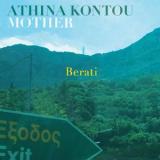
Mit "Berati" legt Athina Kontou gemeinsam mit ihrer Band Mother das zweite Album nach dem vielbeachteten Debüt "Tzivaeri" vor. Inspiriert von einem traditionellen Tanz aus der nordgriechischen Region Epirus, verbindet das Quartett Volksmusiktraditionen, Eigenkompositionen und improvisatorische Freiheit zu einer eigenständigen musikalischen Sprache. Das Album spiegelt die Weiterentwicklung der Band wider: Aus einem Ensemble ist ein organisch agierender Klangkörper geworden, der Dynamik, Rhythmus und Melodie mit großer Selbstverständlichkeit miteinander verwebt. Einflüsse aus Nordgriechenland, Armenien und Kreta treffen auf zeitgenössischen Jazz und eröffnen einen faszinierenden Dialog zwischen kulturellem Erbe und künstlerischer Gegenwart. Gastbeiträge von Koray Berat Sari und Erini erweitern das Klangspektrum zusätzlich. "Berati" ist ein eindrucksvolles Album über Zugehörigkeit, Erinnerung und die kreative Kraft kultureller Begegnungen.
expected to be published on 06 Nov

Streetcore - Skinhead Hardcore vom Bosporus, aus dem Herzen Istanbuls! Sie gehören zu den Pionieren dieser Subkultur in der Türkei - Die türkische Skinhead-Band Ofisboyz 2003 ins Leben gerufen - diverse personelle Wechsel - entwickelte sich mit der Zeit ein härterer und aggressiverer Sound. Aber Gitarren-Melodien können sie auch. Die Band selber beschreibt ihre Musik als eine Mischung aus Hardcore und Oi! und nennen es einfach "Skinhead Hardcore". Ofisboyz beschäftigen sich in ihren Liedern mit klassischen Themen wie Fußball, Freundschaft und Problemen aus dem Alltag, aber auch politisch nehmen sie Stellung! Auf Türkisch oder auf Englisch. 300 Stück weltweit, klassisch schwarzes Vinyl, 180g durchnummeriert.
expected to be published on 28 Mar 2025

Karl-Marx-Stadt (now Chemnitz) was one of the GDR’s subcultural hubs in the late 1970s and 80s. The industrial city in Saxony produced an impressively wide informal cultural programme beyond state structures. Bands such as Die Gehirne, Knut Baltz Formation, Die Arroganten Sorben, Kartoffelschälmaschine, AG Geige or the projects of cassette label klangFarBe created a complex artistic environment, in which Tropenkoller ran its spiritual exercises from 1986 to 1989. The “introverted experiment” remained distinct yet was exemplary of a KarlMarx-Stadt sound that considered dissonance a non-ideological form of harmonics. A first and only tape appeared in 1988. The extravagant packaging illustrated the edition’s exclusive nature; no more than twenty-five copies were released by Tropenkoller into the limited coterie of its open circle. tapetopia is a series of vinyl releases based on cassettes from East Germany’s 80s underground, particularly from the East Berlin "Mauerstadt" music scene, featuring original layouts and track lists. For over 30 years after their initial “release” the music on these tapes was neither available on vinyl nor CD, but they were important statements in the canon of the GDR subculture. Contrary to the small print runs of the time, many of the bands were considered cult in the underground,but suspect in the higher floors.
expected to be published on 26 Jan 2024

Hip-HopFunkPopDiscoWorld Music
Official re-release, retrieved from original cassette tape (1988). First time on vinyl! Includes Turkish musicians like jazz & percussion star Okay Temiz.
Brought to you by the compiler of the Saz Beat series as well as the Bosporus Bridges series.
A Danish-Lebanese Afro-American who has learned Turkish and knows how to play the saz? Who entered the Anatolian Pop scene in Istanbul right in the heyday, the early 1970s? And who got so much musical credit that the renowned Turkish producer Nazmi Senel released a solo album with him in 1988, recorded in Istanbul and including musicians like Turkish percussion star Okay Temiz? Sounds pretty unlikely. Sometimes miracles happen and highly improbable music gets released. A person with a diverse heritage as Nyofu Tyson can be seen as a 'melting pot', as a 'synthesis'. Yet, he can be also seen as someone who is able to step out for new paths.
This is the case for TÜRK LOKUMU - TURKISH DELITE. Like nobody before, Tyson connects and opens up Anadolu Pop towards a whole range of styles: Synth-Pop, New Wave, Reggae, Hip Hop/Break, Latin, Disco Boogie… He shows us how vital, compatible and versatile one could think Anadolu Pop at the end of the 1980s. The compositions are basically all Türkü-s, traditional Anatolian folk songs, yet updated with a poly-cultural music practice, which involved a lot of the then current musical trends. So, this is Turkish folk music and it has at the same time all what you like about the late 1980s pop music: cold electronic drum sounds, crisp-flashy synths, crunchy bass - all in contrast with warm distorted saz tones, wooden Turkish wind instruments, and a disco-soul proven female choir. This is crazy music. This is a miracle. This is Anatolian-Synth.
Last delivered 3 years ago
available to reorder, subject to availability

Vielen erscheint Istanbul als ein von Mythen und Traditionen umrankter Sehnsuchtsort, andere betrachten es als Symbol für wirtschaftlichen Fortschritt. Seit den Gezi Park-Protesten 2013 sieht Westeuropa in der pittoresken Metropole am Bosporus mehr als die Hagia Sofia und andere Kulturdenkmäler. Der Gitarrist Erkin Cavus verbrachte viele Jahre seines Lebens in der riesigen, hochverdichteten und oft hektischen Stadt. Hier hat er Karriere gemacht, an der Seite berühmter Künstler gespielt, ehe er vor rund vier Jahren nach Deutschland zog. Nun setzt Cavus, zusammen mit Reentko Dirks, dem historischen Istanbul ein klingendes Denkmal. Inspiriert von Bildern des berühmten Fotografen Ara Güler (1928-2018), der als einfühlsamer und detailverliebter Beobachter zum Chronisten des Lebens seiner Heimatstadt wurde. Seine Aufnahmen des mittlerweile verblassten, teils unwiederbringlich zerstörten Istanbul und der ehedem höchst unterschiedlichen Stadtteile hängen längst in Museen. Bei der Entwicklung des Repertoires für Istanbul 1900 hat sich das Duo bewusst Zeit genommen. Der stärkste kompositorische "Flow" entwickelte sich in den Wochen vor dem Studiotermin. Die individuelle Form der Stücke, die absichtsvoll konkrete Jazz- wie traditionellen Bezüge vermeidet, "hat sich ungeplant entwickelt", so Istanbul 1900 ist eine atmosphärische Hommage, die mitunter nachdenklich klingt, dann wieder zarte Leichtigkeit suggeriert. Angesichts des Themas Vergänglichkeit und des Umstands, dass Erkin Cavus seiner Heimatstadt nicht ganz freiwillig Adieu sagen musste, ist ein Hauch Melancholie sicher keine Überraschung. Gleichwohl vermeiden die beiden Musiker jedes dramatische Pathos. Ihre Töne zeichnen, ganz im Geist der Schwarzweißa-Fotos Ara Gülers, feine Schattierungen. Selbst wenn sie in "Moda" schwungvoll das Nachtleben der großstädtischen Bohème oder in "Pera" die Dynamik in Straßencafés und -kneipen nach Feierabend imaginieren. Insgesamt entwickelt Istanbul 1900 einen sehr eigenen, subtilen Zauber, den man so nur selten erlebt. Ganz wie die Stadt, die an der Schnittstelle von Orient und Okzident Welten verbindet.
expected to be published on 18 Nov 2022