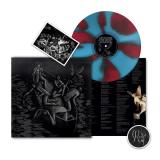
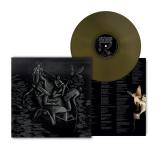
For the first time ever, Los Campesinos! are proud to offer new pressings of their first three studio albums on their very own record label; Heart Swells.
2026 marks the 20th anniversary of LC!’s formation, and coincides with the band being more popular and relevant than ever before. The 3 albums are available for the first time since 2020, on brand new colour ways, on 12” vinyl and CD, with updated artwork and packaging.
What the press said:
"This debut is unusually taut and polished, with hooks, crescendos, and clever turns of phrase nearly always in the right place. ” 8.4/10 - Pitchfork
“captures more believable, crackling punk energy than most hardcore bands.” 10/10 - AV Club
“Recommending this album seems too light a course of action; requiring it may be more apt. Consider Hold on Now, Youngster...highly required, then.” - 9/10 - All Music
“They write ridiculously knotted, satisfying hooks… they have great lyrics, great videos, their live show is phenomenal, and most importantly and intangibly (like all great bands) they somehow summon up a world through their music, until it feels as if everything in life is here.”
9/10 - Popmatters
"Time's Up"! Die australischen Streetpunker von "The Clinch" kommen endlich über den großen Teich mit ihrem brandneuem, dritten Album und ihrer ersten Europa-Tournee! 2018 erschien ihr Debut "Our Path is gone" und die 5 köpfige Band aus Melbourne avancierte schnell zum Geheimtipp: Schnörkelloser rough'n'tough Aussie-Streetpunk mit dirty RnR-Kante a la Rose Tattoo und einer Prise Brickwall-American Oi! Dazu Texte fernab der üblichen ausgetretenen Pfade und dezent eingesetzte aber stets mitreißende Gang-Vocals. Schnell machten Vergleiche mit Bonecrusher oder Bishops Green die Runde. Mit dem 2 Jahre später erschienenen Nachfolger "Basecamp" zementierte The Clinch ihren Ruf und die weltweiten Kritiken von Maximum RocknRoll bis Ox-Fanzine waren sich einig: Diese Band hat das gewisse Etwas und startet durch! Die erste Tour in Europa wurde geplant um aus dem Schatten des Outbacks heraus zu treten_dann kam die Pandemie und eine Krise folgte der Nächsten_aber aufgeschoben ist nicht aufgehoben: Im Fühjahr 2026 veröffentlichen "The Clinch" mit "Melbourne" und "Journeyman" digital die ersten Single-Auskoppelungen und kündigen mit "Time's up" ihr neues Album auf Sunny Bastards an! Musikstil und Sound als bewährtes Rezept sind gleich geblieben auch wenn The Clinch thematisch noch persönlicher den Finger in die Wunde der Gesellschaft legen_ Streetpunk, authentisch, ergreifend, ehrlich und ungeschönt ohne Pathos: 10 harte Volltreffer, die Spuren hinterlassen! "Man's not fed on good intention. No Safe Spaces left to mention" Songs wie "Stray Dogs" oder "FED" sind unter die Haut gehende Underdog-Anthems über Kampf, Verzweiflung, Zuversicht und sich nicht unterkriegen zu lassen. "Another day, another try"! Das Leben ist halt eine Reise und endet für Alle gleich! Mit Deinen Freunden im Rücken, einem Kämpferherz und "Seelenfutter" wie diese Platte ist es jeden verdammten Tag ertragbar. Also genieß es bevor "Time's Up!"! Oder um es mit "The Clinch zu sagen" It's my chosen way of life"!
"Time's Up"! Die australischen Streetpunker von "The Clinch" kommen endlich über den großen Teich mit ihrem brandneuem, dritten Album und ihrer ersten Europa-Tournee! 2018 erschien ihr Debut "Our Path is gone" und die 5 köpfige Band aus Melbourne avancierte schnell zum Geheimtipp: Schnörkelloser rough'n'tough Aussie-Streetpunk mit dirty RnR-Kante a la Rose Tattoo und einer Prise Brickwall-American Oi! Dazu Texte fernab der üblichen ausgetretenen Pfade und dezent eingesetzte aber stets mitreißende Gang-Vocals. Schnell machten Vergleiche mit Bonecrusher oder Bishops Green die Runde. Mit dem 2 Jahre später erschienenen Nachfolger "Basecamp" zementierte The Clinch ihren Ruf und die weltweiten Kritiken von Maximum RocknRoll bis Ox-Fanzine waren sich einig: Diese Band hat das gewisse Etwas und startet durch! Die erste Tour in Europa wurde geplant um aus dem Schatten des Outbacks heraus zu treten_dann kam die Pandemie und eine Krise folgte der Nächsten_aber aufgeschoben ist nicht aufgehoben: Im Fühjahr 2026 veröffentlichen "The Clinch" mit "Melbourne" und "Journeyman" digital die ersten Single-Auskoppelungen und kündigen mit "Time's up" ihr neues Album auf Sunny Bastards an! Musikstil und Sound als bewährtes Rezept sind gleich geblieben auch wenn The Clinch thematisch noch persönlicher den Finger in die Wunde der Gesellschaft legen_ Streetpunk, authentisch, ergreifend, ehrlich und ungeschönt ohne Pathos: 10 harte Volltreffer, die Spuren hinterlassen! "Man's not fed on good intention. No Safe Spaces left to mention" Songs wie "Stray Dogs" oder "FED" sind unter die Haut gehende Underdog-Anthems über Kampf, Verzweiflung, Zuversicht und sich nicht unterkriegen zu lassen. "Another day, another try"! Das Leben ist halt eine Reise und endet für Alle gleich! Mit Deinen Freunden im Rücken, einem Kämpferherz und "Seelenfutter" wie diese Platte ist es jeden verdammten Tag ertragbar. Also genieß es bevor "Time's Up!"! Oder um es mit "The Clinch zu sagen" It's my chosen way of life"!
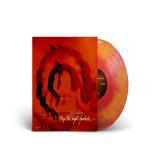
Terri Lyne Carrington + Social Science ― Matthew Stevens, Aaron Parks, and Morgan Guerin ― delivers their sophomore project, Trip the Night Fantastic, on Candid Records. GRAMMY® nominated for Best Jazz Instrumental Album for their 2019 release, Waiting Game, this acclaimed collective returns ― boasting an illustrious roll call of emcees, spoken word artists, and instrumentalists ― this time exploring systemic and contemporary themes that demand our attention, call us to action, and add stunning breadth to the time-honored tradition of amalgamating art and activism. Women’s empowerment, climate change, immigration, gender justice, body autonomy, community building, and animal rights are all elucidated with a freshness, depth, and creative brilliance that can only be birthed from someone whose creative core is rooted in empathy and humanity.
Featured throughout this new recording are vocalists Ledisi, Arooj Aftab, Michael Mayo, Miki Howard, Fatoumata Diawara, Debo Ray, Christie Dashiell, Lizz Wright, Vuyo Sotashe, Safa, Imani Rousselle, and Ian Michael; instrumentalists Brandee Younger, Marc Ribot, Larry Goldings, Rashaan Carter, Simon Moullier, Riley G, and Brenda Navarrete; emcees Nappy Nina, Kokayi, Kassa Overall, and Khemist; and spoken word artists J. Ivy, Aja Monet, Tarriona ‘Tank’ Ball, and Moor Mother.
With their ever-mutating brand of jazz-and-country-laced punk, Opus Kink have always cut a singular figure in a saturated landscape. Making their name with incendiary, cult-like live shows, the band - formed in Brighton (UK) in 2017 — has developed a sound as elusive as it is recognisable. Underscored by a formidable horn section and ragged, sardonic delivery, the band bear passing resemblance to post-punk and no-wave acts like The Pop Group, Birthday Party and Lounge Lizards, but it’s the weaving of older, more traditional influences - choral, folk, country, Latin, Weimar cabaret, cruise-ship-crooning - into the fabric of their music that sets them apart. Their highly anticipated debut album 'The Sweet Goodbye' is set for release on 31st July 2026 via So Recordings and follows a series of EPs and singles which have earned acclaim from NME, DORK, DIY, CLASH, SO YOUNG, BBC Radio 1 and playlisting on BBC Radio 6 Music. The album is produced by Grammy award-winning producer and mixer Craig Silvey (Arcade Fire, Florence & The Machine, Baxter Dury, REM, Kronos Quartet, Sam Fender), with album track 'The Head Tree' featuring The New Eves (No.1 Independent album in 2025). Opus Kink brings their alluring live show to audiences around the UK and Europe later this year, including a headline show at London's 2,300-cap venue o2 Kentish Town Forum, while the Summer sees them supporting The Libertines at Rochester Castle, Kent. TRACKLISTING A1. Come Over, Do Me Wrong A2. Will It Come For You? A3. I'm A Pretty Showboy A4. The Sweet Goodbye A5. Peckham Nocturne B1. I Have To Shine My Sunday Shoes B2. The Head Tree (ft. The New Eves) B3. 448C (The Colour of Love) B4. Crucify! B5. Oh, Irony QUOTES - ?"Horn-fuelled filth-funk, where punk and jazz combine in grimy circumstances." - NME - "One of the UK’s most exciting new bands?...A raucous, intense blast of guitar pop...as equally anxiety-inducing as it is sublime." - C?LASH - "Barnstorming, infectious" - Steve Lamacq, BBC 6 Music - "One of the most enjoyable genre fusions I've ever seen." - Nels Hylton, BBC Radio 1 - "(Their) ferocious live performances have earned them a reputation as? one of the best live bands in the country?." - So Young
With their ever-mutating brand of jazz-and-country-laced punk, Opus Kink have always cut a singular figure in a saturated landscape. Making their name with incendiary, cult-like live shows, the band - formed in Brighton (UK) in 2017 — has developed a sound as elusive as it is recognisable. Underscored by a formidable horn section and ragged, sardonic delivery, the band bear passing resemblance to post-punk and no-wave acts like The Pop Group, Birthday Party and Lounge Lizards, but it’s the weaving of older, more traditional influences - choral, folk, country, Latin, Weimar cabaret, cruise-ship-crooning - into the fabric of their music that sets them apart. Their highly anticipated debut album 'The Sweet Goodbye' is set for release on 31st July 2026 via So Recordings and follows a series of EPs and singles which have earned acclaim from NME, DORK, DIY, CLASH, SO YOUNG, BBC Radio 1 and playlisting on BBC Radio 6 Music. The album is produced by Grammy award-winning producer and mixer Craig Silvey (Arcade Fire, Florence & The Machine, Baxter Dury, REM, Kronos Quartet, Sam Fender), with album track 'The Head Tree' featuring The New Eves (No.1 Independent album in 2025). Opus Kink brings their alluring live show to audiences around the UK and Europe later this year, including a headline show at London's 2,300-cap venue o2 Kentish Town Forum, while the Summer sees them supporting The Libertines at Rochester Castle, Kent."Horn-fuelled filth-funk, where punk and jazz combine in grimy circumstances." - NME - "One of the UK’s most exciting new bands?...A raucous, intense blast of guitar pop...as equally anxiety-inducing as it is sublime." - C?LASH - "Barnstorming, infectious" - Steve Lamacq, BBC 6 Music - "One of the most enjoyable genre fusions I've ever seen." - Nels Hylton, BBC Radio 1 - "(Their) ferocious live performances have earned them a reputation as? one of the best live bands in the country?." - So Young
Korlakang are four young friends from Thonburi, the quieter, canal-laced western bank of Bangkok, where temple bells and river rhythms shape everyday life. Formed from a bond that stretches back to high school hallways and shared university years, the band came together with a sound rooted in Thai traditional music and the warm haze of psychedelic rock.
Their debut 7-inch, Samong Sai, is that rare thing: a record that seems to arrive already aged, carrying the grain and warmth of a forgotten 70s pressing. It seeps in slowly, sweet and chill, like sound faintly coming through a neighbour's window. The kind of music that makes you stop what you're doing just to hear a little more of.
born (literally) in fire, soma flared briefly as the alchemical pairing of two unique and dynamic musicians. david thrussell and pieter bourke met through mutual friends in the artistic melting-pot of early 1990s elwood, melbourne, australia. bourke was an integral member of the gothically ambient eden, thrussell frontman of anarchic industrial combo snog. both admired each others work, and though some considered them an unlikely combination, something rather potent was brewing which drew them inexorably together.
initially bourke joined snog live and then in the studio, contributing mightily to their epic second album ‘dear valued customer’. as a natural result of their friendship and muse, thrussell and bourke instituted their own project, soma, to explore the intersections of arcane and mysterious technologies. the first soma album “hollow earth” was released to acclaim.
soon after, thrussell was awoken by a 3am knock on his door. bourke was now homeless - the result of a devastating fire that had just torn through his apartment and studio - and he needed somewhere to sleep. this is when work on ‘the inner cinema’ began, with bourke and thrussell ensconced in the same dwelling, able to write and record around the clock (often only leaving to plan the next session while dining at local vegan eateries).
at the time thrussell was obsessed by the testosterone bravado and haunting alienation of ‘spaghetti-western’ theme songs, while bourke brought his love of all things percussive and the other-worldly atmospherics of arvo pärt (with the outer-space dub of king tubby) to the mix. together, on a diet of blood-plum sago, fortean times and lingering smoke fumes, they concocted their dadaist brew.
magical and unforgettable, ‘the inner cinema’ stands apart and outside of the musical mainstream. since its 1996 release the album has developed a mythical reputation and is spoken of in hushed and adulating tones among acolytes of atmospheric and electronic music. you hold in your hands a lovingly remastered deluxe reissue of this sonorous gem.
time marches on, and after a few more sporadic soma recordings bourke and thrussell moved on to other pastures. bourke would work with dead can dance, lisa gerrard and hollywood auteur michael mann, as thrussell toured regularly with snog and black lung, cut some interesting soundtracks and birthed the idiosyncratic omni recording corporation.
expelled from its fiery crucible, this dark jewel of sound, this soundtrack of the mind, has lain in the soft earth awaiting rediscovery. fluid metabolic rhythms and breathy washes of timeless melancholy pulsing, inviting, in the warm soil. now is your chance.
'Where the Smoke Goes captures the conscious and unconscious of Johnny Coley in duet between 2020-2024 AD. Alabama-born, Marseille-based artist Turner Williams Jr. wraps a selection of his dear friend Johnny’s penultimate compositions in arresting tone poems.
'The music buzzes and hums with distant trains, trembling strings, and lapping water, haloing our protagonist in a humid glow as he considers whether horses can live to 70 years old, cigarettes potent enough to knock you on your ass, and orchids facing the wrath of winter storms.
'This work began in the first Covid spring, as Johnny's advancing multiple sclerosis gave way to a permanent domestic confinement and a final period of prolific creativity. Johnny braved the toxic gales of social media to share his thriving poetry and visual art practice and to keep in touch with friends like Turner, who had recently moved abroad. For the first time, Johnny recorded himself, sending Turner fresh poems, day and night.
'Taking cues from late era Coil and the operas of Robert Ashley, Turner approached these recordings both as language and pure sound, arranging accompanying mosaics that emerge as much from Johnny’s unseen text as his mercurial drawl. Tracks draw from Turner’s solo practice as well as sessions including Henry Birdsey of Old Saw, members of the French underground (Manoir Molle, Loto Retina, Mona Assayag) and close Birmingham collaborators (Jasper Lee, Jimmy Griffin, Ladonna Smith). The voice is parsed and played as an instrument and each poem becomes a score.
'There is Johnny’s poetry and Johnny’s voice. These are two independent yet interwoven instruments. For Turner, Johnny's vocabulary, cadence, and timbre carry all of the contradictions that he writes about. His work is a dialogue of rich contradictions. "He plays with Southern American vernacular speech in his poetry while embodying it with his speech, creating a zone of emotional frisson. He loved combining opposites. Rough yet soft was one of his favourite descriptors", Turner recalls, "That was Johnny. ” Upon hearing the completed record, Johnny likened it to "a beautiful wood box, that when you open it there are fabrics shot through with silk threads and sharp fall woods smells - supporting and decorating the poems that fall out of them. ”
'This record captures something unconscious, atmospheric, and gives it unexpected materiality. Smoke that you can feel like grass under your feet. Stars that you can touch like a lover. Meeting for the final time in the summer or 2025, the time for words had passed so they just held hands and listened to the album opener Stargazer in silence as Johnny drifted off to sleep.'
For Love of Grace & the Hereafter is the sixth studio album from beloved Danish quintet Iceage. Across the sprawling, twelve song arc of the album, love variously retaliates and retreats in an eternal tango, Elias Rønnenfelt's lyrics burn with apocalyptic intimacy while the band manically maneuvers around their shape-shifting brand of feral post-punk. Produced by Iceage and longtime collaborator Nis Bysted, the album threatens to bite back if bitten, thriving in the haunted shadows with streetwise, saintly splendor.
out of Stock
Last delivered 84 days ago available to reorder, subject to availability
Im Jahr 2025 feiert Chess Records sein 75-jähriges Jubiläum. Anlässlich dieses historischen Meilensteins
wird Chess im Oktober dieses Jahres eine umfassende Jubiläumsreihe mit einer kuratierten Auswahl audiophiler Vinyl-Neuauflagen starten.
Die fortlaufende monatliche Serie wird Veröffentlichungen von legendären Künstlern aus dem renommierten
Chess-Kader präsentieren.
Das Album „Howlin’ Wolf“ von Howlin’ Wolf, das wegen der Abbildung eines Schaukelstuhls auf dem
Cover liebevoll als „The Rockin’ Chair Album“ bezeichnet wird, rockt in mehr als einer Hinsicht. Diese
Platte fängt den wahren Sound des Electric Blues ein und versammelt Singles, die ursprünglich zwischen
1957 und 1961 veröffentlicht wurden. Mit den Talenten der Chess-Stammbesetzung, darunter Willie Dixon,
Hubert Sumlin, Sam Lay und Jimmy Rogers, liefert das Album einen kraftvollen Sound. Zu den herausragenden Titeln zählen unter anderem „Little Red Rooster“, „Spoonful“ und „Back Door Man“.
„Muddy, Brass & The Blues“ markiert einen Wendepunkt in Muddy Waters’ Karriere. Obwohl das Cover
Waters mit einer Gitarre zeigt, sind es seine Talente als R&B-Sänger, die auf dieser Platte zur Geltung kommen. Er erkundet einen neuen Sound, der klassische Blues-Elemente mit Bläsern verbindet. Das Ergebnis
ist eine beeindruckende Interpretation des Blues, die frisch und gewagt wirkt. Zu den wichtigsten Titeln
gehören „Corine, Corina“, „Black Night“ und „Sweet Little Angel“
Das 1962 erschienene ”Big Band Bossa Nova” ist Teil einer ganzen Reihe brasilianisch geprägter Alben
von Stan Getz (1962 ”Jazz Samba”, 1963 ”Jazz Samba Encore!”, 1964 ”Getz/Gilberto”), wobei er auf
dem von Creed Taylor produzierten und von Gary McFarland arrangierten und dirigierte Album mit der
Einbettung seines Tenorsaxofons in Big-Band-Arrangements überraschte. Für die Session verbanden Stan
Getz und Gitarrist Jim Hall, Trompeter Doc Severinsen, Bassist Tommy Williams und Schlagzeuger Johnny
Rae die Rhythmen von Samba und Bossa Nova mit packenden, kraftvollen orchestralen Arrangements.
Das Repertoire greift auf brasilianische Kompositionen zurück, wie Luiz Bonfás ”Manhã de Carnaval” oder
Antônio Carlos Jobim und Vinícius de Moraes’ ”Chega de Saudade”, sowie auf Material von McFarland
(”Balanço no Samba” oder ”Street Dance”) und mehr
Songs, interpretiert von Memphis Slim, Sonny Boy Williamson, Big Bill Broonzy und anderen. Als United Artists 1959 ,Blues in the Mississippi Night" endlich veröffentlichte - nachdem man das Album jahrelang als ,zu kontrovers" eingestuft hatte -, erhielten die mitwirkenden Künstler Pseudonyme, um ihre Familien zu schützen. Das war der Preis dafür, dass sie die brutale, ungeschönte Wahrheit aussprachen. Heute wissen wir, dass ,Natchez, Sib & Leroy" die legendären Bluesmusiker Big Bill Broonzy, Memphis Slim und Sonny Boy Williamson waren. 1947 nahm Alan Lomax die drei Giganten mit einem Presto-Disc-Aufnahmegerät in den Decca Studios in New York City auf, nachdem sie im Rahmen seiner ,Midnight Special"-Konzertreihe in der nahegelegenen Town Hall aufgetreten waren. Lomax bat sie, ein paar Songs zu spielen und über ,den Blues" zu sprechen, und ermutigte sie, offen über die Ungerechtigkeiten des Lebens der Schwarzen in Amerika zu reden. Das Ergebnis war ,Blues in the Mississippi Night", eine bahnbrechende Aufnahme ihrer Songs und Geschichten, die die Ursprünge der Musik in Blut, Schweiß und Tränen der Afroamerikaner aufzeigt, die im Mississippi-Delta unter den Ausbeutungsbedingungen der Jim-Crow-Gesetze lebten. Einfach gesagt: Die Aufnahmen sind atemberaubend in ihrer brutalen Ehrlichkeit und ihrer fesselnden Meisterschaft. Heute hat das Lomax-Archiv die Originalbänder dieser historischen Aufnahme digital remastert, um sie zum ersten Mal seit 1959 wieder auf Vinyl zu veröffentlichen. Im Paket enthalten ist ein 20-seitiges Deluxe-Booklet mit einer vollständigen Transkription der gesamten Aufnahme sowie brandneuen Liner Notes von Anna Lomax Wood und einer Einleitung des renommierten Schlagzeugers und Produzenten Steve Jordan (Rolling Stones, John Mayer). ,Ich fordere jeden, der das Leben und die Wahrheit liebt, auf, sich diese Aufnahme anzuhören", sagt Jordan. Wenn man sich die Texte und die Musik darin anhört, wird das schnell klar. Dies ist eine unverzichtbare Aufnahme - ein Eckpfeiler in der Plattensammlung jedes Blues-Fans und ein unbestreitbarer Teil der amerikanischen Geschichte.
Im Jahr 2025 feiert Chess Records sein 75-jähriges Jubiläum. Anlässlich dieses historischen Meilensteins
wird Chess im Oktober dieses Jahres eine umfassende Jubiläumsreihe mit einer kuratierten Auswahl audiophiler Vinyl-Neuauflagen starten.
Die fortlaufende monatliche Serie wird Veröffentlichungen von legendären Künstlern aus dem renommierten
Chess-Kader präsentieren.
Das Album „Howlin’ Wolf“ von Howlin’ Wolf, das wegen der Abbildung eines Schaukelstuhls auf dem
Cover liebevoll als „The Rockin’ Chair Album“ bezeichnet wird, rockt in mehr als einer Hinsicht. Diese
Platte fängt den wahren Sound des Electric Blues ein und versammelt Singles, die ursprünglich zwischen
1957 und 1961 veröffentlicht wurden. Mit den Talenten der Chess-Stammbesetzung, darunter Willie Dixon,
Hubert Sumlin, Sam Lay und Jimmy Rogers, liefert das Album einen kraftvollen Sound. Zu den herausragenden Titeln zählen unter anderem „Little Red Rooster“, „Spoonful“ und „Back Door Man“.
„Muddy, Brass & The Blues“ markiert einen Wendepunkt in Muddy Waters’ Karriere. Obwohl das Cover
Waters mit einer Gitarre zeigt, sind es seine Talente als R&B-Sänger, die auf dieser Platte zur Geltung kommen. Er erkundet einen neuen Sound, der klassische Blues-Elemente mit Bläsern verbindet. Das Ergebnis
ist eine beeindruckende Interpretation des Blues, die frisch und gewagt wirkt. Zu den wichtigsten Titeln
gehören „Corine, Corina“, „Black Night“ und „Sweet Little Angel“
2026 Repress
The journey continues with Constellations Vol. 3, weaving together a powerful blend of electro and techno. Anthony Rother delivers his signature precision in sound design, while Maelstrom bends the grid with a glitchy, IDM-infused excursion. Credit 00 dives deep into electro's darker corners, joined by a trippy collaboration from Serge Geyzel & Dagga, the rolling energy of TaronX, and The Spy'sindustrial-tinged intensity.
A bold and atmospheric continuation of the Constellations saga - built for exploration beyond the dancefloor.
out of Stock
Last delivered 62 days ago available to reorder, subject to availability
A new solo album from Seu Jorge reveals his 'other side' on this new solo album featuring Beck and Maria Rita. Produced by Mario Caldato Jr. (Beastie Boys), the album moves between jazz and bossa nova and is the result of a 16-year musical journey.
Seu Jorge is ready to present to the world the most ambitious project of his international career. After 16 years in the making, “The Other Side” finally arrives on streaming platforms in May. A departure from the soul and samba that defined his solo career, the new album is a sophisticated orchestral celebration of Brazilian music, moving between jazz and bossa nova.
The seed for this meeting between the Brazilian soul and orchestral sophistication was planted by a longtime friend and admirer: the legendary producer Mario Caldato Jr., known for his work with the Beastie Boys and Jack Johnson. The partnership, however, goes back further. “It’s not often that you find a voice and talent as vibrant and powerful as Seu Jorge’s. That’s what I felt in 1999, when I met him in Los Angeles,” recalls Caldato. “Since then, our friendship and admiration have only grown, allowing us to create music together with total freedom.”
The spark for “The Other Side” came from a moment of pure sensitivity. “This album was born when I recorded Jorge playing a simple version of ‘Girl You Move Me,’ by the band Cane and Able, on a nylon-string guitar. The performance was very sensitive and dynamic, which moved me deeply,” says the producer.
It was then that Caldato had the idea to invite multi-instrumentalist and arranger Miguel Atwood-Ferguson to orchestrate that demo. The partnership, which began in 2009, blossomed organically. “I shared some ideas with Miguel, and he understood perfectly, creating a beautiful arrangement that elevated the song to a much more luxurious and sophisticated dimension. That experience planted the seed for this orchestral adventure. "
With his characteristically deep, velvety voice, Seu Jorge guides the listener through a repertoire that revives gems of MPB. The artist cites as references the catalog of the German label ECM Records and the arrangements of Claus Ogerman, a conductor who worked with Tom Jobim and João Gilberto.
Recorded in stages between 2009 and 2018, the album is a true work of musical
craftsmanship, created with calm and friendship. The live rhythmic foundations were
provided by Seu Jorge’s band. “Jorge has a lot of confidence in and pride for his musicians, allowing them to express themselves freely. Each one brings a special flavor to every song; this was their album too, ” notes Caldato Jr.
“It was a week of pure joy for me and for all of us, recording and capturing that magical spirit and vibe,” adds the producer, who saw the work come together with arrangements by Miguel Atwood-Ferguson. “When it came time for mixing, everything felt very natural. The album revealed itself and came together magnificently. For me, it’s a timeless album.”
The album features covers of songs such as “Crença” by Milton Nascimento (from his 1969 debut album); “Caboclo” by Arthur Verocai, in a version with psychedelic guitars; and, of course, “Girl You Move Me” by the Canadian band Cane & Able, which inspired the project. Among the tracks featuring guest artists, “Vento de Maio” by Márcio Borges (a hit with Lô Borges and Elis Regina) features an intense duet with Maria Rita. Another major collaboration is with American singer Beck, a self-proclaimed fan of Brazilian music and Grammy winner. Together, they perform “River Man” by the revered British singer Nick Drake.
out of Stock
Last delivered 3 months ago available to reorder, subject to availability
Does the complexity that defines us as individuals already have a sacred function, or do we need to connect the cells we are made of to something more? This is what the new and third album by Le Pietre dei Giganti titled Pastorale asks itself and the listener. Lorenzo Marsili (vocals, guitars), Francesco Utel (guitars, synths and samples, vocals, percussion), Niccolo Pizzamano (bass) and Francesco Nucci (drums, percussion) draw inspiration from the interaction between humans and nature, from the idea of the universe as a physical and chemical system. This inspiration melds perfectly with the cover artwork by Morgan Sorensen (See Machine), where the subject and space are represented according to a rational vision. The color red and the circle above it trigger an emotional response. Our brains follow the rules of the world around us, but culturally we associate this emotional reaction with a depth that goes beyond matter.
Futurismo are thrilled to present Give Thanks, the long out of press 1984 hardcore classic by Articles Of Faith. Produced by Bob Mould, and newly remastered directly from the original tapes, this powerhouse of a record is now coming on both LP and CD after being unavailable for decades. Originally released in 1984, the debut LP Give Thanks by Chicago hardcore legends Articles Of Faith, is proof a hardcore record can be both political and poetic. Fuelled by rage, introspection and a musical progression that could be seen as a blueprint for what would later become known as post-hardcore, this album ticks every box you want from a record of the era: intense, emotive, scathing, unpredictable, all topped off by the masterful production of Bob Mould (Hüsker Dü/Sugar). Give Thanks is perhaps overlooked in many top ten’s of the genre, but leaving the bands debut LP off that list would be a mistake. A demonstration in raw emotion and political angst, Give Thanks harnesses a sound that could have only happened during the Reagan era. Hardcore was of course a musical explosion built upon aggression and discontent, yet Give Thanks forcefully fuses this concept of raw power with a multitude of musical influences at a time when some of their contemporaries perhaps seemed to tread water. Whilst the principles and sonics harnessed on AOF’s debut album may have had more in common with the sounds coming out of Washington D.C., this record has an authentic Chicago savvy running through it, effortlessly projecting a street level tone whilst simultaneously aiming to show the possibilities of what a hardcore record could be. In retrospect, AOF’s debut was a hardcore album ahead of it’s time, perhaps the reason it’s fervent themes and artistry still feel so fresh and relevant. Whether that’s due to Vic Bondi’s gravelly tones geared to critique the societal regime at play, or the considered guitar work aimed to both blast and texturize, or the intense drums rhythms inspired by jazz and dub, there is a depth to the final album that feels like a band testing their parameters, one listen to ‘Every Man For Himself’ and you know you are listening to something special. Familiarity and originality rarely crossover, but in this case they coexist to leave us with a forward thinking punk record that is more interested in shouting it’s emotions from the street, than it is screaming into a vacuum.
A true American hardcore record, and a must for fans of Minor Threat, Dead Kennedy’s, Bad Brains and Fugazi.
Gloss laminated digipak CD & Limited edition pink & white colour vinyl.
American hard rock band Alcatrazz once featured legendary musicians like singer Graham Bonnet as well as guitarists Yngwie Malmsteen and Steve Vai. With their current line-up of guitarist Joe Stump, keyboard player Jimmy Waldo, bassist Gary Shea, drummer Mark Benquechea and new singer Giles Lavery, Alcatrazz re-recorded nine songs of their back catalogue. In addition to well-known numbers like “Hiroshima Mon Amour”, “Island In The Sun” and their biggest hit “God Blessed Video”, »Prior Convictions« also features two brand-new numbers, “Transylvanian Requiem” and “Stand And Wait Your Turn”. The release embodies how Alcatrazz sound today. Guitarist extraordinaire Joe Stump can barely hide his excitement: “Something old is something new and these new versions of some of the old Alcatrazz classics are killer and 100% metal.” “The new line-up is firing on all cylinders,” enthuses keyboardist Jimmy Waldo, while his colleague on bass, Gary Shea”, adds: “My prior convictions have always remained true, step up and rock hard. »Prior Convictions« continues the Alcatrazz saga with a 21st century twist of classic songs and new music.“ Although »Prior Convictions« is not a new studio album, it’s a clear sign that Alcatrazz are continuing the legacy, giving new fans the chance to get familiar with a whole bunch of bona fide hard rock classics from the eighties. Old fans, on the other hand, will quickly learn that the new line-up is every bit as potent as past incarnations of the band. »Prior Convictions« was originally issued exclusively on CD in 2025 via Brave Words Records. Thanks to High Roller Records, it’s now also out on high-quality vinyl.
If you have kept a keen eye on what is going on in German thrash these days, you cannot have missed the comeback of Protector, legendary thrash/death outfit from Wolfsburg, Lower Saxony. Formed in 1986, Protector first called it a day in 2003, only to return in 2011 and releasing their “Reanimated Homunculus” on High Roller Records in 2013. Protector are widely regarded as one of the most underrated outfits from the prolific German thrash/death scene of the Eighties. Their debut-EP “Misanthropy” from 1987 is a thorny gem of uncompromising thrash metal, raw and fast, and with a strong feel of evil blackness. This first official release laid the base for Protector's reputation as “Germany’s most brutal band”, as some people called them. Protector? Really? Some band from some far out place in Lower Saxony? It’s true, Protector never rose to the same heights of fame as Kreator, Sodom and the likes, but back in the days, they made a name for themselves by playing not only fierce and sharp thrash metal, but always being extremely harsh, brutal and very very evil. “Misanthropy” is a perfect testimony for this: In its six-tracks-brevity, Protector’s debut-EP is a violent attack on the listener, giving you six razor sharp cuts and leaving you behind, crushed and bleeding. “Misanthropy” was recorded in the summer of 1987 at the White Lines Studio in Braunschweig. While the band's main influences at that time were Slayer’s “Reign in Blood”, Possessed’s “Seven Churches” and Exodus' “Bonded by Blood”, “Misanthropy” actually sounds like none of these albums – but very unique; In part this is due to Martin Missy's extraordinary extreme vocal performance, which always bordered on the verge of death metal growls and thus added a lot to Protector’s very own way of evil. The reactions to “Misanthropy” were mixed: Fans and the underground media celebrated the release, while the bigger magazines were sceptical about Protector's brutal and aggressive style and sound. Anyway: “Misanthropy” made people aware of this four-piece who lived in the shadow of the then still intact German Wall, far away from the Ruhr-Area, the heart of Teutonic thrash. For the High Roller re-release, nothing will be changed about the sound, which makes total sense, given that “Misanthropy” is great just as it is. Instead, “Misanthropy” comes with a very special feature: To make the release as complete as possible, High Roller includes the two songs from the demo from 1986, “Protector of Death” and “Apocalyptic Revolution”, something Martin Missy totally appreciates: “I think this is a great thing to do. That way the fans get an idea about what Protector sounded like before the EP was recorded.” One thing is already clear: Protector never got any more aggressive, sharp and shattering than on „Misanthropy”.
Gilberto Gil - ”Louvação” (1967): Auf seinem Debütalbum stellt sich ”einer der brillantesten jungen Interpreten und Komponisten Brasiliens” (AllMusic) vor. Die energiegeladene Musik ist nicht nur von Bossa
und Samba, sondern auch von Baião, Karnevalsmärschen und Balladen aus den 1950er Jahren beeinflusst.
Limitierte Auflage in rotem Vinyl
out of Stock
Last delivered 3 months ago available to reorder, subject to availability
Im Jahr 2002 veröffentlichten Reigning Sound "Time Bomb High School", ein brandheißes Rock-'n'-Roll-Album, das die Herzen und Ohren aller eroberte - von Little Steven Van Zandt bis hin zu Howlin' Pelle Almqvist von The Hives. Seit der Erstveröffentlichung ist "Time Bomb High School" auf Vinyl vergriffen und zum Heiligen Gral für Plattensammler geworden. Jetzt haben diese Sammler Grund zur Freude: "Time Bomb High School" kehrt auf Vinyl zurück, neu gemastert und mit einem neuen Cover von Greg Cartwright. Von The Guardian als "ein wahrhaft unanfechtbarer Rock'n'Roll-Soul-Klassiker" gepriesen, war "Time Bomb High School" der Durchbruch für das in Memphis ansässige Quartett aus Cartwright (Gesang, Gitarre), Jeremy Scott (Bass, Hintergrundgesang), Greg Roberson (Schlagzeug) und Alex Greene (Orgel, Gitarre, Hintergrundgesang). Die Songs - Cartwrights Eigenkompositionen und Coverversionen wie "Stormy Weather" und "I'd Much Rather Be With the Boys" - sind so lebendig wie eh und je, doch das Herzstück dieser Ausgabe von "Time Bomb High School" liegt in der Reihenfolge der Titel, die originalgetreu der Erstpressung von 2002 beibehalten wurde. Seite 1 bietet Midtempo-Balladen und Liebeslieder. Seite 2 besteht ausschließlich aus Rocknummern. Das Album beginnt mit vier der verletzlichsten Sehnsuchtslieder von Reigning Sound, bevor es in eine Interpretation von "I Don't Believe" der Lokalmatadoren aus Memphis, The Guilloteens, übergeht. Daraus entsteht ein fast völlig neues Album. Die Selbstsicherheit und Prahlerei der Band bleiben intakt, doch das Album wirkt ernsthafter und offenherziger, als hätten sie ihre Schutzmauer abgebaut, um den Hörer wirklich hereinzulassen seine Lobeshymnen fühlen sich an wie ein Zufluchtsort vor dem Sturm. Es gibt keine falsche Art, "Time Bomb High School" zu hören, aber dies ist seine endgültige Form: ein Klassiker, der bereit ist, wiederentdeckt zu werden, und für den Rock-Kanon genauso unverzichtbar ist, wie die verstaubten 45er-Platten, die Reigning Sound inspiriert haben.
out of Stock
Last delivered 3 months ago available to reorder, subject to availability
Originally released in 2008. Although this album invites aesthetic comparisons to works by the likes of Philip Jeck, William Basinski, and Janek Schaefer – draped as it is in an obfuscating, soupy crackle – there’s a very specific conceptual agenda at work here.
Part of the success of »Persistent Repetition of Phrases« comes from the attention it pays to the function of »the loop«, not only as a narrative ordering system in modern music, but as a means by which the brain itself recalls and interprets information; it’s as old as recorded sound itself, but in this context the repetition of small shards of auditory information becomes an elegy to fading memory and the worn-out synapses of old age. The track titles offer signposts through Kirby’s labyrinth of faulty remembrances, pointing their way towards the peculiarities dictating the manner by which the mind stores and attempts to recover information: »Lacunar Amnesia« references a condition that leaves a specific event absent from the sufferer’s memory, and Kirby’s music sounds suitably stuck on a prelude to something that never happens.
Bathed in gusts of crackle, the piece gets stuck on what might be a start of something, but we never get to hear what. Many of the pieces refer to different ways the memory might find itself caught in a holding pattern: »Von Restorff Effect«, »Rosy Retrospection«, and the title track itself are all suggestive of reliving a single event or point in time – here, both music and memory are united by the notion of »glitch«, whereby a fault or fissure causes the replaying of the same pocket of data over and over again, but what distinguishes Kirby from so many other musicians operating within the field of loops and broken recordings is the unnerving, ghostly sentimentality that courses through this process. »Long Term (remote)« is particularly explicit in its reaching back through the first half of the 20th century, exhuming snatches of music hall romance, now warped into a sinister new form by the erosions of time. It’s like watching John Carpenter’s »The Fog« only to find that instead of vengeful phantoms emerging from the mist, it’s The Glenn Miller Band. Which is infinitely more disturbing. More eerie still is the detachment from authorship endemic to this sound – at no point do you really sense the presence of a composer’s hand; this album just... is. A remarkable thing that only seems to have improved with age (which is either highly appropriate or highly inappropriate, I can’t quite decide which), »Persistent Repetition of Phrases« is an even better fit on vinyl, a medium which itself wears and fades just as the memory does.
out of Stock
Last delivered 3 months ago available to reorder, subject to availability
Due to demand, ‘Completely Deep Patterns’, the 2025 debut album of the Deep Patterns project of Bristol producer Ben Dubuisson, is to be reissued as a full vinyl release on 14th July. Originally released on very limited edition lathe-cut vinyl, tracks from Deep Patterns have been supported on BBC 6 Music, FIP, Jazz FM, KEXP, NTS, Rinse FM, and SWU; with Electronic Sound magazine describing it as “An immersive 1970s soul bath scented by lo-fi hip hop and dub” and Twisted Soul calling it “Nothing short of a triumph…indicative of its architect’s boundless talents and fascinating vision”.
Lush, late-night tracks rooted in hip-hop foundations, live instrumentation, rare samples, and recurring motifs; the album was crafted in collaboration with a revolving cast of musicians Dubuisson has built deep connections with over the years, including BEAK> bassist Billy Fuller, Dan Harris on piano, Jamichael on flute, and vocals from The Epoch House Choir. Sliding between soul, jazz, library, and cinematic soundtracks, the album is filtered through a gritty, modern Bristol lens. At its heart, it’s a meditation on loss, longing, and the strange beauty of the world we’ve made for ourselves. From running cult Bristol record shop Purple Penguin and co-founding the city’s influential club Native, to his releases as Hundred Strong, Dubuisson has long championed soulful, forward-thinking music. Having collaborated with everyone from Taskforce and A-Trak to Joseph Malik, Alison Crockett, Amp Fiddler and Boca 45; ‘Completely Deep Patterns’sees him push deeper still, weaving a sonic world that feels both timeless and freshly alive.
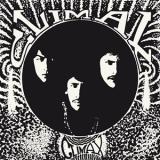
Debut EP (1969) by the legendary Bolivian band Climax, recorded during their hard rock period, before evolving their sound toward progressive rock a few years later with the release of their well-known album "Gusano mecánico". Includes versions of 'Born to Be Wild' by Steppenwolf, 'Fire' by The Jimi Hendrix Experience, and 'Sunshine of Your Love' and 'Tales of Brave Ulysses' by Cream. On October 7, 1974, the now-historic "Gusano mecánico" was released - the only full-length album by the legendary Bolivian rock band Climax. Founded in 1968 from the remnants of the disbanded Los Black Byrds and the unrealized project The Turtles, Climax was formed by guitarist José "Pepe" Eguino and bassist Javier Saldías, who developed a strong bond with drummer Alvaro Córdova, cemented by their shared passion for rock. Together, they embarked on a journey of self-discovery, spending several months in the United States during a crucial period straddling the end of the Summer of Love and the lead-up to Woodstock. This period, perhaps the most significant of the 1960s Bolivian countercultural movement, saw an explosion of artistic expression driven by dissatisfaction with the society that the youth had inherited from their parents. Within this context, the influence of iconic bands such as The Jimi Hendrix Experience, Cream, Blue Cheer, and Emerson, Lake & Palmer played a pivotal role in their decision to return to Bolivia and form the country's first 'power trio'. Their early EPs paid tribute to their musical heroes. The first of these is titled "Born to Be Wild" (1969), including versions of 'Born to Be Wild' by Steppenwolf, 'Fire' by The Jimi Hendrix Experience, and 'Sunshine of Your Love' and 'Tales of Brave Ulysses' by Cream. Recording covers was completely normal at the time and was also their way of learning the musical language. It's worth noting that the term "cover" did not carry the meaning it has today; back then, the main goal was to spread the music and bring it to a wider audience. First time vinyl reissue.
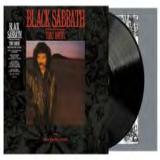
„Seventh Star“ ist das zwölfte Studioalbum der Heavy-Metal-Ikonen Black Sabbath. Das ursprünglich
am 28. Januar 1986 in den Vereinigten Staaten und am 21. Februar 1986 im Vereinigten Königreich
veröffentlichte „Seventh Star“ präsentiert Gründungs-Gitarrist Tony Iommi gemeinsam mit einer Besetzung,
die aus Geoff Nicholls, Eric Singer, Dave Spitz und Glenn Hughes (ex-Deep Purple) als Leadsänger besteht.
Diese neueste LP- und CD-Neuauflage enthält ein brandneues Remaster aus dem Jahr 2026.
Grandeza, the debut album by Sao Paulo’s Sessa, points to new, subtle directions for modern Brazilian music – a deep, minimalist, almost insinuated use of the rich textures that define the songwriting history of Brazil, one which Sessa now joins among its most promising new voices. His songs are sung in Portuguese, with visceral, sensual lyrics in the vein of Caetano Veloso, and the melodic flourishes of Tom Jobim and Arthur Verocai.
However, the music gets a deliberate minimalist treatment rarely found in contemporary Brazilian music, more reminiscent of the bareness of Leonard Cohen, with touches of tropicalia, psychedelia, and the mystic jazz of Moondog and Pharoah Sanders. Recorded in various locations between São Paulo and New York City.
Picture disc, artwork by C. Bedford Black Screen Records and Kaizen Game Works have teamed up for two new vinyl editions of Barry "Epoch" Topping's vibrant funky city pop/vaporwave soundtrack to the open world adventure game Paradise Killer. Topping's incredible soundtrack will be available on brand new picture discs as well as rosé & crystal clear with white marbled vinyl. The LPs are housed in a gatefold sleeve with beautiful 80s anime- & city pop-inspired artwork by Mizucat - additional art and layout by Kaizen Game Works, Barry Topping and Dane Baudoin. The picture disc artwork was crafted by C. Bedford as well as the one for the included folded A2 Crimson Acid poster. The sounds of Paradise. The music of a cosmic dream. Tunes from another reality. The tempo of the crime to end all crimes. The beat of long dead alien gods. The playlist of the investigation freak. Let the music take you away to Paradise. Feel the sun scorching your skin. Smell unbearably hot concrete. Savour the sweet taste of crime committed on a tropical island in another reality. Remember when we danced along the beach? Along the streets of Paradise? You made me this mix tape on the roof of your apartment block. We stared at the moon. You said you'd kill the moon. I didn't believe you. I was wrong.
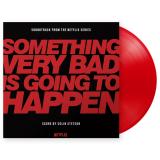
Something Very Bad is Going to Happen is a brand new 2026 Netflix horror series produced by the Duffer Brothers, the creative minds behind the global hit Stranger Things. From the Executive Producers of Stranger Things, and the Director of Baby Reindeer, Something Very Bad is Going to Happen is on Netflix from March 26th. Created by Haley Z. Boston.
The music for the series is composed by Grammy Award-winning musician and composer Colin Stetson, renowned for his idiosyncratic use of saxophone in his projects. He has collaborated with acclaimed artists such as Bon Iver, Arcade Fire and The National, amongst others. Scoring Something Very Bad is Going to Happen builds on Stetson's extensive experience in film and game music. He has composed soundtracks for films like the psychological horror Hereditary (2018) and the dark thriller The Menu (2022), as well as the epic Rockstar game Red Dead Redemption 2 (2018). For this series, Stetson delivers a suspenseful soundtrack, perfectly complementing the Duffer Brothers' signature storytelling. A must-have release for fans!
The soundtrack of Something Very Bad is Going to Happen is available as a limited edition on red vinyl and includes an insert.
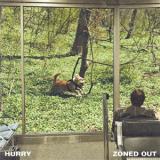
Matt Scottoline - Sänger, Songwriter und Frontmann von Philadelphias bester Indie-Rock-Band, HURRY - ist ein Grübler. Das ist verständlich; wir leben in unruhigen Zeiten, in denen sich die Welt so schnell verändert, dass man kaum noch mithalten kann. Für Matt treffen diese Ängste diesmal jedoch näher an seinem Herzen: die bevorstehende Vaterschaft, ein runder Geburtstag am Horizont und quälende Fragen über seinen Platz in der Musikszene. Braucht die Welt wirklich ein neues Hurry-Album? Nach den zehn Songs zu urteilen, aus denen ,Zoned Out" besteht - Hurrys sechstes Album in voller Länge und das vierte bei Lame-O Records -, lautet die Antwort ein klares Ja. Aufgenommen im The Metal Shop von Ian Farmer und koproduziert von Farmer und Scottoline, zeigt das Album Hurry in Bestform. Erneut unterstützt von Rob DeCarolis am Schlagzeug, Joe DeCarolis am Bass und Justin Fox an der Gitarre, klingt die Band geschlossener denn je - so perfekt aufeinander abgestimmt, dass sich alles mühelos anfühlt. Schon beim Eröffnungstrack ,All Sunk In" mit seinen stampfenden E-Gitarren und der Ohrwurm-Melodie ist der Ton sofort gesetzt. Die Verstärker sind lauter, der Groove strahlt eine selbstbewusste Lässigkeit aus, und Matts Stimme klingt besser denn je. ,Moving After You", das Highlight des Albums, klingt wie der beste Song, den Teenage Fanclub nie aufgenommen hat - was den Gastauftritt von Gerard Love umso perfekter macht. Es ist zeitlose Popmusik, gemacht für diese Zeit.
Frisch gekrönt mit ihrem ersten GRAMMY Award in der Kategorie ,Bestes R&B-Album" für ihren Beitrag zu Leon Thomas' MUTT kehrt die unverwechselbare Sängerin/Altistin mit "Yearnalism" zurück, ihrem dritten Studioalbum, das von Selbstbewusstsein, Fürsorge und befreiender Liebe durchdrungen ist. Die Singer-Songwriterin und Produzentin definiert ,Yearnalism" als den Prozess und die Dokumentation von Sehnsucht in ihren vielen Formen: ,Sehnsucht nach Freiheit, Sehnsucht nach Liebe, Sehnsucht nach dem, was man nicht haben kann, Sehnsucht nach Erweiterung." Diese kompakte LP mit 12 Songs, die bald zu Klassikern werden, zeichnet eine holprige Roadmap der Sehnsucht, frei von Ego. Baby Rose hat fast ein Jahrzehnt lang auf diesen Moment hingearbeitet. Aufgewachsen zwischen Washington D.C. und Fayetteville, N.C., geprägt von Künstlern wie Nina Simone, Donny Hathaway und Janis Joplin, ist die als Jasmine Rose Wilson geborene Musikerin seit ihrem Debüt ,To Myself" aus dem Jahr 2019 eine feste Größe im Alternative R&B. Damals waren es der rauchige Klang ihrer Stimme und eine für ihr Alter ungewöhnlich reife Ausstrahlung, die die Zuhörer zum ersten Mal in ihren Bann zogen. Seitdem hat sie sich auf Alben mit Ari Lennox, Big K.R.I.T., Q, BADBADNOTGOOD und J. Cole behauptet. Sie lieferte den Abspann-Song zum Hollywood-Blockbuster ,Creed III" und brachte ihr Talent sowohl vor als auch hinter der Kamera in A24s ,Materialists" ein, indem sie dem Soundtrack des Films zwei Songs von eindringlicher Textur schenkte und in einem Cameo-Auftritt als Hochzeitssängerin auftrat. Zu ihren Bewunderern in der Branche zählen Schwergewichte wie SZA, Alicia Keys, Kendrick Lamar, J. Cole, H.E.R., Kehlani, James Blake und Olivia Dean.
After appearing on Kulture Galerie Volume 4 alongise Uncanny Valley and fellow North Marcedonian Herzel, L.O.V.D joins the Digital Artefacts series with 'Dive'.
L.O.V.D is a doctor by day, synth geek by night, set between North Macedonia and Berlin. The title track of this new EP on Kulture Galerie was being picked for a mixed comp by Voltage Lab and his sound is started to being recognised internationally with appearances at many music festivals with his live set as well as international hotspots like Kiosk Radio.
This brand new 4 tracker is a personal journey that Ljuben describes like this:
'Dive is a collection of songs that embody my perception of the complex emotions experienced between two people in love. Sometimes beautiful, sometimes sad, always heavily emotionally charged, never perfect.'
Fabienne Delsol ist mit ihrem fünften Soloalbum zurück! Seit der Veröffentlichung ihres ersten Soloalbums "No Time For Sorrows" im Jahr 2004 hat Fabienne ihren einzigartigen Mix aus Neo- und klassischem Psych, Ye-Ye und vom 60er-Jahre-Beat inspiriertem Pop immer weiter verfeinert. Jetzt steht sie kurz vor der Veröffentlichung ihres brandneuen Studioalbums "Indigo Red". Fabiennes Aufnahme von ,I'm Gonna Haunt You" (aus dem 2004er Album No Time For Sorrows) war in der zweiten Staffel der erfolgreichen BBC-Serie Killing Eve zu hören und machte ihre Musik einem breiteren Publikum zugänglich. Seit ihrem 2019er Album "Four" hat Fabienne an Tracks für ihr neues Album "Indigo Red" gearbeitet. Dies ist ihr erstes Album, das in den Gizzard Studios unter der Leitung von Ed Deegan (ehemals Toe Rag Studios) aufgenommen und von Delsol und Deegan gemeinsam produziert wurde. Mit dabei ist ein erstklassiges Team von Musikern, darunter Thomas Gardner, Carwyn Ellis, Bradley Burgess und Rupert Brown. Das Album vereint neue Originalsongs mit Coverversionen von Künstlern wie Silver Apples, The Count Five, Sharon Tandy und Francoise Hardy.
Picture disc, artwork by C. Bedford Black Screen Records and Kaizen Game Works have teamed up for two new vinyl editions of Barry "Epoch" Topping's vibrant funky city pop/vaporwave soundtrack to the open world adventure game Paradise Killer. Topping's incredible soundtrack will be available on brand new picture discs as well as rosé & crystal clear with white marbled vinyl. The LPs are housed in a gatefold sleeve with beautiful 80s anime- & city pop-inspired artwork by Mizucat - additional art and layout by Kaizen Game Works, Barry Topping and Dane Baudoin. The picture disc artwork was crafted by C. Bedford as well as the one for the included folded A2 Crimson Acid poster. The sounds of Paradise. The music of a cosmic dream. Tunes from another reality. The tempo of the crime to end all crimes. The beat of long dead alien gods. The playlist of the investigation freak. Let the music take you away to Paradise. Feel the sun scorching your skin. Smell unbearably hot concrete. Savour the sweet taste of crime committed on a tropical island in another reality. Remember when we danced along the beach? Along the streets of Paradise? You made me this mix tape on the roof of your apartment block. We stared at the moon. You said you'd kill the moon. I didn't believe you. I was wrong.
Barry Alan Pincus ist kein guter Name für einen Sänger, dachte sich dieser Künstler zu Beginn seiner Karriere, und er nannte sich Barry Manilow. "Brandy" ist auch kein so toller Name für seinen ersten Hit, also entschloss er sich, ihn "Mandy" zu nennen. Das war 1974. Der Rest ist Geschichte. Barry Manilow zählt ohne Zweifel zu den erfolgreichsten Künstlern der populären Musik, seine Nummer-1-Erfolge sind beispiellos, und seine Songs wie "Mandy" leben auch in jüngeren Generationen immer noch fort. Trotz (oder vielleicht auch gerade wegen) seines nicht immer leichten Stands bei den Kritikern hat er über Jahrzehnte eine Fangemeinde um sich geschart, die in puncto Größe und Anhänglichkeit ihresgleichen sucht. Deshalb wird auch die jetzt erscheinende neue Best-Of-CD "Ultimate Manilow" mit Sicherheit wieder ihre begeisterten Käufer finden. Auf ihr sind 19 absolute Hits des Balladen-Königs versammelt, vom erwähnten "Mandy" über "Could It Be Magic" bis zu "Copacabana". Als Bonus-Track zusätzlich: die bislang ausserhalb von USA unveröffentlichte Nummer "Who Needs To Dream" aus dem Manilow-Musical "Copacabana". Die VÖ wird von einer zielgerichteten Print-Marketingkampagne begleitet.
Aubrey is Allen Saei, a UK techno veteran who shaped the early scene as a DJ and record shop worker, but also with his influential label Solid Groove. It launched in 1991 and burned bright for 13 years with fans including Derrick May and Terry Francis. In 2026, it returns with a brand new EP from the boss himself, following a major studio upgrade. His sound harks back to those golden early days but in subtle ways: 'Timing Shock' has booming kicks and wispy synth details bring a future feel. 'Complex Vortex' is a trippy wormhole, 'Spinning Gravity' is deep, Detroit-style machine warmth and 'Cracker Jacker' burrows into a distant cosmic abyss. A fine return from Aubrey.
out of Stock
Last delivered 49 days ago available to reorder, subject to availability
LP1 New album
LP2 Available on vinyl for the first time
LP3/4 Debut album on green vinyl
LP5 Second album on red vinyl
When I recorded the first 2 Trickfinger records, I had recently discovered that you could make electronic music in a room with a bunch of synced machines going at the same time, record it on a
CD burner and have a finished track. I've heard this process described as “overdubbing into the air”. It was as exciting to me as my first 4 track was when I was 14. I wasn't trying to be good, or
original. I was just excited that music could be made that way; it felt like I was a whole group of musicians playing together… or like I was jamming with ghosts of myself. This has actually been a
very common way of making electronic music since the 80s, particularly in the main pioneering genres like Chicago Acid and Detroit Techno, but anyways I didn't figure it out until 2006. In 2007,
I started doing it myself, which resulted in what was eventually released as Trickfinger, and Trickfinger II. I was just home from tour and was still in the middle of recording The Empyrean.
A couple of years later I started making music by overdubbing onto a computer, but using the same machines. I tried to make music that didn't sound like anything else. I saw a way of combining
Progressive Rock and Synth Pop which nobody had done. And I was combining my songwriting and guitar playing with these old machines in a way which I was sure was unique. I had reached a point
where it was more important to do something original than to do something good, whatever “good” means.
Some of this music did not get a proper release, and is compiled here as the vinyl record High Low. I don't think I have ever tried so hard at making music as I did during that period. This in contrast to
those two Trickfinger records, where I wasn't trying at all. There’s something to be said for both mental states. When you're in one, the other seems impossible. I was really pushing myself on High
Low. Looking back, it was as if I had an audience inside myself, driving me to go beyond my abilities, while at the same time I had a total disregard for any concept of an actual audience. It
was one of those periods in life where things come together in a certain way that feels natural at the time, but seems foreign in retrospect. It felt like I was going to die if I didn't do something musically
different.
The fourth record in this box is me breaking in a new mixing console, making live-to-stereo music. The record is called Rotation, and it is all new music. These tracks are more in the “not trying”
category, since we're on that subject. I had just come home from tour, and was just really glad to be in the studio with my machines. Acid Test thought it would be nice to do a box set commemorating the 10th anniversary of the release of Trickfinger, and so we put together this box set, with homemade cover art.
John Frusciante 2026
out of Stock
Last delivered 87 days ago available to reorder, subject to availability
Ever since the late 1950s bossa-nova revolution, Brazil’s influence on French music has been undeniable. Pierre Barouh, Georges Moustaki and a vast array of lesser known artists, all made the Musica Popular Brasileira (MPB) an axis of promotion at the service of a cool and metaphysical, modern and mixed Brazilian lifestyle. Some were seduced by the poetic languors of the bossa, some were looking for fun, and others just loved the American hybridization of jazz-bossa, jazz-samba.
What is bossa nova? One of its creators, Joao Gilberto said: "Its style, cadence, everything is samba. At the very start, we didn't call it bossa nova, we sang a little samba made up of a single note - Samba de uma nota so .... The discussion around the origins of bossa nova is therefore useless”. It is nevertheless useful to remember that these magnificent Brazilian songs, which the guitarist describes as samba, were shifted and balanced around improbable chords. "I like things that lean, the in-betweens that limp with grace," said Pierre Barrouh, quoting Jean Cocteau.
With emotion, arrangements for violin and supple guitar licks, bossa nova rapidly changed. A transformation that can be heard in the Tchic, tchic, French Bossa Nova 1963-1974 compilation, the result of a cultural reappropriation, which traveled through the United States and supplemented itself in France.
A musical revolution that has remained significant, bossa nova was born in Rio. From 1956 to 1961, Brazil lived through its golden years. In five years, the country had invented its modernist style. Elected president in 1956, Juscelino Kubitschek de Oliveira, an elegant man with a broad forehead, brandished a promising slogan: "Fifty years of progress in five years". He quickly got to work. Not worried about increasing debt, he launched the project for a new federal capital, Brasilia, designed by the communist architect Oscar Niemeyer. Volkswagen opened state-of-the-art factories and created the “fusquinha”, the Beetle. In Rio, the Vespa made its first appearance. The Arpoador Surf Club crew run into the “girl” from Ipanema, Helô Pinheiro - the tanned garota ("chick"), between a flower and mermaid, who at 17 walked by the Veloso bar, where the fiery author and composer, Tom Jobim and Vinicius de Moraes, were getting drunk on whiskey. From then on, bossa symbolized cool.
In 1958, Joao Gilberto recorded Chega de Saudade, which the directors of Philips denied, calling it "music for fagots". The marketing director, who believed in it, secretly pressed 3000 78-inch vinyls and distributed them at schools around Rio, creating a tidal wave.
American jazzmen then took over. In particular, trumpeter Dizzy Gillespie and guitarist Charlie Byrd. In November 1962, the Brazilian Ministry of Foreign Affairs funded a "Bossa-Nova" concert at Carnegie Hall in New York, inviting the genre’s pioneers. Unprepared, the show soon turned to disaster. But the troupe was invited to the White House by Jackie Kennedy. The first lady loved "the new beat" and in particular Maria Ninguem, a song by Carlos Lyra, later covered by Brigitte Bardot.
In Brazil, the 1964 military coup quickly ended this euphoria. The destructive atmosphere that ensued pushed many Brazilian musicians to leave, if not to exile. Thus, Tom Jobim, Sergio Mendes and Joao Gilberto arrived to the United States. In New York, Joao Gilberto met saxophonist Stan Getz. At the time, he was married to the Bahianese Astrud Weinert Gilberto, who had a German father. She had never sung before, but she knew how to speak English. Getz therefore asked her to replace her husband on The Girl From Ipanema. The Getz/Gilberto record with Tom Jobim on piano, was released in March 1964. Phil Ramone, the "pope of pop" was in charge of sound.
Bossa nova arrived in Paris through the classic “guitar-voice” channel (Pierre Barouh, Baden Powell, Moustaki…) But France loved jazz and Paris had already welcomed its American contributors. All these good people were to pass through Saint-Germain-des-Prés. The cabaret l'Escale became the Mecca of Latin American sound where one could find Pierre Barrouh and his friends, such as the Camara Trio, samba-jazz aces, whose only record was published by the Saravah label. With a band strangely called Les Masques (a band that included Nicole Croisille and Pierre Vassiliu, among others), the Camara Trio recorded an interesting Brazilian Sound, including the track Il faut tenir which is present on this tasty compilation of rarities.
Other enlightened musicians can also be found on the compilation, such as Jean-Pierre Sabar (songwriter for Hardy, Auffray, Leforestier ...) and the French pop rock organist Balthazar. In 1975, Sabar recorded Aurinkoinen Musiikkimatka on a Finnish label, which featured the crazy Vai, Vai, included on this record. We are now following the footsteps of Brazilian electronic musicians such as Sergio Mendes, Eumir Deodato or Marcos Valle who created funk and disco sounds on their keyboards and synthesizers. A style that influenced Véronique Sanson when she wrote Jusqu’à la Tombée de la nuit in 1969 for Isabelle de Funès, the niece of Louis and a great friend of Michel Berger - Sanson did end up singing this track on her 1992 Sans Regret record.
The pinnacle of exoticism and travel, Sylvia Fels’ Corto Maltese includes bongos, sea mist and ocean sounds. The title was taken from Jacky Chalard’s concept album written in 1974, Je suis vivant, mais j’ai peur (I am alive, but I am scared), based on Gilbert Deflez’s science fiction novel.
However, bossa nova extended the scope of popularity. "In the 1970s, I was a fan of Sergio Mendes, Getz / Gilberto. I fell in love with this music that I knew because I had been an orchestral singer, " explained Isabelle Aubret, who in 1971 delivered a composite record of covers by the very funky Jorge Ben, Orfeu Negro, Tom Jobim, Vinicius de Morais and Jean Ferrat. "I recorded this album for Meys Records in Paris, far from Brazil, with wonderful musicians, François Raubert, Roland Vincent, Alain Goraguer...". The latter wrote the arrangements for Casa Forte, a very percussive title borrowed from Edu Lobo, one of the initiators of the bossa who spent time in California. "Jazz and bossa came together and produced very rhythmic music. I love singing, it allows me to dream, to have fun, to feel a high on stage, and these songs brought me joy, made me swing, my singing felt like a dance.”
The world tours of French singers and their desire for the tropics, often brought them to Rio with its hills, forests, caipirinhas and tanned bodies. There are surprises though, like this Iemenja (Iemenja is the goddess of the sea in the Afro-Brazilian candomblé religion). Not unlike the composer and musician Jean-Pierre Lang, based in Sao Paulo, Claire Chevalier taught Brazil to Brazil. In 1970, the singer and painter published a 45-inch vinyl, Mon mari et mes amants (My husband and my lovers), under the improbable pseudonym of Clarinha (little Claire). She was then living in Rio, with her husband, Joël Leibovitz, who founded a band called Azimuth, and who owned a record label specialized in "sambas enredos" songs for samba school parades.
For its B side, she asked Pierre Perret to come up with lyrics for a song composed by Carlos Imperial: "Oh goddess of the sea, o goddess Iemenja, I bring a white rose to adorn your long hair ..." . "Perret came to see us, and we had fun, remembers Joël Leibovitz. We wrote Lemenja for fun, we recorded it at the Havaí studio, behind the Central do Brasil the central station. Erlon Chaves, the arranger who worked with Elis Regina, joined us" adding his share of Afro-Brazilian percussions and funky brass to the mix.
There is a common misunderstanding in Franco-Brazilian history: that bossa, admittedly hedonistic, is perceived as funny, even though the poets who wrote the texts are often philosophizing on the human condition. Its French interpreters pull it towards a carnival inspired universe, far removed from its fundamental essence. Thus, Jean Constantin covered the famous Samba da minha terra, an ode to the art of samba written by the classic Bahian composer Dorival Caymmi, renaming it with the enticing title of Pas tant de tchi tchi pompon: "On your pier there is no tchi tchi / when you arch your back, you know everything is alright ”(lyrics by Gérard Calvi). This expedited bossa aims for the absurd, but retains a certain elegance.
Indeed, Jean Constantin was not an idiot, the rather large man had a huge mustache and liked fantasy, (Les pantoufles à papa, Le pacha, inspired by cha-cha-cha-cha, salsa and jazz) but he was also the lyricist of Mon manège à moi interpreted by Edith Piaf, the composer of Mon Truc en plume by Zizi Jeanmaire and the soundtrack of François Truffaut’s 400 Blows. Le Poulpe, published in 1970, from which this bossa is extract, was arranged by Jean-Claude Vannier, an accomplice of Serge Gainsbourg’s Melody Nelson. In short: "There is enough of samba / By looking at the parasol / Because my poor cabeza / Is going to die in the sun".
Even the American actress Marpessa Down, who was at the heart of the bossa nova revolution with her role as Euridyce in Marcel Camus’ film Orfeu Negro, winner of the 1959 Cannes Palme d'or, fed the clichée with Je voudrais parler au petit cuica - "Tell me how you manage to always make people want to dance / It's true, I must admit that I cannot resist your magic" - in consequence, once can hear the cuica, a little drum inherited from the Bantu.
But bossa nova had many angles. Societal, of course, pushing actresses who were symbols of women's liberation like Brigitte Bardot, Jeanne Moreau, or Sophia Loren to engage in the exercise of accelerated bossa. In February of 1963, Sophia Loren made a record in French in Rome, Je ne t'aime plus, featuring the song De jour en jour, a bossa written by two Italians, Armando Trovajoli and Tino Fornai, which was released a little later by Barclay. Bossa accompanied the 1960s, a decade of moral liberation. Ann Sorel, who interpreted La Poupée des favellas, caused a sensation with L’amour à plusieurs, a provocative song written by Frédéric Bottom and Jean-Claude Vannier. As for the actress Andrea Parisy, she displayed her bourgeois cheekiness in Marcel Carné's Les Tricheurs before interpreting Les mains qui font du bien. And Magalie Noël, the friend of Boris Vian, who sung Johnny fais-moi mal, was hired to sing Une énorme Samba, composed by Alain Goraguer (arranger to Gainsbourg, Bobby Lapointe and Jean Ferrat) with lyrics by Frédéric Botton.
But in the end, of what wood is bossa nova made of? The answer is given by Christianne Legrand, daughter of Raymond the conductor, and sister to Michel the composer: "With me, with jà" - jà means "immediately" in Portuguese. In 1972, the singer, an expert in vocal jazz and a member of the Double Six, published Le Brésil de Christianne Legrand. Two songs included on the Tchic Tchic compilation that demonstrate how bossa, jazz, funk, rock, etc. work like a swiss army knife: the music is used to denounce broken systems, or miracles, HLM et ciné roman, Cent mille poissons dans ton filet, two songs from the O Cafona soundtrack, a successful telenovela broadcast, at the time in black and white, on TV Globo. The first was adapted in French by the fighter and friend of the Legrand tribe, Agnès Varda. The second is content with a play on words, jostling them into a summer fun.
Véronique Mortaigne
out of Stock
Last delivered 3 months ago available to reorder, subject to availability