Ella Mais neues Album „Heart On My Sleeve” ist endlich auf Vinyl erhältlich! Das neue Album der britischen Sängerin zeichnet sich durch 15 zeitgenössische R&B-Songs aus, wie „DFMU“ und „Leave You Alone“. Neben Rapperin Latto sind auch R&B-Sänger Lucky Daye und Rapper Roddy Ricch als Featuregäste zu hören.
Ihr kommerzielles Debüt feierte sie mit der Single „Boo’d Up“, welche in den USA mit fünffach Platin ausgezeichnet wurde. Das self-titled Album der R&B-Sängerin landete auf Platz 1 der US R&B-Charts
und wurde mit US-Platin, UK-Silber und Gold in Neuseeland ausgezeichnet. Außerdem wurde es bei den Grammy Awards für eine Auszeichnung in der Kategorie „Bestes R&B-Album“ nominiert und gewann 2019 einen Grammy für den besten R&B-Song.
Ella Mai hat in der Vergangenheit bereits mit einigen namenhafte R&B-Größen kollaboriert, wie Usher, Ty
Dolla Sign, Chris Brown oder auch H.E.R.
Search:bro sa
Black Truffle is pleased to welcome free jazz legend Joe McPhee back to the fold with Oblique Strategies, a wild trio recorded in Antwerp in 2018 in the company of Mette Rasmussen’s fire-breathing alto saxophone and Dennis Tyfus’s post-Fluxus antics on tape, voice, and percussion. Rasmussen and Tyfus have previously recorded together as Bazuinschal, and some similar strategies are on display here: mysterious metallic scrapes, extended tones in which voice and sax become indistinguishable, comic explosions of varispeed tape. With McPhee on board, however, proceedings are more sumptuous, with the two horns moving fluidly from expeditions into the extremes of their instruments’ registers to pointillistic note-splatter and Ayler-esque folk melodies; we even get to bask in some of the slow-motion free blues that McPhee has now been playing for half a century. McPhee is heard primarily on tenor, Rasmussen mainly on alto, but with Rasmussen doubling on sundry objects, and the whole trio contributing vocals, certainty about who is doing what becomes nigh impossible.
The recording and production add to this hazy unclarity. Where much contemporary improvised music aims at dryly clinical hi-fi, the lively reverberant space of Oblique Strategies calls to mind the less-than-pristine sonics of classic free jazz artefacts like John Tchicai’s Afrodisiaca or McPhee’s own Underground Railroad. A further dimension of oblique unpredictability is added by subtle changes in the sense of space: at times merely a reverb tail glimpsed between phrases, at other points the whole mix seems to be momentarily swallowed up in slap-back, blurring the lines between acoustic instruments and the decayed fidelity of Tyfus’ tape playback. Spread across four pieces ranging from four to nineteen minutes in length, Oblique Strategies moves with anarchic swagger from explosions of clattering cymbals and bellowing horns to near-silent episodes of mysterious rumble and clunk. ‘Death or Dinner?’ opens the record with a lovely duet of climbing melodic patterns shared between the two saxophones, played with a buzzing oboe-like tone. A long, wavering note sung by Tyfus cues the first of countless changes of direction, eventually leading to a crescendo of watery splutters and duelling saxes. At points Tyfus’ keening resemble the signature moves of his friend and collaborator, Ghédelia Tazartès; at others, his tape-sped huffs and puffs possess a rawness reminiscent of Henri Chopin or Gil Wolman. The dialogue between wailing saxophones and vocal cries, punctuated by percussive thuds and crashes, can at times feel less like a musical performance and more like the calls of some mysterious forest creatures, possessing a primordial energy that might remind some listeners of the outdoor antics of Brötzmann and Bennink’s Schwarzwaldfahrt.
Oblique Strategies can also be delicate at times, as on the beautiful third piece, ‘Destilled Edible’, dominated by a slow, microtonal melody played with a breathy tone resembling a shakuhachi. The closing side-long ‘Light My Fire’ ranges across classic improv call and response, skittering trumpet blurts, inept cymbal clatter, mock-operatic vocals, and crude tape manoeuvres. Momentarily pausing at the ten-minute mark for an interlude of ghostly room sound and crackling texture, its closing moments unfurl a glorious dual saxophone finale, the almost epic tone subtly undermined by Tyfus quietly tapping out swing rhythms. Arriving in a striking sleeve adorned with Tyfus’ drawings, Oblique Strategies is an invigoratingly free-spirited blast of improvisation.
Downloads
Questions will inevitably have to be asked here as to how / why Hooj have shamelessly broken the informal UN backed agreement to NOT REMIX / RE RELEASE C*F* D*L M*R, EVER AGAIN. But after the Hooj Catalogue owners cajoled the old A +R team into a Hooj Electronic Orchestra album in 2021, the then up and coming Borai + Denham Audio were enlisted for remixes, and fast forward a couple of years, the Bristol duo are smashing it in 2023, and vinyl does indeed beckon.
And with some justification it has to be said, as the Bristol duo took chunks of the original Wim Mertens melody and somehow still managed to drag it into new terrain, introducing rough breaks and hardcore sensibilities into proceedings, for the first time in the track's 30 + years journey.
On the B - side, another star turn from the early 90's get's the BDA treatment, as Transformer 2's Fruit of Love get's a more polished/ musical approach on the Audio Redux mix ( though with no compromise on bottom end / beats dynamics) , and Borai contributes a rolling, percussive 4/4 dub.
- A1: Welcome To The Party
- A2: Wild Bitches
- A3: Relax With Me
- A4: Right Now
- A5: Make A Mil
- B1: Break From Toronto
- B2: Tbh
- B3: Wus Good / Curious
- B4: Over Here Featuring – Drake
- B5: Ballin
- C1: East Liberty
- C2: Sls
- C3: Sex On The Beach
- C4: Her Way
- C5: Belong To The City
- C6: Grown Woman
- C7: Fwu
- D1: Recognize Featuring – Drake
- D2: Options
- D3: Thirsty
- D4: Bout It
- D5: Muse
- E1: High Hopes
- E2: Don’t Run
- E3: Nobody
- F1: Not Nice
- F2: Only U
- F3: Don’t Know How
- F4: Problems & Selfless
- F5: Temptations
- G1: Spiteful
- G2: Joy
- G3: You’ve Been Missed
- G4: Transparency
- H1: Brown Skin
- H2 19: 42
- H3: Come And See Me Featuring – Drake
- H4: Nothing Easy To Please
- I1: Nothing Less
- I2: Turn Up
- I3: The News
- I4: Split Decision
- J1: Loyal Featuring – Drake
- J2: Touch Me
- J3: Trauma
- J4: Showing You
- K1: Eye On It
- K2: Believe It Featuring – Rihanna
- K3: Never Again
- K4: Pgt
- L1: Another Day
- L2: Savage Anthem
- L3: Loyal Remix
This special vinyl box set contains all four PARTYNEXTDOOR studio albums - including the first album, Partynextdoor, never before issued on vinyl until the release of this completist collection. PARTYNEXTDOOR producer, songwriter and singer from Ontario released his self-titled, critically acclaimed mixtape in July of 2013 led by the singles “Over Here” and “Break From Toronto.” Contributions to “Own It” and “Come Through” on Drake’s Nothing Was the Same album and a deal with OVO Sound followed. He’s since written songs and/or produced cuts for Rihanna, Drake, Nipsey Hussle, Jay Electronica, Post Malone and many more
- A1: Introduction
- A2: Take Five
- A3: Bank Introduction
- A4: Nomad
- B1: Thank You ( Djiekuje )
- B2: Castilian Blues
- C1: Introduction
- C2: Just In Time
- C3: Small World
- C4: Make Someone Happy
- C5: Rags To Riches
- C6: One For My Baby ( And One More For The Road )
- C7: I Left My Heart In San Francisco
- D1: Lullaby Of Broadway
- D2: Chicago
- D3: That Old Black Magic
- D4: There Will Never Be Another You
A historic collaboration by two of jazz music's greatest artists on 180g Double LP Set! Impex Records' deluxe production captures the amazing outdoor acoustics with fine detail and wide dynamic range. The beautiful gatefold jacket is coated in a vintage high-gloss lacquer.
The White House Sessions, Live 1962 contains inspired performances of classic tunes "Take Five", "Castilian Blues", "Lullaby of Birdland", and "I Left My Heart In San Francisco".
"Bennett's vocals are particularly natural and present-sounding... Brubeck's group in its prime, with Paul Desmond on Alto, Eugene Wright on bass and Joe Morello on drums... Bennett/Brubeck is nonetheless a record I found myself playing more times than I expected to before sitting down to write this. There's something about a live performance from a time when life was so much simpler, even if more jittery and dangerous because of the cold war, that makes you want to go back in time and enjoy it all again."
This two LP set is beautifully re-mastered and the original artwork has been carefully replicated.
Two remarkable visionaries at the peak of their powers, Dave Brubeck and his quartet and Tony Bennett (both with his group and with Bennett with trio) give hot performances of some of their biggest hits: Brubeck's revved up "Take Five," and Tony Bennett's soulful "I Left My Heart in San Francisco."
Playing the popular White House Sessions concert on the Washington Mall for President John F. Kennedy, these titans of popular jazz have a great time informing, joking and playing the lights out. You'll want to play the grooves out of Impex's impeccably produced issue of this lost treasure. Quiet surfaces, incredible dynamics, full frequency responses and deluxe packaging will provide years of listening and viewing pleasure.
- A1: I Wanna Dance With Somebody (Who Loves Me) (Who Loves Me)
- A2: Just The Lonely Talking Again
- A3: Love Will Save The Day
- A4: Didn't We Almost Have It All
- A5: So Emotional
- B1: Where You Are
- B2: Love Is A Contact Sport
- B3: You're Still My Man
- B4: For The Love Of You
- B5: Where Do Broken Hearts Go
- B6: I Know Him So Well
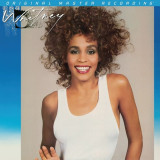
Whitney did more than turn Whitney Houston into a pioneering sensation known around the world by her first name. Originally released in June 1987, the singer's blockbuster sophomore record became the first album by a female artist to debut at No. 1 on the Billboard 200 chart — a position it claimed for a total of 11 weeks en route to selling more than 10 million copies in the U.S. The Diamond platinum effort also contains four No. 1 Hot 100 hits that, when combined with the three chart toppers from her 1985 debut, gave her seven consecutive No. 1 singles — an accomplishment that no other artist has accomplished. Commercially and creatively, Whitney stands on hallowed ground — especially now that the record plays with a sound that puts into perspective just how extraordinary, engaging, and vital Houston's music remains.
Mastered from the original master tapes and pressed on MoFi SuperVinyl at RTI, Mobile Fidelity's 180g 33RPM SuperVinyl LP of Whitney invites listeners to experience the Rock & Roll Hall of Fame inductee's pivotal album in audiophile quality for the very first time. Free of the dynamic limitations and tonal flatness prevalent on prior vinyl and CD pressings, it lets the music breathe and reveals the copious detail, nuance, and texture within the immaculately produced songs. MoFi's SuperVinyl profile offers further advantages in the forms of a nearly inaudible noise floor, dead-quiet surfaces, and superb groove definition.
In addition to featuring extreme clarity and immediacy, this numbered-edition reissue does wonders for the attribute that inspired more than 20 million people around the globe to add Whitney to their record collections: that inimitable voice. Houston's trademark mezzo-soprano — an acrobatic instrument equally capable of taking off on fantastic flights and unwinding for hushed meditations — benefits from the fantastic airiness and transparency afforded by this meticulously restored edition. Whitney has never sounded or looked better. The crossover landmark deserves nothing less.
Issued just two years after Houston's breakthrough debut, Whitney immediately signalled the genre-defying singer's intent to continue to push ahead and expand her palette. Shot by photographer Richard Avedon, the album cover depicts an iconic image of Houston — captured with a gleaming smile, bright eyes, teased-out afro, toned arms, and a right hand that appears to wave a friendly hello — whose active, athletic profile stands in contrast to the extremely formal sit-down shot of her that graces her '85 record. The change is telling: Whitney overflows with unfettered joy, rhythmic vibes, and deep-seated emotions that forever endeared her to the hearts and minds of countless listeners — and which set the standard for the wave after wave of divas that followed in her footsteps.
It's no coincidence that the first track on Whitney is the declarative "I Wanna Dance with Somebody (Who Loves Me)." Like Michael Jackson's "Billie Jean" and Madonna's "Material Girl," the feel-good smash is one of the quintessential '80s gems — a lithe, melodic, celebratory release of pent-up energy and loneliness that glides across club floors, shouts to the rooftops, and shrugs off any concerns about vulnerability or embarrassment. Houston's swooping voice moves in sync with the sleek beats and dipping-and-diving synths. She practically takes her fellow musicians by their hand and leads them in a blissful dance that nobody would dare sidestep. Focusing on Houston's singing — a task made challenging only because of the impossible-to-ignore hooks and grooves — showcases the virtuosic facets of not only her register but her control, discipline, smoothness, and warmth.
That she replicates those feats for the entirety of the nearly 53-minute-long album makes Whitney that much more special. Houston reaches back and channels her childhood gospel training on the R&B-flared "So Emotional"; effortlessly slips into Quiet Storm mode on the duet with her mother, gospel great Cissy Houston, on "I Know Him So Well"; flirts with smooth jazz and collaborates with tenor saxophonist Kenny G on the lush "Just the Lonely Talking Again"; conjures dreamscapes and shadow-boxes with supple funk on a romantic cover of the Isley Brothers' "For the Love of You"; and, for the majestic power ballad "Didn't We Almost Have It All," displays the sky-scraping reach of her vocals amid a grand arrangement made even bigger by Houston's sweeping performance and triumphant finish.
Houston's once-in-a-generation talents weren't lost on the adoring public, radio deejays, or industry experts. In addition to harbouring four No. 1 hits and receiving nominations for four Grammy Awards, Whitney generated another Top 10 success in the guise of the Afro-Cuban-leaning "Love Will Save the Day." The album also netted Houston four American Music Awards; two Billboard Music Awards; back-to-back People's Choice Awards; a Soul Train Award; and various other accolades. It all makes the crux of the Washington Post's July '87 review of the album appear prophetic: "Her voice sounds stronger still and the songs are varied but so consistent she could garner 10 Top 10s out of a field of 11."
That claim still holds true. A brilliant fusion of pop, R&B, smooth jazz, and soul, Whitney is a showstopper – and one of the key reasons Houston is the most-awarded female artist of all time.
Ron Maney also known as DJ Skull lived in the Southside of Chicago (IL, USA). His musical career started during the summer of 1986, while recovering from a broken bone. During the following years he homed his craft, DJing first at basement parties, building his reputation to go on to larger events such as, loft and hotel parties, and eventually the infamous Music Box and Power Plant clubs. At the age of fifteen Ron shopped his first demo at Trax Records.
There he first met Chicago's legendary DJ Ron Hardy, working as A&R for Trax Records. Two years, and a new alias later (DJ Skull) later while at the Power Plant, Chicago's own Steve Poindexter heard a DJ playing one of Rons tracks, and met Ron. Steve was now A&R at Saber Records and invited Ron to release some tracks. So in October of 1991 DJ Skull's first record "N.R.G. Music" was released.
In 1993, he released the EP "The Stomping Grounds" on Djax-Up-Beats, which was more noted than the first one. Over the years that followed DJ Skull released lots of EP's on several labels. He has become well-respected producer and DJ in the Techno industry.
Seine Stärke ist ein Songwriting das musikalisch wie poetisch kratzt und schabt: am amerikanischen Traum, an dessen Wirklichkeit und den Menschen die ihn bevölkern. Immer wieder wurde seine spröde Musik und einfühlsamen Texte mit denen von Leonard Cohen, Lou Reed und Bob Dylan verglichen und somit Gewicht verliehen. Zu großer Bekanntheit führte das nicht, Simon Joyner bleibt ein outsider mit seinem Loner-folk, aber für die, die ihn entdecken bietet er ein Kraft von rauher Schönheit. Conor Obers von Bright Eyes nennt Joyner, der seit 1990 seine dunklen Americana Songs veröffentlicht, einen entscheidenden Einfluß. Simon Joyner's neuestes Album gerät noch dunkler und eindringlicher. Sein Thema hier ist Isolation, und er übernimmt es gleich auch als Grundlage für seine Produktion Ihm war es wichtig, dass die beteiligten Musiker allesamt alleine waren um ihre jeweiligen Parts zu finden. Die Abgeschiedenheit der einzelnen Musiker auf Songs From A Stolen Guitar bietet somit weniger Spontaneität vieler früherer Arbeiten von Joyner, führt aber zu einer Art Silberstreifeneffekt: Joyners Songs, die hier sorgfältiger und vielleicht absichtsvoller produziert wurden als auf jedem seiner früheren Alben, kommen viel klarer durch und stellen sowohl seine schillernden Wortspiele als auch seine klare Vision in den Vordergrund. Ein Kritiker bringt einen Vergleich zu Neil Young und meinte "Wenn (sein 2012 Album) 'Ghosts' sein 'Tonight's the Night' war - zornig, nackt und bodenlos - dann könnte sich 'Songs From A Stolen Guitar' als sein Harvest erweisen." Songs From A Stolen Guitar wurde in verschiedenen Städten aufgenommen. Joyner nahm seinen Gesang und seine Gitarre live in Omaha auf; Bassist Wil Hendrix fügte seine Parts zu Hause in San Francisco hinzu, Michael Krassner nahm seine Gitarren- und Klavier-Overdubs zu Hause in Phoenix auf, und Schlagzeuger/Percussionist Ryan Jewell nahm in Colorado auf. Dieser musikalische Kettenbrief machte sich dann auf den Weg zurück nach Omaha, wo David Nance (Gitarren und Backing Vocals), Ben Brodin (Orgel und Vibraphon) und Megan Siebe (Bratsche und Backing Vocals) - getrennt voneinander - ihre jeweiligen Beiträge einspielten. Dieses Vorgehen zahlt sich aus. Die "virtuelle" Band spielt eine unterstützende, aber komplementäre Rolle und erzeugt immer das richtige Maß an Spannung, um diese emotionsgeladenen Geschichten zu begleiten und zu umhüllen. Das Zusammenspiel ist einfühlsam und kohärent, auch wenn es aus geografischer Entfernung und Abgeschiedenheit zusammengefügt wurde und oft wie Musik klingt, die durch den Nebel eines Herbstmorgens gefiltert wurde. Doch wenn es um Simon Joyner-Platten geht, zahlt man sein Ticket, um großartige Songs zu hören, und auch in dieser Kategorie enttäuscht Songs From A Stolen Guitar nicht. Eins der seltenen Alben, das nach dem klingt, worum es geht: die Kluft zwischen Einsamkeit und Alleinsein, die Grenzen zwischen Liebe und Hingabe, der Unterschied zwischen dem Tornado und dem, was er hinterlässt.
Translucent Dark Red & Black Marbled Colored Vinyl. Seine Stärke ist ein Songwriting das musikalisch wie poetisch kratzt und schabt: am amerikanischen Traum, an dessen Wirklichkeit und den Menschen die ihn bevölkern. Immer wieder wurde seine spröde Musik und einfühlsamen Texte mit denen von Leonard Cohen, Lou Reed und Bob Dylan verglichen und somit Gewicht verliehen. Zu großer Bekanntheit führte das nicht, Simon Joyner bleibt ein outsider mit seinem Loner-folk, aber für die, die ihn entdecken bietet er ein Kraft von rauher Schönheit. Conor Obers von Bright Eyes nennt Joyner, der seit 1990 seine dunklen Americana Songs veröffentlicht, einen entscheidenden Einfluß. Simon Joyner's neuestes Album gerät noch dunkler und eindringlicher. Sein Thema hier ist Isolation, und er übernimmt es gleich auch als Grundlage für seine Produktion. Ihm war es wichtig, dass die beteiligten Musiker allesamt alleine waren um ihre jeweiligen Parts zu finden. Die Abgeschiedenheit der einzelnen Musiker auf Songs From A Stolen Guitar bietet somit weniger Spontaneität vieler früherer Arbeiten von Joyner, führt aber zu einer Art Silberstreifeneffekt: Joyners Songs, die hier sorgfältiger und vielleicht absichtsvoller produziert wurden als auf jedem seiner früheren Alben, kommen viel klarer durch und stellen sowohl seine schillernden Wortspiele als auch seine klare Vision in den Vordergrund. Ein Kritiker bringt einen Vergleich zu Neil Young und meinte "Wenn (sein 2012 Album) 'Ghosts' sein 'Tonight's the Night' war - zornig, nackt und bodenlos - dann könnte sich 'Songs From A Stolen Guitar' als sein Harvest erweisen." Songs From A Stolen Guitar wurde in verschiedenen Städten aufgenommen. Joyner nahm seinen Gesang und seine Gitarre live in Omaha auf; Bassist Wil Hendrix fügte seine Parts zu Hause in San Francisco hinzu, Michael Krassner nahm seine Gitarren- und Klavier-Overdubs zu Hause in Phoenix auf, und Schlagzeuger/Percussionist Ryan Jewell nahm in Colorado auf. Dieser musikalische Kettenbrief machte sich dann auf den Weg zurück nach Omaha, wo David Nance (Gitarren und Backing Vocals), Ben Brodin (Orgel und Vibraphon) und Megan Siebe (Bratsche und Backing Vocals) - getrennt voneinander - ihre jeweiligen Beiträge einspielten. Dieses Vorgehen zahlt sich aus. Die "virtuelle" Band spielt eine unterstützende, aber komplementäre Rolle und erzeugt immer das richtige Maß an Spannung, um diese emotionsgeladenen Geschichten zu begleiten und zu umhüllen. Das Zusammenspiel ist einfühlsam und kohärent, auch wenn es aus geografischer Entfernung und Abgeschiedenheit zusammengefügt wurde und oft wie Musik klingt, die durch den Nebel eines Herbstmorgens gefiltert wurde. Doch wenn es um Simon Joyner-Platten geht, zahlt man sein Ticket, um großartige Songs zu hören, und auch in dieser Kategorie enttäuscht Songs From A Stolen Guitar nicht. Eins der seltenen Alben, das nach dem klingt, worum es geht: die Kluft zwischen Einsamkeit und Alleinsein, die Grenzen zwischen Liebe und Hingabe, der Unterschied zwischen dem Tornado und dem, was er hinterlässt.
Two Saviors is Buck Meek's second album, following 2018's self-titled LP also released on Keeled Scales and currently on its third pressing. The Big Thief lead guitarist worked with producer and engineer Andrew Sarlo on this album (who's produced all four of Big Thief albums, as well as coproducing Bon Iver's i,i ). Andrew agreed to record it only if it was made under his conditions-- that they make the album in New Orleans during the hottest part of the year, spend no more than seven days tracking live, on an 8-track tape machine, with only dynamic microphones and no headphones, and not allowing the players to hear back any of the takes until the final day. The band, featuring Adam Brisbin (guitar, vocals), Mat Davidson (bass, pedal steel, fiddle, vocals), Austin Vaughn (drums), and Buck's brother Dylan Meek (piano, organ, vocals), set up in a Victorian house one block from the Mississippi River, and worked within these limitations, encouraging every recording to be imbued with the living, intuitive, and human energy of a first take.
Miles Davis created just one studio album with his original sextet: Milestones. And he made every moment count. Pairing with Cannonball Adderley, John Coltrane, Red Garland, Paul Chambers, and Philly Joe Jones, Davis not only laid the groundwork for the modalism that immediately followed but tailored a genuine modern-jazz masterwork laden with performances among the most explosive of his distinguished career. Sandwiched between the more famous 'Round About Midnight and the epochal Kind of Blue, Milestones remains a seminal work of art.
Sourced from the original master tapes and pressed on dead-quiet SuperVinyl, Mobile Fidelity's numbered-edition 180g LP grants each musician their own space amid broad soundstages. Afforded the benefits of a nearly non-existent noise floor and supreme groove definition, this vinyl reissue doubles as a time machine back to the February-March 1958 recording sessions.
Colors, shapes, and dimensions appear in the manner that resembles what you'd glean from behind a studio control room's window. Davis' burnished trumpet is rendered in three-dimensional perspective and seemingly coaxes the band to play with unburdened zest. Coltrane's trademark saxophone teems with lifelike tonality and images with specificity; his solos work in tandem with and against the driving rhythms. Garland's swaggering piano lines? Visualize the keys as he hits full stride, the chords and fills slithering around skeletal frameworks.
Inducted into the Grammy Hall of Fame and selected as a "Core Collection" record by the Penguin Guide to Jazz, Milestones is as famous for its title track – widely considered ground zero for modalism and bolstered by Jones' hallmark "Philly Lick" rim shot – as the players that produced it. The launching pad for many of Davis' improvisational flights, the album teases the explorations Coltrane would soon chase. Davis' own solo work broaches territories that far exceed what he had done in his bop-rooted past. Every song is a highlight.
Take the bravado "Dr. Jackle," featuring a hot-foot pace and bebop strains, or "Sid's Ahead," which continues the album's blues theme while juggling edgy harmonics and inside-out structures. On "Billy Boy," distinguished with an arco bass solo from Chambers, Garland gets a turn in the spotlight and channels the openness practised by one of his heroes, Ahmad Jamal. Even more instructive is the band's reading of Dizzy Gillespie's "Two Bass Hit." Three years removed from the version Davis and company recorded for the trumpeter's Columbia debut, this interpretation demonstrates the extent to which the group had jelled in a relatively short amount of time.
Then there's "Straight, No Chaser," the definitive rendition of Thelonious Monk's signature piece. Coltrane's marbled playing pulls at the tune's borders, Adderley takes liberty with solos, and Davis dances around his mates, at one point quoting "When the Saints Go Marching In" while demonstrating his knowledge of tradition and casting an eye towards the future.
About that future. Garland already had one foot out the door during the Milestones sessions to the extent Davis spells him on "Sid's Ahead." Jones would stick around for a bit longer but soon plot his exit. History proves Davis navigated the changes with visionary aplomb. Yet the chemistry, excitement, and beauty the sextet achieves on Milestones cannot be overstated. This reissue helps put the album in proper perspective – and presents the music the fidelity it deserves.
Bob Dylan was at several crossroads in the mid-1970s. Artistically, he was largely written off as being past his prime. Emotionally, he was suffering through a painful divorce from his then-wife Sara Lowndes. Creatively, he appeared at a stalemate, his previous decade's unprecedented run of transformational brilliance finished. Then came Blood on the Tracks.
A start-to-finish cycle that documents a lover's pursuit of, entanglement with, and loss of a woman, the bracingly intimate 1975 effort remains one of the most encompassing break-up albums ever made and ranks as the most personal statement of the Bard's career. To hear it is to experience the agony, frustration, trauma, highs, lows, confusion, sadness, and, ultimately, requisite redemption associated with intimate relationships gone astray. Dylan maintains it's a work of fiction, but it's evident close-vested autobiographical premise is what helps make it universal: It's the icon singing through tears, going out of his mind, battling hallowing emptiness, firing shots across the bow, and accepting culpability. It is, in short, a consummate expression of love's darker sides and the consequences of what happens when dreams unravel.
As part of its Bob Dylan catalogue restoration series, Mobile Fidelity is thoroughly humbled to have the privilege of mastering the iconic LP from the original master tapes and pressing it on dead-quiet LP at RTI. The end result is the very finest, most transparent analogue edition of Blood on the Tracks ever produced – and the first-ever proper analog reissue. Fantastically presenting both the solo acoustic and band-supported songs with the utmost clarity, dynamics, presence, immediacy, spaciousness, imaging, and balance, this version shines a high-powered light on the fluid vocal phrasing, timbral shifts, functional rhythms, and inward-looking strumming that contribute to every song here serving as a wound-exposing confessional.
For all the melancholic pain, unresolved questions, shattered memories, wasted times, unrequited dialogues, and weary regret within, Blood on the Tracks remains as daring as it is reflective. Rather than follow for a monotone caustic vibe, Dylan's songs burrow into the subconscious for the manners in which they are even-keeled, mellow, and occasionally, even peaceful. Dignity, honour, poignancy, and fairness – all traits uncommon in any situation in which partners dissolve histories, change hearts, and attribute blame – instil the record with equilibrium on par with the consistency of the flowing melodies.
Throughout, tunes come on and proceed as if they could continue forever, Dylan spinning poetic verses and conversations amidst finely tied knots of acoustic notes, chords, and fills, the deceivingly simple architecture conjuring the intertwined refractions of a bezeled jewel, various angles, colours, and textures conjoining into a gorgeously inseparable whole. Backed by Tony Brown's flexible albeit subtle bass, Buddy Cage's country-streaked pedal-steel guitar, and Paul Griffin's soul-baring organ – an instrument used to shadow, tuck-point, and illuminate here as effectively as any time in rock history – Dylan pours soulful emotion, open his veins, and bleeds.
Ranked 16 on Rolling Stone's list of the 500 Greatest Albums of All Time, and replete with existential thought, piercing directness, raw singing, and majestic arrangements,
Given the sonic and artistic merit of this album, we anticipate huge demand.
Baxck in stock! PRESSED ON RED & GREEN OPAQUE VINYL! De La Soul and A Tribe Called Quest may have been more commercially successful, but the afrocentric, jazz political rap movement and unfadeable Native Tounge Massive started with the Jungle Brothers. Their debut full length “Straight Out the Jungle” opened up many doors that are walked through by today’s artists like Mos Def, Common and even Kanye West. Their taste for jazzy horn samples helped kick-start the entire jazz-rap movement, and their James Brown fixation was one of the first. Plus, the group’s groundbreaking collaboration with legendary house producer Todd Terry, “I’ll House You,” paved the way for numerous hip-house hybrids that shot up the dance and pop charts over the next few years and appeared to be a staple on every East Coast Rap Album from ‘88 until ‘92. The opening track “Straight Out the Jungle” samples the classic Bill Withers drum break as the JB’s tell you where they are coming from. “Black Is Black” (featuring a young Q-Tip) and “Sounds Of The Safari” introduces the pro-black edge, while the sexually subtle classics “Jimbrowski” and “I’m Gonna Do You” are funny, clever and timely. Hard, smart, fun, clever and brilliant, Mike G., Africa Baby Bam and Sammy G may not have realized it but they crafted a classic rap album that stands the test of time. Available here on high grade, loud pressed, double vinyl for the first time ever!
Julian Cannonball Adderley's only Blue Note album, Somethin' Else, would likely forever be famous in music lore if just for the presence of Miles Davis. The iconic composer/trumpeter steps into the role of sideman on the 1958 set, one of just a handful of times he'd make such a move after the calendar passed the mid-1950s. Yet evaluating Somethin' Else strictly on Davis' involvement misses the big picture. Plain and simple, Adderley's jubilant work remains a jazz landmark due to the chemistry of its Hall of Fame personnel, enthusiasm of its participants, and sophistication of its arrangements – not to mention the reference-grade production and inclusion of the definitive renditions of two all-time jazz standards.
Limited to 6,000 numbered copies, pressed on dead-quiet MoFi SuperVinyl at RTI, and mastered from the original master tapes, Mobile Fidelity's ultra-hi-fi UltraDisc One-Step 180g 45RPM 2LP collector's edition pays tribute to the record's merit and includes the bonus track "Allison's Uncle." Offering reference-calibre sonics, this spectacular collector's version provides a clear, transparent, ultra-dynamic, and up-close view of a cornerstone effort that witnesses Adderley and Davis sharing horn duty alone for the only time in their fabled careers – an arrangement that occurred as a result of Adderley having joined Davis' majestic sextet a year prior.
The premium packaging and beautiful presentation of the UD1S Somethin' Else pressing befit its extremely select status. Housed in a deluxe slipcase, it features special foil-stamped jackets and faithful-to-the-original graphics that illuminate the splendour of the recording. No expense has been spared. Aurally and visually, this UD1S reissue exists as a curatorial artefact meant to be preserved, touched, and examined. It is made for discerning listeners that prize sound quality and production, and who desire to fully immerse themselves in the art – and everything involved with the album, from the iconic photos to the gorgeous finishes.
The vibrant potency reveals itself openly on an analogue set that provides full-range reproduction of an ensemble that also includes pianist Hank Jones, bassist Sam Jones, and drummer Art Blakey. Each and every snare hit, downbeat, and cymbal splash registered by the latter take on realistic proportions, blooming and decaying as they would right in front of you on a stage. Jones' foundational bass lines register with uncommon depth and palpability, the litheness of the strings and fullness of the instrument epitomizing the definition of rhythm. Stellar, too, are the surefooted 88s. Sublime in scale, tonality, and attack, with the delineation such you can practically separate the white and black keys in your mind. As for that liquid interplay between Adderley and Davis? Breathtakingly lifelike in timbre, naturalism, purity, and presence. This collector's version takes you there – there being Rudy Van Gelder's legendary New Jersey studio in March 1958 to witness it all unfold, again and again.
For reasons that extend far beyond the outstanding playing and flawless repertoire, Somethin' Else is without question a record you'll always want to watch and hear come together. As veteran critic Bob Blumenthal observed writing about the album four decades after its release, "The instant rapport achieved by the quintet is thus the product of much shared and common history, though the tensile strength that they create throughout created a totally unique feeling that can be attributed to the sensitive musicianship of all concerned, including the supposedly hard bopping leader and drummer." Such inimitable feeling, or emotion, courses throughout every passage, and no where more obviously than on "Autumn Leaves" and "Love for Sale."
Without question, the discreet interpretations of the Johnny Mercer and Cole Porter songs, respectively, found on Somethin' Else have long been considered part of jazz's alluring mystique. Adderley and Davis bring contrasting approaches to the table yet sound of a singular mind on "Autumn Leaves," with the latter's muted trumpet and the headliner's lush alto saxophone dovetailing into a performance that endures as a blueprint for expression, counterpoint, sophistication, fluidity, and linearity. Blues, melody, and romance pour from their horns. Their bandmates, picking up on the intimate vibe and calm mood here – as well as on the spry, head-over-heels spirit of "Love for Sale" – join in on the conversation with sharp economy and float-on-air roundedness.
Not to undersell the other three numbers, all deserving five-star status. Twelve measures in length, the title track offers a slow burn in swing. Written by Adderley's brother, Nat, the 12-bar "One for Daddy-O" transmits funk flavors. The closing "Dancing in the Dark" pops with lushness and temptation, its stream of bold colours and understated textures calling for a moonlight twirl, or at least fantasies suggestive of a memorable night. Somethin' else, indeed.
I could smell the curves of the river beyond the dusk and I saw the last light supine and tranquil upon tide-flats like pieces of broken mirror, then beyond them lights began in the pale clear air, trembling a little like butterflies hovering a long way off. -The Sound and the Fury, William Faulkner
This is the third and final instalment of Jeremiah M. Carter’s album triptych, »Vessels«. Following »Rejoice« and »Speak You Also«, all three album’s where conceived within a 6 month period during ferociously exalting creative sessions.
The Emotional turmoil of the early pandemic is as present on »Vessels« as it is in the other two albums, yet the final instalment showcases as more distinctive sense of focus, where the earlier albums saw Jeremiah expel a state of uncertainty and trepidation into an intense, almost spiritual form of musical cleansing, Vessels still bears those same hallmarks, yet comes across with an air of refinement and finality.
Spanning six pieces, each work feels like an integral part of the albums overarching narrative, fervently nestled amid divinity and humility. By its final piece, which also clocks in as the longest in the entire triptych, we are treated to one of Jeremiah’s finest moments, and for a few seconds, it all comes together for one last swansong, forming a sonic distillation of elation and grief, desire and passion. – It’s all here.
- A1: Earl King - Come On (Let The Good Times Roll)
- A2: Chuck Berry - Johnny B.goode
- A3: Carl Perkins - Blue Suede Shoes
- A4: Muddy Waters - Hoochie Coochie Man
- A5: Duane Eddy - Ramrod
- A6: Albert King - I Get Evil
- A7: Slim Harpo - You'll Be Sorry One Day
- A8: Guitar Slim - The Things That I Used To Do
- B1: Elvis Presley - Hound Dog
- B2: Little Richard - She Knows How To Rock
- B3: B.b King - Fishin' After Me
- B4: King Curtis - Peter Gunn
- B5: Elmore James - My Bleeding Heart
- B6: Magic Sam - Love Me With A Feeling
- B7: Johnny Otis - Willie & The Hand Jive
- B8: Mickey "Guitar" Baker - Whistle Stop
- C1: Bob Dylan - Highway 51 Blues
- C2: Howlin' Wolf - Shake For Me
- C3: John Lee Hooker - I'm A Boogie Man
- C4: Jimmy Reed - Baby, What You Want Me To Do
- C5: Link Wray - Poppin' Popeye
- C6: Otis Rush - All Your Love
- C7: Lightin' Hopkins - Catfish Blues
- C8: Lloyd Price - Gonna Let You Come Back Home
- D1: Bo Diddley - I'm A Man
- D2: Ike & Tina Turner - It's Gonna Work Out Fine
- D3: Buddy Guy - I Got My Eyes On You
- D4: Freddie King - San-Ho-Zay
- D5: Richard Berry - Louie Louie
- D6: Curtis Knight - Voodoo Woman
- D7: The Isley Brothers - Spanish Twist
- D8: Bing Crosby - The Star Spangled Banner
The "Origins" collection focusses on one the greatest guitarist of all time. More than 50 years after his death, find the titles that influenced the sound of Jimi Hendrix on a double vinyl! With original tracks by : Muddy Waters - Bo Diddley - Chuck Berry - Little Richard - Buddy Guy - Bob Dylan - Elvis Presley - John Lee Hooker - B.B King
* Clear with Purple Center Vinyl * Fully printed inner sleeves * Liner notes by Larry Mizell Jr. // The album is named for the combs used to maintain an Afro hairstyle, and that's significant. The group's Ishmael "Butterfly" Butler said it summed up what they wanted to do with it: "It means the utilization of the natural, a natural style," he has said. Like with 1993's debut _Reachin' (A New Refutation of Time and Space)_, 'utilizing the natural' meant creating hip hop that blended jazz with the formidable rap skills of the aforementioned Butterfly, Craig 'Doodlebug' Irving and Mary Ann 'Ladybug Mecca' Vieira. Unlike that debut, it meant broadening to include guests such as Gang Starr's Guru, Jeru the Damaja, and Jazzy Joyce. Following the gold-selling commercial success of their debut, they here set out to prove their artistic prowess. This is intelligent, alternative hip hop that sounded like party music. Its lyrics are dense with wit, social commentary and politics - and its original inner sleeve was modeled on the newspaper of the Black Panther movement.
- A1: Creep (Acoustic Version) - Performed By Radiohead
- A2: Crazy On You - Performed By Heart
- A3: Since You Been Gone - Performed By Rainbow
- A4: In The Meantime - Performed By Spacehog
- A5: Reasons - Performed By Earth, Wind And Fire
- A6: Do You Realize?? - Performed By The Flaming Lips
- A7: We Care A Lot - Performed By Faith No More
- A8: Koinu No Carnival (From "Minute Waltz") - Performed By Ehamic
- A9: I'm Always Chasing Rainbows - Performed By Alice Cooper
- B1: San Francisco - Performed By The Mowgli's
- B2: Poor Girl - Performed By X
- B3: This Is The Day - Performed By The The
- B4: No Sleep Till Brooklyn - Performed By Beastie Boys
- B5: Dog Days Are Over - Performed By Florence + The Machine
- B6: Badlands - Performed By Bruce Springsteen
- B7: I Will Dare - Performed By The Replacements
- B8: Come And Get Your Love - Performed By Redbone
LP 2x12"[35,92 €]
Die Trackliste für Guardians of the Galaxy Vol. 3: Awesome Mix Vol. 3 (Original Motion Picture Soundtrack) besteht aus 17 Songs und wird am 5. Mai auf CD und 12” 2-LP Vinyl erhältlich sein.
Im Film spielen Chris Pratt, Zoe Saldana, Dave Bautista, Karen Gillan, Pom Klementieff, Vin Diesel als Groot und Bradley Cooper als Rocket, Sean Gunn, Chukwudi Iwuji, Will Poulter und Maria Bakalova mit. James Gunn ist der Regisseur und hat auch das Drehbuch geschrieben. Kevin Feige ist Produzent, Louis D’Esposito, Victoria Alonso, Nikolas Korda, Sara Smith und Simon Hatt fungieren als ausführende Produzenten.
Repress
Part 2 of the Needs (not wants) retrospective, comes with an insert with a collage of archival photo's and liner notes by Gerd Janson. Re-mastered by François Kevorkian.
Sometimes, three words are enough to tell it all. Accordingly, the core story of Needs – the musical adventure of brothers Lars and Marek Bartkuhn and their partner Jan “Yannick” Elverfeld – can be understood from the inspiration behind this compilation’s title. Paying homage to the title of a lesser-known Marshall Jefferson and Ce Ce Rogers production for Strictly Rhythm, Needs (Not Wants) typifies their aesthetic, ethos, innovations and modus operandi.
Materializing in this collection of some of the outfits’ best takes (from 1999 to 2006), moments of glory and predictive flashes of genius paint a beautiful picture of what can happen if devotion and imagination are paired with moxie and skill.