- A1: Ben E King - Stand By Me
- A2: The Platters - The Great Pretender
- A3: Ella Fitzgerald - Georgia On My Mind
- A4: Barry White - Lady, Sweet Lady
- A5: James Brown & The Famous Flames - Please, Please, Pleas
- A6: Timmy Thomas - Why Can't We Live Together
- B1: Sam Cooke - (What A) Wonderful World
- B2: George Mccrae - Rock Your Baby
- B3: Jimmy "Bo" Horne - Clean Up Man
- B4: Carla Thomas - B-A-B-Y
- B5: Dionne Warwick - Don't Make Me Over
- B6: Mavis John - Use My Body
- B7: Screamin' Jay Hawkins - I Put A Spell On You
- C1: The Isley Brothers - Right Now
- C2: Etta James - At Last
- C3: The Clovers - Love Potion No 9
- C4: Little Willie John - Fever
- C5: The Mar-Keys - Last Night
- C6: Brenda Lee - I'm Sorry
- C7: Aretha Franklin - God Bless The Child
- D1: Gwen Mccrae - 90% Of Me Is You
- D2: Curtis Mayfield & The Impressions - Gypsy Woman
- D3: Booker T & The Mg's - Green Onions
- D4: Bobby Byrd - Back From The Dead
- D7: Nina Simone - Work Song
- E1: Gil Scott-Heron - Lady Day And John Coltrane
- E2: Ray Charles - Unchain My Heart
- E3: Jackie Wilson - Reet Petite
- E4: Jerry Butler - He Will Break Your Heart
- E5: Mary Wells - The One Who Really Loves You
- E6: Smokey Robinson & The Miracles - You Really Got A Hold
- F1: Diana Ross & The Supremes - Your Heart Belongs To Me
- F2: Ike & Tina Turner - I'm Jealous
- F3: Doris Duke - Woman Of The Ghetto
- F4: Solomon Burke - Cry To Me
- F5: The Marvelettes - Please Mr Postman
- F6: Gladys Knight & The Pips - Every Beat Of My Heart
- F7: Dinah Washington - Mad About The Boy
- G1: Quincy Jones - Soul Bossa Nova
- G2: Betty Wright - Clean Up Woman
- G3: Esther Phillips - Release Me
- G4: The Everly Brothers - All I Have To Do Is Dream
- G5: Latimore - Let's Straighten It Out
- G6: Aretha Franklin - Try A Little Tenderness
- G7: Marvin Gaye & The Vandellas - Stubborn Kind Of Fellow
- H1: Otis Redding - These Arms Of Mine
- H2: Aaron Neville - Hercules
- H3: Rufus Thomas - The Dog
- H4: Sir Joe Quaterman & Free Souls - (I Got) So Much Troubl
- H5: Lavern Baker - Love Me Right
- D5: Lonnie Liston Smith & The Cosmic Echoes - Expansions
- H6: Gene Chandler - Duke Of Earl
- H7: Al Jarreau - Ain't No Sunshine
- I1: Ibeyi - River
- I2: Aloe Blacc & King Most - With My Friends
- I3: Kimberose - I'm Sorry
- I4: Terry Callier - Running Around (Fug City Mix)
- I5: Jamie Lidell - Building A Beginning
- I6: Asa - The Beginning
- J1: Selah Sue - This World
- J2: Cunnie Willams Feat Monie Love - Saturday
- J3: Cookin' On 3 Burners Feat Kylie Auldist - This Girl
- J4: Alice Russell & Nostalgia 77 Seven Nation Army
- J5: Greyboy & Quantic Feat Sharon Jones - Got To Be A Love
- D6: Stevie Wonder - Contract On Love
Cerca:brother lee
Reggie Soul real name Reginald Stone is just one of many illusive recording artists who had a very limited recording career for a handful of small independent Chicago labels then disappeared into obscurity, Reggie reputedly left Chicago in the mid 1970’s for the lone star state of Texas never to be seen or heard from again!
Reggie’s recording legacy is the sum total of 3, 45 singles two of which he recorded under the supervision of respected Chicago songwriter and producer Clarence Johnson., firstly the funk outing “I Got Jody” backed with the soulful “I Feel So Bad” for Red Balloon Records, “I Feel So Bad” was composed by Lee Sain who recorded his own version under the title of “Baby Don’t Leave Me” for the Broach label. Reggie Soul’s “I Got Jody” also came out as a B-side on Nation Time Records, the A-side was a version of the James Brown song “Soul Walkin’ but this side was credited under the mis-credited artist name of Reggie Smith?
Finally, Reggie’s third release “My World Of Ecstasy/Mighty Good Loving” was released on the Scott Brothers own Capri Records label in 1968. Both sides of the 45 were written by Reggie with Charles and Walter Scott, arrangements were provided by John Jackson and Bill McFarland who provided the horn section to many of the Scott’s future productions. The Scott Brothers of which there were several (all musicians) had begun their own careers during the late 1950’s recording under the group name of The Masquerades on the Formal label. Often referred to as The Scott Brothers Orchestra with Howard Sephus Scott at the head of their growing musical dynasty they formed their own company Capri Productions circa 1968, their initial recording productions were Fred Johnson (Shi-Lush Records) and the aforementioned Reggie Soul & The Soul Swingers. The Scott’s were also the house band in one of Chicago’s Southside’s most popular night clubs ‘The Bonanza Lounge on 7641, South Halsted. The Scott’s often used the Bonanza as a source of finding future artists for their labels, such as The Soul Majestics, Judson Moore, Bobby Jones & Duke Turner amongst others, they even recorded a live performance on The Bonanza Lounges’ resident comedian Randolph Browner which gained a release on the Shi-Lush label.
“My World Of Ecstasy” like several Capri 45 releases were heavily imported into the UK, often sold in soul packs before finding favour with aficionados of the Crossover Scene in the late 1980’s with it’s popularity still remaining high to the present day.
Soul Junction through their licensing deal with Scot-Tees Publishing would like to present the first release of their Capri Records series.
- 1: Bob Marley & The Wailers - One Love
- 1: 2Horace Andy - Ain't No Sunshine
- 1: 3Barrington Levy - Under Mi Sensi
- 1: 4Alton Ellis - It's A Shame
- 1: 5Hollie Cook - Desdemona
- 1: 6Biga*Ranx - Beaucoup
- 1: 7Alborosie - No Cocaine
- 1: 8Lee "Scratch" Perry & The Upsetters - Soul Fire
- 1: 9Tiken Jah Fakoly Feat. Winston Mcanuff - I Can Hear
- 1: 0Black Uhuru - Leaving To Zion
- 1: Gregory Isaacs - Babylon Too Rough
- 1: 2Dillinger - Cool Operator
- 1: 3Jimmy Riley - Sexual Healing
- 2: 1Althea & Donna - Uptown Top Ranking
- 2: Johnny Osbourne - Jahoviah
- 2: 3Max Romeo - Material Man
- 2: 4Marcia Aitken - I'm Still In Love With You
- 2: 5Dennis Brown - Stop The Fussing & Fighting - Brother
- 2: 6Ini Kamoze - World A Music
- 2: 7Winston Mcanuff & Fixi - Garden Of Love
- 2: 8The Wailers - Get Up Stand Up (Dub)
- 2: 9Chaka Demus & Pliers - Murder She Wrote
- 2: 10Sly & Robbie - Inner City Blues
- 2: 11Soom T - Politic Man
- 2: 1Inna De Yard Feat. Keith & Tex - Down The Street
Als echtes kulturelles Referenzmedium vervollständigt Arte seine Vinyl-Sammlung mit einem neuen Band: Arte Reggae! Nach der Crème de la Crème des Jazz, des Soul und des Electro, finden Sie hier alle von Arte ausgewählten Reggae. Mit : Bob Marley & The Wailers, Lee "Scratch" Perry, Winston McAnuff, Tiken Jah Fakoly, Altha & Donna, Alborosie, Biga*Ranx...
- A1: Queen - A Winter’s Tale
- A2: Elton John - Step Into Christmas
- A3: Bruce Springsteen - Santa Claus Is Comin’ To Town
- A4: Band Aid - Do They Know It’s Christmas?
- A5: The Waitresses - Christmas
- Wrapping
- A6: Shawn Phillips - A Christmas Song
- A7: Dean Martin - Let It Snow! Let It Snow! Let It Snow
- B1: Paul Mccartney - Wonderful Christmastime
- B2: U2 - I Believe In Father Christmas
- B3: Pearl Jam - Someday At Christmas
- B4: The Teskey Brothers - Dreaming Of A Christmas With You
- B5: Melanie Thornton - Wonderful Dream (Holidays Are Coming)
- B6: Chuck Berry - Run Rudolph Run
- B7: Frankie Goes To Hollywood - The Power Of Love
- C1: The Kinks - Father Christmas
- C2: Amy Winehouse - I Saw Mommy Kissing Santa Claus
- C3: José Feliciano - Feliz Navidad
- C4: Andy Williams - It’s The Most Wonderful Time Of The Year
- C5: Jona Lewie - Stop The Cavalry
- C6: Ariana Grande - Santa Tell Me
- C7: Bobby Helms - Jingle Bell Rock
- C8: Billy Squier - Christmas Is The Time To Say “I Love You”
- C9: Burl Ives - A Holly Jolly Christmas
- D3: The Ronettes - Sleigh Ride
- D4: Stevie Wonder - What Christmas Means To Me
- D5: Brenda Lee - Rockin’ Around The Christmas Tree
- D6: Bryan Adams - Reggae Christmas
- D7: Slade - Merry Xmas Everybody
- D8: Nat King Cole - The Christmas Song (Merry Christmas To You)
- D1: Wizzard - I Wish It Could Be Christmas Everyday
- D2: Mud - Lonely This Christmas
It’s time to deck the halls and put up the Christmas tree as the
yuletide season is upon us. Christmas Collected is the brand-new
compilation with both traditional and modern songs celebrating
the festive season. Artist and groups including Queen, Bruce
Springsteen, Band Aid, Paul McCartney, U2, The Teskey
Brothers, Frankie Goes To Hollywood, Amy Winehouse, Ariana
Grande, Mud and many more are featured on the 2LP.
Christmas Collected is available as a limited edition on translucent
green (LP1) and translucent red (LP2) coloured vinyl and includes
an insert.
Brother Deges zweites Album "How to Kill a Horse" wurde nachts in einem leeren Lagerhaus aufgenommen (während er tagsüber in einem Obdachlosenheim für Männer arbeitete) und ist ein Meisterwerk, das von Scheunenbrennern über antike Delta-Meditationen bis hin zu babylonischen Schrottplatz-Jams reicht, die die Schattenseiten dessen erforschen, was es heißt, ein Mann in der modernen Welt zu sein. Zu den Einflüssen zählen: Ernest Hemingway, Joseph Conrad, Ry Cooder, Norman Mailer, Henry Miller, Sonic Youth, Black Sabbath, Blind Willie Johnson, Einstürzende Neubauten, Jackson Pollock und Don Quijote. Wie Hemingways stärkste Werke dringt "How to Kill a Horse" tief in das Gefängnis-Rodeo des menschlichen Herzens ein, konfrontiert die dunklere, fehlerhafte Seite des Selbst, während es mit voller Aggressivität in den existenziellen Hochofen der modernen Weltgerät steuert und mit den Rollen der Männer als Versorger, Beschützer, Partner, Liebhaber, Krieger, Friedenstruppen, was auch immer ringt. "How to Kill a Horse" ist ein gewaltiger Schuss vor den Bug aller Riff-Heads, Songwriter und Americana-Enthusiasten auf der ganzen Welt. Es ist ein Game-Changer, der das ganze Durcheinander der Roots-Musik aus den Vinyl-Mülltonnen ins 21. Jahrhundert befördert.
Nu Groove spotlights the artists that made the legendary NYC label a firm favourite of crate diggers then and now with a series of their vital tracks re-edited by leading industry figures and choice selectors of today.
The label was born in 1988 by Frank and Karen Mendez as an outlet for some of Rheji and Ronald ‘Rhano’ Burrell’s more experimental music, and ‘Nu Groove Edits, Vol. 2’ continues to celebrate the Burrell twin’s genre defining output.
First up, Dutch duo Dam Swindle edit ‘I’ll Say A Prayer 4 U’ from Rhano’s Equation project, paying homage to the American house music that greatly inspired them. Next up, Rheji’s Houz’ Neegroz classic ‘Keep Dance’n’ gets reworked by house purist Phil Weeks. Another moniker from Rhano, K.A.T.O.’s five-track Disco-Tech EP harked back to the heady disco hustle of the 70s, with the lead single edited for this collection by one of Germany’s most influential house producers, the late Soulphiction.
Closing out this celebration of the Burrell brothers is the unstoppable production duo Honey Dijon & Luke Solomon as they take on Rhano’s ‘When Can I Call You’ featuring Lisa Lee.
- A1: Mystery Of You - Jeff Scott
- A2: Palavras - Caixa Cubo
- A3: I Had A Friend - Peter Gallway
- A4: We Don't Have To Talk About It - Bell Helium
- B1: Como Aprendi A Soportar Tus Inseguridades - Litto Nebbia & Los Músicos Del Centro
- B2: A Place In Space - Joe Thomas
- B3: Heaven - Crosswind
- C1: Life - Bugs Beddow
- C2: I Know (Demo Version) - Astronauts, Etc
- C3: Factory Rhythms - Jr Quintet
- D1: Make The Call (Extended Version) - Mf Robots
- D2: For Us - April Fulladosa
- D3: California (Shawn Lee Mix) - Kirk Reed
- D4: Smile Upon Your Brother - The Ambassador College Band & New World Singers
- D5: Easter Suite (Edit) - John Standefer
Curated by Reference Point residents Mark GV Taylor and George Arthur, this 15 track
compilation album features tracks the pair have played at their peripatetic, Europe wide
events since 2012.
Stretching from the 1970s to the present day the Reference Point compilation spans a whole
range of genres, tempos, languages and grooves where the quality of music is paramount
whether $1.00 bin records or $1000 rarities.
Reference Point, 'a place to hear the music', is a truly trans-global album with music from
Argentina, Brazil, Oakland, Detroit, Texas, London and more, including tracks from private
press albums, from artists who have played at Reference Point events and from current
artists such as MF Robots and Caixa Cubo.
Releasing as a CD, digital and a double LP, Reference Point is another essential compilation
from BBE Music and one that belongs in the collection of all collectors and lovers of great
music
If you dig deep enough into the underground you will find the most precious jewels and it ain't that much of an effort these days to turn on the computer and trip through the colorful World Wide Web. But beware for not all the glitter is gold. I stepped by some dark and dusty back street club in Atlanta / Georgia, USA and some enchanting music tempted me to enter. A powerful raspy voice screaming out the pain of the world no matter if it were big or small affairs. "California dreaming on such a winter's day", wow, when the MAMAS AND PAPAS sang this in a sweet folk manner it was a light and joyful anthem for all hippies and hipsters back in 1966, like a call to love. Lee Moses' version is more of a desperate cry for sunshine and freedom. And it goes on this way. His voice has this special phrase showing determination, pain but also sheer joy of life. His 1971 album is a steady groover with a steaming hot band performing , which includes a brass section of divine greatness. These devoted players build up a massive wall of groove and melody on which Lee Moses can unleash his voice like a volcanic eruption. The groove itself stays quite relaxed but definitely hypnotizing throughout the whole album and clears up your mind for the message of love Lee Moses raves about. The high skills of Lee's backing band gets showcased in a steaming instrumental version of THE FOUR TOPS' "Reach out (I'll be there)", which appeared on an early 7" first and got added here as a bonus track. They don't stop for THE BEATLES' "Day tripper" either and next to "California dreamin'" you can find another heart warming version of "Hey Joe" on the regular album. Not as extraordinary outraging as Hendrix' turn on this classic Lee and his mates make it a slightly more epic effort. All in all this is a soul album with very few covers and even more classic anthems of this genre that should actually be worshipped by lovers of the late 1960s Motown sound. Especially the bonus tracks will drive you wild. Go for it, brothers and sisters.
- A1: Earl King - Come On (Let The Good Times Roll)
- A2: Chuck Berry - Johnny B.goode
- A3: Carl Perkins - Blue Suede Shoes
- A4: Muddy Waters - Hoochie Coochie Man
- A5: Duane Eddy - Ramrod
- A6: Albert King - I Get Evil
- A7: Slim Harpo - You'll Be Sorry One Day
- A8: Guitar Slim - The Things That I Used To Do
- B1: Elvis Presley - Hound Dog
- B2: Little Richard - She Knows How To Rock
- B3: B.b King - Fishin' After Me
- B4: King Curtis - Peter Gunn
- B5: Elmore James - My Bleeding Heart
- B6: Magic Sam - Love Me With A Feeling
- B7: Johnny Otis - Willie & The Hand Jive
- B8: Mickey "Guitar" Baker - Whistle Stop
- C1: Bob Dylan - Highway 51 Blues
- C2: Howlin' Wolf - Shake For Me
- C3: John Lee Hooker - I'm A Boogie Man
- C4: Jimmy Reed - Baby, What You Want Me To Do
- C5: Link Wray - Poppin' Popeye
- C6: Otis Rush - All Your Love
- C7: Lightin' Hopkins - Catfish Blues
- C8: Lloyd Price - Gonna Let You Come Back Home
- D1: Bo Diddley - I'm A Man
- D2: Ike & Tina Turner - It's Gonna Work Out Fine
- D3: Buddy Guy - I Got My Eyes On You
- D4: Freddie King - San-Ho-Zay
- D5: Richard Berry - Louie Louie
- D6: Curtis Knight - Voodoo Woman
- D7: The Isley Brothers - Spanish Twist
- D8: Bing Crosby - The Star Spangled Banner
The "Origins" collection focusses on one the greatest guitarist of all time. More than 50 years after his death, find the titles that influenced the sound of Jimi Hendrix on a double vinyl! With original tracks by : Muddy Waters - Bo Diddley - Chuck Berry - Little Richard - Buddy Guy - Bob Dylan - Elvis Presley - John Lee Hooker - B.B King
- 1: Spirit Of Brotherhood - Go For It 06:3
- 2: Billy Foster & Audio - I Need Your Love 03:10
- 3: Sabata - Man For My Lady 05:50
- 4: Great Lakes Orchestra - This Is The Night For Loving 03:53
- 5: Karriem - I Love You 06
- 6: Lee Alfred - Rockin - Poppin Full Tilting Part - Long 0:13
- 7: Arnie Love & Lovelettes - Stop And Make Up Your Mind 05:54
- 8: Jackie Stoudemire - Flying High 04:56
- 9: Uneda Dennard And The Shandells Band - Fantasy Ride 03:54
- 10: Stephen Colebrooke - Shake Your Chic Behind 03:09
Ten Numero-minted, dance floor ready dive bombers from disco’s all-to-brief heyday, previously swept under rug by the whitewashed glitz and glam of the era. Chugging grooves, bubbling synths, soaring strings, and sonorous voices are guaranteed to light up your night, on living room rugs and dance floors alike.
Jamie Jones and Lee Foss’ Hot Creations welcomes a loaded new EP as Andre Salmon, Michael Joseph and Lexlay collaborate across four tracks for their ‘Momii’ EP.
Home to stand-out collaborations such as Todd Terry and Riva Starr’s recent ‘This Is The Sound’ through to classics such as Jamie Jones and The Martinez Brothers’ ‘Bappi’, Hot Creations has always been a platform and label pairing unique and exciting artist combinations with impressive results.
Closing July, the label now invites a stacked selection of artists for a big collaborative release as label signee Andre Salmon returns for his second release on the imprint and combines with Orlando’s Michael Joseph and Barcelona’s Lexlay, also featuring Figio, Francis Davila and Cami Jones.
The three main featured artists take the helm on the title track ‘Momii’ for a skippy and slick lead effort, while Salmon and Joseph link with Milan’s Figio’s for the snaking, percussion-driven ‘Aquarium’. Next, the three lead names unite once more and combine rumbling low-ends and lively hats on the bubbling ‘Left Hand’, before Salmon and Joseph once again link with fresh talent as Francis Davila joins the party, working warping synths and rolling drums around the alluring vocals of Cami Jones.
Sophistication is a very apt description of both the music and the performing artist that is Bill Albright (real name Anthony Bills). Born in 1961 and raised in Baltimore, MD. Albright received a vocational as well as an associates degree in Electrical Engineering and Technology during 1981 the same year as he was blessed with the birth of his son Anthony Jr. From 1982 through to 1985 Bill had moved to New York City to model professionally for several major retail corporations such as Macy’s and Bloomingdales making good use of 170 pounds, six feet tall frame and handsome photogenic looks, while still finding time to hone his singing, songwriting and studio engineering skills through attending art Composers Theatre. His musical management and composing skills were to continue upon his return to his native Baltimore in 1986 as the prelude to him joining the national fundraising touring team for The United Negro College Fund in conjunction with the National Basket Ball Association (NBA) Slam Dunk Contests. Interacting with such celebrity players as Magic Johnson, Arsenio Hall, Spike Lee and Robert Townsend and Atlanta Hawks team mates Spud Webb and Dominique Wilkins.
Through his travels during 1989 Albright decided to settle in Atlanta, GA, making it his home to this present day. Once settled he founded his own cleaning business ‘All Bright Cleaning Services Inc’ built on good old-fashioned ethics of hard work and a strong determination to succeed, the exact same traits that he would later display in his future musical journey. While providing his cleaning services to major commercial companies, home, office and car detailing Albright found the time to continue pursuing his musical ambitions with a strong emphasis on live and recorded performances. In 1993 Albright formed ‘Bill Albright Productions Inc’ working with the late Keith “Keecho” Rawls the former Keyboardist and Musical Director for Peabo Bryson. Albright’s work has often been likened to Peabo’s for obvious reasons as well as Luther Vandross and Johnny Gill, He also draws inspiration from the stars of his youth Nat King Cole, The Isley Brothers, Frankie Beverley and Marvin Gaye amongst others. Albrights productions while being contemporary still retain an old school leaning which widens his appeal to a broader audience. Feeling that the time wasn’t right to release his material Albright continued with his successful cleaning business and live performances, that was until 2022 when he released the first of his productions (as a download only) the stylish “Sitting By The Phone” which gives more than a passing nod to Billy Stewart’s timeless classic “Sitting In The Park” but recorded in Albright’s own unique way. Albright’s second and forthcoming release is the more contemporary mid-tempo mover “In The Middle Of The Night” (only available as a download in the United States) but is due for a simultaneous vinyl 45 release in the UK paired with the aforementioned “Sitting By The Phone” as Soul Junction’s next 45 outing.
- Moanin’ (Bobby Timmons)
- Superstition (Stevie Wonder)
- Iko Iko (James Crawford)
- Señor Blues (Horace Silver)
- When A Man Loves A Woman
- (C. Lewis & A. Wright)
- Freedom Jazz Dance (Eddie
- Harris)
- Sidewinder (Lee Morgan)
- Brother Where Are You?
- (Oscar Brown)
- Wade In The Water (Traditional)
- Work Song (Nat Adderley)
- Land Of 1.000 Dancers (Chris
- Kenner)
- Gimme Some Lovin’ (S
- Winwood & S. Davis)
- Motherless Child (Traditional)
- New Orleans Strutt (Jack
- Dejohnette)
- La Place Street (Stanley
- Turrentine)
- Amen (Traditional, Arr. By Bob
- Belden)
- Jubilation (Junior Mance)
- Joshua (Traditional)
- Mr. Magic (Ralph Macdonald &
- William Salter)
- Theme From Shaft (Isaac
- Hayes)
- Nobody Knows The Trouble
- I’ve Seen (Traditional)
Who did Aretha Franklin not want to miss out on when she recorded
her most inspiring albums in the early Seventies? Who gave Steely
Dan the beat? Who did Isaac Hayes, Donny Hathaway, BB King,
‘Sweet’ Lou Donaldson and Joe Cocker give the chair behind the
drums? No drummer has seen the inside of a studio as often as
Bernard ‘Pretty’ Purdie.
Not for nothing do colleagues attribute the ‘funkiest soul beat on the
scene’ to the drummer, and consequently, Purdie has never relied on
the genre of jazz alone, but rather curiously looked beyond the
borders. Sessions with The Rolling Stones, James Brown, Jimi
Hendrix or Tom Jones are no problem for him, whose precise and
sensitive playing is synonymous with drive and groove. This is
probably one of the reasons why his rhythms are still sampled by
many DJs today.
Released on CD back in 1996 and 1997 (and now out of print), the
two ‘Soul to Jazz’ recordings have a cult factor today and sound as
fresh as they did back then. Now both albums are released together
for the first time as a 3LP set.
These recordings are peppered with lots of prominent star guests
from jazz and soul, from Eddie Harris, Michael Brecker and Nils
Landgren to Hank Crawford, Stanley Turrentine and Cornell Dupree.
Purdie’s ‘Soul to Jazz’ project takes two different approaches: The
first part focuses on the renowned WDR Big Band led by Gil
Goldstein. Soul classics such as Stevie Wonder’s ‘Superstition’,
‘When a Man Loves a Woman’, Eddie Harris’s ‘Freedom Jazz Dance’
and Lee Morgan’s famous groove tune, ‘Sidewinder’, are interpreted
in large scale sound. One discovery of these recordings amidst all the
renowned guest soloists is the New York-born singer, Martin Moss.
The great success of this first album, released under ‘Soul to Jazz’,
led to ‘Soul to Jazz II’, a more intimate record, but one that picks up
where the first recording left off, by exploring similar themes. Again,
Purdie has called together a notable band of kindred spirits, including
saxophonists Hank Crawford (BB King, Ike and Tina Turner, Ray
Charles), Stanley Turrentine (Jimmy Smith, Shirley Scott) and Vincent
Herring, as well as guitarist Cornell Dupree (King Curtis) to pianists
Benny Green and Junior Mance.
Bernard Purdie’s ‘Soul to Jazz’ is a timeless classic and a blueprint of
the soul jazz genre in all its facets. Above all, it is a portrait of one of
the most influential and best drummers in the world, who made jazz
groove with his inimitable funky soul beat
A track first recorded by Felix Dickinson, DJ Shacra and Blane Lyon in 2001 finally gets a release in Blane’s memory with remixes from Ron Trent, Crazy P and Brother Lee Love.
Felix’s Dub offers a stripped back, slouchy workout that previews Blane’s lyrics in tastefully dubbed-out snatches. From this open canvas, Blane’s voice melts into disco glitter and cool funk, courtesy of UK mainstays Crazy P. On track three, house royalty Ron Trent spotlights Blane’s vocals underneath a steady groove, soaring into euphoria with passionate pads and colourful synths.
Next, Brother Lee Love’s Heads Down remix pulls the record into techy minimal territory: Blane’s voice loops pensively, speaking to the sultry, eyes-closed part of the night. The digital release also features the bonus Brother Lee Love’s Hands Up mix which takes us back to the surface of house music’s hopeful vision with the help of tender melodies, Blane’s direct speaking voice, and a chorus of joyous synths.
- Come A Little Closer
- That All Want
- The Meddling Crowd
- I Need Her
- A Place Called Zion
- Heaven & Earth
- The First Time I Saw You
- Positive Movements
- Life Spoilers
- Dirty Streets
Reissued on vinyl for the very first time, the third Paragons album, originally released in 1982 on the UK reggae label Starlight. All songs are backed by the Aggrovators, the Bunny Lee’s house band, that includes Sly & Robbie, the Barrett brothers - both also with Bob Marley & the Wailers - Jackie Mittoo, Earl “Chinna” Smith, Winston Wright and many others. Produced by Bunny Lee, mixed by Prince Jammy. “Now” marked the Paragons return to the scene, in a big way. Great vibrations, dreamy melodies, a roots reggae masterpiece.
- A1: The Good Vibes Intro
- A2: Penthouse Elevators
- A3: Nature At Work
- A4: Jungle Developments
- A5: Ice Cold Coolers
- A6: Bounce Keepers
- A7: Another Two4
- A8: Smoked Cookouts
- A9: Bands Jukes
- B1: The Bad Vibes Intro
- B2: Intended Mayhem
- B3: Leeches
- B4: Dgf
- B5: Short Tempers
- B6: Problems And Solvers
- B7: Dead Ringers
- B8: Angry Cosmos
- B9: Unbeautiful
Following in the footsteps of his famed brother Madlib, Oh No has become one of the most celebrated independent hip-hop artists of the 21st century. His storied career has included not only rap success but an impressive resume behind the boards, with production credits for Mos Def, Freddie Gibbs, De La Soul, Action Bronson, Talib Kweli, Ab-Soul, and more. An innovator in the art of sampling with a history of exploring diverse source material, Oh No is now back with Good Vibes / Bad Vibes, a new instrumental album deconstructing the work of iconic vibraphonist Roy Ayers. A split collection with two thematically distinct halves, the album is entirely constructed from the early, jazz-centric realm of the Ayers archive. Good Vibes is "light and vibrant, with colorful layers radiating under the sun shine,” Oh No explains, while Bad Vibes contains “dark murky atmospheric tones for the angry moments, those times when it’s necessary to step in the mud.”
X-Plode is a master of the 1992 rave sound. Listening to any one of his tracks, you could easily imagine them being part of a Top Buzz set back in the early 90’s. Hailing from Bolton, Lee aka X-Plode self-released his debut EP on white label in ’92, which would go on to be a highly collectable item and in turn would prompt Vinyl Fanatiks to track him down, which was not easy I can tell you, in order to repress it in 2020.
A friendship was born and in turn Lee was inspired by the interest in his old EP when reissued that he decided it was time to start making music again, 27 years after he downed tools. And we are very luck he has, because he is a rare talent, with an ability to capture an era in music so genuine and respectful that you would struggle to even tell it was made in the 21st century.
This is X-PLode’s second EP on Amen Brother and another EP has been made for a new label run out of the Vinyl Fanatiks stable called Acid Boom, where Lee showcases his unique ability to perfectly capture another era of British dance music… Adddiieeeeddd!
For its second release, Providenciales Records was able to unearth a previously unreleased album from the Buster Brown Band, featuring Kelly McNulty (from the Tagg/McNulty Band), Roger Burton (from the Bee's Knees), Jim Casey, Gregg Bissonnette (Ringo Starr's drummer), among others ...
Inspired by some of the best Soul, AOR and Funk artists, the band recorded these demos in studio in 1982 thanks to their local success in Dallas, TX, at the popular Popsicle Toes venue (the album title).
“Baby Don’t Lie” starts the album with a beautiful and mellow Soul / AOR introduction, while the following tracks, “Day Or Night”, “Endless Possibilities”, “Shock Proof” and “Say It” complete the LP with their Soul / Funk touch. There is even the first version of "Baby Don't Lie" as closing track, which was recorded 5 years before, in 1977.
Band members have collaborated with artists such as Lee Ritenour, Ringo Starr, Harvey Mason, The Isley Brothers, Smokey Robinson, Kenny Pore, Eric Tagg, and much more…
Liner notes (including exclusive pictures) and full story of the band by the one and only Grammy awarded David Ritz (co-author of "Sexual Healing" with Marvin Gaye)!
Limited edition of 500 copies, fully remastered!
Easily one of the greatest roots reggae albums of all time, Soul Rebels resulted from the intensive partnership brokered by the group and maverick producer, Lee 'Scratch' Perry. It was the first Wailers 'concept' album, conceived as a long-player based on a rebellious theme, rather than a collection of isolated singles, and the presence of the Barrett brothers in the rhythm section pointed the way for greater glories to come. The Wailers first formed as an unruly five-piece in 1963, with Junior Braithwaite as lead singer and Beverley Kelso an early member, sometimes replaced by Cherry Green. During their long tenure at Studio One, Bob Marley gradually shifted to the lead vocal role and the robust core of Marley, Peter Tosh, and Neville Livingston, aka Bunny Wailer, soon emerged as the mainstays of the group. Perry was involved with the Wailers at Studio One, using their talents for backing vocals on some of his solo work, but the partnership that yielded Soul Rebels was in an entirely different league. The title track, Tosh's anguished "400 Years and "Corner Stone" are legendary for their intense power; "It's Alright" set the template for the later "Night Shift," "My Cup" was an individual barebones reading of James Brown's "I Guess I'll Have To Cry Cry Cry," while the playful "Try Me" and "No Water" are suggestive odes. Tosh's dejected "No Sympathy" and the spirited "Soul Almighty" are other winners and the "Cloud 9" revamp "Rebel's Hop" is another joy. All killer, no filler!
The incongruous, yet glorious, creative partnership between Nancy Sinatra and Lee Hazlewood was well underway when the two singular artists reunited to record 1972’s Nancy & Lee Again, a follow-up to their bestselling duet debut, Nancy & Lee. Nancy, the eldest daughter of Frank Sinatra, had been working with the Oklahoma-born songwriter since 1965, when she topped the pop charts with “These Boots Are Made For Walkin’.” Over the next five years, the two artists forged a prolific relationship in the studio, with Hazlewood writing and producing many of Nancy’s solo hits. Soon, the duo found success with a series of duets, including “Sand,” “Summer Wine,” and “Some Velvet Morning” – all of which appeared on their highly-influential 1968 debut.
Not long after the critical acclaim and chart success of Nancy & Lee died down, however, Hazlewood unexpectedly relocated to Sweden, leaving his musical partner in the proverbial dust. America, meanwhile, was in the midst of a cultural shift, as the Vietnam War waged on. By the turn of the decade, the musical landscape had changed significantly. “Trivial music and not profound music became unimportant,” recalls Nancy, speaking to Hunter Lea. “It was a tough time.” And yet, despite the circumstances, the stars somehow aligned for the duo to record some of their most magnificent music together.
Returning to Los Angeles for the project, Hazlewood – who reprised his role as producer – chose to take a new direction with the duo’s sophomore album. Nancy recalls, “It was more dramatic; it was more fun to do, more challenging to do…. It was more grandiose.” For the lush, orchestral arrangements, they collaborated with Larry Muhoberac (an original member of Elvis Presley’s TCB band, whose early ‘70s credits also included Barbra Streisand, Neil Diamond, and Lalo Schifrin) and Clark Gassman, who had worked on Hazlewood’s 1970 LP, Cowboy in Sweden. Backing vocals from brothers John and Tom Bahler, who remain two of the most recorded singers in history, added additional texture to several songs.
The big sound that Nancy describes above is exemplified in the album’s cinematic opener, “Arkansas Coal (Suite).” Clocking in at nearly six minutes long, the dynamic overture tells the tale of an ill-fated coal miner (sung by Hazlewood), while Nancy adjusts her vocals to sing as both the miner’s daughter and his wife. Hazlewood’s knack for vivid, nuanced storytelling shines throughout Nancy & Lee Again, particularly in “Paris Summer,” which details the conflict that a married woman faces, as she engages in a passionate affair. Another highlight is the country-inspired hit, “Did You Ever,” which was released as the album’s lead single. After it landed at No.2 on the U.K. pop charts, the song served as an alternate title track in several countries, including LP pressings in the U.K., Germany, and Canada.
One of the most emotionally-charged moments on Nancy & Lee Again is a cover of Dolly Parton’s “Down From Dover.” The heartbreaking tune tells the tale of a pregnant teenager, who has been abandoned by her lover and her family and ultimately gives birth to a stillborn baby. While Parton’s 1970 version was sung from the teenager’s point of view, Hazlewood and Sinatra transformed the country song into a duet. Hazlewood, who offers the man’s side of the story, sings in a notably deeper octave than his signature baritone.
Another poignant selection is “Congratulations,” which describes a soldier coming home from Vietnam. “His face has grown old and his eyes have grown cold/And they tell you of where he has been/Congratulations, you sure made a man out of him,” Hazlewood sings, pointedly. Nancy, who performs as the vet’s wife, argues that the song had a deeper meaning for her duet partner. “Lee started out a hawk, he was an army guy, so he was all for the war in the beginning. We didn’t talk about it, but at some point, he changed radically. ‘Congratulations’ was almost like an apology from him. I don’t want to put words in his mouth, but it was as though he was saying ‘I’m really sorry.’”
The song “Friendship Train” could also be interpreted as an apology of sorts – this time to Nancy. “You’ve been hurt and I’ve been hurt/Now we’re living pain,” the tune opens. When Hazlewood moved to Sweden without telling his longtime musical partner, Sinatra was understandably upset. “I felt pretty betrayed. I mean, who does that? Who just up and disappears like that? I’ll never understand it,” she reveals. But the uplifting duet – a slice of ‘70s pop perfection – offers reaffirming words of love between friends. “Lee felt things very deeply and tended to express his feelings in song instead of in real life,” explains Nancy.
The 10-track album closes with the stripped-down “Got It Together.” Backed by an acoustic guitar, the song is equal parts playful and candid, as the duo has an impromptu, spoken-word conversation about their lives. “I wish that we’d quit getting so old,” laments Nancy, who later shares her wish to have children (she would do so in the next few years). Hazlewood, meanwhile, attempts to remedy his past wrongdoings – this time asking his partner, “Can I go back to Sweden?” With that, Nancy gives her blessing.
This definitive reissue of Nancy & Lee Again also includes two bonus tracks. Both are stylistic departures for the duo – but fit right in with the psychedelic pop of the era. The first one, “Think I’m Coming Down,” is a harmony-filled reflection on a toxic relationship. “I think that was one of [Lee’s] drug things. I don’t mean that he used drugs; I mean that he was trying to be part of that culture. Trying to be hip,” explains Nancy, who delivers an emotive vocal performance on the solo track. Also included is “Machine Gun Kelly,” penned by a staple of the 70s singer-songwriter movement, Danny Kortchmar (James Taylor, Carole King, Linda Ronstadt). Recorded several months after the release of the album, the song found Nancy reuniting with Billy Strange, who arranged many of her solo albums, as well as Nancy & Lee. Sinatra and Hazlewood first performed “Machine Gun Kelly” during their residency at Las Vegas’ Riviera Hotel in February 1972 (later released as a concert documentary on Swedish television). While the recording has long remained a career favorite of Nancy’s, it would be decades before it was officially released.
Nancy & Lee Again remains a creative high point in the careers of Sinatra and Hazlewood and, upon its release, garnered rave reviews from Billboard, Record World, and Cash Box, among others. Yet, Nancy & Lee Again never received the spotlight it so utterly deserved. “We didn’t have label support at all in those days,” recalls Nancy. “Without the strength of a label, records die. We were old. We were old-fashioned. We were just not what was happening. It’s a very ageist kind of business.” Nevertheless, she adds, “I think it’s a very good album. I think it’s timeless.” Now, after years of being a sought-after rarity, this gem in the Sinatra-Hazlewood canon can finally get its due.
Five decades later, Nancy’s legacy only continues to grow, as new generations discover her impressive catalog (which boasts nearly 20 studio albums – her duets with Hazlewood among them – and dozens of charting singles, including the theme song to the 1967 James Bond film, You Only Live Twice). In 2020, Sinatra was recognized by her peers when “These Boots Are Made For Walkin’” was inducted into the GRAMMY® Hall of Fame. That same year, Sinatra partnered with Light in the Attic for Nancy Sinatra: Start Walkin’ 1965-1976, a definitive survey of her most prolific period. LITA has also reissued Sinatra’s classic debut, Boots, and her iconic, 1968 album with Lee Hazlewood, Nancy & Lee. The label looks forward to celebrating Nancy over the coming years with a variety of special releases, exclusive merchandise, and more.
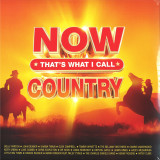
The incongruous, yet glorious, creative partnership between Nancy Sinatra and Lee Hazlewood was well underway when the two singular artists reunited to record 1972’s Nancy & Lee Again, a follow-up to their bestselling duet debut, Nancy & Lee. Nancy, the eldest daughter of Frank Sinatra, had been working with the Oklahoma-born songwriter since 1965, when she topped the pop charts with “These Boots Are Made For Walkin’.” Over the next five years, the two artists forged a prolific relationship in the studio, with Hazlewood writing and producing many of Nancy’s solo hits. Soon, the duo found success with a series of duets, including “Sand,” “Summer Wine,” and “Some Velvet Morning” – all of which appeared on their highly-influential 1968 debut.
Not long after the critical acclaim and chart success of Nancy & Lee died down, however, Hazlewood unexpectedly relocated to Sweden, leaving his musical partner in the proverbial dust. America, meanwhile, was in the midst of a cultural shift, as the Vietnam War waged on. By the turn of the decade, the musical landscape had changed significantly. “Trivial music and not profound music became unimportant,” recalls Nancy, speaking to Hunter Lea. “It was a tough time.” And yet, despite the circumstances, the stars somehow aligned for the duo to record some of their most magnificent music together.
Returning to Los Angeles for the project, Hazlewood – who reprised his role as producer – chose to take a new direction with the duo’s sophomore album. Nancy recalls, “It was more dramatic; it was more fun to do, more challenging to do…. It was more grandiose.” For the lush, orchestral arrangements, they collaborated with Larry Muhoberac (an original member of Elvis Presley’s TCB band, whose early ‘70s credits also included Barbra Streisand, Neil Diamond, and Lalo Schifrin) and Clark Gassman, who had worked on Hazlewood’s 1970 LP, Cowboy in Sweden. Backing vocals from brothers John and Tom Bahler, who remain two of the most recorded singers in history, added additional texture to several songs.
The big sound that Nancy describes above is exemplified in the album’s cinematic opener, “Arkansas Coal (Suite).” Clocking in at nearly six minutes long, the dynamic overture tells the tale of an ill-fated coal miner (sung by Hazlewood), while Nancy adjusts her vocals to sing as both the miner’s daughter and his wife. Hazlewood’s knack for vivid, nuanced storytelling shines throughout Nancy & Lee Again, particularly in “Paris Summer,” which details the conflict that a married woman faces, as she engages in a passionate affair. Another highlight is the country-inspired hit, “Did You Ever,” which was released as the album’s lead single. After it landed at No.2 on the U.K. pop charts, the song served as an alternate title track in several countries, including LP pressings in the U.K., Germany, and Canada.
One of the most emotionally-charged moments on Nancy & Lee Again is a cover of Dolly Parton’s “Down From Dover.” The heartbreaking tune tells the tale of a pregnant teenager, who has been abandoned by her lover and her family and ultimately gives birth to a stillborn baby. While Parton’s 1970 version was sung from the teenager’s point of view, Hazlewood and Sinatra transformed the country song into a duet. Hazlewood, who offers the man’s side of the story, sings in a notably deeper octave than his signature baritone.
Another poignant selection is “Congratulations,” which describes a soldier coming home from Vietnam. “His face has grown old and his eyes have grown cold/And they tell you of where he has been/Congratulations, you sure made a man out of him,” Hazlewood sings, pointedly. Nancy, who performs as the vet’s wife, argues that the song had a deeper meaning for her duet partner. “Lee started out a hawk, he was an army guy, so he was all for the war in the beginning. We didn’t talk about it, but at some point, he changed radically. ‘Congratulations’ was almost like an apology from him. I don’t want to put words in his mouth, but it was as though he was saying ‘I’m really sorry.’”
The song “Friendship Train” could also be interpreted as an apology of sorts – this time to Nancy. “You’ve been hurt and I’ve been hurt/Now we’re living pain,” the tune opens. When Hazlewood moved to Sweden without telling his longtime musical partner, Sinatra was understandably upset. “I felt pretty betrayed. I mean, who does that? Who just up and disappears like that? I’ll never understand it,” she reveals. But the uplifting duet – a slice of ‘70s pop perfection – offers reaffirming words of love between friends. “Lee felt things very deeply and tended to express his feelings in song instead of in real life,” explains Nancy.
The 10-track album closes with the stripped-down “Got It Together.” Backed by an acoustic guitar, the song is equal parts playful and candid, as the duo has an impromptu, spoken-word conversation about their lives. “I wish that we’d quit getting so old,” laments Nancy, who later shares her wish to have children (she would do so in the next few years). Hazlewood, meanwhile, attempts to remedy his past wrongdoings – this time asking his partner, “Can I go back to Sweden?” With that, Nancy gives her blessing.
This definitive reissue of Nancy & Lee Again also includes two bonus tracks. Both are stylistic departures for the duo – but fit right in with the psychedelic pop of the era. The first one, “Think I’m Coming Down,” is a harmony-filled reflection on a toxic relationship. “I think that was one of Lee’s drug things. I don’t mean that he used drugs; I mean that he was trying to be part of that culture. Trying to be hip,” explains Nancy, who delivers an emotive vocal performance on the solo track. Also included is “Machine Gun Kelly,” penned by a staple of the 70s singer-songwriter movement, Danny Kortchmar (James Taylor, Carole King, Linda Ronstadt). Recorded several months after the release of the album, the song found Nancy reuniting with Billy Strange, who arranged many of her solo albums, as well as Nancy & Lee. Sinatra and Hazlewood first performed “Machine Gun Kelly” during their residency at Las Vegas’ Riviera Hotel in February 1972 (later released as a concert documentary on Swedish television). While the recording has long remained a career favorite of Nancy’s, it would be decades before it was officially released.
Nancy & Lee Again remains a creative high point in the careers of Sinatra and Hazlewood and, upon its release, garnered rave reviews from Billboard, Record World, and Cash Box, among others. Yet, Nancy & Lee Again never received the spotlight it so utterly deserved. “We didn’t have label support at all in those days,” recalls Nancy. “Without the strength of a label, records die. We were old. We were old-fashioned. We were just not what was happening. It’s a very ageist kind of business.” Nevertheless, she adds, “I think it’s a very good album. I think it’s timeless.” Now, after years of being a sought-after rarity, this gem in the Sinatra-Hazlewood canon can finally get its due.
Five decades later, Nancy’s legacy only continues to grow, as new generations discover her impressive catalog (which boasts nearly 20 studio albums – her duets with Hazlewood among them – and dozens of charting singles, including the theme song to the 1967 James Bond film, You Only Live Twice). In 2020, Sinatra was recognized by her peers when “These Boots Are Made For Walkin’” was inducted into the GRAMMY® Hall of Fame. That same year, Sinatra partnered with Light in the Attic for Nancy Sinatra: Start Walkin’ 1965-1976, a definitive survey of her most prolific period. LITA has also reissued Sinatra’s classic debut, Boots, and her iconic, 1968 album with Lee Hazlewood, Nancy & Lee. The label looks forward to celebrating Nancy over the coming years with a variety of special releases, exclusive merchandise, and more.
Freestyle puts out another reissue 12" in their drive to unearth rare and classic UK funk, soul & boogie records - this time a much needed pressing of the late Candy McKenzie's heavy boogie-funk cover of Patrice Rushen's classic Remind Me. Produced by Candy's late cousin, and seasoned session bass player, John McKenzie (and licensed from the family estate) this was originally released in 1983 - and comes with an excellent dubbed-out 'Different Style' instrumental version on the flip.
-----------------------
Candy McKenzie (1953-2003) was a North West London-based vocalist from a Guyanese family heavily steeped in musicianship . She began learning the piano at a young age, picking up vocal harmony from her father, a jazz bass player. Her brothers Bunny & Binky, were also celebrated bassists. Candy would marry young in 1970 at the age of 17, though just one year later her brother Binky (who played with the likes of Cream, Alexis Korner & John Mclaughlin in the late 60s) tragically killed her mother and father, along with Candy's husband in an attack at the family home to which Candy was present. Candy was also injured but escaped with her life.
In the years that followed the tragedy Candy, regularly accompanied by her brother Bunny, would find reggae vocal session work - often at the Chalk Farm Studios frequented by many key producers & acts. She found her way onto Aswad's first album and Keith Hudson's legendary Flesh Of My Skin Blood Of My Blood LP - and a little while later on a couple of sessions with Bob Marley for Island, under the supervision of Lee Perry.
The latter two parties took a keen interest in Candy, with Island wisking her away to Jamaica in 1977 to record an album at the legendary Black Ark. Her vocals found their way onto The Congos seminal Heart of the Congos LP, but the album she recorded with Perry was shelved - with just the Black Art holy grail 12" Disco Fits / Breakfast in Bed finding it's way to release at the time.
Back in London, Candy spent the early to mid 80s recording various lovers and funk/soul 12"s, including this fantastic cover of Patrice Rushen's Remind Me, produced by her cousin John. She went on to record singles for labels like Elite & Cooltempo throughout the '80s and early '90s, and appeared as backing vocalist with the likes of Leonard Cohen, Whitney Houston, Elton John and Diana Ross. She passed away in 2003, with her one and only album recorded at the Black Ark finally seeing release on Trojan in 2011.
Candy's cousin John McKenzie got his starts in the music industry in the mid 70s as part of prog group Man and communal festival rockers Global Village Trucking Co., as well as playing with the likes of Annette Peacock and Steve Hillage. His father Mike McKenzie was also a key Carribbean jazz figure in the UK throughout the early 1950s, through to the '60s and '70s. John would become a heavily in-demand session musician - playing with everyone from the Eurhythmics to Bob Dylan - while also finding time to produce this record, alongside a couple of excellent 12"s with Mel Gaynor as Finesse, between 1982 and '83. He would regularly tour the world as a live musician for a huge array of headline acts, appearing on multiple chart hits, and in his later years was a member of the excellent group Ibibio Sound Machine. He lost his battle with cancer in 2020.
This reissue is dedicated to the memory of both John & Candy McKenzie.
- 1: Marvin Gaye & The Vandellas - Stubborn Kind Of Fellow
- 1: 2 Etta James - I Just Want To Make Love To You
- 1: 3 The Isley Brothers - Twist And Shout
- 1: 4 Chubby Checker - Let's Twist Again
- 1: 5 James Brown & The Famous Flames - Think
- 1: 6 Quincy Jones & His Orchestra - Soul Bossa Nova
- 1: 7 Stevie Wonder - Contract On Love
- 1: 8 Ike & Tina Turner - A Fool In Love
- 1: 9 Otis Redding - These Arms Of Mine
- 1: 0 Ben E. King - Stand By Me
- 1: Ray Charles - Unchain My Heart
- 1: 2 Nina Simone - Work Song
- 1: 3 Dionne Warwick - Don't Make Me Over
- 1: 4 The Impressions With Curtis Mayfield - Gipsy Woman
- 1: 5 Sam Cooke - (What A) Wonderful World
- 1: 6 Aretha Franklin - Try A Little Tenderness
- 2: 1 The Beach Boys - Surfin' Safari
- 2: Booker T. & The M.g.'s - Green Onions
- 2: 3 Galt Macdermot - Coffee Cold
- 2: 4 The Seeds - Can't Seem To Make You Mine
- 2: 5 The John Barry Seven & Orchestra - The James Bond Theme
- 2: 6 Del Shannon - Runaway
- 2: 7 Gene Vincent & His Blue Caps - Be-Bop-A-Lula
- 2: 8 Dick Dale & His Del-Tones - Miserlou
- 2: 9 Joan Baez - Donna Donna
- 2: 10 Donovan - Catch The Wind
- 2: 11 The Everly Brothers - When Will I Be Loved
- 2: 1 The Beatles - Love Me Do
- 2: 13 Lee Hazlewood With Duane Eddy & His Orchestra - The Gir
- 2: 14 The Shadows - Apache
- 2: 15 Bob Dylan - House Of The Risin' Sun
One of the most popular instrumental songs ever, “Green Onions” started out as a band jam at a demo recording session for rock’n’roll singer Billy Lee Riley with the famed Stax Records house band. Stax label head Jim Stewart liked what he heard and recorded what would become the basis for the band’s debut album. Christened Booker T. & The M.G.s, they released “Green Onions” with original members Booker T. Jones (organ, piano), Steve Cropper (guitar), Lewie Steinberg (bass), and Al Jackson Jr. (drums) in October 1962. The title track became a worldwide hit, covered by dozens of artists including the Blues Brothers, the Ventures, the Shadows, Deep Purple, Mongo Santamaria and Count Basie.
The deluxe 60th Anniversary Edition of “Green Onions” releases as a 1LP 180g vinyl in a green translucent colorway similar in hue to the vegetable it celebrates plus a 4-page insert, including band photos, Stax Records ephemera and David Ritz’s new liner notes.
2022 jährt sich die Veröffentlichung der ersten Single
und des ersten Albums der internationalen Supergruppe
des Soul/Funks, die mit ihrem Memphis-Sound die
Soul-Landschaft neu erfunden hat.
"Green Onions", einer der populärsten Instrumentalsongs
aller Zeiten, begann als Band-Jam bei einer
Demo-Aufnahme für den Rock'n'Roll-Sänger Billy Lee
Riley mit der berühmten Stax Records Houseband.
Stax-Labelchef Jim Stewart gefiel, was er hörte, und er
nahm auf, was die Grundlage für das Debütalbum der
Band werden sollte.
Unter dem Namen Booker T. & The M.G.s
veröffentlichten sie "Green Onions" mit den
Originalmitgliedern Booker T. Jones (Orgel, Klavier), Steve
Cropper (Gitarre), Lewie Steinberg (Bass) und Al Jackson
Jr. (Schlagzeug) im Oktober 1962. Der Titelsong wurde
ein weltweiter Hit, der von Dutzenden von Künstlern wie
den Blues Brothers, den Ventures, den Shadows, Deep
Purple, Mongo Santamaria und Count Basie gecovert
wurde.
- A1: The Manhattan Transfer - Chanson D'amour
- D2: Bread - Make It With You
- D3: Shirley Bassey - Something
- D4: Judy Collins - Send In The Clowns
- D5: Eric Carmen - All By Myself
- D6: Art Garfunkel - I Only Have Eyes For You
- D7: Johnny Mathis - I'm Stone In Love With You
- A2: Neil Diamond - Song Sung Blue
- A3: Helen Reddy - Angie Baby
- A4: Captain & Tennille - Love Will Keep Us Together
- A5: Carole Bayer Sager - You're Moving Out Today
- A6: Demis Roussos - Forever & Ever
- A7: Drupi - Vado Via
- A8: Kiki Dee - Amoureuse
- B1: Cliff Richard - Miss You Nights
- B2: David Soul - Don't Give Up On Us
- B3: Dean Friedman - Lucky Stars (With Denise Marsa)
- B4: 10Cc - The Things We Do For Love
- B5: Neil Sedaka - Laughter In The Rain
- B6: Alessi Brothers - Oh Lori
- B7: Rita Coolidge - We're All Alone
- B8: Elkie Brooks - Pearl's A Singer
- C1: Commodores - Easy
- C2: Diana Ross - Do You Know Where You're Going To (Theme From Mahogany)
- C3: Dionne Warwick - I'll Never Love This Way Again
- C4: Sammy Davis Jr - The Candy Man
- C5: Barry Manilow - Daybreak
- C6: Tom Jones - She's A Lady
- C7: Peters & Lee - Welcome Home
- C8: The New Seekers - I'd Like To Teach The World To Sing (In Perfect Harmony) (In Perfect Harmony)
- C9: John Denver - Annie's Song
- D1: Billy Joel - New York State Of Mind
Across 2LPs comes a unique collection of authentic 70s nostalgia.
Blissful and relaxing, compiled together onto vinyl is the warm sound of 32 of the decade’s finest works of easy listening pop.
Find classic lounge tracks from The Manhattan Transfer, Neil Diamond and Demis Roussos alongside Dionne Warwick, Commodores, Billy Joel and many more.
- A1: Learn To Fly 03:34
- A2: The Ballad Of Sissy & Porter 04:17
- A3: Friends We Leave Behind 03:55
- A4: Hurtin' For A Letdown 03:39
- A5: Superficial World Of Love 04:28
- A6: Big Heart Sick Mind 02:33
- B1: Ghost Stories 03:44
- B2: Ricky 03:42
- B3: By Design 03:58
- B4: On The Wings Of A Nightingale 02:46
- B5: Greek Tragedy 03:37
Sisters Eleanor and Bonnie Whitmore, two of roots music's most
accomplished songwriter/instrumentalist/vocalists, released their first
album together as The Whitmore Sisters in 2022
Titled 'Ghost Stories', inspired by the loss of family, friends, ex-boyfriends and - on
the title track- people who died by police violence. These ghosts chose to appear
right as Covid became entrenched -when live music evaporated, and people were
isolated from each other.
Bonnie, whose four solo albums are all state- of- a- real- woman's- heart jewels,
decided to join sister Eleanor and her husband Chris Masterson in their Los
Angeles closed circle for a break. Chris, who's recorded four albums with his wife
as The Mastersons, saw the visit as an opportunity to issue a mandate: If Bonnie
was coming, it was time for the sisters to make a record.
Not just an album, but "the album" - the musical inevitability that's been
simmering since a 22-year-old Eleanor was protecting her curly-headed 15-yearold sister at gigs in local bars. The Whitmore Sisters' original songs, along with
two covers - a song by their pal Aaron Lee Tasjan ("Big Heart Sick Mind" and "On
the Wings of a Nightingale" (written by Paul McCartney for iconic siblings The
Everly Brothers) - was produced by Chris Masterson and completes 'Ghost
Stories'.
Barely heard in his lifetime (1961-2002) but hailed as an outsider hero of ur-punk since 2009’s ‘Cosmic Lightning’ compilation, J.T. IV strikes back!
15 unheard-of tracks found on an obscure cassette tape make the schizo split in his music - rabid rock & roll fantasy and cold-eyed acoustic introspection - an epic. ‘The Future’ is J.T. IV’s mad magnum opus.
The 2009 comp LP, ‘Cosmic Lightning’, cast his tragic silhouette up on the big screen
for all to see: the lost boy, alone in the world, standing before the mic and releasing
his inner star with glee and vengeance, his antisocial visions flying high atop a raging
funnel of distorted guitars and blunt rhythms. Or couched, childlike, within a heart
breaking billow of acoustic guitars - a schizophrenic split that only magnifies the
display of his deep emotions.
‘The Future’ goes even further, excavating fifteen recordings from a previously
unheard-of cassette entitled ‘The Best Of Johnny Zhivago Retrospective 1979–1993’,
and adding four more uncollected tracks from his slim (and impossible to find
anyway) discography.
Of these nineteen tracks, eight are covers - and J.T. IV’s picks, from Velvets to Mott
the Hoople, Roxy Music, Lee Hazlewood, The Kinks, Eno and Stephen Sondheim,
sharpen our image of the misfit adrift; on the outside looking in, but maybe just a few
steps away from his goal.
‘The Future’ unfolds like an epic, as both sides of J.T.’s persona - the street-smart,
damaged rocker and the heart struck poet of the scene - live on together in the best
performances of his short career.
A punk of the old order, John Henry Timmis IV was born in 1961 into a dysfunctional,
abusive and eventually broken family. By the mid-70s, he was desperate to get out,
running away from his mother’s home several times while still a teenager living in the
greater Chicagoland area. At wit’s end, she had him committed to the Menninger
Clinic for a year or so. Released on his own reconnaissance, he began his meteoric
ascent to the mythic level of self-aggrandizement in which he appears here. Inspired
by the underground, proto-punk sounds in the air (the likes of which any sharp-eyed
young thing might chance upon in the back pages of Creem, Crawdaddy, Trouser
Press, etc.) and desperate to be heard himself, J.T. presented like the scabby
younger brother of Bangs and Laughner: born only to rock, his musical conception a
rabid personality crisis of proselyte elitism and nihilist excess.
Now, 20 years on from his passing, ‘The Future’ is ever farther away from the world
in which he struggled so mightily - but his stinging iconoclasm, whether screamed
from Marshall amps or mic-ed up close, feels ever more powerfully infused with his
unique breadth of illness and essence.
These songs represent the two sides of J.T. - and while they emanate from the 80s,
they find themselves potently renewed in the polarized world of today, making ‘The
Future’ a worthwhile destination for everyone who ever had a heart touched by the
transgression and freedom promised by rock & roll.
Brixton in South London has to be the place whee legends in Reggae & Dub meet up for a collaboration. The result is this 8 track all-analogue mixed Dubwise adventure that features the UK’s hardest Roots Reggae bass player & drummer (Mafia & Fluxy) playing the UK’s deepest dubs (Vibronics).
This fascinating and intricate LP merges old stool Jamaican reggae musicianship with the swirling euphoria found in contemporary dub music.
Vibronics is one of the most established names in UK Dub/Reggae music. From their base, in the Dub Cupboard Studio in Leicester, their music has achieved millions of views on YouTube, millions of Spotify streams and many tens of thousands of vinyl record sales. Vibronics have collaborated with reggae legends Michael prophet, Macka B, Iration Steppas, Soom T, Aba-Shanti and so many more.
Mafia & Fluxy are the UK’s foremost Reggae rhythm section and were initially inspired by Sly And Robbie, consisting of brothers Mafia (Bass) and Fluxy (drums). Legends of the stage and the studio, they record regularly in the UK & Jamaica, building rhythm tracks for Bunny Lee, Blacker Dread, King Jammy, Exterminator and Jah Shaka. They continue to work with the cream of the crop in terms of Reggae, having recently backed Luciano & Eek-A-Mouse on their world tours.
VINYL COLOUR IS GREY. BORSTAL, the UK-Hardcore band featuring Nick Barker (Brujeria, ex-Dimmu Borgir, Cradle Of Filth) & Pierre Mendivil (Knuckledust) release details of brand new 2 track 7". Produced by Russ Russell (Napalm Death/The Exploited/At The Gates). The 2 songs are a follow up BORSTAL's debut EP "At Her Majesty's Pleasure". The 7" record is a collaboration between Rucktion Records & 4 Family Records. Both labels are offering different variants and bundles of the 7" in extremely limited quantities. Pressed on heavyweight Vinyl and including a free download code! Front man 'Pierre' comments on the new video 'No Surrender'; "This song is inspired by confronting the defeatist mentality that society seems to want to push on us, on so many levels! And even in ourselves as we battle everyday to try better and strengthen our mental attitude just to deal with life these days." BORSTAL Guitarist 'Lee' continues "It's nice to finally get some fresh music out there. We recorded these 2 songs in 2021 with our brother Russ Russell. But due to delays with pressing plants and so on, we got held up! I feel like our sound is really coming together now, and these new tunes are just a teaser for what's to come. We've nearly finished writing our full length too, so they'll be news to follow that soon". The cover artwork for the 7" is by Australian artist Mick Lambrou. Mick has recently designed t-shirts, flyers and artwork for the likes of hardcore legends Agnostic Front, Madball & Slapshot.
Corn, originally released in 2015, features nine tracks Russell recorded in 1982 and 1983. In collaboration with Russell"s partner Tom Lee, Audika"s Steve Knutson compiled Corn from Arthur"s original, completed 1/4" tape masters. Russell himself compiled this material on three separate test pressings-labelled El Dinosaur, Indian Ocean, and Untitled, respectively- in 1985. Russell fans know something of the Corn sound from Audika"s debut release, "Calling Out of Context" (2004), which included four songs from these sessions: "The Deer In The Forest Part 1," "The Platform on the Ocean," "Calling Out Of Context," and "I Like You!" This new collection includes rhythmic alternate versions of "Lucky Cloud," "Keeping Up," "See My Brother, He"s Jumping Out (Let"s Go Swimming #2)," "This Is How We Walk on the Moon," and "Hiding Your Present From You," along with "Corn," "Corn (Continued)," "They and Their Friends," and the closing instrumental "Ocean Movie," one of the most beautiful and curious Russell tracks ever to see the light of day.
Eddie Piller & Dean Rudland present Acid Jazz (Not Jazz)
Back in the early 1990s as Acid Jazz began a period of extraordinary commercial success where acts like the Brand New Heavies and Jamiroquai sold millions of records, and US groups such as A Tribe Called Quest, The Roots and Digable Planets were actively influenced by what was being played in London, the whole scene was being fuelled by a small number of clubs, led by Gilles Peterson’s Sunday afternoons at Dingwalls but taking in nights in Leeds, Bari, Munich, Tokyo, Stockholm and New York. In those clubs funky jazz, latin boogaloo and 70s soul soundracks competed for time on the dance floor with import records from New York, and the latest sounds coming out of bedrooms and makeshift basement studios that created contemporary sounds out of the past.
Acid Jazz’s Eddie Piller and Dean Rudland have put together this compilation of the sort of sounds that we were playing at the time. They are releases on Acid Jazz and other label’s that surrounded the scene and they were mainly made by people we knew from either around the club scene, behind the counters of our favourite record shops, or from trips to New York or Europe. They range from The Ballistic Brother anthem ‘Blacker’ to the jazz house of A-Zel - a Roger Sanchez mix that still sounds fresh today. We have the Humble Soul’s instrumental version of ‘Beads Things And Flowers’ which at the time was only available as a DJ special on Acetate. There is the presence of A Man Called Adam before they went to Ibiza, and the early Mo’ Wax (before they went Trip Hop) single by Marden Hill ‘Come On’.
These records could fill a dance floor in seconds and we feel that they are today largely forgotten, as they were non-album, underground club records. It’s time to celebrate them!
- A1: Long Time Me No See You Girl
- A2: Love & Devotion
- A3: Jumping With Mr Lee
- A4: Hold Your Jack
- A5: Bangerang
- A6: Little Boy Blue
- A7: Story Of Love
- B1: A Change Is Gonna Come
- B2: Jumping With Val
- B3: Girls Like Dirt
- B4: Tribute To King Sterling
- B5: Somebody's Baby
- B6: Sounds & Soul
- B7: My Conversation
- B8: Sir Lee's Whip
The period of 1967 – 1968 when Rocksteady was in full flow, would also be a turning point for Bunny ‘Striker’ Lee, when he became a producer in his own right. Many of the great tunes during this eventful year came out of his stable and initially saw the light of day on his own imprint label ‘Lee’s’. This album has been assembled from some of those fine tunes and tells the story of reggae in what was a stellar time for both reggae and Mr Bunny Lee.
Edward ‘Bunny’ Lee later to become known as ‘Striker’ (b.23rd August 1941) got his introduction to the music business around 1962 when his future brother in law singer Derrick Morgan introduced Bunny to producer Duke Reid, who gave him a job as record plugger for his Treasure Isle label. 1966 saw Bunny Lee move on to working for producer Ken Lack who ran his own label Caltone. Bunny’s first credit as a producer was released on the label when he produced ‘Lloyd Jackson and the Groovers’ with a tune called ‘Listen To The Music’.
As we stated earlier by 1967 Bunny Lee was leading the way and his vast stable of singers, were producing hit after hit for him. Many of those artists are featured on this compilation. The Sensations ‘Long Time Me No See You Girl’, the Uniques that featured the great Slim Smith are here on some of their greatest cuts ‘Love and Devotion’ and ‘The Beatitude’, ‘Girls Like Dirt’. ‘My Conversation’ a song that would be a big hit for the Uniques would also go on to be of the most covered songs and redone over rhythms, in the history of reggae music. The great singer Pat Kelly features on ‘Somebody’s Baby’ and ‘Little Boy Blue’ all massive hits, when originally released. Bunny’s love of Jazz and the brass sections would also shine through with some of Jamaica’s finest musicians featured here with the excellent tenor sax work of Val Bennett which gave us our album title track ‘Jumping With Mr Lee’ and ‘Jumping With Val’. The Alto sax work of Lester Sterling are featured on the timeless cut ‘Bangerang’ and ‘Tribute To Scratch’. The big sound of Trombonist ‘Vin Gordon’ features on ‘Sounds and Soul’. Not forgetting the previously mentioned King of Ska Derrick Morgan on ‘Hold Your Jack’. A song that in a few years’ time would provide the backbone for Mr Max Romeo’s cross over and controversial hit ‘Wet Dream’. So yes, a fine collection of tracks from the great producer Bunny ‘Striker’ Lee. Sit back and enjoy the reggae music of 1967-1968 with of the best sounds in town.Sit back and enjoy…..
- A1: Matti And Fulli-The Ravers
- A2: Throw Mw Com-Winston Shand
- A3: Some A Holla Some A Bawl-Max Romeo
- A4: Miss Laba Laba-Twinkle Brothers
- A5: This Is My Story-The Claridonians
- A6: South Of The Border-Doreen Shaffer
- A7: Give Me A Love-Slim Smith
- B1: This Old Heart Of Mine-Delroy Wilson
- B2: Lonely Lover-The Sensations
- B3: Two Faced People-Max Romeo
- B4: I’m Leaving-Derrick Morgan&Hortense Ellis
- B5: The Winner(Taking Over)-Roy Shirley
- B6: Sad Mood-Ken Parker
- B7: Girl Of My Dreams-Dave Barker
Orange Street, Kingston, Jamaica the epicentre of the Reggae world.
Where all the record shops, studios, pressing plants were based.
The new cut 45’s would be taken to the shops after a testing on various Sound Systems around the people and passed to the record shop proprietors to sell.
Bunny Lee as a former record plugger and now a leading producer knew what the people wanted and a great ear for a hit tune.
This collection carries some of the stand out tracks from this period, when music was finding a new beat as Rocksteady rolled into the late 60’s early 70’s Reggae Sound.
The Ravers ‘Mati and Fulli’ telling the story that the ‘Rent too High’ to The Twinkle Brothers ‘Miss Laba Laba’ …you see and blind you must hear and deaf…clean up your own backyard before talking about others.
All stories of daily life and love songs told over a cracking rhythm played by finest musicians on the island.
So yes ‘Some A Holla Some A Bawl’ as Max Romeo would say but it can’t be denied that all the tunes on this selection are of a fine pedigree….
So sit back and Enjoy the Ride…………..
Having first met in 1991, music photographer STEVE GULLICK and JAMES JOHNSTON, founder of Gallon Drunk, began blurring the boundaries between audio and visual in 2004 when they formed their own band, '...bender'. They’ve maintained the habit ever since, with Gullick subsequently founding Tenebrous Liar and Johnston pursuing a career, alongside his work with PJ Harvey and a tenure in Nick Cave & The Bad Seeds, as an acclaimed visual artist and painter.After working together on an art show in late 2019, the idea of making music again immediately resurfaced. Without any firm strategy, Johnston and Gullick began recording, unprompted, drawing upon a shared love of noise, folk, and classical. This became the album ‘We Travel Time’, a compelling and mysterious record that bravely embraced beautiful piano, voice, violin, and guitar to create a drifting haze, forging an imagined soundtrack which offers echoes of Big Star, Nico, Lee Hazlewood and Palace Brothers alongside the haunting influence of contemporary minimal classical. Due for release this coming November 18th via God Unknown Records, Johnston and Gullick have returned to their craft to create a stunning new selection of songs and moods, brought together for the album ‘Everybody’s Sunset’. Recorded at their homes throughout 2021 and 2022, the ten songs on this new album take the fragile intimacy and agenda-free approach of its predecessor and go out even further into the fringes of tone and feeling. Utilising a vast selection of instruments between them (violin, organ, guitar, banjo, autoharp, harmonica, piano, synthesisers….), ‘Everybody’s Sunset’ ebbs and flows, bringing different instruments and signals to the fore as the album progresses. a bold, adventurous musical trip that finds Johnston and Gullick’s musical bond grow ever deeper and closer. Tune in and watch the Sunset glow. All songs written, arranged and recorded by James Johnston and Steve Gullick James Johnston: Violin, voice, organ, piano, guitar, banjo, autoharp. Steve Gullick: Voice, guitar, piano, organ, harmonica, harmonium. 1. The Moon & The Stars 2. Shimmer 3. Fear of Everything 4. Save Our Souls 5. Ice Moon 6. The Town That Couldn't Sleep 7. Medieval Death Song 8. Greater Silence 9. Who I Who 10. Everybody's Sunset
- A1: Rock This Mother
- A2: Talk To Me Girl
- A3: You Can Find Me
- A4: Check This Out
- A5: Jesus Going To Clean House
- A6: Hope You Understood
- A7: Is It What You Want
- A8: Love Is Everlasting
- A9: This Is Hip-Hop Art
- A10: Opposite Of Love
- A11: Do You Know What I Mean
- B1: Saving All My Love For You
- B2: Look Out Here I Come
- B3: Girl You Always Talking
- B4: Have A Great Day
- B5: Take My Hand
- B6: I Need Your Love
- B7: Your Town
- B8: Talk Around Town
- B9: Booty Head/Take A Little Walk
- B10: I Love My Mama
- B11: I Never Found Anyone Like You
Vinyl LP[23,49 €]
As the sun sets on a quaint East Nashville house, a young man bares a piece of his soul. Facing the camera, sporting a silky suit jacket/shirt/slacks/fingerless gloves ensemble that announces "singer" before he's even opened his mouth, Lee Tracy Johnson settles onto his stage, the front yard. He sways to the dirge-like drum machine pulse of a synth-soaked slow jam, extends his arms as if gaining his balance, and croons in affecting, fragile earnest, "I need your love… oh baby…"
Dogs in the yard next door begin barking. A mysterious cardboard robot figure, beamed in from galaxies unknown and affixed to a tree, is less vocal. Lee doesn't acknowledge either's presence. He's busy feeling it, arms and hands gesticulating. His voice rises in falsetto over the now-quiet dogs, over the ambient noise from the street that seeps into the handheld camcorder's microphone, over the recording of his own voice played back from a boombox off-camera. After six minutes the single, continuous shot ends. In this intimate creative universe there are no re-takes. There are many more music videos to shoot, and as Lee later puts it, "The first time you do it is actually the best. Because you can never get that again. You expressing yourself from within."
"I Need Your Love" dates from a lost heyday. From some time in the '80s or early '90s, when Lee Tracy (as he was known in performance) and his music partner/producer/manager Isaac Manning committed hours upon hours of their sonic and visual ideas to tape. Embracing drum machines and synthesizers – electronics that made their personal futurism palpable – they recorded exclusively at home, live in a room into a simple cassette deck. Soul, funk, electro and new wave informed their songs, yet Lee and Isaac eschewed the confinement of conventional categories and genres, preferring to let experimentation guide them.
"Anytime somebody put out a new record they had the same instruments or the same sound," explains Isaac. "So I basically wanted to find something that's really gonna stand out away from all of the rest of 'em." Their ethos meant that every idea they came up with was at least worth trying: echoed out half-rapped exhortations over frantic techno-style beats, gospel synth soul, modal electro-funk, oddball pop reinterpretations, emo AOR balladry, nods to Prince and the Fat Boys, or arrangements that might collapse mid-song into a mess of arcade game-ish blips before rallying to reach the finish line. All of it conjoined by consistent tape hiss, and most vitally, Lee's chameleonic voice, which managed to wildly shape shift and still evoke something sincere – whether toggling between falsetto and tenor exalting Jesus's return, or punctuating a melismatic romantic adlib with a succinct, "We all know how it feels to be alone."
"People think we went to a studio," says Isaac derisively. "We never went to no studio. We didn't have the money to go to no studio! We did this stuff at home. I shot videos in my front yard with whatever we could to get things together." Sometimes Isaac would just put on an instrumental record, be it "Planet Rock" or "Don't Cry For Me Argentina" (from Evita), press "record," and let Lee improvise over it, yielding peculiar love songs, would-be patriotic anthems, or Elvis Presley or Marilyn Monroe tributes. Technical limitations and a lack of professional polish never dissuaded them. They believed they were onto something.
"That struggle," Isaac says, "made that sound sound good to me."
In the parlance of modern music criticism Lee and Isaac's dizzying DIY efforts would inevitably be described as "outsider." But "outsider" carries the burden of untold additional layers of meaning if you're Black and from the South, creating on a budget, and trying to get someone, anyone within the country music capital of the world to take your vision seriously. "What category should we put it in?" Isaac asks rhetorically. "I don't know. All I know is feeling. I ain't gonna name it nothing. It's music. If it grabs your soul and touch your heart that's what it basically is supposed to do."
=
Born in 1963, the baby boy of nine siblings, Lee Tracy spent his earliest years living amidst the shotgun houses on Nashville's south side. "We was poor, man!" he says, recalling the outhouse his family used for a bathroom and the blocks of ice they kept in the kitchen to chill perishables. "But I actually don't think I really realized I was in poverty until I got grown and started thinking about it." Lee's mom worked at the Holiday Inn; his dad did whatever he had to do, from selling fruit from a horse drawn cart to bootlegging. "We didn't have much," Lee continues, "but my mother and my father got us the things we needed, the clothes on our back." By the end of the decade with the city's urban renewal programs razing entire neighborhoods to accommodate construction of the Interstate, the family moved to Edgehill Projects. Lee remembers music and art as a constant source of inspiration for he and his brothers and sisters – especially after seeing the Jackson 5 perform on Ed Sullivan. "As a small child I just knew that was what I wanted to do."
His older brother Don began musically mentoring him, introducing Lee to a variety of instruments and sounds. "He would never play one particular type of music, like R&B," says Lee. "I was surrounded by jazz, hard rock and roll, easy listening, gospel, reggae, country music; I mean I was a sponge absorbing all of that." Lee taught himself to play drums by beating on cardboard boxes, gaining a rep around the way for his timekeeping, and his singing voice. Emulating his favorites, Earth Wind & Fire and Cameo, he formed groups with other kids with era-evocative band names like Concept and TNT Connection, and emerged as the leader of disciplined rehearsals. "I made them practice," says Lee. "We practiced and practiced and practiced. Because I wanted that perfection." By high school the most accomplished of these bands would take top prize in a prominent local talent show. It was a big moment for Lee, and he felt ready to take things to the next level. But his band-mates had other ideas.
"I don't know what happened," he says, still miffed at the memory. "It must have blew they mind after we won and people started showing notice, because it's like everybody quit! I was like, where the hell did everybody go?" Lee had always made a point of interrogating prospective musicians about their intentions before joining his groups: were they really serious or just looking for a way to pick up girls? Now he understood even more the importance of finding a collaborator just as committed to the music as he was.
=
Isaac Manning had spent much of his life immersed in music and the arts – singing in the church choir with his family on Nashville's north side, writing, painting, dancing, and working various gigs within the entertainment industry. After serving in the armed forces, in the early '70s he ran The Teenage Place, a music and performance venue that catered to the local youth. But he was forced out of town when word of one of his recreational routines created a stir beyond the safe haven of his bohemian circles.
"I was growing marijuana," Isaac explains. "It wasn't no business, I was smoking it myself… I would put marijuana in scrambled eggs, cornbread and stuff." His weed use originated as a form of self-medication to combat severe tooth pain. But when he began sharing it with some of the other young people he hung out with, some of who just so happened to be the kids of Nashville politicians, the cops came calling. "When I got busted," he remembers, "they were talking about how they were gonna get rid of me because they didn't want me saying nothing about they children because of the politics and stuff. So I got my family, took two raggedy cars, and left Nashville and went to Vegas."
Out in the desert, Isaac happened to meet Chubby Checker of "The Twist" fame while the singer was gigging at The Flamingo. Impressed by Isaac's zeal, Checker invited him to go on the road with him as his tour manager/roadie/valet. The experience gave Isaac a window into a part of the entertainment world he'd never encountered – a glimpse of what a true pop act's audience looked like. "Chubby Checker, none of his shows were played for Black folks," he remembers. "All his gigs were done at high-class white people areas." Returning home after a few years with Chubby, Isaac was properly motivated to make it in Music City. He began writing songs and scouting around Nashville for local talent anywhere he could find it with an expressed goal: "Find someone who can deliver your songs the way you want 'em delivered and make people feel what you want them to feel."
One day while walking through Edgehill Projects Isaac heard someone playing the drums in a way that made him stop and take notice. "The music was so tight, just the drums made me feel like, oh I'm-a find this person," he recalls. "So I circled through the projects until I found who it was.
"That's how I met him – Lee Tracy. When I found him and he started singing and stuff, I said, ohhh, this is somebody different."
=
Theirs was a true complementary partnership: young Lee possessed the raw talent, the older Isaac the belief. "He's really the only one besides my brother and my family that really seen the potential in me," says Lee. "He made me see that I could do it."
Isaac long being a night owl, his house also made for a fertile collaborative environment – a space where there always seemed to be a new piece of his visual art on display: paintings, illustrations, and dolls and figures (including an enigmatic cardboard robot). Lee and Issac would hang out together and talk, listen to music, conjure ideas, and smoke the herb Isaac had resumed growing in his yard. "It got to where I could trust him, he could trust me," Isaac says of their bond. They also worked together for hours on drawings, spreading larges rolls of paper on the walls and sketching faces with abstract patterns and imagery: alien-like beings, tri-horned horse heads, inverted Janus-like characters where one visage blurred into the other.
Soon it became apparent that they didn't need other collaborators; self-sufficiency was the natural way forward. At Isaac's behest Lee, already fed up with dealing with band musicians, began playing around with a poly-sonic Yamaha keyboard at the local music store. "It had everything on it – trumpet, bass, drums, organ," remembers Lee. "And that's when I started recording my own stuff."
The technology afforded Lee the flexibility and independence he craved, setting him on a path other bedroom musicians and producers around the world were simultaneously following through the '80s into the early '90s. Saving up money from day jobs, he eventually supplemented the Yamaha Isaac had gotten him with Roland and Casio drum machines and a Moog. Lee was living in an apartment in Hillside at that point caring for his dad, who'd been partially paralyzed since early in life. In the evenings up in his second floor room, the music put him in a zone where he could tune out everything and lose himself in his ideas.
"Oh I loved it," he recalls. "I would really experiment with the instruments and use a lot of different sound effects. I was looking for something nobody else had. I wanted something totally different. And once I found the sound I was looking for, I would just smoke me a good joint and just let it go, hit the record button." More potent a creative stimulant than even Isaac's weed was the holistic flow and spontaneity of recording. Between sessions at Isaac's place and Lee's apartment, their volume of output quickly ballooned.
"We was always recording," says Lee. "That's why we have so much music. Even when I went to Isaac's and we start creating, I get home, my mind is racing, I gotta start creating, creating, creating. I remember there were times when I took a 90-minute tape from front to back and just filled it up."
"We never practiced," says Isaac. "See, that was just so odd about the whole thing. I could relate to him, and tell him about the songs I had ideas for and everything and stuff. And then he would bring it back or whatever, and we'd get together and put it down." Once the taskmaster hell bent on rehearsing, Lee had flipped a full 180. Perfection was no longer an aspiration, but the enemy of inspiration.
"I seen where practicing and practicing got me," says Lee. "A lot of musicians you get to playing and they gotta stop, they have to analyze the music. But while you analyzing you losing a lot of the greatness of what you creating. Stop analyzing what you play, just play! And it'll all take shape."
=
"I hope you understood the beginning of the record because this was invented from a dream I had today… (You tell me, I'll tell you, we'll figure it out together)" – Lee Tracy and Isaac Manning, "Hope You Understand"
Lee lets loose a maniacal cackle when he acknowledges that the material that he and Isaac recorded was by anyone's estimation pretty out there. It's the same laugh that commences "Hope You Understand" – a chaotic transmission that encapsulates the duality at the heart of their music: a stated desire to reach people and a compulsion to go as leftfield as they saw fit.
"We just did it," says Lee. "We cut the music on and cut loose. I don't sit around and write. I do it by listening, get a feeling, play the music, and the lyrics and stuff just come out of me."
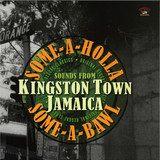
The approach proved adaptable to interpreting other artists' material. While recording a cover of Whitney Houston's pop ballad "Saving All My Love For You," Lee played Whitney's version in his headphones as he laid down his own vocals – partially following the lyrics, partially using them as a departure point. The end result is barely recognizable compared with the original, Lee and Isaac having switched up the time signature and reinvented the melody along the way towards morphing a slick mainstream radio standard into something that sounds solely their own.
"I really used that song to get me started," says Lee. "Then I said, well I need something else, something is missing. Something just came over me. That's when I came up with 'Is It What You Want.'"
The song would become the centerpiece of Lee and Isaac's repertoire. Pushed along by a percolating metronomic Rhythm King style beat somewhere between a military march and a samba, "Is It What You Want" finds Lee pleading the sincerity of his commitment to a potential love interest embellished by vocal tics and hiccups subtlely reminiscent of his childhood hero MJ. Absent chord changes, only synth riffs gliding in and out like apparitions, the song achieves a lingering lo-fi power that leaves you feeling like it's still playing, somewhere, even after the fade out.
"I don't know, it's like a real spiritual song," Lee reflects. "But it's not just spiritual. To me the more I listen to it it's like about everything that you do in your everyday life, period. Is it what you want? Do you want a car or you don't want a car? Do you want Jesus or do you want the Devil? It's basically asking you the question. Can't nobody answer the question but you yourself."
In 1989 Lee won a lawsuit stemming from injuries sustained from a fight he'd gotten into. He took part of the settlement money and with Isaac pressed up "Saving All My Love For You" b/w "Is It What You Want" as a 45 single. Isaac christened the label One Chance Records. "Because that's all we wanted," he says with a laugh, "one chance."
Isaac sent the record out to radio stations and major labels, hoping for it to make enough noise to get picked up nationally. But the response he and Lee were hoping for never materialized. According to Isaac the closest the single got to getting played on the radio is when a disk jock from a local station made a highly unusual announcement on air: "The dude said on the radio, 107.5 – 'We are not gonna play 'Is It What You Want.' We cracked up! Wow, that's deep.
"It was a whole racist thing that was going on," he reflects. "So we just looked over and kept on going. That was it. That was about the way it goes… If you were Black and you were living in Nashville and stuff, that's the way you got treated." Isaac already knew as much from all the times he'd brought he and Lee's tapes (even their cache of country music tunes) over to Music Row to try to drum up interest to no avail.
"Isaac, he really worked his ass off," says Lee. "He probably been to every record place down on Music Row." Nashville's famed recording and music business corridor wasn't but a few blocks from where Lee grew up. Close enough, he remembers, for him to ride his bike along its back alleys and stumble upon the occasional random treasure, like a discarded box of harmonicas. Getting in through the front door, however, still felt a world away.
"I just don't think at the time our music fell into a category for them," he concedes. "It was before its time."
=
Lee stopped making music some time in the latter part of the '90s, around the time his mom passed away and life became increasingly tough to manage. "When my mother died I had a nervous breakdown," he says, "So I shut down for a long time. I was in such a sadness frame of mind. That's why nobody seen me. I had just disappeared off the map." He fell out of touch with Isaac, and in an indication of just how bad things had gotten for him, lost track of all the recordings they'd made together. Music became a distant memory.
Fortunately, Isaac kept the faith. In a self-published collection of his poetry – paeans to some of his favorite entertainment and public figures entitled Friends and Dick Clark – he'd written that he believed "music has a life of its own." But his prescience and presence of mind were truly manifested in the fact that he kept an archive of he and Lee's work. As perfectly imperfect as "Is It What You Want" now sounds in a post-Personal Space world, Lee and Isaac's lone official release was in fact just a taste. The bulk of the Is It What You Want album is culled from the pair's essentially unheard home recordings – complete songs, half-realized experiments, Isaac's blue monologues and pronouncements et al – compiled, mixed and programmed in the loose and impulsive creative spirit of their regular get-togethers from decades ago. The rest of us, it seems, may have finally caught up to them.
On the prospect of at long last reaching a wider audience, Isaac says simply, "I been trying for a long time, it feels good." Ever the survivor, he adds, "The only way I know how to make it to the top is to keep climbing. If one leg break on the ladder, hey, you gotta fix it and keep on going… That's where I be at. I'll kill death to make it out there."
For Lee it all feels akin to a personal resurrection: "It's like I was in a tomb and the tomb was opened and I'm back… Man, it feels so great. I feel like I'm gonna jump out of my skin." Success at this stage of his life, he realizes, probably means something different than what it did back when he was singing and dancing in Isaac's front yard. "What I really mean by 'making it,'" he explains isn't just the music being heard but, "the story being told."
Occasionally Lee will pull up "Is It What You Want" on YouTube on his phone, put on his headphones, and listen. He remembers the first time he heard his recorded voice. How surreal it was, how he thought to himself, "Is that really me?" What would he say to that younger version of himself now?
"I would probably tell myself, hang in there, don't give up. Keep striving for the goal. And everything will work out."
Despite what's printed on the record label, sometimes you do get more than one chance.
- 1: The Beach Boys - Surfin‘ Safari
- 2: Ray Peterson - Corinna, Corinna
- 3: Brenda Lee - Break It To Me Gently
- 4: The Shadows - Apache
- 5: Claudine Clark - Party Lights
- 6: Maurice Williams & The Zodiacs - Stay (Just A Little Bit Longer)
- 7: The Isley Brothers - Twist And Shout
- 8: The Tokens - The Lion Sleeps Tonight
- 9: Sam Cooke - Having A Party
- 10: Johnny Tillotson - Poetry In Motion
- 11: Cliff Richard - The Young Ones
- 12: Connie Francis - Everybody‘s Somebody‘s Fool
- 13: Ray Charles - Hit The Road Jack
- 14: Chris Montez - Let‘s Dance
- 15: Del Shannon - Runaway
- 16: The Marcels - Blue Moon
- 17: Brian Hyland - Sealed With A Kiss
- 18: Wanda Jackson - Stupid Cupid
60s Jukebox Hits Vol. 2 , das sind 18 Original Hits von Original Interpreten aus den legendären 80er Jahren. Für alle Vinyl Fans ist diese Serie eine tolle Gelegenheit sich eine Sammlung der großen Hits der 60er Jahre anzulegen Inkl. den beliebtesten Jukebox Hits von The Beach Boys, Brenda Lee, The Isley Brothers, Sam Cooke, Cliff Richard, Ray Charles uvm.
hey you. yes you. is the fourth studio album by Australian musician Ben Lee, released in 2002. The single, "Something Borrowed, Something Blue", was voted #22 in the Australian Triple J Hottest 100, 2002.
Lee who spends time between Australia and the U.S., collaborated with Josh Radnor (Radnor and Lee), Ben Folds and Ben Kweller (The Bens) and wrote the musical B is For Beer with US author Tom Robbins – soon to become a movie that Ben and actor wife Ione Skye will co-direct. He even collaborated with Lena Dunham on a live tongue-in-cheek tribute to Oasis with the live event “Champagne Superanalysis: Celebrating the Gallagher Brothers through songs and readings” that contained a Brad Pitt cameo.
- A1: Rock This Mother
- A2: Talk To Me Girl
- A3: You Can Find Me
- A4: Check This Out
- A5: Jesus Going To Clean House
- A6: Hope You Understood
- A7: Is It What You Want
- A8: Love Is Everlasting
- A9: This Is Hip-Hop Art
- A10: Opposite Of Love
- A11: Do You Know What I Mean
- B1: Saving All My Love For You
- B2: Look Out Here I Come
- B3: Girl You Always Talking
- B4: Have A Great Day
- B5: Take My Hand
- B6: I Need Your Love
- B7: Your Town
- B8: Talk Around Town
- B9: Booty Head/Take A Little Walk
- B10: I Love My Mama
- B11: I Never Found Anyone Like You
Cassette[11,72 €]
As the sun sets on a quaint East Nashville house, a young man bares a piece of his soul. Facing the camera, sporting a silky suit jacket/shirt/slacks/fingerless gloves ensemble that announces "singer" before he's even opened his mouth, Lee Tracy Johnson settles onto his stage, the front yard. He sways to the dirge-like drum machine pulse of a synth-soaked slow jam, extends his arms as if gaining his balance, and croons in affecting, fragile earnest, "I need your love… oh baby…"
Dogs in the yard next door begin barking. A mysterious cardboard robot figure, beamed in from galaxies unknown and affixed to a tree, is less vocal. Lee doesn't acknowledge either's presence. He's busy feeling it, arms and hands gesticulating. His voice rises in falsetto over the now-quiet dogs, over the ambient noise from the street that seeps into the handheld camcorder's microphone, over the recording of his own voice played back from a boombox off-camera. After six minutes the single, continuous shot ends. In this intimate creative universe there are no re-takes. There are many more music videos to shoot, and as Lee later puts it, "The first time you do it is actually the best. Because you can never get that again. You expressing yourself from within."
"I Need Your Love" dates from a lost heyday. From some time in the '80s or early '90s, when Lee Tracy (as he was known in performance) and his music partner/producer/manager Isaac Manning committed hours upon hours of their sonic and visual ideas to tape. Embracing drum machines and synthesizers – electronics that made their personal futurism palpable – they recorded exclusively at home, live in a room into a simple cassette deck. Soul, funk, electro and new wave informed their songs, yet Lee and Isaac eschewed the confinement of conventional categories and genres, preferring to let experimentation guide them.
"Anytime somebody put out a new record they had the same instruments or the same sound," explains Isaac. "So I basically wanted to find something that's really gonna stand out away from all of the rest of 'em." Their ethos meant that every idea they came up with was at least worth trying: echoed out half-rapped exhortations over frantic techno-style beats, gospel synth soul, modal electro-funk, oddball pop reinterpretations, emo AOR balladry, nods to Prince and the Fat Boys, or arrangements that might collapse mid-song into a mess of arcade game-ish blips before rallying to reach the finish line. All of it conjoined by consistent tape hiss, and most vitally, Lee's chameleonic voice, which managed to wildly shape shift and still evoke something sincere – whether toggling between falsetto and tenor exalting Jesus's return, or punctuating a melismatic romantic adlib with a succinct, "We all know how it feels to be alone."
"People think we went to a studio," says Isaac derisively. "We never went to no studio. We didn't have the money to go to no studio! We did this stuff at home. I shot videos in my front yard with whatever we could to get things together." Sometimes Isaac would just put on an instrumental record, be it "Planet Rock" or "Don't Cry For Me Argentina" (from Evita), press "record," and let Lee improvise over it, yielding peculiar love songs, would-be patriotic anthems, or Elvis Presley or Marilyn Monroe tributes. Technical limitations and a lack of professional polish never dissuaded them. They believed they were onto something.
"That struggle," Isaac says, "made that sound sound good to me."
In the parlance of modern music criticism Lee and Isaac's dizzying DIY efforts would inevitably be described as "outsider." But "outsider" carries the burden of untold additional layers of meaning if you're Black and from the South, creating on a budget, and trying to get someone, anyone within the country music capital of the world to take your vision seriously. "What category should we put it in?" Isaac asks rhetorically. "I don't know. All I know is feeling. I ain't gonna name it nothing. It's music. If it grabs your soul and touch your heart that's what it basically is supposed to do."
=
Born in 1963, the baby boy of nine siblings, Lee Tracy spent his earliest years living amidst the shotgun houses on Nashville's south side. "We was poor, man!" he says, recalling the outhouse his family used for a bathroom and the blocks of ice they kept in the kitchen to chill perishables. "But I actually don't think I really realized I was in poverty until I got grown and started thinking about it." Lee's mom worked at the Holiday Inn; his dad did whatever he had to do, from selling fruit from a horse drawn cart to bootlegging. "We didn't have much," Lee continues, "but my mother and my father got us the things we needed, the clothes on our back." By the end of the decade with the city's urban renewal programs razing entire neighborhoods to accommodate construction of the Interstate, the family moved to Edgehill Projects. Lee remembers music and art as a constant source of inspiration for he and his brothers and sisters – especially after seeing the Jackson 5 perform on Ed Sullivan. "As a small child I just knew that was what I wanted to do."
His older brother Don began musically mentoring him, introducing Lee to a variety of instruments and sounds. "He would never play one particular type of music, like R&B," says Lee. "I was surrounded by jazz, hard rock and roll, easy listening, gospel, reggae, country music; I mean I was a sponge absorbing all of that." Lee taught himself to play drums by beating on cardboard boxes, gaining a rep around the way for his timekeeping, and his singing voice. Emulating his favorites, Earth Wind & Fire and Cameo, he formed groups with other kids with era-evocative band names like Concept and TNT Connection, and emerged as the leader of disciplined rehearsals. "I made them practice," says Lee. "We practiced and practiced and practiced. Because I wanted that perfection." By high school the most accomplished of these bands would take top prize in a prominent local talent show. It was a big moment for Lee, and he felt ready to take things to the next level. But his band-mates had other ideas.
"I don't know what happened," he says, still miffed at the memory. "It must have blew they mind after we won and people started showing notice, because it's like everybody quit! I was like, where the hell did everybody go?" Lee had always made a point of interrogating prospective musicians about their intentions before joining his groups: were they really serious or just looking for a way to pick up girls? Now he understood even more the importance of finding a collaborator just as committed to the music as he was.
=
Isaac Manning had spent much of his life immersed in music and the arts – singing in the church choir with his family on Nashville's north side, writing, painting, dancing, and working various gigs within the entertainment industry. After serving in the armed forces, in the early '70s he ran The Teenage Place, a music and performance venue that catered to the local youth. But he was forced out of town when word of one of his recreational routines created a stir beyond the safe haven of his bohemian circles.
"I was growing marijuana," Isaac explains. "It wasn't no business, I was smoking it myself… I would put marijuana in scrambled eggs, cornbread and stuff." His weed use originated as a form of self-medication to combat severe tooth pain. But when he began sharing it with some of the other young people he hung out with, some of who just so happened to be the kids of Nashville politicians, the cops came calling. "When I got busted," he remembers, "they were talking about how they were gonna get rid of me because they didn't want me saying nothing about they children because of the politics and stuff. So I got my family, took two raggedy cars, and left Nashville and went to Vegas."
Out in the desert, Isaac happened to meet Chubby Checker of "The Twist" fame while the singer was gigging at The Flamingo. Impressed by Isaac's zeal, Checker invited him to go on the road with him as his tour manager/roadie/valet. The experience gave Isaac a window into a part of the entertainment world he'd never encountered – a glimpse of what a true pop act's audience looked like. "Chubby Checker, none of his shows were played for Black folks," he remembers. "All his gigs were done at high-class white people areas." Returning home after a few years with Chubby, Isaac was properly motivated to make it in Music City. He began writing songs and scouting around Nashville for local talent anywhere he could find it with an expressed goal: "Find someone who can deliver your songs the way you want 'em delivered and make people feel what you want them to feel."
One day while walking through Edgehill Projects Isaac heard someone playing the drums in a way that made him stop and take notice. "The music was so tight, just the drums made me feel like, oh I'm-a find this person," he recalls. "So I circled through the projects until I found who it was.
"That's how I met him – Lee Tracy. When I found him and he started singing and stuff, I said, ohhh, this is somebody different."
=
Theirs was a true complementary partnership: young Lee possessed the raw talent, the older Isaac the belief. "He's really the only one besides my brother and my family that really seen the potential in me," says Lee. "He made me see that I could do it."
Isaac long being a night owl, his house also made for a fertile collaborative environment – a space where there always seemed to be a new piece of his visual art on display: paintings, illustrations, and dolls and figures (including an enigmatic cardboard robot). Lee and Issac would hang out together and talk, listen to music, conjure ideas, and smoke the herb Isaac had resumed growing in his yard. "It got to where I could trust him, he could trust me," Isaac says of their bond. They also worked together for hours on drawings, spreading larges rolls of paper on the walls and sketching faces with abstract patterns and imagery: alien-like beings, tri-horned horse heads, inverted Janus-like characters where one visage blurred into the other.
Soon it became apparent that they didn't need other collaborators; self-sufficiency was the natural way forward. At Isaac's behest Lee, already fed up with dealing with band musicians, began playing around with a poly-sonic Yamaha keyboard at the local music store. "It had everything on it – trumpet, bass, drums, organ," remembers Lee. "And that's when I started recording my own stuff."
The technology afforded Lee the flexibility and independence he craved, setting him on a path other bedroom musicians and producers around the world were simultaneously following through the '80s into the early '90s. Saving up money from day jobs, he eventually supplemented the Yamaha Isaac had gotten him with Roland and Casio drum machines and a Moog. Lee was living in an apartment in Hillside at that point caring for his dad, who'd been partially paralyzed since early in life. In the evenings up in his second floor room, the music put him in a zone where he could tune out everything and lose himself in his ideas.
"Oh I loved it," he recalls. "I would really experiment with the instruments and use a lot of different sound effects. I was looking for something nobody else had. I wanted something totally different. And once I found the sound I was looking for, I would just smoke me a good joint and just let it go, hit the record button." More potent a creative stimulant than even Isaac's weed was the holistic flow and spontaneity of recording. Between sessions at Isaac's place and Lee's apartment, their volume of output quickly ballooned.
"We was always recording," says Lee. "That's why we have so much music. Even when I went to Isaac's and we start creating, I get home, my mind is racing, I gotta start creating, creating, creating. I remember there were times when I took a 90-minute tape from front to back and just filled it up."
"We never practiced," says Isaac. "See, that was just so odd about the whole thing. I could relate to him, and tell him about the songs I had ideas for and everything and stuff. And then he would bring it back or whatever, and we'd get together and put it down." Once the taskmaster hell bent on rehearsing, Lee had flipped a full 180. Perfection was no longer an aspiration, but the enemy of inspiration.
"I seen where practicing and practicing got me," says Lee. "A lot of musicians you get to playing and they gotta stop, they have to analyze the music. But while you analyzing you losing a lot of the greatness of what you creating. Stop analyzing what you play, just play! And it'll all take shape."
=
"I hope you understood the beginning of the record because this was invented from a dream I had today… (You tell me, I'll tell you, we'll figure it out together)" – Lee Tracy and Isaac Manning, "Hope You Understand"
Lee lets loose a maniacal cackle when he acknowledges that the material that he and Isaac recorded was by anyone's estimation pretty out there. It's the same laugh that commences "Hope You Understand" – a chaotic transmission that encapsulates the duality at the heart of their music: a stated desire to reach people and a compulsion to go as leftfield as they saw fit.
"We just did it," says Lee. "We cut the music on and cut loose. I don't sit around and write. I do it by listening, get a feeling, play the music, and the lyrics and stuff just come out of me."
The approach proved adaptable to interpreting other artists' material. While recording a cover of Whitney Houston's pop ballad "Saving All My Love For You," Lee played Whitney's version in his headphones as he laid down his own vocals – partially following the lyrics, partially using them as a departure point. The end result is barely recognizable compared with the original, Lee and Isaac having switched up the time signature and reinvented the melody along the way towards morphing a slick mainstream radio standard into something that sounds solely their own.
"I really used that song to get me started," says Lee. "Then I said, well I need something else, something is missing. Something just came over me. That's when I came up with 'Is It What You Want.'"
The song would become the centerpiece of Lee and Isaac's repertoire. Pushed along by a percolating metronomic Rhythm King style beat somewhere between a military march and a samba, "Is It What You Want" finds Lee pleading the sincerity of his commitment to a potential love interest embellished by vocal tics and hiccups subtlely reminiscent of his childhood hero MJ. Absent chord changes, only synth riffs gliding in and out like apparitions, the song achieves a lingering lo-fi power that leaves you feeling like it's still playing, somewhere, even after the fade out.
"I don't know, it's like a real spiritual song," Lee reflects. "But it's not just spiritual. To me the more I listen to it it's like about everything that you do in your everyday life, period. Is it what you want? Do you want a car or you don't want a car? Do you want Jesus or do you want the Devil? It's basically asking you the question. Can't nobody answer the question but you yourself."
In 1989 Lee won a lawsuit stemming from injuries sustained from a fight he'd gotten into. He took part of the settlement money and with Isaac pressed up "Saving All My Love For You" b/w "Is It What You Want" as a 45 single. Isaac christened the label One Chance Records. "Because that's all we wanted," he says with a laugh, "one chance."
Isaac sent the record out to radio stations and major labels, hoping for it to make enough noise to get picked up nationally. But the response he and Lee were hoping for never materialized. According to Isaac the closest the single got to getting played on the radio is when a disk jock from a local station made a highly unusual announcement on air: "The dude said on the radio, 107.5 – 'We are not gonna play 'Is It What You Want.' We cracked up! Wow, that's deep.
"It was a whole racist thing that was going on," he reflects. "So we just looked over and kept on going. That was it. That was about the way it goes… If you were Black and you were living in Nashville and stuff, that's the way you got treated." Isaac already knew as much from all the times he'd brought he and Lee's tapes (even their cache of country music tunes) over to Music Row to try to drum up interest to no avail.
"Isaac, he really worked his ass off," says Lee. "He probably been to every record place down on Music Row." Nashville's famed recording and music business corridor wasn't but a few blocks from where Lee grew up. Close enough, he remembers, for him to ride his bike along its back alleys and stumble upon the occasional random treasure, like a discarded box of harmonicas. Getting in through the front door, however, still felt a world away.
"I just don't think at the time our music fell into a category for them," he concedes. "It was before its time."
=
Lee stopped making music some time in the latter part of the '90s, around the time his mom passed away and life became increasingly tough to manage. "When my mother died I had a nervous breakdown," he says, "So I shut down for a long time. I was in such a sadness frame of mind. That's why nobody seen me. I had just disappeared off the map." He fell out of touch with Isaac, and in an indication of just how bad things had gotten for him, lost track of all the recordings they'd made together. Music became a distant memory.
Fortunately, Isaac kept the faith. In a self-published collection of his poetry – paeans to some of his favorite entertainment and public figures entitled Friends and Dick Clark – he'd written that he believed "music has a life of its own." But his prescience and presence of mind were truly manifested in the fact that he kept an archive of he and Lee's work. As perfectly imperfect as "Is It What You Want" now sounds in a post-Personal Space world, Lee and Isaac's lone official release was in fact just a taste. The bulk of the Is It What You Want album is culled from the pair's essentially unheard home recordings – complete songs, half-realized experiments, Isaac's blue monologues and pronouncements et al – compiled, mixed and programmed in the loose and impulsive creative spirit of their regular get-togethers from decades ago. The rest of us, it seems, may have finally caught up to them.
On the prospect of at long last reaching a wider audience, Isaac says simply, "I been trying for a long time, it feels good." Ever the survivor, he adds, "The only way I know how to make it to the top is to keep climbing. If one leg break on the ladder, hey, you gotta fix it and keep on going… That's where I be at. I'll kill death to make it out there."
For Lee it all feels akin to a personal resurrection: "It's like I was in a tomb and the tomb was opened and I'm back… Man, it feels so great. I feel like I'm gonna jump out of my skin." Success at this stage of his life, he realizes, probably means something different than what it did back when he was singing and dancing in Isaac's front yard. "What I really mean by 'making it,'" he explains isn't just the music being heard but, "the story being told."
Occasionally Lee will pull up "Is It What You Want" on YouTube on his phone, put on his headphones, and listen. He remembers the first time he heard his recorded voice. How surreal it was, how he thought to himself, "Is that really me?" What would he say to that younger version of himself now?
"I would probably tell myself, hang in there, don't give up. Keep striving for the goal. And everything will work out."
Despite what's printed on the record label, sometimes you do get more than one chance.