
pre-order now27.02.2026
expected to be published on 27.02.2026
26,68 €
expected to be published on 27.02.2026

vinyl 2x12"[34,66 €]
Elastica’s iconic self-titled debut album is set to be reissued by Rough Trade Records on 2 October in a new edition boasting rarities and b-sides.
Striking their own, distinct path in March 1995, Elastica proved uniquely fresh-sounding as the London four-piece delivered on the reputation they had built up gigging around the capital beyond in the months ahead its release.
Home to the likes of Line Up, Waking Up and Connection, singles at once timeless yet in the moment, Elastica’s debut captured the fraying emotions, hazy experience and burning energy of life, love and after-hours adventure.
Absorbing atmospheres and attitudes of their post-punk and new wave forbears, Justine Frischmann (vocals, guitar), Annie Holland (bass), Donna Matthews (guitar, vocals) and Justin Welch (drums) poured their own identities into the album’s 15 tracks which balancing youthful swagger, with sage-like observation and a knowing cool that made Elastica and their debut effortlessly timeless.
expected to be published on 02.10.2026

Tape[16,60 €]
Elastica’s iconic self-titled debut album is set to be reissued by Rough Trade Records on 2 October in a new edition boasting rarities and b-sides.
Striking their own, distinct path in March 1995, Elastica proved uniquely fresh-sounding as the London four-piece delivered on the reputation they had built up gigging around the capital beyond in the months ahead its release.
Home to the likes of Line Up, Waking Up and Connection, singles at once timeless yet in the moment, Elastica’s debut captured the fraying emotions, hazy experience and burning energy of life, love and after-hours adventure.
Absorbing atmospheres and attitudes of their post-punk and new wave forbears, Justine Frischmann (vocals, guitar), Annie Holland (bass), Donna Matthews (guitar, vocals) and Justin Welch (drums) poured their own identities into the album’s 15 tracks which balancing youthful swagger, with sage-like observation and a knowing cool that made Elastica and their debut effortlessly timeless.
expected to be published on 02.10.2026
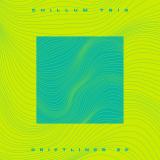
fter 25 years of exploring music from different angles, Chillum Trio lands on Faith In Truth with his third EP on vinyl. Driftlines is a cinematic, multicultural trip through the deeper and dubbier corners of house music, moving freely between hazy atmospheres, broken rhythms, acid lines and warm instrumentation. Across four tracks, eclectic influences blur together and settle into a club-oriented frame.
The EP opens with Dustfire, a deep night-drive cut that slowly draws its scenery around a low-slung beat. A cinematic breakdown gives way to a restless yet understated percussive acid groove, before a Rhodes hook emerges through the dust, carrying a touch of desert heat into the night.
Keeping things mellow and midtempo, Deepskin heads somewhere warmer: a humid tropical beach after midnight, all body heat and salt in the air. What begins loose and sensual gradually turns into ass-shaking garage house, surrounded by cosmic layers, drifting pads and spacious atmospheres.
On the flipside, the tempo picks up while the story continues with Thin Air. A long, lush, phase-soaked horn intro settles into a melancholic dream state, slowly pulling you under. The slow-burning build eventually breaks into a memorable piano line and fractured drums. After a trippy bridge, gentle acid lines lock into place and hold the dancefloor until the wistful finale.
Closing the record, Serotone slips back into downtempo territory with a jazzy, trip-hop-infused groove. Soft vocal fragments, piano and rising arpeggios keep the tension suspended through the middle, before the track mutates into something reminiscent of early-2000s dubby, acid-tinged future jazz and Latin fusion.
Like patterns drawn by wind across desert sand, Driftlines traces the points where different currents meet, overlap and interfere. Rhythms, places and memories crossing paths, briefly forming shapes before drifting somewhere else.
expected to be published on 05.10.2026
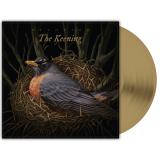
Richly progressive folk-informed heavy post-rock and a sick burn to boot. - The Obelisk Rebecca Vernon (SubRosa), the driving creative force behind THE KEENING returns with her second album, Devotion. The new album sees Vernon and company releasing one of the year's most evocative albums; a truly compelling mix of slow burning, ethereal post-rock, folk, goth, and soaring doom. For Vernon, the writing process for Devotion took place in two starkly different environments. It ranged from the contemplative solitude of a friend’s cabin in a deserted Idaho ski resort, to the hectic reality of a 55+ senior living community in Spokane, Washington, where she was staying with her father. This shift resulted in an explosive album with a subtle duality that resonates throughout its most poignant moments. Take the lead single, "A Little Bit of Blood," for example. Quiet, acoustic guitar strums give way for Vernon's haunting vocals, before the backing instrumentation explodes into a soaring chorus reminding the listener that sometimes the best paths taken are the most difficult. "You drew a little bit of blood to show me Just a little bit of blood to make me see It took a little bit of blood to wake me Just a little wound in the night to free me" In a 2024 interview with Decibel Magazine, Vernon discussed the drastic shift in heavy music's themes in recent years, highlighting a willingness to convey raw emotion: "Metal is beginning to share more vulnerable things, more confessional things. Metal has almost become a safe place to talk about those things. People are being open with their struggles. Twenty years ago, they wouldn't have." Devotion lays these emotional confessions bare and showcases a truly bright burn. Devotion was recorded in April 2022, again at Hallowed Halls in Portland, with Billy Anderson and Nathan Carson featured in their same roles as heard on Little Bird. Once again, Vernon showcases her writing prowess, having a heavy hand on all the instrumentation for Devotion; Vernon played drums, guitar, piano, organ, and hammered dulcimer, and provided most of the vocals on both albums, with a few guest vocalists added to the mix.
expected to be published on 16.10.2026

WHIMM formed around the shadowy heart of the Toronto post-punk underground over a decade ago. The partnership between Mounir Al Shami and Andrew Matthews has emitted sporadic musical shards over time, while slowly evolving into something so much bigger than its beginnings. Ideas seep out of every corner of No Promotion, showcasing a burning desire to explore and challenge while delivering very direct sonic offerings. The result is an album that feels as if you took the entire Coil discography and smashed it into pieces, assembling these precious songs from the fragments. Or as if Vangelis beckoned Section 25 to the studio in hopes of recording the score to a seedy film. The resulting LP is in a state of flux – equal parts motion and decay.
Patrick Flegel, of Cindy Lee, welcomed Al Shami and Matthews into REALISTIK Studios in Montreal to engineer half of the tracks for the album, including lending guitar to the opening track "Five in Decline." That influence is evident early on, as the first three songs are taken from those sessions. "Five in Decline" throbs and barks before racing through the hallways closing in around it. "Another Labour" slows to a spidery waltz as anxious melodies call out to one another. "Returnal" pulses, floats through the night sky and haunts you forever. "Rye" carves a percussive pathway toward similar travellers like Terry Riley and Jon Hassell, before the lament of "A Death Remembered" forms the perfect midpoint for the record. A slow build countered by twitching drums and blanketed by organs recorded at Metropolitan United Church in Toronto, it feels like emotion right on the edge of resolve.
"Rhymes of December" screeches through on a solitary train under the towering cityscape as the flickering lights blur past, its doors opening to the candlelit altar of "After the Last Sky" (those beautiful organs again) with an operatic swirl. "K'20" throws you into a claustrophobic and chaotic cab ride (Who is talking? Are those sirens?) until you finally find the quiet of the early morning, waiting at the window for the sun to join you once again as the first notes of "No Promotion" are delicately plucked. The final song from the Flegel sessions, it is over eight minutes of contemplative beauty. A restless heart that is ready to rest. Closing with a final apparition in the key of The Caretaker, "After the Last Sky (Reprise)" is a return to melody when words lose all meaning.
Al Shami and Matthews weave their lyrics throughout, words describing a search for lucidity, and of reactions and reflections. Al Shami – speaking from the Palestinian diaspora – ruminates on displacement, both personal and collective. His journey from having "been without a land and I can still see clearly" in "Rhymes of December" to a more defiant "we will be back again, no matter how it ends or where we've been" in "Returnal" takes a very insular turn on No Promotion. That sense of alienation pulls at the very center of a relationship when land and circumstances separate: "And after our last breath, all that's left in me is our flesh and fears, your last words would swim for years, you'll never find a home in me." Hearts on the outskirts that know the direction.
expected to be published on 30.10.2026

expected to be published on 30.10.2026

Glass Clear Vinyl[33,57 €]
expected to be published on 30.10.2026
Alex Barbu – Paths Lead Inward marks Alex Barbu’s first release on Bosconi Records, following previous releases on Digital Finesse and Maeteria. Across four tracks, Paths Lead Inward explores the space between minimal, techno, deep house and psychedelic trance, combining stripped-back structures with hypnotic rhythms, dubby textures and subtle traces of Goa-inspired psychedelia.
The EP opens with A1. “Tokyo”, a straight-to-the-point dancefloor missile. A rolling bassline, delayed voices and a simple but highly effective rhythmic structure push the track towards trance territory, with hints of Goa psychedelia filtered through a minimal sensibility. Immediate, hypnotic and built to keep the floor moving.
A2. “2006” takes a darker and deeper turn. A dubbed-out minimal techno cut populated by subterranean sounds, blurred textures and distant voices. Its slow-burning atmosphere makes it particularly suited to the deeper, more intense moments of an afterhours set.
On the flip, B1. “Hello Everybody” brings a heavier deep-house pulse into the equation. Hypnotic arpeggios, deep vocal elements and a rolling groove give the track a physical, almost stomping quality, while maintaining the murky and psychedelic character running throughout the EP.
Closing the record, B2. “Blobfish” dives deepest of all. A heavy bassline anchors a strange and unsettling landscape of anxious breathing, dark textures and disorienting sounds. Hypnotic rather than aggressive, it gradually pulls the listener into an upside-down dimension — a proper late-night trip for losing yourself on the dancefloor.
Paths Lead Inward is not only about movement on the dancefloor, but about what happens underneath it. Four tracks that touch you deeper in the soul and make you reconnect with it.
expected to be published on 05.11.2026

Coming from deep within the city that brought us Master P’s legendary No Limit Dynasty and Lil Boosie comes an artist who uniquely encapsulates the crossing point between lowslung Hip Hop and forward thinking, emotive electronic music. 22-year-old New Orlean’s based Suicideyear AKA James Prudhomme brings his own Southern Gothic perspective to the table with new album ‘Color The Weather,’ set for release on July 6th via LuckyMe. Although not his debut album per se - 2015’s ‘Japan’ on OneOhTrix Point Never's Software label was a collection of previously released beats – ‘Color The Weather’ represents the first time Suicideyear has specifically sought to create a complete body of work, further developing different textures and sounds that were hinted on last year’s critically acclaimed ‘Hate Songs’ EP. Within these tracks lie the ghosts of Prudhomme’s past - a difficult childhood truncated in his teens by his family home burning down. When he left Baton Rouge for his new home in New Orleans he found himself further entrenched in the Southern Rap scene whilst he soaked up the avant-garde electronic music he found online. Balancing his tender instrumentation alongside some of the tightest drum programming in the game - these tracks twist and turn - new elements are built and destroyed constantly encompassing a huge emotional range. On the records’ two vocal features he expounds on this innovative and ambitious duality – Domino Records own Georgia filling the track with longing and hope whilst Prudhomme deconstructs the track around her. The Casey MQ featured ‘Said and Done’ goes further - the last third of the track slowing to a codeine induced haze paying a nod to the Chopped and Screwed sound of James youth. “Color The Weather is about the ability to build or form security after trauma/betrayal & building personal coping mechanisms to get through said traumas. Doing what it takes to control your life when powers are working against it. The total resilience of the human spirit.” James Prudhomme
expected to be published on 06.11.2026
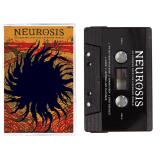
‘An Undying Love For A Burning World follows Converge’s Love Is Not Enough this year as a pivotal metal album about acknowledging the darkness for what it is and trying to accept it.’ - the QUIETUS
‘Neurosis Know You’re Hurting. Their Stunning New Album Is a Life Preserver.
An Undying Love for a Burning World, the band’s first album with new member Aaron Turner, is a reminder of how even the darkest music can be a guiding light’ - 9/10 ROLLING STONE
Evolution can be ugly and beautiful, painful and euphoric. An Undying Love For A Burning World is the first new release from Neurosis in a decade, and a potent statement of intent and rebirth - one that marks the first new steps of resolve and resilience.
An Undying Love For A Burning World is an epic album of colossal hypnotism - beautiful, fearsome and utterly compelling in a way that only Neurosis can be. Aaron Turner (Sumac, Isis) joins the band on vocals and guitar, a name whose legacy is intertwined with the band’s own and a true kindred spirit.
“From the moment I first heard Neurosis over 30 years ago, I felt this was the music my heart and mind had been seeking but not yet heard. Now after many years travelling along various musical paths of my own, the singular sound and spirit embodied by Neurosis continues to speak to the depths of my being. It is an honor and a true pleasure to have been welcomed so warmly into a band that not only shaped my perspective on the limitless possibilities of music - but has lived and exemplified the necessity of upholding creative integrity and camaraderie above all else.” - AARON TURNER
Neurosis have never been afraid of change, and here they embrace endless regeneration, surrendering to the emotional exorcism through heaviness and distortion that their music incites. Just as the universe tends towards balance, Neurosis’cacophony of noise, rhythm and dissonance always resolves towards moments of beauty. The addition of Turner's powerful vocals and wildly creative and unhinged approach to guitar proves to be a vital force as Neurosis find themselves again at the mercy of evolution and expression.
On every song in the band’s history, Neurosis shifts restlessly between tension and relief, invoking a feeling both feral and transcendent in listeners. The band describe their songwriting process as an inescapable impulse to create with each other - a need rather than a choice. Indeed, the band insist that their return is “not a reunion - we never broke up.”
The album was recorded by Scott Evans (Kowloon Walled City, Sumac, and Great Falls) at Studio Litho in Seattle during three weekends this winter, and mixed in three days just six weeks before release at Evan's Antisleep Audio in Oakland.
Neurosis will play their first show in seven years on the traditional lands of the Blackfeet Nation in Montana as part of Fire in the Mountains festival by special invitation of Firekeeper Alliance, a non-profit dedicated to reducing youth suicide in Indian Country.
FITM, is a unique festival known for bringing epic music to epic landscapes with the intent of reconnecting and immersing oneself with the natural world, and strengthening our ancestral roots as human beings - an aim which aligns directly with Neurosis’ deep-rooted power.
Stay tuned for further news over the coming months.
PREVIOUS PRESS:
‘In less skilful hands, this relentless sonic oppression would be gruelling, but by expressing human frailty with such visceral abandon, Neurosis have once again turned darkness into euphoria.’ - 4/5 THE GUARDIAN
‘The Oakland band has evolved from gritty metallic punk to harrowing post-hardcore prog to the majestic doom of their current phase’ - 7.9 PITCHFORK
‘It’s not often an album of such stature exceeds one’s anticipations, but Honor is too astounding to not be revered.’ - The QUIETUS
“Fires Within Fires is the summation of thirty years of experimentation in tonality and texture. Yes, NEUROSIS are firmly positioned within the extreme metal underground yet their music, with its ability to generate images of beauty akin to those many of us have experienced in our own lives – not to mention the loss that accompanies them – challenges this categorization. ‘’ - WIRE MAGAZINE - FULL PAGE REVIEW.
"Their intensity remains undimmed on Fires Within Fires...The already converted will take heart from the evidence that age is unable to wither the fury of this heaviest of bands." - KERRANG! 4K REVIEW
"Every monstrous sludge riff gnashes menacingly for the right amount of time and every delicate moment of folk-inspired drift is emotionally exacting. Neurosis continue to create art without equal, and Fires Within Fires is another worthy addition to an awe-inspiring canon containing a number of truly pioneering and timeless albums." - METAL HAMMER - 8/10 LEAD REVIEW
On Stock and ready to ship

Curió Curió came to flight by chance. Two artists, Rio-born, Austria-based singer and actress Luiza Monteiro and German producer Dustin Braun, had separately reached a fork in their journeys. An opportune encounter soon blossomed into an uplifting, heartfelt Brazilian MPB-groove project shaped by psychedelic disco and studio experimentation. In their own words Curió Curió’s sonic vision “is not straight disco, not straight samba, not strictly old-school but inspired by all of them, creating something contemporary but still nostalgic”.
A modern fusion influenced as much by Gal Costa and Jorge Ben Jor as Say She She and Bala Desejo, their sound deftly plots a course all of its own. A celebration of freedom, movement, love and life, intertwined with introspective moments of reflection. Treating tradition as something alive, migratory and unresolved, the album is not simply bound by a shared love of Brazilian music, but by a deeper question that runs through every track; where does one belong when home becomes plural? As a Brazilian living in Europe, Luiza's lyrics explore themes of identity, culture, and existence. The tracks move between cities and emotional registers without settling, tracing a sense of identity that shifts rather than resolves. Songs like ‘Amor Doente’ and ‘Mar sem Dar Pé’ circle around relationships that resist clarity, while ‘Menina Passarinho’ captures the fear and necessity of committing to music as a path. For Luiza, deepening her commitment to music alongside years in theatre was both inevitable and difficult. Braun’s production follows a similar logic. Initial ideas were often built without obvious reference points, only later incorporating rhythmic and vocal elements that hint at Brazil without reproducing it. Analogue techniques, tape, ribbon microphones and live ensemble recording bring a tactile quality that reflects the duo’s interest in process as much as outcome. Highlights include ‘Bem Querer’, built on an authentic samba street vibe with a super-catchy sing-along chorus, and ‘Vem pra Casa’ with its cosmic-tinged Brazilian boogie flavour. The album closes with ‘A Cor do Meu Sonho’, a quiet act of insistence. A refusal to shrink in unfamiliar environments, and a belief in the strength of difference. It is less a conclusion than a continuation, leaving the central question open. “I started to understand that I can belong to many places at once”, Luiza reflects. “And that can be something to embrace”. Lyrics from the song ‘Raiz’ translate in English to “I value a burning sun and the cold in the air. Constant change is my companion”. With Curió Curió, that idea is lived through sound, story and collaboration. A debut that feels both searching and assured, grounded in heritage yet shaped by distance.
On Stock and ready to ship

Curió Curió came to flight by chance. Two artists, Rio-born, Austria-based singer and actress Luiza Monteiro and German producer Dustin Braun, had separately reached a fork in their journeys. An opportune encounter soon blossomed into an uplifting, heartfelt Brazilian MPB-groove project shaped by psychedelic disco and studio experimentation. In their own words Curió Curió’s sonic vision “is not straight disco, not straight samba, not strictly old-school but inspired by all of them, creating something contemporary but still nostalgic”.
A modern fusion influenced as much by Gal Costa and Jorge Ben Jor as Say She She and Bala Desejo, their sound deftly plots a course all of its own. A celebration of freedom, movement, love and life, intertwined with introspective moments of reflection. Treating tradition as something alive, migratory and unresolved, the album is not simply bound by a shared love of Brazilian music, but by a deeper question that runs through every track; where does one belong when home becomes plural? As a Brazilian living in Europe, Luiza's lyrics explore themes of identity, culture, and existence. The tracks move between cities and emotional registers without settling, tracing a sense of identity that shifts rather than resolves. Songs like ‘Amor Doente’ and ‘Mar sem Dar Pé’ circle around relationships that resist clarity, while ‘Menina Passarinho’ captures the fear and necessity of committing to music as a path. For Luiza, deepening her commitment to music alongside years in theatre was both inevitable and difficult. Braun’s production follows a similar logic. Initial ideas were often built without obvious reference points, only later incorporating rhythmic and vocal elements that hint at Brazil without reproducing it. Analogue techniques, tape, ribbon microphones and live ensemble recording bring a tactile quality that reflects the duo’s interest in process as much as outcome. Highlights include ‘Bem Querer’, built on an authentic samba street vibe with a super-catchy sing-along chorus, and ‘Vem pra Casa’ with its cosmic-tinged Brazilian boogie flavour. The album closes with ‘A Cor do Meu Sonho’, a quiet act of insistence. A refusal to shrink in unfamiliar environments, and a belief in the strength of difference. It is less a conclusion than a continuation, leaving the central question open. “I started to understand that I can belong to many places at once”, Luiza reflects. “And that can be something to embrace”. Lyrics from the song ‘Raiz’ translate in English to “I value a burning sun and the cold in the air. Constant change is my companion”. With Curió Curió, that idea is lived through sound, story and collaboration. A debut that feels both searching and assured, grounded in heritage yet shaped by distance.
On Stock and ready to ship

Curió Curió came to flight by chance. Two artists, Rio-born, Austria-based singer and actress Luiza Monteiro and German producer Dustin Braun, had separately reached a fork in their journeys. An opportune encounter soon blossomed into an uplifting, heartfelt Brazilian MPB-groove project shaped by psychedelic disco and studio experimentation. In their own words Curió Curió’s sonic vision “is not straight disco, not straight samba, not strictly old-school but inspired by all of them, creating something contemporary but still nostalgic”.
A modern fusion influenced as much by Gal Costa and Jorge Ben Jor as Say She She and Bala Desejo, their sound deftly plots a course all of its own. A celebration of freedom, movement, love and life, intertwined with introspective moments of reflection. Treating tradition as something alive, migratory and unresolved, the album is not simply bound by a shared love of Brazilian music, but by a deeper question that runs through every track; where does one belong when home becomes plural? As a Brazilian living in Europe, Luiza's lyrics explore themes of identity, culture, and existence. The tracks move between cities and emotional registers without settling, tracing a sense of identity that shifts rather than resolves. Songs like ‘Amor Doente’ and ‘Mar sem Dar Pé’ circle around relationships that resist clarity, while ‘Menina Passarinho’ captures the fear and necessity of committing to music as a path. For Luiza, deepening her commitment to music alongside years in theatre was both inevitable and difficult. Braun’s production follows a similar logic. Initial ideas were often built without obvious reference points, only later incorporating rhythmic and vocal elements that hint at Brazil without reproducing it. Analogue techniques, tape, ribbon microphones and live ensemble recording bring a tactile quality that reflects the duo’s interest in process as much as outcome. Highlights include ‘Bem Querer’, built on an authentic samba street vibe with a super-catchy sing-along chorus, and ‘Vem pra Casa’ with its cosmic-tinged Brazilian boogie flavour. The album closes with ‘A Cor do Meu Sonho’, a quiet act of insistence. A refusal to shrink in unfamiliar environments, and a belief in the strength of difference. It is less a conclusion than a continuation, leaving the central question open. “I started to understand that I can belong to many places at once”, Luiza reflects. “And that can be something to embrace”. Lyrics from the song ‘Raiz’ translate in English to “I value a burning sun and the cold in the air. Constant change is my companion”. With Curió Curió, that idea is lived through sound, story and collaboration. A debut that feels both searching and assured, grounded in heritage yet shaped by distance.
This item has not yet been released. You can pre-order the product now.

DISPLACES represents Fabris' most personal musical journey to date, inspired by the concept of hyperobjects and cartographic practices. The album sculpts a high-dimensional phased time-space composed of concrete materials and digital archetypes in a state of constant displacement. It delves into the symbolic and philosophical realms of mapping as one of the greatest sense-making mechanisms for life, in dialogue with object-oriented environments, superimposition and non-locality applied to cosmic, temporal, and emotional memory.
The sonic ecosystem expands on the image of navigating a path through a set of places, from the microcosm of quanta to the macro force of dark matter, from underwater depths to overland terrains, encapsulating the cyclical flow between birth and death, both in ecological and anthropological sense. The intersection of these shifting states is explored through the extensive processing of the langspil, Iceland's only traditional instrument, intertwined with manipulated field recordings of biophonies and geophonies captured across Icelandic and Venetian territories. These recordings form the backdrop for a meditative process that relocate familiar objects into unfamiliar realms, reflecting on the transformative power of self-reflection while encapsulating the fragmentation and entanglement found in nature and the human state. The record plunges the listener into a disconcerting and physical soundscape, as a “ghostly spectrality that comes in and out of phase with normalized human spacetime,” evoking sensations of suffocation and release as each layer continuously unfolds the palimpsest of the enclosed labyrinth.
“Extraction of the I” embodies a subatomic reaction—erupting as a molecular force that rises, only to re-submerge with a solitary exhale underwater. In this mutated dark space, beluga whales breathe into "Xanadu Phasing," creating a pulsating tension that releases only to unveil a frozen landscape.
In “Barricading the Ice Sheets” the glacial material morphs into a liquid tunnel of digital artifacts, building a wall of noise that shatters into scattered fragments of ice, resembling bird calls from another world.
A moment of stasis is offered with the appearance of an asymmetrical loop in Monolith I, evoking a primitive rite before an unknown force emerges.
The physical intensity of subsonic material in "A Quake in Being" interrupts the hieratic tone, detuning into polluted sonic matter sourced from relics of the First World War in the Venetian Prealps. The geography of this place reconciles with the original homeland in "The Map is the Territory," blending negative space with anthropogenic elements and exploited sounds of the langspil.
The burning density of "Wolf-Rayet" projects into the void, echoing the residual sounds of a local church as relics of fossilized religions. Wolf tones are the remains in Monolith II, introducing the final track, "Topography of Extinction," where evolving psilocin textures invite the listener to uncover deeper layers of meaning and dislocation.
On Stock and ready to ship

Signaling their long-anticipated debut on ICONYC, the label welcomes acclaimed Italian duo Glowal with their Future Faces EP. Uncompromising in its intent, this two-track capsule extends the duo’s emotional vocabulary, threading new ideas through their unmistakable sonic lens for a release that underscores the expressive precision at the heart of their craft.
Casting their gaze forward on “Future Faces”, Fabio Giannelli and Alessandro Gasperini open proceedings with a fractured rhythmic chassis driven by a throbbing low-end pulse that warps with each passing beat. Heavy percussive strikes carve their path into the night before a disarming female vocal emerges from the shadows, injecting a sense of yearning and fragile wonder into the piece. A sudden brake—like tires skidding across rain-slick asphalt—ushers in laser-etched synth lines that cry out with an anthemic resolve, while iridescent sequences bubble to the surface, sealing a striking first statement on the label.
Turning the corner, Glowal unveil the esoteric “Desert Soul,” a slow-burning reverie that expands on the EP’s emotional terrain. Patiently unfolding over fragmented rhythms and a meandering bassline, neon traces guide us toward a robotic vocal presence that introduces a subtle human-machine tension. Stripped to a minimal core yet rich in sentiment, “Desert Soul” resonates with quiet introspection—an understated meditation on self-discovery that lingers well beyond its final echo.
On Stock and ready to ship

2026 Repress
To enter the world of Sally Townes and Roberta Vandervort is to be swept away into a dimension of unique sound. Embellishments of smoldering jazz funk, seductive soft rock, breezy AOR, and misty folk, all paint a picture of the worlds which they inhabited; from the endless flat expanse of Dallas, the hot and humid bustle of a Bourbon Street night club, to the late night buzz of a Los Angeles studio session.
While Sally Townes and Roberta Vandervort never crossed paths in our reality, their supernatural union on this compilation feels like the meeting of old, yet familiar friends, set in a parallel dimension with lives intertwined. The songs feel like old friends, too — a comforting time capsule of the popular sounds of the era, yet offering something completely new. Bridged by the striking similarities in their musical confidence, vocal conviction, and boundless creativity, both women encapsulate an uncompromising passion for living, loving, and creating on their own terms.
On Stock and ready to ship

*MILKY CLEAR VINYL - 300 COPIES ONLY FOR WORLD!!* Technology + Teamwork’s fizzling synths, interweaving textures and punchy rhythms are beguiling on their long-awaited debut album We Used To Be Friends. However, at the heart of it all it’s the connection between the group’s two members, Anthony Silvester and Sarah Jones, the friendship the much-travelled duo have managed to maintain for nearly 15 years and a showcase of the slow-burning construction of the electronic world that they’ve surrounded themselves with. We Used To Be Friends is ultimately the tale of two storied artists in their own right, holding onto each other through personal and career twists and turns, relocations and broader movements through respective phases of their lives. Silvester and Jones first met and then collaborated as part of biting post-punk five-piece XX Teens in 2008, eventually breaking off to forge their own path together even as the latter’s demand as a drummer grew. Performing with everyone from Hot Chip, Harry Styles and Bloc Party among many others, Jones has been a constant percussive presence across the sphere of alternative UK pop music – she’s also found time for her own solo project Pillow Person and played on records by the likes of Puscifer and Kurt Vile. Silvester meanwhile has performed in art galleries across Europe including: Fridericianum in Kassel, Kölnischer Kunstverein in Cologne, and Vleeshal in Middelburg, as well as providing sound design and composing work for several art films. Technology + Teamwork is the constant throughout all of that though. “Technology + Teamwork's name perfectly describes how we work” Silvester explains. “Sometimes the teamwork is between each other and sometimes it’s between us and the technology.” Although going by the name Technology + Teamwork as far back as 2014, two events conspired that pulled the project into focus for the pair of them: firstly, Silvester spent a year constructing a soundproof studio shed on the border of London and Essex where he lives. Secondly, inevitably, the pandemic brought the globe-trotting Jones back home to just seven miles away from her long-time collaborator and friend. “We probably hung out more than we had for a few years” says Silvester. “Also, after all her Pillow Person releases Sarah had gotten really good with recording vocals and knowing what did and didn’t work and had a really good home studio set up. We still worked separately though, exchanging ideas via email and WhatsApp.” As with many artists through 2020 and early 2021, working separately was a new necessity that they were forced to adapt to. However, it became clear that there were creative benefits to it. “It really changed our sound and our sounds became a lot more focused as a result” Jones says. “I wanted to use the same ideas of improvisation that I might use while playing the drums for myself and apply that to melodies and lyrics.” The album bristles with hyperpop modernity. You can hear it in the manipulated vocals most prominently on Big Blue’s disco strut and on Moving Too’s heady mix of pitched up voice and burrowing sub bass. However, the pair also looked to San Francisco and the West Coast synthesis movement of the 60s, Silvester inspired by the likes of Suzanne Ciani and Don Buchla. The plaintive lo-fi and melancholy of Amsterdam incorporates Mutable Instrument’s Marbles by Émilie Gillet which – inspired by Buchla’s own synthesis work – outputs random voltages to give the track an air of unpredictability. It’s something that occurs throughout the album, the duo revelling in the happy accidents that disrupt the flow of their hook-laden pop. “The ‘Buchlian’ ideas of music having randomness and uncertainty, completely freed us up” Silvester explains. “It felt a bit like having more members in the band, machines that didn't do what you expected or intended.” Perhaps more subtly, is the influence of 17th and 18th century Baroque music, with Silvester drawing a line between it and the 90’s R’n’B he and Jones both love – exemplified perhaps best on K+B’s percussive claps and sultry grooves. The portentous juddering synthpop of the title track, meanwhile, alludes specifically to Handel’s Sarabande. It’s typical of an album that only needs a scratch of its seemingly glossy surface to unearth a myriad of contorted touchstones and reference points that’ve fermented beneath it. Thematically there’s an anxious sense to the record, with tracks often balancing above a quiet sense of unerring tension even at their most bombastic. Moving Too is the result of an existential doubt that hit Silvester while out cycling, with the outro refrain "it's not enough to die you also have to be forgotten" a take on something Samuel Beckett once said. These worries are echoed on the album’s closing track What A Year, which borrows a lot of lines from the late drag performer and fashion designer Dorian Corey including the grimly defiant "you're gonna leave your mark somewhere in this world just by getting through it”. Those clouds offer a counter point to We Used To Be Friends, but then isn’t that what great pop albums do? Technology + Teamwork undoubtedly love the craft of the hook and the song, but they always position themselves left of centre, prepared to scuff things up, pull something out of shape or manipulate something to leave it sounding warped. Much like their friendship, nothing here is particularly linear – and it’s all the better for it. Bio: Anthony Silvester & Sarah Jones first collaborated as part of biting post-punk five piece XX Teens in 2008, eventually breaking off to forge their own path together even as the latter's demand as a drummer grew. Performing with everyone from Hot Chip, Bat for Lashes, Harry Styles and Bloc Party (among many others), Jones has been a constant percussive presence across the sphere of alternative UK pop music - she's also found time for her own solo project Pillow Person and played on records by the likes of Puscifer and Kurt Vile. Silvester meanwhile has performed in art galleries across Europe including Fridericianum in Kassel, Kölnischer Kunstverein in Cologne, and Wleeshal in Middelburg, as well as providing sound design and composing work for several art films. Technology & Teamwork is the constant throughout all of that though. "We Used To Be Friends" proves that Technology & Teamwork undoubtedly love the craft of the hook and the song, but they always position themselves left of centre, prepared to scuff things up, pull something out of shape or manipulate something to leave it sounding warped. Much like their friendship, nothing hear is particularly linear - and it's all the better for it.
On Stock and ready to ship

From Berlin to Lagos: Jembaa Groove expand their sound on "Be A Lover"
Berlin-based outfit Jembaa Groove return with "Be A Lover", a four-track EP set for full release on 18 September via global soul imprint Agogo Records. Following two critically acclaimed albums and an intensive period of touring across Europe and the US — including a SXSW showcase and a widely acclaimed KEXP session — this latest release marks a new chapter in the band’s trajectory. Built around highlife rhythms and shaped by Afro-jazz and the more organic edges of Afrobeats, "Be A Lover" unfolds with a warm, languid and deeply soulful feel, capturing different strands of today’s multifaceted Afrofusion scene.
Here, the band strips back from a seven-piece ensemble to its two founding members, while at the same time opening outward into a deeply collaborative space. At its centre is a close creative partnership with celebrated Nigerian highlife revivalists The Cavemen., alongside contributions from London-based, Nigerian born soul artist Azekel, Lagos vocalist Tim Lyre, and Malian icon Fatoumata Diawara.
“This record has a different flavour,” says Owusu. “It’s really about collaboration — different feelings, different thoughts, different energies coming together.” While centred around the Lagos contemporary scene, the record is shaped by a wider diasporic network stretching across London, Lagos, Berlin and Amsterdam, cities producer and bass player Yannick Nolting describes as “the pillars where everything that is happening in today’s highlife and Afro-fusion scene.”
Formed in Berlin in 2020, Jembaa Groove began after a chance meeting between bassist, producer and composer Yannick Nolting and percussionist, vocalist and songwriter Eric Owusu. Drawing on their respective musical journeys — Nolting’s years working with Lusophone artists in Lisbon and Owusu’s deep roots in Ghana’s highlife tradition, including work with Pat Thomas and late highlife legend Ebo Taylor — the project quickly took shape: their debut album Susuma established a powerful, poly-rhythmic sound grounded in highlife, jazz and soul, while 2024’s "Ye Ankasa | We Ourselves" expanded that vision through collaborations with artists across Ghana and its diaspora, including UK based Ghanaian singer, rapper, percussionist, and arranger K.O.G and legendary Ghanaian highlife musician Gyedu-Blay Ambolley.
The collaborative spirit continues on "Be A Lover", most of which grew out of a meeting with sibling duo The Cavemen. at Supersonic Jazz Festival in Amsterdam in 2023, leading to a sustained exchange of ideas between Berlin and Lagos. With two acclaimed albums behind them, The Cavemen. have emerged as central figures in both Lagos’ alternative music scene and the wider contemporary highlife revival, bringing the genre to a new generation through a stripped-back, melody-driven sound. “There was some kind of magnetism towards Lagos,” says Nolting; for Owusu, who is Ghanaian but spent much of his life in Nigeria, the connection runs even deeper. “I feel lucky to be able to bring different cultures together and make something really beautiful,” he says. A key part of that process was a close working exchange between Nolting and The Cavemen.’s Kingsley Okorie, who effectively stepped into a co-producing role on three out of four of the tracks.
The one exception is opener No Pain No Gain, which features Nigerian-born, East London-based Azekel, whose smooth, R&B-leaning vocal moves through a slow-burning arrangement of bright keys, gently rising horns and atmospheric synths, anchored by Owusu’s organic percussion.
The title track Be A Lover, featuring Afro-fusion Lagos artist Tim Lyre, distills the EP’s central message into its most immediate form. Backed by syncopated percussion and a gently smouldering arrangement, Lyre’s voice moves with a laid-back, melodic ease, delivering a simple refrain: “be a lover, not a fighter.” “It’s a very simple message,” says Nolting, “It’s about showing more love, on a personal level but also more broadly… just show love.” That same sense of warmth runs throughout the record, reflecting its core idea.
On Obi, The Cavemen. take centre stage, with Kingsley Okorie leading through melancholic, plaintive vocals rooted in classic highlife. In contrast, his brother Benjamin James punctuates the track with high-pitched vocal interjections, heightening the emotional tension against a backdrop of slow, restrained instrumentation.
Waka follows with a more melodic, hook-led refrain from Eric Owusu, whose loose, almost conversational delivery creates a striking contrast with Fatoumata Diawara’s unmistakably powerful, raspy vocal. The collaboration grew out of a chance meeting while Owusu was on tour, with ideas exchanged quickly and Diawara returning a finished vocal within days. “We are so proud to have her. It’s a privilege” says Owusu. "Be A Lover" is a record shaped by connections like these — between people, scenes, and cities. “It was partly intention, partly destiny,” says Nolting. “We met these people along the way, and somehow Lagos was meant to come into our path.”
expected to be published on 18.09.2026

DYING VICTIMS PRODUCTIONS is proud to present the highly anticipated debut album of Poland’s TORPOR, Ɖungeon Ɖescent, on CD and vinyl LP formats. TORPOR were formed in Warsaw by three school friends and music fans under the huge influence of Bathory. While recording their first release, Burning Realms / Behold the Spell of Black Fortress, in dusk of 2017, the band were laying their music foundations inspired by the epic side of black and the haunted / melancholic side of early ‘80s heavy metal. Since their last release – 2021’s The Ancient Tales EP, which was actually recorded in 2019 – TORPOR parted ways with their drummer, who alongside Mike Magister I.V. and Franciszek Archont, was a founding member of the trio. Upon the arrival of a new drummer and long-time friend, Bloodhammer, they recorded their debut album. It marks the result of their work and path undertaken. "We knew it was our direction to follow and polish, so now, after some time, we can happily present our debut album, Ɖungeon Ɖescent,” the band state. “It is our first real record that pictures our vision exactly how we liked to. After years of wandering around basement rehearsal rooms and two self-released demos, we are finally coming out of our lairs with this LP under the banners of DYING VICTIMS." Their past connections with fellow labelmates ARMAGH and FUKKIN’ VENGEANCE somewhat explains TORPOR’s link to the idiosyncratic side of ancient heavy metal, which has taken far more prominence on Ɖungeon Ɖescent over the first-wave black metal side – but that’s only part of the picture. Some might call it “cleaning up,” others might liken it to a harnessing of feral energies, but TORPOR’s emphatic-yet-stoic strut conveys equal amounts of energy and mystery, finesse and fine-tuning. Of course, the power-trio can kick into high gear when they want to, be it heroic gallop or even hypnotic blast, but their sense of movement from one moody segment to the next imparts a narrative flow that’s part and parcel of their lyrical imagery. Or, perhaps it’s true swords & sorcery metal without belaboring the point – no “COOL IMAGERY DUDE” without the music & atmosphere to back it up, more specifically – that harkens to a glorious, sadly bygone era. However you approach this Ɖungeon Ɖescent, TORPOR have surely delivered a cult classic in the making. Passion, authenticity, the reverberating ring of truth…ancient powers arise from time immemorial
expected to be published on 24.07.2026
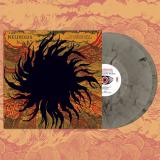
Evolution can be ugly and beautiful, painful and euphoric. An Undying Love For A Burning World is the first new release from Neurosis in a decade, and a potent statement of intent and rebirth - one that marks the first new steps of resolve and resilience.
An Undying Love For A Burning World is an epic album of colossal hypnotism - beautiful, fearsome and utterly compelling in a way that only Neurosis can be. Aaron Turner (Sumac, Isis) joins the band on vocals and guitar, a name whose legacy is intertwined with the band’s own and a true kindred spirit.
“From the moment I first heard Neurosis over 30 years ago, I felt this was the music my heart and mind had been seeking but not yet heard. Now after many years travelling along various musical paths of my own, the singular sound and spirit embodied by Neurosis continues to speak to the depths of my being. It is an honor and a true pleasure to have been welcomed so warmly into a band that not only shaped my perspective on the limitless possibilities of music - but has lived and exemplified the necessity of upholding creative integrity and camaraderie above all else.” - AARON TURNER
Neurosis have never been afraid of change, and here they embrace endless regeneration, surrendering to the emotional exorcism through heaviness and distortion that their music incites. Just as the universe tends towards balance, Neurosis’cacophony of noise, rhythm and dissonance always resolves towards moments of beauty. The addition of Turner's powerful vocals and wildly creative and unhinged approach to guitar proves to be a vital force as Neurosis find themselves again at the mercy of evolution and expression.
On every song in the band’s history, Neurosis shifts restlessly between tension and relief, invoking a feeling both feral and transcendent in listeners. The band describe their songwriting process as an inescapable impulse to create with each other - a need rather than a choice. Indeed, the band insist that their return is “not a reunion - we never broke up.”
The album was recorded by Scott Evans (Kowloon Walled City, Sumac, and Great Falls) at Studio Litho in Seattle during three weekends this winter, and mixed in three days just six weeks before release at Evan's Antisleep Audio in Oakland.
Neurosis will play their first show in seven years on the traditional lands of the Blackfeet Nation in Montana as part of Fire in the Mountains festival by special invitation of Firekeeper Alliance, a non-profit dedicated to reducing youth suicide in Indian Country.
FITM, is a unique festival known for bringing epic music to epic landscapes with the intent of reconnecting and immersing oneself with the natural world, and strengthening our ancestral roots as human beings - an aim which aligns directly with Neurosis’ deep-rooted power.
Order now and we will order the item for you at our supplier.

Strut Records presents a brand new reissue of the 1975 Brian Auger’s Oblivion Express original album Reinforcements. A gem from the later years of the Oblivion Express band, Reinforcements sees Auger evolve from his early ‘70s jazz-rock fusions towards smoother jazz funk sophistication, continuing his journey from the previous year’s Straight Ahead.
With two former Oblivion Express drummers joining Average White Band, there are obvious comparisons to draw as several tracks lean into groove-driven arrangements and polished mid-’70s production.Never one to follow a predictable path, Auger crafts a steadfast, stylish album that captures the evolving sound of the era, offering a rich snapshot of mid-’70s British soul and jazz-funk.
A fan favourite, the album also marks the return of vocalist Alex Ligertwood (later of Santana), whose soulful delivery is a highlight of many Oblivion Express recordings.
He is joined by Jack Mills (guitar), Lennox Langton (percussion), Dave Dowle (drums), and new addition Clive Chaman (bass, flute) – a family affair with their various kids joining for the cover shoot, the full cast adorned in an array of fine mid-‘70s tank tops.
Album highlights include the heavy funk instrumental jam ‘Brain Damage,’ a dynamic, keyboard-driven showcase of Auger’s virtuosity alongside the burning latin jazz workout ‘Something Out of Nothing’ and soaring closer ‘Future Pilot’ taking us from our present day troubles to “thread the skies to a new location.”
‘Big Yin’ is a heartfelt tribute to former drummer Robbie McIntosh following his untimely death. As with all Auger albums, the energy is nothing but positive and soulful – his back cover quote states “May the love you bring to this world be reflected upon you.”
This new Strut reissue of Reinforcements is curated by Greg Boraman of Impressive Collective in collaboration with Brian and Karma Auger. Fully remastered from the original tapes by United Archiving’s Bill Smith, it is presented as a high-quality single LP replica edition.
expected to be published on 19.06.2026

DYING VICTIMS PRODUCTIONS is proud to present ZERRE’s highly anticipated second album, Rotting on a Golden Throne, on CD and vinyl LP formats. From the cellars of Würzburg, Germany, ZERRE have been keeping the torch of old-school thrash metal burning while carving their own vicious path. Their sound draws on the razor-sharp aggression of classic Metallica and Exodus and the stomping groove of early Faith No More: no frills, no mercy. Their third full-length, 2024’s Scorched Souls, tore through the scene and earned critical acclaim for its searing riffs and unflinching energy. Now, ZERRE take a decisive step forward with Rotting on a Golden Throne. Darker, more overtly political, and more aggressive than its predecessor, this fourth full-length dives headfirst into the rot of power, corruption, and human decay – a brutal soundtrack for a world teetering on the edge. Onstage, ZERRE embody the chaos of their music: riff-driven assaults, breakneck tempos, and a raw intensity that leaves no room to breathe. On record, while those influences still remain, but the DNA has been splintered into something more unique and definitely more powerful: thrashing, yes, but within a crossover framework that feels titanic. The production is razor-sharp, but with ominous atmosphere to spare; the execution is even sharper, as the drumming especially pulses like a dread locomotive; and vocals spit forth venom, raging against a machine fatted by suffering. As the throne collapses, ZERRE deliver the anthem of its fall. Keep on Rotting on a Golden Throne!
expected to be published on 27.03.2026
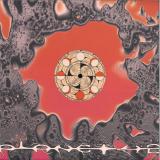
For their very first offering, Hanna & Robbie unveils a 5-track album making an ever possible encounter between psychedelic fractured grooves and mellow sci-fi haze in a divergent electronic shell. Planet42 carves a slow-burning path through severance and trance, a trip back to the subconscious like an escape or a sin, guiding both body and mind into unfamiliar exploration
Taking a fey look on electronic performance, where dubby-inspired and fractured rhythms tend to unveil ethereal ambiances, HR was born and raised in the emergent underground electronic French scene and started being moving targets in 2023 with a first live show at the Supercamp Festival happy few’s gathering.
With a mosaic of gritty textures, clubby breaks and otherworldly echoes in the lead-off project Planet42, Hanna & Robbie dives deep in this restless esoteric tension their identity is all about : an spunky early signal sculpting precise and intricate yet atypical tones revealing this crawling need of delivering unsettled arrangements and dreamscaped lines. Already in the move for their next in order work, it is settled in their experimentation lab that new doses of psychedelia and delusive resonances were written as an incipit to a future alternative live act.
Order now and we will order the item for you at our supplier.

Rising from Warsaw’s underground, Infernal Flame conjure a bleak and uncompromising vision on their debut full-length The Grave. Originally self-released digitally on February 13, 2025, the album now sees its first physical incarnation through Apostasy Records - soon available on CD, vinyl and cassette. Across nine tracks, the Polish quartet fuse the weight of cavernous death metal with the scorched atmosphere of black metal, forging a sound that feels both raw and deliberate - a ritual equal parts feral energy and fatal precision. From the slow-grinding opener “Dreadead” through the tar-soaked menace of “Cauldron of Black Tar,” the feverish descent of the title track and the final farewell of “Godbye,” The Grave unfolds like a single, unbroken passage through dread and decay. Formed in 2024 and operating deliberately outside the label system, Infernal Flame channel a rehearsal-room immediacy that recalls the early second-wave spirit while carving out a distinctly modern darkness. Still largely unreviewed and shrouded in underground obscurity, The Grave stands as an intense and authentic statement - from a band intent on burning their own path through Poland’s black/death scene.
expected to be published on 06.02.2026

"ROCKY AND THE SWEDEN continue to fight for their freedom of smoking weed not only by “burning spirits” approach but by “burning buds” with the same spirit. " - Maximum RockNRoll Tokyo Hardcore legends ROCKY & THE SWEDEN celebrate 30 years of weed-fueld Rock N' Roll with their return and new full-length, "Punks Pot Head! " Decades up in smoke, and the band show no signs of slowing down; ROCKY AND THE SWEDEN continue down their blazing path of fast, aggressive punk. Forever loyal to their green-motiff, tracks like the aptly titled "THC" and "Chain Smoke" burn with intensity; explosive drums detonate alongside scorching guitar leads. Short: Tokyo Hardcore legends ROCKY & THE SWEDEN celebrate 30 years of weed-fueled Rock N' Roll with their return and new full-length, "Punks Pot Head!" FFO: Lip Cream, Discharge, Bastard, Boris, Death Side, GBH
expected to be published on 23.01.2026

Joel Shearer’s Listening Immerses Itself in Ambient Guitar, Restraint, and the Beauty of Repetition
With guitarist and ambient composer Joel Shearer’s new album, Listening, he took the path of repetition, subtle movement, and pure sound rather than conventional songwriting. What began as a disciplined experiment — limiting himself to just electric guitar — soon expanded. At various points, he introduced piano, cello, and trumpet, allowing the record to evolve organically. "I didn’t know I was making another record,” Shearer says. “I was experimenting, wanting to do something beyond just the electric guitar. So, I started these other tracks, and that’s how Listening came about.”
Unlike albums built around hooks or dramatic shifts, Listening unfolds gradually, moving with patience and restraint. There are no choruses, no obvious climaxes — just sound evolving over time. “Instead of a traditional song structure with a verse, chorus, or B section, it’s one continuous movement that grows and dissolves,” Shearer explains. “It’s not about anticipating the next moment—it’s about sitting inside the sound, getting comfortable with patience.” A Topanga-based session musician, composer, and producer, Shearer’s previous solo albums, Morning Loops and Hours, explored the manipulation of only the electric guitar, using texture and repetition to push beyond conventions. Listening continues that journey, offering music that resists distraction and rewards deep attention.
Shearer recorded Listening without a click track, working in long, freeform takes. His shimmering, clean guitar tones—often unrecognizable, processed through looping pedals and effects—became a foundation, with layers of sound building around it. “I love making the guitar sound like anything but a guitar,” he says. “I might play for just a minute, but once the sound enters the effects chain, it takes on a life of its own. The music keeps evolving, stretching time in ways I couldn’t predict.”
The opening piece, “Big Sur,” is an 11-minute meditation that drifts in slow, hypnotic waves, its layered guitar textures sparkling like light over water. The piece moves without urgency, subtly transforming as it pulls the listener deeper into its atmosphere. “Threshold” features a delicate piano melody that gradually unfurls, allowing its essence to fully settle before the next emerges. Subtle layers of ambient guitar weave around the piano, stretching and dissolving into the background, creating a sense of stillness and slow expansion.
At nearly 15-minutes, “The Clear Light of the Void” is a slow-burning study in sustain and resonance. Layers of guitar stretch and dissolve into an open, drifting soundscape, each note lingering and shifting like a breath held in suspension. Subtle tonal variations emerge over time, creating a sense of vastness—an expanse where sound is less about movement and more about presence.
“The world is noisy—so much information, so much distraction,” Shearer says. “I wanted to create something that allows people to just be present with the sound, without expectation.” It’s an album that demands nothing from the listener but offers space — to focus, to drift, to listen without waiting for what comes next.
Order now and we will order the item for you at our supplier.

Le Corbeau, the brainchild of Oystein Sandsdalen (Serena Maneesh), has become a formidable collective. here with a trilogy of albums spanning eight years. Why such a productive group choses to release twenty-seven songs simultaneously may be a greater reflection on the myopic nature of record labels -The mystic deities of noir have returned. "The band"s sound bows to the vestiges of V.U., Sonic Youth, and Lynchian glamour- but each of the three albums show ambition to go beyond, by player freedom and improv, exploring textural layers, and nuancing each groove. Many songs remind us what we loved in 2009`s Evening Chill / Montreal of the Mind - surrealistic, seductive, draped in velvet. Some circle to the familiar with punk fuzz and playful themes, like "1000 eyed behemoth": about leaving Oslo"s night life behind. Other times, they are creators of their own classics. Opening track to VI: Sun Creeps Up the Wall, "Blossom with an Evil Light" recorded between 2017-2018, illuminates a a new path of change. The long anticipation is over- come enter the murky and magical waters of Le Corbeau." -Ann Sung-an Lee
expected to be published on 28.11.2025

Cindy Lee, the performance and songwriting vehicle of Canadian artist Patrick Flegel (who fronted influential indie group Women earlier), previously stunned listeners with Act Of Tenderness, a heart-wrenching statement informed by the noirish core of celebrity, and has continued to enchant with every album, including the startling What's Tonight To Eternity released earlier this year.
Model Express originally appeared as a self-released edition of 100 gold cassettes. The arch, filmic drama of Cindy Lee's songwriting – realized with keyboards, guitars, aching voice and collaged, lo-fi production – traverses a wide range of emotional and sonic terrain. The red velvet psych-pop of "What Can I Do" gives way to the fluid "Diamond Ring" like radio bursts from space. Model Express finds Flegel at both their most experimental and immediately melodic, and this first-time vinyl release recognizes the collected tracks as a pillar in the Cindy Lee catalogue.
Cindy Lee (who uses the gender neutral pronoun they) is a drag persona drawing on suburban closet queens and mid-century divas. In keeping with Flegel's interest in the faultlines of identity, gender expression, performance and media, Model Express delivers an intense and diverse set of unforgettable songs.
Order now and we will order the item for you at our supplier.

Los Angeles artist and musician Shlohmo returns with a vinyl repress of two of his defining albums: "Bad Vibes" and "The End". From the first sounds of Henry Laufer"s early work, it was clear he was forging a new path in electronic music - melding hazy textures, emotive melodies, and fractured beats into a sound both intimate and expansive. Bad Vibes introduced Shlohmo"s lo-fi, slowmotion approach, crafting emotive atmospheres that would influence a generation of West Coast producers. The End, a cinematic journey of chaos and calm, cemented his status as a visionary, blending apocalyptic tension with moments of quiet reflection, made with drum machines, vintage synths, and improvised recording techniques.
expected to be published on 14.11.2025

Few lovers stay together for life-and beyond. Just as rare are the artists who manage to keep alive the burning flame of their creative desire. Areski Belkacem is one of those who nurtures in his heart a fire that never dies out, a passion that burns just as intensely for music as it does for his beloved. As long as the message eventually reaches its intended recipient, he cares little for how long the journey takes. His new album, Long courrier, is proof of this: twelve unreleased songs that flow like a love letter set to music. In nearly 60 years of career, Areski Belkacem has released only three solo albums-intimate and deeply personal works that feel like whispered confidences to a loved one. In an era where commercial demands shape much of music production, these records exist solely to fulfill his need for expression. The late music lover and producer Jean-Philippe Allard once said, "Areski goes against the tide-he always seems to enjoy taking forbidden paths!" In Long courrier, Areski tenderly expresses love for his homeland and his beloved. He believes in the power of sensuality, the sacredness of pleasure, and the hidden beauty in every person despite life's hardships. He shows a fraternal gaze toward outsiders and sings of inner journeys, doubt, vows, eternal bonds-with a voice as warm and bright as a loving smile. He honors the mystery of the union between music and the French language. Blending his familiar chaabi rhythms and guitar with piano, accordion, bass, and electric guitar, he plays alongside the same musicians who have accompanied him for over two decades on stage-supporting the woman he shares both stage and life with: the incomparable Brigitte Fontaine.
expected to be published on 20.06.2025

Neo Gibson, born in Virginia and based in New York City, records, performs, and produces as 7038634357. This numerical alias, under which Gibson has been releasing work since 2016, offers a window into the careful ambivalences of the musical project. It conjures the impersonal_the opacity and randomness of data, a number that is hard to remember or even say out loud_while also suggesting a direct line of communication with the artist, down to an area code indexing their biography. 7038634357 uses a restricted palette to achieve music that is formally precise and emotionally direct. Their digital-native approach to production, in which frank melodies cross paths with heavy distortion, contains traces of both trance's maximalist arcs and a songwriterly intimacy. Expressive details may appear submerged or abraded, subjected to a canny sense of dynamics and textural specificity. Waterfall Horizon, Gibson's second vinyl record with Blank Forms Editions under the moniker 7038634357, was written for live performance and workshopped over successive shows during their 2022 European tour. Here, hallmarks of their earlier, studio-crafted recordings_digital distortion that obfuscates their lyrics and a slow-burning ambience_are noticeably pared back. Instead, Waterfall Horizon takes on a pop inflection, adopting more traditional lyric scaffolds so that the interstices from verse to chorus or track to track can flourish within their limited tonal range.Across recordings and performances, Gibson activates wide-ranging mechanisms of audience connection: from the relative anonymity of internet platforms to live experiments with the spatial effects of amplification. They have a particular interest in site-specific performances in non-musical spaces, and have performed in a variety of contexts, including the mezzanine of the West 4th Street subway station in New York City and INA GRM/Radio France's Présences électronique festival. Under their own name, Gibson has maintained a longstanding collaboration with the artist Charles Stobbs, working primarily with FM transmission and techniques derived from the early-seventeenth-century English tradition of change-ringing bells. The first 7038634357 vinyl record, Neo Seven, was released on Blank Forms Editions in 2023; previous releases include self-released cassettes and CD-Rs, as well as a pair of EPs on Genome 6.66 Mbp (2018, 2019).
expected to be published on 13.06.2025
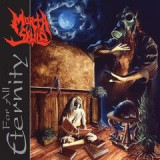
Morta Skuld formed in Milwaukee in 1990, going on to release three albums on Peaceville Records (initially via legendary sub-label Deaf Records) in the early-mid 1990's
The band's debut, 'Dying Remains' was released in 1993. In 2017 the band, led by founder David Gregor returned to Peaceville with their first studio album in 20 years, the brutal opus 'Wounds Deeper Than Time', followed by 'Suffer For Nothing' & 2024's critically hailed 'Creation Undone' album.
'For All Eternity' was the band's third studio album, originally released in 1995. Morta Skuld brought a refreshing blend of heavy & brutal Death & Doom along with more atmospheric & at times melodic elements. Forging a different path to the straight forward high-octane Death Metal releases prevalent in the US scene at the time, this was an element which helped to distinguish Morta Skuld from many of its peers. The album notably features a cover of the song 'Germ Farm', originally by cult death metal act, Dr, Shrinker.
expected to be published on 13.06.2025

Voidless Records debuts with Tectonics, a four-track EP by Barcelona-based producer Cyberdom, where Electro collides with a narrative of collapse and transformation.
What if collapse isn’t the end, but the beginning?
The main theme of the release draws inspiration from the natural forces that shape our planet. Plate tectonics. This cycle of breakdown and reformation becomes a metaphor for social crises, collective uprisings, and personal processes of transformation.
The journey begins with ‘Mariana Trench’, a dense ambient piece evoking a descent into the deepest ocean trench. ‘Collapse’ follows with tight beats and simmering synths building slow-burning tension. The title track ‘Tectonics’ delivers syncopated basslines, robotic patterns, and vocoders that encapsulates the concept of the release. The EP is brought to a close with ‘System Strikers’ a four-on-the-floor weapon driven by heavy kicks, vocoders, and sharp arpeggiated basslines.
This first release lays the foundation for Voidless Records — a forward-thinking imprint rooted in concept, where each work carves its own path, unbound by genre and driven by deeper artistic intent.
Order now and we will order the item for you at our supplier.

"U.S. Maple's first album, before they fell all apart on """"Sang Phat Editor"""". This is the album that """"rocks"""". Disjointed machinations, poppy locksteps and jarring sideways excursions all leading down a path to nowhere's-ville. Engineered by Jim O'Rourke with a cold. Pressed on Muleta Maroon Colored Vinyl LP includes a vinyl-only bonus track plus a Two-Sided Footlong OBI and Lyric Sheet.
In high school, the members of U.S. Maple never said a word to anyone. And although this had disastrous results (stolen shoes, constant de-pantsing, gum in the hair, etc...), a fire was burning inside each one of them.
A beginning was struck in Chicago, early in 1995. The four met near the corner of Grand and Western Avenues to devise a working method for reorganizing rock and roll, keeping what was felt to be it’s most important core elements.
The mumblings are slick. The melodies are souped-up and soured. The drums are spastic bursts of laughter, rocket fuel and confetti. It is fronted by a singer who reminds one or the other of Kevin Costner's stoner bro. A 7” single and a version of AC/DC’s Sin City are the first to be recorded.
U.S. Maple’s debut full-length, “Long Hair In Three Stages” was recorded late in 1995 with Jim O'Rourke at Solid Sound Studios in Hoffman Estates, Illinois. This was Jim's first legitimate recording session with a rock and roll band. The album receives critical acclaim. Soon thereafter, U.S. Maple find themselves flying coach to Deutschland for a European tour. The extensive six-week tour spans 12 countries and includes a Peel Session for the BBC's John Peel Show. More history is made.
""""Long Hair In Three Stages"""" goes on to be ranked #85 on the Alternative Press “90 Greatest Albums of the '90s” list. We all know better."
expected to be published on 06.06.2025

Corrosiv, the sophomore album from Orchestroll, reveals the duo at their most mature and vulnerable. Originally conceived as a reflection on hybridity and bastardization, the album deploys New Age and ambient compositional tropes as a launchpad, exposing their trite sanctity to the realities of corrosion. Having come of age in the 1970s and 1980s, the New Age movement perdures today as a domain of contradictions; its promise of transcendence riddled with the very commercialized dogma from which its adherents claim to flee. Healing modalities such as reiki, crystal therapy, and sound baths are simultaneously pathways to solace and sites of exploitation; their sonic counterparts—ethereal synth pads, shimmering textures, celestial drones—claim to facilitate meditation and enlightenment while devolving into empty signifiers of vitality. With Corrosiv, Orchestroll displays neither reverence nor disdain toward New Age: they exhume it instead, revealing the saccharine effervescence and commodified murk undergirding its aesthetics. The result is intoxicating—disquieting.
Born from a two-week residency at EMS Studios and expanded through a performance at MUTEK Montreal’s 25th anniversary, Corrosiv has since outgrown its original conceptual nucleus, taking on a broader scope. Its inquiry into New Age ideology’s voided rhetoric and aesthetic mysticism now informs a broader interrogation of cultural mediocrity, anti-authoritarianism, gatekeeping, music industry toxicity, and the crumbling edifice of late capitalism and techno-feudalism—all the mechanisms by which meaning is stripped from ceremony, and once-potent forms of knowledge are subsumed into the machinery of economic extraction, severed from their original essence, and transformed into hollow simulacra. Corrosiv distills these themes through a loose narrative: a soul, fixated on wellness as dictated by cosmetic economism, becomes ensnared in an endless afterlife, unable to transcend and shed its dilapidated consciousness.
Framed as an act of audio dissolution, the album thus engages in an alchemical process, whereby complex waveshaping, morphing synthesis, and distortion enact a ritual of fragmentation. There is also friction: between the rigid, mechanical imposition of systematized order and the untamed, chaotic force of organic metamorphosis. Here corrosion and confinement are not solely conceptual motifs; they are enacted in real time, sculpting the album’s terrain. Scraping, tarnishing, degradation—the languid wear of form and substance—become instruments in their own right: buffing as abrasion, entrapment as transformation, corrosion as a means of reconfiguration. The ‘protagonist,’ if there must be one, is the listener, caught within the throes of structural determinism and the potential for emancipation, unable to pass into something greater as the specters of collapsed futures accumulate in the margins.
Corrosiv extends its reach through collaborations with familiar voices: Heith (PAN), VISIO (Haunter), Femminielli (Drowned by Locals), Habib Bardi (Interzone), and Jiyoung Wi (Enmossed, Psychic Liberation, Doyenne) each leave their imprint on its sprawling landscape. At 1h16m, it is a procession, dense with earworms that burrow into the listener’s unconscious.
Misshapen, broken-down metals leach copper into blood, acid reflux burning through the core. Psyche disaggregates into cosmic turmoil, drifting between planes—tongue on rustline, gullet laced with solvent hymns, molars unlatching, bitcrushed to marrowspill. A spasm of brine, ferrous scripture, venomtext blooming in leaden rivulets, cartilage smoldering in phosphor decomposition, synapses drowning in a quicksilver choir. Crest of bile, churning ore, breath clotting into arsenic mist, vein-thread cinched, a corrosive gospel, limb by limb, oxidized to silence.
Ultimately, as the music exhales its final breath, its residue refuses to dissipate—and stillness alone remains. There are no conclusions here—no resolution, no collapse—only the slow drift outward of a vessel unmoored, lost in the sea of symbolic souring. Corrosiv sings the song of a world barren of prophecy, littered with aesthetic detritus. Whether this magic has been transfigured or simply worn away is unclear: the last breath dissipates, but the oxidation does not stop. The silence, too, will decay.
Conceptualized, composed, performed, recorded, mixed, engineered and produced by Jesse Osborne-Lanthier, and Asaël Richard-Robitaille in 2023 and 2024 at Elektron Musik Studion (EMS) - Stockholm, Sweden and Landsc8pe Studio - Montréal, QC, Canada.
Artwork by Jesse Osborne-Lanthier.
Mastered by Stephan Mathieu @ Schwebung Mastering.
expected to be published on 02.06.2025

Veyl is pleased to welcome Harlem back to the label with a new 8 track LP titled Cage. The Stockholm-based duo of Martin Thomasson and Johan Skugge last appeared on the imprint with 2021’s, Bait, and the project now returns diving deeper in to their infectious cocktail of menacing electronics.
Bringing with them a vast body of work, ranging from dub to minimal techno, with Harlem the pair fuse electro, no wave, post-punk, disco, proto-body, dub, hip-hop, and grime, creating a unique sound that cannot be categorized. Cage opens with “Shut Your Body”, a muscular piece which drills into the surface, setting the stage for what’s to come. Next up is “Fantasy Scan” a dance floor ready jam that picks up the pace and lures us into the pleasure dome. “Blow by Blow” brings a nihilistic energy to a fictional scenario that takes its cues from the past while remaining firmly in the now.
“Kiss The Steel” continues on the slow burning path, dropping us into a dream like state, blurring the lines of reality and plunging us into a surrealist nightmare or reverie? “Dummy Up” comes roaring back, injecting a dose of electro and body that sounds like a soundtrack to your favorite cult gathering. With “Sleuth”, we hear the repetitive grind of a man at work, searching for the unknown, unlocking new mysteries along the way. As we head toward the finale, “Contact High” brings back a seductive dance, ready to movie bodies and stir emotions. Closing things out is “Wiggle Walker”, returning us to a drifter’s journey, a wanderer’s melody that carries us to the end, or is it just the beginning?
Order now and we will order the item for you at our supplier.

4 Jahre sind vergangen, seit "Endless Wound" Stigmata auf der Menschheit hinterlassen hat, aber seid sicher, Black Curse werden sich jetzt noch tiefer einschneiden. Eine Platte, die wegen ihrer ekstatischen Rücksichtslosigkeit und massiven fanatischen Bösartigkeit schockieren soll. Aber das was tief unter den Kompositionen schwebt, öffnet die Türen zu einer Welt, die so unglaublich groß ist, dass man Gefahr läuft, sich in ihr zu verlieren. Und diese Tiefen entziehen sich jeglicher Exegese.
4 Flüche wurden in 4 Hymnen absoluter Todesmagie verwoben. Und diese werden einen in den schwarzen Abgrund des großen Göttlichen führen. Das Album wurde erneut vom unbestrittenen Meister Arthur Rizk produziert, der mit seiner außergewöhnlich dichten und zerstörerischen Produktion mal wieder alle Erwartungen übertrifft. "Burning in Celestial Poison" klingt, als wäre es mit dunklen magischen Formeln aus einer sehr viel tieferen Welt erschaffen. Um die Erhabenheit dieses Albums zu erkennen, müssen andere Sichtweisen und Wertigkeiten definiert werden. In dieser Welt wird es als hässlich und bedrückend gelten. Und zwar von denjenigen, die nicht in der Lage sind, sich diesen bodenlosen Abgründen hinzugeben.
Es bricht absichtlich mit allen modernen Hörgewohnheiten, vermeidet alle Regeln der Songlänge und -struktur und erzielt genau dann das beste Ergebnis, wenn es in Dunkelheit und bei maximaler Lautstärke erlebt wird.
"Burning in Celestial Poison" beginnt, mäandert und endet mit einem prophetischen Grollen, das sicherlich aus der Welt stammt, der wir uns noch stellen müssen, nämlich der Welt in Flammen.
expected to be published on 25.10.2024

Brand new collection of Studio One killer tunes, focussing on the late 70s, 80s and beyond.
Since the early 1960s Clement ‘Sir Coxsone’ Dodd had established Studio One as the unparalleled leader in reggae music in the world. In the years that followed he established the careers of countless reggae legends – Bob Marley & The Wailers, Marcia Griffiths, The Skatalites, Horace Andy, Dennis Brown, Burning Spear and many more.
From its inception Studio One had been at the forefront of every major development in reggae music – ska, rocksteady, roots, DJ, dub and, starting in the second half of the 1970s, dancehall.
Having attained such great success, by the late 1970s Clement Dodd was free to enjoy Studio One’s now firmly established supremacy in reggae music. He released a series of stunning new albums at the end of the decade by Sugar Minott, Johnny Osbourne, Freddie McGregor and others that rode the wave of dancehall and set the path of Studio One’s output for the following 25 years.
During this period, long-established artists such as Alton Ellis, Jackie Mittoo and others returned to the label, recording some of their most creatively satisfying albums with new music that both celebrated the classic sound of Studio One while continuing to experiment, push boundaries and look forward to the future.
This release celebrates this sometimes overlooked golden era at Studio One in the 1970s,1980s and beyond.
expected to be published on 18.10.2024

Elf Songs und ein Klavier-Intro bieten den Hörern erstklassigen Speed/Thrash Metal, der sich locker zwischen internationalen Klassikern der 80er und 90er-Jahre, sowie aktuellsten Tipps von Heute einfügen wird.
Die Aufnahmen wirken wie ein zweiter Frühling der Band: ehrlich, direkt, frisch und ultra heavy!
Dies mag mitunter am bisher stärksten und reifsten Line-up in der Geschichte der Band liegen. Zu Beginn des Vorjahres rekrutierte man niemand geringeren als den aus Bulgarien stammenden und in Dänemark lebenden Saitenhexer Nikolay Atanasov (u.a. AGENT STEEL). Er komplementiert mit dem bereits davor dazugestoßenen Bassisten Lorenz Kandolf (u.a. TRAITOR) das Line-up. Den Kern der Gruppe bildet, seit dem mittlerweile als Klassiker gehandhabten, im "New Wave Of Thrash Metal" geltenden Debüt "Have Gun, Will Travel" (2010), Band-Gründer, Sänger, Gitarrist und Hauptkomponist Ricky Wagner, sowie der Ausnahme-Schlagzeuger Bastian "attt" Santen. Noch nie hat REZET so frisch geklungen und vor Angriffslust gestrotzt.
Produziert, gemixt und gemastert wurde das Album erneut von Eike Freese (HELLOWEEN; DEEP PURPLE; HEAVEN SHALL BURN uvm.), Hamburgs Rock & Metal-Produzenten par excellence, wobei Teile der Aufnahmen in den bandeigenen "Rad Toad Studios", im hohen Norden Schleswig-Holsteins, selbst durchgeführt wurden.
Pär Oloffsson (Exodus, Aborted, Pathology, Traitor, Finsterforst uvm.) bietet die dystopische Visualisierung der Scheibe und zeichnet das Bild einer mechanischen Landschaft, die von neuem Leben zurückerobert wird. Der "große Reset" war vermutlich noch nie so nah…
expected to be published on 30.08.2024