Cécille has a long-standing history with Leon dating back to 2009 when he released his second career track. His mesmerizing production 'Rain in Rio' claimed the Nr.1 spot on Beatport in 2009 and earned esteemed recognition from Mixmag as one of the best tracks of the season.
Since then Leon has held prestigious residencies at iconic venues like Marco Carola's Music On Ibiza a residency he has maintained since its inception in 2012. Additionally he has captivated audiences at Cocoricò renowned as the most awarded club in Italy. Leon's talent and presence have left an enduring impact on the global music
scene.
Now, he returns to Cécille with some fabolus new club-cuts, accompanied by a remix from the highly acclaimed Manchester trio, Mason Collective. Known for their deep connection to the city's club culture, Mason Collective has been touring the globe with tremendous success, solidifying their position as one of the most dynamic acts
to emerge from Manchester in recent years turn in their interpretation of ‘Sissy’s Track’, extracting the core groove and soul of the original while stamping their own mark on things via intricately intertwined synth work, a murky bass groove and an overall bumpy house feel.
Buscar:captivate
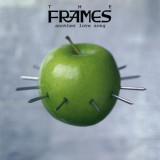
"Another Love Song - The Frames are an Irish indie rock band formed in Dublin in 1990. The band is known for their passionate and emotive sound, which blends elements of rock, folk, and traditional Irish music. Over the years, they have released several critically acclaimed albums, including ""Another Love Song,"" which is widely regarded as one of their most influential works.
""Another Love Song"" was released in 1991 and marked a turning point in the band's career. The album featured a raw, stripped-down sound that was a departure from their earlier, more polished work. The songs on the album were deeply personal and introspective, exploring themes of love, loss, and the complexities of human relationships. The album's title track, ""Another Love Song,"" became an instant classic, showcasing the band's signature sound with its driving rhythms and soaring vocals. The song's bittersweet lyrics and haunting melody struck a chord with listeners and quickly became a fan favourite.
In addition to ""Another Love Song,"" the album features several other standout tracks, including ""Say It to Me Now,"" ""The Dancer,"" and ""Downhill."" Each song on the album showcases the band's dynamic musicianship and poetic lyricism, earning the album a reputation as a seminal work in the Irish indie rock scene. Over the years, The Frames have continued to evolve and innovate, releasing several more critically acclaimed albums and earning a dedicated following of fans around the world. With their unique blend of raw emotion and musical artistry, The Frames continue to inspire and captivate audiences with their powerful, soulful music.
Fitzcarraldo - ""Fitzcarraldo"" is the sixth studio album by the Irish rock band The Frames, released in 1995. The album marked a significant departure from the band's earlier work, with a more experimental sound that blended rock, folk, and experimental elements.
The album takes its name from the Werner Herzog film of the same name, which tells the story of a man who attempts to build an opera house in the Amazon jungle. This theme of ambition and perseverance in the face of adversity runs throughout the album, as frontman Glen Hansard explores themes of love, loss, and the human experience. The album opens with the hauntingly beautiful track ""Revelate,"" which sets the tone for the rest of the album with its soaring vocals and intricate guitar work. From there, the album takes the listener on a journey through a diverse range of sounds and emotions, from the upbeat rock of ""What Happens When the Heart Just Stops"" to the melancholic balladry of ""Fitzcarraldo.""
One of the standout tracks on the album is ""Lay Me Down,"" a tender and heartfelt ballad that showcases Hansard's powerful vocals and poetic lyricism. The song has become a fan favourite and is often performed live by the band. Another highlight of the album is the epic nine-minute track ""Fitzcarraldo,"" which features lush instrumentation and intricate guitar work. The song is a tribute to the film of the same name and explores themes of ambition and determination in the face of seemingly insurmountable obstacles.
Overall, ""Fitzcarraldo"" is a powerful and deeply personal album that showcases The Frames at their most ambitious and experimental. With its diverse range of sounds and emotions, the album remains a fan favourite and a landmark in the Irish rock canon.
Dance the Devil
Dance the Devil is the fourth studio album by the Irish rock band, The Frames. Released in 1999, it marked a significant departure from the band's earlier sound and was a critical and commercial success.
The album features 10 tracks, including the hit single ""Pavement Tune,"" which received extensive radio play and helped to propel The Frames to greater prominence in the music industry. Dance the Devil showcases the band's versatility and musical prowess, blending elements of rock, folk, and pop to create a unique and compelling sound. The lyrics are introspective and poetic, exploring themes of love, loss, and self-discovery.
Produced by Steve Albini, the album was recorded in just five days, giving it a raw and unpolished feel that perfectly captures the energy and passion of The Frames' live performances.
Dance the Devil remains a beloved album among fans of Irish music and continues to inspire new generations of musicians. Its enduring popularity is a testament to the artistry and vision of The Frames and their commitment to pushing the boundaries of what is possible in rock music.
"
"Another Love Song - The Frames are an Irish indie rock band formed in Dublin in 1990. The band is known for their passionate and emotive sound, which blends elements of rock, folk, and traditional Irish music. Over the years, they have released several critically acclaimed albums, including ""Another Love Song,"" which is widely regarded as one of their most influential works.
""Another Love Song"" was released in 1991 and marked a turning point in the band's career. The album featured a raw, stripped-down sound that was a departure from their earlier, more polished work. The songs on the album were deeply personal and introspective, exploring themes of love, loss, and the complexities of human relationships. The album's title track, ""Another Love Song,"" became an instant classic, showcasing the band's signature sound with its driving rhythms and soaring vocals. The song's bittersweet lyrics and haunting melody struck a chord with listeners and quickly became a fan favourite.
In addition to ""Another Love Song,"" the album features several other standout tracks, including ""Say It to Me Now,"" ""The Dancer,"" and ""Downhill."" Each song on the album showcases the band's dynamic musicianship and poetic lyricism, earning the album a reputation as a seminal work in the Irish indie rock scene. Over the years, The Frames have continued to evolve and innovate, releasing several more critically acclaimed albums and earning a dedicated following of fans around the world. With their unique blend of raw emotion and musical artistry, The Frames continue to inspire and captivate audiences with their powerful, soulful music.
Fitzcarraldo - ""Fitzcarraldo"" is the sixth studio album by the Irish rock band The Frames, released in 1995. The album marked a significant departure from the band's earlier work, with a more experimental sound that blended rock, folk, and experimental elements.
The album takes its name from the Werner Herzog film of the same name, which tells the story of a man who attempts to build an opera house in the Amazon jungle. This theme of ambition and perseverance in the face of adversity runs throughout the album, as frontman Glen Hansard explores themes of love, loss, and the human experience. The album opens with the hauntingly beautiful track ""Revelate,"" which sets the tone for the rest of the album with its soaring vocals and intricate guitar work. From there, the album takes the listener on a journey through a diverse range of sounds and emotions, from the upbeat rock of ""What Happens When the Heart Just Stops"" to the melancholic balladry of ""Fitzcarraldo.""
One of the standout tracks on the album is ""Lay Me Down,"" a tender and heartfelt ballad that showcases Hansard's powerful vocals and poetic lyricism. The song has become a fan favourite and is often performed live by the band. Another highlight of the album is the epic nine-minute track ""Fitzcarraldo,"" which features lush instrumentation and intricate guitar work. The song is a tribute to the film of the same name and explores themes of ambition and determination in the face of seemingly insurmountable obstacles.
Overall, ""Fitzcarraldo"" is a powerful and deeply personal album that showcases The Frames at their most ambitious and experimental. With its diverse range of sounds and emotions, the album remains a fan favourite and a landmark in the Irish rock canon.
Dance the Devil
Dance the Devil is the fourth studio album by the Irish rock band, The Frames. Released in 1999, it marked a significant departure from the band's earlier sound and was a critical and commercial success.
The album features 10 tracks, including the hit single ""Pavement Tune,"" which received extensive radio play and helped to propel The Frames to greater prominence in the music industry. Dance the Devil showcases the band's versatility and musical prowess, blending elements of rock, folk, and pop to create a unique and compelling sound. The lyrics are introspective and poetic, exploring themes of love, loss, and self-discovery.
Produced by Steve Albini, the album was recorded in just five days, giving it a raw and unpolished feel that perfectly captures the energy and passion of The Frames' live performances.
Dance the Devil remains a beloved album among fans of Irish music and continues to inspire new generations of musicians. Its enduring popularity is a testament to the artistry and vision of The Frames and their commitment to pushing the boundaries of what is possible in rock music.
"
Introducing the 5th release from Tokyo's experimental dub label newdubhall.
Following the impressive works of Babe Roots and DeadBeat, this time they bring you Element, a producer hailing from Kyoto.
Building on Element's previous successes, such as 2021's 12inch "Freedom" (Riddim Chango) featuring captivating vocals of Nazamba, and 2022's "Andromeda EP" (Bokeh Versions / Riddim Chango) which showcased the collaboration with Duppy Gun, he continues to push boundaries.
On Side A, titled "Particular Angle," Element presents a mesmerizing blend of new roots, grime, and dub techno, intricately woven together to create a weighty dub soundscape. This side is a testament to Element's mastery, as they effortlessly navigate these diverse genres and deliver a powerful sonic experience.
Flip the record to Side B, aptly named "Blurring Off Into Its Opposite," and the listeners will be transported into an experimental ambient journey. Here, Element skillfully intersects noise and bass, drawing inspiration from Gil Melle's iconic 1971 soundtrack for "The Andromeda Strain." The result is an atmospheric soundscape that captivates the imagination and pushes the boundaries of ambient
music.
Both sides of this release truly embody Element's distinctive and original style, showcasing their unparalleled creativity and artistic vision. Prepare to be immersed in the enigmatic world of newdubhall as Element's unique soundscapes unfold.
Discover the profound and captivating universe of newdubhall with this exceptional release.
Stoned Part I was the first self-released album from lost soul phenomenon Lewis Taylor. His third album proper, it was initially released on his own label Slow Reality in 2002 and it's been licensed to Be With for this long-awaited double LP release, its first ever vinyl edition. The songs are varied, hook filled and outstanding. Beloved by his legions of diehard fans, it's nothing short of a masterpiece.
After parting ways with Island, and without a label deal, Lewis went back to his home studio and began to record Stoned Part I in 2001. Co-written and co-produced with longtime collaborator Sabina Smyth, Lewis sings and plays all the instruments on this beautiful, emotional and very human album. It represents Lewis at his most accessible and finds him in the middle ground between his two Island releases. In some ways, Stoned Part I distills the best of his musical sensibilities. The flawless production is dense, layered and very early-2000s slick. The bottom end is thick, funky and sexy.
The complex, proggy-soul of title track "Stoned" opens the album and instantly captivates. Deep swinging funk with truly sweet soulful vocals, complemented by wah-wah guitar and swelling acidic synths. As Lewis himself told us, the ad libs at the end of the track were a nod to Paul McCartney at the end of "Hey Jude". Fan favourite "Positively Beautiful" has shades of Curtis and Marvin; its richly layered harmonies propelled by a simple, metronomic click-track that gives way to a more fully fleshed beat for the magnificent coda.
The slow, sweeping majesty of "Lewis IV" is all moody atmosphere, featuring dense, richly textured music and heavenly multi-tracked harmonies. The stop-you-in-your-tracks incredible "Send Me An Angel" could have been a huge AM radio hit, beautifully crafted sophisticated soul-pop songwriting in the vein of the very best Sade records. Yep! *That good* The smooth, psychedelia-lite "Til The Morning Light" is a gorgeous, sun-dappled love song, layered with Lewis' distinctive honey drenched vocals and, again, the type of record you could've easily heard all over the radio at the time of initial release.
The remarkable, wide-eyed "Shame" packs so many shifting styles into one song, it has to be heard to be believed. Opening in a laconic, breezy style, not unlike a Dallas Austin or Rodney Jerkins produced R&B hit of the day, it morphs into a heavy psych-soul Soulaquarians wig-out (the solo bearing an uncanny resemblance to Carlos Santana’s on "She’s Not There") before elegantly sliding into string-assisted symphonic soul and then back around again. And again. Sheer brilliance. The sublime, gentle head-nod funk-soul of "When Will I Ever Learn" (Part 1) is a strikingly well-turned-out tune, a neat, sweet bass-driven guitar-soul jam that ensures our jaw won't be leaving the floor anytime soon. "Lovin’ U More" sounds like a classic turn-of-the-century Neptunes production, the likes of which they'd lay on for JT BITD. A Latin-tinged groover with more than a little Nile Rodgers-driven slick funk stylings, it's yet another instant Lewis bomb with those gorgeous harmonies and chart-friendly irresistible key-changes to boot. Another indisputable (non-)HIT!
The funky seductive swagger of "From The Day We Met - Part II" opens the final side of wax, giving way to the gigantic buzzing synth-funk beast "Lovelight", a track so insouciantly mighty it should have been a massive hit for someone. Wait, what's that? Robbie Williams covered it? Ah, OK, well, I guess that says something about the effortless pop genius contained within. Containing a seemingly unnoticed nod to Kraftwerk’s "Computer World", it's Lewis's favourite song on the album. It's easy to hear why: "Sabina’s production totally nails it. I love the restraint and the subtlety, and that mixture of warmth and sweetness from the singing against the slightly cold, yet beautiful airy-ness of the backing track." To close this phenomenal album, the twisted electronic soul of "Sheneverdid" marries Lewis's beautiful falsetto to his virtuoso playing and an easy-cum-ominous musical backdrop. Stunning.
Simon Francis’s vinyl mastering, approved by Lewis himself, presents the eleven tracks over a double LP so, as ever, it sounds sensational. The records have been cut by Cicely Balston at Air Studios and pressed at Record Industry. Allow Lewis Taylor to get you Stoned.
- A1: Madman (4 22)
- A2: Keep Right On (5 30)
- A3: Reconsider (3 51)
- B1: When Will I Ever Learn 2 (3 44)
- B2: Out Of My Head Is The Way I Feel (3 05)
- B3: Carried Away (3 32)
- C1: Stoned Part 2 (4 13)
- C2: Positively Beautiful 2 (4 09)
- C3: Throw Me A Line (3 42)
- D1: Shame 2 (3 34)
- D2: Won’t Fade Away (4 05)
- D3: Keep On Keeping On (4 47)
Part 1[30,21 €]
Stoned Part II is Lewis Taylor's pure, perfect dance-pop album. His second self-released album and fourth album proper, it initially appeared on his own label Slow Reality in 2004. It's been licensed to Be With for this long-awaited double LP release, its first ever vinyl edition. Gravely misunderstood at the time by hardcore fans and the music press alike, it has aged quite magnificently. An experiment in the sounds of contemporary pop and dance music, Lewis's wonky take on funky pop would annihilate anything kicking around the charts, then or now. If only it were given half a chance.
Stoned Part II is brimming with Lewis's trademark soul, his singing as beautiful as ever, but the rhythms throughout are more upbeat, the overall sound a more smooth and slicker dance-funk presentation. Roughly half the tracks are absolutely essential, fascinating re-workings of tracks from the eternal Stoned Part 1, as Lewis explains: "When we were doing Stoned we were trying different approaches with everything so we ended up with more than one version of nearly all the songs which left us with more than an album's worth of material. There was a lot of really cool house tunes around at the time which we were both really into and that shaped the sound and production, some songs more directly than others." Amen to that.
The swoonsome, string-drenched opener "Madman" is quite the departure, a bleepy, bumping soulful disco-house record with a bassline to die for. Is there anything he can't do? It's followed by another huge dancefloor stomper, "Keep Right On" again riding another killer bassline over funky drums and featuring Lewis's dazzling vocals. There's no let-up with the sparkling "Reconsider" which sounds an awful lot like Daft Punk meets Nile Rodgers (prescient as ever, our Lewis). The wide-eyed French filtered house vibe is to the fore here, and how this wasn't picked up by someone like Kylie and taken wholesale to the top of the charts is something we'll never understand.
Opening the B-Side, "When Will I Ever Learn 2" really slaps, presenting a breezier, more upbeat funk take on the brilliant original and incorporating "From The Day We Met" from Stoned Part I. "Out Of My Head Is The Way I Feel" is absolutely fantastic and one of Lewis's very best songs. The vocals, self-harmonising and virtuoso playing are next level. To close out the side, "Carried Away" is a real standout, Lewis's gorgeous falsetto riding a quasi D&B groove to begin with before adorning a more classically funky 2-step rhythm. The marriage of undulating synths and guitars is stunning, giving way to Lewis indulging his goosebump-inducing Brian Wilson harmonies.
The funky, Rhythm King drum machine soul of "Stoned Part 2" refashions the original in the style of an unearthed Sly Stone classic, circa There's A Riot Going On. Yes, it's that good. On we then glide to "Positively Beautiful 2" which, if it's even possible, manages to be better than the original. The epic, orchestral opening truly captivates before Lewis truly gets down with kaleidoscopic dancefloor-slaying Philly soul-funk. It's surely tracks like this which help explain why he was soon to be tapped up by Dangermouse and Cee-Lo for the musical director role with Gnarls Barkley. "Throw Me A Line" closes out the side
"Shame 2" is a blissful, restrained version of the massive original, without the crazy psych-soul wig-out. Definitely more radio-friendly, that's for sure. The gorgeous mellow vibe continues with "Won't Fade Away", featuring more Beach Boys harmonies over a barely-there pulse (a version of which later pops up in an altered state on The Lost Album). The album bows out with - you guessed it - a psych-soul wig-out! "Keep On Keeping On", a real highlight, opens with looped sampled drums a la Massive Attack and Lewis's multi-layered self-harmonising again very much high in the mix. It amps up gradually to feature vocals dripping with tune and bite before screaming guitars and crashing drums really blast this whole set into the stratosphere.
Simon Francis’s vinyl mastering, approved by Lewis himself, presents the twelve tracks over a double LP so it sounds exactly as it should. The records have been cut by Cicely Balston at Air Studios and pressed at Record Industry. Allow Lewis Taylor to get you Stoned, Part II.
Tapestry is a work born from collaboration, homage and the best sound.
“La Collaboración” is created when Arturo Bambini, a producer, jazz bassist and full-time musician, meets a young Lynx 196.9 on the other side of the world, a poet and rapper from Philadelphia who captivates him with his rhymes. And its deep and melancholic tone.
From this understanding arises this work, “El Homenaje” by Lynx to Carole King's Tapestry album, whose sound accompanied him throughout his childhood.
“Tapestry” lives up to its name and like a good “Tapiz” it was built with scraps in the form of collaborations such as Dirty Winters, Simón Taibi or the masterful Kool Keith (AKA Dr. Octagon / Dr. Dooom!)
All this sewn with the mastery of Arturo Bambini, the Italian musician based in Barcelona, who with his red tracksuit and rat head wraps us through hip hop and jazz with an urban cadence taken from the very heart of the "best sound".
**Debut album from former 'Eighties Matchbox B Line Disaster' front man Guy McKnight's new band.** **ORANGE MARBLE COLOURED VINYL - VERY LIMITED!!** The DSM IV’s debut album, “NEW AGE PARANOIA,” is an impressive collection of stories, beats, guitars, and noise. The album seamlessly weaves together sobering but dream-filled songs that explore the ways in which our collective minds are influenced by mass media, entertainment industries, and social media. Formed by Guy McKnight of critically acclaimed and cult favourite The Eighties Matchbox B-Line Disaster. The DSM IV has a dark sound that blends noise-rock, synth-pop and industrial, that delivers a unique musical experience. Their music is cacophonous and epic, featuring rich textures and melodic hooks that keep listeners captivated. The band’s powerful soundscapes, combined with their thought-provoking lyrics, create a mesmerizing atmosphere that both entertains and encourages introspection. The album prompts important questions about our society, such as what’s driving the normalization of a narcissistic culture that prioritizes personal desires over altruism. It delves into the ways in which technology, social media, and mass media shape our collective psyche and affect our relationships with ourselves and each other. The DSM IV’s music offers a timely and compelling commentary on these issues. The DSM IV is a band that creates music with a powerful message that resonates with people who feel that a kinder world is possible. Their songs are both nasty and nice, reflective and entertaining. With “NEW AGE PARANOIA,” The DSM IV has crafted an album that will captivate and inspire listeners, while also prompting deeper reflection on our society’s values and priorities.
LDI Records is thrilled to present its latest release: 'Phantom Operation'. An EP by the rising electro talent, D3070. Hailing from Italy and inspired by the sounds of Detroit, D3070, aka Alboren Bani, is quickly making a name for himself in the electro scene with his fresh approach to the genre.
'Phantom Operation' features four original tracks and two remixes by The Exaltics and Lloyd Stellar. The EP showcases D3070's signature sound and style, combining haunting synths, driving rhythms and an overall ominous atmosphere that is sure to captivate fans of the genre.
The addition of the two remixes by The Exaltics and Lloyd Stellar add a unique dimension to the EP.
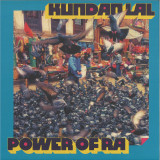
Kundan Lal is a highly understated artist. Little is known about his background, though some refer to him as Kunsaf Halil, his personal life remains largely a mystery.
Gathering a cult following amongst people like Den Sorte Skole or DJ Marcelle with his previous releases, he is now set to sail new shores. There is a sense of wanderlust as he opens his box of field recordings, collected on his many travels. From the buzzing streets of Alexandria, early sunday markets in Tafraoute or a crackling bonfire down by the banks of the river Ganges. Each track takes you places.
Kundan's second album is a captivating blend of dubby beats, collages, and exotic instrumentation. Drawing from classic tools like the Roland 808, SC7 and the famous Space Echo, Kundan has created a unique and minimalistic sound that is sure to captivate listeners. At once nostalgic and experimental, "Power of Ra" is a must-listen for both electronic music purists and fans of adventurous soundscapes.
Compelled to work from home on his computer during lockdown, Kundan dusted his pawnshop e-piano, downloaded some orchestral soundkits and started to digitize almost forgotten field recordings. The "Power of Ra“ came to him.
“Illgrimage” is a good example of his approach. Combining atmospheric soundscapes with swirling strings, trombones and pianos. Echoes of birds and children playing in the streets. A small town filled with life and a theremin leading the way while you hear the faint yet powerful words of Greta Thunberg saying: "Imagine...“
“Raqaqa,” a powerful orchestral journey with a hip-hop edge. Tinkling chimes add a groovy vibe, while lush layers of wind instruments weave a masterful soundscape. It’s the slow-burning intensity of this track that pulls you in.
"Nasi Chip" is a signature song that exemplifies Kundan Lal’s musical prowess. An engaging beat coupled with chopped up vocals, 8-bit synth melodies and an arpeggiated piano provide an energetic atmosphere that is both cunning and unique.
”Cen" lures you into the egyptian realm. A Harmonium slithers serpent like around a pounding beat.Horns gently swaying to the rhythm of the desert.
It is hard to put your finger on his style or genre. You can feel Kundan Lal‘s DIY spirit in his production, carving his own ethnic genre. For enthusiasts of Roberto Musci or Muslimgauze, this avant-garde album is one for your collection. Keep your senses open and let the Power of Ra pass you to another world.
Emerging from Yorkshire, UK, Druum & Melatron fuse punk intensity with electro and techno beats, igniting a sonic rebellion that transcends genres. This groundbreaking duo captivates audiences with their cathartic live performances, challenging societal frustrations through Melatron's thought-provoking lyrics. With vinyl releases 'Weapons of Mass Subversion' and the upcoming 'Where Did All the Punks Go?' under their belt, Druum & Melatron are set to redefine the electro-punk landscape on a global scale.
- A1: Pneuma
- A2: Blue (Feat Leo Wood)
- A3: Reminiscent
- A4: Touch The Sky (Feat Simon Doty)
- B1: Fragments (Feat Jodie Knight)
- B2: Hymn
- B3: All Night Long
- B4: Fall To Pieces (Feat Leo Wood)
- C1: Forgiveness (Feat Wassu & Mariel Beausejour)
- C2: Sleep (Feat Jodie Knight)
- C3: Endless
- D1: Touch The Sky (Feat Simon Doty - Extended Mix)
- D2: Reminiscent (Extended Mix)
- D3: All Night Long (Extended Mix)
Few artists exude as much passion for, and dedication to, their craft as Tom Marshall (AKA Marsh). Since he first emerged on the electronic music scene in the mid-2010s, Marsh has sculpted a uniquely soulful sound that has captivated his listeners and earned him a fast-growing and intensely devoted fanbase. Marsh's forthcoming album 'Endless' follows two previous bodies of work; his 2017 debut 'Life On The Shore', and his critically-acclaimed Anjunadeep debut LP, 'Lailonie', the latter of which has accumulated over 20 million streams to date. Marsh also has an array of widely-supported anthems in his discography. 'Come Together' (with Nox Vahn), 'Little Darling' and the Beatport chart-topping 'Lost In You' are some of his best-loved tracks, all streaming well into the millions and winning support from electronic music's biggest artists, including Joris Voorn, Pete Tong, Diplo, and RÜFÜS DU SOL. The two years since Marsh released his previous album 'Lailonie' have seen Tom moving around the States and touring the globe in a world rapidly opening up post-pandemic. This whirlwind, semi-nomadic lifestyle has inspired his third artist album 'Endless', and caused him to take stock of his values. In his own words, "I've written this entire album on the move, writing from so many different homes. On a deeper, more spiritual level, this has led me to question, what is truly home, and will we experience home after this life?" 'Endless' comprises twelve memorable tracks, including collaborations with vocalists Jodie Knight, Leo Wood, and Mariel Beausejour. Drawing on influences as diverse as the rich trance sounds of the 2000s that soundtracked his teenage years, and the musicality of crossover drum & bass acts like Pendulum, Tom's next offering is perhaps his most expansive in scope. Opening with the subtle first track 'Pneuma', the album moves from the emotive and lyrical, on lyrical, emotive tracks like 'Sleep' and 'Forgiveness', to piano house melodies on 'Reminiscent' and smooth broken beats on 'Blue', all united by Marsh's innate warm musicality.
Tel Aviv-based producer Roy Rosenfeld is excited to announce the release of his latest EP, Simi.
Showcasing Rosenfeld’s unique blend of melodic house music, the three-track EP is sure to captivate listeners with its intricate rhythms and ethereal sound.
On Simi, Roy Rosenfeld seamlessly blends melodic and atmospheric sounds to create a transcendent listening experience. From the groovy and energetic title track opener ‘Simi’ to the hypnotic and calmer ‘Sansi’ and closing with the darker, heavenly ‘Moonshine’, this EP showcases Rosenfeld’s exceptional range, and ability to craft music that goes beyond the dancefloor.
Kristian Matsson has never remained in one place for very long. Having spent much of the last decade touring around the world as The Tallest Man on Earth, Matsson has captivated audiences using, as The New York Times describes, “every inch of his long guitar cord to
roam the stage: darting around, crouching, stretching, hip-twitching, perching briefly and jittering away…Mr. Matsson is a guitar-slinger rooted in folk, and his songs are troubadour ballads at heart.”
Now, Matsson returns as The Tallest Man on Earth with Henry St., his sixth studio album following 2012’s There’s No Leaving Now, full of “vivid imagery, clever turns-of-phrase, and devastating, world-weary observations” (Under The Radar) and 2015’s Dark Bird Is A
Home, his “most personal record… surreal and dreamlike” (Pitchfork). Henry St. notably marks the first time he recorded an album in a band setting. “My entire career I’ve been a DIY person––mostly fueled by the feeling that I didn’t know what I was doing, so I’d just do everything myself.”
But now, longing for the energy that’s only released when creating
together with others, Matsson invited his friends to come and play.
Nick Sanborn (of Sylvan Esso) produced Henry St., which includes contributions from Ryan Gustafson (of The Dead Tongues) on guitar, lap steel and ukulele, TJ Maiani on drums, CJ Camerieri (of Bon Iver) on trumpet and French horn, Phil Cook on piano and organ, Rob
Moose (of Bon Iver, yMusic) on strings and Adam Schatz on saxophone.
Kristian Matsson has never remained in one place for very long. Having spent much of the last decade touring around the world as The Tallest Man on Earth, Matsson has captivated audiences using, as The New York Times describes, “every inch of his long guitar cord to
roam the stage: darting around, crouching, stretching, hip-twitching, perching briefly and jittering away…Mr. Matsson is a guitar-slinger rooted in folk, and his songs are troubadour ballads at heart.”
Now, Matsson returns as The Tallest Man on Earth with Henry St., his sixth studio album following 2012’s There’s No Leaving Now, full of “vivid imagery, clever turns-of-phrase, and devastating, world-weary observations” (Under The Radar) and 2015’s Dark Bird Is A
Home, his “most personal record… surreal and dreamlike” (Pitchfork). Henry St. notably marks the first time he recorded an album in a band setting. “My entire career I’ve been a DIY person––mostly fueled by the feeling that I didn’t know what I was doing, so I’d just do everything myself.”
But now, longing for the energy that’s only released when creating
together with others, Matsson invited his friends to come and play.
Nick Sanborn (of Sylvan Esso) produced Henry St., which includes contributions from Ryan Gustafson (of The Dead Tongues) on guitar, lap steel and ukulele, TJ Maiani on drums, CJ Camerieri (of Bon Iver) on trumpet and French horn, Phil Cook on piano and organ, Rob
Moose (of Bon Iver, yMusic) on strings and Adam Schatz on saxophone.
- A1: Naomi Akimoto - Bewitched (Are You Leaving Soon) (Are You Leaving Soon)
- A2: Atsuko Nina - Tonkachi
- A3: Miho Fujiwara - Heartbeat
- A4: Miharu Koshi - Scandal Night
- B1: Chu Kosaka - Shirakechimauze
- B2: Teresa Noda - Tropical Love
- B3: Makoto Matsusa - Business Man (Part 1)
- B4: Susan - Ah! Soka
- C1: Yukako Hayase - Suiyoubi Madeni Shinitaino
- C2: Parachute - Kowloon Daily
- C3: Hiroyuki Namba - Tropical Exposition (Who Done It? Version)
- C4: Pizzicato Five - Boy Meets Girl
- D1: Mari Iijima - Love Sick
- D2: 1986 Omega Tribe - Cosmic Love
- D3: Osamu Shoji - Pub Casablanca
- D4: Chiemi Manabe - Untotooku
Light in the Attic’s Pacific Breeze series has supplied the world’s growing legions of Japanese music fans with an expertly curated selection of the most sought-after City Pop recordings—the mesmerizing and nebulous genre of Japanese bubble-era music of the ‘70s-’80s that encompasses AOR, R&B, jazz fusion, funk, boogie and disco. These familiar sounds are spun through the unique lens of optimistic, cosmopolitan fantasy colored by Japan’s affluence at the time. Much of the music has previously been nearly impossible to acquire outside of Japan and continues to captivate listeners with its unique blend of groove-laden escapism, even birthing wholly new genres such as Vaporwave.
Pacific Breeze 3: Japanese City Pop, AOR & Boogie 1975-1987 marks the latest chapter in the famed series and features holy grails plus under-the-radar rarities. The collection bursts at the seams to reveal some of the greatest Japanese tracks ever laid to tape, pushing towards the edge of City Pop to reveal glimmers of the next waves of styles to spring forth from the country’s creative minds. The appearance of Pizzicato Five hint at the emergence of Shibuya-kei while the influence of hip hop and electro as an emerging global trend are also evident here through the prevalence of heavier programmed drum beats on tracks such as “Heartbeat” by Miho Fujiwara.
This volume of Pacific Breeze, like its predecessors, is a female-forward offering with many tracks being voiced by women who would become household names in Japan as actresses and pop idols. Their songs here subvert the norm and brim with an innovative spirit that shatters gender roles in favor of sonic transcendence. Techno-pop classics from Susan, Miharu Koshi and Chiemi Manabe sit alongside sublime funk from Atsuko Nina and Naomi Akimoto while Teresa Noda slides into the mix with a sultry reggae jam. The genre span is stretched wider with hypnotic jazz fusion by Parachute and Hiroyuki Namba, a synthesizer fantasy from Osamu Shoji, and magnetic pop by Makoto Matsushita and Chu Kosaka.
Although not front and center, the visionary members of Yellow Magic Orchestra are still very present on Pacific Breeze 3, with Haruomi Hosono, Ryuichi Sakamoto, and Yukihiro Takahashi taking up producer and musician roles on many of these tracks. Pacific Breeze 3 serves up a captivating musical journey that adds an essential chapter to the iconic compilation series.
Tracklist:
Naomi Akimoto - Bewitched (Are You Leaving Soon), Atsuko Nina - Tonkachi, Miho Fujiwara - Heartbeat, Miharu Koshi - Scandal Night, Chu Kosaka - Shirakechimauze, Teresa Noda - Tropical Love, Makoto Matsushita - Business Man Pt. 1, Susan - Ah! Soka, Yukako Hayase - Suiyoubi Madeni Shinitaino, Parachute - Kowloon Daily, Hiroyuki Namba - Tropical Exposition (Who Done It? Version), Pizzicato Five - Boy Meets Girl, Mari Iijima - Love Sick, 1986 Omega Tribe - Cosmic Love, Osamu Shoji - Pub Casablanca, Chiemi Manabe - Untotooku
Gargantuan volcanoes erupting with primal force, fountains of molten lava bursting sky high and massive boulders hurtling capriciously through the air. These potent and violently alluring images in the documentary series The Living Planet captivated Raoul Björkenheim's imagination in 1986. The search for a band name had come to an end. -”I was mesmerised. The name Krakatau sounded like a drum fill to me”. After studying at the Helsinki Conservatory for a year and the Berklee College of Music in Boston for three, Björkenheim relocated to Finland where he played in bands with Jone Takamäki, Antti Hytti and Tom Nekljudow, and later went on to work with composer and drummer Edward “Eetu” Vesala (1945-1999). His always original and highly demanding Sound & Fury workshops were a pivotal hotbed in the local improvised music scene, but after four years of Vesala's strict leadership Björkenheim felt a need to leave Sound & Fury behind and direct all of his attention towards Krakatau. The lineup on the first album “Ritual” consisted of reed virtuosos Jorma Tapio and Tapani Rinne, the bassist Sampo Lassila and two drummers, Michel Lambert and Heikki “Lefty” Lehto. “Krakatau’s debut album was very challenging to make, as I felt that it might be my one and only chance to record my own music, so I wanted it to be as intense and effective as possible”, says Björkenheim, “I was lucky enough to work with an incredibly talented cast of musicians. I can still listen to the album and feel satisfied that it really works. The first guitar solo illustrates what was to become my modus operandi: to try and play the electric guitar in unexpected ways.” Svart Records will release an expanded double LP version of Krakatau’s Ritual. Limited to 500 copies and due out on March 24th, the album contains an album’s worth of previously unheard material recorded in 1987 in Studio Helsinki and at the Finnish Broadcasting Corporation studio.
After last year's musical excursions to Central & South America and South Africa, Berlin-based reissue label "Matasuna Records" is once again making a detour to the USA for its first release in 2023. Two funk milestones by "United 8" and "Tony Alvon & The Belairs" have been selected from the archives of "Atlantic Records". Apart from a release as part of a Funk45's box set by Warner in 2004, the songs have only appeared on various bootlegs in the past.
Matasuna Records is thrilled tofinally release them as an officially licensed reissue with new mastering as a 7-inch vinyl single. This release is an absolute must-have for all funk enthusiasts, DJs and collectors.
"Getting Uptown (To Get Down)" by "United 8" is a funk classic released on Atlantic Records in 1972. The musicians of United 8 created an infectious sound with a combination of horns, guitars, drums and bass. The drums drive the beat and give the track its distinctive rhythm, while the bass provides a powerful, pulsating foundation. The horns add a jazzy note, while the guitar adds a funky touch.
The result is an energetic, danceable sound that still sounds fresh and exciting today. The song is timeless and has lost none of its appeal.It's no wonder that it has been featured on many funk compilations since the 2000s.
"Sexy Coffee Pot" by "Tony Alvon & The Belairs" is an explosive and energetic funk jointfrom 1969that immediately captivates the listener. The rhythm section lays down a steady, infectious groove, while the guitar and horns provide a funky, dynamic sound that complements each other perfectly.
It's no surprise that "Sexy CoffeePot" has been sampled and covered by so many hip-hop artists over the years, such as "Eric B. & Rakim", "Cypress Hill" or "DJ Shadow", to name a few. B-boys and B-girls also appreciate the upbeat vibe of this song, which has become a staple on battles.
Niklas Paschburg"s third album Panta Rhei arrives via 7K! on March 17th, 2023. The title and the music are inspired by Heraclitus"s Greek philosophy that "everything flows" and finds the Hamburg-born artist exploring an unrestricted world of post-classical music drawn from deep within himself. Across two previous albums, the now Berlin-based Paschburg has been captivated by the movement of the Baltic Sea (2018"s Oceanic) and the darkness of a Northern European winter (2020"s Svalbard). As a result of being unable to travel during the pandemic, this latest album finds him looking inside his own heart and mind. Niklas"s personal journey becomes a captivating and colourful musical journey that combines his melancholic and delicate pianism with synths and electronic beats, suggestive ambient and the evocative voices of German singer Lúisa, Spaniard Bianca Steck and the Icelandic Kaktus Einarsson, frontman of post-punk band Fufanu. It is a move towards ambient-pop that is intimate and meditative but with positive and uplifting vibes.
Following the tumultuous riots of the late 60's, youths in Washington, DC were looking for two things: positivity and an outlet to relieve tension. MUGO, aka "Music, Unity, Guidance, & Organization", offered just that. Formed by 8 high school friends during the summer of 71', this high-octane machine was driven by Manager and retired Marine Sgt. Reuben McNair Sr. His son, Reuben McNair Jr., was a leader within the group, and consequently wrote the B-side of their only public release. This cut, entitled "Space Travel", boasts a driving rhythm section as well as synthesizer overdubs likely to captivate even musically ambitious extraterrestrials. The flip, "Organize", became the group's unofficial theme song; submitting to the public a deft vocal response to rampant inner city blues.
- 1: Bewitched (Are You Leaving Soon)
- 2: Tonkachi
- 3: Heartbeat
- 4: Scandal Night
- 5: Shirakechimauze
- 6: Tropical Love
- 7: Business Man Pt. 1
- 8: Ah! Soka
- 9: Suiyoubi Madeni Shinitaino
- 10: Kowloon Daily
- 11: Tropical Exposition (Who Done It? Version)
- 12: Boy Meets Girl
- 13: Love Sick
- 14: Cosmic Love
- 15: Pub Casablanca
- 16: Untotooku
Pink Vinyl[67,19 €]
- The third chapter in the acclaimed Pacific Breeze series! - Artwork by renowned illustrator Hiroshi Nagai - Compiled by Yosuke Kitazawa and Mark "Frosty" McNeill (dublab) - Newly remastered audio - 2xLP housed in a deluxe wide spine jacket with full color inner sleeves and custom die-cut OBI - Extensive artist bios by Yosuke Kitazawa // Light in the Attic's Pacific Breeze series has supplied the world's growing legions of Japanese music fans with an expertly curated selection of the most sought-after City Pop recordings-the mesmerizing and nebulous genre of Japanese bubble-era music of the '70s-'80s that encompasses AOR, R&B, jazz fusion, funk, boogie and disco. These familiar sounds are spun through the unique lens of optimistic, cosmopolitan fantasy colored by Japan's affluence at the time. Much of the music has previously been nearly impossible to acquire outside of Japan and continues to captivate listeners with its unique blend of groove-laden escapism, even birthing wholly new genres such as Vaporwave. Pacific Breeze 3: Japanese City Pop, AOR & Boogie 1975-1987 marks the latest chapter in the famed series and features holy grails plus under-the-radar rarities. The collection bursts at the seams to reveal some of the greatest Japanese tracks ever laid to tape, pushing towards the edge of City Pop to reveal glimmers of the next waves of styles to spring forth from the country's creative minds. The appearance of Pizzicato Five hint at the emergence of Shibuya-kei while the influence of hip hop and electro as an emerging global trend are also evident here through the prevalence of heavier programmed drum beats on tracks such as "Heartbeat" by Miho Fujiwara. This volume of Pacific Breeze, like its predecessors, is a female-forward offering with many tracks being voiced by women who would become household names in Japan as actresses and pop idols. Their songs here subvert the norm and brim with an innovative spirit that shatters gender roles in favor of sonic transcendence. Techno-pop classics from Susan, Miharu Koshi and Chiemi Manabe sit alongside sublime funk from Atsuko Nina and Naomi Akimoto while Teresa Noda slides into the mix with a sultry reggae jam. The genre span is stretched wider with hypnotic jazz fusion by Parachute and Hiroyuki Namba, a synthesizer fantasy from Osamu Shoji, and magnetic pop by Makoto Matsushita and Chu Kosaka. Although not front and center, the visionary members of Yellow Magic Orchestra are still very present on Pacific Breeze 3, with Haruomi Hosono, Ryuichi Sakamoto, and Yukihiro Takahashi taking up producer and musician roles on many of these tracks. Pacific Breeze 3 serves up a captivating musical journey that adds an essential chapter to the iconic compilation series.
- 1: Bewitched (Are You Leaving Soon)
- 2: Tonkachi
- 3: Heartbeat
- 4: Scandal Night
- 5: Shirakechimauze
- 6: Tropical Love
- 7: Business Man Pt. 1
- 8: Ah! Soka
- 9: Suiyoubi Madeni Shinitaino
- 10: Kowloon Daily
- 11: Tropical Exposition (Who Done It? Version)
- 12: Boy Meets Girl
- 13: Love Sick
- 14: Cosmic Love
- 15: Pub Casablanca
- 16: Untotooku
Black Vinyl[63,82 €]
- The third chapter in the acclaimed Pacific Breeze series! - Artwork by renowned illustrator Hiroshi Nagai - Compiled by Yosuke Kitazawa and Mark "Frosty" McNeill (dublab) - Newly remastered audio - 2xLP housed in a deluxe wide spine jacket with full color inner sleeves and custom die-cut OBI - Extensive artist bios by Yosuke Kitazawa // Light in the Attic's Pacific Breeze series has supplied the world's growing legions of Japanese music fans with an expertly curated selection of the most sought-after City Pop recordings-the mesmerizing and nebulous genre of Japanese bubble-era music of the '70s-'80s that encompasses AOR, R&B, jazz fusion, funk, boogie and disco. These familiar sounds are spun through the unique lens of optimistic, cosmopolitan fantasy colored by Japan's affluence at the time. Much of the music has previously been nearly impossible to acquire outside of Japan and continues to captivate listeners with its unique blend of groove-laden escapism, even birthing wholly new genres such as Vaporwave. Pacific Breeze 3: Japanese City Pop, AOR & Boogie 1975-1987 marks the latest chapter in the famed series and features holy grails plus under-the-radar rarities. The collection bursts at the seams to reveal some of the greatest Japanese tracks ever laid to tape, pushing towards the edge of City Pop to reveal glimmers of the next waves of styles to spring forth from the country's creative minds. The appearance of Pizzicato Five hint at the emergence of Shibuya-kei while the influence of hip hop and electro as an emerging global trend are also evident here through the prevalence of heavier programmed drum beats on tracks such as "Heartbeat" by Miho Fujiwara. This volume of Pacific Breeze, like its predecessors, is a female-forward offering with many tracks being voiced by women who would become household names in Japan as actresses and pop idols. Their songs here subvert the norm and brim with an innovative spirit that shatters gender roles in favor of sonic transcendence. Techno-pop classics from Susan, Miharu Koshi and Chiemi Manabe sit alongside sublime funk from Atsuko Nina and Naomi Akimoto while Teresa Noda slides into the mix with a sultry reggae jam. The genre span is stretched wider with hypnotic jazz fusion by Parachute and Hiroyuki Namba, a synthesizer fantasy from Osamu Shoji, and magnetic pop by Makoto Matsushita and Chu Kosaka. Although not front and center, the visionary members of Yellow Magic Orchestra are still very present on Pacific Breeze 3, with Haruomi Hosono, Ryuichi Sakamoto, and Yukihiro Takahashi taking up producer and musician roles on many of these tracks. Pacific Breeze 3 serves up a captivating musical journey that adds an essential chapter to the iconic compilation series.
Light in the Attic’s Pacific Breeze series has supplied the world’s growing legions of Japanese music fans with an expertly curated selection of the most sought-after City Pop recordings—the mesmerizing and nebulous genre of Japanese bubble-era music of the ‘70s-’80s that encompasses AOR, R&B, jazz fusion, funk, boogie and disco. These familiar sounds are spun through the unique lens of optimistic, cosmopolitan fantasy colored by Japan’s affluence at the time. Much of the music has previously been nearly impossible to acquire outside of Japan and continues to captivate listeners with its unique blend of groove-laden escapism, even birthing wholly new genres such as Vaporwave.
Pacific Breeze 3: Japanese City Pop, AOR & Boogie 1975-1987 marks the latest chapter in the famed series and features holy grails plus under-the-radar rarities. The collection bursts at the seams to reveal some of the greatest Japanese tracks ever laid to tape, pushing towards the edge of City Pop to reveal glimmers of the next waves of styles to spring forth from the country’s creative minds. The appearance of Pizzicato Five hint at the emergence of Shibuya-kei while the influence of hip hop and electro as an emerging global trend are also evident here through the prevalence of heavier programmed drum beats on tracks such as “Heartbeat” by Miho Fujiwara.
This volume of Pacific Breeze, like its predecessors, is a female-forward offering with many tracks being voiced by women who would become household names in Japan as actresses and pop idols. Their songs here subvert the norm and brim with an innovative spirit that shatters gender roles in favor of sonic transcendence. Techno-pop classics from Susan, Miharu Koshi and Chiemi Manabe sit alongside sublime funk from Atsuko Nina and Naomi Akimoto while Teresa Noda slides into the mix with a sultry reggae jam. The genre span is stretched wider with hypnotic jazz fusion by Parachute and Hiroyuki Namba, a synthesizer fantasy from Osamu Shoji, and magnetic pop by Makoto Matsushita and Chu Kosaka.
Although not front and center, the visionary members of Yellow Magic Orchestra are still very present on Pacific Breeze 3, with Haruomi Hosono, Ryuichi Sakamoto, and Yukihiro Takahashi taking up producer and musician roles on many of these tracks. Pacific Breeze 3 serves up a captivating musical journey that adds an essential chapter to the iconic compilation series.
Tracklist:
Naomi Akimoto - Bewitched (Are You Leaving Soon), Atsuko Nina - Tonkachi, Miho Fujiwara - Heartbeat, Miharu Koshi - Scandal Night, Chu Kosaka - Shirakechimauze, Teresa Noda - Tropical Love, Makoto Matsushita - Business Man Pt. 1, Susan - Ah! Soka, Yukako Hayase - Suiyoubi Madeni Shinitaino, Parachute - Kowloon Daily, Hiroyuki Namba - Tropical Exposition (Who Done It? Version), Pizzicato Five - Boy Meets Girl, Mari Iijima - Love Sick, 1986 Omega Tribe - Cosmic Love, Osamu Shoji - Pub Casablanca, Chiemi Manabe - Untotooku
- A1: Branislave Zivkovic - Morning Light (2:30)
- A2: B Zivkovic - Sundown (2:44)
- A3: B Zivkovic - Pastoral Walk 1 (0:45)
- A4: B Zivkovic - Pastoral Walk 2 (1:31)
- A5: B Zivkovic - Pastoral Walk 3 (2:11)
- A6: B Zivkovic - In The Garden 1 (1:25)
- A7: B Zivkovic - In The Garden 2 (1:35)
- A8: B Zivkovic - Soft Thoughts 1 (0:47)
- A9: B Zivkovic - Soft Thoughts 2 (0:36)
- A10: B Zivkovic - Soft Thoughts 3 (0:43)
- A11: B Zivkovic - Soft Thoughts 4 (0:38)
- A12: Andre Tschaskowski - Grief (1:20)
- A13: A Tschaskowski - Personal Mood 1 (1:45)
- A14: A Tschaskowski - Personal Mood 2 (1:10)
- B1: A Tschaskowski - Woodland Mood (1:40)
- B2: A Tschaskowski - Reminiscence (3:20)
- B3: A Tschaskowski - Sentimental View 1 (1:30)
- B4: A Tschaskowski - Sentimental View 2 (1:47)
- B5: A Tschaskowski - Sentimental View 3 (1:10)
- B6: A Tschaskowski - Sentimental View 4 (0:40)
- B7: A Tschaskowski - Moonset 1 (4:46)
- B8: A Tschaskowski - Moonset 2 (1:43)
- B9: A Tschaskowski - Emotional Tension 1 (0:33)
- B10: A Tschaskowski - Emotional Tension 2 (0:56)
Emotionally, crafted by Brainislave Zivkovic and Andre Tschaskowski in 1986 for Coloursound, is arguably the most beautiful library album ever produced. A start-to-finish masterpiece of powerfully melodic music for reflection and introspection. It is, indeed, deeply emotional.
Branislave Zivkovic handles the majority of Side A. Opener "Morning Light" evokes exactly that feeling, with a gorgeous and plaintive acoustic guitar solo combining with alto flute to stunning effect. Its immediate counterpoint, "Sundown", in no less arresting but brings with it an after-dark drama of almost Lynchian proportions, again drawing upon guitar and flute but with a slightly more melancholic, even sinister edge, also calling to mind Ry Cooder's score for Paris, Texas. It truly captivates when the strings arrive. Remarkable.
The reflective cello solo with swelling strings at the heart of "Pastoral Walk 1" ensure this track is aptly titled, with parts 2 and 3 adding more agitation - via keys and percussive elements - to great effect. "In The Garden 1" presents an elegiac cello solo whilst its second part elevates the romance. The four-part "Soft Thoughts" suite invites further introspection via reflective alto flute and guitar. Fans of The Durutti Column will need to seek this.
Andre Tschaskowski enters proceedings with three tracks at the end of the Side A. All of them aces in the pack. "Grief", whilst sorrowful, uplifts in its second half through beautiful keys. Equally hopeful are the two-part "Personal Mood" sketches, both dreamy exercises in optimistic ambience.
Tschaskowski controls the entirety of Side B. "Woodland Mood", with its pastoral flute and cor anglais and "Reminiscence", with its classical, emotional strings, both beguile. The piano and strings-heavy "Sentimental View" suite is one of the most beautiful, atmospheric things you will ever hear, particularly its second part. "Moonset 1" with it's wonderful Joe Pass-esque guitar is tense yet easy, the beauty elevated further with the introduction of strings and horns. The more restrained "Moonset 2" is pared back to its divine, sweeping essence and should surely have been sampled by now. To close out an album of almost impossible refinement, the brief 2-part "Emotional Tension" salvo brings both increased stress before resolving itself and the LP with a piano motif and atmosphere of serenity. Blessed relief.
As David Hollander, in Unusual Sounds: The Hidden History of Library Music, states, Coloursound was "founded in 1979 by composer, music lawyer, and vibraphonist Gunter Greffenius. A Munich-based library with a reputation for releasing innovative and ambitious music, it catered largely to the market for experimental sounds, its first release was 1980’s Biomechanoid, an abstract synthesizer excursion by Joel Vandroogenbroeck, of the pioneering kosmische band Brainticket. The record — complete with imposing, anonymous title and unearthly H.R. Giger cover art — set the tone for the label’s progressive leanings. The label’s catalogue stands as a tribute to the unfettered creative license that libraries were able to provide to forward-thinking musicians who, frustrated by the whims and constraints of the commercial scene, found complete freedom in the world of production music."
As with all our library music re-issues, the audio for Emotionally comes from the original analogue tapes and has been remastered for vinyl by Be With regular Simon Francis. Richard Robinson has brought the original Coloursound sleeve back to life in all its metallic silver glory.
‘Advanced Process’ presents itself as a distinguished LP, oozing with Marcello Giordani’s innate talent to evolve the classic Italo Disco sound into consistently ear catching productions of the future.
With a warm welcome from the shimmering synths of ‘Morning News’ and a defined, driving bassline, you know you are safely sitting in Giordani’s passenger seat.
Crisp, analog drum machines and glistening synthwork are a constant.
Giordani captivates you with compelling arrangements and considered hints to electro in the likes of ‘Metamorphosis’. Powerful vocals from Fred Ventura and Ready In LED feature on the two alluring singles ‘Mysterious Calls (In The Night)’ and ‘Fase Rem’. Encapsulating, intelligent acid work is heard in ‘Forbidden Pleasures’. Marcello’s clear love for analogue authenticity is at the forefront of this LP.
Delicately positioned arrangements and intelligent melodic pay offs in tracks like ‘Terza Classe’ are a plenty. A seasoned knowledge and intuition of the nature of the nightclub is apparent with the energy sustained throughout ‘Advanced Process’. A beautiful melt of golden era Italo Disco and Detroit Techno is heard in the sweltering melodic brilliance of ‘Via Mecenate’.
The title track is an immersive journey preparing you for the final side of the LP.
Sizzling keys and pulsating basslines drive this record making it hard to lower the volume. The dazzling, ethereal chimes of the final track ‘Aperitivo In Gracia’ are enticing and filled with picturesque mediterranean imagery.
Being no stranger to the inner workings of a packed out dancefloor Marcello Giordani delivers an immense, infectious LP. ‘Advanced Process’ truly lives up to its fitting title.
An EP whose purpose denounces our society’s thirst for technological progress, essentially fed with analogical instruments and sounds evoking the beginnings of techno in the late 80s and early 90s. However, if the timeless sounds of the EP evoke the past, the music of Cuften alchemizes a contemporary, inventive sound and an anti-commercial approach. A nostalgic music that deconstructs the rave heritage towards futuristic sounds, with the help of his old analogical synthesizers. A rather raw and rave first approach where the groove is however omnipresent, making Cuften's music a resolutely accessible and federative whole with its combination of D.I.Y aesthetics and vocals, mixed with an ingenious and inventive technique on the machines.
The EP opens with Animal Suicide, a melancholic and analogical melody, dark and luminous, progressively settling towards a rave rhythmic with a powerful kick. A vaporous and vintage electro with a futuristic look with its vocoded voice and its cinematographic touches.
No More Sunday Regrets is more experimental and brutal at first before giving way to a synthetic and psychedelic melody with singular rhythms and organic synths.
Unibios captivates with its luminous melody before a bewitching acid line which snakes gradually settles, accompanied by a heavy bassline.
Heart Particles calls out with a sharp contrast, with its soft voice and melody, as if the shuffle mode had landed us on an ambient record. The tempo increases progressively with an acid line and a slow and powerful rhythms, between the psychedelia of The Orb and Warp’s reveries of the 90's.
Final track is a remix by Dutch pioneer Legowelt, master of synthesizers and underground electro who has always been a great source of inspiration for Cuften.
Brimming with breezy melodies, breakneck percussion, & electronic flourishes. Back in print 10th Anniversary, on Orange Vinyl. 181.8 k Spotify Listeners, 1.12 Million Streams. Recommended If You Like: Do Make Say Think, Explosions in the Sky, Ratatat, The Album Leaf, Mogwai, Positive/uplifting instrumental loopage ‘n riffage. Transitions is the 2012 album by post-rock duo El Ten Eleven. Bobbing and weaving from one time signature and tempo to another, the duo of Kristian Dunn and Tim Fogarty jolt the listener into new sonic territories with the delicacy of a tilt-o-whirl. Includes a cover of Duran Duran's "Tiger Tiger". Back in print on Orange Vinyl. A refreshing trifecta of compositional prowess, intricate riffage, and experimental pop melodies. --Premier Guitar // “El Ten Eleven is proof that live looping and programming can rock; and that instrumental tracks can captivate and hold a room’s attention as well as any vocal-led group.” --Tape Op! // Track Listing: Transitions / Thanks Bill / Yellow Bridges / No One Died This Time! / Birth / Tiger Tiger / Lullaby
San Diego born and raised DJ/Producer, Dillon Marinez, today releases his latest EP ‘Wormhole’, out now on Dirtybird.
Curated by Claude VonStroke, the compelling two-track project presents a dynamic soundscape showcasing the sonic duality of one of Dirtybird’s newest rising stars. The chaotic, high-energy sound of its titular track ‘Wormhole’ is instantly mesmerizing, while its companion ‘Facelift’ is a deep, rolling burner.
Regarding the EP, Dillon Marinez said, “My first Dirtybird Campout inspired both tracks. Claude’s set especially was full of some thick stabby bass which was right up my alley. This sound gave me an idea for each lead and the rest flowed naturally.”
Continuing to grow as a consistent member of the Dirtybird flock, Marinez’s latest EP, ‘Wormhole’ marks his fifth release on the esteemed label following last year’s ‘No Pressure’ EP and earlier singles like ‘Dance For Me.’
Taking inspiration from funk, hip hop, and reggae, Marinez credits his father and brother for exposing him as a kid to the multi-genre sounds that shape his music style today. A bassist since childhood, it was only natural for Dillon to be drawn to the ebbs and flows of house music. Learning Ableton in college, Marinez was able to incorporate a blend of rhythmic elements to create his unique bass lines and incredibly catchy beats known to captivate crowds.
Releasing music on Dirtybird marks a full circle moment for Dillon, as he has previously named Dirtybird’s artists Justin Martin and Shiba San as major sources of inspiration for his music.
Marinez invites fans to join him on his rhythmic journey and stream ‘Wormhole’ today.
Tim Bernardes, a Latin Grammy nominated singer, songwriter, musician, composer, and producer from Sao Paulo, Brazil, has captivated global audiences with his delicate balance between sounds seeped in Brazilian tradition and contemporary indie and folk that is deeply warm, intimate, emotionally resonant and healing. He's collaborated with the likes of Fleet Foxes, Tom Zé, David Byrne, Gal Costa, Devendra Banhart, Shintaro Sakamoto, and more. Mil Coisas Invisíveis is his second solo album, following his 2017 debut Recomeçar. The album was written primarily while touring with his acclaimed tropicalia-indie group O Terno, and heading into 2020, which is when he decided to step back from touring and focus on new songs. What emerged was an album that is generous and intimate - a series of meditations on metaphysical transformation in the face of grave uncertainty. "I hope to one day be a tenth as good at singing and making songs as Tim Bernardes is." _ Robin Pecknold, Fleet Foxes "A marvel of tuning, dynamics control, refinement, instrumental execution and freedom in the elegance of using the stage" _ Caetano Veloso "Bernardes' voice is truly next level." _ Aquarium Drunkard
Trumpeter Raynald Colom immediately captivates with the hauntingly beautiful dream-like opening notes of his live recording, A Million Dreams. Colom demands the listener"s attention throughout the cohesive eight-track outing, alongside pianist Tony Tixier, Joe Sanders on double bass and Francesco Ciniglio on drums. French- born and Barcelona-based, Colom is a seasoned musician inspired by many genres and artforms, but with firm roots in flamenco.
"WARKINGS Warriors beware, the mighty warriors are back with an unexpected ally – none other than the legendary Sorceress Morgana le Fay! The sister of Arthur and mistress of the lost souls has joined the four kings on the fourth chapter of the WARKINGS saga, Morgana, to be unleashed on November 11, 2022 via Napalm Records! Forging their musical steel in the tradition of Powerwolf, Sabaton, HammerFall and Running Wild, the WARKINGS burst onto the battlefields in 2018. They gathered their Warriors around the world and entered the Official German Album Charts 2021 at #13 with Revolution. Gathered in the golden halls of Valhalla, the four ancient kings – a roman Tribune, a wild Viking, a noble Crusader and a martial Spartan – are now back with Morgana, having already escaped from the underworld, fought the Monarchs of the dusk and called for Revolution. Back in the realms of the dead, they were captivated by the eerie and extraordinary chanting voice of “evil” sorceress Morgana La Fey. Obsessed with the idea of telling humanity her own version of her story, the witch inspired the WARKINGS to include Morgana in their circle as they fought their next battles – a covenant made for eternity! In their trademark manner, the WARKINGS – armed with weapons made of pure Heavy Metal – tell their stories in songs forged of pure steel. Morgana's haunting voice rises to tell her story in four acts: The first chapter ""Hellfire"", tells of her love-hate relationship with King Arthur, ""Monsters"" of the dark side in each of us, and ""Heart of Rage"" of her desire to grant forgiveness to all who have hurt her, before revealing in ""Immortal"" how she and Arthur's immortal souls are reborn again and again. In the last two chapters of the battle, Arthur himself speaks out and implores Morgana not to give up, before he himself narrates the Arthurian saga in the crowning finale! Of course, the WARKINGS themselves raise their voices to tell their stories – recounting their battles with Hereward the Wake, the naval battle of Salamis and a man unjustly enslaved. As a special gift, the WARKINGS offer “To The King” – a hymn in honor of the most loyal of the faithful WARKINGS Warriors, who stand side by side with the mighty kings in all battles! Raise your swords and join the next fight in the WARKINGS saga with Morgana!"
Dean Fertita has been at the heart of American rock ‘n’ roll for almost two decades, from his role as an invaluable member of Queens of the Stone Age and The Dead Weather, touring keyboardist with The Raconteurs, and backing musician on records by Jack White, Karen O, Iggy Pop, Brendan Benson, The Kills, Beck, and more. While his own music had been the focus in his role as lead singer, guitarist, and founder of The Waxwings and on recordings as Hello=Fire, Fertita began TROPICAL GOTHCLUB with no clear mission for a solo album under his own name. In early 2020, the TN-based musician put up a small A-frame in his backyard to use as a writing and recording space while stuck at home during the looming pandemic. With rare time on his hands, Fertita set to work recording demos of the many musical ideas he had accumulated over the years, building upon songs and fragments written during different stages of his busy career. Fertita then enlisted his old friend Dave Feeny – a veteran Detroit musician and owner of The Tempermill recording studios in Ferndale, MI – to help develop the recordings even further, pushing the original demos in deliberate new directions to create a showcase for his wide-ranging songcraft and visionary imagination.
From the moment that German producer, Fejká, burst onto the scene at the age of 17, he has captivated listeners with an unrivaled ability to sit comfortably at the intersection of expression and introspection. Where night and day, dreaming and dancing, the fast and the slow, might naturally diverge, he is able to balance them delicately, creating sounds which are, in the same moment, wonderfully ethereal, but also thrillingly dynamic.
His new single Hiræth, meaning ‘long gone’, offers a soundscape full of warmth and calm, enhanced by the unique soothing quality of Kim van Loo’s distinctive vocals – a sound which Fejká accidentally discovered during their time as roommates in lockdown. The track describes a certain sense of nostalgia for a place that might never be reached, or a place that might never be returned to, with an overarching feeling of longing throughout. Working from his studio in
Stuttgart, Fejká processed synths, pads and piano with a tape machine to heighten the nostalgic ambience and, through grainy imperfections, establish a more intimate relationship with the listener. The track is restrained and subtle, yet it cycles through the ups
and downs of an ever-changing landscape keeping listeners on their toes, “Like the feeling of being taken on a journey for the last time“, says Fejká Delving into a vast range of emotions and musical approaches, Fejká’s most recent album,
Reunion, cemented the young producer’s position in the downtempo electronic scene. The album’s single, Svanur, has been streamed over 15 million times with Fejká having recently performed sold-out shows at EartH London, Cross Club Prag, Kater Blau, and Klein Istanbul.
When Cypress Hill came with their debut self-titled album 30 years ago, they made an immediate spark that captivated the Hip Hop audience, critics, and then the world. Led by B-Real with his nasal, singsong delivery, and Sen Dog to play the perfect hypeman, Cypress’ debut fueled tales of revenge, revolution, recreational drug use, gangbanging, and cultural pride. Like Public Enemy before them, the production was also a key factor in what made this debut so groundbreaking. DJ Muggs was able to craft a blueprint that would change Hip Hop production with his innovative stoned-out beats. Cuts like "How I Could Just Kill a Man", "Pigs", "Stoned is the Way of the Walk" and "Hand on the Pump" made Cypress Hill an instant classic. Since its release, the album has won acclaim as one of Rolling Stone's Essential Recordings of the 90s and Top 100 Best Rap Albums by The Source Magazine.
As three souls plunge down from the heavens, death and destruction can be felt hanging in the air like a foul stench. Red clouds swirl around a black sun that never sets and an erratic clock ticks off-tempo, moving faster and slower before rewinding and starting anew.
“Let me paint you a picture…” vocalist Mikey Arthur sings, welcoming listeners with a dramatic opening scene. It takes a skillful guide to navigate the darkest depths of hell. And, as The Gloom In The Corner depict in their second full-length album Trinity, death is merely the beginning of the series of chilling adventures
Purposefully aligning their song count with unlucky number thirteen – a reoccurring symbol in the ever-unfolding Gloom Cinematic Universe or GCU – it comes as little surprise to longtime fans that each of the Australian quartet’s enticing tracks intertwine to form an interlocking tale; this time centered around the appropriately labeled unholy trinity.
Comprised of previously deceased characters Rachel Barker, Ethan Hardy, and Clara Carne, the group’s bloody battle is woven throughout the album as the anti-heroes determinedly claw their way back to Earth from the Rabbit Hole dimension, slashing, shooting, and extinguishing anyone who dares to oppose their quest. Yet, for the Girl of Glass, Ronin, and Queen of Misanthropy, there is clearly more to the story than what can be contained within a single package.
Projecting a wide and complex web of lore, plot twists, and tongue and cheek humor, frontman Mikey Arthur, guitarist Matt Stevens, bassist Paul Musolino, and drummer Nic Haberle, have been producing highly detailed concept releases since their formation. And, consistently filling in more missing pieces of the puzzle with every body of work, the band equate each new record to a fresh season of The Umbrella Academy dropping on the streaming service of your choice. Because, just as a great TV series captivates viewers with its music and storytelling, the quartet’s work provides a complete experience designed to allow fans to check in with their favorite characters, all the while enjoying a cinematic new soundtrack.
For those just joining the GCU, as well as those looking for a quick refresh, 2016 debut album Fear Me introduced listeners to main protagonists Julian “Jay” Hardy, a Section 13 agent consumed by anger over his girlfriend Rachel’s death, and Jay’s gloom (later known as Sherlock Adaliah Bones), a demonic entity who at times takes over Jay’s body as a host vessel. 2017 EP Homecoming tells the tale of Jay’s brother Ethan, a war veteran suffering from PTSD, who upon discovering his brother’s struggle, kills himself as part of a Dante-style rescue mission to bring Rachel back to life. In 2019 EP Flesh and Bones, we’re introduced to Clara Carne, a past witness to one of Jay and Sherlock’s crimes, who instead of taking revenge, began a twisted love story with Sherlock, only to be murdered by his forced hand. And 2020’s Ultima Pluvia EP where we finally learn of Sherlock’s past as an ancient warlord under the tyrannical King Baphicho, and see Sherlock and Jay’s deaths ushered in by Section 13 opponent and New Order leader Elias DeGraver and his gloom Atticus Encey.
After 2016’s Fear Me, the band admit that their original intention was to jump straight into the events of Trinity before pivoting to create Homecoming, Flesh and Bones, and Ultima Pluvia. However, upon reflection, primary storywriter Mikey Arthur believes that pushing the timeline back actually provided greater opportunity for the group to properly flesh out the songs and plotlines for their sophomore studio record.
Indeed, while Trinity re-introduces the three central “heroes” of this new arc, it’s important to understand that while familiar, the characters are not carbon copies of who they were earlier in the story. And neither is the band who brought them to life.
Fully embracing the weird and whacky has never been a struggle for The Gloom In The Corner. Rather, it’s together with this attitude that the group come away with special moments such as the fascinating old and new dynamic between neighboring tracks “Red Clouds” – a song whose initial version predates the formation of The Gloom In The Corner as an official band – and “Gravity” in which a demo intended for future material was adjusted to fit the sonic drop.
Mirroring this evolution in the band’s musical approach, a sense of growth can also be seen projected in the characters and story that the quartet chronicle across the thirteen tracks.
Classifying their individual sound as an intricate form of “cinema or theater-core” due to the depth and breadth of their musical approach, features, samples, symphonic elements, and conceptual nature, The Gloom In The Corner continue to prove that they’re more than just a simple concept band.
In fact, similar to character theme music in movies and video games, the group seamlessly play off their diverse sonic story in a variety of ways. Continuing to breathe new life into older staples from their catalog, the quartet reworked their infamous “Oxymøron” breakdown from Fear Me into an impactful moment in Trinity’s “Nor Hell A Fury” and sprinkled audio easter eggs of this sort all throughout their new music for fans to discover.
Listeners are also brought further into the world of the GCU with the help of what The Gloom In The Corner call their “casting process.” Like picking actors for a musical, the band meticulously selected eleven different vocal features and several additional voice actors to bring the album and characters to life. Described as a 50/50 split between notable talents such as Ryo Kinoshita (Crystal Lake), Joe Badolato (Fit For An Autopsy), and Lauren Babic (Red Handed Denial), as well as talented friends and family like Elijah Witt (Cane Hill) and Mikey’s sister Amelia Duffield, each featured artist brought their own touch and realistic spark to the characters they portrayed.
For in the end, as much as Trinity and it’s cast live within the confines of their own supernatural worlds, themes such as falling out of love (Gatekeeper), battling depression (Obliteration Imminent), and standing behind women’s empowerment (Nor Hell A Fury), are ones that many can relate to or understand. And, while most individuals may avoid drowning their woes by way of transforming into full-on egotistical murderers like the Queen and King of Misanthropy and the gang, The Gloom In The Corner have illustrated that time and time again, life’s a little more fun when you can crack a smile. Taking a page from the trinity’s playbook: try to avoid the end of the world. But if you can’t…at least spend it with a killer soundtrack.
Taupe's imprint Colours proudly presents another palate of delicate musical brush strokes that aims to captivate and bounce its spectator. While Taupe's refines his art, this ep has the audacity to retain itself and focus on balance and control. It's a wonderful slice of wax that has many hidden sides to it, which for that reason make it a marvelous mystery to listen to. The ep starts off with a wish-wash of stabs, creating a pressing feeling of urge and uncertainty. Whilst its progressing, things seem to shake and tumble, but never falling. The inner A-side, however, has a clear purpose! An all-present tom knocks your socks off right off the bat, followed by a moist atmosphere and an appetizing hat. While A1 aims to disorient, A2 transports you right to an intimate car-drive at 5am. Flipping the wax won't flip the theme. B1 Perpetuates the feeling of nostalgia and unknowingness by tempting and dissolving the listener with fairytale-worthy arps. Swaying from left to right, follow this dream ride! And to top off this marvelous ride, B2 gently pushes the brake in order to ascertain a comfortable speed that is exquisite for some old-skool head-bobbing. Absorb that addictive bounce!
- A1: Sugai Ken - Boundary
- A2: Andrew Pekler - Shima No Yume
- A3: The Dead Mauriacs - Differents Aspects D'un Aquapel Recompose (Edit)
- A4: Vica Pacheco - Taciturno
- B1: Mike Cooper - Lamma Island
- B2: Babau - Enshrined Underflow
- B3: Francesco Cavaliere & Tomoko Sauvage - Ficus Leaves In Apnea
- B4: Sculpture - Froth Surfer
- B5: Yannick Dauby - Navigation
Anthology introducing the first of a series of albums based on the concept of Aquapelago.
‘’ Since the earliest days of the planet there has been a rhythm of tides that creates coastal interzones where humans have foraged and pursued various livelihoods. Developing boats to fish from and technologies that enabled them to immerse themselves deep underwater, the aquatic realm has been one explored, experienced and imagined in various ways. In an effort to express the vitality and richness of this environment I coined the term aquapelago in 2012. The wordplay was deliberate. The neologism was designed to distinguish the liquid inbetweenness of this space from the dry, scattered, lands of archipelagos.
The concept of the aquapelago coalesced around themes taken from various places. Epeli Hau’ofa’s idea of an Oceanic “sea of islands’” was formative but a number of songs were also inspirational. Torres Strait islander Seaman Dan captivated me with his experiences of pearl diving in the Darnley Deeps in his song ‘Forty Fathoms’ and Norfolk Islander singer Kath King imaged how sea-turtles might have experienced ecological change in her song ‘Tech me how fer lew’. Other reflections on watery realms also appealed. Debussy’s solo piano piece ‘La cathédrale engloutie’ soundtracked me as I researched myths of lost Lyonesse while Mike Cooper’s Kiribati, an ambient exoticist album about the imperilled archipelago (recently re-released on Discrepant), caused me to reflect on the social and cultural impact of sea level rise before that topic became a high-profile concern.
This compilation album takes the concept of the aquapelago into new depths and breaches it on fresh shores. The tracks are soaked with the aquatic. Bassy sonorities boom as if heard deep underwater. Bubbly textures breach the surface, water drips and seabirds soar high above waves. Sugai Kei samples fragments of text concerning the Ningen, a fantastic humanoid/whale that reflects the ‘aquapelagic imaginary’ of modern Japan and its preoccupation with industrial whaling. Andrew Pekler continues the orientation of his Phantom Islands project - a sonic atlas of imaginary places - with a soundscape as if heard by a swimmer just offshore, mixing sounds of the island and the sea together. Mike Cooper’s sonic reflection on Hong Kong’s Lamma Island is similar, combining the island’s ubiquitous barking dogs with the slurp of waves on rocky shores, conjuring a languorous time before Chinese crackdowns on the territory.
Taking another tack, the Dead Mauriacs gleefully water-ski through collage of tropical island exoticisms, replete with glitchy orientalism, while Babau combines skittering idiophone melodies with resonant glissandi. Vica Pacheco moves between dense and airy sounds, as if crossing between surf lines and the space above. Yannkick Dauby’s track is also imbued with in-betweenness, evoking ambient sounds heard through a ship’s hull. Sculpture’s ‘Froth Surfer’ realises its title, with bubbling sounds and rhythms that evoke Hawaiian surfing filtered through layers of time and distance. Reminding us of the shore necessary for aquapelagic spaces, Franceso Cavaliere and Tomoko Sauvage’s composition anchors the album, centred around shaken rhythms and resonant ringing tones and drones.
Taken together, the album sketches the contours of the aquapelago as it might be imagined and conjured in sound – an endless oceanic realm that laps on to beaches and crashes against cliffs. The performers navigate this space under alternately starry and cloudy skies, orientating themselves with sounds, textures and sonic samples of their terrestrial homes while we float with them. ‘’
Philip Hayward December 2021
Having established himself as one of the most sought-after young jazz guitarists in London, Jamie Leeming has steadily carved out his own musical niche, during his extensive work for the likes of Alfa Mist, Tom Misch and Jas Kayser. His debut EP ‘Heartsong’ gained support from Jazz London Radio as one of the “Best Jazz Releases of 2015” and his follow-up collaborative album ‘Flow’ (with pianist Maria Chiara Argirò) received critical acclaim for The Guardian’s “Jazz Album of the Month”. Leeming now unveils his debut solo long-player ‘Resynthesis’ via Alfa Mist’s Sekito imprint.
Jamie’scuriosity has always been a key part of his ever-evolving relationship with music. Whether that be as a teenager and being captivated by the cover of Miles Davis’ Bitches Brew in a local HMV, or his fascination with how we experience memories. ‘Resynthesis’ sees the guitarist creatively hitting his stride and exploring new sonic territories as he takes on the role of producer.
‘Resynthesis’ was created with the help of a handful of close friends, regular collaborators and some of the tightest young players around, many of whom met at an improvised music night hosted by Hugo Piper (who also plays on Resynthesis) called Champion Sounds. It was at one of these nights that the basis for ‘Champion’ was formed, plucked from a twenty second snippet recorded on a phone of one of the legendary jams, which has in turn been reimagined on ‘Resynthesis’ by some of the musicians that were present on the night itself. In addition to the trio instrumentation, Quinn Oulton and Nathaniel Facey lend their skills on saxophone. The album is tied together by artwork from painter and musician Kaya Thomas-Dyke, which includes reference to a number of the memories the album is inspired by.