,Free Your Mind And Your Ass Will Follow" ist das zweite Album der Funk-Pioniere Funkadelic, das 1970, nur wenige Monate nach ihrem bahnbrechenden Debüt, erschien. Das Album, das bekanntermaßen aus einer einzigen, von LSD begleiteten Marathon-Session hervorgegangen ist, zeigt die Band bei der Verfeinerung ihres Songwritings, lässt aber dennoch viel Raum für experimentelle Jamsessions. Es markierte den offiziellen Einstieg des legendären Keyboarders Bernie Worrell und erreichte Platz 92 der Billboard Pop-Charts.
Buscar:ch s
Limitierte Neuauflage des Debütalbums von Smoove & Turrell: "Antique Soul" aus 2009. Roh und retro, eine zeitlose Kombination aus Live-Instrumentierung und modernster Technologie. Fetter Funk, erstklassige Beats & Breaks, Northern Soul und mitreißende 1960er-Jams – mit Einflüssen von Mark Ronson, dem soulliebenden Modfather Paul Weller und dem frühen, erzählerischen Bowie aus der Zeit von "London Boys", vermischt mit den Breakbeats der letzten Jahrzehnte. Liner Notes von Funk-Kenner Craig Charles (BBC Radio 6).
- 1: Urn Burial
- 2: The Redness In The West
- 3: The Third Migration
- 4: They Came Like Swallows
- 5: The Living Theater
- 6: The Oceans Are Crying
- 7: Insight
Black Vinyl[30,67 €]
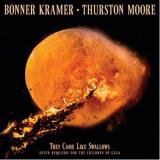
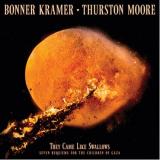
They Came Like Swallows is the first album-length collaboration between Thurston Moore and Kramer (now officially Bonner Kramer), two giants of alternative/ experimental music. The accomplishments and influence of these two artists in the world of independent music cannot be overstated and the result of their artistic union is a startlingly cohesive statement that burns through landscapes of primitive outsider rock, avant-garde composition, progressive ambient and further locales boldly and beautifully unnamable. “Kramer and I reconnected in Miami, Florida, a few years back, many many years after each of us had departed NYC on separate life adventures. It was only a matter of time before Kramer and I started making plans to record together and with his irrepressible due diligence he quickly set up a mobile recording contraption in the pad I was decamped in, the Florida sunshine flowing through the palm leaves, lithe lizards skittering across the windowsills, and we just went for it.
Kramer had the idea to cover a Joy Division tune, a left turn from the improvisations we had been tracking, though wholly in keeping with both our sensibilities of light and dark unifying in transcendent songwriting, both of us devotees of 'the song' as well as 'the freedom.’ What transpired is They Came Like Swallows, a session we immediately felt should exist as a prayer to the war-torn souls of the families of Palestine continually decimated by the brutality of genocide. We agreed beyond words to offer our music as a sonic activism and as a beneficent energy. This album is our duo exchange for human dignity, it is our soul music for any semblance of a peaceful planet.” ~ Thurston Moore “For the first time in our nearly 45 years of friendship, we had identical time windows open to make a record together,” recounts Kramer. After all this time not a moment is wasted as the duo immediately taps into the heightened core of improvisational tension across these seven offerings. Volcanic opener “Urn Burial” notches a similar historic union (John Cale and Terry Riley) to meet the circumstances of the moment, with swirling mists of organ and pounding toms over guitar that thickens the atmosphere with jagged, grimy dissonance.
Solemn strings open the second track, “The Redness In The West,” with Kramer’s cello and viola in dueling bow beneath the high tension drive and sustain of Thurston’s electric guitar, tapping out a Morse code of tension that mounts endlessly into a fog of inevitable war by the end. Moore and Kramer’s sense of experimentalism is in free and full grandeur throughout They Came Like Swallows, though the duo keep a strong and constant sideways eye on melody, composition and architecture, to the ends that any strict lines between song and improvisation are blurred beyond qualification.
As if to punctuate this point, Swallows closes with a nightwork cover of Joy Division’s “Insight,” a doleful coda that breathes out with a solemn inner grace under Thurston’s instantly stylistically recognizable guitar melodies as they weave into he and Kramer’s unison voices. As the lone vocal piece and only traditional ‘song’ form on the album, “Insight” is unique to this set and as a closing statement draws connective lines back to the kind of dynamic, electrified melodicism that wove deep, melancholy patterns into the untamed fire of Sonic Youth’s Sister and Daydream Nation. In the album’s final moments, the two voices repeat the lyric “I’m not afraid anymore” as mantra, underscoring the heavy, unsettled themes and methods that preceded it. Kramer describes the creative process of They Came Like Swallows: “I had composed and recorded a few pieces at my home studio over the course of a couple weeks. Thurston was spending the winter in South Florida, so I flew down and spent a few days recording his guitar parts in his home there. Watching him spontaneously compose his parts was pretty astonishing, to say the least. Once we'd finished working on those pieces, we began improvising and following wherever the music pointed us, and another few pieces were born. We got straight to it, without anything driving us other than the joy of finally working together.
My personal goal was to remain present and catch as many surprises as I could from Thurston's guitar work, and there were plenty during those few days. We had a fucking blast.” Thurston’s contributions here will be readily familiar to any acolytes of his other works, the through-line between his inspired playing, cradled in Kramer’s meticulous, solid arrangements. “If I had to make this record again, I'd do it all exactly the same way,” Kramer says. “It’s like jazz, you don't think about it. You just do it. It was miraculous, and you don't fuck with a miracle.”
They Came Like Swallows is the first album-length collaboration between Thurston Moore and Kramer (now officially Bonner Kramer), two giants of alternative/ experimental music. The accomplishments and influence of these two artists in the world of independent music cannot be overstated and the result of their artistic union is a startlingly cohesive statement that burns through landscapes of primitive outsider rock, avant-garde composition, progressive ambient and further locales boldly and beautifully unnamable. “Kramer and I reconnected in Miami, Florida, a few years back, many many years after each of us had departed NYC on separate life adventures. It was only a matter of time before Kramer and I started making plans to record together and with his irrepressible due diligence he quickly set up a mobile recording contraption in the pad I was decamped in, the Florida sunshine flowing through the palm leaves, lithe lizards skittering across the windowsills, and we just went for it.
Kramer had the idea to cover a Joy Division tune, a left turn from the improvisations we had been tracking, though wholly in keeping with both our sensibilities of light and dark unifying in transcendent songwriting, both of us devotees of 'the song' as well as 'the freedom.’ What transpired is They Came Like Swallows, a session we immediately felt should exist as a prayer to the war-torn souls of the families of Palestine continually decimated by the brutality of genocide. We agreed beyond words to offer our music as a sonic activism and as a beneficent energy. This album is our duo exchange for human dignity, it is our soul music for any semblance of a peaceful planet.” ~ Thurston Moore “For the first time in our nearly 45 years of friendship, we had identical time windows open to make a record together,” recounts Kramer. After all this time not a moment is wasted as the duo immediately taps into the heightened core of improvisational tension across these seven offerings. Volcanic opener “Urn Burial” notches a similar historic union (John Cale and Terry Riley) to meet the circumstances of the moment, with swirling mists of organ and pounding toms over guitar that thickens the atmosphere with jagged, grimy dissonance.
Solemn strings open the second track, “The Redness In The West,” with Kramer’s cello and viola in dueling bow beneath the high tension drive and sustain of Thurston’s electric guitar, tapping out a Morse code of tension that mounts endlessly into a fog of inevitable war by the end. Moore and Kramer’s sense of experimentalism is in free and full grandeur throughout They Came Like Swallows, though the duo keep a strong and constant sideways eye on melody, composition and architecture, to the ends that any strict lines between song and improvisation are blurred beyond qualification.
As if to punctuate this point, Swallows closes with a nightwork cover of Joy Division’s “Insight,” a doleful coda that breathes out with a solemn inner grace under Thurston’s instantly stylistically recognizable guitar melodies as they weave into he and Kramer’s unison voices. As the lone vocal piece and only traditional ‘song’ form on the album, “Insight” is unique to this set and as a closing statement draws connective lines back to the kind of dynamic, electrified melodicism that wove deep, melancholy patterns into the untamed fire of Sonic Youth’s Sister and Daydream Nation. In the album’s final moments, the two voices repeat the lyric “I’m not afraid anymore” as mantra, underscoring the heavy, unsettled themes and methods that preceded it. Kramer describes the creative process of They Came Like Swallows: “I had composed and recorded a few pieces at my home studio over the course of a couple weeks. Thurston was spending the winter in South Florida, so I flew down and spent a few days recording his guitar parts in his home there. Watching him spontaneously compose his parts was pretty astonishing, to say the least. Once we'd finished working on those pieces, we began improvising and following wherever the music pointed us, and another few pieces were born. We got straight to it, without anything driving us other than the joy of finally working together.
My personal goal was to remain present and catch as many surprises as I could from Thurston's guitar work, and there were plenty during those few days. We had a fucking blast.” Thurston’s contributions here will be readily familiar to any acolytes of his other works, the through-line between his inspired playing, cradled in Kramer’s meticulous, solid arrangements. “If I had to make this record again, I'd do it all exactly the same way,” Kramer says. “It’s like jazz, you don't think about it. You just do it. It was miraculous, and you don't fuck with a miracle.”
- 1: Ground Kiss
- 2: See Thru
- 3: Undefined
- 4: Worship
- 5: Receive
- 6: Fertile Eyes
- 7: Nadia
- 8: Embryonic
- 9: Bad Moon
- 10: Bad Choice
Das dritte Album von Nick Llobet und Micah Prussack, alias youbet, aus Brooklyn ist ein weitläufiges, warmes Gemisch aus Indie-Rock, Pop und experimentellen Klängen. Es zeigt eine Band, die weit über ihre Bedroom-Pop-Wurzeln hinausgewachsen ist und sich zu einer selbstbewussteren, komplexeren und lauteren Kraft entwickelt hat. Das Album, das in Bewegung entstanden ist und zwischen langen Tourneen Gestalt angenommen hat, spiegelt einen Moment ekstatischer Möglichkeiten und Entschlossenheit wider. Sowohl geschärft als auch expansiv, wächst youbet aus den Grenzen des Heimaufnehmens und des ,Bedroom Pop" zu etwas Robusterem, Lauteren und Unverwechselbarem, das ganz der Band eigen ist. Die vielfältigen Einflüsse des Duos - von den Beatles über Bernard Herrmanns schwindelerregenden Vertigo-Soundtrack bis hin zu Flamenco, den japanischen Noise-Rockern Boris und vielem mehr - legen sich in den Hintergrund, während die Band ihre eigene musikalische Sprache entwickelt. Die Co-Produzenten Katie Von Schleicher und Julian Fader runden das Album ab, wobei erstere glitzernde Synthesizer-Klänge und letzterer ein von Prussacks Bass untermaltes Schlagzeug-Fundament beisteuern. youbet zeigt, wie Llobet und Prussack bezaubernde musikalische und lyrische Ausdrucksformen miteinander verweben und das Ergebnis immer wieder neu formen.
2026 Repress
Jing reveals her third 6dimensions release, here we get an insight into Jing probing and questioning the definitions of realities, transporting the listener through a series of thoughts, images, and sensations, often experienced when the mind surrenders to a dreamlike state.
Jing present’s 'Psychiatric Population’ a four track EP containing Jing's sound illusions, that challenge all forms of genre definitions, Jing further explicate's her work as a true creative .
- A1: Hekt & Valeria Litvakov - Someday
- A2: Hekt - Up In The Air, So
- A3: Hekt - Baby
- A4: Hekt - Without You
- A5: Hekt - Beautiful
- A6: Hekt - You Won’t Believe
- B1: Hekt - Big Things
- B2: Hekt & Smerz - Forever
- B3: Hekt - Anytime Anywhere
- B4: Hekt - Promise
- B5: Hekt - Dream
- B6: Hekt - But I Can’t Really Show You
- B7: Hekt - Just Like You Said
Hekt's debut album Forever is released 1st May 2026 on Numbers, with the first single "Someday" featuring Valeria Litvakov out now.
Made with his friends Henriette Motzfeldt & Catharina Stoltenberg (solo and together as Smerz), Copenhagen-based composer/producer Fine Glindvad (who records as Fine), and Valeria Litvakov, Forever is built around juxtaposition: pop and bass brushing shoulders with dopamine fueled EDM. The record is a funhouse of mirrors where polystyrene arpeggios skitter underneath uplifting chords.
As Hekt describes the record: "Forever is desire and digital synthesis, car rides and lingering perfume. It’s missing someone who was never really there, holding on to something you didn’t want in the first place. The songs you hear when you’re falling in love on the dancefloor, and the songs you hear when you open your eyes and realize it’s just you alone with the DJ, the last one to leave. Songs to make out and break up to. A party so good you get depressed it can’t last forever."
Forever is a continuation of Hekt's work exploring the emotional core of pop music. "Someday" is the soundtrack to a hundred imagined futures with strangers in the club, as pristine arps and heartswelling chords skitter under Valeria Litvakov's ruminations, both lovestruck and terrified. Smerz add a level of fantastic to the slanted otherworldly pop of "Up in the Air, So" and "Forever." On both tracks, the melodies are squishy and impressionistic, the sound of all those memories we make in dance floors, taxis home, and in the blurry morning sunshine as we adjust to reality.
And while guest vocalists abound on Forever, Hekt also takes a turn at the mic himself. On "Without You" he shakes up a perfectly mixed cocktail of melancholy and beauty. And on "Promise" his voice is turned into another melodic accent against the fragile IDM sound design. Elsewhere he turns up the aggro. Dueting with Catharina Stoltenberg on Boys Noize's secret weapon, "Anytime Anywhere," the two trade bars across a compressed field of static and feedback while little hints of sub and wiry synths circle the edge of the stereo.
Hekt's music has always attempted to redefine what club music can and might be. This reimagining of the very basic building blocks of the dance floor is felt across Forever where he leans into the emotions of 2010s EDM. "What I loved about hardstyle and jumpstyle was the emotional intensity that kind of music can bring if you’re in the right setting. And I think that is what has stuck with me from EDM too. Emotional intensity," he explains. "It’s just been the soundtrack to some of the most fun moments in my life." On "But I Can't Really Show You," he compresses the EDM-era into 3-minutes. Vocal catharsis, dubstep womp, and soaring chords make it sound like the entirety of Tomorrowland being processed through MAX/MSP. This Skrillex-meets-Calvin Harris colossus is designed to destroy every sub woofer as it pulls on every last heart string.
And then there are the straight-up club stompers. "Baby" is UK club music reimagined with the steely lines of Danish modernism - think DJ Q going b2b with Errorsmith. It has a bassline made out of flubber with a vocal chopped beyond recognition as it bounces across chromatic synth lines. Even when he strips things down on the slinky garage-esque "Big Things," there are still unexpected twists and turns. The melody sounds like an Ibiza House compilation played in reverse, alongside drums that swing in and out of psilocybin bleeps and bloops. On other tracks like "Dream" and "You Won't Believe," the tropes of dance musics past, present, and future are dissolved in baths of synthesis and polished sound design.
Forever is a record where club music and Scandinavian EDM seamlessly mixes into avant-garde pop. Hekt has crafted singular and unclassifiable love songs alongside effortless bangers, making an ode to those eternal dance floor moments where time stops and you start hoping for something big.
Rarely-seen Delsin alumn Sentomea resurfaces on the M>O>S label with the Wonderment EP, brandishing a blissful quintet of tracks in his trademark style. Inspired by organic textures in sound and image, this release merges distinctive sound-design with raw improvisation and hardware-based live performance. A carefully selected set of tracks takes you along clunky Chicago house sounds, far away echoes from the NWAQ universe and lo-fi Detroit oriented journeys.
Repress!
Limited edition yellow vinyl pressing of this 50th birthday celebration for an influential slice of soul. A 7” remastered, reissue of Minnie Riperton’s iconic, majestic and much sampled ‘Les Fleur’.
Favoured by the likes of Jurassic 5, Damu The Fudgemunk & Cut Chemist, famously covered by Dego and backed with the equally serene ‘Oh By The Way’.
With original copies selling for upwards of £60+ here’s a chance to own this slice of soul perfection at a fraction of the price.
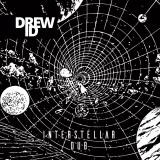
Drawing inspiration from the novel Neuromancer, Drew Id’s cosmic new single launches us deep in to the solar system.
Interstellar Dub started as an experiment in minimal dub techno, but was eventually overwhelmed by dirty spring reverbs and phasing hi-hat delays. A heavyweight rhythm and a hypnotic bass form the foundation, while extra-terrestrial melodies and synthetic skanks add spice and colour to this off-world stepper.
On the meditative Aphid Steppa, dreamy guitar and melodica licks interplay with snarling synths and a percussion based rhythm, propelled along by a solid bassline, before finally giving way to a deep space outro.
The Meanjin / Brisbane based producer first came to prominence as guitarist for reggae band Kingfisha, but has slowly been building a profile for his dubwise productions, inspired by the UK steppers scene and Australia's outdoor bass culture, with releases on Culture Dub, Dubmission and Sub Channels.
- Sea Ceremony (With Karen Vogt)
- Coral And Bones (With Laryssa Kim)
- Heartsea (With Vargkvint)
- Naiade (With Mt Fog)
- Moon And Mirrors (With Elska)
- Daughter Of The Abyss (With Singer Mali)
- Serpentine (With Nightbird)
- Their Voices Rise Above The Waves (With Yellow Belly)
- For All The Sea-Girls (With Nadine Khouri)
- Ondine (With Astrid Williamson)
- Coda (With Camilla Battaglia)
Oceanine, Jolanda Moletta’s third album and her first for Beacon Sound, is a powerful and ethereal statement of artistic community. Expanding on her previous work, each track represents a collaboration with a different female vocalist, with the foundational elements being generated entirely by her own voice. By turns haunting, enchanting, and inspiring, you won’t want to come up for air once you’ve been pulled under. Representing a
musical practice that is distinctly feminist, this is an album with a longer view in mind, to an age when the altars were to goddesses and women were centered as powerful beings representing the earth’s cycles of regeneration and renewal. Oceanine then, in all its beauty, can be viewed as an album of survival. It is deeply transportive, accessing something that lies within all of us. As the late, great Lithuanian folklorist and archaeologist Marija Gimbutas noted, “We must refocus our collective memory. The necessity for this has never been greater as we discover that the path of 'progress' is extinguishing the very conditions for life on earth.”
Jolanda Moletta is a multimedia artist and one-woman electronic choir. She creates wordless compositions through extended vocal techniques, integrating wearable-controlled live processing, alongside symbolic visuals. Moletta considers her performances to be a collective ritual and creates her Sonic & Visual Spells following the cycles of nature and the moon. Jolanda's 2022 critically acclaimed album Nine Spells was released on the Ambientologist label, followed by Night Caves on Whitelabrecs in 2025. Moletta’s artistic practice is a radical and spiritual journey through sound art, ritual, and the symbolic archaeology of the feminine.
Oceanine is inspired by sirens, water nymphs, and the timeless call of the sea. At its core lies Jolanda’s deep, lifelong connection to the Mediterranean Sea and to the ancient and modern myths and folklore that have emerged from its waters. Growing up by the Mar Ligure, Jolanda was surrounded by stories carried by salt, wind, and waves: legends of sirens, echoes of ancient voices, and the sea as both origin and oracle. This intimate relationship with the Mediterranean is not merely a backdrop, but a living source that shapes Oceanine’s emotional, symbolic, and sonic world.
Each track features a different female vocalist, creating a rich tapestry of voices, styles, and perspectives. This artistic choice not only broadens the album’s sonic palette, but also deepens its narrative core: celebrating the power, beauty, and mystique of feminine energy through myth, history, and sound.
The entire album is built exclusively from the human voice, processed and layered, yet always remaining voice, and nothing else. For each piece, Jolanda invited every vocalist involved to contribute a raw stem: a short, unedited melodic fragment of just a few seconds, inspired by the album’s themes. These intimate vocal seeds became the foundation of each track: the guest artists’ voices appear as brief, melodic stems, while the entire surrounding “orchestral” fabric is created solely from Jolanda’s own layered and processed voice. In this way, Jolanda’s voice becomes the Ocean itself, embracing, absorbing, and carrying the sirens’ calls within a vast, immersive soundscape. Every song is a unique expression of the feminine experience, revealing its depth, complexity, and emotional range, echoing the call of the sea and the many faces of the siren archetype.
The figure of the siren has transformed across centuries. In myths of Ancient Greece and Rome, sirens were hybrid beings, part woman, part bird, whose irresistible songs lured sailors to their doom. During the Middle Ages, the image shifted toward the half-woman, half-fish figure, often associated with temptation and danger. Historically, the voice of women has often been feared. Sirens were considered harbingers of misfortune not simply because they seduced or destroyed, but because they were powerful liminal beings.
In Ancient Greek, sirens functioned as psychopomps: figures who existed between worlds and guided souls, especially between life and death. Their songs were believed to carry forbidden knowledge, including prophetic insight and the ability to reveal truths about fate and the future. The danger of the sirens lay in what they revealed: knowledge that humans were not meant, or ready, to hear.
Oceanine confronts this legacy head-on. The voices heard throughout the album are not merely beautiful: they are dark and luminous, wild and enchanting, magical, soothing, dreamy, and at times fractured or distorted. They whisper, lament, beckon, and enchant. Like sirens, they skim the surface of the water and sink into its depths, hovering on the edge between tenderness and danger, vulnerability and power. They rise toward the sky, dissolve into mist, and return as echoes charged with raw, elemental emotion: voices that seduce, warn, mourn, and remember. They refuse to be reduced to decoration.
Alongside the album’s release in May, Oceanine will also unfold as a visual and performative work through a short art film. The film includes a live session recorded inside a sea cave facing the Mar Ligure, the very coastline where Jolanda spent her childhood, dreaming of sirens and listening to the sea as if it were speaking directly to her. This site-specific performance reconnects the music to its place of origin, allowing the voice to resonate within stone, water, and air, and transforming the cave into both a sanctuary and a threshold between myth and reality.
What if the sirens’ songs were considered dangerous because they carried another truth, an ancient truth long forgotten?
Oceanine embraces the idea that we are still deeply woven into myth. Though we may see ourselves as rational and modern beings, our world is saturated with ancient symbols and archetypes, often distorted, simplified, or stripped of their original meaning. And if those symbols are allowed to shift, if the mirror once held by the siren becomes an invitation to look beyond appearances and into what has been obscured, then we may finally uncover a deeper truth and reclaim the voice that was always ours.
Oceanine is not just an album. It is a reclamation, a spell, and a call from the depths.
- The Age Of Innocence
- Berceuse In A-Flat Minor, Op. 45
- Keepsake
- Untitled Ii
- One Shall Sleep
- Wishful (Draft)
- Cover Me
- Atonement
"I wanted to travel / Home into somewhere,"Ana Roxanne breathes across an eerie suspended drone on "The Age of Innocence". "I wanted to try / And go very far." These are the first words we hear on Poem 1 and reintroduce an artist who's in a conspicuously different phase of her life than she was when her debut album, Because of a Flower, sprouted nearly six years ago.
Heartbroken and reflective, Roxanne surveys the transformations that followed and displays a new-found boldness. Her voice is naked, vulnerable and alive, no longer shrouded in tape noise or looped and echoed beyond recognition beneath layered electroacoustic textures.
Throughout the course of Poem 1, Roxanne displays her skill as a singer and songwriter in the classic sense, using the limited instrumentation simply to accent her exposed tones. Muted piano phrases and plucked bass notes languidly trail her anguished siren song on "Berceuse in A-flat Minor, Op. 45", making each word count.
On "Keepsake" meanwhile, she sounds as if she's alone in an abandoned bar, stroking the dust off the piano's keys as she inventories her emotional scars. There's a smell of old whisky in the air, but Poem 1 is a remarkably sober album; never wallowing in self pity, Roxanne finds catharsis in the logic of her expressions, twisting out the edges of her memories into surreal, cinematic asides. "Untitled II", the album's pronounced, uninhibited centerpiece, delivers on the Lynchian promise that's been present since her first EP, 2019's ~~~. "
And when she interprets the Robert Schumann's lied "Stille Tränen" on "One Shall Sleep", she turns Justinus Kerner's words into a whispered echo of her own grief, narrating the 19th century poem over syrupy synthesizers and strings. There's a light emerging on the horizon, though; burying her past on the choral standout '"Cover Me", Roxanne shifts the pace and the mood on 'Atonement', lifting her voice into a gentle lilt.
4/5 Mojo review: ‘Sparse, hypnotic big-room techno that builds from the bass drum up
Double LP is released on 140gm black vinyl in a transparent gloss foil sleeve, artwork and design by Ian Anderson for Designers Republic. Circuitry Electronic launches with a release that stands as a statement of intent - an artist with few true peers within English electronic music, with an album that jumps out of the speakers and slaps you around the chops. G-Man is Gez Varley - one half of Sheffield pioneers LFO, and thirty years into his solo career, with his first vinyl album release since Avanti on Force Inc way back in 2002. Speaking to DJ magazine in 2014 Gez recalled his early days working with Mark Bell as LFO: “We were influenced by groups like 808 State. Unique 3, Nightmares On Wax and also stuff like Kraftwerk, Detroit techno and early electro. So when we first hooked up and made tunes together we just wanted to rock the dancefloor at our local club The Warehouse”.
Their eponymous track ‘LFO’ – a classic of the bleep and bass techno movement – was one of the first releases on the Warp label, gate- crashing the UK’s Top 20 whilst annoying Simon Mayo along the way. Having worked with the likes of Richie Hawtin, Karl Bartos, Laurent Garnier, Art of Noise, Radiohead, YMO and Alan Wilder, in addition to the LFO output, you'd expect Gez to know his way around a techno dancefloor rhythm and drum pattern, and this is an inventive funk-filled journey that never veers too far into experimental territory yet avoids the cliches and generic tropes that too often lose the listener when techno manifests in album form.
Increasingly essential US artist Ben Hixon drops sublime deep house EP on Kai Alce's faultless NDATL Muzik. The six classy tracks will appeal to those who appreciate the subtleties of the classic Midwestern sound.
Ben is a Texas-born, but Brooklyn-based artist who has become a firm favourite of true deep house heads in the last year or so. He has put out several EPs on Dolfin, all of which find a perfect sweet spot between immersive atmospheres and late-night drive. Dusty analogue textures and frayed edges define his drums, while the subtle details are intelligent and add effortless emotion. He is a perfect fit for NDATL Muzik, the Atlanta label that has long been a flagbearer for well-crafted house grooves like these.
'Taping' kicks off with heavy kicks that swing under gentle chords that are perfect for after dark. There's a persuasive bump in the beats that will get early evening dancers primed and ready for more. Next up we have 'Y Do U Get So Nervous' - a mastery of sampling with nagging vocal hooks, cascading piano keys and wet finger clicks all adding soul to another low-key but all-consuming groove. 'Area Code 336 Phone Rings' is a higgledy-piggledy tapestry of toms and stuttering kicks with vocal fragments to match - the thrill is the looseness of it all. The smouldering and meandering 'December Blackout' is for gazing off it into the distance at the busy yet muted jazz keys that twinkle like faraway stars. 'It's Like A Vision' picks up the pace with more closely stacked kicks but still oodles of cuddly warmth and smudged synth work, before '0823' ends with a decidedly heavy feel - spare, lump drums unfurl beneath forlorn synths that feel utterly bruised and heartbroken.
Ben Hixon's deft artistry makes these quiet, texture tunes irresistibly danceable yet emotionally profound.
Dark, futuristic, fearless and built for those who understand that techno is not just style, but vision. Detroit Techno Records welcomes one of the true architects of Detroit electronic music: Suburban Knight. Known off-record as James Pennington, he is widely recognized as a foundational figure in the city?s history, an artist whose recordings helped define the darker, moodier and more cerebral edge of Detroit techno. His classic works such as ?The Groove? and ?The Art Of Stalking? remain touchstones of the form, while later activity with Underground Resistance further cemented his role in shaping the deeper mythology of the Detroit sound. Coming straight from Detroit, USA, DTRV011 is more than another catalogue entry. It is a new chapter from a genuine legend, an artist whose contribution to Detroit techno was never peripheral, but central. Suburban Knight remains one of the rare names whose music still carries the original weight of the city: dark, futuristic, fearless and built for those who understand that techno is not just style, but vision.
A deep and sophisticated addition to the catalogue of one of Germany’s oldest House labels. With Rhythm Puzzle, Bass Cab returns to Cabinet Records, one of Germany’s longest-standing and most respected House labels, continuing a legacy that has shaped underground dance music with quiet confidence and unmistakable identity for decades. Few labels have managed to preserve such a clear artistic vision over such a long period of time. Cabinet Records has always stood for depth over trends, substance over spectacle, and a deeply rooted connection to the essence of House music.
Raw, focused, and deeply machine-driven, a record that embraces the essence of hardware-based production with confidence, energy, and character. There is no excess here, no unnecessary decoration, just a direct and powerful sound shaped by tension, movement, and the unmistakable warmth of true analog gear. Techno record built for dark rooms, serious systems, and lovers of authentic machine music. A powerful release that captures analog techno in its most direct and effective form.
Blending elements of Disco and House, deep and funky the EP delivers a rich and highly effective sound palette built on infectious basslines, crisp drums, and a strong feel for arrangement. There is a playful elegance running through the whole release, balancing feel-good vibes with enough depth and musicality to keep things sophisticated. It is a record made for crowded floors, open smiles, and long nights.
Rooted in the deeper corners of minimal house and micro-driven grooves. UTROWAX001 marks the first wax chapter from Utro Records with Hive Minded EP, a refined and elegant three-track selection by Peter Zherebtsov, Vid, and Herck. Rooted in the deeper corners of minimal house and micro-driven grooves, this release brings together subtle textures, reduced rhythms, and a strong sense of late-night atmosphere. Wrapped in beautiful artwork and backed by a great minimal track selection, UTROWAX001 is a tasteful debut that captures the essence of understated dancefloor functionality and timeless after-hours appeal.