Anathema has spent the vast majority of their career making music that defies
description. As part of the Peaceville 3, along with Paradise Lost & My Dying Bride,
Anathema have carved a strong legacy since their inception at the turn of the 1990s,
to become a widely revered & respected band within both the metal world & beyond,
as their sound & compositions progressed from doom/death metal into more rock &
progressive territory with each subsequent release, becoming one of the UK's most
cherished & critically acclaimed rock bands.
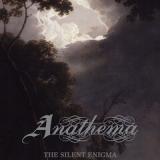
'The Silent Enigma', Anathema's second studio album, was originally released in the
summer of '95 & was the first release on which guitarist Vincent Cavanagh took over
the vocal duties of the departed Darren White. Where Darren's vocals were guttural,
Vincent's style pushed the possibilities for Anathema onwards & upwards, with a
scope & breadth beyond his years, complimenting an ethereal roller- coaster of
thoughtful atmospherics & crushing Celtic Frost style riffs - the Swiss legends being a
notable inspiration. What emerged was a fine example of highly-atmospheric & often
emotional gothic doom, spawning classic Anathema songs such as "Restless
Oblivion", "Sunset Of Age", "The Silent Enigma" & "A Dying Wish". Lauded by the metal
press & fans alike as a doom metal classic, the album's popularity has remained a
favourite within the metal scene.
This special 30th anniversary edition of 'The Silent Enigma' is presented on limited
marble vinyl, with the vinyl mastering work carried out by Abbey Road Studios,
London.
quête:cherish
- 1: A Little Death To Laugh
- 2: Young Prisoner Dreams Of Romance
- 3: Tristan Corbiére
- 4: Oceans With No End
- 5: People Are Poison
- 6: God Made The World
- 7: Dandelion
- 8: Black Boots
- 9: Meaningful Life
- 10: Nausea, The Earth And Me
- 11: Theme From Tomorrowland
- 12: Now That I'm In The Future
- 13: Don't Blow Up The Moon
- 14: Beaten 1979
"Full Cold Moon" ist eine Sammlung von EPs, ursprünglich 2014 erschienen, und nun auf 180g Icy Blue Glitzervinyl neu aufgelegt werden. Mehr als ein Sampler ist es ein Dokument des Übergangs in einer Zeit, in der Cold Cave ihren Sound über ein Spektrum von Isolation und Intensität ausdehnten. Von gitarrenbetonten Synthie-Hymnen über reduziertem Cold-Wave-Minimalismus bis zu dystopischen Spin-Outs fangen Tracks wie der ungewöhnliche Underground-Favorit "A Little Death To Laugh", "Oceans With No End", "God Made The World", "Black Boots" oder "Nausea, The Earth And Me" eine Zeit der Klangforschung und rastlosen Neuerfindung ein. Geschrieben während Wesley Eisolds Umzug von New York nach Los Angeles – einer Zeit, die geprägt war von Selbstreflexion und Distanz zum größeren Kontext von "Cherish The Light Years" – kehren diese zwölf Tracks zum nüchternen und einsamen Geist von "Cremations" und "Love Comes Close" zurück. Minimalistisch und doch mitreißend, ist "Full Cold Moon" Cold Cave in ihrer experimentellsten, essentiellsten und emotionalsten Form.
- 1: Magical Connection 08:6
- 2: My Foolish Heart / Fly Me To The Moon 1:04
- 3: Az Eso Es En 08:48
- 4: Sombrero Sam 07:35
- 5: Django 00:48
- 6: Thirteen 08:48
- 7: My Love 06:04
- 8: Reinhardt 05:40
- 9: Concorde (Nightflight) 11:02
- 10: Magic Mystic Faces 09:11
- 11: Django 03:57
- 12: Stormy 06:09
- 13: Killing Me Softly With His Song 04:55
- 14: The Last Song 05:52
- 15: The Biz 04:43
- 16: From A Dream 05:07
For the first time in full, a unique anthology of Hungarian TV and radio recordings by the legendary guitarist Gábor Szabó, captured during his return visits to Budapest in 1974, 1978, and 1981. This historic collection documents the deeply personal reconnection of an exiled artist with his homeland, bridging musical worlds and emotional landscapes.
The first disc features both studio and concert recordings with some of Hungary’s top jazz players of the era, including the legendary double bassist Aladár Pege and renowned vocalist Kati Kovács. The second disc includes a rare televised concert from the Hilton Hotel (1978) and Szabó’s final known performance — a moving rendition of “From a Dream” recorded in 1981.
The music collected here captures a poignant duality: Szabó as both American and Hungarian, outsider and homecomer. This is one of the most intimate and emotionally charged chapters of his career and a musical homecoming, rich in atmosphere and soul.
As always with Ebalunga!!!, Gábor Szabó’s legacy is treated with great care and passion. This edition features a 2LP gatefold vinyl release, complete with an in-depth essay by Szabó’s official biographer Douglas Payne — a fascinating piece of cultural and musical research in its own right.
The visual design is the work of artist and industrial designer Anton Bogdanov. With no use of AI tools — just handwork, imagination, and deep respect for the material — the artwork invites the listener to spend long evenings in its layered atmosphere.
Mastering is by Grammy-nominated engineer Jessica Thompson, whose work has revived dozens of legendary archival recordings — including the previous four Szabó releases on Ebalunga!!!.
This album is also available as a 2CD set in an elegant 6-panel digipak, crafted with the same care and attention as the vinyl edition.
Two hours of sublime music, stunning sound, and timeless packaging — a true gift for fans of Szabó and those who cherish deep, living jazz traditions.
Blang Records are thrilled to announce another two vinyl album re-releases from Jeffrey Lewis's back catalogue: The debut classic The Last Time I Did Acid I Went Insane (originally Rough Trade 2001) and The critically acclaimed 4th album 12 Crass Songs (originally Rough Trade 2007). The Last Time I Did Acid I Went Insane (VV001LP) : The fragile poetry and lo-fi warmth of JL's home-recorded debut paint vivid scenes of downtown Manhattan life with cracked sincerity, comic book absurdity and charm. This groundbreaking album continues to charm listeners but has completely run out of stock. Press Quotes: "Jeffrey Lewis: `The Last Time I Did Acid I Went Insane' - Best Indie Album of 2002; like his drawings, his music is witty, animated and true." - New York Daily News "Bizarre but brilliant_ slugging it out to be New Rock capital of the universe, Jeffrey Lewis could well be New York's ace in the hole."- Uncut "Modestly brilliant." [Critic's Choice]- The Village Voice "He claws through the bullshit and pretence ingrained in society. [Jeffrey Lewis' work] _should be cherished."- TimeOut London "Jeffrey Lewis isn't simply a singer, but a creative comic mastermind_ brilliant_ a staggering work of_ genius." - (9 stars of 10) Addicted to Sound Blang Records and Jeffrey Lewis have history: before Blang was a label, it started life as a live night at the 12 Bar Club in Denmark Street, hosting many a set of the NY Antifolk artists over on UK shores, including Jeffrey Lewis. Now 20+ years since Jeffrey first played Blang. Native New Yorker Jeffrey Lewis is a comic book writer/artist and a musician. A cult hero birthed from the now infamous antifolk movement that sprung up on Manhattan's Lower East Side in the 90s, Jeffrey has released dozens of albums showcasing his unique blend of bleakly witty observations, scratchy, lo-fi punk and croaky folk/anti-folk, all firmly rooted in a strong DIY sensibility. Jeffrey and his band have toured the world multiple times over, released albums on Rough Trade, Moshi Moshi and Don GIovanni Records, and have been featured by NPR, The History Channel, The NY Times and more.
Ostinato as resistance: Rafael Anton Irisarri’s landmark work reimagined. Marking the tenth anniversary of the American composer’s critically acclaimed album 'A Fragile Geography', this new edition arrives renewed, both sonically and visually.
First released in 2015 (Room40) during a period of personal upheaval and creative reinvention, it endures as a testament to resilience, transformation, and the connection we hold with the places that shape us.
Written in the aftermath of a devastating theft, A Fragile Geography was born out of loss. Just days before a cross-country move to New York, Irisarri’s entire Seattle-based studio was wiped out. Instruments. Recordings. Archives. Gone without a trace. He arrived on the East Coast to an empty room and the daunting task of starting over.
“This album wasn’t just a record; it was a lifeline,” Irisarri reflects. “It became a way to process the emotional chaos that followed: uprooting, instability, and ultimately, the slow, intuitive rebuilding of a life.”
Composed and recorded in the rural woods of the Hudson Valley, the album took shape in seclusion, surrounded by nature, and through a process guided by improvisation. Embracing limitations, Irisarri wove textural layers of field recordings with half-remembered melodies from his Seattle years, piecing them together like fragments of memory. Tracks like “Displacement,” “Hiatus,” and “Persistence” juxtaposed haunting stillness with restless momentum, mapping an inner terrain of grief, catharsis, and rebirth.
Among its defining sounds is “Empire Systems,” a monumental centerpiece built around a simple four-chord progression, organ textures, and guitar drones. Gradually, the track expands into layers of immersive loops and thick, enveloping distortion that wash over the listener like a rolling wave. Often cited as the album’s most majestic passage, it captures Irisarri at his most sonically ambitious. With a harmonically saturated structure crafted from restraint and repetition, it remains one of his most recognizable compositions: an exercise in the art of maximal minimalism.
From the outset, “Reprisal” received praise from BBC’s Mary Anne Hobbs, who championed the track on her radio show. Her support played a key role in introducing Irisarri’s work to wider audiences and solidifying his place within the lineage of electronic, drone, and experimental sound artists. A slow-burning elegy, the piece emerges from a haze of distortion and sub-bass, with dense, unrelenting drones carrying a sense of mounting tension. Just as it seems to collapse under its own weight, flickers of guitar emerge like distant light through fog. It’s a meditation on dissonance, resolve, and the elusive possibility of release.
The closing track, “Secretly Wishing for Rain,” is steeped in saudade: a longing for Seattle’s dour grey skies, lush green landscapes, and desaturated sunsets. Through it, Irisarri mourns a vanished chapter of life bound to the city, a time documented in scattered mementos and cherished collections, now permanently gone. A reflection on what could never be recovered: an era lost to time. Julia Kent’s looped cello motifs added a melancholic warmth to the track, marking the first collaboration between the two artists and sparking a musical dialogue that would keep growing in the years that followed.
More than a career highlight, A Fragile Geography has laid the foundation for Black Knoll studio, which Irisarri rebuilt from the ground up. The studio has since grown into a creative hub for countless projects, with Irisarri engineering records for iconic music figures like Terry Riley, Ryuichi Sakamoto, William Basinski, MONO, Devendra Banhart, Grouper, Emeralds, Steve Hauschildt, Julianna Barwick, and many others. Carried by its lasting influence, the album has quietly captured the ear of a younger generation, its sound and emotional arc finding new listeners in unexpected corners.
The album’s new visual language was reimagined in collaboration with Mexico City–based designer Daniel Castrejón. Irisarri captured ghostly images at Gaztelugatxeko Doniene, a historic coastal site in Bermeo, Euskal Herria. Castrejón then treated the photographs with distressed textures and spectral overlays. The final artwork channels the rugged, elemental forces that shaped both the music and Irisarri’s aesthetic, renewing his ties to ancestral ground inspired by the Basque homeland of his bloodline.
Mastered by Stephan Mathieu with exceptional attention to detail, this anniversary edition uncovers every nuance in the sound design, enhancing clarity and presence. With each listen, new elements emerge, inviting discovery and reconnection.
“I don’t experience this album as a document of grief anymore,” says Irisarri. “I hear adaptation and I'm reminded that when everything falls apart, something meaningful, maybe even beautiful, can emerge.”
Ostinato as resistance: Rafael Anton Irisarri’s landmark work reimagined. Marking the tenth anniversary of the American composer’s critically acclaimed album 'A Fragile Geography', this new edition arrives renewed, both sonically and visually.
First released in 2015 (Room40) during a period of personal upheaval and creative reinvention, it endures as a testament to resilience, transformation, and the connection we hold with the places that shape us.
Written in the aftermath of a devastating theft, A Fragile Geography was born out of loss. Just days before a cross-country move to New York, Irisarri’s entire Seattle-based studio was wiped out. Instruments. Recordings. Archives. Gone without a trace. He arrived on the East Coast to an empty room and the daunting task of starting over.
“This album wasn’t just a record; it was a lifeline,” Irisarri reflects. “It became a way to process the emotional chaos that followed: uprooting, instability, and ultimately, the slow, intuitive rebuilding of a life.”
Composed and recorded in the rural woods of the Hudson Valley, the album took shape in seclusion, surrounded by nature, and through a process guided by improvisation. Embracing limitations, Irisarri wove textural layers of field recordings with half-remembered melodies from his Seattle years, piecing them together like fragments of memory. Tracks like “Displacement,” “Hiatus,” and “Persistence” juxtaposed haunting stillness with restless momentum, mapping an inner terrain of grief, catharsis, and rebirth.
Among its defining sounds is “Empire Systems,” a monumental centerpiece built around a simple four-chord progression, organ textures, and guitar drones. Gradually, the track expands into layers of immersive loops and thick, enveloping distortion that wash over the listener like a rolling wave. Often cited as the album’s most majestic passage, it captures Irisarri at his most sonically ambitious. With a harmonically saturated structure crafted from restraint and repetition, it remains one of his most recognizable compositions: an exercise in the art of maximal minimalism.
From the outset, “Reprisal” received praise from BBC’s Mary Anne Hobbs, who championed the track on her radio show. Her support played a key role in introducing Irisarri’s work to wider audiences and solidifying his place within the lineage of electronic, drone, and experimental sound artists. A slow-burning elegy, the piece emerges from a haze of distortion and sub-bass, with dense, unrelenting drones carrying a sense of mounting tension. Just as it seems to collapse under its own weight, flickers of guitar emerge like distant light through fog. It’s a meditation on dissonance, resolve, and the elusive possibility of release.
The closing track, “Secretly Wishing for Rain,” is steeped in saudade: a longing for Seattle’s dour grey skies, lush green landscapes, and desaturated sunsets. Through it, Irisarri mourns a vanished chapter of life bound to the city, a time documented in scattered mementos and cherished collections, now permanently gone. A reflection on what could never be recovered: an era lost to time. Julia Kent’s looped cello motifs added a melancholic warmth to the track, marking the first collaboration between the two artists and sparking a musical dialogue that would keep growing in the years that followed.
More than a career highlight, A Fragile Geography has laid the foundation for Black Knoll studio, which Irisarri rebuilt from the ground up. The studio has since grown into a creative hub for countless projects, with Irisarri engineering records for iconic music figures like Terry Riley, Ryuichi Sakamoto, William Basinski, MONO, Devendra Banhart, Grouper, Emeralds, Steve Hauschildt, Julianna Barwick, and many others. Carried by its lasting influence, the album has quietly captured the ear of a younger generation, its sound and emotional arc finding new listeners in unexpected corners.
The album’s new visual language was reimagined in collaboration with Mexico City–based designer Daniel Castrejón. Irisarri captured ghostly images at Gaztelugatxeko Doniene, a historic coastal site in Bermeo, Euskal Herria. Castrejón then treated the photographs with distressed textures and spectral overlays. The final artwork channels the rugged, elemental forces that shaped both the music and Irisarri’s aesthetic, renewing his ties to ancestral ground inspired by the Basque homeland of his bloodline.
Mastered by Stephan Mathieu with exceptional attention to detail, this anniversary edition uncovers every nuance in the sound design, enhancing clarity and presence. With each listen, new elements emerge, inviting discovery and reconnection.
“I don’t experience this album as a document of grief anymore,” says Irisarri. “I hear adaptation and I'm reminded that when everything falls apart, something meaningful, maybe even beautiful, can emerge.”
Ostinato as resistance: Rafael Anton Irisarri’s landmark work reimagined. Marking the tenth anniversary of the American composer’s critically acclaimed album 'A Fragile Geography', this new edition arrives renewed, both sonically and visually.
First released in 2015 (Room40) during a period of personal upheaval and creative reinvention, it endures as a testament to resilience, transformation, and the connection we hold with the places that shape us.
Written in the aftermath of a devastating theft, A Fragile Geography was born out of loss. Just days before a cross-country move to New York, Irisarri’s entire Seattle-based studio was wiped out. Instruments. Recordings. Archives. Gone without a trace. He arrived on the East Coast to an empty room and the daunting task of starting over.
“This album wasn’t just a record; it was a lifeline,” Irisarri reflects. “It became a way to process the emotional chaos that followed: uprooting, instability, and ultimately, the slow, intuitive rebuilding of a life.”
Composed and recorded in the rural woods of the Hudson Valley, the album took shape in seclusion, surrounded by nature, and through a process guided by improvisation. Embracing limitations, Irisarri wove textural layers of field recordings with half-remembered melodies from his Seattle years, piecing them together like fragments of memory. Tracks like “Displacement,” “Hiatus,” and “Persistence” juxtaposed haunting stillness with restless momentum, mapping an inner terrain of grief, catharsis, and rebirth.
Among its defining sounds is “Empire Systems,” a monumental centerpiece built around a simple four-chord progression, organ textures, and guitar drones. Gradually, the track expands into layers of immersive loops and thick, enveloping distortion that wash over the listener like a rolling wave. Often cited as the album’s most majestic passage, it captures Irisarri at his most sonically ambitious. With a harmonically saturated structure crafted from restraint and repetition, it remains one of his most recognizable compositions: an exercise in the art of maximal minimalism.
From the outset, “Reprisal” received praise from BBC’s Mary Anne Hobbs, who championed the track on her radio show. Her support played a key role in introducing Irisarri’s work to wider audiences and solidifying his place within the lineage of electronic, drone, and experimental sound artists. A slow-burning elegy, the piece emerges from a haze of distortion and sub-bass, with dense, unrelenting drones carrying a sense of mounting tension. Just as it seems to collapse under its own weight, flickers of guitar emerge like distant light through fog. It’s a meditation on dissonance, resolve, and the elusive possibility of release.
The closing track, “Secretly Wishing for Rain,” is steeped in saudade: a longing for Seattle’s dour grey skies, lush green landscapes, and desaturated sunsets. Through it, Irisarri mourns a vanished chapter of life bound to the city, a time documented in scattered mementos and cherished collections, now permanently gone. A reflection on what could never be recovered: an era lost to time. Julia Kent’s looped cello motifs added a melancholic warmth to the track, marking the first collaboration between the two artists and sparking a musical dialogue that would keep growing in the years that followed.
More than a career highlight, A Fragile Geography has laid the foundation for Black Knoll studio, which Irisarri rebuilt from the ground up. The studio has since grown into a creative hub for countless projects, with Irisarri engineering records for iconic music figures like Terry Riley, Ryuichi Sakamoto, William Basinski, MONO, Devendra Banhart, Grouper, Emeralds, Steve Hauschildt, Julianna Barwick, and many others. Carried by its lasting influence, the album has quietly captured the ear of a younger generation, its sound and emotional arc finding new listeners in unexpected corners.
The album’s new visual language was reimagined in collaboration with Mexico City–based designer Daniel Castrejón. Irisarri captured ghostly images at Gaztelugatxeko Doniene, a historic coastal site in Bermeo, Euskal Herria. Castrejón then treated the photographs with distressed textures and spectral overlays. The final artwork channels the rugged, elemental forces that shaped both the music and Irisarri’s aesthetic, renewing his ties to ancestral ground inspired by the Basque homeland of his bloodline.
Mastered by Stephan Mathieu with exceptional attention to detail, this anniversary edition uncovers every nuance in the sound design, enhancing clarity and presence. With each listen, new elements emerge, inviting discovery and reconnection.
“I don’t experience this album as a document of grief anymore,” says Irisarri. “I hear adaptation and I'm reminded that when everything falls apart, something meaningful, maybe even beautiful, can emerge.”
Georgette Sayegh & Melhem Barakat – Belghi Kull Mawaidi & Instrumental:
Finally, hopping across from Egypt to Lebanon for this infectious number, Georgette Sayegh delivers what some consider her magnum opus in a captivating duet together with Melhem Barakat, and on the flipside a stripped-down instrumental version that’s equally catchy.
Georgette Sayegh is a legendary Lebanese singer and actress known for her tender and dulcet voice that echoed the grace and beauty of the inimitable Fairuz yet carried its own unique warmth. Her passion for collecting vinyl at an early age formed her eclectic musical palette, and she eventually caught the eyes of the Rahbani brothers and played the lead role in a monthly play written by Fairuz’s son, Ziad. Georgette’s household classic "Yay Yay Ya Nassini” shot her to stardom across the Arab world in the 1970’s, and till this day carries the exact same nostalgia of a Lebanese summertime anthem – flirtatious, jolly, and unfettered. In Belghi Kull Mawaidi (I cancel all my appointments), Sayegh’s voice entwines with compatriot and fellow household staple, Melhem Barakat in an emotional display of longing and depth - her voice delicate yet powerful, effortlessly blending with Barakat's commanding baritone.
The instrumental version on the flipside (surprisingly a stereo mix) reveals a highly catchy arrangement that is lush and emotive, driven by strings that glide smoothly through the melody, while brass instruments add a touch of drama. The rhythm section, punctuated by a steady percussion, anchors the track, allowing the interplay of instruments to build a sense of urgency and longing, accurately reflecting the struggles and emotional resilience that defined Sayegh’s own life.
This reissue, remastered with painstaking care, brings both versions of Belghi Kull Mawaidi back to life, making it an essential addition to any avid listener, DJ or collector’s shelf. It captures the timeless beauty of two of Lebanon's most cherished musical icons, their voices and instruments merging to create a track that resonates through the ages.
Muhammad Al-Najjar
London, April 2025
credits
Audio restoration and vinyl mastering: Colin Young
Lacquer cut: Timmion cutting lab
Sleeve and label artwork: Grotezk Studio
Under License of Voix de L'Orient
- 1: Tell The Truth
- 2: Nervous Impulse
- 3: Preserve And Cherish (Feat. Sam Carter)
- 4: Feathered Nest
- 5: Inherit
- 6: The State Of Things To Come
- 7: You Have To Let It Go
- 8: Pillar Of Strength
- 1: Mein Fräulein
- 2: These New Communications
- 3: Tolerant Nation
- 4: Beryl
- 5: A Perishing Of Cherished Things
- 6: Property-Owning Democracy
- 7: Master Narrative
- 8: Pretty Straight Guy
- 9: The Contented Commuter
- 10: Brb
Barbara, das sind die Brüder Henry und John Tydeman aus Brighton, inspiriert von den Popgrößen der 1970er, The Kinks, ABBA, ELO, aber auch von charmanten, exzentrischen Werken britischer Schriftsteller wie George Orwell und Harold Pinter. Ihre Songs erzählen Geschichten von seltsamen Charakteren, die vom Leben hin- und hergerissen sind. Trotz der unvorhersehbaren Texte steckt in Barbaras Musik immer ein Hauch von Spaß, Uncoolem und – am wichtigsten – Tanz. Also, kommt zum Tanzen… und bleibt für die Geschichten. Oder auch andersrum. Barbara war mit The Divine Comedy, Haircut 100 und zuletzt Paul Weller auf Tour und erhält Probs von ihnen, den Medien, und dem legendären Produzenten Steve Lillywhite (Peter Gabriel, U2, Simple Minds, XTC, Ultravox).
- "Barbara ist eine der besten Gruppen überhaupt. Live sind sie großartig und ihre Songs auch. Clever und melodisch. Die Babs sind fabelhaft!" - Paul Weller
- "Sie sind genau mein Ding ... wirklich straffes Songwriting, sehr poptastisch!" - Neil Hannon (The Divine Comedy)
- "Diese Band ist mit nichts zu vergleichen, was ich je gehört habe, und ich liebe sie!" - Steve Lillywhite
- "Barbara ist wunderbar. Ich liebe ihre Songs und ihren Humor. Wir brauchen mehr Barbara in unserem Leben!" - Chris Difford (Squeeze)
- "Haircut One Hundred liebt Barbara. Sie sind so mutig wie unsere Blechbläser! Bacharach mit Schlägern und Bällen. Wir lieben sie!" - Nick Heyward (Haircut 100)
- "Barbara ist einer der einfallsreichsten und originellsten Musik-Acts, die ich je gesehen habe Eselsjahre! Sie machen in der britischen Musikszene bereits viel Lärm, und mit ihrer wunderbaren und originellen Herangehensweise an Text und Melodie, kombiniert mit einem mitreißenden und fröhlichen Vortragsstil, ist ihr zukünftiger Erfolg in einem unvermeidlich verrückten Musikgeschäft sicher. Geht hin und seht sie euch an!" - Dean Friedman
- "Barbara ist eine wahnsinnig talentierte Band mit einem angeborenen Gespür für Melodie und Arrangement ... Der ehrgeizige Umfang und die mitreißende Unmittelbarkeit ihres Sounds lassen ihr junges Alter nicht erahnen." - Phill Jupitus (BBC)
- "So ein fröhlicher, eingängiger und faszinierender Song." John Kennedy (Radio X) über "Property-Owning Democracy"
- "Ein absoluter Killersong ... eine Pop-Symphonie im Taschenformat!" Gary Crowley (BBC Radio) über "Property-Owning Democracy"
- 1: Homage 0:08
- 2: The Juice 6:06
- 3: Echo Springs 5:06
- 4: Boozehound 5:20
- 5: Mireille 7:13
- 6: Fichelscher Sun 2:15
- 7: Ju-Ju Blues 6:35
- 8: Sota El Cel 1:40
- 9: Euporie 10:54
- 10: Eternal Flow 9:26
Finally back in print on vinyl and CD after having been unavailable for several years! First released in 2013, Euporie Tide has become the quintessential Causa Sui record over the years. For many fans this 2LP has served as the perfect entry point to the band's multi-faceted oeuvre. And with good reason – from the first notes of ”Homage” to the peaceful closer ”Eternal Flow” the listener is taken on a beatific ride. The band manages to condense an impressive range of influences into these ten tracks. Previous albums were largely centered around lengthy freeform jamming, but on Euporie Tide, this side of the band is carefully dosed to balance concise, almost proggy song structures. Everything fans of the band cherish so much is here in abundance: the fuzzy downtuned desert-rock riffs, the blissed-out, motoric krautrock, the dynamic builds, and the fragments of electric jazz and kosmische that are woven into the compositions.
Euporie Tide was created following collaborative albums with members of Sunburned Hand of the Man (Pewt'r Sessions) and Tortoise (released as Chicago Odense Ensemble), which certainly had a cross-pollinating effect on this set. Rarely does a band from the European stoner rock scene embrace such a wide range of stylistic influences, and twelve years after the album's initial release, Euporie Tide deservedly stands as Causa Sui's crowning achievement.
Deluxe black 2LP edition with heavy sleeve, wrap-around obi strip and pvc-lined inner sleeves.
ll star cast from 4 different cosmic corners comes the more electronic side of Hamam. T hink of it as the dorian gray of Frankfurt airport , but instead it's at the hamam in istanbul. Fattish - no stranger to electronic versions of loved and cherished turkish songs, Fattish delivers a monster cinematic piece, strings section...the whole lot...check anything he puts his hands on, this one made it to the wax Kozmonotosman - our man on the moon, he visits regularly so if u need any rocks or bits ask him he will bring u, I got loads of rock so u can ask me alternatively.
My man delivers a super dope and groovy number from a not so well known jam from the 70's . Just get down and boogie on this. Kurt Adam - one of the new faves of the Hamam camp, delivers a taverna cut in a housey affair. Don't be fooled by the electronics, I drink raki to this any day at the drinkery. Hold me down if u can m gonna dance in euphoria, hear the wolfman roarrr.
- Silhouettes
- Every Wave To Ever Rise (Feat Elizabeth Powell)
- Uncomfortably Numb (Feat Hayley Williams)
- Heir Apparent
- Doom In Full Bloom
- I Can’t Feel You (Feat Rachel Goswell)
- Mine To Miss
- Life Support
The quietest voices can be the most durable.
American Football’s original triumph, on their 1999 self-titled debut, was to reunite two shy siblings: emo and post-rock. It was a pioneering album where lyrical clarity was obscured and complicated by the stealth musical textures surrounding it.
Like Slint’s Spiderland, or Codeine’s The White Birch, even Talk Talk’s Laughing Stock, American Football asked far more questions than it cared to answer. But there wasn’t a band around anymore to explain it, anyway. The three young men who made the album – Mike Kinsella, Steve Holmes, and Steve Lamos – split up pretty much on its release.
Fifteen years later, American Football reunited (now as a four-piece, with the addition of Nate Kinsella). They played far larger shows than in their original incarnation and recorded their long-anticipated second album, 2016’s American Football (LP2). The release was widely praised, but the band members still felt like their best work was yet to come.
‘I feel like the second album was us figuring it out,’ says Nate. ‘For me, it wasn’t quite done. I knew there was still more.’
Enter American Football (LP3). ‘We put a lot of time and a lot of energy into it,’ says Mike. ‘We were all thoughtful about what we wanted to put out there. Last time, it was figuring out how to use all of our different arms. This time, we were like – Ok we have these arms, let’s use them.’ The band used the same producer, Jason Cupp, and recorded the album at the same studio (Arc Studios in Omaha, Nebraska) as its predecessor – yet they approached it in a markedly different way. There was a determination to let the songs breathe, to trust in ideas finding their own pace. The final result is a definite, and deliberate, stretching of the band.
As a result, LP3 is less obviously tethered to the band’s past than the second album. An immediate contrast between LP3 and its two predecessors is its cover. The two previous albums featured the exterior and interior of a residence in the band’s original hometown of Urbana, Illinois (now attracting fans for pilgrimages and photo opportunities), by the photographer Chris Strong. But American Football knew that LP3 was an outside record. Instead of the familiar house, this time the cover photo (again by Strong) features open, rolling fields on Urbana’s borders. It is a sign of the album’s magnitude in sound, and of the band’s boldness in breaking away from home comforts.
American Football also joked that LP3’s genre was ‘post-house’, because of this very conscious visual break. But, in a strange way, there are links in LP3 with an actual post-house genre: shoegaze. The more exploratory members of the original British shoegaze scene were inspired by the dreamtime and circularity of house music (ambient house in particular), cherishing its sonic possibilities. That spirit drips into LP3, most obviously on ‘I Can’t Feel You’, a collaboration with Rachel Goswell of Slowdive.
The album also features Hayley Williams from Paramore on the album’s catchiest moment, ‘Uncomfortably Numb’, and Elizabeth Powell, of the Québécoise act Land Of Talk. Mike wrote lyrics in French especially for her.
LP3 is contemplative, rich, expressive, yet with a queasy undercurrent. It is heavy with expectancy, revealing its ideas slowly, eliciting the hidden stories people carry around with them. ‘I feel like my lyric writing has changed a lot over the years,’ says Mike. ‘The goal is to be conversational, maybe to state something giant and heavy, but in a very plain way. But, definitely in this record, I keep things a little more vague.’ As on the first album, the lyrics on LP3 may seem confessional and concentrated, but the more you scrutinize them, the further their meaning slinks away. Or, as Mike tellingly sings on ‘I Can’t Feel You”: I’m fluent in subtlety.
‘Somewhere along the way we moved from being a reunion band to just being a band,’ says Steve Holmes. American Football is now a bona fide ongoing focus, and they are making some of the best music of their lives. American Football (LP3) stands with two other rare reunion successes – Slowdive and My Bloody Valentine’s mbv – as a fine example of how a band refinding one another can augment, rather than taint, their legacy.
‘I think that there are those albums, or the music that you heard when you were younger, and they imprint on you,’ says Nate. ‘And no matter where you go, or what you do they’re always there.’ He is talking of Steve Reich – an early and ongoing influence on American Football – but he might as well be reflecting what is said of his own band, and the ardent following they inspire. American Football stands as an enduring symbol of elusive emotional landscapes, where introspection can be as dramatic as confrontation
- A1: Linda Smith - So Long Ago
- A2: Linda Smith - Evening
- B1: The Smashing Times - Alfie
- B2: The Smashing Times - King Bidgood’s In The Bathtub (And He Won’t Get Out Of There)
Linda Smith and The Smashing Times are the best of friends. They are both currently based in Baltimore, USA. This split 7” EP celebrates that friendship with two new tracks by each act; united by DIY spirit, a bedroom-pop sensibility and now a puddle of black vinyl.
Songwriter Linda Smith has a gentle but unconventional experimental style that continues to evolve as she adds new entries to her storied catalogue. Smith’s pioneering work with four-track production in the '80s found her at the beginning of a home-recording movement that would set the pace for the decades of indie rock that followed. During this most active period, Smith's music was limited mostly to obscure cassette and 7" releases. This trailblazing time was recently revisited on Captured Tracks’ compilation ‘Till Another Time: 1988-1996’. Shortly after Smith’s retrospective, she teamed up with like-mind and collaborator Nancy Andrews to release an album of beguiling pop entitled ‘A Passing Cloud’ (2023). The duo performed songs from that record at Upset The Rhythm’s 20th anniversary party at Café OTO that same year. 2024 saw further reissues of Smith’s music including Nothing Else Matters (1995) and I So Liked Spring (1996).
The Smashing Times are a premier East Coast Pop Experimental Group. They have also gleefully performed in London for Upset The Rhythm twice in quick succession. Known for their dogtooth style, waggish mod attitude and tumbledown sound, The Smashing Times have holes in their socks and sit idly between The Kinks and Tori Kudo. Their previous albums on K Records, Perennial and Meritorio are a cherished commodity steeped in Paisley psyche and slapdash panache.
- Stubborn Kind Of Fellow
- One Of These Days
- Mo Jo Hanna
- The Days Of Wine And Roses
- Pride And Joy
- Hitch Hike
- Get My Hands On Some Lovin
- You Are My Sunshine
This is a live album by the legendary soul singer Marvin Gaye, released in 1963 that captures the energy and charisma of Gaye's live performances during a period when he was establishing himself as one of Motown's premier artists
The album includes live renditions of some of his early hits and popular songs of the time and the live performances showcase Gaye's dynamic stage presence and his ability to connect with the audience. "Recorded Live On Stage" features a mix of upbeat tracks and soulful ballads, refecting the versatility of Gaye's vocal and musical style: it was released during a formative period in Marvin Gaye's career helped cement his reputation as a compelling live performer, which would be further solidifed with subsequent recordings. The album is considered an important document of Marvin Gaye's early career, capturing a time when he was evolving into a major star and his ability to bring a different dimension to his studio recordings through live renditions: "Recorded Live On Stage" remains a cherished album for Marvin Gaye art lovers and for those interested in the history of live soul music performances.
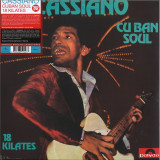
"Cuban Soul-18 Kilates" is Cassiano's third studio album, released in 1976, and stands as a milestone in Brazilian soul music. It combines Brazilian rhythms with classic American soul elements, creating a unique fusion. Cassiano's smooth, soulful vocal style and the album’s larger-than-life arrangements, reminiscent of Tim Maia's sound, give it a rich, deep feel.
The standout track, ‘Onda,’ is a relaxing anthem evoking beach vibes that has become a DJ’s favorite in recent years and also made it into several compilations. "Cuban Soul-18 Kilates" has earned cult status over the years, securing its place as one of the most coveted Brazilian records of all time. Remastered from the original tapes and pressed on 180g vinyl. This release is part of a new reissue series that will include many other outstanding Brazilian classics like Evinha “Cartão Postal” or Gerson King Combo.
"Cuban Soul-18 Kilates" is Cassiano's third studio album, released in 1976, and stands as a milestone in Brazilian soul music. Influenced by artists like Otis Redding, Eddie Kendricks, Stevie Wonder, and others, it combines Brazilian rhythms with classic American soul elements, creating a unique fusion. The album features 9 tracks, with ‘A Lua e Eu’ becoming a major commercial hit and the theme song for the soap opera “O Grito”. Cassiano's smooth, soulful vocal style and the album’s larger-than-life arrangements, reminiscent of Tim Maia's sound, give it a rich, deep feel. The standout track, ‘Onda,’ is a relaxing anthem evoking beach vibes, with its captivating bassline, subtle percussion, and natural sounds of the sea, making it perfect for moments of relaxation. This song, along with the album’s other tracks, showcases Cassiano's mastery of Brazilian soul, making “Cuban Soul-18 Kilates” a definitive and cherished record in the genre. This album has earned cult status over the years, securing its place as one of the most coveted Brazilian records of all time. Once incredibly rare and expensive, it's now at the top of every serious collector's wishlist. After not being available outside of Brazil for years, it’s finally been reissued – don’t miss your chance to own this legendary piece of music history.
- A1: No G D.m
- A2: Exhibitionism
- A3: Be A Boy
- A4: Tropical Comic Strip
- B1: Nice Mover
- B2: Cologne Intime
- B3: Opposite Numbers
- B4: Vendor's Box
- C1: Strip Tease
- C2: I C. Code
- C3: Kaddish
- C4: Hypnosis_Hypnose
- D1: Babylon Generation
- D2: Die Kunst Des Liebens (The Art Of Loving)
- D3: Kanal Banal
- D4: French Lift
- D5: Waiting
Gina X makes her way to Dark Entries for Greatest Fits, a compilation of gems and jams from the eccentric New Wave icon. Gina X Performance was formed in Cologne in 1978 when art history student and chanteuse Gina Kikoine teamed up with synth wizard Zeus B. Held. Inspired by Patti Smith and Lou Reed, Kikoine aimed to create "the absolute union of music, poetry and travesty," a lofty goal that she most certainly would achieve. 1979 saw the release of the classic first LP, Nice Mover, which put Held’s lush electronic production in dialogue with Gina X’s deadpan delivery. Songs explore androgyny, decadence, and avant-garde art in a fashion that is stylish, sexy, and more than a touch transgressive. Nice Mover quickly became a cult favorite thanks to tracks like the euphoric “Nice Mover” and the dancefloor bomb “No G.D.M.”, dedicated to queer icon Quentin Crisp. Three more LPs followed in the coming years: X-Traordinaire in 1980; Voyeur in 1981; and Yinglish in 1984. The duo continued their genre deviance throughout, exploring uptempo space disco on “Strip Tease,” punk-laced New Wave on “Babylon Generation,” and icy electro-pop on “French Lift.” Greatest Fits is the first-ever double LP compilation of Gina X material.
The 17 tracks on Greatest Fits were selected by Kikoine and Held, reflecting the duo’s most cherished moments from their wide-ranging catalog. The record comes housed in a gatefold sleeve designed by Eloise Shir-Juen Leigh featuring press clippings and photographs, and includes an insert with lyrics and memories about each song from Kikoine and Held.
Hollie Cook, one of reggae’s most exciting voices, makes a return to the label that released her cherished debut album in 2011. Landing back on Mr Bongo, 'Night Night' is a stand-alone aperitif and taster of what to expect from the next era in Hollie's musical journey
Revisiting her roots, this latest single embraces the trademark reggae / tropical pop sound Hollie found fame with on her first two albums. With a career that has gone from strength to strength since those formative days, the buoyance, charisma, and confidence gained in those subsequent years are on show for all to see.
Recorded at Crosstown Studios in London with the General Roots band and produced, mixed and dubbed by Ben McKone, ‘Night Night’ documents the longing of a lonely lover. Grounded in a sound system rattling bass line, strutting guitars and shimmering keys provide a sunshine-infused contrast. Hollie’s smooth sultry tones radiate throughout, backed by the legendary Horseman on toasting duties - a collaboration that hasn’t been heard since Hollie’s first album. Trading verses, the warmth of Hollie's velvety vocals balances Horseman's raw explosive energy in an absorbing harmony.
In true reggae style, the 7" single is backed with a classic dub mix, adding spacey reverb and delays, whilst giving Hollie and Horseman a more spacious streamlined flow in the mix.
- A1: Béton House 5 21
- A2: Motif Lasdun 3 37
- A3: Pioneering Different Approaches 3 15
- A4: I Dream In Concrete 3 45
- A5: Aesthetics Over Ethics 3 53
- A6: Internal Panoramas 3 43
- B1: Foxton Stop Off 4 12
- B2: The End Of Back To Back 4 08
- B3: B6070 1 36
- B4: Cold, Again 3 02
- B5: And Then They Are Gone 2 54
- B6: Skyline Disasters 3 21
- B7: Park Hill Forever 4 32
We always knew we would return to this project because Brutalism remains a profound part of our lives, something we cherish deeply. Inspired by the photographs we have been capturing for a new book, the music emerged effortlessly. Documenting these buildings feels instinctive; this is where we belong.
Our unwavering fixation on symmetry, synchronisation, and repetition endures, but this time we believe the music reveals a more emotional depth. That is the direction we have been moving towards. Some things simply take time, yet this album seemed to take shape of its own accord.
Join us as we walk through these modern day cathedrals, monuments to the people.
"6-track house finesse from Amsterdam mainstay Beraber, topped off with a killer remix by Brazilian artist Zopelar. Expect six melodic tracks for the body & mind. Beraber returns to United Identities with Gentle Actions, setting the tone for long summer evenings and sun-soaked days. The Amsterdam based producer and DJ organically blends Chicago's classically-schooled keys and machine backdrops with subtle, atmospheric textures. This long-awaited record by Beraber (Baris Akardere) is a deeply personal collection of music, encapsulating a period of creative and personal growth. Rather than a concept record, it serves as a document of the past years, bundling some of most cherished productions into a cohesive and heartfelt gift to the audience. This EP marks the first time the producer has used his own vocals in his productions, next to vocal contributions from Barcelona-based artist Ivy Barkakati, whose lyrics perfectly resonate with the journey of the EP. Gentle Actions opens with Between Us, a calm builder, gracefully layered with meandering pads. Distant Language picks us up with its dubbed-out groove, guiding our feet on a journey through melodic landscapes. It flows into Responsibility, an introspective track with a powerful message about turning dreams into reality, before continuing with Lost in Loops, a loose and soulful house cut featuring his own vocals. The journey ends with the more upbeat, instrumental Good Company, topped off with a deep, nocturnal remix by Zopelar. Written and produced entirely in his Amsterdam studio -- housed in the same building that once held De School -- Beraber continues to rely on a deeply analog and outboard gear-heavy approach. The result is a record that stays true to his soulful and introspective signature, mirroring the sonic identity of his acclaimed radio show, Gentle Actions on Amsterdam's online radio station RRFM."