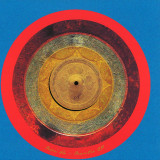
PRESSED ON BLUE INK-IN-CLEAR COLORED VINYL IN A GATEFOLD JACKET WITH OBI, A FOLD-OUT LYRIC INSERT AND TWO BONUS REMIXES
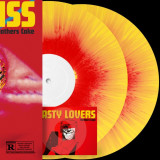
Among hip-hop fans, Boogie Down Productions first two albums – Criminal Minded (1987) and By All Means Necessary (1988) – loom very large. And for good reason: they both captured one of the late 1980s most important and influential crews at their highest powers of lyricism and musical invention. That said, too many people sleep on BDPs third LP, Ghetto Music. Released in 1989, when the hip-hop world was truly beginning to explode and reach new heights of sales and exposure around the world, the album is arguably as powerful as the group's first two. As on By All Means Necessary, in the wake of the tragic death of the founder, producer, and DJ Scott LaRock, KRS-One pushed along mightily on the production side, with help from his extended crew. Musically the sound created on albums 2 & 3 was funky, catchy, and continually innovative, giving him the perfect backdrop to build his Edutainment syllabus. Lyrically there was never a question about KRS-One's power, and on Ghetto Music he continues to impress, teach, and ask important questions. Clear cases in point are two of the album's singles, "You Must Learn" and "Why Is That?" but he gets even deeper on tracks like the anti-police thought-piece "Who Protects Us From You" (still sadly relevant in 2024), "Ghetto Music" and "World Peace." Out of print on vinyl since 2017, Get On Down in partnership with Sony's CERTIFIED is proud to present this '89 classic fresh for 2024 you suckas! Pressed for the first time on double-colored vinyl and packaged in a gatefold jacket with a fold-out lyric sheet and two bonus remixes.
Ashram Sun’, Surya Botofasina's much-anticipated album follows his hugely acclaimed debut ‘Everyone’s Children’ and his first offering since his contribution to ‘New Blue Sun’ and global touring alongside André 3000. It is an ode to Surya’s upbringing and musical teachings in the tradition of Swamini Turiyasangitananda - aka Alice Coltrane, by the spiritual jazz colossus Herself, at Her Sai Anantam Ashram in California. ‘Ashram Sun’ is a deep listening, spiritual masterpiece with close collaborators Carlos Niño and Nate Mercereau, and is produced by the prolific Carlos Niño, whose vision has become a pivotal point for contemporary progressive jazz music.
Ashram Sun features appearances from musical luminaries, including multi-instrumentalist Angel Bat Dawid, Los Angeles saxophonist Randal Fisher, vocalist Mia Doi Todd, as well as collaborations with vocalist MidnightRoba and acclaimed harpist and vocalist Radha Botofasina, among others. The album continues to expand on and conversate with the innovative spiritual-jazz configurations of recent works by Shabaka Hutchings, André 3000 and Carlos Niño —all of which Surya plays on. This evolution follows from his debut album ‘Everyone’s Children’, also produced by Niño, which was one of the earliest offerings of this fresh, spiritual approach. As the keyboardist on André 3000’s New Blue Sun and an integral member of André’s touring group, Surya has already directly brought the legacy of Alice Coltrane/Turiyasangitananda into this rich new current in creative music.
The music on Ashram Sun is tuned into these wavelengths, consolidating a new jazz lineage with energies directly from the source. The album blends improvisation in the creative music tradition with washes of cleanly spiritualised keyboard work, atmospheric percussion, and sanctified vocalisation. As Surya Botofasina explains, "Swamini (Alice Coltrane) and the Ashram have taught me that the only place worth going to, is within… I am always going to be an Ashram Sun."
out of Stock
Last delivered 19 months ago available to reorder, subject to availability
Making history with his first solo album ‘Golden’, Jung Kook of BTS is back with a vinyl version containing the same hit songs ‘Seven (feat. Latto)’, ‘3D (feat. Jack Harlow)’ and ‘Standing Next to You’. Contents of the vinyl album include: 1-LP Golden Vinyl, Outer Sleeve, Photo Book, Contents Envelope, 2 Post Cards, 2 Photo Cards, 1 Wax Seal Sticker. Dimensions: 316 x 316 x 5mm
out of Stock
Last delivered 15 months ago available to reorder, subject to availability
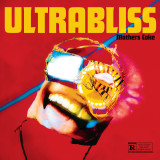
After the recent release of the first pre-single, "One Of These Days," the new and fifth studio album by Mother’s Cake, titled “Ultrabliss”, will be released on October 18, 2024, via Embassy of Music (available for pre-order starting July 17).
Inspired by Stanley Kubrick's cult film “A Clockwork Orange” (1971) and largely free from structural constraints of traditional songs, the Austrian band unleashes their musical imagination with the finest jams and dancefloor fillers. “Ultrabliss” unites nine extremely varied tracks with elements of classic rock, krautrock, and prog-rock that are sure to please fans of Jimi Hendrix and Pink Floyd, as well as followers of the Red Hot Chili Peppers or British indie icons like Franz Ferdinand, the Arctic Monkeys, or Kasabian. Like its predecessor “Cyberfunk!”, “Ultrabliss” was recorded at Sevenarts Studio, Überlärm Studio, and Moonwalker Productions Studio, and once again sonically brought to life by singer, guitarist, and songwriter Yves Krismer in collaboration with Manuel Renner and Raphael Neikes. Neikes, who plays guitar and keyboards live, has become the fourth band member. Founding drummer Jan Haußels has amicably left the band after the album sessions and will be replaced by Alex Kerbl on drums from now on.
“Writing this album, I opened up my closet, and a skeleton came out.” In a café just around the corner from his Edinburgh flat, Hamish Hawk is contemplating his extraordinary new record, A Firmer Hand. “The thing that links all of the songs is a sense of the unsaid, whether out of guilt, shame, repression, embarrassment, coyness, whatever it might have been. I realised: I am going to say these things, and not all of them are going to make me look good. The album made so many demands, and I just gave myself over to it.”
At this stage, where only a handful of close associates have heard the finished album, Hawk is still unsure of what the reaction might be from fans, critics, even family. He jokes that A Firmer Hand is the first of his records that his parents might not enjoy. “But the fact that it makes me nervous tells me it was the right thing to do.”
St. Morris Sinners is a band of troublemakers who were born in 2011 in Adelaide (Australia). "Nightmares" is their second LP out throught Beast Records. Stephen, the leader of the group proclaims in a spoken word with off-key singing and a strong voice, these feverishly hallucinated texts as if under the influence of an evil demonic spirit. Sporting an anarchic and unpredictable approach, his apostles are: Django Martin (guitar), George Thalassoudis (bass) and Angus Mason (drums) with noisy post punk sounds. These incarnate pieces touch on electric hysteria telling a twilight vision of existential excesses. The ego-altering gravity of melancholy in the tortuous timbre of Stephen's howls where the vitality of a tribute to decay, As a cursed preacher, despite the ordeals narrated, he seeks absolution with a lost look towards the captivated audience. Crazy and terribly captivating!
2LP, 180g clear vinyl. Stephan Thelen's music has grown beyond the Swiss Minimalist movement, as seen in his work over the past decade. His Fractal Sextet project exemplifies this evolution, deepening his original concepts while embracing new influences. Their second album, Sky Full of Hope, builds on the promise of their debut, showcasing a confident and cohesive group dynamic. The album features intricate polyrhythms and complex time signatures, but despite its mathematical foundations, the music remains accessible and engaging. Thelen credits the group's ability to blend technical precision with musicality, creating a sound that feels both refined and compelling.
Catch 22", released in 2002 was the eighth album of melodic death titans HYPOCRISY and a fairly controversial one shifting from brutal vocals to a more melodic, at times punkish clean style, and compositions that venture forth from pure metal. A remixed and remastered version came out six years later, giving it a more traditional HYPOCRISY vibe on "Catch 22 - V2.0.08" leaving it up to fans to decide what they like better. With "Catch 22" only released on a rare double LP with "Into The Abyss", as part of Nuclear Blast Records' ongoing reissue campaign you will get the ultimate package now, combining two significantly different versions of the same great songs in the ultimate edition of "Catch 22".
Rock and Roll Hall of Fame Member Little Richard is a musical institution. The Architect Of Rock ’n’ Roll’s 1970 return. Pressed on opaque pink vinyl. Mastered by Grammy®-winning engineer Michael Graves. Lacquers cut by Jeff Powell at Take Out Vinyl/Sam Phillips Recording Service in Memphis. Packaging contains liner notes from Bill Dahl. Some successful recording artists are lucky to enjoy a lengthy career and perhaps one successful comeback after their popularity wanes over time. Rock ’n’ roll pioneer and absolute legend, Little Richard, achieved several. In the ’50s he racked up a non-stop string of smashes for Specialty Records with producer Bumps Blackwell like the blistering cuts, “Tutti Frutti,” “Long Tall Sally,” and “Rip It Up.” The Georgia Peach was deemed too uninhibited and unpredictable for TV variety shows to present to the nation, but the records were undeniable hits. He was clearly, an artist far ahead of the culture and times. Little Richard returned in 1970 with The Rill Thing and instead of sticking around his adopted home of Los Angeles, Richard set out for Rick Hall’s FAME Recording Studios in Muscle Shoals, Alabama to record the album for Reprise, joined by Bumps, who was now his manager. The opening track, “Freedom Blues,” was released in April of 1970 and hit #28 on the charts. The second cut, “Greenwood Mississippi,” was also released as a single in August and also made a Billboard appearance. The marathon title track (running a whopping 10 minutes and 20 seconds) was an intense funk jam that was captured in one take. The album also featured covers of tunes by The Beatles and Hank Williams—it was a different sound by far than the savagely rocking attack he’d ridden to fame like a rocket at Specialty close to a decade and- a-half earlier, but it was every bit as effective. The Rill Thing bore the slogan “The Little Richard Sound” on its labels. “He was at his peak with his vocals on there,” says guitarist Travis Wammack admiringly. “He was just singing his booty off!” The Rill Thing is back as a 12" long player, and pressed on opaque pink vinyl with a printed inner sleeve that includes liner notes by Bill Dahl.
14 songs deep and proudly devoid of gimmicks or distractions, Slaughter On First Avenue is a riveting and raw account of Uncle Acid in full flight. From early classics like I'll Cut You Down and Death's Door (both from Blood Lust), to more recent works of lysergic aggro like Shockwave City (from Wasteland) and sinister epic Slow Death (from The Night Creeper), this amalgamation of two fiery and unforgettable live shows has a mesmerising momentum all of its own. A throwback to the days when live albums were magical things, rather than cynical stopgaps, Slaughter On First Avenue is a jolting dose of dark electricity and psychedelic terror. Swollen with the greatest of riffs and performed with grit, power and haughty disdain, it loudly confirms that Uncle Acid & The Deadbeats have the raw, fuzzed-out power to drag everybody into their bewildering, bewitched vortex of doom. A dazzling, devilish squall to mark the beginning of a new chapter, Slaughter On First Avenue also clears the decks for this band's next malevolent move. Don't say we didn't warn you. "Yes, There will be another record which will hopefully appear at some point without warning or explanation," Kevin Starrs avows. "It will be completely different to anything else we've done. You can think of it as a late-night detour. Its appeal will be extremely limited but that's OK... 'When you're slapped, you'll take it and like it!'".
Pedro The Lion Covers “B” By Lync. Lync “B” Original Version On The Flip Side. One-Time Retail Pressing Limited To 450 Copies. Pressed On Opaque Purple Vinyl, Includes Download Coupon. The early ‘90s Olympia trio Lync harnessed the same raw energy and passionate discord of the era’s San Diego and DC chapters of post-hardcore while building their songs on the foundation of the Pacific Northwest indie rock scene’s clever hooks and sophisticated melodies. In celebration of the recent reissue of Lync’s sole LP, These Are Not Fall Colors, singer-songwriter David Bazan has re-envisioned the album opener “B” under his Pedro the Lion moniker, stripping away the celebratory distortion and riotous clamor of the original for a hushed acoustic rendition in line with Bazan’s most austere slow-core moments. Paired together as a 7” single on Suicide Squeeze Records, these two versions of “B” highlight the multifaceted power of the original song, with Pedro the Lion’s version elevating its fundamental melodic weight, idiosyncratic chord structure, and poetic power, and the original Lync version reminding us how their distinctive brand of expressive dissonance and adrenalized execution transformed their cerebral pop songs into jagged masterpieces of the post-Nevermind punk underground
Limited edition pressing - 50 copies come with one page insert. Download code included.
The album Sonic Mystics for Poems (of Life and Death of a Phoenix) by Andrea Burelli is a work that masterfully blends traditional musical languages with the formal and conceptual sensibilities of contemporary music. It offers a profound reflection on the life-death-life cycle, centered on poetic texts that oscillate between human-sensitive experience and the mythical journey of a phoenix, a metaphor of this circular and infinite reality.
The work, which includes a collaboration with musicians from the renowned Solistenensemble Kaleidoskop, stands out for its clear influence from classical Western music and modal traditions, as well as experimental electronics. Composed for voices, strings, synthesizers, and drum machines, this music features a minimalist tapestry of polyphonies, enhanced by sophisticated electronic elements and a diverse array of rhythmic articulations.
Field Notes describes Andrea Burelli as a versatile artist capable of embodying a multitude of roles, from poet to composer, musician, and singer, emphasizing how her work reflects this versatility by ¨combining elements of art song, contemporary music, pop, and electronic sounds.¨ According to Groove Magazine, this LP evokes neoclassical chamber music and an imagined Italian folklore, aligning with contemporary explorations of modern vocal abstractions, similar to the work of artists like Marina Herlop, stating that: “This is how the new and the good emerge.”
Furthermore, the music has received positive feedback from internationally acclaimed artists such as Rashad Becker, who, in addition to being the mastering engineer of the project, describes it as "pure and honest"; James Young of Darkstar calls it "bold and innovative"; while Eartheater (PAN), Rabih Beaini, and Gigi Masin have praised it as "beautiful."
2023 Repress with alternate label-art. Collectable FF release alert by E.R.P. aka Convextion aka Gerard Hanson.. The man with the tear-jerking string electro-techno, maybe even better known for pioneering Texas rooftop alligator wrestling. Highly recommended!!
Repress on clear crystal clear / solid blue vinyl:
out of Stock
Last delivered 17 months ago available to reorder, subject to availability
***Limited edition with clear vinyl, white inners, printed centre labels and holographic sticker on B-, D- and F-side*** Nous'klaer Audio proudly presents Paerels III (aka Pearls 3), the third and final edition of its beloved 3x12'' compilation series. This release brings together a refreshing splash of sounds, unbound by genre, blending deep-listening pieces with driving techno, rave-tinged house, and a few playful surprises. Contributions come from both familiar faces and new voices on the label, with some tracks pulled from the archives and others fresh out of the studio - curated by label-head Oberman. Featuring artists like Megan Leber, Mattheis with a remix from Pye Corner Audio, Marie K, Mattias El Mansouri, Cooper Saver, Kems Kriol, Martinou, Human Space Machine, Koraal, Eversines, Erik Luebs, Mathilde Nobel with an Oceanic remix, Mary Lake, and lastly Gotu Jim. A1. Megan Leber - Tides A2. Mattheis - Swell (Pye Corner Audio Remix) A3. Marie K - Silver Lining B1. Mattias El Mansouri - Transcendence B2. Cooper Saver - Cloudburst C1. Kems Kriol - Blimund C2. Martinou - Glider D1. Human Space Machine - Second D2. Koraal - This One E1. Eversines - Rhapsodia E2. Erik Luebs - Toward Entropy F1. Mathilde Nobel - May + Be (Oceanic Remix) F2. Mary Lake - Evergloom F3. Gotu Jim - De Last
out of Stock
Last delivered 8 months ago available to reorder, subject to availability
In addition to the unique musical proposals and the large body of work that they have developed separately, Amelia Cuni and Werner Durand have been performing together as a duo as well as in collaborations (Tonaliens, Born of Six) for more than 20 years. Fusing her Indian Raga singing in the Dhrupad style with his minimalist and experimental approach, they have expanded the reach of their soundworlds as well as proposed new paths for contemporary music.In this occasion, Uli Hohmann joins them in a range of hand drums from the Middle East and North Africa, plus a dulcimer-sounding hammered guitar. Durand's various self-made wind instruments, soprano sax, and blown kalimba shine along with Cuni's astounding vocals, which are sometimes sung through a mirliton (a medieval type of kazoo). Clearing is the trio's first published recording.
Seconds of Thirst, recorded in one session at Uli´s studio in Bavaria in early 2014, is truly a conjuring where distinctive balances come to gather. A deep drone unfolds patiently in a hypnotic manner, comprised by Werner's characteristic PVC clarinets, a hammered guitar played by Hohmann, and subtle electronic tones. Above all, Amelia's singing voice, filtered through the mirliton, drifts buzzing along the gradually shifting harmonic waves, meandering through serpentine melodic lines and microtonality.
In the middle pieces, vocals turn into an ethereal multi-layered chorus, an exotic and astonishing instrument pulsing delicate and vaporously, like a gliding silk sail without a mast to bind it. Misty ambiances linger on as the soft atmosphere disperses the weight of undelivered syllables. Just intonation aligns the pan-ney's winds with vocal navigation. Foe to scattering, hurry, and affectation, Clearing's pace has lifted a fog translucent enough to reveal treetops calmly appearing, efficiently condensing damp into definite drops that fall drumming, forecasting what's yonder.
With a condensing sound going from Buddhist morning chants down to Indian festive traditional music, the title track, which closes the album, is the most vibrant of all, permeating a bit of commotion through buzzing drones and galloping percussion. Without disorder, yet without measure. Clearing is therefore this shuttle into the distance, this space that weaves, unites, and tenses the different cords that we are made up of.
When the clouds advance silently, gray, until they become dark in a few minutes, it means that the monsoon is coming. It reaches us without apparent noise, but then resounds in its images, leaving behind lightness, freshness, clarity, and a tremendous luminosity that comes from so far away: from the Himalayas, from so ancient, from Sanskrit, from a sound where the darkness and the divine, where the concrete and the landscape, where the rock and the humidity leave a mark that brings together and ties a sky loaded with new clouds.
out of Stock
Last delivered 22 months ago available to reorder, subject to availability
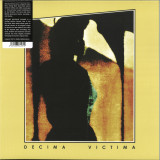
Décima Víctima were a Spanish band that, during their short-lived career between 1981 and 1984, developed a very personal sound reminiscent of Joy Division, The Cure and other British post-punk bands. Rarely has any Spanish band achieved such a high degree of quality and coherence in their music and personality. Despite only being active for under three years, Décima Víctima left a long-lasting legacy, and their influence would later be heard in Spanish bands such as Family, Los Planetas and Sr Chinarro. For this edition, the sound of the original tape recordings has been cleaned and improved and the artwork has been slightly modified following the band's original idea. The original ssions were no short of joy and experimentation. Paco Trinidad, the producer, understood what the band wanted and managed to achieve it technically. Despite commercial success evaded them, their first LP was acclaimed by the press, especially by El Pais, one of the biggest-selling newspapers in Spain. Unavailable for years and always in high demand, this is the first time their debut album gets an official reissue in its original single LP format. For this edition, the sound of the original tape recordings has been cleaned and improved and the artwork has been slightly modified following the band's original idea.
out of Stock
Last delivered 22 months ago available to reorder, subject to availability
Red Vinyl. Since emerging in 2015, Sextile have been a party-provoking force on the LA underground, capable of kicking up a riot with the raw-edged squall of a synth or the sharp-elbowed jerk of a guitar. Sextile are now ready to rage with a serotonin-boosting new album, a new group dynamic, faster BPMs, and an even wilder new direction. Recorded in Yucca Valley, Push bounces and bops at the fringes of hardcore dance music, with the hallmarks of drum & bass, gabber and trance illuminating the record like glowsticks at a `90s Fantazia rave. "Contortion" introduces the album with shadowy vocals from Keehn and a `00s-ready twist of dirty electro bass, setting the tone for the dance-punk rave-up that unfolds across 11 attention-grabbing tracks. There's plenty of historic teen angst and biting social commentary written into the album's vivid tales and misadventures. Balancing storytelling with face- melting synths that turn the tune into an acid trance character study, "No Fun" is penned from the perspective of a teenager trying to flee their town. A punk spirit underscores the album. The clue's in the name with "Crassy Mel," which partly serves as a high-energy dedication to `70s anarcho-punk legends Crass . The track's headbang - ing heft, vocal yelping, and Prodigy -shaped breakbeats accentuate the album's overwhelming sense of fun. Plus, the dreamy ambient wash at the end of the song is the ultimate palate- cleanser. Push was inspired by the kind of pleasure-seeking music fans whose social calendar comprises both the punk show and the rave. Josh Wink, Iggy Pop, Goldie, and early XL Recordings have all been namechecked as influences on Push , and the dancefloor remains a constant pres - ence. Repping their place of origin, "New York" brings these musical touchstones off the page, guiding the album like an acid-soaked lodestar with its grinning nod to "Higher State of Consciousness" and a whirlygig of music-box synths. There are still nods and "hellos" to the caustic post-punk of Sextile's earlier work. Sextile haven't relinquished their punk credentials, they've just given them a smiley-faced revamp.
out of Stock
Last delivered 7 months ago available to reorder, subject to availability
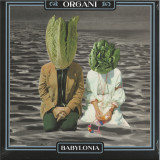
Well-versed in vintage vernaculars, Oakland-based producer/musician Mike Walti is about to return with his sophomore offering under the Organi moniker – as new album “Babylonia” follows 2020’s “Parlez-vous Français?,” a landmark in vibe acquisition ever since.
Wyldwood Studios is a portal. It’s a secret gateway to analog spheres. Cross the threshold and you’ll feel the difference: you can pick any ol’ time, any place, any tongue or vibe, in fact. Hit the dancefloor in 1967, feel that plushy loveseat in the early 70s. It’s a welcoming place where better, saner vibes are still within reach. Fueled, at least in part, by those long-classic 12”s on the walls – just imagine the sepia-tinted countenance of Melody Nelson alongside actual Birkin sans wig, right next to Shadow’s immortal crate diggers, forever blurred –, and channeled through ancient time travel devices such as the MCI 416B only to arrive on classic 2-inch tape (MM1000 aka Ol’ Bessy), it’s a haven for all things organic, for all things imbued with that warm élan. Built and run by Oakland’s own Mike Walti, countless artists from many different genres have felt that flair, creating sonic spheres and moving back and forth along the malleable axis that is space-time. Capturing magic.
Emerging from this unique portal back in 2020, Walti’s aka Organi’s first studio album was a stunning answer to its titular question – “Parlez-vous Français?” It was a soothing, somewhat psychedelic trip so magnétique and alluring that it immediately brought back those bits of Franglais you never knew you remembered. Whereas the debut LP indeed felt like a spontané voyage to the French Riviera ca. 1968, its follow-up “Babylonia” is so much more than linguistic confusion and ancient Akkadian Rhythms. Using that hidden portal near Alameda’s finest port to access all kinds of remote regions and sonic spheres, it’s super tight and feels, well, decent, even though, just like the ol’ Babylon, it’s full of surprising tongues and dreams, schemes and melodies.
“Where do we go from here?,” someone asks in opening “Organii-“ – all majestically cinematic boom bap, buoyant bass, sick strings. A fittingly massive opener that feels like cracking open a cold one after long weeks at work (that ecstatic “ahhhh”), it perfectly sets the tone for another half hour of pure time traveling, globe-spanning bliss. Whereas that certain prédilection pour all things French makes “La Rockette” so tempting and tantalizing (think MalMalNonBien), the sophomore album’s Berlin-based guest singer Nana Lacrima soon takes us elsewhere: title track “Babylonia” spins ever so softly, like a magic lantern, with images of dreamier Stones Throw funksters or Savath y Savalas looming over the steady flow of an arrangement that washes you clean like an ancient, unpolluted River Euphrates or Brazil’s actual Amazon. A sexy Portuguese-flavored anthem, occasional guest singer Alix Koliha also enters the scene to add yet another layer of French chic to this Brazilian landscape. Next, we’re back at the Riviera, but the “Italiano” version of it, splendido sunsets and bell towers in the distance, the ragazze laughing and shaking it up, perhaps even some Portofino Gin so you can really feel that “me ne batto il belin,” as your fingers align form some half-serious “ma che vuoi?”
Tim Maia-penned “Padre Cicero” (1970) deals with the stunning transformation of the titular hero – “De reverendo a lutador,” and what a soaring, sensual hook –, and Organi’s take on Elephant Memory’s “Old Man Willow” (now an “Old Man Waltz”) perfectly underlines what Walti’s Wyldwood endeavor is all about: Easy-Going Experimental Dream Pop, fueled by Gainsbourg, Broadcast, Stereolab, etc.
Later on, even though something seems to be tres complique in “Remembering Anna,” it all sounds carefree like a spontaneous Friday afternoon with a bottle of fine wine. Right before the outro, key album guest Yea-Ming Chen (of Yea-Ming & The Rumors) returns to the mic, adding her dark and dusky trademark timbre to melancholy anthem “Pictures Of Your Face”. Reminiscent of Nico and Trish (rip & rip), it’s a track that’s both dark and strangely propelling, hypnotic and hip-shaking.
A third generation Bay Area native, Mike Walti aka Organi has been running Wyldwood Studios in Oakland CA for some 15+ years (recording artists like Tommy Guerrero, Spelling, Why?, Latyrx, Del, Dan The Automator, and Big Freedia, to name but a few). A multi-instrumentalist who’s obviously in love with the 60s/70s, he loves to work with analog equipment (“We just love us some analog!” “Just listen to those relays purr…”). Recorded and mixed by Mike Walti at Wyldwood, “Babylonia” will be released on vinyl/digital by Alien Transistor.
out of Stock
Last delivered 22 months ago available to reorder, subject to availability
Mit ihren unberechenbaren Live-Auftritten und Songs wie "Zurück zum Beton" und "Industriemädchen" sorgten S.Y.P.H. Ende der 70er für Furore - als eine der Bands, die rund um Düsseldorfs Ratinger Hof begannen, deutschsprachig zu texten. Die Band brach von Beginn an mit genre-konformistischen Erwartungshaltungen und machte Musik, die sich bei Rock, Punk und Kraut genauso bediente wie bei der Zügellosigkeit des Dadaismus und der Realität des Tagesgeschehens. S.Y.P.H. entstand 1977 in Solingen und begann im nahen Düsseldorf Konzerte zu spielen. Anfangs deutlich am Punk angelehnt, entwickelte sich der Sound der Band schnell weiter und wurde zusehends schwerer einzuordnen. In intensiven Jahren entstanden Produktionen, bei denen immer wieder Gäste aus der Düsseldorfer Szene um den Ratinger Hof mitwirkten, aber auch Holger Czukay von der international bekannten experimentellen Rock-Band CAN, mit dem sie zwei Alben aufnahmen. Zunächst wird die erste Schaffensphase der Jahre 1977 bis 1982 aufbereitet. Die "Pure Freude Singles" inkl bisher unveröffentlichter Songs und das selbstbetitelte Album "SY.P.H". Drei weitere Wiederveröffentlichungen, zwei davon produziert von CANs Holger Czukay, folgen in 2025. Pure Freude Singles Eine Sammlung der frühen Singles: Vier Titel - darunter auch "Industriemädchen" und "Europa" - erschienen ursprünglich 1979 auf der EP "Viel Feind, viel Ehr". Dreizehn weitere Tracks - u.a. "Falsche Freunde" und "Knudelblues II" - wurden in 1982 veröffentlicht als "Der Bauer im Parkdeck". Drei weitere Songs sind bisher unveröffentlicht.
out of Stock
Last delivered 22 months ago available to reorder, subject to availability
It’s abundantly clear from the first bars of their 5th studio album Through Other Reflection, that this is, and could only ever be, The Soundcarriers. From the enchanting vocal duets of folk-bidden Chanteuses Leonore Wheatley and Dorian Conway; to the precise bass lines of Paul Isherwood and the limber, jazz-cool, Hal Blaine-esque drums of his his co-songwriter Adam Cann; from the fairy-like flutes, 60s-garage guitars and organ sounds pilfered from the archives of exotica - listening to the Soundcarriers resembles a rediscovery of all the most prized, esoteric corners of the 1960s, all bundled up, warped and refracted through the quartet’s astutely modern cultural lens. Channelling Tropicalia, Middle Eastern psychedelic Jazz/Funk, The French Library sounds of Nino Nardini, and a whole host of lavish obscurites beside, Through Other Reflection delivers another sonic adventure from one of the most unique and distinctive voices of British Psychedelia. After an 8 year wait for their album 4 - 2022’s Wilds - it thankfully didn’t take so long for the follow-up this time round. In many ways, this feels like a companion to Wilds; recording again at their Nottingham warehouse studio, Through Other Reflection retains that same organic glow, all the passions and imperfections of a tightly clipped unit jamming out these living, breathing pop-art nuggets as if straight onto the acetate.”We wanted to keep an air of spontaneity with this album and not get too bogged with the recording process”, explains Cann, “It was more a case of getting the songs as tightly written and arranged as possible first so we could get them down quickly in the studio. It always takes longer than you think” Less packed with strident pop hooks as its predecessor however, the music of Through… has been given extra licence to breathe, stretch out, and wander more uncharted terrains. While gleaming psych-pop of tracks like ‘The City Was’, or ‘Already Over’ confidently carry on from where they left off, from the album’s 2nd track ‘Always’, the trip becomes a little less predictable. Starting out as a smoky Procol Harum-meets-French-Psych organ ballad, the music drifts, as if of its own accord into an eerie, garage trance that lingers, cycles, and hypnotises, growing ever stranger, reaching ever-further away from its point of conception. And almost every track on Through Other Reflections holds that outer-body moment, where the band fix themselves on a limber, lysergic groove, lose all grip on time and reality, and melt themselves away into a liquid state of blind euphoria. There are sequences on this record that feel more like rituals than songs, built upon a single hypnotic rhythm which, like the centre of a vortex, pulling everything under its beatific command. Take the finale to ‘What We Found’ for instance, sounding like a ghostly march across the psychedelic moors, or ‘Feel The Way’, where a single athletic drum-loop rises and rises, growing ever more urgent and suspenseful underneath its frantic harpsichords and rasping flutes. Full of such rich stylisms as these, The Soundcarriers showcase themselves as abstract storytellers par excellence by virtue of their textures and arrangements alone. Resembling Romantic composer Maurice Ravel, but if he had just a four-piece rock band at his disposal, Through Other Reflects is rich with detail; there’s shakers, rattles, clarinets, booming drums; there’s synthesiser swarms, chiming xylophones, vintage organs and experimental Cluster & Eno-esque ambiences. Within all this nuance the music flows like some undisclosed narrative swathed in a magnetic secrecy. “It almost comes across like a story in some ways”, says Cann of the album, “the music is quite sectional with elements of exotica and cinematic type layers, it's a good balance of grooves, tunes and weirdness”. No more is this “epic cinematic feel” heard more proudly than on short instrumental ‘Sonya’s Lament” - its innate, hauntological atmospheres befitting a Peter Strickland soundtrack, or the classics of Lex Baxter, the so-called ‘Founder of Exotica’ himself. On the other hand, providing a greasier undercurrent to all these bucolic sounds is a leaning towards a more “direct” lyricism referencing more “external concerns. Laying down the first tracks for the album in the wintry gloom of pre-lockdown 2020, and drawing inspiration from time spent in Berlin, Through Other Reflections returns to some of the post-apocalyptic futurism explored in 2014’s Entropicalia - a loose concept album inspired by J.G Ballard’s The Drowned World. “The songs explore a disillusionment with the way things are going particularly after 40 years of neoliberalism”, says Cann, “They follow that folk-song tradition of wanting to escape to an imagined time, but here it’s more urban than pastoral. The first couple of ideas I came up with when doing some music in Berlin and had some time to wander aimlessly. And think the atmosphere seeped in, particularly on The City Was and Already Over. He continues, “One aspect of the title, ‘Through Other Reflections’ is about synthesis and layers of influence. How things can be filtered through other things and change the perspective. This is something you get in cities as well.” Though, as with everything The Soundcarriers make, “It can mean anything. It also just sounds kind of cool.”
Forest Jams continues the journey into the great beyond with Mori Ra’s Mantra–an EP composed of four edits created for any inquisitive earthling and forest wanderer.
Mori Ra is a DJ based in Osaka, Japan his sets are a witches brew composed of balearic, cosmic, and electronic disco ingredients. He has released on other labels such as Rotating Souls, Macadam Mambo, Berceuse Heroique, MM Discos and more. In Mantra, Mori Ra acts as a mysterious wanderer who has stumbled upon the doors of our minds in the middle of the night. When we answer the door he is bearing gifts of creative glory and all we need to do is provide shelter in return. We invite him in so that he can rest, recharge, and continue his journey.
During his visit in our minds Mori Ra shares “Mantra” the secrets of the universe disguised as parables packaged neatly into four tracks. Catharsis begins the journey and immediately throws us into a sound that feels like we are driving a spaceship in Gran Turismo 37, the spaceship simulator. Now that we have successfully crossed the plane and have entered the digital unknown, Seinn O! becomes the story of communication. Seinn O! gave the smoke leaving my mouth color and the shamanistic chants placed me in an atmospheric state with the ability to cross over and communicate in the digital space. Then comes 孫行者 the Grandson Traveler, which embodies the story of the simulation. Imagine the sound of a bustling dystopian city in the matrix–neon signs, dancing billboards, talking vending machines, radioactive wildlife, and overgrown foliage leaking in from the jungle the city is carved into. Mori Ra seems to have melded all of those sounds together to create the soundtrack of the big city where everyone is lost. Finally, before leaving our minds Mori Ra offers the final parable, あの星 That Star. Which becomes the story of realization, the journey back home from the exploration of the mind. That Star brought me into a cave and I could see the opening at the end of it, all I had to do was walk towards it. However, I couldn’t walk. I could only galumph forward, while bouncing up and down to the beat. My arms slivered and guided my body forward as the vocals came in. As I moved forward the opening, the clearing, the destination remained the same distance away. The endless tunnel of the mind gave me a feeling of comfort because I did not want this journey to end.
The EP ends and we will never know who visited our minds that night, but we know we loved the journey. Mori Ra is the steward of our journey through consciousness, and the vessel is “Mantra”.
out of Stock
Last delivered 12 months ago available to reorder, subject to availability
The Fluid are arguably the great unsung band from the fertile underground rock scene of the late '80s and early '90s. The Denver five-piece - John Robinson (vocals), James Clower (guitar), Matt Bischoff (bass), Garrett Shavlik (drums), and the dear departed Ricky Kulwicki (guitar) - fused the fire of '80s hardcore with crunching Detroit protopunk, '60s garage rock, and '70s rock swagger. Think MC5, Faces, '70s Stones, all cranked up and really high on Sex Pistols and Black Flag singles. Rising from the ashes of early-'80s Denver bands Frantix (whose "My Dad's a Fuckin' Alcoholic" is a true gem of American punk) and White Trash, The Fluid were the first non-Seattle band to sign to Sub Pop, and Clear Black Paper was the second full-length album the label ever released. The label honchos were fans of Frantix, and happily got involved with The Fluid when the opportunity arose via the label's European licensing partner, Glitterhouse. Witnessing The Fluid's dominant live presence helped - a particularly fiery early show at Seattle's Central Tavern featured The Fluid, Mudhoney, Mother Love Bone, and Soundgarden all trying to outdo one another on stage. The band fit right in on Sub Pop's nascent roster of acts who, wherever they stood on the spectrum of punk/rock/metal, shared a commitment to thunderous riffs and explosive live shows. Legendary for their ferocious stage presence, The Fluid toured all over the US and Europe, holding their own and then some on bills with Mudhoney, Nirvana, Soundgarden, Dinosaur Jr., and other powerhouses of the era. From 1986 to 1993, The Fluid put out four albums and a number of EPs and singles, including a split 7" with Nirvana in 1991, before doing one album for a major label and promptly disbanding. Yet, while their partners-in-crime bulldozed into the mainstream, The Fluid remained something of a cult band, their audience confined to those who got hip during the band's existence, and crate diggers who nabbed original vinyl or CDs, which had quickly become rarities after selling through their original runs. Why? Record industry machinations? The fickle finger of pop culture? Being from Denver, not Seattle? Who the hell knows_ and who cares! The point is the band ripped, and the world deserves to hear them again. The Fluid took influences they shared with their contemporaries and ran in their own direction, focused on ass-shaking grooves more than misanthropic sludge. Rock anthems like "Cold Outside" sit alongside Stooge-oid rhythmic poundings ("Black Glove"), bluesy romps ("Leave It"), the occasional grungy dirge ("Wasted Time"), and raw punk bangers ("Is It Day I'm Seeing?" from the seminal 1988 Sub Pop 200 compilation). The band wasn't shy about their inspiration, either: scattered through their catalog are covers of The Troggs, The Rolling Stones, MC5, Iggy Pop and James Williamson, and Rare Earth. The Fluid stand out as champions of a feral, urgent, exuberant approach to rock 'n roll. As it turns out, that wasn't a recipe for stardom in the era of hyper-slick pop, boomer dinosaurs crying tears in heaven, and hair-metal power-ballads. But someone had to do it. To set things right, Sub Pop, The Fluid, and producer Jack Endino (Nirvana, Soundgarden, High on Fire, Mudhoney) teamed up to refresh and reissue The Fluid's entire indie-label catalog: their 1986 debut, Punch N Judy; 1988's Clear Black Paper; 1989's Roadmouth; the 1990 Glue EP (produced by Butch Vig, of Nevermind fame); and a treasure trove of rarities and previously unreleased material. All the music has been remastered from original tapes by Endino and JJ Golden, and the bulk of it has been meticulously remixed by Endino and the band, righting some sonic quirks that diminished the impact of the original records. Now, with their definitive material sounding better than ever, it's high time The Fluid get their due.
• Includes newly enhanced version of the original poster
Indulge in the allure of Reiko Ike, Japan's first adult film star, with the 1971 release, "Koukotsu no seka", now reissued on stunning clear purple vinyl.
This iconic Japanese "sexy jacket" album features a captivating photo from the Toei film "Gendai Poruno-den: Senten-sei Inpu.
"Included is a meticulously recreated poster, a coveted collectible that can fetch tens of thousands of yen in its original form.
The Fluid are arguably the great unsung band from the fertile underground rock scene of the late '80s and early '90s. The Denver five-piece - John Robinson (vocals), James Clower (guitar), Matt Bischoff (bass), Garrett Shavlik (drums), and the dear departed Ricky Kulwicki (guitar) - fused the fire of '80s hardcore with crunching Detroit protopunk, '60s garage rock, and '70s rock swagger. Think MC5, Faces, '70s Stones, all cranked up and really high on Sex Pistols and Black Flag singles. Rising from the ashes of early-'80s Denver bands Frantix (whose "My Dad's a Fuckin' Alcoholic" is a true gem of American punk) and White Trash, The Fluid were the first non-Seattle band to sign to Sub Pop, and Clear Black Paper was the second full-length album the label ever released. The label honchos were fans of Frantix, and happily got involved with The Fluid when the opportunity arose via the label's European licensing partner, Glitterhouse. Witnessing The Fluid's dominant live presence helped - a particularly fiery early show at Seattle's Central Tavern featured The Fluid, Mudhoney, Mother Love Bone, and Soundgarden all trying to outdo one another on stage. The band fit right in on Sub Pop's nascent roster of acts who, wherever they stood on the spectrum of punk/rock/metal, shared a commitment to thunderous riffs and explosive live shows. Legendary for their ferocious stage presence, The Fluid toured all over the US and Europe, holding their own and then some on bills with Mudhoney, Nirvana, Soundgarden, Dinosaur Jr., and other powerhouses of the era. From 1986 to 1993, The Fluid put out four albums and a number of EPs and singles, including a split 7" with Nirvana in 1991, before doing one album for a major label and promptly disbanding. Yet, while their partners-in-crime bulldozed into the mainstream, The Fluid remained something of a cult band, their audience confined to those who got hip during the band's existence, and crate diggers who nabbed original vinyl or CDs, which had quickly become rarities after selling through their original runs. Why? Record industry machinations? The fickle finger of pop culture? Being from Denver, not Seattle? Who the hell knows_ and who cares! The point is the band ripped, and the world deserves to hear them again. The Fluid took influences they shared with their contemporaries and ran in their own direction, focused on ass-shaking grooves more than misanthropic sludge. Rock anthems like "Cold Outside" sit alongside Stooge-oid rhythmic poundings ("Black Glove"), bluesy romps ("Leave It"), the occasional grungy dirge ("Wasted Time"), and raw punk bangers ("Is It Day I'm Seeing?" from the seminal 1988 Sub Pop 200 compilation). The band wasn't shy about their inspiration, either: scattered through their catalog are covers of The Troggs, The Rolling Stones, MC5, Iggy Pop and James Williamson, and Rare Earth. The Fluid stand out as champions of a feral, urgent, exuberant approach to rock 'n roll. As it turns out, that wasn't a recipe for stardom in the era of hyper-slick pop, boomer dinosaurs crying tears in heaven, and hair-metal power-ballads. But someone had to do it. To set things right, Sub Pop, The Fluid, and producer Jack Endino (Nirvana, Soundgarden, High on Fire, Mudhoney) teamed up to refresh and reissue The Fluid's entire indie-label catalog: their 1986 debut, Punch N Judy; 1988's Clear Black Paper; 1989's Roadmouth; the 1990 Glue EP (produced by Butch Vig, of Nevermind fame); and a treasure trove of rarities and previously unreleased material. All the music has been remastered from original tapes by Endino and JJ Golden, and the bulk of it has been meticulously remixed by Endino and the band, righting some sonic quirks that diminished the impact of the original records. Now, with their definitive material sounding better than ever, it's high time The Fluid get their due.
The Fluid are arguably the great unsung band from the fertile underground rock scene of the late '80s and early '90s. The Denver five-piece - John Robinson (vocals), James Clower (guitar), Matt Bischoff (bass), Garrett Shavlik (drums), and the dear departed Ricky Kulwicki (guitar) - fused the fire of '80s hardcore with crunching Detroit protopunk, '60s garage rock, and '70s rock swagger. Think MC5, Faces, '70s Stones, all cranked up and really high on Sex Pistols and Black Flag singles. Rising from the ashes of early-'80s Denver bands Frantix (whose "My Dad's a Fuckin' Alcoholic" is a true gem of American punk) and White Trash, The Fluid were the first non-Seattle band to sign to Sub Pop, and Clear Black Paper was the second full-length album the label ever released. The label honchos were fans of Frantix, and happily got involved with The Fluid when the opportunity arose via the label's European licensing partner, Glitterhouse. Witnessing The Fluid's dominant live presence helped - a particularly fiery early show at Seattle's Central Tavern featured The Fluid, Mudhoney, Mother Love Bone, and Soundgarden all trying to outdo one another on stage. The band fit right in on Sub Pop's nascent roster of acts who, wherever they stood on the spectrum of punk/rock/metal, shared a commitment to thunderous riffs and explosive live shows. Legendary for their ferocious stage presence, The Fluid toured all over the US and Europe, holding their own and then some on bills with Mudhoney, Nirvana, Soundgarden, Dinosaur Jr., and other powerhouses of the era. From 1986 to 1993, The Fluid put out four albums and a number of EPs and singles, including a split 7" with Nirvana in 1991, before doing one album for a major label and promptly disbanding. Yet, while their partners-in-crime bulldozed into the mainstream, The Fluid remained something of a cult band, their audience confined to those who got hip during the band's existence, and crate diggers who nabbed original vinyl or CDs, which had quickly become rarities after selling through their original runs. Why? Record industry machinations? The fickle finger of pop culture? Being from Denver, not Seattle? Who the hell knows_ and who cares! The point is the band ripped, and the world deserves to hear them again. The Fluid took influences they shared with their contemporaries and ran in their own direction, focused on ass-shaking grooves more than misanthropic sludge. Rock anthems like "Cold Outside" sit alongside Stooge-oid rhythmic poundings ("Black Glove"), bluesy romps ("Leave It"), the occasional grungy dirge ("Wasted Time"), and raw punk bangers ("Is It Day I'm Seeing?" from the seminal 1988 Sub Pop 200 compilation). The band wasn't shy about their inspiration, either: scattered through their catalog are covers of The Troggs, The Rolling Stones, MC5, Iggy Pop and James Williamson, and Rare Earth. The Fluid stand out as champions of a feral, urgent, exuberant approach to rock 'n roll. As it turns out, that wasn't a recipe for stardom in the era of hyper-slick pop, boomer dinosaurs crying tears in heaven, and hair-metal power-ballads. But someone had to do it. To set things right, Sub Pop, The Fluid, and producer Jack Endino (Nirvana, Soundgarden, High on Fire, Mudhoney) teamed up to refresh and reissue The Fluid's entire indie-label catalog: their 1986 debut, Punch N Judy; 1988's Clear Black Paper; 1989's Roadmouth; the 1990 Glue EP (produced by Butch Vig, of Nevermind fame); and a treasure trove of rarities and previously unreleased material. All the music has been remastered from original tapes by Endino and JJ Golden, and the bulk of it has been meticulously remixed by Endino and the band, righting some sonic quirks that diminished the impact of the original records. Now, with their definitive material sounding better than ever, it's high time The Fluid get their due.
The Fluid are arguably the great unsung band from the fertile underground rock scene of the late '80s and early '90s. The Denver five-piece - John Robinson (vocals), James Clower (guitar), Matt Bischoff (bass), Garrett Shavlik (drums), and the dear departed Ricky Kulwicki (guitar) - fused the fire of '80s hardcore with crunching Detroit protopunk, '60s garage rock, and '70s rock swagger. Think MC5, Faces, '70s Stones, all cranked up and really high on Sex Pistols and Black Flag singles. Rising from the ashes of early-'80s Denver bands Frantix (whose "My Dad's a Fuckin' Alcoholic" is a true gem of American punk) and White Trash, The Fluid were the first non-Seattle band to sign to Sub Pop, and Clear Black Paper was the second full-length album the label ever released. The label honchos were fans of Frantix, and happily got involved with The Fluid when the opportunity arose via the label's European licensing partner, Glitterhouse. Witnessing The Fluid's dominant live presence helped - a particularly fiery early show at Seattle's Central Tavern featured The Fluid, Mudhoney, Mother Love Bone, and Soundgarden all trying to outdo one another on stage. The band fit right in on Sub Pop's nascent roster of acts who, wherever they stood on the spectrum of punk/rock/metal, shared a commitment to thunderous riffs and explosive live shows. Legendary for their ferocious stage presence, The Fluid toured all over the US and Europe, holding their own and then some on bills with Mudhoney, Nirvana, Soundgarden, Dinosaur Jr., and other powerhouses of the era. From 1986 to 1993, The Fluid put out four albums and a number of EPs and singles, including a split 7" with Nirvana in 1991, before doing one album for a major label and promptly disbanding. Yet, while their partners-in-crime bulldozed into the mainstream, The Fluid remained something of a cult band, their audience confined to those who got hip during the band's existence, and crate diggers who nabbed original vinyl or CDs, which had quickly become rarities after selling through their original runs. Why? Record industry machinations? The fickle finger of pop culture? Being from Denver, not Seattle? Who the hell knows_ and who cares! The point is the band ripped, and the world deserves to hear them again. The Fluid took influences they shared with their contemporaries and ran in their own direction, focused on ass-shaking grooves more than misanthropic sludge. Rock anthems like "Cold Outside" sit alongside Stooge-oid rhythmic poundings ("Black Glove"), bluesy romps ("Leave It"), the occasional grungy dirge ("Wasted Time"), and raw punk bangers ("Is It Day I'm Seeing?" from the seminal 1988 Sub Pop 200 compilation). The band wasn't shy about their inspiration, either: scattered through their catalog are covers of The Troggs, The Rolling Stones, MC5, Iggy Pop and James Williamson, and Rare Earth. The Fluid stand out as champions of a feral, urgent, exuberant approach to rock 'n roll. As it turns out, that wasn't a recipe for stardom in the era of hyper-slick pop, boomer dinosaurs crying tears in heaven, and hair-metal power-ballads. But someone had to do it. To set things right, Sub Pop, The Fluid, and producer Jack Endino (Nirvana, Soundgarden, High on Fire, Mudhoney) teamed up to refresh and reissue The Fluid's entire indie-label catalog: their 1986 debut, Punch N Judy; 1988's Clear Black Paper; 1989's Roadmouth; the 1990 Glue EP (produced by Butch Vig, of Nevermind fame); and a treasure trove of rarities and previously unreleased material. All the music has been remastered from original tapes by Endino and JJ Golden, and the bulk of it has been meticulously remixed by Endino and the band, righting some sonic quirks that diminished the impact of the original records. Now, with their definitive material sounding better than ever, it's high time The Fluid get their due.
With this second record Shoko unveils a new genre called “Onsen Music”. Each track invites you on a relaxing journey, much like soaking away your troubles in the steamy hot waters of a traditional Japanese spa (Onsen). The variety of songs mimic the variety of onsens, some are salty and scorching, some are smooth and clear, some are bubbly and colorful, and others are a refreshing dip into crisp clear waters. In every instance, there's a sense of satisfaction as soothing and delightful as the tracks themselves. This ode to “relax”, while remaining irresistibly danceable, is filled with good vibrations, melodies and hooks that go straight to the heart, saxophone playing virtuosity, intricate electronic compositions, vocals that make us dream of new worlds, and beats that could keep us on a dancefloor all night long.
Shoko Igarashi was born in Yamagata Prefecture, Tsuruoka city, Japan. An accomplished tenor saxophonist, she is also a versatile flautist and plays alto and soprano saxophone fluently. She has already made her mark as both an arranger and a composer. Shoko grew up surrounded by dreamlike landscapes of abundant nature in the snowy countryside of Tsuruoka, a mysterious and surreal region renowned for producing the best quality rice in Japan, where she says, “the water and the air feel the purest," and where mountains and shrines overflow with ancient mysticism.
Self-released in 1969 ‘Our Thing’ is the debut album of the performing Houston unit known as Kashmere Stage Band. The Texas student band came together at the Kashmere High School and under the direction of musical director Conrad O. Johnson, released a series of cult album on Kram Records, before disbanding in 1978. Raw funk, that’s basically what they’ve been playing and clearly there was a blacksploitation feel all over the place, but their drive was quite unique. Rediscover the myth.
For Greg Mendez, reflection doesnüft mean a static image in a mirror, or even a face he recognizes. Itüfs more a kaleidoscopic mirage, where paths taken shapeshift with the prospect of paths untread, and the subconscious merges with the intentional. On his self-titled new album, the Philadelphia-based songwriter and multi-instrumentalist investigates the shaky camera of memory, striving to carve out a collage that points to a truth. But there isnüft a regimented actuality here; instead, Mendez highlights the merit in many truths, and many lives, and how even the hardest truths can still contain some humor. While this is technically Mendezüfs third full-length album, his back catalog boasts an extensive range of EPs and live recordings. Heüfs a prolific and thoughtful songwriter, understanding the joy in impulse, and shying away from the clinical sheen of overproduction. 2017üfs ügüP/ _(c)_ /üPüh and 2020üfs Cherry Hell garnered acclaim for their quiet, lo-fi urgency, exploring themes of addiction and heartbreak with an intentional, authentic haze, and itüfs this approach that has solidified Mendez as a staple in the DIY community for years. Greg Mendez was written in fragments, some stretching across more than a decade, with Mendez reworking old ideas and arrangements, and others blossoming much more recently. The weight of time..and perhaps the anxiety in running out of it..clouds the album, as Mendez prods at some painful experiences from his childhood and early adulthood. The common thread connecting the characters is their evident imperfections, and the various degrees of damage they cause, both knowingly and unknowingly. But where do we draw the line between a good person and a bad person? For Mendez, itüfs never been that easy. Greg Mendez is an intimate dialogue between the chapters weüfve experienced, and how they can inform the reality we perceive. Itüfs a reminder that we are constantly shifting, ever-changing selves and that if we ruminate too long, we may find ourselves stuck in the seriousness of it all. Here, Mendez allows us to take the time to notice what happens outside of the framework we may have built for ourselves, and the beauty that can occur when we finally do.
Horrible Occurrences is the title of the new Advance Base album, and there is truth in advertising. In these songs_all centered around a fictional town called Richmond and featuring an interlinked cast of characters_you will hear stories of death and disappearance, climactic confrontations and unsolved mysteries. "Richmond is just this place where all the bad memories live," Owen Ashworth explains, and nearly 30 years into his songwriting career, none of his records have packed quite the emotional intensity of this one. And yet something alchemical happens in the telling of these tales. Like a masterful short story collection, Horrible Occurrences is inspiring and alive, idiosyncratic and electric, pulling you closer with each word. In the six years since his last full-length collection of originals, 2018's Animal Companionship, Ashworth gathered ideas from performing live and traveling around the country, returning to cities that he once called home and revisiting old ghosts, memories, and fragments of unfinished ideas. Blending truth and fiction into a dreamlike composite, the songs convey the winding path our memory takes as the years go by, giving voice to a subconscious that is still unpacking old memories for new wisdom. Drawing inspiration from the otherworldly loneliness depicted on '80s masterpieces like Arthur Russell's World of Echo and Bruce Springsteen's Nebraska, the music never crowds Ashworth's detailed storytelling but it also never feels auxiliary. These are beautiful songs, but they stick with you for their ability to strike dissonant, unforgettable emotional chords. It is this pervasive empathy in Ashworth's songwriting_along with his writerly gift for clear settings and complex characters_that has made him a guiding light for so many independent artists. The things that happen throughout Horrible Occurrences are what we tend to call "unspeakable"_events that draw gut-level responses just from acknowledging that they could happen. But part of the triumph of the record is how simply and generously Ashworth finds the language to share them. For the characters in these songs who make it out okay, these are the types of memories they will be tossing and turning their whole lives, waiting for quiet moments to confide them among the people they trust. For the rest of us, they are signs of life along the highway on a dark, snowy night: reminders that, as isolated as we may feel, we are not alone on the road.
'Lucinda Williams Sings The Beatles From Abbey Road' features 12 Beatles songs that include classic hits such as “Can’t Buy Me Love”, “With A Little Help From My Friends” and “Something”. Williams and her band also take on beloved deeper tracks such as “I’m So Tired”, “I’ve Got A Feeling," and “Yer Blues”. Being raised on the blues in the South, the latter is a song Williams was clearly meant to sing. Recorded at The Beatles' legendary studio in London, the new collection serves as Vol. 7 of her celebrated 'Lu’s Jukebox' series and is the first new volume in almost four years. While many great artists have recorded in the hallowed Abbey Road Studios, as it turns out, Williams is the first major artist to actually record Beatles’ songs there aside from the Fab Four themselves. As an acclaimed, award-winning singer/songwriter for more than four decades, Williams’ music has been highly influential and covered by a multitude of artists. Williams is also an extraordinary interpreter who, like all great interpreters, has the ability to inhabit a song and make it her own. She does just that throughout this selection of Beatles tracks, as she has done on each 'Lu’s Jukebox' volume.
Autobahn, Feldwege, Landstraßen. Thees Uhlmann ist längst sein eigener Road Movie. Doch erst dieses Album zeichnet den Trip mitreisetauglich nach. Er führt vom AJZ bis ins Stadion, von Hemmoor bis nach New York, durch mehr als drei Jahrzehnte wiedervereinigtes Deutschland. Rock, Indie, Punk und was nicht sonst noch alles. Lichthupe aber nur im äußersten Notfall. "Sincerely, Thees Uhlmann!" ist eine Best Of Zusammenstellung der Tomte Years (1994 - 2010) und Thees Solo Years (2011 - Present).
Autobahn, Feldwege, Landstraßen. Thees Uhlmann ist längst sein eigener Road Movie. Doch erst dieses Album zeichnet den Trip mitreisetauglich nach. Er führt vom AJZ bis ins Stadion, von Hemmoor bis nach New York, durch mehr als drei Jahrzehnte wiedervereinigtes Deutschland. Rock, Indie, Punk und was nicht sonst noch alles. Lichthupe aber nur im äußersten Notfall. "Sincerely, Thees Uhlmann!" ist eine Best Of Zusammenstellung der Tomte Years (1994 - 2010) und Thees Solo Years (2011 - Present).
"This is the time that we, who have benefitted from the Last Poets shouldbe able to say, 'it's the Last Poets. It's them we should be honouring, because we did not honour them for so many years_"
KRS One wasn't just addressing the hip hop fraternity when he uttered
those words by way of introducing the video for Invocation - a poem
written thirty years ago, around the time of the Last Poets' last significant comeback. He was speaking to everyone who's been affected by the word, sound and power issuing from the most revolutionary poetry ever witnessed, and that the Last Poets had introduced to the world outside of Harlem at the dawn of the seventies.
In 2018 the two remaining Last Poets, Abiodun Oyewole and Umar Bin
Hassan, embarked on another memorable return with an album -
Understand What Black Is - that earned favourable comparison with theirseminal works of the past, whilst showcasing their undimmed passion andlyrical brilliance in an entirely new setting - that of reggae music. Trackslike Rain Of Terror ("America is a terrorist") and How Many Bullets demonstrated that they'd lost none of their fire or anger, and their essential raison d'etre remained the same.
"The Last Poets' mission was to pull the people out of the rubble o f their lives," wrote their biographer Kim Green. "They knew, deep down that poetry could save the people - that if black people could see and hear themselves and their struggles through the spoken word, they would be moved to change."
Several years later and the follow-up is now with us. The project started when Tony Allen, the Nigerian master drummer whose unique polyrhythms had driven much of Fela Kuti's best work, dropped by Prince Fatty's Brighton studio and laid down a selection of drum patterns to die for. That was back in 2019, but then the pandemic struck. Once it had passed, the label booked a studio in Brooklyn, where the two Poets voiced four tracks apiece and breathed fresh energy, fire and outrage into some of the most enduring landmarks of their career. Abiodun, who was one of the original Last Poets who'd gathered in East Harlem's Mount Morris Park to celebrate Malcolm X's birthday in May 1968, chose four poems that first appeared on the group's 1970 debut album, called simply The Last Poets. He'd written When The Revolution Comes aged twenty, whilst living in Jamaica, Queens. "We were getting ready for a revolution," he told Green. "There wasn't any question about whether there was going to be one or not. The truth was many of us still saw ourselves as "niggers" and slaves. This was a mindset that had to change if there was ever to be Black Power." He and writer Amiri Baraka were deep in conversation one day when Baraka became distracted by a pretty girl walking by. "You're a gash man," Abiodun told him. The poem inspired by that incident, Gash Man, is revisited on the new album, and exposes the heartless nature of sexual acts shorn of intimacy or affection. "Instead of the vagina being the entrance to heaven," he says, "it too often becomes a gash, an injury, a wound_" Two Little Boys meanwhile, was inspired after seeing two young boys aged around 11 or 12 "stuffing chicken and cornbread down their tasteless mouths, trying to revive shrinking lungs and a wasted mind." They'd walked into Sylvia's soul food restaurant in Harlem, ordered big meals, then bolted them down and run out the door. No one chased after them, knowing that they probably hadn't eaten in days. Fifty years later and children are still going hungry in major cities across America and elsewhere. Abiodun's poem hasn't lost any relevance at all, and neither has New York, New York, The Big Apple. "Although this was written in 1968, New York hasn't changed a bit," he admits, except "today, people just mistake her sickness for fashion." Umar is originally from Akron, Ohio, but had arrived in Harlem in early 1969 after seeing Abiodun and the other Last Poets at a Black Arts Festival in Cleveland. That's where he first witnessed what Amiri Baraka once called "the rhythmic animation of word, poem, image as word- music" - a creative force that redefined the concept of performance poetry and stripped it bare until it became a howl of rage, hurt and anger, saved from destruction by mockery and love for humanity. When Umar's father, who was a musician, was jailed for armed robbery he took to the streets from an early age where he shined shoes and raised whatever money he could to help feed his eight brothers and sisters. By the time he saw the Last Poets he'd joined the Black United Front and was ready to join the struggle. Once in Harlem, Abiodun asked him what he'd learnt in the few weeks since he'd got there. "Niggers are scared of revolution," Umar replied. "Write it down" urged Abiodun. That poem still gives off searing heat more than fifty years later. In Umar's own words, "it became a prayer, a call to arms, a spiritual pond to bathe and cleanse in because niggers are not just vile and disgusting and shiftless. Niggers are human beings lost in someone else's system of values and morals." And there you have it. It's not just race or religion that hold us back, but an economic system that keeps millions in poverty and living in fear - a system born from political choice and that's now become so entrenched, so bloated on its own success that it's put mankind in mortal danger. It was many black people's acceptance of the status quo that inspired Just Because, which like Niggers Are Scared Of Revolution, was included on that seminal first album. Along with their revolutionary rhetoric, it was the Last Poets' use of the "n word" that proved so shocking, but it would be wrong to suggest that they reclaimed it, since it never belonged to black people in the first place. There's never any hiding place when it comes to the Last Poets. They use words like weapons, and that force all who listen to decide who they are and where they stand. Umar's two remaining tracks find him revisiting poems first unleashed on the Poets' second album This Is Madness! Abiodun had left for North Carolina by then where he became more deeply enmeshed in revolutionary activities and spent almost four years in jail for armed robbery after attempting to seize funds related to the Klu Klux Klan. Meanwhile, the 21 year old Umar was squatting in Brooklyn and had developed close ties with the Dar-ul Islam Movement. A longing for purity and time-honoured spiritual values underpins Related to What, whilst This Is Madness is a call for freedom "by any means necessary," and that paints a feverish landscape peopled by prominent black leaders but that quickly descends into chaos. "All my dreams have been turned into psychedelic nightmares," he wails, over a groove now powered by Tony Allen's ferocious drumming. Those sessions lasted just two days, and we can only imagine the atmosphere in that room as the hip hop godfathers exchanged the conga drums of Harlem for the explosive sounds of authentic Afrobeat. Once they'd finished, the recordings and momentum returned to Prince Fatty's studio, since relocated from Brighton to SE London. This was stage three of the project, and who better to fill out the rhythm tracks than two key musicians from Seun Anikulapo Kuti's band Egypt 80? Enter guitarist Akinola Adio Oyebola and bassist Kunle Justice, who upon hearing Allen's trademark grooves exclaimed, "oh, the Father_ we are home!" Such joy and enthusiasm resulted in the perfect fusion of Nigerian Afrobeat and revolutionary poetry, but the vision for the album wasn't yet complete. He wanted to create a new kind of soundscape - one that reunited the Poets with the progressive jazz movement they'd once shared with musicians like Sun Ra and Pharoah Sanders. It was at that point they recruited exciting jazz talents based in the UK like Joe Armon Jones from Mercury Prize winners Ezra Collective, also widely acclaimed producer/remixer and keyboard player Kaidi Tatham, who's been likened to Herbie Hancock, and British jazz legend Courtney Pine, whose genius on the saxophone and influence on the UK's now vibrant jazz scene is beyond question. The instrumental tracks on Africanism are in many ways as revelatory and exciting as the Last Poets' own. It's important to remember that the kaleidoscope of styles and influences we're presented with here aren't the result of sampling but were played "live" by musicians responding to sounds made by other musicians. That's where the magic comes from, aided by Prince Fatty's peerless mixing which allows us to hear everything with such clarity. Music fans today have grown accustomed to listening to all kinds of different genres. Their tastes have never been so broad or all- encompassing, and so the music on this new Last Poets' album is as groundbreaking as their lyrics, and perfectly suited to the era that we're now living in. John Masouri
Control Freak is delighted to present Medici Daughter's ‘113’ – an exercise in expansive musical worldbuilding from a uniquely talented & multifaceted artist.
Medici Daughter has been a close CF collaborator since the earliest days of the label. Now, the new album-length continuous piece ‘113’ sees them expanding their musical focus, exploding the constraints of any boundaries set by the titular BPM into a myriad of possibilities.
With a sound palette influenced by dub techno, minimalism & outsider house, the release is anchored in a series of continuously evolving rhythmic motifs, washed out in a sea of hazy texture – engineered for deep home listening & late-night ambient-room sessions.
The digital release of ‘113’ is accompanied by a highly limited run of tapes, presented in a clear case & sealed with a holographic RFID sticker.
As Odysee celebrates its 30th anniversary, the label’s original founder Atila Kemal (T-Mirage) steps up to deliver this jaw-dropping E.P.
In 1994, Tilla was just 17 years old, and an integral part of the original St Albans collective that comprised Jim Baker & Phil Aslett (Source Direct) and Rupert Parkes (Photek), when he set up the Odysee imprint and released the first Source Direct record (Future London/Shimmer). With a follow-up release from Photek (Phaze 1/Try A Style) and a second from Source Direct, the profile of the label began to grow exponentially.
It was the 3 Mirage releases however that really put the label on the map. These tracks were engineered by Jim Baker but heavily co-produced by Tilla himself with a major focus on his keen ear for dark 70’s Noire samples and eerie abstract electronica pitted against soulful R&B vocals. In hindsight, the impact of this rather different soundscape on the Source Direct material that followed is unmistakable.
The A side track Dark Rhodes is a showcase of T-Mirage’s production skillsets. From the opening atmosphere of utter menace and spacious percussion, to the trademark call and response between the different breaks and speaker shaking subs; this track will take the listener straight back to that infamous dark 1995/6 sound that emerged from both the Odysee & Source Direct studios. What is particularly noticeable is the distinctive pairing of sets of samples to form unique sections within the piece, whilst maintaining the consistent rolling energy of the drums & bass. This was a clear stylistic trait the earlier tracks like Feel My Dreams, and is very much on display in Dark Rhodes; leaving us in no doubt that we are listening to the work of one of the OG St Albans Jungle masters!
One of the most important aspects of each Odysee release was to demonstrate versatility on the B side tunes. As a label that was an important part of the mid 90’s Atmospheric scene, it would be remiss not to revisit that style on this seminal E.P. The first of the two B-side tracks is the incredible Existence.
Everything about this piece is a pure distillation of Tilla’s musical style; from the intricacy of the break work and the depth of the subs, to the masterful dovetailing of the 70’s Noire and Jazz samples that build a cohesive arrangement drawing the listener deeper into the tune’s narrative- “A piece of music that’s just a pure expression.... A celebration of existence!” There is no need to re-invent the wheel, or to force groundbreaking new tricks when the strength of this classic sound is so overwhelmingly persuasive!
With the final track Flawless, Tilla delivers an absolute heart-breaker of a tune that rivals the very best of the original Odysee & SD B-sides. Misty-eyed pads and Jazzy rides launch the crisp rolling Think breaks. The deep melodic sub line and haunting guitar riffs draw the listener in, then hold the listener in suspense for a moment before dropping down in the body of the track. The gorgeous guitar motifs are paired with achingly gorgeous vocal ad-libs and avant-garde electronica, emerging orchestral flutters with that unmistakable 70’s Noire flavour. Once again it is
Tilla’s ear for those ‘special sounds’ that really sets this track apart, and as if that wasn’t enough, some 4 minutes down the track Flawless nonchalantly unveils another primary motif; well worthy in of itself of being the tracks centrepiece!
Absolutely stunning heritage-style Atmospheric Jungle at its finest!
out of Stock
Last delivered 22 months ago available to reorder, subject to availability