New 2026 Remix
Sun-drenched groove of the Caribbean meets the sensual pulse of Detroit house: “Kryé Mwen”, the standout hit by David Walters produced by Patchworks, finally available on 12" with a brand new Disco Club remix.
out of Stock
Last delivered 54 days ago available to reorder, subject to availability
FLO are leading the modern revival of the British girl group — and doing so at a scale not seen in over two decades. With over half a billion global streams, the trio have delivered the highest-selling tour by a British girl group in more than 20 years, becoming the first since the Spice Girls to reach that milestone. They are also the first British girl group to receive a Grammy nomination in two decades, alongside three MOBO nominations in 2026, cementing their status as both a commercial and cultural force. Rather than simply revisiting the past, FLO are reshaping the possibilities for what a contemporary girl group can be.
Comprised of Renée Downer, Stella Quaresma and Jorja Douglas, FLO’s story is one of intention, craft and deep-rooted connection. The trio had long been aware of one another through theatre school circles, social media and shared creative worlds before coming together as a group in 2019. That early familiarity quickly grew into a sisterhood, shaped behind the scenes through years of studio work, vocal development and trust. Raised by strong single mothers and immersed in performance from a young age, each member brings resilience, emotional intelligence and discipline into the group — qualities that underpin both their sound and their dynamic.
Individually, FLO’s balance comes from contrast. Renée is the group’s compass: composed, business-minded and creatively precise, grounding the trio with clarity and vision. Stella is the spark and the glue — sociable, emotionally intuitive and collaborative — shaped by a childhood between England and Mozambique where music was communal, expressive and felt. Jorja is the fire: outspoken, instinctive and vocally commanding, with a natural ear for harmony and arrangement. Their roles shift and evolve, but together they form a unit built on mutual respect, honesty and shared authorship.
That chemistry is central to FLO’s music. Drawing from classic R&B and soul while pushing it forward through modern production, their sound centres vocal harmony, emotional nuance and storytelling that reflects the realities of young womanhood. FLO reject the idea that strength requires emotional distance; instead, they explore power through vulnerability, confidence and control. From independence and self-worth to intimacy and desire, their writing is direct and unapologetically theirs. As Jorja puts it, FLO are “the brains, the heart and the soul” behind everything they do.
The success of their debut album marked a defining moment — not only for FLO, but for British pop more broadly. It confirmed the appetite for harmony-led, female-fronted groups operating with creative agency, and propelled FLO onto global stages, from sold-out headline tours to major festivals and international television. Along the way they have earned respect from R&B legends and peers alike, performing during Grammy Week for icons including Mariah Carey, Brandy and Chaka Khan, and showcasing their vocal chemistry on NPR’s Tiny Desk — a moment that further underlined the trio’s technical precision and emotional depth.
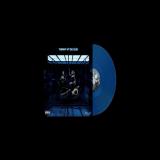
With their next chapter, Therapy At The Club, FLO expand this emotional honesty into a fully realised creative universe. The concept reimagines the club not just as a place of nightlife, but as a site of release, confession and self-possession — encompassing the moments before, during and after the night out. From mirror affirmations and pre-game chaos, to late-night Uber conversations, dance-floor catharsis and the clarity of the morning after, Therapy At The Club captures how women process desire, heartbreak, confidence and healing in real time, together. It is both fantasy and reality: cinematic, fashion-led and emotionally raw, grounded in sisterhood as a form of survival.
Sonically, the new music leans into dark, euphoric R&B and pop with sharper edges, built on vocal mastery and diaristic storytelling. Lead single “Leak It” sets the tone for the era — playful, charged and unapologetically self-aware — exploring what happens when desire spills over, secrets surface and control is reclaimed. Across the new songs, FLO move fluidly between intimacy and euphoria, turning the club into a space where vulnerability is power and feeling everything is the point.
As a trio built on discipline, joy and deep creative trust, FLO represent a new model for the British girl group: one rooted in authorship, harmony and cultural impact. Balancing softness with strength and ambition with authenticity, they are shaping the future of R&B and pop on their own terms. FLO are not looking backwards — they are setting the standard for what comes next.
HUMAN ERROR CLUB is keyboardists Diego Gaeta and Jesse Justice and drummer Mekala Session. Gaeta is a jazz-trained pianist with a restless harmonic imagination. Justice honed his chops making beats before trading his MPC for a Fender Rhodes, always maintaining a producer"s ear for texture and detail. Session, raised in Los Angeles" Leimert Park, studied under the legendary drummer Billy Higgins, and also leads the Pan Afrikan Peoples Arkestra. All hailing from different corners of LA, these longtime musician friends came together in 2019 as a solution to a recurring dilemma: good bassists are hard to find. What was originally meant to be a one-off for the underground series BackbeatLA turned into a regular thing, and soon the trio was in the studio recording what would become their debut album.
1.1TITLE SCREEN
1.2NOT HECN AROUND
1.3THIS
1.4TURING COMPLETE
1.5DUMPLINGS
1.6OOO WHAT'S THAT FT. QUELLE CHRIS & CAVALIER
1.7FROGTOWN
1.8NIGHT TIME FT. E L U C I D
1.9JOCELYN
1.10DRAGONCURVE FT. K-THE-I???
1.11ORANGE TREE
1.12YEAHYEAH FT. PINK SIIFU
1.13THE CENTER FT. MOOR MOTHER & BILLY WOODS
1.14LIGHTS ON AT THE CLUB
From the slamming science of “Ricochet,” through the jittery ghost-rave of “Survival” and the outer-space lover’s rock of “Dubbing You,” to the manic magic of “Finest Illusion,” this collection of early EPs by rave legends Foul Play tracks an astonishing evolution across barely more than a year. Some of the top tunes to come out of the hardcore > jungle > drum & bass journey? Yes, but also some of the most thrilling and gorgeous music of the entire ‘90s.
Simon Reynolds, author of Energy Flash: A Journey Through Rave Music and Dance Culture.
Re-mastered by Beau Thomas of Ten Eight Seven Mastering and re-issued for your aural pleasure. Don't sleep on this one!
out of Stock
Last delivered 79 days ago available to reorder, subject to availability
Anthoney J Hart continues to leave an indelible impression on the underground with his latest album as Basic Rhythm, returning to Sneaker Social Club after a string of incendiary EPs to deliver his definitive statement on 8 Bar Techno. The clue's in the name — a deadly fusion of grime sonics strapped to the pummelling locomotion of peak-time techno.
Hart's roots in pirate radio reach back to the 90s, forming a bedrock of uncompromising attitude that has permeated his work ever since. Between his work as Basic Rhythm, East Man and Imaginary Forces he's split the difference between incisive UK club sounds and experimental intention, applying artistic thinking to the physical impulses of grime, techno, D&B, drill and more. It's no wonder his work has been held aloft by labels as respected as Planet Mu, Metalheadz, Future Retro and The Trilogy Tapes.
On 8 Bar Grime Hart stretches out with a potent statement on his vision for club music in 2026. The thrust of the title track's opening 4/4 stomp is quickly interrupted by a none-grimier gun lock and load — an unambiguous thesis for the direction the album is heading in. The pressure stays high for the duration, barrelling through the distorted kicks and rabid wobble breakdowns of 'Weed Killer' before bringing the flawless flow of NyNy into the mix for half step sheller 'Vibez'. Elsewhere Lyrical Strally brings savage bars to 'Clutch' and Eklipse takes it deep and moody on 'Who, You'
In between the vocal spots, Hart maintains the flexibility to bend between styles with poise, edging a touch of UK funky's staggered groove to 'Teutonic' and wreaking havoc with a Drexcyian sound palette on 'More Pricks Than Kicks'. 12 tracks deep and without a moment of respite among them, the first Basic Rhythm album in five years finds Hart operating a peak strength, firing off neck-snapping payloads of ferociously infectious club gear for the more advanced kind of dance.
out of Stock
Last delivered 3 months ago available to reorder, subject to availability
With more than 140 live performances in Italy and Europe, Petrolio is a solo project by Enrico Cerrato, a versatile artist able to move with ease between experimental and noise music, soundtracks and compositions for the theatre In recent years, the artist has released numerous singles, EP and albums, playing throughout Europe, sharing the stage with artists of the caliber of Lingua Ignota, Lustmord and Karin Park, Jesu, Fennecs, and many more, and performing in international festivals. It boasts high profile collaborations with artists of the caliber of Jochen Arbeit (Einstrzende Neubauten), Aidan Baker (Nadja), as well as many noble names of the Italian noise/ industrial scene as Italian as Fabrizio Modonese Palumbo (Almagest!, Blind Salamander, Coypu, Coypu, Lanzen, XXL), Sigillum S, Stefania Pedretti and Mai Mai Mai.
With more than 140 live performances in Italy and Europe, Petrolio is a solo project by Enrico Cerrato, a versatile artist able to move with ease between experimental and noise music, soundtracks and compositions for the theatre In recent years, the artist has released numerous singles, EP and albums, playing throughout Europe, sharing the stage with artists of the caliber of Lingua Ignota, Lustmord and Karin Park, Jesu, Fennecs, and many more, and performing in international festivals. It boasts high profile collaborations with artists of the caliber of Jochen Arbeit (Einstrzende Neubauten), Aidan Baker (Nadja), as well as many noble names of the Italian noise/ industrial scene as Italian as Fabrizio Modonese Palumbo (Almagest!, Blind Salamander, Coypu, Coypu, Lanzen, XXL), Sigillum S, Stefania Pedretti and Mai Mai Mai.
Back on Planet Sneaker with his infectious, raw-as-sushi take on UK funky, French MPC maverick Kaval presents another four-strong salvo of wavey 4/4 workouts heavy on the drums and loaded with ear-snagging hooks. The past year saw the Toulouse scene stalwart launch his own KVLDUBS 12” series and appear on Parisian label Nowadays.
Kaval certainly sounds in fine fettle as he bowls back our way, kicking off proceedings with the air horn x bass squelch firestarter ‘Lavawheel’. It’s loaded with such hefty squarewave low end it feels like it could fall out the bottom of the speaker at any minute, all the while stamped down by a bouncy UKF thump. ‘Basement Woi’ twists up a knottier rhythm, but the cheeky vocal samples keep flying out of the mix to keep the vibe infectious.
On the B side, ‘Sonic Boom’ has a slightly more techno-spirited demeanour to the production, albeit never at the expense of the hefty subs. That leaves it to ‘Tek Talk’ to mop up with a twitchy construction dancing on the edge of electro in the tweaked-out, early 00s spirit of the word. With bags of personality and equal amounts swagger and fun, on SNKR066 Kaval maintains his position as a free thinker for the possibilities springing from the UK funky formula.
out of Stock
Last delivered 4 months ago available to reorder, subject to availability
To mark its 20th birthday, Lisbon-born label Enchufada is releasing A Lisbon Club Story - 20 hand-picked tracks bridging bass, trap, grime and rave with baile funk, kuduro, batida, Afro-house and more dance-oriented styles. A mix of 12 archive selections and eight fresh cuts, the LP unites some of the boldest champions of Afro-diasporic and global bass music today, from household names in Portugal such as Buraka Som Sistema - back with their first track in 12 years, DJ Marfox and Shaka Lion to newgen dynamos like Vanyfox and international stars like Dengue Dengue Dengue and Mina.
Summer is around the corner and what a perfect timing to introduce you to Admo’s latest musical project - Charlottenzbeul Science Club. After three years since his last solo EP, many live acts around the globe and releases on Limousine Dream, Haws and Ordinateuf, the mad bassist is back at it again with his first release on his new label - Two-Headed Fish Records - which he co-runs with his wife. Definitely an EP that stays in the family.
It’s another four-tracker - you know the kind of vinyl that keeps on giving. A celebration of his time in the vibrant German capital, Berlin (West is the best). A1 opens the ball : bassy, catchy and this infectious chromatic melodic line. The recipe for a summer hit. Now onto A2 (and we’re not talking about his German language skills here): a regular laidback approach where acid sounds mesh together with this high-energy baseline. A classic in the making. If you’ve seen him live, you must’ve recognised B1 as it used to be his closing. A dreamy touch, where storytelling is the key word. You will have your head bopping from the first minute - mellow moment guaranteed. And B2 wraps it up - it takes you by the hand, you hop onto the next U-bahn and straight to the dance floor. The analogic bass keeps on bringing the track higher, progressively transforming into this groover that gets your feet stomping. It’s a proper farewell and a perfect conclusion to this beautifully crafted record.
out of Stock
Last delivered 4 months ago available to reorder, subject to availability
The Bug Club sind mit einem neuen Album zurück. Seit ihrem letzten Album sind ganze sieben Monate vergangen. Wo waren sie denn? Every Single Muscle, das fünfte Album der Band, ist das dritte, das von Sub Pop, dem angesehenen Label des walisischen Duos aus Seattle, veröffentlicht wird. Seit Very Human Features, das im Juni 2025 rauskam, sind die Lieblinge von BBC 6 Music und KEXP auf ihrer Nonstop-Tour quer über den Atlantik geflitzt, wie sie es früher auf der Severn Bridge gemacht haben. Verschiedene Festivalauftritte im Sommer haben sie davon abgehalten, Urlaub zu machen - wer braucht schon Urlaub, wenn man in Wales lebt? - bis es Zeit war, wieder ins Songwriting-Studio zu gehen. Das ist wahrscheinlich immer noch ein Schlafzimmer in Caldicott, das von einem Windhund namens Ted frequentiert wird (aufgepasst - er taucht in einem der Songs auf). Die Songwriter Sam (Gitarre, Gesang) und Tilly (Bass, Gesang) sind immer bescheiden und behaupten sogar, dass sie während des Songs ,It's Our Manager David" nur ,herumsassen und nichts taten". Das ist eindeutig eine Lüge. Every Single Muscle startet mit ,Miss Wales 2012" voll durch und bezieht sich dabei auf einen Wettbewerb, den sowohl Tilly als auch Sam tatsächlich gewonnen haben. Es ist der erste von vielen Tracks auf dem Album, die weniger als zwei Minuten lang sind, und gibt den Ton für das bisher punkigste Album von The Bug Club an, das sowohl an die kurzen, knackigen Snaps ihrer allerersten Singles als auch an das Grunzen ihrer jüngsten Veröffentlichungen erinnert. Das Album ist so vollgepackt mit Riffs und eingängigen Hooks, dass Sam tatsächlich um Erlaubnis bittet, im zweiten Track ,A Good Day For Dying" ein Solo einbauen zu dürfen. Er bekommt zwei Sekunden Zeit. Glücklicherweise fragt Sam später noch einmal und bekommt mehr Zeit. Auf achtzehn Songs gibt's genug klassisches Gitarrenspiel von Sam und Tilly, um selbst die lautstärksten Bug Club-Fans zufrieden zu stellen und die Behauptung der Band, sie seien ,nur technisch versiert auf ihren Instrumenten", klar zu widerlegen. Dieses Album ist ein Beispiel für effizienten Maximalismus - so wie wenn dein Vater das Auto für den Urlaub vollpackt. Bring mit, was du willst; der Platz ist knapp, aber sie kriegen es irgendwie rein. Zu den Texten: Während ,Very Human Features" hervorragend alltägliche Dinge aufzeigte und ihre Absurdität hervorhob, schauen The Bug Club auf ,Every Single Muscle" genauer auf sich selbst. Allerdings nicht so sehr auf introspektive Weise, sondern eher so, wie ein Außerirdischer ein gefangenes Exemplar auf einer intergalaktischen Trage untersuchen würde. Horrorfilme haben ihr ,Body"-Subgenre, jetzt bekommen auch Garage-Rock-Alben ihres. In einem völlig neuen Sinne des Wortes selbstbezogen, wird die menschliche Form und Verfassung im Laufe des Albums aus jedem Blickwinkel beleuchtet und untersucht. Wir spüren eine surreale Distanz zum Selbst, die den allgegenwärtigen, von Langeweile geprägten Humor hervorbringt; im letzten Song verkündet Sam, dass er ,es satt hat, ein Mensch zu sein". The Bug Club scheinen dem Konzept, ein Mensch zu sein, fast misstrauisch gegenüberzustehen - als wären sie in einem Kostüm aufgewacht, das sie nicht anziehen wollten und nicht ausziehen können. Ist drei die magische Zahl? Wahrscheinlich nicht. Aber Every Single Muscle - das dritte Sub-Pop-Album von The Bug Club - kommt dieser Vorstellung nahe genug, um den durchschnittlichen seltsamen Menschen davon zu überzeugen, dass es so sein könnte.
'Honesty Flowers' is the fourth studio album from Italian multi-instrumentalist Alessio Ferarri under the Upupayāma moniker. An epic double album set due for release May 29th 2026 on Fuzz Club, 'Honesty Flowers' finds Upupayāma's ever mind-blowing brew of organic psychedelic rock meets global grooves at its most percussive, lively and distorted. Equally hedonistic and heady, it courses through rhythmic funk grooves, doubled-down scorched fuzz riffing, winding motorik jams, tranquil drones and pastoral acid-folk across its seventy minute run time. A six-piece band live, where things take a more ever-evolving improvisation-based approach (see their recent 'Live At Fuzz Club Festival '25' LP), on the recordings Ferarri writes, plays and records everything himself – guitars, keys, flute, sitar, and an arsenal of percussion all feature. Never not working on new music, Ferarri started laying down these new tracks in his home barn studio in a small mountain village overlooking the city of Parma before its 2024 predecessor 'Mount Elephant' even hit the racks. The result was mixed by Chris Smith at Kluster Sounds (Kikagaku Moyo, Wax Machine) and mastered by Joseph Carra (King Gizzard, Babe Rainbow, ORB) On the new record, Ferarri says: "Honesty Flowers was born from listening to lots of funk music from all over the world, lots and lots of African music, and from listening to myself as I spent whole nights playing all kinds of percussion instruments. I would fall into a sort of trance and play the same rhythm for hours on congas or on a djembe. It's an album that was born above all from the beauty of being able to narrate the unknown and recognise yourself in it, which could translate into telling stories and bringing them to life.
White/Orange Splatter Vinyl. To All The Ones That I Love wurde im bandeigenen Studio im Westen Melbournes aufgenommen, wobei Gitarrist Greg Rietwyk für Produktion und Mix zuständig war, bevor das Album von Kris Crummett (Closure in Moscow, Dune Rats, Currents) gemastert wurde. Dies ist das vierte Album von Press Club, und die Reife der Band spiegelt sich in den zehn Tracks wider. Dem Hörer wird ein Ritt durch verschiedene Genres geboten, während das Album Themen wie Introspektion, Entwicklung, Veränderung und das Lernen aus vergangenen Fehlern durchläuft. Die Band beschreibt die Entstehung des Albums als eine unglaublich spannende, kreative und befreiende Erfahrung: Die Songs wurden alle gemeinsam in ihrem Studio über mehrere Monate hinweg geschrieben. Diese Art des Schreibens gab der Band die Freiheit, mit verschiedenen Genres zu experimentieren und die Tiefen all ihrer Einflüsse auszuloten.
Doppel-LP, schwarzes Vinyl im Gatefold Cover. 24-seitiges Booklet. "Herz voran! Für die, die hinhören. Nicht nur zuhören. Fürs Umdrehen statt weiterzuskippen. Für Spätzünder und Aussteiger, Für Abgehängte und Neinsager. 15 weingeschwängerte, auf 4 Seiten verteilte Songs über den Tod, Liebeskummer, Freundschaft, Liebe und ein Huhn. Direkt from the Heart in die Matrize! Herz voran! Album Nr. 3 Angora Clubs finest!"
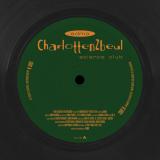
"Disco Chimi" by Dominican-raised Cuban artist Charles is the second release on Coco Maria's newly found Club Coco label. Comes with 4 paged insert with liner notes and art.
Charlie Chimi — the alter ego of Charles Garmendia — is a globe-trotting, kaleidoscopic creator best known for La China de la Gasolina. A percussionist for legendary Zamrock band WITCH, L’Eclair, and other international acts, Charlie moves fluidly between roles as a live performer, studio musician, and visual artist.
Like the iconic Dominican street burger it’s named after, the Charlie Chimi project is a spicy mélange of Afro-Cuban rhythms, funk-driven basslines, and playful, inventive wordplay — touching on everyday rituals like making lunch, as well as the trickier themes of illusion, hustle, and deception in the animal (and human) world.
Charlie has assembled an international crew of “Chimis” to help him run the numbers, delivering a dizzying, theatrical live show that feels like peeking into the hazy back room of a bodega: old men slamming dominoes, bachata blasting, and a cosmic sandwich opening a wormhole to somewhere far stranger.
out of Stock
Last delivered 5 months ago available to reorder, subject to availability
In a patchwork of IRL sound fragments, humming ambience and sub bass brushstrokes, Bobby Ingham debuts on Sneaker Social Club with a social-realist inversion of soundsystem music that relishes negative space while telling a street-level story.
Bobby Ingham is a 24-year-old multidisciplinary artist whose creative practice across film, music and sculpture was shaped by formative experiences in his native Leeds. Having started to experiment with spoken word, poetry and electronic sound production, he sharpened his focus after moving to London. Homesickness moved him to recreate the sensory impression of his hometown through sound, using snippets of his every day experience with his friends and family as well as archival recordings online related to Leeds. The particular lilt of regional dialect became central to the character of his work — a direct portal into a personal world that could only be rendered by someone who has lived it.
Ingham’s work chimes with that of SSC’s own Low End Activist. Where LEA has repeatedly taken us around the Oxford council estate he calls home, on Angel of the North Ingham lets us stay a while on the streets and in the houses that made him. It’s intimate from the very start — opening track ‘Lynne’ features Ingham’s own grandmother, while ‘I Feel So Good I Swear I Could Fly’ finds Ingham voicing his own poem as he retells personal experiences in a disarmingly mythological manner.
‘1st Memory Of Love For DRXSJKFL ft. Pretty V’ invites Wakefield, West Yorkshire-based artist Voldy Moyo to lay down a spoken word piece that evokes the dehumanising nature of military service and those left behind by it. Where there are no words, Ingham instead speaks with brittle machine rhythms and blocks of texture, swooning synthesised beauty and any emotional shade you care to mention in between. It’s a work that takes you right into the heart of the artist — someone committed to telling an honest story from a viewpoint that seldom gets a second thought.
Fast zwei Jahrzehnte nach der Veröffentlichung des Originalalbums, das mit einem Grammy ausgezeichnet
wurde, lebt die Legende des Buena Vista Social Club mit „Lost and Found“ weiter, einer Sammlung bisher
unveröffentlichter Titel. Einige entstanden bei den legendären ersten Sessions in Havanna mit Produzent
Ry Cooder, andere während der darauffolgenden, außergewöhnlich produktiven Phase.
Das Originalalbum des Buena Vista Social Club wurde 1996 von Ry Cooder und Nick Gold innerhalb von
sieben Tagen in Havanna für World Circuit Records aufgenommen. Es vereinte viele der großen Namen des
goldenen Zeitalters der kubanischen Musik der 1950er-Jahre, von denen einige für die Sessions aus dem
Ruhestand zurückgeholt wurden.
Das Album wurde überraschend zum internationalen Bestseller und zum erfolgreichsten Album in der
Geschichte der kubanischen Musik. Damals ahnte niemand, dass die Platte erst der Anfang eines musikalischen Phänomens sein würde. In den folgenden Jahren tourten die Buena-Vista-Veteranen vor begeistertem
Publikum um die Welt und waren Gegenstand eines gefeierten Spielfilms von Wim Wenders.
Es folgten weitere gefeierte Aufnahmen, darunter Soloalben der Sänger Ibrahim Ferrer und Omara Portuondo, des virtuosen Pianisten Rubén González und des Bassisten Cachaíto López sowie ein mitreißendes
Live-Album, aufgenommen bei einem triumphalen Konzert in der New Yorker Carnegie Hall.
Der Buena Vista Social Club war zu einem bekannten Namen geworden. „Über die Jahre wurden wir oft
gefragt, welches unveröffentlichte Material noch in den Archiven schlummert“, sagt Nick Gold von World
Circuit. „Wir kannten einige Schätze, Favoriten der Musiker, aber wir waren immer zu sehr mit dem
nächsten Projekt beschäftigt, um nachzusehen, was wir sonst noch hatten. Als wir endlich die Zeit dazu
fanden, waren wir erstaunt, wie viel wunderbare Musik es gab.“
Alle Studioaufnahmen für World Circuit entstanden im Egrem-Studio in Havanna während der produktiven
und kreativen Phase nach der Aufnahme des Originalalbums, die bis in die frühen 2000er-Jahre andauerte.
Angereichert mit Live-Aufnahmen aus derselben produktiven Phase, bietet das Material auf „Lost and
Found“ eine enorme und mitunter überraschende Vielfalt. Doch es gibt einen roten Faden, der von einem
Kernteam legendärer Musiker getragen wird, die einen Korpsgeist zum Ausdruck bringen, den jeder, der
jemals vom Buena Vista Social Club verzaubert war, wiedererkennen und genießen wird.
SIMPLETON, the third album from multi-platinum indie-rock singer/songwriter YOT CLUB, dismantles the utopian view of the American suburbs, treating finely manicured life as a mirage. Across its 13 tracks, the LP wrestles with how curated feeds and predictable routines can blur, and even erase, empathy and responsibility, creating a world where difficult questions and harsh realities are easy to ignore. In 2019, Ryan Kaiser started Y ot Club in his college dorm, crafting a lo-fi, classically cool indie rock sound grounded under a dreamlike haze. Two years later, his breakthrough single “YKWIM?” quickly reached viral status on TikTok (today, it’s been streamed more than 1 billion times) and has since taken him around the world at festivals like T reefort, Kilby Block Party and Pitchfork Paris
180 GR Records is proud to present a new release by N-Zino, reimagining two tracks previously released by Four Flies Records: Mo... and Living Disco Club, offering two distinct yet complementary interpretations. Mo... (180 GR Disco Mix) takes its cue from the original Banda Maje version, itself a contemporary homage to Peppino Di Capri, already given a club reinterpretation. N-Zino elevates the track with a nu disco approach, emphasizing its elegant groove and sunnier, funkier side, blending disco influences with pulsing basslines, shimmering percussion, and warm synth textures, all infused with contemporary sensibilities while keeping the original melody alive. The result is a bright, danceable reinterpretation designed for both listening and the dancefloor. In a different yet perfectly complementary direction, Living Disco Club (Don Ciccio Tribute Mix) explores a deep house dimension, turning Banda Maje's disco-inspired original into a hypnotic, late-night groove. Deep bass, soft drum machines, essential rhythms, and atmospheric pads create a rich, warm, immersive vibe, ideal for after-hours or more refined, introspective club moments. Together, these remixes highlight N-Zino and 180 GR Records' vision: celebrating strong musical roots, connecting Italy's musical past with contemporary club culture, offering tracks that honor the tradition and the originals released by Four Flies, while speaking directly to modern dancefloors.
out of Stock
Last delivered 5 months ago available to reorder, subject to availability
The Activist returns to Sneaker Social Club with a fresh double-drop of mutant grime futurism featuring deadly flows from Tia Talks and Jammz.
Low End Activist first came through centred on link-ups with grime MCs before widening the scope of his sound with purely instrumental, conceptually-charged albums. This sure-shot double single reaffirms his affinity for outsider grime production as a vessel for deft bars from breakthrough talent and seasoned mic veterans alike.
On 'False Idols' and 'Atomic Clock' there's an emphasis on sharply angled, glitchy production that bends and warps well outside the established formula of MC-focused beats. Constantly shifting, hyper-detailed and front-loaded with walloping slabs of bass, both cuts are devastating in either vocal or instrumental form. Tia Talks pulls no punches stating her truth on the former, while Jammz muses on the endless battle against time on the latter, continuing the peerless run of avant-grime that courses through the Activist's back catalogue.
out of Stock
Last delivered 6 months ago available to reorder, subject to availability
4 intricate signals for late-night movement. Remix from Eversines.
Club Blanco steps into a more finely wired zone with CBR004, a tightly detailed transmission from young Bristol producer A.Wild – a record that reveals itself slowly, layer by layer, like a signal sharpening in real time.
Still anchored with a raw, restless pull, A.Wild works with a more intricate palette here: interlocking rhythms, delicate textural shifts, and micro-melodic flickers that shimmer beneath weighty, rolling low end. These are tracks that breathe, evolve, and reward close listening just as much as late-night movement.
If previous releases moved through the static in broad strokes, CBR004 traces its own circuitry — precise, hypnotic, and quietly complex – mapping new routes through the Club Blanco continuum.
out of Stock
Last delivered 61 days ago available to reorder, subject to availability
Mit "Galgenlieder" präsentiert der Club der toten Dichter sein Jubiläumsprojekt zum 20-jährigen Bestehen - eine außergewöhnliche Neuvertonung der legendären Gedichte Christian Morgensterns. Dessen skurriler Humor, philosophische Tiefe und spielerische Leichtigkeit bilden die ideale Grundlage für Reinhardt Repkes musikalische Neuinterpretationen, die den berühmten Texten wie "Der Lattenzaun", "Das Mondschaf" oder "Der Werwolf" ein zeitgemäßes, berührendes Klanggewand verleihen. Für dieses achte Programm des Clubs konnte Schauspieler Hans-Werner Meyer als Gastsänger gewonnen werden. Seine spontane Begeisterung - und seine persönliche Verbindung zu Morgensterns Lyrik - prägen den intensiven Vortrag zwischen Ironie, Wärme und feiner Melancholie. Begleitet wird er von Markus Runzheimer (Element of Crime), der Bass, Percussion und Gesang beisteuert. Bandgründer Reinhardt Repke zeichnet erneut für die Kompositionen verantwortlich und formt mit Gitarre und Stimme den charakteristischen Sound des Projekts.
‘Shaking Hips and Crashing Cars’ is the debut album from Wrexham band The Royston Club. The album was recently recorded at the famous Chapel Studios in Lincolnshire, where the band spent two weeks with fast-rising producer Alex Quinn. The album was mixed by Tom Longworth and mastered by Robin Schmidt and released on June 2nd, 2023, due to high demand from our fans we have decided to do a limited edition clear vinyl.
Any follower of Andrew Weatherall (a particularly fervent and erudite tribe) will be familiar with 'The Sons of Slough.' Comprising Andrew's brother Ian and Duncan Gray, they have produced music together for twenty years and throughout Andrew has been an avid supporter playing their records at his shows, helping Duncan set up his Tici Taci label and generally being a good friend.
Their mutual admiration for Factory Records made it an obvious place to seek inspiration for a tribute record. The influence of Factory on Andrew and Ian's lives is difficult to overstate. They spent a fair chunk of the 80s travelling all over the country to catch the label's artists perform.
New Order were pretty much top of the list and the Factory ethos of creativity over commercialism was to become Andrew's main drive throughout his career.
Ian and Duncan have reworked New Order's "In a Lonely Place" as a homage to Factory and the inspiration they were to a whole generation. David Holmes, Keith Tenniswood and Sean Johnston (all long time Weatherall collaborators) used the track as a jumping off point bringing Factory, New Order, their own musical perspective and most of all Andrew together in a unique tribute to shared times and fond memories.
out of Stock
Last delivered 5 months ago available to reorder, subject to availability
Auf ihrem dritten Album ,Amaro" lädt uns Bibi Club dazu ein, uns den dunklen Bestien zu stellen, die uns unter der Oberfläche verfolgen, und uns der therapeutischen Kraft eines starken Lebenswillens hinzugeben. Es erkundet das sensible Spektrum zwischen dem Hier und Dort und verweist auf Liebe, Natur und Gemeinschaft als verbindendes Ziel. Die Songs zeichnen eine Karte einer eigenen Welt und folgen dabei dem Weg, den die Bibis in den letzten Jahren eingeschlagen haben. Nun verlassen wir das Wohnzimmer und tanzen in einem mentalen Raum, der mit Trauer und Angst in ihrer rohesten Form überladen ist. Nach dem Tod zweier geliebter Menschen im letzten Jahr hallt das Mantra ,Ich möchte lieben, ich möchte leben" intensiv in jeder Melodie nach; wenn das Herz ein Ort ist, der niemals stirbt, müssen wir es so schnell wie möglich erreichen. Inspiriert von unvergesslichen künstlerischen Begegnungen, Tourneen mit Blonde Redhead und Circuit des yeux sowie einer Zusammenarbeit mit Calvin Johnson präsentiert sich Bibi Club nun mit Avant-Pop und Electronic Body Music mit Elementen von Dark Wave und Neofolk, wobei gleichzeitig barocke Klänge mit Cembalos, Trompeten und auswendig zu lernenden rituellen Gesängen einfließen. Unterstützt von einer fürsorglichen Community, darunter der Saxophonist und Aktivist Dimitri Milbrun (George Sand) und die Singer-Songwriterin Helena Deland (A Different Light), ermöglicht Amaro Bibi Club, sich sowohl in intimer als auch in kollektiver Hinsicht zu definieren.