Whether she’s channeling emo, pop or techno, Scott really just makes music the way she wants to hear it—whether that’s making percussion sound bolder, speeding up the tempo or maximizing the best part of the song. And as for songwriting, her dark humor and sharp social critiques are just as much a passionate display of her feelings as her pleas to be loved and understood. Her quips may be ~extremely online~, but the way she condenses complex emotions into playful, meaningful dialogues is universal. Scott released an EP titled Hazards in August of 2021, which strikes a balance between the musical styles she’s explored previously, including distorted pop and scratchy guitar songs. The EP contains three brand new tracks, plus updated versions of songs Scott wrote before Public Void and most of The Junkyard 2. “I hope that fans of my previous albums will each find their tastes represented in Hazards,” Scott says.
Suche:complex
Israeli pianist Uriel Herman's sound draws from his classical piano upbringing with a mastery of complex Middle Eastern rhythms and melodies, and is blended with a heavy dose of contemporary jazz. 'Different Eyes' features special guest trumpet sensation Itamar Borochov. The album is an intimate portrait that begins in Uriel's childhood memories of Jerusalem streets and goes all the way to a lullaby that he sings to his son each night.
- 01: Introduction / Purple Haze Feat. Zdechly Osa
- 02: Slayaz / Elf Island
- 03: Fifi Feat. Lil B
- 04: House On The Hill
- 05: Pet Cemetery
- 06: The Cheshire Cat
- 07: Wipeout
- 08: Afro Samurai / Quest
- 09: Cat Kingdom
- 10: Magic Carpet
- 11: Pinocchio Feat. Jehst
- 12: The Horsemen
- 13: Ice King Feat. Lealani
- 14: Cat In Oz
- 15: Heaven's Gates
- 16: Outsiders
- 17: Psychosis City
- 18: Age Of Aquarius
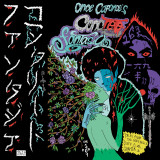
Psych-rap enigma Onoe Caponoe returns with his fifth studio album ‘Concrete Fantasia’ on High Focus Records. In crystal clear communication with the mothership; littered with striking references to fantastical realms and uncommon lore, but very much anchored in the inner city blocks and smoggy roadsides that inform his everyday, ‘Concrete Fantasia’ is a dark fantasy tape that expertly blurs the lines between genres, tones, moods and character profiles.
Of this world and out-of-this-world perfectly poised; Onoe offering up escape portals, before quickly pulling the listener back in with wave-upon-wave of catdelix riptides. ‘Concrete Fantasia’ is something of a tug-of-war; peppering movie samples, vignettes and complex go-betweens tickling the senses, combining with a cacophony of mind-bending lyricism resulting in a singular journey, with Onoe confidently filling the shoes of both author and narrator.
Pinocchio ducking feds in the hood, an Ice King ruling over a frostbitten kingdom, The Cheshire Cat trying to clean up Alice’s act, sweet serenades to off-shore mermaids, the trials and tribulations of life in a haunted trap house, big booty witches, flying carpets and beyond, ‘Concrete Fantasia’ is a real trip through the imaginative mind of Onoe Caponoe. With an eclectic line-up of featured artists and productional talent propping up the fictional cast, ‘Concrete Fantasia’ has all the makings of an alt-rap odyssey for the ages.
- 01: Introduction / Purple Haze Feat. Zdechly Osa
- 02: Slayaz / Elf Island
- 03: Fifi Feat. Lil B
- 04: House On The Hill
- 05: Pet Cemetery
- 06: The Cheshire Cat
- 07: Wipeout
- 08: Afro Samurai / Quest
- 09: Cat Kingdom
- 10: Magic Carpet
- 11: Pinocchio Feat. Jehst
- 12: The Horsemen
- 13: Ice King Feat. Lealani
- 14: Cat In Oz
- 15: Heaven's Gates
- 16: Outsiders
- 17: Psychosis City
- 18: Age Of Aquarius
Psych-rap enigma Onoe Caponoe returns with his fifth studio album ‘Concrete Fantasia’ on High Focus Records. In crystal clear communication with the mothership; littered with striking references to fantastical realms and uncommon lore, but very much anchored in the inner city blocks and smoggy roadsides that inform his everyday, ‘Concrete Fantasia’ is a dark fantasy tape that expertly blurs the lines between genres, tones, moods and character profiles.
Of this world and out-of-this-world perfectly poised; Onoe offering up escape portals, before quickly pulling the listener back in with wave-upon-wave of catdelix riptides. ‘Concrete Fantasia’ is something of a tug-of-war; peppering movie samples, vignettes and complex go-betweens tickling the senses, combining with a cacophony of mind-bending lyricism resulting in a singular journey, with Onoe confidently filling the shoes of both author and narrator.
Pinocchio ducking feds in the hood, an Ice King ruling over a frostbitten kingdom, The Cheshire Cat trying to clean up Alice’s act, sweet serenades to off-shore mermaids, the trials and tribulations of life in a haunted trap house, big booty witches, flying carpets and beyond, ‘Concrete Fantasia’ is a real trip through the imaginative mind of Onoe Caponoe. With an eclectic line-up of featured artists and productional talent propping up the fictional cast, ‘Concrete Fantasia’ has all the makings of an alt-rap odyssey for the ages.
- 01: Introduction / Purple Haze Feat. Zdechly Osa
- 02: Slayaz / Elf Island
- 03: Fifi Feat. Lil B
- 04: House On The Hill
- 05: Pet Cemetery
- 06: The Cheshire Cat
- 07: Wipeout
- 08: Afro Samurai / Quest
- 09: Cat Kingdom
- 10: Magic Carpet
- 11: Pinocchio Feat. Jehst
- 12: The Horsemen
- 13: Ice King Feat. Lealani
- 14: Cat In Oz
- 15: Heaven's Gates
- 16: Outsiders
- 17: Psychosis City
- 18: Age Of Aquarius
Psych-rap enigma Onoe Caponoe returns with his fifth studio album ‘Concrete Fantasia’ on High Focus Records. In crystal clear communication with the mothership; littered with striking references to fantastical realms and uncommon lore, but very much anchored in the inner city blocks and smoggy roadsides that inform his everyday, ‘Concrete Fantasia’ is a dark fantasy tape that expertly blurs the lines between genres, tones, moods and character profiles.
Of this world and out-of-this-world perfectly poised; Onoe offering up escape portals, before quickly pulling the listener back in with wave-upon-wave of catdelix riptides. ‘Concrete Fantasia’ is something of a tug-of-war; peppering movie samples, vignettes and complex go-betweens tickling the senses, combining with a cacophony of mind-bending lyricism resulting in a singular journey, with Onoe confidently filling the shoes of both author and narrator.
Pinocchio ducking feds in the hood, an Ice King ruling over a frostbitten kingdom, The Cheshire Cat trying to clean up Alice’s act, sweet serenades to off-shore mermaids, the trials and tribulations of life in a haunted trap house, big booty witches, flying carpets and beyond, ‘Concrete Fantasia’ is a real trip through the imaginative mind of Onoe Caponoe. With an eclectic line-up of featured artists and productional talent propping up the fictional cast, ‘Concrete Fantasia’ has all the makings of an alt-rap odyssey for the ages.
Glitching through pop music, cruising around the borders of the avant garde, passing by the edge of coldwave and tumbling into dance and club vibes: after her debut Bad Woman Céline Gillain is back with her second album: 'Mind is Mud'.
On Mind is Mud' Gillain let herself sink in the swamp of emotional confusion, the perpetual brain fog caused by a post Covid-world asking herself: do we have to get used to paradox as a way of life from now on?*
A musical dissection in nine songs of the mudflow, a flow which reveals its rich complexity the more Gillain dived into it: from the demanding intro 'Together' Céline opens up her highly personal and unique vision, shifting between high definition lost dimensions and emotionsthe mud slowly transfers in a crackling and sparkling stream of consciousness.
The mud is well alive in all its weirdness and unclarity. At times, it even glows in the dark.
The answer to that question is yes. The story of Mind is Mud by Céline Gillain: "Music is a place where intuiting is a work in itself. For me, it's the one place where I'm in charge, free to think and do what I want. Mind is Mud is the fruit of a collaborative practice with a DAW, a research around the palliative power of rhythm and the dancefloor, music as a space where emotions and ideas merge, storytelling, the comic potential and imaginative nature of sound. I don't really write, I copy paste and then I arrange and rearrange. Every sound I use comes from software, field recording, Instagram, movies and midi scores I collect here and there. In the hierarchy of sounds, you might call them cheap sounds. The lyrics are collages as well, made of pieces of texts from various contradictory sources. In addition to using the voice as a vehicle for ideas, I investigate its percussive and polyphonic potentialities, the possibility to have more than one voice/mouth."
- A1: Daytime Tv (Rainy Miller Remix)
- A2: It’s Hard To Get To Know You (Space Afrika Ambiv)
- B1: Pigeon Flesh (Mobbs' Butcher Mix)
- B2: Love Like An Abscess (Aho Ssan Remix)
- C1: Nervous Energy (Teresa Winter Remix)
- C2: I Was Born By The Sea (Morgane Polanski Remix)
- D1: I Was Born By The Sea (Fila Brazillia Remix)
- D2: Dream About Yourself (Bonus)
Richie Culver had been waiting his whole life to record I was born by the sea. His debut album immediately and messily inscribed the artist into the canon of outsider music and experimental electronics, serving both as an arresting statement of intent and a painful reckoning with the difficult path that lead up to it, stealing one last glance back at a place he always knew he had to escape. Between grim lamentations, faded memories and anxiety attacks, all told with searing honesty and disarming openness, I was born by the sea excavates a space for hope, finding Culver digging through Humberside silt to find a world weary optimism, the raw material from which his visual and sound art is shaped. For this collection of expansions and inversions, Culver invites a collection of kindred spirits, contemporary inspirations and old heroes to wade into the salt water of his formative years spent living for impromptu raves and afterparties, connecting vivid memories of his birth place of Withernsea to artists hailing from as nearby as Preston and Bridlington, further afield, from Manchester and London, Berlin and Paris, before returning back to Hull, to where it all began.
For some, responding to I was born by the sea means diving even deeper into the record’s furthest reaches. Space Afrika clear away the pummelling loops of noise from ‘It’s hard to get to know you,’ revealing a cool and cavernous expanse in its wake. Distant chatter, previously heard as though through thin, plasterboard walls, now echoes from outside the maddening claustrophobia of the original’s Sisyphean sonics, illuminated as a dense storm cloud suspended amidst a more open scene, washed clean by a lighter rain, allowing the tender heart of the track to beat clear. London producer MOBBS stretches out ‘Pigeon Flesh’ into an epic, 10-minute, cold-sweat spiral, strung-out tension wrung from disconnected phone tones twisted in unexpected directions, snatches of Culver’s voice turned inside-out and deep fried bass threatening to tip the track over into oblivion, the build-and-release of a nervous breakdown experienced in real time. In an act of subversive self-reflection, Morgane Polanski switches one kind of ennui for another in her adaption of ‘I was born by the sea,’ swapping the sea for the city, English seaside towns in January for summer evenings in Paris and flashing lighthouses and sparkling oil rigs for the Eiffel Tower and the traffic around L’Arc de Triomphe. Even Culver finds time to revisit ‘Dream About Yourself,’ a track taken from his EP Post Traumatic Fantasy, breathing new words into its glacial drift, the half-remembered testimony of a shut-in: Woke up in the evening / Pray for me / Don’t trust anyone / Pray for algorithm. Reframed in a more melancholy light, the track’s reverberant keys even more clearly evoke a mournful nostalgia, fresh pain felt in old wounds.
Others find a parallel universe in Culver’s visceral world building. Rainy Miller flips the script with a scorched, avant-drill rework of ‘Daytime TV’, threading puncturing hi-hats and queasy low-end surge through the track’s steady ambient cascade, invoking the irresistible Preston beat magic of Miller’s own essential debut album, Desquamation. Aho Ssan melts away the crystalline textures of ‘Love Like an Abscess’ with the ominous crackle of a nascent fire, building through swathes of organic Max/MSP squelch and brittle, nails-down-chalkboard scrape, swelling and metastasising the original to spill over Culver’s desperate hymn to corporeal desire, at once flesh and not. Teresa Winter transports us an hour up the coast from Withernsea to her native Bridlington, replacing the sea wall of synthesis on ‘Nervous Energy’ with muffled ASMR murk and fever dream whispers, transforming Culver’s unflinching observations into a haunting call-and-response, filling in the blanks with her own eerie utterances, a fleeting conversation with a ghost. In a touching victory lap, Fila Brazillia, eccentric stalwarts of beloved ‘90s trip hop imprint Pork Recordings, whose performances at Hull institution The Lamp convinced a young Culver of the necessity to make his mark on club culture, resurface for their first remix in 20 years. Steve Cobby and David McSherry lead a low-slung, heartfelt stroll back through a suite of tracks from I was born by the sea, tracing a full circle saunter from Culver’s origins to his current musical practice, the sounds of his present repurposed by the sound of his youth. In a gesture that reflects the emotional complexity of the project, Fila Brazillia find joy at the end of Culver’s troubled reflection, picking out an undeniable groove in the stasis of feeling trapped in your hometown. Underlining Hull’s vital musical legacy, from Baby Mammoth to Throbbing Gristle, Cobby and McSherry demonstrate that, though there are certainly storms, by the sea there is also sun and through the fog, if you listen, you can hear a singular sound, a sound now carried by Richie Culver.
Participant is a record label and creative studio run by William Markarian-Martin and Richie Culver
Debut vinyl by Cruz Perro Maldito, a Tenerife based trio forever imbued in the collective imagination and folklore myths of the magical and misty mountain of Agua García, located in Tacoronte district at the foot of Teide Volcano (Tenerife/Canary Islands). Their music is an explosion of free jazz improv where sophisticated sound textures emerg-ing from modular synths and processed guitar create abstract and random rhythmic patterns with complex saxophone lines guiding the ensemble from quiet to menacing passages of sudden bursts of noise and frenzy.
Entitled Truquetin Resorte, the album takes inspiration from the rich history of mechanical automata, such as Talos, the bronze giant who defended the island of Crete and was eventually defeated by Jason and his Argonauts. Or Apega de Nabis, a replica of King Nabis’ wife whom crossed unsuspecting victims with its iron spikes hidden in the device's lower arms, hands and breasts.
Or even René Descartes and his infamous daughter- like Automaton replica, an eerie creation from the renown philosopher to evoke his dead daughter
These myths and more serve as reminder of a mechanical world’s past, a world of complex automata stories with me-chanic ‘imitating’ beings as its problematic protagonists. An eerie counterpoint to our current uber modern digital world and its rapid advancing A.I.s.
Freestyle Records are proud to reissue Ambiance II Fusion's mid-80s fusion rarity "Come Touch Tomorrow" - originally recorded in Hollywood CA October/November 1984 and released in 1985.
Following a yearly run of 4 albums self-released between 1979 and 1982, Nigerian-born saxophonist, flutist, and clarinettist Daoud Abubakar Balewa then took a few years off before returning with 1985's "Come Touch Tomorrow", the first of two albums issued under the updated name of Ambiance II Fusion. Combining the afro-spiritual jazz & be-bop inflected fusion of his earlier work as Ambiance, this record took the project into more modern & distinctly cosmic planes with the introduction of spacey pads and drum machines working alongside somewhat tighter arrangements and solid rhythm sectons. Of particular note here is the B1 track "Boy What a Joy" on which a sublimely funky synth & drum machine throwdown is presented in prophetically lo-fi fashion - recalling recent stylistic approaches from the likes of Dâm-Funk among others.
Participating Musicians:
"AMBIANCE II FUSION"
Stanley Dominguez - Guitars
Dr. Isacc Ford - Drums/Electric Drums
Ralph Rodriguez - Percussion
Juliian Breeton - Bass
Jardin Wilson - Bass
Lee Williams - Keyboards/Syntheziers
Daoud Abubakar Balewa - Alto & Tenor Saxophone/Percussion
Larry Dominguez - Alto Saxophone
Suzanne Daniels - Vocal Sounds
"AMBIANCE II FUSION ENSEMBLE"
James "Kino" Cornwell - Keyboards
Randy Landis - Basses
Rick Smith - Percussion
Jim Lum - Guitars
Arnold Ramsey - Drums
Daoud Abubakar Balewa - Soprano Saxophone/Percussion
Recorded at Sound Images Recording Studios - Sound Images Entertainment Complex - North Hollywood, CA & Classic Sound Studios - Hollywood, CA. October/November 1984.
It's always good to have Norbak onboard again with this brand new slice of plastic. Four cuts of precise and gymnastic techno aimed for the most advanced dancefloors energetic and intelligent at the same time, as we like.
A side starts with "Tell me I'm wrong" a fast paced hypnotic exercise with adrenalinic synth lines running over complex rhythms, properly arranged in a constantly changing structure.
"Amongst Them" follow, textured flanged sounds running across the stereo field, shuffled beats and lots of space, the definition of how profound techno should be.
Flipping the vinyl, B1 is "Pure and Faithful", funk infused sequences constantly altered in shape, complex grooves and as always a profound structure full of twists.
Last cut in this exercise is "Unbearable Lightness", continuous and repetitive randomized synth lines spiced with lots of reverb over a well crafted drum workout, intense and spacious at the same time.
Another demonstration of studio skills and sound design from this young Portuguese producer.
Worldwide pressing of 300 copies.
Ursa Major Moving Group, the solo alias of singer and composer Ursula Russell, announces her self-titled debut album, due out June 9th via Faith & Industry Records.
Known for her mesmeric drumming for Snapped Ankles, Alabaster DePlume, Drop Out Venus and Blue House, the album showcases the London-based artist’s stylistic and instrumental virtuosity - she played all instruments herself - on an intense, dynamic and intimate musical journal that shifts between delicate folk, stirring indie rock, flamboyant chamber pop and angular post-punk styles.
Its complex themes reflect a multihued blend of musical styles that recall artists as diverse as The Pixies, Talking Heads, Joni Mitchell, Arthur Russell and Julia Holter. Having built a reputation for her brilliance of musicianship as a band member, Ursa Major Moving Group sees Ursula establishing herself as a solo artist of brilliant, open-hearted originality.
Amongst the album’s many highlights is the driving, emotive opening track, Reverse Invisible, which dives into memories of childhood alienation .The winsome Goodbye George, which finds Ursula’s delicate vocals and acoustic guitars melding with Alabaster DePlume’s Ethio-jazz saxophones, delves back into her childhood.
Ursa Major Moving Group play End of the Road Festival 2023.
- A1: Psychonautic Escapism (Cold Alienation) (Cold Alienation)
- A2: Acetoxyhexorchid I (Cluster Phase) (Cluster Phase)
- B1: Lattice Dysmorphism Of Lysothymic Oneiroid
- B2: Ultraviolet Circumzenithal Arc
- C1: Trench Through Pink Death
- C2: Acetoxyhexorchid Ii (Dispersed Phase) (Dispersed Phase)
- D1: Sirencipher Eidolon In Chimeric Photisms (Cascade Xenofluora Entwining) (Cascade Xenofluora Entwining)
- D2: Sun Shimmer Repeater
Born from the fractal innerworld of Vymethoxy Redspiders,
better known as Urocerus Gigas from Leeds-based xenofeminist
crisis energy rock duo Guttersnipe, The Ephemeron Loop's
debut is a synaesthetic acid bath that cracks open the doors of
perception to reveal a sonic landscape of ineffable beauty,
divine femininity and continual transformation.
"PsychonauticEscapism" sublimes Guttersnipe's teeth-gnashing spacegrindaesthetic leaving washes of dream pop ambience, dilated
speedcore fusillades and shapeshifting psychedelic dub effects.
It's an album that lodges itself creatively between Cocteau
Twins, Arca, Basic Channel and Napalm Death, lysergically
fluxing imperceptibly between seemingly contradictory sonics
and philosophies. Miss VR took 14 long, difficult years to write
the album, which developed cautiously as she broke through
the misery of her pre-transition life with shoegaze music, rave
and psychedelic drugs in Leeds' queer underground. An
existence languishing in negativity, soundtracked by extreme
music was replaced with the opportunity to experience
euphoria, elation and ecstatic freedom, emotions that coalesce
sensually on "Psychonautic Escapism".
These formativeexperiences are the album's initial building blocks, assembled between 2007 and 2018 as Miss VR came to grips with her
reality as an autistic/ADHD trans woman and the multidimensional psychotropic experiences that assisted that realization. And as V's worldview expanded and shifted as she lived a fresh life, the music itself developed spiritually. In 2018,after being impressed with producer Ross Halden's work with Guttersnipe, Miss VR asked him to assist her with developing The Ephemeron Loop's fragmented songs and visions. "I learned a lot about why people don't usually combine various kinds of sounds or styles in music," she admits. "It is very difficult to get it to all work together!" But after two-and-a-half years of the duo navigating a "labyrinth of fragmented Reason 5 and Logic
projects," re-recording and processing, and working tirelessly on
complex arrangements and compositions, they eventually found
a light at the end of the tunnel. The finished album is towering
and ambitious, Escher-like in its illusory reconstruction of
familiar elements into brain-altering forms. The album begins
with 'Psychonautic Escapism (Cold Alienation)', decorating Miss
VR's disembodied moans with throbbing dub techno synths,
insectoid digital percussion and disorientating high-BPM
electronics.
Her vocals hover weightlessly between My Bloody Valentine's Bilinda Butcher and Cocteau Twins' Elizabeth Fraser, and on 'Lattice Dysmorphism of Lysothymic Oneiroid Cytoterrain' drift against grinding industrial hardcore kicks, serrated bass and Lorenzo Senni-esque trance pointillism. On 'Trench Through Pink Death', Miss VR's voice mutates into a shrill scream as she directs the music from splattered freeflowing doom into harsh hyper-speed death metal and
breakcore. Woven together with both precision and delicacy, "Psychonautic Escapism" turns a rough patchwork of ideas,
experiences, feelings and vivid emotions into a glorious neon
tapestry. In living and exploring the realities of autism, ADHD
and trans identity, Vymethoxy Redspiders has masterminded a
sonic language that feels fresh, urgent and shockingly honest.
Psychedelic is a term that gets thrown around far too loosely at
the moment - in this case there's just no better way of
describing the album's scope.
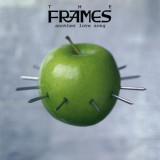
"Another Love Song - The Frames are an Irish indie rock band formed in Dublin in 1990. The band is known for their passionate and emotive sound, which blends elements of rock, folk, and traditional Irish music. Over the years, they have released several critically acclaimed albums, including ""Another Love Song,"" which is widely regarded as one of their most influential works.
""Another Love Song"" was released in 1991 and marked a turning point in the band's career. The album featured a raw, stripped-down sound that was a departure from their earlier, more polished work. The songs on the album were deeply personal and introspective, exploring themes of love, loss, and the complexities of human relationships. The album's title track, ""Another Love Song,"" became an instant classic, showcasing the band's signature sound with its driving rhythms and soaring vocals. The song's bittersweet lyrics and haunting melody struck a chord with listeners and quickly became a fan favourite.
In addition to ""Another Love Song,"" the album features several other standout tracks, including ""Say It to Me Now,"" ""The Dancer,"" and ""Downhill."" Each song on the album showcases the band's dynamic musicianship and poetic lyricism, earning the album a reputation as a seminal work in the Irish indie rock scene. Over the years, The Frames have continued to evolve and innovate, releasing several more critically acclaimed albums and earning a dedicated following of fans around the world. With their unique blend of raw emotion and musical artistry, The Frames continue to inspire and captivate audiences with their powerful, soulful music.
Fitzcarraldo - ""Fitzcarraldo"" is the sixth studio album by the Irish rock band The Frames, released in 1995. The album marked a significant departure from the band's earlier work, with a more experimental sound that blended rock, folk, and experimental elements.
The album takes its name from the Werner Herzog film of the same name, which tells the story of a man who attempts to build an opera house in the Amazon jungle. This theme of ambition and perseverance in the face of adversity runs throughout the album, as frontman Glen Hansard explores themes of love, loss, and the human experience. The album opens with the hauntingly beautiful track ""Revelate,"" which sets the tone for the rest of the album with its soaring vocals and intricate guitar work. From there, the album takes the listener on a journey through a diverse range of sounds and emotions, from the upbeat rock of ""What Happens When the Heart Just Stops"" to the melancholic balladry of ""Fitzcarraldo.""
One of the standout tracks on the album is ""Lay Me Down,"" a tender and heartfelt ballad that showcases Hansard's powerful vocals and poetic lyricism. The song has become a fan favourite and is often performed live by the band. Another highlight of the album is the epic nine-minute track ""Fitzcarraldo,"" which features lush instrumentation and intricate guitar work. The song is a tribute to the film of the same name and explores themes of ambition and determination in the face of seemingly insurmountable obstacles.
Overall, ""Fitzcarraldo"" is a powerful and deeply personal album that showcases The Frames at their most ambitious and experimental. With its diverse range of sounds and emotions, the album remains a fan favourite and a landmark in the Irish rock canon.
Dance the Devil
Dance the Devil is the fourth studio album by the Irish rock band, The Frames. Released in 1999, it marked a significant departure from the band's earlier sound and was a critical and commercial success.
The album features 10 tracks, including the hit single ""Pavement Tune,"" which received extensive radio play and helped to propel The Frames to greater prominence in the music industry. Dance the Devil showcases the band's versatility and musical prowess, blending elements of rock, folk, and pop to create a unique and compelling sound. The lyrics are introspective and poetic, exploring themes of love, loss, and self-discovery.
Produced by Steve Albini, the album was recorded in just five days, giving it a raw and unpolished feel that perfectly captures the energy and passion of The Frames' live performances.
Dance the Devil remains a beloved album among fans of Irish music and continues to inspire new generations of musicians. Its enduring popularity is a testament to the artistry and vision of The Frames and their commitment to pushing the boundaries of what is possible in rock music.
"
"Another Love Song - The Frames are an Irish indie rock band formed in Dublin in 1990. The band is known for their passionate and emotive sound, which blends elements of rock, folk, and traditional Irish music. Over the years, they have released several critically acclaimed albums, including ""Another Love Song,"" which is widely regarded as one of their most influential works.
""Another Love Song"" was released in 1991 and marked a turning point in the band's career. The album featured a raw, stripped-down sound that was a departure from their earlier, more polished work. The songs on the album were deeply personal and introspective, exploring themes of love, loss, and the complexities of human relationships. The album's title track, ""Another Love Song,"" became an instant classic, showcasing the band's signature sound with its driving rhythms and soaring vocals. The song's bittersweet lyrics and haunting melody struck a chord with listeners and quickly became a fan favourite.
In addition to ""Another Love Song,"" the album features several other standout tracks, including ""Say It to Me Now,"" ""The Dancer,"" and ""Downhill."" Each song on the album showcases the band's dynamic musicianship and poetic lyricism, earning the album a reputation as a seminal work in the Irish indie rock scene. Over the years, The Frames have continued to evolve and innovate, releasing several more critically acclaimed albums and earning a dedicated following of fans around the world. With their unique blend of raw emotion and musical artistry, The Frames continue to inspire and captivate audiences with their powerful, soulful music.
Fitzcarraldo - ""Fitzcarraldo"" is the sixth studio album by the Irish rock band The Frames, released in 1995. The album marked a significant departure from the band's earlier work, with a more experimental sound that blended rock, folk, and experimental elements.
The album takes its name from the Werner Herzog film of the same name, which tells the story of a man who attempts to build an opera house in the Amazon jungle. This theme of ambition and perseverance in the face of adversity runs throughout the album, as frontman Glen Hansard explores themes of love, loss, and the human experience. The album opens with the hauntingly beautiful track ""Revelate,"" which sets the tone for the rest of the album with its soaring vocals and intricate guitar work. From there, the album takes the listener on a journey through a diverse range of sounds and emotions, from the upbeat rock of ""What Happens When the Heart Just Stops"" to the melancholic balladry of ""Fitzcarraldo.""
One of the standout tracks on the album is ""Lay Me Down,"" a tender and heartfelt ballad that showcases Hansard's powerful vocals and poetic lyricism. The song has become a fan favourite and is often performed live by the band. Another highlight of the album is the epic nine-minute track ""Fitzcarraldo,"" which features lush instrumentation and intricate guitar work. The song is a tribute to the film of the same name and explores themes of ambition and determination in the face of seemingly insurmountable obstacles.
Overall, ""Fitzcarraldo"" is a powerful and deeply personal album that showcases The Frames at their most ambitious and experimental. With its diverse range of sounds and emotions, the album remains a fan favourite and a landmark in the Irish rock canon.
Dance the Devil
Dance the Devil is the fourth studio album by the Irish rock band, The Frames. Released in 1999, it marked a significant departure from the band's earlier sound and was a critical and commercial success.
The album features 10 tracks, including the hit single ""Pavement Tune,"" which received extensive radio play and helped to propel The Frames to greater prominence in the music industry. Dance the Devil showcases the band's versatility and musical prowess, blending elements of rock, folk, and pop to create a unique and compelling sound. The lyrics are introspective and poetic, exploring themes of love, loss, and self-discovery.
Produced by Steve Albini, the album was recorded in just five days, giving it a raw and unpolished feel that perfectly captures the energy and passion of The Frames' live performances.
Dance the Devil remains a beloved album among fans of Irish music and continues to inspire new generations of musicians. Its enduring popularity is a testament to the artistry and vision of The Frames and their commitment to pushing the boundaries of what is possible in rock music.
"
Abstrakce recover this lost gem recorded in 1999 and published by Keliehor himself in a very short-run CD named "Create Music", which had almost no diffusion.
An outstanding collection of exotic tracks with a wide range of influences from primitive cultures all over the world. An unexplored region where the Minimalism concepts developed by Steve Reich, La Monte Young, or Terry Riley and renewed by Midori Takada meet Jon Hassell's 4th world ideas.
You will find here repetitive patterns that evolve and transform the sound space, unlikely instruments gathered together in a perfectly harmonic way, making flow an unusual melodic sense when the uncommon combinations of these instruments interact with one another. Simple instruments, yet exotic, primitive sound makers with complex personalities, timeless sound treasures unchanging a hundred years. Crude or sophisticated, most of the instruments, compel us to listen to them. A more flexible and wider range of tonality is discovered by limiting the number of instruments that play together and choosing those whose tones and harmonics resonate together.
The record results from a didactic project for nursery and primary school environments while searching for ideas to guide children in following the details of music. The music architectures are often transparent, even repetitive, but the culminative effect soon becomes more than that. These pieces are aural landscapes for dreams and adventures, doorways to imaginative worlds.
The Artists:
Jon Keliehor and Signy Jakobsdottir performed together in Seattle, Venezuela, and Scotland. During their stay in Seattle, both had studied gamelan music with Gamelan Pacifica under the direction of Jarrad Powell. After returning to Scotland, they continued to study and perform with Gamelan Naga Mas, in Glasgow, in projects directed by dhalang Joko Susilo, dancer/director Nyoman Wenten, and Professor Matthew Issac Cohen.
In Scotland, they created adult and children's workshops under the banner of Luminous Music. Preceding the formation of Luminous Music, Keliehor had worked as percussionist and composer with contemporary dance companies, both in London and Seattle. Following on studies in percussion music at Dartington College of the Arts, Signy moved to Seattle to begin work with Jon. The partnership that ensued brought them to Caracas, Costa Rica, Brazil and Spain to create music for the dance company DanzaHoy. In 1996, they returned to Glasgow, and continued to work together at the newly created Luminous Music Studios. Signy's involvement with musicians/groups has continued beyond this to include genres in Scottish/Celtic traditions, in Jazz, as well as music innovations of her own design.
'Insight Into Mind And Space' is the latest full length project from techno producer and label owner 30drop. It's a 10 track collection compiled out tracks previously released on Jeff Mills' Axis imprint in digital formats. The original albums 'Soroban' and 'Photosynthetic Zone Manifesto' have been released in the years 2020 and 2021 and will now be available on vinyl in a limited edition for the first time. The compiled album includes pieces that, like the mind, evolve as a consequence of each other in an orderly way. Starting with the early origins represented by the track 'Dunkelblau' with which the album begins, going through 'Accepting The Future', which represent the complexity reached by the human brain. 'Insight Into Mind And Space' portrays those hypothetical and alternative molecular combinations in the form of songs. Exposed to different chemical elements, gravitational and environmental conditions, dormant genes and signaling pathways are activated and uncannily combined. And just like the molecular events, sounds are combined in different ways, whether simple or complex, to create songs that provide an artistic vision to that scientific concept that opens a hypothesis to other types of intelligence that are far from human and that could exist in the vast out there. About 30drop. In his formative years, the artist responsible for 30drop discovered new synthetic and electronic sounds that would later influence his work. From the year 1996, his activity as a DJ powered his link with music, focused on Detroit Techno and Techno sounds that held the transgressive references of Birmingham, UK. These impressions saw 30drop magnetize toward an industrial, experimental, noise-based sound, particularly in the mid-2000s. After a creative pause, 2014 brought his new project, '30drop', at this time his label 30D Records of which he is the Manager and joint A&R with Angel Molina, was also born. The conceptual part of this project has been done in collaboration and with the supervision of Meritxell Rosell, PhD in biochemistry and molecular biology.
Bruce Falkian is a world famous contemporary artist who exhibits at the world's most prestigious art galleries and fairs. Bruce Falkian moonlights as an agent of espionage against the Terrorism Industrial Complex. Wait... what?
To understand Bruce Falkian we first must understand the link between image and war. In the late 1800s the precursor to the video camera was invented. It was directly inspired by guns, specifically, Samuel Colt's Revolver. It borrowed not only its barrel mechanics, swapping bullets for exposures, but its terminology too. Load, point, scope, aim, shoot, flash. The camera and the gun, united by cordite, would go on to prove the most efficacious tools in shaping the modern world.
The 20th century was a laboratory when it comes to killing and image making, glorified through Hollywood and the Western genre. Propaganda would prove highly effective in creating and sustaining support for militaries fighting for ideological global control. Devised first in the aptly title 'Propaganda' (1928) by Edward Bernays, a nephew of Sigmund Freud, Advertising and Public Relations became the leading media industries, learning how to control the population through images, usually just to buy random crap they didn't need, but other times to overthrow democratically elected politicians in foreign countries. Eventually Western Liberal Democracy assumed domination, built of course on the enslavement of all peoples and nations who didn't fall in line with its specific ideas of living. The Red Scare inspired countless anti-leftist, anti-communist works of art throughout the Cold War, notably and most bizarre, funding the abstract expressionist movement as a non-ideological alternative to socialist realism art. When the Soviet Union fell, Western Liberal Democracy was able to promulgate its unhindered views around the world through its various media empires and actor states. Is it a coincidence that a third of the almost $85 billion dollar global camera equipment market is represented by the greatest propaganda beast the world has ever seen, the USA?
Guns are dangerous because of the obvious. Images are dangerous because we are bad at perceiving what is real (as any jump scare, deepfake, newsreel will attest to.) Videos aren't technically real, they are only a collection of rapidly changing static images which give the illusion of movement. It's easy for us to collectively decide that a video is real, because that's the way our brains perceive reality. People who lead the world of media understand this, which is how they are able to control us, make us invade foreign countries, vote for specific politicians, feel ugly or fat etc. However, ubiquitous as they are, it seems that the image is in crisis. It seems that we've run out of them. Or perhaps our understanding of an image is changing, with the aid of near instantaneous text-to-image AI technology. So what does this mean for guns? What does this mean for war? How will images be used as an aid to war in the 21st century? It remains to be seen, but Bruce Falkian will be a useful agent.
Stoned Part I was the first self-released album from lost soul phenomenon Lewis Taylor. His third album proper, it was initially released on his own label Slow Reality in 2002 and it's been licensed to Be With for this long-awaited double LP release, its first ever vinyl edition. The songs are varied, hook filled and outstanding. Beloved by his legions of diehard fans, it's nothing short of a masterpiece.
After parting ways with Island, and without a label deal, Lewis went back to his home studio and began to record Stoned Part I in 2001. Co-written and co-produced with longtime collaborator Sabina Smyth, Lewis sings and plays all the instruments on this beautiful, emotional and very human album. It represents Lewis at his most accessible and finds him in the middle ground between his two Island releases. In some ways, Stoned Part I distills the best of his musical sensibilities. The flawless production is dense, layered and very early-2000s slick. The bottom end is thick, funky and sexy.
The complex, proggy-soul of title track "Stoned" opens the album and instantly captivates. Deep swinging funk with truly sweet soulful vocals, complemented by wah-wah guitar and swelling acidic synths. As Lewis himself told us, the ad libs at the end of the track were a nod to Paul McCartney at the end of "Hey Jude". Fan favourite "Positively Beautiful" has shades of Curtis and Marvin; its richly layered harmonies propelled by a simple, metronomic click-track that gives way to a more fully fleshed beat for the magnificent coda.
The slow, sweeping majesty of "Lewis IV" is all moody atmosphere, featuring dense, richly textured music and heavenly multi-tracked harmonies. The stop-you-in-your-tracks incredible "Send Me An Angel" could have been a huge AM radio hit, beautifully crafted sophisticated soul-pop songwriting in the vein of the very best Sade records. Yep! *That good* The smooth, psychedelia-lite "Til The Morning Light" is a gorgeous, sun-dappled love song, layered with Lewis' distinctive honey drenched vocals and, again, the type of record you could've easily heard all over the radio at the time of initial release.
The remarkable, wide-eyed "Shame" packs so many shifting styles into one song, it has to be heard to be believed. Opening in a laconic, breezy style, not unlike a Dallas Austin or Rodney Jerkins produced R&B hit of the day, it morphs into a heavy psych-soul Soulaquarians wig-out (the solo bearing an uncanny resemblance to Carlos Santana’s on "She’s Not There") before elegantly sliding into string-assisted symphonic soul and then back around again. And again. Sheer brilliance. The sublime, gentle head-nod funk-soul of "When Will I Ever Learn" (Part 1) is a strikingly well-turned-out tune, a neat, sweet bass-driven guitar-soul jam that ensures our jaw won't be leaving the floor anytime soon. "Lovin’ U More" sounds like a classic turn-of-the-century Neptunes production, the likes of which they'd lay on for JT BITD. A Latin-tinged groover with more than a little Nile Rodgers-driven slick funk stylings, it's yet another instant Lewis bomb with those gorgeous harmonies and chart-friendly irresistible key-changes to boot. Another indisputable (non-)HIT!
The funky seductive swagger of "From The Day We Met - Part II" opens the final side of wax, giving way to the gigantic buzzing synth-funk beast "Lovelight", a track so insouciantly mighty it should have been a massive hit for someone. Wait, what's that? Robbie Williams covered it? Ah, OK, well, I guess that says something about the effortless pop genius contained within. Containing a seemingly unnoticed nod to Kraftwerk’s "Computer World", it's Lewis's favourite song on the album. It's easy to hear why: "Sabina’s production totally nails it. I love the restraint and the subtlety, and that mixture of warmth and sweetness from the singing against the slightly cold, yet beautiful airy-ness of the backing track." To close this phenomenal album, the twisted electronic soul of "Sheneverdid" marries Lewis's beautiful falsetto to his virtuoso playing and an easy-cum-ominous musical backdrop. Stunning.
Simon Francis’s vinyl mastering, approved by Lewis himself, presents the eleven tracks over a double LP so, as ever, it sounds sensational. The records have been cut by Cicely Balston at Air Studios and pressed at Record Industry. Allow Lewis Taylor to get you Stoned.
For his third album, 'Love You, Drink Water', Awir Leon opens a more direct and personal window on his music. The album is about inner monsters, the search for meaning, failure and hope. The music he proposes plays with the porosity of the lines, because it is at the same time complex, rich, stripped, raw, without compromise, and without pretense. It wants to express in the most vulnerable way what it means to be alive today.
Often compared to renowned explorers such as James Blake, Frank Ocean or Thom Yorke, Awir has spent the last two years travelling the world as the opening act for another great spirit, French artist Woodkid, on an international tour for his latest album S16. During this tour, Awir decided to write this new album, testing and perfecting the songs in front of a large audience that knew nothing about his music.
It is both this audacity and the constant desire to jump into the void that makes Awir an artist apart.
The seemingly simple title, which sounds like a joke, actually hides something much more vital and human.
"One day my three-year-old niece said goodbye to me with the exact words "I love you, drink water". It came out of nowhere, and I thought it was the most thoughtful thing anyone had ever said to me. It was like an epiphany; it was exactly what I wanted to express through my songs.
For Awir Leon, constant research and sincerity are the main drivers of a music that is undeniably singular and powerful. Music that he shapes and dances gracefully over chasms, as if it were necessary to make failures into new points of escape towards vitality.
Love You, Drink Water is silk sewn in pain, a raw and resilient jewel.
The Marshall Suite is the 1999 album by the Fall. The album builds on the techno-influenced beats of its predecessor Levitate, while also returning to a more rockabilly-influenced sound reminiscent of earlier Fall line-ups with songs such as the catchy “Touch Sensitive” and the strange, complex, thumping jungle beats of “The Crying Marshal”.
The Marshall Suite was made immediately after an American tour during which Mark E. Smith had an onstage fight with members of the band and was arrested following ongoing altercations at the hotel at which the group were staying. While the remaining band members quit and returned to England, leaving Smith in a cell in Manhattan, Julia Nagle chose to stay in the band, helping to assemble the group’s new line-up.
During the recording of the album, this new line-up was still taking shape and the album features two different bassists. None the less it was very well-received album at the time and highly collectible by now.