"Bookends" bildet soetwas wie das Herzstück des am 20. Juni erscheinenden Albums. Die weitläufige Ballade zollt ihrem verstorbenen Freund Riley Gale Tribut, ehemals Sänger der Band Power Trip. Sie ist auch inspiriert von John Careys Buch "Eyewitness To History", einer Sammlung von über 300 historischen Augenzeugenberichten zu prägenden Ereignissen der menschlichen Geschichte. Zu Bookends erscheint ein Video von Caity Arthur. "Im Video geht es um Tod und Absolution, wie der Tod eines der wenigen sicheren Dinge im Leben ist, der große Gleichmacher, nolens volens", so Arthur. "Es untergräbt aber auch das traditionelle Narrativ vom Tod als verzweifelte Leere und porträtiert ihn mit seinem halluzinogenem Sixties-Ensemble stattdessen als euphorische Übergangserfahrung samt TV-Pop-Performance und Taschenspielertricks, während Megs Lyrics den Tod in all seinen Formen beschwören." Für "Scratch It" hat Meg Remy mit Gitarrist Dillon Watson eine Band zusammengestellt - ursprünglich für einen einmaligen Festivalaufrtitt, aufgrund der guten Chemie schließlich gleich für ein ganzes Album. Mit Watson an der Gitarre, Jack Lawrence (The Dead Weather, The Raconteurs, Loretta Lynn) am Bass, Domo Donoho am Schlagzeug und Jo Schornikow und Tina Norwood an den Keys entstand "Scratch It" innerhalb von zehn Tagen in Nashville. Zwischendurch schaute auch Mundharmonika-Legende Charlie McCoy vorbei, der bereits mit Elvis, Bob Dylan und Roy Orbinson gearbeitet hatte und seine Künste für einige Songs einbrachte. Die Authentizität der analog produzierten Songs ist unmittelbar, ein Zeugnis der Chemie zwischen allen Beteiligten, Remy klingt relaxt wie kaum je zuvor. Das Album verwebt Country, Gospel, Garage Rock, Soul, Disco und Folk, während sich Remy in den Lyrics mit Patti Smith auseinandersetzt, mit junger Liebe, Mutterschaft, Macht-Dynamiken, der Kraft von James Brown, verstorbenen Weggefährten, dem Goldrausch am Yukon - oder dem eigenen nach einer Tequila-getränkten Nacht. Dabei lässt sie wie immer auch ihren beißenden Humor spielen.
Buscar:count bass d
- A1: Impressions; Bass – 田中晋吾*; Composed By – John Coltrane; Drums – 柴田 亮*; Piano – 上原ひろみ*; Tenor Saxophone – 本間将人*
- A2: Omelet Rice; Bass – Marty Holoubek; Clarinet – 小林未侑; Guitar – 國田大輔*; Percussion – 石若 駿*; Piano – 上原ひろみ*; Viola – 中 恵菜*, 古屋聡見; Violin
- A3: Day By Day; Bass – Marty Holoubek; Cello – 向井 航*, 下島万乃; Conductor – 挾間美帆*; Drums – 伊吹文裕*; Flute – 野津雄太; Guitar – 井上 銘*; Piano – 上原ひろみ*; Viola – 中 恵菜*, 古屋聡見; Violin
- A4: Kawakita Blues; Bass – 田中晋吾*; Drums – 柴田 亮*; Guitar – 田辺充邦*; Piano – 上原ひろみ*
- A5: Ambition; Bass – Marty Holoubek; Cello – 向井 航*, 下島万乃; Conductor – 挾間美帆*; Guitar – 井上 銘*; Piano – 上原ひろみ*; Viola – 中 恵菜*, 古屋聡見; Violin
- A6: Blue Giant ~Cello & Piano~; Cello – 向井 航*; Piano – 上原ひろみ*
- A7: Motivation; Bass – Marty Holoubek; Clarinet – 小林未侑; Drums – 菅野知明*; Electric Piano – 上原ひろみ*; Flute – 片山士駿; Guitar – 國田大輔*; Percussion – 石若 駿*; Violin
- A8: In Search Of...; Bass – Marty Holoubek; Drums – 菅野知明*; Electric Piano – 上原ひろみ*; Guitar – 國田大輔*
- A9: The Beginning; Bass – Marty Holoubek; Drums – 菅野知明*; Guitar – 國田大輔*; Piano – 上原ひろみ*; Trumpet – 佐瀬悠輔*
- A10: Monologue; Bass – Marty Holoubek; Cello – 向井 航*, 篠崎由紀*; Piano – 上原ひろみ*; Trombone – 三原万里子; Viola – 中 恵菜*, 古屋聡見; Violin
- A11: Forward; Bass – Marty Holoubek; Cello – 向井 航*, 篠崎由紀*; Drums – 菅野知明*; Flute – 片山士駿; Piano – 上原ひろみ*; Trumpet – 佐瀬悠輔*; Viola – 中 恵菜*, 古屋聡見
- Violin
- A12: Another Autumn; Bass – 中林薫平*; Drums – 井川 晃*; Piano – 上原ひろみ*; Tenor Saxophone – 馬場智章*
- B1: Next Step; Bass – Marty Holoubek; Drums – 菅野知明*; Electric Piano – 上原ひろみ*; Guitar – 國田大輔*; Percussion – 石若 駿*; Violin
- B2: Challenge; Cello – 向井 航*, 下島万乃; Conductor – 挾間美帆*; Guitar – 國田大輔*; Trumpet – 伊藤 駿*; Viola – 中 恵菜*, 古屋聡見; Violin
- B3: Kick Off; Bass – Marty Holoubek; Drums – 菅野知明*; Guitar – 國田大輔*; Piano – 上原ひろみ*; Trombone – 三原万里子; Viola – 中 恵菜*, 古屋聡見; Violin
- B4: Samba Five; Bass – 田中晋吾*; Composed By, Arranged By – 陣内一真*; Drums – 柴田 亮*; Keyboards – 上原ひろみ*; Tenor Saxophone – 本間将人*; Trumpet – 村上 基*
- B5: N.e.w.; Drums – 石若 駿*; Piano – 上原ひろみ*; Tenor Saxophone – 馬場智章*
- B6: Recollection; Bass – Marty Holoubek; Cello – 向井 航*, 下島万乃; Conductor – 挾間美帆*; Guitar – 國田大輔*; Piano – 上原ひろみ*; Viola – 中 恵菜*, 古屋聡見; Violin
- B7: No Way Out; Cello – 向井 航*, 下島万乃; Conductor – 挾間美帆*; Guitar – 國田大輔*; Viola – 中 恵菜*, 古屋聡見; Violin
- C1: New Day; Bass – Marty Holoubek; Cello – 向井 航*, 下島万乃; Conductor – 挾間美帆*; Drums – 伊吹文裕*; Flute – 野津雄太; Guitar – 井上 銘*; Piano – 上原ひろみ*; Viola – 中 恵菜*, 古屋聡見; Violin
- C2: Reunion; Bass – Marty Holoubek; Cello – 向井 航*, 下島万乃; Conductor – 挾間美帆*; Drums – 伊吹文裕*; Flute – 野津雄太; Piano – 上原ひろみ*; Viola – 中 恵菜*, 古屋聡見; Violin
- C3: Count On Me; Alto Saxophone – 本間将人*; Bass – 田中晋吾*; Drums – 柴田 亮*; Piano – 上原ひろみ*
- C4: Faith; Cello – 向井 航*, 下島万乃; Conductor – 挾間美帆*; Guitar – 井上 銘*; Piano – 上原ひろみ*; Viola – 中 恵菜*, 古屋聡見; Violin
- C5: Nostalgia; Bass – Marty Holoubek; Piano – 上原ひろみ*; Violin
- C6: What It Takes; Bass – Marty Holoubek; Cello – 向井 航*, 下島万乃; Conductor – 挾間美帆*; Guitar – 井上 銘*; Oboe – 神農広樹; Viola – 中 恵菜*, 古屋聡見; Violin
- D1: We Will; Drums – 石若 駿*; Tenor Saxophone – 馬場智章*
- D2: From Here; Cello – 向井 航*, 下島万乃; Conductor – 挾間美帆*; Cymbal – 伊吹文裕*; Oboe – 神農広樹; Piano – 上原ひろみ*; Trumpet – 伊藤 駿*; Viola – 中 恵菜*, 古屋聡見
- Violin
- D3: First Note; Drums – 石若 駿*; Piano – 上原ひろみ*; Tenor Saxophone – 馬場智章*
- D4: Blue Giant; Drums – 石若 駿*; Piano – 上原ひろみ*; Tenor Saxophone – 馬場智章*
[b] A2 Omelet Rice; Bass – Marty Holoubek; Clarinet – 小林未侑; Guitar – 國田大輔*; Percussion – 石若 駿*; Piano – 上原ひろみ*; Viola – 中 恵菜*, 古屋聡見; Violin [1st] – 田中笑美子, 田村直貴, 西江辰郎; Violin [2nd] – ビルマン聡平*, 松崎千鶴
[c] A3 Day By Day; Bass – Marty Holoubek; Cello – 向井 航*, 下島万乃; Conductor – 挾間美帆*; Drums – 伊吹文裕*; Flute – 野津雄太; Guitar – 井上 銘*; Piano – 上原ひろみ*; Viola – 中 恵菜*, 古屋聡見; Violin [1st] – 田中笑美子, 田村直貴, 西江辰郎; Violin [2nd] – ビルマン聡平*, 松崎千鶴
[e] A5 Ambition; Bass – Marty Holoubek; Cello – 向井 航*, 下島万乃; Conductor – 挾間美帆*; Guitar – 井上 銘*; Piano – 上原ひろみ*; Viola – 中 恵菜*, 古屋聡見; Violin [1st] – 田中笑美子, 田村直貴, 西江辰郎; Violin [2nd] – ビルマン聡平*, 松崎千鶴
[g] A7 Motivation; Bass – Marty Holoubek; Clarinet – 小林未侑; Drums – 菅野知明*; Electric Piano – 上原ひろみ*; Flute – 片山士駿; Guitar – 國田大輔*; Percussion – 石若 駿*; Violin [1st] – 田中笑美子, 田村直貴, 西江辰郎; Violin [2nd] – ビルマン聡平*, 松崎千鶴
[j] A10 Monologue; Bass – Marty Holoubek; Cello – 向井 航*, 篠崎由紀*; Piano – 上原ひろみ*; Trombone – 三原万里子; Viola – 中 恵菜*, 古屋聡見; Violin [1st] – 田中笑美子, 田村直貴, 西江辰郎; Violin [2nd] – ビルマン聡平*, 松崎千鶴
[l] Violin [1st] – 田中笑美子, 田村直貴, 西江辰郎; Violin [2nd] – ビルマン聡平*, 松崎千鶴
[n] B1 Next Step; Bass – Marty Holoubek; Drums – 菅野知明*; Electric Piano – 上原ひろみ*; Guitar – 國田大輔*; Percussion – 石若 駿*; Violin [1st] – 田中笑美子, 田村直貴, 西江辰郎; Violin [2nd] – ビルマン聡平*, 松崎千鶴
[o] B2 Challenge; Cello – 向井 航*, 下島万乃; Conductor – 挾間美帆*; Guitar – 國田大輔*; Trumpet – 伊藤 駿*; Viola – 中 恵菜*, 古屋聡見; Violin [1st] – 田中笑美子, 田村直貴, 西江辰郎; Violin [2nd] – ビルマン聡平*, 松崎千鶴
[p] B3 Kick Off; Bass – Marty Holoubek; Drums – 菅野知明*; Guitar – 國田大輔*; Piano – 上原ひろみ*; Trombone – 三原万里子; Viola – 中 恵菜*, 古屋聡見; Violin [1st] – 田中笑美子, 田村直貴, 西江辰郎; Violin [2nd] – ビルマン聡平*, 松崎千鶴
[s] B6 Recollection; Bass – Marty Holoubek; Cello – 向井 航*, 下島万乃; Conductor – 挾間美帆*; Guitar – 國田大輔*; Piano – 上原ひろみ*; Viola – 中 恵菜*, 古屋聡見; Violin [1st] – 田中笑美子, 田村直貴, 西江辰郎; Violin [2nd] – ビルマン聡平*, 松崎千鶴
[t] B7 No Way Out; Cello – 向井 航*, 下島万乃; Conductor – 挾間美帆*; Guitar – 國田大輔*; Viola – 中 恵菜*, 古屋聡見; Violin [1st] – 田中笑美子, 田村直貴, 西江辰郎; Violin [2nd] – ビルマン聡平*, 松崎千鶴
[u] C1 New Day; Bass – Marty Holoubek; Cello – 向井 航*, 下島万乃; Conductor – 挾間美帆*; Drums – 伊吹文裕*; Flute – 野津雄太; Guitar – 井上 銘*; Piano – 上原ひろみ*; Viola – 中 恵菜*, 古屋聡見; Violin [1st] – 田中笑美子, 田村直貴, 西江辰郎; Violin [2nd] – ビルマン聡平*, 松崎千鶴
[v] C2 Reunion; Bass – Marty Holoubek; Cello – 向井 航*, 下島万乃; Conductor – 挾間美帆*; Drums – 伊吹文裕*; Flute – 野津雄太; Piano – 上原ひろみ*; Viola – 中 恵菜*, 古屋聡見; Violin [1st] – 田中笑美子, 田村直貴, 西江辰郎; Violin [2nd] – ビルマン聡平*, 松崎千鶴
[x] C4 Faith; Cello – 向井 航*, 下島万乃; Conductor – 挾間美帆*; Guitar – 井上 銘*; Piano – 上原ひろみ*; Viola – 中 恵菜*, 古屋聡見; Violin [1st] – 田中笑美子, 田村直貴, 西江辰郎; Violin [2nd] – ビルマン聡平*, 松崎千鶴
[y] C5 Nostalgia; Bass – Marty Holoubek; Piano – 上原ひろみ*; Violin [1st] – 田中笑美子, 田村直貴, 西江辰郎; Violin [2nd] – ビルマン聡平*, 松崎千鶴
[z] C6 What It Takes; Bass – Marty Holoubek; Cello – 向井 航*, 下島万乃; Conductor – 挾間美帆*; Guitar – 井上 銘*; Oboe – 神農広樹; Viola – 中 恵菜*, 古屋聡見; Violin [1st] – 田中笑美子, 田村直貴, 西江辰郎; Violin [2nd] – ビルマン聡平*, 松崎千鶴
[xc] Violin [1st] – 田中笑美子, 田村直貴, 西江辰郎; Violin [2nd] – ビルマン聡平*, 松崎千鶴
- A1: Early Autumn; Bass – Milt Hinton; Drums – Osie Johnson; Flute – Jerome Richardson; Guitar – Billy Mure; Piano – Billy Rowland, Written-By – Johnny Mercer, Ralph Burns, Woody Herman 3:09
- A2: Round Midnight; Bass – Milt Hinton; Drums – Osie Johnson; Guitar – Billy Mure; Piano – Billy Rowland; Trumpet – Billy Butterfield, Written-By – B. Hanighen*, C. Williams*, Thelonious Monk 2:59
- A3: Prelude To A Kiss; Bass – Milt Hinton; Drums – Osie Johnson; Guitar – Billy Mure; Piano – Billy Rowland; Trombone – Urbie Green; Written-By – Duke Ellington, Irving Gordon, Irving Mills 2:58
- A4: My One And Only Love; Bass – Wendell Marshall; Drums – Don Lamond; Piano – Hank Jones; Tenor Saxophone – Al Cohn; Written-By – Guy Wood, Robert Mellin 3:28
- A5: In Other Words; Bass – Wendell Marshall; Drums – Don Lamond; Piano – Hank Jones; Tenor Saxophone – Al Cohn; Written-By – Bart Howard 3:51
- A6: Two For The Blues; Baritone Saxophone – Jerome Richardson; Bass – Milt Hinton; Drums – Osie Johnson; Guitar – Billy Mure; Piano – Billy Rowland, Written-By – J. Hendricks*, Neal Hefti 2:38
- B1: Blue And Sentimental; Bass – Milt Hinton; Drums – Osie Johnson; Guitar – Billy Mure; Piano – Billy Rowland; Trombone – Urbie Green, Written-By – Count Basie, Jerry Livingston, Max David* 2:52
- B2: Speak Low; Bass – Wendell Marshall; Drums – Don Lamond; Piano – Hank Jones; Tenor Saxophone – Al Cohn, Written-By – Kurt Weill, Ogden Nash 3:57
- B3: Oh What A Night For Love; Bass – Milt Hinton; Drums – Osie Johnson; Guitar – Billy Mure; Piano – Billy Rowland, Written-By – Neal Hefti, Steve Allen (3) 2:55
- B4: You Go To My Head; Bass – Wendell Marshall; Drums – Don Lamond; Piano – Hank Jones; Tenor Saxophone – Al Cohn, Written-By – Haven Gillespie, J. Fred Coots 3:04
- B5: Caravan; Bass – Milt Hinton; Drums – Osie Johnson; Flute – Jerome Richardson; Guitar – Billy Mure; Piano – Billy Rowland, Written-By – Duke Ellington, Irving Mills, Juan Tizol 3:51
- B6: Soft Winds; Baritone Saxophone – Jerome Richardson; Bass – Milt Hinton; Drums – Osie Johnson; Guitar – Billy Mure; Piano – Billy Rowlandm, Written-By – Benny Goodman, Fred Royal 2:36
Movement and Soul Records is the highly-anticipated imprint, founded by Nonna Fab...
The label aims to capture deeper sounds and meditations in rhythm, spanning spiritual jazz, broken-beat and deeper house.
Nature is Enlightenment is the debut release on the label. With flute, keys, bass and drums from Nonna Fab and saxophonefrom Benjamin Ten-Bruggencate.
The B1, 'TROPIC' invites Kali, lyricist, poet and azz influenced vocalist from Sheffield, accompanied on piano/rhodes by Nonna Fab.
The broken-beat focussed B2,'FLOAT' featuring bassist Tom French and an opening poem, that touches on thecosmos, by Kali.
Multi-instrumentalist, producer, band leader, record collector and party'starter, Nonna Fab has launched the label as a platform to push the sound of his own music, working closely with a range of musicians from the North.
"It's come at the right time for me to allow a space to push a very new, organic sound working with a lot of the musicians I play with regularly, interweaving the sound with dance music."
Nonna Fab is behind audiophile party, Apricot Ballroom, which was named in the top 10 nights in the country in TimeOut Magazine as well as being acknowledged for being a pioneer of northern contemporary jazz by BBC for Footprints. As well as this, Nonna Fab is co-owner of Grub Records, which has been written about in DJMag, Mixmag and Resident Advisor.
"The label is a true hybrid of both live sound and electronic dance music and really allows focus on true communication and expression. I have always appreciated more free-form styles of dance music so it really is a space for me to explore the more expressive andspiritual side of my sound"
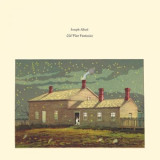
The songwriter Joseph Allred is always prolific, but breaks up their string of solo releases for one of the most orchestrated offerings since the excellent Branches And Trees. Allred’s often monastic guitar works are fleshed out here on Old Time Fantasias, turning them towards ensemble visions of country, Americana, and Appalachia. Album opener, “The Groundhog,” features the distinctive piano of Hans Chew, with bass from Daniel Kimbro and brass from Mikey Allred. Elsewhere the new album features Kelby Clark, Courtney Werner (Magic Tuber String Band), Evan Morgan (Magic Tuber String Band), Lydian Bramblia, and Jack Bird in the mix. “I started recording this album in Spring ‘23, thinking I might be making a mostly solo acoustic album with a couple of duets thrown in for good measure. I met Hans Chew at a Nashville show a few months earlier and sent him a few tracks to see if he wanted to add anything to them. Before long the ‘solo acoustic album’ had given way to what’s probably the most involved and densely orchestrated album I’ve made to date. “I enjoyed following some threads of influence that aren’t as easily discernible in my solo playing—I hear some classic country and psychedelic flourishes, baroque pop glockenspiel and horns, percussion ideas that may be cribbed from Danny Elfman and Tom Waits albums, nods to post-rock-filtered western guitar twang, and a little Cocteau Twins dreaminess. “All in all this was a satisfying record to make. I’m especially grateful to the collaborators for adding their touches and making it a less solipsistic affair than it would have been otherwise. The political climate has changed so much over the last two years that I find it hard to imagine I could make a record with this kind of fantastic mood if I started now. I hope that it can maybe re-enchant those of us who are felling disillusioned.” —Joseph Allred
On its tenth anniversary outing, Sofia Records doesn’t just mark a milestone - it distills its essence in a four track EP. The compilation reunites the original, 25 year strong, pBPM crew and the fresh talent of Impe´rieux.
KiNK delivers a dancefloor juggernaut “Let The Bass Kink” - raw, kinetic and unmistakably his.
KEi counters with “Killing God Theme“ - a deep, hypnotic slow-burner, rich in emotion that evolves with patient intensity. Then we have the debut of Tegav - a new alias from the pBPM forming member Kalin Baychev with “Stomper“ - an edgy melody on top of a percussive backroom swagger. Impe´rieux, ever the outlier, continues his quest for dance music’s future with “Jarka”, a leftfield yet playful groove that breaks convention while rattling the floor.
With a smiling family snapshot, framed in smoke, strobe light and sweat, Sofia shows how to throw the needle where it matters - squarely pointed to the future.
- Duffy And Mr Seagull
- Mind Contorted
- Fourteen Years
- The Moon Song
- Two-Love
- Rêve Réveiller
- Bag Of Excuses
- To Know Him Is To Love Him
- Mri Song
- Alone On The Rope
- Planet Ping Pong
Third album by singer and producer Charlotte Marionneau. A collection of sonic trips that try to capture the spark of beat poetry. She is almost a magician who has captured the directness of punk and can do magic with the emotion of pop. And she is always in the experimental grab bag. On the track 'Two-Love' Noel Gallagher plays piano and bass. Further on there is a Daniel Johnston cover presented as a duet with Terry Hall and his son Theodore and here Noel plays guitar. Marionneau reminds one of a female Syd Barrett. She counts among her admirers: Kevin Shields, Mazzy Star, Noel Gallagher, The Television Personalities, Simon Raymonde, Grimm Grimm, Piano Magic and Cillian Murphy. Le Volume Courbe "Planet Ping Pong" is a collection of sonic trips echoing fulgurances of beat poetry. Charlotte is a magician who can weave the directness of punk with the emotions of pop while staying in the realms of edgy experimentation. The bunny comes out of the hat smoking a cigarette and looks you in the eye. The single "Two-Love" is a collaboration with Noel Gallagher on piano and bass and Lascelles Gordon on percussions. The album also includes a cover by Daniel Johnston "Mind Contorted" which is presented as a duet with Terry Hall, and also features his son Theodore Hall and Noel Gallagher on guitars. The originality of Charlotte's music shares something with outsider art: naïve, primitive, primal, rather than following the standard rules. The new album selfproduced and mixed by Brendan Lynch and Charlotte is no exception, It's a unique and compelling listen laced with surprises, subversions and a refreshing candour which sets it apart from anything else. Charlotte was born and raised in France and moved to London in 1995. She was first signed to Alan McGee Poptones label in 2001, and her debut "I killed my best friend" was released in 2005 on Honest Jon's Records. She has also worked with a number of other bands and musicians including Kevin Shields, Mazzy Star, Noel Gallagher, The Television Personalities, Simon Raymonde, Grimm Grimm, Piano Magic etc.. Her song "Born to Lie" was featured in Series 2 of Killing Eve and Spotify selected her song "Rusty" for their "best of the decade 2010-2020" alternative compilation. Cillian Murphy selected the same song for his BBC6 compilation. "She reminds me of a female Syd Barrett... she keeps running into me all over the place from concerts or serving me ice cream at the Curzon on a wet Saturday night or on Jools Holland with the High Flying Birds... I love Charlotte... a great talent and a real psychedelic soul musician." Alan McGee "Inspiring originality, fiercely independent beautiful music, always years ahead of its time. I remember hearing Charlotte's music for the first time and being immediately taken by the freshness, great melodies and utterly unique approach." Kevin Shields "When I first met her she was wearing a cape... she looked like a little piece of Lego. She told me she liked some of my songs but not all. (I hadn't even asked her opinion!!) She's beautiful, fearless and one hell of a tambourine player." Noel Gallagher. "Charlotte is bewitchingly talented, a true rarity that has inspired many creative people. The kind of woman songs are written about. She's an artist that steals your heart away and then comforts you with her stunning music." Hope Sandoval. "A true original and a truly unique artist. There is not many I can say this about, but I honestly think I love everything she's ever recorded! All hail the Scissor Queen!" David Holmes.
e BAG OF EXCUSES [V3]
[g] DUFFY AND MR SEAGULL [V3]
[i] MIND CONTORTED [V4]
[e] BAG OF EXCUSES [V3]
[g] DUFFY AND MR SEAGULL [V3]
[i] MIND CONTORTED [V4]
- Dogs
- Magic Again
- Never Been
- Sight Of Sound
- Lilac Whiskey Nose
- Warbird
- Company Of Punishment
- Dead Dogs
- Motion
- Nothing's Good Anymore
,Dogs" ist Cash Langdons zweites Album unter eigenem Namen, aber das erste mit seiner Band Meadow Dust (Bassist Matt Whitson und Schlagzeuger Reagan Bruce). Die Aufnahmen fanden größtenteils in den Portside Studios (dem ehemaligen Standort des legendären Muscle Shoals Sound) statt und wurden in nur zwei Tagen aufgenommen. Der Tontechniker Brad Timko (Dan Sartain, St. Paul and The Broken Bones) sorgte dafür, dass das Trio wild und tight klingt. Ihre unscharfe Interpretation von schwerem Country-Rock erinnert an Neil Young & Crazy Horse und verströmt die Hitze von Langdons Heimatstadt Birmingham. Wie bei Young ist seine Stimme gleichzeitig ernst und weltmüde, aber es gibt auch einen Sinn für Humor und die Resignation, weiterzumachen (,Dogs"). Diese Songs sind wunderschöne, brennende, südlich-gotische Zeugnisse der fortwährenden Gewalt, die es bedeutet, wach zu sein für die Welt um einen herum (,Lilac Whiskey Nose") und die Entschlossenheit, trotzdem wach zu bleiben (,Magic Again").
- 1: Stay Tuned
- 2: Monster Truck
- 3: Animal
- 4: Be A Sport
- 5: Meg
- 6: Lafayette
- 7: And What?
- 8: Precious Stones
- 9: All In
Red Vinyl[26,68 €]
Rock’n’roll revivalists Split Dogs are not here to make 15 second viral videos, they’re not here to sell you a lifestyle, they’re here to destroy. Born from the frustration of seeing music become commodified and soulless, vocalist Harry Atkins and guitarist Mil Martinez had the idea to form a band as far back as 2015, with the name ‘Split Dogs’ pulled from the classic zombie film ‘Return of the Living Dead’.
In South London, a young Martinez would hear Status Quo, Bachman Turner Overdrive and Dire Straits on the car radio while his father drove him to school. At home he would invade his older brothers’ record collection which leaned towards the harder sounds of punk and heavy metal. Meanwhile in the Black Country, Harry’s mother instilled a love of Northern Soul, Slade and rock’n’roll, with stories of nights out at Club Lafayette and family singalongs at home. According to Martinez, “Our sound is a culmination of all those early influences and, to be honest, it really shows.”
It wasn’t until 2022 that Split Dogs officially arrived on the scene with bass player Suez Boyle joining the band in 2023. Already a prominent figure in the queer punk scene, Suez played the first ever Rebellion Festival at the tender age of 16 with her band The Walking Abortions. Up until that point, drummer Chris Hugall, an old friend of Martinez and former member of ska punks Mouthwash (signed to Rancid’s label Hellcat back in the day), was only on hand to help design artwork. It wasn’t until 2024 Hugall joined the band full time, cementing the current line-up.
The raucous live shows and infectious lyrics saw the four-piece make a name for themselves among the punks of Bristol, a scene that has always welcomed LGBTQ+ and marginalised people. As word spread, so did the gigging, and soon enough Split Dogs were playing to sold out rooms in mainland Europe, eventually grabbing the attention of UK label Venn Records (Gallows, Bob Vylan, High Vis). ‘Here to Destroy’ was recorded over three days at Middle Farm Studios by producer Peter Miles. All tracks were laid straight to a 16 track reel-to-reel tape machine, no autotune, no effects pedals, no computers. To add to the music’s authenticity, the album was recorded live, with Harry singing along in a vocal booth. No cutting and pasting, just nailing takes. According to Martinez, “It was a blast! We fully immersed ourselves, sleeping in a small apartment below the studio, cooking meals and listening to Pete’s extensive record collection”. While the final result is a step away from Split Dogs early punk sound, the attitude is still there in droves. “We wanted the album to have a raw bones feel,” Martinez tells us, “real 1970s rock’n’roll!”. Harry channels the spirit of Motörhead’s Lemmy Kilmister as they tear through hook after hook, singing about the Northern Soul clubs their mother once frequented (‘Lafayette’), the Orwellian nightmare we’re heading for (“Stay Tuned”) and a touching homage to British working class culture (“And What?”). As the album title makes clear, Split Dogs are here to destroy, but they’re also here to rebuild and remind us of music’s essence. “We’re not beholden to the digital age, we don’t want to get famous on social media, we just want to show the world that rock’n’roll is alive and well”.
2025 Repress
Felipe Gordon from Bogota is one of THE names right now in the jazz infected house & broken beat scene that is growing so much these days. This is his 2nd EP on Toy Tonics and its a step forward for him musically: he started to include more vocals and worked with colombian vocalist Paula Pedraza. Gordon’s music is special: with his background as a colombian (with that great heritage of musicianship that the country has) and as a indie rock musician (he used to play in bands for years) - he has a very own vibe. His tracks have much more groove than lot of the sample based stuff you get to hear currently...
and his production style is more variable and musically interesting than lots of other stuff outside. Check these 4 new tracks. Especially the 2nd tool, wich adds some freshness to the current disco vibe: Binging in a punkfunk bassline that could have been made in 2005 from Disco-Not-Disco artists like Chicken Lips, Headman or Playgroup. This is Post - 90ies - Revival music :)
Be ready for Felipe Gordons hottest year in 2020. With releases on Heist and Local Talk also to come after Toy Tonics.
José James just can’t leave the ’70s alone. Or maybe it’s the other way around. The singer, songwriter, bandleader, and producer was born in 1978, after all, but over his past 17 years of fundamentally forward-looking, blessedly mercurial music, he keeps getting pulled back in. His 2013 Blue Note breakthrough No Beginning No End revisited the hooky, funky, jazz-streaked songcraft of the time through a modern crate-digger’s ears. On 2020’s No Beginning No End 2 — James’ debut on his own Rainbow Blonde Records — he went back through the portal with a small army of fellow celebrated eclecticists. Just last year, there was the album 1978, a richly layered love letter to said year that felt deep, luxe, and cool. It’s as if — vested with the restless fluidity of jazz, the tuned-in sensitivity of soul, and the revisionist grit of hip-hop — he is trying to play his way into the exact moment when, culturally speaking, everything was about to change.
“I'm still so fascinated by the tension in that era of all these seemingly clashing things happening at once,” says James. “The loft scene, the jazz scene, Elton and Billy, Bob Marley, the Isleys, Funkadelic, disco being this behemoth in a way I don't think we even understand today… And then there’s where everybody went from there — into hip-hop, into punk rock, exploding jazz. It's like a summation of the ’70s, and it's about to transform. It's the peak of the rollercoaster.”
Literally breaking into history is impossible, of course, but James’ new LP, 1978: Revenge of the Dragon, does feel like breaking through or bursting out. In loving contrast to its predecessor, the fresh set plays hot, like a Friday night out at the Mudd Club in its prime. Though he’s dreamt up albums with collaborator counts approaching the dozens, James gathered a tight crew for this one. Himself and Taali on vocals. BIGYUKI on keys and analog synth. Jharis Yokley on drums. Bass split between David Ginyard (Blood Orange, Terence Blanchard) and Kyle Miles (Michelle Ndgeocello, Nick Hakim). And an all-star brass lineup: Takuya Kuroda on trumpet, young lion Ebban Dorsey on alto sax, and genre-spanning ronin Ben Wendel on tenor sax. They set up in Dreamland Studios near Woodstock, a restored 19th century church, and recorded live to tape, two tracks, drums pushed to the max — “a small homage to the rise of punk,” says James.
In that place out of time, the band laid down a handful of choice covers and some wild originals, like the single “They Sleep, We Grind (for Badu),” a decades-collapsing cut powered by an ugly groove. Steeped in dub, funk, and sampledelia, James chants an artists’ mantra (“They sleep, we grind / Man, f--- your nine to five”), makes lyrical callouts to Marley and Nas, and channels everything from George Clinton to J Dilla, not to mention the earthy mysticism of Erykah Badu. In 2023, James released and toured his Badu covers LP, On & On. “Living in her musical house for a year was transformative,” he says. “This is my summary of everything I learned through her, tying it to this idea that artists move differently. We are in society but we are outside, too, looking out and in at the same time. Our hours are different, our schedules are different.”
To that point, James and co. actually began each day in the woods, filming the album’s visual companion piece, Revenge of the Dragon, an honest-to-God kung-fu short complete with bad overdubs, training montages, camera tricks, and plot twists. The film pays tribute not only to the genre’s greatest year (1978, of course), but also its cinematic exchange with Blaxploitation, plus James’ own recent Shaolin training and admiration for Bruce Lee as a culture-bridging force (the LP’s cover recreates an iconic shot of Lee). On top of that, says James, “We had this immediacy in the studio. Live, one take, no overdubbing. I feel like that's where the martial arts piece comes in, where it's about being relaxed but also aware, and there's immediacy in your movements.”
Across the project, tribute takes that refracted, multifaceted form. From his personal late-’70s playlist, James chose four covers reflecting the era’s disco-fied churn: the MJ-meets-Quincy dancefloor masterpiece “Rock With You”; Herbie Hancock’s prescient vocoder fever dream, “I Thought It Was You”; and a pair of Black-radio hits from two bands whose fans typically wouldn’t have been caught dead in the same stadium: “Miss You” by the Rolling Stones and the Bee Gees’ “Inside and Out.” All of it gets filtered through a contemporary Black (and beyond) lens, coming out loud, free, funky, and buzzing — dynamic, yes, but also of a joyous piece.
1978: Revenge of the Dragon transports you to a crowded room where all this is playing out in real time. That feeling is helped out by opener “Tokyo Daydream,” a bass-driven swan dive into a neverending night of boutique bar-hopping and neon revelry. Later, “Rise of the Tiger” finds James bringing rare braggadocio to a propulsive track with growling synth lines and a hunger for whatever comes next. And then there’s the closer, “Last Call at the Mudd Club,” which with its upbeat energy and string of Stevie-inspired pickup lines, evokes the sort of unabashedly elated track the DJ throws on at 3:56 a.m. before everyone is kicked out. “I wanted to leave the album on that note,” says James. “If this was a night out in New York, this would be the last thing you hear before you get in that taxi and go back to your apartment.” Or, perhaps, back to 2025.
- Selfishness Of Man
- Just A Closer Walk With Thee
- When They Ring Them Golden Bells
- Rock Of Ages
- Bedside Of A Neighbor
- Tramp On The Street
- Ezekiel Saw The Wheel
- Soldier Of The Cross
- Long Ago, Far Away
- Thy Burden Is Greater Than Mine
Thy Burdens is a natural evolution of the Drunken Prayer catalog. The album is an homage to the fiery, sublime music of the church that means so much to the musicians who worked on it. Musically it's hard country-soul with horns, shouting and a lot of groove. The songs vary between the evergreen and the obscure. Represented here are tributes across the landscape: Thomas Dorsey, Martha Carson, Snooks Eaglin, Ralph Stanley, The Zion Travellers, Leon Payne, The Dixie Hummingbirds, Hank Williams, Odetta, Dylan, and traditionals that are too old to credit. The project was spearheaded by Drive-By Truckers' bassist Bobby Matt Patton who cut his teeth playing in fiery Pentecostal church bands around north Alabama, and Morgan Geer (Drunken Prayer) who learned a lot of the hymns they recorded from his great grandmother and father in Mobile, AL. This all started when Bobby Matt met Morgan at a shared gig in Chapel Hill, NC, where they found themselves instant friends and kindred spirits. After talking for a while the idea for this album was born. The inspiration, other than purely rocking the hell out, was a pull to get to the core values of the old songs. The incontrovertibly true and inconceivably vast principles of kindness, right and wrong, and social justice: Cosmic Gospel. Morgan started using the moniker "Drunken Prayer" after a chance conversation with Tom Waits on the importance of gospel music, regardless of religious beliefs. There are a handful of Drunken Prayer albums, all with semi-religious overtones and imagery, but this one is the first that's all gospel - a prophecy revealed. Thy Burdens was recorded at Dial Back Sound, Patton's studio in Water Valley, MS. There may be some ghosts but there's nothing haunted about this music. It's a joyful noise
I must admit to being a sucker for two-guitar bands. Ok, Hendrix pulled off a trio. But I don’t care what anybody says: The Yardbirds were a better band than anything that came out of them (Ok, maybe not Zep. But Cream?).
Maybe the reason I go back so far in my references is that, within the two-guitar band format, original new roles are difficult and rare. There’s the classic (socially problematic and often boring) “rhythm/lead” solution. There’s the JB’s or Nile Rodgers’ chicken pickin’ vs comping solution (which avoids chordal clashes by relegating one of the guitars to the role of single-note percussion instrument). There’s Ornette’s Prime Time division between Bern Nix’s rolled-off “jazz” tone and Charles Ellerbee’s trebly wah. Almost everything else is a variation on one of these.
In Ches Smith’s record Clone Row, each piece is built around a different concept for guitar interaction. The delightful and gifted weirdness of Mary Halvorson’s playing is counterpointed, contrasted, unisoned with, played off, juxtaposed (that is to say, enters every relationship possible) with Liberty Ellman’s equally amazing sound palette, chops, and imagination. This definitely ain’t your father’s guitar band.
The overall vibe of the record—despite Halvorson’s occasional noise outbursts or Ellman’s distorted guitar lines (see Mixed Fridge) is neither punk/funk, nor Zorn-ish metal—and certainly not the looser parameters of Ornette’s improvised harmolodics. Smith’s vibraphone playing, Halvorson’s guitar tone (whammy pedal squiggles aside), the brilliant electronics, and (most of all) the compositions themselves are somehow strangely West Coast cool. It’s as if I’m hearing a Jim Hall concert in which one of us did a lot of mushrooms, or (dare I write this?) some post-punk post-Dave Brubeck post-trip-hop experiment with classical form.
This recording is, most of all, about Ches as composer. He’s picked up a lot on his long, strange trip of the last few decades. The Haitian funkiness of his work with We All Break is audible—but deeply buried, encoded in the polyrhythms (check out Heart Breakthrough). His long-running side musician collaborations with John Zorn and Tim Berne are also evident but sublimated here into something new.
Not that improvising is absent. Check out the compelling collective statements in Sustained Nightmare and Ready Beat. Check out the brilliant interplay and bass soloing on Abrade With Me (a Weather Report for the age of extreme weather?) Nick Dunston is my favorite bassist of the new generation, and he plays brilliantly throughout. And Ches’ drumming here has all the groove, energy, and incredible range that have kept him in demand from Saturday night Vodou services to jazz and new music recording sessions (…the thinking man’s rock barbarian?).
The sus chords in Abrade With Me do build, for a moment, towards a fusion type of climax...but just at the moment I was gritting my teeth in anticipated defense against some horrible synth solo, the drums drop out, and we’re transported to the ambient lounge at the rave, and we suddenly understand we’re in the hands of a composer with the power to transport us just about anywhere.
So, this is a composer’s record most of all; a composer’s record performed by musicians who happen to be great improvisers. Ches Smith builds here on his reputation as a gifted new voice with an important vision, while showcasing some of the most creative musicians of our time.
- 1: You Make Every Lie Come True
- 2: It Ain't Easy
- 3: Taste Of Heaven
- 4: Never Ready To Go
- 5: The Forgiveness Tree
- 6: When The Moon Cries Wolf
- 7: Trader's South
- 8: Leave Him
- 9: Sit With My Soul
- 10: I Wish You Peace
THE SPEAKER WARS, an American rock band formed by Stan Lynch and Jon Christopher Davis, brings a unique blend of rock, country, and gospel influences to their debut self-titled release, the product of a longstanding collaboration. Stan Lynch, a founding member of Tom Petty and the Heartbreakers and Rock and Roll Hall of Fame drummer, has contributed his talents as a songwriter, producer, and multi-instrumentalist, drawing on his work with Don Henley, Ringo Starr, The Byrds, and many others. Lynch produced, engineered, and mixed the album, lending guitar, keyboard, bass, and vocal skills to the mix. Jon Christopher Davis, a seasoned singer-songwriter from Dallas, honed his craft in Nashville, writing songs for icons like Dolly Parton, Timothy B. Schmit, and Vince Gill. Davis, known for his soulful lead vocals, fronts the band and adds guitar, bass, and keyboard layers to their distinct sound. The band’s live lineup features Lynch on drums, Davis on guitar, and additional musicians Jay Brown, Brian Patterson, Steve Ritter, and Jay Michael Smith, creating a dynamic stage presence.
Spectral Bounce’s fifth instalment comes courtesy of L.A.’s rave archivist and dancefloor operative Dreams, A.K.A. Jesse Pimenta. Throughout his decade-long career the California native has inspected, dissected and concocted all manner of dance musics, leaving his mark with drops on Apron Records, Pinkman, BANK NYC and his own imprint Dance Data. On SPEC05 — Dangerous When Wet — he hijacks the synapses with 4 accomplished productions, plotting a high BPM course through manifold styles using the raw aesthetic that characterises his output.
“Losing Control” is a frenetic dancefloor invitation, immediately locking into a pacing groove. Beneath wild hand drums, Dreams plays with an insistent 303 bassline alternating between rasping buzz and oily squelch, while stern vocals are layered on top of breaks that have been processed to a viscerally satisfying end.
Taking things from delirious dance circle to underwater biosphere, the EP’s eponymous track explores a submerged 1980s Miami. Weighty & enveloping, “Dangerous When Wet” is pure aquatic pop-n-lock — hydraulic electro for a drowned world. Ocean floor caustics are transmuted into auditory form: arpeggios bubble up; drones shimmer mystically; hi-hats hiss like air from an open valve. Amongst the sonar bleeps, a barrage of pummeling low-end is sure to give subwoofers a workout.
“XTC Messenger” delivers an infectious paranoid dispatch, astutely balancing the sensual with the deranged. A slow-mo dial tone unfolds languidly, running counter to nervously twitching high frequencies. Its punchy percussion is tuned for maximum dopamine release; the track’s abrupt vocal chops and mechanical kick-snare pulsation evoke the leather jackets and jagged edges of 1980s industrial discotheque.
“Pressure Points” closes the EP on a heady and mesmerising polymetric trip. The parting track is a lithe yet spacious number, propelled by a rattling break. Here Dreams follows from track 2, creating an immersive environment in which sounds tightly twist and twirl. Shifting oscillators call out like tiny creatures as the bass throbs and wriggles further into your brain, long after the needle hits the runout groove.
In an ever-expanding musical universe, Azymuth have long existed as a celestial giant, drawing countless artists, musicians and followers into their orbit. Marking fifty years since their 1975 debut album Azimuth, their new album Marca Passo proves that the band’s alchemic brew of Brazilian jazz-funk and cosmic samba soul remains as vital as ever, as the group honours the profound legacy of their departed founders.
Recorded in Rio de Janeiro, Marca Passo is the first full-length release since the passing of founding drummer Ivan "Mamão" Conti in 2023, following the earlier loss of keyboardist José Roberto Bertrami in 2012. Alex Malheiros, the sole remaining original member, sees his stewardship of the band’s musical legacy as his spiritual duty. He is joined by the equally devoted Kiko Continentino (Milton Nascimento, Djavan) on keyboards, who has been with the group since 2016, and new recruit Renato Massa (Marcos Valle, Ed Motta) on drums.
Yet since their earliest recorded music, Azymuth have always been far greater than the sum of their parts. The "three-man orchestra’s" unmistakable sound is rooted in Brazil's MPB studio scene of the 1970s and early 1980s—a time when artists blended traditional Brazilian rhythms with global jazz, rock, and emerging psychedelic and progressive elements. Marca Passo continues this legacy, seamlessly fusing Brazilian musical traditions with global influences while showcasing the exceptional musicianship that powers Azymuth's distinctive, multi-dimensional sound.
The album is produced by studio mastermind Daniel Maunick, responsible for Azymuth’s two previous studio albums, Fênix in 2016 and Aurora in 2011. Daniel’s credits also include albums by Marcos Valle, Sabrina Malheiros and Terry Callier. Azymuth also invited Daniel’s father, British jazz-funk royalty Jean Paul “Bluey” Maunick, of Incognito, to play guitar on a new version of Azymuth’s eighties classic “Last Summer In Rio”, in tribute to the song’s composer, José Roberto Bertrami. Equally, “Samba Pro Mamao” is a new composition dedicated to Azymuth’s beloved original drummer, Ivan “Mamão” Conti.
Credits:
Alex Malheiros - Bass, Acoustic Guitar & Vocals: 1,2, 3, 4, 5, 6, 7, 8, 9, 10
Kiko Continentino - Keyboards, Organ, Vocoder & Vocals: 2, 3, 4, 5, 6, 7, 8, 9, 10
Renato Massa - Drums & Vocals: : 2, 3, 4, 5, 6, 8, 9, 10
Ian Moreira - Percussion: 1, 2, 3, 4, 5, 6, 8, 9, 10
Sidinho Moreira - Percussion: 1, 2, 3, 4, 5, 7, 8, 9, 10
Dudu Viana - Keyboards & Vocals: 1
Victor Bertrami - Drums: 1
Mangueirinha - Repinique: 3
Jean Paul ‘Bluey’ Maunick - Electric Guitar: 5
Jose Carlos Bigorna - Soprano Sax: 9
Daniel Maunick: Additional Percussion, Synths & EFX: 1, 2, 3, 4, 5, 6, 7, 8, 9
Produced, Engineered, Mixed & Arranged by Daniel Maunick
Co-Produced & Arranged by Alex Malheiros
Executive Producer: Joe Davis
Recorded by:
Daniel Maunick & Leonardo Vieira @ Estúdio Nos Trilhos, Santa Teresa, Rio, Brazil
Daniel Maunick & Amadeu Signorelli @ Sigstudio, Niterói, Rio, Brazil
Daniel Maunick & Alex Malheiros @ Estúdio Basslab, Piratininga, Rio, Brazil
Mixed by Daniel Maunick @ The Sugar Shack, Carluke, Scotland
Artwork & Design: Tyler Askew
The Rose (더로즈) is a Korean alt-pop indie band made up of four talented members: vocalist and guitarist Woosung,vocalist/multi-instrumentalist Dojoon, bassist Jaehyeong, and drummer Hajoon. Their upcoming album, WRLD, promises to blend familiar early sounds with fresh sonic landscapes and genres. Fans can look forward to country-inspired melodies and themes of reflection and coming of age.
Die malische Ethnie der Dogon sind für ihre Tier-Masken und rituellen Tänze weltweit berüchtigt. Auch ihr unglaubliches astronomisches Wissen - wichtige Feste orientieren sich an der Laufbahn von Sirius B, einem mit bloßem Auge nicht zu erkennenden Planeten - lassen westliche Forscher seit über hundert Jahren rätseln. Aber hat man schon jemals von der Musik dieses Mythen-umrankten Volkes gehört? Petit Goro hat als erster Musiker die traditionellen Dogon-Rhythmen für ein junges, modernes Publikum aufbereitet, ja er ist der erste Popstar der Dogon überhaupt. Wenn er sich auf einer der Freiluftbühnen von Bamako seine Gitarre umhängt, dann wirbeln tausende von Tänzern den Staub auf. Es ist ein Sound, der bisweilen so klingt, als hätte es Junior Kimbrough, R.L. Burnside und die One-Chord-Vamps des Mississippi Hill Country Blues an den Niger verschlagen. Pentatonische Akkorde. Dogon-Chants. Und der Sog seiner Band - die mit Bass, Gitarre und traditioneller Perkussion Richtung Trance reitet. Petit Goro besingt dabei den Kampf um die eigene Kultur und Identität. Der Popstar ist das Aushängeschild einer neuen Bewegung : Die jungen Dogon haben angesichts der Bedrohung, - fast jede Woche wird ein Dogondorf von Dschihadisten attackiert - ihre gefährdeten animistischen Traditionen wiederentdeckt. Überall in Bamako sieht man Jugendliche stolz ihre Dogon-Tracht tragen. Petit Goro aber trägt ihre Botschaft in die Welt hinaus, rockt archaische Traditionen mit einem nie gehörten Dogon-Blues
- 1: The Sheik Of Araby
- 2: Sans Toi Je N'ai Plus Rien (Bei Dir War Es Immer So Schon)
- 3: Suite Hongroise
- 4: Manege
- 5: Souvenir De Toronto/Frischka
- 6: Charleston
- 7: Valse Des Ecoliers
- 8: La Manouche
- 9: Suite Roumaine : Babouchka/Sirba Din Dolj
- 10: Hopla
- 11: Le Vase
- 12: Cousin Django
Angelo Debarre's extraordinary guitar technique has long been the tree that hid the forest of his profound musicality and above all, his talent as a composer. Belonging to the family of Django Reinhardt's heirs, Debarre has become a legend among Gypsy Jazz fans, one of those rare musicians, who can enchant a room and make hearts beat in unison.
The New Dictionary of Jazz (Nouveau Dictionnaire du Jazz) describes Angelo Debarre as supersonic, and indeed, he is with mad virtuosity. His left hand moves up and down the fine neck of his gypsy guitar, with speed but always with musicality. But it would be an understatement to speak only of his dexterity; he has a marvellous ability to play with subtlety, and his improvisational possibilities seem endless; all done with great ease and apparent composure. Solos, counterpoint, he's everywhere.
A child from the gypsy community, Angelo started playing guitar with his family at the age of eight. In 1984, he formed the first "Angelo Jazz Quintet". In 1985, he became one of the pillars of the famous Parisian cabaret, "La Roue Fleurie" and participated in numerous tours and recordings, including the famous Gypsy Guitars, a reference album of the genre.
Very comfortable in several gypsy styles, Debarre can be found alongside fellow guitarist Petro Ivanovitch and singer and balalaika player Raya from the group Arbat. As a guest, DeBarre can be heard with the band Bratsch, in dialogue with the pianist Bojan Z, percussionist Xavier Desandre-Navarre, the violinist Florin Niculescu and other leading figures of the gypsy guitar.
Angelo Debarre: guitar
Serge Camps: guitar
Frank Anastasio: bass
WOW. Daniel O'Sullivan's transcendent new album, Eros, is one of the greatest things we've ever heard. A simply stunning song cycle of hypnotic, experimental contemporary chamber music composed for a 14-piece ensemble. Combining minimalism, complex syncopation, detailed acoustic textures, weird intervals and samurai precision, this record will elegantly blow your mind. When Daniel first sent us this, he pitched it as “Liquid Swords meets Michael Nyman”. Trust us, he wasn't wrong. A "unique hybrid orchestral music", it presents a confluence of Daniel's longstanding fixations; indeed, there's elements of Nyman, Antonio Carlos Jobim, Magma, Aaron Copland and RZA. But this is wholly O'Sullivan's. Originally commissioned for the Sonoton Music Library in Munich, Eros now receives a deluxe vinyl release courtesy of Be With Records, bringing this meticulously crafted work to a wider audience. Limited to just 500 copies for the world, these are gonna fly.
An English composer and multi-instrumentalist, Daniel O'Sullivan’s career has been marked by versatility and innovation. In addition to his work with Sonoton, he has composed extensively for the legendary KPM music library, contributing to its storied legacy of production music. As a deep virtuoso and collaborator, O'Sullivan has also played in a number of influential projects, including Ulver, Sunn O))), This Is Not This Heat, Grumbling Fur and Miracle (with Steve Moore), leaving an indelible mark on the contemporary experimental music landscape.
O’Sullivan’s first foray into classically informed chamber music, Eros is a culmination of his long-standing fixations and expansive musical influences. The album features arrangements that are as detailed as they are emotionally resonant, showcasing his unparalleled ear for intervals and mastery of counterpoint. The music brims with complex rhythmic syncopation and a sensitivity to texture and space, resulting in a soundscape that is both intoxicating and dauntingly precise.
Recorded June 2023 and February 2024, in Brussels, London and Carmarthenshire, Wales, Eros features members of Echo Collective (Neil Leiter and Margaret Hermant), Thighpaulsandra (from seminal post-industrial band Coil), and jazz pioneer Oren Marshall. Daniel's sonic weapons of choice, in his own inimitable words, were "Big Bad Drum, Pee Anne Oh, Low End Brass, Willowy Winds & Samurai Strings." You get the picture. As a cyclical suite, this is a record that really needs to be heard in its entitreity, from start to finish, to truly appreciate the genius at work here.
A jaw-dropping statement of intent, the minimalist "Golden Verses" sets the tone with its complex cue which has your neck snapping right when it feels like it needs to. Listen and you'll understand. A syncopated tangle of sharp strings, crunchy bass, drums percussion and bright piano and mallets vie for position with French horn and woodwind melody in the most compelling and unexpected ways. Quite simply, it's one of the finest album openers I've ever heard. It's followed by the atmospheric rippling minimalism of "Lyre Lyre", a gorgeous gem with shimmering chimes, bright melody, human percussion and syncopated pizzicato strings. It kinda comes on like a less-abstract Boards Of Canada, bursting with typical wonderment. The piano and string-drenched "Dolorous Stroke" effortlessly builds its warm, pastoral orchestration with flowing piano arpeggio, steadfast drums, expressive string quartet, rich low brass, woodwind and lyrical flute. Just sublime.
The insistent frenetic propulsion of "Plain Paper" is utterly beguiling, featuring a determined string motif, urgent drums and percussion, driving low brass and breathless, energetic flute. The haunting, interweaving string arpeggios that propel "Grapes Draped" presents a claustrophobic minimalism for chaos and darkness, with growling low woodwind and brass, spiky harpsichord, skittering flutes and tight drums. Up next, "Xanix Annum" is a stately minimalist waltz with expressive lyrical string quartet and delicate woodwind, anchored by drums and percussion. "Painting Rose" is a bouncy stop-start track with angular syncopated strings and a piano pulse underneath bright harpsichord and flutes. "Rotunda Garden" presents ethereal textural minimalism for landscapes and reflection with flowing string arpeggios, warm, low woodwind drones, floating choir and cymbal swells. Closing out this extraordinary side of music, the glowing, flowing minimalism of "Flowry Orb" features urgent organ, piano and woodwind arpeggios, half-time drums with shimmering cymbals, a soaring, beautiful violin solo and hypnotic vocal chant.
Side 2 opens with "Theia Mania" a determinedly off-kilter, angular track featuring low wind, brass and drum stomp in dialogue with lively string trio, woodwind and solo horn. The light, airy minimalism of "Painting Percy" is built around an interplay of rhythmic motifs for piano, low brass, bassoon, fluttering flutes, urgent strings, drums and percussion whilst "For Archetypes" is a delicate, gently syncopated chamber cue for nostalgia, nature, reflection and moments of calm, with steady piano motif, intimate woodwind and French horn, and warm, graceful strings. The urgent Ars Memoriae is a propulsive march for progress, processes and industry, underpinned by driving tuba, with determined strings, resolute drums, and vivid, expressive flute, clarinet and French horn.
The syncopated energetic minimalism of "Mirrored Seven" presents layers of melodic and cyclical piano, drums, low brass, harp, flute and strings. "Pure Ornament" follows, a slowly evolving chamber cue with flowing clarinet, string and harp arpeggio, plodding tuba and percussion, fluttering flute and graceful, lyrical solos. Stunning! Up next, "Brave Boy" moves from its tender, warm, lullaby-like intro with lyrical flute, clarinet and strings before opening into a playful backend driven by a bouncy tuba riff and syncopated piano, woodwind, string trio, and drums and percussion. Rounding out this astonishing piece, "Waxen Waned" is a warm, pastoral chamber cue with light lyrical woodwind, tender French horn and subtly pulsing string trio.
The album's title is a reference to Plato’s conception of Eros, which is more than romantic or physical desire. It is a dynamic and creative force that drives individuals to seek perfection whether in art, relationships, philosophy or the pursuit of truth. Wholly appropriate, here, we think. When asked what his influences were in making this astounding record, he answered thusly: "Non-musical: Householding, Pythagoras, Goethe, Grail romances, Hermeticism, Doctrine of Signatures (Parcelsus, Bohme, Pliny), Eric Rohmer, John Stezaker, Yasujiro Ozu. Musical: Duke Ellington (late suites), Smile-era Brian, early RZA, Wagner (Parsifal Overture), Magma, Mancini, Axelrod, YMO, Hildegard, Nyman, Penguin Cafe Orchestra, Jobim (Stone Flower), Alessandro Alessandroni, Tavener, Moondog, Orthodox Music, Secular Music." That's some pretty deep shit. Makes you want to dive in, no?
Mastering for this vinyl edition was overseen by Be With regular Simon Francis, and it was cut by the esteemed Cicely Balston at Abbey Road Studios to be pressed in the Netherlands by Record Industry. Truly, Eros is a work of extraordinary depth and sophistication. It invites listeners to immerse themselves in its intricate layers, to lose themselves in its hypnotic rhythms, and to marvel at the precision of its execution. With this release, O’Sullivan reaffirms his position as one of the most inventive and uncompromising voices in contemporary music. Do. Not. Sleep.