Art is a term that's often associated with Robert Hood's work and the next vinyl release on M-Plant comprises his recent digital releases - the March single "Art Form" and April's double-header "Art Class / Art School" to create the "Art Project EP".
The acidic "Art Form" is Hood's first Techno release since 2024's "Alpha Key EP". The Minimal Techno originator continues to show off his prowess with "Art Class" which stays on the Acid path we hear on "Art Form" but delves even deeper. Meanwhile, "Art School" on the B-side brings sci-fi sounds and an atmospheric punch.
Robert Hood has said of his M-Plant label: "M-Plant is what I've always wanted to hear: the basic stripped down, raw sound. Just drums, basslines and funky grooves and only what's essential. Only what is essential to make people move. I started to look at it as a science, the art of making people move their butts, speaking to their heart, mind and soul. It's a heart-felt rhythmic techno sound. M-Plant is just M. minimal."
Поиск:d star
Все
José James just can’t leave the ’70s alone. Or maybe it’s the other way around. The singer, songwriter, bandleader, and producer was born in 1978, after all, but over his past 17 years of fundamentally forward-looking, blessedly mercurial music, he keeps getting pulled back in. His 2013 Blue Note breakthrough No Beginning No End revisited the hooky, funky, jazz-streaked songcraft of the time through a modern crate-digger’s ears. On 2020’s No Beginning No End 2 — James’ debut on his own Rainbow Blonde Records — he went back through the portal with a small army of fellow celebrated eclecticists. Just last year, there was the album 1978, a richly layered love letter to said year that felt deep, luxe, and cool. It’s as if — vested with the restless fluidity of jazz, the tuned-in sensitivity of soul, and the revisionist grit of hip-hop — he is trying to play his way into the exact moment when, culturally speaking, everything was about to change.
“I'm still so fascinated by the tension in that era of all these seemingly clashing things happening at once,” says James. “The loft scene, the jazz scene, Elton and Billy, Bob Marley, the Isleys, Funkadelic, disco being this behemoth in a way I don't think we even understand today… And then there’s where everybody went from there — into hip-hop, into punk rock, exploding jazz. It's like a summation of the ’70s, and it's about to transform. It's the peak of the rollercoaster.”
Literally breaking into history is impossible, of course, but James’ new LP, 1978: Revenge of the Dragon, does feel like breaking through or bursting out. In loving contrast to its predecessor, the fresh set plays hot, like a Friday night out at the Mudd Club in its prime. Though he’s dreamt up albums with collaborator counts approaching the dozens, James gathered a tight crew for this one. Himself and Taali on vocals. BIGYUKI on keys and analog synth. Jharis Yokley on drums. Bass split between David Ginyard (Blood Orange, Terence Blanchard) and Kyle Miles (Michelle Ndgeocello, Nick Hakim). And an all-star brass lineup: Takuya Kuroda on trumpet, young lion Ebban Dorsey on alto sax, and genre-spanning ronin Ben Wendel on tenor sax. They set up in Dreamland Studios near Woodstock, a restored 19th century church, and recorded live to tape, two tracks, drums pushed to the max — “a small homage to the rise of punk,” says James.
In that place out of time, the band laid down a handful of choice covers and some wild originals, like the single “They Sleep, We Grind (for Badu),” a decades-collapsing cut powered by an ugly groove. Steeped in dub, funk, and sampledelia, James chants an artists’ mantra (“They sleep, we grind / Man, f--- your nine to five”), makes lyrical callouts to Marley and Nas, and channels everything from George Clinton to J Dilla, not to mention the earthy mysticism of Erykah Badu. In 2023, James released and toured his Badu covers LP, On & On. “Living in her musical house for a year was transformative,” he says. “This is my summary of everything I learned through her, tying it to this idea that artists move differently. We are in society but we are outside, too, looking out and in at the same time. Our hours are different, our schedules are different.”
To that point, James and co. actually began each day in the woods, filming the album’s visual companion piece, Revenge of the Dragon, an honest-to-God kung-fu short complete with bad overdubs, training montages, camera tricks, and plot twists. The film pays tribute not only to the genre’s greatest year (1978, of course), but also its cinematic exchange with Blaxploitation, plus James’ own recent Shaolin training and admiration for Bruce Lee as a culture-bridging force (the LP’s cover recreates an iconic shot of Lee). On top of that, says James, “We had this immediacy in the studio. Live, one take, no overdubbing. I feel like that's where the martial arts piece comes in, where it's about being relaxed but also aware, and there's immediacy in your movements.”
Across the project, tribute takes that refracted, multifaceted form. From his personal late-’70s playlist, James chose four covers reflecting the era’s disco-fied churn: the MJ-meets-Quincy dancefloor masterpiece “Rock With You”; Herbie Hancock’s prescient vocoder fever dream, “I Thought It Was You”; and a pair of Black-radio hits from two bands whose fans typically wouldn’t have been caught dead in the same stadium: “Miss You” by the Rolling Stones and the Bee Gees’ “Inside and Out.” All of it gets filtered through a contemporary Black (and beyond) lens, coming out loud, free, funky, and buzzing — dynamic, yes, but also of a joyous piece.
1978: Revenge of the Dragon transports you to a crowded room where all this is playing out in real time. That feeling is helped out by opener “Tokyo Daydream,” a bass-driven swan dive into a neverending night of boutique bar-hopping and neon revelry. Later, “Rise of the Tiger” finds James bringing rare braggadocio to a propulsive track with growling synth lines and a hunger for whatever comes next. And then there’s the closer, “Last Call at the Mudd Club,” which with its upbeat energy and string of Stevie-inspired pickup lines, evokes the sort of unabashedly elated track the DJ throws on at 3:56 a.m. before everyone is kicked out. “I wanted to leave the album on that note,” says James. “If this was a night out in New York, this would be the last thing you hear before you get in that taxi and go back to your apartment.” Or, perhaps, back to 2025.
Subtle grooving dub house and techno.
Label founder Pedro Capelossi teams up with the talented and knowledgeable Francesco Mami to present the Lajka EP, featuring three captivating original tracks. Adding to the EP’s uniqueness, remixes are delivered by renowned dub master Mathimidori and Brazil’s rising star, Chiari.
- A1: Kavinsky & Lovefoxxx – Nightcall
- A2: Desire – Under Your Spell
- A3: College Feat Electric Youth – A Real Hero
- A4: Riz Ortolani Feat Katyna Ranieri – Oh My Love
- B1: Chromatics – Tick Of The Clock
- B2: Cliff Martinez – Rubber Head
- B3: Cliff Martinez – I Drive
- B4: Cliff Martinez – He Had A Good Time
- B5: Cliff Martinez – They Broke His Pelvis
- B6: Cliff Martinez – Kick Your Teeth
- C1: Cliff Martinez – Where’s The Deluxe Version?
- C2: Cliff Martinez – See You In Four
- C3: Cliff Martinez – After The Chase
- C4: Cliff Martinez – Hammer
- D1: Cliff Martinez – Wrong Floo
- D2: Cliff Martinez – Skull Crushing
- D3: Cliff Martinez – My Name On The Car
- D4: Cliff Martinez – On The Beach
- D5: Cliff Martinez – Bride Of Deluxe
The words ‘hit’ and ‘soundtrack’ seldom appear in the same sentence, but the soundtrack to Nicolas Winding Refn’s cult classic film “Drive” (starring Ryan Gosling and Carey Mulligan) was truly a smash hit upon release.
Charting at #4 on the iTunes album chart and peaking at #35 on the Billboard Top 200, the accolades came rolling in.
Spin Magazine lists it as one of the “Top 40 Movie Soundtracks The Changed Alternative Music.
The soundtrack features the legendary synth score by Cliff Martinez along with tracks by artists such as College and The Chromatics.
This special limited edition 10th anniversary picture disc variant from Invada Records features 4 sides of beautiful imagery from the artwork, which has been completely re-designed for this one-off pressing.
The stunning packaging explores the film’s noir element through use of black and white imagery and the deluxe gatefold sleeve comes complete with printed inners.
A Side – Peg (Smoove Multitrack Rework)
Smoove gets his hands on the ultimate multitrack studio separates and goes to town peeling back the layers, revealing crisp drums and iconic slap bass from Chuck Rainey, rearranging the structure to spotlight the lush backing vocals -A fresh spin on a classic, with every nuance shining through.
B Side 1 – Baby Be Mine (Smoove Multitrack Rework)
Smoove dives in from the start, isolating Rod Temperton’s iconic parts, showcasing the synth bass line with groove-heavy drums while drawing out every breath and detail in MJ’s vocals. A loving, funk-infused rework.
B Side 2 – This Time (Smoove Multitrack Rework)
Smoove takes a bold approach, stripping the track down to its essentials, creating an extended live drum intro section dubbed in space echo effects. Original vocal samples and acoustic guitar breakdowns with additional fender rhodes piano provide contrast, while the string section steals the spotlight in a stunning finale.
2025 Repress
A tale of paramount love for machines and the inextinguishable power of subjugation that lies in these button-studded boxes teeming with cabled bowels that feel so intimidating to the uninitiated, Italo Brutalo's longed-for debut album "Heartware" is a 12-track voyage across 25 years of intense synth collecting, fiddling,
composing and endless loving for audio synthesis and the art of how robots make human bodies jack.
Throughout the twelve cuts that compose "Heartware", a feeling of retro-gazing, candidly playful glee prevails. Looking right in the eye of the era when dazzling flipper visuals and static-filled VHS glitches
reigned supreme, Italo Brutalo invites us to witness first-hand his own textbook smorgasbord of fast-wheeling arpeggios and vocodized hoodoo ("Heartware", "Reach Horizon"), dystopian digital sunsets by the beach ("I Feel Lonely"), early hip-hop-informed whackin' n' thumpin' ("Analog Bars") and the slo but hard churn of a robot heist score ("Nobody Moves").
A lush tapestry of woozy exotic pads set in contrast with a deft and aggro drum programming ("As Above So Below"), followed by a new-beat oriented hammer-drop that shall leave no raver unscathed ("Heat of the Knight"), Italo Brutalo shifts the scope to radical effect whilst maintaining that cohesive headspace flush with the iconic 80s-to-90s-sourced assets. The hardware used in the making of "Heartware" is obviously the star here, and the inner sleeve pays tribute to that: the ideas behind the album have been there waiting to find their way out for over twenty years!
From adrenalin-boosting fractals of keyboard razzle-dazzle ("Chemical Element") to straight out pumping EBM primed for hi-octane mosh pits down the basement ("You Are Welcome"), via polyrhytmic percs-driven assaults and sizzling hot synth-smithery ("Into a Sampler"), the pressure levels never falter. Yet, Italo Brutalo sure knows how to weave further oneiric, softer narratives for your mind to frolic in unhindered ("Dream Machine") and rounds it all off with a total, space-opera'esque epic bound to have you spinning out of orbit into the great unknown ("Eternia").
"Heartware" is released in a neat double-vinyl gatefold package presenting the concept and machines involved in its making, including a twelve-page booklet featuring Italo Brutalo's key pieces of gear.
Mysticisms is delighted to present the music from one of the inspirations for the whole Dubplate series, the lesser known, but admired Digi Dub label. Hailing from the late 80s / early 90s South-East London squat scene, the music of label head Lee Berwick and cohorts was unlike any other at the time. Not simply a retake on digital dub emanating from Jamaica, Digi Dub mixed the heritage of reggae with the alternative-culture of Britain to forge a unique version.
Inspired by punk and the early electronics of the likes of A Certain Ratio, Cabaret Voltaire and Throbbing Gristle, Berwick came to music production later, after first quitting a career as a computer programmer to travel through Asia, returning after several years just as electronic “computer music” was gaining a fundamental new lease in 1988. A regular at Jah Shaka gigs over the burgeoning rave scene of the time, he steadily built a studio centered around the Akai Sampler.
Based, at the time, in South-East London, it’s lack of underground “Tube” lines and challenging transport links, helped create its own social and music eco-system. Squatted houses, shops, clubs and parties all thrived around the triangle of Bermondsey, New Cross and Camberwell. After meeting Kenny Diezel and the Mutoid Waste Company, he started to formulate his “dubby electronic sound” by literally play live to thousands of wide-eyed Ravers at Mutoid Waste parties.
Recording as Launch DAT, the first tracks with Kenny formed, soon joined by Harry and Nick, the trio progressed from building a sound system to L.S. Diezel being created. Friends since their teens Harry and Nik progressed from playing in bands, jamming Sly and Robbie dubs to moving from the countryside of the Home Counties to urban Peckham and into the orbit of Mutoid Waste and the squat and party scene.
Progressing to include Atari S1000HD, Akai S3200XL, Alesis Sequencer and Roland 303, the sound expanded but the raw spirit remained. The early recordings with Berwick, in the beautiful “Lovers style” that is For The Love Of and its stripped-back instrumental “Stepper” dub accompaniment in Bad Boys, as well as an early take on take on the merging of digital dub and hip hop in Skunk Funk, all capture the essence of that London period.
However, the inclusion of the seminal Suicidal Dub, that appeared as the title to their debut album and was recorded on a bus a few years later after Mutoid had relocated to Rimini, Italy, offers a glimpse to the future. Heralded as a proto-dubstep classic it has long been sought after and its inclusion makes for the essential.
Mutate The Mystery.
- A1: Aseurai
- A2: Not A Necessity
- A3: Mandarin Tree
- A4: Get Up
- A5: Playground Song Side
- B1: Fading Star
- B2: Static
- B3: Drifting
- B4: Blue Butterfly
- B5: Goodnight
o encapsulate the themes. “Aseurai means around you in the atmosphere, hard to reach, fading away,” Choi says. “It’s a poetic expression. You wouldn’t say it in normal conversation, but I like that.”
Following the four-piece band’s 2024 self-titled EP, Aseurai adds disco and city-pop influences while staying true to dream-pop roots. While Phoebe Rings was originally a solo project of Choi’s, Aseurai marks a shift with contributing songwriting credits from the whole band. The four musicians cut their teeth working on other notable NZ projects such as Princess Chelsea, Fazerdaze, Tiny Ruins, AC Freazy,, Sea Views and Lucky Boy.
With a more ambitious collection of instruments, Choi says this album heralds the start of true collaboration: “I feel more precious about this LP because it includes everyone’s gems.” Guitar/synthesist Simeon Kavanagh-Vincent spearheads unexpected arrangements, with bold fuzzy guitar textures, to spice up the mix. Benjamin Locke adds maturity to the lyrics, paired with perfectionist bass lines. And drummer Alex Freer’s slick production soars Aseurai to diverse and synergetic heights. The broth is richer with more cooks in the kitchen, and the brewing of textures creates a distinct ‘Phoebe Rings’ sound.
If the EP was spacey, then Aseurai settles on earth, rooted in tangible moments. “Without getting too gloomy, it’s a weird world out there. A lot has changed in the world since the EP came out,” says Kavanagh-Vincent on this transformation. The album delves into hope and longing across all possibilities, and this exploration of holding on and letting go is organically threaded throughout. Across ten songs, Phoebe Ring’s storytelling ranges from tongue-in-cheek musings on gentrification to tender autobiographical memories.
아스라이 흩어지는 하늘의 별이 (May the falling light of faraway stars) / 그대의 손 끝에 닿아 숨이 돼주길 (Reach your fingertips and let you breathe),” Choi sings in the title track “Aseurai.” Imagined as a breezy track inspired by a 90’s Korean pop band, Choi discovered, when fleshing out the lyrics, that it was about yearning for people she couldn’t see anymore. In the old-school disco track, “Get Up,” Locke addresses struggles with mental health in a Matrix-inspired driven mantra: ‘Just get up / Just get up.’ The groove persists with ‘Fading Star,” a quirky ballad filled with steely jazz/rock guitar solos dedicated to a suburban aging musician. Kavanagh-Vincent’s lead single ‘Drifting’ is an unrequited celestial love song with bouncing bass and playful synths.
The band wrote, produced, and engineered the album across studios and band members’ homes in 2023/2024 in Tāmaki Makaurau (Auckland). It features mixing/mix production by local legend Jeremy Toy (Bic Runga, Aaradnha, Princess Chelsea) and mastering by Kelly Hibbert. With Aseurai, Phoebe Rings mark out a brilliant new constellation in their sky, bringing their individual compositions to the fore whilst seamlessly threading them into one celestial body - launching skyward on Carpark Records in June 2025.
- The Dream
- Braiding The Stories
- Voices In My Head
- Time And Timeless Timeline
- And The Now
- Through The Veil
- Visions And Time
- Root The Will
- Flowing Starlight
Crystal Clear/Black Marbled Vinyl[33,57 €]
Aus dem kalten Mark der geheimnisvollen und verehrten norwegischen Black-Metal-Szene geschnitzt, beschwören Gaahls Wyrd eine fesselnde Verschmelzung von Chaos und Schönheit. Unter der beherrschenden Präsenz von Kristian "Gaahl" Espedal erschafft die Band eine weitreichende Saga des Sounds - sowohl ursprünglich als auch transzendiert.
Mit Braiding the Stories begeben sich Gaahls Wyrd auf eine alchemistische Reise durch die Reiche des Bewusstseins und der Träume und erschaffen eine klangliche Erzählung, die den nahtlosen Tanz zwischen dem Gesehenen und dem Ungesehenen erforscht. Jeder Track ist eine tiefgründige Erforschung der Schleier der Realität und kristallisiert das Ephemere durch die kraftvolle Verbindung von philosophischer Introspektion und kühner musikalischer Komposition. Von den eindringlichen Echos von "The Dream Master" bis zur ätherischen Resonanz von "Flowing Starlight" lädt das Album den Hörer ein, seine labyrinthischen Klanglandschaften zu durchqueren - ein Ort, an dem sich nachdenkliche Melodien mit intuitiver Kraft kreuzen. In diesem Bereich kanalisiert Gaahls Wyrd rohe lyrische Introspektion und starke klangliche Fähigkeiten, geführt von den geschickten Händen von Ole "Lust Kilman" Walaunet, Andreas "Nekroman" Salbu und Kevin "Spektre" Kvåle.
Im Herzen des Albums liegt eine Reise der Selbstfindung, die von der zeitlosen Stimme Gaahls durchdrungen ist und den Hörer dazu einlädt, nicht nur zu hören, sondern zu erleben, zu reflektieren und zu transzendieren.
- Die mit einem Grammy ausgezeichneten norwegischen Metal-Maestros Gaahls Wyrd präsentieren ihr faszinierendes zweites Album "Braiding the Stories". Dieses introspektive und ätherische Projekt überbrückt die Reiche des Bewusstseins und der Träume durch eine starke Mischung aus philosophischer Introspektion und kühner musikalischer Komposition.
- Angeführt von der beeindruckenden Präsenz des legendären Sängers Gaahl (Kristian Espedal) und unterstützt von Gitarrist Lust Kilman (Ole Walaunet), Bassist Nekroman (Andreas Salbu) und Schlagzeuger Spektre (Kevin Kvåle) verschmilzt die Band kunstvoll Chaos und Schönheit und findet im esoterischen Extreme/Black Metal-Genre großen Anklang.
- Braiding the Stories wurde im Solslottet Studio produziert und ist mit einem anspruchsvollen Cover von Øivind Myksvoll versehen.
FFO: Mayhem, Wardruna, Gorgoroth, Enslaved
Aus dem kalten Mark der geheimnisvollen und verehrten norwegischen Black-Metal-Szene geschnitzt, beschwören Gaahls Wyrd eine fesselnde Verschmelzung von Chaos und Schönheit. Unter der beherrschenden Präsenz von Kristian "Gaahl" Espedal erschafft die Band eine weitreichende Saga des Sounds - sowohl ursprünglich als auch transzendiert.
Mit Braiding the Stories begeben sich Gaahls Wyrd auf eine alchemistische Reise durch die Reiche des Bewusstseins und der Träume und erschaffen eine klangliche Erzählung, die den nahtlosen Tanz zwischen dem Gesehenen und dem Ungesehenen erforscht. Jeder Track ist eine tiefgründige Erforschung der Schleier der Realität und kristallisiert das Ephemere durch die kraftvolle Verbindung von philosophischer Introspektion und kühner musikalischer Komposition. Von den eindringlichen Echos von "The Dream Master" bis zur ätherischen Resonanz von "Flowing Starlight" lädt das Album den Hörer ein, seine labyrinthischen Klanglandschaften zu durchqueren - ein Ort, an dem sich nachdenkliche Melodien mit intuitiver Kraft kreuzen. In diesem Bereich kanalisiert Gaahls Wyrd rohe lyrische Introspektion und starke klangliche Fähigkeiten, geführt von den geschickten Händen von Ole "Lust Kilman" Walaunet, Andreas "Nekroman" Salbu und Kevin "Spektre" Kvåle.
Im Herzen des Albums liegt eine Reise der Selbstfindung, die von der zeitlosen Stimme Gaahls durchdrungen ist und den Hörer dazu einlädt, nicht nur zu hören, sondern zu erleben, zu reflektieren und zu transzendieren.
- Die mit einem Grammy ausgezeichneten norwegischen Metal-Maestros Gaahls Wyrd präsentieren ihr faszinierendes zweites Album "Braiding the Stories". Dieses introspektive und ätherische Projekt überbrückt die Reiche des Bewusstseins und der Träume durch eine starke Mischung aus philosophischer Introspektion und kühner musikalischer Komposition.
- Angeführt von der beeindruckenden Präsenz des legendären Sängers Gaahl (Kristian Espedal) und unterstützt von Gitarrist Lust Kilman (Ole Walaunet), Bassist Nekroman (Andreas Salbu) und Schlagzeuger Spektre (Kevin Kvåle) verschmilzt die Band kunstvoll Chaos und Schönheit und findet im esoterischen Extreme/Black Metal-Genre großen Anklang.
- Braiding the Stories wurde im Solslottet Studio produziert und ist mit einem anspruchsvollen Cover von Øivind Myksvoll versehen.
FFO: Mayhem, Wardruna, Gorgoroth, Enslaved
- Selfishness Of Man
- Just A Closer Walk With Thee
- When They Ring Them Golden Bells
- Rock Of Ages
- Bedside Of A Neighbor
- Tramp On The Street
- Ezekiel Saw The Wheel
- Soldier Of The Cross
- Long Ago, Far Away
- Thy Burden Is Greater Than Mine
Thy Burdens is a natural evolution of the Drunken Prayer catalog. The album is an homage to the fiery, sublime music of the church that means so much to the musicians who worked on it. Musically it's hard country-soul with horns, shouting and a lot of groove. The songs vary between the evergreen and the obscure. Represented here are tributes across the landscape: Thomas Dorsey, Martha Carson, Snooks Eaglin, Ralph Stanley, The Zion Travellers, Leon Payne, The Dixie Hummingbirds, Hank Williams, Odetta, Dylan, and traditionals that are too old to credit. The project was spearheaded by Drive-By Truckers' bassist Bobby Matt Patton who cut his teeth playing in fiery Pentecostal church bands around north Alabama, and Morgan Geer (Drunken Prayer) who learned a lot of the hymns they recorded from his great grandmother and father in Mobile, AL. This all started when Bobby Matt met Morgan at a shared gig in Chapel Hill, NC, where they found themselves instant friends and kindred spirits. After talking for a while the idea for this album was born. The inspiration, other than purely rocking the hell out, was a pull to get to the core values of the old songs. The incontrovertibly true and inconceivably vast principles of kindness, right and wrong, and social justice: Cosmic Gospel. Morgan started using the moniker "Drunken Prayer" after a chance conversation with Tom Waits on the importance of gospel music, regardless of religious beliefs. There are a handful of Drunken Prayer albums, all with semi-religious overtones and imagery, but this one is the first that's all gospel - a prophecy revealed. Thy Burdens was recorded at Dial Back Sound, Patton's studio in Water Valley, MS. There may be some ghosts but there's nothing haunted about this music. It's a joyful noise
- A Handful Of Stars
- I’ve Got The World On A String
- Susie’s Blues
- The Goof And I
- Stairway To The Stars
- Thanks For The Memory
- All The Things You Are
BLUE NOTE TONE POET EDITION: produziert von Joe Harley, komplett analog von Kevin Gray von den Originalbändern remastert, RTI-Pressung (180g), stabiles Tip-on-Sleeve, wattierte Innenhülle.
Serge Chaloff - Blue Serge
Als einer der ersten Baritonsaxofonisten des Bebop verblüffte Serge Chaloff, (1923-1957) die Jazzwelt mit seiner bemerkenswerten Fingerfertigkeit und seinem zutiefst emotionalen Spiel. Da er jedoch nur sieben Alben unter seinem Namen aufnahm und bereits mit 33 Jahren verrstarb, ist er weitgehend in Vergessenheit geraten. “Blue Serge” von 1956 ist laut Penguin Guide To Jazz sein bestes Album: “Chaloffs Meisterwerk ist kraftvoll und bewegend zugleich, nicht weil man weiß, dass er dem Tod so nahe war, sondern wegen der unsentimentalen Stringenz seines Spiels.
Repress of 2018’s classic compilation from Brownswood.
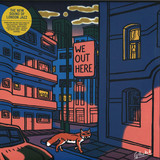
A primer on London’s bright-burning young jazz scene, this new compilation brings together a collection of some of its sharpest talents. A set of nine newly-recorded tracks, We Out Here captures a moment where genre markers matter less than raw, focused energy. Looking at the album’s running order, it could easily serve as a name-checking exercise for some of London’s most-tipped and hardworking bands of the past couple of years. Recorded across three long, fruitful days in a North West London studio, the crossover between each of the groups speaks to the close-knit circles which make up the scene.
Surveying the way that London’s jazz-influenced music had spread outside of its usual spaces in recent years, this album bottles up some of the vital ideas emanating from that burgeoning movement. Giving a platform to a scene where mutual cooperation and a DIY spirit are second-nature, it’s a window into the wide-eyed future of London’s musical underground.
Ubiquitous, much-lauded saxophonist Shabaka Hutchings is the project’s musical director. His own recent projects span from South Africa-connected, spiritually-minded jazz players Shabaka and the Ancestors to Sons of Kemet, who match diasporically-connected compositions with viscerally-direct live shows. His entry on the album, ‘Black Skin, Black Masks’, is typically difficult-to-define: with an off-kilter, shifting rhythmic backbone, repeated phrases – mirrored between clarinet and bass clarinet – shape the track with an alluring hue. His input ties together a deft, genre-agnostic sensibility that’s shared through all the players on the record.
Theon Cross – who’s also part of Sons of Kemet with Hutchings – starts his track, ‘Brockley’, with the solo, distinctive low rumble of his tuba. Winding and mesmeric, it sees tuba and sax lines winding together in rhythmic and melodic parallels. Ezra Collective – whose drummer and bandleader Femi Koleoso has toured with Pharaohe Monch – run a tight, Afrobeat-tipped rhythm on ‘Pure Shade’, with the final third changing gear into a melodic, momentous closing stretch.
Joe Armon-Jones, whose ludicrous chops on the piano have seen him touring with the likes of Ata Kak, showcases earworm-like, insistent motifs on ‘Go See’, balanced with a playful, improvisatory approach with room for ad-libbing and solos a-plenty. Taking a softer tact than many of the other entries, Kokoroko – whose guitarist Oscar Jerome has been making waves with his solo material – spin a lyrical, steady-paced meditation on ‘Abusey Junction’, matching chanted vocals with gently-played guitar.
Nodding to spiritual jazz influences, Maisha’s ‘Inside The Acorn’ is a wandering, explorative rumination, balancing delicate washes of piano and percussion with sharp interplay between flute and bass clarinet. In contrast, Nubya Garcia’s ‘Once’ is taut and carefully-poised, her tenor sax guiding a carefully-built energy to an explosive conclusion. And finally, Triforce’s ‘Walls’ is a performance in two parts: starting with Mansur Brown’s languorous, lyrical guitar, the second half switches up to a low-slung, g-funk-tipped groove.
- A1: Look Towards The Sky
- A2: Toy Box
- A3: You Can't Turn Me Away
- A4: All Alone
- B1: Give Me Your Love
- B2: Will We Ever Pass This Way Again
- B3: Searchin
- B4: You Said
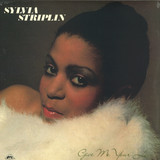
Give Me Your Love' by Sylvia Striplin is an iconic album of the early 80s and was first released on Uno Melodic Records, a label belonging to jazz and soul legend Roy Ayers. Sylvia previously sang with Aquarian Dream as lead on 'You're A Star' before joining Roy as a member of the group Eighties Ladies. 'Give Me Your Love' is soul, disco, boogie and 'rare groove' all in one. This is an album of timeless gems which on both LP and CD has exchanged hands for hundreds of UK Pounds in both original and reissue formats. These are signature tracks from a golden era of music.
- A1: Bilie Eilish – Birds Of A Feather
- A2: Chappell Roan – Good Luck, Babe!
- A3: Djo – End Of Beginning
- A4: Hozier – Too Sweet
- A5: Linkin Park – The Emptiness Machine
- A6: The Weeknd – Dancing In The Flames
- B1: Sabrina Carpenter – Espresso
- B2: Post Malone Feat Morgan Wallen – I Had Some Help
- B3: Dasha – Austin
- B4: Mark Ambor – Belong Together
- B5: Coldplay – Feelslikeimfallinginlove
- B6: Myles Smith – Stargazing
C1 | Meduza, Onerepublic, Leony – Fire (Official Uefa Euro 2024 Song)
C2 | Ofenbach Feat Norma Jean Martine – Overdrive
C3 | Kygo, Ava Max – Whatever
C4 | Felix Jaehn & Leony – Waking Up
C5 | Jaxomy X Agatino Romero X Raffaella Carrà – Pedro
C6 | Artemas – I Like The Way You Kissed Me
D1 | Michael Marcagi – Scared To Start
D2 | Cyril – Stumblin' In
D3 | Ariana Grande – Yes, And?
D4 | Jack Harlow – Lovin On Me
D5 | Tate Mcrae – Greedy
D6 | Natasha Bedingfield – Unwritten
E3 | Benson Boone – Beautiful Things
E4 | Teddy Swims – Lose Control
E5 | Sabrina Carpenter – Taste
E6 | Noah Kahan – Stick Season
F1 | Justin Timberlake – Selfish
F2 | Shawn Mendes – Why Why Why
F3 | Ariana Grande – We Can't Be Friends (Wait For Your Love)
F4 | Purple Disco Machine & Benjamin Ingrosso Feat Nile Rodgers & Shenseea) – Honey Boy
F5 | Lost Frequencies, Tom Odell – Black Friday (Pretty Like The Sun)
F6 | Hugel, Topic, Arash Feat Daecolm – I Adore You
G1 | David Guetta & Onerepublic – I Don't Wanna Wait
G2 | Karol G – Si Antes Te Hubiera Conocido
G3 | Fourty & Bausa – Vempa (Frx202445570)
G4 | Sampagne, Badchieff, Cro – Tempo
G5 | Billie Eilish – Lunch
G6 | Kendrick Lamar – Not Like Us
H1 | Zartmann, Ski Aggu, Dauer – Wie Du Manchmal Fehlst
H2 | Soffie – Für Immer Frühling
H3 | Sdp, Sido, Esther Graf – Mama Hat Gesagt
H4 | Nina Chuba – Nina
H5 | Luciano X Jazeek – Starboy
H6 | Shirin David – Bauch Beine Po
E1 | Lady Gaga & Bruno Mars – Die With A Smile
E2 | Gracie Abrams – I Love You, I'm Sorry
Bevor sich das Jahr 2024 dem Ende neigt, erscheint mit der „BRAVO – The Hits 2024“ der alljährlich
beliebte Jahresrückblick voller Hits und Chartstürmer. Ganz nach dem Motto „End Of Beginning“ vereint das Album von Anfang bis Ende die erfolgreichsten Songs und musikalischen Highlights des Jahres 2024.
Wenn Chappell Roan „Good Luck, Babe!” wünscht, Sabrina Carpenter „Espresso“ trinkt, The Weeknd in
den Flammen tanzt und MEDUZA, OneRepublic und Leony on „Fire” sind, kann das nur eines bedeuten:
Die „BRAVO - The Hits 2024“ steht in den Startlöchern und versorgt uns mit den größten Hits und beliebtesten Singles. Mit dabei sind internationale Bands und Künstler*innen wie Billie Eilish, Linkin Park,
Hozier, Coldplay, Justin Timberlake, Ariana Grande sowie deutsche Newcomer und Stars wie Shirin David,
Zartmann oder Nina Chuba.
Das Besondere dieses Jahr: Die beliebte Hit-Compilation erscheint erstmals auch limitiert als 4LP. „BRAVO
– The Hits 2024“ ab 08.11. als 2CD & Download und pünktlich zum Nikolaus als 4LP erhältlich!
XXX the label starts of 2025 fresh with it's 17th original EP.
Four house tracks, each with it's own signature sound. Peak time throbbing, electrifying house vibes with a distinguished layer to it alternate with more melancholic house for the after hours, mimicking that feeling of never wanting the night to end. The EP comes with two remixes by Venice Arms (Curses) and upcoming Amsterdam based talent Kyra Khaldi who both add another layer to the record.
- Like Clay
- Night Window (Part One)
- Night Window (Part Two)
- Keep Pulling Me In
- Jack Hare
- Clouds
- Our Relativity
- Desert Window
WHITE VINYL[26,68 €]
On her debut album, Lucy Gooch stays true to her electronic foundations, while incorporating more acoustic instrumentation and digging deeper into her folk roots through songwriting. But at the heart of Lucy's music is her rapturous vocal, with which she has experimented more than ever over the course of her first full-length. Many of the pieces on 'Desert Window' started out as vocal improvisations from which she pulled a narrative. Taking cues from the incantatory chanting found in middle English poetry such as 'The Names of the Hare', as well as the prescient imagery in contemporary works like 'The Hearing Trumpet' by Leonora Carrington (1974). "To a larger extent, this became an experiment in placing my voice in a more narrative way, while remaining oblique," Gooch explains. While her previous work could be compared to drawn-out landscapes punctuated with moments of romance and radiance, this album feels grounded in materiality and the everyday. Gooch's voice is at times strident, while elsewhere restrained and broken. "I lost connection to my voice and then had to rediscover it, which was exhilarating. There were these bursts of energy where I'd be messing around and occasionally stumble upon something". There are hushed melodies and exhausted squalls, creating dissonance and space. The result is an atmospheric balance between Kate Bush and Cocteau Twins harmonies, Vangelis major chords, and a juxtaposition of folk ambience reminiscent of the offset madrigals of The Third Ear Band and Italian cult film composers Goblin. It is a complex and elegant album, an all-consuming series of songs that reach into jazz, electronica and classical song construction.
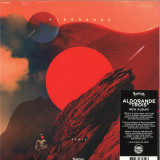
ALDORANDE is a band of five groove adventurers, led by their founder and captain Virgile Raffaëlli, who are pushing the boundaries of music with boundless passion and unparalleled instrumental mastery. After two critically acclaimed albums, the group returns with Trois, the final chapter of their cosmic trilogy, recorded on tape at a prestigious Parisian studio.
Trois is an epic album, driven by bold instrumental explorations and waves of celestial choirs. Drawing inspiration from the 70s fusion movement, it honors the genre’s masters while adding a unique, contemporary twist. The galactic textures and sophisticated arrangements transport the listener on an unforgettable astral journey.
Once again, Favorite Recordings has poured its heart and soul into this album. Every note, every arrangement has been meticulously crafted to capture the essence of that era, with a relentless drive to ensure that every step of production and recording stays as true as possible to the genre’s iconic references.
On drums, Mathieu Edouard lays down a killer groove that leaves no one indifferent. Florian Pellissier, on keyboards, unfolds an interstellar sound palette with a spectacular collection of instruments: Fender Rhodes, Yamaha CP-70B, Moog Minimoog Model D, Sequential Prophet 5, ARP Solina String Ensemble, Roland Juno 106, Roland Jupiter 8, and Oberheim OB-8. On percussion, Erwan Loeffel scatters a jungle of intoxicating rhythms. Laurent Guillet, on guitar, fires off hypnotic, irresistible riffs, while Virgile Raffaëlli, on bass, anchors the entire experience with deep, melodic bass lines that give the band a captivating and unique dimension.
Get ready to take off with ALDORANDE and their album Trois, which promises to take you beyond the stars.
During a month living with the Wampís in the Amazon Rainforest, Aboutface and the Wampís community collaboratively captured field recordings, music instrumentation and traditional Wampis Nampets – ancient songs sung from the perspective of animals living in their rainforest environment.
These recordings then informed 4 improvised performances to articulate the story of the 4 Nampet songs from within each animal's habitat, to depict nature and culture as inseparable, and to propose that humanity is not exclusive to humans but a multinaturalist characteristic available to all living organisms.
This is the first project of its kind in Wampís history and contains sound recordings of biodiversity that no longer exist due to deforestation.
Indigenous-managed Amazonian rainforests sequester around 340 million tonnes of CO₂ each year—equivalent to the UK’s annual fossil fuel emissions. In stark contrast, non-Indigenous-controlled forests have become sources of carbon emissions, therefore accelerating our global climate crises. Among the vital custodians of these precious ecosystems are the Wampís people, who protect 1.3 m ha of precious rainforest territory currently being decimated by mining for gold. This devastating practice is currently decimating Wampís territory, destroying their river habitats, leaving toxic methylmercury pollution that strips all biodiversity, contaminates the food chain, and causes widespread harm.
100% of all sales revenues from this release will directly go to the Wampís to protect their rainforest territory, to fund Wampís-led eco-initiatives against illegal mining, alongside ways to preserve Wampís cultural heritage– embedded in their songs, art and crafts, central to their conservation of their territory called The Iña Wampisti Nunke: A system of life that encompasses reciprocal relationships between humans, plants, animals, and spirits, central to the harmony of all its multi-dimensional ecology– which they term Tarimat Pujut.
For more project information, a short essay is provided alongside a nonstop-listening version of the album as part of the free Bandcamp download with every LP.
Credits
Nampet songs
Kutir, Wancha and Pinchichi by Elizabeth Huampankit Najamtai.
Manchi by Fernando Ijisam Tsakim.
Acoustic Percussion by Wampís band Guayabita
Fernando Ijisam Tsakim, Edilberto Ijisam Tello, Larry Tello Huampankit, Jose Luis Cahuata Pipa, Tedy Tello Cahuata, Heyner Tello Cahuata, Eli Artista Antonio, Never Tello Huampankit
Violin by Taro.
Peruvian bamboo quena, classical flute, acoustic guitar, electronics, composition and arrangement by Aboutface.
Original portrait painting of Fernando Ijisam Tsakim by Nyran Loomcal.
All other artworks, analogue photography and design by Aboutface.
Rainforest field recordings identified and collected by The Wampís of Guayabal and Aboutface.