
Search:dâm funk

- Tension
- Major
- Hatula
- Yashan
- Delilah
- Dung Gate
also available
Red Vinyl[24,58 €]
Ethio-jazz pioneer Mulatu Astatke joins the Hoodna Orchestra, Tel Aviv"s number one Afro funk collective, melding his enchanting vibraphone playing with their brass heavy force across seven original compositions that play tribute to the classic Mulatu sound while forging fresh paths. Produced by and featuring Dap-King Neal Sugarman, the results are gritty, yet majestic, soulful and uplifting.
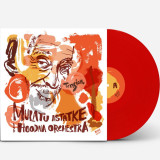
Ethio-jazz pioneer Mulatu Astatke joins the Hoodna Orchestra, Tel Aviv"s number one Afro funk collective, melding his enchanting vibraphone playing with their brass heavy force across seven original compositions that play tribute to the classic Mulatu sound while forging fresh paths. Produced by and featuring Dap-King Neal Sugarman, the results are gritty, yet majestic, soulful and uplifting.

- A1: Call Her A Bitch
- A2: Blow The Whistle
- A3: Burn Rubber Pt. 2
- A4: Keep Bouncin' (Street) (Feat Snoop Dogg, Will.i.am, & Fergie)
- B1: Pimpin' Forever
- B2: Money Maker (Feat. Pimp C & Rick Ross)
- B3: Strip Down
- B4: Nothing Feels Better
- C1: Sophisticated
- C2: Playa
- C3: 16 Hoes (Feat. Bun B)
- C4: Baller
- D1: Sadity (Feat. Tha Dogg Pound)
- D2: I Want Your Girl (Feat. E-40, Dolla Will, & Mistah Fab)
- D3: It's Time To Go
- D4: Shake It Baby
16
PRESENTED FOR THE FIRST TIME EVER ON VINYL AS A DOUBLE LP IN A GOLD VINYL PRESSING WITH A FOLD-OUT INSERT
As music fans know, James Brown wasn't just the greatest funk and soul singer the world has ever seen - he was also a musical visionary and businessman, who surrounded himself with geniuses who made him better and pushed him further. From horn masters Maceo Parker and Pee Wee Ellis to vocalists Lyn Collins and Bobby Byrd, Brown was a musical A & R master, restless and always looking for the next big thing. Most times, that would manifest in the latest James Brown smash under his own name. But not always. His stable of talent was overflowing in the 60s and 70s, and, thankfully, the tape machine in his studio was always rolling. Originally released in 1988, during the era of hip-hop's golden age of sampling, it's no surprise that just about every note heard in this incredible collection has been used on not one, but multiple rap classics. Which, at the time, was proof of Brown's (and his crew's) staying power. But we are over three decades beyond those days now, and it has lost none of its musical potency. Diving deeper into the vaults than the also-incredible Part 1 of the Funky People series, there is not a weak track in the bunch. Moving beyond well-known JBs cuts, things get interesting from the get-go with Bobby Byrd's monumental groove "I Know You Got Soul". Hank Ballard and Marva Whitney also enter the fray, leading the way to Myra Barnes's emotional and powerful "Message From The Soul Sisters (Parts 1 & 2)" and Lyn Collins's slow, smoldering cover of Isaac Haye's "Do Your Thing." Politics even get the funky soul treatment, with Fred Wesley & The JBs "You Can Have Watergate But Gimme Some Bucks And I'll Be Straight" and "I'm Paying Taxes, But What Am I Buying?" And it should not be overlooked that Maceo & The Macks instrumental workout "Soul Power ‘74" even features a proto-sampling snippet from MLK’s I’ve Been To The Mountaintop speech from 1968. This is another amazing collection of James Brown's funky friends, without one second of filler, brought to you as a glorious 2-LP gatefold by your friends at Get On Down.

- A1: Timmy Thomas - Why Can't We Live Together
- A2: Gwen Mccrae - 90% Of Me Is You
- A3: Facts Of Life - Givin' Me Your Love
- A4: Peter Brown - Dance With Me
- A5: T-Connection - Groove To Get Down
- B1: Clarence Reid - Living Together Is Keeping Us Apart
- B2: Raw Soul Express - Dedicate All My Love
- B3: Milton Wright - Keep It Up
- B4: Betty Wright - Clean Up Woman
- B5: Robin Kenyatta - You
10
1st in a series of compilations collecting the ultimate funk & soul tracks from the legendary TK DISCO catalog that have been instrumental is shaping the sound of hip-hop. 10 tracks from the vaults highlighting grooves that have been sampled by DRAKE, DR. DRE, KANYE, MADLIB. PETE ROCK, and more.

Plastic Crimewave Syndicate returns with one collective foot in overdriven space-biker scuzz rock, but the other bigfoot kicking upward into new galaxies of synth punk, no-prog, and freek funk. Yes, dare we say it, the new PCWS LP, Tales From the Golden Skull, GROOVES--but from the perspective of the Japan n' Kraut/Eurorock undergrounds, coated in some nasty Windy City grime. Aided by the Chicago Cosmonaut Couriers Crew, ala famed renaissance man Mac Blackout (synths/horns/electronics), Przemyslaw Krys Drazek (trumpet) of longtime zone-jammers Drazek Fuscaldo/Mako Sica, Will MacLean on Moog keytar (!-- of local Silver vocoder-ed Apples lovin' treasures Protovulcan), plus the oldest-school synthlord Bil Vermette, who's been modulating since the 70s. We'll call Tales From the Golden Skull a near-concept lp (aren't they always?) that looks back at fallen friends and collaborators, and then into the unwritten golden future (as PCW himself hit the golden 50). The sonic journey dips into dark textural valleys, and chugging riffs rising to thee fiery heavens, as the thundering-but-subtle rhythm section of Jose "Beast but Best" Bernal and Rob "Dead Feathers" Rodak know when to crash and when to burn (one). Sir PCW lays down his trademark big muff-blastage and echo-cries, to channel the despair and feral bark of the mighty Vega/Hammill/Iggy/Dickie P/Haino/Mojo-Risin/Mizutani, but also knows when to shut up for some layered instrumental Embryo/Harvester/Fausty trance rock and dabbed/dubbed out "not-quite-shoegazin" calmness in the eye of the Ur-storm. This might be the most expansive, detailed yet furious PCWS LP yet, recorded at Rec Room studios with Eric Block, who has done all from a band with Sonic Youth's Steve Shelley to recorded Rhys Chatham 100+-peeps guitar orchestras. So strap the headphones on and absorb the tales of this spaced ritual-rock opus. Artwork - Steve Krakow

10
Keshavara tragen prächtige Schnurrbärte, verwegene Kopfbedeckungen und sprechen ein abenteuerliches Patois aus Englisch, Hindi, Deutsch und Gibberish. Auf ihrem neuen Album "III" kreieren die Kölner um den deutsch-indischen Musiker Keshav Purushotham Klänge, wie andere Leute Drinks mixen, nachdem sie schon drei genossen haben: Verwaschener Kraut-Pop und diasporische Dub-not-Dub-Exkursionen werden nach Augenmaß miteinander kombiniert und wild geschüttelt. Zuckersüß mäandernde Melodien, entlehnt einem fantastischen Niemandsland in der Grenzregion zwischen exotischen Library-Kompositionen und psychedelischen Soundtracks, verschmelzen mit den Grooves einer Rhythmusgruppe, die sich auch in den Tonstudios des funky Beirut der Mittsiebziger Zuhause gefühlt hätte. Das Ergebnis sind mit surrealistischem Zuckerrand gekrönte Cocktails mit der Wirkung einer halluzinogenen Götterspeise. Musik, die schillert und flirrt, wie eine Fata Morgana in der Wüste. Keshavara klingen in einem Moment, als hätte Ennio Morricone einen Bollywood-Film vertont, und im nächsten wie ein von Curt Boettcher produzierter Eden-Ahbez-Song, oder - nicht ganz so spinös aber nichts desto weniger fantastisch - als hätten Khruangbin und Sven Wunder endlich ein gemeinsames Album aufgenommen. In den glanzvollsten Momenten fügt sich das alles wie von magischer Hand zusammen und kulminiert dann in Songs wie "Spiegelmann" und "Tableau Vivant" - fantasmorgiastischen Partys voller transkultureller Clashes, die uns Hörer dazu einladen, sie in farbenprächtige Gruppenchoreografien zu überführen.
War das Debüt von Keshavara noch ein Solo- und der Nachfolger "Kabinett der Fantasie" im Kern ein Duo-Album, so sind Keshav Purushotham, Niklas Schneider, Benedikt Filleböck und Christopher Martin mit ihrem selbstproduzierten, schlicht "III" betitelten dritten Album endgültig zu einer vierköpfigen Band zusammengewachsen … und zwar um eine alte Farfisa-Orgel herum, die eines Tages als Geschenk im Proberaum gelandet ist: Ein, auf sämtlichen Songs mal mehr, mal weniger präsentes UFO aus einer Zeit der Slow-Jams, Live-Takes und des exzessiven Space-Echo-Einsatzes. Sein analoges Blubbern und sein wabernder Funk rollt dem warmen, organischen Bandsound den roten Teppich aus, und verpasst ihm einen zärtlichen Schubs Richtung 70er. Erfrischenderweise kommt er dort niemals so richtig an, sondern bleibt immer im Fluss. Denn das eigentliche Ziel der halldurchtränkten Korridore dieses Albums ist stets der Weg, genau genommen der kunstvoll gezimmerte Holzweg, der phantastische Irrpfad. "III" ist eine Reise, auf der Zeiten und Orte keine Fixpunkte sind, sondern austauschbare Koordinaten eines augenzwinkernden Vexierspiels. Da ist es nur folgerichtig über "Indische Götter im Sauerland" zu singen. Dass ungeachtet der Nostalgie, die alle neun Songs durchweht wie ein warmer Mittelmeerwind, niemals Sentimentalität aufkommt, ist nicht zuletzt diesem Humor geschuldet.
Die ätherischen Drones, sanft nuschelnden Akkorde und geisterhaft seufzenden Soundschwaden, die Keyboarder Benedikt Filleböck seiner altersschwachen Farfisa bevorzugt in den ruhigeren Momenten und den Instrumentalnummern des Albums entlockt, bilden einen stimmungsvollen Kontrast zu den beiden anderen Säulen des Keshavara-Sounds: Christopher Martins leichtfüßig hüpfenden Bass-Dreiecken und Keshavs sonnendurchfluteten Gitarren-Ornamenten. Im Zusammenspiel mit Niklas Schneiders crispen Drumbeats entsteht ein Fundament, mit dem die kaleidoskopischen Texturen und Melodien vollständig verschmelzen.
Das Ergebnis ist das bisher homogenste Album des Quartetts. Mit "III" erweisen sich Keshavara als gewiefte Soundalchemisten und Weltenwanderer, als eine softe Macht, deren Stärke sich aus ihrer enormen Musikalität, ihrer Fabulierlust und ihrem surrealistischen Witz speist.

10
Kool Customer is a collaborative project from B. Bravo and Bay area singer Rojai that brings together the sounds of future funk, 80s boogie, and a little bit of strip club sleaze.
B.Bravo is a 2010 graduate of Red Bull Music Academy with releases on Brownswood, Frite Nite and Ernest Endeavors.
Support from the likes of Benji B (BBC Radio 1), Gilles Peterson, DaM Funk, Sweater Funk Collective .
B. Bravo's shared the stage with artists like Chromeo, Dam-Funk, Flying Lotus and serenaded crowds across the world with his bass heavy outer space boogie and dirty grinding synth grooves at festivals like SXSW, Detroit Electronic Music Festival, and Sonar in Barcelona.
Rojai (pronounced "ROW-JUH") is a San Francisco born singer emerging as a leading voice in the modern funk scene with a vocal range from a raspy, percussive island vibe, to silky r&b.
As a frontman for Kool Customer and Latin-funk outfit Bayonics, Rojai has proven himself adept at crooning on any groove in his soulful timbre.
Being legally blind hasn't slowed down Rojai's ability to write, record and perform. He has channeled his life experience into songwriting and singing, creating music with a spirit and soul that inspires.
Extensive sync history include Awkwafina Is Nora From Queens, Netflix's Fatherhood, as well as 3 unique songs featured on Tyler Perry's Sistas and more

Freestyle Records drop another UK boogie 12" rarity from Eddie Capone's Treatment, this time the previously white label-only "Only You Know What I Like" from 1985. Limited to 300 copies worldwide.
----------
A mainstay of the UK's reggae, soul, funk & rock circuits since the early 1970s, Eddie Capone has played with a diverse and revered collection of acts; Chairmen of the Board, The Foundations, Black Velvet, The Elgins, Arthur Brown's Kingdom Come, Arthur Lee's Love, Billy Preston and Edwin Starr to name but a few. Eddie was also part of short-lived group Casablanca, with David Costa & Barry Clarke of early 70's folk-rockers Trees, signed to Elton John's Rocket Record Company.
Eddie founded the Treatment band in the early 1980s bringing in a revolving cast of singers and players, and created the Treatment Records imprint out of his own Black Rock studio in South East London in 1982. Releasing a string of singles - with efforts from Eddie Capone's Treatment, a side-project with singer Beryl Marsden as Salt & Pepper, and a single from Norwegian group Wave - Treatment Records then followed this up in 1985 with the 12" release of "I Won't Give You Up" with Diane Jones brought in on vocal duties. This received solid support amongst DJs and radio at the time, and was quickly followed with this solid slice of white label-only UK boogie-funk that has since become a favoured deep cut on the selectors circuit.
Treatment Records continued through the 1980s through to early 1990s releasing Eddie's music, both as a solo artist and as part of collaborative side-projects, and Eddie has continued to write, perform and produce music from his home studio right through to the present day. As a committed community figure & activist in South East London, Eddie has since 2014 re-started Treatment Records under the name of 3G Treatment - bringing together three generations of people from the local area to ensure young artists & musicians have access to the expertise and experience of their elders for support and encourage successful careers in the industry.

2
Bowie is a new label that says it intends to "dig deep into the unreleased sides of pop superstars material from the past." The opening gambit is a strong one that should hook you in for more as it comes in the form of a 7" with two fine funk instrumentals, neither of which have been put out before. 'Golden Years' has lovely live drums and meandering guitar licks for some carefree listening, while 'Fame' has a deep cut groove that rises and falls in dramatic fashion with more neat and tidy riffs adding the detail next to the big licks.

Following the cult success of the first 2 EPs, Common Saints presents
the debut album "Cinema 3000". The theme continues, blending soul,
funk, and psychedelic influences, with the organic sound and rich
instrumentation that Common Saints has become known for.
Conceived in 2020 by writer/producer Charlie J Perry the production approach
for Commons Saints consists of him playing and recording real instruments in his
London home studio. One mike for the drums, his beloved piano and amps up
loud!
The album encapsulates the old school recording approach and musicianship the
discerning ear craves but with a more modern punch - a true sonic bath for all the
connoisseurs out there. Think, UK's equivalent to Tame Impala and Khruangbin.
The first EP "Idol Eyes" (2020) has seen 3 re-presses to date and is now selling at
multiples on Discogs. "Cinema 3000" is set to surpass expectations and is highly
anticipated within the Commons Saints community. The first LP pressing is on a
' blue meteorite splatter’ effect colour vinyl and will be limited to 2000 units
globally. Also available on CD, presented in a 6-panel digipak.

10
No one has lived a life quite like Marcos Valle. He became an overnight international sensation, fled a military dictatorship, dodged the Vietnam war draft, had his music sung by Homer Simpson, made enemies with Marlon Brando, and became an unsuspecting fitness guru for multiple generations. But to truly understand the great Brazilian composer, arranger, singer and multi instrumentalist, one must listen to his music.
Lead Single (Life Is What It Is) : Between the release of his first album in 1962 and today, Marcos Valle has released twenty-two studio albums traversing definitive bossa nova, classic samba, iconic disco pop, psychedelic rock, nineties dance and orchestral music. He has also had his songs recorded by some of the all time greats, including Frank Sinatra, Sarah Vaughn, Sergio Mendes, Elis Regina, and (last but not least), Emma Button of the Spice Girls. He has also had his music sampled by Jay-Z, Kanye West, Pusha T and many more.
With his twenty-third studio album Túnel Acustico, Valle set out to bring it all together.
“I believe my music is many things. It goes in different directions. I have many different ways of writing music, sometimes it’s melodies and harmony, sometimes the groove is the focus. But all the music I have made over my sixty year career is unified. It is all natural and it is all sincere. And this is what I wanted to bring to my new album.”
A prominent feature of Valle’s career has been his dual residence between Brazil and the USA. Originally moving over in the mid-sixties on the back of bossa nova’s international proliferation, Valle toured with Sergio Mendes and became hugely in demand as a composer and arranger. But the Vietnam War loomed and the threat of being drafted saw him return to Brazil. He spent the following years in Rio writing music for TV and film, as well as four cult favourite albums in collaboration with some of Brazil’s most groundbreaking musicians including Milton Nascimento, Azymuth, Som Imaginario and O Terco.
By 1975, Brazil's military dictatorship was at its most oppressive, making living and working increasingly difficult. Valle moved back to the US where he would reside in LA, writing songs for, and collaborating with the likes of Eumir Deodato, Airto Moreira, Chicago, Sarah Vaughn and Leon Ware, amongst others.
Túnel Acústico features two songs originally conceived during Valle’s time on the West Coast: “Feels So Good”, a stirring two-step soul triumph written in 1979 with soul icon Leon Ware, and the sublime AOR disco track “Life Is What It Is”, composed around the same time, with percussionist Laudir De Oliveira from the group Chicago.
Built around an unfinished demo Marcos found on a shelf in his house 44 years after it was made, the “Feels So Good” demo was restored with the help of producer Daniel Maunick, who also utilised AI stem-separation to remove the placeholder vocal ad-libs. Valle added Portuguese lyrics to sit alongside Ware’s vocal hook, as well as extra keyboards and percussion.
Also written in late seventies LA, “Life Is What Is It” was co-penned by Laudir De Oliveira from the band Chicago and first released on the bands’ Chicago 13 album with lyrics by Robert Lamb. Another nod to his good times in LA, Valle recorded his own version for Túnel Acústico, upping the tempo and deepening the groove for a blast of irresistible summer soul.
On Túnel Acústico, Valle's core band features two members of the renowned Brazilian jazz-funk group Azymuth: Alex Malheiros on bass and Renato Massa on drums. The rhythm section is completed by percussionist Ian Moreira, with additional contributions from guitarist Paulinho Guitarra and trumpeter Jesse Sadoc.
The contemporarily composed music on Túnel Acústico features an impressive lineup of guest lyricists, including renowned Brazilian artists: Joyce Moreno (Bora Meu Vem), Céu (Nao Sei), and Moreno Veloso (Palavras Tão Gentis) as well as Valle's brother Paulo Sergio Valle (Tem Que Ser Feliz).
The album closes with "Thank You Burt (For Bacharach)", a tribute to the legendary composer who passed away in 2023.
Túnel Acústico will be released on 20th September 2024 via Far Out Recordings. Valle is set to tour Europe and America in support of the album.

- A1: The J.b.’s Gimme Some More
- A2: The J.b.’s Pass The Peas
- A3: Lyn Collins Think (About It)
- B1: The J.b.’s Givin’ Up Food For Funk (Part 1)
- B2: Lyn Collins Mama Feelgood
- B3: The J.b.’s Hot Pants Road
- C1: Lyn Collins Rock Me Again & Again & Again & Again & Again & Again
- C2: Fred Wesley & The J.b.’s Damn Right, I Am Somebody (Part 1)
- C3: Lyn Collins Take Me Just As I Am
- D1: Fred Wesley & The J.b.’s If You Donít Get It The First Time, Back Up And Try Again, Party
- D2: Maceo & The Macks Parrty (Part 1)
- D3: Fred & The New J.b.’s (It’s Not The Express) It’s The Jb’s Monaurail (Part 1)
- D4: Fred Wesley & The Jb’s Same Beat (Part 1)
13
Repress! Get On Down is bringing back one of the best James Brown funk compilations to vinyl. Funky People Part 1 features the top tier of artists from Brown's People Records label, including The J.B.s, Lyn Collins, Fred Wesley, and Maceo Parker. Some of the James Brown organization's all-time best material is collected here, including The J.B.'s "Pass The Peas" and "Hot Pants Road", Fred Wesley's in your face politics through funk statement "Damn Right, I Am Somebody", Lyn Collins' smash hit "Think (About It)" and many more. These songs have been sampled in countless hip-hop songs over the years. Newcomers and diehard fans alike continue to dig into the James Brown and People Records vaults, and the more they do so, the more they realize that it's a nearly never-ending source of truly next-level funk and soul music. Thanks to the exhaustive efforts of Get On Down, this aural goodness will keep flowing to the public.

5
Techno House Connoisseurs are back with a proper VA full of acid and tech house delights for the heads. This EP has 5 dance floor whoppers for even the most discerning ear. Starting things off on the A side is Los Angeles duo Warehouse Preservation Society with a chunky bass heavy breakbeat-ish slammer called Fugitive Funk. Hypnotic west coast music at its finest. THC is stoked to welcome Londons Flash Mitra to the label. Flash's debut track is a psychedelic acid house gem perfect for those looking for something moody, dreamy and percussive. This jam will be welcomed on dance floors worldwide. Flip to the B side with THC stalwart Praus unleashing another low slung acid chugger. Magnetism creeps along working its way into your psyche with its warped and unusual vocal snippets and percussive rhythms topped with a healthy dose of 303. Big room cosmica muziks! Track 2 on the B finds label head Space Ace and Seattle's Sherman C of Selector records together bringing to light a buried acid monster titled Just a dream. Crisp percussion underlies a burly acid baseline with more 303 with a breakdown that will bring the floor to a peak. Not for the faint of heart. Lastly Warehouse Preservation rounds out the VA with a filthy dub of Fugitive Funk with a bass line that will rumble the floor and percussion that is so satisfying you will be looping it throughout your set. Bells, congas and claps all reverberating and panning for that head candy you won't be able to get out of your head.

- A1: Segla – Orchestre Poly-Rythmo De Cotonou-Rep. Pop Du Benin
- A2: Get The Music Now (Edit) – Ipa Boogie
- A3: E Sa F’aiye – Orchestre Black Dragons De Porto-Novo Dahomey
- B1: Aiha Ni Kpe We (Edit) – T.p. Orchestre Poly-Rythmo De Cotonou
- B2: Ego-Ibo – Les Sympathics De Porto-Novo Benin
- B3: Gbeti Ma Djro - Orchestre Poly-Rythmo De Cotonou Dahomey
- C1: Oya Ka Jojo (Edit) – Orchestre Les Volcans Du Benin
- C2: It’s A Vanity - T.p. Orchestre Poly-Rythmo
- C3: Bakassine Gabou - Orchestre Anassoua-Jazz De Parakou
- D1: Nan Man Nan - Orchestre Poly-Rythmo De Cotonou-Rep. Pop Du Benin
- D2: Gbe We Gnin Wa Bio (Edit) – Ogassa
- D3: Kpede Do Gbe Houenou - T.p. Orchestre Poly-Rythmo De Cotonou
12
Founded in the late 1960s by record store owner Seidou
Adissa, Albarika Store is one of the most important
independent record labels on the African continent. That
it was founded in the relatively small ex-French colony
of Benin (then still called Dahomey), is a testament to its
founder’s musical taste and vision for what the local
musical scene had to offer.
This September, Acid Jazz releases the first ever vinyl
and CD overview of the label and its music, compiled by
David Hill of The Soul Revivers and West African
musical expert Florent Mazzoleni, who also wrote the indepth notes.
The compilation provides a look into what was a
developing and then thriving post-colonial music scene.
It focuses on the label’s biggest and most prolific act
Orchestre Poly-Rhythmo and its founder Melome
Clement – who released under a variety of names often
spotlighting on the musicians’ key to their sound. It also
looks at the other established artists on the label such
as the incendiary Les Sympathics De Porto Novo and
Les Volcans. All of these artists create a unique mix of
Westernised Funk, Soul and Latin sounds crosspollinated with the traditional music of the region.

- Duke Ellington - Drop Me Off In Harlem 03:48:00
- Duke Ellington - I Let A Song Go Out Of My Heart 03:52:00
- Billy Strayhorn - Lush Life 06:40:00
- Duke Ellington - Come Sunday 04:57:00
- Duke Ellington - In A Mellow Tone 06:02:00
- Billy Strayhorn - Take The "A" Train 04:12:00
- Duke Ellington, Jonny Hodges, Don George, Harry James - I'm Beginning To See The Light 03:53:00
- Duke Ellington - Sophisticated Lady 04:19:00
- Duke Ellington, Don George - Ain't Got Nothing But The Blues 04:38:00
- Duke Ellington - I Got It Bad 06:20:00
- Duke Ellington, Billy Strayhorn - Satin Doll 03:56:00
11
Al Jarreau hat immer gesagt, dass er Al Jarreau-Musik singt, und er war wirklich einzigartig: Seine sechs Grammy-Awards und neunzehn Nominierungen als "Bester Sänger" decken nicht weniger als drei Kategorien ab – Jazz, Pop und R&B – mit anderen Worten, musikalische Genres interessierten ihn nicht wirklich. "Musik mag für andere Leute in Kategorien fallen, und ich verstehe das", sagte er, "aber für mich gilt: Wenn ich einen Song mag, muss ich ihn machen, und das war's. Wenn du zu meinen Konzerten kommst, setze ich mich auf deine Schulter und flüstere dir etwas ins Ohr. Ich öffne den Geist und gehe durch viele Türen." Diese Art von reichhaltigen, beschreibenden Bildern beschwört die Höhenflüge der stimmlichen Fantasie herauf, zu denen sein Gesang jederzeit fähig war. Er konnte einen Song plötzlich in neue und unerwartete Richtungen lenken. Er erklärte es immer so: "Wenn es ein Rückgrat für das gibt, was ich tue, dann ist es die Jazz-Umgangssprache."
Musik, Klänge und Rhythmus schienen ihn zu durchströmen, und das war kein Wunder. 1940 in eine musikalische Familie geboren, war er ein überdurchschnittlicher Student und schloss sein Studium mit einem Bachelor of Science in Psychologie und anschließend einem Master in beruflicher Rehabilitation ab. Und doch war die Musik nie weit von ihm entfernt. In den späten 1960er Jahren schloss er sich einem Trio an, das vom Pianisten George Duke geleitet wurde, und arbeitete daran, das Singen zu einer Vollzeitbeschäftigung in Los Angeles zu machen.
Zu diesem Zeitpunkt hörte ihn Siggi Loch, der damals ein hochkarätiger Manager bei Warner Brothers Records (WEA) war und später ACT Records gründete. "Ich sah Al Jarreau 1974 zum ersten Mal im Troubadour in Los Angeles und war sofort von seiner Stimme und seiner Bühnenpräsenz gefesselt", erinnert er sich. "Am nächsten Tag ging ich zu Mo Ostin, dem Präsidenten der WEA, um ihn davon zu überzeugen, ihn zu unterschreiben." Nach anfänglichen Widerständen erhielt Loch grünes Licht und 1975 erschien Jarreaus Debütalbum für WEA, "We Got By". "Ich habe Al nach Deutschland gebracht, bevor er in den USA Erfolg hatte", fährt Loch fort. "Al trat drei Nächte lang in Hamburg auf und ich schaffte es, Michael Naura, den Chef der Jazzabteilung des NDR, davon zu überzeugen, den dritten Abend für die Live-TV-Übertragung aufzunehmen." Diese Show machte Al über Nacht in Deutschland berühmt, und seitdem hat er immer einen besonderen Platz in den Herzen des deutschen Publikums. "We Got By" gewann den Preis der Deutschen Schallplattenkritik und seine erste Deutschlandtournee füllte große Konzertsäle.
Es folgte "Glow" (1976), das in Europa erneut gut ankam und einen zweiten Preis der Deutschen Schallplattenkritik gewann, in den USA aber nicht so gut ankam: "Das richtete sich an ein 'Smooth Jazz'-Publikum", so Loch. "Es hat Al nicht vor einem Live-Publikum eingefangen. Also bat ich darum, dass seine nächste Veröffentlichung ein Live-Album sein sollte. Mo Ostin stimmte widerwillig zu", und "Look to the Rainbow" wurde in Europa ein Riesenerfolg, "Als es in den USA veröffentlicht wurde, wurde es Al's Durchbruchsalbum und brachte ihm seinen ersten Grammy ein, also ist es wirklich richtig zu sagen, dass seine Karriere vor allem in Deutschland begann!", sagt Loch.
Jarreaus langjährige Zusammenarbeit mit dem NDR veranlasste Jörg Achim Keller, Chefdirigent der NDR Bigband, 2016 eine Zusammenarbeit mit dem Sänger vorzuschlagen: "Eine Produktion mit der Musik von Al und Ellington zu machen, war etwas, was ich schon seit Anfang der 2000er Jahre machen wollte", erinnert er sich. "Die Reaktion von Al war von Anfang an sehr positiv." Jörg bereitete eine Liste von einigen hundert Ellington-Titeln vor, und wie sich Jarreau später erinnerte: "Wir gingen einfach die Liste durch, und es war ein Fall von 'Oh, der funktioniert für mich' und 'Lass uns das als alten Darm-Blues machen – was für mich wichtig war, war, mich in der Musik wiederzufinden und vielleicht eine andere Art von Aussage über Ellington zu machen, damit die Leute die Musik auf eine andere Art und Weise hören konnten. alles, was sie vorher gehört hatten."
Beim Schreiben der Charts achtete Jörg darauf, Jarreaus Herangehensweise an das Material zu respektieren, indem er ihm Raum ließ. Tracks wie "I'm Beginning to See the Light" oder "I Got It Bad (and that Ain't Good)" geben den Solisten der Band ebenfalls Spielraum, um ihr Bestes zu geben. "Das sind hochentwickelte, intelligente Solisten, die mit jedem auf der Welt spielen können", sagte Jarreau. "Sie pushen mich, und ich liebe den Push, und sie lassen mich wie eine echte Sängerin klingen!"
Jarreau und die Band tourten in der zweiten Hälfte des Jahres 2016 mit der Musik, "Es gab immer noch einige Feinabstimmungen während der Tour, von Konzert zu Konzert", fügte Jörg mit einem Lächeln hinzu. "Er liebte es, diese Balladen zu singen – und jede hatte ein anderes Gefühl. "Am Sonntag" war ihm aber sehr wichtig. Diese Tabelle wurde zweimal überarbeitet, bevor er schließlich damit zufrieden war! Bei einigen Songs entschied er sich für einen reinen Balladenstil – 'I Got It Bad (and that Ain't Good)', einige Melodien wurden in eine Pop/R&B-Tasche gesteckt ('Lush Life', 'Come Sunday') und er liebte das 'Old Gutbucket Blues'-Feeling von 'I Ain't Got Nothing but the Blues'."
Rückblickend auf diese Sessions und Tour sagt Jörg: "Es waren Al's Stil und Persönlichkeit, die alles zusammenhielten. Das Ganze war eine echte Kombination aus der musikalischen Meisterschaft von Jarreau und Ellington – es hat das Publikum in ganz Europa angesprochen, sie liebten das Programm." Dieses Gefühl teilt auch Siggi Loch, der Jarreau mit der NDR Bigband in Paris erwischte: "Es war offensichtlich, dass er es wirklich genoss, diese Musik aufzuführen, und er tat es mit so viel Energie und Emotion, es war eine Freude zu sehen und zu hören. Leider verstarb Al nur wenige Monate später."
In vielerlei Hinsicht schließt sich mit "Ellington" ein Kreis: Es fühlt sich sehr richtig an, dass Jarreaus letztes Album auf ACT veröffentlicht wird, dem Label, das von Siggi Loch gegründet wurde, dessen starkes und unerschütterliches Eintreten für den Sänger ihn ursprünglich auf den Weg zum Superstar brachte. Und die Tatsache, dass es vom NDR und seiner hauseigenen Bigband aufgezeichnet wurde, ist eine passende Erinnerung daran, dass es sich um eben jenen Sender handelte, dessen TV-Sendung Jarreau einst über Nacht in Deutschland berühmt gemacht hatte. Darüber hinaus wurde "Ellington", genau wie "Look to the Rainbow", das Jarreaus internationales Durchbruchsalbum war, auch live aufgenommen. Manchmal gibt es Verbindungsfäden zwischen Ereignissen, die auf den ersten Blick in keinem Zusammenhang zu stehen scheinen, und das Ergebnis erweist sich nicht nur als besonders und magisch, sondern auch bedeutungsvoll und tief berührend. Das ist hier auf jeden Fall der Fall.
Stuart Nicholson, Musikjournalist und Autor

10
King Pari ist ein Duo aus Los Angeles und Minneapolis, das sich vom Sound von Prince und psychedelischem Dub inspirieren lässt, um so etwas wie 'Schlafzimmer-Funk' zu kreieren - ansteckende Lo-Fi-Songs voller Emotionen und funky Grooves.
Die Mitglieder von King Pari, Joe und Cameron, spielten in verschiedenen Bands in Minneapolis, unter anderem mit einigen von Princes engsten Vertrauten.
Der erste Auftritt von King Pari war als Vorgruppe von Kamasi Washington, und Joes vorherige Band wurde von Prince persönlich eingeladen, im Paisley Park zu spielen.
Standardmäßig in mandarinfarbenem Vinyl mit Artwork von Lou Beach (Yellow Magic Orchestra, Bill Withers, Weather Report).
- Ltd. Col. LP: (Tangerine Orange Vinyl)

6
Now on our sixth release & going strong, Brooklyn Sway returns with a heady combination of local producers, further-afield figures and scene-setting interludes to get that real Bucktown mood, accompanied by bold new artwork from NYC "Grafstract" muralist Fumero.
After words of wisdom from originator David Morales, St. Xose, patron saint of afterhours, re-rubs his own entry from BKS-01 into an electro flip with a forceful but smooth strut, Nathan Nothing's ephemeral vocals vanishing in spaces between steady bass pulses and broken beats. Those looking for late-night addresses check Noha's 'Madison Street 932', where the PanickPanick! label head proves his local cred with a funky, vocal sample-driven house jam equally at home on its eponymous street corner or somewhere later, darker, and preferably inside.
Label regulars DeWinter & Emma return with 'Unity', the spoken word Spanish vocals interweaving with choppy snare patterns and a room-filling reverberating bass roar that hits paydirt when English vox and a kick hit late in its second half. C&K are local legends Connie & Karina, and while that may not be some punters' first guess for their moniker's meaning, the track is an exercise in restraint and class, jaunty house swathed in dub echoes and hand drums that positively sways when the trombone lead swings in to carry the tune.

12

