quête:da sun lou


- A1: With U - Karibu
- A2: Africanism, Bob Sinclar Feat Moonlight Benjamin - Zanmi Kanmarad
- A3: Arty & Haska Feat Jay Sorrow - In My Head
- A4: Sunnery James & Ryan Marciano Feat Inner City - Good Life
- A5: Kosheen, Marten Lou Feat Isidoros - Hide U
- B1: Bob Sinlar - World Hold On (Soubeiran & Sasson Remix)
- B2: Unfazed - A Gira
- B3: Ameme, Franc Fala - Wait For You
- B4: Cesaria Evora - Sangue De Beirona (Main Pass By François K )
- C1: Idq, Themba - Kumbuka
- C2: Lakou Mizik, Joseph Ray - Kite Zo A
- C3: Afronom, Marc Moon - Tiki
- C4: Africanism, Bob Sinclar, David Guetta, Joachim Garraud, Tim Deluxe Feat Ben Onono - Summer Moon (Eran Hersh & Stadiumx Remix Edit)
- C5: Armin Van Buurnen, Louis Iii - Part Of Me
- D1: Nico De Andrea, Vanetty - Ethnica
- D2: Luca Santiago - Pa Ti
- D3: Africanism, Arkadyan Feat Yana Mann - Forever We Young
- D4: Ebo Taylor, Pat Thomas - Eye Nyam Nam 'A' Mensuro (Henrik Schwarz Blend)

- A1: Blackway (2) & Black Caviar (2)– What's Up Danger
- A2: Post Malone & Swae Lee– Sunflower
- A3: Jaden Smith– Way Up
- A4: Nicki Minaj & Anuel Aa Feat. Bantu– Familia
- A5: Aminé– Invincible
- A6: Duckwrth & Shaboozey– Start A Riot
- A7: Juice Wrld Feat. Seezyn– Hide (Album Version)
- B1: Thutmose– Memories
- B2: Ski Mask (3) & Jacques Feat. Coi Leray & Lougotcash– Save The Day
- B3: Beau Young Prince– Let Go
- B4: Lil Wayne & Ty$ Feat. Xxxtentacion– Scared Of The Dark (Album Version)
- B5: Dj Khalil Feat. Denzel Curry, Ybn Cordae, Swavay, Trevor Rich– Elevate
- B6: Vince Staples– Home

- Freda Payne - Band Of Gold
- Robert Knight - Love On A Mountain Top
- Lynne Randell - Stranger In My Arms
- Marvin Gaye & Tammi Terrell - Ain't No Mountain High Enough
- Stevie Wonder - Nothing's Too Good For My Baby - Single Version
- Dean Courtney - I'll Always Need You
- The Velvelettes - A Love So Deep Inside - 2004 Anthology Version
- Barbara Mcnair - Baby A Go-Go - Cellarful Of Motown Version
- Darrell Banks – Angel Baby (Don’t You Ever Leave Me)
- Carolyn Crawford - Forget About Me
- Holly St. James - That's Not Love
- The Trammps - Scrub Board
- Major Lance - Um, Um, Um, Um, Um, Um
- The Supremes - He's All I Got - Stereo Version
- Gladys Knight & The Pips - Just Walk In My Shoes - Single Version
- Four Tops - Shake Me, Wake Me (When It's Over) - Single Version / Mono
- Frank Wilson - 'Til You Were Gone - Writer/Producer Demo Version
- Lou Johnson - Unsatisfied
- Four Below Zero – My Baby's Got Esp
- David Ruffin - Walk Away From Love - Single Version
- Dusty Springfield - Long After Tonight Is Over
- Chairmen Of The Board - Give Me Just A Little More Time
- The Marvelettes - Your Love Can Save Me
- Roy Hamilton - Crackin' Up Over You
- Towanda Barnes - You Don't Mean It
- Vibrations - 'Cause You're Mine
- San Remo Golden Strings - Festival Time - Single Version
- Just Brothers - Sliced Tomatoes
- Sandi Sheldon - You're Gonna Make Me Love You
- Marvin Gaye - Little Darling (I Need You)
- The Spinners - I'll Always Love You - Single Version
- The Elgins - Put Yourself In My Place - Single Version
- Frankie Valli - You're Ready Now
- The Isley Brothers - Tell Me It's Just A Rumor Baby
- Smokey Robinson & The Miracles - Whole Lot Of Shakin' In My Heart (Since I Met You)
- Kim Weston - I'm Still Loving You
- Kiki Dee - The Day Will Come Between Sunday And Monday - Album Version
- Tony Clarke - Landslide
- Edwin Starr - Time
- The Impressions - You've Been Cheatin' - Single Version
- Brenda Holloway - Just Look What You've Done - Single Version
- Martha & The Vandellas - My Baby Loves Me - Single Version / Mono
Head back to the floor with this brand-new 2LP compilation featuring 42 more of the world’s most remarkable Northern Soul tunes.
Expand your collection and freshen up your dancing shoes with this must-have sequel including none other than the incredible Stevie Wonder, Dusty Springfield, Freda Payne, Robert Knight, The Supremes, Major Lance and the all-time classic duet between Marvin Gaye & Tammi Terrell, Ain't No Mountain High Enough.
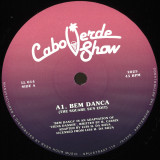
Finally available following strong support from Antal and Hunee, including soundtracking the closing of Rainbow Disco Club Festival in Japan: Cabo Verde Show's 1984 showstopper “Bem Danca” revisited in its original form alongside a perfectly stripped-back, synth-focused edit by The Square Sun. Now on a 12” pressed loud at 45 RPM, with the edit on the A-side and the original version on the flip!
“Bem Danca” was a B-side cut from a 1983 release, featuring lead vocals from Luis Da Silva. The original is a party-ready Funaná jam with intricate horn and guitar work. The Square Sun’s edit takes the track deeper, extending some instrumental parts to build tension before the culmination of synths and horns that truly sparkle in this version. An essential for your bag as we begin to enjoy those open-air dancefloors once again!

- A1: E.w.t.s.e
- A2: I Dragged Us In
- A3: Burn
- A4: Still Enough
- A5: Save Your Breath
- A6: Somewhere New
- A7: 10:26
- B1: If I Ever Wake Up…
- B2: Nightmare
- B3: Death Grip
- B4: Those Were The Days
- B5: Disappear
- B6: Solid Ground
Kurz nachdem True North ihr Debut Album “Out Loud” veröffentlichten, haben sich die Bandmitglieder schon wieder im Studio zusammengefunden und in den folgenden Monaten an gleich mehreren Songs gearbeitet. Mit ihrem ersten veröffentlichten Album, ihrem ersten Record Deal in der Tasche und ihrer ersten Tour im Rücken, war die junge Band voller Energie, Inspiration und neuer Erfahrungen, die True North’s Sound auf ein moderneres, perfektioniertes Level brachten.
Gitarrist Joel Ferber hat auch bei diesem Album die Produktion übernommen, und mit der Zeit hat sich eine Sammlung ihrer besten Arbeiten ganz natürlich zu ihrem zweiten Studioalbum gefügt. Der Titel “Either Way, The Sun’s Exploding” spiegelt eine gewisse, erzwungene Apathie der Bandmitglieder wider, so wie sie in ihren neuen Songs tiefer in ernstere Themen, musikalisch wie
textlich, eintauchen. Diese umfassen Herzschmerz, Angst, Demut, Selbstreflektion und die immer präsente Jagd nach Wachstum.
True North verbinden Elemente des Alt-Rock, Emo und Pop-Punk und kreieren einen einzigartigen Sound, der modern klingt und gleichzeitig nostalgisch werden lässt. Voll von eingängigen Melodien und emotionsgeladenen Texten.
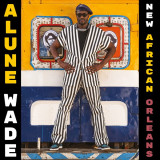
In his sixth and latest album “New African Orleans”, released by ENJA and Yellow Bird, bass guitarist and composer Alune Wade explores the multiple junctions between his native West African rhythms, the Afrobeat and juju rhythms from Lagos and the brass band repertoire immortalized in New Orleans. “I’m exploring a world that goes from my roots to the lost branches on the other side of the Atlantic,” explains the musician from Senegal. He has whittled down around 50 compositions – both original and standards - to a dozen which Alune recorded in Paris, Dakar, Lagos and New Orleans. “The idea first came to me during the Jazz à Gorée festival I organized back in 2014,” he explains. “It had me reflect on the notion of reversing the musical trip most people take from the United States to the African continent. I wanted to set out westward and begin a musical conversation with the best artists, both in Nigeria and the US.”
To achieve this, Wade has invited top artists from both sides of the Atlantic, including the Nigerian talking drummer Olaore Muyiwa Ayandeji, the percussionist Weedie Braimah and the jazz drummer Herlin Riley from New Orleans. The musical inspirations are equally transatlantic, ranging from Dr. John to Manu Dibango and Charlie Parker. But the 45-year-old also pays homage to his father who was a brass band star in his native Senegal back in the Sixties.
BACKGROUND
We only have a partial idea of the birth and remarkable development of the music born of the transatlantic slave trade. From Malinke ballads to Cuban son, from call-and-response patterns to field hollers and hip-hop, Yoruba rhythms to Argentinian tango, from Angolan percussions to the New Orleans brass band sounds… all have roots in Africa and a shackled migration that lasted four centuries. No more so than Congo Square in the Louisiana capital. In 2024, we mark the 300th anniversary of the implementation of the Code Noir which “gave enslaved Africans Sundays off to dance”. A drop in the ocean, but one which shows the importance of culture as a lifebuoy against this barbaric trade. As the Guadeloupian writer Daniel Maximin once claimed: “Our music guided us from the scream to the song, from dragging our chains to dancing.”

- Chet Baker - My Funny Valentine
- Carmen Mcrae & The Dave Brubeck Quartet - Take Five
- Dean Martin - You're Nobody 'Til Somebody Loves You
- Louis Prima - Just A Gigolo / I Ain't Got Nobody
- Stan Getz & Charlie Byrd - Desafinado
- John Coltrane - Naima
- Norah Jones & Joel Harrison - Tennessee Waltz
- Sarah Vaughan - Lullaby Of Birdland
- Miles Davis - Générique (B.o.f. Ascenseur Pour L'échafa
- Quincy Jones - Soul Bossa Nova
- Madeleine Peyroux - He's Got Me Goin
- Diana Krall - Straighten Up And Fly Right
- Frank Sinatra - I've Got You Under My Skin
- Harlie Parker - All The Things You Are
- Nina Simone - My Baby Just Cares For Me
- Harry Belafonte - Day-O (The Banana Boat Song)
- Aretha Franklin - God Bless The Child
- Youn Sun Nah, Lars Danielsson & Xavier Desandre Navarre
- Melody Gardot & Seth Kallen - My Sweet Darling
- Billie Holiday - I'll Be Seeing You
- Nat "King" Cole - Unforgettable
- Ella Fitzgerald - How High The Moon
- Sidney Bechet - Petite Fleur
- Dinah Washington - What A Difference A Day Makes
- Django Reinhardt - Nuages
- Louis Armstrong - La Vie En Rose

Louis Philippe und The Night Mail sind zurück mit einem neuen, fesselnden Album, auf dem die Songs wieder einmal makellos sind. Die Reise geht dieses Mal weiter, weg vom Klassischen, hin zum Unerwarteten. Neue Synthesizer und Claps machen das Ganze unmittelbar und plötzlich, während Stimmen wie aus luftiger Höhe und scheinbar spielerisch-furchtlos durch das Album rufen. Neben den üblichen Geschichten, die man sich so erzählt, gibt es eine geheime, parallele Version der Pophistorie, die von den wahren Enthusiasten und Eklektikern geschrieben wurde. Von jenen, für die ein Dauerbrenner wie Pet Sounds nicht nur Anlass zu endlosen Behauptungen über seine Außergewöhnlichkeit war, sondern auch mündete in einer Aneinanderreihung harmonischer Reichtümer, die bis ins einundzwanzigste Jahrhundert reicht. In diesem alternativen Universum ist Philippe Auclair alias Louis Philippe, anglo-französischer Singer-Songwriter sondergleichen, seit vier Jahrzehnten eine bewunderte Größe. Philippes musikalische Anfänge liegen als Pop-Protagonist und Haus-Produzent bei Mike Always legendärem Label él Records. Von hier aus führten ihn seine Ausflüge in den Shibuya-Sound und zur Zusammenarbeit mit Leuten wie Bertrand Burgalat, Dave Gregory von XTC, Sean O"Hagan von High Llamas und Stuart Moxham von Young Marble Giants bis hin zu seinen jüngsten Abenteuern mit The Night Mail. The Night Mail kamen vor zehn Jahren zusammen, um ein Album mit dem unterschätzten Post-Glam-Genie John Howard aufzunehmen. Nach diesem einmaligen Projekt verbrachten sie ein paar Abende in London, um als Begleitband für Robert Forster und Louis Philippe zu spielen, und schlossen dabei eine Allianz mit Letzterem, die 2020 zu ihrem ersten gemeinsamen Album Thunderclouds führen sollte. Angesichts der Komplexität, den reichhaltigen Sound dieses Albums auf der Bühne zu realisieren, holte Philippe seinen langjährigen Partner, musikalische Koryphäe und Multiinstrumentalist Danny Manners an Bord.

- A1: Future Sand (Feat. David Lackner)
- A2: Soft Power (Feat. David Lackner)
- A3: Pose Beams (Feat. Jefre Cantu-Ledesma, Robbie Lee)
- A4: Flutter Intensity (Feat. Russell Greenberg)
- B1: The Big Clock (Feat. David Moore, Britt Hewitt)
- B2: There Was Somebody There (Feat. David Moore, Jefre Cantu-Ledesma)
- B3: Get Some Rest (Feat. Mary Lattimore)
Ezra Feinberg's third album Soft Power sees the composer-guitarist enlist an impressive array of fellow musicians including Mary Lattimore, David Moore (Bing & Ruth), Jefre Cantu-Ledesma, Robbie Lee and share the life affirming lead single 'Future Sand'.
Defined by its abundance of melodies, repeating figures and ecstatic improvisations, Soft Power exudes an enlightened and transformative spirit to empower the listener. Feinberg, a practising psychoanalyst and former founding member of the San Francisco psychedelic collective Citay (Dead Oceans / Important Records) resides in the artistic enclave of upstate New York's Hudson River valley. Initial recordings emerged in the late summer of 2020, before added synthesis with collaborator John Thayer (Arp, Sunwatchers) during early 2021. Soft Power follows previous albums 'Recumbent Speech' (2020) and 'Pentimento and Others' (2018).
Feinberg artfully transcends the listener to an enriched place, his compositions distinguished by the deep humanity that lies at their core, plugging the listener into a state of wide eyed being, open and alive. Soft Power then is Ezra's own mantra but also one of power giving - a colourful catharsis translated into music.
Feinberg's music always speaks to the listener, but Soft Power, in whispering, speaks loudest.
"Much like everyday life, I wanted to convey these very plain, simple, tranquil, nearly quotidian aspects, but each piece contains this arc in which that form expands, is broken out of, so what starts out like a painting of flowers in a seaside motel turns into a riot of color and sound, or you feel slipped into a dream that feels like it could go on forever"

- A1: Clickbait (Intro)
- A2: Mexico
- A3: The Prize
- A4: Oats (Ain't Gonna Beg)
- A5: Ugly
- A6: Flying Ant Day
- B1: Meryl Streep
- B2: Spaceship
- B3: Fool
- B4: Woman And Child
- B5: Sunshine Song
- B6: More Credit
Clear Vinyl[27,69 €]
Die Musik von Prima Queen ist offen, mitreissend, charismatisch und eine Welt für sich. Wenn man sich ihr grossartiges Debütalbum "The Prize" auf Submarine Cat anhört, möchte man in all seinen überschwänglichen, einfühlsamen Melodien eintauchen und in der Wärme der beneidenswerten Verbindung zwischen den beiden Musikerinnen baden, die den Kern der Platte bildet. Die 12 Songs von Louise Macphail und Kristin McFadden greifen auf das schillernde Pop-Gefühl von HAIM und Jenny Lewis zurück und sind von der Offenheit des Geistes geprägt. Sie sind von der Euphorie inspiriert, die Prima Queen im vergangenen Jahr auf der Bühne erlebte, als sie mit Olivia Dean, Dream Wife und Swim Deep tourten. Die beiden Frauen etablieren sich als scharfsinnige, erfrischend offene Songwriterinnen, die übergrosse Gefühle mit Anmut und Witz zum Ausdruck bringen.

Die Musik von Prima Queen ist offen, mitreissend, charismatisch und eine Welt für sich. Wenn man sich ihr grossartiges Debütalbum "The Prize" auf Submarine Cat anhört, möchte man in all seinen überschwänglichen, einfühlsamen Melodien eintauchen und in der Wärme der beneidenswerten Verbindung zwischen den beiden Musikerinnen baden, die den Kern der Platte bildet. Die 12 Songs von Louise Macphail und Kristin McFadden greifen auf das schillernde Pop-Gefühl von HAIM und Jenny Lewis zurück und sind von der Offenheit des Geistes geprägt. Sie sind von der Euphorie inspiriert, die Prima Queen im vergangenen Jahr auf der Bühne erlebte, als sie mit Olivia Dean, Dream Wife und Swim Deep tourten. Die beiden Frauen etablieren sich als scharfsinnige, erfrischend offene Songwriterinnen, die übergrosse Gefühle mit Anmut und Witz zum Ausdruck bringen.

Sex Tags UFO presents the first part of the non stop ongoing HOUSE music collaboration between
the Burger man and Berlin based DJ Sommer! Music created as house music as a FEELING!
A four track EP smashing out some fine underground house music, all with the mix of DJ Sommers studio skills and old-school hardware approach, and the Burger man's wonky touch! The almost weekly live session recorded in DJ Sommer's studio, then arranged and mixed at Casa de Fett bare some fruits, and here is their first record!
The opening track, the first one the duo ever produced. Heavy present bass and kicking 909, atmospheric deep soundscapes, and an emotional uplifting melody! Simple, basic and efficient. Heavy stomping groover and a classic house workout!
Second track a more mellow and relaxed tune, still got the groove and the 909, but this time with a classic Ibiza guitar to set the mood for the sunrise or sunset! Massive vibe, deep, emotional and groovy for a perfect vibe for promising events to come.
One the flip side another emotional house tune, with the driving present dance bass, a shuffled 909 workout to make it swing, the pads keeping it deep, sentimental and groovy! House music and the dreamscape meet.
The last tune on the record, a heavy acid house workout, loud, raw and unpolished in the edges, tougher than the previous tracks, but with an atmospheric pad that gives it deepens in combination with the intense landscapes of the drums and the acidic drips!
A versatile, simple, raw dance floor oriented HOUSE EP made in and for the underground!
Enjoy!

- A1: Day Tripper Jazzystics Feat. Deborah Dixon
- A2: Yesterday Betty Says
- A3: Come Together 48Th St. Collective
- A4: Let It Be Richard Eastwood
- A5: 5 Oh! Darling . The Cooltrane Quartet
- A6: A Hard Day's Night Deborah Dixon & Les Crossaders
- B1: Here Comes The Sun Sarah Menescal
- B2: Honey Pie The Bryan J. White Quartet
- B3: Something Scubba Feat. Sarah Menescal
- B4: Blackbird Eve St. Jones
- B5: All You Need Is Love Jamie Lancaster
- B6: Hey Jude Renauld & The Smooth Jazz Quintet
- C1: Sgt Pepper's Lonely Hearts Club Band . Apollinare Rossi
- C2: Can't Buy Me Love Stella Starlight Trio Feat. Lizette
- C3: Revolution Celso Mendes Feat. Lua
- C4: Paperback Writer Mandy Jones
- C5: Get Back Jazzystics Feat. Deborah Dixon
- C6: In My Life Sarah Menescal
- D1: She Loves You Deborah Dixon & Les Crossaders
- D2: Penny Lane The Brian J. White Quartet
- D3: I Feel Fine 48Th St. Collective
- D4: Ticket To Ride Scubba Feat. Sarah Menescal
- D5: The Long And Winding Road Les Crossaders Feat. Julie Benson
- D6: I Want To Hold Your Hand Francis Trevor & Michelle Simonal
Being one of the most popular albums in the history of the label,
Music Brokers is happy to announce the release of Jazz And Beatles in a limited-edition double LP.
The album features 24 stellar Beatles classics reinvented in jazz form that highlight the catalog of the biggest band of all time.
Gems such as “Yesterday”, “Here Comes The Sun”, “Revolu- tion” and “She Loves You” have new life with reworked versions
by many of the biggest names in the nu-jazz move- ment including Jazzystics,
Les Crossaders, The Cooltrane Quartet, Eve St. Jones and Apollinare Rossi. With stellar artwork and remastered sound,
this is another essential addition to your jazz-lounge music collection in vinyl format.
- A1: Do U Fm
- A2: Novelist Sad Face
- A3: Green Box
- A4: Dusty
- A5: The Linda Song
- A6: Dm Bf
- B1: I Tried
- B2: Melodies Like Mark
- B3: Wildcat
- B4: How U Remind Me
- B5: Pocky
- B6: Bon Tempiii
- B7: Pt Basement
- B8: Alberqurque Ii
- B9: Mary's
Yellow Coloured Vinyl[29,37 €]
Kneading dough is tricky – you should know how it’s supposed to feel. If you try too hard you could make it worse. It’s a beautiful practice – creation with a gentle touch, to work at something so it can be left alone. “If it’s too drawn out it’s awful. It’s easy to give too much.” Dance in the mirror. Contemplate your veiny hands. Who do they remind you of?
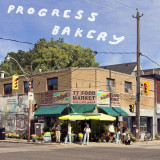
You begin by mixing flour and water. “What happens when your people die? Why’d they move the rock to the other side of Ulster Park?” Eliza Niemi asks two seemingly unrelated questions in a rising melody with guitar accompaniment, like fingers playing spider up to the nape of your neck. Gentle pressure. Strands of gluten form to bind the mix. A new question lingers in the binding. When she admits “but I don’t know how to tell if I’m feeling it or not,” that question surfaces through the text. It is reiterated throughout the album. When I’m working with dough I think the same thing to myself.
On Progress Bakery, her second album as a solo artist, Eliza knows to leave some questions alone – to let juxtaposition and tension be the proof. It doesn’t have to be hard. The feelings and revelations they provoke rise in the heat. The smell is sweet. Crispy on the outside and soft all the way through. She playfully slip-slides through words and sounds and images, delighting in surprise, skimming ideas like stones cast across clear water, touching down briefly with uncommon grace.
The question provoked between those opening lines resurfaces in the strands between songs – “Do U FM” is fully formed and beautifully layered, while “Novelist Sad Face” is a short, acapella rendering of gentle curiosity. What is holding these ideas together? Some songs demand more, seem to carry a whole load – eventually the skipping stone will halt to sink and resume its idle duty – while others drift in and out of focus, the way thoughts and dreams become interwoven before the mind is sunk into true sleep.
Music and words don’t always have to interact. Where she decides to keep them apart gives a new contour to where and how she puts them together. The kind of thing you’re supposed to take for granted with songs and their singers comes alive in Eliza’s hands – the little miracle of mixing, kneading, stretching, and stopping.
So often on Progress Bakery, Eliza teases out truth and meaning by asking questions. “Do I wanna be crying?” “Do you want me good or do you want me bad?” “Do I need an eye test?” “I’m writing songs in my head while you’re going over stuff with me — is that cruel??” In “Pocky” Eliza ends with a question that feels to me like the actual biography, succinct and revealing:
I don’t wanna be made to see
I just wanna ask “what’s that?”
Grace that ought to be rare, but in its care and precision is offered humbly, with great generosity, and without announcing itself. Eliza’s simple, miraculous music is given further form and shape by a group of collaborators – invaluable guest musicians Jeremy Ray, Evan Cartwright, Steven McPhail, Kenny Boothby, Ed Squires, Carolina Chauffe, Dorothea Paas, Louie Short, and Avalon Tassonyi. Together with Louie Short, who recorded, mixed, and produced the album along with Jeremy Ray and Lukas Cheung, Eliza has cultivated a richness in sound and texture that prods and provokes the ticklish ear. Barely audible guitar tinkering, a brief lo-fi field recording of trumpets, the harmonic clicking of a looped synthesizer, a flourish of reeds, a child’s conversation, each uncanny sound perfectly placed, rippling out under a soft breeze.
Lay in bed alone at night and ask aloud to the stillness,
“What were you doing at the Albuquerque Airport?
What were you doing there??”
And hear your question answered by a dream of swelling, undulating cellos. Try to grasp at the melody and structure. It’s not an answer (if there could be one), but it moves deeper, closer to the weird layer of fleeting moments and disconnected images, barely perceptible at its core. Wait for the dream reel to click into place.
Eliza took me for a ride in Nicole (her beloved Dodge Grand Caravan) and told me she’d been thinking of the album as an embodiment of transition – and I think every transition, known or unknown, carries the weight of new meaning, skittering off the surface tension of life as you know it, creating ripples, sometimes bouncing off and sometimes breaking through. There is a trick you can use to tell if a dough is glutinous enough. You’re supposed to stretch it out as thin as you can without breaking it and hold it up to the light. If you can see through, even if it renders the world murky and uncertain, you should leave it alone. I love this trick. It’s one that Eliza seems to know intuitively: work gently and ask questions and don’t always expect answers, and when you can, take a glimpse at something new, and then leave.
Kneading dough is tricky – you should know how it’s supposed to feel. If you try too hard you could make it worse. It’s a beautiful practice – creation with a gentle touch, to work at something so it can be left alone. “If it’s too drawn out it’s awful. It’s easy to give too much.” Dance in the mirror. Contemplate your veiny hands. Who do they remind you of?
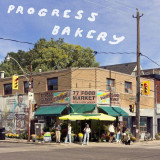
You begin by mixing flour and water. “What happens when your people die? Why’d they move the rock to the other side of Ulster Park?” Eliza Niemi asks two seemingly unrelated questions in a rising melody with guitar accompaniment, like fingers playing spider up to the nape of your neck. Gentle pressure. Strands of gluten form to bind the mix. A new question lingers in the binding. When she admits “but I don’t know how to tell if I’m feeling it or not,” that question surfaces through the text. It is reiterated throughout the album. When I’m working with dough I think the same thing to myself.
On Progress Bakery, her second album as a solo artist, Eliza knows to leave some questions alone – to let juxtaposition and tension be the proof. It doesn’t have to be hard. The feelings and revelations they provoke rise in the heat. The smell is sweet. Crispy on the outside and soft all the way through. She playfully slip-slides through words and sounds and images, delighting in surprise, skimming ideas like stones cast across clear water, touching down briefly with uncommon grace.
The question provoked between those opening lines resurfaces in the strands between songs – “Do U FM” is fully formed and beautifully layered, while “Novelist Sad Face” is a short, acapella rendering of gentle curiosity. What is holding these ideas together? Some songs demand more, seem to carry a whole load – eventually the skipping stone will halt to sink and resume its idle duty – while others drift in and out of focus, the way thoughts and dreams become interwoven before the mind is sunk into true sleep.
Music and words don’t always have to interact. Where she decides to keep them apart gives a new contour to where and how she puts them together. The kind of thing you’re supposed to take for granted with songs and their singers comes alive in Eliza’s hands – the little miracle of mixing, kneading, stretching, and stopping.
So often on Progress Bakery, Eliza teases out truth and meaning by asking questions. “Do I wanna be crying?” “Do you want me good or do you want me bad?” “Do I need an eye test?” “I’m writing songs in my head while you’re going over stuff with me — is that cruel??” In “Pocky” Eliza ends with a question that feels to me like the actual biography, succinct and revealing:
I don’t wanna be made to see
I just wanna ask “what’s that?”
Grace that ought to be rare, but in its care and precision is offered humbly, with great generosity, and without announcing itself. Eliza’s simple, miraculous music is given further form and shape by a group of collaborators – invaluable guest musicians Jeremy Ray, Evan Cartwright, Steven McPhail, Kenny Boothby, Ed Squires, Carolina Chauffe, Dorothea Paas, Louie Short, and Avalon Tassonyi. Together with Louie Short, who recorded, mixed, and produced the album along with Jeremy Ray and Lukas Cheung, Eliza has cultivated a richness in sound and texture that prods and provokes the ticklish ear. Barely audible guitar tinkering, a brief lo-fi field recording of trumpets, the harmonic clicking of a looped synthesizer, a flourish of reeds, a child’s conversation, each uncanny sound perfectly placed, rippling out under a soft breeze.
Lay in bed alone at night and ask aloud to the stillness,
“What were you doing at the Albuquerque Airport?
What were you doing there??”
And hear your question answered by a dream of swelling, undulating cellos. Try to grasp at the melody and structure. It’s not an answer (if there could be one), but it moves deeper, closer to the weird layer of fleeting moments and disconnected images, barely perceptible at its core. Wait for the dream reel to click into place.
Eliza took me for a ride in Nicole (her beloved Dodge Grand Caravan) and told me she’d been thinking of the album as an embodiment of transition – and I think every transition, known or unknown, carries the weight of new meaning, skittering off the surface tension of life as you know it, creating ripples, sometimes bouncing off and sometimes breaking through. There is a trick you can use to tell if a dough is glutinous enough. You’re supposed to stretch it out as thin as you can without breaking it and hold it up to the light. If you can see through, even if it renders the world murky and uncertain, you should leave it alone. I love this trick. It’s one that Eliza seems to know intuitively: work gently and ask questions and don’t always expect answers, and when you can, take a glimpse at something new, and then leave.

If the jazz of François Tusques is “free”, his spirit is even more so: having recorded Free Jazz with other like-minded Frenchmen (Michel Portal, François Jeanneau, Bernard Vitet, Beb Guérin and Charles Saudrais), the pianist had covered a lot of ground, with Barney Wilen (Le Nouveau Jazz) or even solo (Piano Dazibao and Dazibao N°2), so as not to repeat himself…
In 1971 he founded the Inter Communal Free Dance Music Orchestra which, as the notes the this album stated, “is an interpretation of a music which synthesizes the different communities living and working in France.” In 1976, on the first album (L’Inter Communal) we can already hear Tusques playing without borders in the company of Carlos Andreu (vocals), Michel Marre (trumpet and saxophone), Jo Maka (saxophone) and Ramadolf (trombone). It is a meeting between jazz and music from Catalonia, Occitanie and Africa. So far so good, but what about Brittany, that, Tusques knows “by heart”? Having lived for a long time in Nantes, he would expand his ‘brittanitude’ on the canal linking the city to Brest by playing with, for example the Diaouled-Ar-Menez. With these “devils from the mountain” who, under the baton of Yann Goasdoué, worked throughout the 1970s on the renewal of music from Brittany, Tusques met, notably, Tanguy Ledoré and invited him one day, with trois bombards and some bagpipes (Jean-Louis Le Vallegant, Gaby Kerdoncuff and Philippe Lestrat), to join the ranks of the Intercommunal. And so they set of towards a new music from Brittany, as the title states; Vers une Musique bretonne nouvelle!
With percussion from Samuel Ateba and Kilikus, the association launches the ‘bombardier’: the repetitions and dissonance of the different members all serve a common cause however: the dance, which is always the reason for the party. This sets a whole universe spinning, which can bring to mind Chris McGregor’s Brotherhood of Breath (“La rencontre”) when not taking on board waltz, swing, blues and gavotta or even revealing mysteries like those of Gurdjieff (“Les racines de la montagne” or “Le cheval” sung by Andreu). Only one thing to say to this Brotherhood Of Breizh: Mersi!

- A1: Drones
- A2: Swimming
- B1: Manifesto
- B2: Ashley
“On course towards future raucous, beer-soaked headline festival
sets.” - NME
“Screw-you power, relentless motorik rhythms and impressively large
choruses.” - The Guardian
“Unrelenting, gritty energy” - Daily Star
Sprints unearth their frenzied new EP, ‘Manifesto’, out via Nice Swan
Records.
Produced by Daniel Fox of Girl Band - Dublin’s answer to Steve Albini
- the four tracks make for a hard-hitting gloom-punk journey you
can’t miss. Like the Irish guitar acts who have paved the way for
them - Fontaines D.C., Silverbacks and Girl Band - Sprints sound
urgent and vital at every turn.
‘Swimming’ is a confluence of rabble-rousing stadium rock, sleazy
garage rock and Sonic Youth experimentation. Lyrically, there’s a lot
to hang on to too, which is unsurprising given how topical the band
are: ‘Drones’ took on imposter syndrome; ‘Manifesto’ tackled
homophobia.
‘Swimming’ scorns on the increasing lack of opportunity after
following prescribed paths to become society’s idea of a ‘success’.
Sprints singer Karla Chubb explains: “While the homeless crisis
worsens, the city is sinking in debt and everyone can barely keep
their heads above water, you see an article stating that a new €25
million white water rafting centre is being developed after approval
by Dublin City Council. Sometimes you’d just rather drown.”
Sprints have hit a nerve. The velocity of this argument comes from
personal anguish but will chime with a generation. And with such
honesty running through their core it’s no wonder The Guardian,
NME and BBC Radio 1 and 6Music have tipped them for big things.
Tourdates - October 7 Roisin Dubh Galway, 8 Kasbah Limerick, 9 The
Grand Social Dublin, 21 The Waiting Room London, 23 Heartbreakers
Southampton, 26 Sneaky Pete’s Edinburgh, 27 The Attic Glasgow, 28 The
Castle Manchester, 30 The Sunflower Lounge Birmingham, 31 Bootleg Social
Blackpool, November 2 Surf Cafe Newcastle, 3 Sidney & Matilda Sheffield, 6
Mutations Festival Brighton, 7 Festival of Voice Cardiff, 9 The Shipping
Forecast Liverpool, 10 Oporto Leeds.

'It begins with a shoebox of mysterious provenance, full of recordings from the Vendée department on France’s western seaboard: songs of love and war, life and death, played out on land and sea. Songs passed down and sung by ordinary men and women, gracefully delivered with the poetic economy which unites the folk song of all peoples.
Next it takes a group of contemporary musicians to make selections from this treasure trove and sing these old songs anew; to sing them for their beauty, of course, and to reclaim the people’s tradition from those who would seek to exploit it for nefarious political ends. Who better for this task than Tartine de Clous, a singing trio from Vendée’s neighbouring department of Charente-Maritime, who burst into national and international consciousness with their debut album "Sans Folklore" in 2015? The result of their shoebox rummagings, the new album "Compter les dents", recorded in 2019 and finally seeing the light of day, is bound to delight old fans and win them many new ones.
Time makes many’s the alteration, and "Compter les dents" finds 'les garçons' - Geoffroy Dudouit, Thomas Georget and Guillaume Maupin - in a different state of being from their debut release. The trio, friends since youth, have certainly matured between albums, as one would expect; consequently the newer performances are more considered and poised, unfolding with a patient confidence. A relaxed domesticity prevails, something to do with the fact that the album was entirely recorded chez les amis, in contrast to the first album, which was mostly recorded at live performances in bars and night-spots across France.
Lending gravitas to the grain of their voices we mark a deepened richness, doubtless born of the various vicissitudes of daily existence which these gentlemen - and we too as citizens of this turmoiled globe - have weathered in the intervening years. Not too dissimilar, in fact,
from some of the vicissitudes detailed in those old Vendée songs. Plus 'ça change', right?
There’s a greater complexity and subtlety to their unique three-part harmonising, too. Their voices mesh in even stronger - almost telepathic - 'fraternité' than ever before: now commanding and mighty as a full-rigged counter-vessel, now gentle and lulling as a mother’s
cradle-croon, or as the whisper in a lover’s ear.
Three legendary figures of French traditional music, now sadly departed, preside as tutelary spirits over Compter les dents. They are: the late Claude Flagel, musician and ethnomusicologist; and the late Jean-Loup Baly of the well-known 1970s band Mélusine. Most of the album was recorded by Claude in the Brussels home he shared with his late wife Lou Flagel. The album is dedicated to the memory of Jean-Loup, Claude and Lou.
For the first time there are several guest instrumentalists working their magic to expand the Tartine de Clous sound. Jean-Loup plays a characterful accordéon on the song ‘La Veuve'. The other guests are: Maurice Artus (voice), Robert Thébaut (violin), Quentin Manfroy (piccolo, contrabassoon), Marceau Portron (cigar box guitar). Their contributions add even more conviviality to that which the trio of singers already share, a sensation which will doubtless be shared by those who happen to find a place in their lives for "Compter les dents".'
Liner notes by Alasdair Roberts.

- The Same Thing As Nothing At All
- Hydroplaning Off The Edge Of The World
- The Ignoramus Of Love
- Dan's Boogie
- Bologna
- I Materialize
- Sun Meet Snow
- Cataract Time
- Travel Light
LTD. BLACK & CLEAR SWIRL VINYL[24,79 €]
Was ist ein "Boogie"? In der Umgangssprache ist es ein Tanz oder eine Gelegenheit zum Tanzen. Da es sich hier um ein Destroyer-Album handelt und nicht um den allgemeinen Sprachgebrauch, sind die Implikationen eines Titels wie "Dan's Boogie" verführerischer und gefährlicher zugleich. "Ein Boogie ist ein Täuschungsmanöver, ein Betrug, der nicht ganz funktioniert, die Bewegungen, die wir machen, wenn wir damit konfrontiert werden", erklärt Dan Bejar. "Ich denke an Spionage, Doppelagenten, die mit einem offenen Auge schlafen und die Ausgänge im Auge behalten. Aber ich denke auch an kleine Siege und Niederlagen auf der Straße und an Improvisation". Um "Dan's Boogie" aufzunehmen, musste Bejar eine Reihe von gewollten und ungewollten Hindernissen überwinden, um die Songs zu schreiben. Die Monate nach der Fertigstellung von "LABYRINTHITIS" wurden zu einem Jahr und dann zu zwei Jahren, in denen Bejar sich selbst den Neujahrsvorsatz gab, jeden Tag eine Stunde lang Klavier zu spielen. Das hat ungefähr vier Tage gedauert, aber die Songs, die Bejar als Ergebnis dieses Vorsatzes bezeichnet - darunter "Cataract Time", "Hydroplaning Off the Edge of the World", "Bologna" und "Dan's Boogie" - sind allesamt Destroyer-Songs aus dem breiten Spektrum, das Bejar und seine Mitstreiter für sich selbst geschaffen haben: Spektakuläre Pop-Epen, persönliche Piano-Balladen und schwelende Stimmungsbilder, die die Grenzen zwischen Song, Roman und Kino verschwimmen lassen, jedes voll von der Dringlichkeit eines Staatsgeheimnisses im Kopf eines gequälten Spions. Die Leadsingle "Bologna" ist der radikalste Rahmen für diese Energie, denn es ist das erste Mal, dass Bejar einen Song schreibt, in dem er sich selbst als Nebenfigur vorstellt. In der Hauptrolle ist Simone Schmidt von Fiver zu hören, deren Stimme - hart und ausdrucksstark, durchdringend durch die Düsternis der Szene - ein Sirenengesang ist, der das ganze Album durchdringt. Die Schwere ihrer Stimme ordnet "Dan's Boogie" um ein Gefühl des drohenden Untergangs herum, so wie das Versprechen einer Fatale auf das Ungewöhnliche und Ekstatische die Hauptfigur eines erotischen Thrillers zum Verhängnis wird. "Hydroplaning Off the Edge of the World" ist ein köstlicher Widerspruch, ein schwungvoller Song, der aus der Verwüstung entstand, die Bejar absichtlich mit sich selbst anrichtete. "We are now entering a new phase", intoniert Bejar und führt Schichten von Gitarren und Synthesizern ein, die die Palette erheblich verdunkeln, während er zwischen Gesang und Sprache wechselt. Der Nebel, der Bejar umgibt, wird durch die Reibung zwischen konkurrierenden Wahrheiten und Geschmäckern erhellt, etwa wenn sein Interesse an jazzigen Balladen auf das Interesse des Produzenten und Bassisten John Collins an Bands wie Led Zeppelin und Scritti Politti trifft. Als Bejar Collins erzählte, dass er an Sammy Davis Jr. dachte, entstand der Titeltrack, in dem Bejar mit fast wahnhafter Freude einen Rat Pack-Swagger vor einer verträumten Klangkulisse aus schwebenden Gitarren, üppigen Bläsern, Jazz-Drumming, spacigen Synthesizern und - vielleicht am ehesten dem Selbstverständnis Bejars entsprechend - einem klimpernden Lounge-Piano annahm. Das Herzstück von "Dan's Boogie" ist vielleicht "Cataract Time", ein achtminütiges Epos, das zu den schwersten Texten gehört, die Bejar je geschrieben hat, und eine der musikalisch komplexesten Kompositionen von Destroyer ist. Getragen von einem lässigen Groove, sind Bejars Texte verklärt, ihre Melancholie schmeckt fast widersinnig nach Hoffnung. Es ist ein intimer Song, der Destroyers übliches urbanes Fabel-Milieu gegen eine erfrischende Innerlichkeit eintauscht, aber sein beschwingter Groove lässt eine Zukunft erahnen, der Bejar und seine Band entgegenfiebern. Wo frühere Destroyer-Alben mit der Welt kämpften, tanzt "Dan's Boogie" mit ihr, und seine neun Träumereien verschmelzen zu einem einzigen langen Treiben. Dan Bejar mag die Ausgänge im Auge haben, aber er wird nicht so bald abreisen.
e 5 BOLOGNA [FEAT. FIVER]
