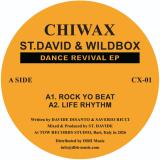
vorbestellen09.11.2026
erscheint voraussichtlich am 09.11.2026
11,98 €
erscheint voraussichtlich am 09.11.2026

“Bâzsâzi” sees the group rearranging their oeuvre for the dancefloor, starting with a raw excerpt of Zolfonoon, taken from their first ever show in August 2023, before they had a name. Caleb dons his Wavemap alias to rework it into a tunnelling, heads-down groover, in the lineage of Mike Dehnert and Luke Hess. Raf Reza (as Raf Rizzla) sends Parisa shapeshifting through the hardcore continuum with a nod to UK Drill, in continuation from his recent debut Ekbar Telephone Explosion. Jason (as Neonlichter) turns Delkash into a jungle montage – all mutant bass and vocal tessellations.
erscheint voraussichtlich am 19.10.2026

Bei uns am Lager und sofort versandfertig

The first HEREAFTER label release enters the universe with three deep, rolling cuts from DOTT and a pumped-up peak-time remix from JUAAN.
“1955 Revival” sets the tone with a killer groove, warm drone-filled textures and DOTT’s off-kilter character. “Grumpy Merlin” moves deeper into the murk, while “Drunken Tune” brings an infectious, eyes-closed groove to the B-side. JUAAN closes the EP by flipping the original into a tight peak-time driver built to ignite the dancefloor.
After seeing these tracks captivate the crowd at one of the UK’s best-loved festivals, we knew we had to share them with the world through the HEREAFTER label.
Bei uns am Lager und sofort versandfertig
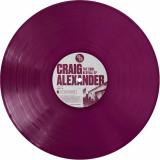
Craig Alexander drops back with the Soul Revival repress — a raw, deep house cut built for heads who know. Originally released on Transparent Records, now back on wax through Phonogramme.
Limited-run energy, timeless groove, straight-up dancefloor business.
Feedbacks:
Dave Huismans (ex_libris, In Transit) : Nice to get Soul Revival digitally, thanks!
Ben UFO (Hessle Audio / Rinse FM) : absolute classic
Laurent Garnier : SOUL REVIVAL is super cool track Will play
Mike Shannon (Cynosure) : Nice to have this one back! thx
Prosumer : this a journey into sound
Red Eye (Crash Planet Rec, R.E.A.D., Red/Shift, Lavish Habits, Multipass) : ahh i have this original vinyl. Glad to have a digi!!!
Dorian Paic (Raum Musik) : good re release too. Soul Revival is the one for me, in the past and now as well. ;) Thx for the promo !!
Hunee (Rush Hour) : lovely reissue
DJ Bone (FURTHER) : Lovin Feelin works for me, thanks
Chloe Caillet (Smile Records) : love these!
Franck Roger (Real Tone Records) : soul revivais is dope as always !!!
Terence :Terry: (La Vie En Ros / Freak N Chic) : what a good remember we use to played it a lot " Soul Revival" super track to surprise everyone Terence :Terry:
Tripmastaz (Plant 74) : tight cutz
Jorkes (Freeride Millenium) : soul revival is cute
Girls Of The Internet (Classic) : Classic!
Geir Aspenes (G-Ha (Sunkissed)) : Thanks
Terry Francis (Fabric) : nice
Sven Weisemann (Mojuba Records) : absolute classic!!!
Pacific Coliseum (Dublab, Teen Daze, Noire & Blanche) : DEEP!!! These are gorgeous, thank you so much for sending!
Pat Hyland (Northside Loft Society) : A welcome release from Craig. Three pure dancefloor heaters with Soul Revival topping!
Fred P : Dope...
Doc Martin (Sublevel) : Good Grooves!!!!
Mark Farina : good stuff. thanks!
Samuel Deep (SlapFunk Records) : yes
DJ Steaw (Rutilance / Steaward) : Nice ep thanks :-)
Lea Lisa (Phonica Records / Folklor Club) : Soul revival for me !
Brothers' Vibe (Luv4Wax) : Bangers!
Anthony Collins (Frank & Tony / Scissor & Thread) : great record
Carlos Valdes (Is Burning) : Loved it since the first time I've heard it! Happy to have the digital file!
erscheint voraussichtlich am 30.10.2026

Kapote presents: ITALOMANIA Vol. 4.
Toy Tonics Italomania Vol. 4 is a compilation dedicated to new ITALIAN DISCO. Not ITALO DISCO.
10 new tracks made by young producers from Italy, exclusively made for Toy Tonics. All songs with Italian vocals.
Made with a lot of love by
Cleeeo, Giorgio Lopez, Magnolia, Juan Soto & Sam Ruffillo, KOKO, Luca Averna, Ricardo Baez, Euro Nettuno, The Cube Guys and Paccone.
The Italomania compilation was initiated by Mathias ‚Kapote‘ Modica. Creative mind behind Toy Tonics and half italian producer himself.
The series is a manifesto to show the status of Italian disco of today.
Kapote invited the most relevant producers to show different new styles of modern Italian disco and house music.
With a wide range of influence: Live disco, indie dance, italo pop, and italo house.
Italian disco is not Italo disco. The last few years saw a big revival of the trashy pop music of the 1980s called Italo disco, mostly with English lyrics.
But this compilation is about something else. It is about this new Italian disco. Toy Tonics wants to show a new way to combine Italianity with dance culture.
The Italomania Vol. 4 Artists
Cleeeo - Come Tocchitu: A sexy and sophisticated disco house track by 22 year old newcomer DJ and producer Cleeeo. Driven by a warm, uplifting groove and strong dancefloor energy. The record is dedicated to Brazil. The vocals move between Italian and Portuguese. This creates a natural bridge between two cultures.
Giorgio Lopez - Italiani Brava Gente: Giorgio Lopez is an important player from the much talked about new music scene from Napoli.
For "Italiani Brava Gente," he teams up with Los Angeles artist Sueño. The track is a tongue-in-cheek take on the stereotypical Italian male. It pays homage to late Italodisco legend Pino D’Angiò. The story unfolds from the perspective of a foreign tourist navigating the contradictions of self-proclaimed Casanovas.
The Cube Guys - Saper Ringraziare: The legendary italo house duo shows their Italian vibes and musical taste with “Saper Ringraziare”. The track captures the warmth of summer and the infinity of urban nights. A combination of early Italo disco elements mixed with their typical groovy beats.
Magnolia - Vesuvio: Magnolia’s “Vesuvio” is a cover version of a song from the 1960s by artist E’ Zezi. While the original is more in a folk vibes, the new version is an irresistible piano house track with groovy, sun-soaked vibes. It is made for the dance floor. This track blends Mediterranean roots with the euphoric energy of modern house. Some might know the vocals already from another cover version by Nu Genea from the previous album.
Juan Soto & Sam Ruffillo - Italomexicano: What happens when a Toy Tonics artist hangs out in Mexico city and teams up with the local scene? The result is here. A blend a Toy Tonics sound and tons of vintage synthesizers and some additional production by Mexican producer talent Juan Soto.
You get "Italomexicano". A fuse of the mystique of Mexican mariachi with the magnetic pulse of Italo disco.
KOKO feat. Elena Moroder - I Can't Understand: This melancholic piano house track is a serious floorfiller! Goosebumps! Italian DJ and producer KOKO teams up with Elena Moroder on "I Can’t Understand". Elena delivers a captivating vocal performance. The track explores the misunderstandings of a relationship where emotions were never fully expressed. It blends an iconic piano melody with warm, uplifting grooves.
Luca Averna - Le Luci Della Pista: Luca Averna is a DJ, producer, and resident at the iconic Pikes Hotel in Ibiza. "Le Luci Della Pista" is an energetic track designed for peak-time Ibiza moments while keeping a strong groove and a playful spirit.
Ricardo Baez - È Venerdì: Ricardo Baez is an Italian-Venezuelan DJ and producer. He is known for his distinctive blend of house, dark electro, italo disco, and leftfield electronics. Well respected in Italy's contemporary electronic scene he has been releasing on labels such as Running Bag, Permanent Vacation, Bordello a Parigi, Correspondant, Mule music, Live at Robert Johnson.
Euro Nettuno - La Notte Chiama: These guys are hot! Part of the Polyamore Crew, one of the rising italian new disco collectives their sound mixes Italo house from the 1990ies, electro and Pop in a very cool new way.
Paccone - J'Adore Napoli: Vincenzo Paccone is a DJ, producer but also very renowned graphic designer. He is co-founder of NSS. A fashion agency that is by now one of the leading italian fashion crews. He has been also working as a designer for Circoloco Ibiza for many years and organizes some of the hottest parties in Napoli currently. He makes his official debut as a producer with “J’Adore Napoli”. It is a vibrant tribute to the house music culture born in Naples. The track draws inspiration from the late 1990s and early 2000s. And is part of a NSS campaign about the ’new coolness of the city of Napoli“.
erscheint voraussichtlich am 30.10.2026
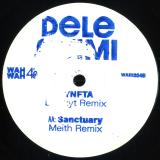
A little over a decade on from his debut album released on the label, Wah Wah 45s are very proud to present two brand new remixes taken from Afrobeat AmbassadorDele Sosimi’s much celebrated LPYou No Fit Touch Am. In the years that have passed since the album’s release, a number of producers and DJs have re-worked and reimagined cuts from the album, most notably the much reveredMedlarand his irresistible take on the title track.
In anticipation of Dele’s long awaited follow up album in 2027, and closing off theYNFTAera, we present to you two brand new remixes of tracks taken from this timeless LP.
Mysterious London based producer and DJbrekkyt(erstwhile known as The Breakfast Triple) is up first with a typically rhythm-focused, bruk infused and bass worrying re-work that takes Dele’s ever popular title track to a brand new audience, perfectly timed for the current broken beat revival. Brekkyt’s recent cheeky re-works for Raphael Saadiq, Mis-Teeq and most recently for Kyla Kilzer & Max Noir on Tru Thoughts Recordings have seen his music receive some serious heat.
On the flip, Portuguese producerMeithtakes album favouriteSanctuarydeep into Afro-tech territories creating an irrepressible groove tailor made for the big rooms this summer. The Lisbon based beat-maker has previously released club focussed tracks on labels like Kazukuta and Sondela Records.
This pair of dance floor destroying remixes will be available on hand-stamped, white label vinyl.
Bei uns am Lager und sofort versandfertig
Revival House Project makes a triumphant return to Peppermint Jam with four essential, soulful house cuts. After months of intense anticipation and heavy ID requests, these highly sought-after tracks are finally receiving a proper, official vinyl release.
As a massive bonus, the record features the blockbuster collaboration AC Soul Symphony vs. Mousse T. – 'Dance To The Music' (feat. Kathy Brown), uniting two legendary forces on one unstoppable track!
erscheint voraussichtlich am 13.11.2026
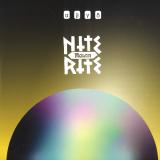
This new EP and revival of his Nite Rite series from Dutch electronic maestro Mason (he of chart topping Exceeder fame) comes in the form of four very individual cuts aimed squarely at the dancefloor. Typically eclectic and fresh sounding, these four cuts have been doing damage in the clubs over recent weeks with a strong reception from a massive cross section of DJs. Cuts vary from French Touch style disco-house to out-and-out electro filth.
Bei uns am Lager und sofort versandfertig

Bringing mutant verve and a deadly swing to the bassweight discipline, Lyeform lands on Sneaker Social Club in resonantly rude form. Strong doses of UKG, wormhole techno and dubstep course through the veins of this muscular four-deep drop, but the London-based producer's metabolism strips the strands down to an atomic level and rebuilds the dance in his own design.
There's a dense and dank mood hovering over 'Drift Into Dread,' shaped out by rugged, noisy percussion steering towards mind-melting immersion. Rather than resting in technoid repetition, the landscape keeps shifting as dislocated rhythmic phrases slide in and out of earshot, led by the disembodied toasting of a mysterious MC.
'Vintage Gilly' has a much starker sound palette, all crackling drums sparking static interference into negative space with subs so low you might mistake them for heart murmurs. All the better to savour the subtleties as they tease into the mix, not least the understated lead lines loping lazily on the threshold.
The 2-step swagger is unmistakable on 'Godkiller' as it comes bowling into earshot, but there's not a whiff of garage revivalism in earshot as we channel hop between metallic feedback interference and needlepoint noise snaking around the minimalist framework of the beat.
'Glass Eater' closes the record out on another skippy stepper, but here Lyeform makes room for cavernous dub techno chords, overdriven bass harmonics and teeth-grinding noise. It's a final maverick swerve from an artist carving out a formidable impression via micro-level textural exploration within the context of dark and deadly soundsystem tackle.
Bei uns am Lager und sofort versandfertig
PAPv006 delivers a refined blend of groove-led cuts primed for deep dancefloor moments. Max Kion opens the A-side with 'Revival', a warm, rolling track that builds momentum through subtle progression and soulful energy. On the B-side, the MYOB Rework of Groove P's 'Are They Real' injects a fresh, driving twist into the original, layering hypnotic rhythms with a crisp, modern edge. Closing the release, 'He's Mine' leans into deeper textures and late-night moods, rounding out the record with confidence and style. PAPv006 stands as a versatile addition for selectors seeking depth, movement, and understated power.
erscheint voraussichtlich am 27.11.2026

More than two decades after its original release, "Just the Way You Are" is experiencing a remarkable global resurgence. With over 13 million monthly Spotify listeners for the original recording alone, becoming a radio and stadium anthem in new heights! To celebrate its enduring popularity, the track is returning to vinyl with an exclusive limited-edition tricolour pressing, with the added bonus of 2026 remixes.
Originally released in August 2002. While the track did not chart in the band's native Italy, it became an international hit, reaching No. 8 on the UK Singles Chart and securing Top 30 positions in Ireland, the Netherlands, New Zealand, and Romania. In the United States, the song made history as the first official No. 1 on Billboard's Dance Radio Airplay chart, having already topped the chart during its unpublished testing phase.
The song's revival gained significant momentum in 2026 following a viral remix by Australian DJ Mall Grab, which introduced the track to a new generation of listeners and sparked widespread streaming growth and social media engagement. The renewed interest was further amplified by a series of high-profile remixes from Australian electronic duo Pnau, Austrian producer Ely Oaks, and French superstar DJ David Guetta. Together, these releases have cemented "Just the Way You Are" as a cross-generational dance anthem, reaffirming its lasting influence and global appeal more than 20 years after its debut.
Bei uns am Lager und sofort versandfertig
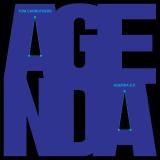
With Agenda EP, Tom Carruthers closes a landmark trilogy on Skylax Records, following Neutralise EP and Deepline. Three records. Fifteen tracks. One coherent vision of machine-driven house music stripped to its raw, functional core. This final chapter dives deeper into direct, club-focused energy, where groove, repetition and tension do the talking. Agenda is less reflective, more physical — built for movement, sweat, and long transitions in dark rooms. Opening track “Chrome” sets the tone: sharp drum programming, metallic pressure, and looping synth phrases that lock the body into motion. “Agenda (Raw Mix)” follows with a tougher, stripped-down approach — no excess, just pure rhythmic insistence rooted in early Chicago jack and warehouse discipline. “Beat Down” pushes further into machine funk territory, where relentless patterns and rugged textures meet in hypnotic repetition. On the flip, “Fade Away” brings a deeper, moodier tension — a late-night track where subtle emotion seeps through minimal structures. Closing cut “What You Want” is classic Carruthers: jacking drums, understated melody, and a groove that feels timeless rather than retro. As with the previous releases, the visual identity is handled by H5, whose modernist, reduced artwork mirrors the sonic philosophy: clarity, impact, and purpose. Agenda EP completes the Skylax trilogy as a statement of intent — not revivalism, not nostalgia, but dance music reduced to its essential elements.
Bei uns am Lager und sofort versandfertig

Hotshot producer D*v*d J*cks*n heroically revives the legendary Puss label, home to some of the most enticing, scandalous and straight out illegal dance music released across the
last 13 years, all supposedly masterminded by K*rn*l K*v*cs of St*d** B*rnh*s fame. Three reasons for this sudden revival: One trancetastic take on a deep cut from the queen of
Swedish pop, an instantly engaging UKG flip of an eternal dance hymn and, lastly, a rugged faux-Baltimorean nugget for all the Kittenz out there.
Bei uns am Lager und sofort versandfertig
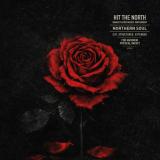
Hit the North is a DJs’ movement
Not a label. Not a revival. A discipline.
Over the years, the collective travelled across multiple states in the US and parts of the UK, digging deep into private collections, basements, garages, storage rooms and forgotten boxes.
They weren’t looking for classics.
They weren’t looking for hits.
They were looking for attempts.
Artists chasing something bigger than themselves.
Trying to sound like Motown.
Trying to sound like Detroit.
Trying to sound like the records that saved them.
Many of them dreamed — at best — of becoming a one hit wonder.
Most never got that far.
Some never crossed a state line.
Some never crossed the street at the end of their block.
Some never played outside their hometown.
Some never played at all.
What they left behind were fragments.
Raw versions.
Unfinished recordings.
Alternate takes.
Rejected mixes.
Test pressings.
Acetates passed quietly from hand to hand.
Sometimes with real credits.
Sometimes with fake ones.
Sometimes with handwritten labels leading nowhere.
Titles that didn’t match the music.
Stories that changed every time you asked.
Often, the trail simply disappeared.
What remained was intention.
Energy.
Urgency.
Hope pressed into sound.
So the collective worked on it.
They edited certain parts.
Extended others.
Cut what didn’t serve the floor.
Not to modernise.
Not to rewrite history.
But to unlock the power that was already there.
The result sounds like Northern Soul pushed to its breaking point.
Fast. Physical. Emotional.
Built for movement.
Some circulated privately.
Others were never pressed at all.
Recorded in personal studios, borrowed studios, friends’ rooms, temporary spaces.
Always outside the system.
This is not nostalgia.
This is unfinished business.
Bei uns am Lager und sofort versandfertig
Mad Rey is a Paris-based producer and DJ whose universe moves freely between warm house, raw electronic textures, and influences drawn from the international club scene. First emerging through the D.Ko Records collective and label—one of the key forces behind the French house revival of the 2010s—he quickly developed a sensitive and organic signature, blending analog groove, evocative melodies, and a deep dancefloor energy. His notable releases on D.Ko, followed by projects with labels such as Red Lebanese and Ed Banger Records, reflect a singular trajectory at the crossroads of France’s most influential underground and electronic scenes.
Constantly evolving, Mad Rey is now opening a new chapter in his journey. An upcoming EP on Yoyaku affirms a more club-focused and percussive direction, while new productions leaning toward tech house outline a sharper sound designed for powerful systems and late-night dancefloors. This evolution comes with a clear ambition: to carry his music beyond French borders and expand his presence on the international stage.
Balancing production precision, DJ instinct, and an ongoing search for renewal, Mad Rey continues to shape a distinctive artistic world—rooted in the present yet firmly oriented toward the future of the dancefloor.
Bei uns am Lager und sofort versandfertig
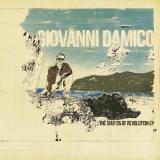
Originally released in the height of the underground disco revival, The Sounds Of Revolution EP has since become a sought-after modern classic. After years out of circulation — and with original copies now trading hands for €80-100 on the second-hand market — this long-requested EP finally returns to vinyl.
Italian producer Giovanni Damico (aka G-Machine / Ron Juan) delivers four timeless boogie cuts that perfectly bridge vintage Italo, cosmic disco and modern club energy. From the euphoric synth hooks of the title track to the robotic funk of “Italians In A Line”, this EP captures everything that made Damico a staple in DJ bags across Europe.
Carefully reissued for a new generation of selectors, this release is equal parts heritage and dancefloor weapon — essential for fans of Italo, nu-disco, boogie and anyone building a serious disco collection. Expected shipping: End of May/begin of June 26.
Bei uns am Lager und sofort versandfertig
DJ Support: Kerri Chandler, Folamour, Louie Vega, Jazzy Jeff, Dimitri From Paris, David Morales, Dave Lee, The Shapeshifters, Brian Tappert, Quentin Harris, Michael Gray, Terry Hunter, Hector Romero, Tedd Patterson, Dr. Packer, Marcel Vogel, Dj Pippi and many others
Groove Culture main men Micky More and Andy Tee are once again at the controls as the label presents its' Third collection of “Groove Is In The Heart”. As with the popular imprint's various EPs, the focus is on joining the dots between organic house, revivalist disco, uplifting dancefloor soul and colourful jazz-funk. There's much to admire from start to finish, a very strong bunch including MM & AT,Gianni Bini and Angela Johnson celebratory cover of EWF swirling disco-funk ‘In The Stone', a wonderfully rolling and funky-House joint titled ‘Let The Rhythm’ from Ralph Session & Djfudge, Memi P. And Gisele Jackson tasty Feel Good Classic-house Tune “Make It On My Own” and the soulful-house warmth of Audiowhores ‘Touch The Ground' Feat. Angela Johnson.
Bei uns am Lager und sofort versandfertig

Cititrax release Sand Clock, the new full-length album by Men With Secrets, the Italian trio of Donato Dozzy, Lino Monaco, and Nicola Buono (Retina.it). Originally emerging from a shared background in experimental techno under the name Le Officine Di Efesto, the three musicians turned toward classic post-punk, minimal wave, and synth-driven pop with the formation of Men With Secrets. Their debut album Psycho Romance (2020), released on Bunker Records, introduced a meticulously produced body of work that felt like a rediscovered European darkwave recording from the early 1980s—yet was entirely contemporary in its construction.
With Sand Clock, the trio deepen this language. The album leans more directly into the melodic clarity and romantic tension of late-80s and early-90s darkwave and synthpop while maintaining the stark restraint that defines the project. Icy synthesizers, shuddering basslines, and precise drum machine programming frame baritone vocals that are intimate, emotionally exposed, and quietly apocalyptic.
Balancing pop structure with gothic atmosphere, Sand Clock moves between shadowed dance floor momentum and solitary headphone introspection. It is not an exercise in revivalism, but a continuation—an acknowledgment that the emotional architecture of that era remains unresolved and still relevant. Written and produced by Donato Dozzy, Lino Monaco, and Nicola Buono and recorded in Rome and Pompeii.
The vinyl edition is pressed on clear 160-gram vinyl, limited to 500 copies worldwide. Each record is housed in a heavy printed jacket with a printed inner sleeve.
Bei uns am Lager und sofort versandfertig

Daniele Baldelli and Jolly Mare come together for a record that feels less like a collaboration and more like a shared state of mind. Flusso Uno moves through Afro-cosmic kraut-inflected psychedelia and cinematic electronics with a natural, unforced flow, where rhythm, texture and narrative all pull in the same direction.
Rather than referencing the past, the EP treats it as a living language. The longform, ritualistic percussion of early cosmic dance culture meets the hypnotic motorik pulse of krautrock and the more structured, sample-driven tribalism that followed in later decades. What ties it all together is a deep sense of atmosphere and intention: music that feels physical, emotional and quietly transportive.
“We particularly focused on ritual percussions, hypnotic grooves and suspended atmospheres, trying to blend musical anthropology, auteur electronics and narrative instinct.”
Dhol Parade opens the journey like a slow-burning procession, drums circling and expanding as if guiding the listener into another space. With Icari the perspective lifts, melodic lines drifting and tilting, constantly searching for balance between gravity and flight. Huldufolk pulls everything back into a shadowy, nocturnal zone, where textures feel half-real, half-imagined.
Finally, Viaggio Tascabile loses the record in a quietly reflective way, a compact voyage that sums up the EP’s philosophy: small in scale, deep in meaning. Flusso Uno is not about nostalgia or revivalism. It is about taking the spirit of cosmic culture and letting it breathe in the present, where storytelling, dancefloor intuition and sonic exploration still meet. A record made for open ears, open minds and long nights.
Bei uns am Lager und sofort versandfertig

Imagine it’s 1987.
The neon is glowing, the lasers are cutting through the smoke, and space synth is ruling the dancefloors. Laserdance just dropped their groundbreaking album “Future Generation.” Tracks like “Power Run” and “Humanoid Invasion” are setting clubs on fire, and every bedroom producer dreams of reaching that cosmic perfection.
And in this athmosphere Spacehawk appears shining like an alien spaceship.
Behind the name Spacehawk stands Swedish producer Anton Eriksson, a modern-day craftsman of analog dreams. In his vast studio, packed with vintage synths and drum machines, Anton creates electronic masterpieces so authentic, so rich in melody and power, that even Michiel van der Kuy himself, the godfather of the genre, decided to collaborate with him.
The result? “Space Patrol” – a landmark single that bridges generations of synth lovers.
On the A-side, you’ll find Anton’s stunning original version, pulsating, melodic, and bursting with energy. Flip it over, and you get a remix by Michiel van der Kuy that feels like a time warp straight back to the golden age of Italo-space glory.
“Space Patrol” has it all: soaring melodies, driving basslines, hypnotic rhythm, and that unmistakable intergalactic energy that makes you feel like you’re racing through the stars.
Fans of Laserdance, Rygar, Koto, Syntech, and all things van der Kuy will instantly recognize the DNA of true space synth excellence here.
To top it all off the single comes on a bright yellow vinyl, housed in a stunning retro-futuristic sleeve that looks like it beamed in straight from 1980s sci-fi.
It’s not just a release. It’s a revival.
And if space synth runs through your veins, this is one you simply can’t ignore.
Bei uns am Lager und sofort versandfertig

2026 Repress
Back in 1988, disco rap aficionado and collector Dave Lee put together a compilation titled 'Back To The Old School', showcasing some of the best of the genre, most of which had never been issued before in the UK . Fast forward to 2025 and Dave's label Z Records has managed to procure the rights to a few choice old school cuts for a (sort of) follow up. The difference is this time Mr Lee has remixed and re-worked the songs for today's dancefloors while preserving their original flavour and integrity. In this first part of the series we have TJ Swann's 1981 jam 'Get Fly', re-tracked and taken into lo-slung yacht rock funk territory with a sizzling synth solo for good measure, a perfect compliment to TJ's smooth NYC flow. Terry Lewis & Wild Flower are up next on the A-side, with a boogie rich, mid-tempo stomper with a heavy funk bottom end and a message that still rings true in this day and age. Mike T's 'Do It Anyway You Wanna' finishes things up with a compulsive dose of jazz-tinged disco rap that goes straight for the jugular, super charged slap bass underpinning sharp sax and flute motifs while the rich tones of Mike T slide over the top. Dave Lee yet again providing a masterclass in production.
Bei uns am Lager und sofort versandfertig

2026 Repress
Step onto the dancefloor and relive the golden age of club culture with the revival of Jon Pleased Wimmin’s iconic anthem “P.A.S.S.I.O.N,” brought back by Full Circle in a brand-new package of remixes. Following the success of the Tin Tin Out Mix reissue in 2023, this release features fresh reinterpretations from some of today’s most exciting names, including the legendary Demi Riquísimo and a brand new remix from Jon himself with Paul Morrell, a triple platinum selling remixer, for the likes of Ava-Max, Kelly Clarkson, All Saints & Troye Sivan.
Jon Cooper, universally known as Jon Pleased Wimmin, became a defining figure of the UK scene thanks to his flamboyant presence and finely tuned knack for getting the party started.
From his beginnings as a face on London’s late-80s dancefloors, Jon made the leap from clubgoer to DJ in 1991 with his Cabaret act The Pleased Wimmin, catching the eye of Danny Rampling and securing sets at the legendary Milk Bar. His unmistakable style, fearlessness behind the decks, and sheer love of music led to him touring the world, being voted 6th in DJ Magazines' Top 100 DJ poll and reaching Top 30 with the original release of P.A.S.S.I.O.N. He is still playing out weekly across Europe & the U.K.
With Full Circle’s revival, P.A.S.S.I.O.N bridges past and present, paying tribute to Jon’s legacy while propelling the track into a new dimension. Alongside Demi’s deep, groove-heavy rework, the package also includes a brand-new Jon Pleased Wimmin & Paul Morrell Remix, road tested by Jon this summer at Pikes & 528 Ibiza, which injects fresh energy and an edge while staying true to the spirit of the original.
This isn’t just a reissue; it’s a chance to own a piece of dance music history, reimagined for today’s floors. Grab your copy, feel the groove, and let these remixes guide you back into the feeling of where it all began.
Bei uns am Lager und sofort versandfertig

Barcelona’s Egyptian Greyhound and Berlin-based Ziel join forces in search of a modern sound rooted in the spirit of classic dancefloor cuts. Riding the revival wave, their EP blends Progressive, Trance, and Balearic elements with Classic House undertones.
A1 – Ziel’s "Divinity" is a sensual vocal track, channeling the eroticism and transcendentalism of past eras. Straddling the line between after-hours soft-trance and progressive house with Hi-NRG ambition, it delivers a compelling emotional punch.
A2 – "A Life in Paradise" follows in tone but leans further into Classic House. Less Hi-NRG, more warmth — it’s a strong warm-up tool, ideal for building energy early on.
B1 – "Nature Dancer" by Egyptian Greyhound brings a powerful kick and drum groove for peak time, combining Balearic colors and trancey aesthetics to ignite the dancefloor.
B2 – "Ace of Swords" sees both producers come together for a trippy, acid-tinged closer that fuses deep Trance and Balearic moods into a dreamy final statement.
Bei uns am Lager und sofort versandfertig

Franky Wah, a Yorkshire native, epitomises contemporary club culture with chart-topping releases blending emotion, dance energy, and catchy hooks. His global performances include renowned venues and festivals and operating his own label, events company, and clothing brand 'SHÈN'. His contributions to club culture and his entrepreneurial ventures highlight his versatility and commitment to pushing the boundaries of electronic music.
Releasing on his own imprint, SHÈN Recordings, ‘The Revival, Vol. 2’ is a sequel to ‘The Revival, Vol. 1’ which was released in 2020 and included records such as ‘Come Together’ which cemented his place amongst the dance heavy hitters and has subsequently led to global recognition.
Bei uns am Lager und sofort versandfertig

As the tenth candle flickers atop the torta alla panna, Archeo Recordings play the Uno reverse card, breaking with tradition to give us a gift in celebration of its birthday: the first in a series of exquisite EPs on which the label's favourite contemporaries pay homage to past masters. Each re-polished gem is plucked either directly from the beatific back catalogue of the fine Florentine label or is at least Archeo-adjacent, perhaps a sign of future wonders to come. Like a musical version of Janus, who can be found at the heart of Bertoldo di Giovanni's frieze in the Medici villa, Archeo Recordings will continue to look forwards and backwards to provide sublime sounds for us all.
Pepe Maina officially joined the Archeo family in 2019 with the much-needed reissue of his 1979 masterpiece Scerizza (AR015), but his astounding music has been a constant companion to label head Manu for much longer. An inter-dimensional, multi-instrumental maverick, Maina weaves the frayed edges of prog rock, new age, organic jazz and global minimalism into a shimmering tapestry all of his own. The results are spread across fifty years and almost as many albums, largely self-released and always absolutely untarnished by commercial concerns.
Based in a small village in the hills of Brianza, just north of Milan, Maina translates the beauty of his surroundings into transformative tone poems, and the folkloric fusion of "The Infinite", originally released on his 2014 CD Tales From The Hill, is the perfect example of his practice. It opens with a recitation of Giacomo Leopardi's 1825s poem "L'Infinito" by famed Italian actor Vittorio Gassman. A leading figure in the romantic movement, Leopardi explores the idea of time and space within the natural world, and the peace that comes with an appreciation of the immensity of eternity. Manu, longtime digger and now a burgeoning producer, expands upon the original with tribal percussion, chirping electronics and a spheric bassline, folding Maina's elegant strings and gossamer pads into a new arrangement suited for a slow dance under the stars.
Unless you had a well-trained ear tuned to Italy's avant-jazz scene, chances are your first encounter with innovative flautist Roberto Aglieri came via the 2017 Archeo reissue of hisalmost untraceable LP Ragapadani (AR011). It's a true testament to Manu's digging credentials that he snatched this masterpiece out of the esoteric atmosphere and brought it attention it so richly deserved. A delicate union of digital synthesis and versatile flute - be it soft and silvery or
brilliant and clear - the 1987 album was a shapeshifting masterpiece, replaying scenes from Virgil, Verdi, Visconti and Pasolini with a neon glow. Quintessentially Italian, but uncanny and previously unimagined - Penthouse and Portico perhaps. Powered by a percolating prototechno sequence, cascading keys, hallucinogenic vocal snippets and a variety of tonal timbres from Roberto's reed, "Danza N. 1" long deserved the praise reserved for Jean-Luc Ponty's pinnacle, so many thanks to Manu for our collective introduction. The tall task of reinterpreting this particular paragon falls to Perugian polymath Daniele Tomassini AKA Feel Fly, whose peerless skills as both producer and musician have delighted DJs and dancers alike. Hot on the heels of his diverse and definitive remixes of Tony Esposito for AR027, Daniele delivers a radical rework of "Danza N. 1" perfect for both day rave sunshine and full moon party alike. Enhanced by snapping breaks and a rattling kick, the bassline gurgle emerges as a progressive powerhouse, laying the foundation for the trilling flute and circular keys to cast a psychedelic spell. As the slow-Goa revival picks up pace, this one is way ahead of the pack.
Archeo take us all the way back to the start of its story here - well almost. Though it bore the stamp AR001 (2015), this Radio Band reissue actually hit shelves months after Tony Esposito's "Je-Na' / Pagaia"; a false start perhaps but a true classic all the same. Radio Band were a group of DJs from Florence who all sailed the airways of Radio Fantasy in 1984 and whose one and only release was this super groovy slice of Italo-boogie. Following the example of Milanese DJs Band of Jocks but far surpassing their formulaic funk fizzle, Radio Band employed an intergalactic bassline, cosmic keys and that undeniably Italian style of rapping to deliver a sophisticated party-starter which even found its way to disco deity Ron Hardy. Back to the here and now, and if you've found yourself pumping an ecstatic fist to a supercharged Italian epic of late, chances are its from the mind of the mysterious Radiomarc. Operating on the ascendent Popcorn Groove imprint, this shadowy figure steers his country's lost classics into peaktime territories, finding a sweet spot between late Italo-disco, early Italo-house and contemporary cool. Pushing the tempo with a club-ready 4/4, setting the sequencer to stun and supplementing the original melodies with a series of synth riffs, the mystery producer send this one into orbit. Radio Band - Radio Rap - Radiomarc, the circle is complete.
Few have done more to develop cross-cultural musical exchange than Futuro Antico. A collaborative venture from musician, archeologist and ethnomusicologist Walter Maioli, keyboardist and tonal theoretician Riccardo Sinigaglia and multi-disciplinary artist and composer Gabin Dabiré, Futuro Antico formed in Milan in 1979, combining ancient international folkloric traditions with otherworldly electronics. The result is an arresting melange of Mediterranean, African and Asian instrumentation, mimicked by esoteric synth tones and hypnotic minimalism, which the group perfected on their acclaimed 1990 LP Dai Primitivi All'Elettronica. The meditative and transportive "Pan Tuning" belongs to their largely overlooked 2005 CD only release Intonazioni Archetipe, and has been amongst Manu's most loved tracks from the first moment he heard it. Who else is better placed to reshape this evocative opus into an immersive, transcendental dance floor journey than label favourites Mushrooms Project? The duo sows the original elements into a sprawling fifteen minute fusion of séance and science, at times propulsive with a ritualist rhythm of tuned percussion and crunching drum machine at others drifting off into ethereal ambience. Mushrooms Project continue to push the boundaries of the Afro-cosmic style, and this remix marks a new zenith.
Bei uns am Lager und sofort versandfertig
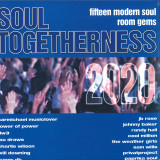
Expansion’s most successful and longest running compilation series returns with its 2020 collection. It’s the 20th Anniversary edition. The concept remains, the tracks better than ever, fifteen must-have modern soul room gems telling the story of the past 12 months. Tracks here have topped UK soul charts including many that have not been available in all formats. Participants this year include Charlie Wilson (biggest dancefloor spin before lockdown), Tower of Power, Will Downing, Randy Hall, JB Rose The Weather Girls, and Sam Wills all prolific on soul radio through the summer with other artists delivering signature songs of 2020. Then there’s the biggest revival track of the year from Johnny Baker, “It’s Your Night”, the 300 copy limited edition 7” pressing now exchanging hands upwards of £50 a copy.
Bei uns am Lager und sofort versandfertig

New Release "Gypsy Heart / Beautiful Lies SKYLINE RECORDINGS Is proud to be release another OG banger from the wonderful Ms Betty Black "Gyspy Heart" is a driving dancer with sassiness and flair, just how Betty like it. Power vocals with a punching back beat, screaming for the dance floor. Betty goes back to the beginning when Rhythm met the Blues under the watchful eye of Gospel and the African-American Spiritual. It's mystical and cinematic but gutsy, and funky to boot! Roots Revival Soul with a sophisticated twist. On the flip "Beautiful Lies" Perfect song, uptempo dancer - which throws you staright into a story, where Ms Betty Black takes you into another world, but one that so many women, in particular, can relate to - another strong vocal mover, with a motown overtone. Summer fun. SL45030 x400 copies includes paper insert slv "I always expect excellence from her and she's delivered again" - Craig Charles, The Craig Charles Funk & Soul Show, BBC Radio6, 01.06.24...
Bei uns am Lager und sofort versandfertig
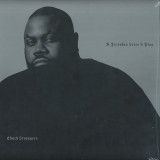
"...too G to take a knee, still I gave you all of me.”
A pivotal force in the early ‘10s NYC rap revival, now LA-based rapper and producer Chuck Strangers steps into the limelight on new solo LP A Forsaken Lover’s Plea.
The album sounds markedly lush, candid rhymes bolstered by a slew of guest producers—including The Alchemist, Animoss and Strangers himself. Chuck’s own production feels current without ditching its previous homeliness, a seamless compliment to his honest, lived-in raps.
A Forsaken Lover’s Plea is laced with guest verses from a collection of fellow New York rap torchbearers, from Pro Era comrade Joey Bada$$ & Flatbush Zombies' Erick the Architect to Queens’ own Remy Banks.
Strangers’ tangled romance with hip-hop is the crux of the project—the culmination of a decade’s unwavering dedication to his craft, with its lofty highs, inevitable lows, and rough lessons of humility, patience, and process.
It’s Chuck’s most comprehensive solo project since Consumers Park, his 2018 debut, and follows The Boys & Girls EP, released May 2023.
A Forsaken Lover’s Plea is available on heavyweight green vinyl, silver tape and CD.
Bei uns am Lager und sofort versandfertig

Like a phoenix from the ashes, or Ukrainian culture after centuries of demolition, the Kyiv based label Noneside Records is experiencing its revival and rebirth. After all, «Nothing will stop an idea whose time has come» - these words of chief Stepan Bandera make it clear to everyone: if you really burn with sincere emotion for your dream - no difficulties will stop you on the way to its realization.
Five unique tracks from Slava Los, Yevhenii Loi, Lostlojic, Luschn and aqua. - is a tech house with elements of trance with soul and passion from musicians who write music despite the war. Visualization of the whole action on the record is the picture «The hug» by the Lviv artist Oles Derega.
Slava Los makes his debut on vinyl with the beautiful track «Snus» - old school trance in the best traditions. The author now defends the borders in the ranks of the Armed Forces of Ukraine, so he decided to fulfill his old dream about the vinyl. Yevgeny Loi is also currently in the military, but this did not prevent him from making a new version of «Bounce» - a trance for a slow, erotic dance mood. Lostlojic, who is also the art director of the project, recalls the important message of «Send Me F16» in the uncompromising track of the same name, or rather in its VIP version created especially for the release.
Known to vinyl collectors for releases on Deeptrax and Infinite Pleasure. Luschn, a Kyiv legend and mega productive musician, known to tech house maniacs for his releases on Vector.Kyiv and Noneside, invites you to have fun and crazy dances with friends to his rehearsed «Ostinato Transdanz». Newbie aqua. has a unique recognizable style, where the rhythm is constantly changing in each track, nostalgic for the favorite place of childhood - near the Hydroelectric Station in Zaporizhzhia, crazy beats and steppe motifs in the track «H.E.S.».
Bei uns am Lager und sofort versandfertig

MINT !
Long awaited retocks from BTB 06 ! Turntablsim goldenage revival !
Bei uns am Lager und sofort versandfertig

At times where technology inexorably infuses into humankind, Ammar808’s next adventures lays within the realms of Stambeli’s invisible creatures, an old genuine Tunisian tradition that has roots spreading out within the depths of the African continent.
Stambeli is a Tunisian musical therapeutic ritual that was implanted by afro-descendant communities. During the ceremonies, music, dance and chants are blended so as for some participants to reach the alternate state of trance while they are possessed by super natural entities. It is a syncretism between Islam and animist Yorisha religion’s voodoo beliefs, that has been disseminated during slave trade by Yoruba populations originating from current Benin’s gulf. Stambeli is a precious legacy the symbolizes the outstanding diversity and complexity of the North-African identity.
Using drum machines and analog synthesizers, he summons super natural creatures to visit our material world and taste human incarnations, form the audience’s collective experience. The album features vocals and gumbri from Bellassan Mihoub, who inherited his father’s knowledge and mastery, and currently embodies the avant-guarde of Stambeli’s revival. Two additional choristers round off the stage band, also playing the krekebs: these are pairs of large castagnet-like instruments oscillating in the limbo between binary and ternary rhythmic patterns. They breathe life and motion into this pagan communion, blessed by VJ Sia original visuals synchronized to the thundering music.
Super Stambeli is a contemporary interpretation of the Stambeli traditional repertoire, processed through a time-travel washing-machine, a parallel-dimension earthquake portal, that aims to echoes ancestral ceremonies through sub-harmonic speakers. It’s a dialogue between the wailing of the gombri, known to call for the spirits to descend into the bodies of the participants, but this time AMMAR808 directs them straight into the digital circuits of his clockwork-crafted machineries.
Bei uns am Lager und sofort versandfertig

For the first time ever repressed on FullTime Production the iconic disco record "Easy Going" by Easy Going!
That's a brand-new great landmark for the label as "Easy Going" set a milestone in the italian Disco culture.
If at the end of the Seventies you were at Piazza Barberini in Rome at night, you would have come across a small but crowded club half-hidden in the ascent of Via della Purificazione, a trendy gay club with elegant Fassbinderian furniture, but also a night crossroads for many prominent characters of the cultural and artistic life of the eternal city and a regular stop for the most popular national DJs at the time. Easy Going creature was founded by Claudio Simonetti (Goblin), as a homage to the place mentioned above.
The homonymous 33 rpm debut of 1978 is remastered and repressed on a glossy white vinyl and due next December 13th on FullTime Production!
It features the original LP cover highlighting the mosaic of masculine struggle between a sailor and a strictly naked policeman , photographed in the Roman club.
The music explodes with the piece that will define the group par excellence: "Baby I Love You" also released as the first single, sung by a very filtered voice on a hypnotic rug of keyboards and a captivating melody that define a real masterpiece of italian disco and beyond. The same goes for the remaining three tracks of the album, which are also set to set the dance floor on fire: "Do It Again" is pure dance from Studio 54 and on the flip side, Creedence Clearwater Revival's cover "Suzie Q" and the ballad "Little Fairy".
Bei uns am Lager und sofort versandfertig

Originally released in 1989 with the tagline “Bringing house music into the living room,” Fade Out is a landmark Japanese pop/club crossover produced by Haruo Chikada. At the dawn of Japan’s club culture, the track became a staple around Tokyo’s legendary Shibaura GOLD scene, widely embraced as a “danceable kayōkyoku (Japanese pop)” classic.
Today, among European diggers, Japanese techno kayō is undergoing a strong revival and growing reappraisal. Positioned at the heart of this movement, Fade Out now sees its long-awaited official release, featuring previously unreleased remixes with Soichi Terada, Haruo Chikada & OMB.
Performed by Kyoko Koizumi - still evolving as a cultural icon in Japan - Fade Out stands as one of her defining works and a key contribution to the Japanese underground music scene. A timeless piece, ready to be rediscovered in 2026.
1989年、「お茶の間にハウスを」をキャッチコピーに、近田春夫プロデュースのもと日本で発表された、小泉今日子「Fade Out」。
本作は日本のクラブシーン創世記において、芝浦GOLD周辺で「踊れる歌謡曲」として支持を集めた重要作です。
現在ではヨーロッパのディガーたちの間で再評価が進み、リバイバル真っ最中の「和製テクノ歌謡」ムーヴメントの中核を成す楽曲ともいえる本作が、秘蔵リミックスを収録し待望の公式リリース!
現在進行形で日本のカルチャーアイコンとして更なる進化を遂げているキョンキョンこと小泉今日子による、ジャパニーズアンダーグランドシーンでの貴重な功績のひとつであり代表的な国宝級ワークスを是非!
2026年のあなたのお茶の間にお迎えしましょう。
Bestelle jetzt und wir bestellen den Artikel für dich beim Lieferanten.
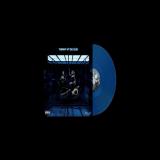
FLO are leading the modern revival of the British girl group — and doing so at a scale not seen in over two decades. With over half a billion global streams, the trio have delivered the highest-selling tour by a British girl group in more than 20 years, becoming the first since the Spice Girls to reach that milestone. They are also the first British girl group to receive a Grammy nomination in two decades, alongside three MOBO nominations in 2026, cementing their status as both a commercial and cultural force. Rather than simply revisiting the past, FLO are reshaping the possibilities for what a contemporary girl group can be.
Comprised of Renée Downer, Stella Quaresma and Jorja Douglas, FLO’s story is one of intention, craft and deep-rooted connection. The trio had long been aware of one another through theatre school circles, social media and shared creative worlds before coming together as a group in 2019. That early familiarity quickly grew into a sisterhood, shaped behind the scenes through years of studio work, vocal development and trust. Raised by strong single mothers and immersed in performance from a young age, each member brings resilience, emotional intelligence and discipline into the group — qualities that underpin both their sound and their dynamic.
Individually, FLO’s balance comes from contrast. Renée is the group’s compass: composed, business-minded and creatively precise, grounding the trio with clarity and vision. Stella is the spark and the glue — sociable, emotionally intuitive and collaborative — shaped by a childhood between England and Mozambique where music was communal, expressive and felt. Jorja is the fire: outspoken, instinctive and vocally commanding, with a natural ear for harmony and arrangement. Their roles shift and evolve, but together they form a unit built on mutual respect, honesty and shared authorship.
That chemistry is central to FLO’s music. Drawing from classic R&B and soul while pushing it forward through modern production, their sound centres vocal harmony, emotional nuance and storytelling that reflects the realities of young womanhood. FLO reject the idea that strength requires emotional distance; instead, they explore power through vulnerability, confidence and control. From independence and self-worth to intimacy and desire, their writing is direct and unapologetically theirs. As Jorja puts it, FLO are “the brains, the heart and the soul” behind everything they do.
The success of their debut album marked a defining moment — not only for FLO, but for British pop more broadly. It confirmed the appetite for harmony-led, female-fronted groups operating with creative agency, and propelled FLO onto global stages, from sold-out headline tours to major festivals and international television. Along the way they have earned respect from R&B legends and peers alike, performing during Grammy Week for icons including Mariah Carey, Brandy and Chaka Khan, and showcasing their vocal chemistry on NPR’s Tiny Desk — a moment that further underlined the trio’s technical precision and emotional depth.
With their next chapter, Therapy At The Club, FLO expand this emotional honesty into a fully realised creative universe. The concept reimagines the club not just as a place of nightlife, but as a site of release, confession and self-possession — encompassing the moments before, during and after the night out. From mirror affirmations and pre-game chaos, to late-night Uber conversations, dance-floor catharsis and the clarity of the morning after, Therapy At The Club captures how women process desire, heartbreak, confidence and healing in real time, together. It is both fantasy and reality: cinematic, fashion-led and emotionally raw, grounded in sisterhood as a form of survival.
Sonically, the new music leans into dark, euphoric R&B and pop with sharper edges, built on vocal mastery and diaristic storytelling. Lead single “Leak It” sets the tone for the era — playful, charged and unapologetically self-aware — exploring what happens when desire spills over, secrets surface and control is reclaimed. Across the new songs, FLO move fluidly between intimacy and euphoria, turning the club into a space where vulnerability is power and feeling everything is the point.
As a trio built on discipline, joy and deep creative trust, FLO represent a new model for the British girl group: one rooted in authorship, harmony and cultural impact. Balancing softness with strength and ambition with authenticity, they are shaping the future of R&B and pop on their own terms. FLO are not looking backwards — they are setting the standard for what comes next.
erscheint voraussichtlich am 24.07.2026
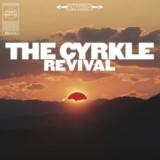
Sunshine pop pioneers and sixties hitmakers The Cyrkle ("Red Rubber Ball", "Turn-Down Day") return with their first album in half a century, their signature harmonies soaring on tracks like the indie hit "We Thought We Could Fly" and the new single "Dance With Me Tonight". It's not just nostalgia: The Cyrkle is singing for tomorrow.
erscheint voraussichtlich am 10.07.2026

Fresh Meat Records is proud to present the vinyl re-release of From Chicago With Love, a record originally produced and released by Mazi Namvar (aka Audio Soul Project) in 2004. Though it may have flown under the radar upon its initial release, the record has recently gained a cult following, with prices on the secondhand market steadily climbing. A single copy now fetches as much as $170, with a recent test pressing selling for $100. Recognizing the demand, Fresh Meat Records has gone to work offering a beautiful repress of the record—one that truly does justice to the original while adding something special for long-time fans and newcomers alike.
From Chicago With Love Reprise is a celebration of a classic with a new dimension. The record includes a fresh fourth track, “Murmurs Low,” which features the saxophonist Jimmy Tripp and a spoken word performance by Mazi. Together, they add a soulful and atmospheric touch to the original, expanding the sonic palette while retaining the deep, intimate energy of the original release.
The tracklist remains faithful to the original with the standout “Tattoo Of You” leading the way on the A1 side, sounding better than ever thanks to an impeccable re-cut by Lawrie Dunster at Curve Pusher. The deep grooves of “Tattoo Of You” still deliver their deep and mesmerizing house vibes, setting the tone for the rest of the release. In the A2 position, “Murmurs Low” provides a captivating, subdued moment, with the saxophone adding a melodic layer to the evolving rhythm that makes this track truly memorable.
On the B-side, “Down” takes its rightful place as the first track, maintaining a dubby soulful drive and emotional call to action. Closing out the record is “Let Me Know,” a track that brings the journey full circle, providing the perfect outro for the reissue and reminding us why this record is still beloved.
In creating From Chicago With Love Reprise, Mazi Namvar has ensured that every detail is accounted for, from the masterful cutting by Lawrie Dunster to the selection of 8 different color sleeves, offering something for both collectors and music lovers alike. The reissue ensures that this classic can now be enjoyed at a reasonable price, far more accessible than the inflated prices on Discogs. This new pressing is a labor of love, showcasing not only the timelessness of the original tracks but also the care that has gone into its revival.
Whether you’ve been following Mazi Namvar’s work for years or are just discovering this release for the first time, From Chicago With Love Reprise is a powerful reminder of the depth and beauty of house music’s rich history, as well as the enduring passion that drives artists to continue creating for the dancefloor. Get ready to experience this iconic record in a whole new way—one that honors the past while looking forward.
Written, produced, performed, mixed, and arranged by Maziar Namvar.
Additional keys on A1 by Joshua Collins.
Saxophone on A2 by Jimmy Tripp.
Vocals on B1 by Lori Reigler.
Copyright Control
2025 Fresh Meat Records
Bestelle jetzt und wir bestellen den Artikel für dich beim Lieferanten.

Ten years ago, Anderson .Paak didn't just release an album; he staged a full-scale takeover of the soul and hip-hop landscape. Released on January 15, 2016, Malibu served as the definitive arrival of an artist who had spent years grinding in the underground before a star-making turn on Dr. Dre’s Compton. While his previous work hinted at his potential, Malibu was the moment the world met the "Cheeky Andy" persona in full—a virtuosic drummer, a raspy-voiced crooner, and a sharp-witted rapper all rolled into one. The album is a sprawling, sun-drenched journey through the Southern California coast, blending 1970s funk, church-reared gospel, and gritty boom-bap into something that feels both nostalgic and entirely futuristic. With a heavyweight production lineup including 9th Wonder, Madlib, Kaytranada, and Hi-Tek, the record maintains a warm, analog texture that was a breath of fresh air in an increasingly digital era. It’s an album that breathes, full of intentional imperfections and the kind of "in-the-pocket" groove that can only come from a seasoned live performer. Beyond the infectious, dance-floor-ready energy of tracks like "Am I Wrong" and "Come Down," the album is a deeply autobiographical masterwork. .Paak uses the 65-minute runtime to unpack his life story with startling clarity, touching on his mother’s gambling addiction, his father’s incarceration, and his own brushes with homelessness with a sense of resilience that never feels heavy-handed. He weaves these heavy themes through a lens of triumph, grounded by vintage surfing documentary samples that give the project its cinematic, coastal atmosphere. It’s a celebratory record born out of struggle, anchored by his impeccable technicality on the drums and a guest list—featuring ScHoolboy Q, Rapsody, and The Game—that feels hand-picked to complement his specific brand of West Coast swagger. A decade later, Malibu stands as a modern classic and the blueprint for the soulful revivalism that would eventually lead .Paak to global superstardom and Grammy-winning heights. It remains a testament to the idea that the most profound music often comes from the most personal places, proving ten years on that the best way to move forward is to stay rooted in the groove.
Bestelle jetzt und wir bestellen den Artikel für dich beim Lieferanten.

Vol.2[13,03 €]
Network 23 Recordings proudly unveils its first full digital album release since its revival in partnership with Triple Vision Distribution. It will also release as 3 Vinyl EP's over the course of this year.
Better Than Drugs, the latest album from Crystal Distortion, delivers a high-impact sonic snapshot of both personal upheaval and the turbulent state of the world today. Framed by flashes of media soundbites old and new, the album tackles themes ranging from gentrification in Landlords Hooked On Crack (Breakbeat Version) to the right to protest in Got2StopThem, and the mass manipulation of society in The Chicken Strikes Back.
Launching with a hard-techno surge, the record moves fluidly through a spectrum of tough, mid-tempo rhythms, accented by breakbeats, electro-leaning syncopations, and bass-driven cuts like StepGPT-all while staying firmly rooted in dance-floor intent. Designed for movement and built for impact, Better Than Drugs is a versatile, high-energy release ready to ignite any setting.
Crystal Distortion is a pioneering force in the underground electronic music scene, known for fusing hard-driving techno, breakbeat energy, and improvisational live performance into a signature sound that helped define the European free-party movement. His work blends raw analog textures with relentless rhythmic experimentation, creating high-intensity sets that feel both chaotic and meticulously crafted. As a long-standing member of the Spiral Tribe collective, he has influenced generations of producers and performers, pushing the boundaries of what electronicmusic can be in both form and context.

transparent green limited edition[34,03 €]
There are two versions of the record - classic black vinyl and transparent green limited edition (100 numbered copies) - both 180g with printed inner sleeve.
"PORTRETY" (Portraits) is a one-of-a-kind series – it focuses on artists known for their strong connection to the drums. Each person invited to the project is given freedom in their work. Ultimately, the track created for the album must be signed with the real names of our protagonists – that's our sole criterion.
This is how a kaleidoscope of sounds and eight original perspectives on music emerges.
LINER NOTES by Bartek Chaciński:"For part III of the compilation series focusing on Polish drummers, I’d like to start, as per usual, with a one liner…
There are three types of drummers: Those that can count, and those that… can’t.
Ok, but looking past the punchline, it turns out that there is, in fact, a third type: Drummers who can count, and pretty well too, but still struggle with triple rhythms. Amongst those who have ascended the heights of triple rhythm perfection you will certainly find, Piotr Gwader. One of the leaders of the movement, we could call an “Oberek Revival. He even proposed a new form: Footberk - splicing of Polish Folk dance and Chicago Footwork. He performed live with the OG of Footwork - RP Boo (Arpebu), but equally, he could successfully form a footberk duo with Jacek Prościnski, another protagonist from “Portraits 3”. Prościnski has been deeply immersed in the world of electronic dance music for years and offers us yet more proof of those interests here.
Triplets are also no stranger to Ola Rzepca (synonymous with the Drekoty Trio), in whose music there is no shortage of rhythmical complications and tempo changes. The same can be said of the improv-friendly contemporary jazz presented by Patrycja Wybrańczyk. These two Polish drummers show how versatile this discipline is on the Polish jazz scene. These qualities have already been well documented by Marcin „Groh” Grośkiewicz, but never so strongly as here.
Szymon „Pimpon” Gąsiorek is a musician who has made unconventionality the foundation of his individual style. Yet even in the piece by Jan Pieniążek (a dynamic and equally versatile drummer), we find an element of surprise in its melancholic atmosphere and construction, which introduces a triple rhythm while pushing the drum parts into the background. Portraits, on the other hand, does the complete opposite with its protagonists - it positions them in the foreground as the creators of specially commissioned original works. From this perspective, perhaps the most familiar names here may be Emade and Albert Karch, who are known as outstanding music producers and among the most interesting in Poland. “Portraits III” has presumably given them a momentary break from producing other artists, while for the music industry, it’s also a pleasant break in the rhythm and a shift of emphasis."
erscheint voraussichtlich am 29.05.2026