Mr Bongo proudly presents, ‘AFIM’, the second solo album by one of Brazil’s most exciting new talents, Zé Ibarra. You may be familiar with the hypnotic, entrancing tones of Ibarra’s vocals through his work with the Latin Grammy award-winning, four-piece, Bala Desejo and the band Dônica. He has also toured with the musical titan, Milton Nascimento, performing guitar and vocals, which is quite the honour and a testament to Ibarra's craft. As a solo artist, he has performed headline solo shows in Japan, Portugal and the US, as well as recently completing a support tour with the great, Seu Jorge.
‘AFIM’ is comprised of eight tracks, featuring Zé’s own compositions as well as cover versions of tracks by contemporaries and friends, Sophia Chablau, Tom Veloso, and Dora Morelenbaum. It combines elements of MPB, jazz, pop and progressive rock in a bold, authoritative style. The album represents the intersection between different facets of the artist, from the stripped-down, intimate, guitar singer-songwriter, to dense arrangements with sweeping strings sections. Writing this album allowed Ibarra "to explore sides of myself that had not yet been organized in an album: a certain darkness, a more cinematic musicality, a desire for new soundscapes.
The album features the single, 'Transe', a song with an instantly comforting tone reminiscent of classic Brazilian songs of the past (think Caetano Veloso). It is built on a rhythmic guitar that supports dynamic sound layers, opening space for Ibarra's intense interpretation. Cinematic atmospheres that lend an air of mystery come courtesy of string arrangements by Jaques Morelenbaum.
His unique cover version of Sophia Chablau's 'Segredo' is equally compelling, taking Sophia's punky-indie original in a different direction and making it feel like his own. 'Essa Confusão', a song celebrating the intensity of love and co-written by Dora Morelenbaum, is steered into epic, 70's AOR, singer-songwriter territory with wind arrangements by Ibarra, Jorge Continentino and strings by Jaques Morelenbaum.
The album is the result of the collaboration of experienced musicians and long-time partners of Ibarra. Fellow Bala Desejo and Dônica member Lucas Nunes co-produced the album. The core band featured on the record consists of Lucas Nunes on organs, Alberto Continentino on bass, Daniel Conceição and Thomas Harres on drums and percussion, Rodrigo Pacato on additional percussion, Chico Lira on Fender Rhodes and Guilherme Lírio on guitar.
The overall feel of the record is archetypically quintessential without slipping into retro mode. It is a stunning album from one of the finest musicians of his generation. A true star of Brazil’s blooming contemporary scene.
Suche:daniel la ro
Dutch based producer Ivna Ji, originally from Croatia, and Mexican artist G13ck (Daniel Vela) introduce their joint imprint Parcela Sound with Archways, a six track release moving through complex rhythm structures, shadowy atmospheres, and deep low frequency currents.
The record balances wide melodic sweeps and distorted textures, building tension between restraint and intensity. Collaborations with Düsseldorf based saxophonist/vocalist Amber Pine and Italian/Dutch producer Riccardo Izzo (Fatalist/Flooder) bring vocals and lyrics into the record, giving it a more direct emotional pull.
The project was shaped mainly in Ivna Ji’s home studio with just a few instruments, including Moog’s DFAM and her favorite DSI Evolver, alongside sessions at Zarkoff’s Sensorium Studio, where she focused on mixing and heavily relied on the Sequential Prophet 6, which ultimately proved to be the key ingredient every track was missing.
Mastering was handled by Filip Motovunski, whose sharp ear and precision brought the record to life with clarity and impact, giving the low end full weight without losing the finer details.
Parcela Sound grew out of more than a decade of friendship and collaboration between Ji and Vela, first sparked by a casual exchange of thoughts and admiration developed over years of sharing ideas and supporting each other’s projects, including releases on Vela’s labels Aztlán and Baox. With Parcela, they created a platform that supports emerging and often overlooked artists, some of whom have become close friends over the years.
The artwork by Croatian designer Ugruv Smek, featuring a gecko motif, ties the launch to their shared roots and playful approach.
Archways marks the first chapter of Parcela Sound, a platform for music created with curiosity, care, and connection.
- A1: That Musician Thats Dead
- A2: Preference Is A Good Friend, Mind
- A3: No One Can Sing That Well
- B1: Last Herald
- B2: Mo**Real
- B3: Things Keep Happening
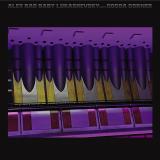
OOOOH! by Alex Bad Baby Lukashevsky with Cocoa Corner (2025)
Celebrated veteran of Toronto’s music scene, known for his boundary-pushing approach to folk and avant-garde music, twists rock music into strange and brilliant new shapes with the help of young jazz players, U.S. Girls, and his own immensely talented son.
OOOOH! is hard on the outside and soft on the inside. Made in the spirit of unity,
humanity, and poetry — disobediently renouncing the glory of personal triumph for the
generosity of an honest experiment. On the last track of the album you’ll hear “Or do you only ever never want to make a single enemy? / That’s not freedom or humility / It’s nothing, honestly.” Oooh, that's a bad baby!
A celebrated Toronto songwriter and performer, Alex Lukashevsky has always been disobedient. Which simply means, nothing is off the table when he’s looking for his
poetic voice; when trying to find the realest I of the teller. As he sings on the lead track “that musician that’s dead” The musician is radical/ it’s the world that’s demented/ listening with their eyes, the music looks dented/ they’re over-represented.
OOOOH! was recorded in January 2024 at Sound Department in Toronto, engineered by Patrick Lefler (ROY), mixed by Grammy-nominated producer Matt Smith. All the songs were tracked live off the floor in two days, with one extra day for recording vocals, to keep the recording fully alive and breathing. As leader of Deep Dark United, as a solo performer, and a sideman in Brodie Wests’ Eucalyptus and Luka Kuplowsky’s Ryokan Band, Alex has been an outsized influence on the Toronto music scene that spawned acts like Broken Social Scene and Owen Pallett. (Pallett, who has toured with Lukashevsky, went so far as to record an entire album’s worth of Alex’s songs, backed
by a full orchestra.)
Lukashevsky has approached each of his albums and projects as something completely new, using only the musical boundaries he creates with each song. Even when he
has recorded songs with nothing but his voice and his own acoustic guitar accompaniment, the results are never “stripped down” or “back to basics,”
Gong! How do you get to heaven / have fun! have fun!
It’s cool to approach music as a game of “spot the influence”; Burt Bacharach-meets-Black Flag; Lana Del Rey-meets-LCD Soundsystem etc. Glorified mash-ups are promising because of their conversational nature. But they can turn us into hyperboreans; blowing cold air beyond ourselves while doing what we can to remain warm. To devise a game or a narrative is to have a winner and a loser, but we all know that just as you win/ so you lose. And does anything really change? Alex Lukashevsky and Cocoa Corner are more at ease drawing blind contours or playing an old game like consequences. They let things add up without knowing particularly how. Cognition is recognition.
Lukashevsky, in addition to writing all the songs, plays guitar and sings on OOOOH!, doing both in ways that are soulful and spikey at the same time. Joining him on guitar and vocals is his oldest child, Charlie Lukashevsky, who, at 23, is already a talented performer and songwriter in his own right. Cocoa Corner also includes Aidan McConnell, an in-demand drummer and composer, Jack Johnston, a jazz bassist and Barry Harris acolyte, and percussionist Evan Cartwright (The Weather Station, U.S. Girls, Cola, Tasseomancy), who plays steel pan and marching drum.
Working with his son and with other younger musicians is central to the album’s
unpredictable aesthetic. It reinvigorated the sound in unexpected ways. Lukashevsky says, “I had to reconsider my own instincts. I had to deal with being 99 years old.”
In addition to these performers, the album includes a tasty contribution from Meg
Remy, the visionary musician and producer who is the leader of the critically acclaimed
project U.S. Girls. Remy duets with Lukashevsky on the imagistic and sprawling album
closer “things keep happening.”
About that album title: OOOOH! is taken straight from “that musician that’s dead” an
arch and unhinged comment on the exertion required to navigate a lifetime of music making.
Lukashevsky’s delivery of that one emotive word is a kind of cultural posture, but also a
hundred percent primitive expression. The impact is never less than visceral. His vocal
delivery ranges through rich baritone blues to keening falsettos to a kind of sprechstimme that periodically steps out from the music to grab the listener’s shirt. He
doesn’t sound too nice, but he is sincere. When life gives you lemons lament.
For OOOOH! his first official full-length album since 2012’s Too Late Blues, (a collection of knotty-yet-effervescent tunes built upon the enchantingly serpentine harmonies of Lukashevsky and his vocal collaborators, Felicity Williams (Bahamas, Bernice) and Daniela Gesundheit (Snowblink, HYDRA)), Alex has once again broken apart and rebuilt his own approach to music. Or rather (because that sounds too over-determined), he
has allowed his music to build itself into strange new shapes that only fleetingly and
coincidentally, but happily, resemble anything that might be called rock and roll. There is some editorializing within the song’s lyrics— Lukashevsky even cheekily contributes to the “spot the influence” game with the line “Muddy Waters, Rite of Spring!” a funny preemptive strike against anyone already reaching for some variation of avant-blues to describe what the song is up to here. In fact there are many names checked on this record (literally and in spirit); they are the lily pads that trace the path of this expression! Palestrina, Peter Pears and Benjamin Brittain, Andrés Segovia, Stravinsky, Lotte Lenya, Alice Coltrane, Skip James, Chuck Berry, D’Gary, Betty Carter, Mukhtiyar Ali, Chuck D, Yoko Ono, Hailu Mergia, David Bowie, Jane Siberry. rhythm is a skeleton mansion / haunted by melody / feckless prodigy / the world is under a spell / cast by some demon angel / Practice day and night / Try as hard as hell / no one can sing that well Musicians are often worried by the way in which they are prepared to fail rather
than how they would like to succeed; it’s such a deep concern that it tempers their creativity and shackles their process. Current cultural proclivities, tend to comfort a certain kind of artistic failure and abnegate another kind. How many testimonials, full of heartfelt care and investment, have you heard for Taylor Swift, and yet a craftsman like Chris Weisman is often dismissed easily as though he’s doing something anti-social. what’s throwing itself in my ears and my eyes / arrogant devil ad hominem christ.
The music you will hear on this recording veers off in multiple directions at once,
and features a rock and roll spirit with a divergent heart. This is no sclerotic clomp of the Average Rock Song, but in fact a flood of humanity in all its darkness and moodiness and unpredictability. If most performers make songs that are like sports cars or pickup trucks to drive around, Lukashevsky has built something more akin to a rowboat in a tree: it’s weird and beautiful.
Local Action is proud to present Daughters, the debut album by Jennifer Walton.
Walton is a beloved figure across various sectors of the alternative music underground. Outside of her own music and soundtrack work, she has been a live drummer for Kero Kero Bonito, collaborates with Sarah Midori Perry on the pair’s Cryalot project, has remixed Metronomy and worked with Iceboy Violet, BABii and more. She also makes music and DJs with close friends aya and 96 Back under the name Microplastics, and recently contributed to London collective caroline’s acclaimed caroline 2 album.
The first seeds of Walton’s debut album were sowed during touring North America in 2018, where whilst ticking off life-long music goals, Walton’s father was dying of cancer. Grief is a constant presence throughout Daughters, and specifically the surreal nature of having to process it amongst a blur of airports, flight connections, hotel rooms and battles for stolen medication with the American healthcare system. Strip malls, drug deals, panic attacks; the artificiality of downtown American city districts dovetailing with reality in its most brutal form. Miss America for a day while life is changed forever.
Weaving between real life diary entries, travelogue-style storytelling, imagery that ranges from mechanical to religious and a scattering of fiction (though we are obliged to mention that ‘Shelly’ is based on a true story), Daughters climaxes with the staggering run of ‘Saints’, ‘Miss America’ and its title track. Sampling unattended machines harmonising bleeps into the void in a London hospital ward, ‘Saints’ narrates Walton taking her father to and from cancer research trials, “sat, hunched and sick in the concourse as minutes became hours”. And to be very real for a moment, Jen is a friend, and first hearing the ‘Miss America’ demo is up there with the most emotional moments we’ve had in 15 years of running this record label.
Finished in London across the second half of 2024, Daughters features musical contributions from some of the closest friends and collaborators that Walton has made in her time as a musician: aya (who also mixed the album), Daniel S. Evans, Joshua Barfood and Nick Granata (all of Shovel Dance), Alex McKenzie (of caroline and Shovel Dance), Aga Ujma and Bob Lockwood.
- A1: Displacement (Kmru Rework) Feat Kmru
- A2: Reprisal (Penelope Trappes Rework) Feat Penelope Trappes
- A3: Empire Systems (Kevin Richard Martin Rework - Iced Mix) Feat Kevin Richard Martin
- B1: Ausencia (Mabe Fratti Hiatus Rework) Mabe Fratti
- B2: Persistence (Abul Mogard Rework)Feat Abul Mogard
- B3: Secretly Wishing For Rain (William Basinski & Gary Thomas Wright Rework)
A decade after its release, A Fragile Geography returns transformed. This limited edition cassette accompanies the AFG10 anniversary reissue, offering an inspired re-envisioning of Rafael Anton Irisarri’s landmark compositions. Reworks presents distinctive readings of these pieces, with each artist leaving their personal mark on the material. The titles remain unchanged, with the sole exception of “Hiatus,” reborn here as “Ausencia.” Together, these reimaginings extend the emotional cartography of the album into new terrains.
KMRU reframes “Displacement” with expansive, glimmering layers that open into meditative ambient landscapes. Nairobi born and Berlin based, he is known for morphing field recordings into vivid aural experiences, often capturing the texture of footsteps, foliage, and distant city life and weaving them into contemplative soundscapes. In this version he introduces subtle new sounds, including stringlike synths that trace and heighten the piece’s emotional arc. The result invites close listening, offering enveloping tones where the organic and the synthetic gently collide and flow.
Penelope Trappes renders “Reprisal” as a voice-led invocation of the delicate and the intimate. Her wistful vocals bloom with fragile sorrow, rising over shimmering strands of strings to create a sound world at once sacred and shadowed. She is adept at channeling inherited grief into music that is transcendent and otherworldly. The interplay of her voice, the strings, and her use of space and depth draws those qualities into Irisarri’s orbit, imbuing “Reprisal” with the same spiritual weight and clarity that define her most powerful work.
Kevin Richard Martin (a.k.a. The Bug) transforms “Empire Systems” into a cavernous “Iced Mix,” driven by polyrhythmic double bass motifs and sculpted from subterranean pressure and negative space. Known for pushing sound to its physical limits, Martin brings the stark intensity of his dub and noise infused practice into Irisarri’s architecture. The track seethes with harmonic distortion and erupts in white noise rhythms, its brooding low end depth and icy reverberant textures amplifying the tension. Vulnerability and force are set in stark relief, as silences feel as heavy as the bursts of sound themselves. The result is a stark study in atmosphere, restraint and impact, reframed through Martin’s singular lens of sonic mass and low end intensity.
On Side B, Mabe Fratti opens with a cinematic, dreamlike, Lynchian reimagining of “Hiatus” in her native Spanish (“Ausencia”). She threads cello and voice so wondrously that her rendering feels at once hauntingly beautiful and disquieting. Emotionally charged melodies shift in unexpected directions, while her soft, intimate vocals hover above Irisarri’s brooding synth textures. Fratti’s gift for blending experimental and avant pop sensibilities with visceral, emotionally powerful expression shines resplendently here. She gives voice to Irisarri’s reflections on the passage of time and his growing desire to reconnect with his familial roots.
Abul Mogard stretches “Persistence” into a vast drone elegy. A master of patient sound sculpting, Mogard layers evolving waves of analog synths into a dense shroud that radiates its own internal light. Gradual surges of tone and subtle harmonic shifts emphasize the piece’s endurance and inevitability. Irisarri’s original composition, in Mogard's hands, becomes a rumination on time’s unrelenting flow. Melancholy and transcendence coexist in equal measure in this engulfing, cathartic rework.
William Basinski and Gary Thomas Wright close the cycle with a spectral version of “Secretly Wishing for Rain.” Basinski’s field recordings of Reseda rainfall and birdsong, which open and close the rework, add a personal touch and evoke the imagined sound of a grainy film reel flickering to life. The piece suspends Irisarri’s yearning for the Pacific Northwest, lodging it hazily between memory, place and an unreachable dream. It feels like a fading recollection, half forgotten and half felt. A final gesture that dissolves the album into vapor, leaving the listener adrift in its lingering afterglow.
Mastered with great care by Stephan Mathieu and featuring a remixed version of the original artwork by Daniel Castrejón, this edition refracts the language of the original through new prisms. Less a return than a passage, across time, across interpretation, into uncharted emotional realms.
- Hell Bent For Sæther
- The Walls Of Crystal Keep
- Unicorn
- Sternenfels Space Gate
- Everywhere I Rest My Head The Ground Is Shifting
- The Magic Balloon
Clear Vinyl. Mit ihrem Debüt The Empty Space Between A Seamount And Shock Headed Julia hinterließen The Black Cat's Eye 2023 ein bemerkenswertes Echo in der Szene - ein energetisches und atmosphärisches Werk, das Psychedelic- und Postrock-Elemente auf einzigartige Weise vereinte und schnell vergriffen war. Nun, zweieinhalb Jahre später, präsentiert das Frankfurter Quintett sein neues Album Decrypting Dreams Of Weird Animals And Strange Objects. Auch diesmal lotet die Band die Grenzbereiche zwischen Psychedelic-, Kraut- und Post-Rock aus. Die Musik oszilliert zwischen hypnotischem Drive, verträumten Gitarrenflächen und dynamischen Spannungsbögen. Das Album umfasst sechs Songs, deren Spannweite von fünf- bis zehnminütigen Klangreisen reicht. Neu ist, dass diesmal zwei Bandmitglieder Kompositionen beisteuerten: Neben Gitarrist und Bandgründer Christian Blaser stammt die Hälfte des Materials von Bassist Jens Cappel. Sein kraftvoller, direkter Stil ergänzt Blasers atmosphärischen Ansatz ideal. Blaser: ,Auf dem Debütalbum stammten alle Stücke von mir. Als Gründer der Band lag mein Fokus zunächst darauf, eine musikalische Vision und Richtung vorzugeben. Jens war zu diesem Zeitpunkt noch nicht so in die kreativen Prozesse eingebunden, obwohl er ein außerordentlich talentierter und umtriebiger Musiker ist. Er veröffentlicht regelmäßig großartige neue Musik auf den Bandcamp-Seiten seiner eigenen Projekte, zum Beispiel The Black Black Paint. Als es dann an das Schreiben neuer Songs für das zweite Album ging, brachte Jens einige wirklich tolle Demos mit ein." Stilistisch verbindet das Album, wie schon der Vorgänger, klassische 70er-Einflüsse mit zeitgenössischer Rockmusik - man hört Anklänge an Can, Motorpsycho, Neu!, Indie- und Stonerrock, aber auch an David Gilmours Gitarrenästhetik. Die Musik ist instrumental, einzig im finalen Stück ,The Magic Balloon" übernimmt Jens Cappel den Gesang. Ähnlich rätselhaft wie bei der ersten Platte klingt der Albumtitel: Decrypting Dreams Of Weird Animals And Strange Objects. Blaser erklärt: ,Der Titel ist inspiriert von einem faszinierenden Aspekt der US-amerikanischen TV-Serie Westworld. Dort werden humanoiden Robotern Gefühle und Träume einprogrammiert. Doch weil diese Androiden dadurch immer menschlicher werden, geraten sie außer Kontrolle - die Programmierer suchen daraufhin den Fehler in den von ihnen geschriebenen Quellcodes, analysieren die künstlichen Gefühle, Gedanken und Träume mithilfe ihrer Computerprogramme. Übertragen auf unsere Realität ist der Titel durchaus ironisch gemeint. Unsere moderne Technik vermittelt den Eindruck, wir könnten jeden Bereich unseres Lebens vollständig steuern. Selbstoptimierung und die Kapitalisierung des eigenen Ichs werden zum obersten Prinzip. Eine trügerische Illusion, denn wir sind nur winzige Teile eines größeren, für uns unergründlichen Ganzen. Vor diesem Hintergrund stellt sich die Frage: Was kann Kunst zu unserer Wahrnehmung der Welt beitragen? Welche Bedeutung hat es, sich mit musikalischen Mitteln auszudrücken? Durch Technik, Mathematik, Physik und reine Vernunft kommen wir dem Wunder des Lebens und dem Sinn unserer Existenz nicht wirklich näher. Was uns bleibt, ist das Ritual, die Beschwörung, die Ekstase. Musik, Tanz, Malerei, Geschichten - sie offenbaren für kurze Momente den wahren Kern des Lebens, richten unser Verhältnis dazu neu aus und verbinden uns mit dem Universum." Aufgenommen hat die Band wieder im Tonstudio Bieber in Offenbach am Main. Oli Rüger, Studiobetreiber und selbst Musiker, hat langjährige Erfahrung mit dem Aufnehmen von Gitarrenbands. Innerhalb von drei Tagen spielte die Band die Basic Tracks live ein, anschließend ergänzten sie diese durch Overdubs. Rüger war auch als Co-Produzent beteiligt. Cappel: ,Oli hat das richtige Händchen für die perfekte Balance zwischen rohen, heftigen und filigranen Sounds, ohne gleichzeitig den Blick für das große Ganze zu verlieren." Das Werk wurde final von Krautrock-Legende Eroc gemastert - eine passende Wahl für eine Band, die sich nicht nur als Erben der 70er sieht, sondern diese Tradition aktiv in die Gegenwart weiterdenkt. Das monochrome Cover-Artwork unterstreicht eindrucksvoll die dunkle Atmosphäre der Musik. Es verdeutlicht den konzeptionellen Ansatz der Band, Musik nicht nur als Klang, sondern als Raum, Konzept und visionäre Erzählform zu begreifen. Das Titelbild - eine scheinbar endlose Spirale, Symbol für DNA-Strukturen und Ewigkeit - wurde vom italienischen Grafiker Daniele Stochino entworfen. Die Innenseite des Gatefolds verbindet dieses Motiv mit einer Illustration des in Berlin lebenden Grafikers und Musikers Max Emil Hurlebaus. Durch farbige Akzente eröffnet sie kontrastreich neue Perspektiven.
Talulah’s Tape is the debut offering from magnetic Midwest-jangle collective Good Flying Birds. Across a patchwork mixtape of stripped-down home recordings that span the independent-guitar spectrum, the band delivers colorful, intricate pop songs perched between the immediacy of DIY punk and the intimate sweetness of twee. Breakbeats, memes, and noise glue everything together, making the album feel as chronically online as it is timeless.
Originally released on cassette in January 2025 by Midwest-punk legend Martin Meyers’s Rotten Apple label, the tape sold more than 300 copies in under a month and quickly became an out-of-print and coveted item. Meyers called it “certified catnip for popheads.” Now, with a refined track list and a fresh master from Greg Obis, Talulah’s Tape returns on LP and CD via Carpark and Smoking Room in October 2025.
While production and approach vary, a through-line of sensitive self-contemplation rests on bright, scrappy guitars and hyperactive melodic bass. Opener “Down on Me” rides a buoyant bass line while jangling guitars frame reflections on overcoming trauma: “I see you in the mirror every time I cry / I hear your voice every time I try.” Next, the guitars trade twinkling counter-melodies on “I Care for You,” pairing sugary, lovestruck lyrics with effervescent strums: “You catch me when I fall / You build me up so tall.”
The rosy grin occasionally twists into a wicked smirk. “Dynamic” warns, “You used to paint the face, but now you’re just the clown,” while “Glass” asks, “Is it lonely at the top when everyone follows the trend, and you hold the pen?” Both tracks brim with sparkling guitar interplay. By the closing, nearly five-minute “Last Straw,” Good Flying Birds stand far beyond conventional indie-pop or 4-track punk, unveiling a roller-coaster of unpredictable changes, vocal harmonies, and instrumental cross-talk.
Altogether, Talulah’s Tape is a pastel-yellow, candy-coated shell filled with thoughtful juxtapositions and melodic experiments. Standing on the same ground as idiosyncratic songwriters like Connie Converse and Daniel Johnston, Good Flying Birds find sweetness in sadness, tear stains on a colorful flower-print couch. Simultaneously, it’s packed with the scratchy guitars and vibrant rhythms of Scottish guitar groups like The Pastels, Orange Juice, and Josef K. It’s a tremendous opening statement from a band just getting started.
Miles Kane, gefeierter englischer Rocker und Mitbegründer von The Last Shadow Puppets zusammen mit
Alex Turner von den Arctic Monkeys, veröffentlicht mit Sunlight In The Shadows sein erstes Easy Eye
Sound-Album in Zusammenarbeit mit dem GRAMMY-prämierten Produzenten Dan Auerbach (The Black
Keys). Das Album wurde gemeinsam mit Auerbach, Patrick Carney, Daniel Tashian und Pat McLaughlin geschrieben. Überlagert von üppigen, kreischenden Gitarren und vollgepackt mit Hooks, bewegt sich
das Album auf dem schmalen Grat zwischen rauem, energiegeladenem Rock und entspannten CrooningHymnen, alles mit einer Prise von Miles’ charakteristischer Tremolo-Gitarre und einer ganzen Menge Spaß.
Über die Entstehung von Sunlight In The Shadows sagt Miles: „Alle Wege, die ich in den letzten 20
Jahren gegangen bin, haben hierhergeführt“.
Talulah’s Tape is the debut offering from magnetic Midwest-jangle collective Good Flying Birds. Across a patchwork mixtape of stripped-down home recordings that span the independent-guitar spectrum, the band delivers colorful, intricate pop songs perched between the immediacy of DIY punk and the intimate sweetness of twee. Breakbeats, memes, and noise glue everything together, making the album feel as chronically online as it is timeless.
Originally released on cassette in January 2025 by Midwest-punk legend Martin Meyers’s Rotten Apple label, the tape sold more than 300 copies in under a month and quickly became an out-of-print and coveted item. Meyers called it “certified catnip for popheads.” Now, with a refined track list and a fresh master from Greg Obis, Talulah’s Tape returns on LP and CD via Carpark and Smoking Room in October 2025.
While production and approach vary, a through-line of sensitive self-contemplation rests on bright, scrappy guitars and hyperactive melodic bass. Opener “Down on Me” rides a buoyant bass line while jangling guitars frame reflections on overcoming trauma: “I see you in the mirror every time I cry / I hear your voice every time I try.” Next, the guitars trade twinkling counter-melodies on “I Care for You,” pairing sugary, lovestruck lyrics with effervescent strums: “You catch me when I fall / You build me up so tall.”
The rosy grin occasionally twists into a wicked smirk. “Dynamic” warns, “You used to paint the face, but now you’re just the clown,” while “Glass” asks, “Is it lonely at the top when everyone follows the trend, and you hold the pen?” Both tracks brim with sparkling guitar interplay. By the closing, nearly five-minute “Last Straw,” Good Flying Birds stand far beyond conventional indie-pop or 4-track punk, unveiling a roller-coaster of unpredictable changes, vocal harmonies, and instrumental cross-talk.
Altogether, Talulah’s Tape is a pastel-yellow, candy-coated shell filled with thoughtful juxtapositions and melodic experiments. Standing on the same ground as idiosyncratic songwriters like Connie Converse and Daniel Johnston, Good Flying Birds find sweetness in sadness, tear stains on a colorful flower-print couch. Simultaneously, it’s packed with the scratchy guitars and vibrant rhythms of Scottish guitar groups like The Pastels, Orange Juice, and Josef K. It’s a tremendous opening statement from a band just getting started.
STANDFIRST Titanic, the project spearheaded by Mabe Fratti and Hector Tosta (aka I. la Católica), return with a sumptuous and life-affirming new album.
In her sensational 1929 biography Tiger Woman, dancer and socialite Betty May claimed her ‘coster’s eye’ meant she liked to wear as many colours as possible. “Colours to me are like children to a loving mother. Each is my favourite, yet I can never bring myself to deny the others by preferring one.” May’s bold and inclusive strategy is one that manages to transfer itself, almost a century later, to Hagen, the new record by Titanic.
Many will know Titanic as the Mexico City-based brainchild of cellist and singer Mabe Fratti and multiinstrumentalist Hector Tosta who is now operating under the pseudonym, I. la Católica, (taken, rather unusually, from the name of the street the pair live on). With Hagen, and their previous release, Vidrio, (2023), the pair are creating a distinctive signature sound in modern alternative pop music. Nobody else sounds quite like them. Both records have an open hearted nature and simple, winning melodies that play off against a taste for drama, spectacular orchestration and a feeling of otherworldly mystery. Hagen is the more ambitious, sometimes more mystical effort. From the opening handclaps of ‘Lágrima del Sol’, (a wonderfully uptempo playground chant translating as a tear from the sun but, surely, not referencing the brand of pineapple wine?), the record dances its way through various mid-to-late-eighties inspirations, lush and widescreen passages of melancholy and vertiginous contrasts.
Mystery is often found in the simple but slightly odd song titles. English translations of various track titles give, ‘you swallowed the gum’, ‘leak’, ‘a tear from the sun’, ‘raising the trophy’ ‘digging dimensions’, ‘the owner’, ‘the decapitated hen’ and ‘the trap is exposed’. All denote striking images, metaphysical hints and emotional cues or simple, even childlike actions. Though Fratti and Tosta don’t reveal its provenance, the album’s title could even be a crafty play on words: the listener would be forgiven in thinking the moments of brash contrast and eyebrow raising theatricalism in the music constitute a musical nod to German punk chanteuse, Nina Hagen.
On Hagen, singer and cellist Mabe Fratti once again displays her brilliant knack of speaking to us directly. There is never the suspicion of her playing to the gallery, and the directness of many of the lyrics don’t allow it. Parallel to this, Fratti has an almost magical ability to give Hector Tosta’s melodies, and her and Tosta’s lyrics ones imbued with an insight and meaning that feels otherworldly. Tosta admitted it was “pretty wild to hear Mabe take the interpretations to a different place” and the listener can pick up on the delight Fratti takes in (literally) adding a voice to the many narratives.
Two examples can be shown here: ‘Gotera’ (Leak) uses harsh slashes of cello and tough, gunfire-like guitars and drums and multiple vocal lines that could be acting as a Greek chorus. They play off brilliantly against Fratti’s soft, slightly baleful vocal take that delivers lyrics such as: ‘nobody knows where the leak is / but I know where it is / they fight in front of the door and / nobody can go in’. With ‘La Gallina Degollada’ the somewhat blithe melody melody line, sung with what could be sarcastic brio by Fratti, plays against an itchting rhythm and rasping guitar part. The punch comes when you see that the song is about a chicken that has been decapitated and read lyrics such as: ‘I already saw it, it moved, the decapitated chicken’ / ‘could it be that I'm broken’ and ‘Two people hurt each other by thinking that they no longer agree’/ ‘Hours pass and the chicken represents what scares me’.
There may be death and fights to deal with, but there is also a quality of chirpy self-reliance about Hagen that is a key part of its nature. Like Betty May and her colourful outfits, Hagen’s sound often revels in its own sense of richness. Throughout, the record delivers vaulting string sections or glutinous guitar squeals that could, like the powerful, driving ‘Escarbo Dimensiones’ (Digging Dimensions) have come directly from a glossy 1980s TV series. Fratti sees this “glam sound” developed by Tosta on the aforementioned track and ‘Te Tragaste el Chicle’ (You Swallowed The Gum), as moments that were truly “revealing” for the album as a whole during its making.
What else? The thud and thump of ‘La Trampa Sale’ (The Trap is Exposed), and its sudden change of tempo and mood betrays a monstrously ambitious piece of music, the players almost greedily creating the sounds. Other moments are heart wrenching: ‘Libra’ ends on a poppy chord switch that cleverly ramps up the emotion inherent in the music’s notation. You could almost imagine a teenager in a bedroom forty years ago, rewinding the track over and over on a small, cheap cassette player, unable to get enough of that sugarsweet switch. Elsewhere, Oneohtrix Point Never adds stardust and an unearthly sense of space on the changeable, slightly moody meditation, ‘Pájaro de Fuego’ (Firebird). The record ends with ‘Alzando el Trofeo’ (Lifting the Trophy), a track that could soundtrack a state wedding, what with its beautiful cascading piano parts, a sugary vocal and short triumphal guitar riffs that add a rich patina to the overall sound. Fratti: “When I doubled those vocals on ‘Alzando el Trofeo’ I felt there was an epiphany happening, right at that moment.”
Making a good record is a team game. Tosta and Fratti recall seeing Randall from Circular Ruin Studios in NYC “tweak the drums in ‘Libra’ to make that amazing effect of the gated reverb”, or the shaping of ‘Gotera’, “when (recording engineer) Nate Salon added some synths to the track.” Drummer Eli Keszler, “an amazing and versatile player” had the songs down pat in a couple of days” and, according to Tosta, Oneohtrix Point Never “just came to one of the sessions and we hung out, and after all the recordings he and Nate were together in some studio and out of nowhere they sent us some beautiful tracks for ‘Pájaro de Fuego’! Fratti concurs. “He decided that he wanted to record because he was listening to the record (Nate works closely with him) and he really liked it! It was a total honour, indeed!”
Bedazzled by the playing, the skyscraping ambition in the arrangements and the giddy moments of contrast thrown up by Hagen, we could allow ourselves a brief moment of flippancy and state that Titanic’s new record is Yacht Rock meets Aeschylus, full-on. It’s also worth speculating that, in this hyper-sensitive, intemperate age, Titanic’s music has the power, however fleetingly, to heal hurts. Hagen is a brilliant showcase for a fresh and enriching form of pop music: displaying a magpie eye for what glints and plundering what has gone before.
Like Vidrio, Hagen was partially and additionally recorded at Fratti and Tosta’s house, aka Tinho Studios in Mexico City, as well as Golden Girl Studios & Circular Ruin Studios in New York City. Mixing was done by Santiago Parra in Pedro y el Lobo Studios, Mexico City and mastered by Rafael Anton Irisarri at Black Knoll Studios, New York City. The recording engineer was Nate Salon.
Hagen featured Mabe Fratti on cello, vocals & backing vocals, I. la Católica on guitar, keyboards, prepared piano, bass & backing vocals, drums by Eli Keszler and synths in ‘Pájaro de Fuego’ from Daniel Lopatin and Nate Salon.
All compositions on Hagen are written by I. la Católica, except ‘Escarbo Dimensiones’ & ‘Pájaro de Fuego’, which were composed by I. la Católica and Mabe Fratti. The record was produced by I. la Católica and co-produced by Nate Salon & Mabe Fratti. And all lyrics are by I. la Católica except ‘Escarbo Dimensiones’, ‘Gotera’, ‘Gallina degollada’ & ‘Pájaro de Fuego’, which were written by I. la Católica & Mabe Fratti.
STANDFIRST Titanic, the project spearheaded by Mabe Fratti and Hector Tosta (aka I. la Católica), return with a sumptuous and life-affirming new album.
In her sensational 1929 biography Tiger Woman, dancer and socialite Betty May claimed her ‘coster’s eye’ meant she liked to wear as many colours as possible. “Colours to me are like children to a loving mother. Each is my favourite, yet I can never bring myself to deny the others by preferring one.” May’s bold and inclusive strategy is one that manages to transfer itself, almost a century later, to Hagen, the new record by Titanic.
Many will know Titanic as the Mexico City-based brainchild of cellist and singer Mabe Fratti and multiinstrumentalist Hector Tosta who is now operating under the pseudonym, I. la Católica, (taken, rather unusually, from the name of the street the pair live on). With Hagen, and their previous release, Vidrio, (2023), the pair are creating a distinctive signature sound in modern alternative pop music. Nobody else sounds quite like them. Both records have an open hearted nature and simple, winning melodies that play off against a taste for drama, spectacular orchestration and a feeling of otherworldly mystery. Hagen is the more ambitious, sometimes more mystical effort. From the opening handclaps of ‘Lágrima del Sol’, (a wonderfully uptempo playground chant translating as a tear from the sun but, surely, not referencing the brand of pineapple wine?), the record dances its way through various mid-to-late-eighties inspirations, lush and widescreen passages of melancholy and vertiginous contrasts.
Mystery is often found in the simple but slightly odd song titles. English translations of various track titles give, ‘you swallowed the gum’, ‘leak’, ‘a tear from the sun’, ‘raising the trophy’ ‘digging dimensions’, ‘the owner’, ‘the decapitated hen’ and ‘the trap is exposed’. All denote striking images, metaphysical hints and emotional cues or simple, even childlike actions. Though Fratti and Tosta don’t reveal its provenance, the album’s title could even be a crafty play on words: the listener would be forgiven in thinking the moments of brash contrast and eyebrow raising theatricalism in the music constitute a musical nod to German punk chanteuse, Nina Hagen.
On Hagen, singer and cellist Mabe Fratti once again displays her brilliant knack of speaking to us directly. There is never the suspicion of her playing to the gallery, and the directness of many of the lyrics don’t allow it. Parallel to this, Fratti has an almost magical ability to give Hector Tosta’s melodies, and her and Tosta’s lyrics ones imbued with an insight and meaning that feels otherworldly. Tosta admitted it was “pretty wild to hear Mabe take the interpretations to a different place” and the listener can pick up on the delight Fratti takes in (literally) adding a voice to the many narratives.
Two examples can be shown here: ‘Gotera’ (Leak) uses harsh slashes of cello and tough, gunfire-like guitars and drums and multiple vocal lines that could be acting as a Greek chorus. They play off brilliantly against Fratti’s soft, slightly baleful vocal take that delivers lyrics such as: ‘nobody knows where the leak is / but I know where it is / they fight in front of the door and / nobody can go in’. With ‘La Gallina Degollada’ the somewhat blithe melody melody line, sung with what could be sarcastic brio by Fratti, plays against an itchting rhythm and rasping guitar part. The punch comes when you see that the song is about a chicken that has been decapitated and read lyrics such as: ‘I already saw it, it moved, the decapitated chicken’ / ‘could it be that I'm broken’ and ‘Two people hurt each other by thinking that they no longer agree’/ ‘Hours pass and the chicken represents what scares me’.
There may be death and fights to deal with, but there is also a quality of chirpy self-reliance about Hagen that is a key part of its nature. Like Betty May and her colourful outfits, Hagen’s sound often revels in its own sense of richness. Throughout, the record delivers vaulting string sections or glutinous guitar squeals that could, like the powerful, driving ‘Escarbo Dimensiones’ (Digging Dimensions) have come directly from a glossy 1980s TV series. Fratti sees this “glam sound” developed by Tosta on the aforementioned track and ‘Te Tragaste el Chicle’ (You Swallowed The Gum), as moments that were truly “revealing” for the album as a whole during its making.
What else? The thud and thump of ‘La Trampa Sale’ (The Trap is Exposed), and its sudden change of tempo and mood betrays a monstrously ambitious piece of music, the players almost greedily creating the sounds. Other moments are heart wrenching: ‘Libra’ ends on a poppy chord switch that cleverly ramps up the emotion inherent in the music’s notation. You could almost imagine a teenager in a bedroom forty years ago, rewinding the track over and over on a small, cheap cassette player, unable to get enough of that sugarsweet switch. Elsewhere, Oneohtrix Point Never adds stardust and an unearthly sense of space on the changeable, slightly moody meditation, ‘Pájaro de Fuego’ (Firebird). The record ends with ‘Alzando el Trofeo’ (Lifting the Trophy), a track that could soundtrack a state wedding, what with its beautiful cascading piano parts, a sugary vocal and short triumphal guitar riffs that add a rich patina to the overall sound. Fratti: “When I doubled those vocals on ‘Alzando el Trofeo’ I felt there was an epiphany happening, right at that moment.”
Making a good record is a team game. Tosta and Fratti recall seeing Randall from Circular Ruin Studios in NYC “tweak the drums in ‘Libra’ to make that amazing effect of the gated reverb”, or the shaping of ‘Gotera’, “when (recording engineer) Nate Salon added some synths to the track.” Drummer Eli Keszler, “an amazing and versatile player” had the songs down pat in a couple of days” and, according to Tosta, Oneohtrix Point Never “just came to one of the sessions and we hung out, and after all the recordings he and Nate were together in some studio and out of nowhere they sent us some beautiful tracks for ‘Pájaro de Fuego’! Fratti concurs. “He decided that he wanted to record because he was listening to the record (Nate works closely with him) and he really liked it! It was a total honour, indeed!”
Bedazzled by the playing, the skyscraping ambition in the arrangements and the giddy moments of contrast thrown up by Hagen, we could allow ourselves a brief moment of flippancy and state that Titanic’s new record is Yacht Rock meets Aeschylus, full-on. It’s also worth speculating that, in this hyper-sensitive, intemperate age, Titanic’s music has the power, however fleetingly, to heal hurts. Hagen is a brilliant showcase for a fresh and enriching form of pop music: displaying a magpie eye for what glints and plundering what has gone before.
Like Vidrio, Hagen was partially and additionally recorded at Fratti and Tosta’s house, aka Tinho Studios in Mexico City, as well as Golden Girl Studios & Circular Ruin Studios in New York City. Mixing was done by Santiago Parra in Pedro y el Lobo Studios, Mexico City and mastered by Rafael Anton Irisarri at Black Knoll Studios, New York City. The recording engineer was Nate Salon.
Hagen featured Mabe Fratti on cello, vocals & backing vocals, I. la Católica on guitar, keyboards, prepared piano, bass & backing vocals, drums by Eli Keszler and synths in ‘Pájaro de Fuego’ from Daniel Lopatin and Nate Salon.
All compositions on Hagen are written by I. la Católica, except ‘Escarbo Dimensiones’ & ‘Pájaro de Fuego’, which were composed by I. la Católica and Mabe Fratti. The record was produced by I. la Católica and co-produced by Nate Salon & Mabe Fratti. And all lyrics are by I. la Católica except ‘Escarbo Dimensiones’, ‘Gotera’, ‘Gallina degollada’ & ‘Pájaro de Fuego’, which were written by I. la Católica & Mabe Fratti.
- The World Doesn't Need Another Band
- I Only Ever Wanted To See You Fail
- A Figure On The Stairs
- Slow Torture Of An Hourly Wage
- Trouble Don't Last
- You're Never Safe From Yourself
- Your Cult Is On Fire
- My Toxic Friend
- Your Taste Makes You Strange
- Marty As A Youth
- What's The Worst Thing You Heard?
- No One Absolves Us In The End
- Richard In The Age Of The Corporation
- There Must Be A Pill For This
NEON PINK VINYL[27,31 €]
The Reds, Pinks & Purples is a San Francisco indie band led by Glenn Donaldson (The Ivy Tree, Skygreen Leopards, Art Museums and Painted Shrine). For fans of_ Guided By Voices, The Chills, Teenage Fanclub, The Shins, The Replacements, Leonard Cohen, The Go-Betweens, Robert Wyatt. Having penned over 200 songs in the last six years, The Reds, Pinks and Purples release a collection of tracks previously unreleased on physical format that continues to romanticise the wonders and woes of the world. With song titles that read like chapter sub-heads for a post-Douglas Coupland novella, 'The Past Is A Garden I Never Fed' takes The Reds, Pinks and Purples central orator Glenn Donaldson through the turmoil of small talk and everyday water cooler moments with a fine sense of pathos and irony. Set to a soundtrack that swerves between the dark days of Television Personalities and Byrdsian twang to the Jarvis Cocker-styled rhetoric and vocal tenderness of 'Richard In the Age Of The Corporation' with hints of everything from Husker Du's fuzzed splendour to the chiming majesty of The Chameleons it's an empowering listen. The pathos and irony of the glorious track 'The World Doesn't Need Another Band' sets out the band's store, it's a measured and quietly outspoken rant at lacklustre opposition peppered with a gorgeous guitar break. Meanwhile, 'I Only Ever Wanted To See You Fail' rumbles with an Eddie And The Hot Rods pre-punk riff before dissolving into a tale of self-doubt and remorse, bemoaning others' good luck. 'Toxic Friend' is from the book of the TVP's Daniel Treacey with an upbeat chorus that smacks of all that was good in old school indie in a hail of fuzzy logic and guitars. From humble beginnings as a home recording project, The Reds, Pinks and Purples has blossomed into a sporadic live unit with tours on both sides of the Atlantic and appearances at Pitchfork Fest London and Woodsist Fest as well as support slots for indie legends such as Destroyer, Guided By Voices, and The Feelies. "Donaldson's best work hides allure within a bigger picture, like a jangle-pop egg hunt" Pitchfork.
"Que Se Sepa Pt. 1 & 2" by Kenny Dope Featuring Daniel Rojo
Released on Kay-Dee Records, "Que Se Sepa Pt. 1 & 2" is a vibrant, rhythm-driven collaboration between the legendary Kenny Dope and talented vocalist Daniel Rojo. This two-part single captures the essence of Latin breakbeats, infused with the unmistakable flair of Roberto Roena’s cover song influence, creating an energetic fusion of tropical percussion and funky beats.
Kenny Dope, known for his work with Masters at Work and his extensive influence on the house and hip-hop scenes, produces a dynamic track that combines smooth rhythms with infectious hooks. The sound is an irresistible blend of classic Latin grooves and modern, dancefloor-friendly beats, perfect for both the old-school salsa lover and the contemporary club crowd.
The release is an homage to Roena's legacy, infused with breakbeats and explosive percussive elements that pay tribute to the genre's rich history. The energy and rhythms of "Que Se Sepa Pt. 1 & 2" are destined to bring the heat to any playlist, with Daniel Rojo’s vocal contributions adding the finishing touch to this unforgettable Latin-influenced masterpiece.
This release marks yet another impressive addition to Kay-Dee Records, known for curating tracks that bridge the gap between classic sounds and modern production, celebrating the vibrance of Latin music while keeping it fresh and exciting for today’s audience.
"Bandleader Lina Langendorf has been known in Sweden for a long time as one of the most skilled and forward thinking saxophone players. She has been staying in both Mali and Ethopia for longer periods and has performed in concerts with legendary artists like Alemayehu Eshete, Vieux Farka Touré and...Mulatu Astatke who, at his club African Jazz Village (in Addis Ababa/Ethiopia), introduced Lina to people in the audience with the words: 'Amazing saxophone player, big respect! We should play together some day'. Some minutes later they go on stage together. Joined by the legendary piano player Dawit Yifru and the bass player from Roha Band, Giovanni Rico Bonsignori. 'Fantastic. You're so strong. Everybody loves you, they say you are ethio-jazz' was Mulatu's words after the jam session.
Lina has also been invited to the live club Le Hogon in Bamako numerous times for jam sessions and concerts with Toumani Diabaté and his band. And for Lina, these jam sessions in Addis and Bamako has been a crucial part of shaping (and sharpening) her musical vision. Last year she was also touring the UK as part of James Yorkston, Nina Persson and the second hand orchestra.
But it wasn't until feb 2023 we got to hear her own music. The debut album with her newly formed band Langendorf United was co-released between Italian label Black Sweat records and Swedish label Sing A Song Fighter and it immediately resonated with music lovers around the world (Radiohead drummer Philip Selway called it 'as if Tinariwen and Fela Kuti had a Blue Note session').
But the band is not just the composer/Saxophone star and band leader Lina Langendorf. Oh, no. The other four musicians are all highly praised musicians in various jazz bands in Sweden and Norway and together they form this sacred thythmic unity with the pulsating bass at the centre.
Langendorf United's music is vibrant and spiritual and on fire!"
Lina Langendorf - saxophone
Daniel Bingert (son of legendary South American musician Hector Bingert) - keys, guitars
Martin Hederos (The Soundtrack Of Our Lives, Tonbruket) - keys, viola
Ole Morten Vågan (Trondheim Jazz Orchestra) - upright bass
Andreas Werliin (Fire!, Wildbirds & Peacedrums) - drums
- Great Resignation
- Es Kann Nicht Immer So Weitergehen
- Unser Jahrzehnt
- Kruste
- Die Sache
- Self Checkout
- Praxis Ohne Theorie
- Chillig Chillig
- Alles Oder Nichts
- Starke Schmerzen
- Stillstand
- Von Gar Nichts Haben Wir Uns Befreit
YELLOW VINYL[20,38 €]
Schwarzes Recycling-Vinyl. Kommt mit Texblatt und Downloadcode. Great Resignation! So wird das massenhafte Kündigen von Bullshitjobs während der Corona-Pandemie bezeichnet. Die Verweigerung die eigene Arbeitskraft zu den widrigsten Bedingungen zu verkaufen, wenn es nicht mal zum Leben reicht. Auch wenn man sowieso bald wieder ran muss - nur für einen Moment spüren, die Macht zu haben alles lahm zu legen, hörten einfach alle auf: Wertschöpfung, Broligarchie, Kaufland, Deutschland. pogendroblem haben sich also nochmal zusammengerauft und ein neues Album gemacht. Drei Jahre für ein neues Album? In der Tat: Great Resignation. Oder zu wenig die Brotjobs gekündigt? Und wenn sie die Arbeit so hassen, warum haben sich pogendroblem dann noch weiter in die Musikindustrie reinbegeben? Widersprüche schärfen und aushalten. Ambiguitätstoleranz. Nachdem AWINHSMK Ende 2022 bei Audiolith erschien, ging es für die Band wild hin- und her zwischen Pop-Festivals, Punkbühnen, Preisverleihungen und Solishows für selbstverwaltete Kulturzentren oder gegen die extreme Rechte. Nun der Nachfolger Great Resignation bei Kidnap. Das Schulterklopfen der Kulturförderung darf natürlich auch nicht fehlen. Zwölf Tracks auf 1:22 bis 2:30. Ästhetisch nochmal diversifiziert und dennoch aus einem Guss, entstanden unter Regie von Gregor Hennig im Studio Nord Bremen, gemischt von Daniel Roesberg und gemastert von Christian Bethge. Musikalisch klarer und pointierter als zuvor. Obviously punk, poppige Niedlichkeit, Garage Vibes, bisschen Hamburger Schule, bisschen Kraut, etwas düsterere Gitarren und natürlich Brotschneidemaschine durch FX geballert. Wahrscheinlich Post-Punk. Doch Achtung, das ist keine Neue Neue Deutsche Welle! Große Resignation! Die große Traurigkeit zieht sich durch die Platte hindurch, auch in den auf den ersten Blick lustigen Liedern. Denn hier sind sich pogendroblem treu geblieben, es geht um absurde Alltagsgeschichten, um Subjektivierung, die nicht mehr zu funktionieren scheint. Um Fragmentierung von Gesellschaft, Arbeitsbeziehungen, der Linken. Wie durch die Zeit der Monster (Antonio Gramsci) navigieren, fragen pogendroblem. Wie weiter machen gegen Faschisierung und Klimakrise? Lösungsansätze werden diskutiert und ausprobiert. Es ist klar: Es kann nicht immer so weitergehen.
LIMITED ITALIAN IMPORT. 500 ONLY.
Introducing "BLACK WAVES", a cinematic soul journey rooted in social justice, love, and introspection.
From the vibrant streets of Rome, Luca Sapio crafts an evocative musical landscape that echoes the soulful activism of Marvin Gaye’s "What’s Going On", Curtis Mayfield’s "There’s No Place Like America Today", and Eugene Mac Daniels’ "Headless Heroes of the Apocalypse".
Infused with the timeless sounds of Italian vintage soundtracks—Piero Piccioni, Ennio Morricone, and their cinematic grandeur—this album is a powerful blend of social awareness and heartfelt emotion.
Among the guests legitimising the sound of the album are the legendary Dennis Coffey (Original Motown Funk Brother) Rob Harris (Jamiroquai) and the veteran Boston rapper Ed O.G. along with the same strings used by Ennio Morricone.
Record mastered by grammy winner Mike Bozzi
Hailing from Roma, Italy, Luca Sapio is a celebrated singer-songwriter and record producer, known for his soulful contributions to the music industry.
With a career spanning over a decade, in 2012, Luca released his debut solo album, "Who Knows", which achieved notable success on the German and French charts and was recognized as the best independent record by SIAE, Italy's copyright collecting agency.
In 2014, he solidified his partnership with producer Thomas Brenneck and released his sophomore album, "Everyday Is Gonna Be The Day” once more backed with members of the Dap-Kings and the Budos Band.
- 1: Logos Kill
- 1: 2Hawkins Discovered
- 1: 3Flashback
- 1: 4Spit
- 1: 5Hey Kid
- 1: 6The Myer's House
- 1: 7Cops Explore
- 1: 8First Attack
- 1: 9Stand Off
- 1: 0Halloween Kills (Main Title)
- 1: Let It Burn
- 1: 2He Appears
- 1: 3From The Fire
- 1: 4Strodes At The Hospital
- 1: 5Cruel Intentions
- 1: 6Phone Call
- 1: 7Massacre
- 1: 8Someone's In The Car
- 1: 9Halloween Trick
- 1: 20Back At The Hospital
- 1: 2Goodbye Michael
- 1: 22Gather The Mob
- 1: 23Rampage
- 1: 24Frank
- 1: 27Evil Dies Tonight
- 1: 28The System Failed
- 1: 29Blood On The Door
- 1: 30Disturbed Man
- 1: 3Violent Return
- 1: 32Hallway Madness
- 1: 33It Needs To Die
- 1: 34Look At Me
- 1: 35Reflection
- 1: 36Hunting A Killer
- 1: 37Righteous Intention
- 1: 38Morbid Discovery
- 1: 39Unkillable
- 1: 40Payback
- 1: 4Michael's Legend
- 1: 42Back To His Sister's Room
- 1: 43Final Kill
- 1: 44Michael Answers
- 1: 45Halloween Kills (End Titles)
- 1: 25Search
- 1: 26Frank And Laurie
KILLS: Orange & Green Splatter Vinyl[33,57 €]
Bone White & Orange Splatter Vinyl[33,57 €]
COMPLETE EXPANDED COLLECTION[137,77 €]
Orange & Red Splatter Vinyl. John Carpenters Soundtracks für die jüngste Halloween-Trilogie, die er zusammen mit seinen langjährigen Mitarbeitern Cody Carpenter und Daniel Davies komponierte, markierten die Rückkehr des legendären Regisseurs und Komponisten zur Filmmusik nach fast zwei Jahrzehnten Pause. Halloween (2018), Halloween Kills (2021) und Halloween Ends (2022) wurden alle von David Gordon Green inszeniert, der Carpenter bereits früh in die Vorproduktion einbezog und ihn schließlich als ausführenden Produzenten und Soundtrack-Komponisten für die Trilogie engagierte. Nun erscheint erstmals eine Deluxe-Edition des Soundtracks zu ,Halloween Ends" als 2xLP-Erweiterung bei Carpenters langjährigem Label Sacred Bones Records. ,Halloween" aus dem Jahr 2018 war ein Erfolg, der die kühnsten Träume aller Beteiligten übertraf. Der Film startete mit den höchsten Einspielzahlen in der Geschichte von Blumhouse und war der erfolgreichste Film der ,Halloween"-Reihe. Es war unvermeidlich, dass bald zwei Fortsetzungen, Halloween Kills und Halloween Ends, grünes Licht erhielten. Green unterschrieb für die Regie beider Filme, aber er wollte nicht davon ausgehen, dass John, Cody und Daniel für die Filmmusik zurückkehren würden. ,Ich nehme nichts als selbstverständlich hin", sagt er. ,Man hofft also, dass sie eine gute Erfahrung gemacht haben. Ich weiß, dass wir Spaß an dem Projekt hatten, aber man weiß nie, wie es um die Zeit und die finanziellen Interessen der Leute steht und all diese Dinge. Die Realitäten des Geschäfts und des Filmemachens laufen nicht immer so reibungslos ab. Aber es gab keine Probleme. Wir sahen uns an und sagten: ,Wie können wir das hinbekommen? Lassen Sie es uns noch einmal versuchen.` Zweimal."Die erweiterte Version von Halloween Ends enthält 10 bisher unveröffentlichte Stücke und wird mit brandneuen Artworks von Chris Bilheimer und einem exklusiven 24 x 36"-Poster von Creepy Duck geliefert. Erweiterte Versionen der Soundtracks zu Halloween und Halloween Kills sowie eine Box mit allen drei erweiterten Editionen werden ebenfalls am selben Tag bei Sacred Bones erhältlich sein.
- 1: Logos Kill
- 1: 2Hawkins Discovered
- 1: 3Flashback
- 1: 4Spit
- 1: 5Hey Kid
- 1: 6The Myer's House
- 1: 7Cops Explore
- 1: 8First Attack
- 1: 9Stand Off
- 1: 0Halloween Kills (Main Title)
- 1: Let It Burn
- 1: 2He Appears
- 1: 3From The Fire
- 1: 4Strodes At The Hospital
- 1: 5Cruel Intentions
- 1: 6Phone Call
- 1: 7Massacre
- 1: 8Someone's In The Car
- 1: 9Halloween Trick
- 1: 20Back At The Hospital
- 1: 2Goodbye Michael
- 1: 22Gather The Mob
- 1: 23Rampage
- 1: 24Frank
- 1: 27Evil Dies Tonight
- 1: 28The System Failed
- 1: 29Blood On The Door
- 1: 30Disturbed Man
- 1: 3Violent Return
- 1: 32Hallway Madness
- 1: 33It Needs To Die
- 1: 34Look At Me
- 1: 35Reflection
- 1: 36Hunting A Killer
- 1: 37Righteous Intention
- 1: 38Morbid Discovery
- 1: 39Unkillable
- 1: 40Payback
- 1: 4Michael's Legend
- 1: 42Back To His Sister's Room
- 1: 43Final Kill
- 1: 44Michael Answers
- 1: 45Halloween Kills (End Titles)
- 1: 25Search
- 1: 26Frank And Laurie
ENDS: Orange & Red Splatter Vinyl[33,57 €]
Bone White & Orange Splatter Vinyl[33,57 €]
COMPLETE EXPANDED COLLECTION[137,77 €]
Orange & Green Splatter Vinyl! John Carpenters Soundtracks für die jüngste Halloween-Trilogie, die er zusammen mit seinen langjährigen Mitarbeitern Cody Carpenter und Daniel Davies komponierte, markierten die Rückkehr des legendären Regisseurs und Komponisten zur Filmmusik nach fast zwei Jahrzehnten Pause. Halloween (2018), Halloween Kills (2021) und Halloween Ends (2022) wurden alle von David Gordon Green inszeniert, der Carpenter bereits früh in die Vorproduktion einbezog und ihn schließlich als ausführenden Produzenten und Soundtrack-Komponisten für die Trilogie engagierte. Nun erscheint zum ersten Mal eine Deluxe-Edition des Soundtracks zu ,Halloween Kills" als 2xLP-Erweiterung bei Carpenters langjährigem Label Sacred Bones Records. ,Halloween" aus dem Jahr 2018 war ein Erfolg, der alle Erwartungen der Beteiligten übertraf. Der Film startete mit den höchsten Einspielzahlen in der Geschichte von Blumhouse und war der erfolgreichste Film der ,Halloween"-Reihe. Es war unvermeidlich, dass bald zwei Fortsetzungen, Halloween Kills und Halloween Ends, grünes Licht erhielten. Green unterschrieb für die Regie beider Filme, wollte aber nicht davon ausgehen, dass John, Cody und Daniel wieder für die Filmmusik verantwortlich sein würden. ,Ich nehme nichts als selbstverständlich hin", sagt er. ,Man hofft also, dass sie eine gute Erfahrung gemacht haben. Ich weiß, dass wir Spaß an dem Projekt hatten, aber man weiß nie, wie es um die Zeit und die finanziellen Interessen der Leute steht und all diese Dinge. Die Realitäten des Geschäftslebens und des Filmemachens laufen nicht immer reibungslos ab. Aber es gab keine Probleme. Wir sahen uns an und sagten: ,Wie können wir das hinbekommen? Lassen Sie es uns noch einmal versuchen.` Zweimal." Die erweiterte Version von ,Halloween Kills" enthält 25 bisher unveröffentlichte Stücke und wird mit brandneuen Artworks von Chris Bilheimer und einem exklusiven 24x36-Zoll-Poster von Creepy Duck geliefert. Erweiterte Versionen der Soundtracks zu ,Halloween" und ,Halloween Ends" sowie eine Box mit allen drei erweiterten Editionen werden ebenfalls am selben Tag bei Sacred Bones erhältlich sein.
- 1: On The Road Again
- 2: Running Out Of Reasons
- 3: You're My Best Friend
- 4: Never Let The Sun Go Down On Your Anger
- 5: Country Boy
- 6: I Wish It Was The Springtime
- 7: When You Say Nothing At All
- 8: I Just Called To Say I Love You
- 9: The Girl On Bedsit Avenue
- 10: Times Change, Nothing Lasts Forever
- 11: Take Me Home Country Roads
- 12: As Happy As We Were
- 13: Story Of My Life
- 14: The Last Song
Off The Record (faitiche 39), the new album by French collagist Roméo Poirier, is an amusing romp through the discarded history of recording studios. It contains fourteen miniatures based on accidental recordings of studio talk, revealing things that were never meant for the public: we hear instructions from studio staff, scraps of talk between musicians, or just microphones being adjusted, as well as false notes, false starts: everyone stops. Start again: 1, 2, 3, 4!
Poirier’s approach recalls Accumulation, an artform practiced by Arman, Jean Tinguely and Daniel Spoerri that involved piling up everyday items into assemblages. The objects themselves often remained unaltered, the artistic gesture consisting in the careful curating of a distinctive selection. Poirier’s audio collages explore similar terrain. The fourteen pieces on Off the Record combine more than a thousand found sounds from studio archives into complex miniatures. The audio content of these outtakes is twisted, stretched, cut, reassembled, slowed down and accelerated. Voices cut into a microgroove, from a very old recording, intertwine with digital voices gleaned from YouTube. All of them in dialogue, engaging the listener with the impression of being part of a new music group.
Poirier uses the mundane routine of setting up before the actual recording gets underway to tell a universal story about working in a recording studio. And he manages something few achieve, transforming specialist knowledge into a narrative whose beauty goes far beyond its immediate subject. It speaks to everyone, because the story is told in a musical language that is open and accessible, evoking magical images reminiscent of Oz – a world consisting less of events than of camp hallucinations, captured in grainy black-and-white photographs. En passant, Poirier shows us how the notion of material accumulation can produce great art.
Written and produced by Roméo Poirier, mastered by Stephan Mathieu, photos by Roméo Poirier, graphic design by Tim Tetzner.