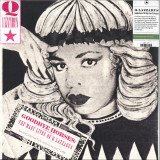
Der Einstieg in die Musik von Q Lazzarus erfolgte für fast alle über „Goodbye Horses“. Der Song tauchte erstmals 1988 in Jonathan Demmes „Married to the Mob“ auf, aber er sollte sich erst dann vollständig im Bewusstsein der Menschen verankern, als er 1991 in Demmes „The Silence of the Lambs“ wieder auftauchte. „Goodbye Horses“ fühlte sich an wie ein in sich geschlossenes Universum - traumhaft und völlig ungewöhnlich, ein sofortiger Klassiker, der die Zuhörer fesselte und neugierig auf die geheimnisvolle Stimme dahinter machte. Diese Stimme gehörte Diane Luckey, einer einzigartig talentierten Künstlerin, deren Musik ihrer Zeit voraus war und die letztlich zu Lebzeiten weitgehend unerkannt bleiben sollte. In Verbindung mit der Veröffentlichung des Dokumentarfilms „Goodbye Horses: The Many Lives of Q Lazzarus“ von Aridjis Fuentes veröffentlicht Sacred Bones eine Sammlung von Songs, die die gesamte Karriere von Q abdecken und die verschiedenen Epochen ihres Schaffens und die ganze Bandbreite ihrer Persönlichkeit zeigen. „Goodbye Horses“ ist die erste Musiksammlung, die den Segen von Qs verbliebener Familie erhalten hat, und hat die Besonderheit, ihre erste und einzige Albumveröffentlichung in voller Länge zu sein. Aufgenommen zwischen 1985 und 1995, spiegelt diese Fundgrube bisher unveröffentlichter Musik einige der interessantesten Facetten der Popmusik der letzten vier Jahrzehnte auf eine Weise wider, die sowohl versiert als auch wild eklektisch wirkt Das titelgebende „Goodbye Horses“ bleibt ein einzigartiges Stück gespenstischer New-Wave-Perfektion, und man könnte sich ein ganzes Q-Lazzarus-Album vorstellen, das sich um diese Ästhetik dreht, aber ähnlich den Gesangsikonen Alison Moyet, Annie Lennox oder Lisa Gerrard eignet sich Qs chamäleonhafte Stimme perfekt für eine Vielzahl von Stilen und Settings. Ihre Coverversion von Talking aHeads' „Heaven“ verwandelt den Song in eine aus voller Kehle gesungene Power-Ballade mit klimpernden Klavierverzierungen, während ihre Interpretation von Gershwins „Summertime“ wie eine dubbige Club-Reduktion klingt, die zu einem Grace Jones Stück der Nightclubbing-Ära hätte passen können. Tracks wie „My Mistake“ und „Hellfire“ flirten mit House-Musik und zeigen, wie frech und glockig Qs Stimme sein kann, wenn sie sich richtig austobt, während „Don't Let Go“ wie eine bombastische Radiosingle klingt, die Cher vor einigen Jahrzehnten hätte veröffentlichen können. Andere Songs wie „Bang Bang“ und „I See Your Eyes“ sind von einer gitarrenbetonten Alt-Rock-Sensibilität, die in einem Paralleluniversum auch auf MTVs 120 Minutes Show hätte laufen können. „Goodbye Horses“ verkörpert das Potenzial für so viele verschiedene Arten von Karrieren, die, aus welchen Gründen auch immer, nie vollständig verwirklicht wurden. Dass wir jetzt diese Songs in der Welt haben und ein klareres Bild von der Person dahinter, ist nichts weniger als ein Segen.
Suche:das pop
- A1: The Blow Monkeys - Save Me (Neville Watson's Dub)
- A2: Cisco Cisco - If You Want Me (Jay Shepheard Remix)
- A3: Bongo Entp. - Drømmen (Sirs Remix)
- B1: Darlyn Vlys - Wuzu (Tyu Tribe Remix)
- B2: Kimo - Whirl
- B3: Discoscuro - Discoscuro
- C1: Popular Tyre - Feel Like A Lazer Beam
- C2: Class B Band - Repli-Can (Edit)
- C3: Bal5000 - Bleu Infini
- D1: Phil Kieran - Find Love (Andrew Weatherall Remix)
- D2: Das Komplex - 89
- D3: Brioski - Calling 626 (Edit)
Red Vinyl[31,89 €]
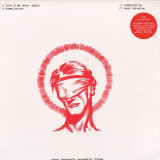
Seit der Gründung 2010 durch Andrew Weatherall und Sean Johnston entwickelte sich die Clubreihe "A Love From Outer Space" (ALFOS) zu einer britischen Institution, expandierte und erreichte ein internationales Publikum. Als Reaktion des Undergrounds auf den schnelllebigen Mainstream verfolgte ALFOS einen langsameren, nachhaltigeren Ansatz bei einem Tempo von maximal 122 bpm. ALFOS wurde für seinen eklektischen und hypnotischen Sound bekannt, der alles von Cosmic und House bis zu Dub und Post-Punk vermischte. Dieser Jubiläumssampler spiegelt die Musik wider, die ALFOS in den letzten 15 Jahren geprägt hat. Das von Johnston zusammengestellte und gemischte 19-Track-Album ist eine Hommage an die reiche Geschichte des Clubabends und sein Engagement, musikalische Grenzen zu erweitern. Es enthält zahlreiche exklusive Titel, darunter The Blow Monkeys' begehrten Neville Watson-Remix und Brioskis "Call 626", sowie eine breite Palette von Sounds, die sowohl die Vergangenheit ehren als auch die Zukunft begrüssen.
“Okie Dokie It´s The Orb On Kompakt“ is already the 13th album of one of Britian's most prized cult bands. We feel it's better that way, because the music of The Orb only has an intensive effect when taken in as a long playing full length. And it proves with this lovingly conjured collection of songs brought together like a collage. The first half of Okie Dokie showcase The Orb´s love for minimal Techno and Schaffel/Shuffle as it is so obviously present in the foreground, while the second half is only reserved to the classic Orb-ish ancestral domain. There are wonderful guest appearances by Schneider TM and Kompakt´s ambient-guru Ulf Lohmann. As many of you know, there is so much history about The Orb you could write a book. Since Jimmy Cauty and Alex Paterson, in the flush of euphoria invented Chill Out and Ambient House in the first summer of love 1988, an incredible amount of things have occurred. The following timeline should give you a rough idea. - Alex Paterson gives up his job as roadie for Killing Joke. - “A Huge Ever Growing Pulsating Brain That Rules From The Centre Of The Ultraworld” is not only the record with the longest title of the world, but it also marks the departure into the new sonic worlds of post-Rave Ambient. - While Cauty goes different ways with The KLF, The Orb re-form themselves and have a big hit with Little Fluffy Clouds in 1990. - The debut album “The Orb´s Adventures Beyond The Ultraworld“ hits the Top 30 in England. - The Orb produce “Higher Than the Sun“ for Primal Scream. - The Orb perform “Blue Room“ as chess-playing aliens at Top Of The Pops. Everything goes. - “Blue Room“ clocking in at 39:58 minutes goes into music-history as the longest time for a chart single ever. - The Orb achieve great success in Glastonbury '92 + '93. - The Copenhagen double concert “to the sunrise and sunset” is eternalized on record: “Live 93“ - Previously a floating member of The Orb, Thomas Felmann becomes a fix member in 1997 - No joke: Robbie Williams takes part of The Orb for a short time. The collaboration “I started A Joke“ is released on a benefit compilation - After 2002 The Orb found with Kompakt a new ambient-loving partner and release a row of singles and play live, as the trimmed-down version as Le Petit Orb. And one more for the extra hush-hush: The Orbs first album “A Huge Ever Growing Pulsating Brain...” was actually a Kompakt release. You can check it out. Besides the actual label Wau! Mr. Modo you can read... Kompakt Discos. Ha!!
Mit „Okie Dokie It´s The Orb On Kompakt“ liegt nun das circa 13. Album der britischen Kultband vor. Das ist gut so, denn The Orb's Musik wirkt eigentlich erst im Longplay-Format so richtig intensiv. Die Stücke sind, wie man das von ihnen kennt, liebevoll collagenhaft miteinander verwoben. In der ersten Hälfte tritt The Orb's Liebe zu Minimaltechno und Schaffel in den Vordergrund, während die zweite Hälfte ausschliesslich der Orbschen Ur-Domäne Ambient vorbehalten ist. Es gibt wunderbare Gastauftritte, wie etwa Schneider TM und Kompakt's Ambient-Guru Ulf Lohmann. Zur Geschichte von The Orb könnte man ganze Bücher schreiben, denn seit Jimmy Cauty und Alex Paterson im Rausch der Euphorie des ersten Summer of Love anno 1988 Chill Out und Ambient House erfunden haben ist viel passiert. Extrem viel. Die folgende Auflistung soll einen ungefähren Eindruck davon vermitteln. -Paterson hängt seinen Job als Roadie für Killing Joke an den Nagel -„A Huge Ever Growing Pulsating Brain That Rules From The Centre Of The Ultraworld“ ist nicht nur bis dato die Platte mit dem längsten Titel der Welt sondern markiert den Aufbruch in die neuen sonischen Welten des Post-Rave Ambient. - Während Cauty mit The KLF andere Wege geht, reformieren sich The Orb und landen 1990 mit “Little Fluffy Clouds“ einen Riesenhit. -Das Albumdebut “The Orb's Adventures Beyond The Ultraworld“ geht Top30 in England -The Orb produzieren „Higher Than The Sun“ für Primal Scream -The Orb performen „Blue Room“ als schachspielende Aliens verkleidet bei Top Of The Pops. Alles geht. -“Blue Room“ geht mit 39.58 Minuten als längste Chart-Single ever in die Musikgeschichte ein - The Orb legen 92 + 93 Glastonbury flach - Ein Copenhagener Doppelkonzert zum Sonnenauf- und Untergang wird auf Platte verewigt: „Live 93“ - Bisheriges „floating member“ Thomas Fehlmann wird 1997 festes Mitglied - Ohne Scheiss: Robbie Williams wird für kurze Zeit The Orb-Bestandteil. Die Kollaboration „I Started A Joke“ erscheint auf einer Benefiz-Kompilation. - Ab 2002 finden The Orb mit Kompakt einen neuen ambientverliebten Partner und veröffentlichen eine Reihe wunderbarer Maxis und treten live, vornehmlich in abgespeckter Form als Le Petit Orb in aller Herren Länder auf. Ein kleiner Treppenwitz am Rande für Erbsenzähler : Schon The Orb's erste Platte („A Huge Ever Growing Pulsating Brain...“) war eigentlich eine Kompakt-Veröffentlichung. Ihr könnt nachschauen. Neben dem eigentlichen Label Wau! Mr. Modo stand nämlich folgendes ...Kompakt Discos. Ha!
Crystal Green Coloured Repress !
Recut & Represed!
As always Kling Klong gives space for new artists and supports upcoming talents. This time Martin Eyerer & Rainer Weichhold had no doubts signing this debut release from Stuttgart's dj/producer Ninetoes as 'Finder' is obviously a massive stand-out track which has the words 'summer hit' written all over it. So it was just easy to convince Leon and Re-UP from Italy to do the remixes and help to make this release even more oustanding.
Support from:
Matthias Tanzmann, Loco Dice, Adam Beyer, Nick Curly, Butch, Riva Starr, Popof, Kaiserdisco
DJ Feedbacks:
Adam Beyer: like the leon mix!
Loco Dice: Will try. Please send me the WAV. Thanks
Nick Curly: schöner release....leon remix gefällt mir am besten, danke!
Matthias Tanzmann: woher kenne ich denn die Melodie Coole Tracks auf jeden Fall.
Davide Squillace: Nice one..
Monika Kruse: der leon remix rockt.
Tiefschwarz (Ali): nice nice :) re-up rmx is my favorite.
Butch: leon rocks
Riva Starr: leon rmx for me thx
Claptone: supersonniger tune das original
Ramon Tapia: Leon mix is cewl !
Gregor Tresher: Leon mix sounds cool.
Chus: Leon and Re-Up mixes for me.
Popof: Great remix from re up ! love it
Kaiserdisco: Original mix is nice, will try it out.
Wally Lopez: Leon remix are huge!! Support
Shinedoe: I'll try it out.
- A1: Dominico Modugno - Nel Blu‘ Dipinto Di Blu
- A2: Adriano Celentano - Buonasera Signorina
- A3: Renato Carosone - Tu Vuo‘ Fa‘ L‘americano
- A4: Paul Anka - Diana (Italian Version)
- A5: Rocco Granata - Marina
- A6: Alma Cogan - Mambo Italiano
- A7: Roberto Murolo - Scalinatella
- A8: Musica Popolari Italiani - Tarantella Napoletana
- B1: Milva - Tango Italiano
- B2: Mina - Si Lo So (Heisser Sand)
- B3: Tony Dallara - Bambina Bambina
- B4: Sophia Loren - Felicita
- B5: Natalino Otto - Arriverderci Roma
- B6: Mina - Moliendo Cafe
- B7: Tony Renis - Quando Quando Quando
- B8: Domenico Modugno - Piove (Ciao Ciao Bambina)
Erleben Sie das Dolce Vita mit der neuen Vinyl-Compilation
„Original Italian Classics Vol. 1“. Diese außergewöhnliche
Sammlung entführt Sie in die goldene Ära des Italo Pop
der 1950er und 1960er Jahre, als die Straßen Italiens von
unvergesslichen Melodien und charmanten Stimmen erfüllt
waren.
„Original Italian Classics“ vereint die größten Hits und
bekanntesten Interpreten dieser glanzvollen Zeit.
Michael Mayer albums don’t come round too often, which is one of many reasons why his fourth collection, The Floor Is Lava, is a genuine event. It’s been eight years since his last one, the collaborative & released on !K7; its predecessors, Mantasy (2012) and Touch (2004), took their sweet time, too. It’s no real surprise, given the many hats Mayer wears – globetrotting DJ, revered remixer, inveterate collaborator, and boss of both Kompakt and Imara – that his solo productions are relatively sparing. But this also speaks to their quality: Mayer’s name on a record sleeve is a sign of quality, of music that’s both looking to the future and calling back to the past, that balances the imperatives of the dancefloor and the loungeroom, that’s as exploratory as it is functional.
On The Floor Is Lava, Mayer seems to be taking the temperature of both the music that surrounds him (past and present), and the ides of the industry he works within. There’s that iconic album title, for a start. “The album’s mindset,” he says, reflecting on those four words together. For Mayer, it’s partly a critique of the way the industry boxes in both producer and listener, focuses them on genre, on market, on the next new thing: “Being a free minded spirit that transcends genres has become an uphill battle.” A battle worth fighting, though, and with The Floor Is Lava, the result is an album that’s varied, quixotic, idiosyncratic, charming, and deeply, addictively listenable.
Throughout, Mayer finds thrills in exploration and juxtaposition, allowing unexpected things to blossom and giving them their life, their platform, throwing the listener exciting curveballs: “It’s a DJ album by a DJ that’s easily bored.” Either easily bored, or endlessly curious, The Floor Is Lava is rich with ideas. It opens with “The Problem”, which looks back to look forward, embracing the rickety way early house productions threw samples together with gleeful abandon. Mayer mentions Pal Joey, and the scene around Rockers Hi-Fi and their Different Drummer imprint, as reference points, and you can hear that freewheeling spirit throughout.
It’s followed by “Vagus”, a slinky, sensual minimal house number that Mayer describes as his “musical catnip”. The flow of these two opening cuts defines the dynamic of The Floor Is Lava, defining the dialectical drive at its core: thesis and antithesis leads to synthesis, but with a welcome prickliness that means you’re always excited, always engaged. It’s also productive in the way it derives energy from rubbing genres and sounds against each other, in unexpected ways, for maximum musical frisson. There’s psychedelic techno on “Feuerstuhl”, more minimal techno with “Ardor” (Mayer mentions ‘Immer 1’ era 90s minimal as inspiration), slippery, Shepard-tone breakbeat through “Sycophant”, a lovely, lush vocal turn on the poppy “The Solution”.
The album closes with the melancholy “Süßer Schlaf”, where Mayer sets a poem by Goethe to one of his most haunted, moving pieces of music yet, in abstract tribute to a lost friend. It’s one of the most affecting moments on The Floor Is Lava. There’s also an update on 2020’s wild Brainwave Technology EP, with the surrealist glitter-stomp of “Brainwave 2.0” (check out those handclaps!),where Mayer’s thinking about the socio-political precipice of the now: “I’m reading with great interest about this whole complex of how humanity is about to cross so many lines and the implications that the resulting financial and educational inequality will bring.”
That’s The Floor Is Lava: then and now, brainwaves and nerve structures, problems and solutions, genres on fire; the real, the unreal, and the surreal. An album for the easily bored and the endlessly curious. Mayer has the last word, telling us all you need to know about the album’s spirit: “Burning for the cause, being zealous, being addicted to the heat of the night, the exuberant powers of music.”
Michael Mayer veröffentlicht nicht oft Alben, was einer von vielen Gründen ist, warum ‘The Floor Is Lava’ ein echtes Ereignis ist. Es sind acht Jahre vergangen seit seinem letzten Werk, dem Kollaborationsalbum &, das auf !K7 erschien; seine Vorgänger, Mantasy (2012) und Touch (2004), ließen ebenfalls auf sich warten. Es überrascht nicht wirklich, da Mayer viele Rollen gleichzeitig erfüllt – weltreisender DJ, vielbeschäftigter Remixer, unermüdlicher Kollaborateur und Chef von sowohl Kompakt als auch Imara – weshalb seine Solo-Produktionen eher sparsam ausfallen. Doch das spricht auch für deren Qualität: Ein Album mit Mayers Namen auf dem Cover steht für Qualität, für Musik, die sowohl in die Zukunft blickt als auch auf die Vergangenheit verweist, die das Gleichgewicht zwischen den Anforderungen des Dancefloors und des Wohnzimmers hält, die genauso erforschend wie funktional ist.
Auf The Floor Is Lava scheint Mayer sowohl die Musik um ihn herum (vergangen und gegenwärtig) als auch die Strömungen der Branche, in der er arbeitet, zu reflektieren. Da wäre zunächst der ikonische Albumtitel. „Die Grundhaltung des Albums“, sagt er, drückt sich in diesen vier Worte aus. Für Mayer ist es teilweise eine Kritik daran, wie die Industrie sowohl Produzenten als auch Hörer in Schubladen steckt, sie auf Genres, auf den Markt und auf das nächste große Ding fokussiert: „Ein freier Geist zu sein, der Genres überschreitet, ist zu einem steinigen Weg geworden.“ Ein Kampf, der sich jedoch lohnt, und mit The Floor Is Lava ist das Ergebnis ein Album, das vielfältig, eigenwillig, charmant und tiefsinnig, aber auch süchtig machend ist.
Im gesamten Album findet Mayer Freude an der Erforschung und Gegenüberstellung von Stilen, lässt unerwartete Dinge erblühen und gibt ihnen Raum, überrascht den Hörer mit spannenden Wendungen: „Es ist ein DJ-Album von einem DJ, der sich schnell langweilt.“ Entweder langweilt er sich schnell oder er ist unendlich neugierig – The Floor Is Lava ist reich an Ideen. Es beginnt mit „The Problem“, das in die Vergangenheit blickt, um nach vorne zu schauen, und die wilde Art, wie frühe House-Produktionen Samples mit fröhlicher Unbekümmertheit zusammenwarfen, aufgreift. Mayer nennt Pal Joey und die Szene um Rockers Hi-Fi und ihr Label Different Drummer als Referenzpunkte, und dieser freie Geist zieht sich durch das gesamte Album.
Es folgt „Vagus“, eine sinnliche Minimal-House-Nummer, die Mayer als seine „musikalische Katzenminze“ beschreibt. Der Fluss dieser beiden Eröffnungstracks definiert die Dynamik von The Floor Is Lava und den dialektischen Antrieb im Kern: These und Antithese führen zu einer Synthese, jedoch mit einer willkommenen Schärfe, die dafür sorgt, dass man immer aufgeregt und engagiert bleibt. Zudem gewinnt das Album Energie, indem es Genres und Klänge auf unerwartete Weise aneinanderreibt, um maximalen musikalischen Nervenkitzel zu erzeugen. Es gibt psychedelischen Techno in „Feuerstuhl“, mehr Minimal Techno mit „Ardor“ (Mayer erwähnt ‘Immer’ Ära Minimal als Bezugspunkt), gleitenden Shepard-Ton-Breakbeat in „Sycophant“ und einen lieblichen, üppigen Vocal-Auftritt im poppigen „The Solution“.
Das Album schließt mit dem melancholischen „Süßer Schlaf“, in dem Mayer ein Gedicht von Goethe vertont und eine seiner bisher eindringlichsten und bewegendsten musikalischen Kompositionen schafft, als abstrakten Tribut an eine verschiedene Freundin. Es ist einer der ergreifendsten Momente auf The Floor Is Lava. Ebenfalls gibt es ein Update der wilden Brainwave Technology-EP von 2020, mit dem surrealistischen Glitzer-Stampfer „Brainwave 2.0“ (hör dir diese Handclaps an!), in dem Mayer über den sozio-politischen Abgrund der Gegenwart nachdenkt: „Ich lese mit großem Interesse über diesen ganzen Komplex, wie die Menschheit dabei ist, so viele Grenzen zu überschreiten und welche Auswirkungen die daraus resultierende finanzielle und bildungstechnische Ungleichheit haben wird.“
Das ist The Floor Is Lava: Damals und heute, Gehirnwellen und Nervengeflechte, Probleme und Lösungen, brennende Genres; das Reale, das Unreale und das Surreale. Ein Album für die schnell Gelangweilten und die unendlich Neugierigen. Mayer hat das letzte Wort und sagt uns alles, was wir über den Geist des Albums wissen müssen: „Brennen für die Sache, leidenschaftlich sein, süchtig nach der Hitze der Nacht, den überschwänglichen Kräften der Musik.“
They still exist, these stories: A fresh newcomer project from Cologne sends their first demo to just one address. An A&R, who has a medically certified autotune allergy, listens to the demo, hears an autotune track and signs the band anyway. ‘Streetpoet’ by Mourad Kehailia & Sebastian Fischer aka 9OASES is as unusual as the genesis of this record. It’s a wild hybrid of raving breakbeats, a chord hook that would have done Underworld proud in their heyday and the aforementioned autotune rap. It is magical. Axel Boman is a remixer who can make the magic even more magical. His 8-minute version of ‘Streetpoet’ establishes a long overdue new genre: trancehall! With ‘New Ballad’, 9OASES show us that they really mean business with their plans for world conquest. This is great techno pop with heart and mind. We are very excited to see what the guys from Cologne will do next.
Es gibt sie noch, diese Geschichten: Ein frisches Kölner Newcomer-Projekt schickt ihr erstes Demo an nur eine Adresse. Ein A&R, der eine ärztlich bescheinigte Autotune Allergie hat, hört sich das Demo an, hört einen Autotune Track und signt die Band trotzdem vom Fleck weg. ‘Streetpoet’ von Mourad Kehailia & Sebastian Fischer aka 9OASES ist so ungewöhnlich, wie die Entstehungsgeschichte dieser Platte. Es ist ein wilder Hybrid aus ravigen Breakbeats, einem Chordhook, der Underworld zu ihren Glanzzeiten alle Ehre gemacht hätte und eben besagtem Autotune Rap. Es ist magisch. Mit Axel Boman wurde ein Remixer verpflichtet, der das Magische noch magischer machen kann. Seine 8 minütige Version von ‘Streetpoet’ begründet ein längst überfälliges, neues Genre: Trancehall! Mit ‘New Ballad’ zeigen uns 9OASES, dass sie es wirklich ernst meinen mit ihren Welteroberungsplänen. Das ist großer Technopop mit Herz und Verstand. Wir sind sehr gespannt, was die Kölschen Jungs als nächstes tun werden.
- A1: Young & Aspiring
- A2: A Boy Brushed Red Living In Black & White
- A3: The Impact Of Reason
- A4: Reinventing Your Exit
- A5: The Blue Note
- B1: It's Dangerous Business Walking Out Your Front Door
- B2: Down, Set, Go
- B3: I Don't Feel Very Receptive Today
- B4: I'm Content With Losing
- B5: Some Will Seek Forgiveness, Others Escape
They’re Only Chasing Safety is the fourth studio album by American melodic hardcore band Underoath. It was released on June 15, 2004, through Solid State Records. Following the release of their third studio album, The Changing of Times (2002), half of the band's members were replaced. After finalizing the line-up with vocalist Spencer Chamberlain, the band recorded They're Only Chasing Safety with producer James Paul Wiser (Dashboard Confessional, Further Seems Forever, Paramore). In the heavy and punk music scene, the album is considered a watershed moment.
The blend of heavy metal and hardcore influences with a strong pop/punk sensibility spawned a new branch of heavy music. The sound eventually became synonymous with the scream scene of the mid-2000s. The record went gold in 2011
Mit einer Yamaha-Orgel und einem Traum begann der Südafrikaner Pops Mohamed seine musikalische Reise Mitte der 1970er als Bandleader von Black Disco und schuf eine angesagte Chill-Out-Jazz-Melange mit futuristischen Drum-Machine-Sounds und spirituellen Obertönen. Ihm zur Seite standen die beiden gefragten Sessionmusiker Basil Coetzee (sax) und Sipho Gumede (bass). Mit den polyphonen Beats von Mohameds E-Orgel und später mit einem Drummer ausgestattet, schuf Black Disco in einem Ausbruch von Kreativität 1975-76 einen unverwechselbaren Sound und eine Trilogie innovativer Alben. Das italienische Boutique-Label Afrodelic präsentiert die erste vollständige Reissue des 1975er Debütalbums von den Originalmasters.
- A1: Folamour - Ya Just Need 2 Believe In Yaself
- A2: Jean Tonique - Beach Break
- A3: Salomé De Bahia - Outro Lugar (Synapson Remix)
- A4: Kiko - World Cup
- A5: Bob Sinclar - Gym Tonic
- B1: Africanism Feat Bob Sinclar, David Guetta, Joachim Gar
- B2: Lake Soul Feat Mathilde - Autour De Toi
- B3: Dj Gregory Feat Salomé De Bahia - Tourment D'amour
- B4: St Germain - What's New
- C1: Tour-Maubourg - Amicalement Vôtre
- C2: De Pompidou - Can't Be With You
- C3: Soha - Les Enfants Du Bled
- C4: Leo Pol - Chantal
- D1: Lifelike - Night Patrol
- D2: Dj Deep - Learn 2 Love
- D3: Aleem - Filtri Organi
- D4: Kazy Lambist - Doing Yoga
Die "French Touch Collection" ist eine Doppel-LP-Serie, die der französischen elektronischen Musikszene gewidmet ist. Beeinflusst von neuen Musikgenres wie House, Hip-Hop, Techno und den Rave-Partys, beteiligten sich Mitte der 90er Jahre mehrere französische Produzenten an der Demokratisierung der elektronischen Musik. Ihre Musik, die der britische Journalist Martin James "French Touch" nannte, wurde 1996 zu einem neuen, international bekannten Musikgenre, das sich durch elektronische Produktionen und Musiksamples aus Hip-Hop, Funk oder Disco auszeichnete. Anfang der 2000er Jahre erfand sich die "French Touch"-Szene mit einer neuen Generation ungehemmter Künstler neu, getragen von einem rohen, rocknahen Sound. Die 2010er Jahre brachten eine neue "French Touch"-Welle mit sich, die von der Popmusik beeinflusst war und sich mehr auf Melodien und Oneiric Universes konzentrierte. Dieses neue Werk ist dem House gewidmet, mit Künstlern und Tracks, die zur Entwicklung des "French Touch" beigetragen haben: "Bon voyage"!
- A1: Tee Mango - So In Love
- A2: Reinhard Voigt - Der, Der Mit Dem Gummiball Sang (Orange)
- A3: Jürgen Paape - Chee-Caruso
- B1: Rex The Dog - Laika
- B2: Michael Mayer - Urian
- C1: Jonathan Kaspar - Are You
- C2: Sascha Funke - The Heck
- C3: Argia - Love Keeps You Running
- D1: Jörg Burger - Legacy Of Ashes
- D2: Wassermann - Die Goldene Zeit
Hello 24! Nice to have you here. 23 is so yesterday, so over the top, really. Well, we’ve been dancing the following dances recently. What about you?
What lasts a long time usually turns out well. Having admired TEE MANGO from afar for many years, our A&R Michael Mayer took heart and invited him to this year’s TOTAL. “So In Love” is in the best tradition of the KOMPAKT minimal funk of the early years. We are delighted to have this lovely Englishman on board!
REINHARD VOIGT has always placed great emphasis on loving animals. On the track with the unsurprising title “Der, der mit dem Gummiball sang (Orange)”, he lets whole hordes of different four-legged friends and poultry on the microphone. Hopefully the stench will dissipate from the studio.
When Rhenish cheerfulness meets holiday anticipation, the result is something like this Hawaiian shirt turned music called “Chee-Caruso” by JÜRGEN PAAPE. No animals were tortured for this piece either, even if it sounds like it.
We stay in the realm of fauna and turn our attention to London’s award-winning pedigree dog REX THE DOG. “Laika” is a heart-warming ode to the mongrel dog of the same name, who was the first living creature to make it from the streets of Moscow into space. She would have loved that bleep.
A little-known fact about MICHAEL MAYER is that he is one of the fastest crossword puzzle foxes on the left bank of the Rhine, always in relentless rivalry with Wolfgang Voigt, who thinks he is even faster. The big battle is yet to come. Uninvited guest with five letters? “Urian”.
As an integral part of the family, JONATHAN KASPAR is of course not to be missed. “Are You” celebrates the kind of early morning rapture that is commonplace at his new DJ venue, the brand new Cologne superclub FI. Everything is so colourful here.
SASCHA FUNKE takes a bow to one of the greats of German showbiz with the trippy electro smasher “The Heck”. Born – like DJ Koze and Barnt – in Flensburg, died in Berlin in 2018 and wore glasses. More will not be revealed.
More emotion, more love, more sing-along factor? Si, claro! ARGIA’s “Love Keeps You Running” masterfully combines groove and pop – a blend that sounds very familiar to us. She may be at home in Madrid, but there’s Cologne DNA in her somewhere. We’re sure of it.
Let’s meet the legends, the veterans! JÖRG BURGER is still in a psychedelic mood in 2024. That suits him, that’s where he needs to be, that’s where we want him to be. A parallel universe is conceivable in which such music is affectionately called Goa.
Before going to bed, the WASSERMANN reads us a fairy tale from the Arabian Nights. At the same time, we focus on a point between everything, but really everything, and absolute, stark naked nothingness. 3, 2, 1… Let go.
Hallo 24! Schön, dass du da bist. 23 ist ja sowas von gestern, geht gar nicht, echt. Also, bei uns tanzt man neuerdings die folgenden Tänze. Und bei Euch?
Was lange währt, wird meist gut. Schon seit vielen Jahren aus der Ferne TEE MANGO bewundernd, hat sich unser A&R Michael Mayer ein Herz gefasst und ihn zur diesjährigen TOTAL eingeladen. “So In Love” steht in bester Tradition des kompaktschen Minimal Funk der frühen Jahre. Wir freuen uns, den quirligen Engländer an Bord zu haben!
Tierliebe wird im Hause REINHARD VOIGT schon immer groß geschrieben. Auf dem Stück mit dem nicht weiter verwunderlichen Titel “Der, der mit dem Gummiball sang (Orange)” lässt er gleich ganze Horden verschiedenster Vierbeiner und Federvieh ans Mikro. Hoffentlich zieht der Gestank wieder aus dem Studio ab.
Wenn rheinischer Frohsinn auf Urlaubsvorfreude trifft, dann kommt so etwas wie dieses Musik gewordene Hawaiihemd namens “Chee-Caruso” von JÜRGEN PAAPE heraus. Auch für diesen Beitrag wurden garantiert keine Tiere gequält, auch wenn es allenthalben so klingt.
Wir bleiben im Reich der Fauna und wenden uns London’s preisgekröntem Rassehund REX THE DOG zu. “Laika” ist eine herzerwärmende Ode an die gleichnamige Mischlingshündin, die es von den Strassen Moskaus als erstes Lebewesen ins All geschafft hat. Den Bleep hätte sie bestimmt gemocht.
Eine wenig bekannte Tatsache über MICHAEL MAYER ist, dass er zu den schnellsten Kreuzworträtsel-Füchsen links des Rheins zählt, stets in unbarmherziger Rivalität zu Wolfgang Voigt, der sich für noch schneller hält. Der große Battle steht noch aus. Ungebetener Gast mit fünf Buchstaben? “Urian”.
Als fester Bestandteil der Familie darf natürlich auch JONATHAN KASPAR nicht fehlen. “Are You” zelebriert frühmorgendliche Entrückungszustände, wie sie in seiner neuen DJ-Wirkungsstätte, dem nigelnagelneuen Kölner Superclub FI Gang und Gäbe sind. Alles so schön bunt hier.
SASCHA FUNKE verneigt sich mit dem trippy Electrosmasher “The Heck” vor einem der ganz Großen des deutschen Showbiz. Geboren – wie DJ Koze und Barnt – in Flensburg, gestorben 2018 in Berlin, Brillenträger. Mehr wird nicht verraten.
Mehr Gefühl, mehr Liebe, mehr Mitsing-Faktor? Si, claro! ARGIA’s “Love Keeps You Running” vereint meisterlich Groove und Pop – eine Melange, die uns durchaus bekannt vorkommt. Sie mag zwar in Madrid zuhause sein, aber irgendwo steckt in ihr eine Kölsche. Da sind wir uns sicher.
Auf zu den Legenden, den Urgesteinen! JÖRG BURGER zeigt sich auch in 2024 in einem psychedelischen Mood. Das steht ihm, da muss er hin, da wollen wir ihn haben. Es ist ein Paralleluniversum denkbar, in dem solche Musik liebevoll Goa genannt wird.
Der WASSERMANN liest uns vor dem Schlafengehen noch ein Märchen aus Tausendundeine Nacht vor. Wir fokussieren uns gleichzeitig auf einen Punkt zwischen allem, aber auch wirklich allem und dem absoluten, splitterfasernackten Nichts. 3, 2, 1… Loslassen
2024 Repress
Thomas Fehlmann remains as one of the most endearing and respected artists on Kompakt. He has inspired generations of fans and musicians over the course of his 30+ year career. From his early days as part of the legendary band Palais Schaumburg, and the pioneering Detroit/Berlin act 3mb (With Juan Atkins and Moritz Von Oswald), to his longstanding membership with The Orb, combined with his contributions as a solo artist to esteemed imprints R&S, Plug Research and of course Kompakt, where we have proudly released two full length solo albums: Visions Of Blah (Kompakt CD 20/Kompakt 67) and Honigpumpe (Kompakt CD 59 / Kompakt 157), his musical works have been prolific, not to mention four singles and a full serving of tracks found on our Pop Ambient and Total collections. Now, after 3 years, Fehlmann returns with 'Gute Luft'…
'Gute Luft' is the result of months of work scoring the hit German TV film 24h Berlin - the longest documentary film in history which featured 80 camera teams following the lives of berliners over a 24 hour period. Obviously a huge challenge for Fehlmann, beyond the scope of the project and hours of music involved in a 24 hour film, there was dealing with the decision making process that went with working with such a large production team. As he shared scoring duties with another musician (separately), inevitably a lot of his music ended up not making the final cut. 'Gute Luft' is about re-tweaking and editing material from the countless hours of recording he had created. In a sense, 'Gute Luft' is Fehlmann's ideal soundtrack to the 24h Berlin documentary.
“while scoring the film and subsequently shaping it into a album, i found myself questioning what holds it all together in Berlin. I figured that 'Air', the good old 'Berliner Luft', is something that is guaranteed to touch everyone and everything in the city. Also with that Berlin is very green, the combination with the unavoidable city dirt makes for a distinctive blend which seems to infuse its vibrant scene unknowingly with a constructive drive. Besides that, 'Gute Luft' was also the title of a song from my old band Palais Schaumburg, of which I have very fond memories. Also (as he says with a wink) “Gut” is one word I have a profound relation to…”
Fans shall rejoice as Thomas Fehlmann doesn't feer far from his signature path of trailblazing the finer links of classic Detroit House and Techno with the submerged beauty of Berlin Dub. One will immediately recognize the classic scoring techniques Fehlmann brings to 'Gute Luft' - various themes and sounds resonate in various forms and versions throughout the tracks. As Thomas states, “There are also More Subtle Connections That Should Give An Overall Feel To The Score. I Also Brought In Elements From Tunes From My Previous Albums In recognition of the fact that I often feel that there would be so many more ways to explore and experiment with certain ideas than just on a single track”. Fehlmann clearly succeeds in synergizing the best of the past 20 years of Berlin's expansive history of electronic and dance music with 'Gute Luft'. A recreational album in every way in which he hopes will make you “Feel at peace with you and your environment, inspire you to lush, imaginative dinners, make babies, or just walk your own way with open eyes”. Well put Thomas!
This is a re-release of " Gute Luft " orginally released in 2010 on Kompakt.
Thomas Fehlmann ist nach wie vor einer der liebenswertesten und gleichzeitig angesehensten Künstler bei Kompakt. Im Laufe seiner über 30-jährigen Karriere hat er Generationen von Fans und Musikern inspiriert. Von seinen frühen Tagen als Teil der legendären Band Palais Schaumburg und dem bahnbrechenden Detroit/Berlin Act 3MB (mit Juan Atkins und Moritz von Oswald), bis hin zu seiner langjährigen Mitgliedschaft bei The Orb, kombiniert mit seinen Arbeiten als Solokünstler für Imprints wie R&S, Plug Research und natürlich Kompakt: Sein musikalisches Gesamtwerk ist beeindruckend. Wir sind stolz, bereits zwei seiner Soloalben veröffentlicht zu haben: “Visions Of Blah“ (KOM CD 20/KOM 67) und “Honigpumpe“ (KOM CD 59 / KOM 157). Ganz zu schweigen von vier Singles und jeder Menge Tracks, die sich auf diversen Pop Ambient- und Total-Sammlungen finden lassen. Jetzt, nach drei Jahren, kehrt Fehlmann mit “Gute Luft“ zurück ...
“Gute Luft“ ist das Ergebnis monatelanger Arbeit für den deutschen Fernsehfilm “24h Berlin - Ein Tag im Leben“ - der wohl längste Dokumentarfilm der Geschichte. 80 Kamerateams verfolgen das Leben der Berliner*innen über einen Zeitraum von 24 Stunden. Die größte Herausforderung stellte für Fehlmann dabei nicht die Komposition für einen solchen Film dar; vielmehr waren es die Entscheidungsprozesse im großen Produktionsteam, die ihm die meiste Arbeit abrangen. Da er sich die Aufgabe mit einem anderen Musiker teilte, endete es unweigerlich so, dass einige seiner Tracks nicht in den Final Cut kamen. Bei “Gute Luft“ ging es nun darum, Material aus den unzähligen Stunden an Aufnahmen neu zu bearbeiten und zu editieren. In gewissem Sinne ist “Gute Luft“ Fehlmanns eigentlicher Soundtrack zum 24-Stunden-Dokumentarfilm.
"Während ich den Film vertonte und anschließend zu einem Album geformt habe, habe ich mich gefragt, was hier in Berlin alles zusammenhält. Ich habe mir gedacht, dass 'Luft', die gute alte Berliner Luft, etwas ist, das garantiert jeden und alles in der Stadt berührt. Die Tatsache, dass Berlin sehr grün ist; gleichzeitig die Kombination mit dem unvermeidlichen Dreck einer solchen Stadt – das ergibt eine unverwechselbare Mischung, die ihrer lebendigen Szene unterbewusst einen bestimmten Drive zu verleihen scheint. 'Gute Luft' war übrigens auch der Titel eines Liedes meiner alten Band Palais Schaumburg, an das ich mich sehr gerne erinnere. Außerdem (das sagt er mit einem Augenzwinkern) ist ‚Gut‘ ein Wort, zu dem ich eine enge Beziehung habe ..."
Seine Fans können sich freuen, denn Thomas Fehlmann entfernt sich nicht weit von seinem charakteristischen Sound, mit dem er die feinen Verbindungen von klassischem Detroit House und Techno mit der versunkenen Schönheit des Berliner Dubs aufspürt. Man wird sofort klassische Soundtrack-Techniken erkennen, die Fehlmann auf “Gute Luft“ verwendet - bestimmte Themen und Sounds durchziehen in unterschiedlichen Formen und Versionen die einzelnen Tracks. Thomas sagt dazu: "Es gibt subtile Verbindungen, die der Erzählung ein zusammenhängendes Gefühl geben sollten. Ich habe Melodie-Fragmente aus früheren Alben einbezogen, um der Tatsache Rechnung zu tragen, dass ich oft das Gefühl habe, es gäbe so viele weitere Möglichkeiten, bestimmte Ideen weiterzuverfolgen und mit ihnen zu experimentieren, als nur in einem einzigen Track.” Fehlmann gelingt es hier, das Beste aus den vergangenen 20 Jahren Berliner Elektronik- und Tanzmusik-Geschichte zu bündeln. Ein wohltuendes Album in jeder Hinsicht, von dem er sich selbst erhofft, dass es seinen Hörer*innen "ein Gefühl des Friedens mit sich selbst und ihrer Umgebung vermittelt, sie zu phantasievollen Abendessen inspiriert, zum Babys machen oder sie einfach nur mit offenen Augen Ihren eigenen Weg gehen lässt." Gut gesagt, Thomas!
Dies ist die Wiederveröffentlichung von “Gute Luft“, erstmals erschienen 2010 auf Kompakt.
2024 Repress
Straight in the wake of their eponymous debut LP released on the label back in 2016, Weval return to Kompakt this year with their sophomore album, 'The Weight', breaking their pop-mellow, nostalgia-friendly facet further out in the open as they arrive "at this place again were everything felt spontaneous, new and exciting, like we had in the beginning". Orbiting around that ever luminous yet wistful melodic halo that surrounds their music, this second full-length effort sweeps an extra-wide and languidly woven palette of emotions and moods, making for a uniquely ambitious and generously coloured mosaic of sound. If the recording sessions "often started grumpy and emotionless" by Harm and Merijn's own admission, the pair was "surprised by the joy it gave us, which can be compared to the emotions we felt back in the first days of making music together"; subsequently reconnecting with that fresh, naïve feeling of "absolute creative freedom" they were after. The album is also the fruit of a whole new working process for them - more playful and unpredictable - which saw them switch from "guitars lying around to piano, onto our own synths and the most cheap quirky toys synths you can imagine", and involved "recording all of our own samples, voice and almost every instrument out of the box - which for us was a totally new way of working". "We've always wanted a narrative for the album, and finding the right order perhaps took the most effort" they explain; "we felt anxious, felt insanely positive, felt heartbroken again, felt in love again, and there was death, and even suicide around us. It was quite chaotic. As a whole, 'The Weight' breathes with that transformative richness, free of limits and rules, except perhaps to "do quick and not think too much". Amidst this collection of songs and instrumentals that live by Weval's singularly positive take on music - one that can "lift you up, and make you feel hopeful without being necessarily straight out 'happy'" as they define it, the title-track and lead single stays true to the duo's dynamic approach, putting on a fine balance of floor and dream inducing adaptability that sound engineer David Wrench (Frank Ocean, The XX, FKA Twigs, Caribou… etc.) subtly made palpable. There's heavy showers of funk drops pouring from endless bars of thunderstorm clouds and laid-back riffs beating a restrained poolside-party kind of pulse, but also sensual vocals rising from beneath the sheets and rueful polaroid-filtered ambiences to soundtrack all possible moments in life - from the most euphoric to those when music seems the only viable healing potion. More on the post-KLF, BoC-inflected electronica side of things, 'Are You Even Real' takes its listener for a round-trip across the star-studded dome and beyond, before songs like 'Someday' and 'Same Little Thing' head back down to a state of pulsating, earthly organicity, tense and mercurial as get. An arpeggiated slice of piano-strewn kosmische, 'Heaven' is another invitation to an epic-scale odyssey from the inner-spheres into the distant fringes of the outer-world. Weightless and airy, yet texturally dense and widely magnetic overall, Weval second LP is a synthesis of the duo's multi-angle take on electronics: blissed-out, heartening and infinitely free.
Nur zweieinhalb Jahre nach der Veröffentlichung ihres selbstbetitelten Debutalbums finden sich WEVAL zurück "an jenem Ort, an dem sich alles spontan, neu und aufregend anfühlt - so wie als wir anfingen zusammen Musik zu schreiben". An diesem Ort entstand "The Weight", ihr zweiter Longplayer, auf dem Weval sich ganz den Pop-verliebten, Nostalgie-freundlichen Facetten ihres Sounds öffnen. Stetig um den sehnsuchtsvollen Strahlenkranz ihrer Melodien tanzend, legt diese Platte noch vielschichtigere, mit feinster Präzision gewobene Gefühlswelten frei.
Obwohl die Aufnahmesessions nach eigenem Bekunden oftmals "miesepetrig und emotionsarm" begannen, so war das Duo überrascht darüber, wie schnell sich bei der Arbeit jene Freude einstellte, die sie aus ihren künstlerischen Anfangstagen kannten, eine Woge des frischen, naiven Gefühls der "absoluten kreativen Freiheit". Dieses Album ist die Frucht eines verspielteren und unvorhersehbareren Arbeitsprozesses innerhalb der Band, in welchem alles zum Einsatz kam, was ihnen in die Finger kam - von der ollen Gitarre, die in der Studioecke stand, über ein Piano und den bandeigenen Sythesizern und den sonderbarsten Spielzeuginstrumenten, die man sich vorstellen kann. All dies sowie zahlreiche Vocalaufnahmen dienten als alleinige Samplequelle - "was für uns eine völlig neue Arbeitsweise war". "Es war uns wichtig für das Album den perfekten Erzählbogen zu spannen. Die richtige Reihenfolge zu finden war ein extrem aufwendiger Vorgang", erklären Harm und Merjin. "Uns war bange, wir fühlten uns total selbstsicher, uns zerbrach das Herz und wir verliebten uns erneut. Wir waren sogar von Tod und Selbstmord umgeben. Alles war Chaos. Insgesamt atmet "The Weight" die Reichhaltigkeit dieser sich ständig verändernden Gefühlslagen, frei von Einschränkungen und Regeln - außer vielleicht "mach es schnell und zerdenke die Dinge nicht." Inmitten dieser Ansammlung von Songs und Instrumentals, die aus Wevals einzigartiger, von Zuversicht geprägter Herangehensweise entstanden sind - "Musik, die dich hochzieht und Hoffnung spendet, ohne dich notwendigerweise happy zu machen. Der Titeltrack "The Weight" steht exemplarisch für Wevals ambivalenten Ansatz, die feine Balance zwischen Dancefloor und Traumzuständen, perfekt in Szene gesetzt von Soundengineer David Wrench (Frank Ocean, The XX, FKA Twigs, Caribou… etc.).
Der schwer aus gewaltigen Gewitterwolken tropfende Funk, die eine verhaltene Poolparty suggerierenden Riffs, die sinnlichen, geisterhaften Vocals und ein verwaschenes Ambiente, das wie ein Album alter Polaroidaufnahmen alle erdenklichen Momente des Lebens festhält - von den euphorischsten bis hin zu jenen, in denen Musik der einzige Trank ist, der Linderung verheißt. Das post-KLF und Boards of Canada evozierende "Are You Even Real" führt den Hörer auf einen imaginären Flug ins Sternenzelt, während organisch-klingende Songs wie "Someday" oder "Same Little Thing" wie Quecksilber am Boden haften. "Heaven" ist eines jener "kosmische" Stücke mit wilden Arpeggios und Pianosprengseln, die Weval in den vergangenen zwei Jahren zu einer Live-Sensation werden liessen. Wevals Musik ist schwerelos und luftig, aber gleichermassen von dichter Struktur und von einer magnetischen Anziehungskraft. Ihr zweites Album "The Weight" ist eine Synthese aus dem multi-perspektivischem, kaleidoskopischen Verständnis von elektronischer Musik: Herzerwärmend, alles umschmeichelnd und unendlich frei.
Diogo Silva, Nuno Fulgêncio and Rui Martins collectively go by the name Bardino. With their sound consisting of an inventive mix of
electronica, rock, jazz, the Porto-based trio are pushing their sound into unchartered waters. A feeling that will be reinforced after
experiencing their new album, ‘Memória da Pedra Mãe’.
Their enthralling music draws upon the imagery of the beautiful and rugged scenery of their home country. ‘Centelha’ , their previous
album (released by Saliva Diva in 2020) was recorded in Chaves,
in the very remote region of Trás-os-Montes. Their 207 EP of the same name was created in the rustic heart of Serra das Meadas. In this
latest offering, the mention of "Pedra Mãe" (Mother Stone), refers to a rare geological phenomenon popularly known as "breeder stones"
found in isolated, deserted, and inhospitable places. On the inspiration of the new album, they explain that they want to refer to "the
importance of collective memory in the cohesion and identity of communities and the process of creating new memories, a process that
is both natural and conflicting, since it mirrors a tension between past, present and future".
The album was recorded in the summer of 2023 at Arda Recorders in Porto and produced by João Brandão and Rui Martins. In this
new material, Bardino's resources expand: Nuno Fulgêncio's drums, Diogo Silva's bass and Rui Martins' veritable arsenal of keyboards
(acoustic and electric piano, various synthesisers) are augmented by the alto and tenor saxophones of Brian Blaker (who stands out in
"Memória" and "Black Mica"), the guitar of Leonardo Outeiro (who features on "Punctum No 2") and, already indicating their affiliation
with the Porto label Jazzego, Hugo Oliveira, who records as Minus & MRDolly (and is a guest on "Pedra Mãe") and Sérgio Alves, aka
AZAR AZAR (who plays piano and Moog on "Tília"). Bardino's entry into the increasingly unavoidable Jazzego catalogue also reinforces
their obvious links to a new wave of projects that have been experimenting with different tangents to the notion of "jazz", taking this
music as part of a wider set of coordinates.
Over the course of eight tracks, and clearly benefiting from the distinct imprint of the recognised quality work of João Brandão, one of
Portugal's current best producers, Bardino presents dense, deeply cinematic music of the highest definition, in which the different
instruments translate a broad emotional and visual landscape, with solos of enormous elegance arranged over grooves that induce the
idea of movement. All the musical coordinates mentioned earlier are present, but perhaps in this new material you can feel a greater
fluidity, certainly the result of honing the vision of the central trio through a vast experience collected on stages all over the country. And
there are even echoes of a decidedly Portuguese songbook, as is so clearly felt in "O Semeador", something new in the range of aesthetic
references embraced by Bardino. This is, in fact, music that thrives on a benign tension between past, present and future, in the sense
that it embraces traditions and history, seeks a new framework in this diverse now and dares to project itself forward. Because the future
is the best of all locations.
repressed !
ls Compilation-Reihe im Jahre 2001 gegründet um ein paar lose Fäden unserer Stammkünstler zu verknüpfen, hat sich SPEICHER inzwischen zu einem Garanten für fortgeschrittene Tanzklänge aus aller Welt weiterentwickelt der es KOMPAKT erlaubt, Musiker aus allen Bereichen des elektronischen Spektrums einzuladen und zu fördern. Für SPEICHER 84 kehrt der dänische Altmeister und globale Fan-Favorit KÖLSCH zu seinen Labelwurzeln zurück (oder zumindest jenen seines bekanntesten Projekts) und liefert heldenhaften Techno, dessen elektronische Grandezza nur von der Lieblichkeit seiner Melodien eingeholt wird.
Das nunmehr fünfte Speicher-Release von Rune Reilly KÖLSCH erreicht uns im Gefolge des gesichtsverdrillenden Wahnsinns von "Loreley" (KOMPAKT EXTRA 68), der pianogetriebenen Melancholie von "Opa" (KOMPAKT EXTRA 70) oder den Bestseller-Akkorden seiner Kollaboration mit Gregor Schwellenbach (KOMPAKT EXTRA 79), irgendwie auch eine Hommage an all diese Meilensteine im Rahmen eines zugegebenermaßen massiven Zwo-Trackers. Das erste Originalmaterial seit einiger Zeit, übernehmen diese Stücke den Staffelstab von gefeierten Remixarbeiten für eine ganze Reihe an Künstlern kontemporärer Unterhaltungsmusik, von hochgehandelten Popstars wie Coldplay zu Bewahrern feinster Tanzflurtradition wie House-Mobster Monkey Safari oder dem Bassmusik-Liebhaber Henry Krinkle.
Erstmals auf Vinyl: Das Debütalbum EXITS (2005) der britischen Indie-Rock-Band The Boxer Rebellion, die am Ende der Brit-Pop-Ära einen frischen, neuen Entwurf britischer Rockmusik vorlegte, der traditionelle Wege verliess und mit Post-Rock experimentierte. Limitierte, remasterte Auflage auf rotem Vinyl.
- A1: Agents Aren't Aeroplanes - The Upstroke (Extended Version)
- A2: Blow Monkeys - Digging Your Scene (Phil Harding Mix)
- A3: Princess - In The Heat Of A Passionate Moment (The Final Frontier Mix)
- B1: Rick Astley - Never Gonna Give You Up (Cake Mix)
- B2: Stock Aitken Waterman - Roadblock (Extended Mix)
- B3: Samantha Fox - Nothing's Gonna Stop Me Now (Extended Mix)
- C1: Rick Astley - She Wants To Dance With Me (Original Extended R 'N' B Version)
- C2: Shooting Party - Safe In The Arms Of Love (Phil's Extra Beat Update)
- C3: Carol Hitchcock - Get Ready (Original 12" Mix)
- D1: Kylie Minogue - I Should Be So Lucky (Extended Mix)
- D2: Jason Donovan - Nothing Can Divide Us (Great Scott, It's The Remix)
- D3: Sigue Sigue Sputnik - Success (Balearacidic Mix)
Vol. 2[34,66 €]
PWL, gegründet von Pete Waterman, ist ein legendäres und einflussreiches britisches Plattenlabel, das die Musikindustrie nachhaltig geprägt hat. PWL ist bekannt für seine entscheidende Rolle bei der Gestaltung der Popmusiklandschaft der 1980er und 1990er Jahre und war Wegbereiter für einen unverwechselbaren Sound, der sich durch eingängige Melodien, lebendige Synthies und ansteckende Beats auszeichnete. Das Label katapultierte nicht nur zahlreiche Künstler wie Kylie Minogue, Jason Donovan und Rick Astley in die Weltspitze, sondern führte auch eine neue Welle von tanzbarem Pop ein, die weltweit Anklang fand.
PWL Extended ist eine Sammlung von 12"- und Extended-Mixes, die die Tiefe und Breite des PW-Outputs perfekt widerspiegelt. Sie enthält große Welthits wie "I Should Be So Lucky" und "Never Gonna Give You Up", neben tieferen Stücken, schwer zu findenden und neu
erschienenen Mixen von Künstlern wie Princess, Blow Monkeys und Paul Varney.
- A1: Kylie Minogue - Hand On Your Heart (Great Aorta Mix)
- A2: Jason Donovan - Too Many Broken Hearts (Extended Version)
- A3: Sonia - You'll Never Stop Me From Loving You (Extended Version)
- B1: Kylie Minogue - Better The Devil You Know (Mad March Hare Mix)
- B2: Lonnie Gordon - Happenin All Over Again (Hip House Remix)
- B3: Princess - Say I'm Your Number 1 (Tony King's 5 Years On 12" Mix)
- C1: Hazell Dean - Better Off Without You (Touch Of Leather Mix)
- C2: Paul Varney - If Only I Knew (Hurley's House Mix)
- C3: Twins - All Mixed Up (12" Mix)
- D1: Kylie Minogue - What Kind Of Fool (12" Master Mix)
- D2: West End Ft Sybil - The Love I Lost (Unrequited Mix)
- D3: Boy Krazy - That's What Love Can Do (1993 Club Mix)
Vol. 1[34,66 €]
PWL, gegründet von Pete Waterman, ist ein legendäres und einflussreiches britisches Plattenlabel, das die Musikindustrie nachhaltig geprägt hat. PWL ist bekannt für seine entscheidende Rolle bei der Gestaltung der Popmusiklandschaft der 1980er und 1990er Jahre und war Wegbereiter für einen unverwechselbaren Sound, der sich durch eingängige Melodien, lebendige Synthies und ansteckende Beats auszeichnete. Das Label katapultierte nicht nur zahlreiche Künstler wie Kylie Minogue, Jason Donovan und Rick Astley in die Weltspitze, sondern führte auch eine neue Welle von tanzbarem Pop ein, die weltweit Anklang fand.
PWL Extended ist eine Sammlung von 12"- und Extended-Mixes, die die Tiefe und Breite des PW-Outputs perfekt widerspiegelt. Sie enthält große Welthits wie "I Should Be So Lucky" und "Never Gonna Give You Up", neben tieferen Stücken, schwer zu findenden und neu
erschienenen Mixen von Künstlern wie Princess, Blow Monkeys und Paul Varney.
- A1: Intro / Toilet
- A2: Mouths
- A3: Nathan Armstrong / Dom Buys Photo
- A4: Traffic Lights (Part 1 & 2)
- A5: Yas & Dom / Seesaw
- A6: Dom's Flashback / Spilt Popcorn
- A7: Sweet Thing
- A8: Chemistry / Happy Dom
- A9: Rollerblades (Rye Lane Version)
- A10: Brockwell Park (Walled Garden)
- A11: I Haven't Decided Yet / Skyline From Brockwell
- A12: Yas' Flashback / Basic / Spilt Hummus
- A13: Mischief (Part 1 & 2)
- B1: Bbq Raid / What Have You Done? / Panic
- B2: Smooch / Moped
- B3: Jules Raid
- B4: Argue
- B5: Reminiscing
- B6: Fallout
- B7: Lgoyh (Let Go Of Your Hurt) Feat. Sampha & Tirzah
- B8: Moving Forward (Original Percussion Mix)
- B9: Wave At Boats
- B10: Open Up (Credits Version) Feat. Sampha & Tirzah
Kwesi Sey aka kwes., geschätzter Produzent und Kollaborateur von Solange, Sampha, Tirzah, Damon Albarn, Kelela, Nubya Garcia und Hudson Mohawke, veröffentlicht nach seiner Musik für die Kurzdoku 'Little Miss Sumo' (Netflix) nun seinen ersten Spielfilm-Soundtrack. 'Rya Lane', das Filmdebüt der britischen Regisseurin Raine Allen-Miller feierte mit begeisterten Kritiken seine Premiere auf dem Sundance Festival 2023. kwes.' Score untermalt den sublimen Trip der beiden Protagonisten dieser schrulligen, zeitgenössischen RomCom im impulsiven und fröhlichen Chaos der Londoner Rye Lane perfekt und ist so süß wie der Film selbst.
- 'The Best British Rom Com to hit our screens in more than 20 years.' - The Sunday Times
I Talk To Water, the fifth album for Kompakt by Danish producer Kölsch, is the artist’s most personal statement yet. While all the trademarks that make his music so popular and powerful are still present – lush, melodic techno; swooping, trance-like figures; sensuous, shivery texturology – I Talk To Water is also a deep and intimate rapprochement with family and history, a beautiful, finely detailed document of loss and memory, and a tracing of the long, unbroken thread of grief that runs through our lives once we’ve lost those we loved.
The emotional core of I Talk To Water, then, is a cache of recordings by Kölsch’s father, Patrick Reilly, who passed away in 2003 from brain cancer. With time rendered elastic by the pandemic and its associated lockdowns, its sudden, alienating shifts in everyday living, Kölsch found himself reflecting on his father’s passing and ongoing spiritual presence, thinking about how best to memorialise such a significant figure in his own life. Those recordings opened a gateway, of sorts, for Kölsch to move through – a way to bring past and present together and entwine them in a sensitive, poetic manner.
Kölsch’s father was a musician – “touring in the sixties and seventies, in the Middle East especially, he was doing the whole hippy trail, playing guitar, and wrote some songs over the years,” he recalls. “But all in all, he decided to focus on family rather than pursue a musical career.” Reilly kept playing and writing music over the years, though Kölsch hadn’t listened to the material for some time: “I’d never had the guts to listen to it, because I just felt too fragile listening to his voice. It’s such a tough thing to go through.”
During the pandemic, though, Kölsch listened through the fragmented body of work that his father had produced over the years. “I decided I’m gonna finally release my dad’s music twenty years after his passing,” he reflects. “This whole album is about the process of loss, and for me it’s been one of my main driving forces in my musical life, the whole emotional aspect of whatever I’ve done has been based in that feeling that he’s not there anymore.”
Recordings of Reilly appear on three songs across I Talk To Water. His guitars drift pensively across “Grape”, offering a lush thread of melody that Kölsch wraps with clicking, driftwood rhythms and droning, melancholy bass. “Tell Me” is a lovely three-minute art song, a sadly beautiful reflection, minimally adorned with gentle keys and a muted pulse. And on the closing “It Ends Where It Began”, Kölsch lets his father’s acoustic guitar take centre stage for a lament that’s unexpectedly folksy, a guitar soli dream, which Reilly originally recorded in 1996. “He actually recorded it for my first album that never came out,” Kölsch reveals, “and I had it sitting around forever. That is purely him.”
These three imagined collaborations between father and son are poised and delicate. But their relationship also marks the gorgeous music Kölsch has made across the rest of I Talk To Water, from the itchy yet lush “Pet Sound” (titled in tribute to one of Reilly’s favourite albums), the flickering synths and yearning vocal samples that slide through “Khenpo”, the ecstatic shuddering that marks “Only Get Better”, or “Implant”’s slow-motion pans and subtle reveals.
There’s also the title song, where Kölsch is joined by guest Perry Farrell (Jane’s Addiction, Porno For Pyros), singing a mantra for internal reflection: “I talk to water / Searching for myself / Looking for answers / Oceans of you.” Farrell’s appearance brings another timbre, another spirit to the album, aligning neatly with his recent interest in electronic music. “He was completely taken by this idea of talking to water,” Kölsch says, thinking about the ways we collectively lean towards the natural world as a comfort and a listener, a guide through mourning, a way to map out the terrain of the heart. This mapping is something that Kölsch has proven remarkably adept at through the years; dance music for both body and mind, but also both for the here-and-now, and for the hereafter.
“I Talk To Water”, das fünfte Album des dänischen Produzenten Kölsch für Kompakt, ist zweifellos das persönlichste Statement des Künstlers bislang. Während alle Markenzeichen, die seine Musik so beliebt und kraftvoll machen, immer noch präsent sind – üppige, melodische Techno-Tracks; schwebende, tranceartige Elemente; sinnliche, fiebrige Texturen – ist “I Talk To Water” auch eine tiefe und intime Annäherung an Familie und Geschichte. Es ist ein wunderschönes, fein ausgearbeitetes Dokument des Verlusts und der Erinnerung, und es verfolgt den langen, ungebrochenen Faden der Trauer, der durch unser Leben läuft, sobald wir diejenigen verloren haben, die wir liebten.
Der emotionale Kern von “I Talk To Water” besteht aus Aufnahmen von Kölschs Vater, Patrick Reilly, der 2003 an Hirnkrebs verstarb. Durch die Pandemie und ihre damit verbundenen Lockdowns, die plötzlichen, entfremdenden Veränderungen im Alltag, fand Kölsch sich in Gedanken an den Tod seines Vaters und seine fortwährende spirituelle Präsenz wieder. Er überlegte, wie er eine so bedeutende Figur in seinem eigenen Leben am besten verewigen könnte. Diese Aufnahmen öffneten ihm sozusagen ein Portal, um Vergangenheit und Gegenwart miteinander zu verbinden und sie auf sensible und poetische Weise zu verweben.
Kölschs Vater war Musiker – “er tourte in den sechziger und siebziger Jahren, vor allem im Nahen Osten, auf dem Hippie Trail, spielte Gitarre und schrieb im Laufe der Jahre einige Songs”, erinnert sich Kölsch. “Aber alles in allem entschied er sich, sich auf die Familie zu konzentrieren, anstatt eine musikalische Karriere zu verfolgen.” Reilly spielte und schrieb jedoch im Laufe der Jahre weiterhin Musik, obwohl Kölsch das Material lange Zeit nicht angehört hatte: “Ich hatte nie den Mut, es anzuhören, weil ich mich einfach zu zerbrechlich fühlte, seine Stimme anzuhören. Es ist so schwer, das durchzustehen.”
Während der Pandemie hörte sich Kölsch jedoch durch das fragmentierte Werk, das sein Vater im Laufe der Jahre produziert hatte. “Ich beschloss, die Musik meines Vaters zwanzig Jahre nach seinem Tod endlich zu veröffentlichen”, reflektiert er. “Dieses ganze Album handelt von dem Verlustprozess, welcher für mich generell eine der Hauptantriebskräfte in meinem musikalischen Leben ist. Der ganze emotionale Aspekt von dem, was ich getan habe, basierte auf dem Gefühl, dass er nicht mehr da ist.”
Auf “I Talk To Water” sind Aufnahmen von Reilly in drei Songs zu hören. Seine Gitarren ziehen nachdenklich durch “Grape”, bieten einen üppigen Melodiefaden, den Kölsch mit klickenden, treibenden Rhythmen und dröhnendem, melancholischem Bass umwickelt. “Tell Me” ist ein schönes dreiminütiges Kunstlied, eine traurig-schöne Reflexion, minimal geschmückt mit sanften Tasten und einem gedämpften Puls. Und auf dem Abschlusstrack “It Ends Where It Began” lässt Kölsch die akustische Gitarre seines Vaters im Mittelpunkt stehen, ein überraschend folkiger Klagegesang, den Reilly ursprünglich 1996 aufgenommen hatte. “Er hat es tatsächlich für mein erstes Album aufgenommen, das nie veröffentlicht wurde”, enthüllt Kölsch, “und ich hatte es ewig liegen.”
Diese drei erdachten Kollaborationen zwischen Vater und Sohn sind ausgewogen und zart. Aber ihre Beziehung prägt auch die wunderschöne Musik, die Kölsch im Rest von “I Talk To Water” geschaffen hat, angefangen bei dem nervösen, aber üppigen “Pet Sound” (benannt als Hommage an eines von Reillys Lieblingsalben), den flimmernden Synthesizern und sehnsüchtigen Vocal-Samples in “Khenpo”, den ekstatischen Erschütterungen in “Only Get Better” oder den langsamen Schwenks und subtilen Enthüllungen in “Implant”.
Es gibt auch den Titelsong, in dem Kölsch von Gast Perry Farrell (Jane’s Addiction, Porno For Pyros) begleitet wird, der ein Mantra für die innere Reflexion singt: “I talk to water / Searching for myself / Looking for answers / Oceans of you.” Farrells Auftritt bringt eine weitere Klangfarbe, einen weiteren Geist in das Album, der gut zu seinem jüngsten Interesse an elektronischer Musik passt. “Er war völlig fasziniert von der Idee, mit Wasser zu sprechen”, sagt Kölsch und denkt darüber nach, wie wir kollektiv zur Natur als Trost, Zuhörer, Führer durch die Trauer neigen, um die Gelände des Herzens zu kartieren. Diese Kartierung ist etwas, in dem Kölsch im Laufe der Jahre erstaunlich geschickt war; Tanzmusik für Körper und Geist, sowohl für das Hier und Jetzt, als auch für das Leben danach.