Search:death in vegas

Styles
All
Triumph of Death - Resurrection of the Flesh LP 2x12"
also available

Black Vinyl[34,41 €]


Hellhammer existierte nur zwei Jahre lang, von Mai 1982 bis Mai 1984. In dieser Zeit schrieb die Band drei Demos, eine 12"-EP (Apocalyptic Raids) und das legendäre Death-Metal-Compilation-Album, sowie eine Reihe von nicht aufgenommenen Songs. Angesichts des mittlerweile mythischen Status von Hellhammer in der globalen Metalszene ist es fast unvorstellbar, dass der Großteil dieser Musik fast vier Jahrzehnte lang nie live aufgeführt wurde. Hellhammers Nachfolgegruppe Celtic Frost, die von den ehemaligen Hellhammer-Mitgliedern Tom Gabriel Warrior und Martin Eric Ain gegründet wurde, spielte anfangs zwei Songs von Hellhammer, gab diese Gewohnheit aber schließlich auf, da die Band schnell eigenes Material entwickelte. Die 2008 gegründete Band Triptykon von Tom Gabriel Warrior hat bei bemerkenswerten Konzerten gelegentlich einen seltenen Hellhammer-Song gespielt. Der größte Teil von Hellhammers Werk blieb jedoch unaufgeführt. Bis zum Erscheinen von Triumph Of Death.


Die Wiederbelebung der Musik von Hellhammer war eine Idee, die Tom Gabriel Warrior und Martin Eric Ain seit vielen Jahren diskutierten, ausgelöst durch ihre erneute Zusammenarbeit bei den reformierten Celtic Frost in den 2000er Jahren. Die ersten Schritte zur Verwirklichung von Triumph Of Death, benannt nach Hellhammers berühmtestem Song und als sehr respektvolle und authentische Hommage an Hellhammer gedacht, wurden schließlich 2014 unternommen, und die Band wurde im Herbst 2019 offiziell gegründet. Triumph Of Death besteht aus Menschen, die diese Musik nicht nur lieben, sondern auch wirklich verstehen.


Seit den Anfängen hat Triumph Of Death eine Reihe von hochgelobten Konzerten gespielt, z. B. auf dem Hellfest (Frankreich), dem Wacken Open Air (Deutschland), dem Party.San (Deutschland), dem Brutal Assault (Tschechische Republik), dem Psycho Las Vegas (USA), dem Merry Christless (Polen), dem Inferno Festival (Norwegen), dem Maryland Deathfest (USA), dem UK Deathfest, dem Hell's Heroes Festival (USA) oder dem Mexico Metal Fest. Von Anfang an hatte die Band die Absicht, Live-Mitschnitte von einigen dieser Konzerte zu veröffentlichen. Triumph Of Death ist ein unbefristetes Projekt mit Sitz in Zürich, Schweiz.


Dieses Debüt-Livealbum ist Hellhammer in seiner ursprünglichsten und vitalsten Form, lebendig auf der Bühne und ein Dokument dessen, was Extrem-Metal-Fans auf der ganzen Welt seit der Gründung der Band erlebt haben. Das Album wurde bei drei Festivalauftritten im Jahr 2023 in Houston (USA), München (GER) und Barroselas (PT) aufgenommen.


Die Doppel-LP-Edition enthält ein 24-seitiges Booklet, ein Bandposter und einen Kunstkartendruck. Die CD ist ein 24-seitiges Deluxe-Mediabook.

pre-order now10.11.2023

expected to be published on 10.11.2023

34,41
Triumph of Death - Resurrection of the Flesh LP 2x12"
also available

Black& White Swirl Vinyl,[34,41 €]


Hellhammer existierte nur zwei Jahre lang, von Mai 1982 bis Mai 1984. In dieser Zeit schrieb die Band drei Demos, eine 12"-EP (Apocalyptic Raids) und das legendäre Death-Metal-Compilation-Album, sowie eine Reihe von nicht aufgenommenen Songs. Angesichts des mittlerweile mythischen Status von Hellhammer in der globalen Metalszene ist es fast unvorstellbar, dass der Großteil dieser Musik fast vier Jahrzehnte lang nie live aufgeführt wurde. Hellhammers Nachfolgegruppe Celtic Frost, die von den ehemaligen Hellhammer-Mitgliedern Tom Gabriel Warrior und Martin Eric Ain gegründet wurde, spielte anfangs zwei Songs von Hellhammer, gab diese Gewohnheit aber schließlich auf, da die Band schnell eigenes Material entwickelte. Die 2008 gegründete Band Triptykon von Tom Gabriel Warrior hat bei bemerkenswerten Konzerten gelegentlich einen seltenen Hellhammer-Song gespielt. Der größte Teil von Hellhammers Werk blieb jedoch unaufgeführt. Bis zum Erscheinen von Triumph Of Death.


Die Wiederbelebung der Musik von Hellhammer war eine Idee, die Tom Gabriel Warrior und Martin Eric Ain seit vielen Jahren diskutierten, ausgelöst durch ihre erneute Zusammenarbeit bei den reformierten Celtic Frost in den 2000er Jahren. Die ersten Schritte zur Verwirklichung von Triumph Of Death, benannt nach Hellhammers berühmtestem Song und als sehr respektvolle und authentische Hommage an Hellhammer gedacht, wurden schließlich 2014 unternommen, und die Band wurde im Herbst 2019 offiziell gegründet. Triumph Of Death besteht aus Menschen, die diese Musik nicht nur lieben, sondern auch wirklich verstehen.


Seit den Anfängen hat Triumph Of Death eine Reihe von hochgelobten Konzerten gespielt, z. B. auf dem Hellfest (Frankreich), dem Wacken Open Air (Deutschland), dem Party.San (Deutschland), dem Brutal Assault (Tschechische Republik), dem Psycho Las Vegas (USA), dem Merry Christless (Polen), dem Inferno Festival (Norwegen), dem Maryland Deathfest (USA), dem UK Deathfest, dem Hell's Heroes Festival (USA) oder dem Mexico Metal Fest. Von Anfang an hatte die Band die Absicht, Live-Mitschnitte von einigen dieser Konzerte zu veröffentlichen. Triumph Of Death ist ein unbefristetes Projekt mit Sitz in Zürich, Schweiz.


Dieses Debüt-Livealbum ist Hellhammer in seiner ursprünglichsten und vitalsten Form, lebendig auf der Bühne und ein Dokument dessen, was Extrem-Metal-Fans auf der ganzen Welt seit der Gründung der Band erlebt haben. Das Album wurde bei drei Festivalauftritten im Jahr 2023 in Houston (USA), München (GER) und Barroselas (PT) aufgenommen.


Die Doppel-LP-Edition enthält ein 24-seitiges Booklet, ein Bandposter und einen Kunstkartendruck. Die CD ist ein 24-seitiges Deluxe-Mediabook.

pre-order now10.11.2023

expected to be published on 10.11.2023

34,41
200 Stab Wounds - Slave to the Scalpel LP

200 Stab Wounds is a death metal band from Cleveland, Ohio. They formed in 2019. Their lyrical themes include death and decay. They released their debut EP Piles of Festering Decomposition in 2020. On Nov. 12, 2021, they released their first album, Slave to the Scalpel through Maggot Stomp. 200SW played the 2022 Psycho Vegas Festival. They are currently signed to Metal Blade Records and re-release STTS on 11/3/24.

pre-order now03.11.2023

expected to be published on 03.11.2023

24,79
Papernut Cambridge - Cinderella Crazy Golf

Papernut Cambridge is the project started in 2010 by former Death In
Vegas and Thrashing Doves guitarist Ian Button
Over 10+ albums they've drawn on influences from psych and bubblegum pop to
indie, glam and Motown, with Button working solo, or regularly joined by a core of
contributors including Darren Hayman and Jack Hayter (formerly of Hefner),
Robert Rotifer, and Picturebox's Robert Halcrow.
Cinderella Crazy Golf is a brand new four song EP loosely based on the scenario
of an elderly couple of former psychedelicians growing old and infirm together by
the sea, still very much in love but dealing with ageing, memory loss, medication
side effects etc.
The black vinyl 7" comes with 3 double sided postcard prints featuring photos
and the song lyrics

pre-order now22.08.2023

expected to be published on 22.08.2023

12,56
Zeke - Live and Uncensored LP 2x12"

First time on vinyl ever, remastered in 2023. Zeke- Live Tracks Uncensored LP. This LP shows Zeke live ... raw, wild, untamed and uncensored. If you’ve seen Zeke before, you know that these guys can be a total beast on stage. This LP offers a bunch of killer live recordings to make it sound like the band is playing in your kitchen: loud, fast and furious. You know that Zeke are the real purveyors of speed rock and roll and that can’t be better heard than here. The LP includes some of their best songs including tracks from ‘Super Sound Racing’, ‘Flat Tracker’, ‘Kicked in the Teeth’, ‘Dirty Sanchez’ and ‘Death Alley’ recorded in different venues from Seattle to Las Vegas to Minneapolis. One of the other special treats this LP offers is it includes two very rare studio tracks that are pretty hard to find. 26 tracks in all with top notch production. Genre: Alternative / Rock n Roll / Pun

pre-order now28.07.2023

expected to be published on 28.07.2023

49,37
Zeke - Live and Uncensored LP 2x12"

First time on vinyl ever, remastered in 2023. Zeke- Live Tracks Uncensored LP. This LP shows Zeke live ... raw, wild, untamed and uncensored. If you’ve seen Zeke before, you know that these guys can be a total beast on stage. This LP offers a bunch of killer live recordings to make it sound like the band is playing in your kitchen: loud, fast and furious. You know that Zeke are the real purveyors of speed rock and roll and that can’t be better heard than here. The LP includes some of their best songs including tracks from ‘Super Sound Racing’, ‘Flat Tracker’, ‘Kicked in the Teeth’, ‘Dirty Sanchez’ and ‘Death Alley’ recorded in different venues from Seattle to Las Vegas to Minneapolis. One of the other special treats this LP offers is it includes two very rare studio tracks that are pretty hard to find. 26 tracks in all with top notch production. Genre: Alternative / Rock n Roll / Pun

pre-order now28.07.2023

expected to be published on 28.07.2023

44,12
Ov Sulfur - The Burden Ov Faith

Ov Sulfur bewegen sich auf einem okkulten musikalischen Pfad, der klanglich schrill, lyrisch blasphemisch und absolut episch ist. Das Century Media-Debüt der Band aus Las Vegas, The Burden Ov Faith, ist Blackened Deathcore, der die Konventionen des Genres herausfordert und gleichzeitig zu Vergleichen mit Dimmu Borgir oder Behemoth in ihrer Blütezeit einlädt,, wobei ein unheilvoller Sinn für Melodie die düsteren musikalischen Landschaften durchdringt. Im Mittelpunkt steht der ehemalige Suffokate-Sänger Ricky Hoover, der in Tracks wie dem vulkanischen Opener 'Stained in Rot' oder dem unvergesslichen 'Death Ov Circumstance' die Fallen der konservativen Religiosität anprangert. Produziert von Morgoth Beatz (Winds of Plague, Polyphia) und abgemischt von Josh Schroeder (Lorna Shore, Mental Cruelty) mit Mitstreitern wie Slaughter To Prevail-Sänger Alex Terrible, Ex-Killswitch Engage/Light The Torch-Frontmann Howard Jones und anderen, die dem unheiligen Chor ihre Stimmen leihen, ist dies ein ebenso unerbittlicher wie unvergesslicher Sturz in die Dunkelheit.

pre-order now24.03.2023

expected to be published on 24.03.2023

22,06
SpiritWorld - DEATHWESTERN

Produziert und gemischt von Sam Pura (The Story So Far, Hundredth), ist DEATHWESTERN ein klanglicher Hauch frischer Wüstenluft aus der Sin City Las Vegas. Das Album widersetzt sich dem Trend der 80er-Jahre-Thrash-Worship-Produktionen und liefert einen Sound, der nichts weniger als klassisch ist. Es ist druckvoll, schwer und absolut stampfend. Tracks wie 'Relic of Damnation', 'Ulcer' und 'Moonlight Torture' (mit einem Gastauftritt von Integrity-Mastermind Dwid Hellion) umarmen Hardcore, Old School Death Metal und Thrash mit lyrischem Blutrausch und reueloser Hingabe. 'Ich liebe riesige Schlagzeugproduktionen aus den 80ern', sagt Folsom, 'zu wissen, dass ich die fieseste, härteste Musik schreiben konnte und Thomas Pridgen (Mars Volta, Trash Talk) zurückkommen würde, um die Drums einzuspielen, gab mir den zusätzlichen Schub, um es auf die nächste Ebene zu bringen.' DEATHWESTERN erscheint am 25.11.2022 und ist auf schwarzem 180-Gramm-Vinyl mit 4-seitigem Booklet im LP-Format und DIN A2-Poster erhältlich. Eine limitierte CD-Version kommt in einem 4-Panel-PocketPack mit Top-Opening (Mini-Vinyl-Look) und 16-seitigem Booklet. Natürlich wird das DEATHWESTERN auch als digitales Album erhältlich sein.

pre-order now25.11.2022

expected to be published on 25.11.2022

25,00
Lee Tracy & Isaac Manning - Is it What You Want

As the sun sets on a quaint East Nashville house, a young man bares a piece of his soul. Facing the camera, sporting a silky suit jacket/shirt/slacks/fingerless gloves ensemble that announces "singer" before he's even opened his mouth, Lee Tracy Johnson settles onto his stage, the front yard. He sways to the dirge-like drum machine pulse of a synth-soaked slow jam, extends his arms as if gaining his balance, and croons in affecting, fragile earnest, "I need your love… oh baby…"

Dogs in the yard next door begin barking. A mysterious cardboard robot figure, beamed in from galaxies unknown and affixed to a tree, is less vocal. Lee doesn't acknowledge either's presence. He's busy feeling it, arms and hands gesticulating. His voice rises in falsetto over the now-quiet dogs, over the ambient noise from the street that seeps into the handheld camcorder's microphone, over the recording of his own voice played back from a boombox off-camera. After six minutes the single, continuous shot ends. In this intimate creative universe there are no re-takes. There are many more music videos to shoot, and as Lee later puts it, "The first time you do it is actually the best. Because you can never get that again. You expressing yourself from within."

"I Need Your Love" dates from a lost heyday. From some time in the '80s or early '90s, when Lee Tracy (as he was known in performance) and his music partner/producer/manager Isaac Manning committed hours upon hours of their sonic and visual ideas to tape. Embracing drum machines and synthesizers – electronics that made their personal futurism palpable – they recorded exclusively at home, live in a room into a simple cassette deck. Soul, funk, electro and new wave informed their songs, yet Lee and Isaac eschewed the confinement of conventional categories and genres, preferring to let experimentation guide them.

"Anytime somebody put out a new record they had the same instruments or the same sound," explains Isaac. "So I basically wanted to find something that's really gonna stand out away from all of the rest of 'em." Their ethos meant that every idea they came up with was at least worth trying: echoed out half-rapped exhortations over frantic techno-style beats, gospel synth soul, modal electro-funk, oddball pop reinterpretations, emo AOR balladry, nods to Prince and the Fat Boys, or arrangements that might collapse mid-song into a mess of arcade game-ish blips before rallying to reach the finish line. All of it conjoined by consistent tape hiss, and most vitally, Lee's chameleonic voice, which managed to wildly shape shift and still evoke something sincere – whether toggling between falsetto and tenor exalting Jesus's return, or punctuating a melismatic romantic adlib with a succinct, "We all know how it feels to be alone."

"People think we went to a studio," says Isaac derisively. "We never went to no studio. We didn't have the money to go to no studio! We did this stuff at home. I shot videos in my front yard with whatever we could to get things together." Sometimes Isaac would just put on an instrumental record, be it "Planet Rock" or "Don't Cry For Me Argentina" (from Evita), press "record," and let Lee improvise over it, yielding peculiar love songs, would-be patriotic anthems, or Elvis Presley or Marilyn Monroe tributes. Technical limitations and a lack of professional polish never dissuaded them. They believed they were onto something.

"That struggle," Isaac says, "made that sound sound good to me."

In the parlance of modern music criticism Lee and Isaac's dizzying DIY efforts would inevitably be described as "outsider." But "outsider" carries the burden of untold additional layers of meaning if you're Black and from the South, creating on a budget, and trying to get someone, anyone within the country music capital of the world to take your vision seriously. "What category should we put it in?" Isaac asks rhetorically. "I don't know. All I know is feeling. I ain't gonna name it nothing. It's music. If it grabs your soul and touch your heart that's what it basically is supposed to do."

=

Born in 1963, the baby boy of nine siblings, Lee Tracy spent his earliest years living amidst the shotgun houses on Nashville's south side. "We was poor, man!" he says, recalling the outhouse his family used for a bathroom and the blocks of ice they kept in the kitchen to chill perishables. "But I actually don't think I really realized I was in poverty until I got grown and started thinking about it." Lee's mom worked at the Holiday Inn; his dad did whatever he had to do, from selling fruit from a horse drawn cart to bootlegging. "We didn't have much," Lee continues, "but my mother and my father got us the things we needed, the clothes on our back." By the end of the decade with the city's urban renewal programs razing entire neighborhoods to accommodate construction of the Interstate, the family moved to Edgehill Projects. Lee remembers music and art as a constant source of inspiration for he and his brothers and sisters – especially after seeing the Jackson 5 perform on Ed Sullivan. "As a small child I just knew that was what I wanted to do."

His older brother Don began musically mentoring him, introducing Lee to a variety of instruments and sounds. "He would never play one particular type of music, like R&B," says Lee. "I was surrounded by jazz, hard rock and roll, easy listening, gospel, reggae, country music; I mean I was a sponge absorbing all of that." Lee taught himself to play drums by beating on cardboard boxes, gaining a rep around the way for his timekeeping, and his singing voice. Emulating his favorites, Earth Wind & Fire and Cameo, he formed groups with other kids with era-evocative band names like Concept and TNT Connection, and emerged as the leader of disciplined rehearsals. "I made them practice," says Lee. "We practiced and practiced and practiced. Because I wanted that perfection." By high school the most accomplished of these bands would take top prize in a prominent local talent show. It was a big moment for Lee, and he felt ready to take things to the next level. But his band-mates had other ideas.

"I don't know what happened," he says, still miffed at the memory. "It must have blew they mind after we won and people started showing notice, because it's like everybody quit! I was like, where the hell did everybody go?" Lee had always made a point of interrogating prospective musicians about their intentions before joining his groups: were they really serious or just looking for a way to pick up girls? Now he understood even more the importance of finding a collaborator just as committed to the music as he was.

=

Isaac Manning had spent much of his life immersed in music and the arts – singing in the church choir with his family on Nashville's north side, writing, painting, dancing, and working various gigs within the entertainment industry. After serving in the armed forces, in the early '70s he ran The Teenage Place, a music and performance venue that catered to the local youth. But he was forced out of town when word of one of his recreational routines created a stir beyond the safe haven of his bohemian circles.

"I was growing marijuana," Isaac explains. "It wasn't no business, I was smoking it myself… I would put marijuana in scrambled eggs, cornbread and stuff." His weed use originated as a form of self-medication to combat severe tooth pain. But when he began sharing it with some of the other young people he hung out with, some of who just so happened to be the kids of Nashville politicians, the cops came calling. "When I got busted," he remembers, "they were talking about how they were gonna get rid of me because they didn't want me saying nothing about they children because of the politics and stuff. So I got my family, took two raggedy cars, and left Nashville and went to Vegas."

Out in the desert, Isaac happened to meet Chubby Checker of "The Twist" fame while the singer was gigging at The Flamingo. Impressed by Isaac's zeal, Checker invited him to go on the road with him as his tour manager/roadie/valet. The experience gave Isaac a window into a part of the entertainment world he'd never encountered – a glimpse of what a true pop act's audience looked like. "Chubby Checker, none of his shows were played for Black folks," he remembers. "All his gigs were done at high-class white people areas." Returning home after a few years with Chubby, Isaac was properly motivated to make it in Music City. He began writing songs and scouting around Nashville for local talent anywhere he could find it with an expressed goal: "Find someone who can deliver your songs the way you want 'em delivered and make people feel what you want them to feel."

One day while walking through Edgehill Projects Isaac heard someone playing the drums in a way that made him stop and take notice. "The music was so tight, just the drums made me feel like, oh I'm-a find this person," he recalls. "So I circled through the projects until I found who it was.

"That's how I met him – Lee Tracy. When I found him and he started singing and stuff, I said, ohhh, this is somebody different."

=

Theirs was a true complementary partnership: young Lee possessed the raw talent, the older Isaac the belief. "He's really the only one besides my brother and my family that really seen the potential in me," says Lee. "He made me see that I could do it."

Isaac long being a night owl, his house also made for a fertile collaborative environment – a space where there always seemed to be a new piece of his visual art on display: paintings, illustrations, and dolls and figures (including an enigmatic cardboard robot). Lee and Issac would hang out together and talk, listen to music, conjure ideas, and smoke the herb Isaac had resumed growing in his yard. "It got to where I could trust him, he could trust me," Isaac says of their bond. They also worked together for hours on drawings, spreading larges rolls of paper on the walls and sketching faces with abstract patterns and imagery: alien-like beings, tri-horned horse heads, inverted Janus-like characters where one visage blurred into the other.

Soon it became apparent that they didn't need other collaborators; self-sufficiency was the natural way forward. At Isaac's behest Lee, already fed up with dealing with band musicians, began playing around with a poly-sonic Yamaha keyboard at the local music store. "It had everything on it – trumpet, bass, drums, organ," remembers Lee. "And that's when I started recording my own stuff."

The technology afforded Lee the flexibility and independence he craved, setting him on a path other bedroom musicians and producers around the world were simultaneously following through the '80s into the early '90s. Saving up money from day jobs, he eventually supplemented the Yamaha Isaac had gotten him with Roland and Casio drum machines and a Moog. Lee was living in an apartment in Hillside at that point caring for his dad, who'd been partially paralyzed since early in life. In the evenings up in his second floor room, the music put him in a zone where he could tune out everything and lose himself in his ideas.

"Oh I loved it," he recalls. "I would really experiment with the instruments and use a lot of different sound effects. I was looking for something nobody else had. I wanted something totally different. And once I found the sound I was looking for, I would just smoke me a good joint and just let it go, hit the record button." More potent a creative stimulant than even Isaac's weed was the holistic flow and spontaneity of recording. Between sessions at Isaac's place and Lee's apartment, their volume of output quickly ballooned.

"We was always recording," says Lee. "That's why we have so much music. Even when I went to Isaac's and we start creating, I get home, my mind is racing, I gotta start creating, creating, creating. I remember there were times when I took a 90-minute tape from front to back and just filled it up."

"We never practiced," says Isaac. "See, that was just so odd about the whole thing. I could relate to him, and tell him about the songs I had ideas for and everything and stuff. And then he would bring it back or whatever, and we'd get together and put it down." Once the taskmaster hell bent on rehearsing, Lee had flipped a full 180. Perfection was no longer an aspiration, but the enemy of inspiration.

"I seen where practicing and practicing got me," says Lee. "A lot of musicians you get to playing and they gotta stop, they have to analyze the music. But while you analyzing you losing a lot of the greatness of what you creating. Stop analyzing what you play, just play! And it'll all take shape."

=

"I hope you understood the beginning of the record because this was invented from a dream I had today… (You tell me, I'll tell you, we'll figure it out together)" – Lee Tracy and Isaac Manning, "Hope You Understand"

Lee lets loose a maniacal cackle when he acknowledges that the material that he and Isaac recorded was by anyone's estimation pretty out there. It's the same laugh that commences "Hope You Understand" – a chaotic transmission that encapsulates the duality at the heart of their music: a stated desire to reach people and a compulsion to go as leftfield as they saw fit.

"We just did it," says Lee. "We cut the music on and cut loose. I don't sit around and write. I do it by listening, get a feeling, play the music, and the lyrics and stuff just come out of me."

The approach proved adaptable to interpreting other artists' material. While recording a cover of Whitney Houston's pop ballad "Saving All My Love For You," Lee played Whitney's version in his headphones as he laid down his own vocals – partially following the lyrics, partially using them as a departure point. The end result is barely recognizable compared with the original, Lee and Isaac having switched up the time signature and reinvented the melody along the way towards morphing a slick mainstream radio standard into something that sounds solely their own.

"I really used that song to get me started," says Lee. "Then I said, well I need something else, something is missing. Something just came over me. That's when I came up with 'Is It What You Want.'"

The song would become the centerpiece of Lee and Isaac's repertoire. Pushed along by a percolating metronomic Rhythm King style beat somewhere between a military march and a samba, "Is It What You Want" finds Lee pleading the sincerity of his commitment to a potential love interest embellished by vocal tics and hiccups subtlely reminiscent of his childhood hero MJ. Absent chord changes, only synth riffs gliding in and out like apparitions, the song achieves a lingering lo-fi power that leaves you feeling like it's still playing, somewhere, even after the fade out.

"I don't know, it's like a real spiritual song," Lee reflects. "But it's not just spiritual. To me the more I listen to it it's like about everything that you do in your everyday life, period. Is it what you want? Do you want a car or you don't want a car? Do you want Jesus or do you want the Devil? It's basically asking you the question. Can't nobody answer the question but you yourself."

In 1989 Lee won a lawsuit stemming from injuries sustained from a fight he'd gotten into. He took part of the settlement money and with Isaac pressed up "Saving All My Love For You" b/w "Is It What You Want" as a 45 single. Isaac christened the label One Chance Records. "Because that's all we wanted," he says with a laugh, "one chance."

Isaac sent the record out to radio stations and major labels, hoping for it to make enough noise to get picked up nationally. But the response he and Lee were hoping for never materialized. According to Isaac the closest the single got to getting played on the radio is when a disk jock from a local station made a highly unusual announcement on air: "The dude said on the radio, 107.5 – 'We are not gonna play 'Is It What You Want.' We cracked up! Wow, that's deep.

"It was a whole racist thing that was going on," he reflects. "So we just looked over and kept on going. That was it. That was about the way it goes… If you were Black and you were living in Nashville and stuff, that's the way you got treated." Isaac already knew as much from all the times he'd brought he and Lee's tapes (even their cache of country music tunes) over to Music Row to try to drum up interest to no avail.

"Isaac, he really worked his ass off," says Lee. "He probably been to every record place down on Music Row." Nashville's famed recording and music business corridor wasn't but a few blocks from where Lee grew up. Close enough, he remembers, for him to ride his bike along its back alleys and stumble upon the occasional random treasure, like a discarded box of harmonicas. Getting in through the front door, however, still felt a world away.

"I just don't think at the time our music fell into a category for them," he concedes. "It was before its time."

=

Lee stopped making music some time in the latter part of the '90s, around the time his mom passed away and life became increasingly tough to manage. "When my mother died I had a nervous breakdown," he says, "So I shut down for a long time. I was in such a sadness frame of mind. That's why nobody seen me. I had just disappeared off the map." He fell out of touch with Isaac, and in an indication of just how bad things had gotten for him, lost track of all the recordings they'd made together. Music became a distant memory.

Fortunately, Isaac kept the faith. In a self-published collection of his poetry – paeans to some of his favorite entertainment and public figures entitled Friends and Dick Clark – he'd written that he believed "music has a life of its own." But his prescience and presence of mind were truly manifested in the fact that he kept an archive of he and Lee's work. As perfectly imperfect as "Is It What You Want" now sounds in a post-Personal Space world, Lee and Isaac's lone official release was in fact just a taste. The bulk of the Is It What You Want album is culled from the pair's essentially unheard home recordings – complete songs, half-realized experiments, Isaac's blue monologues and pronouncements et al – compiled, mixed and programmed in the loose and impulsive creative spirit of their regular get-togethers from decades ago. The rest of us, it seems, may have finally caught up to them.

On the prospect of at long last reaching a wider audience, Isaac says simply, "I been trying for a long time, it feels good." Ever the survivor, he adds, "The only way I know how to make it to the top is to keep climbing. If one leg break on the ladder, hey, you gotta fix it and keep on going… That's where I be at. I'll kill death to make it out there."

For Lee it all feels akin to a personal resurrection: "It's like I was in a tomb and the tomb was opened and I'm back… Man, it feels so great. I feel like I'm gonna jump out of my skin." Success at this stage of his life, he realizes, probably means something different than what it did back when he was singing and dancing in Isaac's front yard. "What I really mean by 'making it,'" he explains isn't just the music being heard but, "the story being told."

Occasionally Lee will pull up "Is It What You Want" on YouTube on his phone, put on his headphones, and listen. He remembers the first time he heard his recorded voice. How surreal it was, how he thought to himself, "Is that really me?" What would he say to that younger version of himself now?

"I would probably tell myself, hang in there, don't give up. Keep striving for the goal. And everything will work out."

Despite what's printed on the record label, sometimes you do get more than one chance.

out of Stock

Order now and we will order the item for you at our supplier.

11,72

Last In: 3 years ago
Lee Tracy & Isaac Manning - Is it What You Want LP

As the sun sets on a quaint East Nashville house, a young man bares a piece of his soul. Facing the camera, sporting a silky suit jacket/shirt/slacks/fingerless gloves ensemble that announces "singer" before he's even opened his mouth, Lee Tracy Johnson settles onto his stage, the front yard. He sways to the dirge-like drum machine pulse of a synth-soaked slow jam, extends his arms as if gaining his balance, and croons in affecting, fragile earnest, "I need your love… oh baby…"

Dogs in the yard next door begin barking. A mysterious cardboard robot figure, beamed in from galaxies unknown and affixed to a tree, is less vocal. Lee doesn't acknowledge either's presence. He's busy feeling it, arms and hands gesticulating. His voice rises in falsetto over the now-quiet dogs, over the ambient noise from the street that seeps into the handheld camcorder's microphone, over the recording of his own voice played back from a boombox off-camera. After six minutes the single, continuous shot ends. In this intimate creative universe there are no re-takes. There are many more music videos to shoot, and as Lee later puts it, "The first time you do it is actually the best. Because you can never get that again. You expressing yourself from within."

"I Need Your Love" dates from a lost heyday. From some time in the '80s or early '90s, when Lee Tracy (as he was known in performance) and his music partner/producer/manager Isaac Manning committed hours upon hours of their sonic and visual ideas to tape. Embracing drum machines and synthesizers – electronics that made their personal futurism palpable – they recorded exclusively at home, live in a room into a simple cassette deck. Soul, funk, electro and new wave informed their songs, yet Lee and Isaac eschewed the confinement of conventional categories and genres, preferring to let experimentation guide them.

"Anytime somebody put out a new record they had the same instruments or the same sound," explains Isaac. "So I basically wanted to find something that's really gonna stand out away from all of the rest of 'em." Their ethos meant that every idea they came up with was at least worth trying: echoed out half-rapped exhortations over frantic techno-style beats, gospel synth soul, modal electro-funk, oddball pop reinterpretations, emo AOR balladry, nods to Prince and the Fat Boys, or arrangements that might collapse mid-song into a mess of arcade game-ish blips before rallying to reach the finish line. All of it conjoined by consistent tape hiss, and most vitally, Lee's chameleonic voice, which managed to wildly shape shift and still evoke something sincere – whether toggling between falsetto and tenor exalting Jesus's return, or punctuating a melismatic romantic adlib with a succinct, "We all know how it feels to be alone."

"People think we went to a studio," says Isaac derisively. "We never went to no studio. We didn't have the money to go to no studio! We did this stuff at home. I shot videos in my front yard with whatever we could to get things together." Sometimes Isaac would just put on an instrumental record, be it "Planet Rock" or "Don't Cry For Me Argentina" (from Evita), press "record," and let Lee improvise over it, yielding peculiar love songs, would-be patriotic anthems, or Elvis Presley or Marilyn Monroe tributes. Technical limitations and a lack of professional polish never dissuaded them. They believed they were onto something.

"That struggle," Isaac says, "made that sound sound good to me."

In the parlance of modern music criticism Lee and Isaac's dizzying DIY efforts would inevitably be described as "outsider." But "outsider" carries the burden of untold additional layers of meaning if you're Black and from the South, creating on a budget, and trying to get someone, anyone within the country music capital of the world to take your vision seriously. "What category should we put it in?" Isaac asks rhetorically. "I don't know. All I know is feeling. I ain't gonna name it nothing. It's music. If it grabs your soul and touch your heart that's what it basically is supposed to do."

=

Born in 1963, the baby boy of nine siblings, Lee Tracy spent his earliest years living amidst the shotgun houses on Nashville's south side. "We was poor, man!" he says, recalling the outhouse his family used for a bathroom and the blocks of ice they kept in the kitchen to chill perishables. "But I actually don't think I really realized I was in poverty until I got grown and started thinking about it." Lee's mom worked at the Holiday Inn; his dad did whatever he had to do, from selling fruit from a horse drawn cart to bootlegging. "We didn't have much," Lee continues, "but my mother and my father got us the things we needed, the clothes on our back." By the end of the decade with the city's urban renewal programs razing entire neighborhoods to accommodate construction of the Interstate, the family moved to Edgehill Projects. Lee remembers music and art as a constant source of inspiration for he and his brothers and sisters – especially after seeing the Jackson 5 perform on Ed Sullivan. "As a small child I just knew that was what I wanted to do."

His older brother Don began musically mentoring him, introducing Lee to a variety of instruments and sounds. "He would never play one particular type of music, like R&B," says Lee. "I was surrounded by jazz, hard rock and roll, easy listening, gospel, reggae, country music; I mean I was a sponge absorbing all of that." Lee taught himself to play drums by beating on cardboard boxes, gaining a rep around the way for his timekeeping, and his singing voice. Emulating his favorites, Earth Wind & Fire and Cameo, he formed groups with other kids with era-evocative band names like Concept and TNT Connection, and emerged as the leader of disciplined rehearsals. "I made them practice," says Lee. "We practiced and practiced and practiced. Because I wanted that perfection." By high school the most accomplished of these bands would take top prize in a prominent local talent show. It was a big moment for Lee, and he felt ready to take things to the next level. But his band-mates had other ideas.

"I don't know what happened," he says, still miffed at the memory. "It must have blew they mind after we won and people started showing notice, because it's like everybody quit! I was like, where the hell did everybody go?" Lee had always made a point of interrogating prospective musicians about their intentions before joining his groups: were they really serious or just looking for a way to pick up girls? Now he understood even more the importance of finding a collaborator just as committed to the music as he was.

=

Isaac Manning had spent much of his life immersed in music and the arts – singing in the church choir with his family on Nashville's north side, writing, painting, dancing, and working various gigs within the entertainment industry. After serving in the armed forces, in the early '70s he ran The Teenage Place, a music and performance venue that catered to the local youth. But he was forced out of town when word of one of his recreational routines created a stir beyond the safe haven of his bohemian circles.

"I was growing marijuana," Isaac explains. "It wasn't no business, I was smoking it myself… I would put marijuana in scrambled eggs, cornbread and stuff." His weed use originated as a form of self-medication to combat severe tooth pain. But when he began sharing it with some of the other young people he hung out with, some of who just so happened to be the kids of Nashville politicians, the cops came calling. "When I got busted," he remembers, "they were talking about how they were gonna get rid of me because they didn't want me saying nothing about they children because of the politics and stuff. So I got my family, took two raggedy cars, and left Nashville and went to Vegas."

Out in the desert, Isaac happened to meet Chubby Checker of "The Twist" fame while the singer was gigging at The Flamingo. Impressed by Isaac's zeal, Checker invited him to go on the road with him as his tour manager/roadie/valet. The experience gave Isaac a window into a part of the entertainment world he'd never encountered – a glimpse of what a true pop act's audience looked like. "Chubby Checker, none of his shows were played for Black folks," he remembers. "All his gigs were done at high-class white people areas." Returning home after a few years with Chubby, Isaac was properly motivated to make it in Music City. He began writing songs and scouting around Nashville for local talent anywhere he could find it with an expressed goal: "Find someone who can deliver your songs the way you want 'em delivered and make people feel what you want them to feel."

One day while walking through Edgehill Projects Isaac heard someone playing the drums in a way that made him stop and take notice. "The music was so tight, just the drums made me feel like, oh I'm-a find this person," he recalls. "So I circled through the projects until I found who it was.

"That's how I met him – Lee Tracy. When I found him and he started singing and stuff, I said, ohhh, this is somebody different."

=

Theirs was a true complementary partnership: young Lee possessed the raw talent, the older Isaac the belief. "He's really the only one besides my brother and my family that really seen the potential in me," says Lee. "He made me see that I could do it."

Isaac long being a night owl, his house also made for a fertile collaborative environment – a space where there always seemed to be a new piece of his visual art on display: paintings, illustrations, and dolls and figures (including an enigmatic cardboard robot). Lee and Issac would hang out together and talk, listen to music, conjure ideas, and smoke the herb Isaac had resumed growing in his yard. "It got to where I could trust him, he could trust me," Isaac says of their bond. They also worked together for hours on drawings, spreading larges rolls of paper on the walls and sketching faces with abstract patterns and imagery: alien-like beings, tri-horned horse heads, inverted Janus-like characters where one visage blurred into the other.

Soon it became apparent that they didn't need other collaborators; self-sufficiency was the natural way forward. At Isaac's behest Lee, already fed up with dealing with band musicians, began playing around with a poly-sonic Yamaha keyboard at the local music store. "It had everything on it – trumpet, bass, drums, organ," remembers Lee. "And that's when I started recording my own stuff."

The technology afforded Lee the flexibility and independence he craved, setting him on a path other bedroom musicians and producers around the world were simultaneously following through the '80s into the early '90s. Saving up money from day jobs, he eventually supplemented the Yamaha Isaac had gotten him with Roland and Casio drum machines and a Moog. Lee was living in an apartment in Hillside at that point caring for his dad, who'd been partially paralyzed since early in life. In the evenings up in his second floor room, the music put him in a zone where he could tune out everything and lose himself in his ideas.

"Oh I loved it," he recalls. "I would really experiment with the instruments and use a lot of different sound effects. I was looking for something nobody else had. I wanted something totally different. And once I found the sound I was looking for, I would just smoke me a good joint and just let it go, hit the record button." More potent a creative stimulant than even Isaac's weed was the holistic flow and spontaneity of recording. Between sessions at Isaac's place and Lee's apartment, their volume of output quickly ballooned.

"We was always recording," says Lee. "That's why we have so much music. Even when I went to Isaac's and we start creating, I get home, my mind is racing, I gotta start creating, creating, creating. I remember there were times when I took a 90-minute tape from front to back and just filled it up."

"We never practiced," says Isaac. "See, that was just so odd about the whole thing. I could relate to him, and tell him about the songs I had ideas for and everything and stuff. And then he would bring it back or whatever, and we'd get together and put it down." Once the taskmaster hell bent on rehearsing, Lee had flipped a full 180. Perfection was no longer an aspiration, but the enemy of inspiration.

"I seen where practicing and practicing got me," says Lee. "A lot of musicians you get to playing and they gotta stop, they have to analyze the music. But while you analyzing you losing a lot of the greatness of what you creating. Stop analyzing what you play, just play! And it'll all take shape."

=

"I hope you understood the beginning of the record because this was invented from a dream I had today… (You tell me, I'll tell you, we'll figure it out together)" – Lee Tracy and Isaac Manning, "Hope You Understand"

Lee lets loose a maniacal cackle when he acknowledges that the material that he and Isaac recorded was by anyone's estimation pretty out there. It's the same laugh that commences "Hope You Understand" – a chaotic transmission that encapsulates the duality at the heart of their music: a stated desire to reach people and a compulsion to go as leftfield as they saw fit.

"We just did it," says Lee. "We cut the music on and cut loose. I don't sit around and write. I do it by listening, get a feeling, play the music, and the lyrics and stuff just come out of me."

The approach proved adaptable to interpreting other artists' material. While recording a cover of Whitney Houston's pop ballad "Saving All My Love For You," Lee played Whitney's version in his headphones as he laid down his own vocals – partially following the lyrics, partially using them as a departure point. The end result is barely recognizable compared with the original, Lee and Isaac having switched up the time signature and reinvented the melody along the way towards morphing a slick mainstream radio standard into something that sounds solely their own.

"I really used that song to get me started," says Lee. "Then I said, well I need something else, something is missing. Something just came over me. That's when I came up with 'Is It What You Want.'"

The song would become the centerpiece of Lee and Isaac's repertoire. Pushed along by a percolating metronomic Rhythm King style beat somewhere between a military march and a samba, "Is It What You Want" finds Lee pleading the sincerity of his commitment to a potential love interest embellished by vocal tics and hiccups subtlely reminiscent of his childhood hero MJ. Absent chord changes, only synth riffs gliding in and out like apparitions, the song achieves a lingering lo-fi power that leaves you feeling like it's still playing, somewhere, even after the fade out.

"I don't know, it's like a real spiritual song," Lee reflects. "But it's not just spiritual. To me the more I listen to it it's like about everything that you do in your everyday life, period. Is it what you want? Do you want a car or you don't want a car? Do you want Jesus or do you want the Devil? It's basically asking you the question. Can't nobody answer the question but you yourself."

In 1989 Lee won a lawsuit stemming from injuries sustained from a fight he'd gotten into. He took part of the settlement money and with Isaac pressed up "Saving All My Love For You" b/w "Is It What You Want" as a 45 single. Isaac christened the label One Chance Records. "Because that's all we wanted," he says with a laugh, "one chance."

Isaac sent the record out to radio stations and major labels, hoping for it to make enough noise to get picked up nationally. But the response he and Lee were hoping for never materialized. According to Isaac the closest the single got to getting played on the radio is when a disk jock from a local station made a highly unusual announcement on air: "The dude said on the radio, 107.5 – 'We are not gonna play 'Is It What You Want.' We cracked up! Wow, that's deep.

"It was a whole racist thing that was going on," he reflects. "So we just looked over and kept on going. That was it. That was about the way it goes… If you were Black and you were living in Nashville and stuff, that's the way you got treated." Isaac already knew as much from all the times he'd brought he and Lee's tapes (even their cache of country music tunes) over to Music Row to try to drum up interest to no avail.

"Isaac, he really worked his ass off," says Lee. "He probably been to every record place down on Music Row." Nashville's famed recording and music business corridor wasn't but a few blocks from where Lee grew up. Close enough, he remembers, for him to ride his bike along its back alleys and stumble upon the occasional random treasure, like a discarded box of harmonicas. Getting in through the front door, however, still felt a world away.

"I just don't think at the time our music fell into a category for them," he concedes. "It was before its time."

=

Lee stopped making music some time in the latter part of the '90s, around the time his mom passed away and life became increasingly tough to manage. "When my mother died I had a nervous breakdown," he says, "So I shut down for a long time. I was in such a sadness frame of mind. That's why nobody seen me. I had just disappeared off the map." He fell out of touch with Isaac, and in an indication of just how bad things had gotten for him, lost track of all the recordings they'd made together. Music became a distant memory.

Fortunately, Isaac kept the faith. In a self-published collection of his poetry – paeans to some of his favorite entertainment and public figures entitled Friends and Dick Clark – he'd written that he believed "music has a life of its own." But his prescience and presence of mind were truly manifested in the fact that he kept an archive of he and Lee's work. As perfectly imperfect as "Is It What You Want" now sounds in a post-Personal Space world, Lee and Isaac's lone official release was in fact just a taste. The bulk of the Is It What You Want album is culled from the pair's essentially unheard home recordings – complete songs, half-realized experiments, Isaac's blue monologues and pronouncements et al – compiled, mixed and programmed in the loose and impulsive creative spirit of their regular get-togethers from decades ago. The rest of us, it seems, may have finally caught up to them.

On the prospect of at long last reaching a wider audience, Isaac says simply, "I been trying for a long time, it feels good." Ever the survivor, he adds, "The only way I know how to make it to the top is to keep climbing. If one leg break on the ladder, hey, you gotta fix it and keep on going… That's where I be at. I'll kill death to make it out there."

For Lee it all feels akin to a personal resurrection: "It's like I was in a tomb and the tomb was opened and I'm back… Man, it feels so great. I feel like I'm gonna jump out of my skin." Success at this stage of his life, he realizes, probably means something different than what it did back when he was singing and dancing in Isaac's front yard. "What I really mean by 'making it,'" he explains isn't just the music being heard but, "the story being told."

Occasionally Lee will pull up "Is It What You Want" on YouTube on his phone, put on his headphones, and listen. He remembers the first time he heard his recorded voice. How surreal it was, how he thought to himself, "Is that really me?" What would he say to that younger version of himself now?

"I would probably tell myself, hang in there, don't give up. Keep striving for the goal. And everything will work out."

Despite what's printed on the record label, sometimes you do get more than one chance.

out of Stock

Order now and we will order the item for you at our supplier.

23,49

Last In: 3 years ago
Five Finger Death Punch - AfterLife 2x12"
also available

Purple Vinyl[32,56 €]

Purple Vinyl[11,56 €]


White Vinyl

Five Finger Death Punch, eine der erfolgreichsten Rockbands der Gegenwart, haben im vergangenen Jahr hart im Studio gearbeitet, um mit " AfterLife" den, mit Spannung erwarteten, Nachfolger ihres 2020 erschienenen Albums "F8" (#2 in den offiziellen deutschen Charts, #2 in Österreich, #2 in der Schweiz) zu schreiben und aufzunehmen. Ihr langjähriger Produzent, Kevin Churko (Ozzy Osbourne, Papa Roach, Skillet), übernahm auch dieses Mal wieder die Arbeiten für das neunte und bis dato wohl abwechslungsreichste Album der Band aus Las Vegas. Five Finger Death Punch haben bis heute über 8 Milliarden Streams und über 3 Milliarden Videoaufrufe generiert und allein zwischen 2018 und 2020 über eine Million Tickets verkauft. AfterLife" erscheint am 19.08.2022 als CD, Vinyl, Kassette und Digital und wird 12 neue Tracks enthalten.

pre-order now19.08.2022

expected to be published on 19.08.2022

32,56
Five Finger Death Punch - AfterLife
also available

White Vinyl[32,56 €]

Purple Vinyl[32,56 €]


Tape

Five Finger Death Punch, eine der erfolgreichsten Rockbands der Gegenwart, haben im vergangenen Jahr hart im Studio gearbeitet, um mit " AfterLife" den, mit Spannung erwarteten, Nachfolger ihres 2020 erschienenen Albums "F8" (#2 in den offiziellen deutschen Charts, #2 in Österreich, #2 in der Schweiz) zu schreiben und aufzunehmen. Ihr langjähriger Produzent, Kevin Churko (Ozzy Osbourne, Papa Roach, Skillet), übernahm auch dieses Mal wieder die Arbeiten für das neunte und bis dato wohl abwechslungsreichste Album der Band aus Las Vegas. Five Finger Death Punch haben bis heute über 8 Milliarden Streams und über 3 Milliarden Videoaufrufe generiert und allein zwischen 2018 und 2020 über eine Million Tickets verkauft. AfterLife" erscheint am 19.08.2022 als CD, Vinyl, Kassette und Digital und wird 12 neue Tracks enthalten.

pre-order now19.08.2022

expected to be published on 19.08.2022

11,56
Five Finger Death Punch - AfterLife 2x12"
also available

White Vinyl[32,56 €]

Purple Vinyl[11,56 €]


Purple Vinyl

Five Finger Death Punch, eine der erfolgreichsten Rockbands der Gegenwart, haben im vergangenen Jahr hart im Studio gearbeitet, um mit " AfterLife" den, mit Spannung erwarteten, Nachfolger ihres 2020 erschienenen Albums "F8" (#2 in den offiziellen deutschen Charts, #2 in Österreich, #2 in der Schweiz) zu schreiben und aufzunehmen. Ihr langjähriger Produzent, Kevin Churko (Ozzy Osbourne, Papa Roach, Skillet), übernahm auch dieses Mal wieder die Arbeiten für das neunte und bis dato wohl abwechslungsreichste Album der Band aus Las Vegas. Five Finger Death Punch haben bis heute über 8 Milliarden Streams und über 3 Milliarden Videoaufrufe generiert und allein zwischen 2018 und 2020 über eine Million Tickets verkauft. AfterLife" erscheint am 19.08.2022 als CD, Vinyl, Kassette und Digital und wird 12 neue Tracks enthalten.

pre-order now19.08.2022

expected to be published on 19.08.2022

32,56
ENGINEERS - ENGINEERS LP 2x12"

Engineers

ENGINEERS LP 2x12"

2x12inchMOVLP2917
Music On Vinyl
13.05.2022

The British shoegaze pop band Engineers was formed in London in
2003 by Mark Peters, Simon Phipps, Andrew Sweeney and Dan MacBean. MacBean is also known as the guitarist in The Shining. After being signed to Echo Records, the band released their self- titled debut album in 2005. The album features the acclaimed tracks “Home”, “Forgiveness” and “Waved On”. The latter was produced by Tim Holmes, who worked with The Chemical Brothers, Primal Scream and multiple albums for Death In Vegas.

Engineers is available as a limited edition of 1500 individually numbered copies on white coloured vinyl, housed in a gatefold sleeve.

pre-order now13.05.2022

expected to be published on 13.05.2022

30,88
Keiji Yamagashi / Ryuichi Nitta - Ninja Gaiden - The Definitive Soundtrack - Volume 1
 
59

Ninja Gaiden, of the most iconic and beloved 2D action game series ever created, was first released in the arcades in 1988, while making its console debut on the Nintendo Entertainment System (NES) later in the same year. At the time of the console release, Ninja Gaiden was renowned not only for its deep storytelling beautifully visualized by TECMO’s unique “cinema scenes,” but also through its legendary chiptune soundtrack, whose unique rock-’n’-roll sound and drum beat instantly became a formative musical experience for players who were only just getting into video games.

Ninja Gaiden: The Definitive Soundtrack is divided into volumes. The first, Ninja Gaiden Vol. 1, features the music of both the NES title and the Arcade game, both titled Ninja Gaiden. These legendary soundtracks have been digitally restored under the supervision of Keiji Yamagishi, one of the original series composers. The booklet includes a comprehensive roundtable discussion among several members of the original development team, including the director, producers, artist and composers; an essay by game historian Ray Barnholt; and original archival artworks.

pre-order now18.02.2022

expected to be published on 18.02.2022

36,09
Swansea Sound - Merry Christmas To Me / Merry Christmas Darlings

With their first few releases, Swansea Sound made clear they are not too fond of the big corporations that dominate social media and the internet. The message of the Christmas single they recorded for the Snowflakes Christmas Singles Club is no different. The indie pop punk of ‘Merry Christmas To Me’ holds up a mirror to all the Scrooges of this world, who see Christmas as the perfect way to make even more money than they already have, usually at the expense of others. On the B-side of the 7”, the band turn the opening track of Cheap Trick’s 2017 Christmas album ‘Christmas Christmas’ into an indie song, keep the catchiness of the original and spice it up with some extra punch in both music and message, using some of the most influential companies on the internet as an inspiration. The record comes on white vinyl and is limited to 300 copies.

Swansea Sound reunites Hue Williams (who lives in Swansea) and Amelia Fletcher of the legendary indie band Pooh Sticks. They are joined by guitarist/bassist and main songwriter Rob Pursey (who was with Amelia in Talulah Gosh, Heavenly, Marine Research, Tender Trap and currently in the Catenary Wires) and drummer Ian Button (Thrashing Doves, Death In Vegas and also part of Catenary Wires). Swansea Sound, that came into being during the 2020 lockdown, was named after a radio station (that still exists, but now uses a different name) and set out to play fast, loud and political indie pop punk. The band debuted in 2020 with the 2 track cassette single ‘Angry Girl’ b/w ‘Corporate Indie Band’ on the small Swansea based DIY cassette label Lavender Sweep and followed it up early 2021 with a 7” ‘Indies Of The World’, a call for indie labels to unite, that was released on four different indie labels working together. In between Swansea Sound released a very limited lathe cut 7”, ‘I Sold My Soul On Ebay’, of which the only copy for sale was sold in January of this year on... Ebay. In November the band will release their debut album, ‘'Live At The Rum Puncheon', again on several different labels.

pre-order now10.12.2021

expected to be published on 10.12.2021

11,39
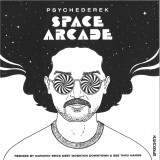
PSYCHEDEREK - COSMIC ARCADE

Psychederek

COSMIC ARCADE

12inchSMV004
SPERECHEN
27.08.2021

From the cosmos of Stretford on the outer realms of Manchester comes the kaleidoscope view of the world according to Psychederek and it's an explosive trip of shoe gaze soaked balearica.

Lead track Screamadereka heads straight into orbit from the get go with a stop off to thank the likes of The Cocteau Twins & Death In Vegas for their influence along the way. Huge drums, spaced out synths, warped guitars & a fully charged love in style vocal all wrapped up in a mushroom flavoured microdot with a pretty empowering finale.

I'm Alright steps up the ante a bit more and goes all Tomorrow Never Knows on us but with added warehouse acid squelch & rasps throbbing out from a beat that is broken (but not break beat!) whilst still retaining the psychedelic tendencies of its predecessor.

Sean Johnston steps off the ALFOS rocket ship and joins forces with Duncan Gray for their Hardway Bros Meet Monkton Disco Dub take of Screamadereka and the result is a hive of cosmic mutant disco brilliance whilst Manchester's finest 6 piece See Thru Hands turn I'm Alright into bombastic focused UKG style wig out duet complete with new vocal takes by DNCN for seriously wonky floors & like minded souls.


Includes beautiful insert artwork by Emma Evans

out of Stock

Order now and we will order the item for you at our supplier.

10,38

Last In: 4 years ago
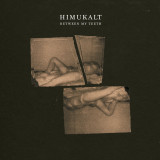
Himukalt - Between My Teeth

Dark, psychosexual electronics lurk between the teeth of Ester Kärkkäinen, the Las Vegas based artist also known as Himukalt. For the past six years, she has tirelessly pursued an avenue of bleak industrial productions that parallel the extremist works of Genocide Organ and Atrax Morgue. She has built a considerable reputation for uncompromising, full-frontal noise, releasing albums on Total Black, Malignant Records, Found Remains, and Foul Prey, amongst others. Between My Teeth was originally a cassette which came out in 2018 as a tiny edition on the Greek imprint Several Minor Promises and sold out immediately upon release. Himukalt returns to The Helen Scarsdale Agency with the necessary reissue of Between My Teeth as a vinyl edition with expanded artwork.

The album is a maelstrom of ill-tempered noise and blackened frequencies, sutured to a foundation of primitive, raw rhythms. Kärkkäinen cuts up her own voice with the digital equivalent of a rusted razor blade through her proclamations of misery, rage, and desire. The albums' opening track "Cataclysm" a turgid industrial production with Kärkkäinen adopting two distinct voices that, while they remain mostly indecipherable in content, the context presumes an inevitable, catastrophic and emotionally violent collapse in the relationship between two people. A tense rhythm clicks below the full spectrum bursts of harsh noise on "She Went Mad" followed by the smoldering power electronic moves of "I No Longer Belong" and "Not Proper." And the death disco groove of "Mine" is far more hellish than danceable through its scalded distortion and Kärkkäinen's vocal mantras about bodily self-loathing.

Another bold, declarative album in the ever impressive Himukalt discography. Remastered by James Plotkin and features a 12 page booklet of Kärkkäinen's signature collaged xerography.

pre-order now19.03.2021

expected to be published on 19.03.2021

17,61
Death Circuit - Teeparty am Waldbrand

Hey Existeers!
The new Pudel Produkte release has arrived!

This time, it’s more like a record for yellow press readers – due to the high celebrity density on the two tracks! First, there’s Richard Fearless. The guy has been on the “Mission Impossible” soundtrack and he was famous in New York and London as DEATH IN VEGAS. He composed the music on this record and recorded it together with the slackers of Circuit Diagram, which is why the project was aptly named DEATH CIRCUIT. That’s logical, that’s correct, excellent!

One track of theirs is called “Strom Dub”, and the full length of it has been pressed onto the A-Side of the record. It sounds like Synthesizer music usually sounds: Sexy and warm and cold. The tears of technology dripping onto your head for eight and a half minutes while the spirit of the 80s sneaks in through the back door.

Like the B-Side, this track is a grower, a slow creeper you’ll want to hear again and again. Ac-cording to science, this is just what the people need in these days of unhealthy acceleration. And yes, the B-Side: There’s the track “Teeparty am Waldbrand” which translates to “Tea Party at the Forest Fire”, and it features the fat-mouthed DAS BO and RALF KÖSTER. Trust us, it’s just as hard for native speakers to decipher what they’re saying, but we were assured there’s even a “political dimension” to the track, so I guess we’ll have to listen again. Soundwise it’s a beautifully clut-tered mess, a cold wave sprinkled with bizarre brittle that lures you out into nature.

Ah yes, Pudel Produkte – it’s still minority music from the planet of the apes for people that know where to go, and that is elsewhere than the others.

out of Stock

Order now and we will order the item for you at our supplier.

9,71

Last In: 5 years ago
Items per Page:
N/ABPM
Vinyl